A biohazard is a biological material or agent that can present a health risk. Human blood and certain other body fluids can carry bloodborne pathogens. Keep people away from an unknown or substantial spill, avoid touching sharps, and use trained, properly equipped professionals for cleanup.
What counts as a biohazard?
The word biohazard describes a potential biological health hazard; the precise definition and applicable handling rules depend on the material and setting. Examples can include blood or certain body fluids, contaminated sharps, infectious laboratory material and other biological contamination. Not every substance has the same risks or disposal classification.
Human blood can carry pathogens such as hepatitis B, hepatitis C and HIV. Appearance does not reveal whether it is infectious. California’s universal-precautions approach treats human blood and certain body fluids as potentially infectious in covered occupational settings.
First protect people and secure the area
If someone is injured, call emergency services when needed and follow dispatcher instructions. Keep others, especially children and pets, away from the spill. Do not touch unknown needles or broken glass, and do not walk through or disturb material that may be contaminated.
A workplace should notify the responsible supervisor and follow its exposure-control procedures. At a home or property, arrange trained help for a substantial spill, unknown contamination, porous materials or any situation you cannot assess safely. Do not enter an area restricted by police or responders.
What qualified cleanup involves
The appropriate response depends on the material, quantity, location, surface, potential sharps and applicable requirements. A qualified provider evaluates the hazards, limits access, selects suitable protective equipment, removes contamination using an appropriate method and cleans or disinfects affected surfaces when indicated.
Porous materials can retain contamination and may need different handling from hard surfaces. A product’s label determines where and how it can be used, the organisms covered and the required contact time. A general article cannot prescribe a single dilution or disposal method for every situation.
If exposure occurs
A puncture or contact with blood on broken skin, eyes or mucous membranes can require prompt medical evaluation. Follow emergency or workplace exposure procedures and contact a healthcare professional promptly; an individual risk assessment and any treatment are time-sensitive.
Employees should report a possible occupational exposure through their employer’s procedure immediately. Do not delay care while trying to identify a source or calculate risk yourself. The treating professional determines the appropriate evaluation and follow-up.
Workplace obligations in California
California’s bloodborne pathogens standard, 8 CCR 5193, applies to occupational exposure as defined in that rule and includes requirements such as an exposure-control plan, protective measures, training and post-exposure procedures when applicable. The standard contains an exception for the construction industry.
That exception does not remove all employer duties: Cal/OSHA explains that other safety requirements still require construction employers to protect workers who may face bloodborne hazards. The actual work and applicable rules should be evaluated for the specific employer and task.
Choosing and documenting professional service
Ask a provider about relevant training, protective equipment, the treatment plan for affected surfaces, waste handling and any required insurance or credentials. Get a written scope, limitations and an estimate; do not accept a blanket promise that every possible organism can be detected or eliminated.
If the incident involves a rental, workplace, insurer or crime scene, coordinate access and documentation with the responsible parties. Take photographs only when permitted and safe, and protect personal privacy. Cleanup and repair may be separate scopes.
Professional sequence, equipment and responsibility
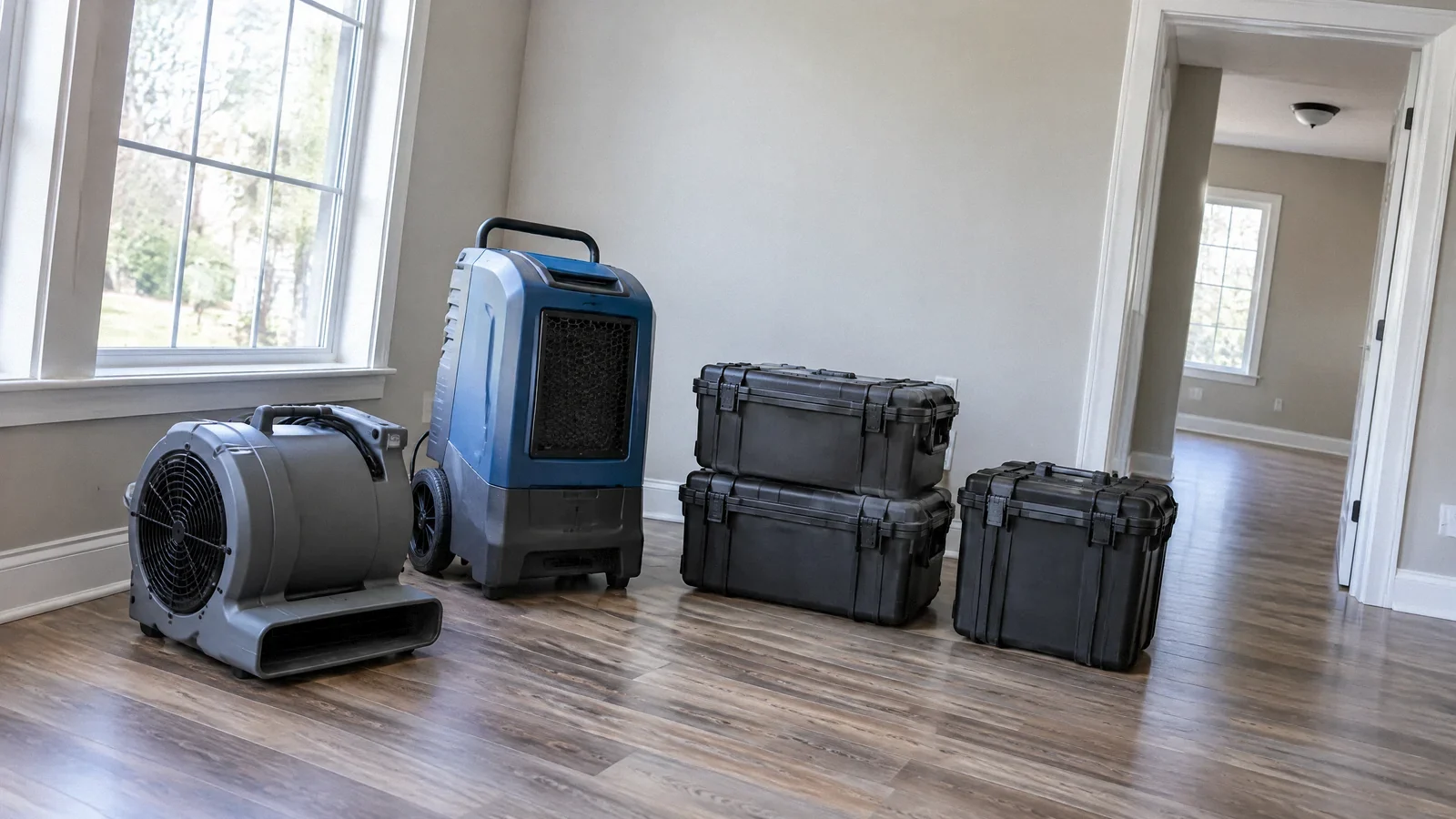
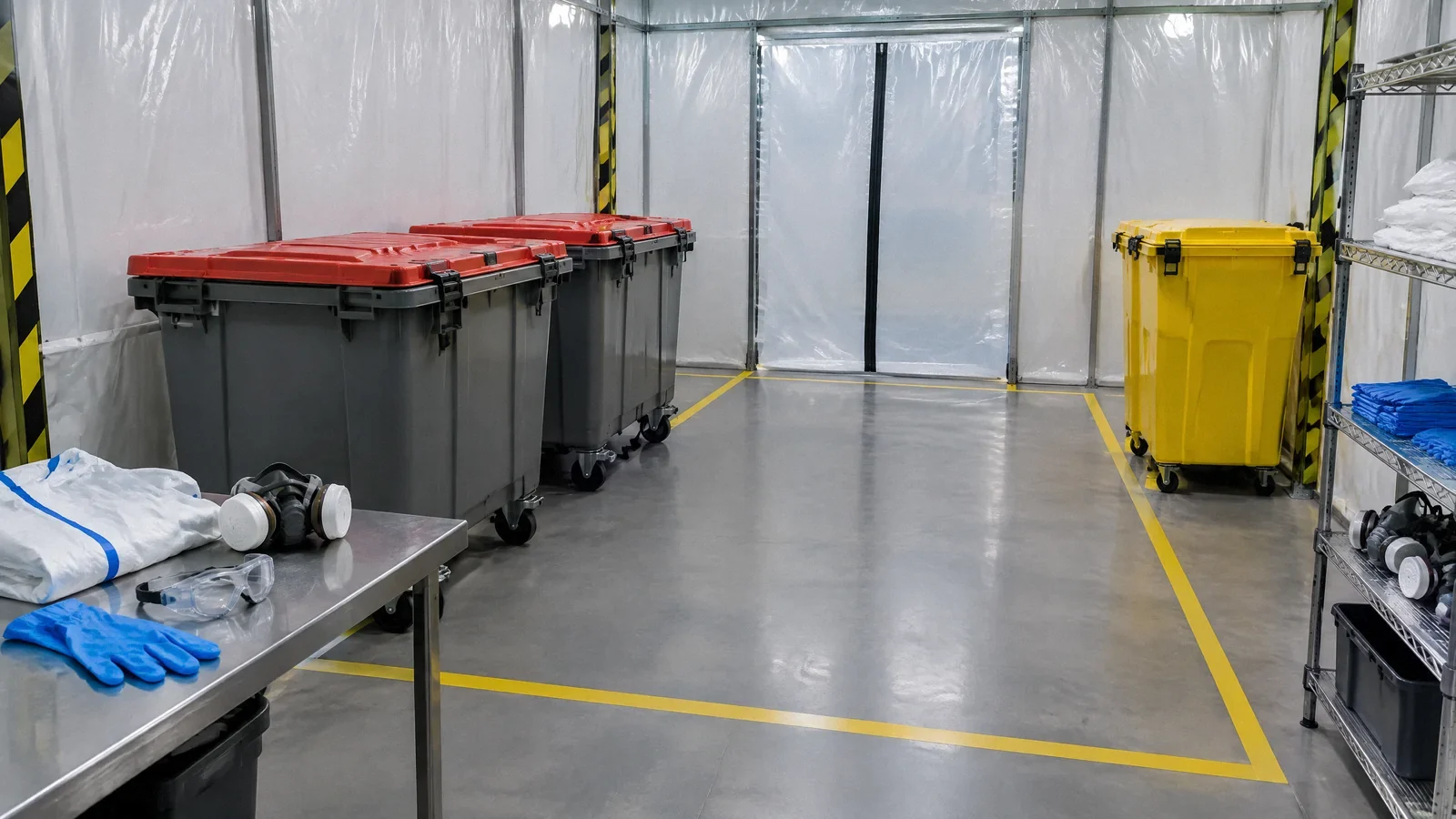
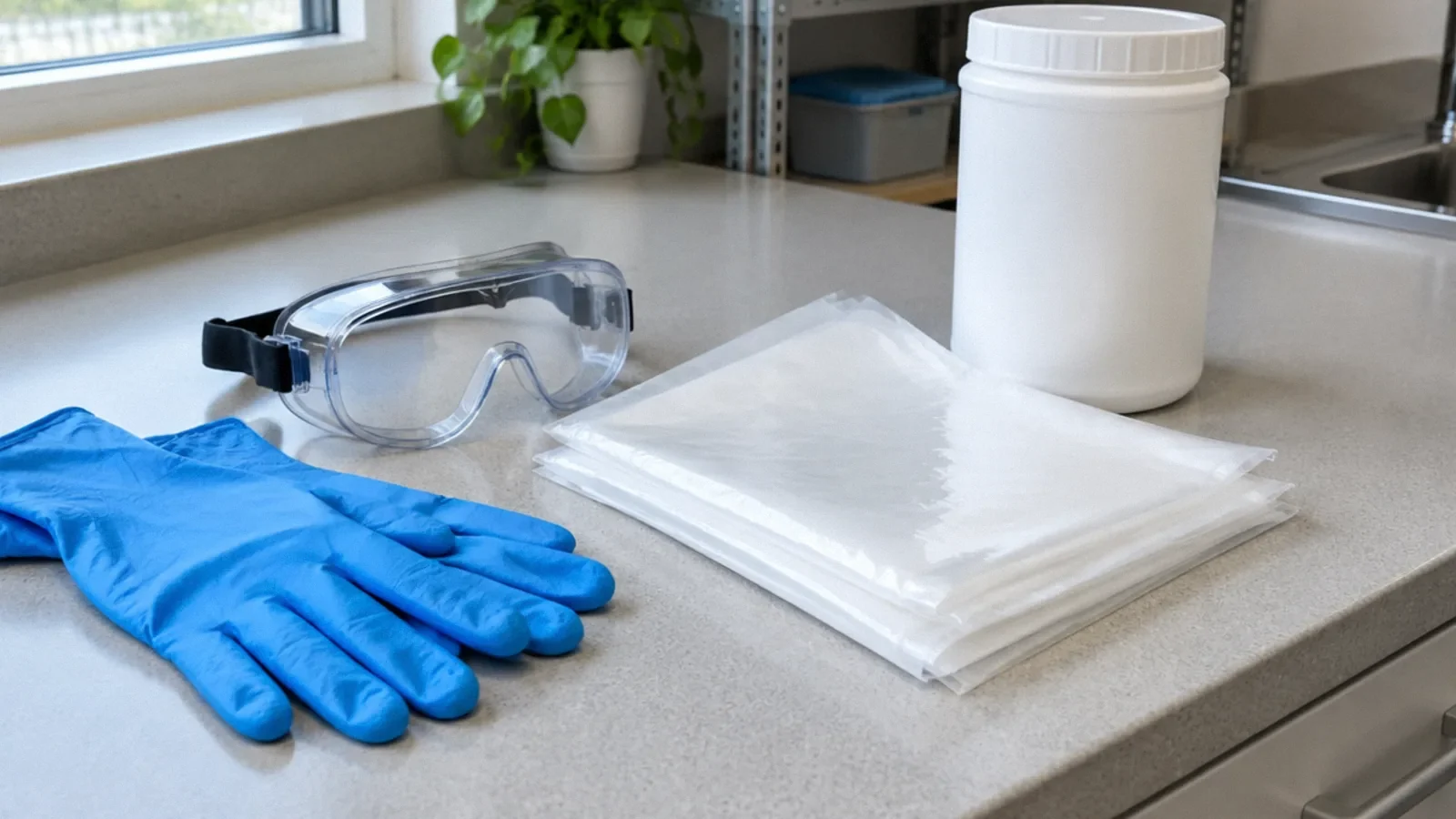
After emergency responders release the area, a qualified team restricts access, identifies the contaminant and exposure routes, and selects controls and protective equipment appropriate to the hazards. Their plan can include barriers, gloves and eye protection, tools that avoid hand contact with sharps, and puncture-resistant or other appropriate waste containers. A minor household incident and a large unknown contamination do not call for the same response.
The team removes contaminated material as appropriate, cleans before using a disinfectant appropriate to the surface and contaminant, and follows its label including contact time. Disposal and transport requirements depend on waste and local rules. The final review records treated areas, removed materials, limitations and any remaining work; a visual inspection or routine cleaning does not establish sterility.
The owner, property manager, employer or insurer may arrange service depending on the setting. Emergency response does not automatically include restoration. Ask who has authority to release the site, who will contract and pay, and whether the policy covers the loss and deductible. Obtain a written scope and check local obligations rather than assuming one party always pays.
Your next-step checklist
- Protect an injured person and call emergency services when needed.
- Keep others away from unknown contamination.
- Do not touch sharps or enter a restricted scene.
- Report exposure and seek prompt medical evaluation.
- Use trained providers and follow applicable disposal rules.
Related questions
Is blood a biohazard?
Human blood can carry bloodborne pathogens and should be treated as potentially infectious under applicable precautions.
Can I pick up a contaminated needle with gloves?
Do not handle an unknown needle by hand. Keep others away and contact trained personnel for appropriate collection and disposal.
Does every biohazard require the same disinfectant?
No. The material, surface, organisms and setting matter; follow the specific product label and applicable procedures.
Do California workplace rules cover construction?
California’s section 5193 has a construction-industry exception, but Cal/OSHA says other requirements still obligate employers to protect exposed construction workers.
Who cleans a crime scene?
After law enforcement releases the scene, a trained biohazard cleanup provider may assess and clean affected areas. Police investigate the incident; cleanup arrangements and responsibilities depend on the property and circumstances.
What equipment is used for biohazard cleanup?
The equipment and protective measures depend on the material, exposure and setting. Trained providers may use appropriate protective clothing, containment and approved tools or waste containers; a generic list does not establish a safe procedure for every hazard.
Is mold considered a biohazard?
Mold is biological material that can present health concerns, but the appropriate precautions and regulatory classification depend on the situation. Mold cleanup and bloodborne-pathogen cleanup are not interchangeable; identify the hazard and use a suitable plan.
Sources & context
Public guidance supports the principles in this article. The practical questions and examples are editorial interpretation, not a site assessment or a coverage decision. State-specific rules apply only where identified.
- California Code of Regulations: Bloodborne pathogens, section 5193California regulation
- Cal/OSHA: Bloodborne pathogen frequently asked questionsCalifornia occupational safety guidance
- CDC: Environmental cleaning proceduresfederal healthcare guidance
- OSHA: Bloodborne pathogen worker protectionsfederal occupational safety guidance
- Public safety and technical guidanceofficial guidance
- Public safety and technical guidanceofficial guidance