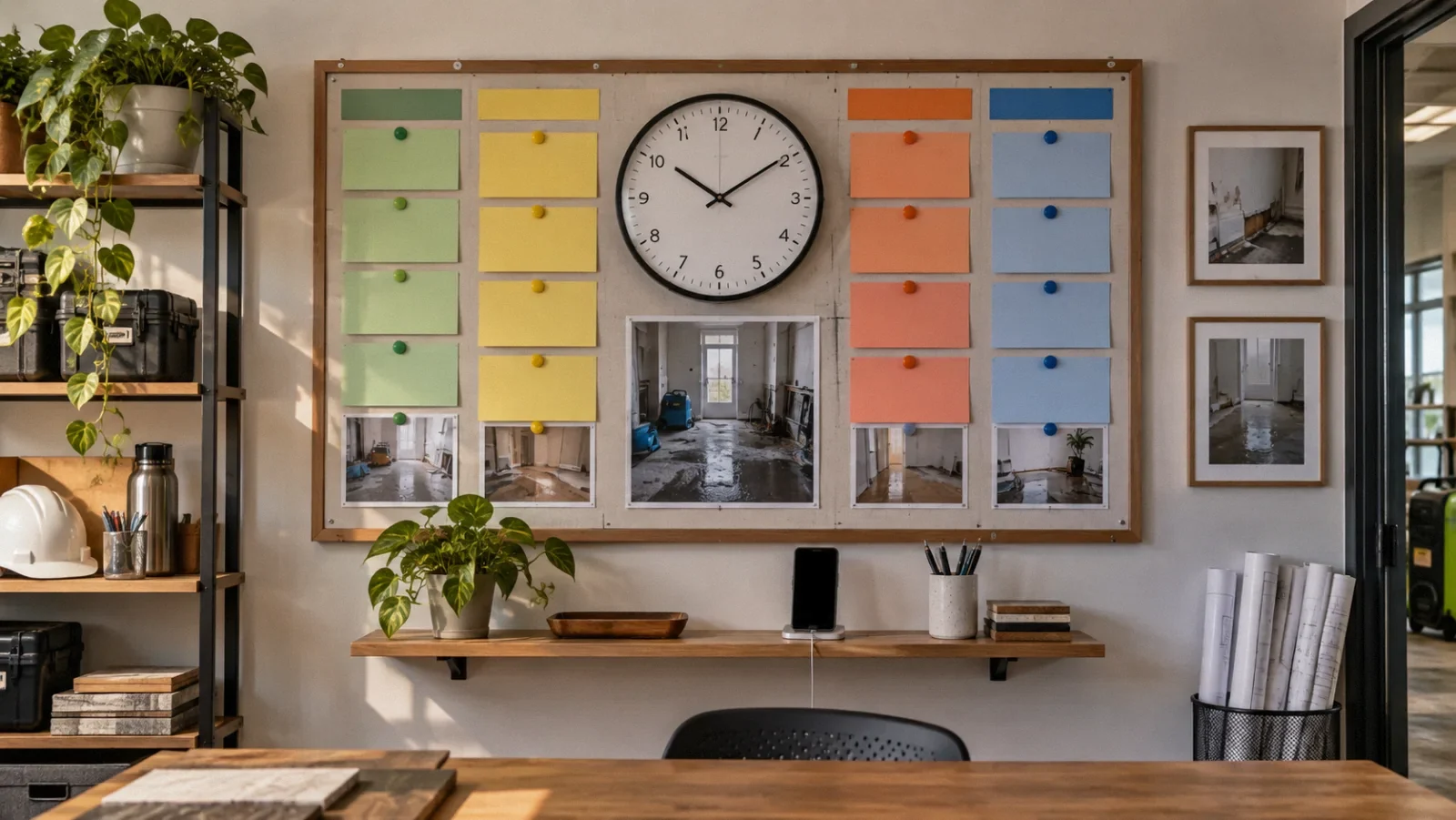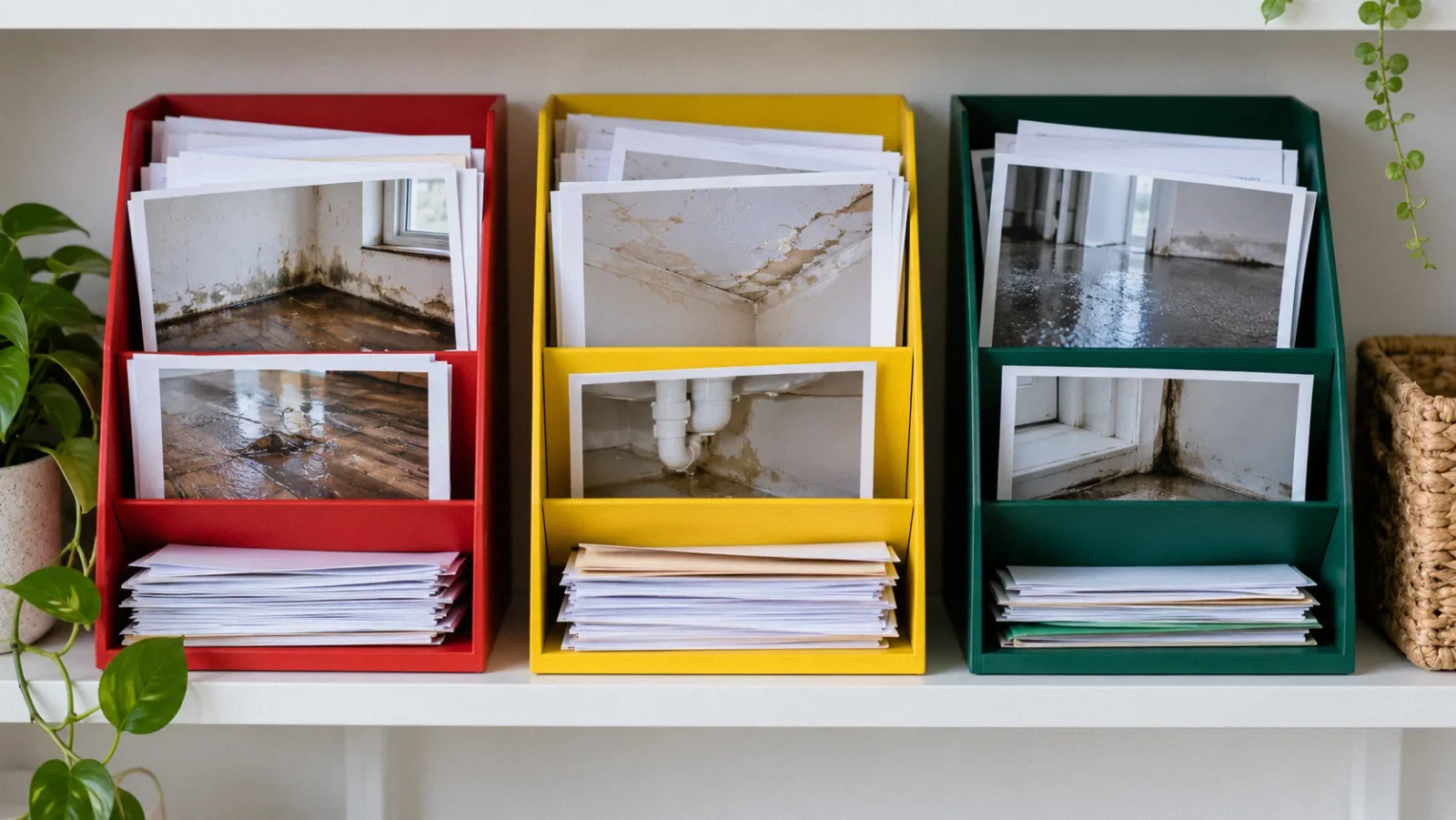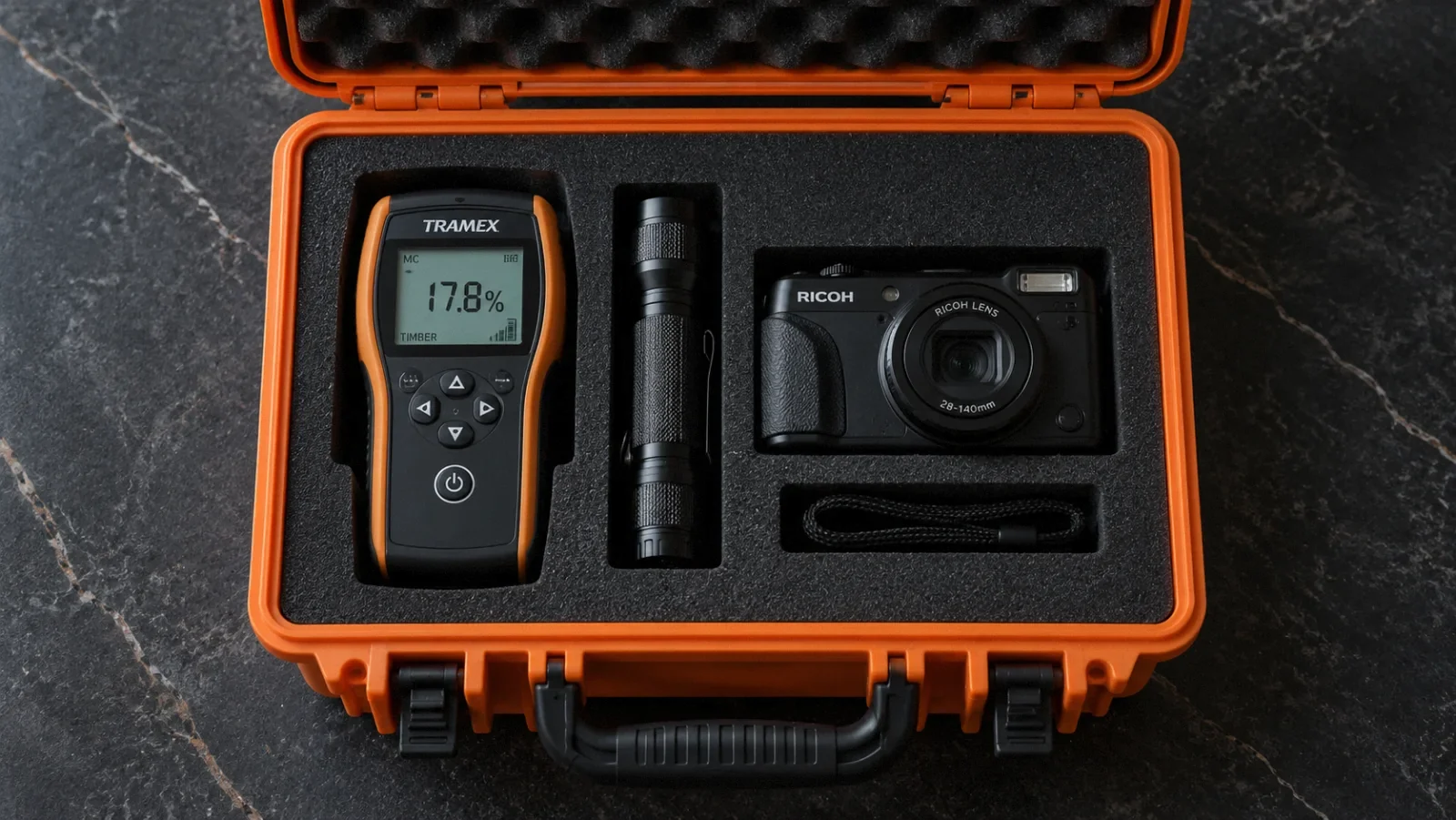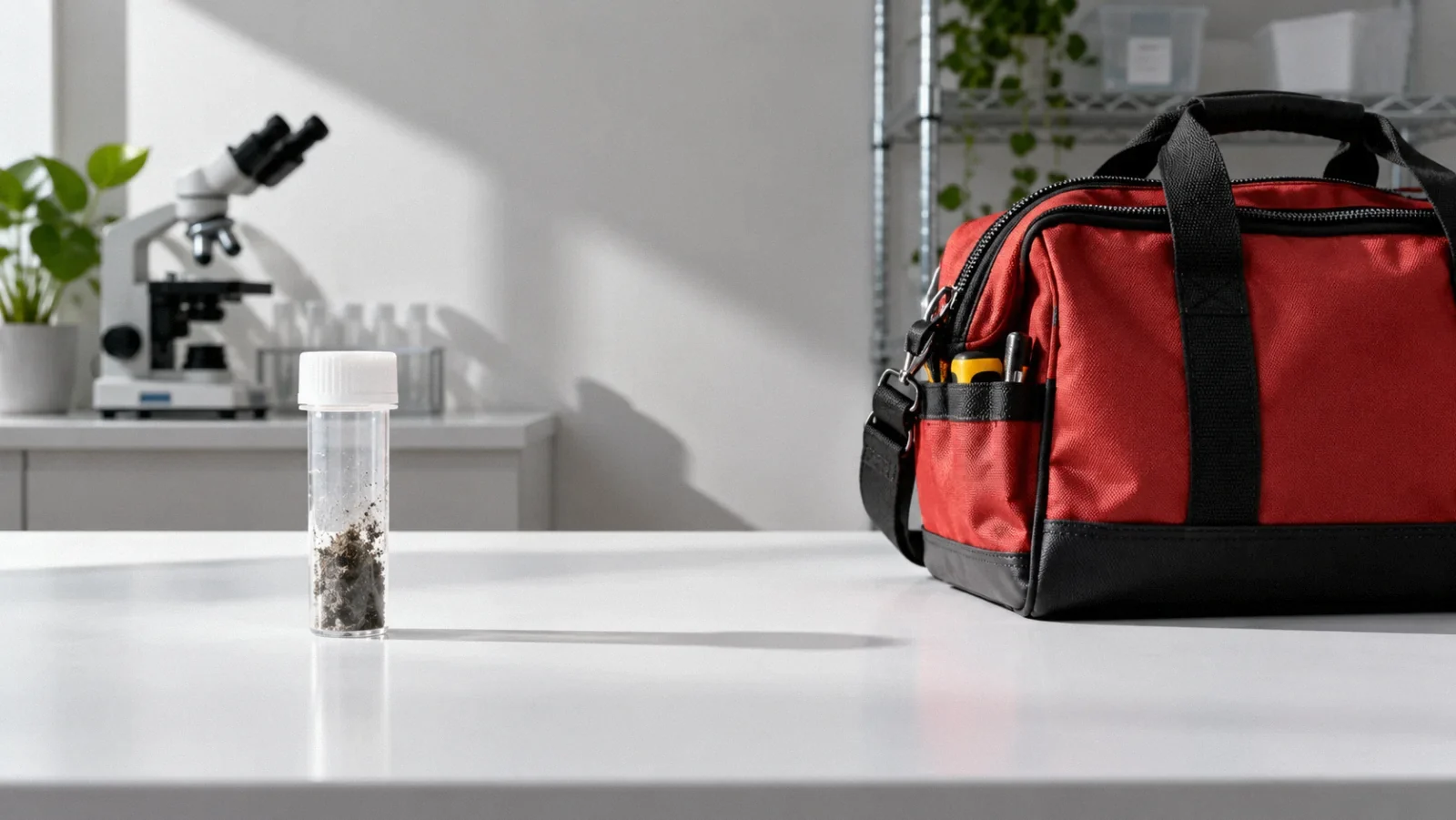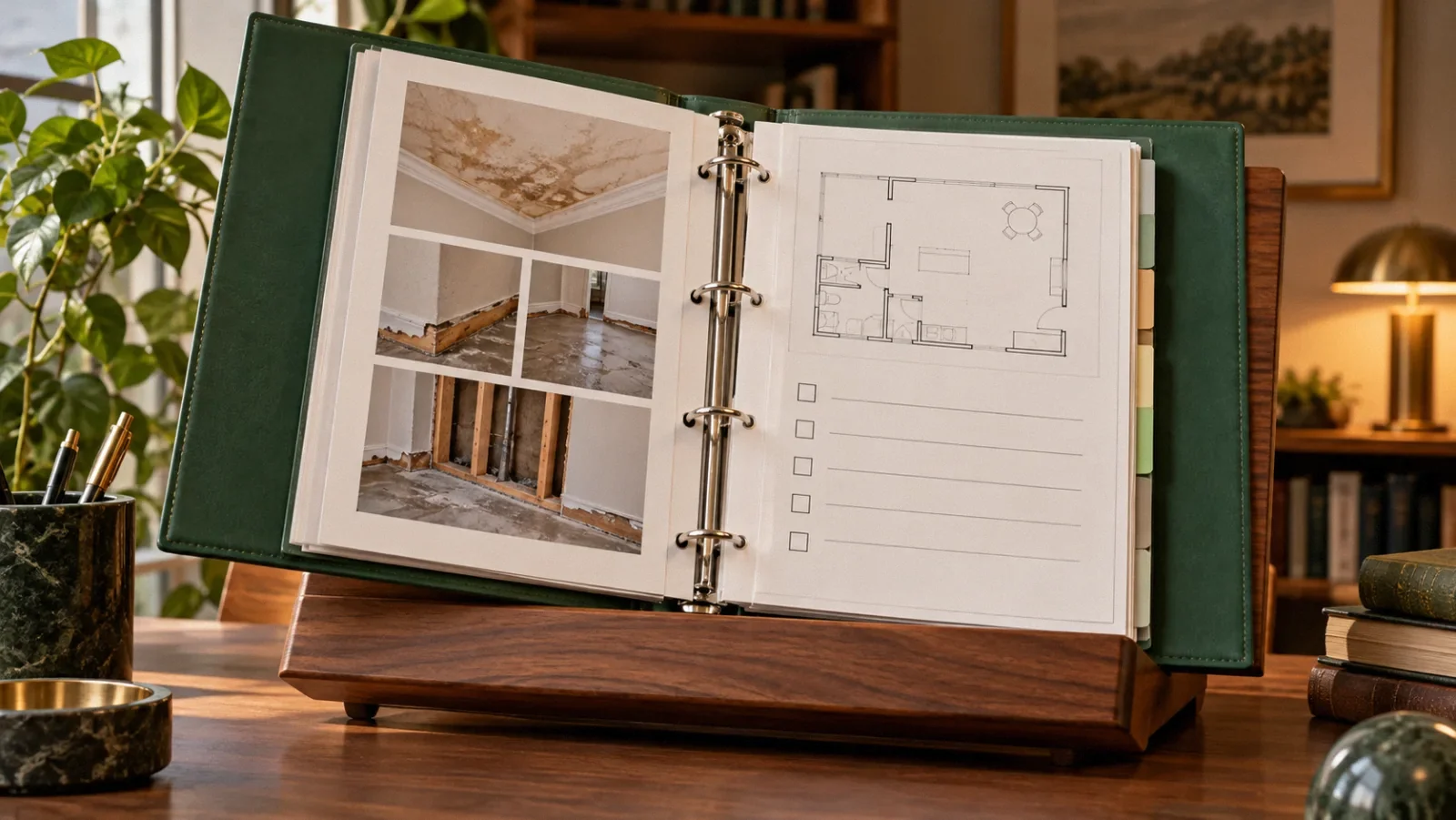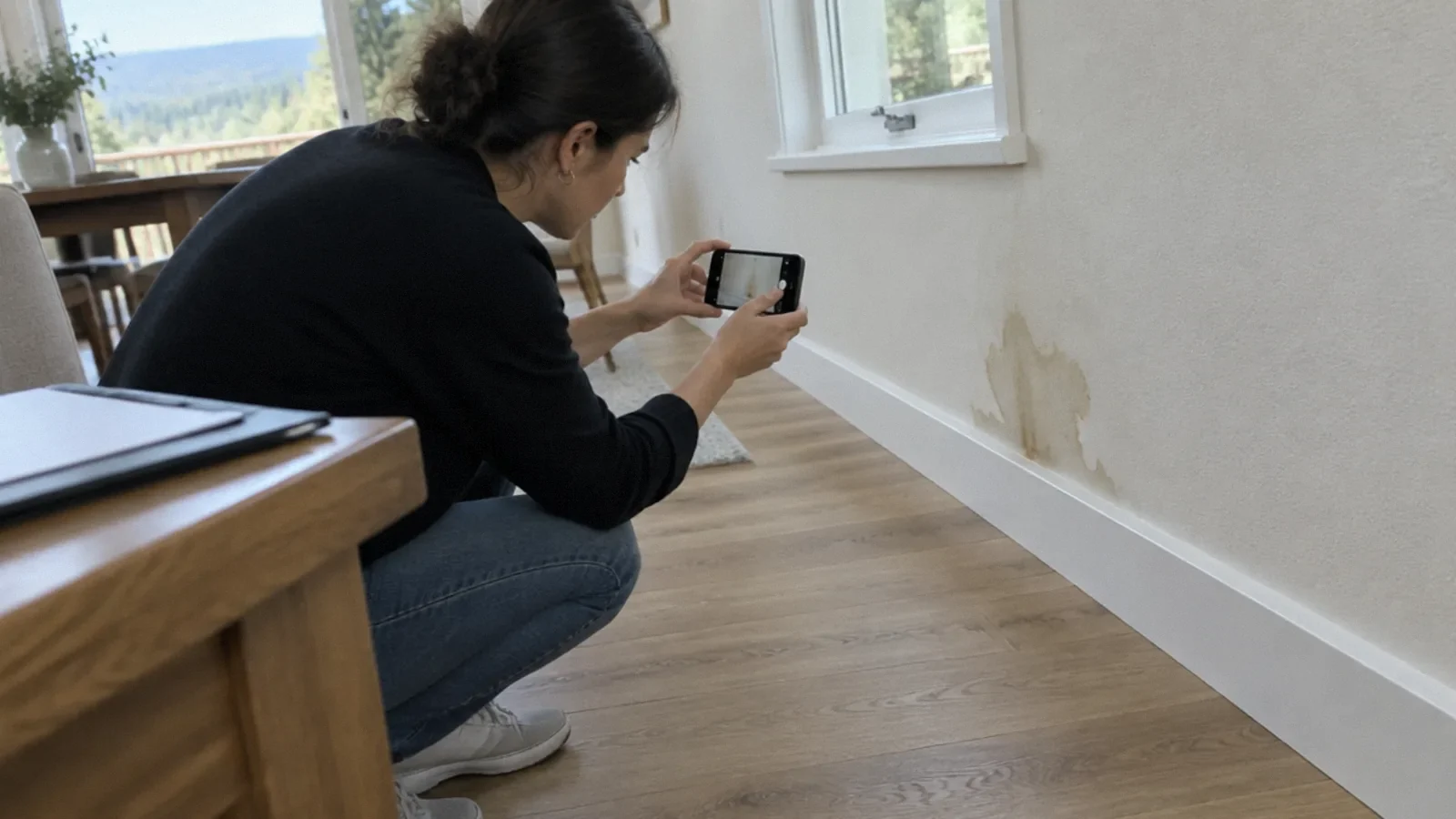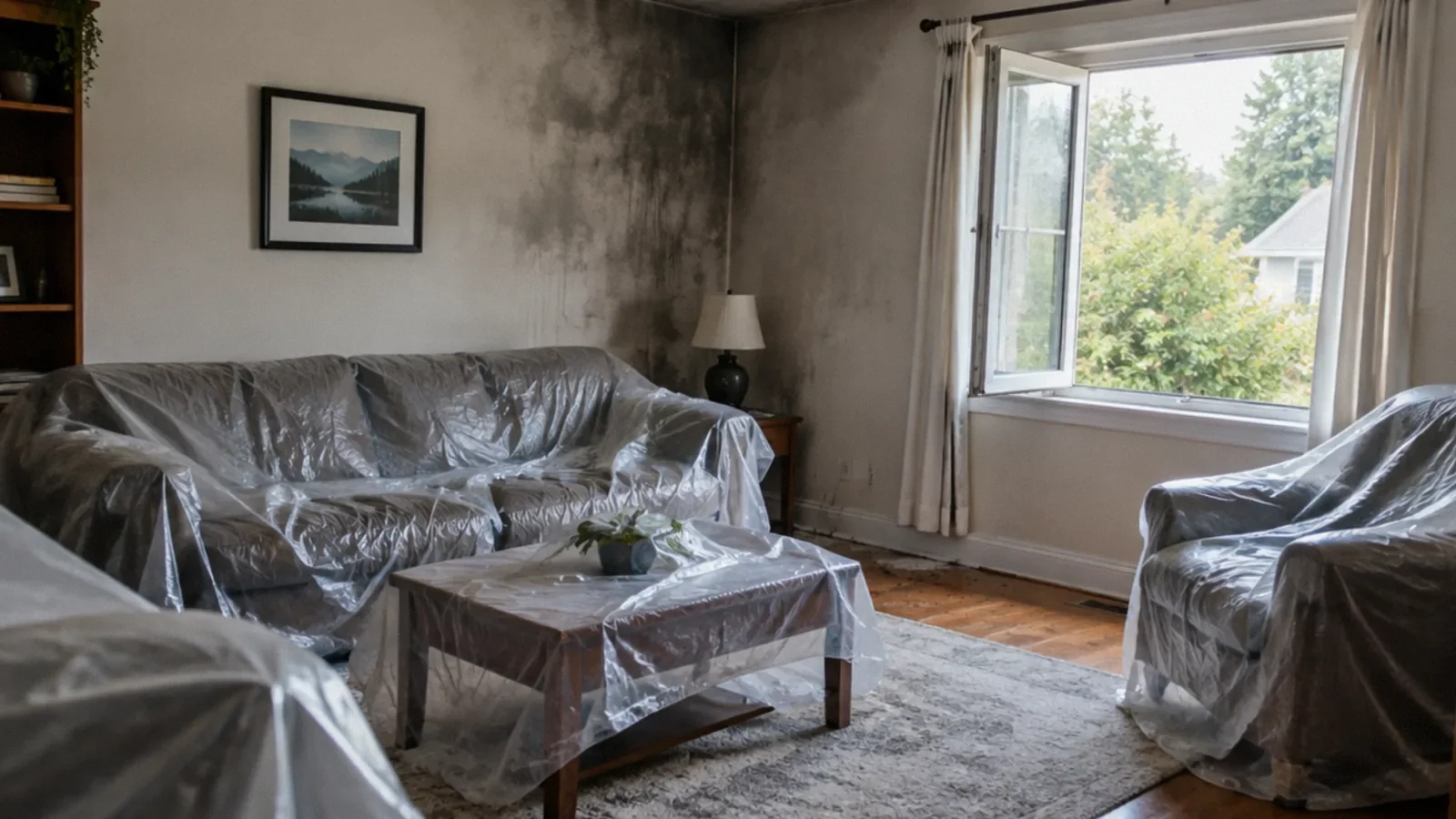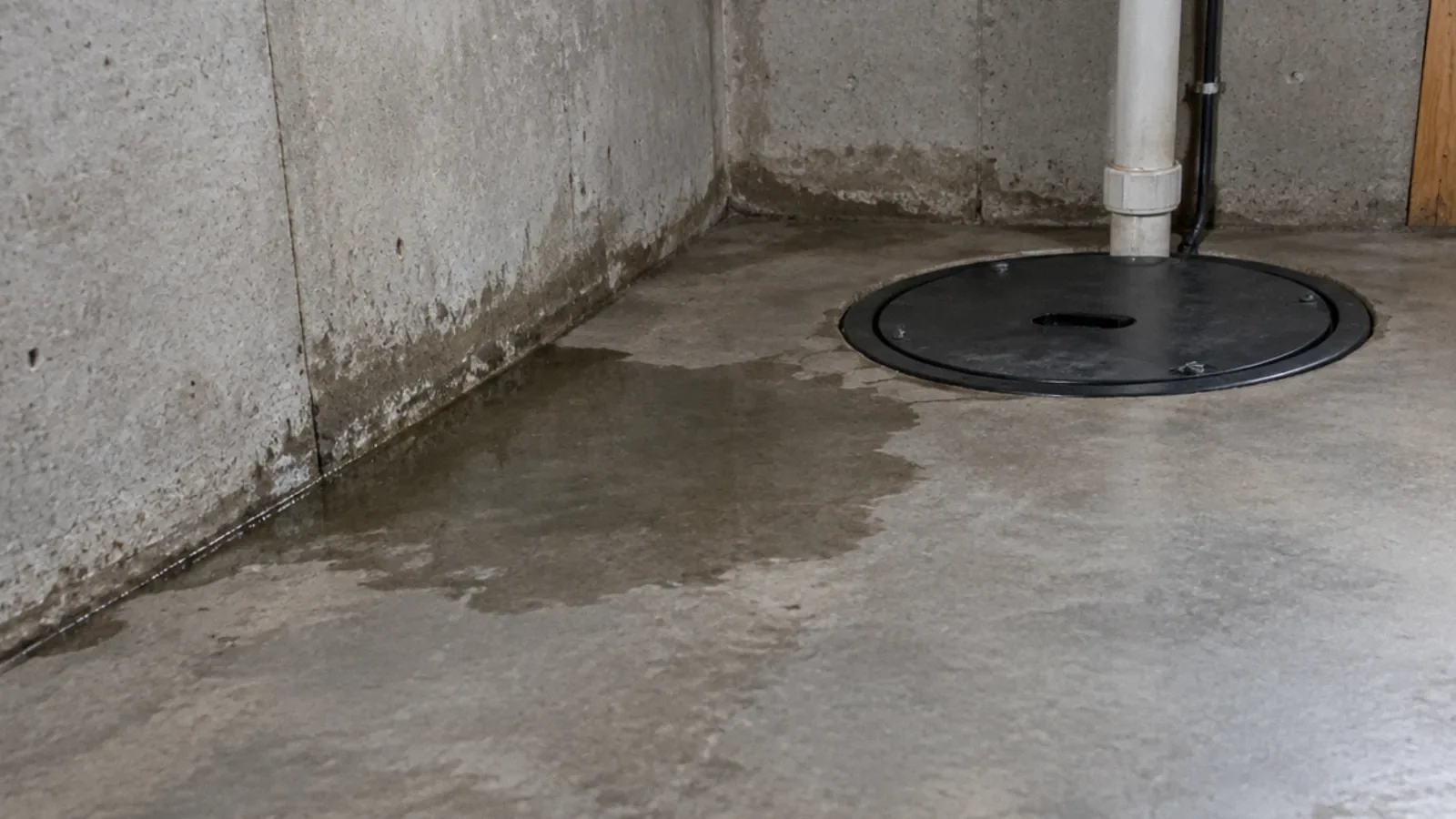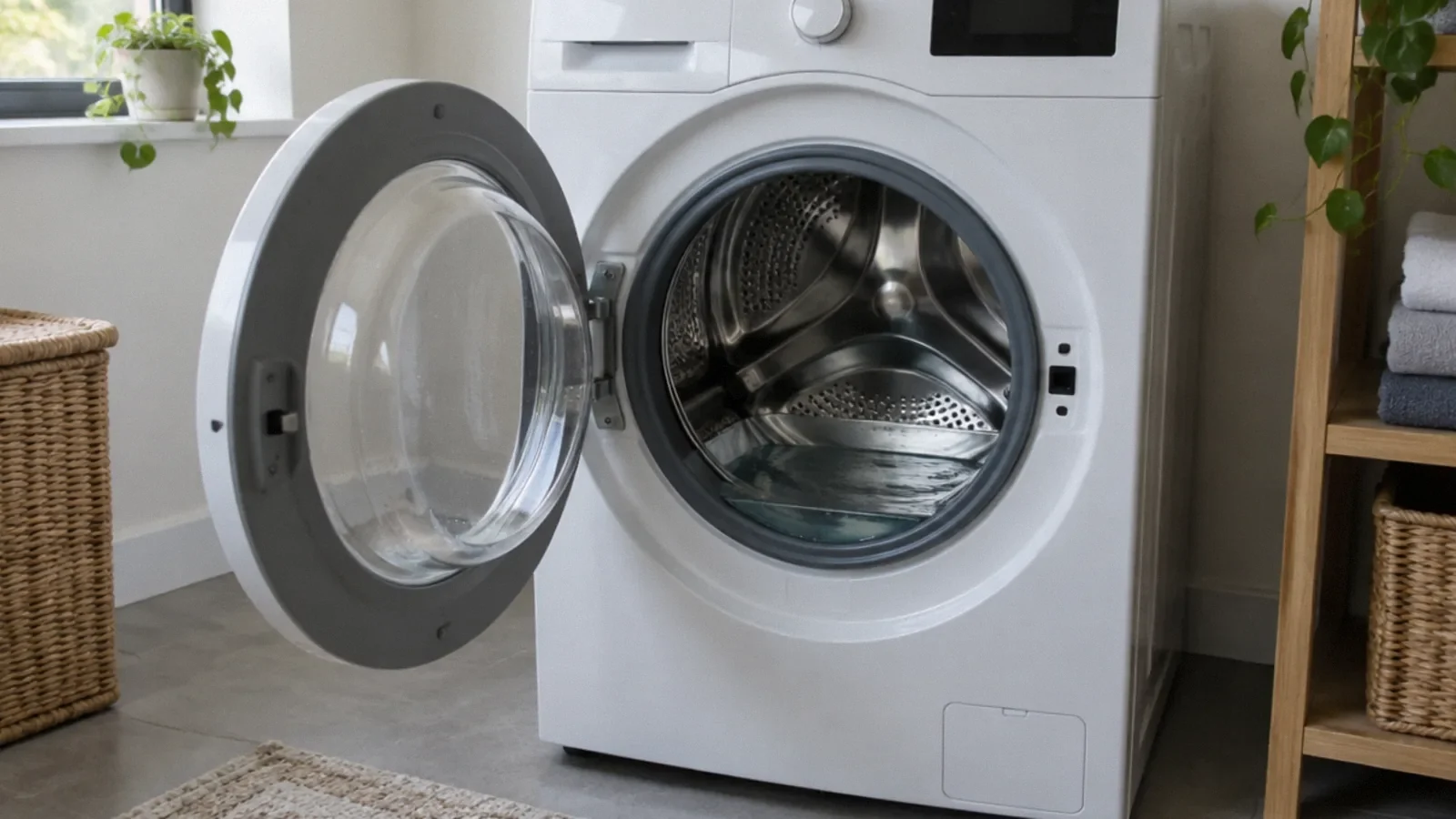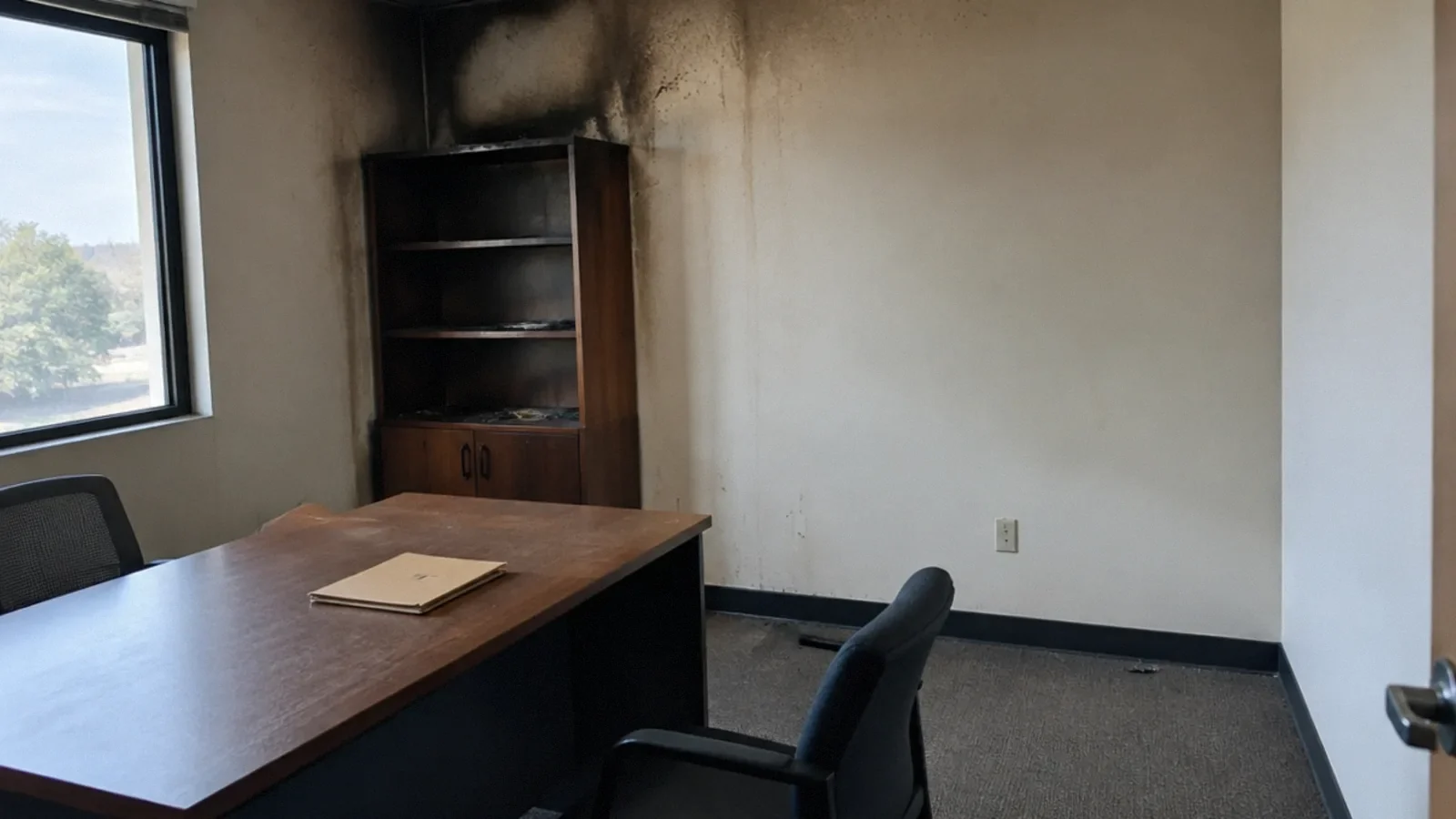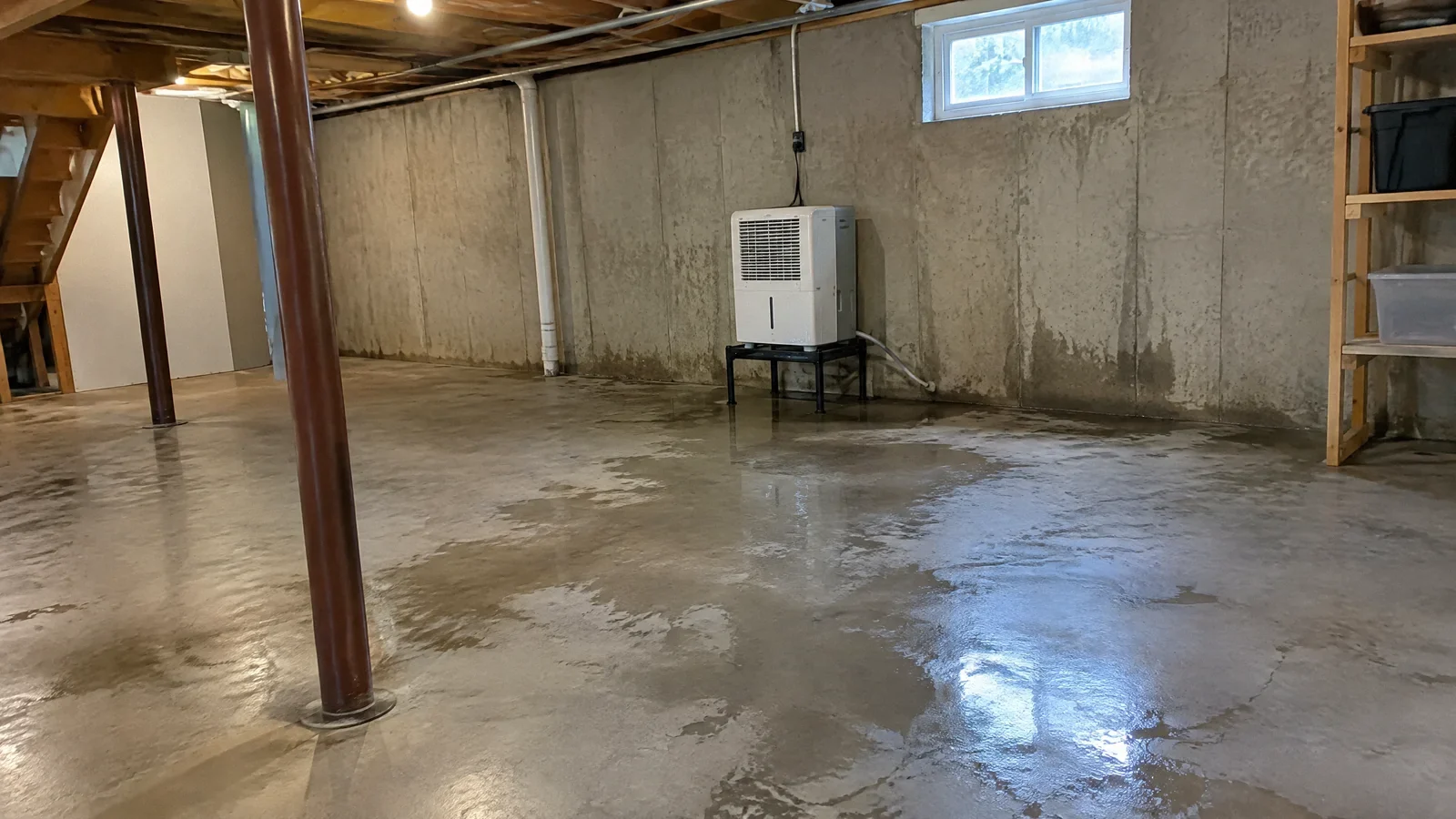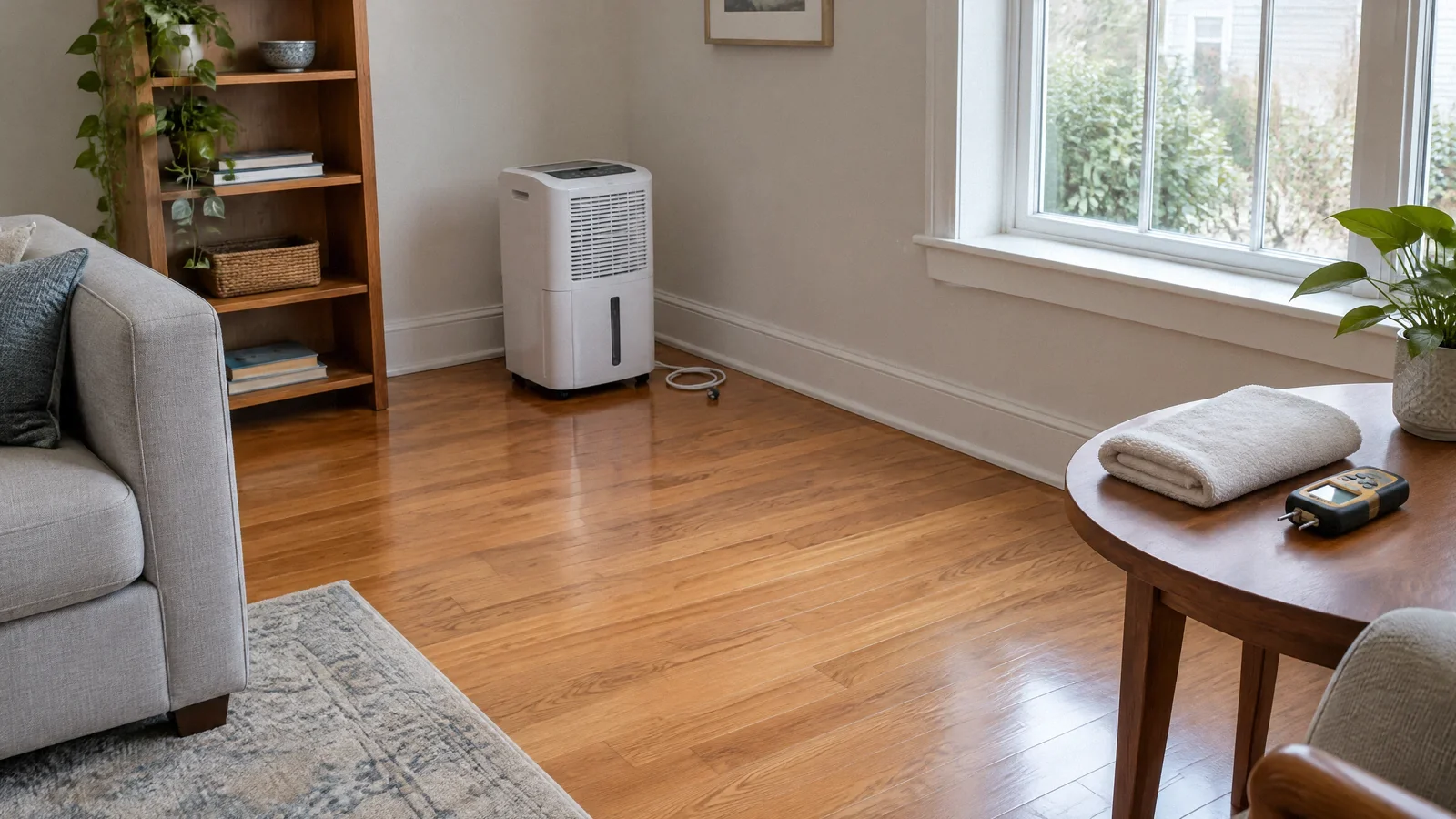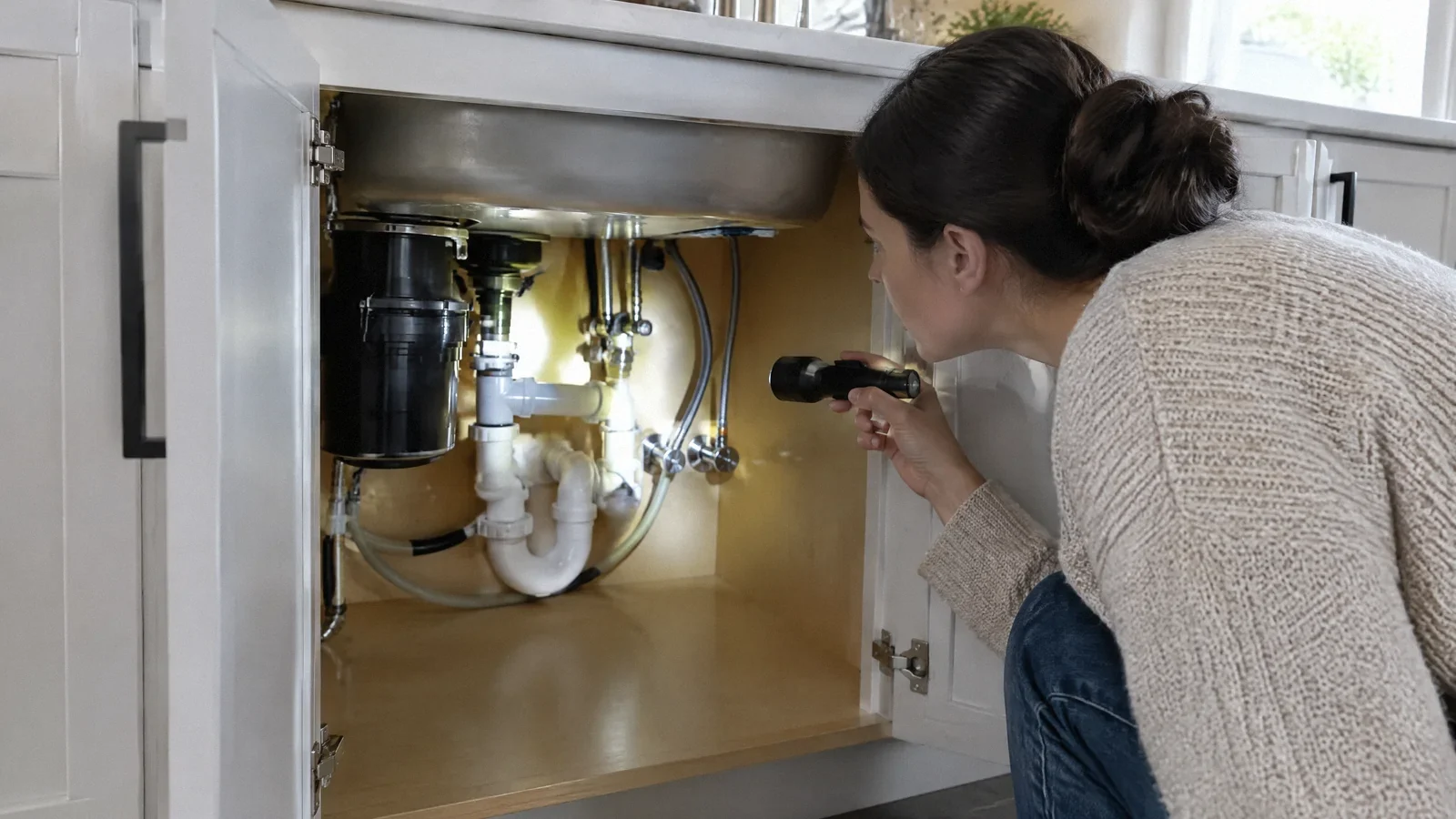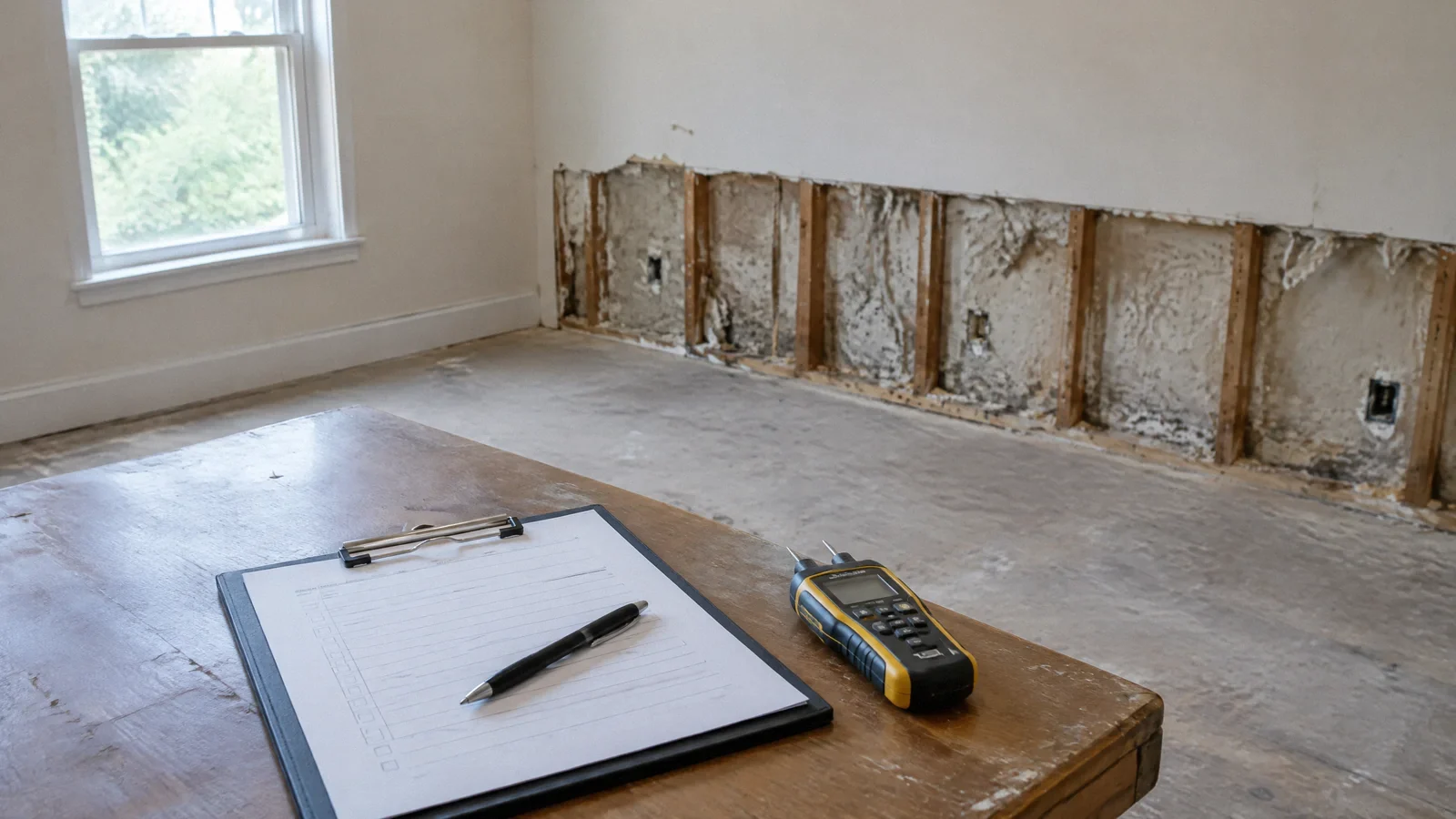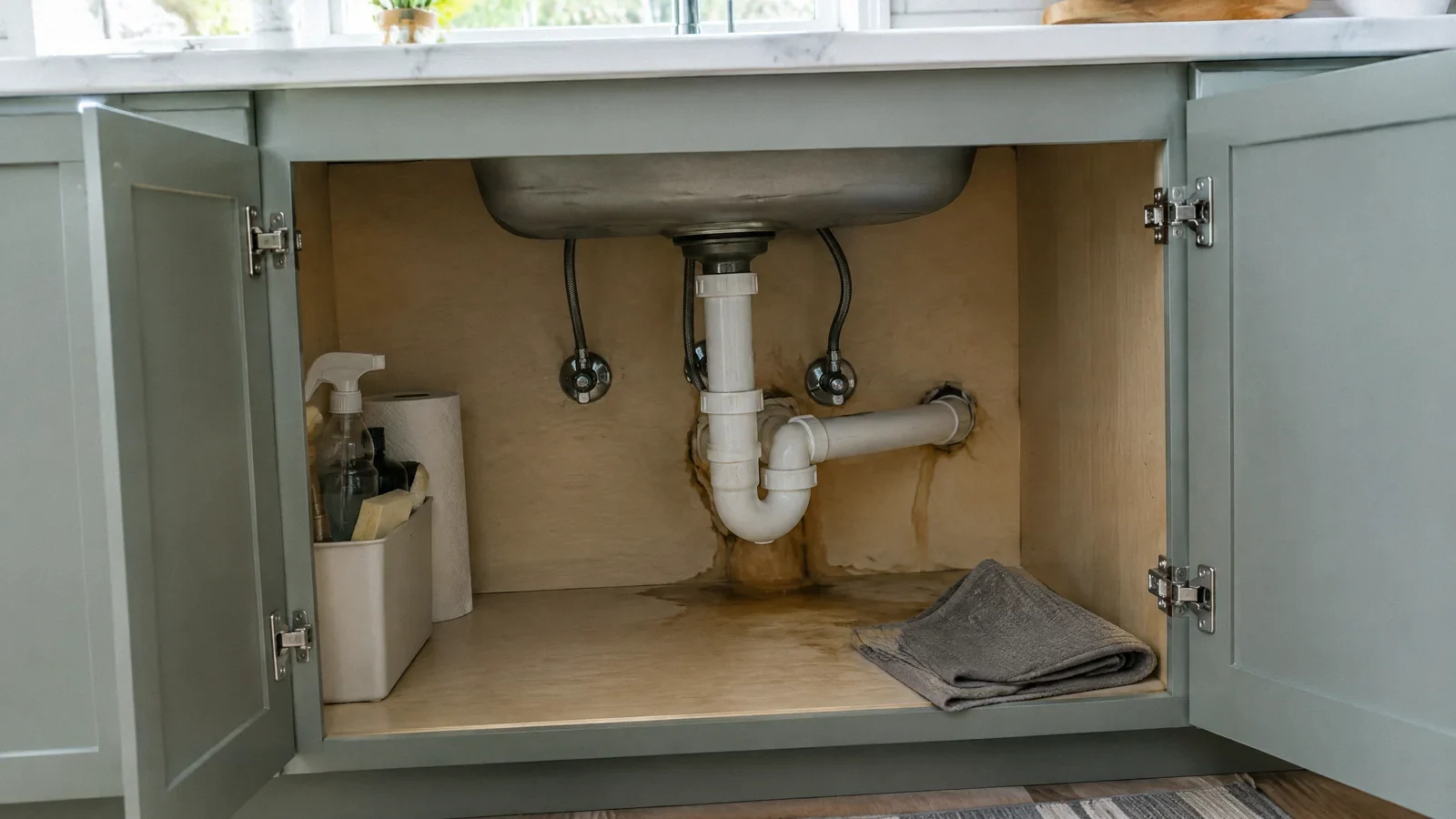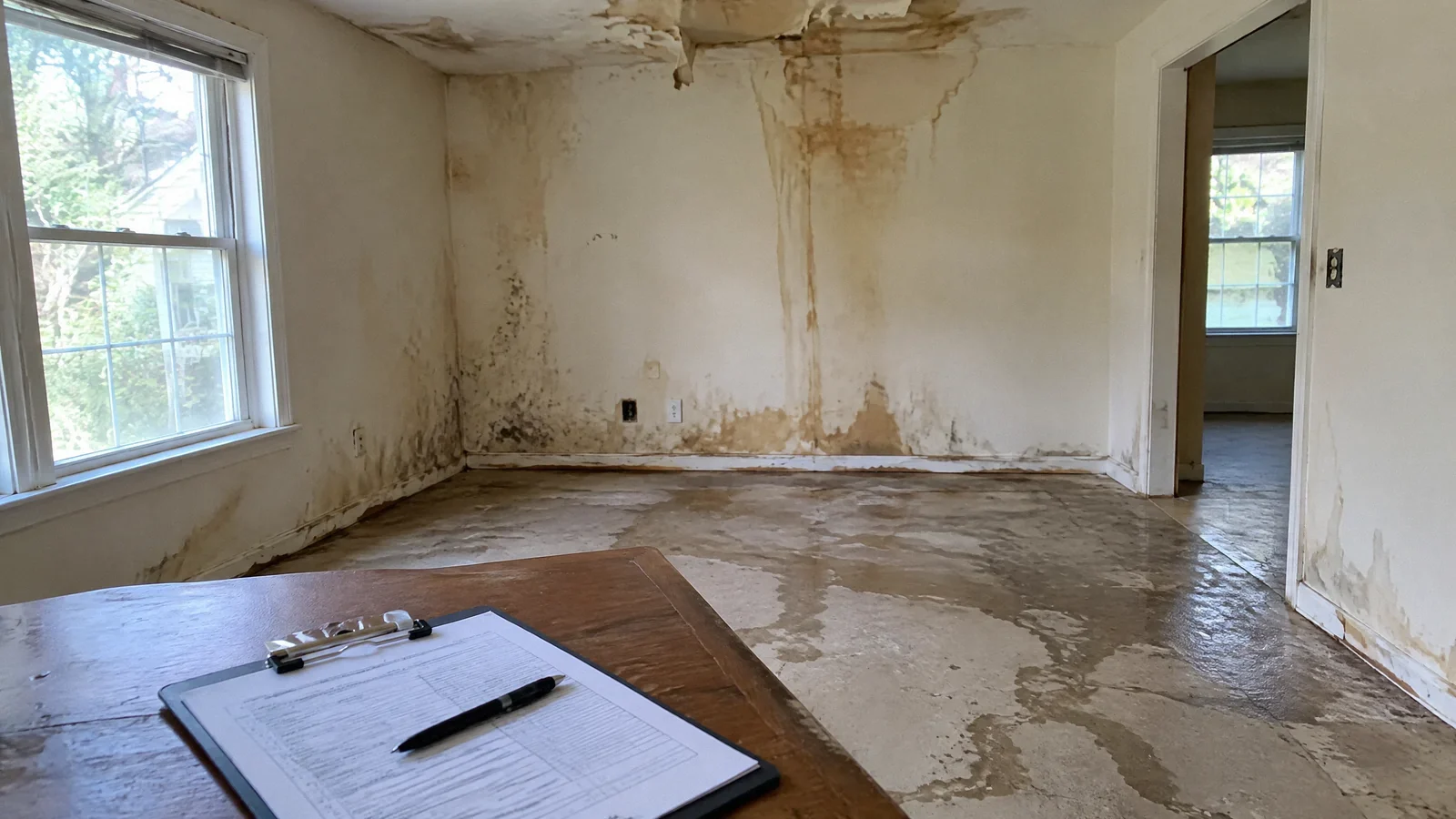
Water Damage in the First 24 Hours: A Practical Triage Plan
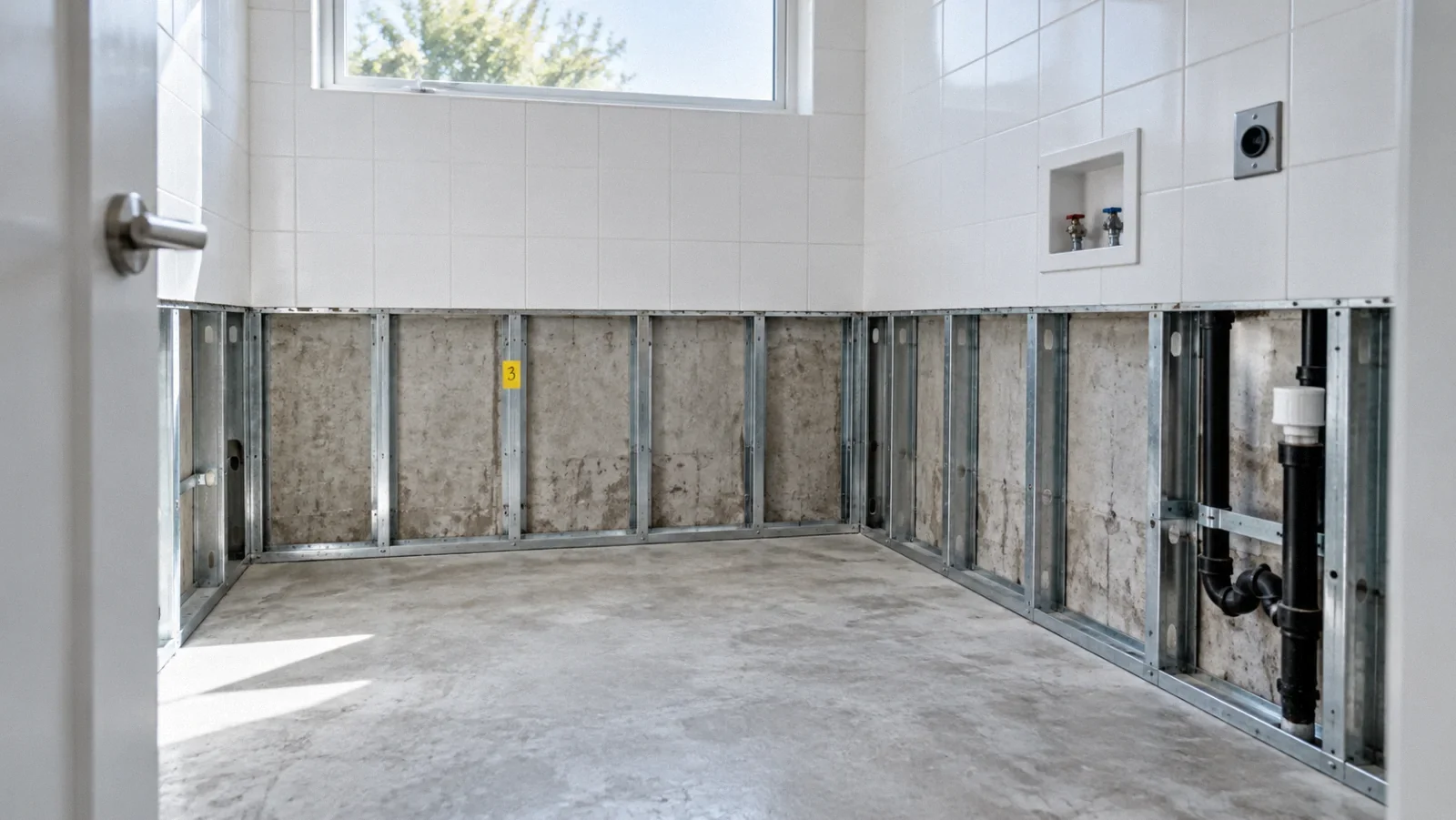
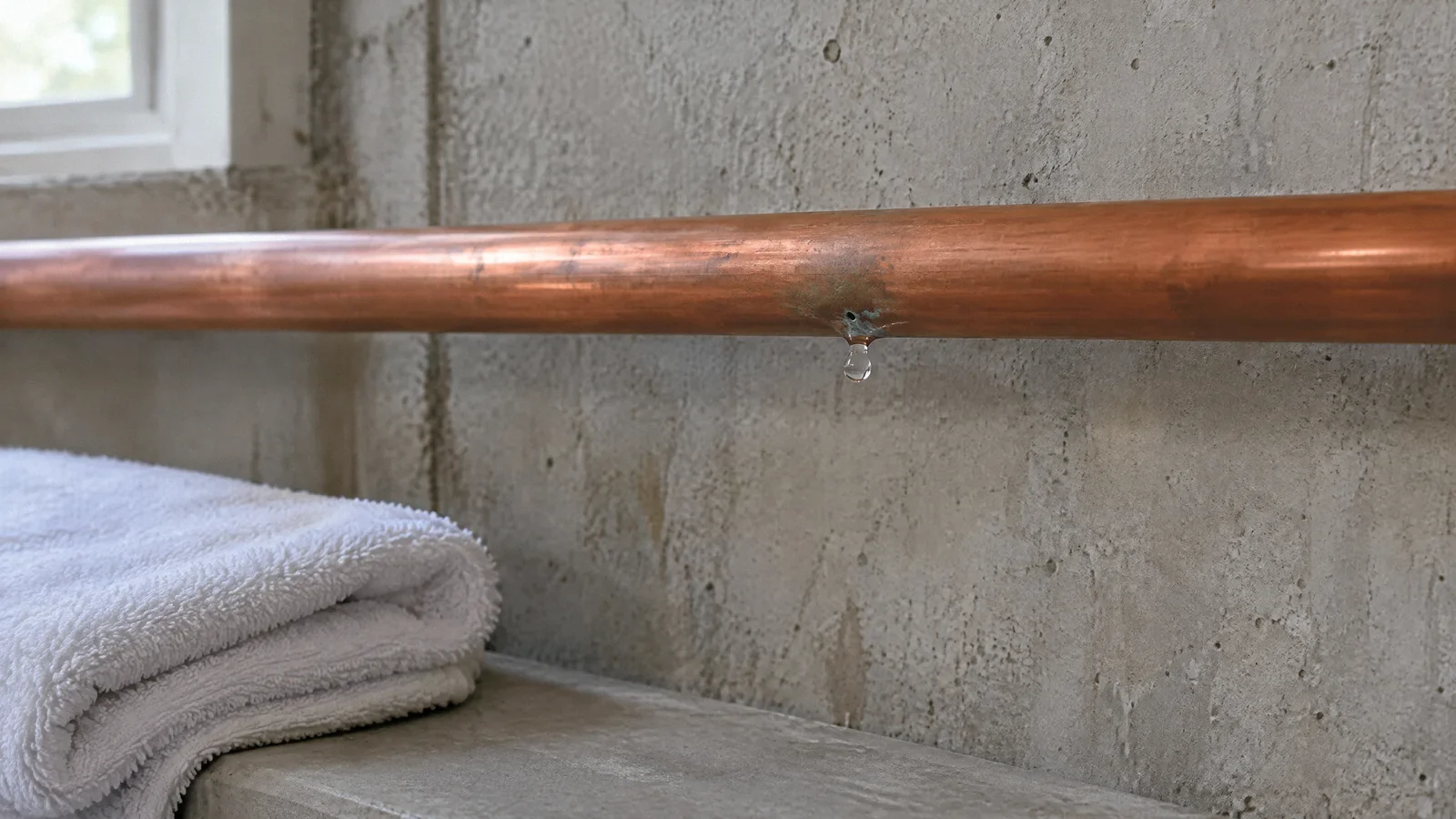
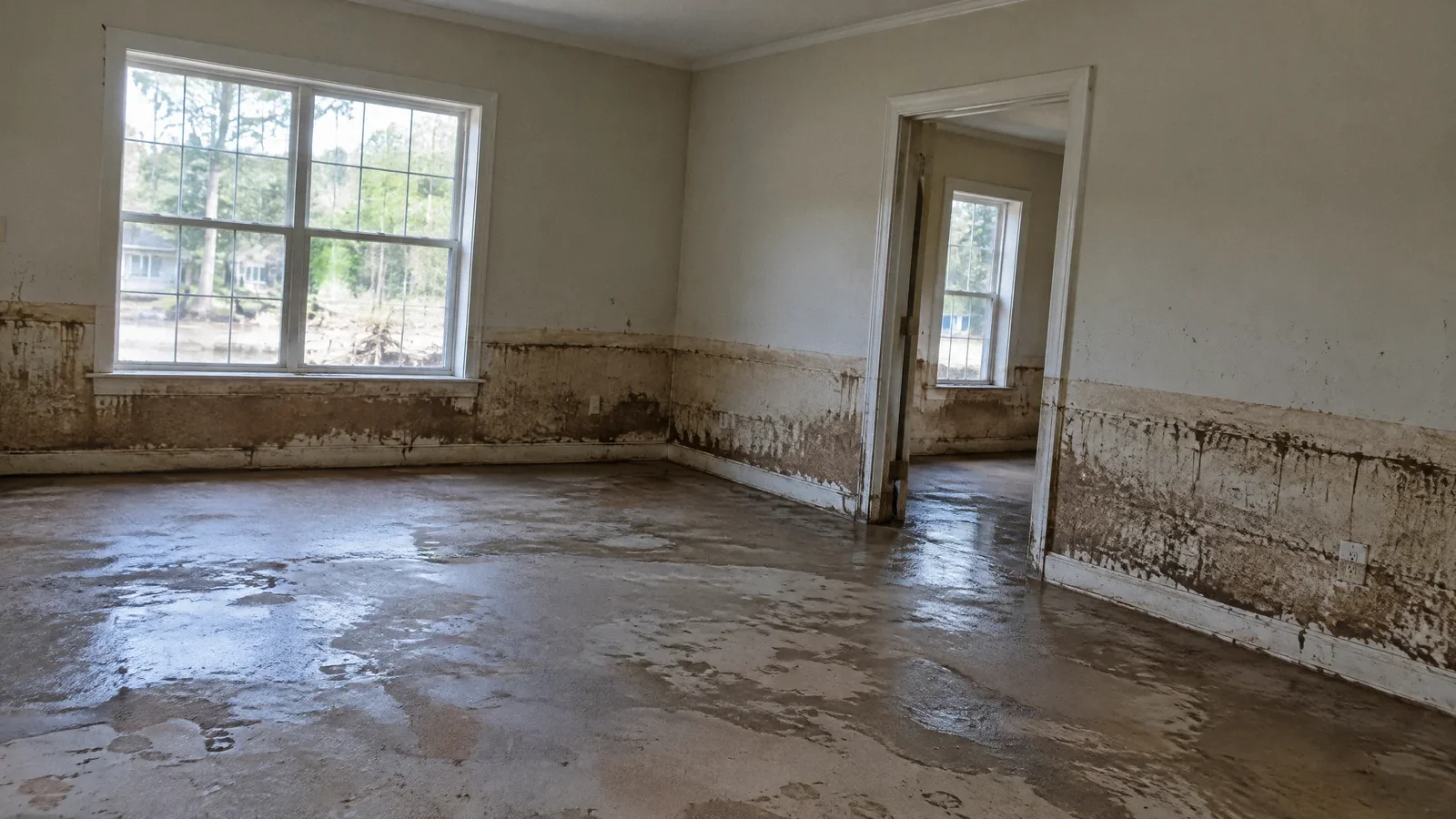
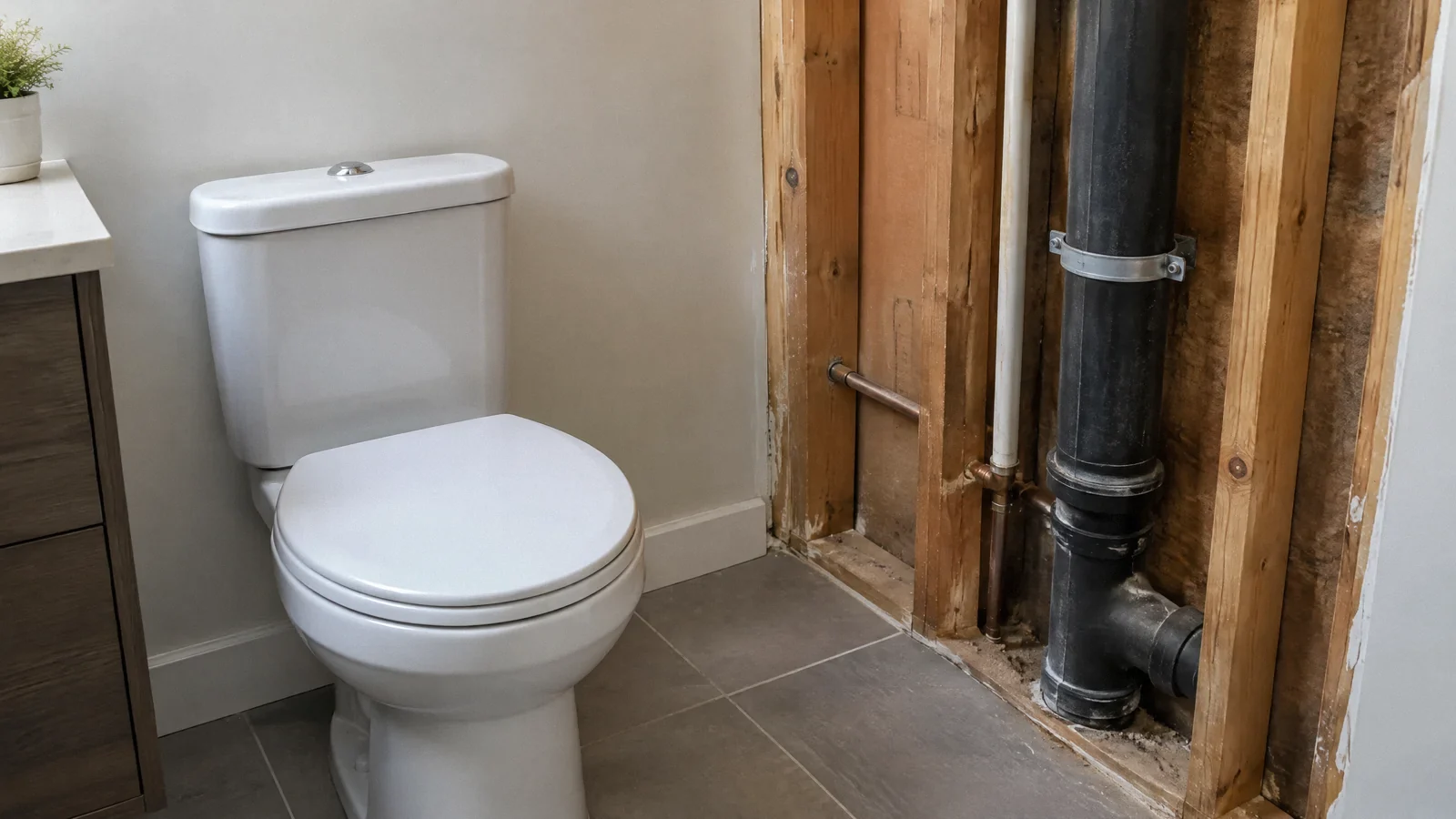
Prioritize safe entry, source control, extraction, and hidden wet layers during the first day after a leak, with a clear record for the next crew.
Real questions. Clearer decisions. Browse 632 detailed guides.
Prioritize safe entry, source control, extraction, and hidden wet layers during the first day after a leak, with a clear record for the next crew.
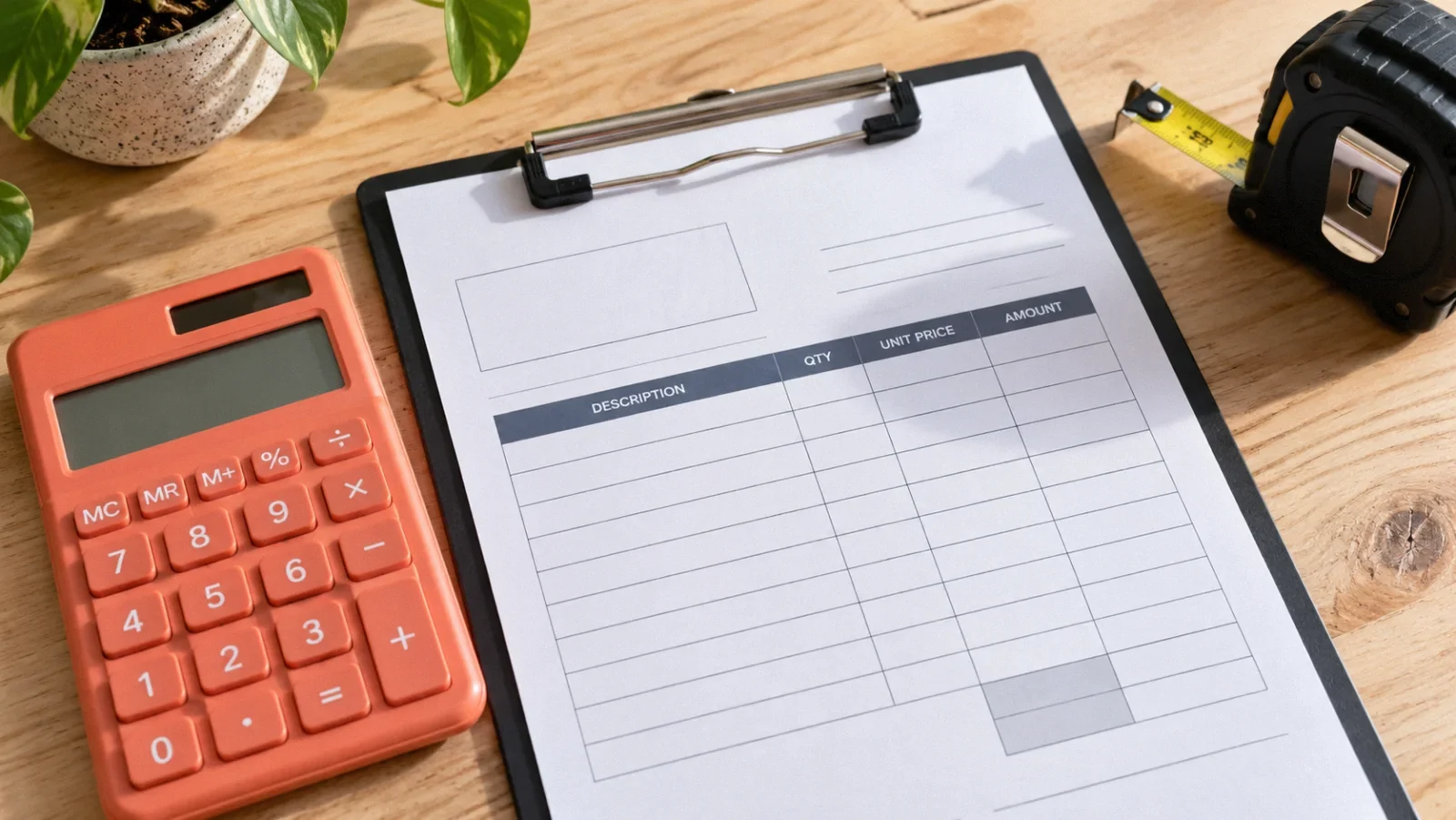
Review mitigation invoices against authorized work, quantities, service logs and agreed rates while keeping insurer allowances separate from contract obligations.
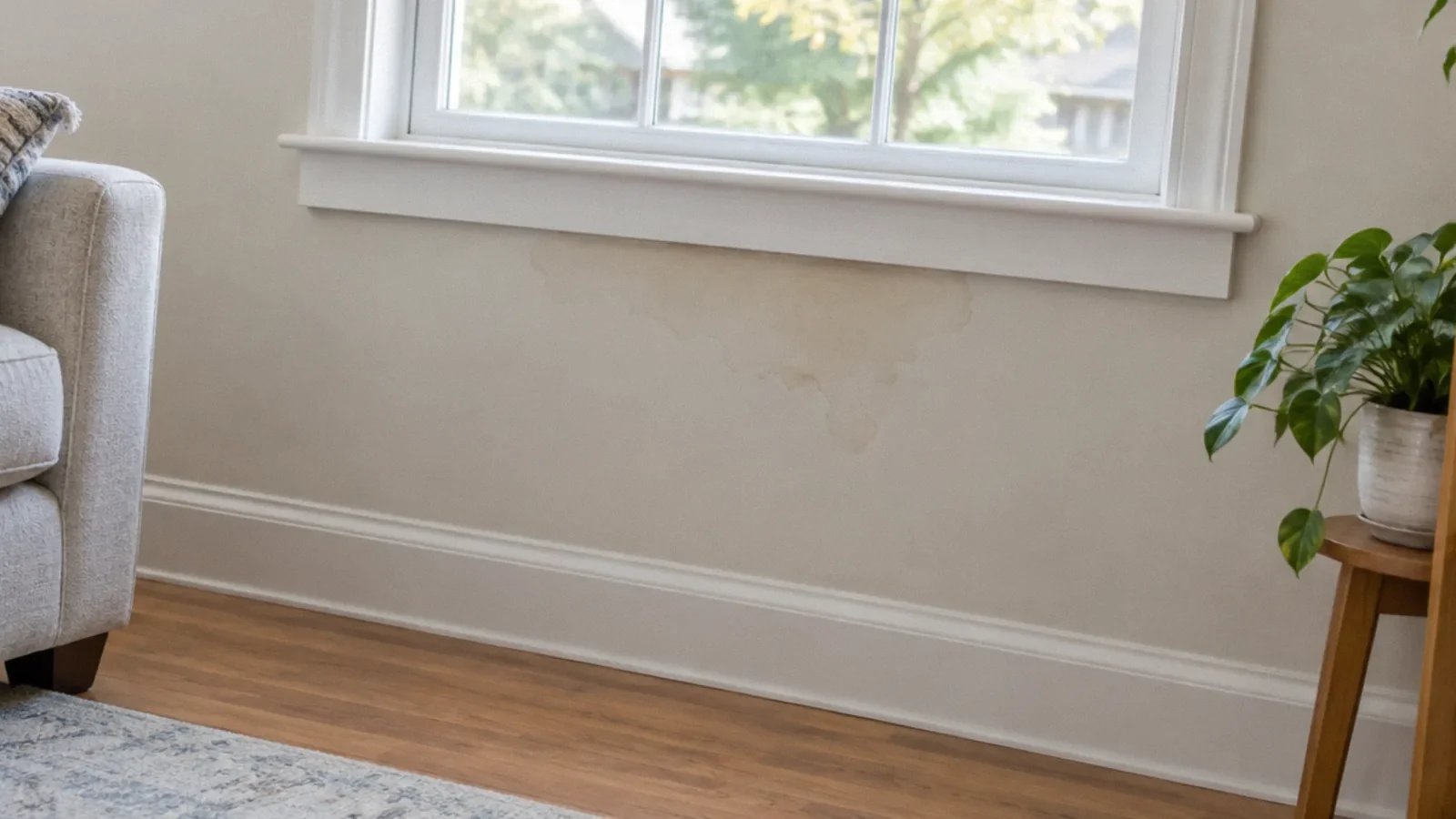
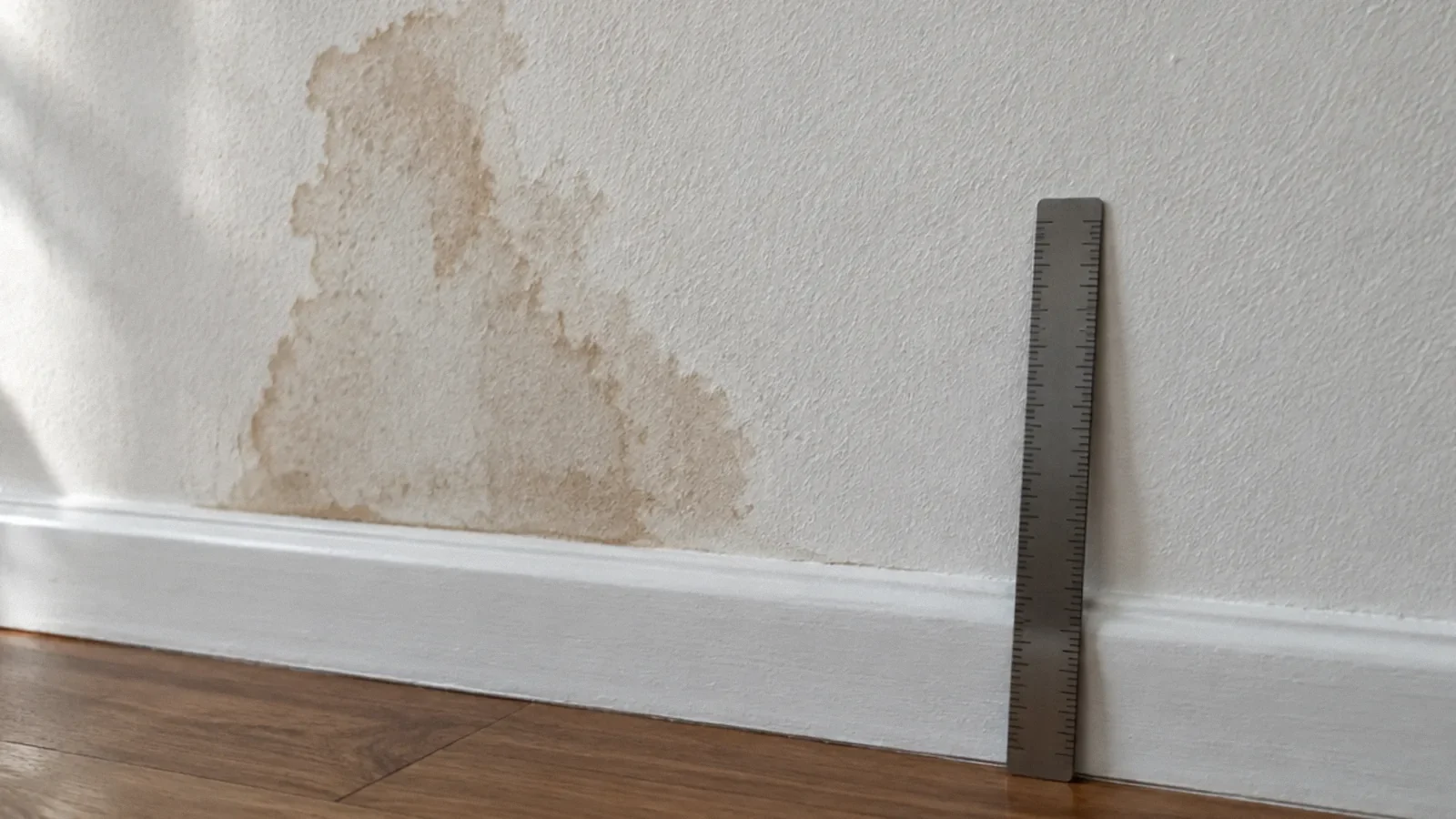
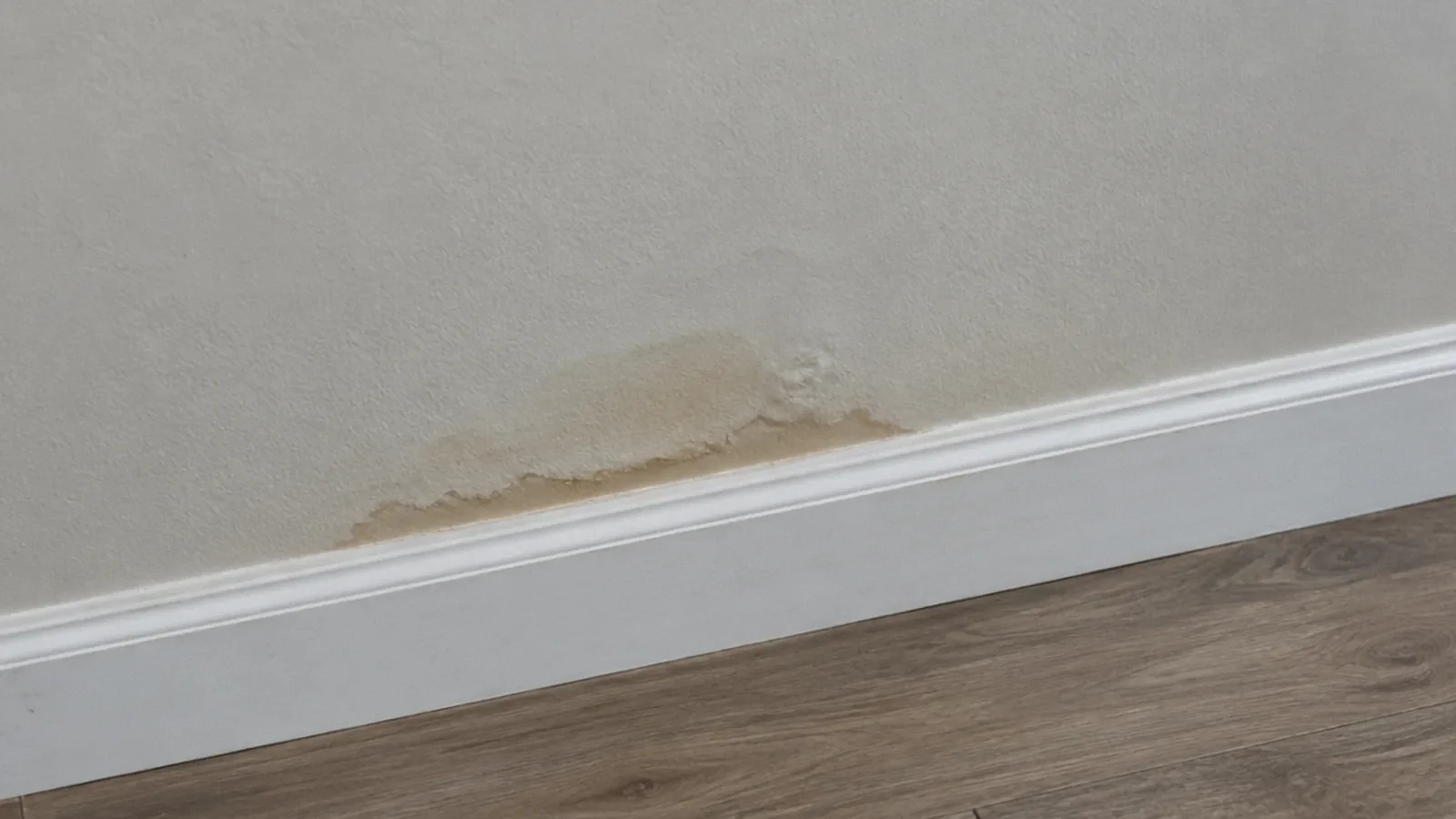
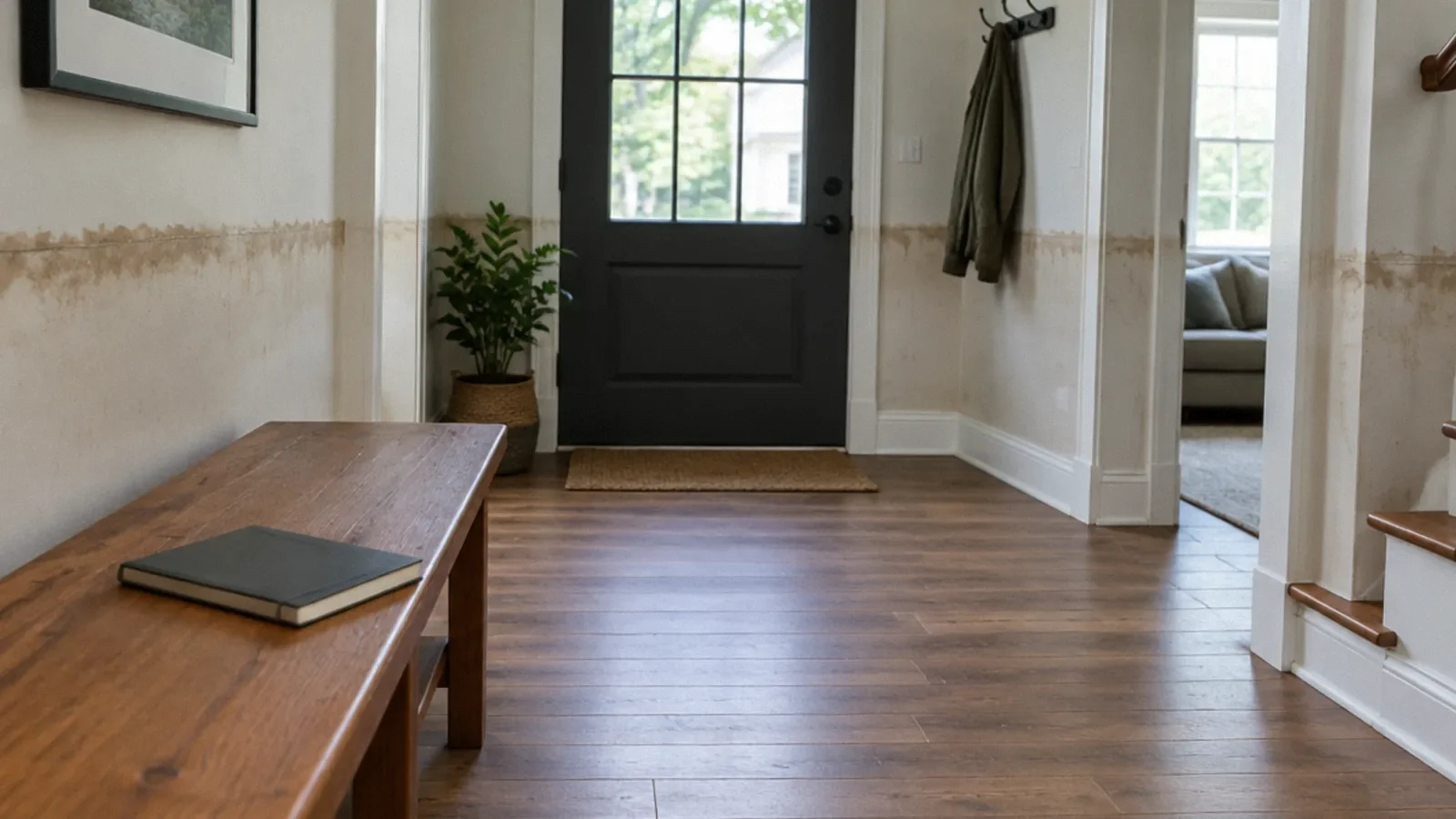
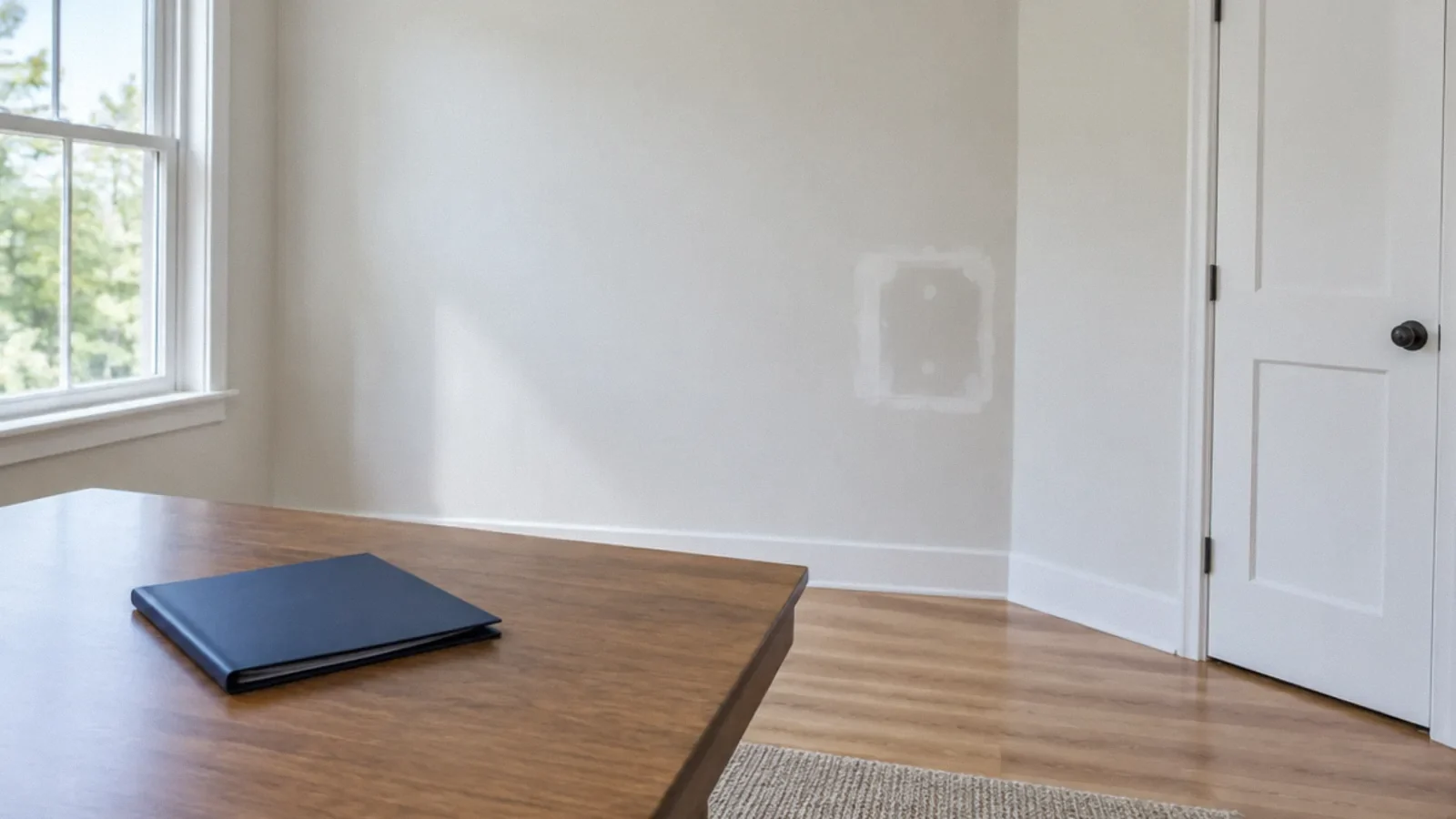
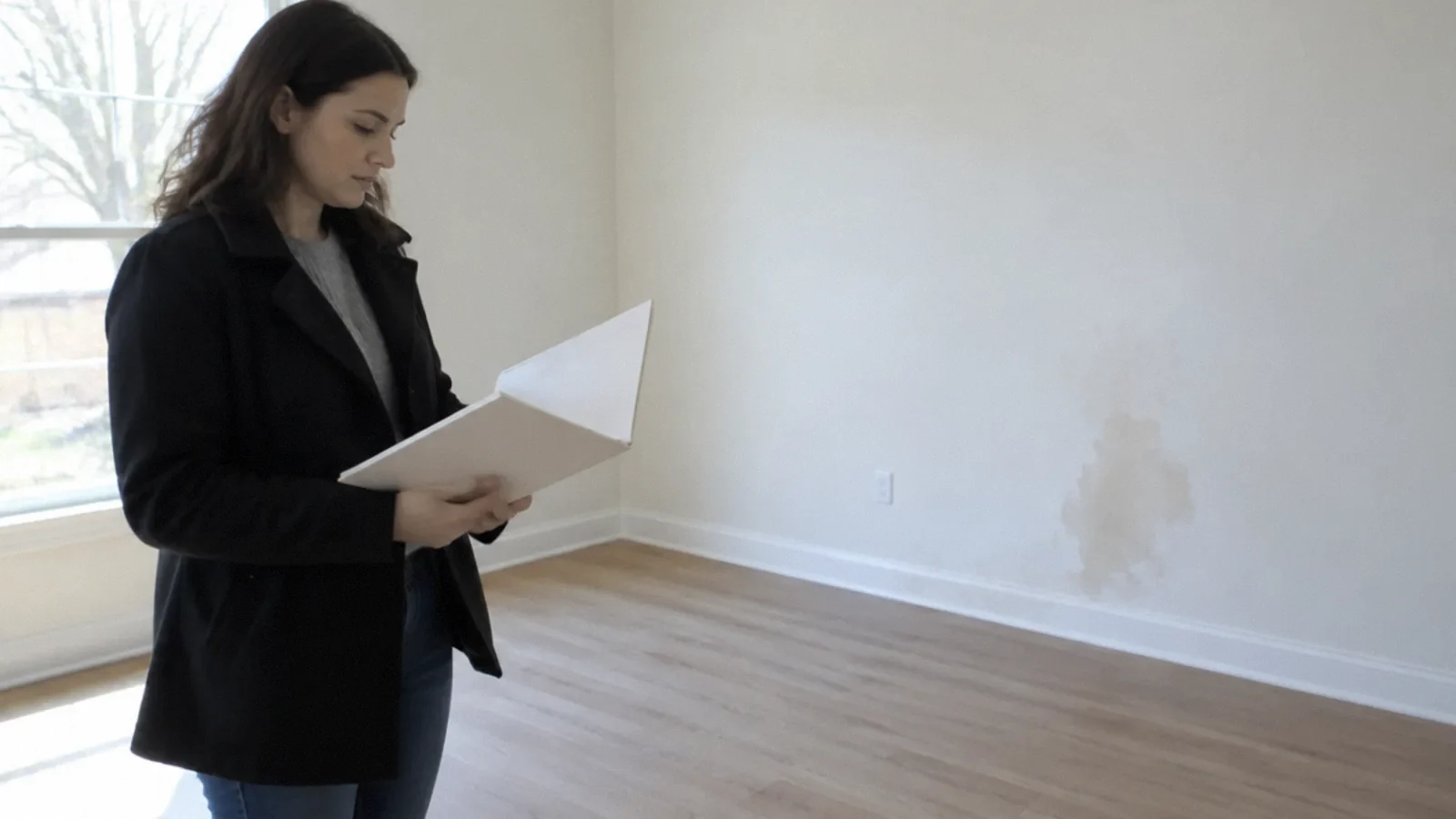
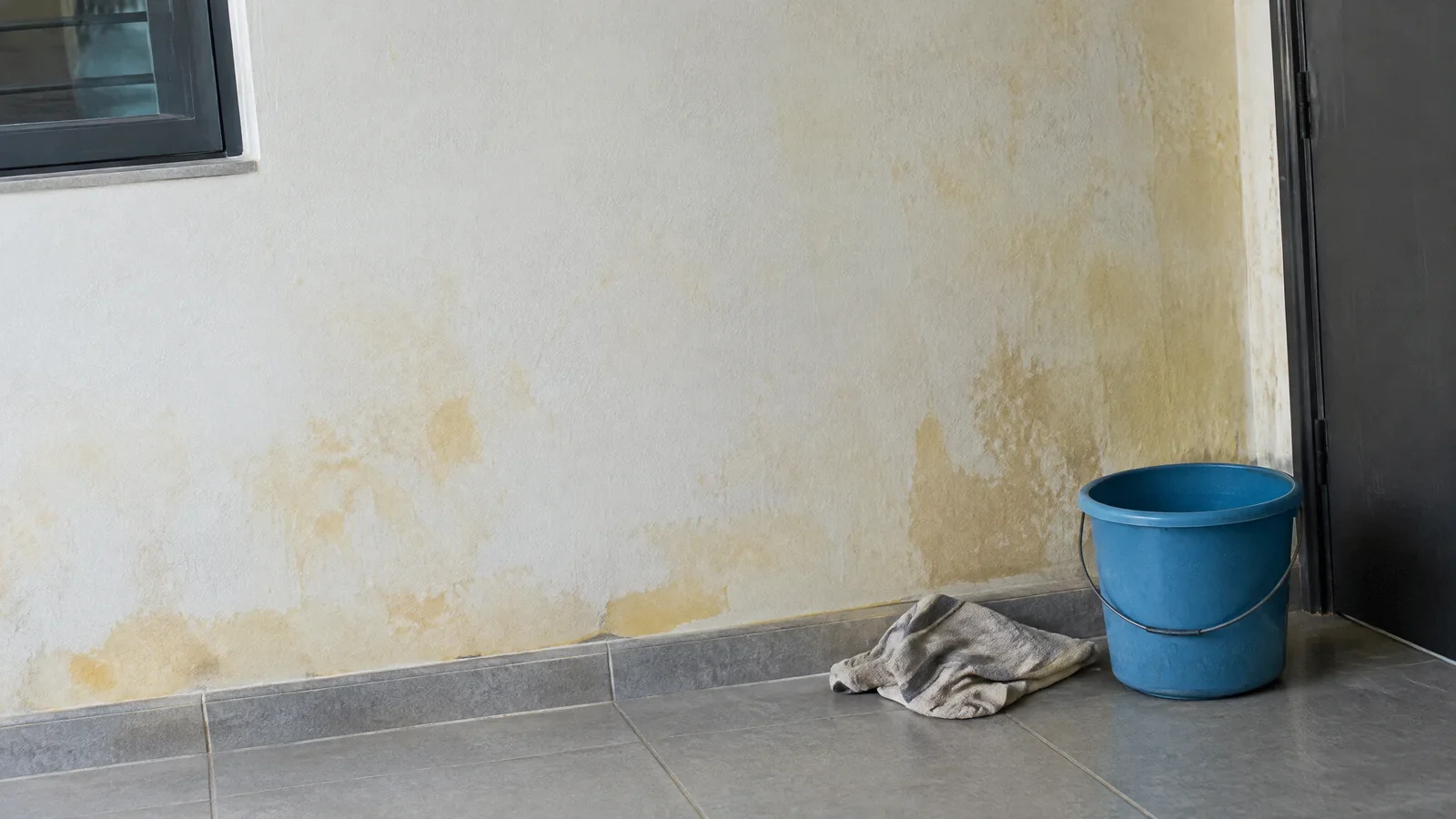
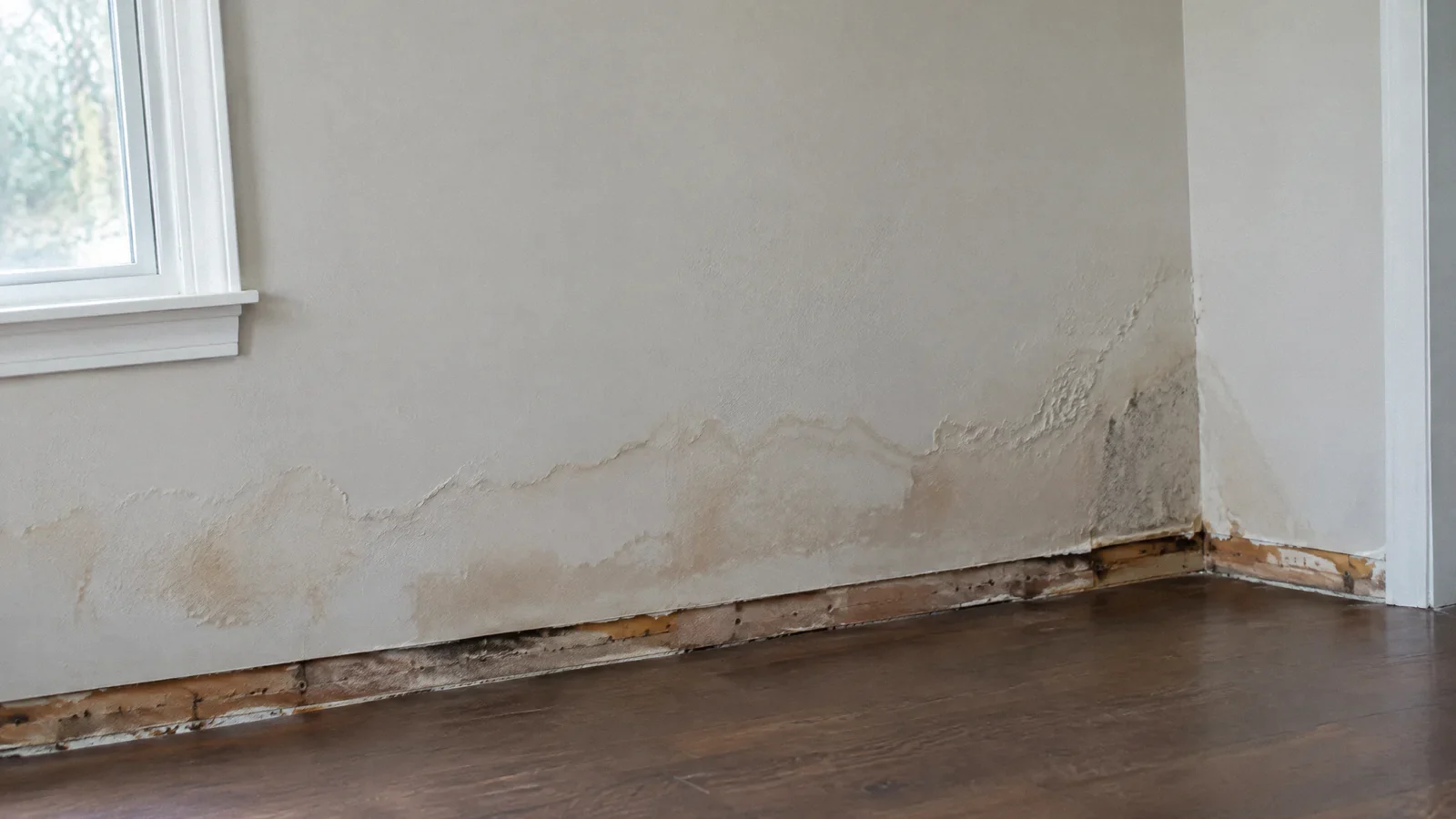
Fresh paint and recurring stains can justify questions without proving concealment. Preserve records and investigate the underlying moisture condition.
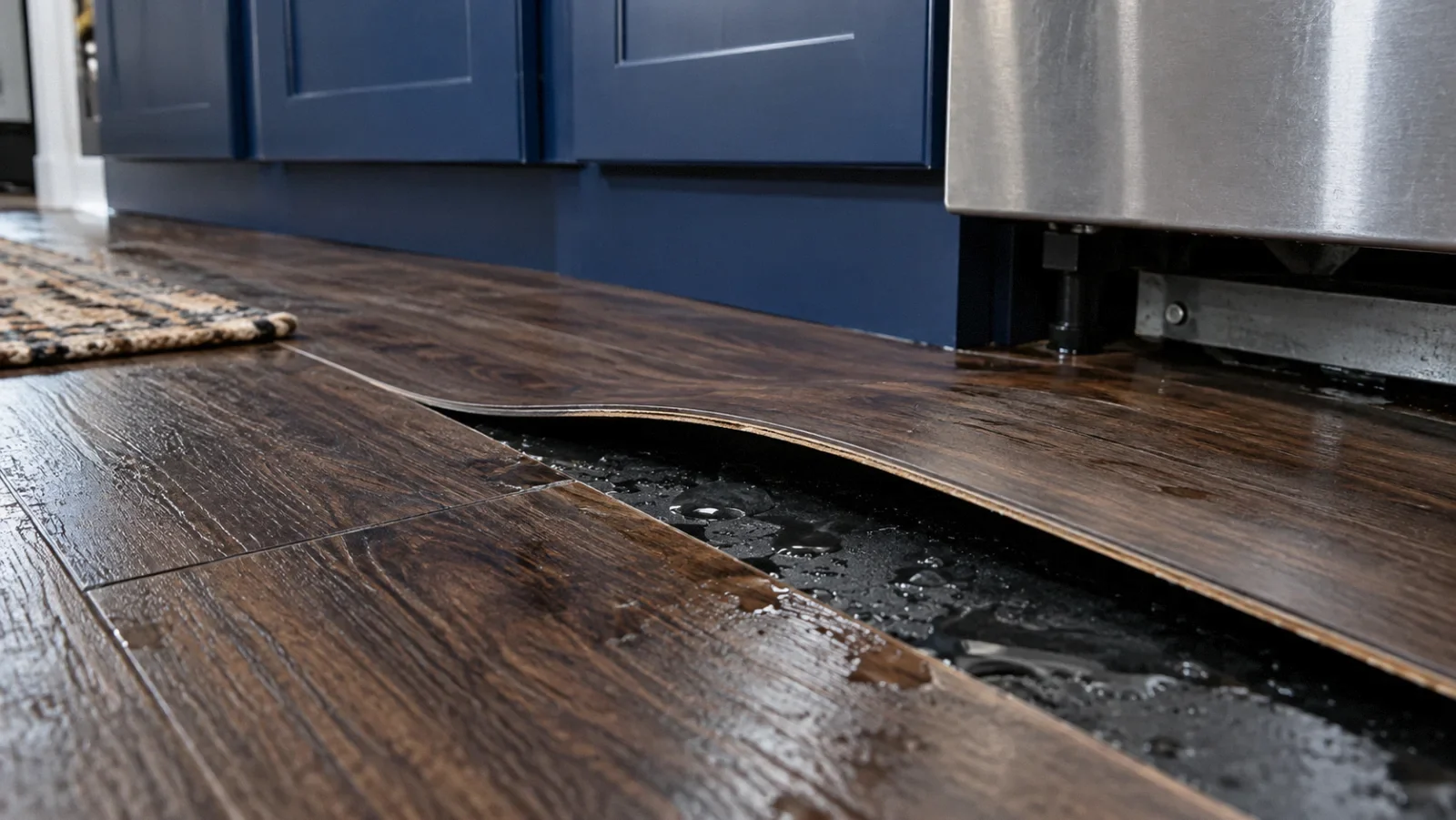
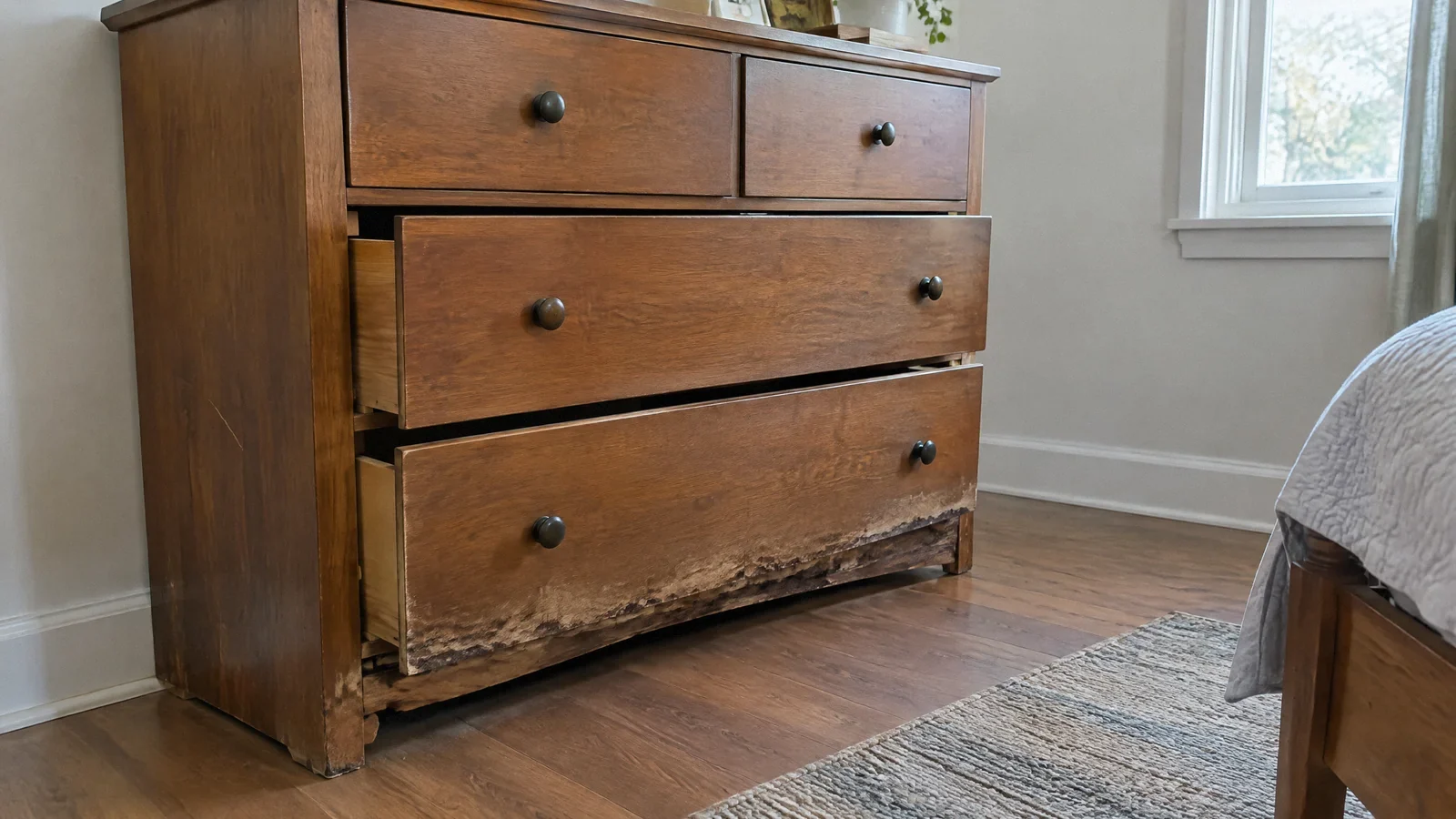
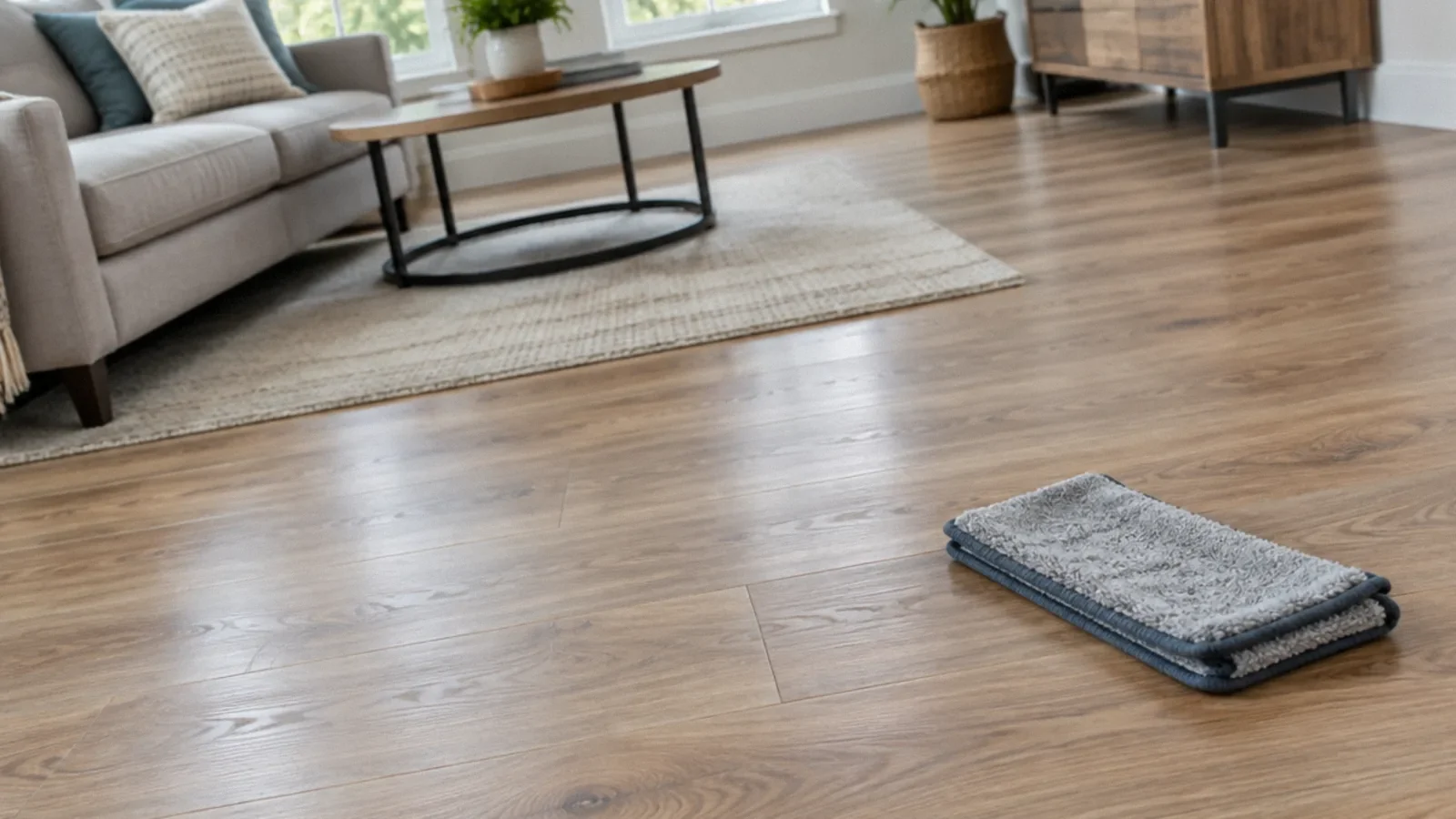
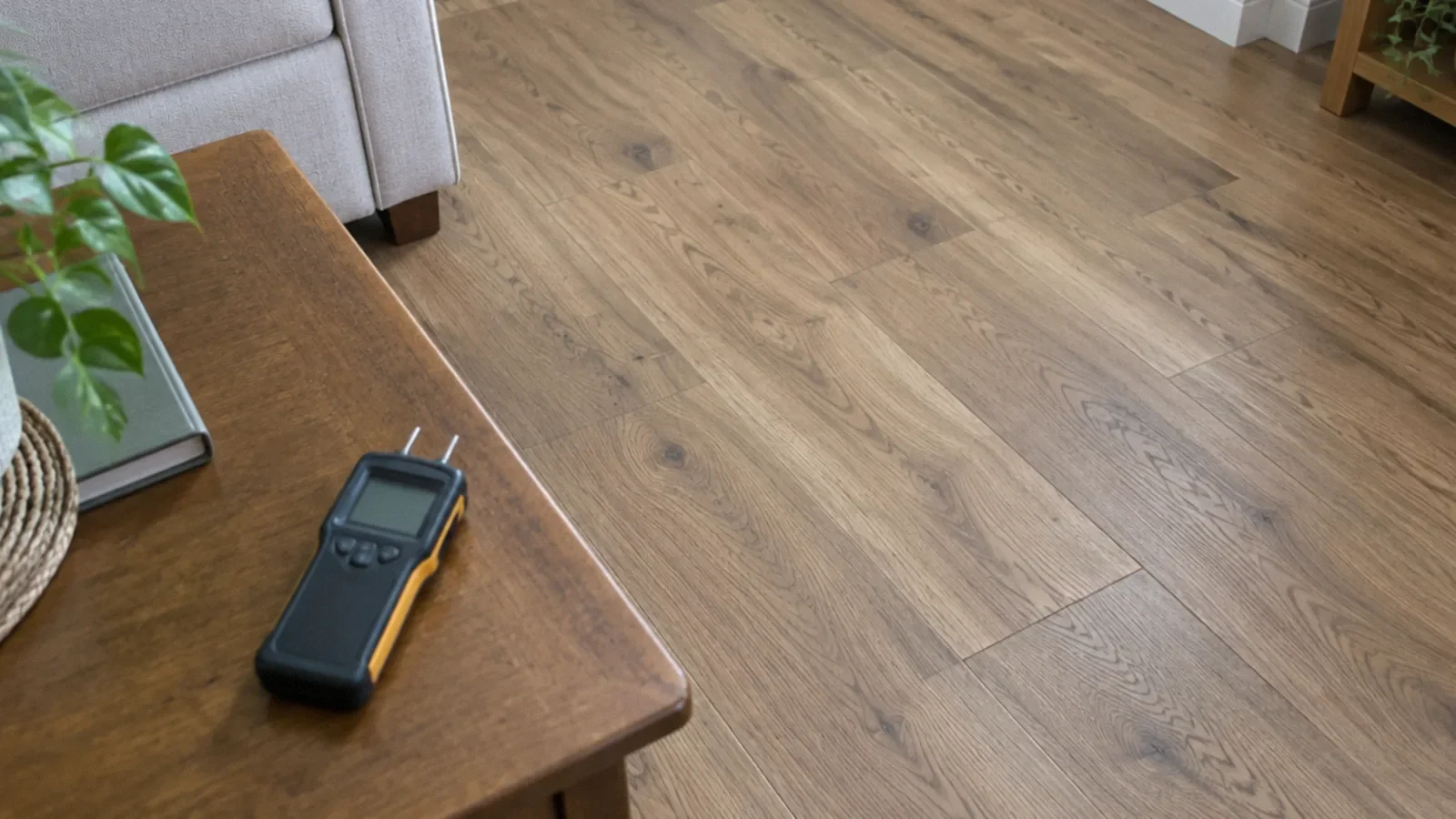
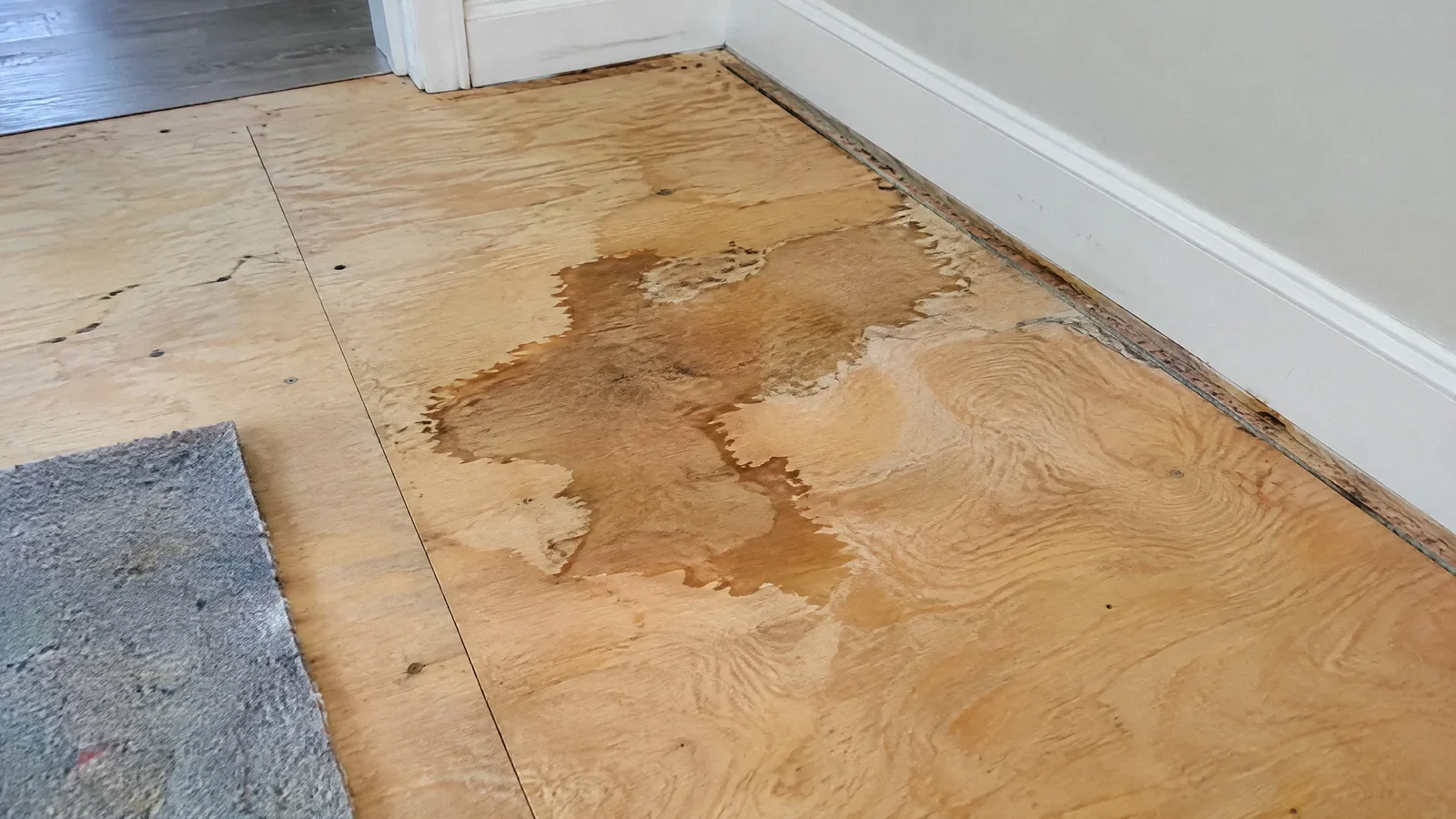
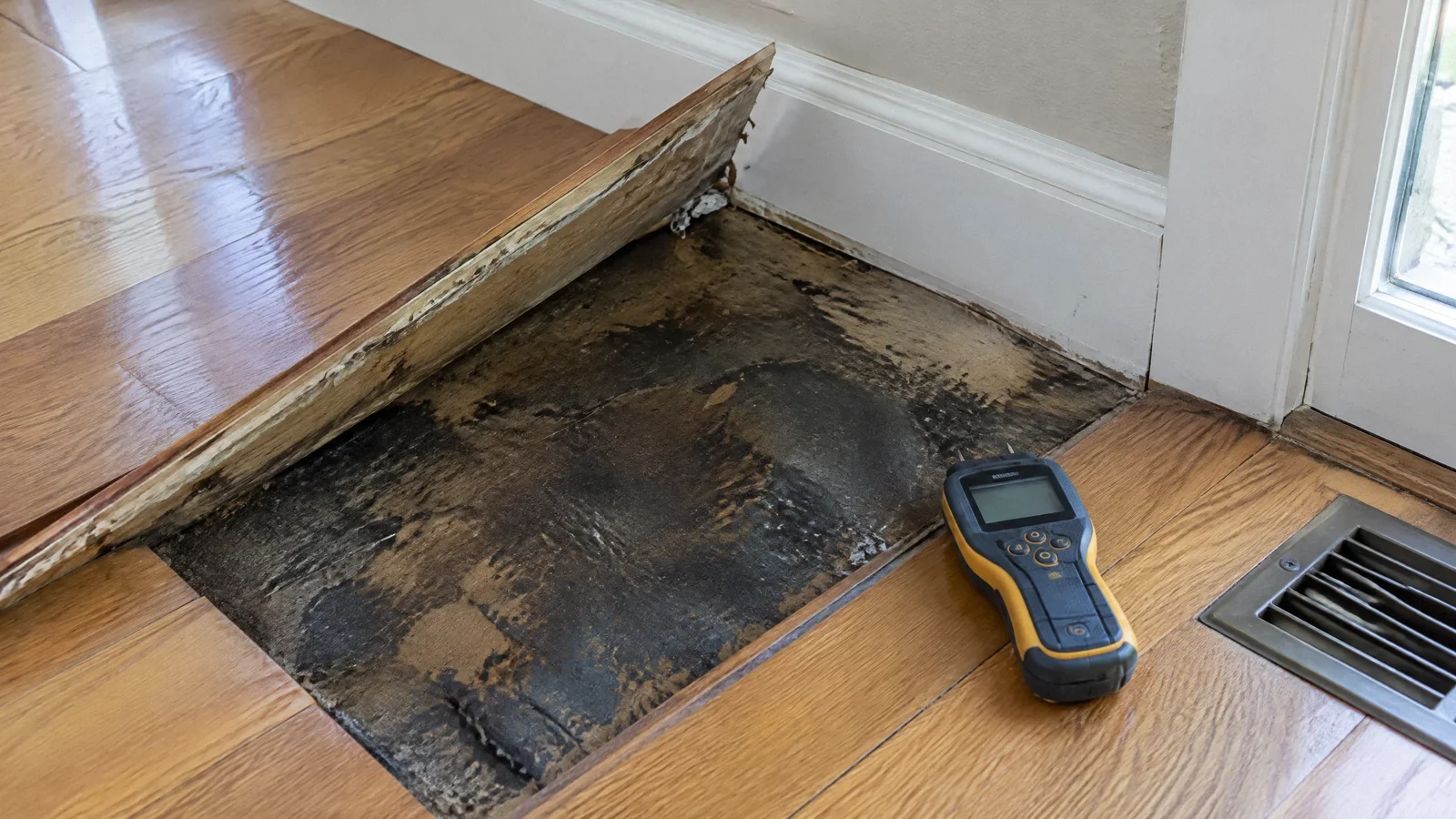
Check for water beneath vinyl plank even when the surface looks intact, including pads, subfloors, contamination, and the conditions for reinstallation.
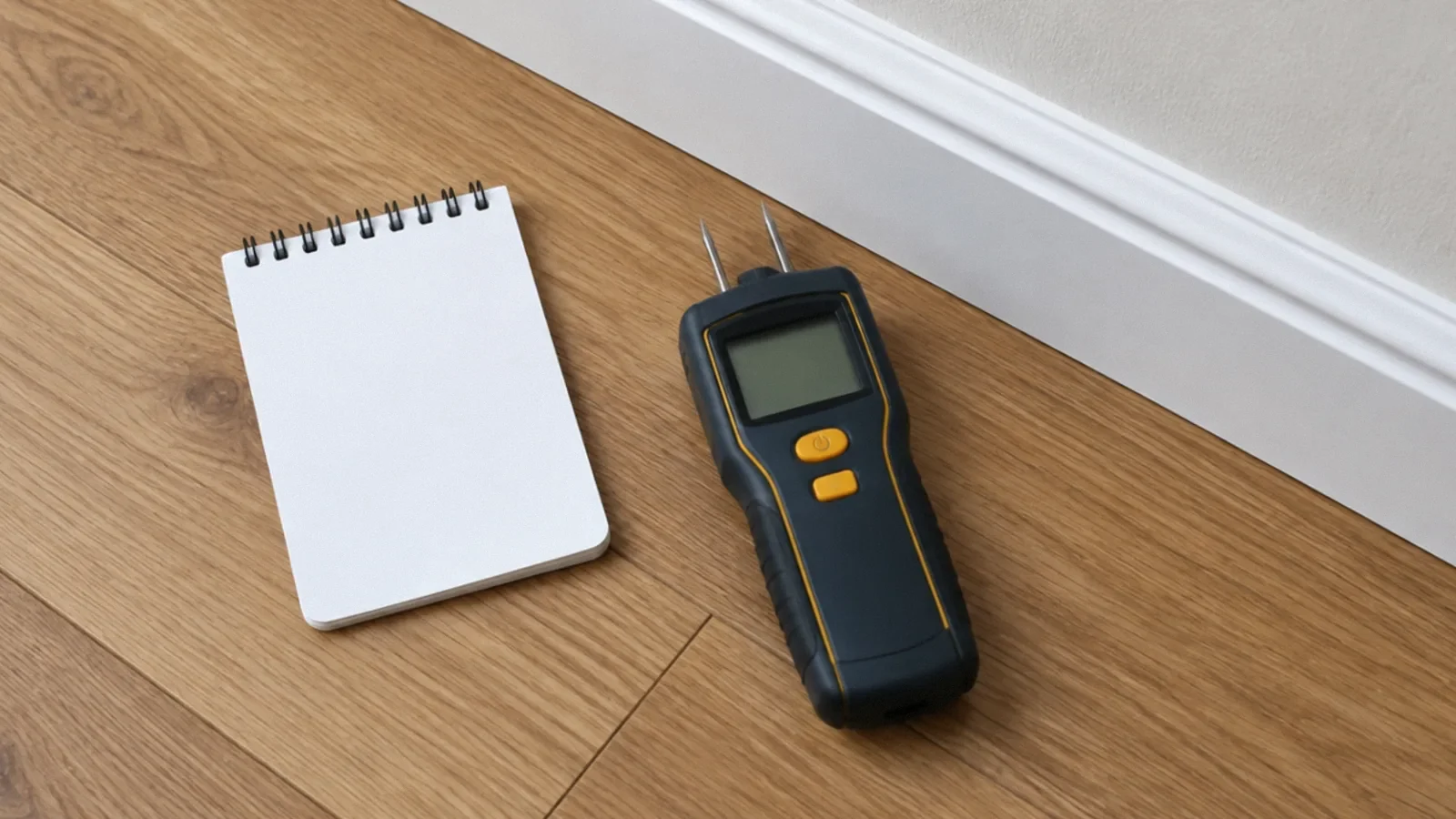
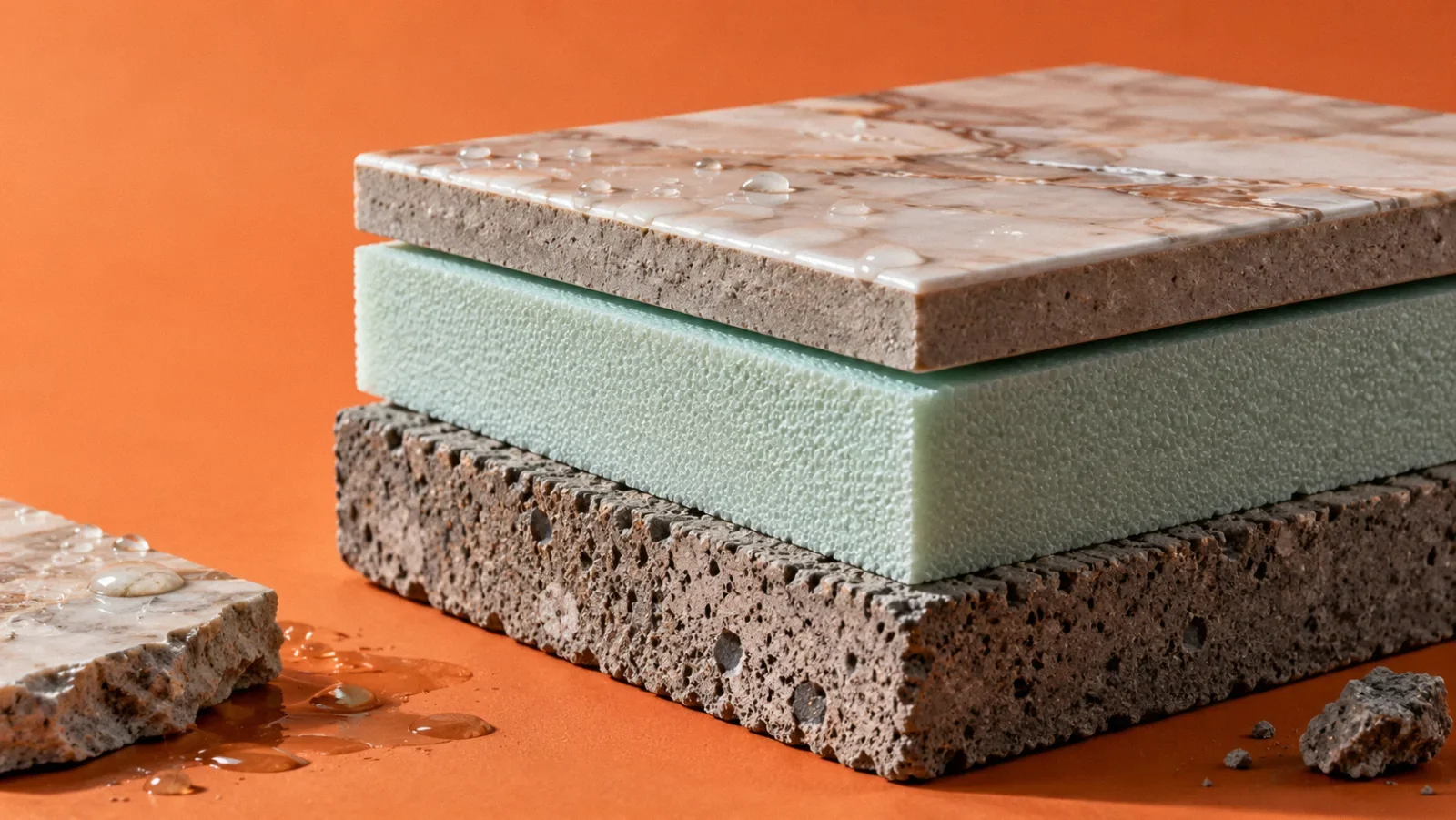
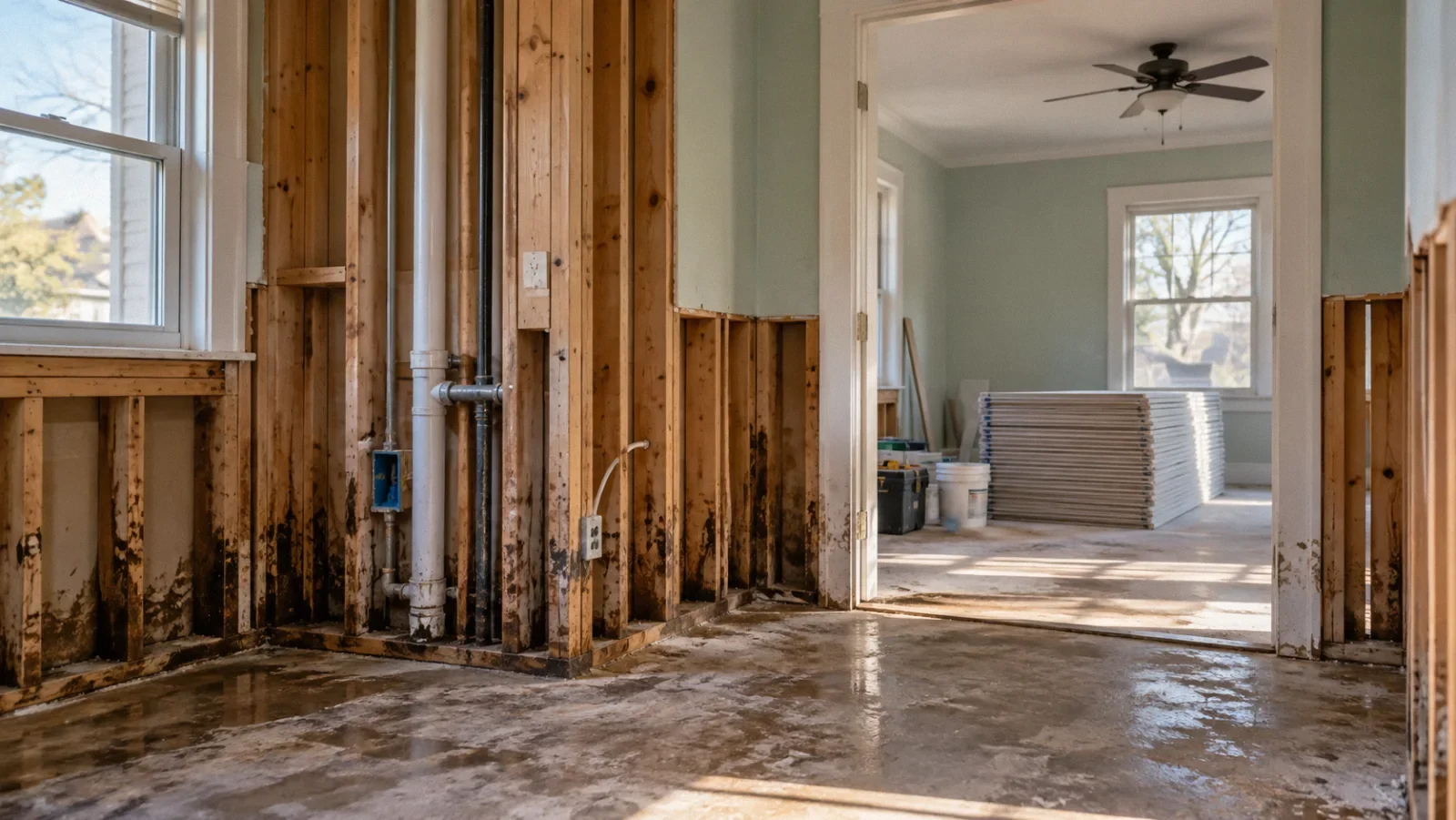
Determine drying completion from material-specific goals, consistent trends, hidden-layer checks, and a clear handoff before reconstruction conceals the evidence.
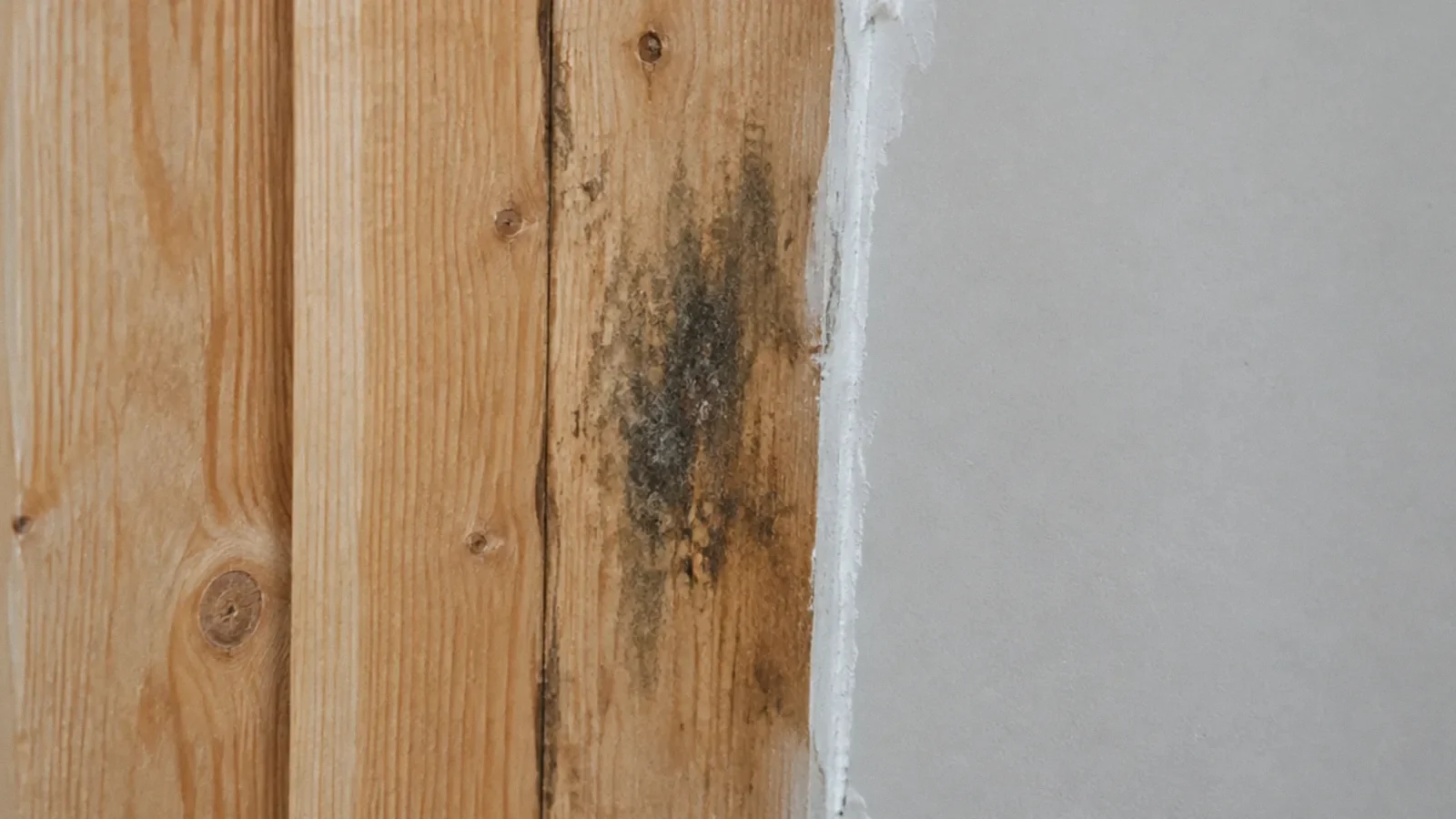
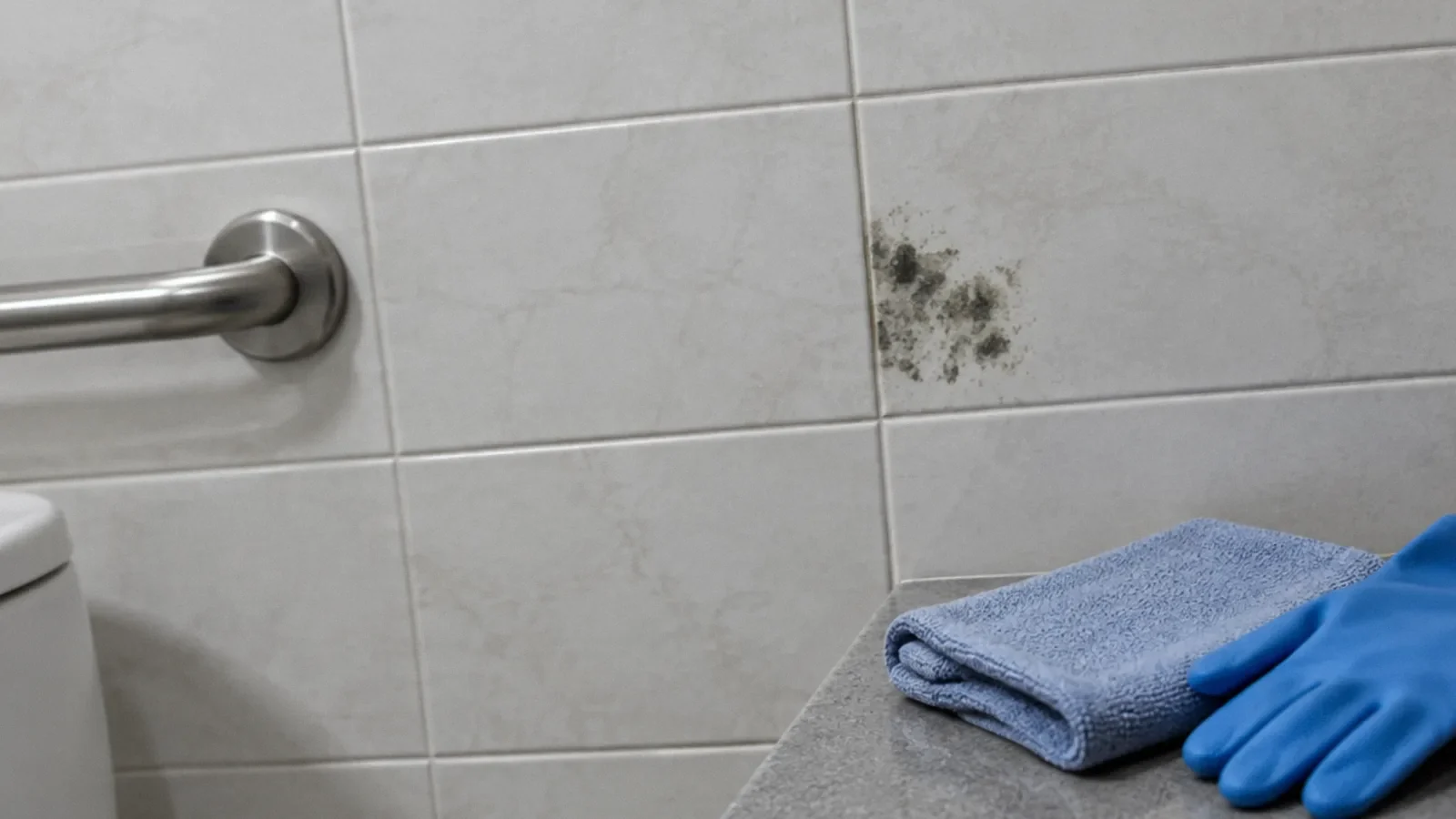
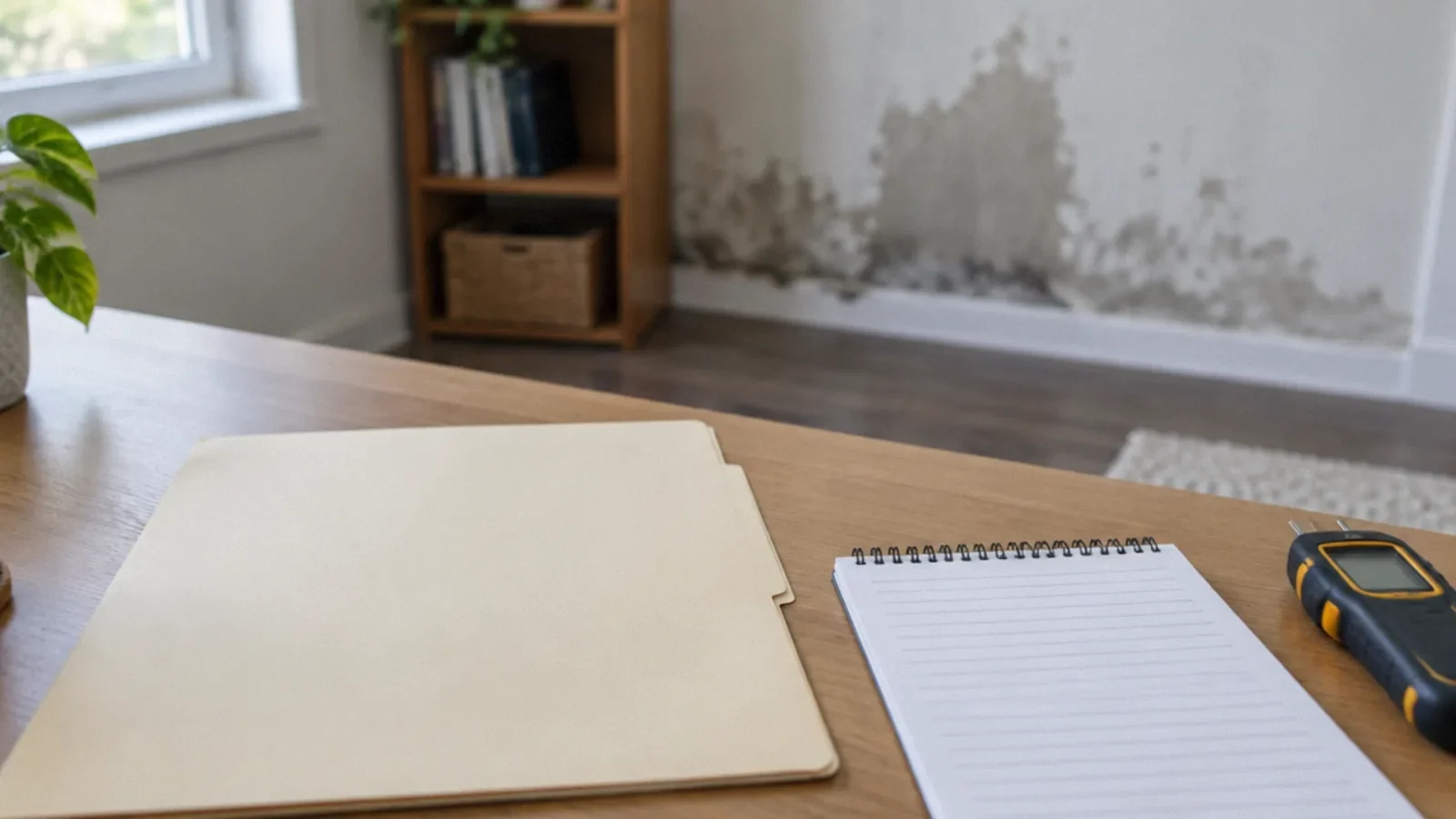
Mold color cannot establish species, age, or health effects. Use moisture history and material assessment to decide which investigation and cleanup are needed.
Document when a leak was discovered, what failed and what remains uncertain before challenging an insurer conclusion about gradual water damage.
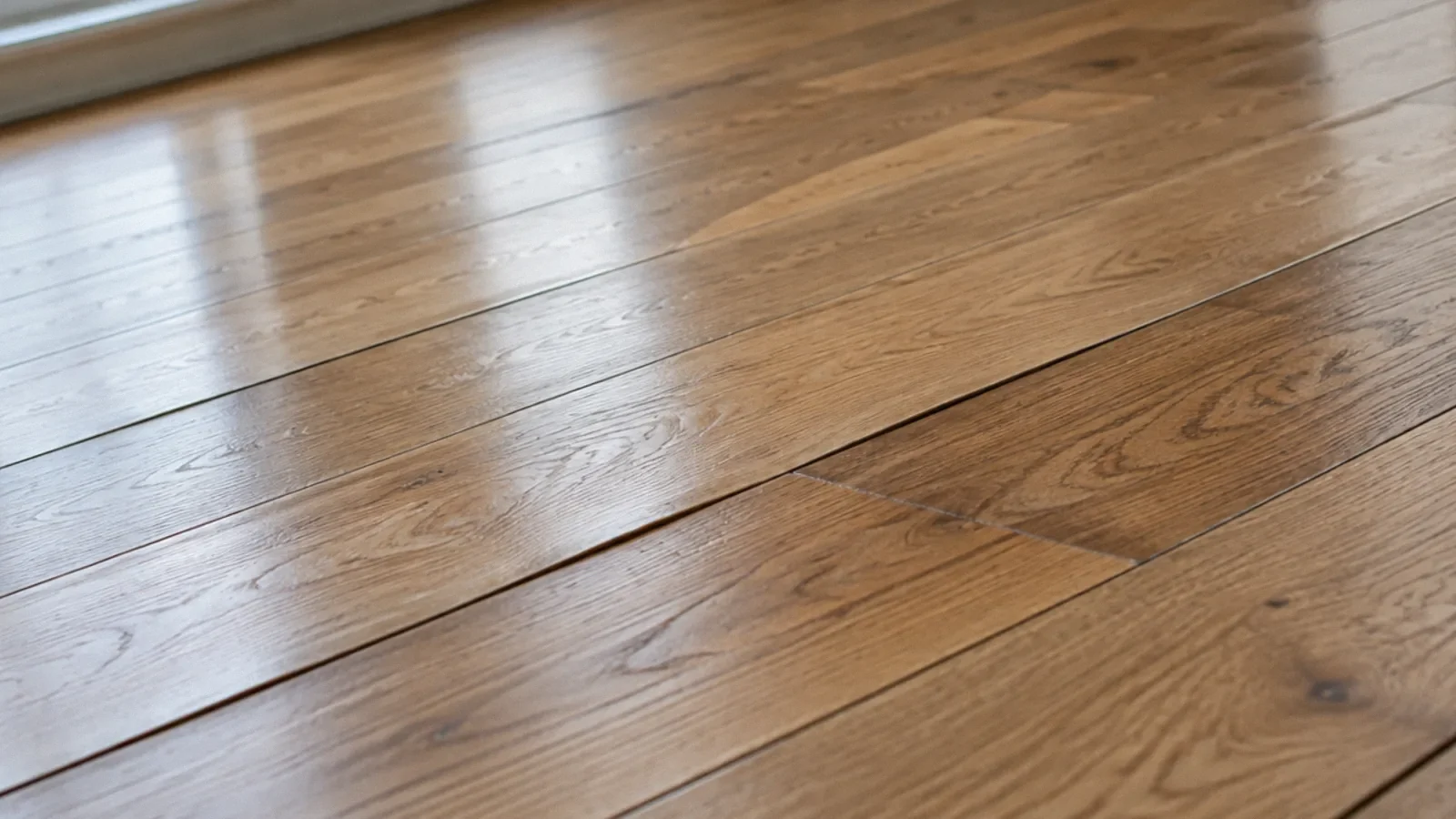
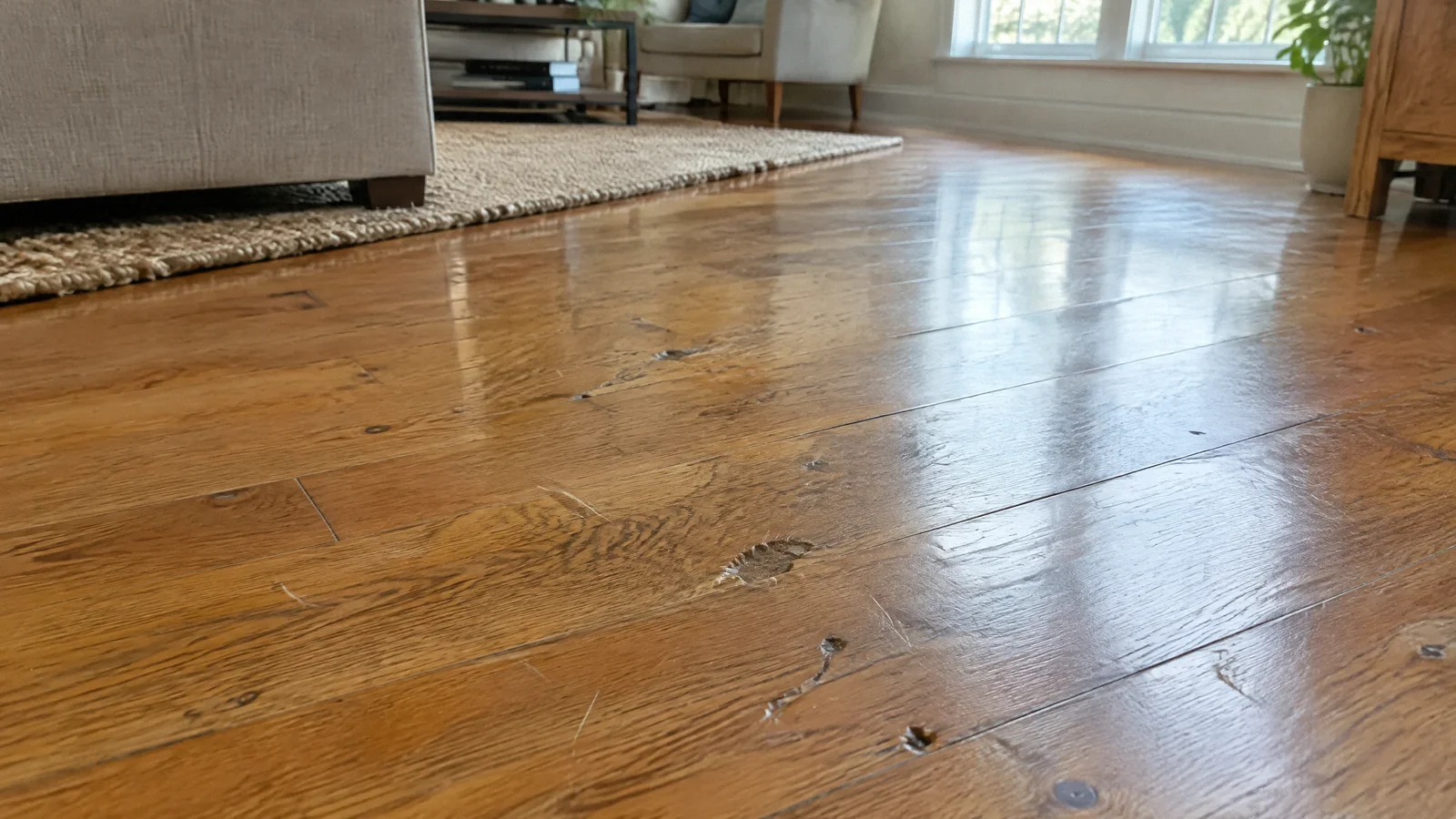
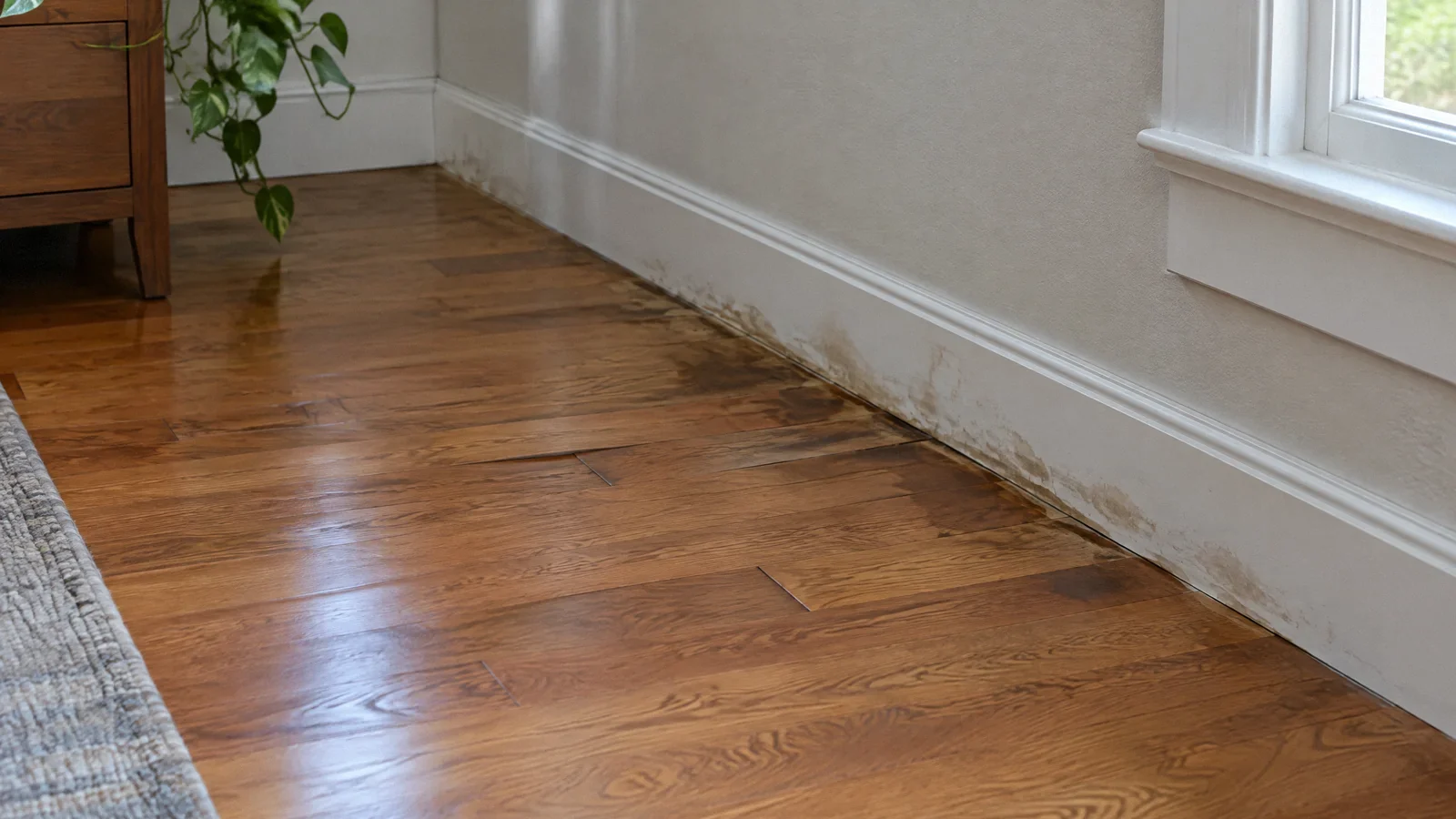
Evaluate cupped hardwood through board condition, subfloor moisture, repeat measurements, and stability before deciding on sanding, salvage, or replacement.
Understand the scope and limits of a water damage inspection for a current home or a property purchase.
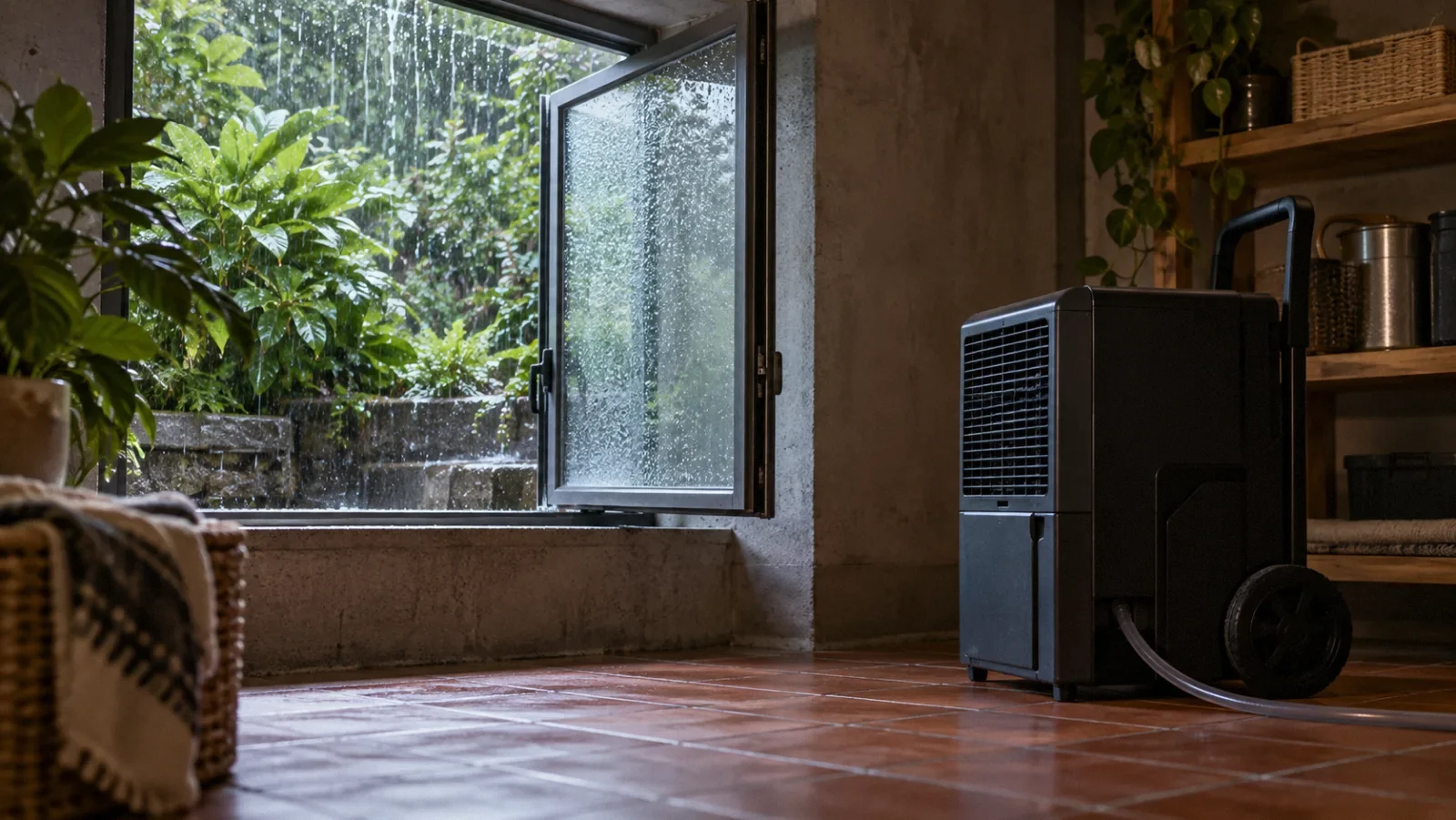
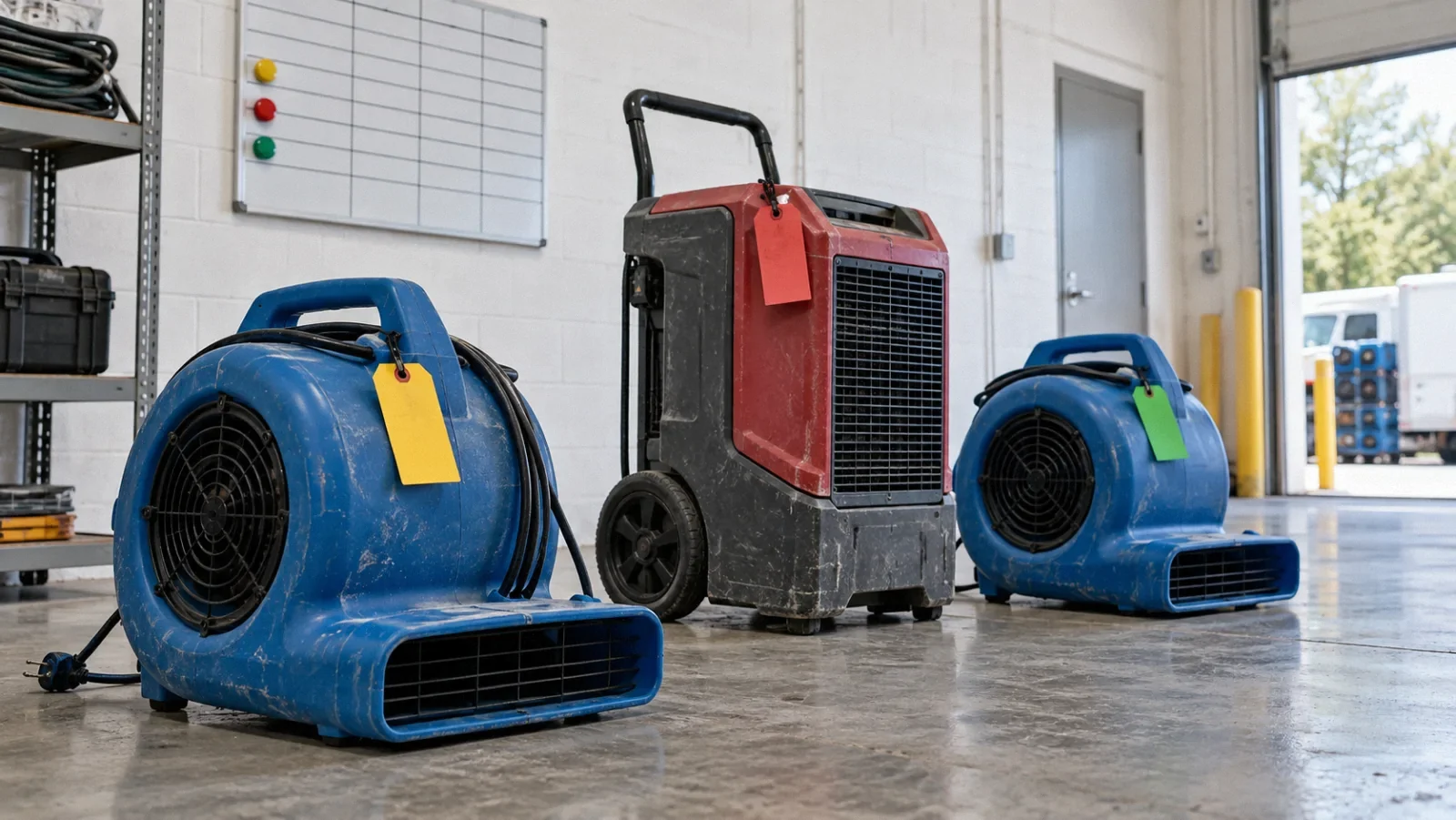
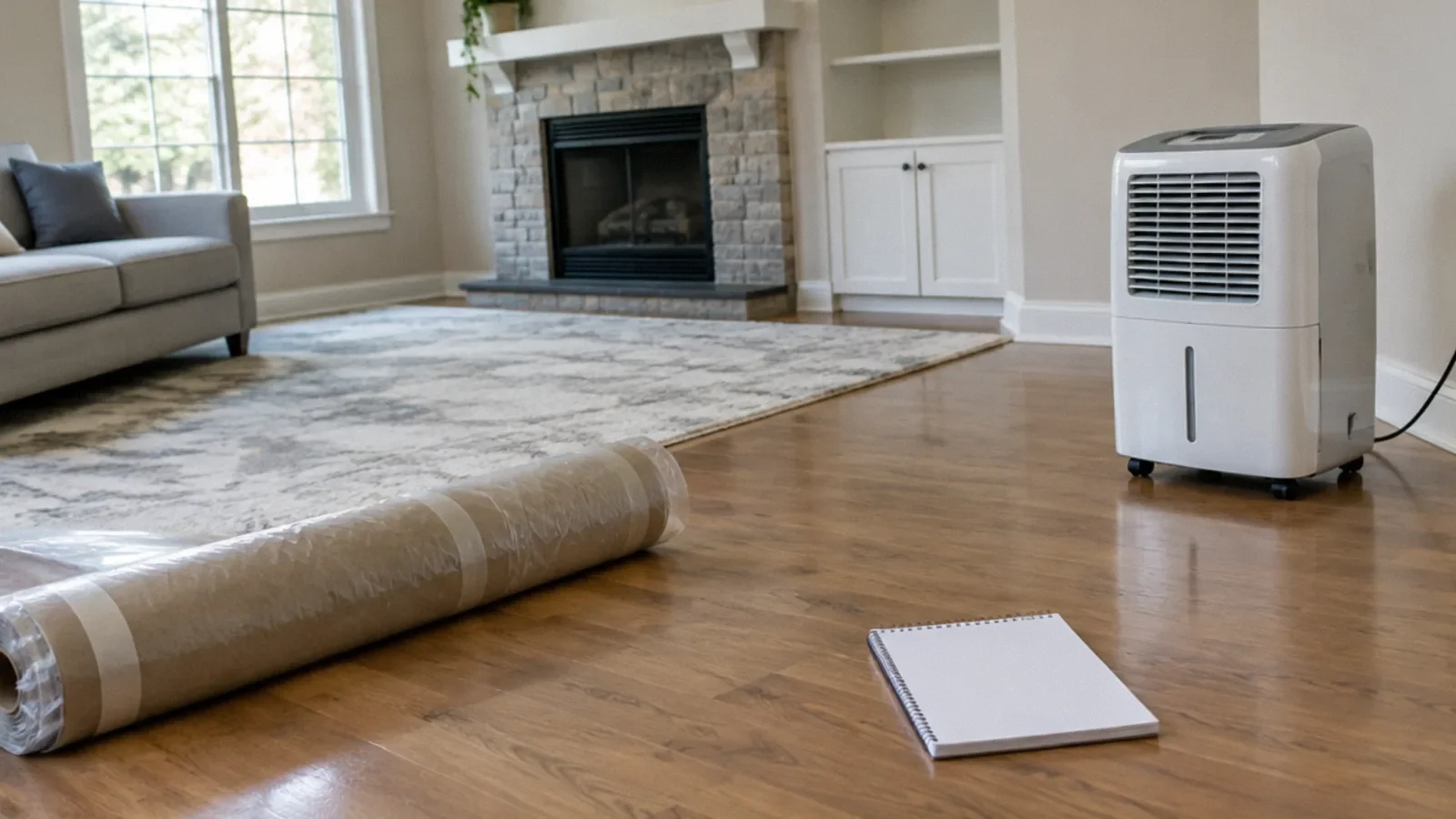
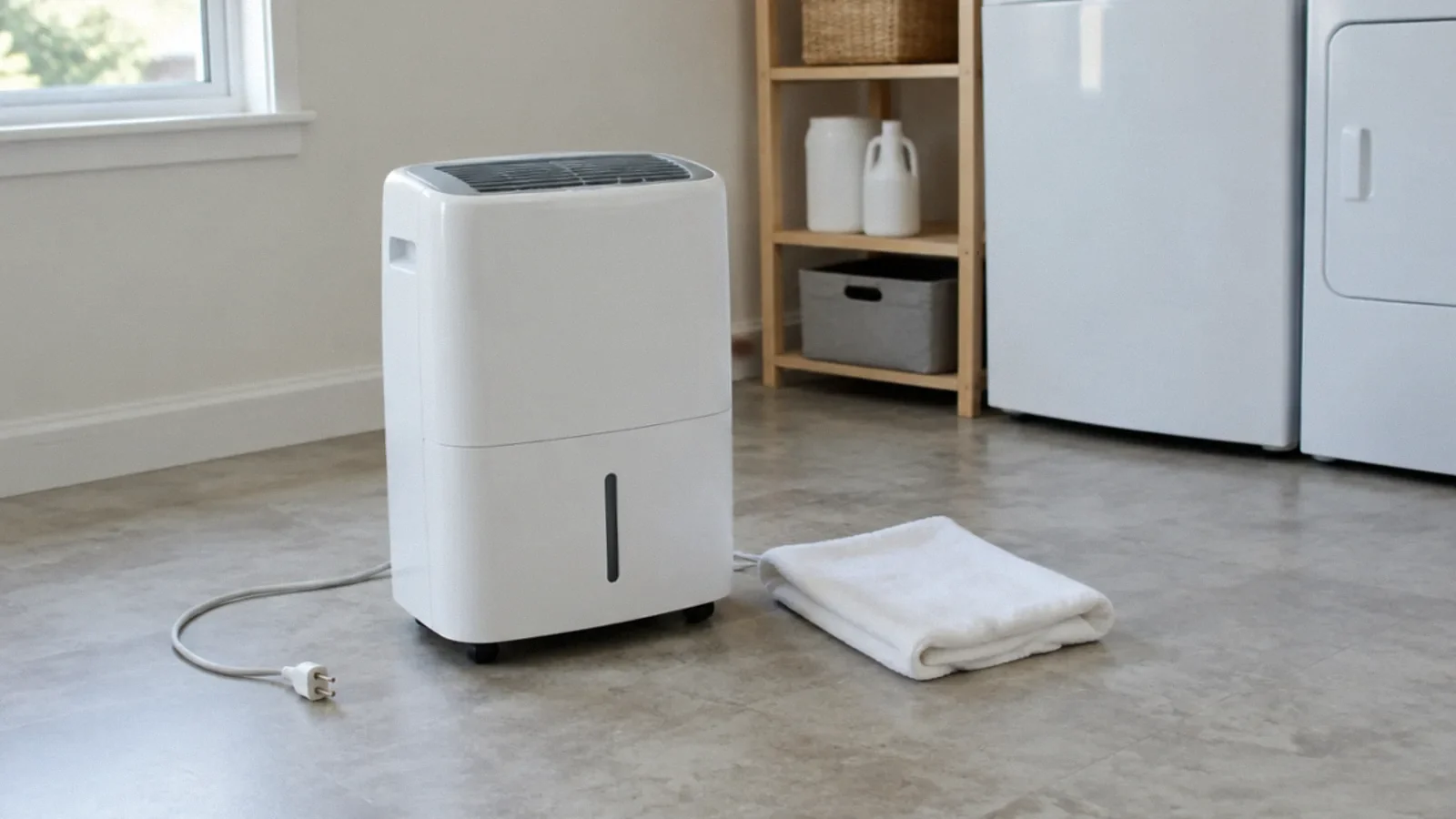
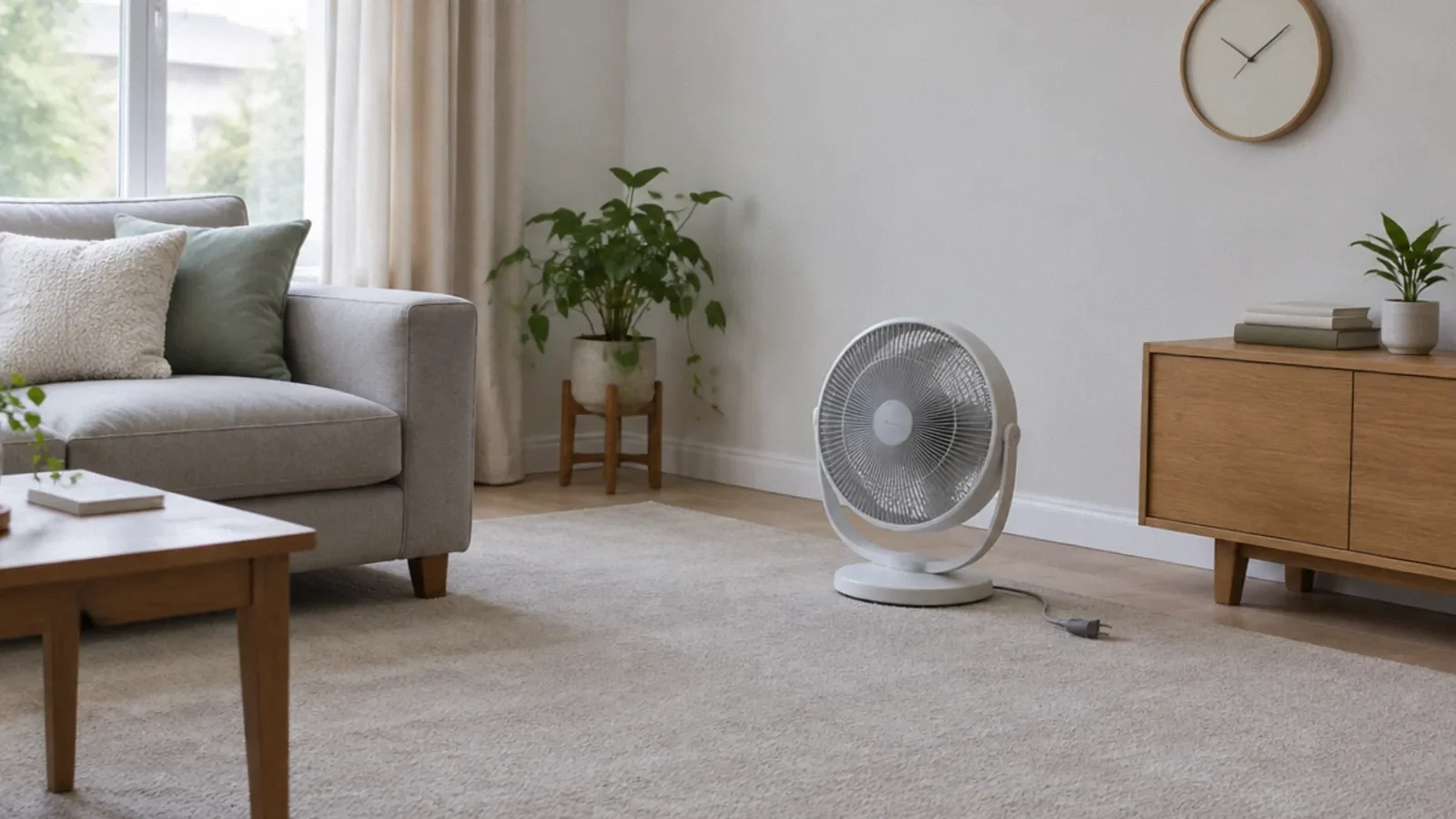
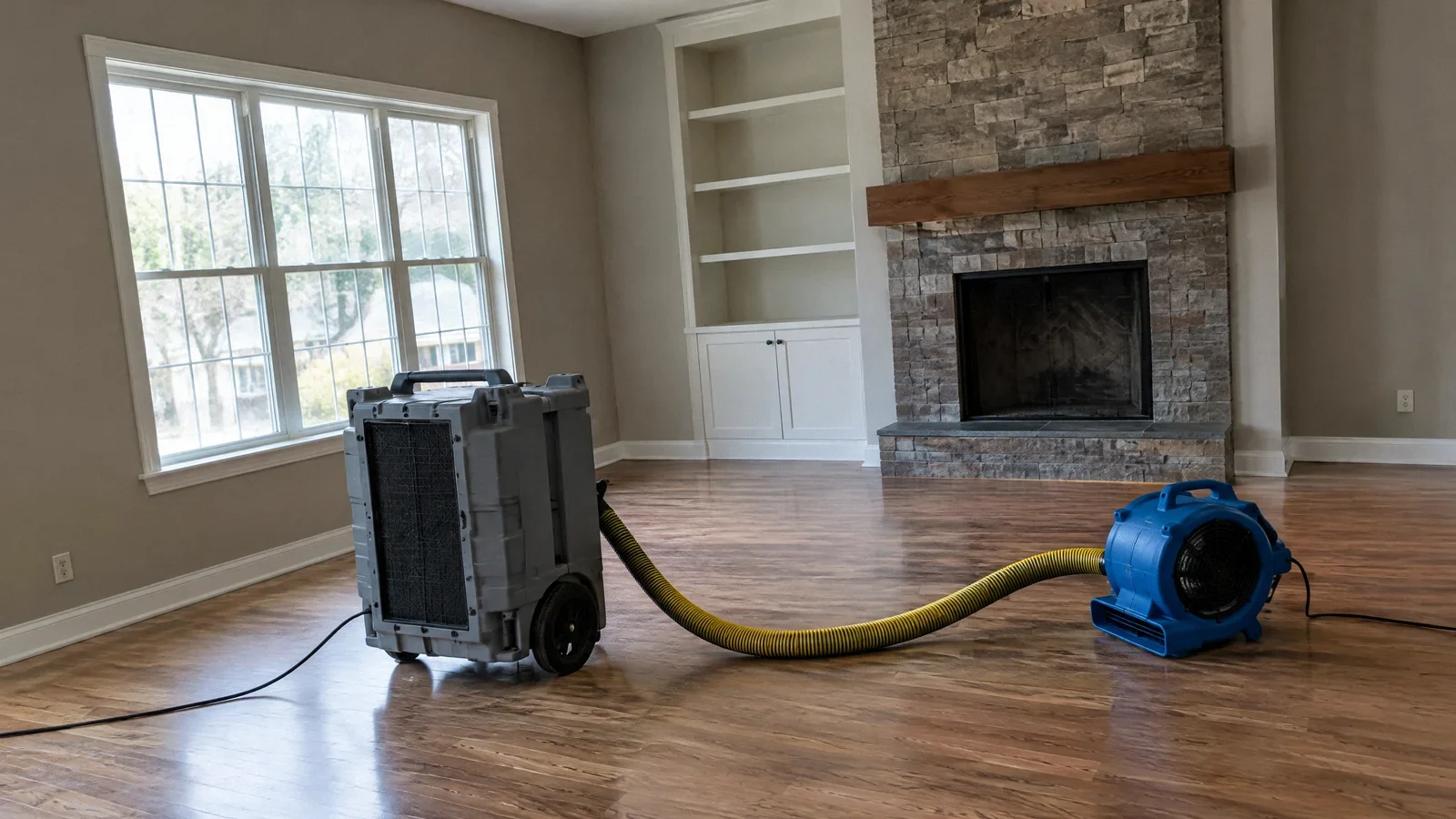
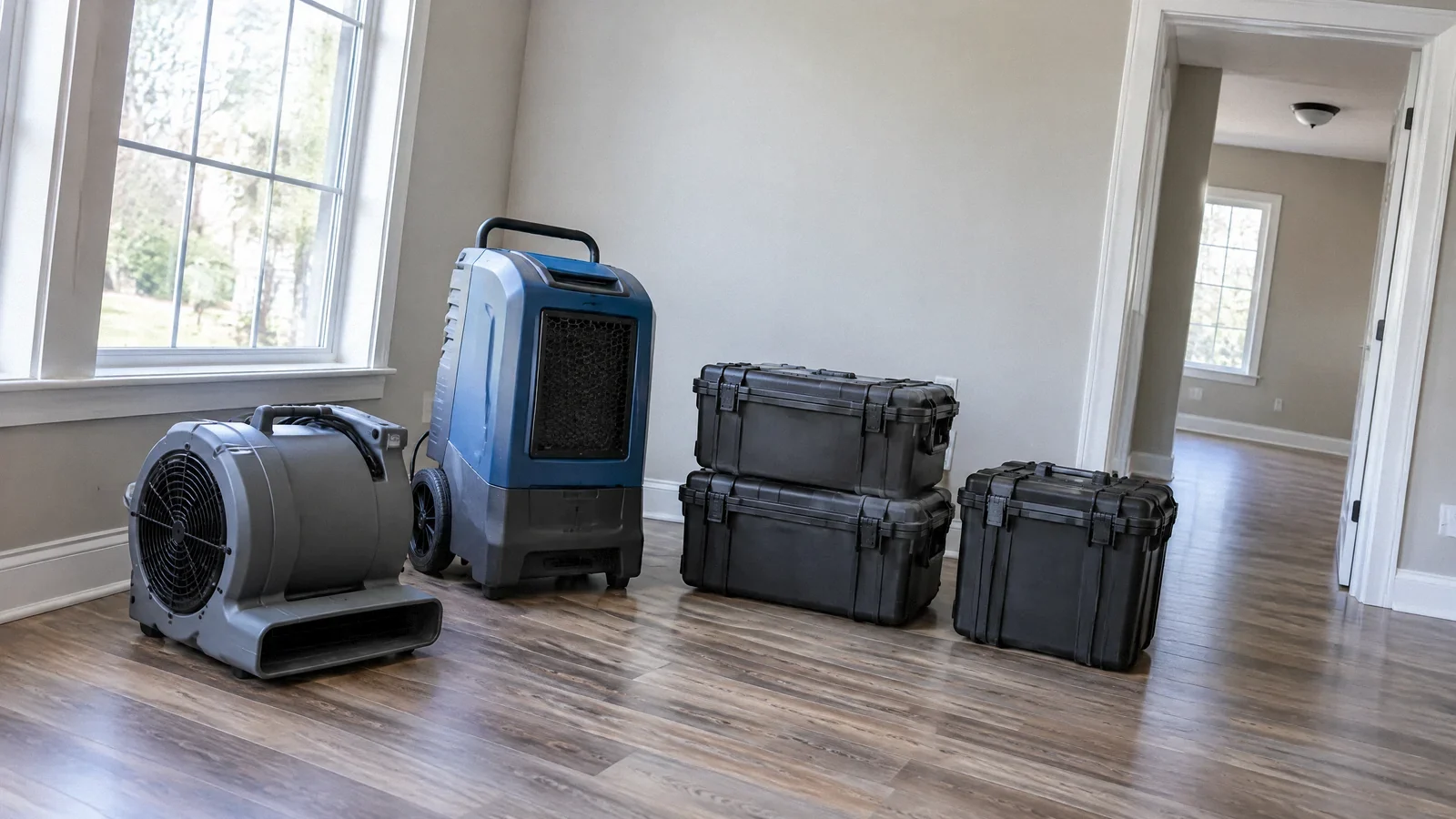
See how extraction, fans, and dehumidifiers address different parts of a water loss, and why trapped layers need more than a dry room and running equipment.
A building final and mold verification answer different questions. Coordinate inspection access and keep each approval’s scope and limitations clear.
A recurring leak needs a cause-and-test approach. Separate source, entry point, water path, and visible damage before paying for another unexplained patch.
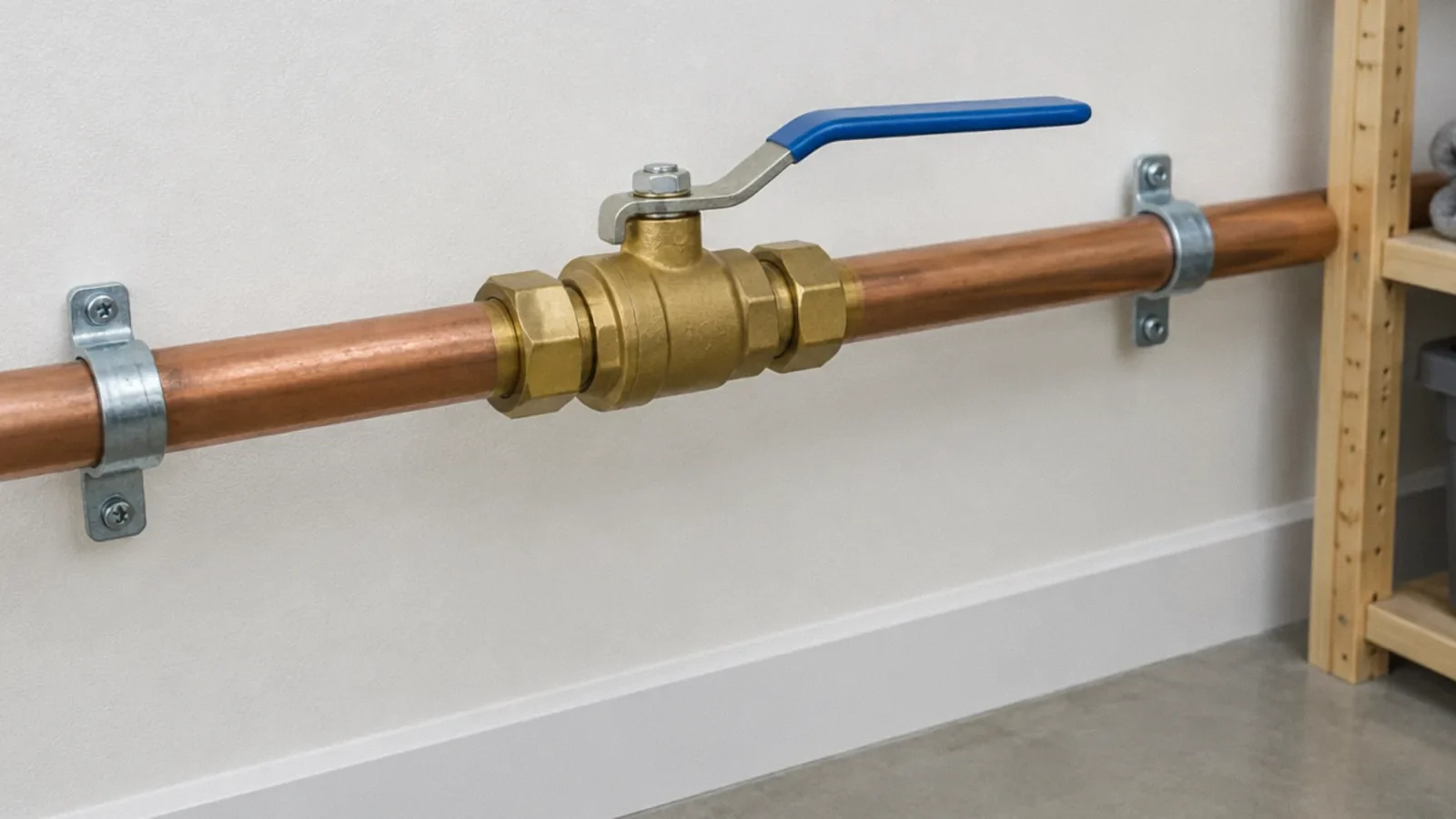
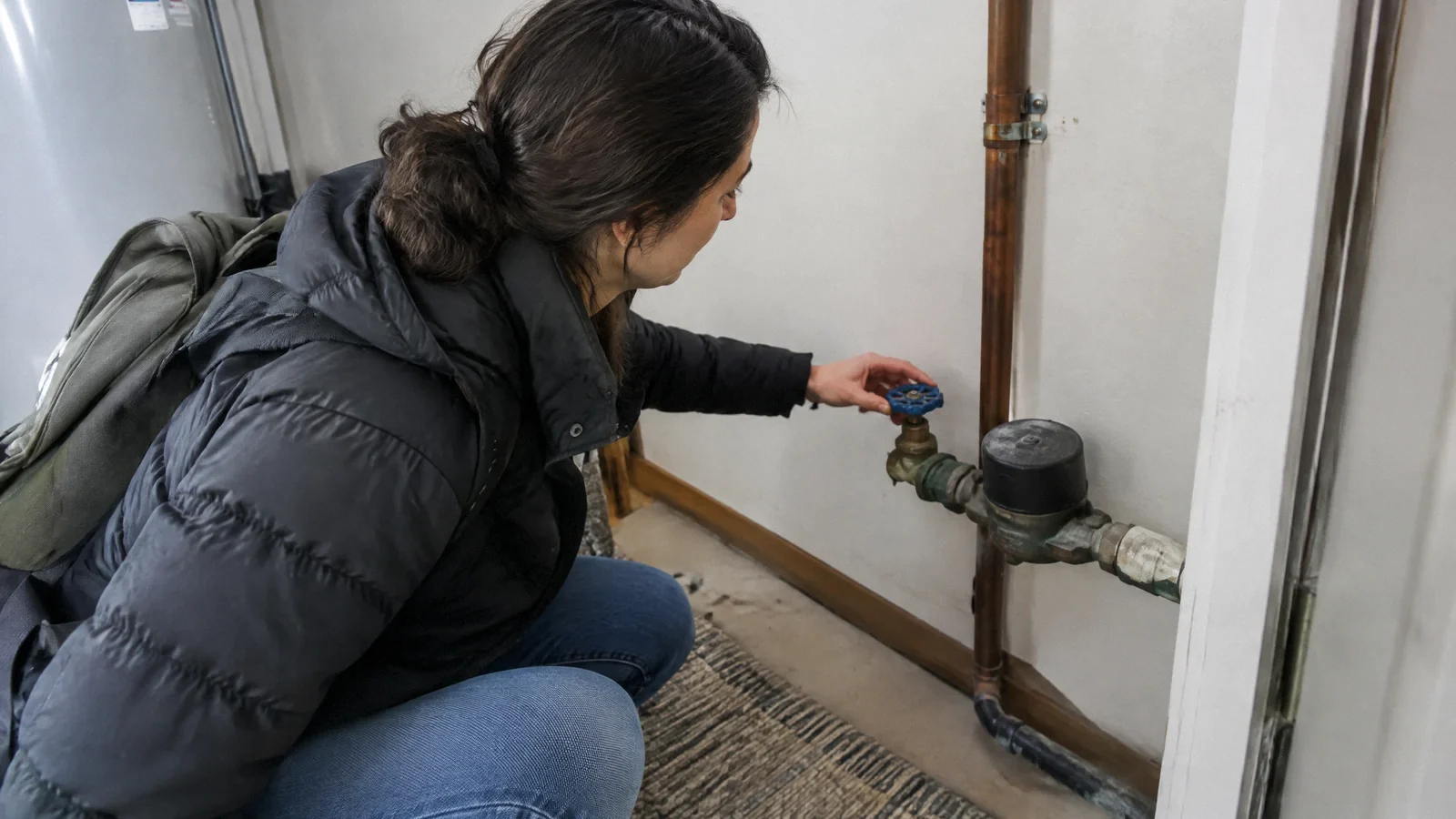
Know when a safe water shutoff can limit a leak, when to stay out of the room, and why wet electrical equipment needs assessment before reuse.
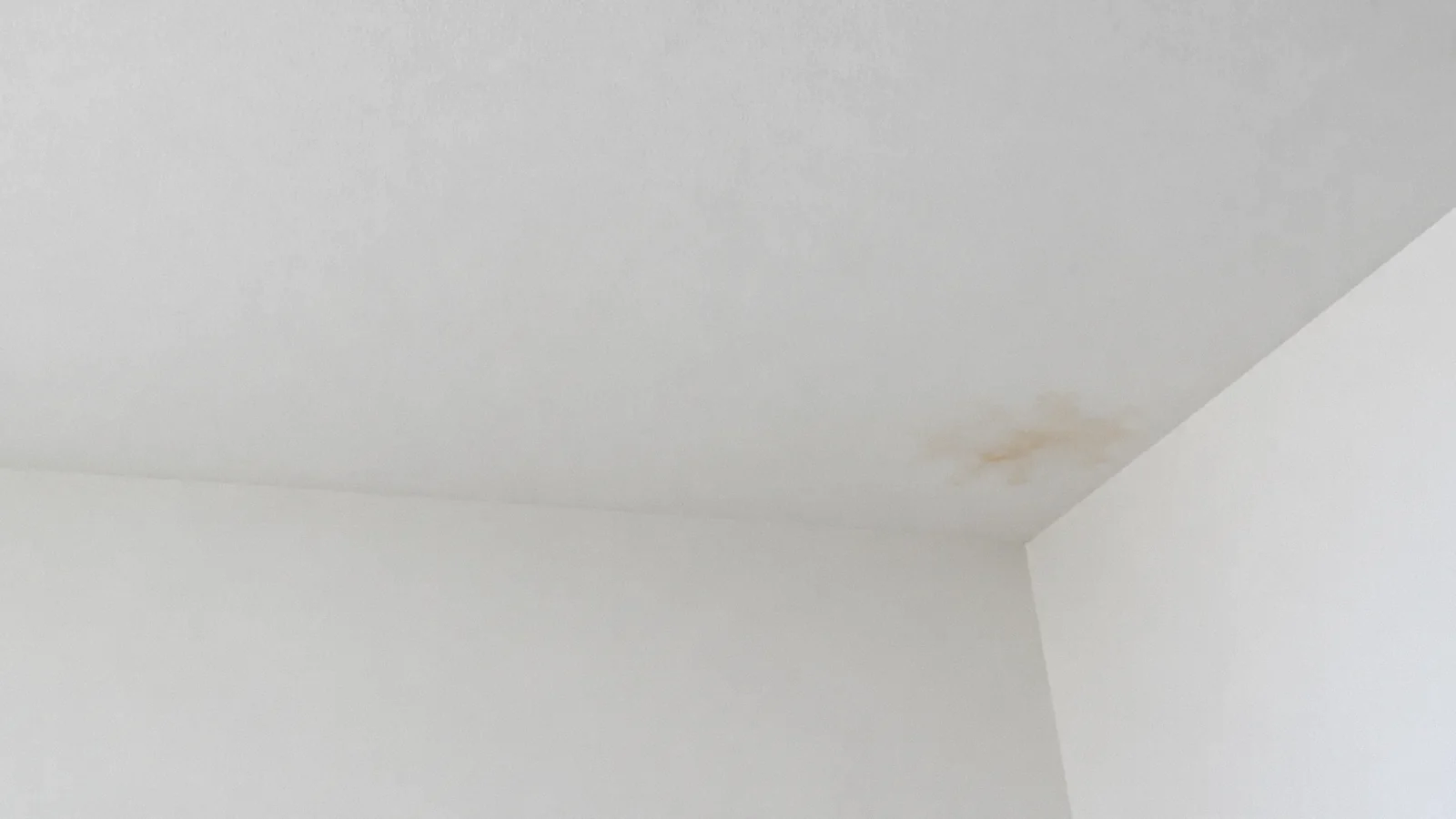
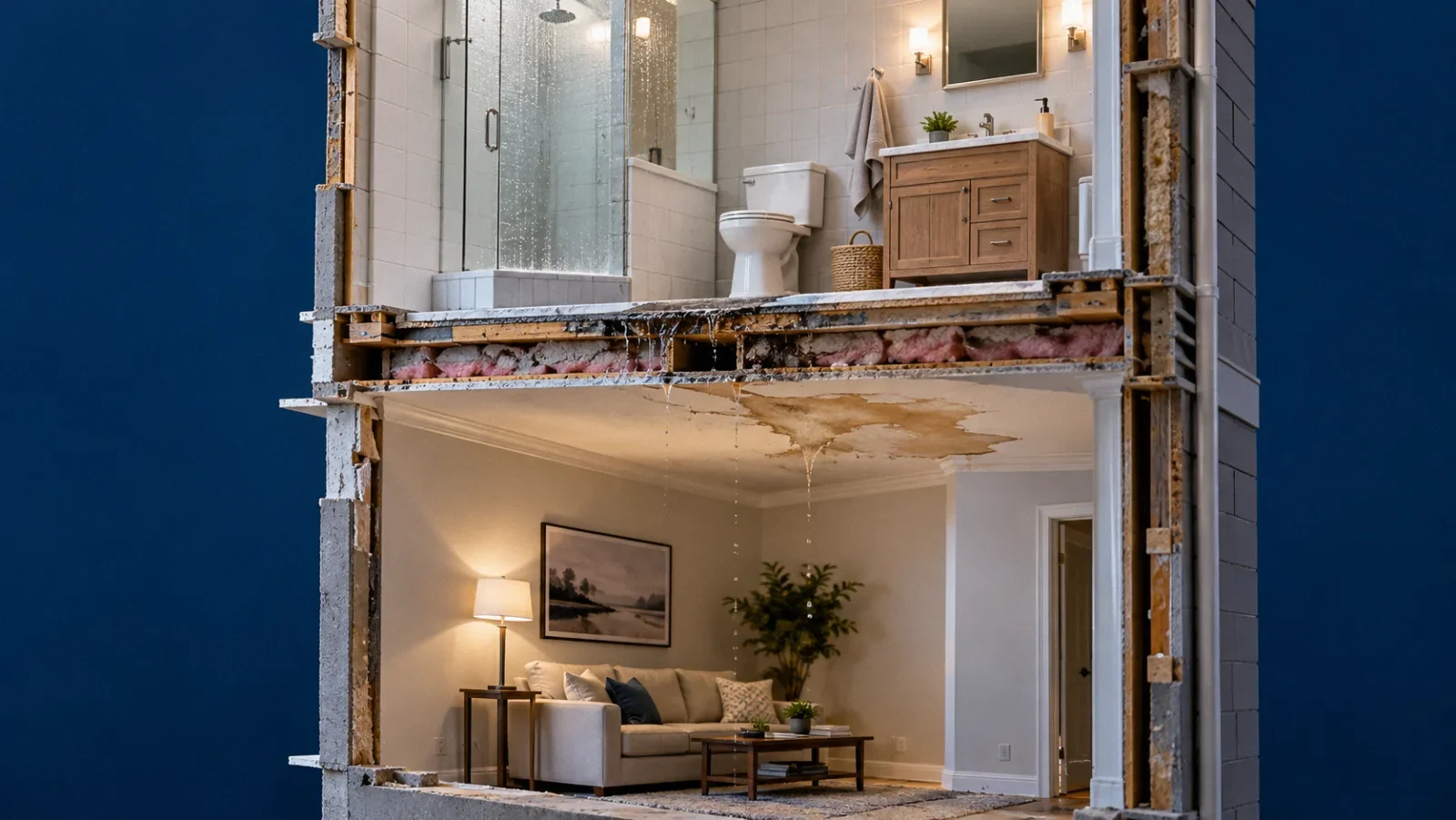
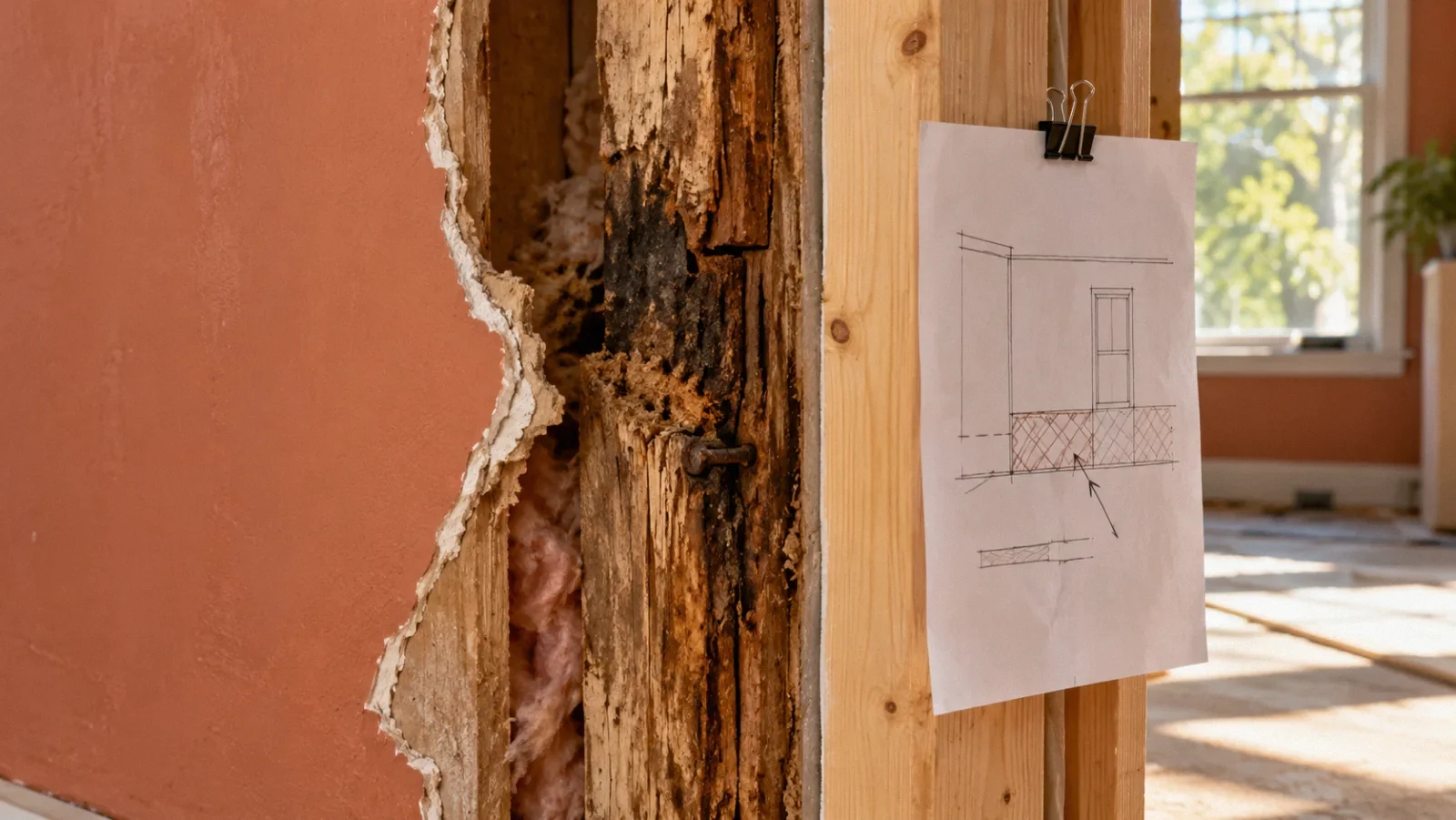
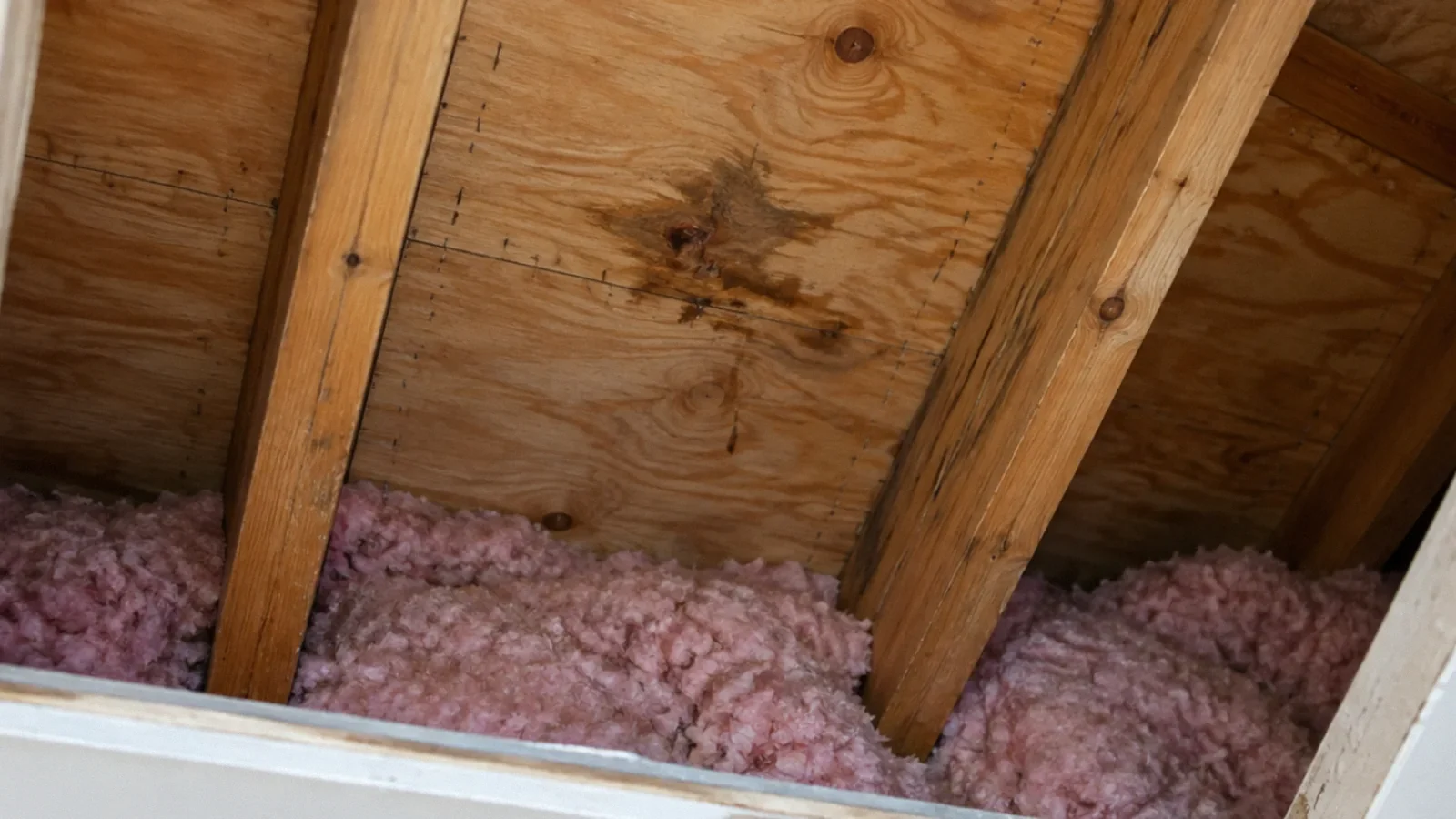
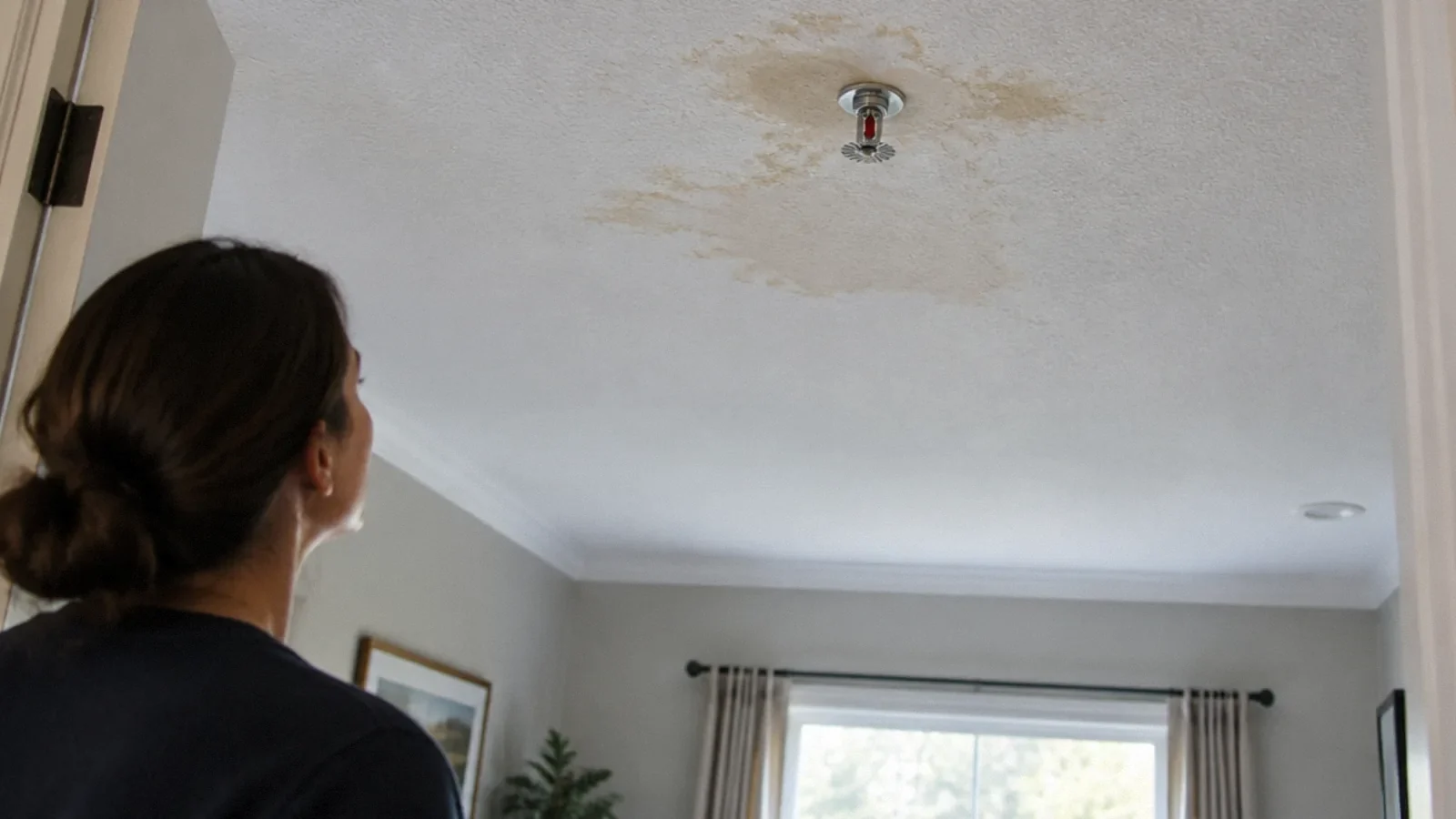
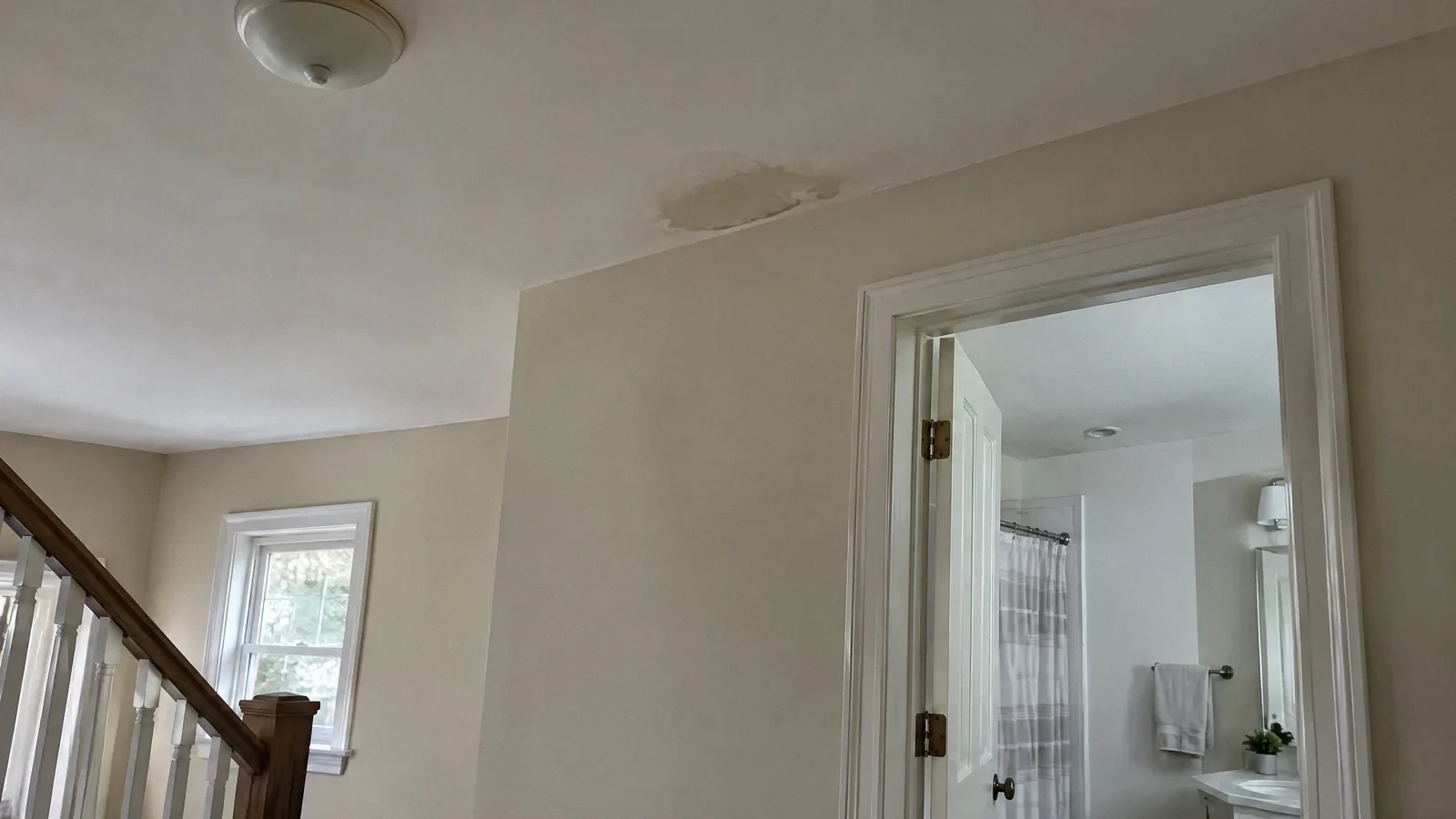
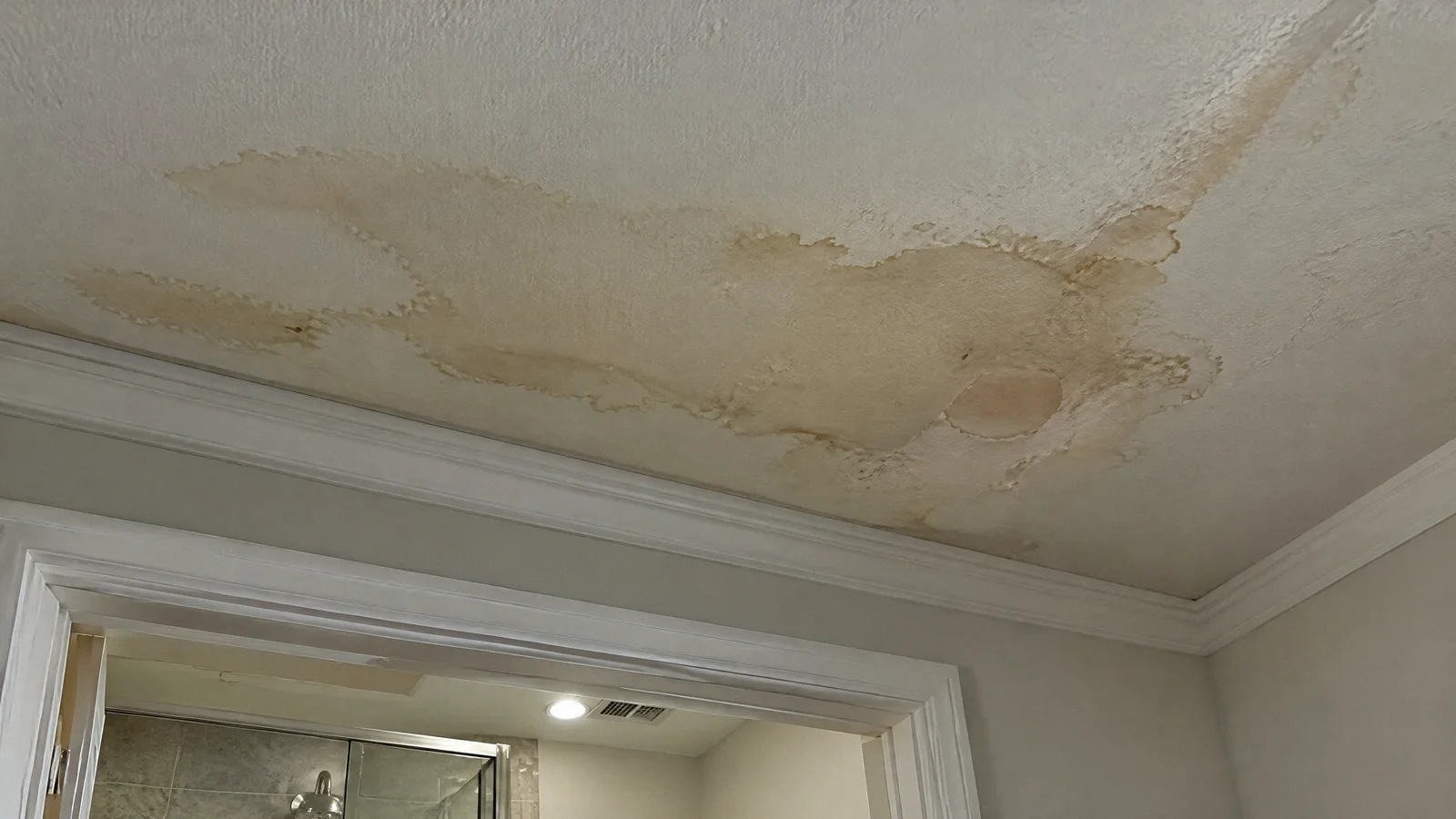
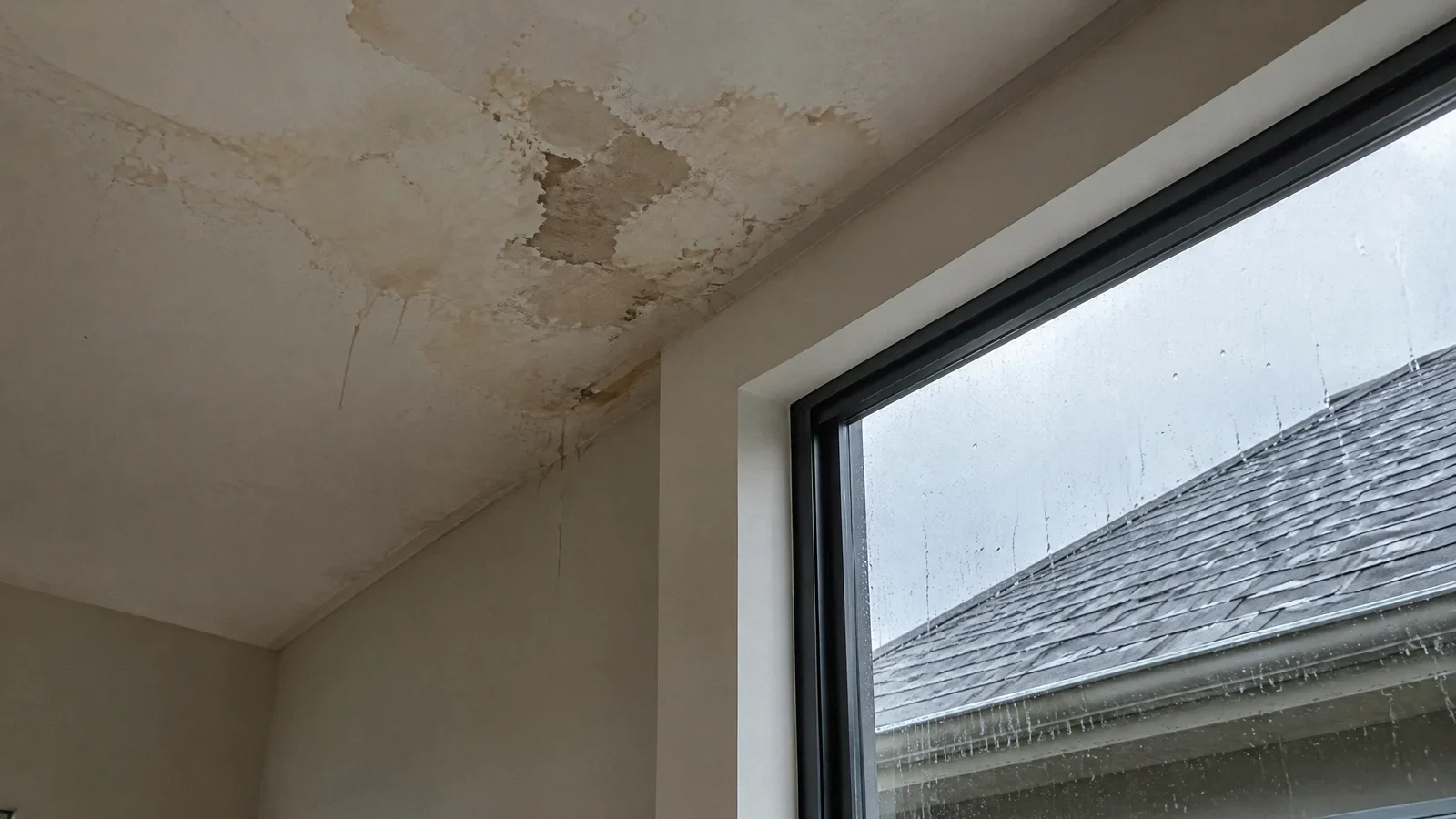
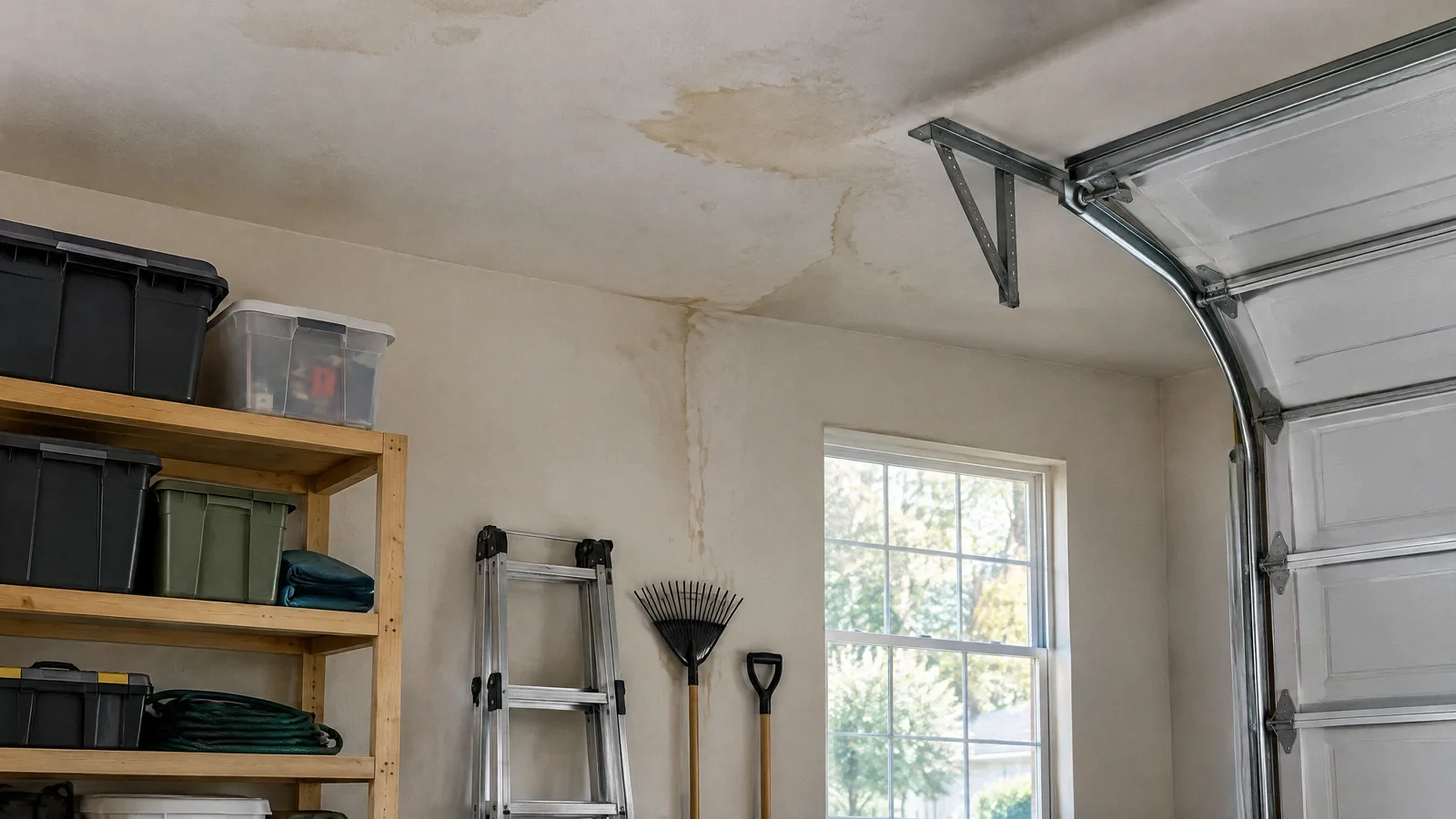
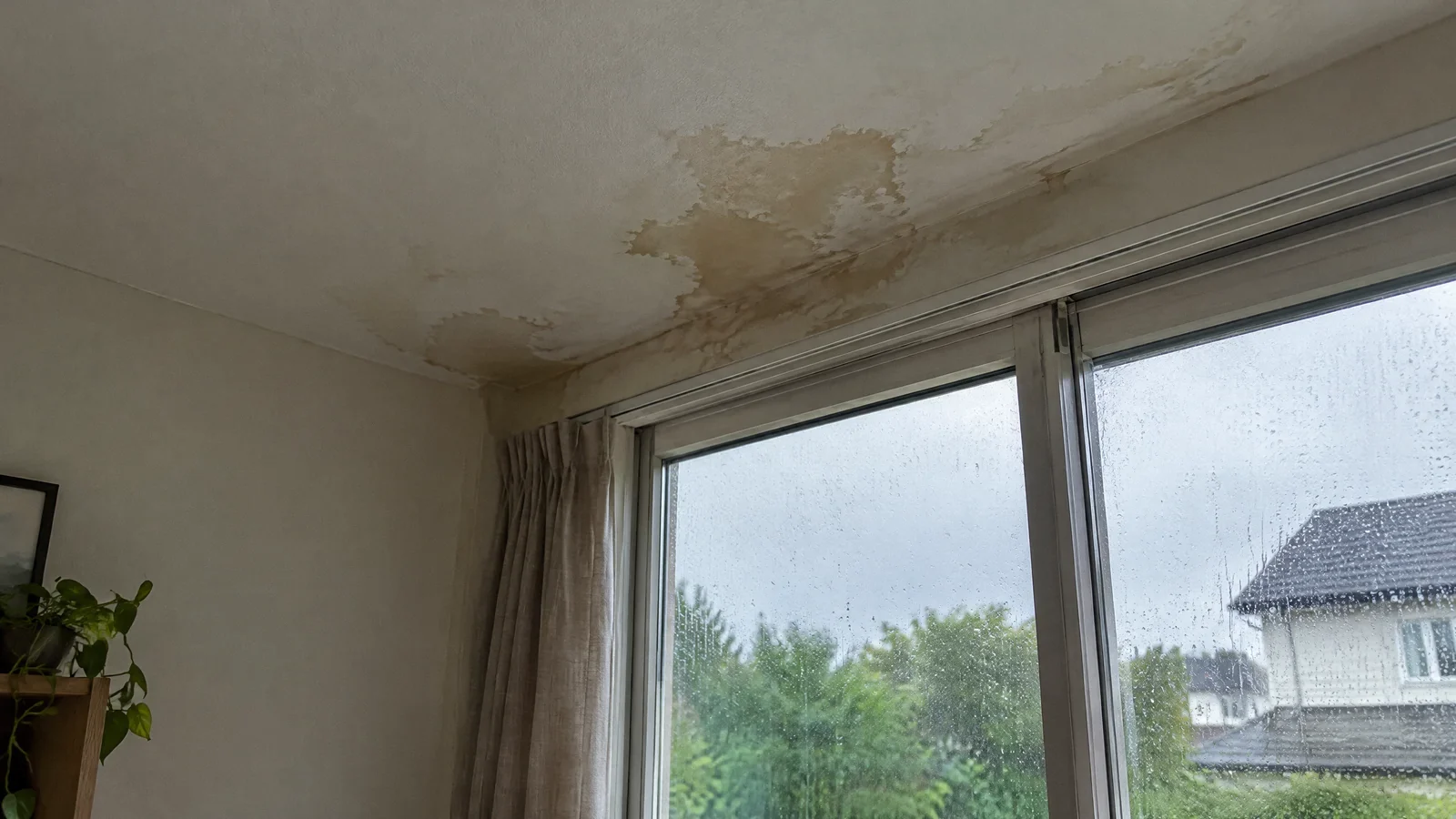
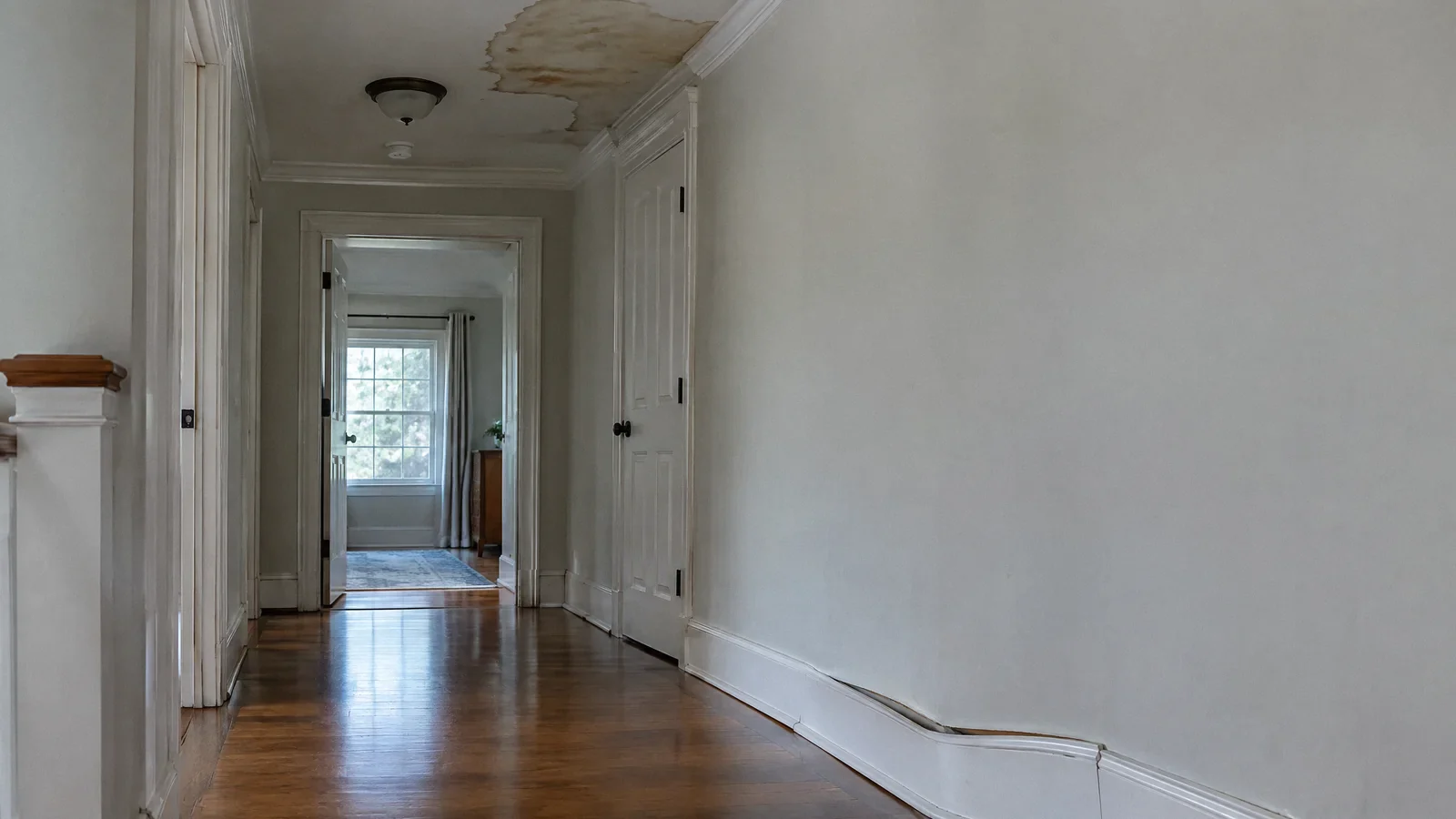
Assess a leaking ceiling beyond the visible stain: overhead safety, the water path, wet insulation, retained framing, and evidence needed before patching.
Understand why sewage cleanup requires contamination control as well as drying, including porous materials, hidden layers, waste handling, and return to use.
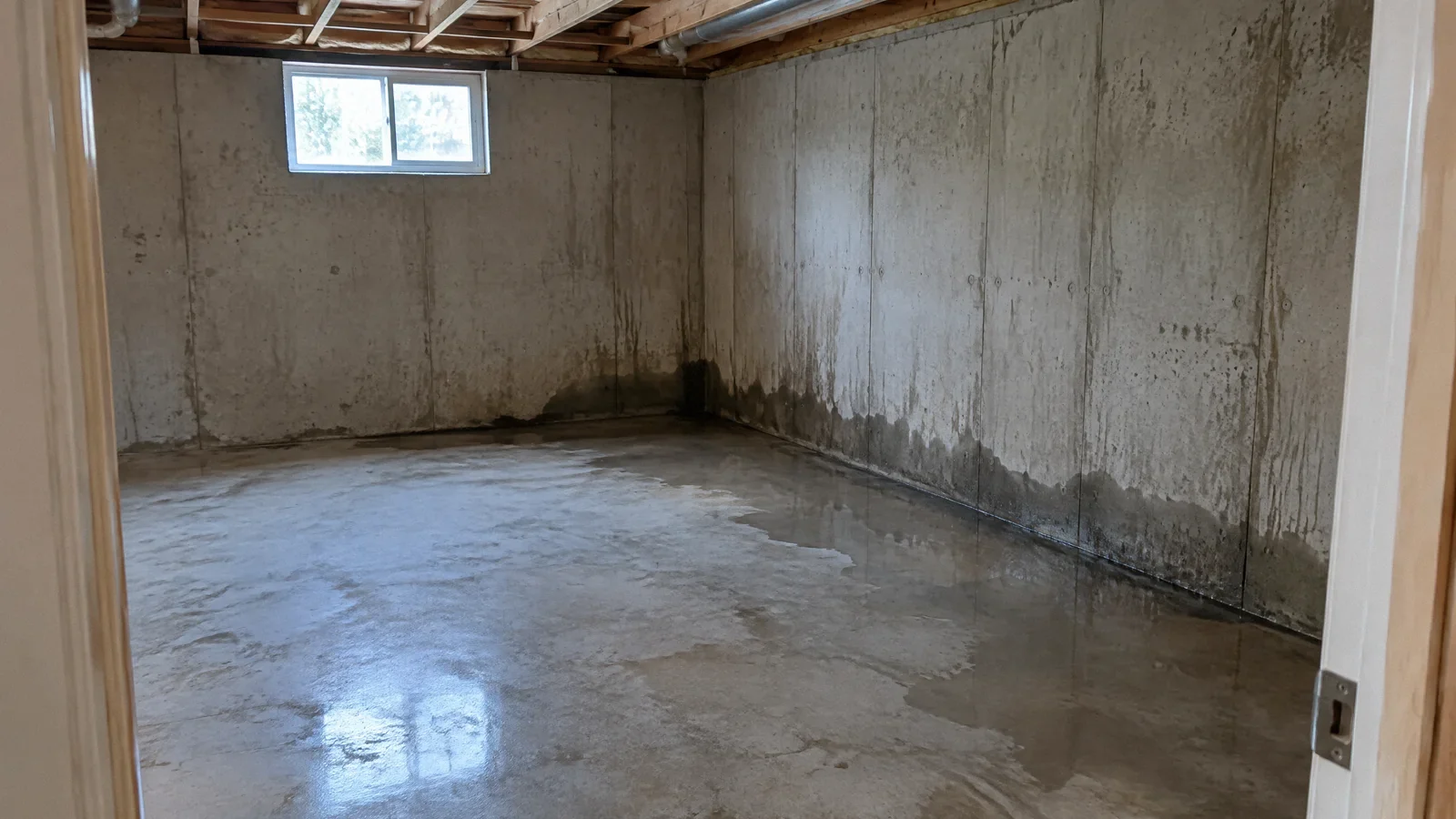
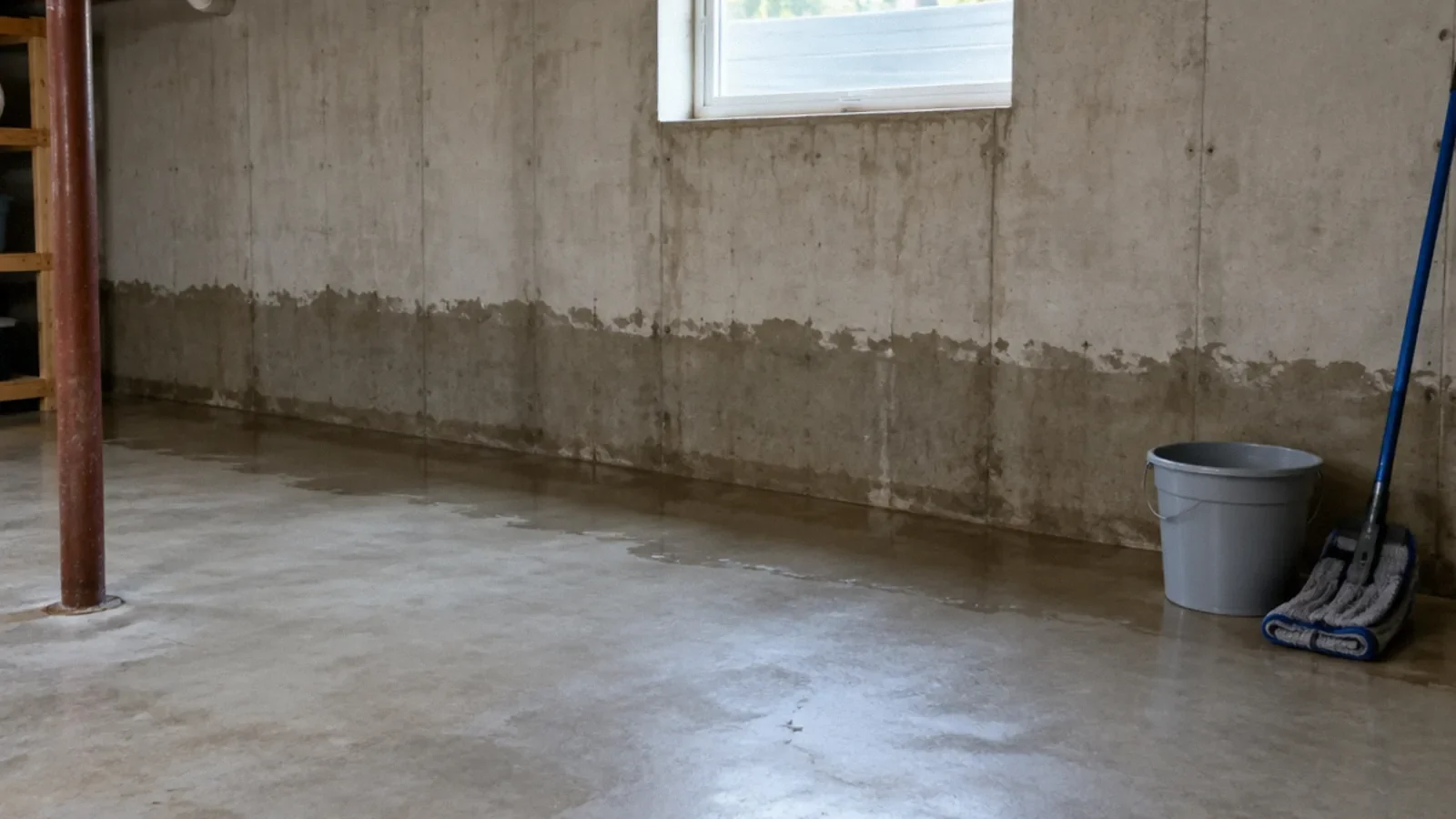
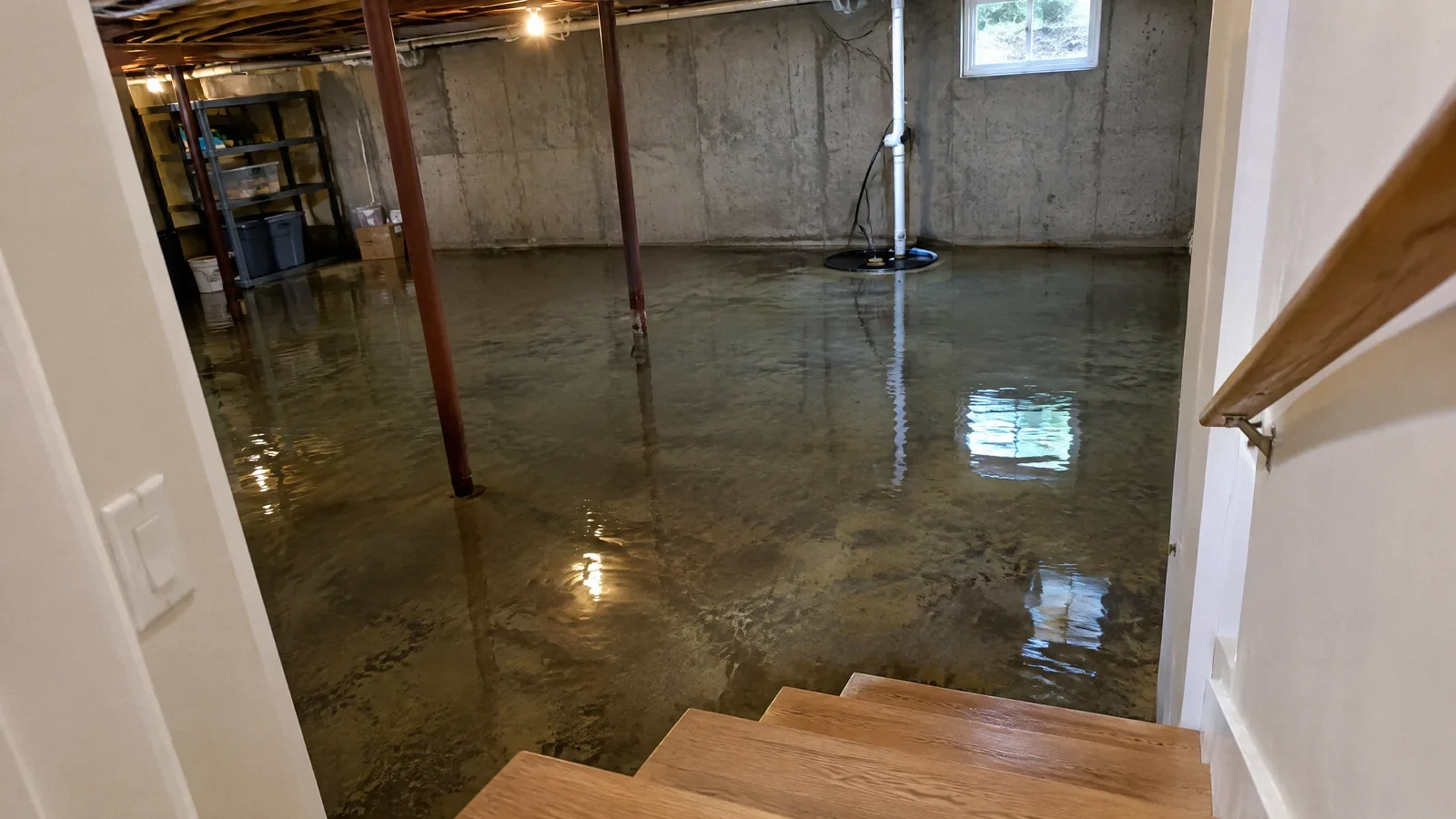
Learn why high groundwater can make rapid basement pumping risky, what conditions need structural guidance, and how extraction differs from final drying.
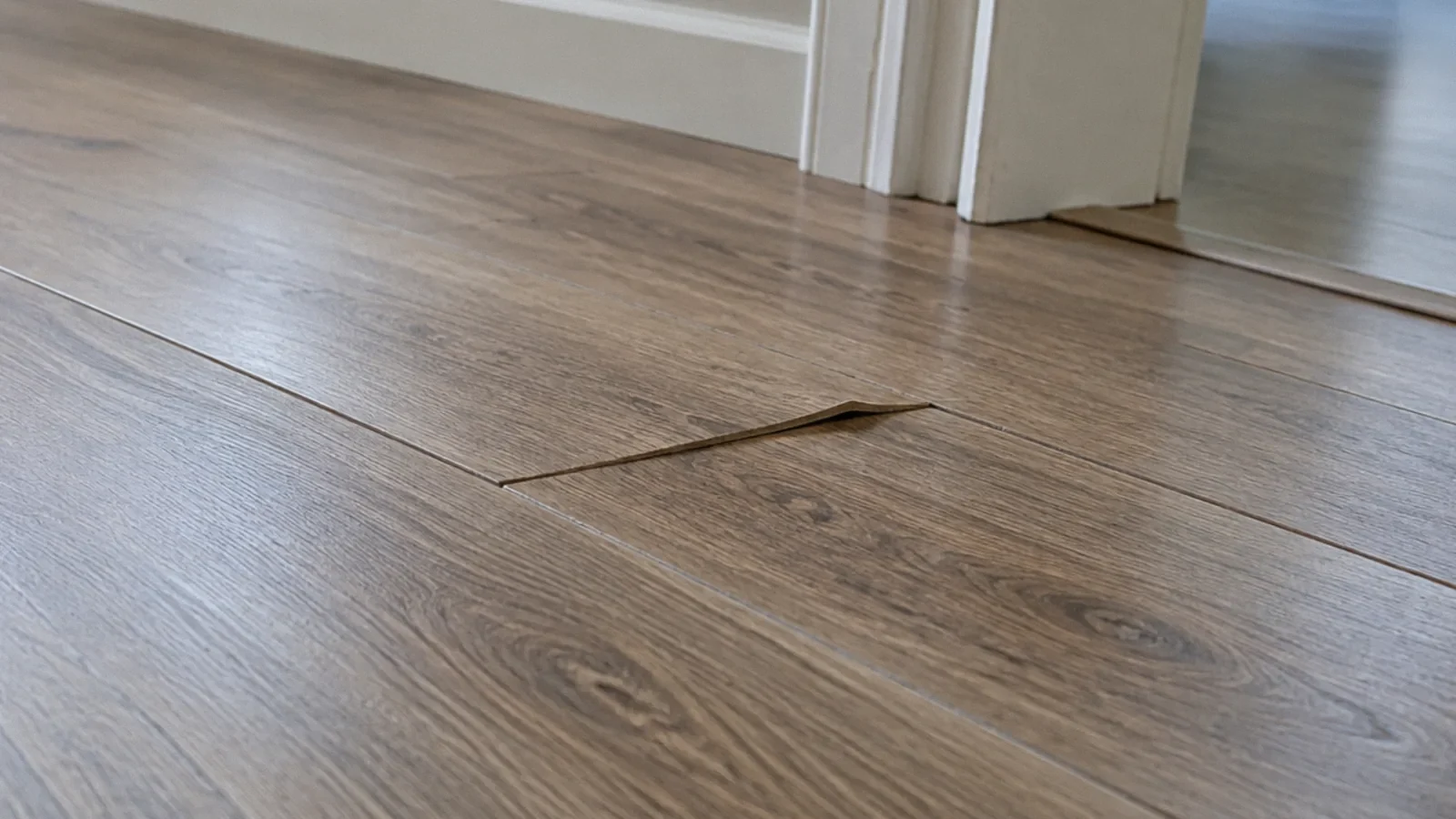
Assess swollen laminate seams, damaged locking joints, wet underlayment, and subfloor readiness before deciding what can be reused or replaced.
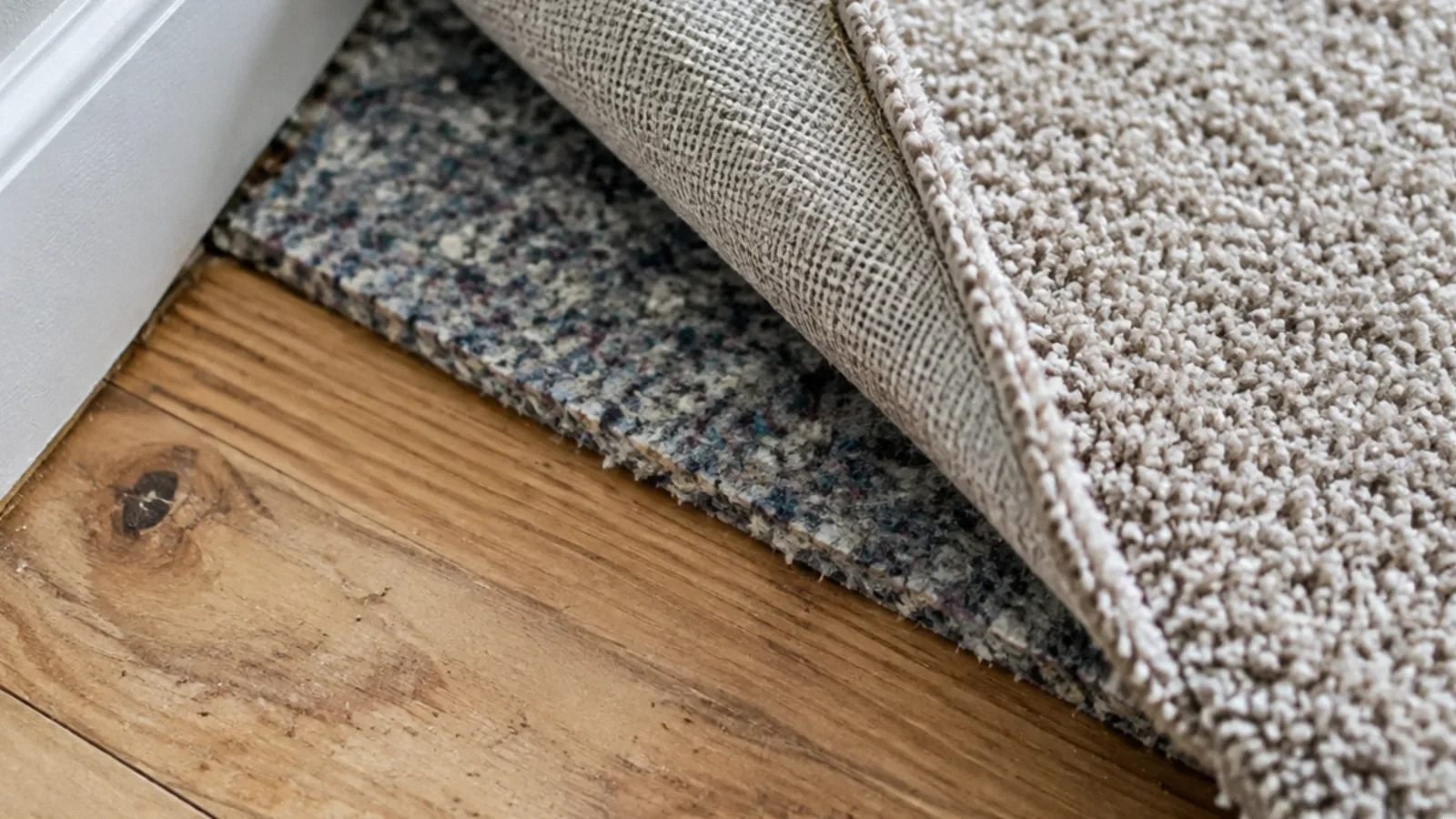
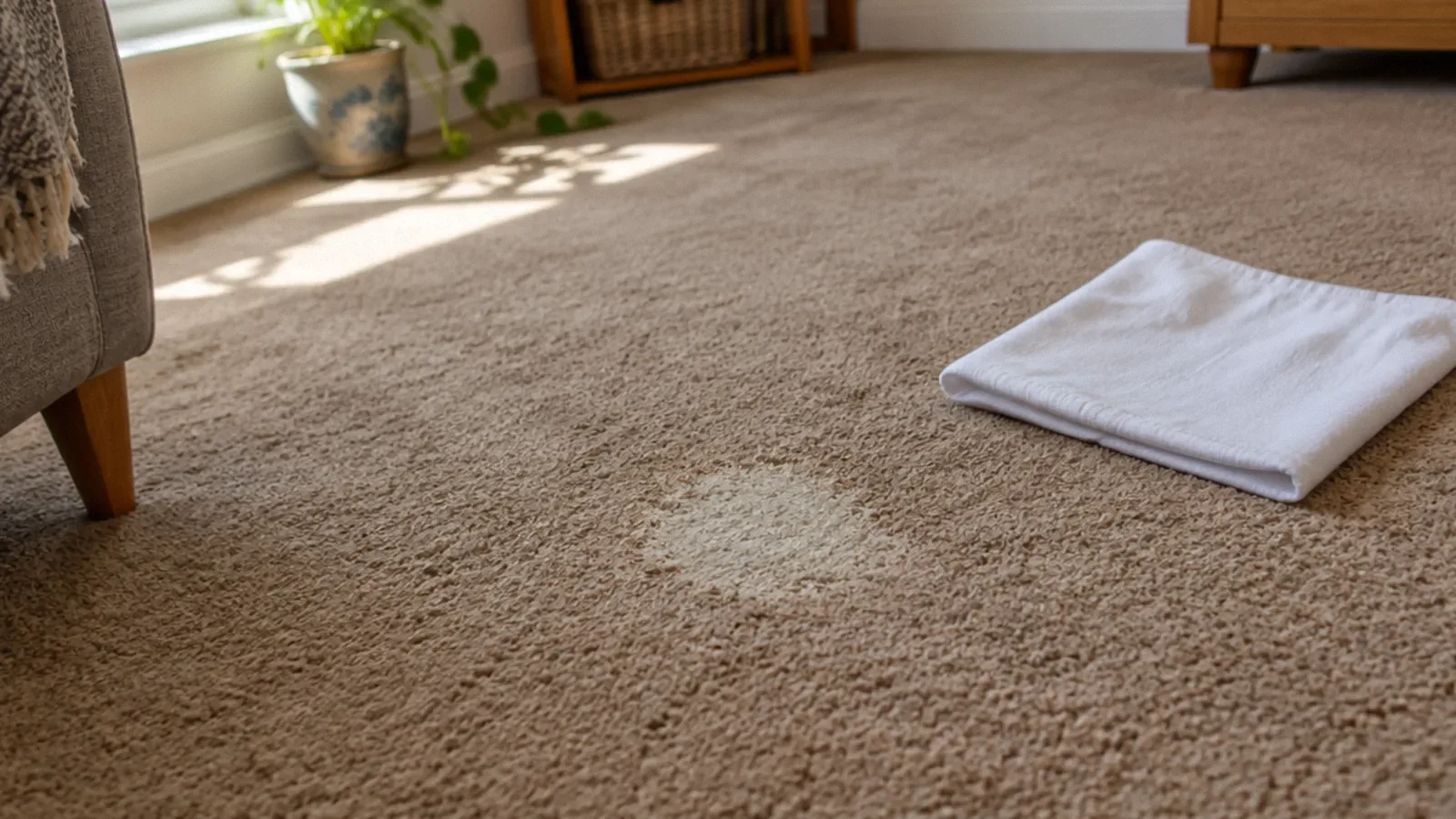
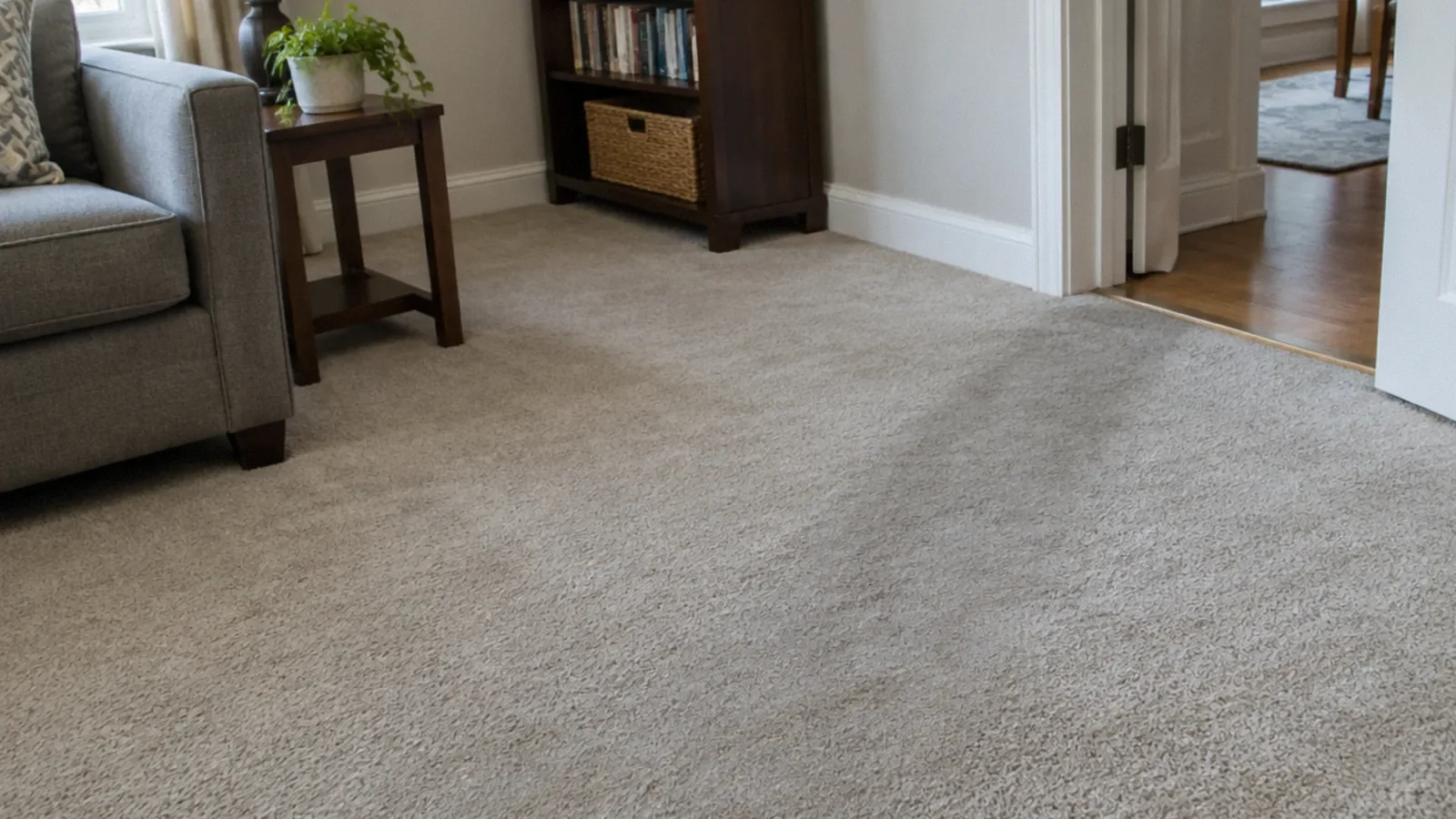
Separate carpet, backing, pad, and subfloor decisions after a leak, with attention to water source, cleaning access, physical damage, and drying verification.
Decide when wet drywall can remain and when access or damage calls for removal, including cavity insulation, cut boundaries, and evidence before closure.
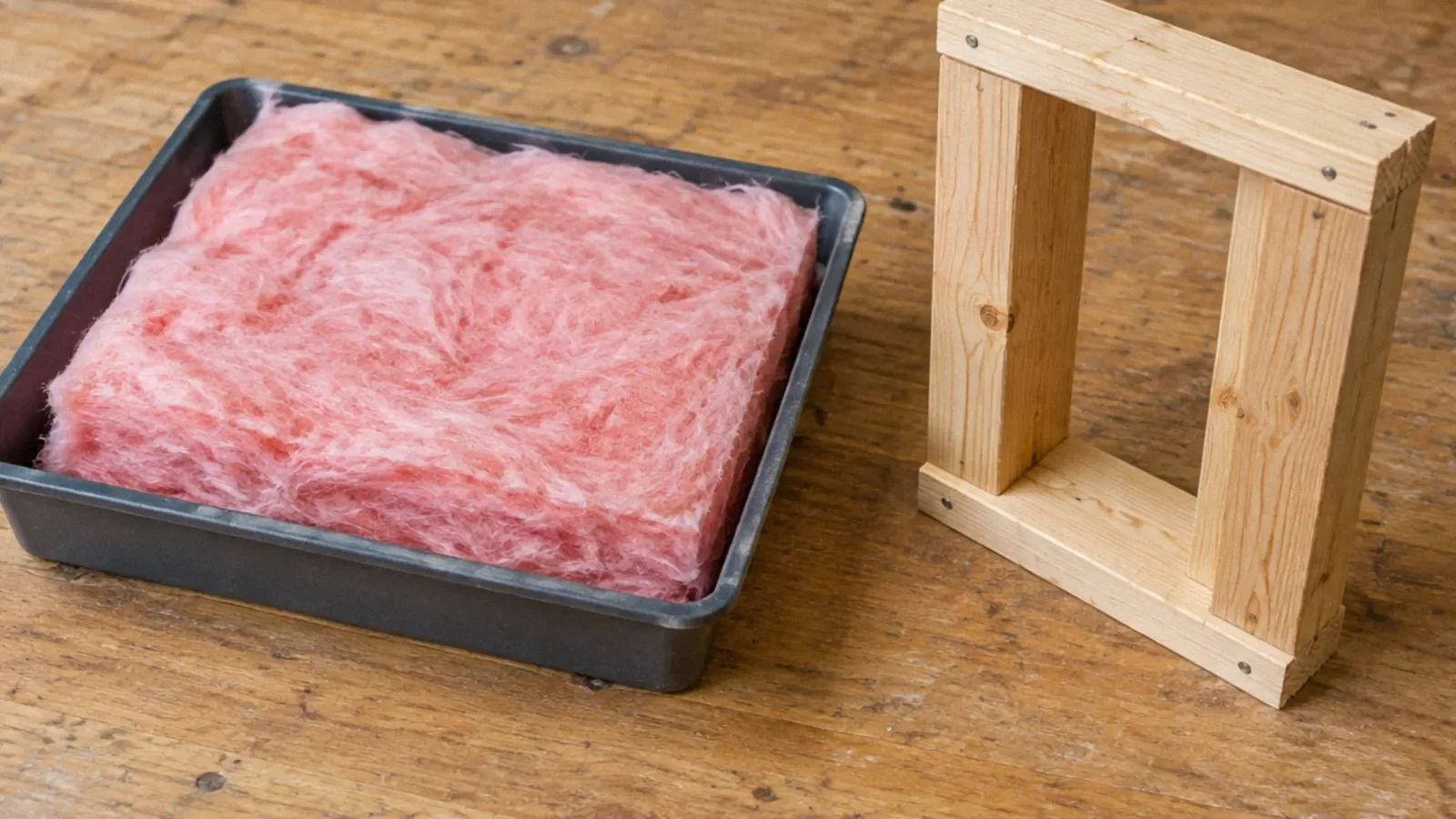
Identify wet insulation and adjacent hidden moisture, then coordinate removal, retained-framing drying, and restoration of the wall or ceiling assembly.
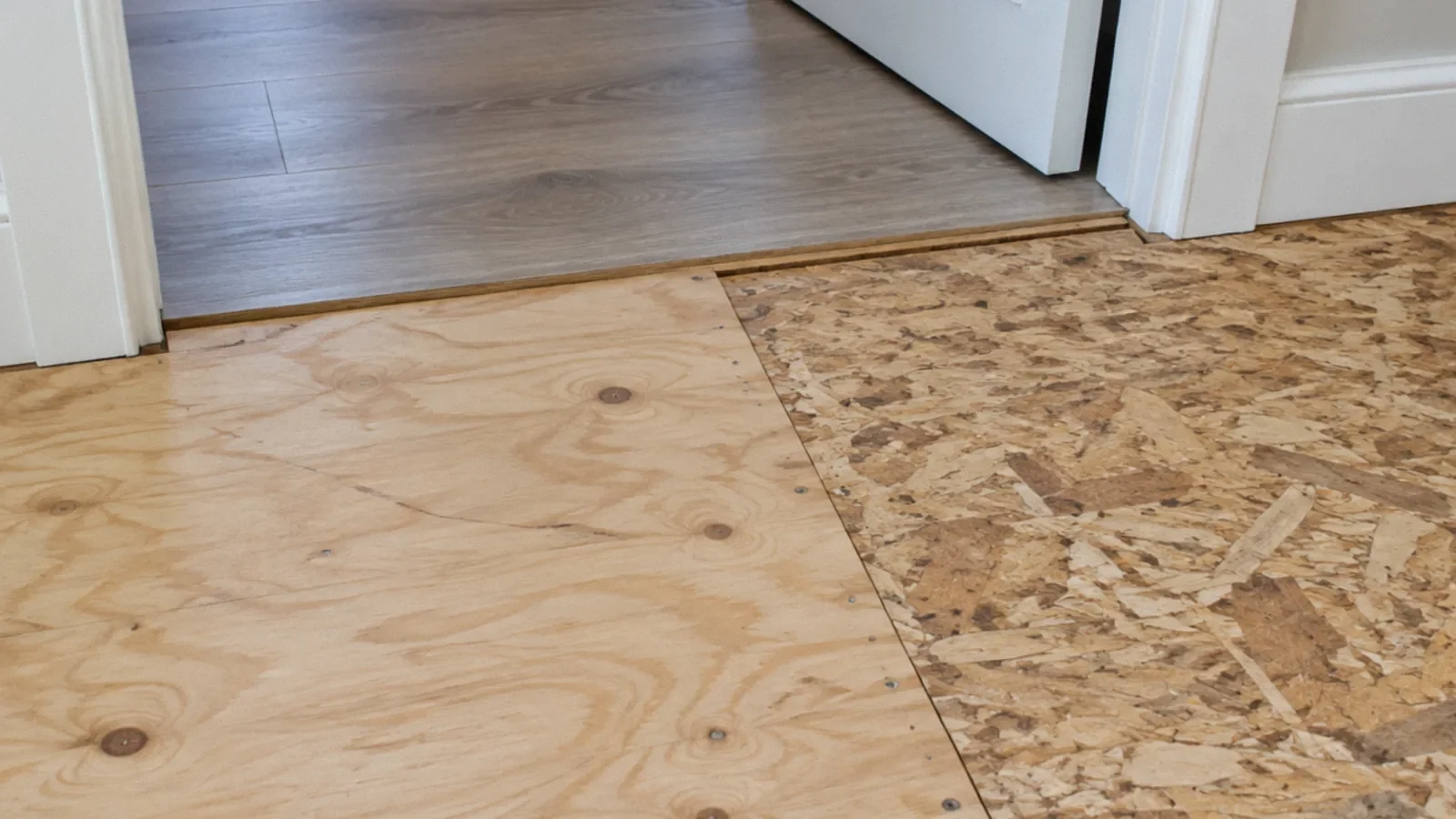
Assess wet OSB through moisture trends, swollen seams, panel condition, support, and the acceptance requirements of the flooring that will cover it.
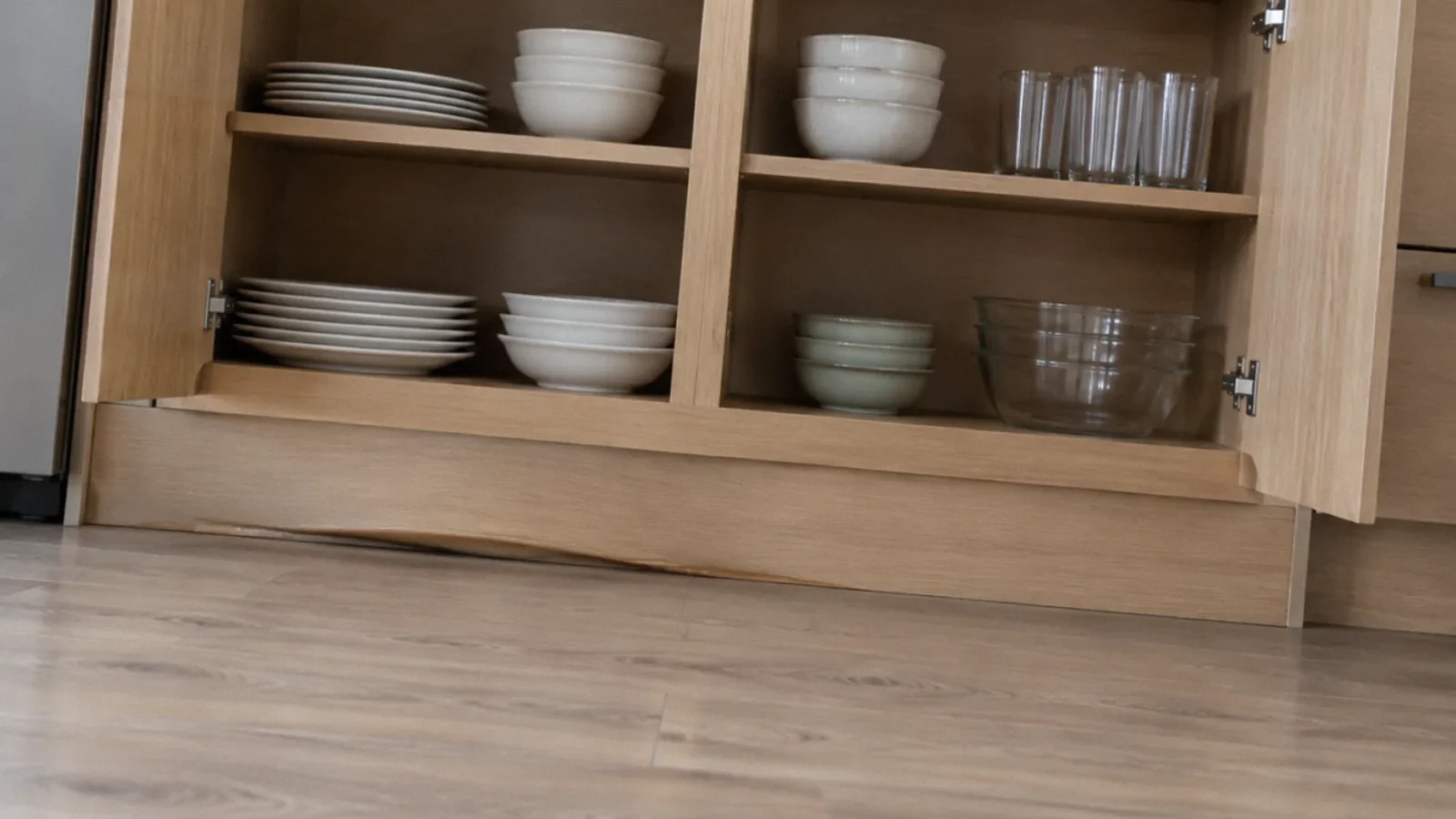
Distinguish a damaged toe-kick cover from wet or weakened cabinet supports, then plan drying, component repair, and countertop-safe access.
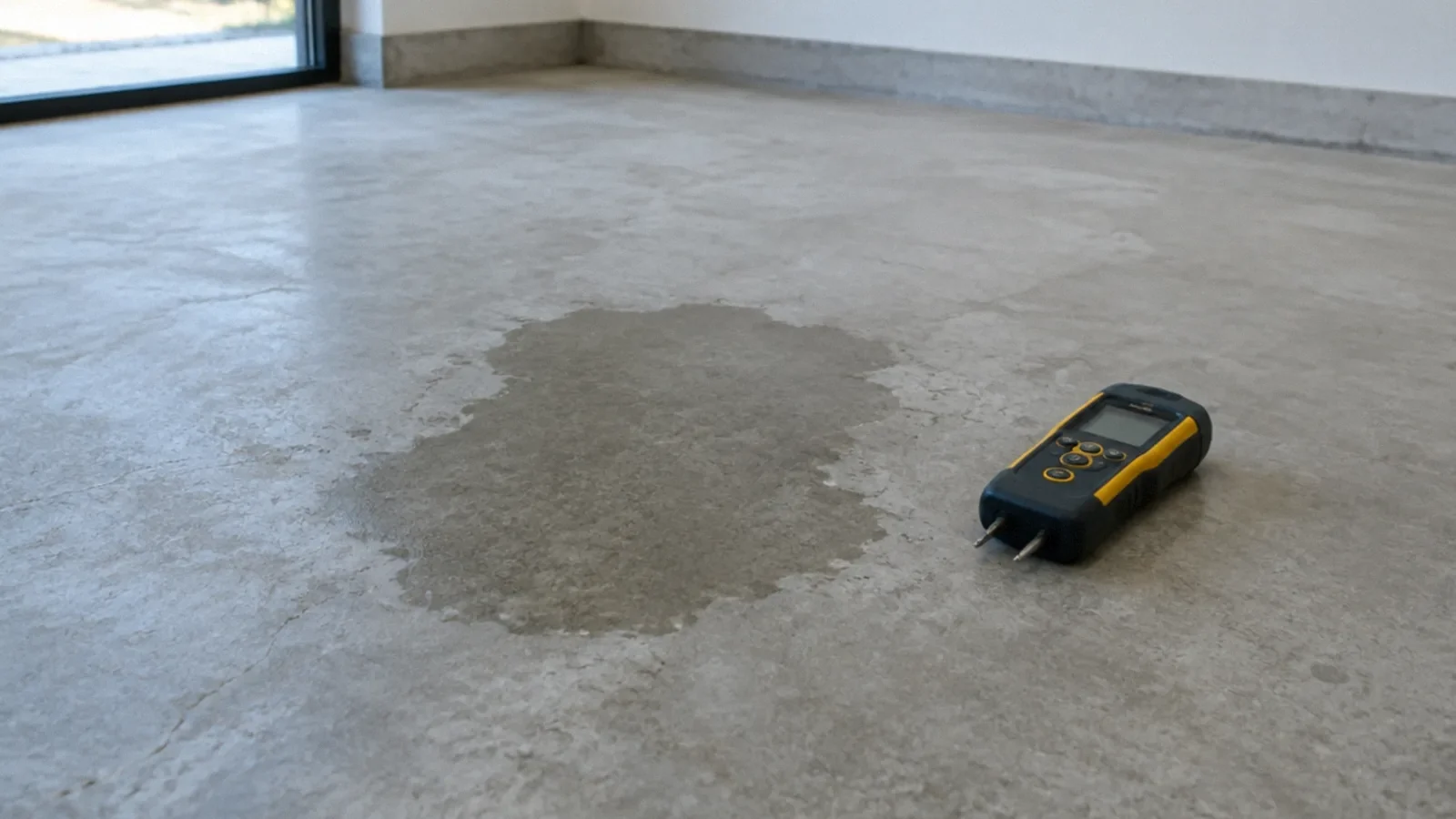
Understand why a dry-looking concrete slab may still be unsuitable for flooring, and what substrate tests and installation records should guide the decision.
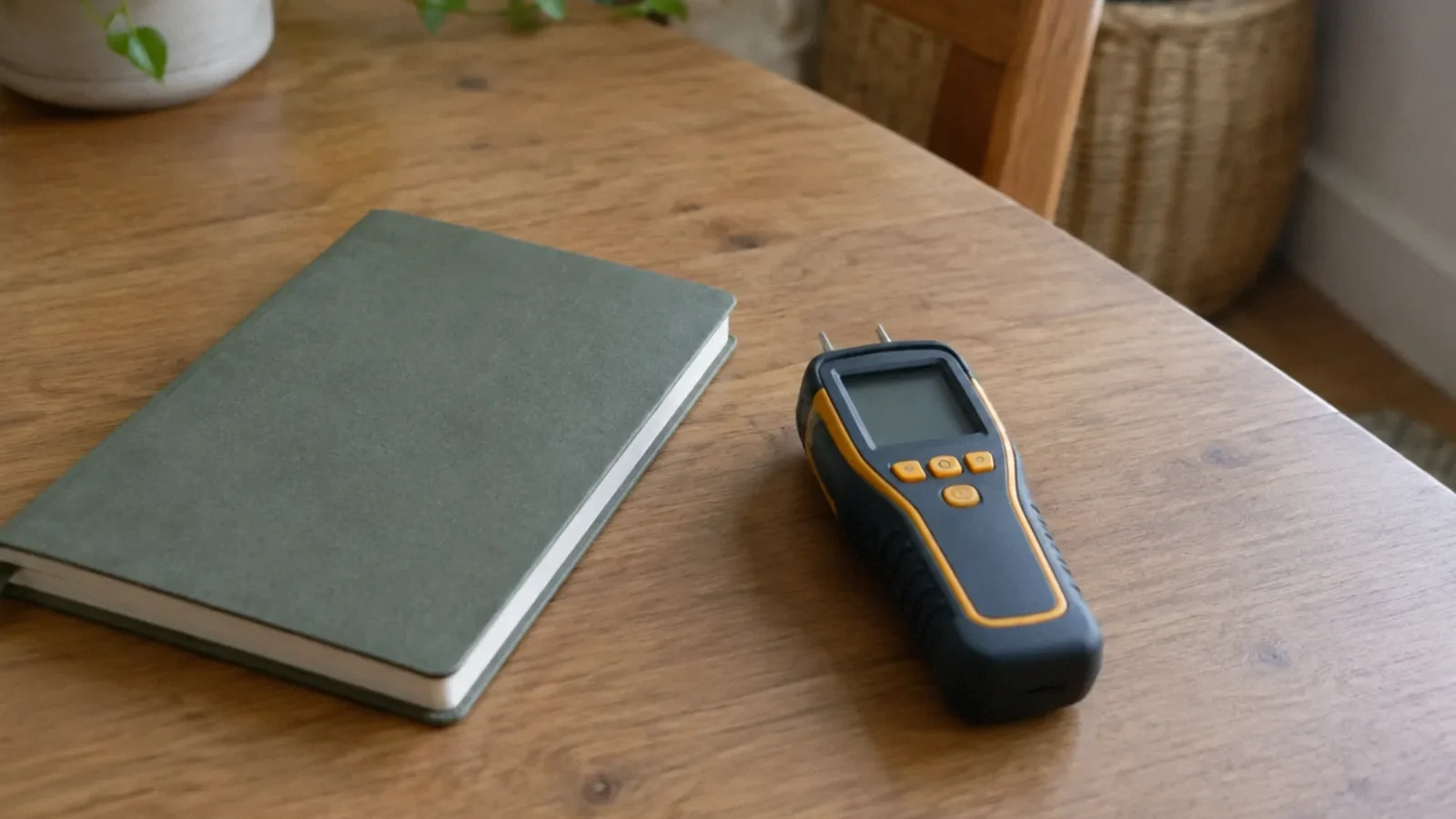
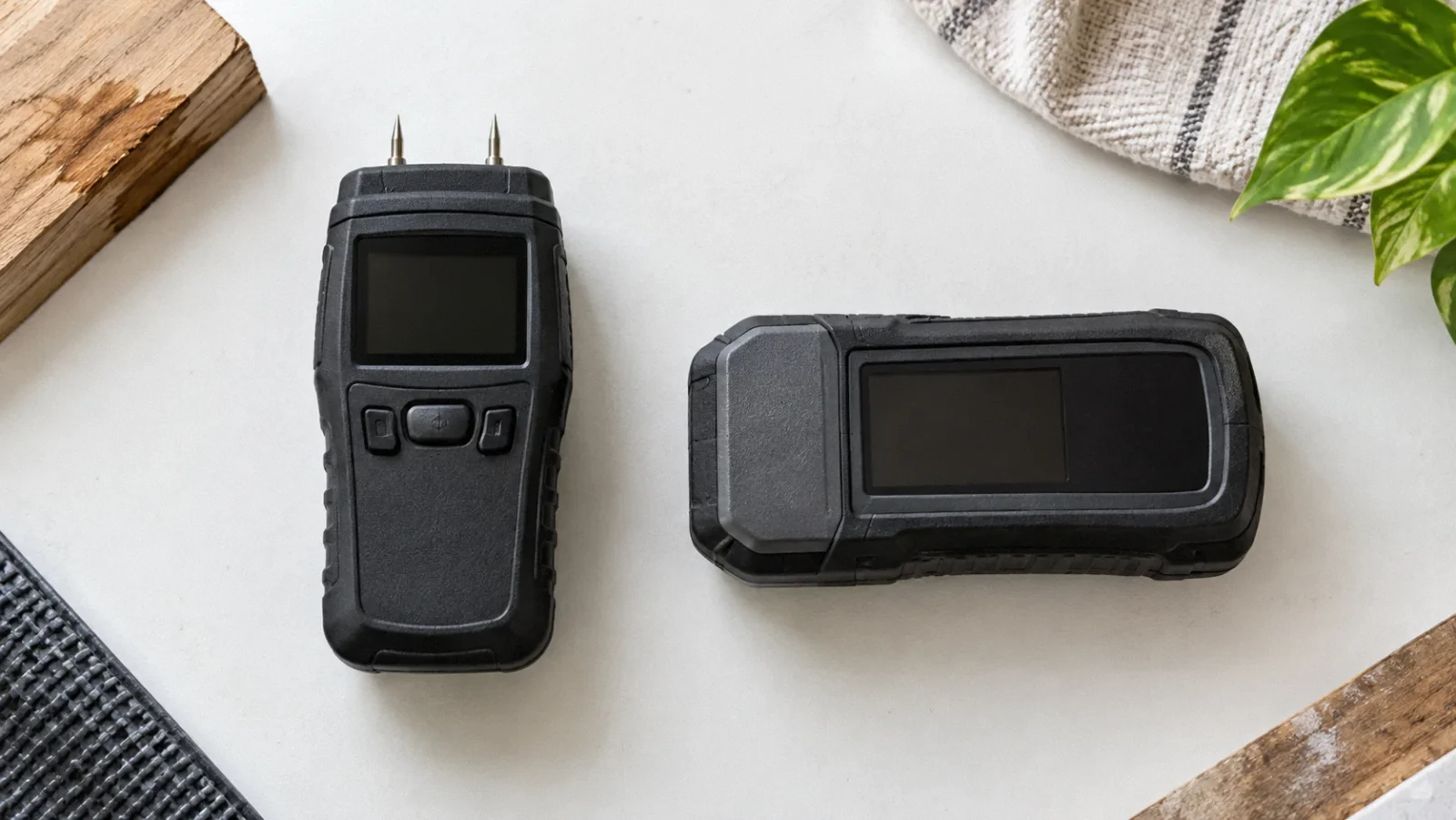
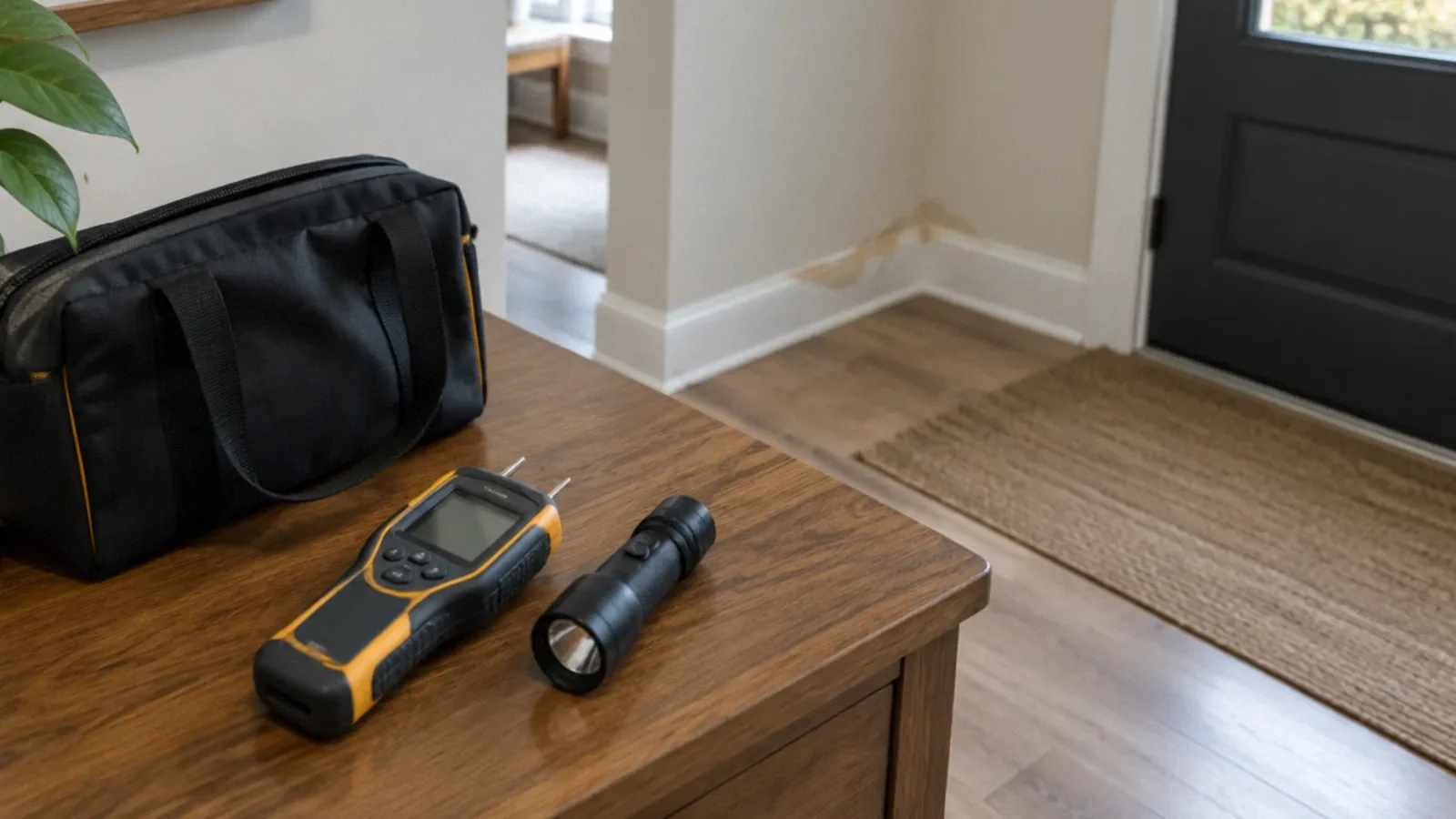
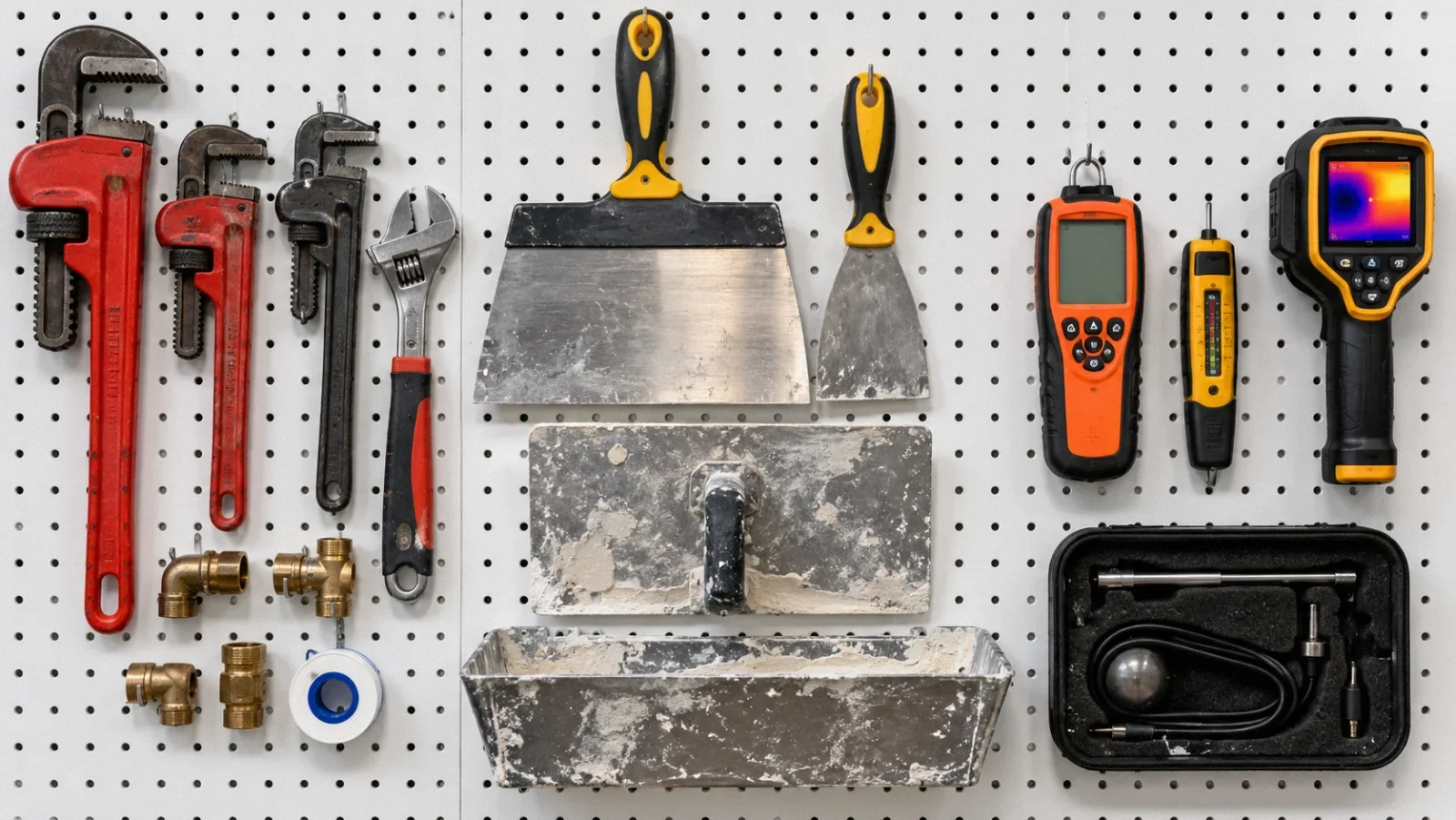
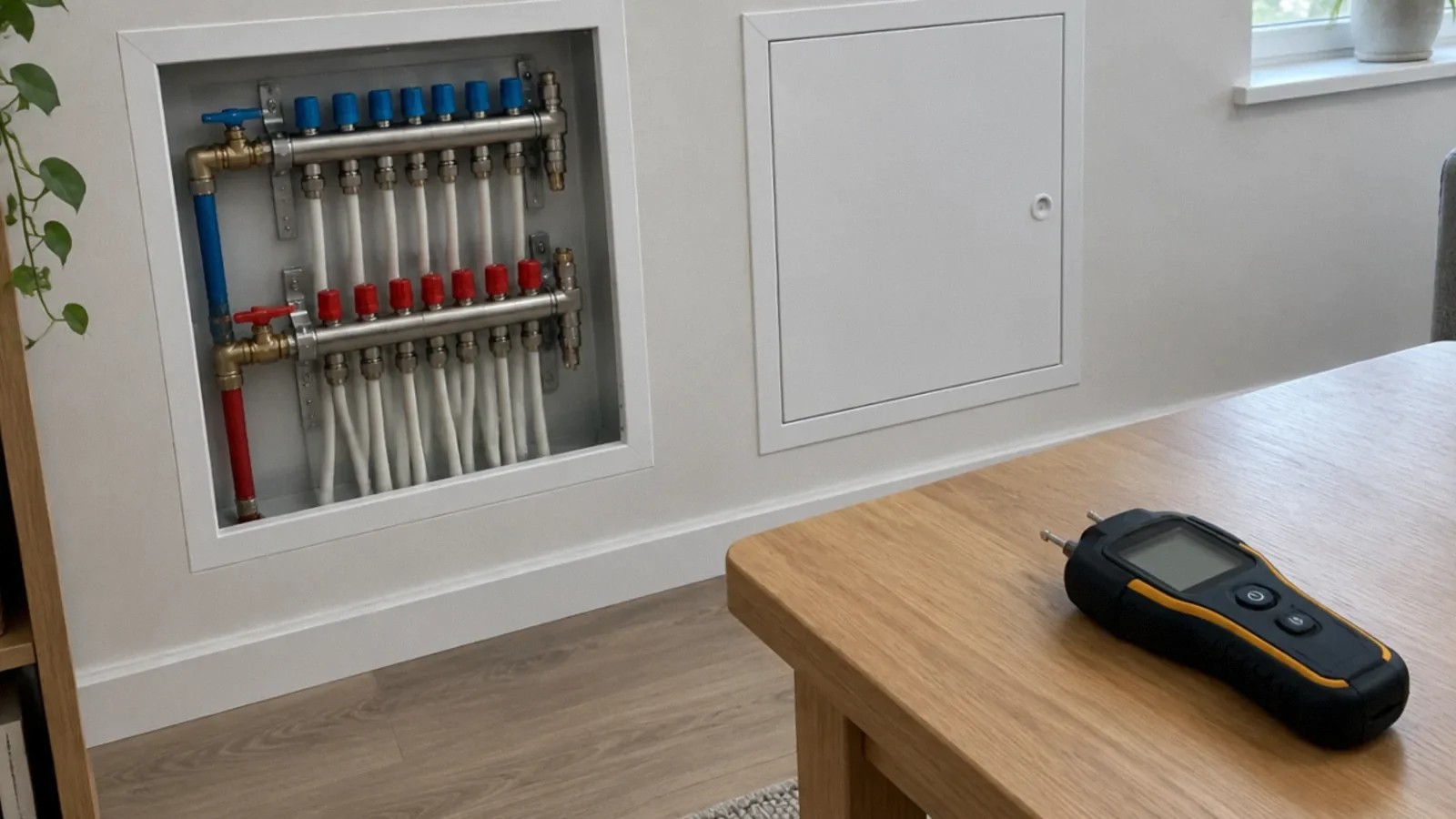
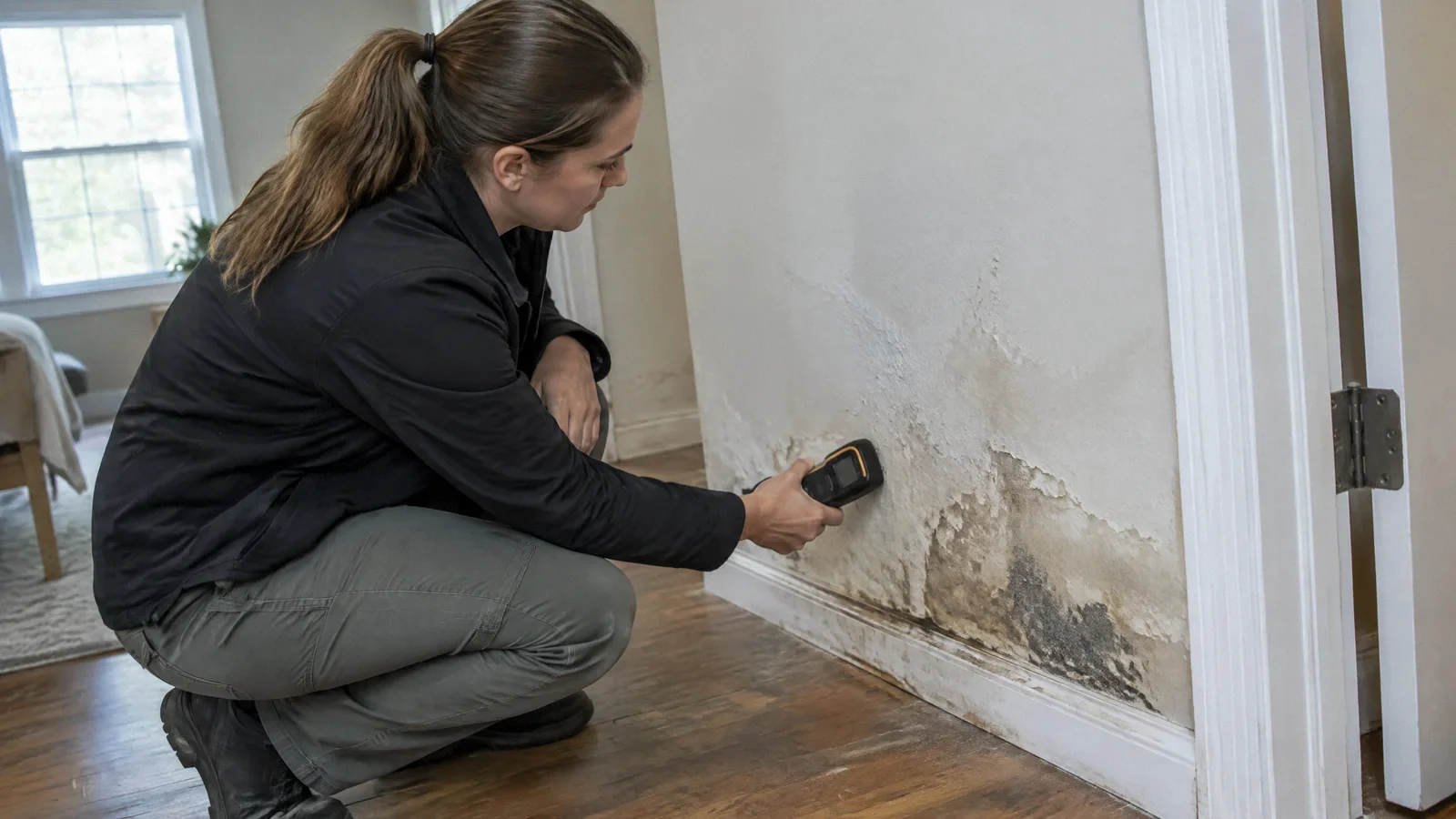
Interpret pin and pinless readings using material, scale, depth, and comparison areas, and learn why conflicting numbers need method checks before repair.
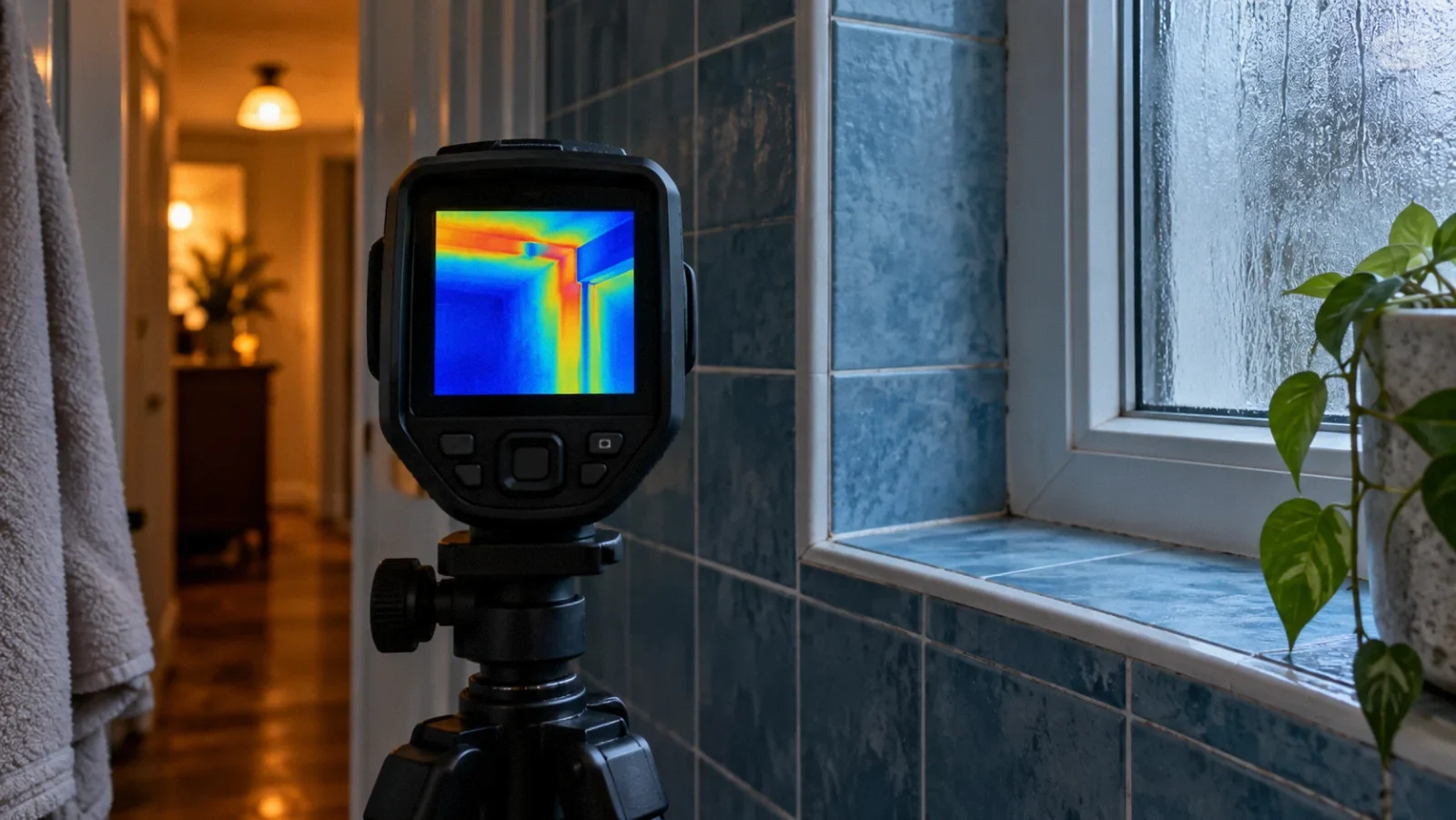
Use thermal images as temperature evidence, then confirm suspected moisture with appropriate measurements and access before deciding on demolition or closure.
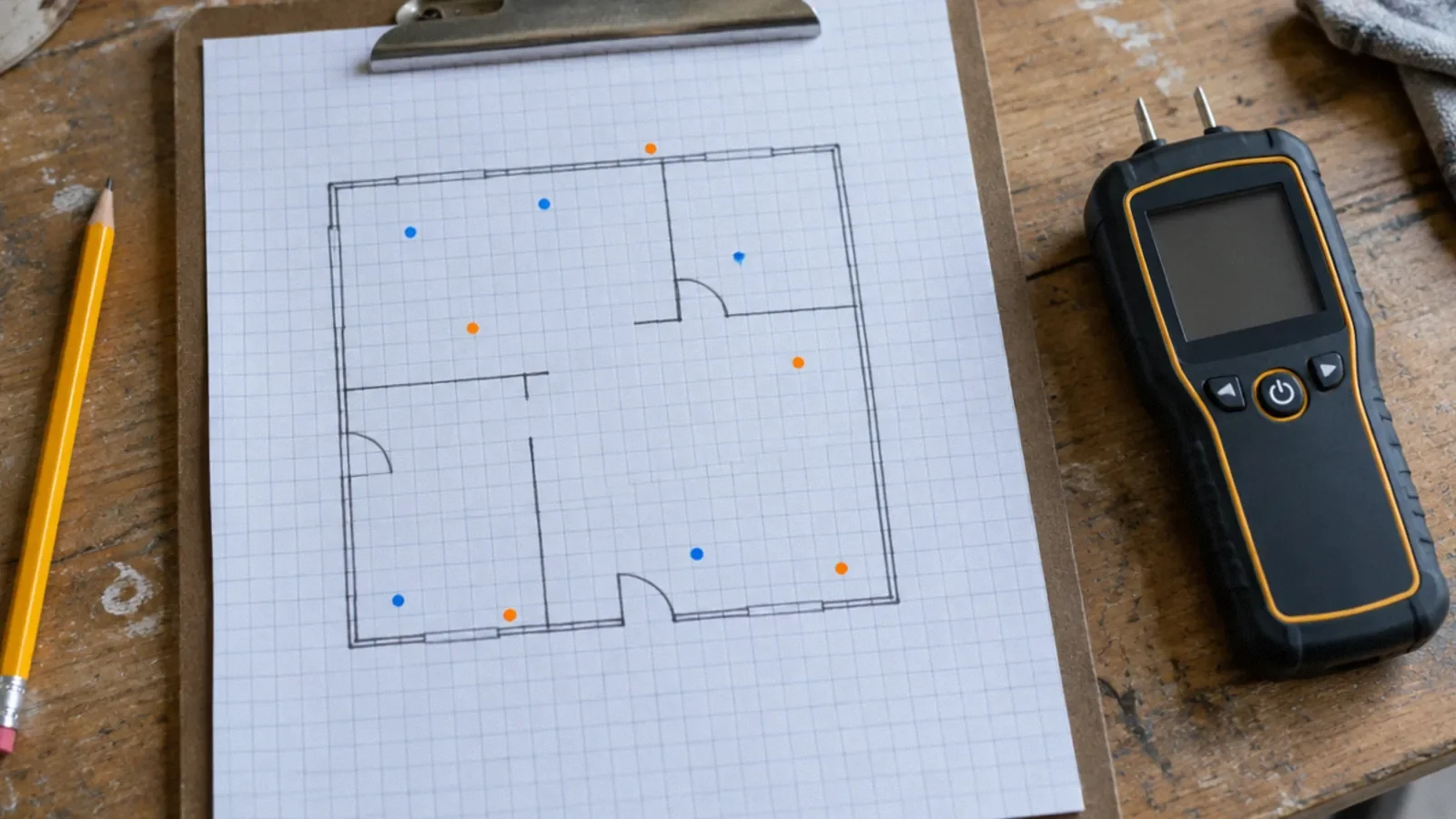
Build a moisture map that connects wet boundaries, material-specific readings, hidden areas, and repeat test points to removal and drying decisions.
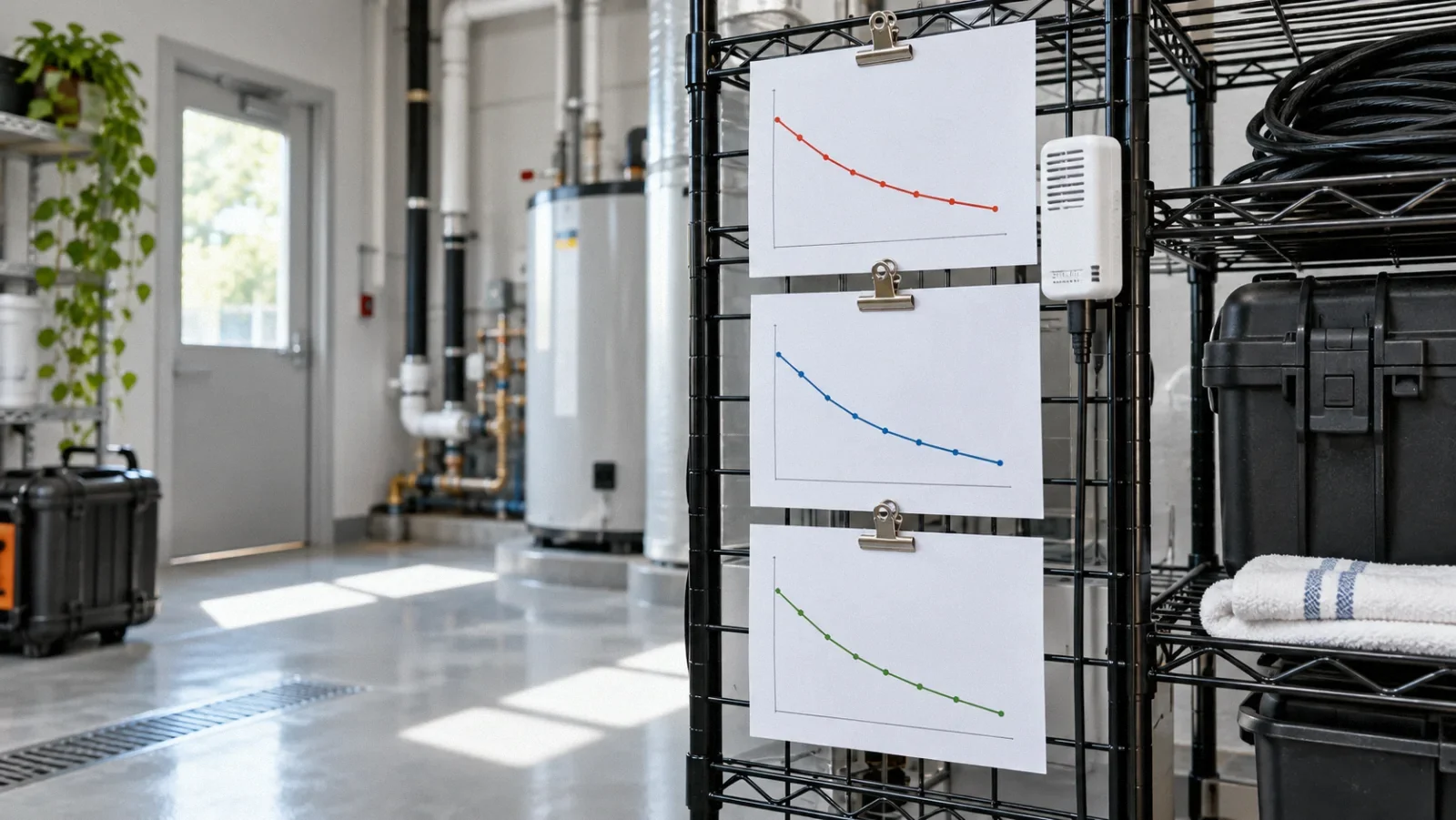
Read drying logs for consistent material trends, goal justification, equipment changes, and unresolved areas instead of relying on elapsed days or room humidity.
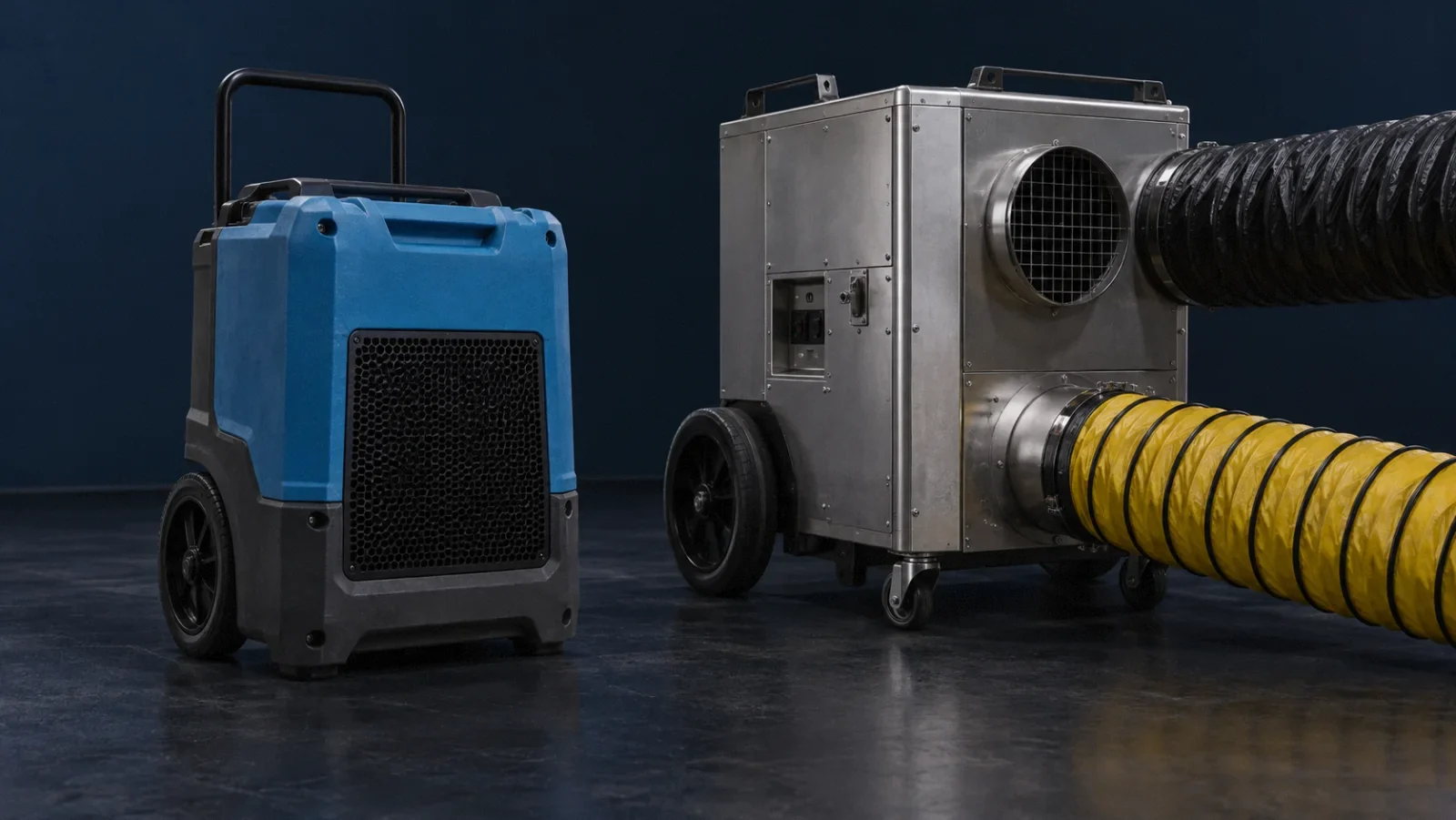
Compare refrigerant and desiccant drying by operating conditions, material access, power, and measured progress rather than assuming one equipment label wins.
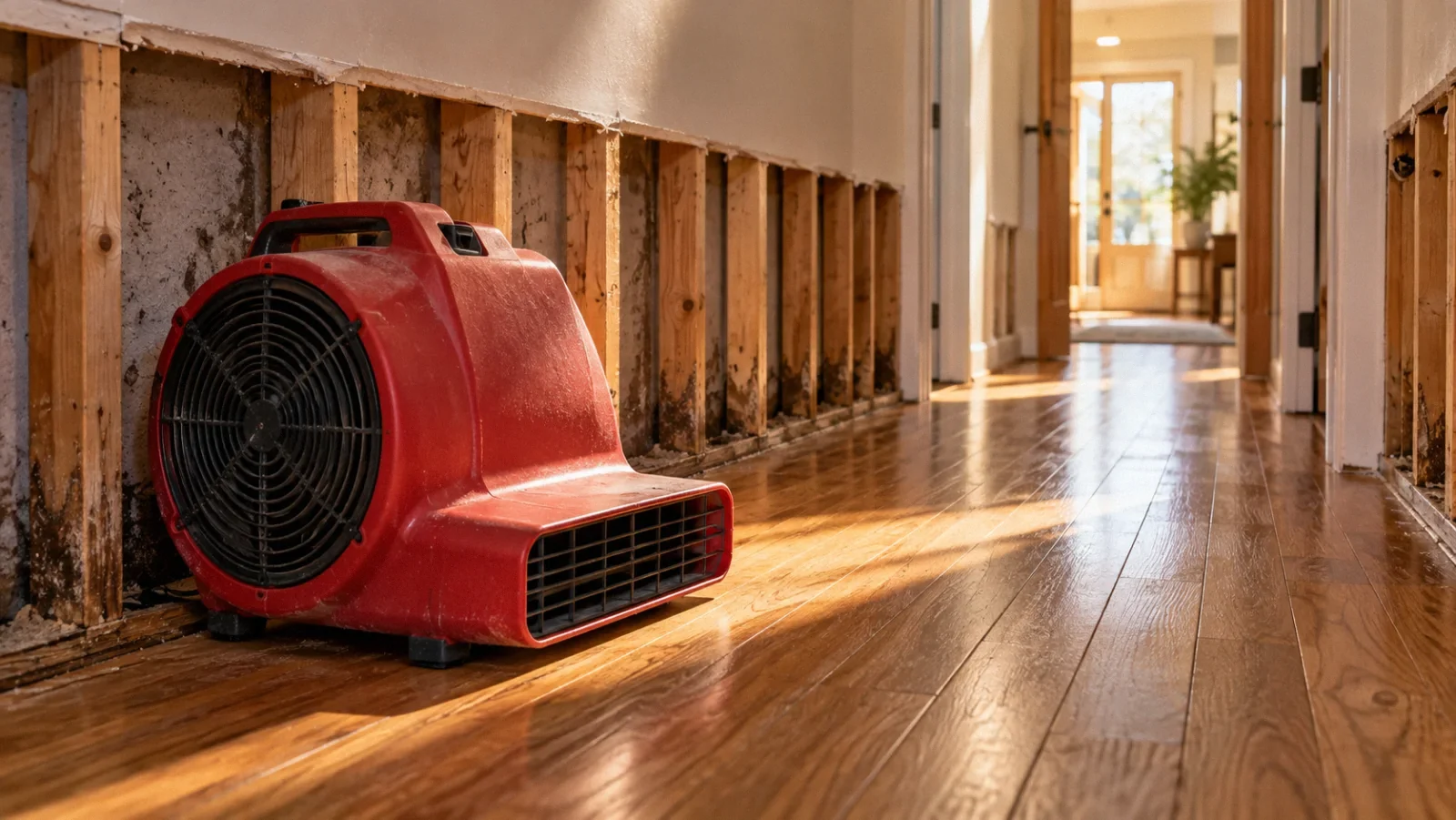
Evaluate air-mover placement through wet-material access, contamination limits, vapor removal, power safety, and measured progress toward drying goals.
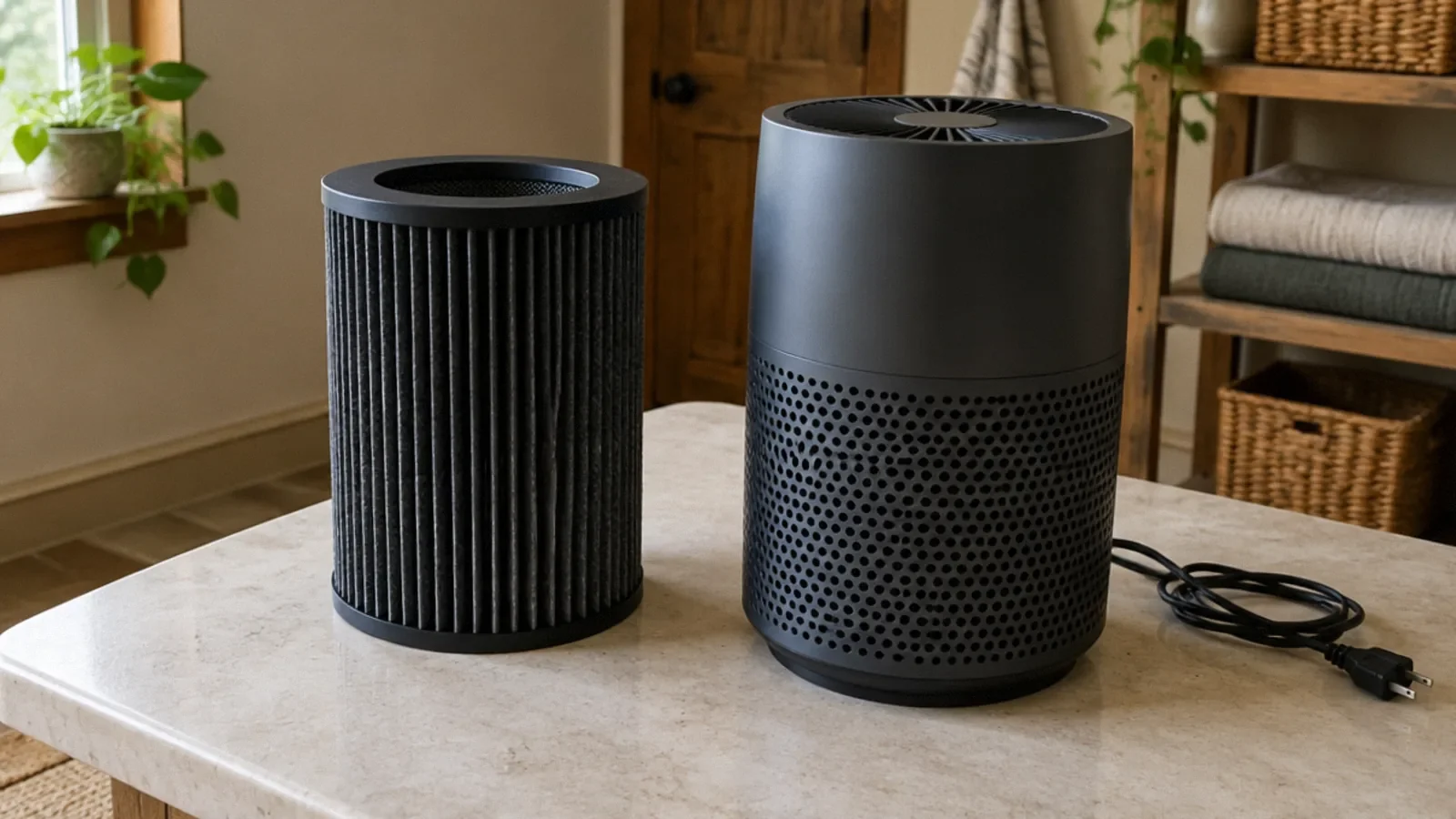
Tell HEPA filtration from dehumidification, understand their separate endpoints, and ask how equipment condition and cleanup controls are verified.
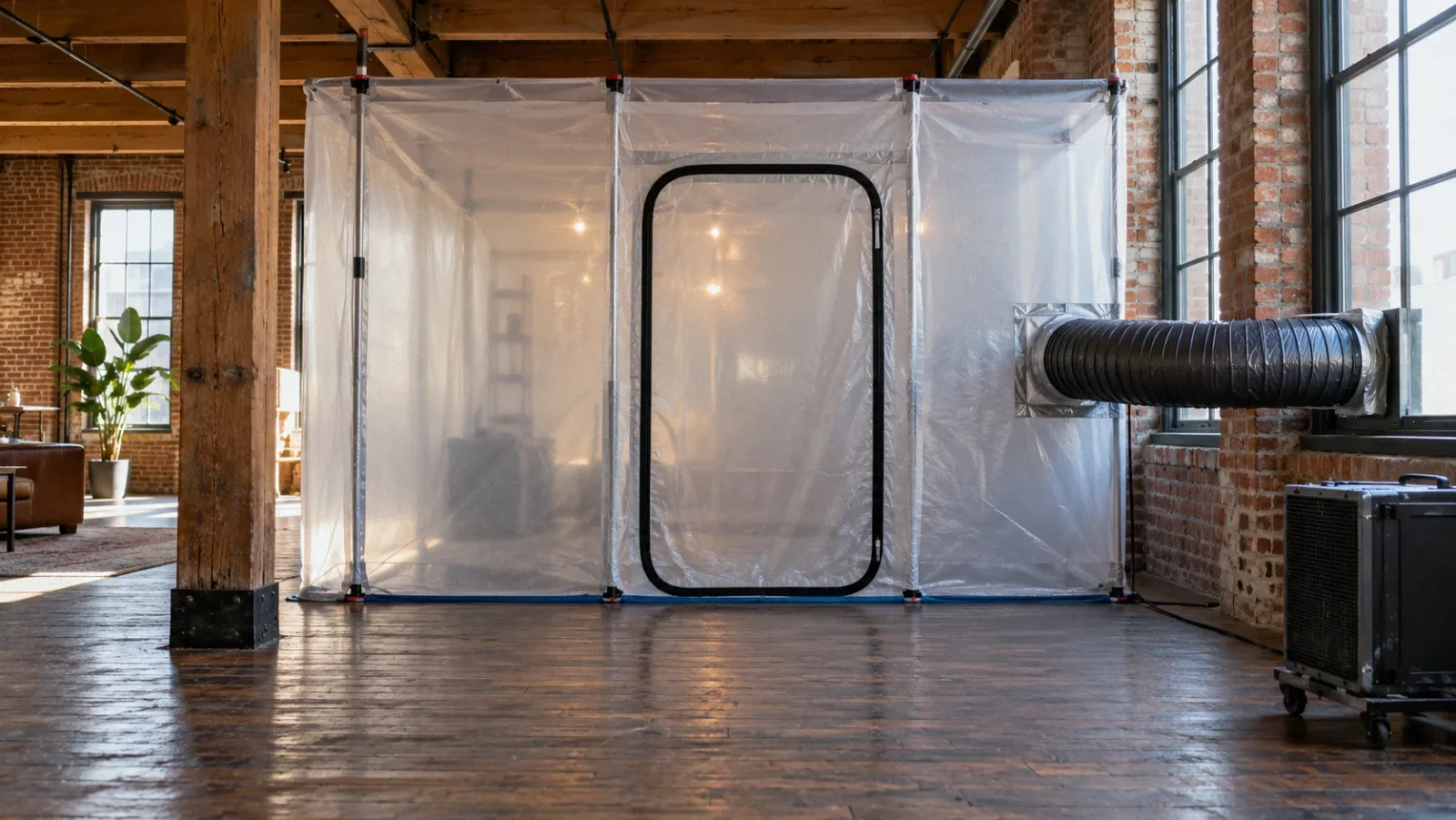
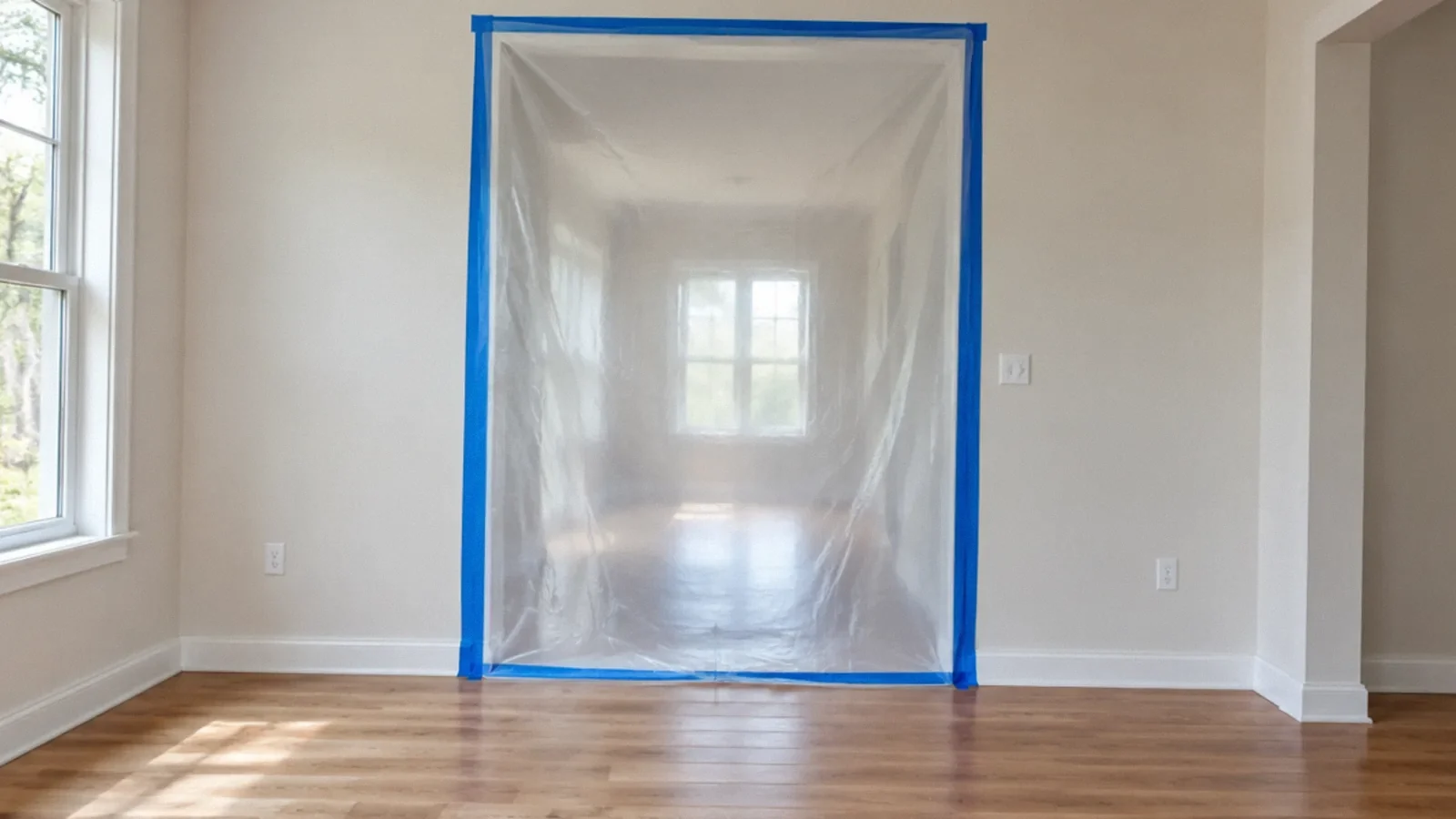
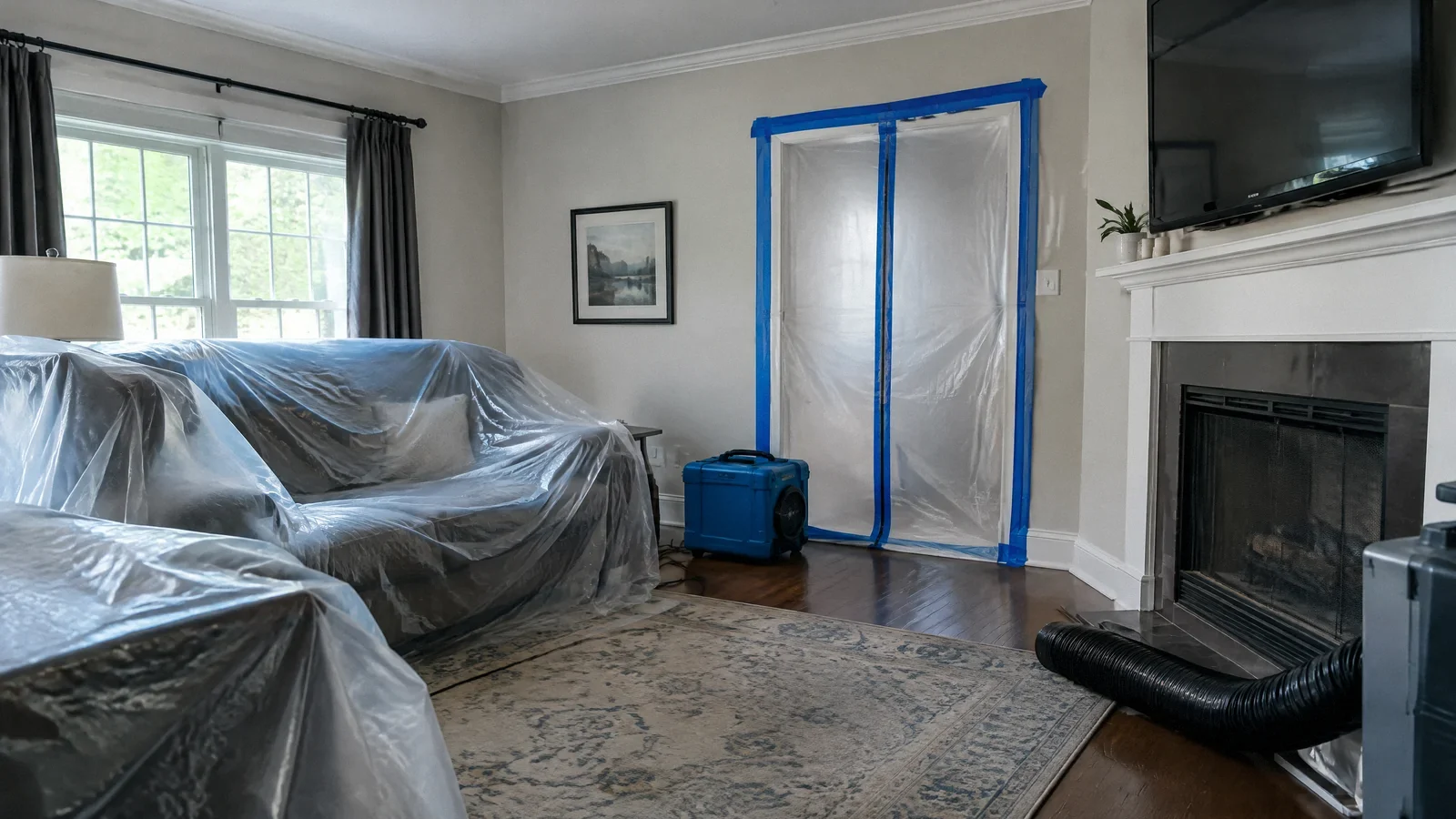
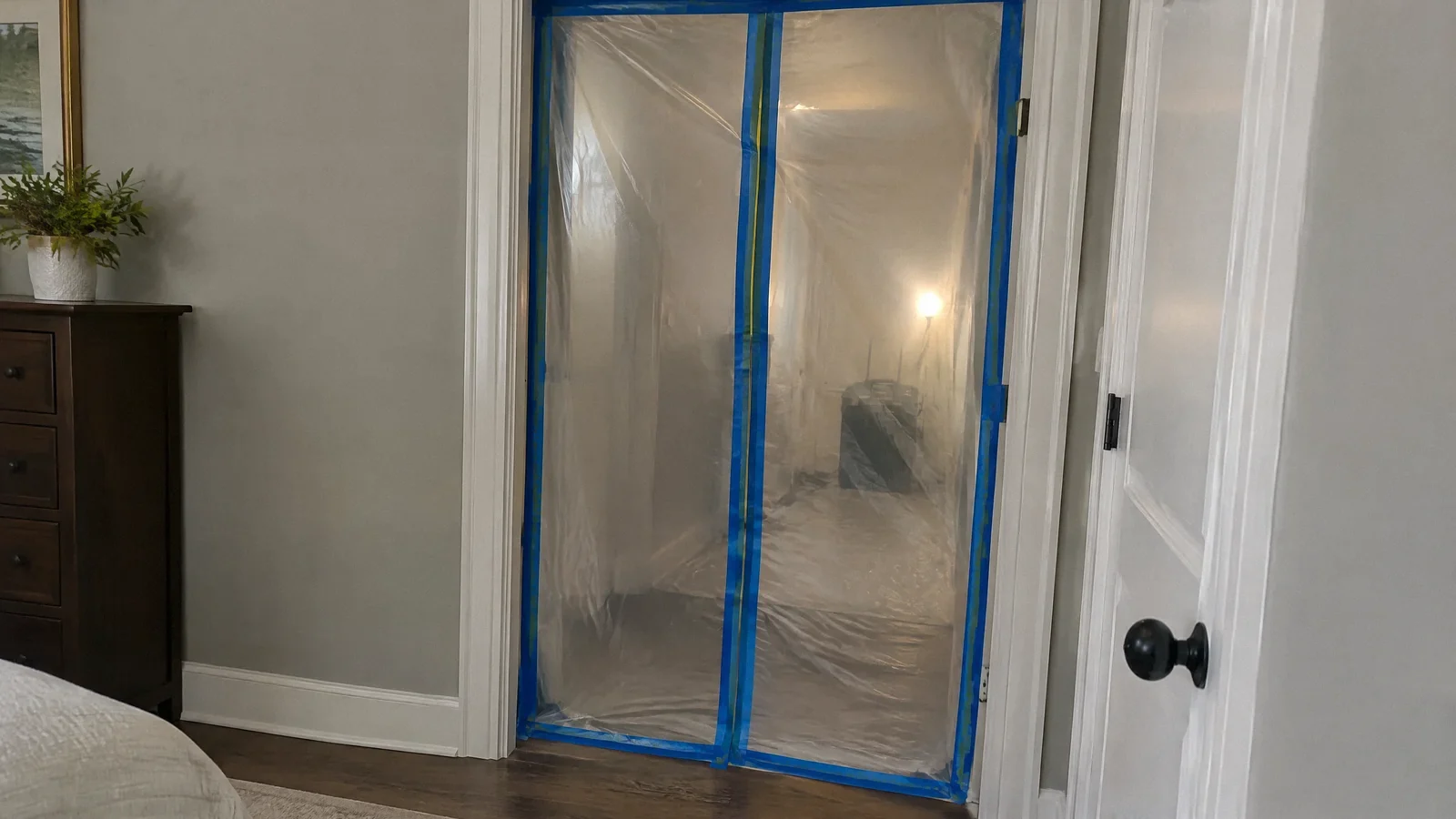
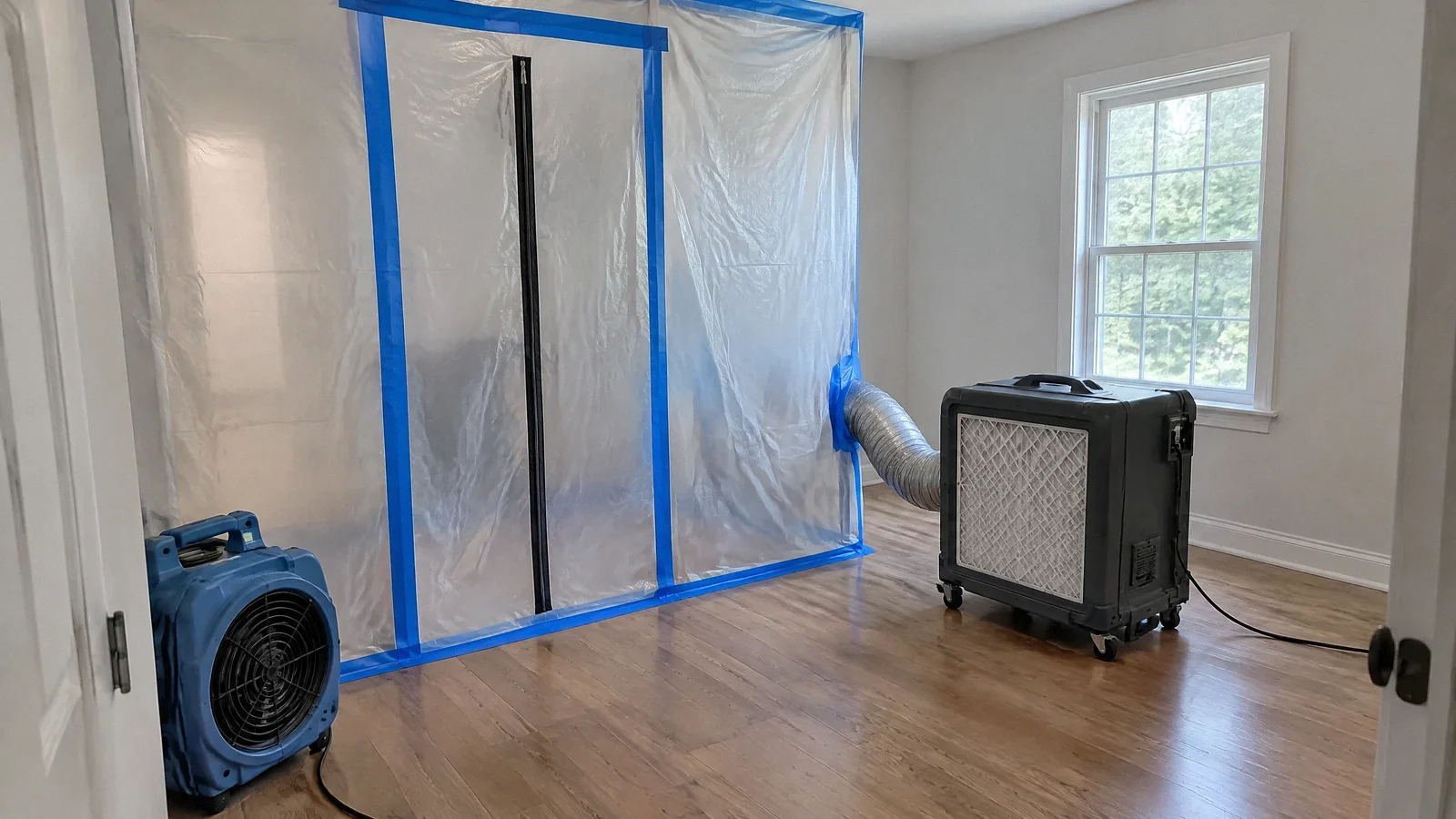
Understand how barriers, exhaust, makeup air, and verified pressure direction work together to limit contamination during water-damage remediation.
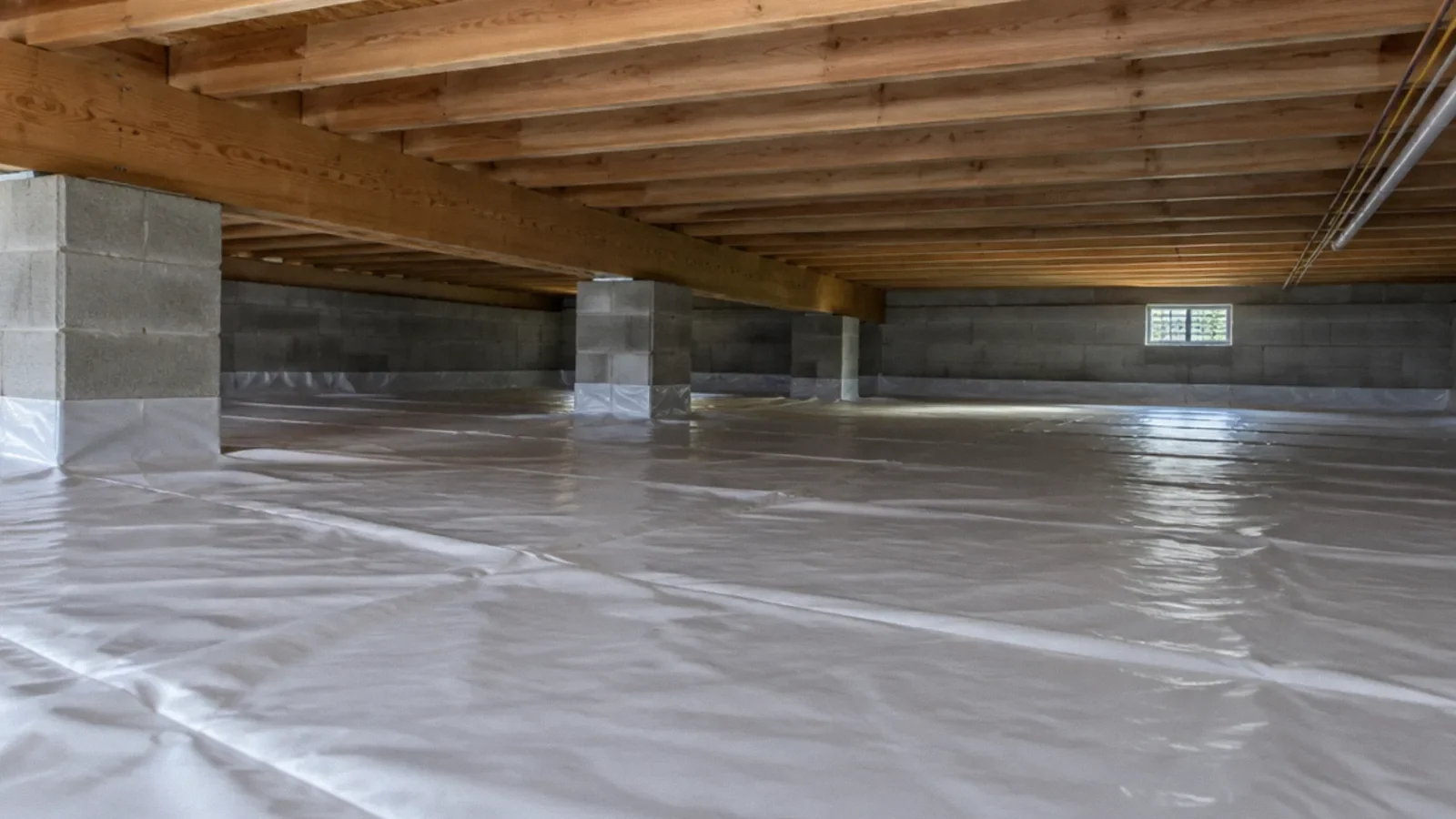
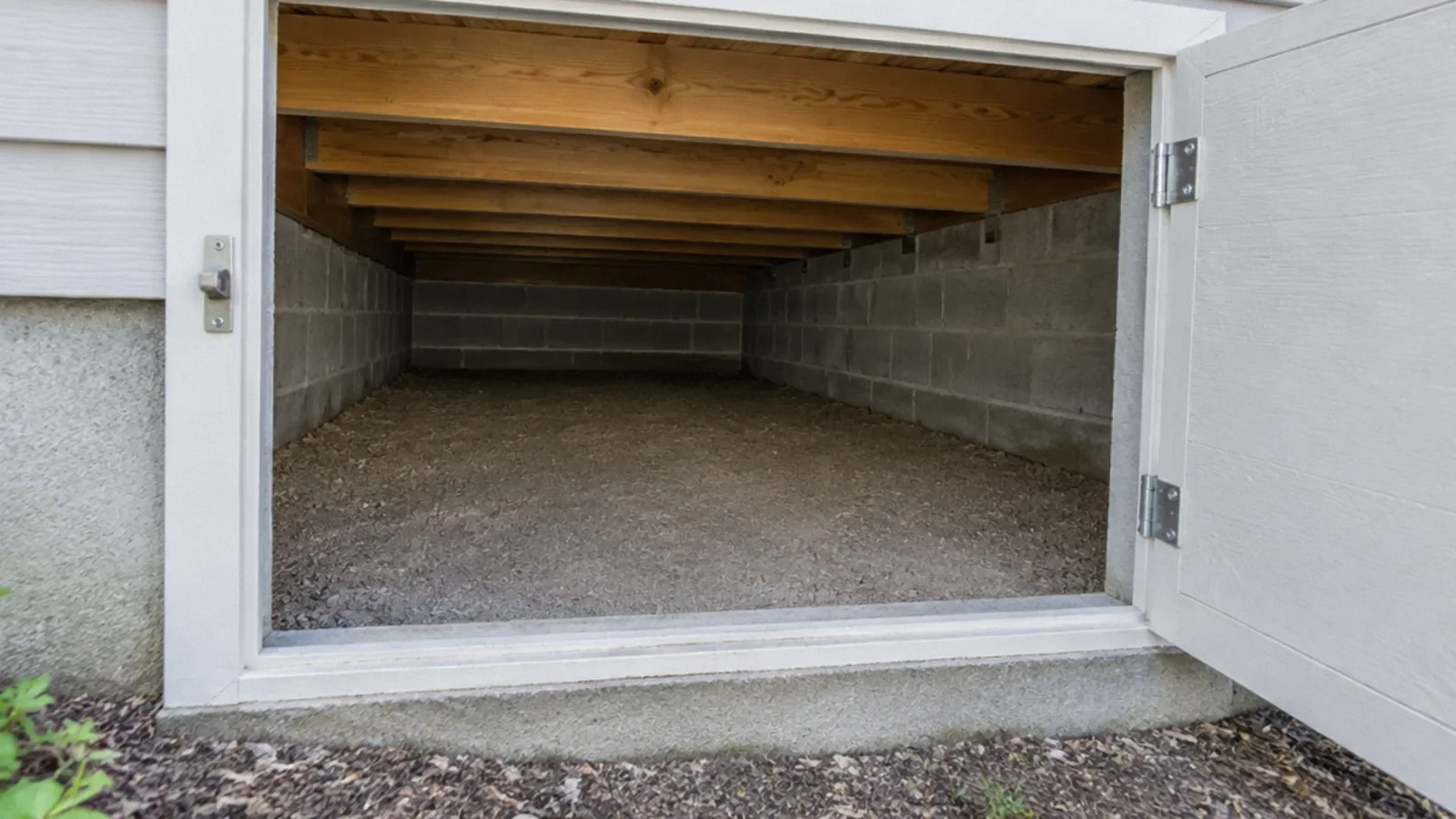
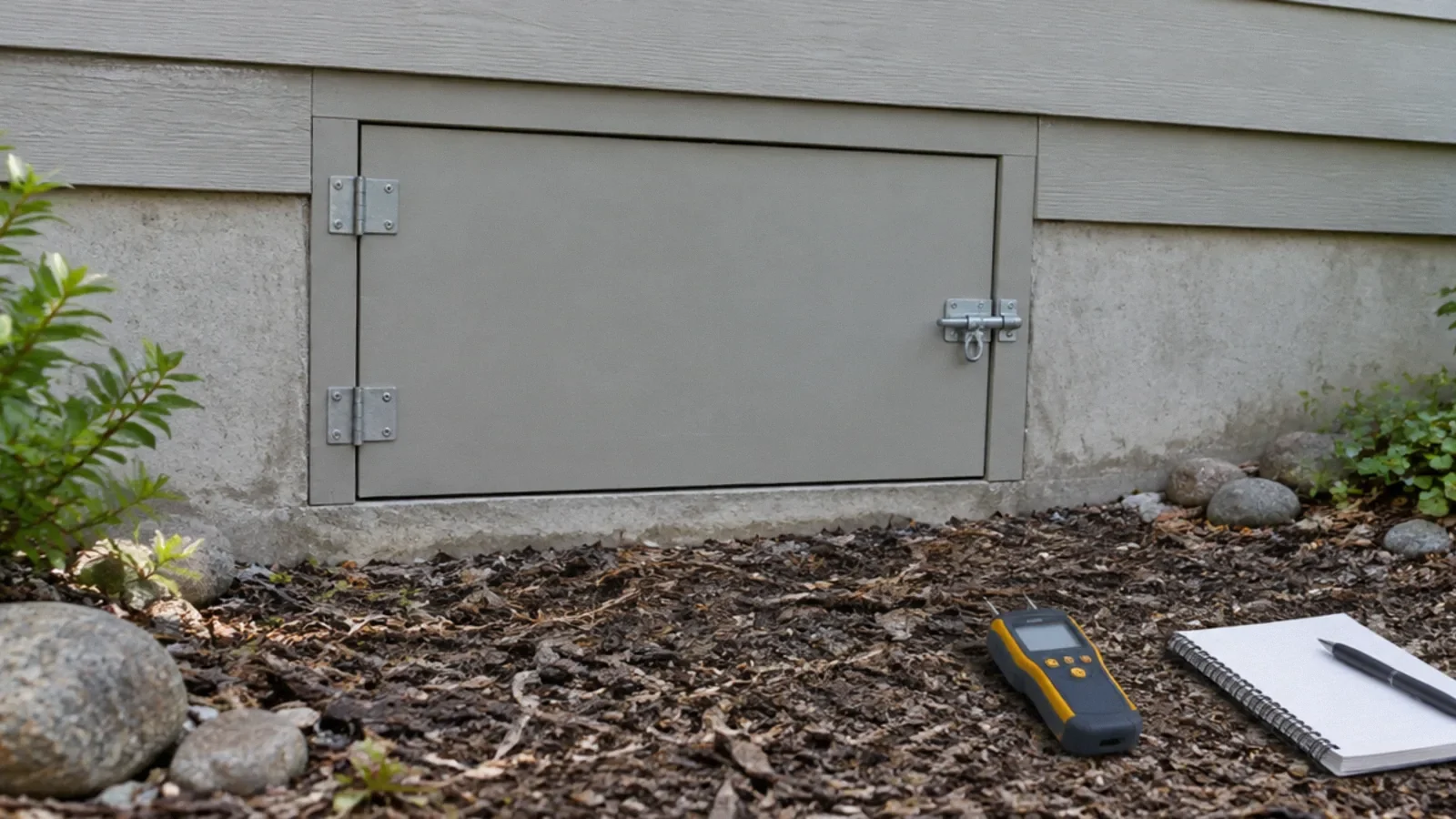
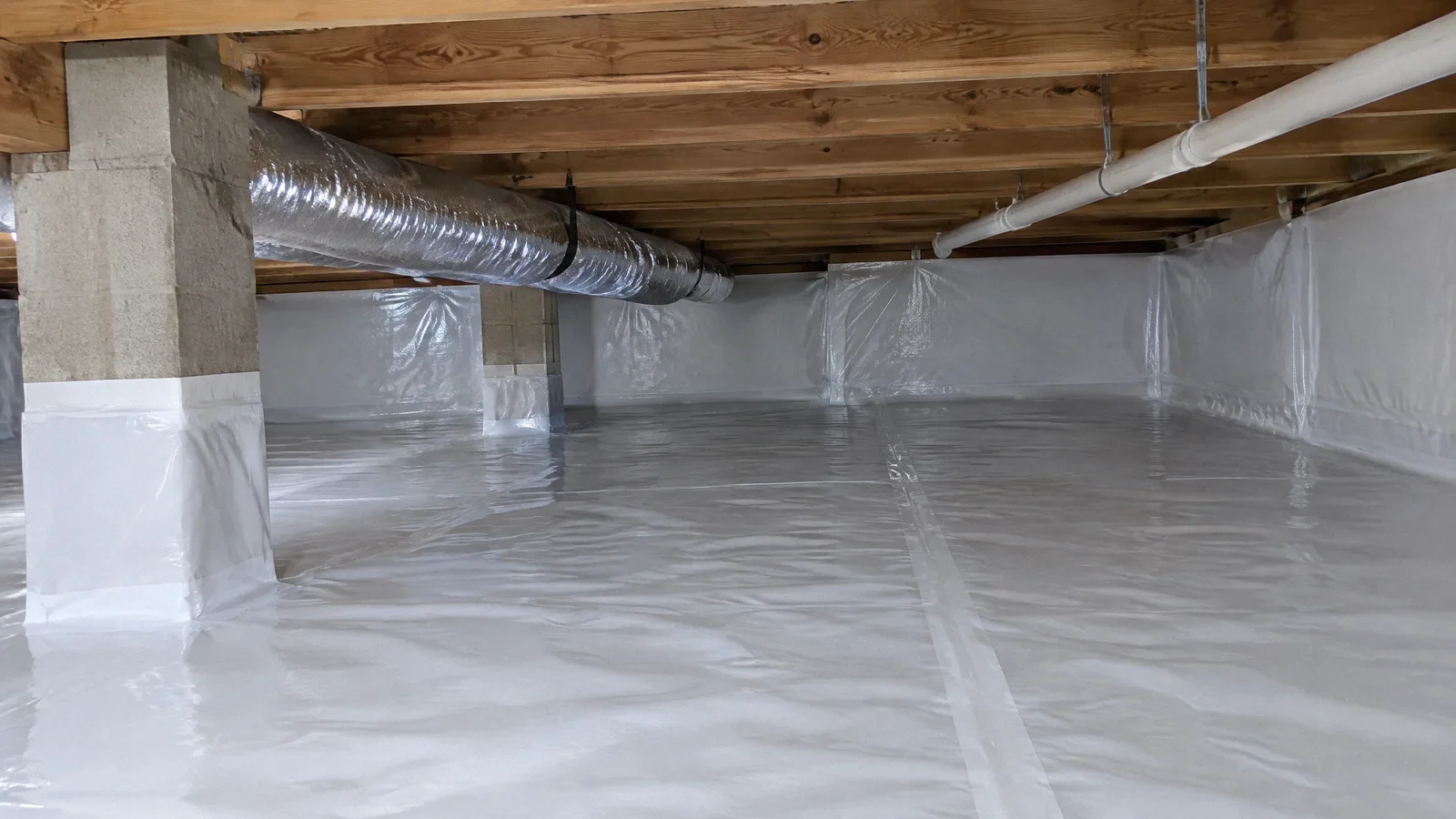
Address crawlspace water at the source, then assess soil vapor, wet insulation, remote framing, and the drying strategy suited to the space and climate.
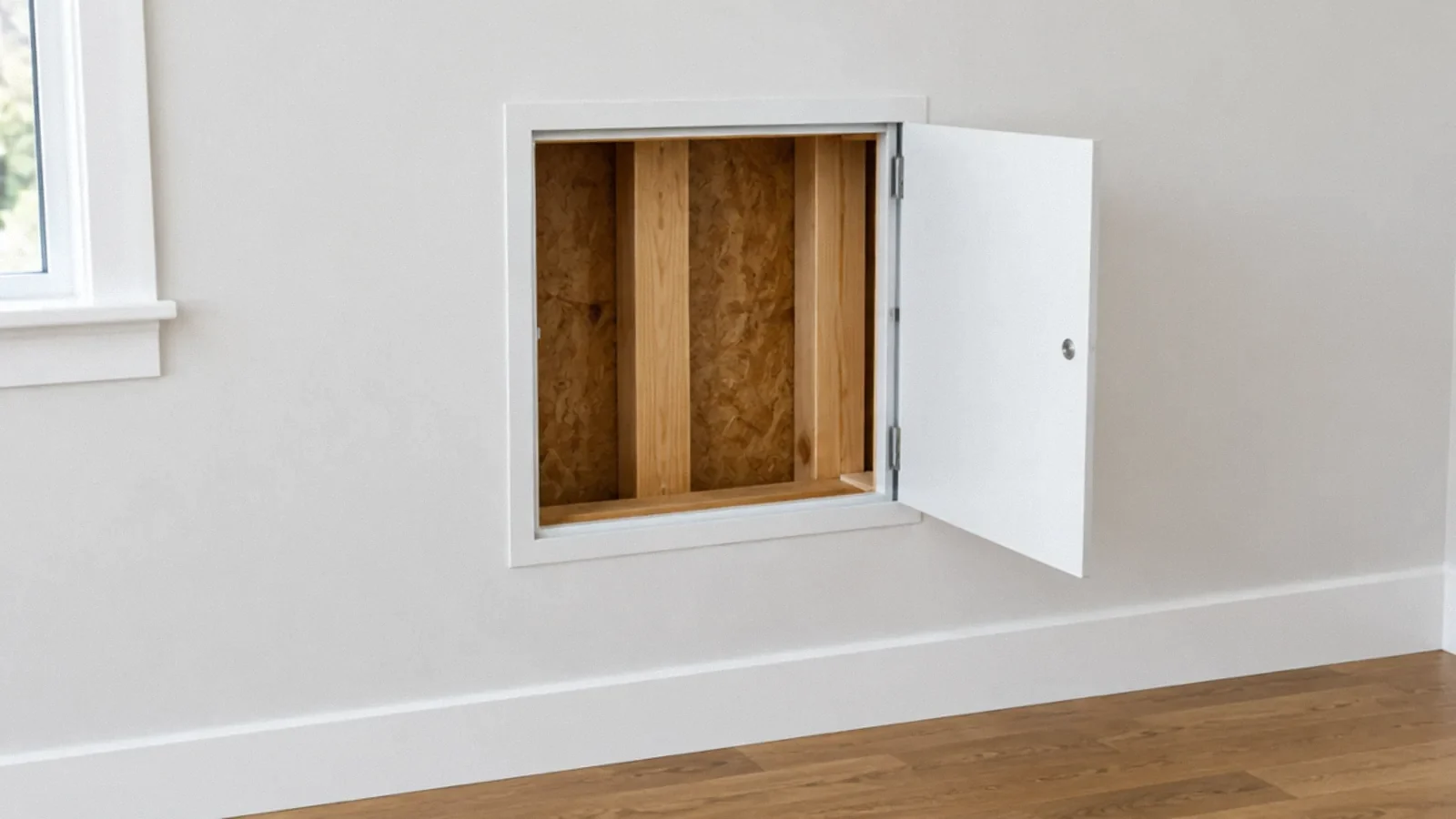
Evaluate wall-cavity drying through its hidden layers, access, airflow paths, and retained-material measurements before installing insulation or drywall.
Assess wet plaster by its backing, attachment, cavity condition, and preservation options, with particular caution around loose or sagging ceilings.
Investigate water behind tile by separating surface clues from waterproofing performance, hidden-layer moisture, and the repair needed for the whole assembly.
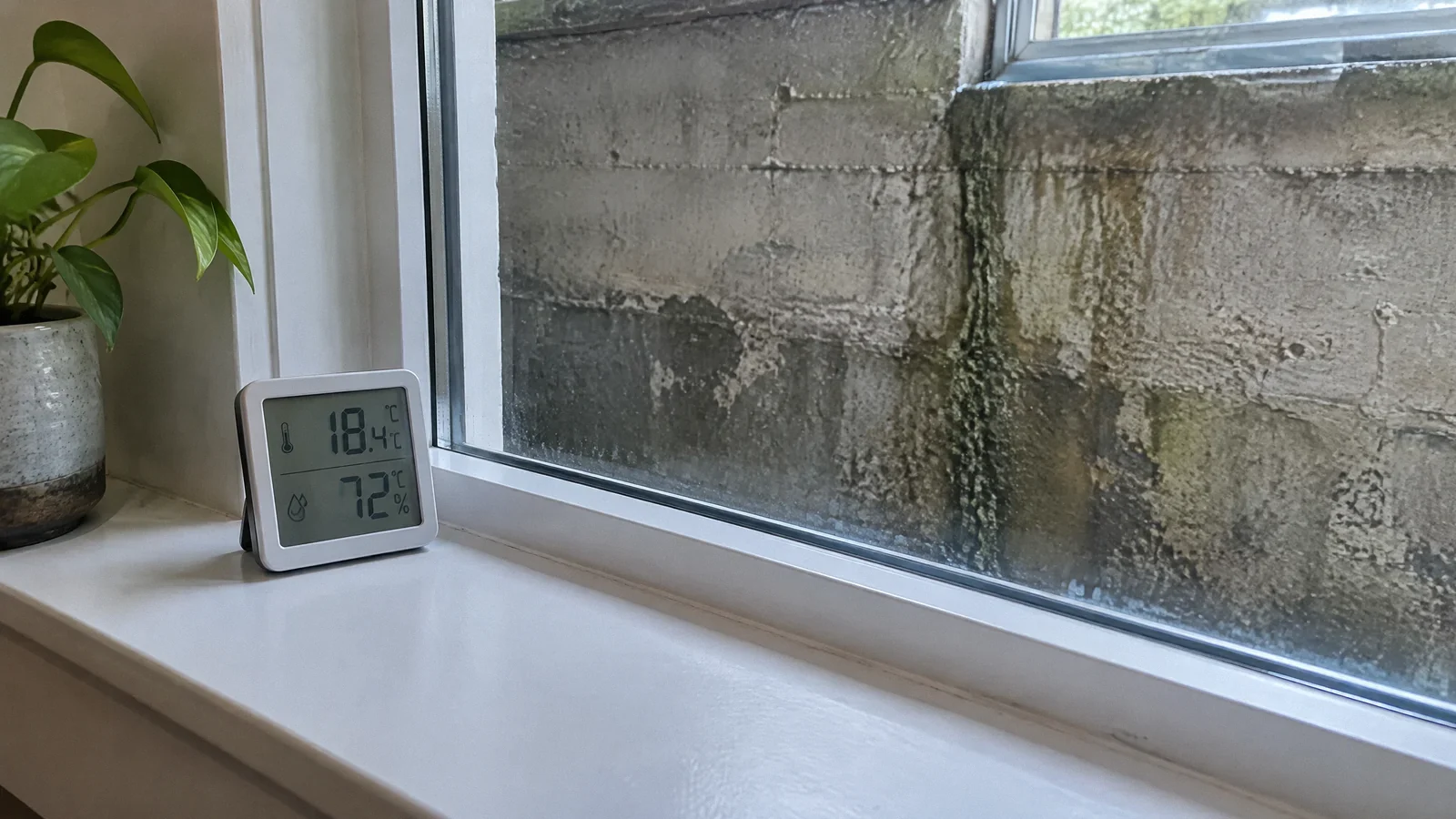
Understand why low room humidity can coexist with wet walls or floors, and use temperature, vapor conditions, and material readings for the right decisions.
Decide whether windows help a dry-out by considering outdoor moisture, temperature, containment, and the monitored plan for ventilation or dehumidification.
Use heat as a monitored part of drying, with vapor removal, material-specific limits, and clear interpretation of humidity changes and surface movement.
Separate water contamination from drying difficulty, using practical contrasting cases to understand why classification should lead to specific cleanup decisions.
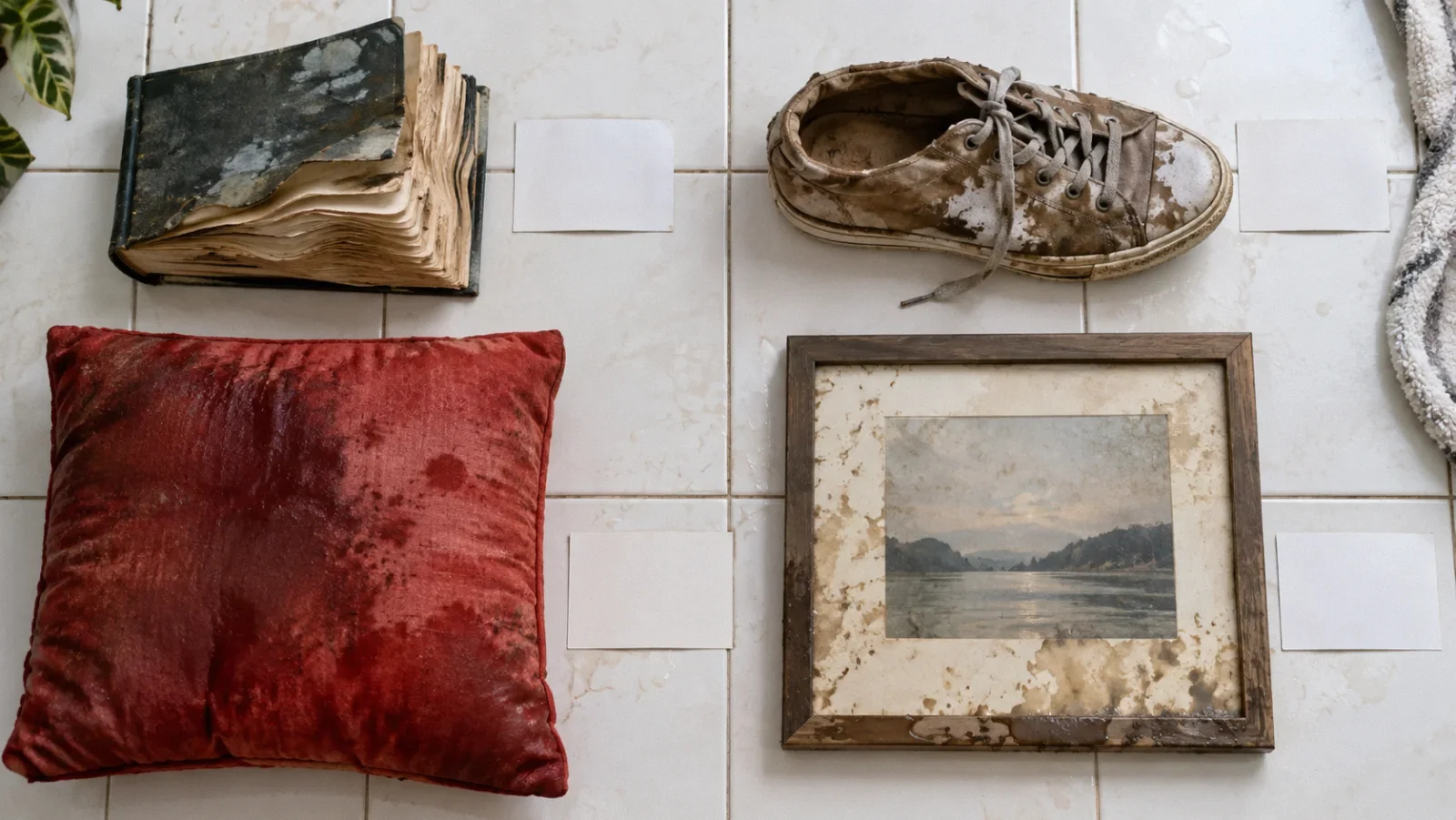
Sort wet belongings by material, contamination, hidden layers, and conservation value, with separate treatment for upholstery, paper, electronics, and food.
Choose flood-resistant reconstruction at the assembly level, balancing source control, cleanability, inspection access, local requirements, and future recovery.
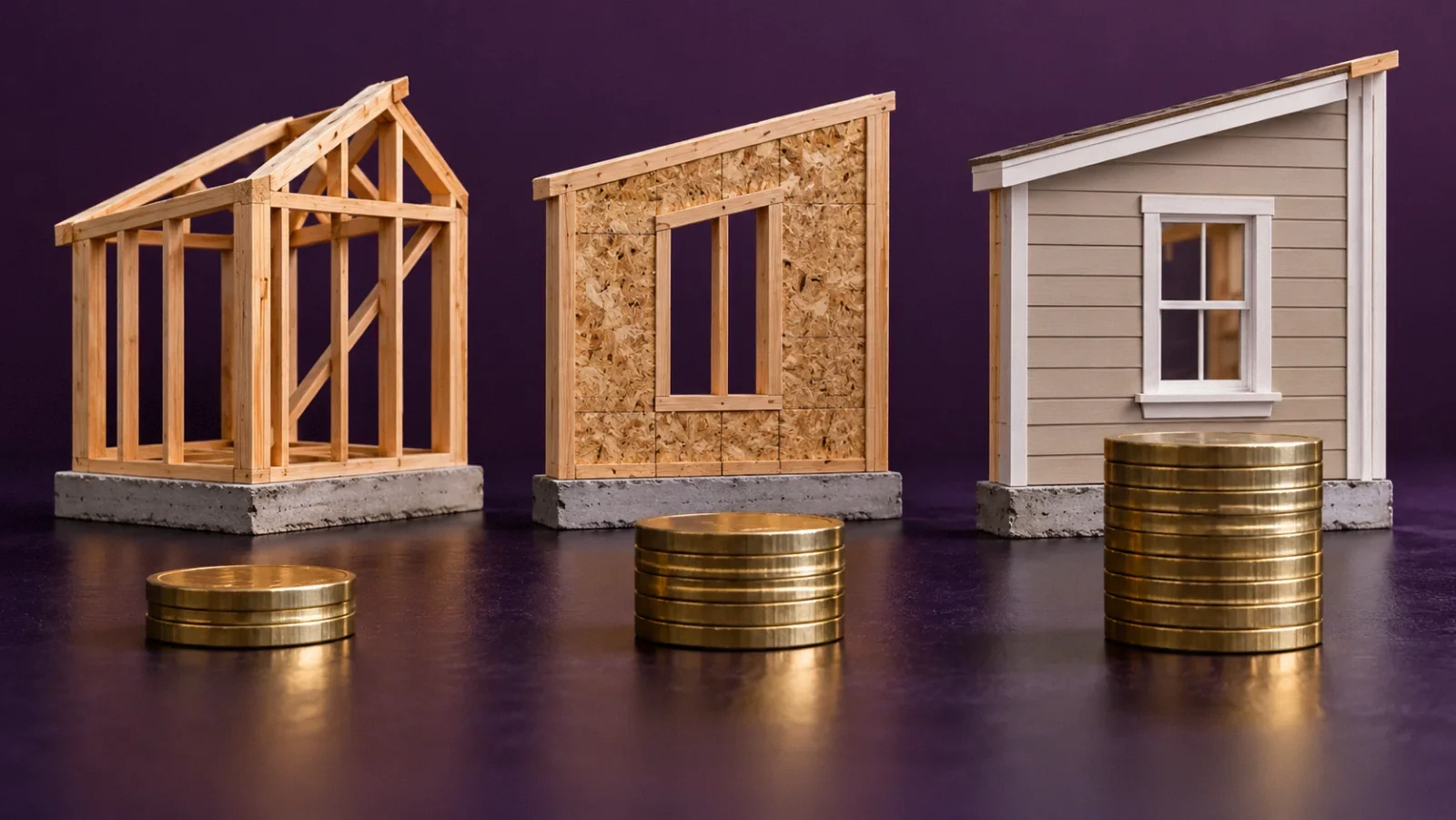
Separate emergency mitigation from rebuilding with clear scopes, payment terms and a documented handoff before new finishes conceal the repaired area.
Identify the water source and entry route to distinguish flood coverage, plumbing losses and sewer backup claims without assuming every storm loss is alike.
Read the actual sewer backup endorsement to understand covered causes, limits, deductibles and how cleanup, belongings and housing expenses interact.
Compare confirmed damage, hidden-condition uncertainty and your deductible while checking policy notice duties before deciding whether to file a claim.
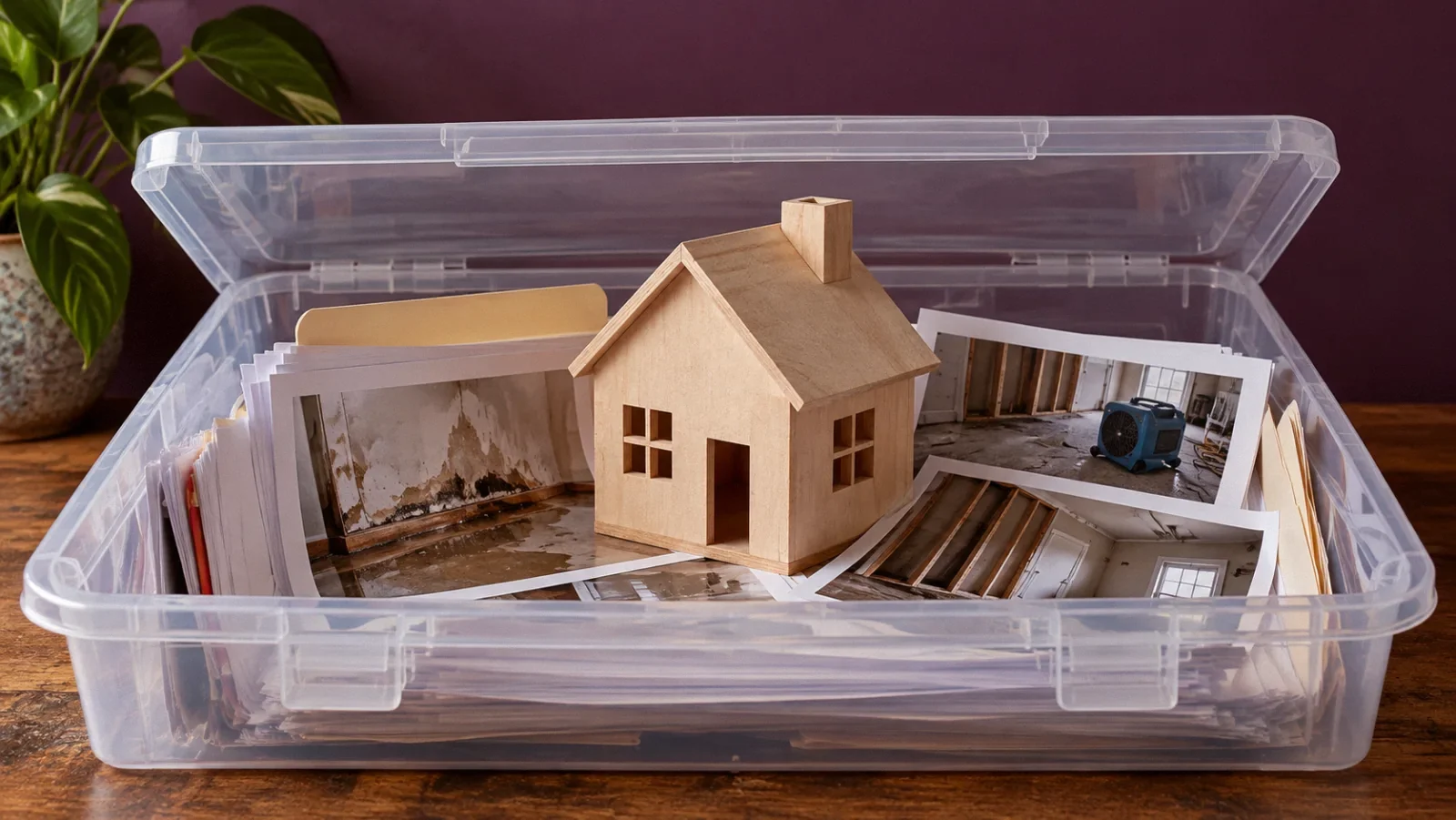
Build a useful water damage claim file with safe photographs, a factual timeline, repair records and clear evidence of materials removed during mitigation.
Prepare a focused request to review a water damage denial using the actual policy, source findings and chronology, with attention to state-specific remedies.
Compare contractor and adjuster estimates by room, quantity, material and repair method to explain missing work and support a documented claim supplement.
Plan temporary housing after water damage by confirming coverage, tracking additional expenses and aligning reservations with realistic repair milestones.
Create an accurate inventory of water-damaged belongings with item descriptions, condition evidence and separate cleaning, repair and replacement decisions.
Understand the gap between an insurance estimate and the first payment by tracing depreciation, deductibles and the conditions for replacement-cost recovery.
Coordinate mortgage-held insurance proceeds with contractor payments by documenting draw requirements, completed work and the exact reason for any funding hold.
Coordinate an upstairs condo leak by separating source repair, maintenance duties, insurance coverage and liability under the actual governing documents.
Document a rental leak, request a practical repair plan and distinguish building repairs, renter belongings, temporary housing and local legal remedies.
Preserve source findings, notice history and repair evidence when water comes from a neighbor, without assuming the source location alone establishes liability.
Screen a water damage contractor under time pressure by checking identity, relevant qualifications, the emergency scope and how charges will be authorized.
Distinguish restoration licenses from certifications and verify that the business and people assigned to each task hold the qualifications it requires.
Review an emergency mitigation authorization for scope, rates, changes, payment responsibility and any rights transferred before the work expands.
Understand how assignment and payment forms affect claim control, including Florida policy-date restrictions and the need to check current local rules.
Evaluate a restoration deposit against the written scope, local payment rules and verified progress before committing insurance proceeds to a contractor.
Check drying equipment charges by reconciling machine locations, rental dates, monitoring records, interruptions and the reason for continued use.
Document newly discovered water damage with a defined change in scope, price and schedule, keeping contractor authorization separate from insurer approval.
Map who hires, supervises and pays restoration subcontractors so source repairs, drying, reconnection, inspections and payment records have clear owners.
Respond promptly to a restoration lien threat by identifying the notice, organizing payment and work records, and checking the applicable state procedure.
Plan a safe restoration contractor transition with a documented property condition, equipment handoff, clear notices and an accounting of disputed work.
Keep owners, contractors and adjusters aligned with named decision makers, scheduled updates and a log separating proposed work from actual approvals.
Choose the right complaint channel for insurance, contractor, housing or mortgage issues and prepare a concise chronology with evidence the agency can assess.
Choose an independent water damage assessor for a defined technical question, with verified qualifications, appropriate methods and a useful written report.
Evaluate financial ties between mold assessors and remediators, define completion criteria and understand why an air sample alone cannot establish success.
Plan restoration around health, mobility and access needs through practical work boundaries, suitable communication and individualized clinical advice.
Collect source-repair, drying, construction and payment records in a usable handover file that explains completed work, verification and remaining limitations.
The 24–48 hour drying target encourages prompt action. Assess hidden wet materials and records instead of treating it as a guaranteed mold-free window.
Changing mold’s color is not the same as removing growth. Compare cleaning, porous-material replacement, and moisture correction before accepting work.
A positive home mold kit does not locate a hidden leak or establish a safe exposure level. Choose an investigation that answers a practical repair question.
Professional air sampling captures limited conditions. Review its purpose, collection context, and interpretation alongside moisture and visual evidence.
Remediation verification should examine source correction, retained materials, cleanliness, and limitations before reconstruction covers the evidence.
Persistent mustiness deserves a staged investigation. Trace the water history, inspect accessible sources, and plan targeted access when evidence supports it.
Cabinet fronts can look sound while hidden walls and floors stay wet. Trace the source and connected layers before choosing access and reconstruction.
California water damage disclosure depends on the actual forms and duties. Explain known history, completed repairs, and unresolved limits accurately.
An as-is sale does not make known water damage irrelevant. Separate repair terms, inspection rights, disclosure duties, and the condition at possession.
Learn safe first steps after discovering water damage in a purchased home, how to preserve evidence and when to seek California legal advice.
A repair credit and seller repairs transfer different risks. Compare the same defined scope, financing limits, hidden uncertainty, and completion evidence.
A useful sale record connects the water event, source repair, hidden-area photos, drying evidence, permits, and the limits of what was actually verified.
FEMA maps describe hazards rather than a complete property loss history. Combine map versions, local records, disclosures, and building inspection evidence.
Flood risk remains outside high-risk mapped areas. Evaluate local runoff, groundwater, drainage failures, equipment dependencies, and safe evacuation.
Permit decisions depend on the repair scope and local authority. Separate urgent mitigation, permanent reconstruction, hazardous materials, and final approval.
Water damage does not remove asbestos hazards. Assess suspect layers before disturbance and coordinate removal, reconstruction, and required records.
Repairs in pre-1978 housing can create lead dust. Verify lead-safe qualifications, define emergency work limits, and document the required cleanup process.
Flood-exposed electrical equipment needs qualified evaluation before power returns. Record exposure and require equipment-specific disposition decisions.
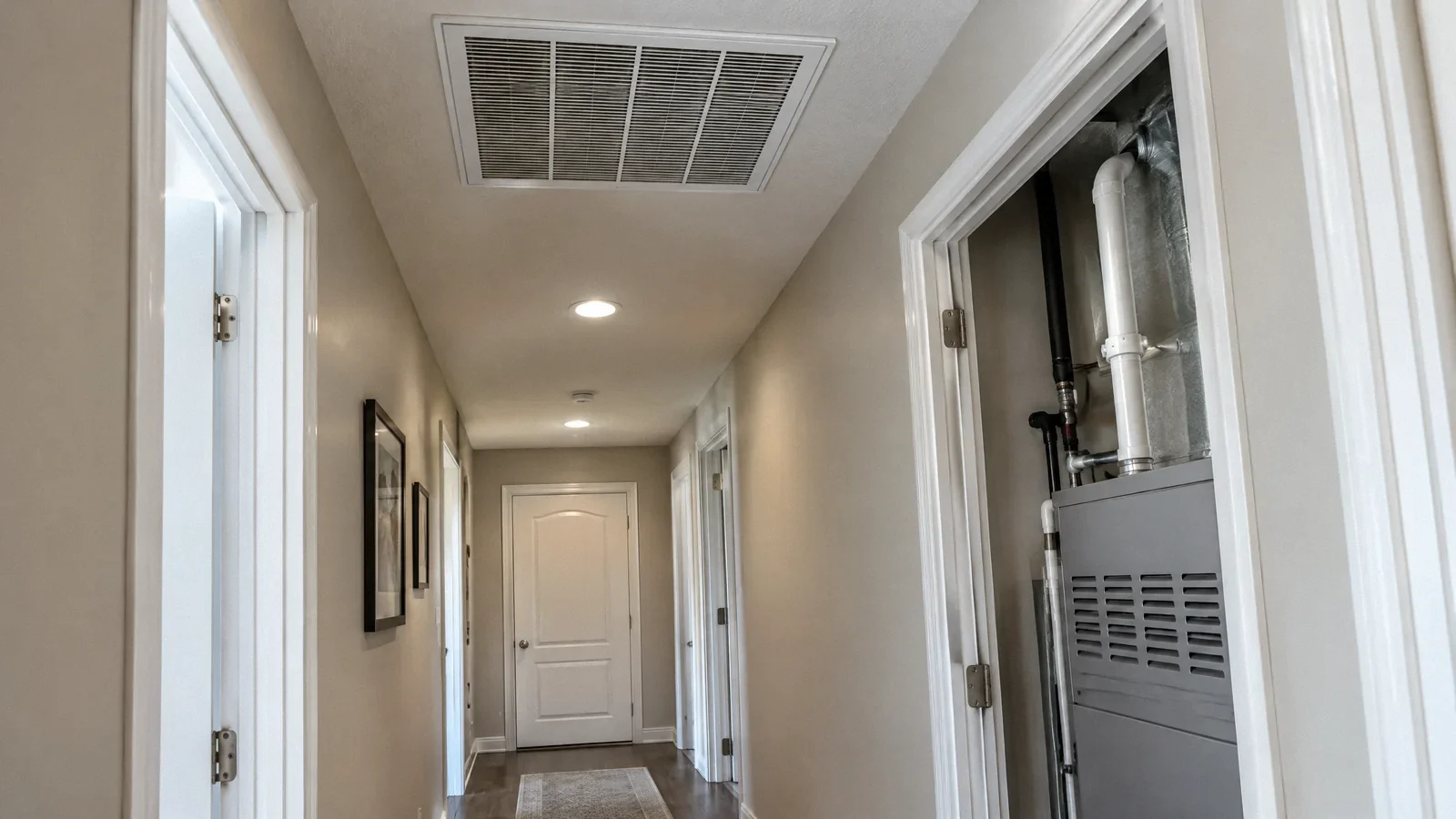
HVAC cleanup starts with the moisture source and affected components. Distinguish cleanable surfaces from wet insulation and unsupported treatment claims.
Mold concerns need both building assessment and appropriate clinical advice. Protect vulnerable occupants without treating a sample as a medical diagnosis.
Worker protection requires a task-specific plan. Understand controls, required respirator programs, fit testing, PPE selection, and coordination between trades.
Classify debris before mixing it. Mold, lead, and asbestos require different decisions about handling, transport, facility acceptance, and documentation.
A final walkthrough should check more than finishes. Compare the repair scope, concealed-work evidence, permit status, and unresolved items before acceptance.
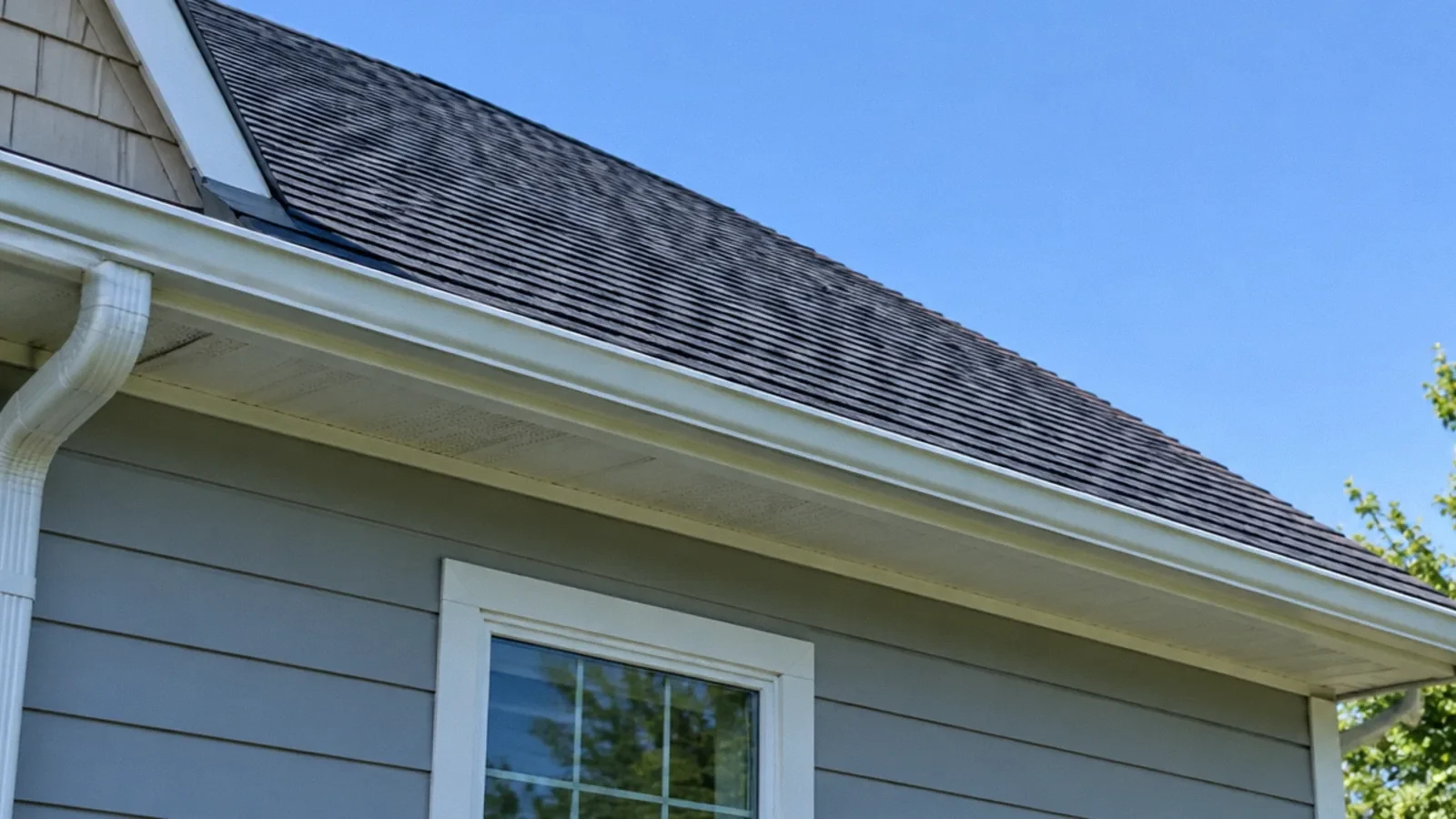
Roof leak clues can point toward flashing without proving the entry point. Document weather patterns and review the complete water-shedding assembly.
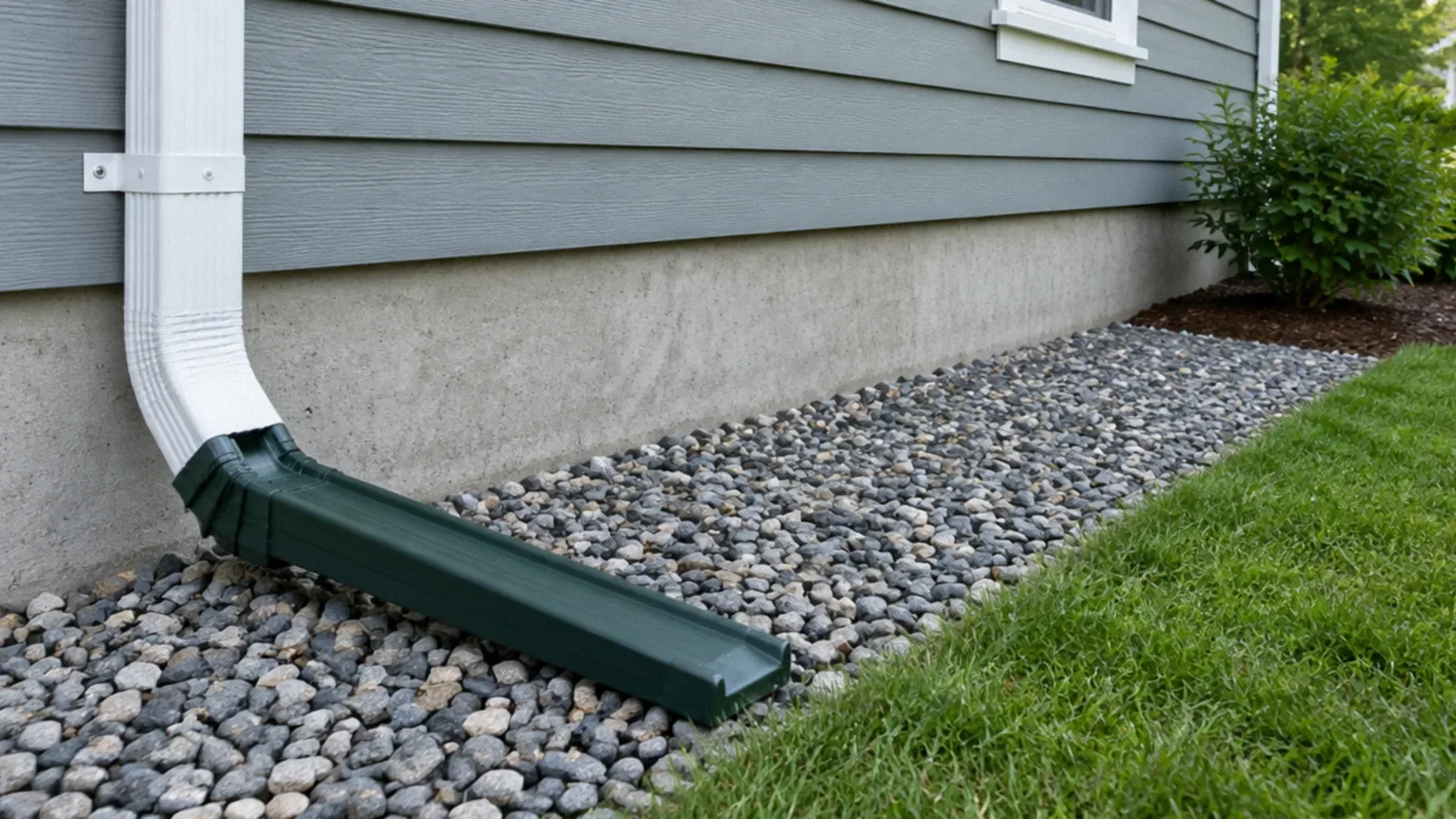
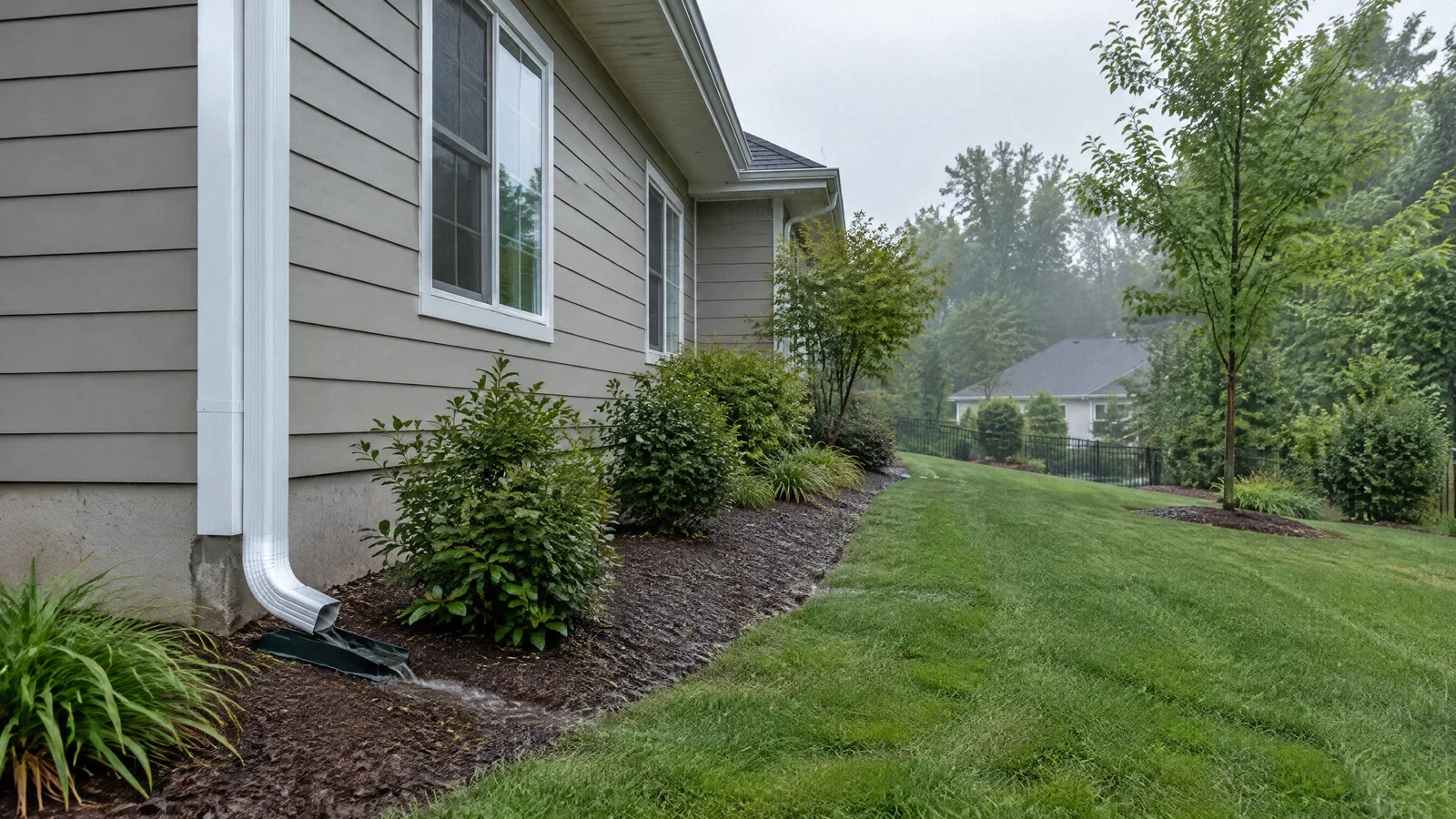
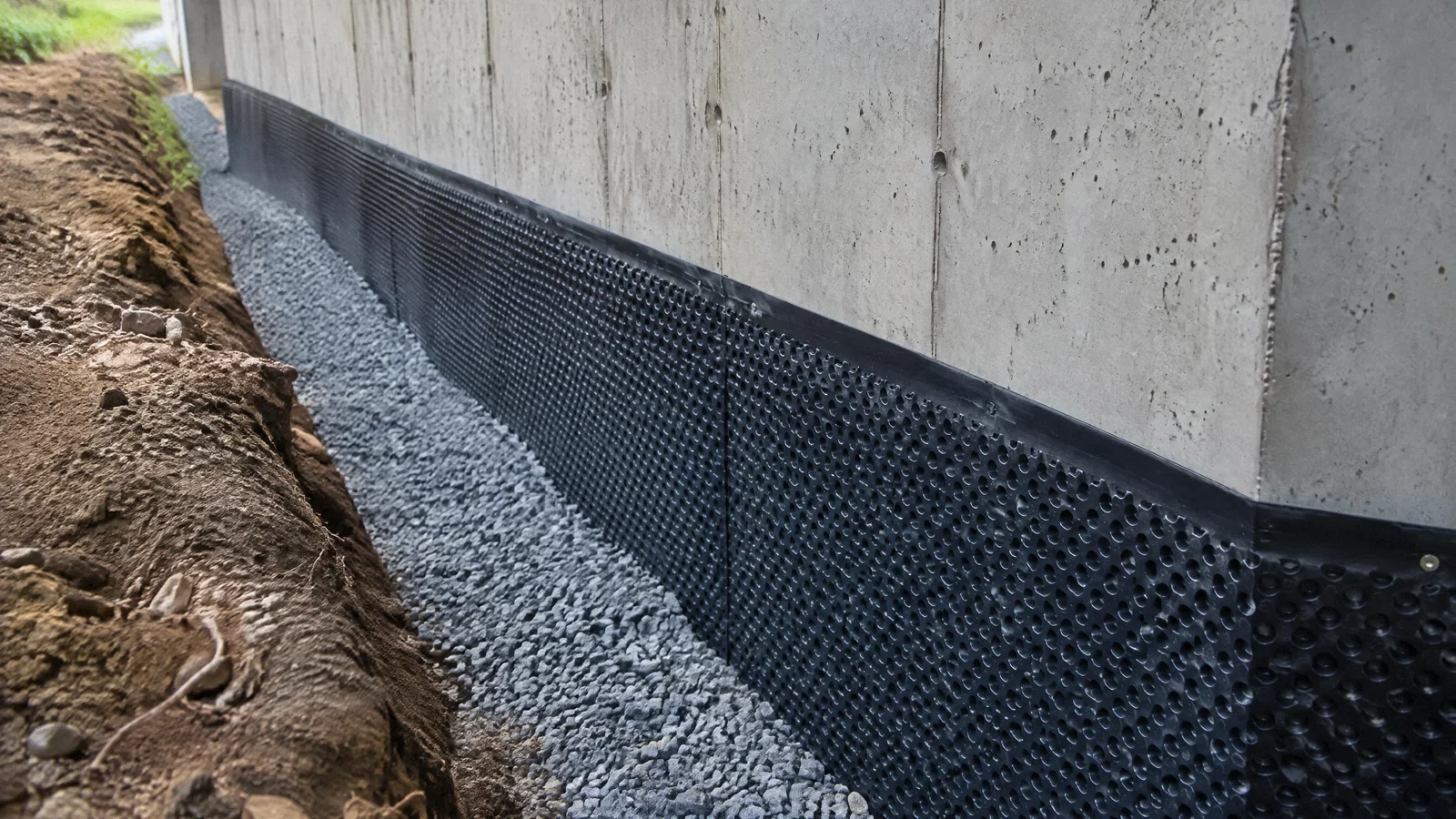
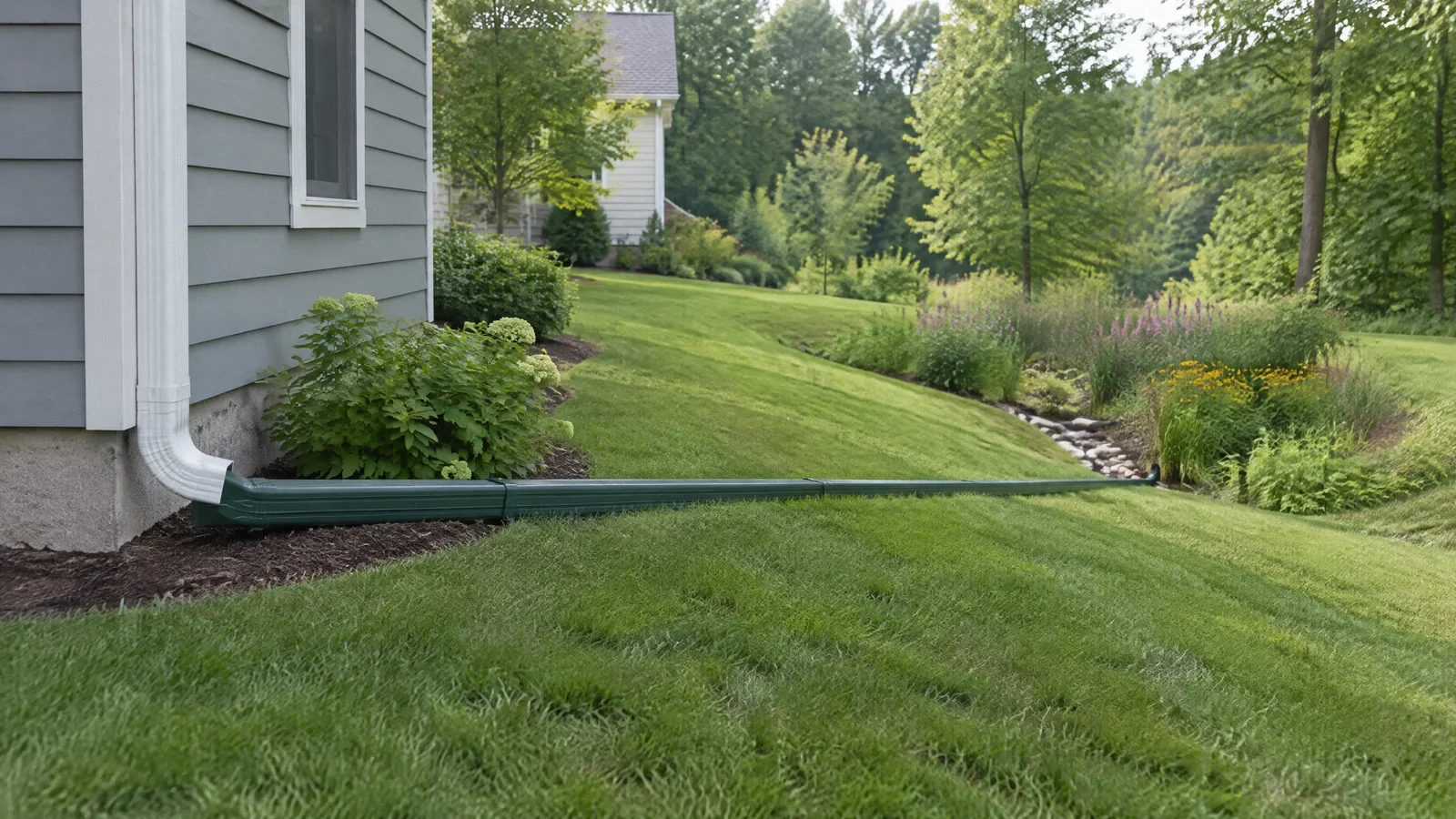
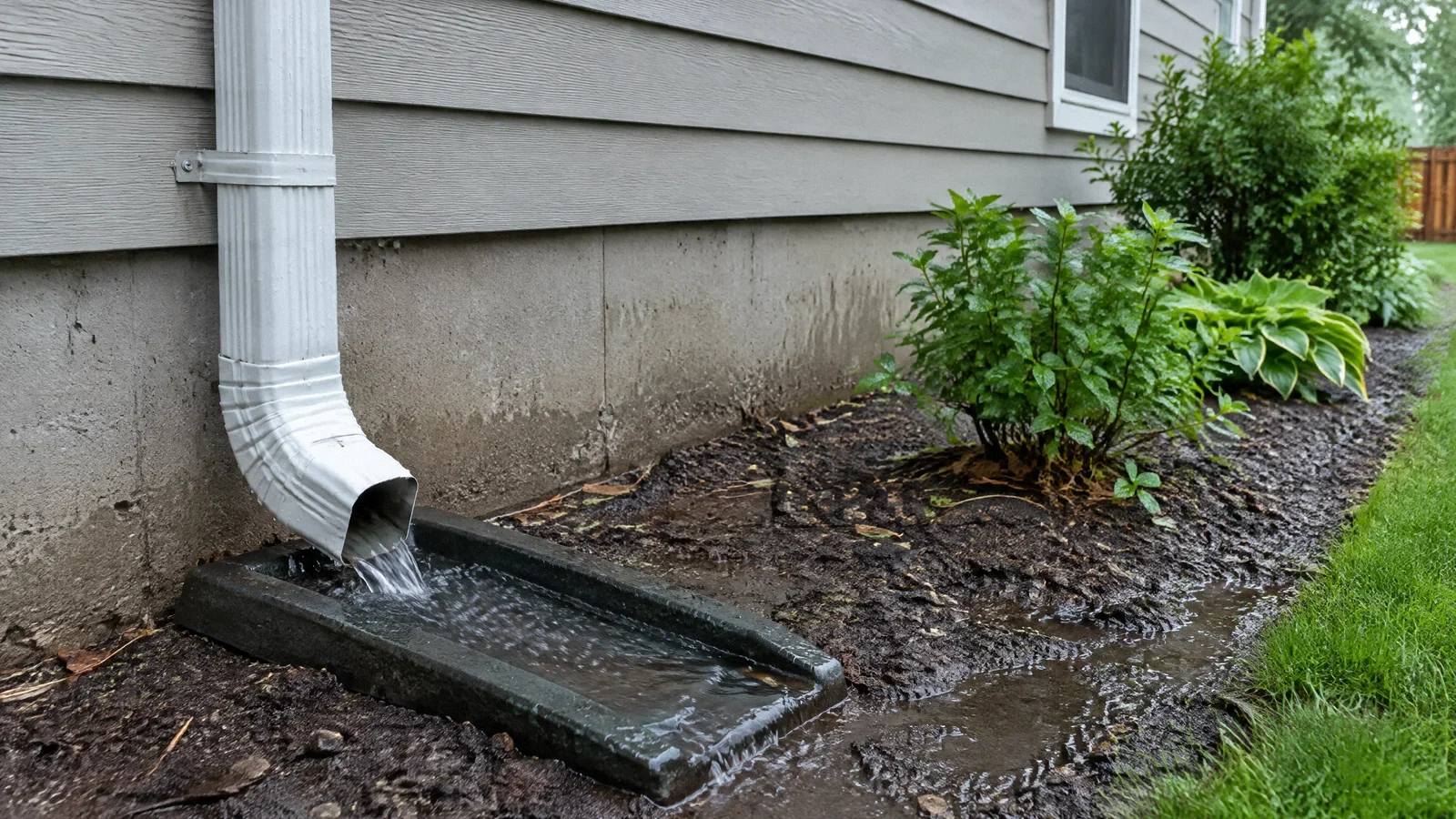
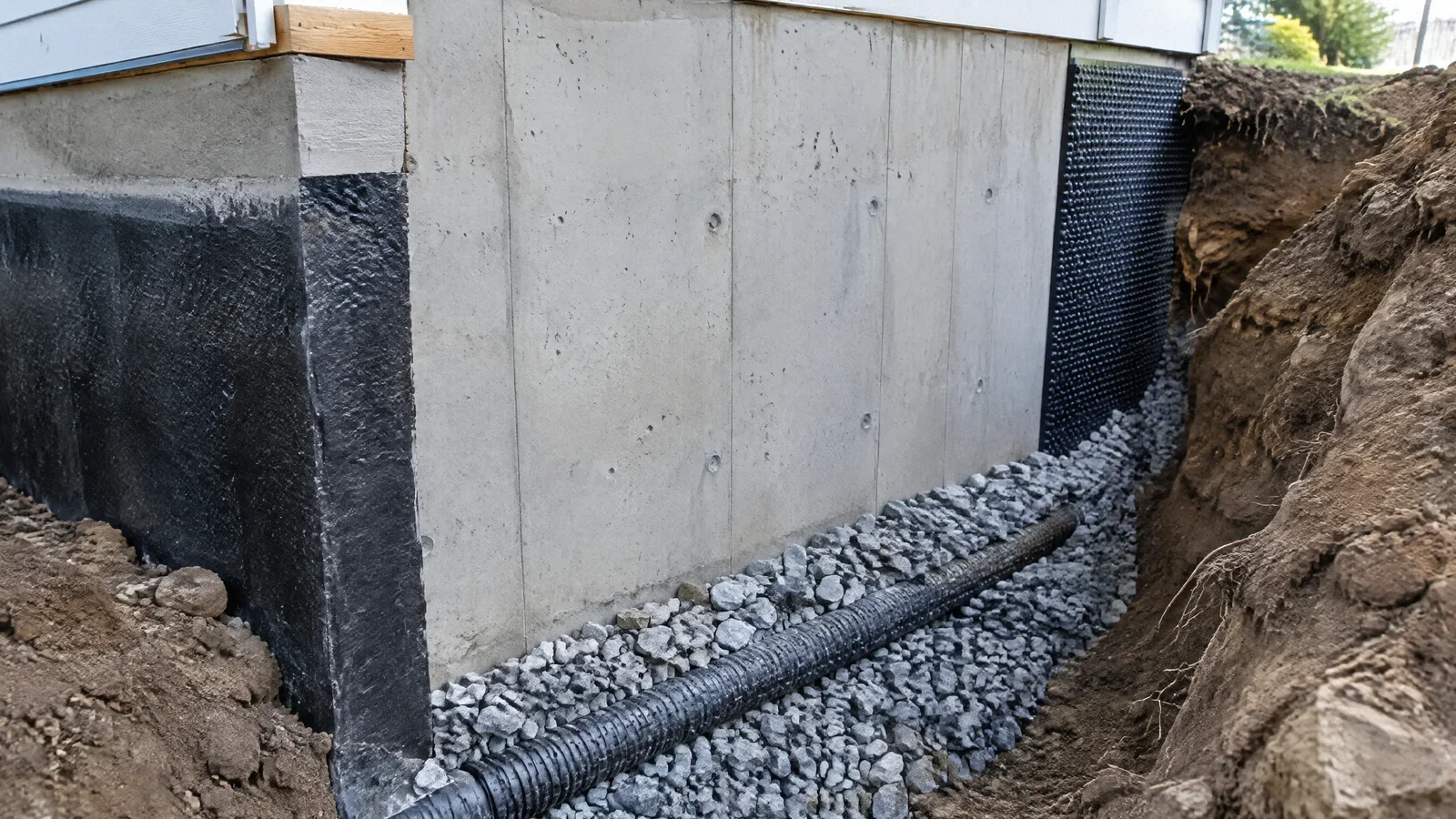
Foundation drainage connects roof runoff, surface grading, groundwater, and discharge. Diagnose the pathway before choosing excavation, coatings, or pumps.
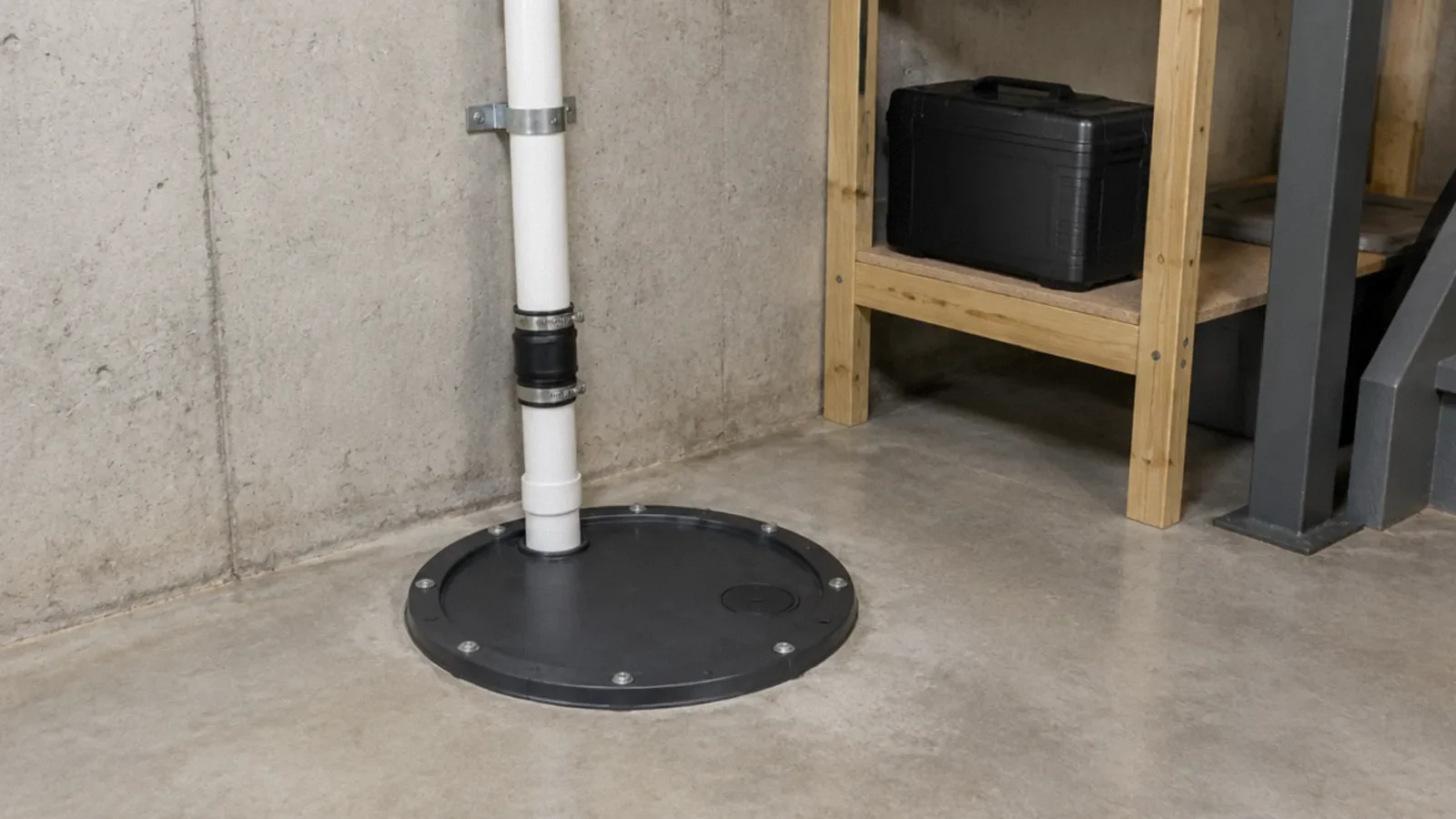
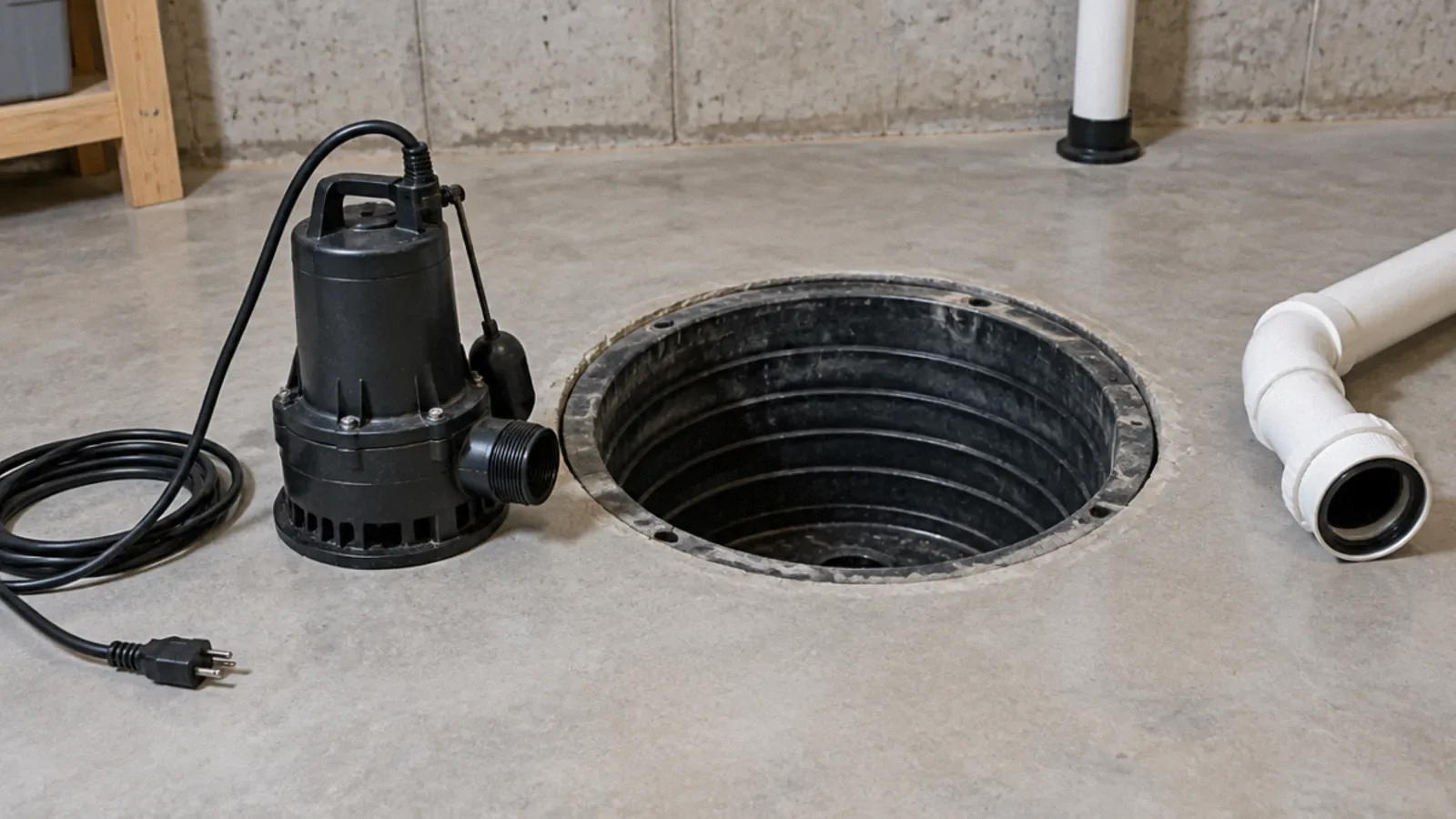
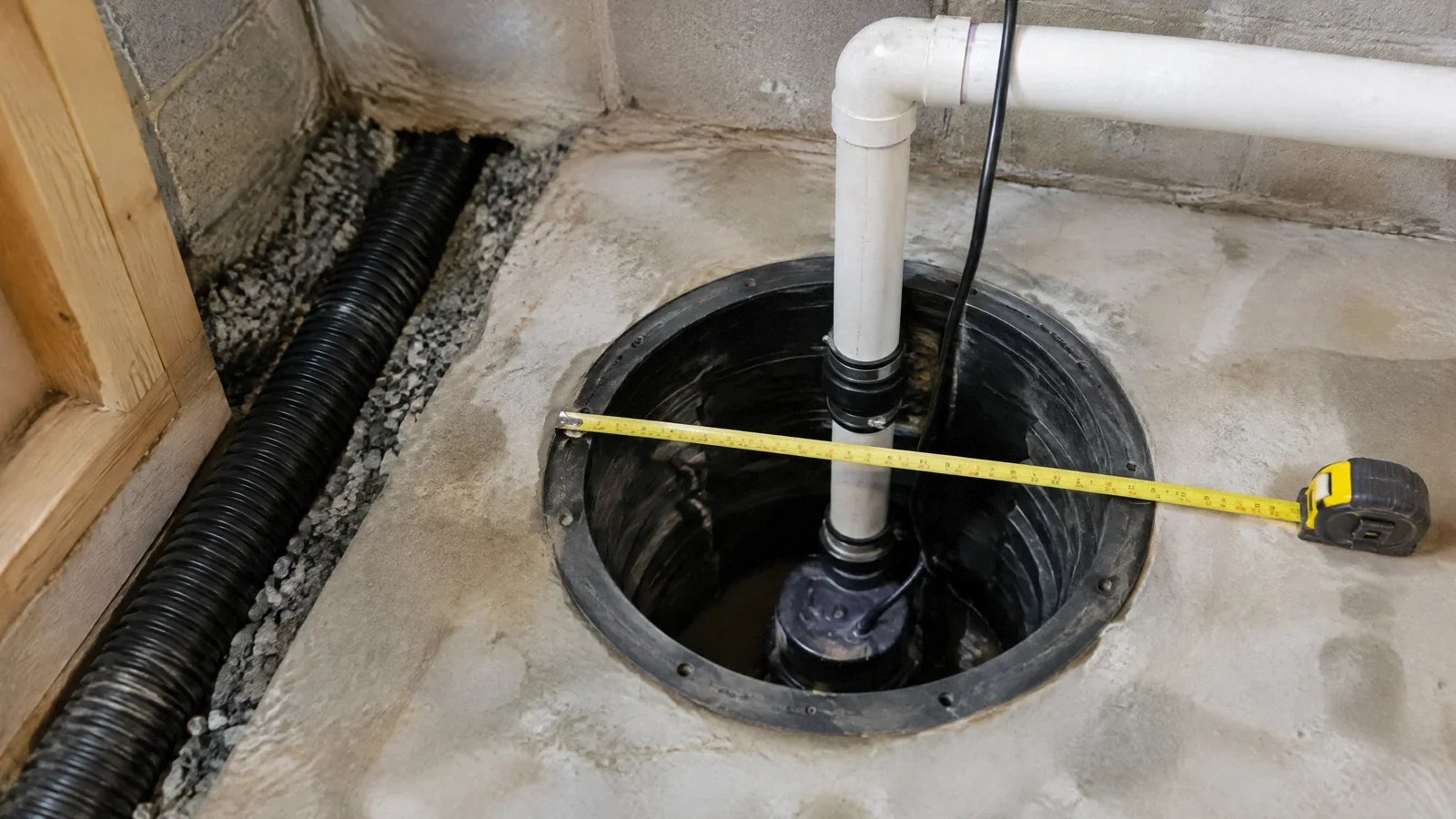
A sump backup battery addresses only one failure mode. Match capacity to the site and test discharge, controls, alarms, and outage response safely.
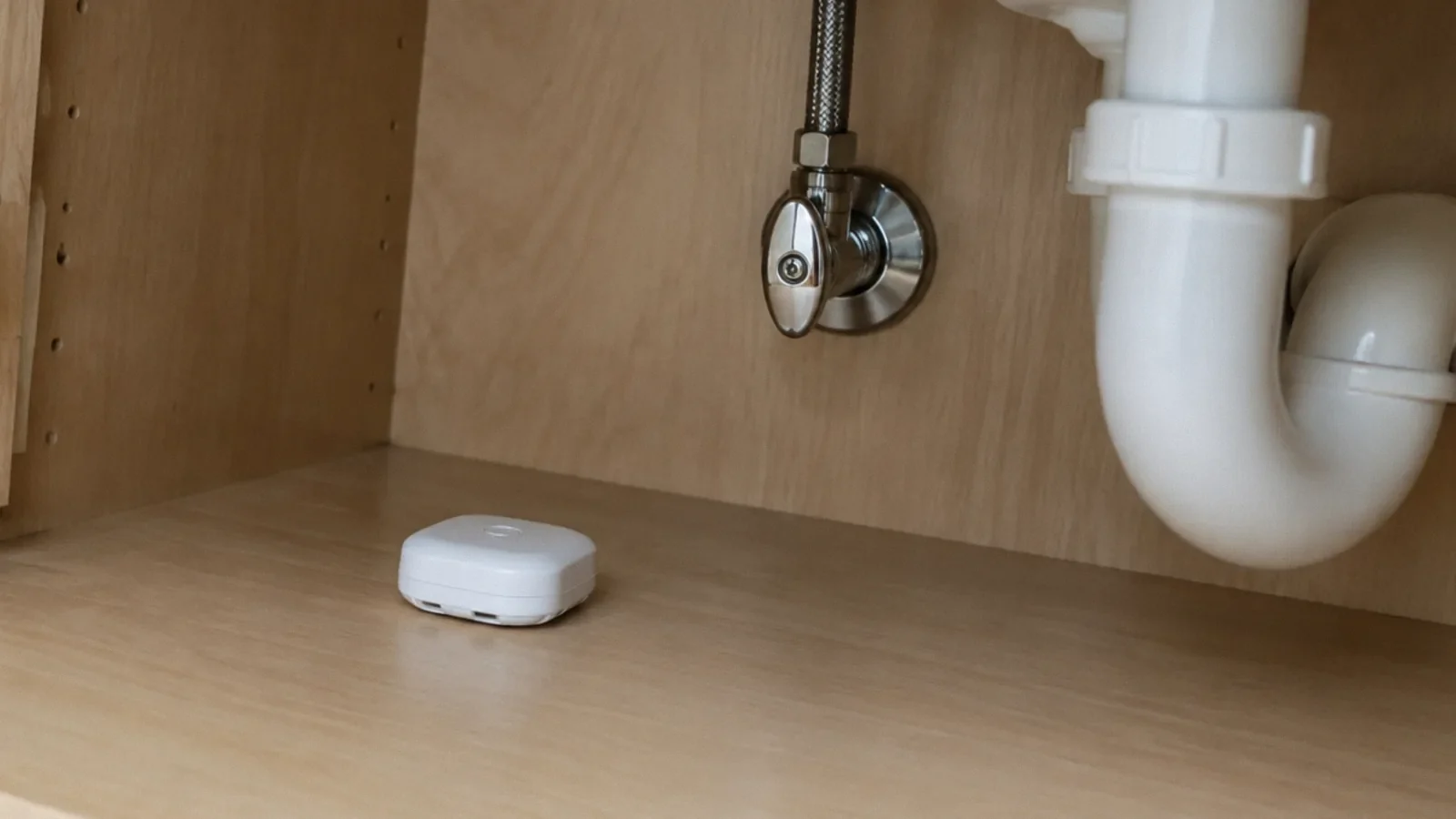
Leak sensors, flow monitors, and shutoff valves perform different jobs. Design coverage around actual water paths and test the complete response chain.
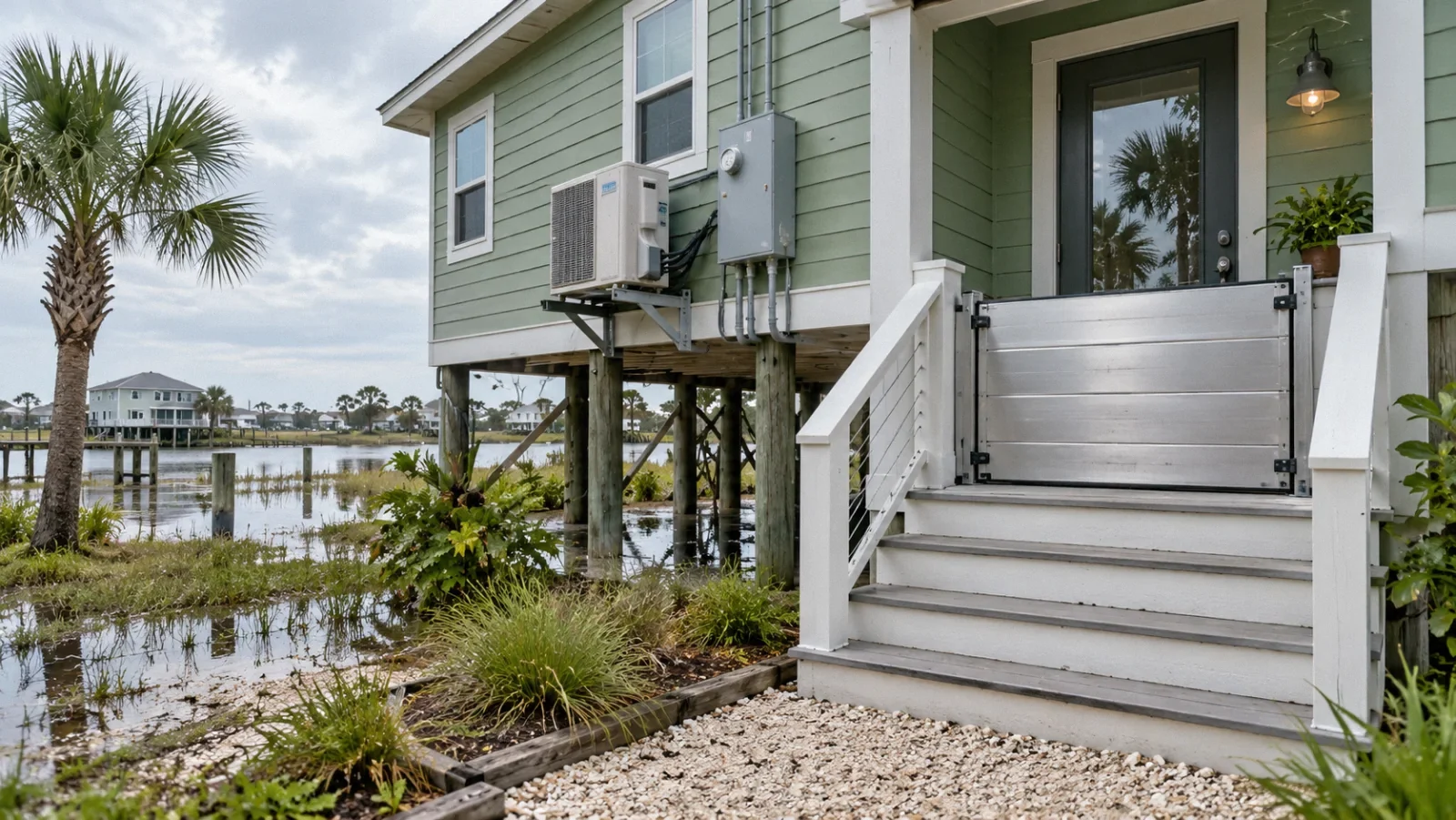
Flood resilience measures must fit the actual hazard and building. Coordinate drainage, equipment protection, structural limits, maintenance, and evacuation.
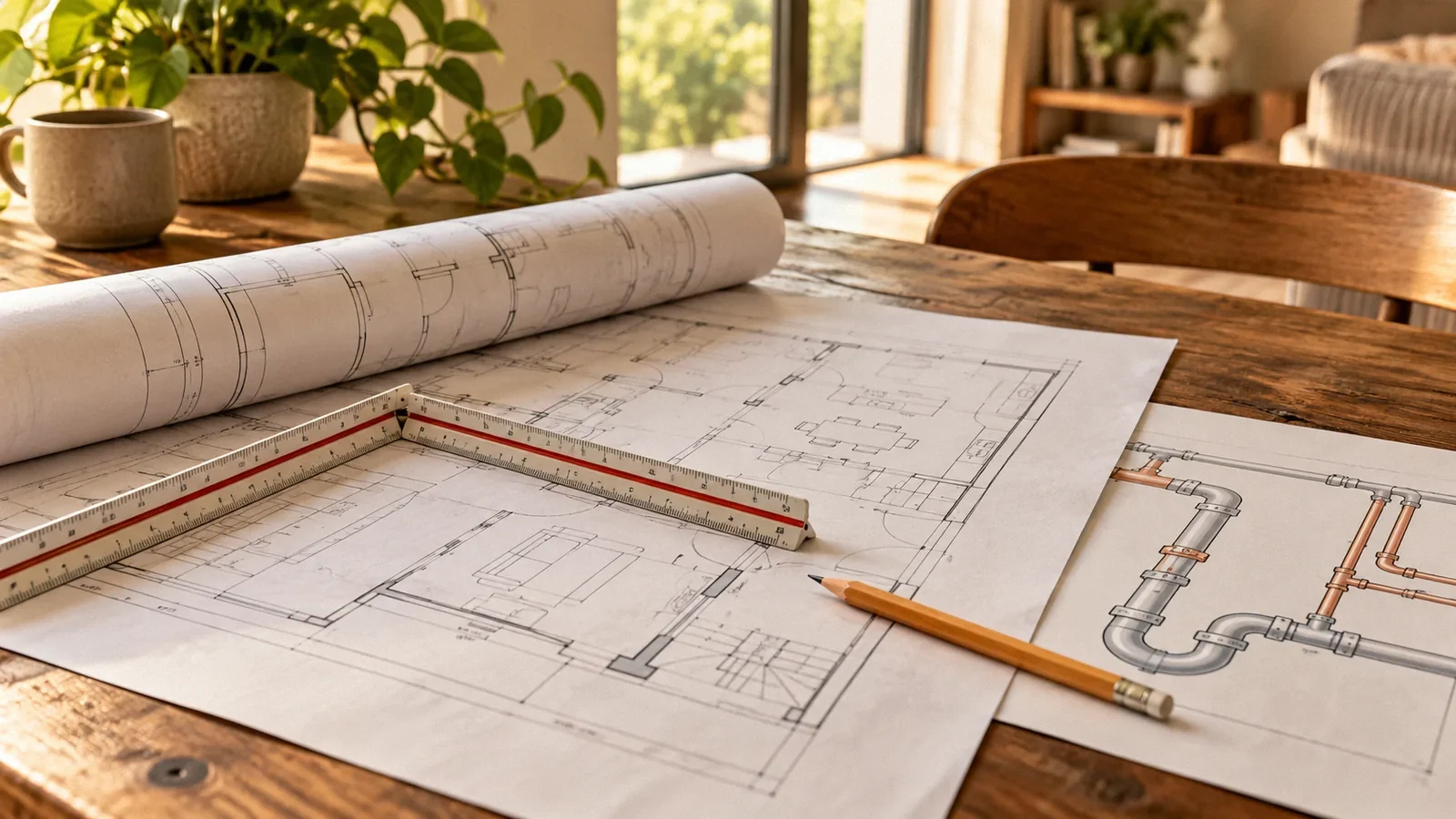
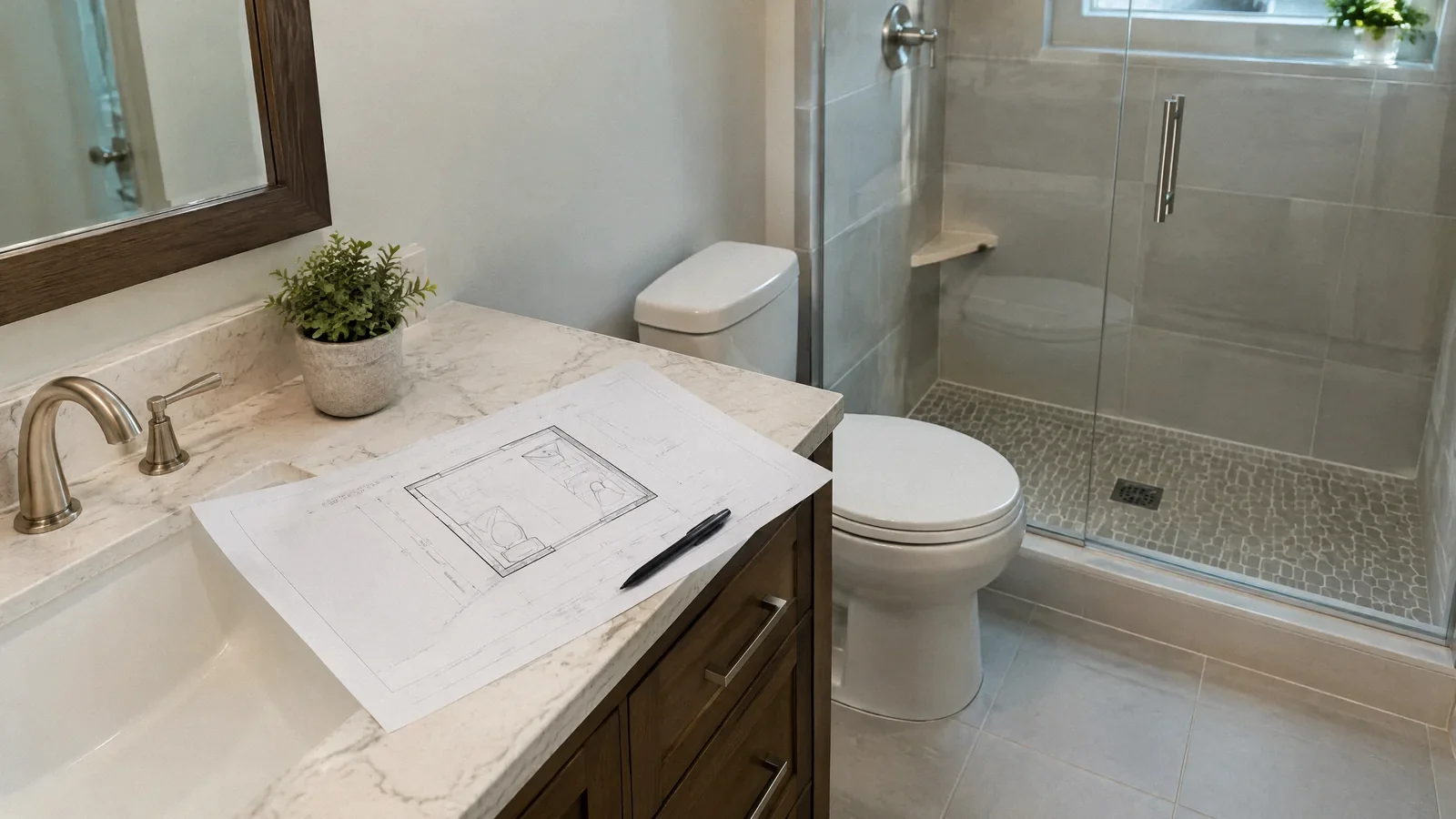
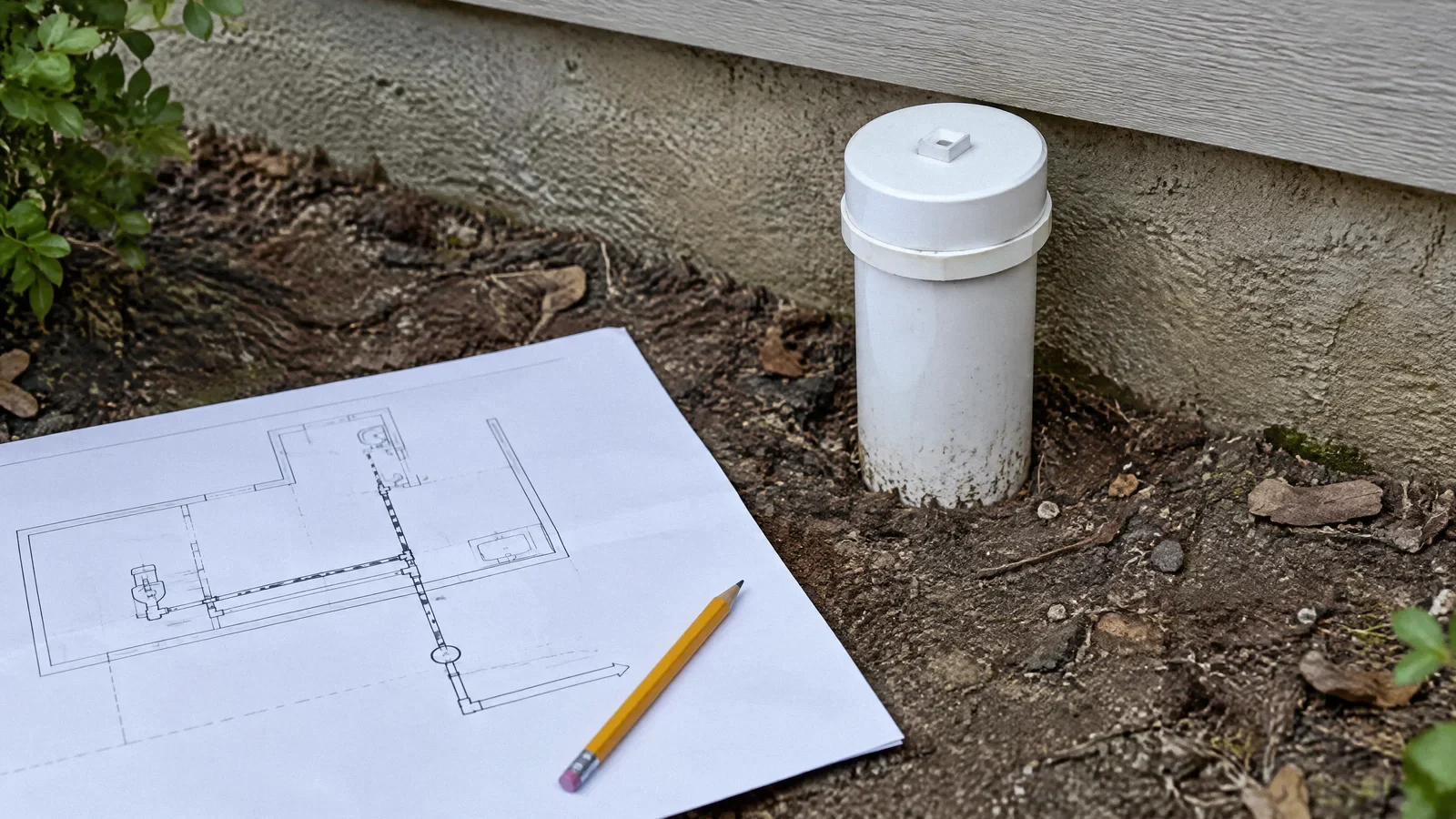
Learn to read floor plans, sections, site drawings and plumbing notes, and identify what plans cannot prove about a leak or hidden building conditions.
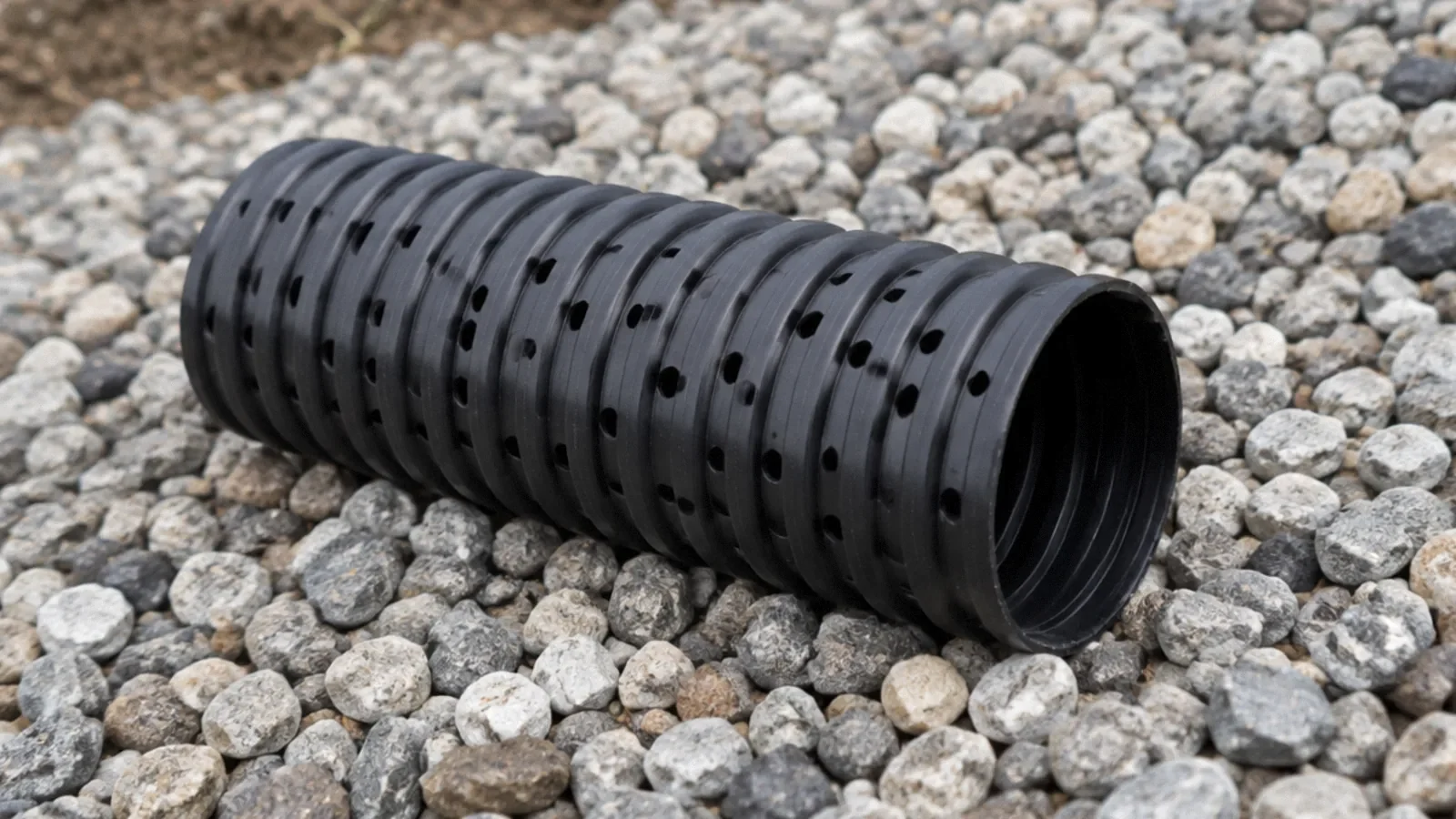
Understand French drain components, drainage routes, common limitations, maintenance questions and when to seek a site-specific assessment.
Understand why a water-powered backup sump pump can create a cross-connection, what to ask your water utility, and how inspection and testing fit into the system.
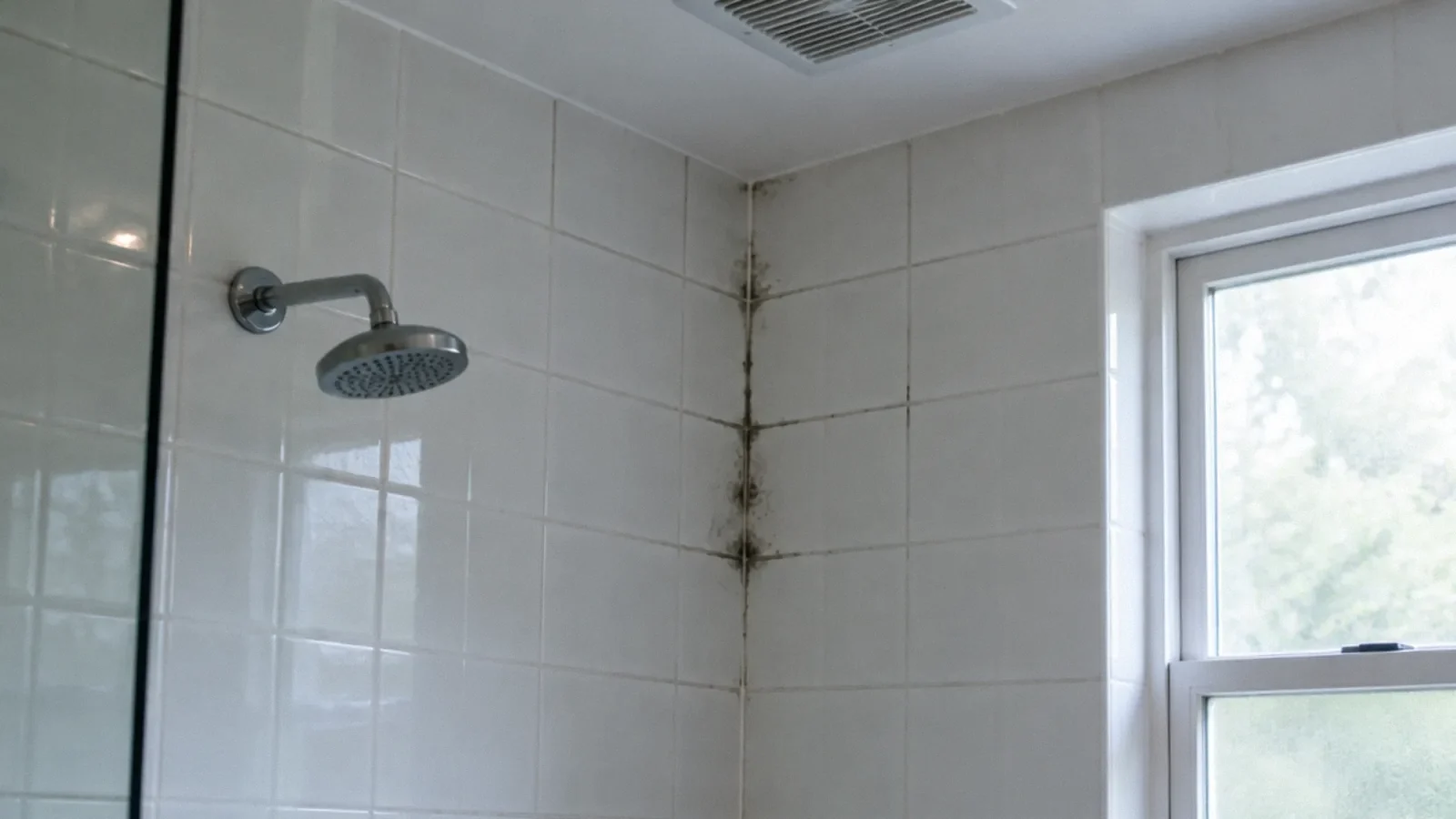
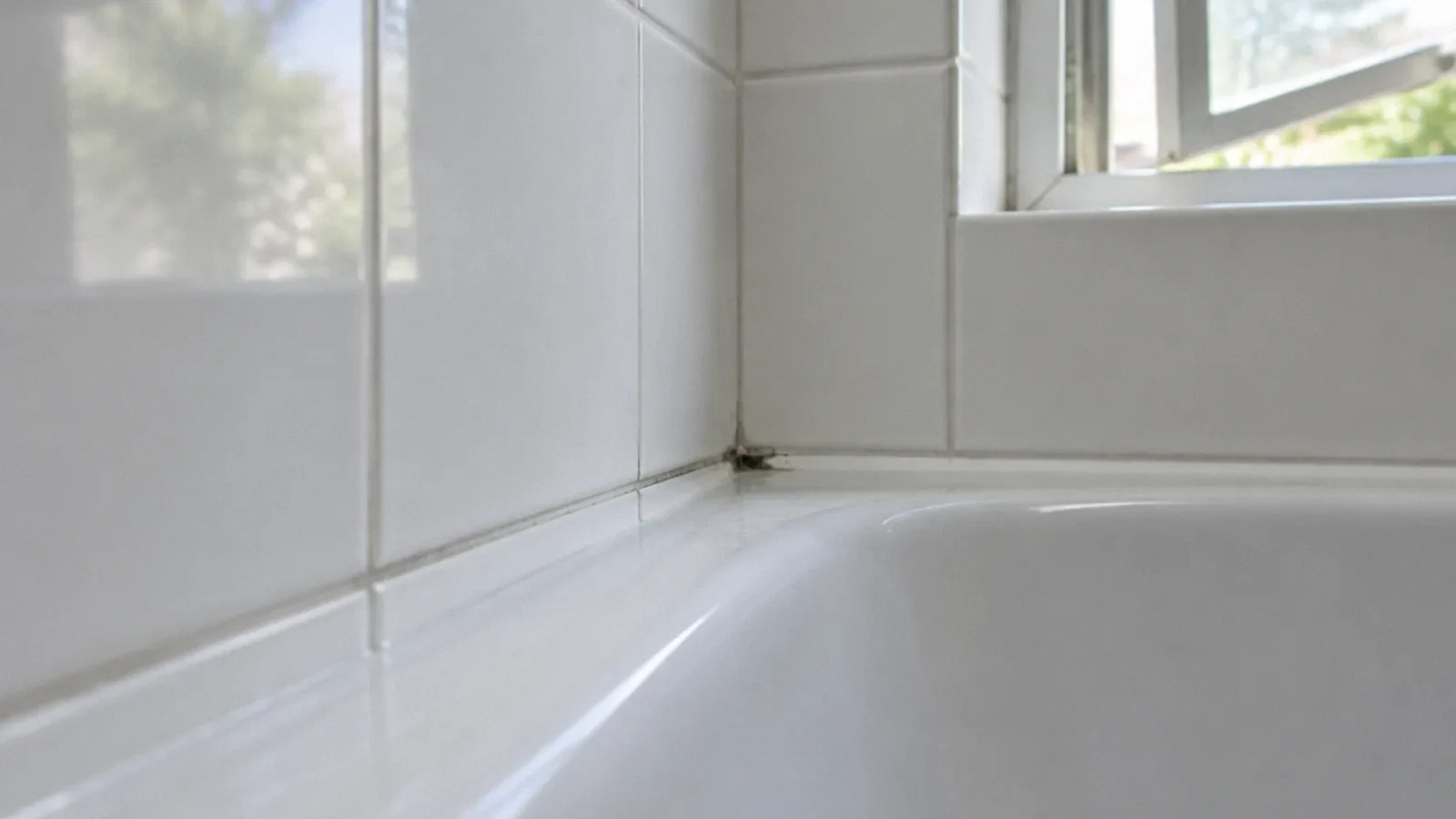
Identify bathroom moisture, clean suitable hard surfaces and know when suspected hidden mold needs professional assessment.
Understand the limits of identifying shower mold by color, who may be more sensitive to exposure and when to seek medical or cleanup help.
Learn what mold is, how moisture allows it to grow indoors, what visible growth can tell you and how to decide on your next step.
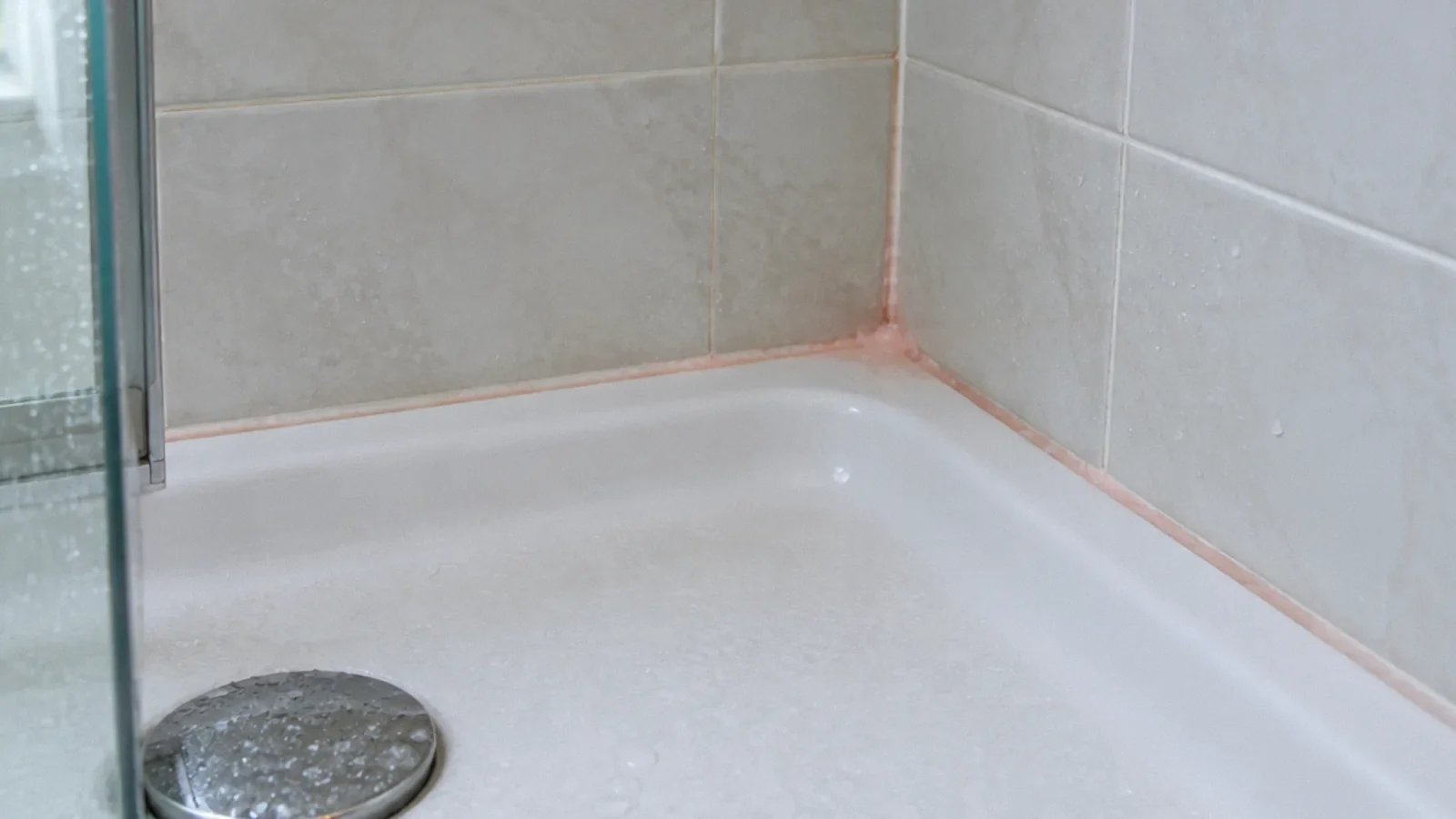
Understand what pink or red shower residue may be, how to clean accessible bathroom surfaces and which moisture problems need further attention.
Understand the steps in home mold remediation, from identifying the moisture source to cleaning, removal and checking the completed work.
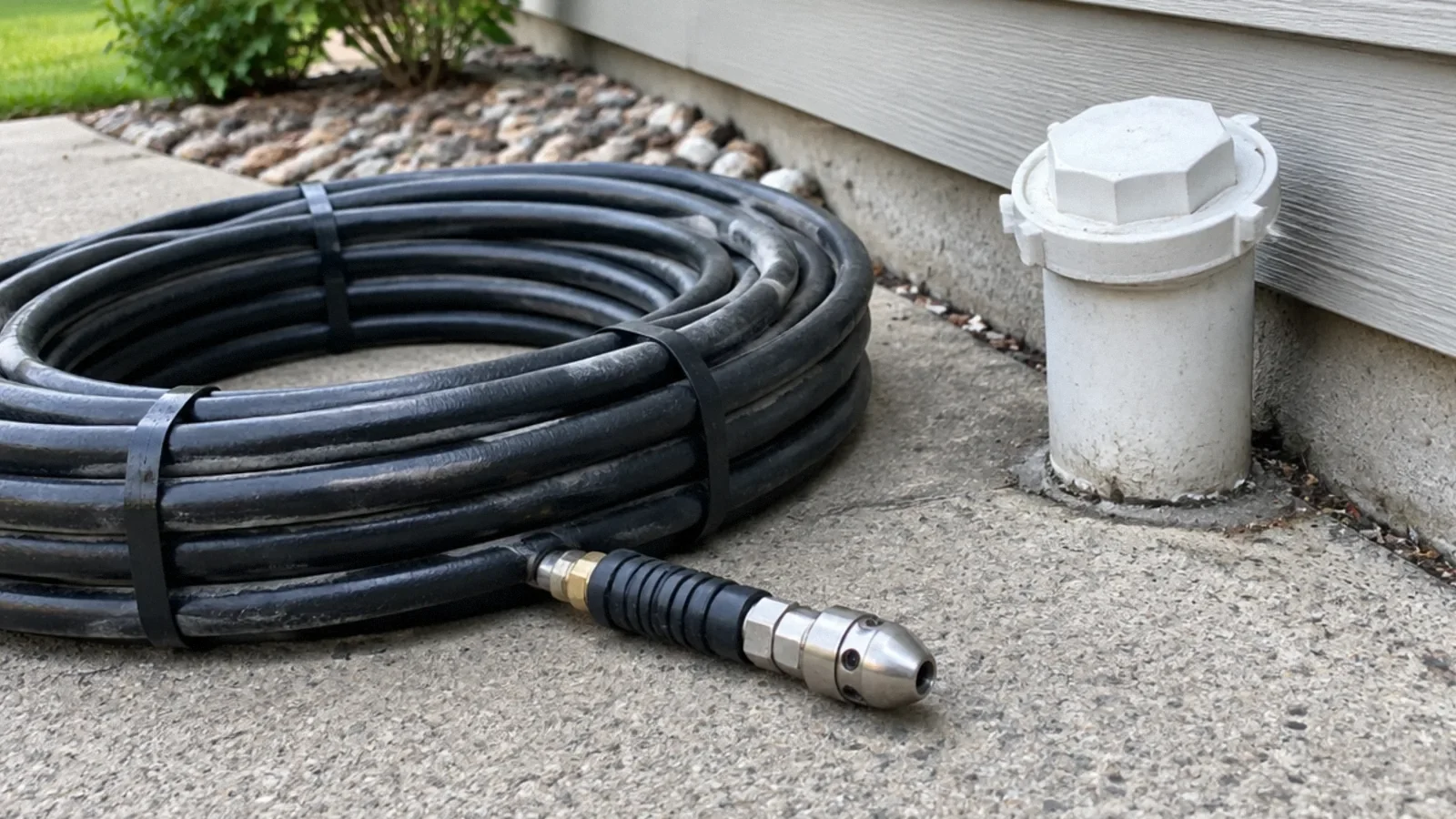
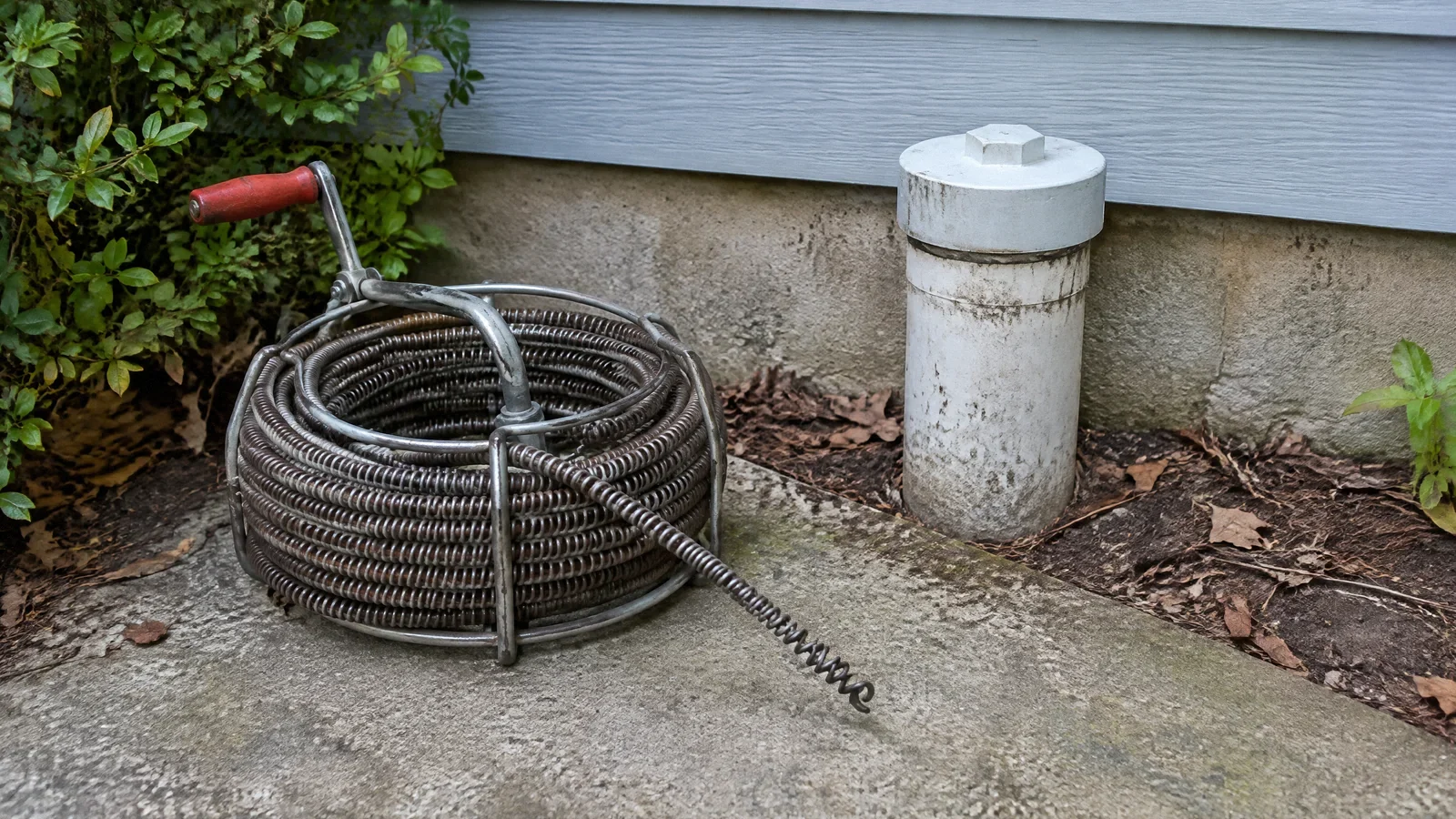
Learn how high-pressure water jetting cleans a sewer line, what it cannot repair and which questions to ask before the work.
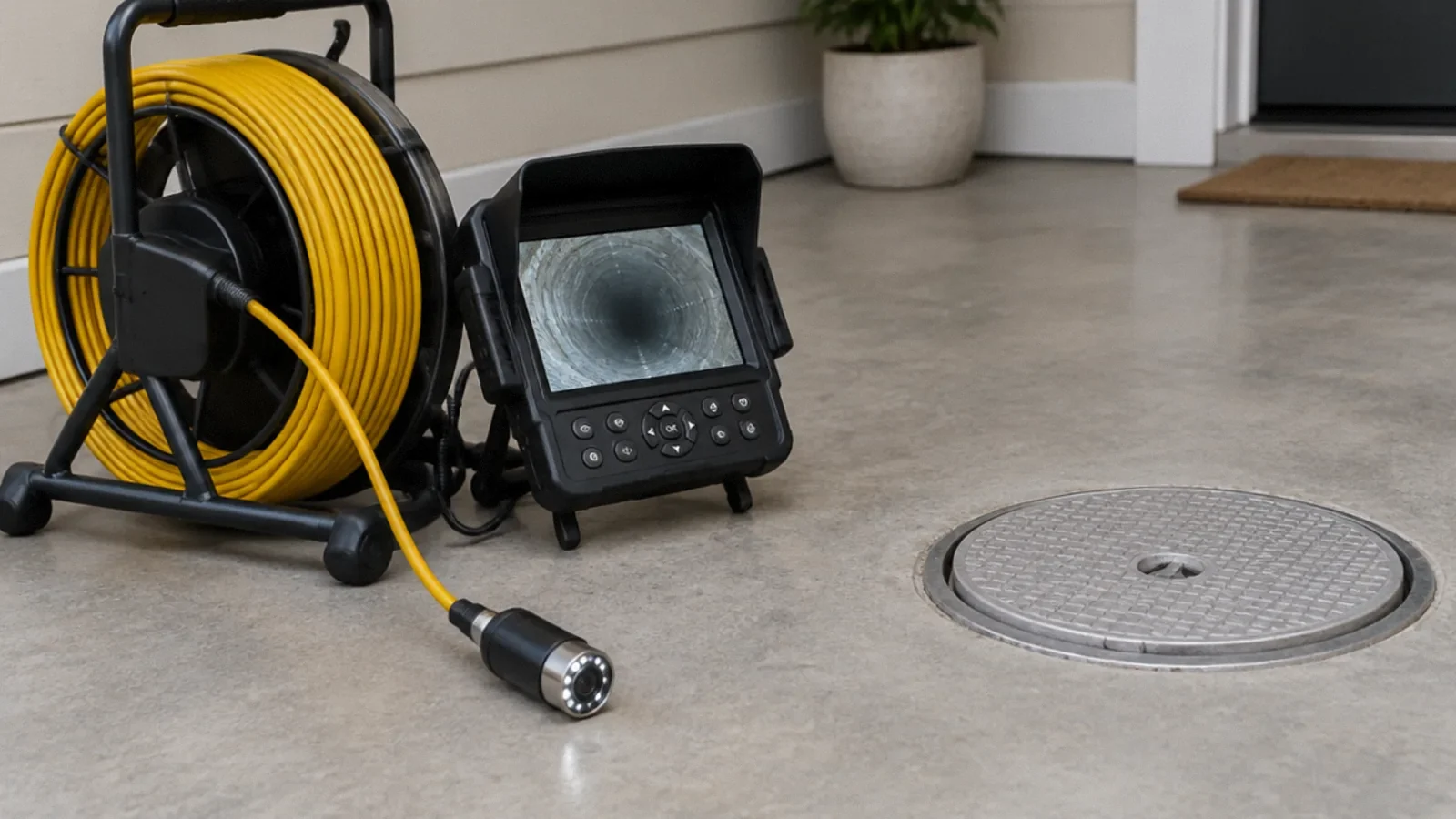
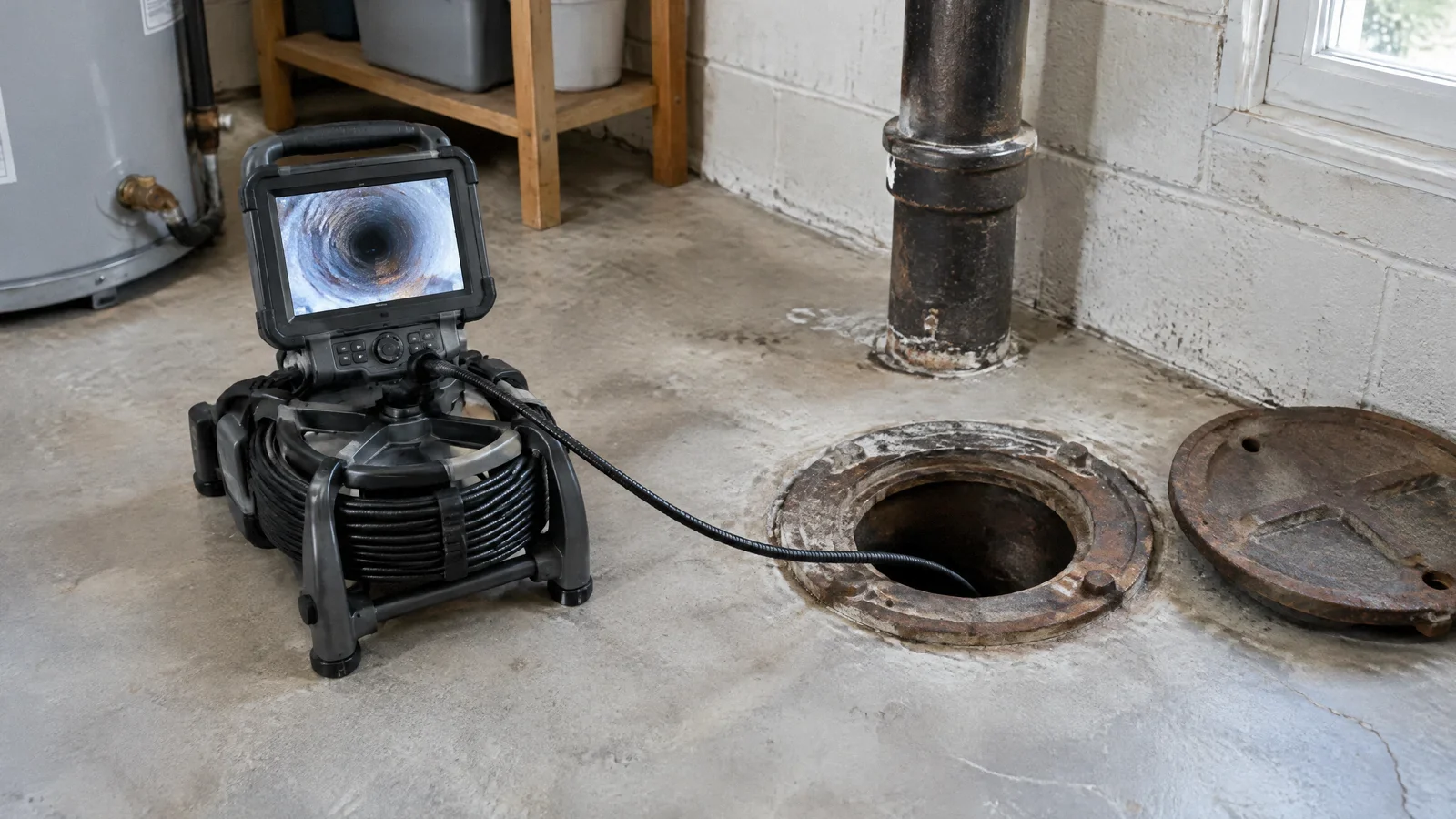
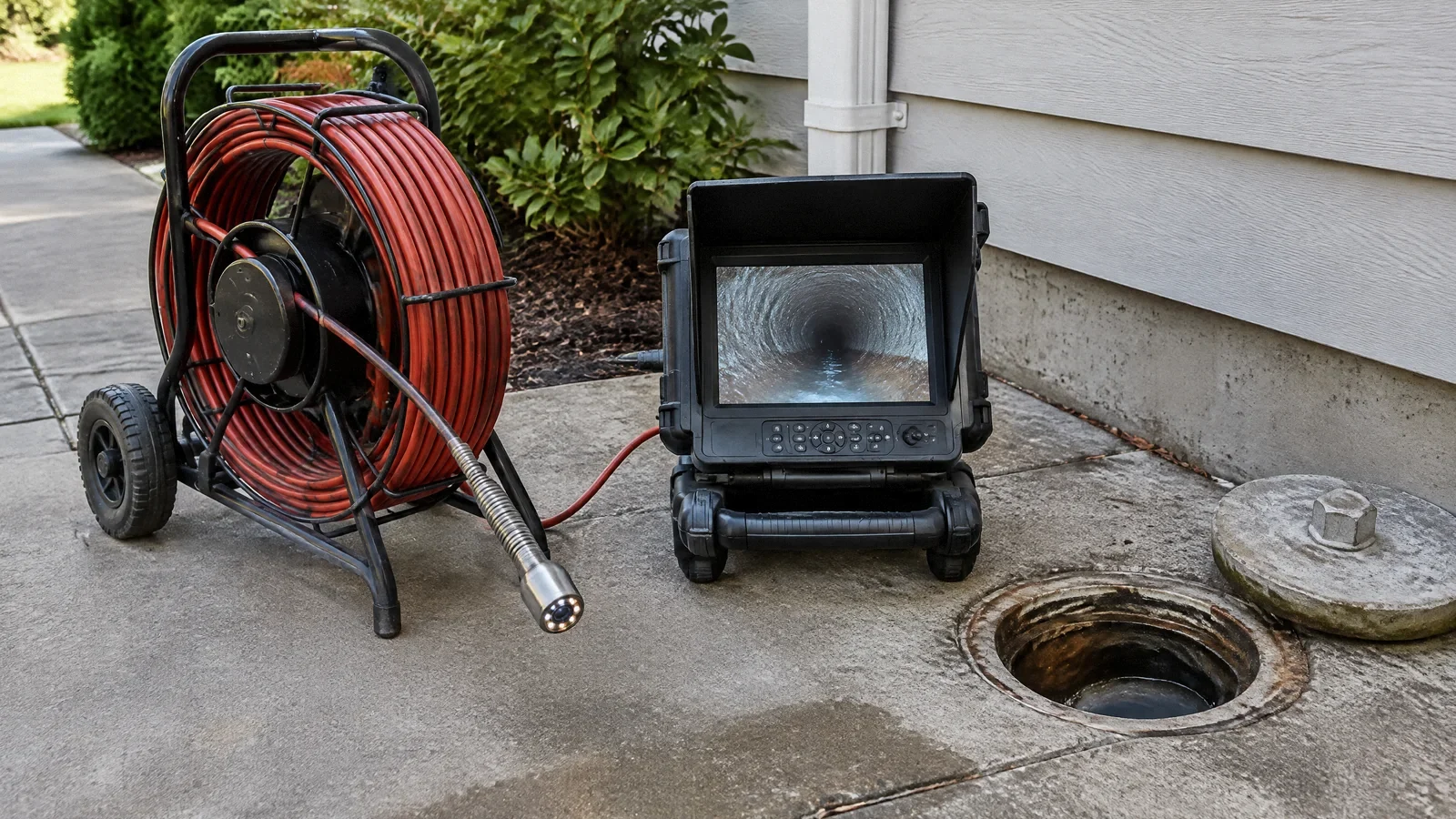
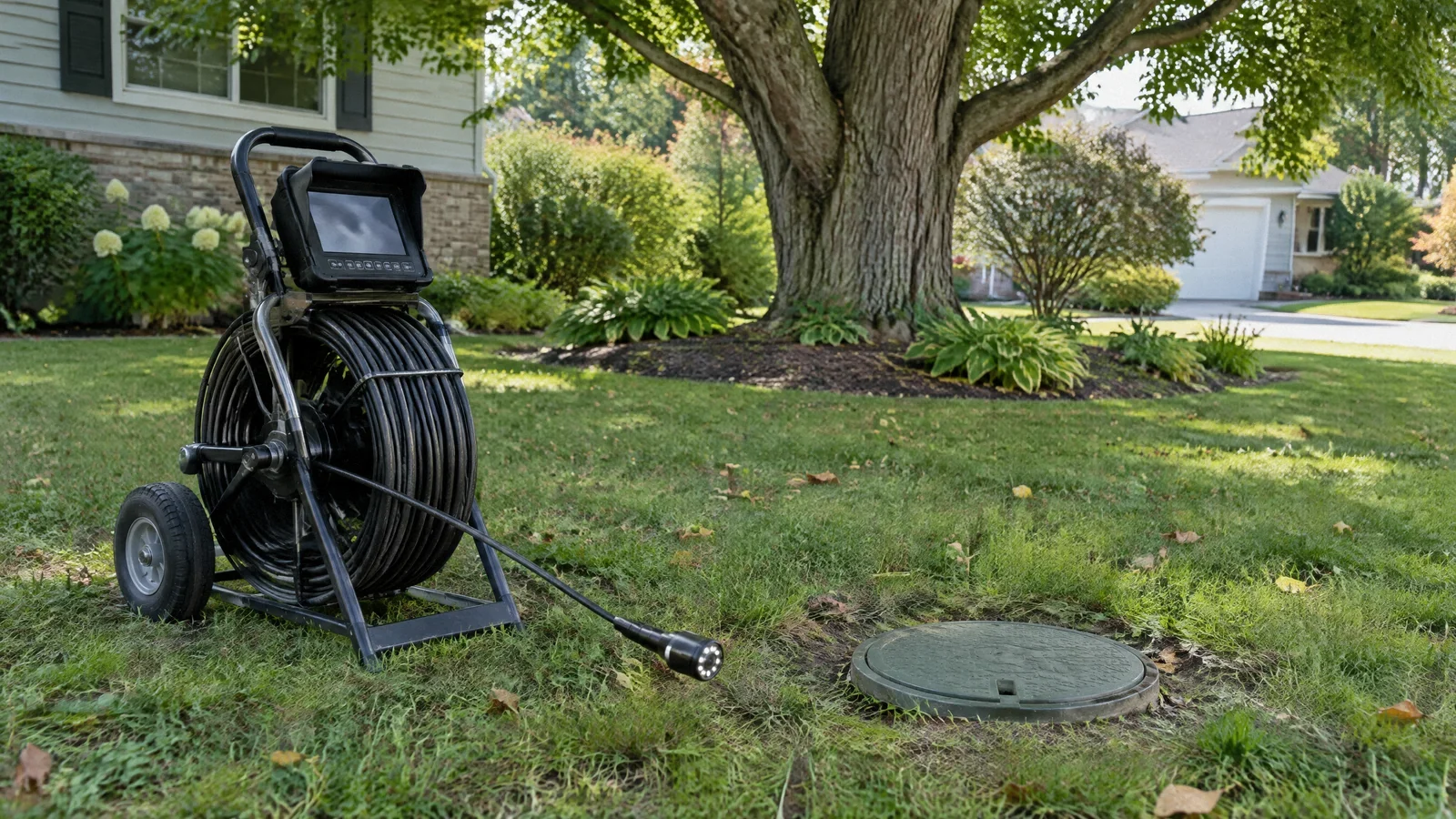
Learn when a sewer-line camera inspection can help, how a blocked pipe limits visibility and what to ask for in the recording.
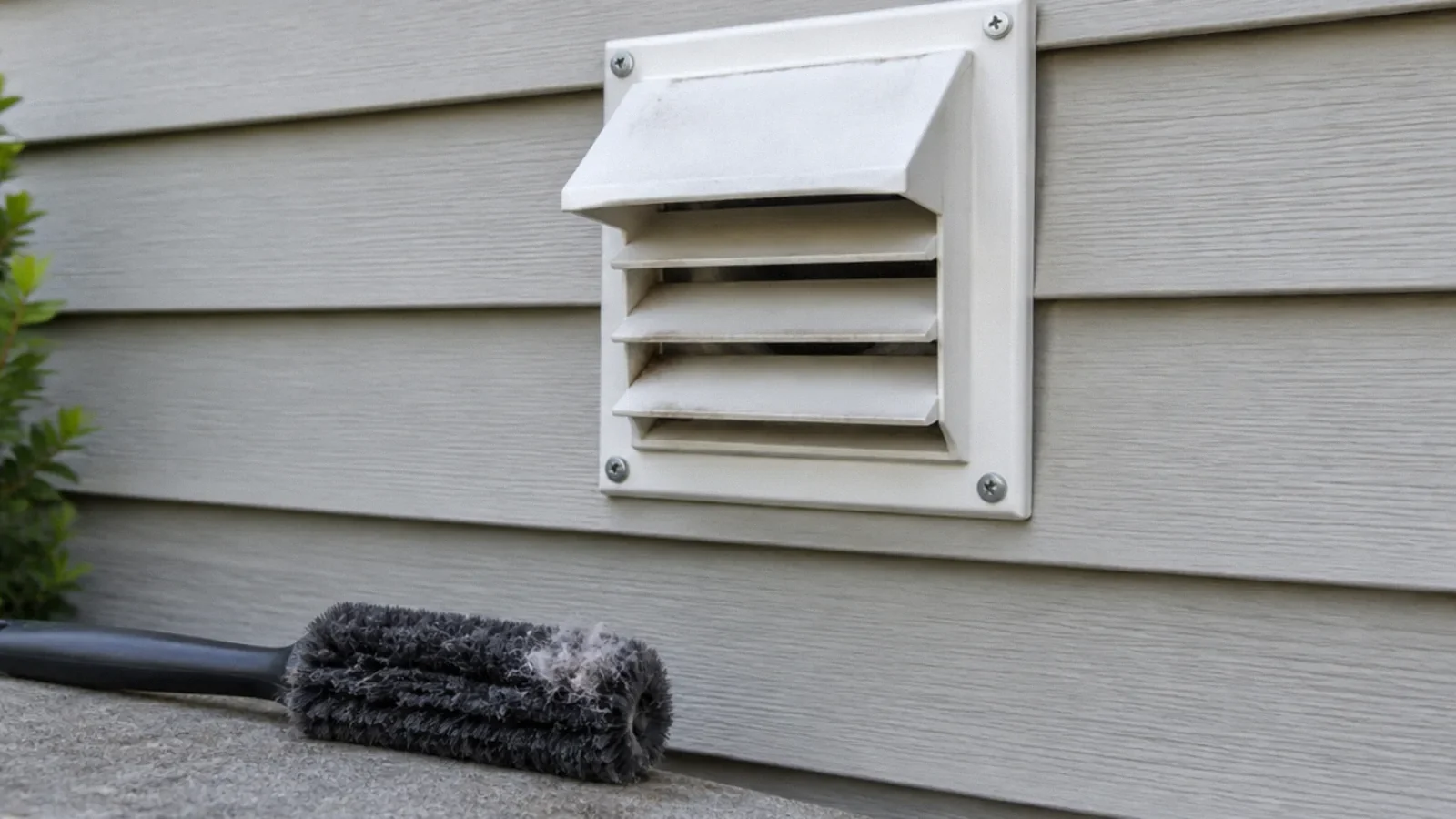
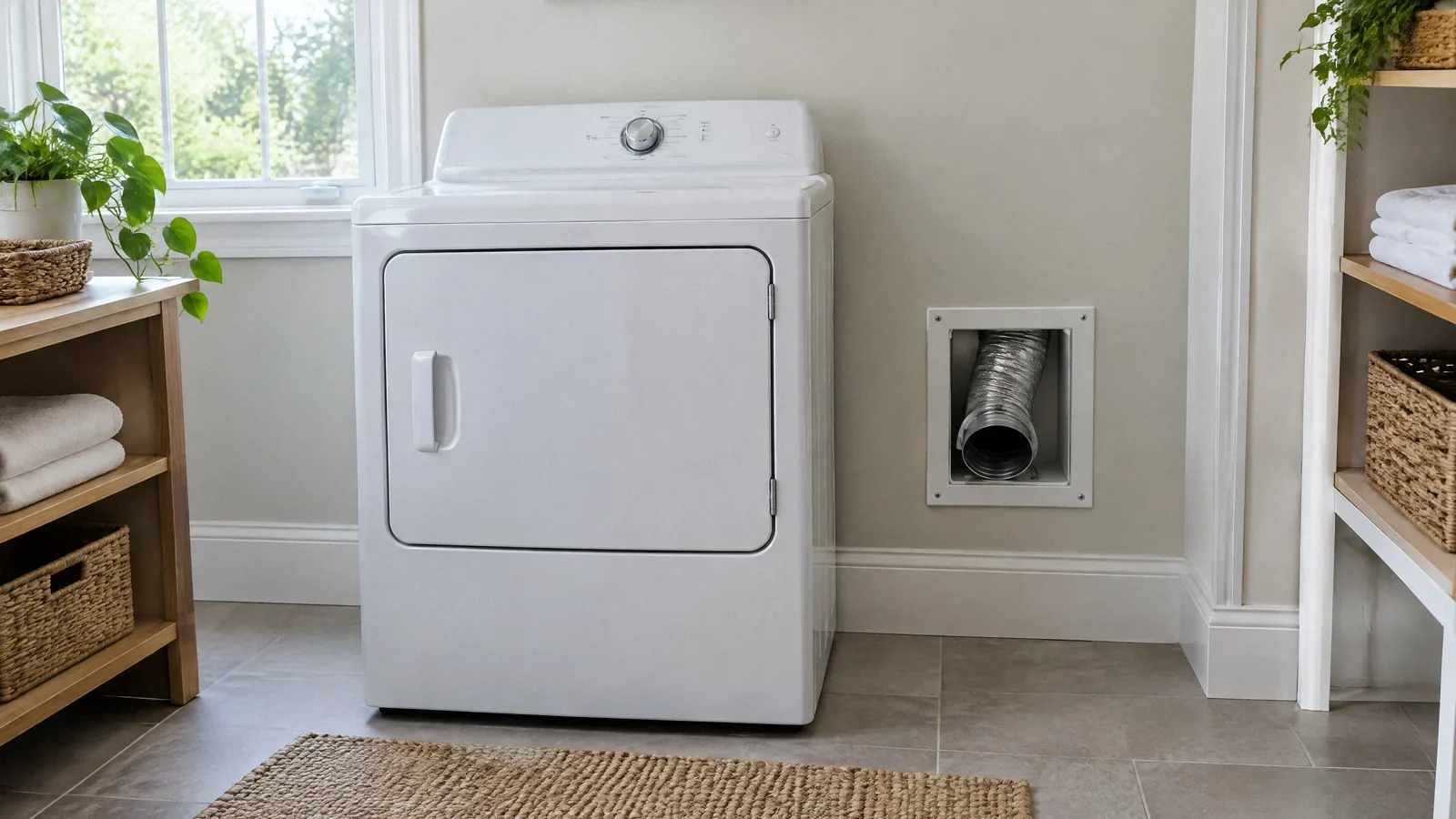
Learn the signs of a restricted dryer vent, what accessible maintenance involves and when to arrange professional cleaning.
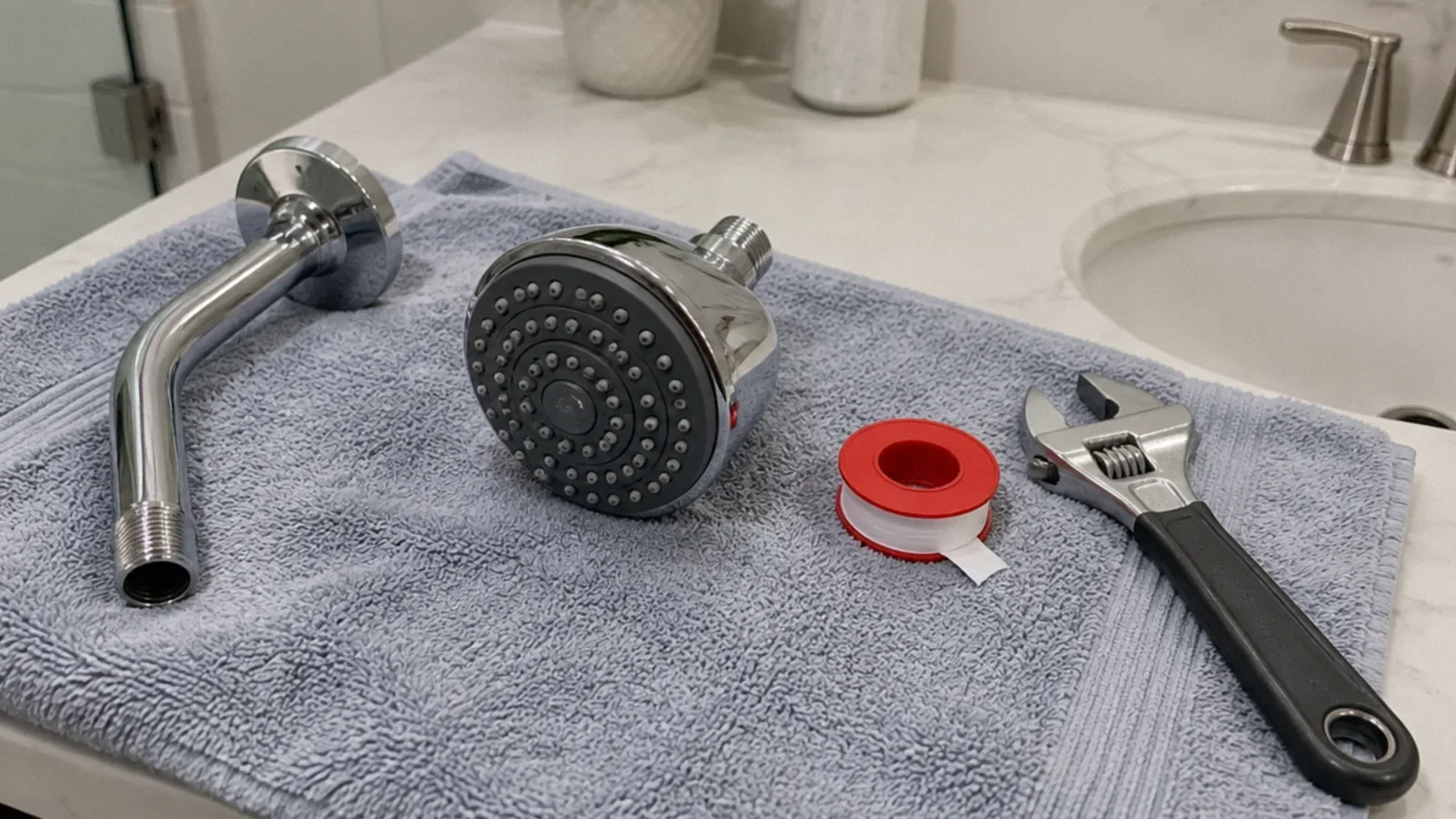
Follow a practical showerhead replacement checklist, including protecting the shower arm and checking for leaks.
Understand the limits of vinegar for mold cleanup, why physical removal and drying matter and why bleach must never be mixed with vinegar.
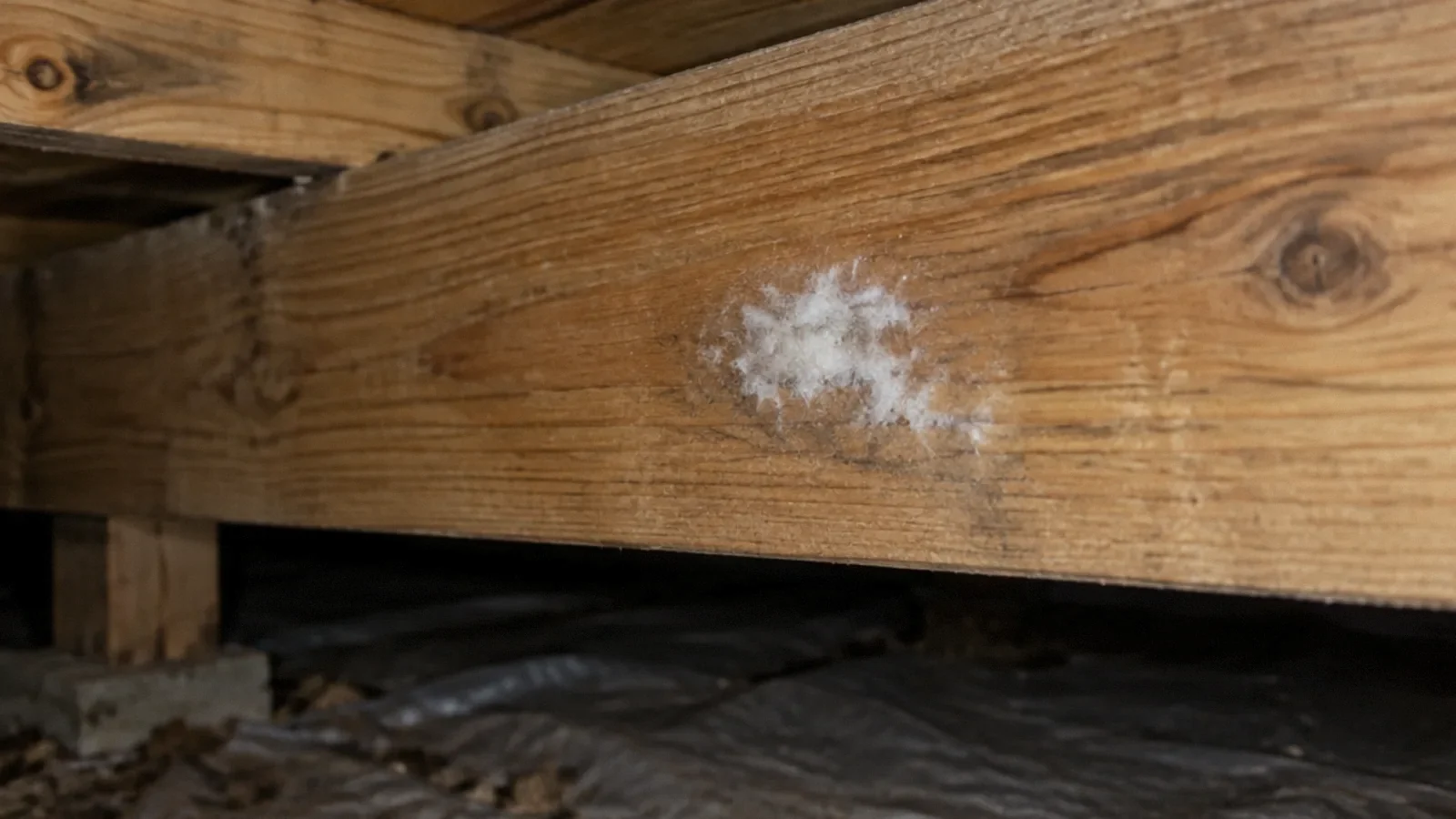
Learn why some mold can appear white, why color does not identify it and how to investigate a damp surface safely.
Understand how the terms mold and mildew overlap, why color is not a diagnosis and how to respond to a damp surface.
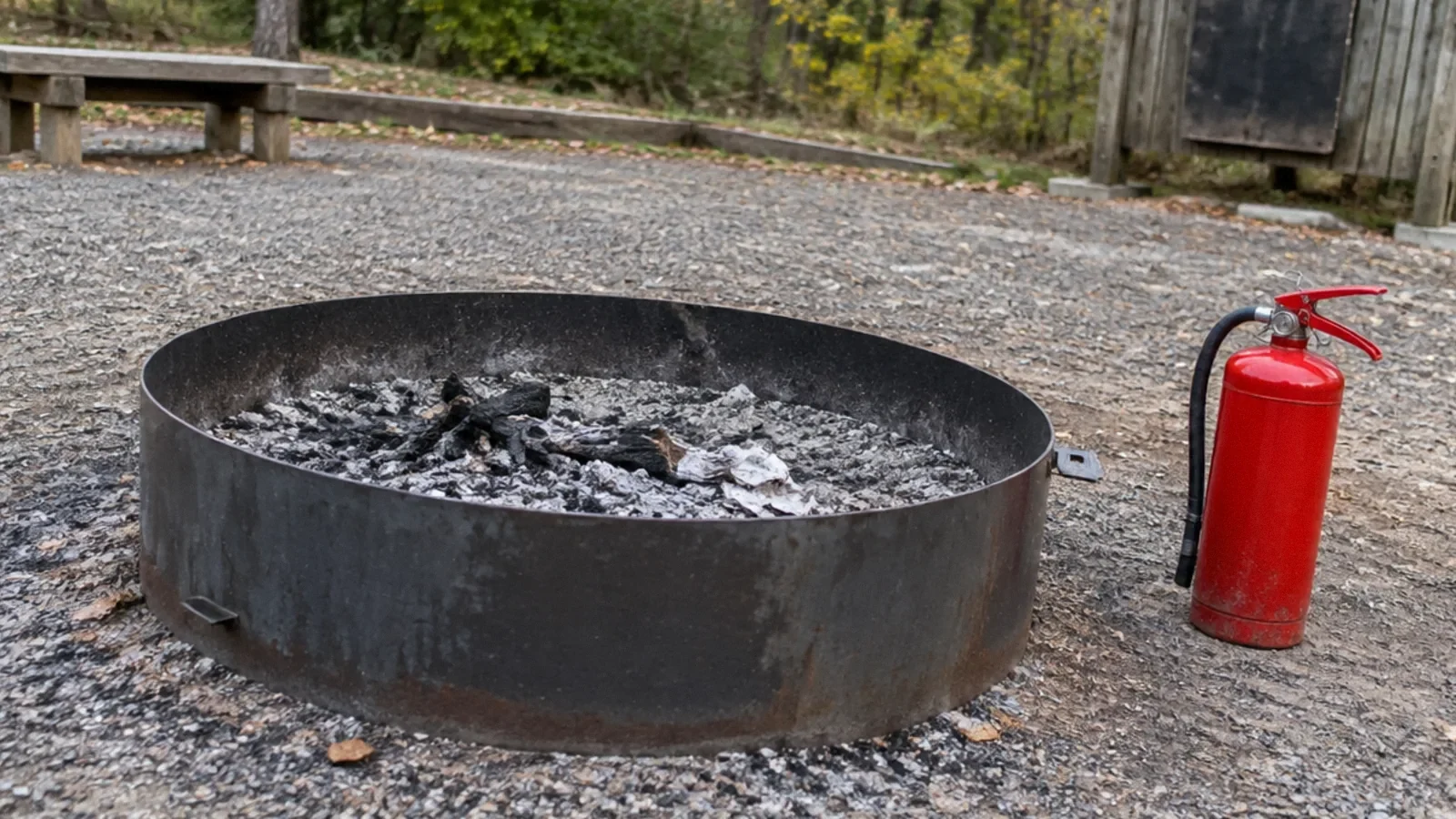
Learn the common U.S. fire classes, why an extinguisher must match the hazard and when to evacuate.
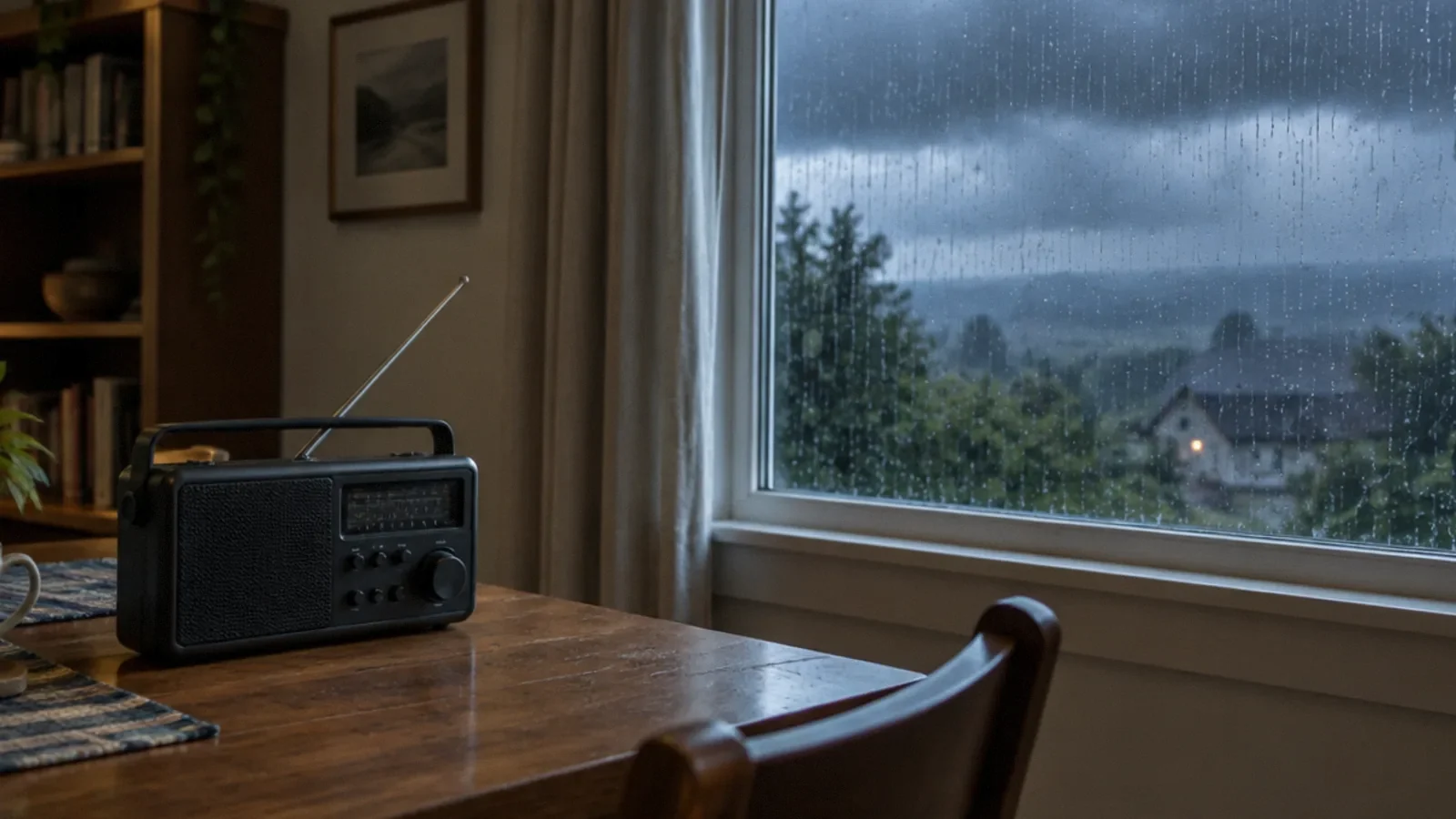
Learn how to respond to a watch, warning or advisory, including tornado and flood alerts from the National Weather Service.
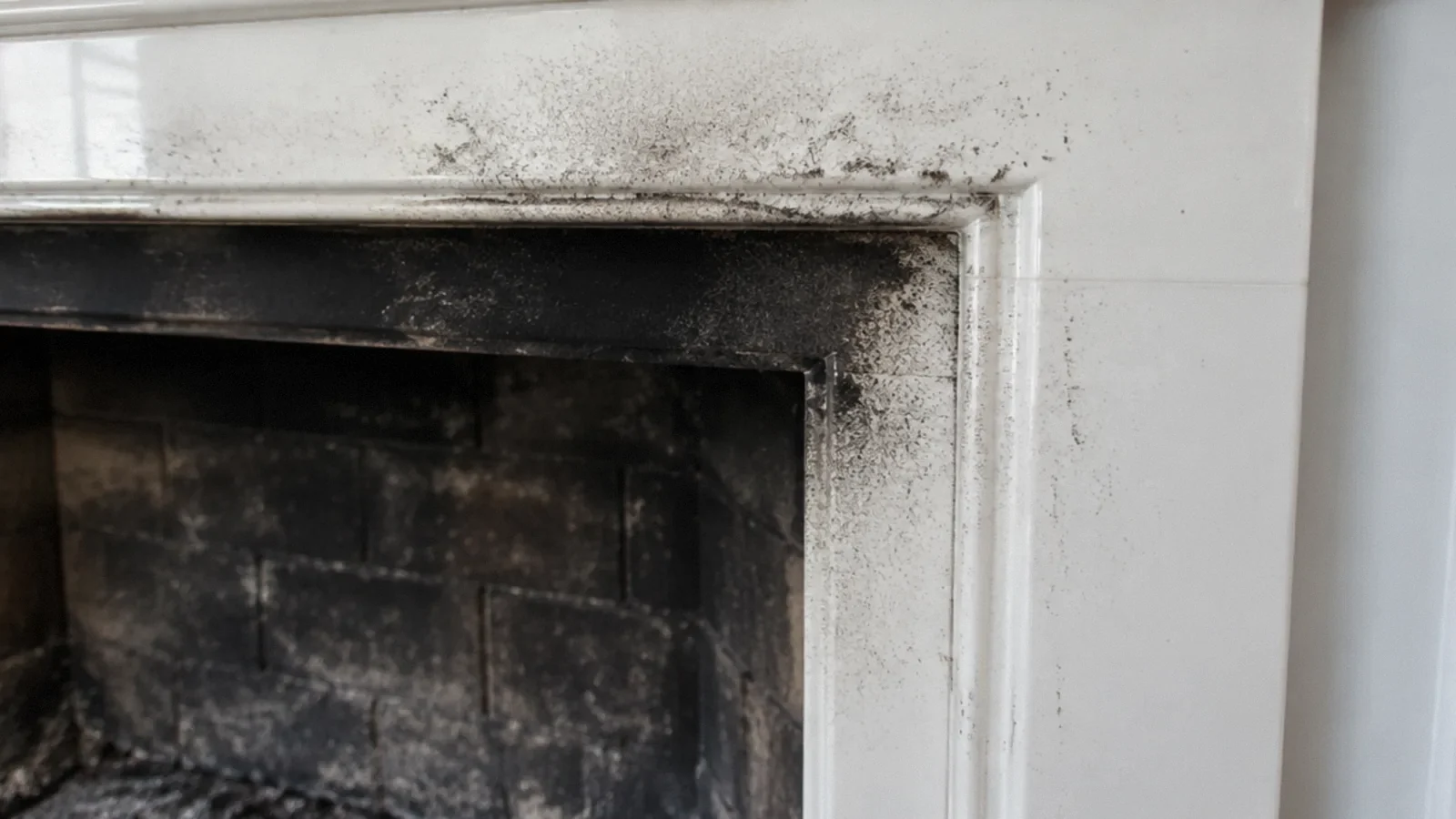
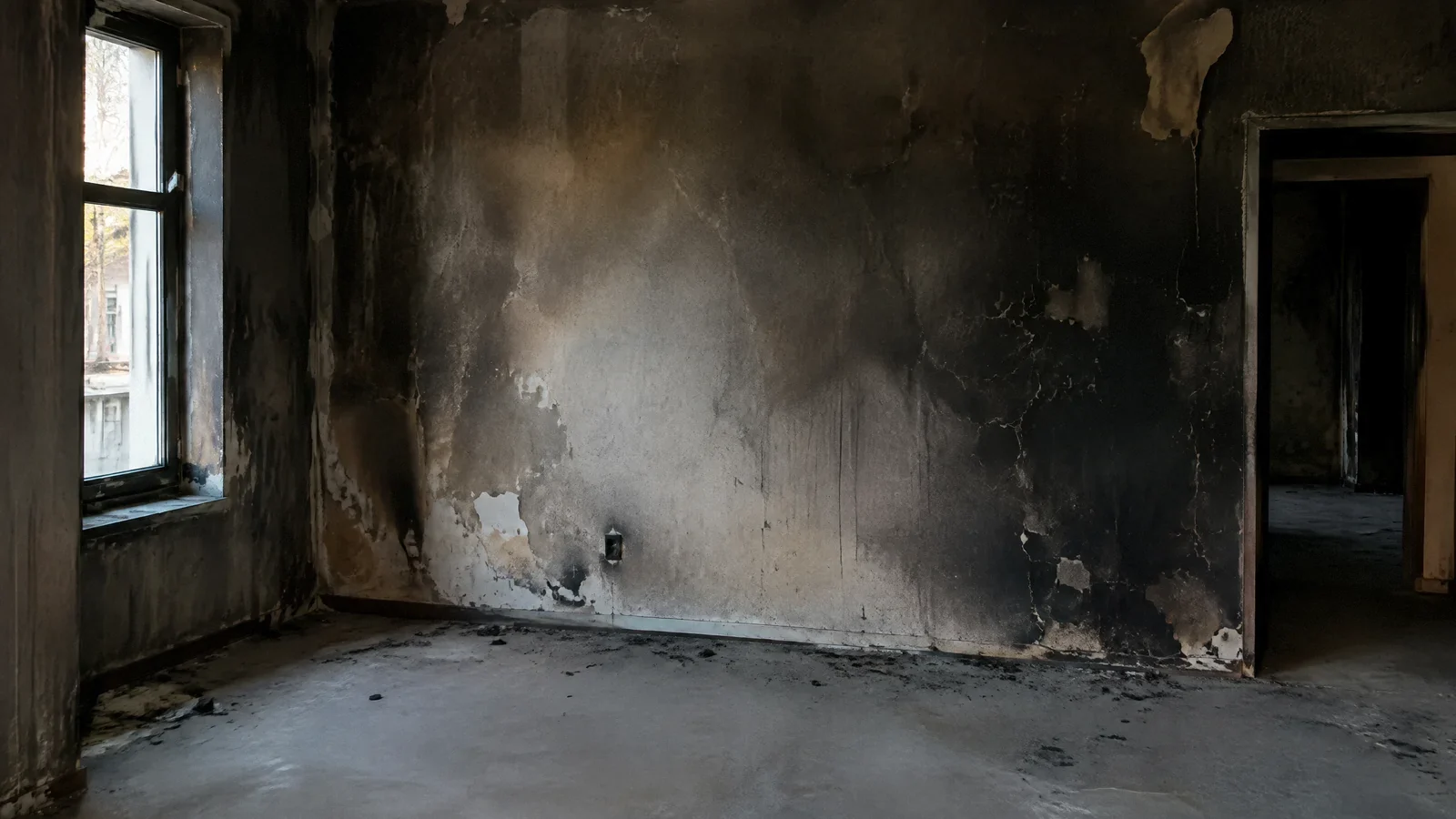
Learn what soot is, why its source matters, and how to approach residue after a fire or appliance problem.
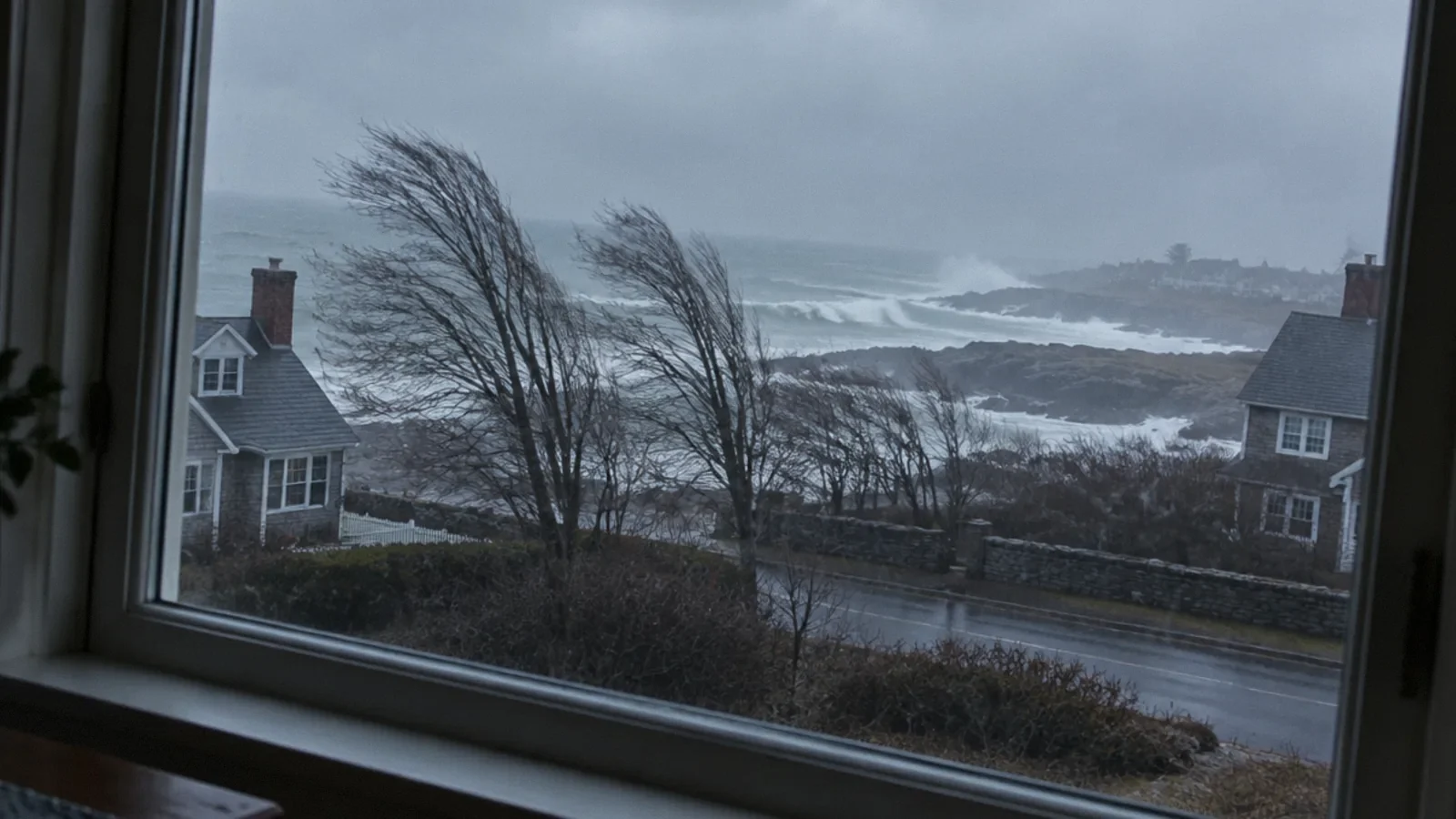
Understand how a nor’easter affects the U.S. East Coast and how to prepare for coastal flooding, wind and winter weather.
Learn how tropical disturbances can develop into hurricanes and why warm water alone does not guarantee a storm.
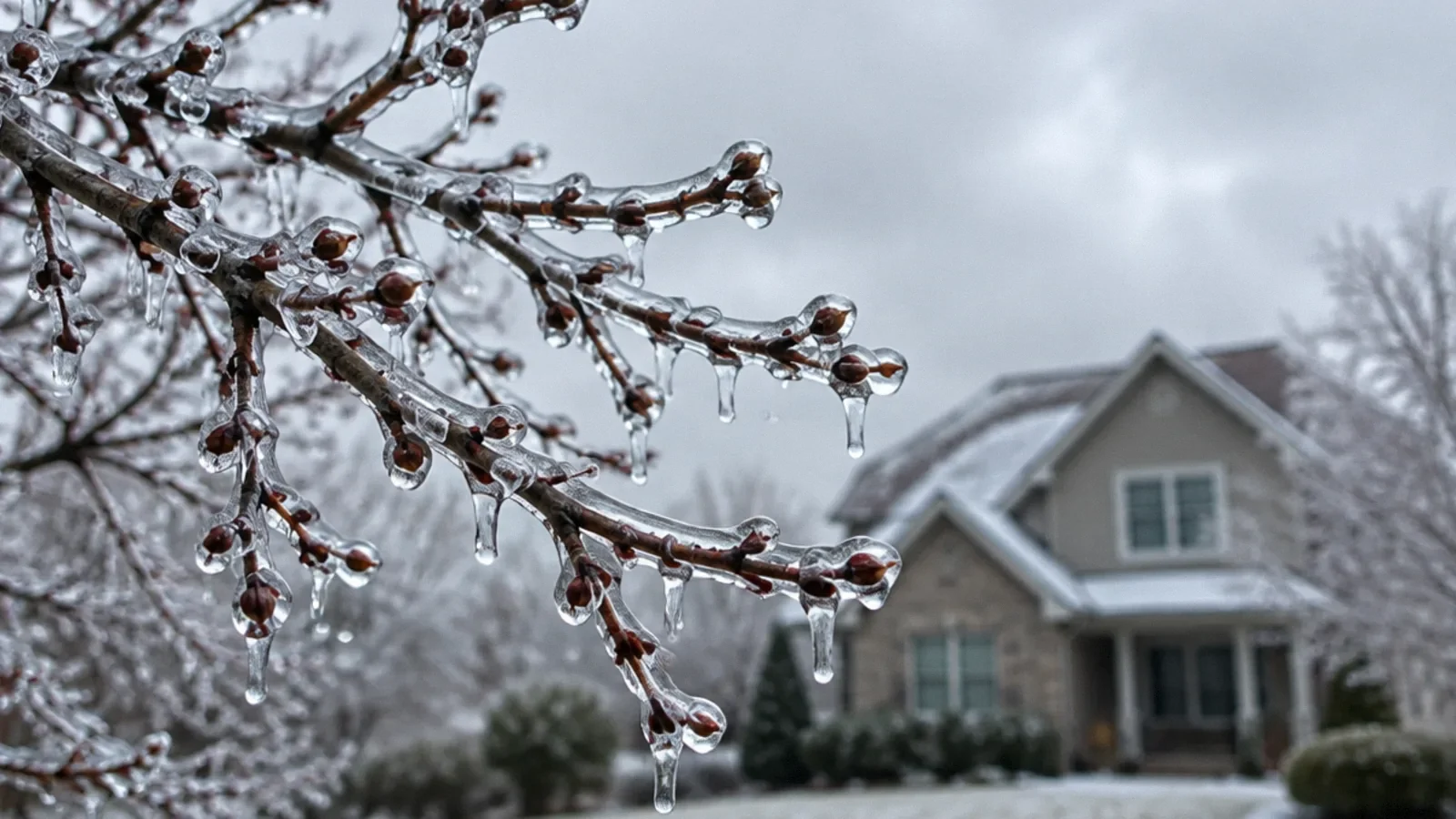
Learn how freezing rain creates an ice storm, how it differs from sleet and what to do before and after an outage.
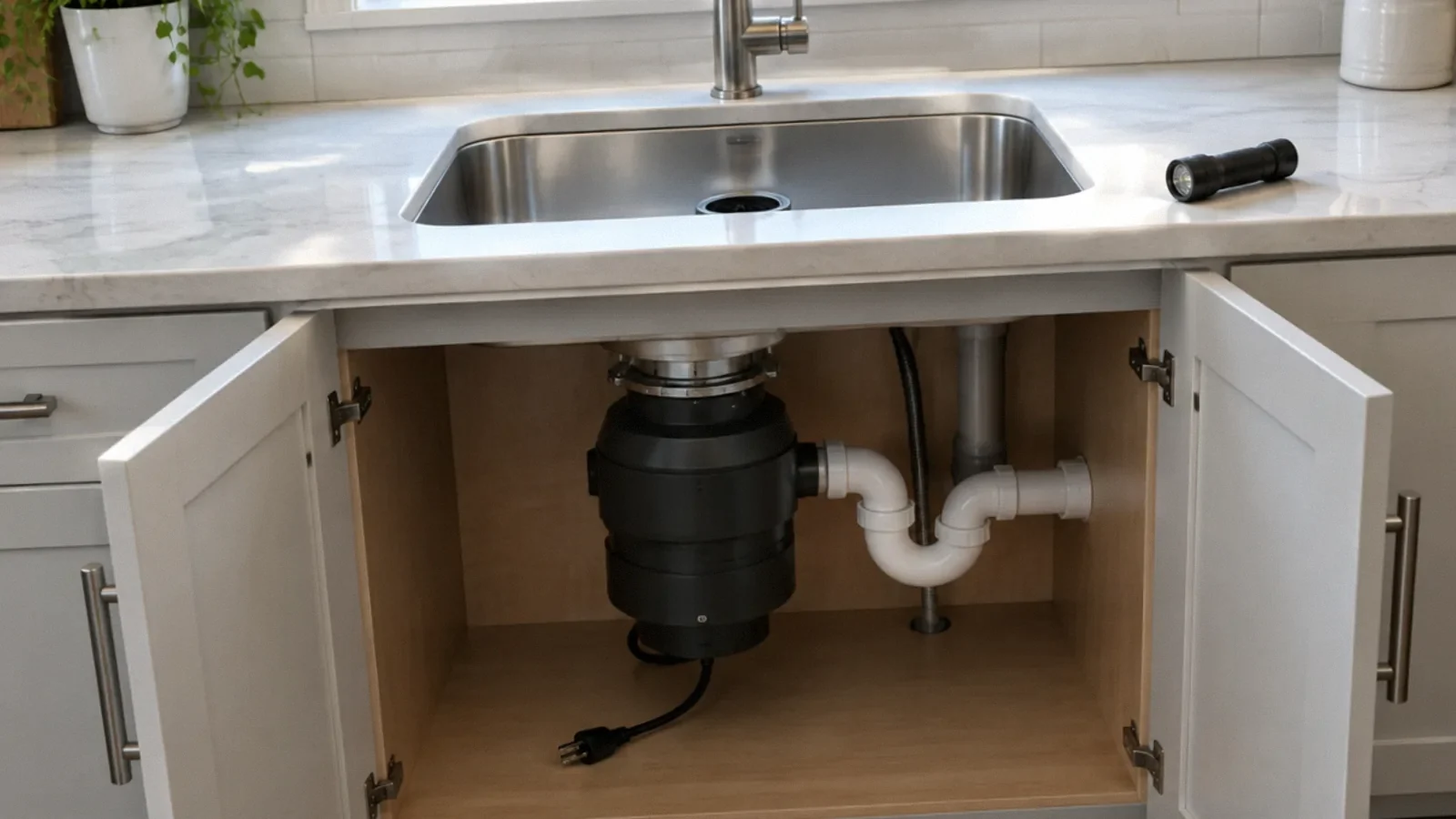
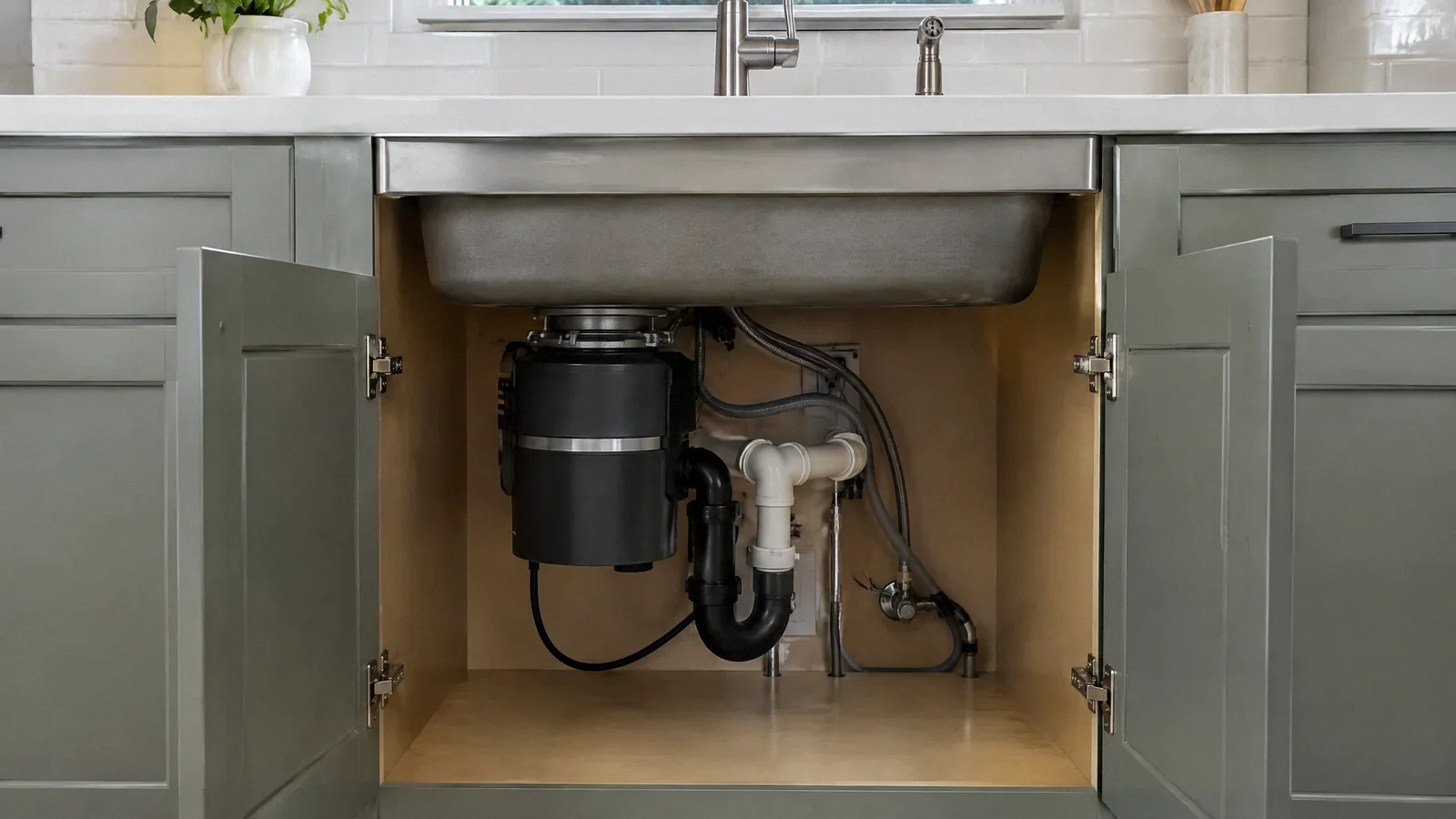
Learn how to distinguish a silent disposal, a jam and a drainage problem without putting your hands in the unit.
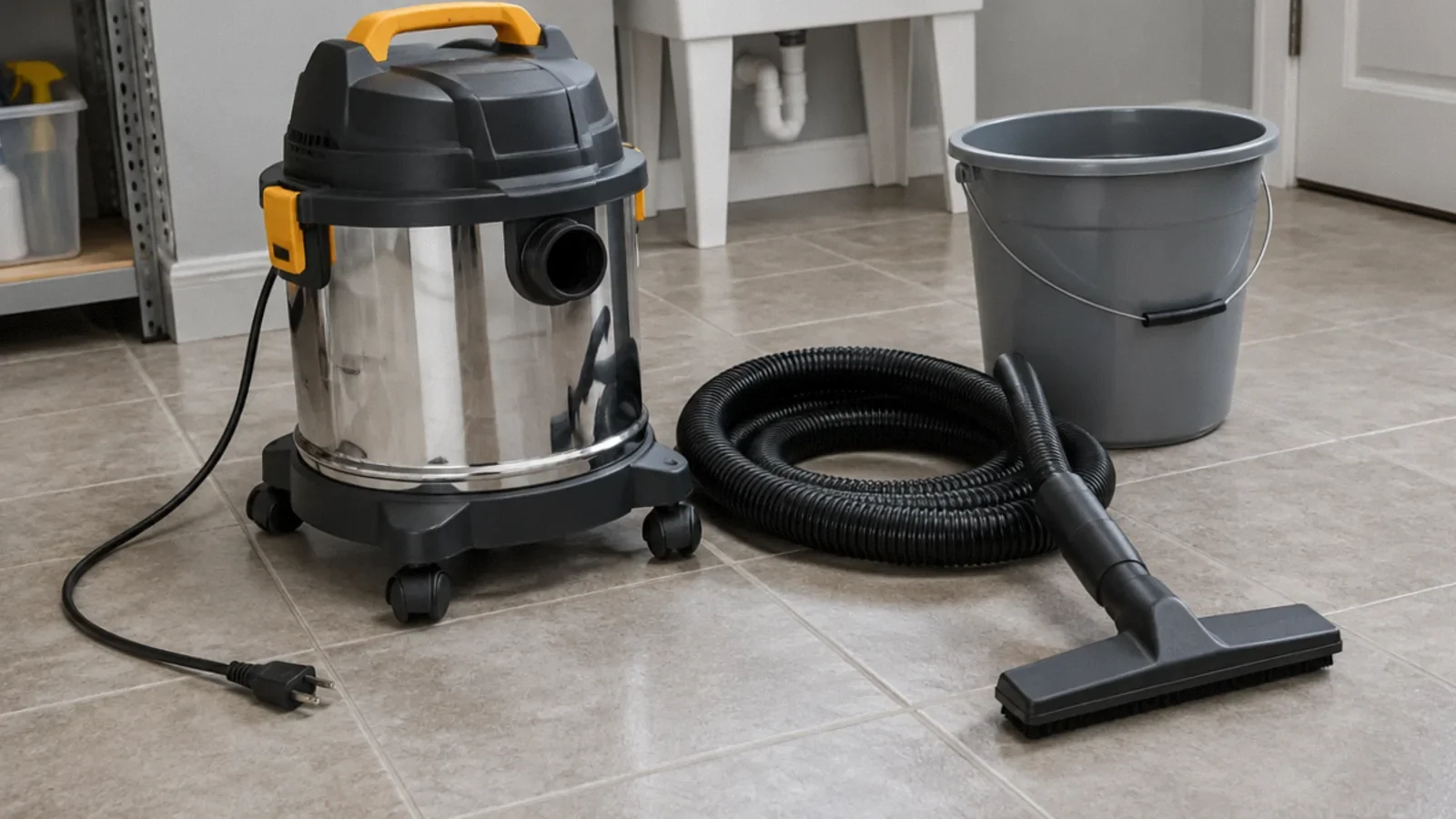
Understand water extraction, its safety limits and why affected materials may still need drying and inspection.
Learn safe first steps for a sump pump problem, signs that need professional service and what to ask about repair or replacement.
Compare sewer line leak and crack repair, localized excavation, lining and pipe bursting, and learn how to assess a written proposal.
Learn what may suggest a slab leak, how professionals narrow its location and what to ask about access and repair options.
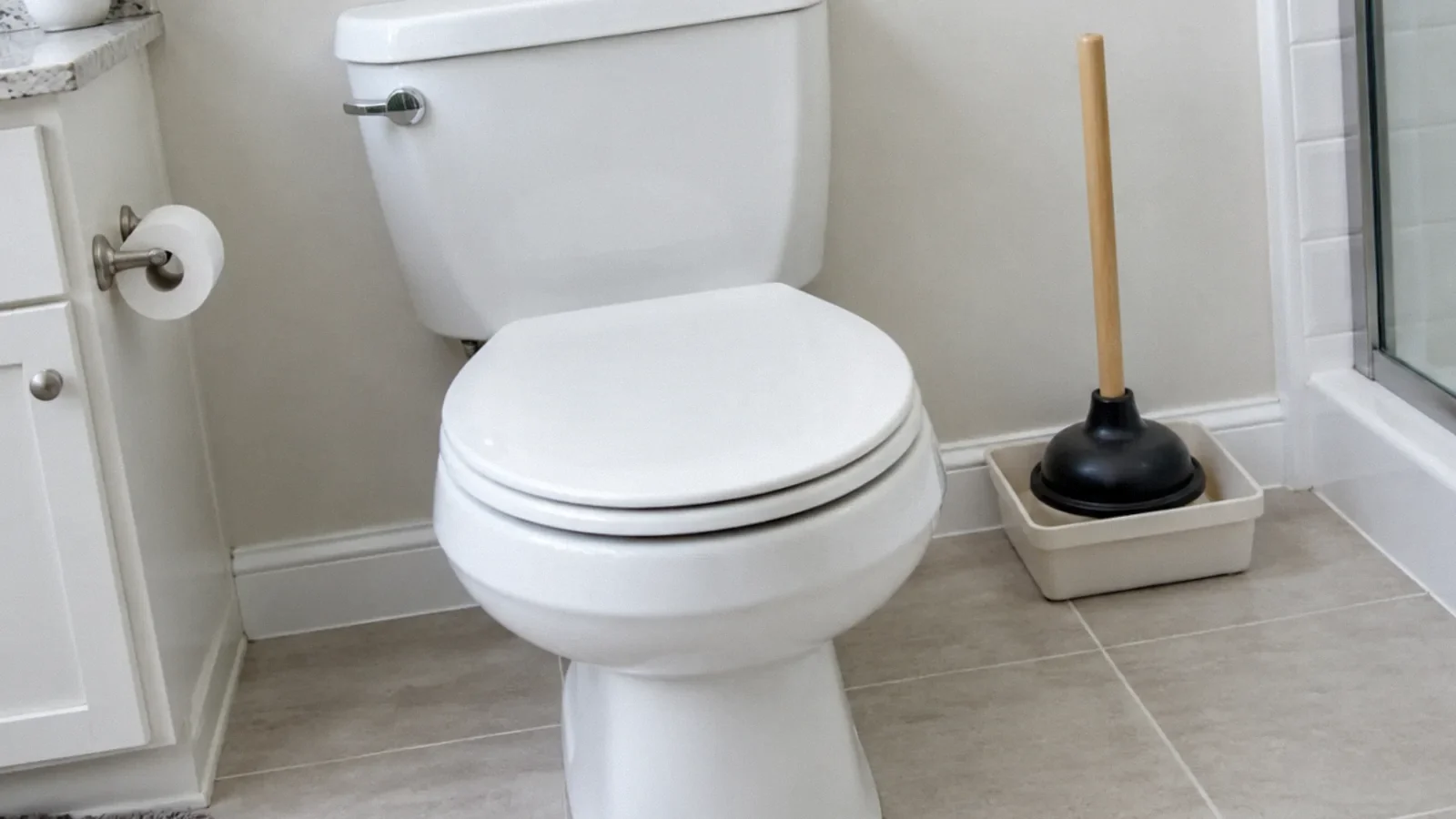
Learn safe first steps for a clogged toilet, when a plunger may help and when to call a plumber.
Find safe first steps for a leaking pipe, understand temporary patches and learn what to check before closing a wall.
Learn the first steps for household mold cleanup, which materials can be difficult to clean and why fixing moisture is essential.
Understand how a water mitigation plan limits further damage, documents affected materials and prepares for repair.
Understand the stages of flood damage restoration, the contamination and electrical hazards, and what to document before rebuilding.
Understand safe reentry, documenting damage, assessing smoke and water impacts, and planning repair after a fire.
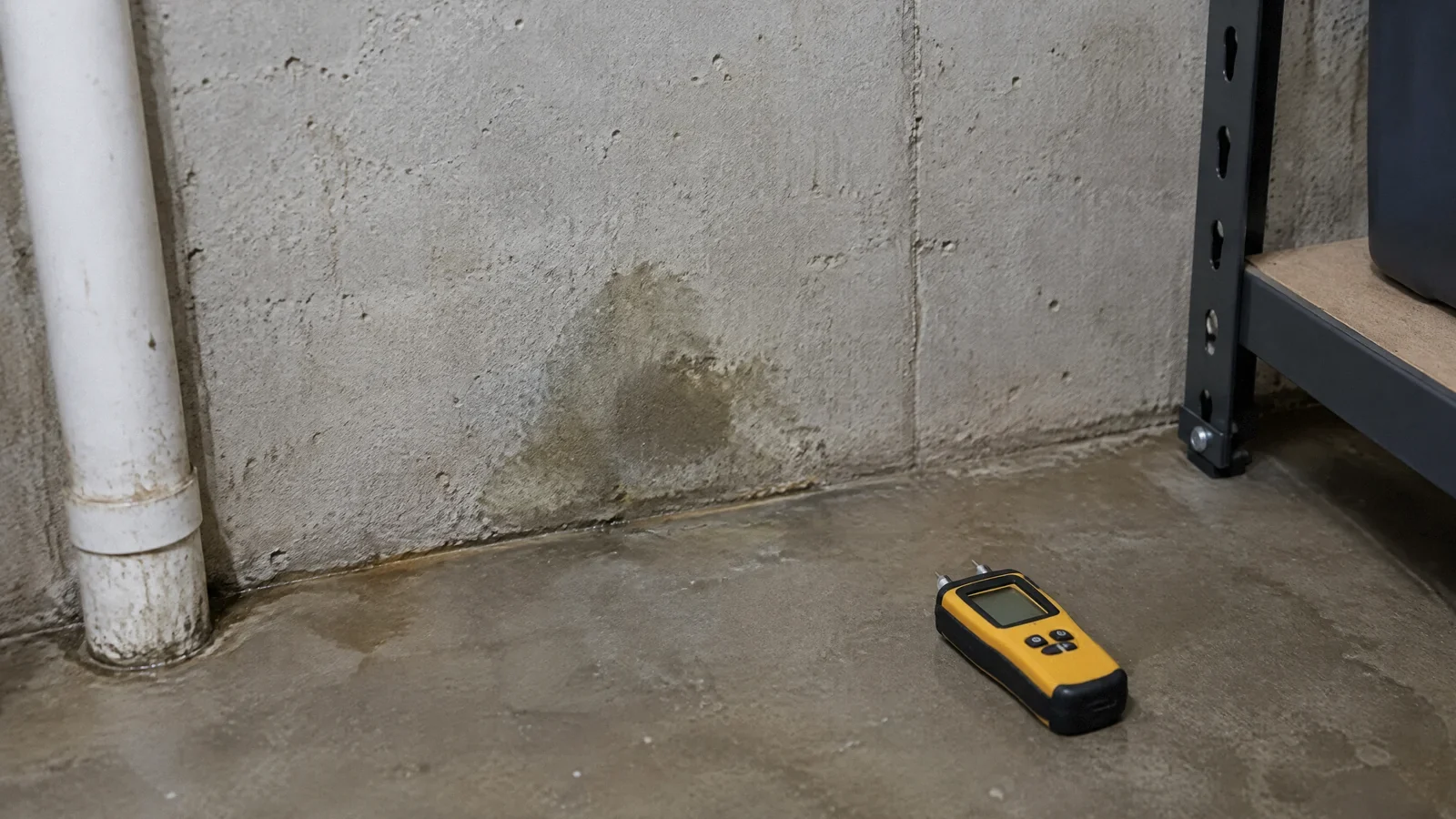
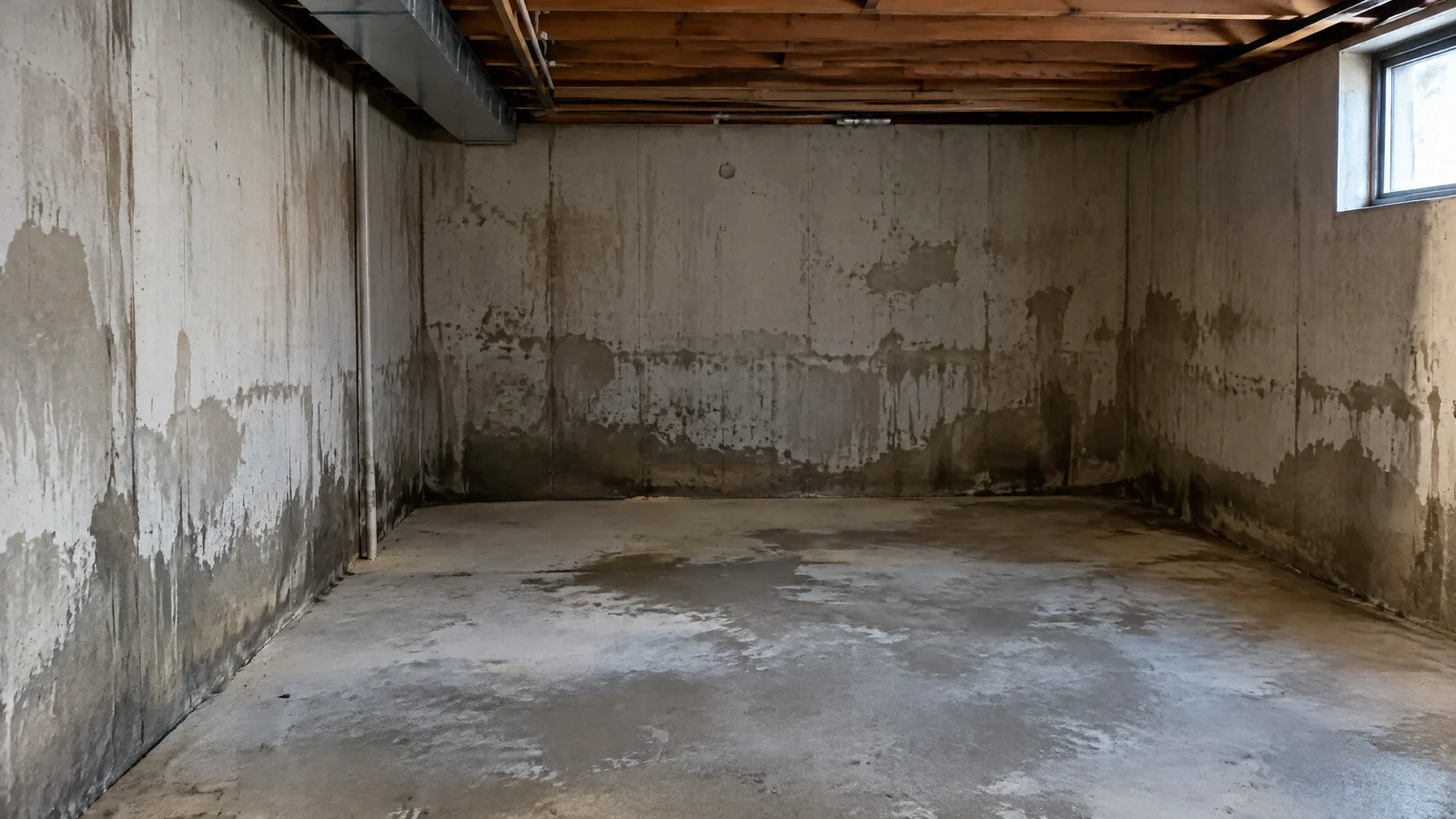
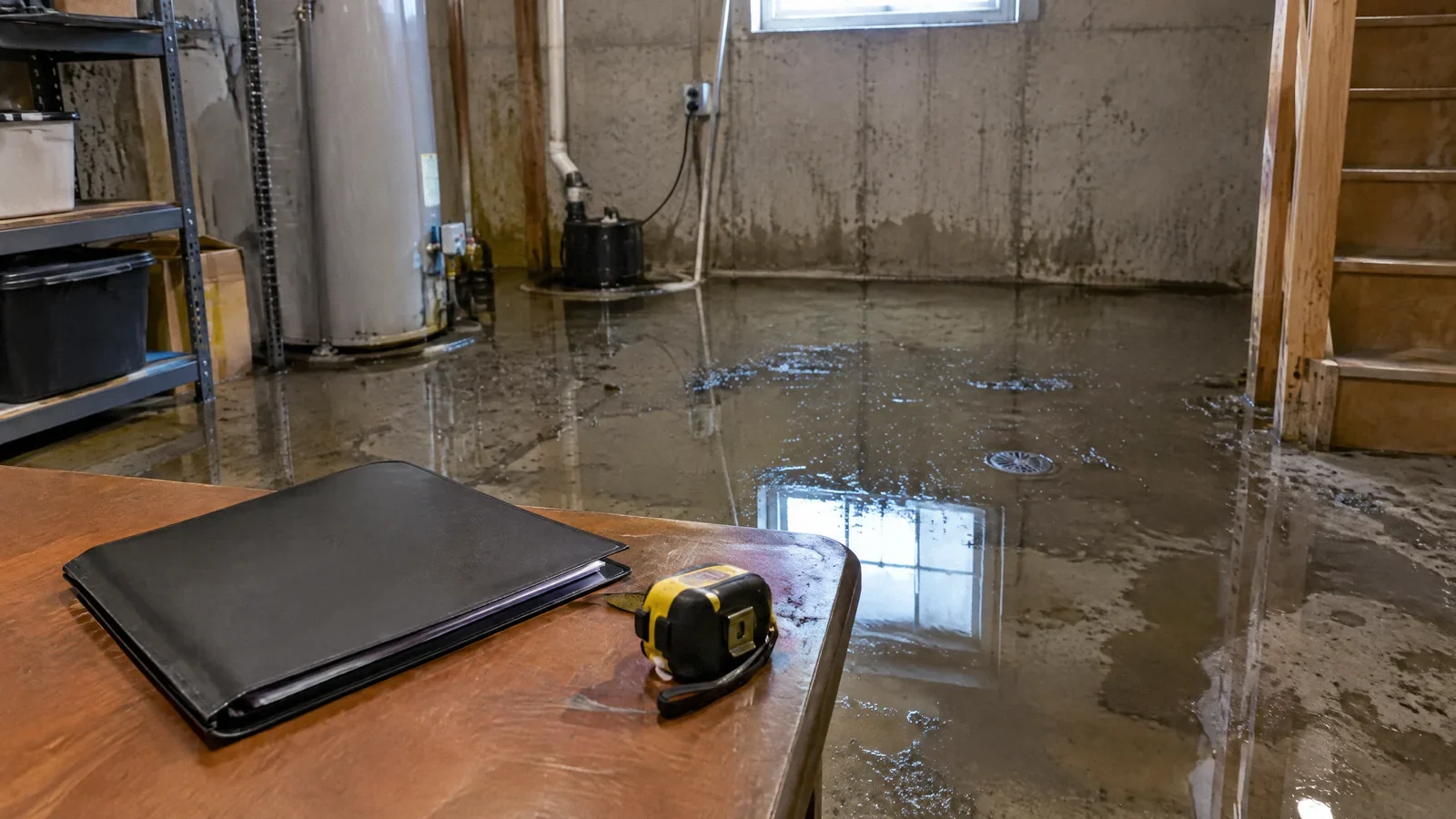
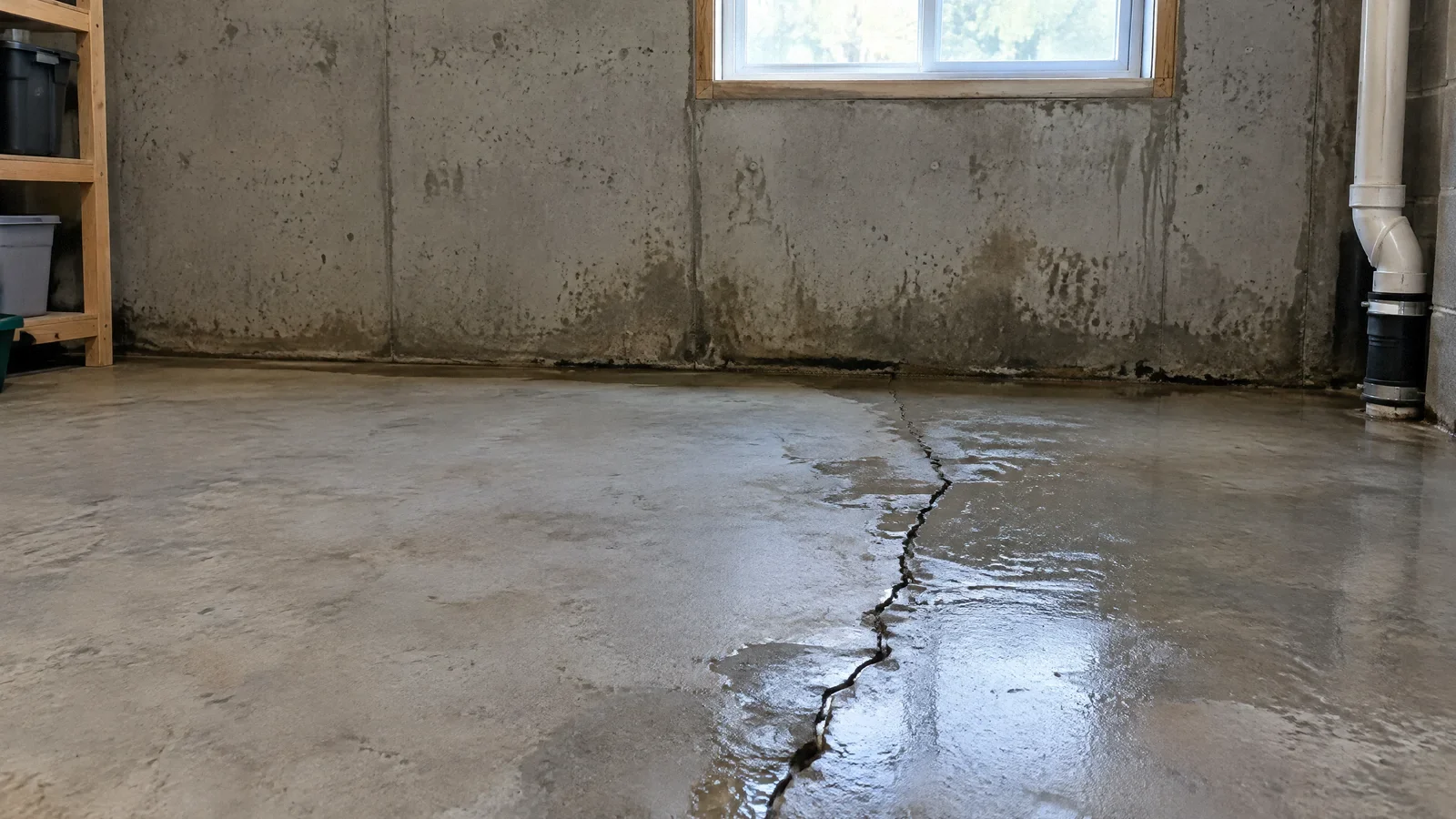
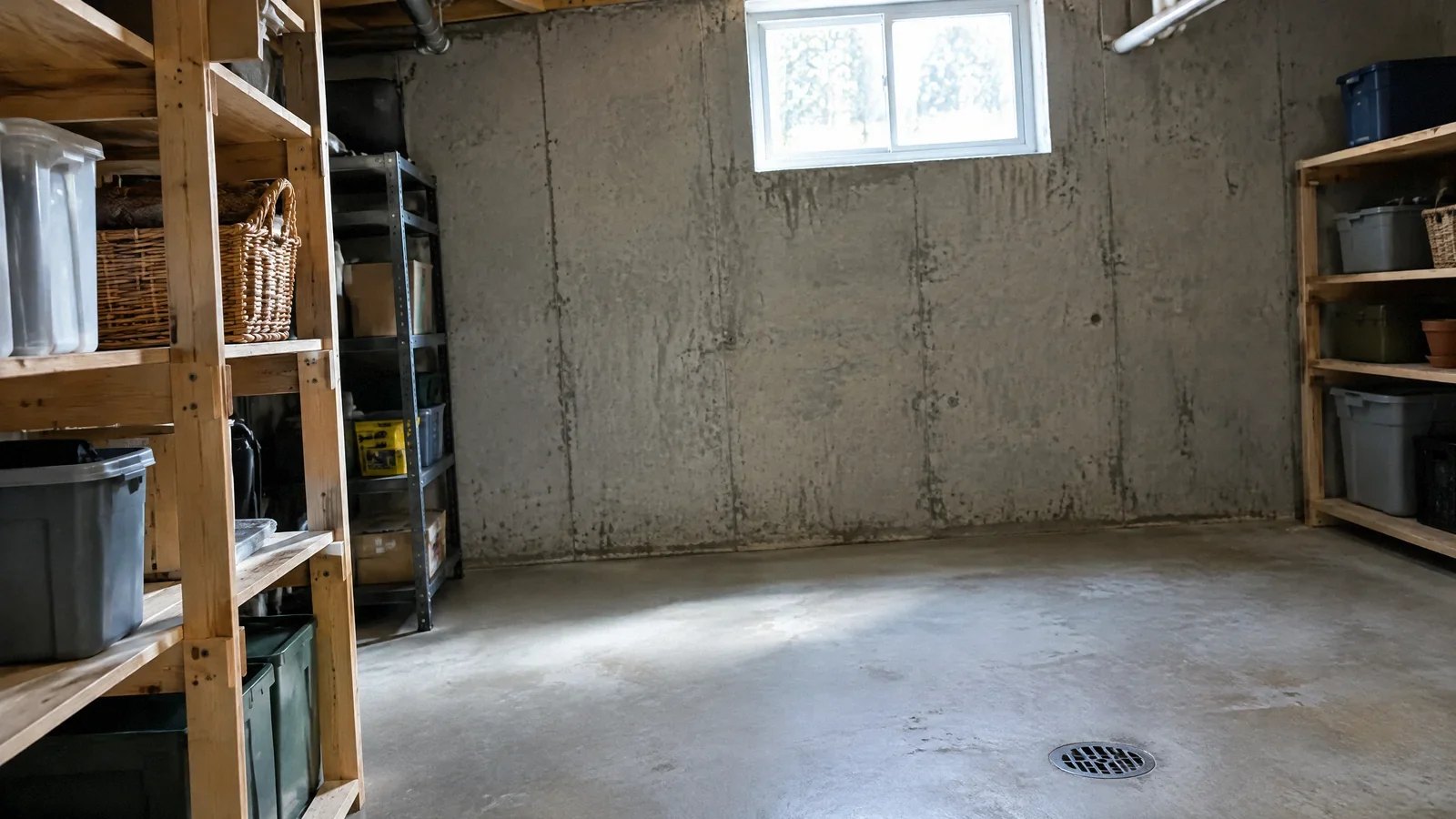
Learn how to respond to basement water safely, distinguish possible sources and decide what needs inspection.
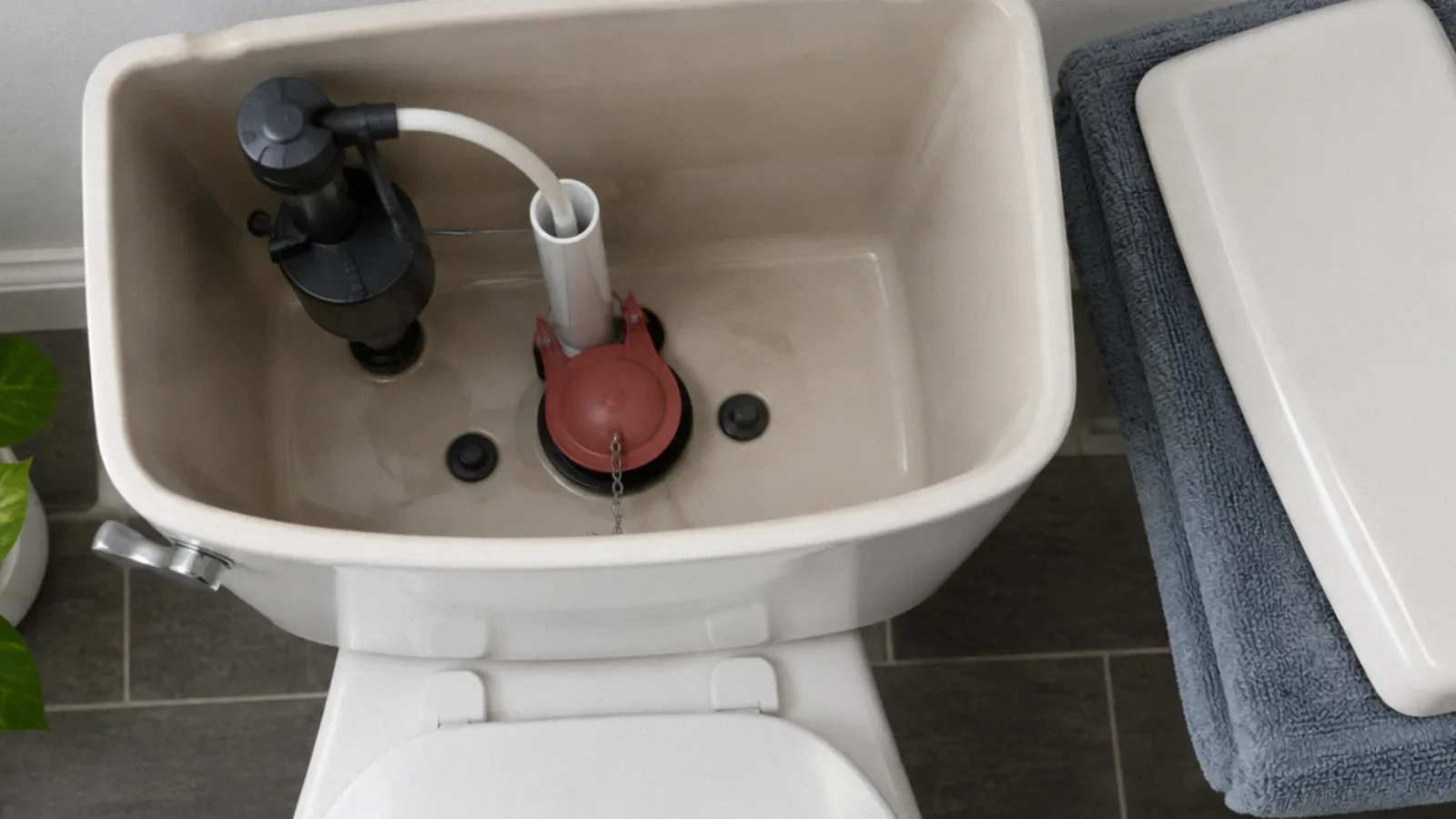
Learn the common causes of a running tank toilet, how to check for a silent leak and when to call a plumber.
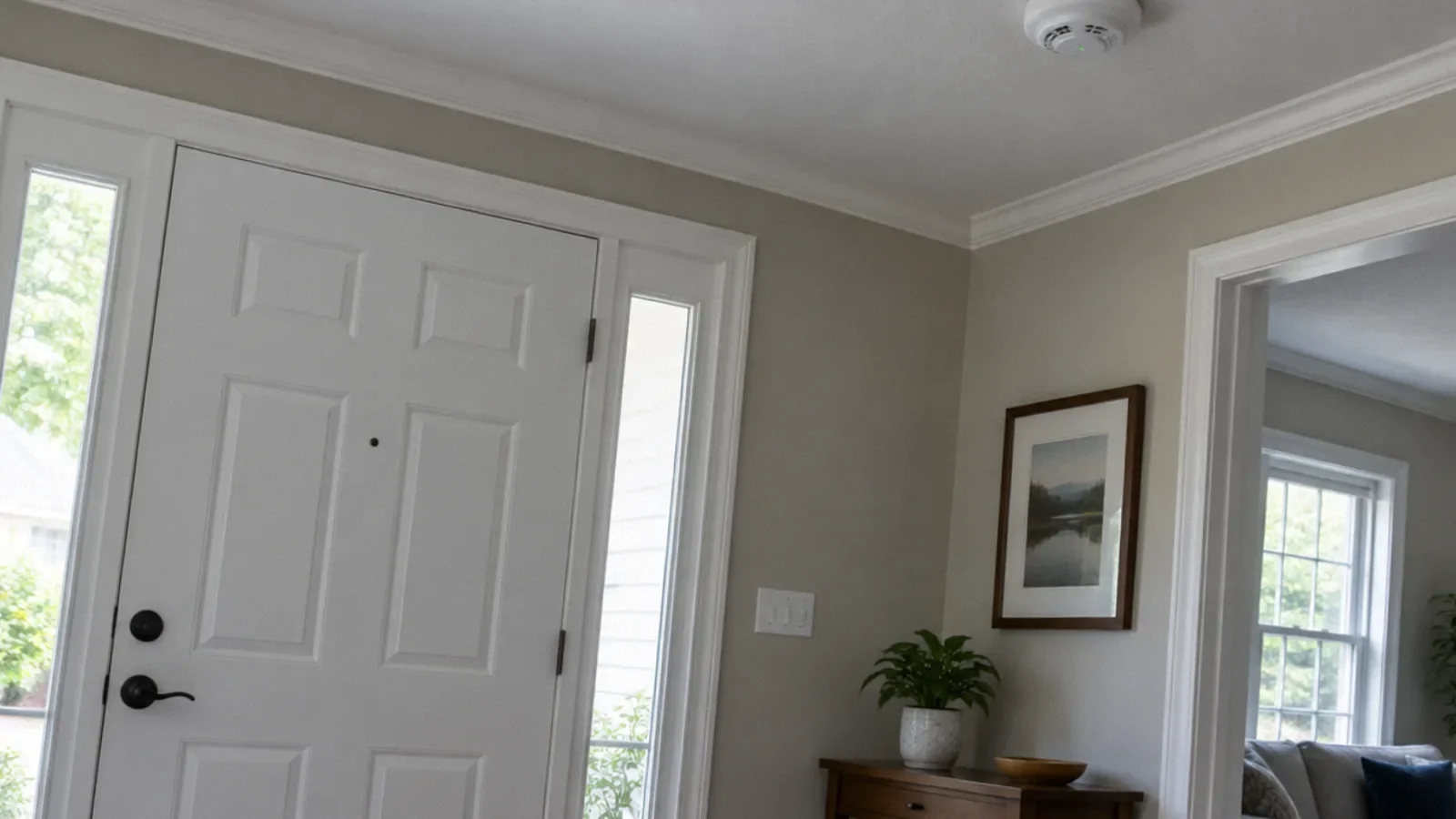
Learn the difference between an emergency alarm and a maintenance chirp, how to check the model instructions and when to replace the alarm.
Follow a practical flapper replacement checklist, including shutoff, part compatibility and a post-repair leak test.
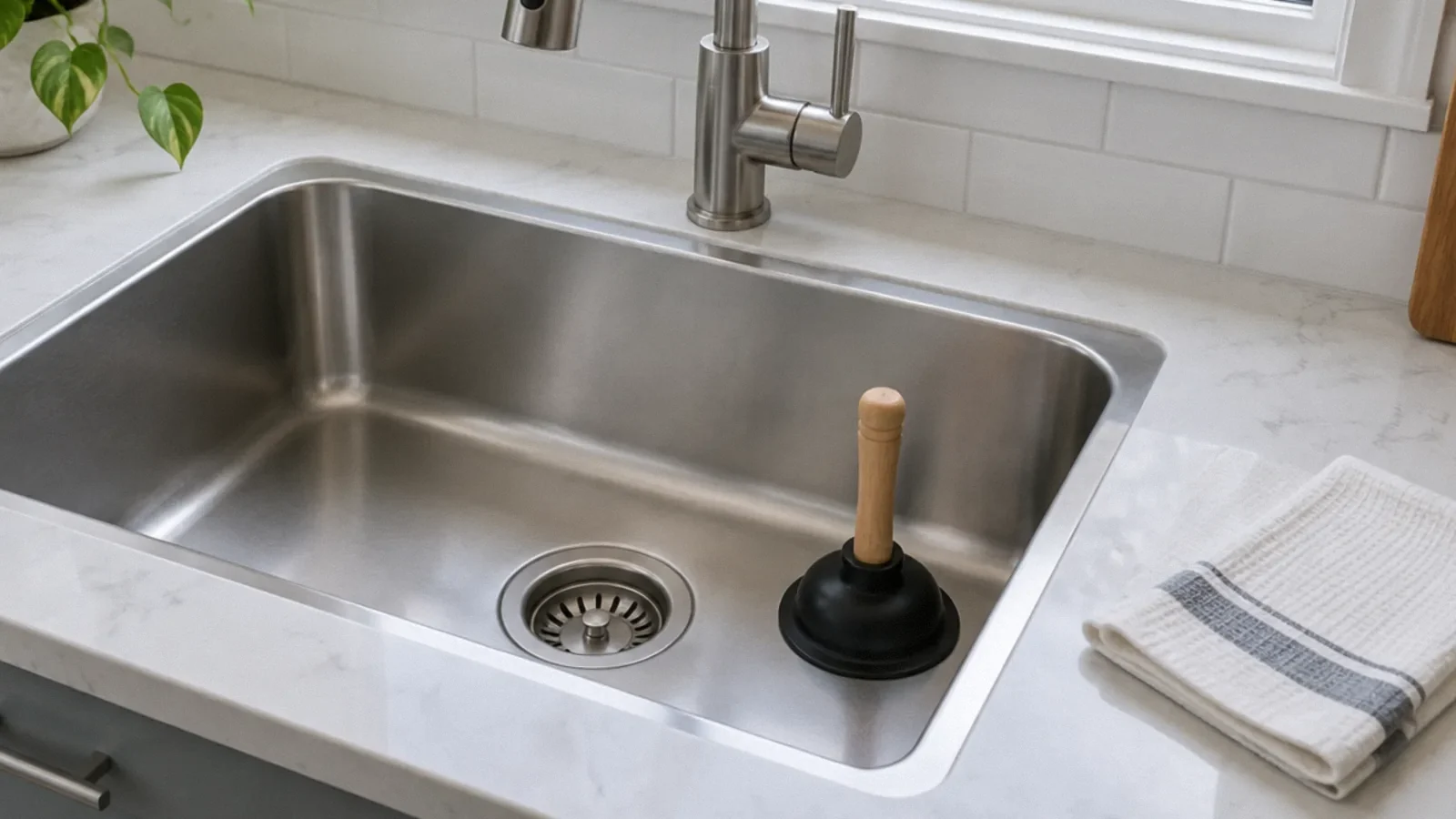
Learn the difference between sink and toilet plungers, how to avoid chemical splashes and when a drain needs professional attention.
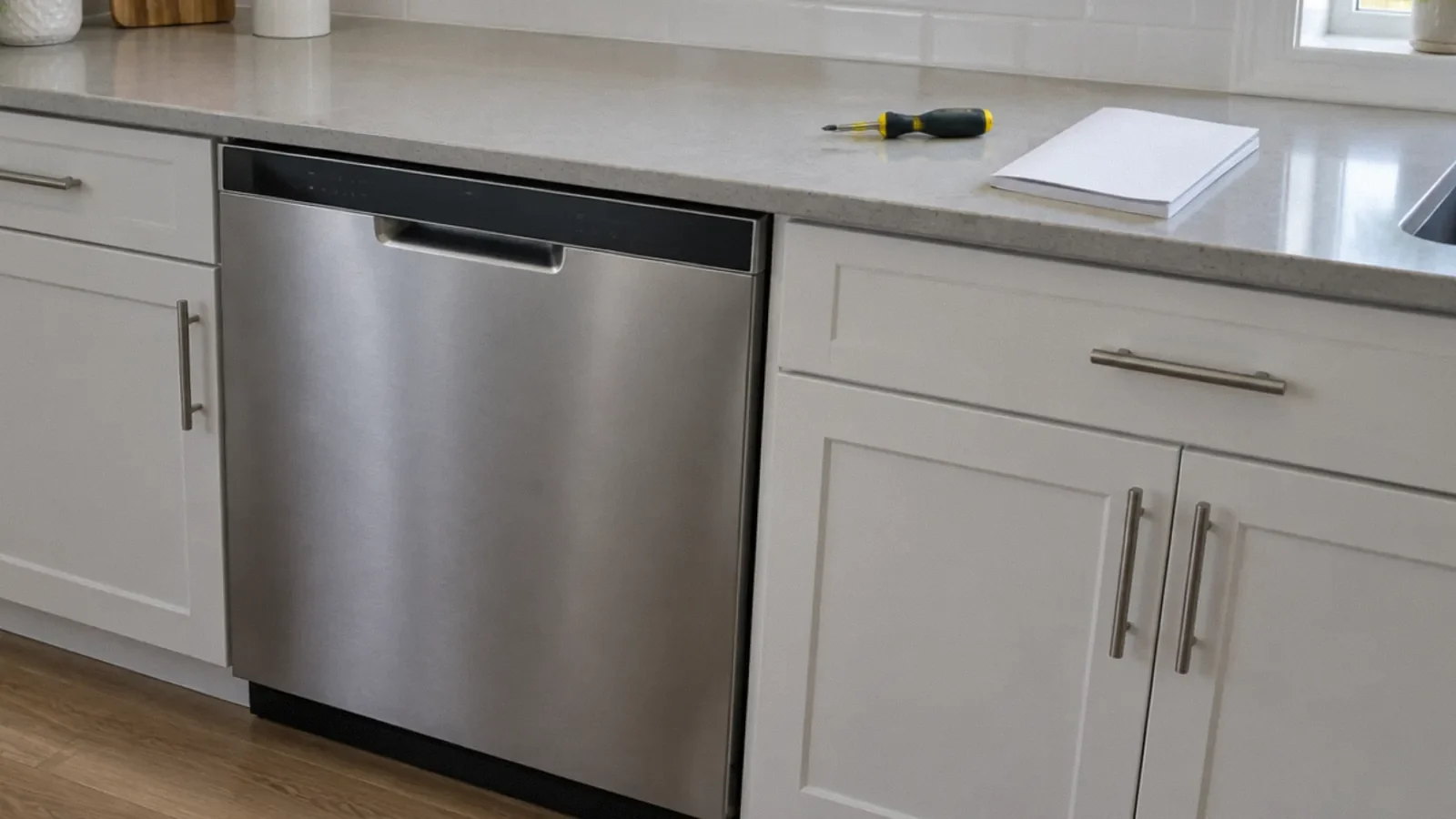
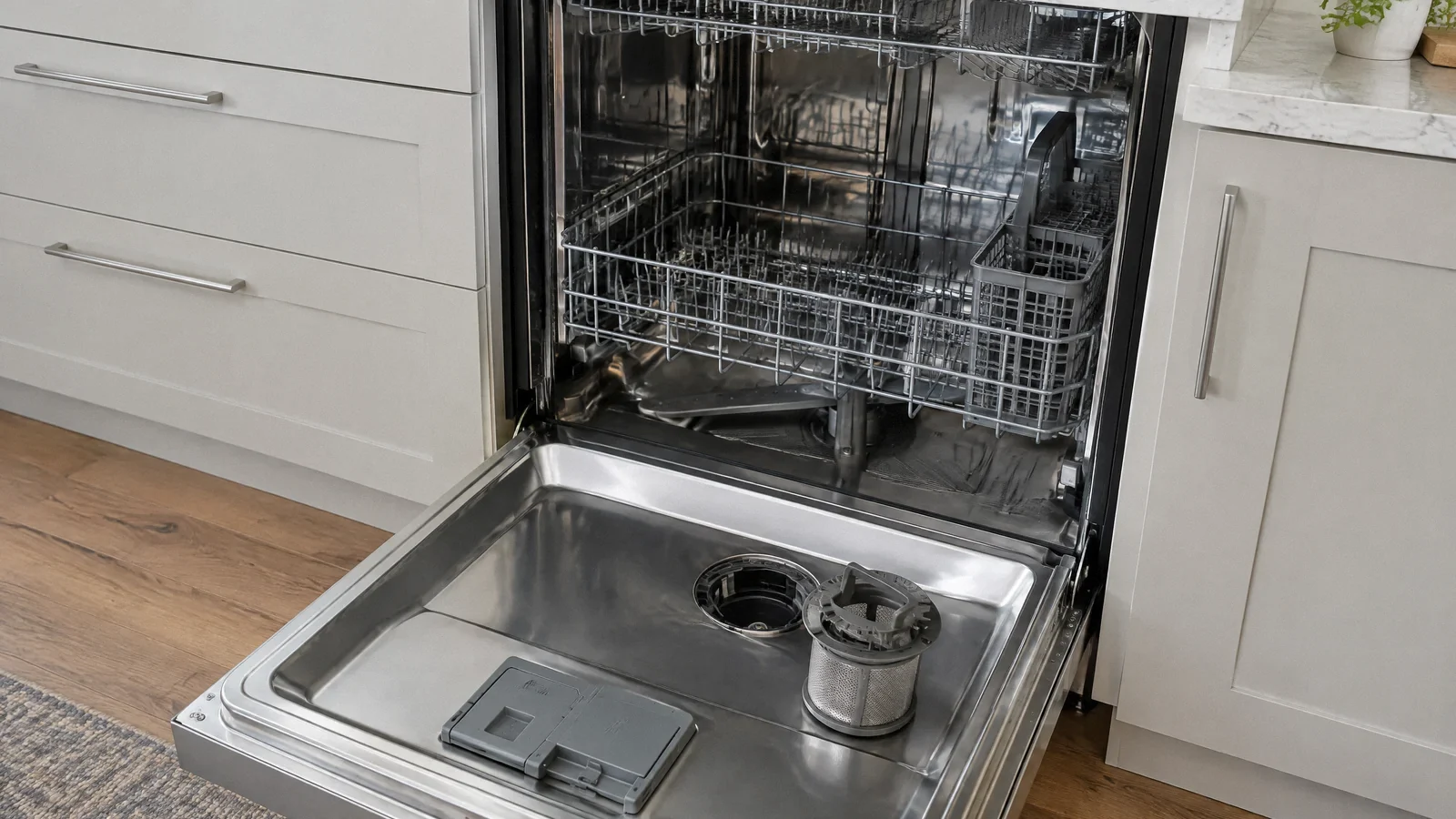
Use a safe symptom-based checklist for a dishwasher that will not start, drain or complete a cycle.
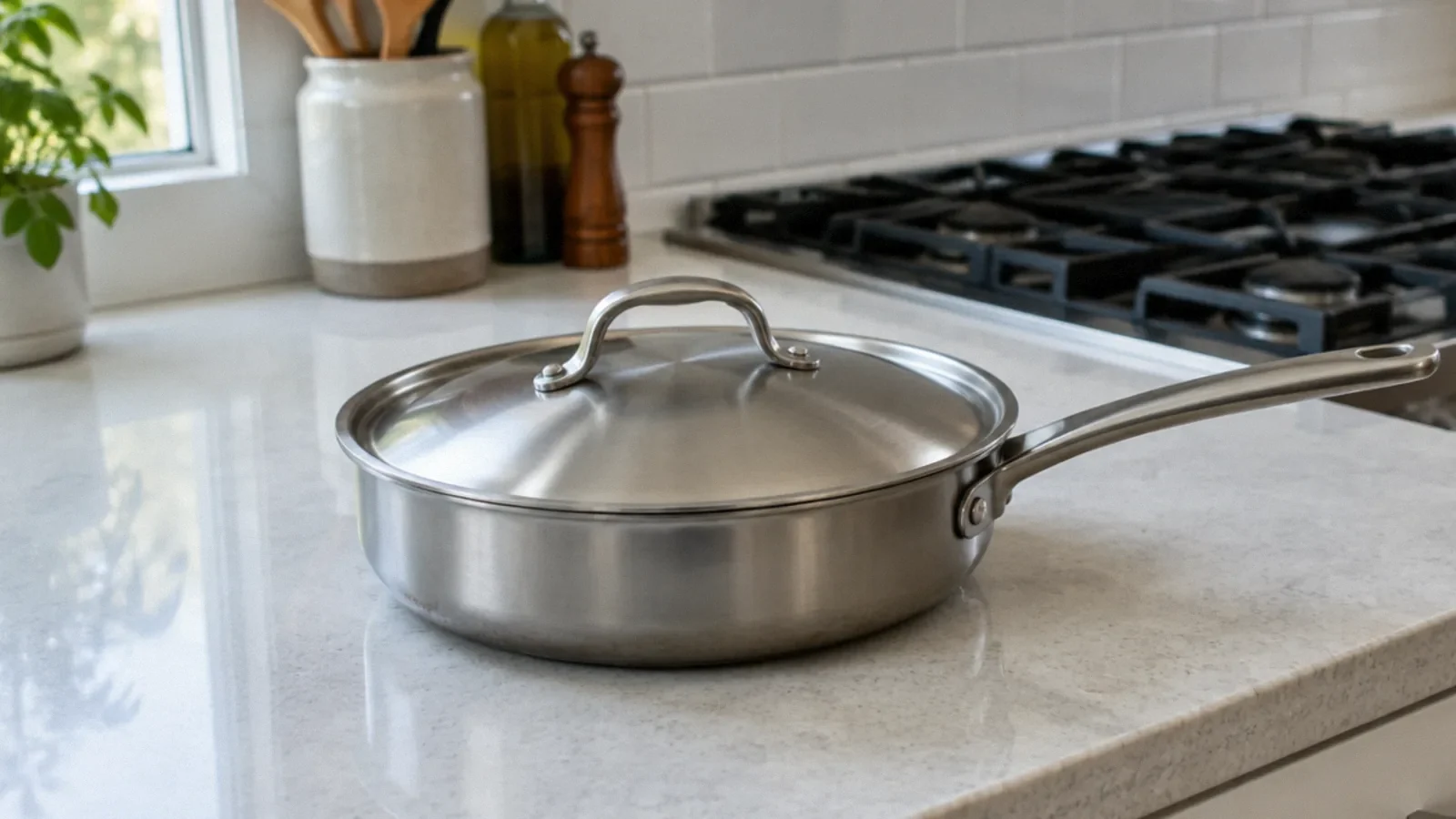
Learn when a small pan fire may be covered, when to evacuate, and why water must never be poured on burning grease.
Compare tropical storm and hurricane wind speeds, the five Saffir-Simpson categories, and hazards the wind scale does not measure.
Understand the warm and cool phases of ENSO, their possible effects on seasonal weather, and why local forecasts remain essential.
Learn how a crawl space foundation supports a home, how it differs from a basement or slab, and why moisture control matters.
Understand a derecho’s widespread straight-line wind damage, how it differs from a tornado, and how to follow severe weather warnings.
See the Enhanced Fujita wind ranges, how survey teams estimate tornado intensity from damage, and why a rating is not a real-time safety warning.
Understand common reasons lights flicker, warning signs of electrical hazards, and when to stop using a fixture and call a qualified electrician.
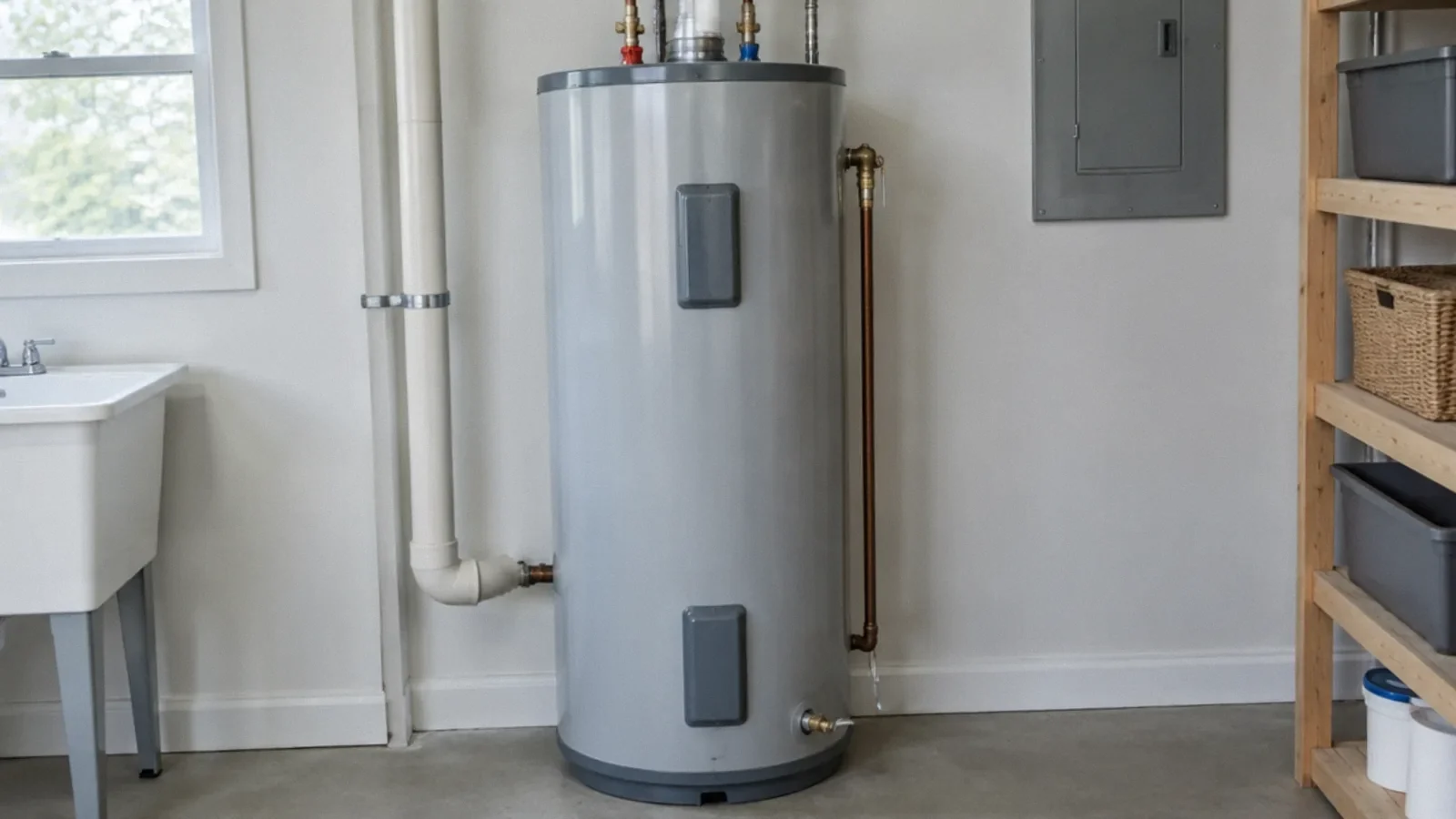
Learn how to respond to a leaking water heater, recognize electrical and gas hazards, and ask a plumber whether repair or replacement is appropriate.
Use a practical plumbing maintenance checklist for fixtures, accessible pipes, shutoff valves and drainage without overlooking safety or manufacturer instructions.
Learn why crawl space mold cleanup starts with safety and moisture, which materials may be affected, and what to ask a remediation professional.
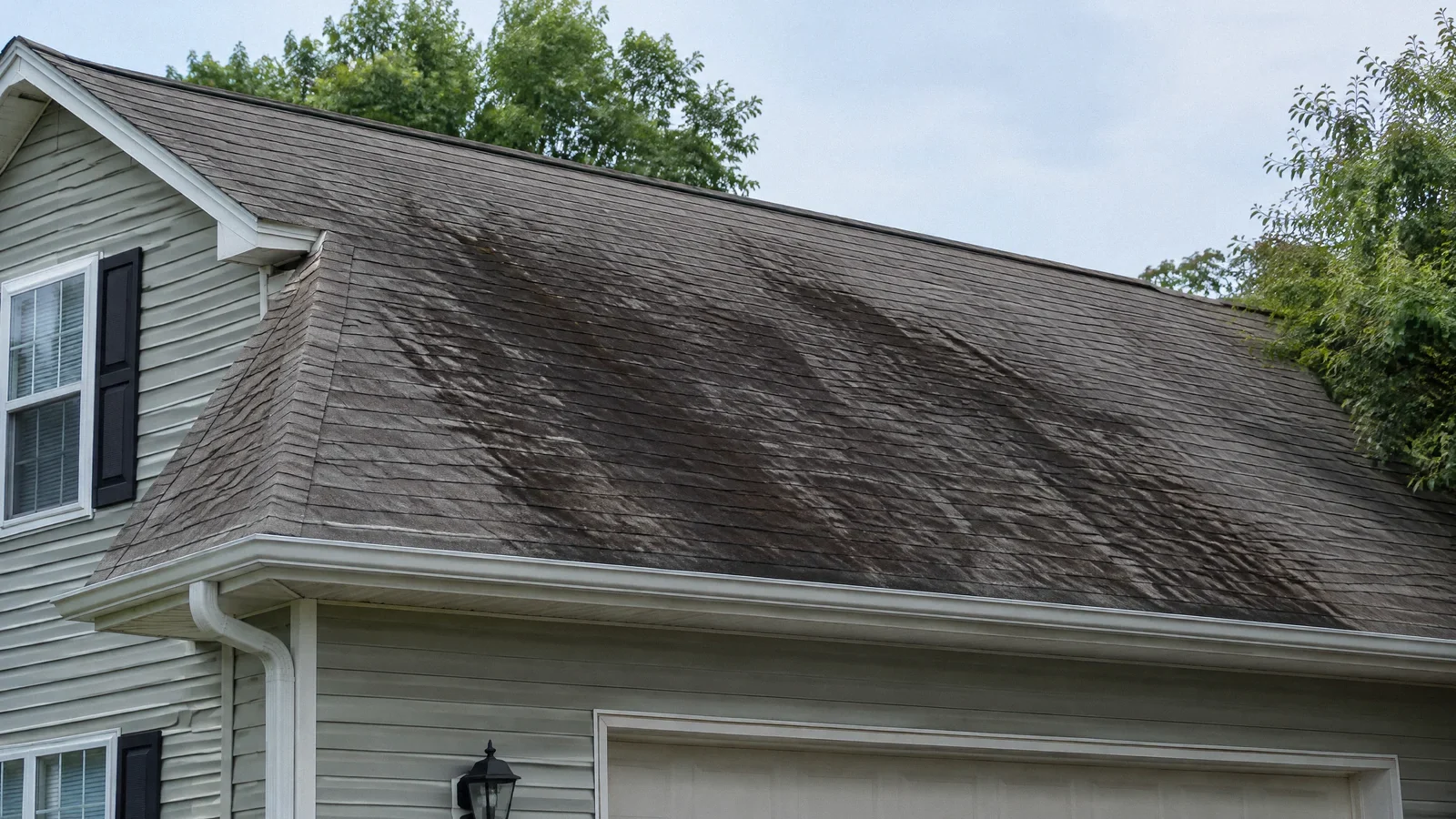
Distinguish exterior roof staining from attic moisture and learn what to ask a qualified professional.
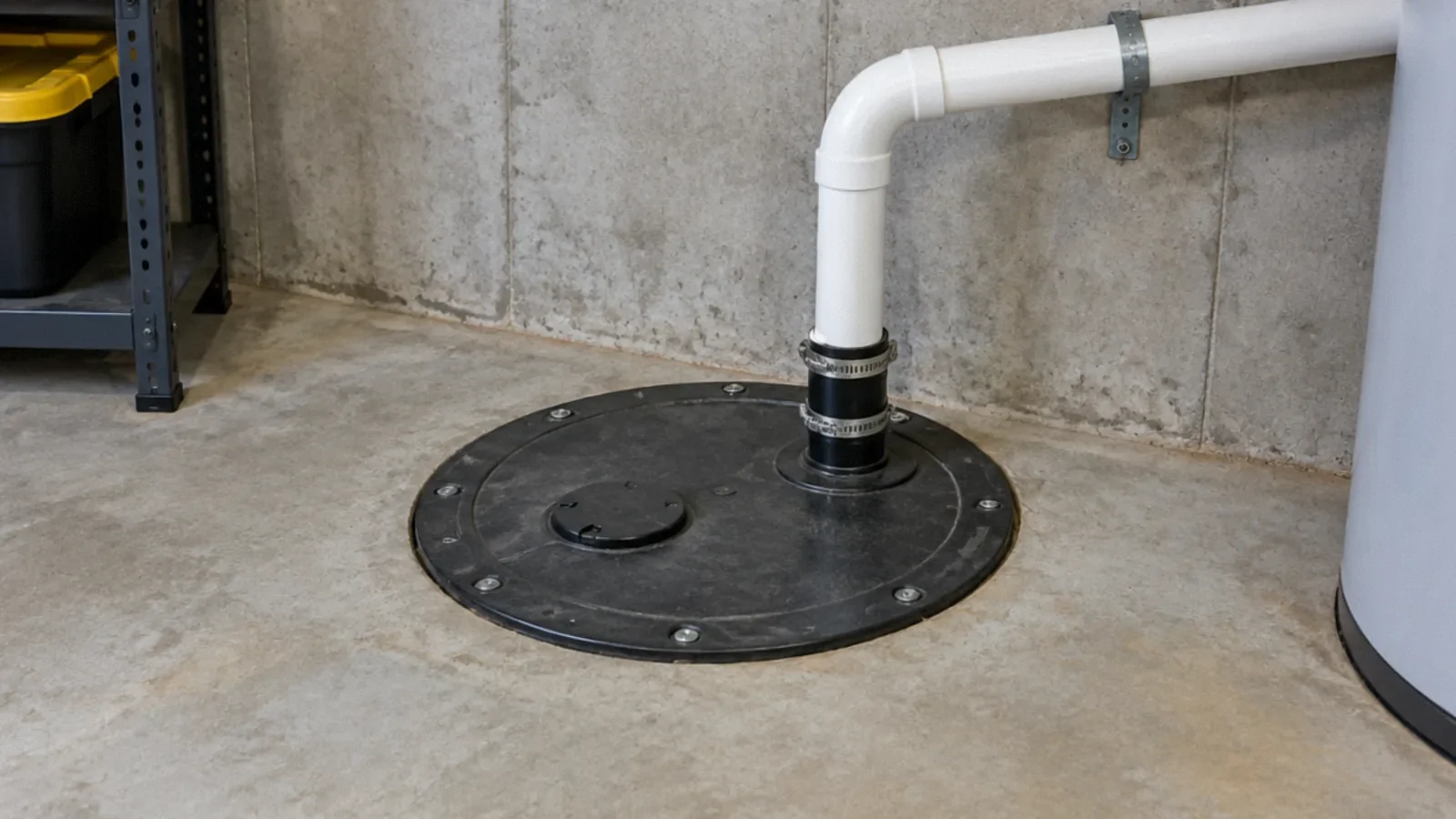
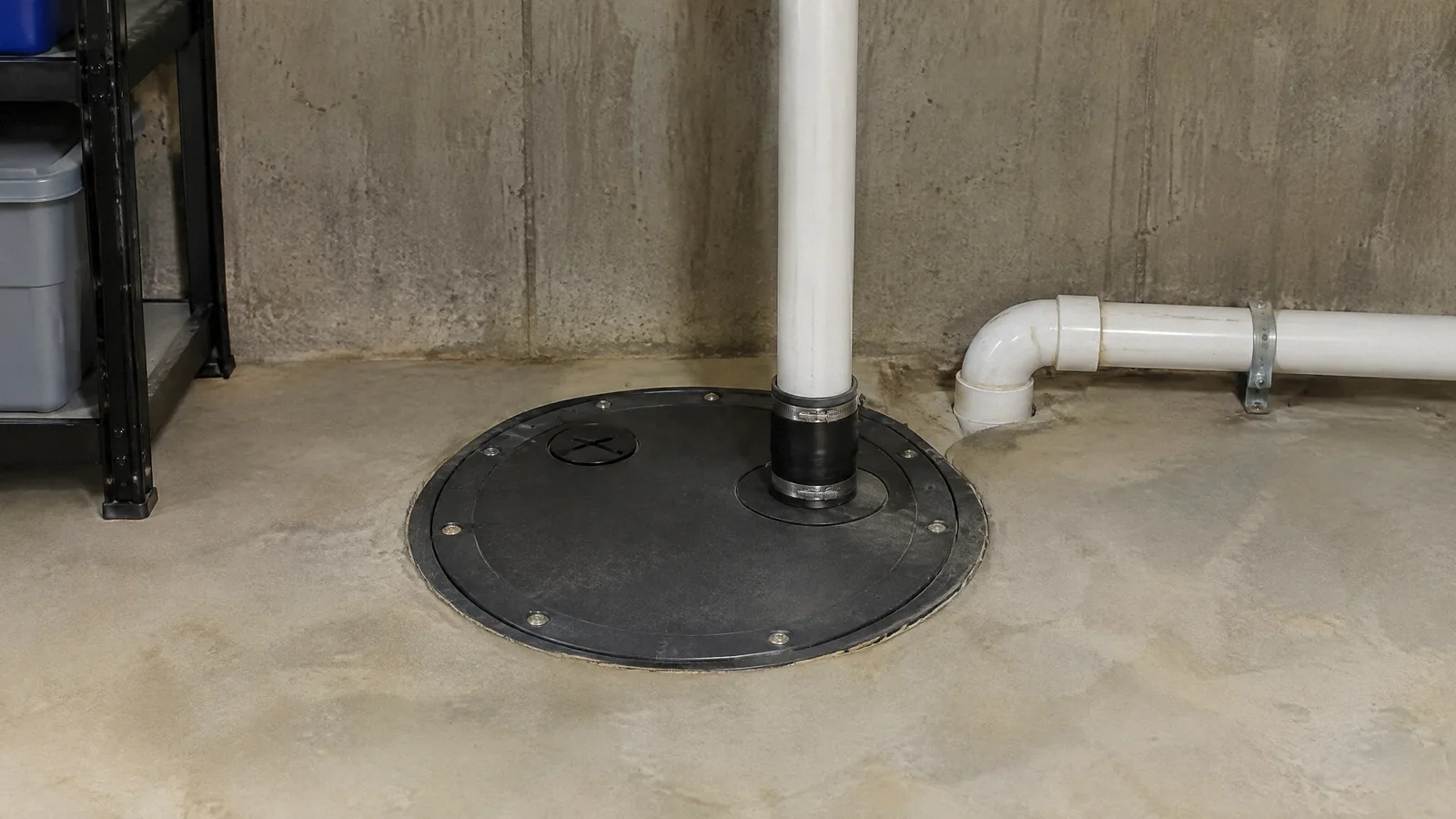
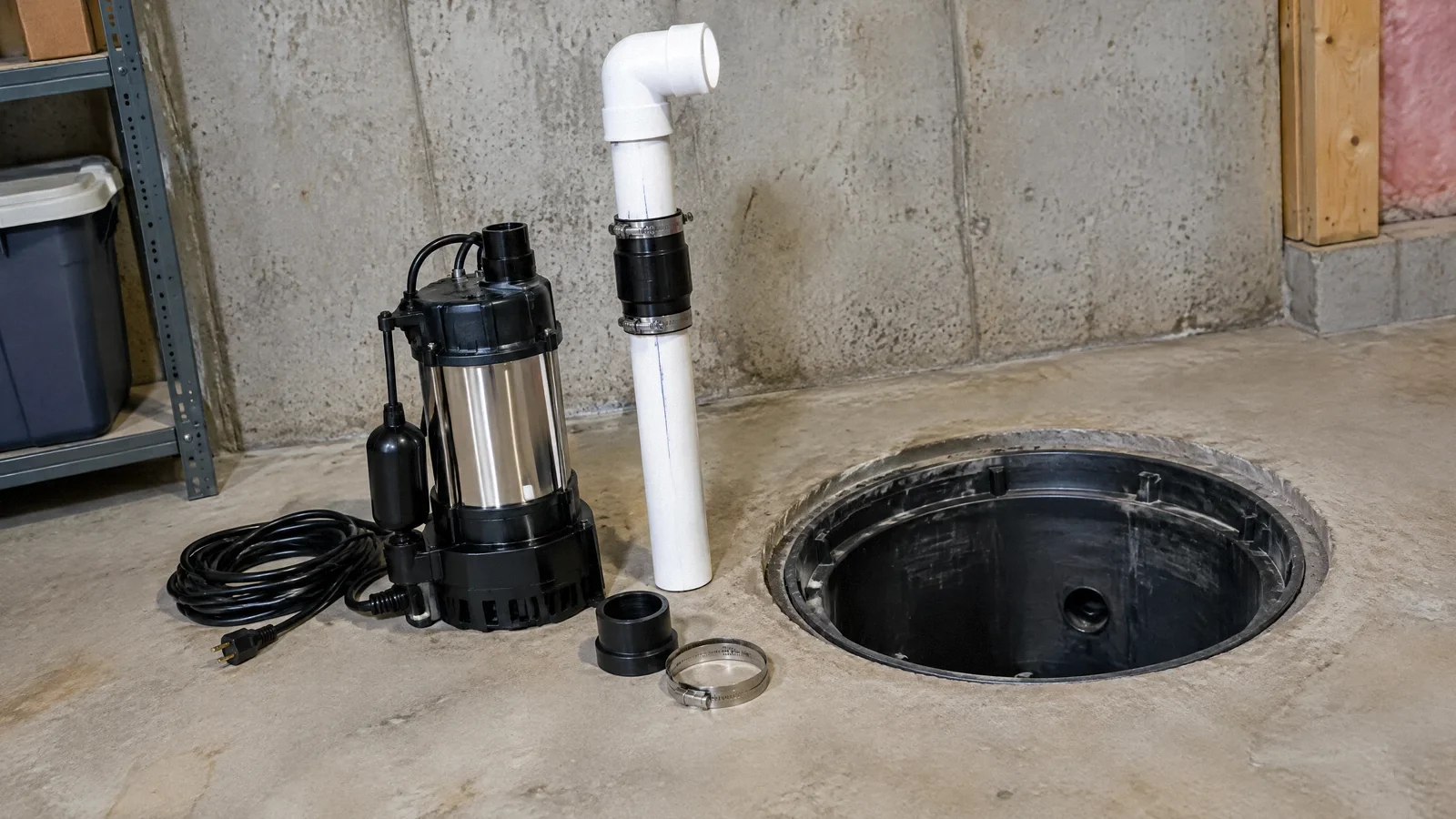
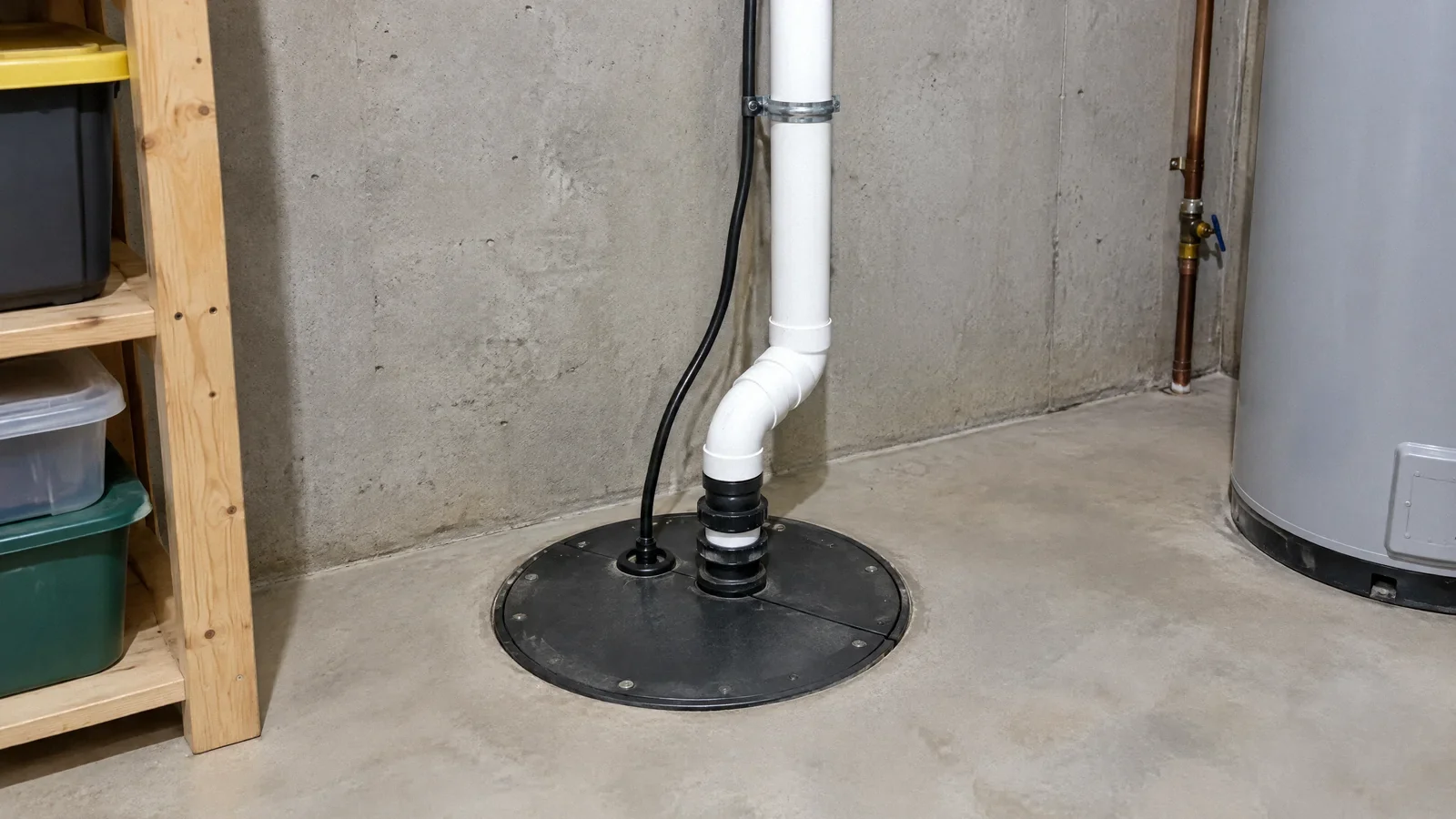
Learn the parts and purpose of a residential sump pump, how a float activates it, and what a pump can and cannot do for basement water.
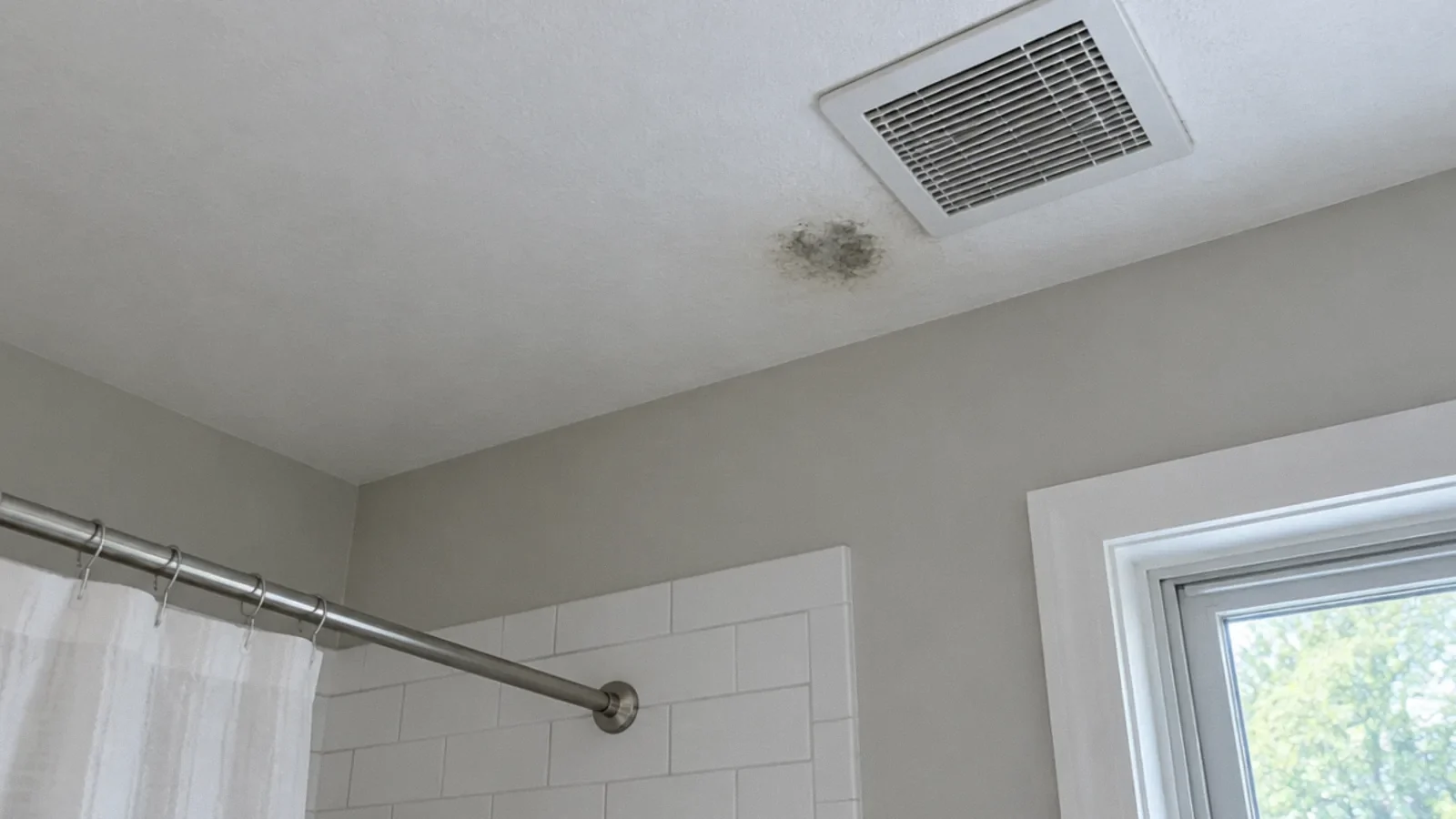
Investigate mold-like spots on bathroom or bedroom ceilings, identify moisture pathways and plan safe cleanup.
Learn how to investigate basement moisture, protect occupants and choose a cleanup approach for mold on different materials.
Learn how to respond to a slow or clogged shower drain, avoid chemical splashes and recognize when a plumber should inspect the line.
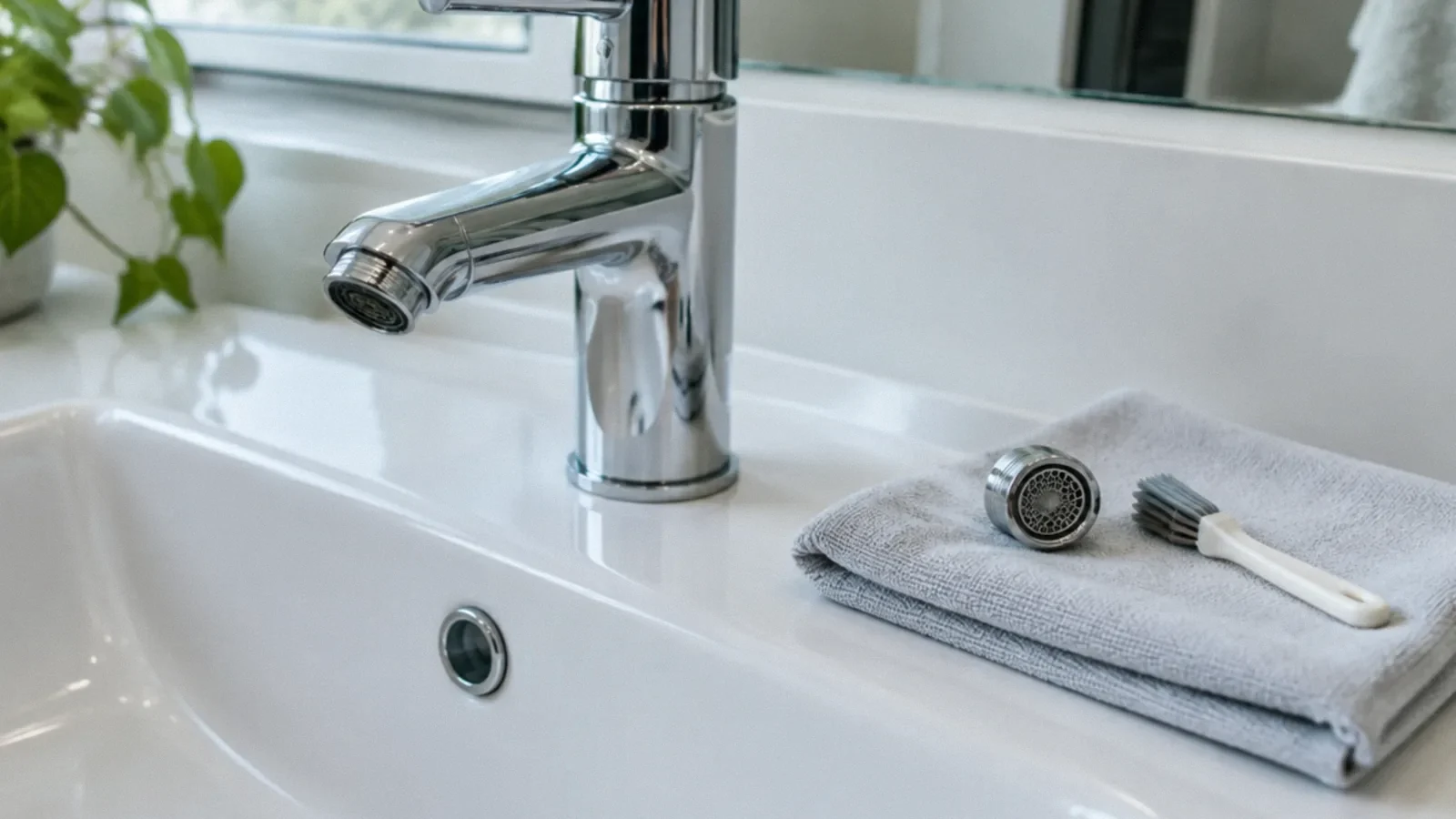
Learn how to locate a faucet leak, prepare for repair, identify the right replacement part and check the result without damaging the fixture.
Understand slab-on-grade foundations, common moisture pathways and what to investigate when flooring or plumbing shows signs of water damage.
Learn how to respond immediately to a suspected gas leak and why a sulfur or sewer odor needs professional investigation rather than a smell test.
Learn the CDC’s refrigerator and freezer time limits, how to use a cooler and thermometer, and when to discard food after an outage.
Learn why mold can appear on walls, what color and tests cannot establish, and when hidden moisture or damaged drywall calls for professional help.
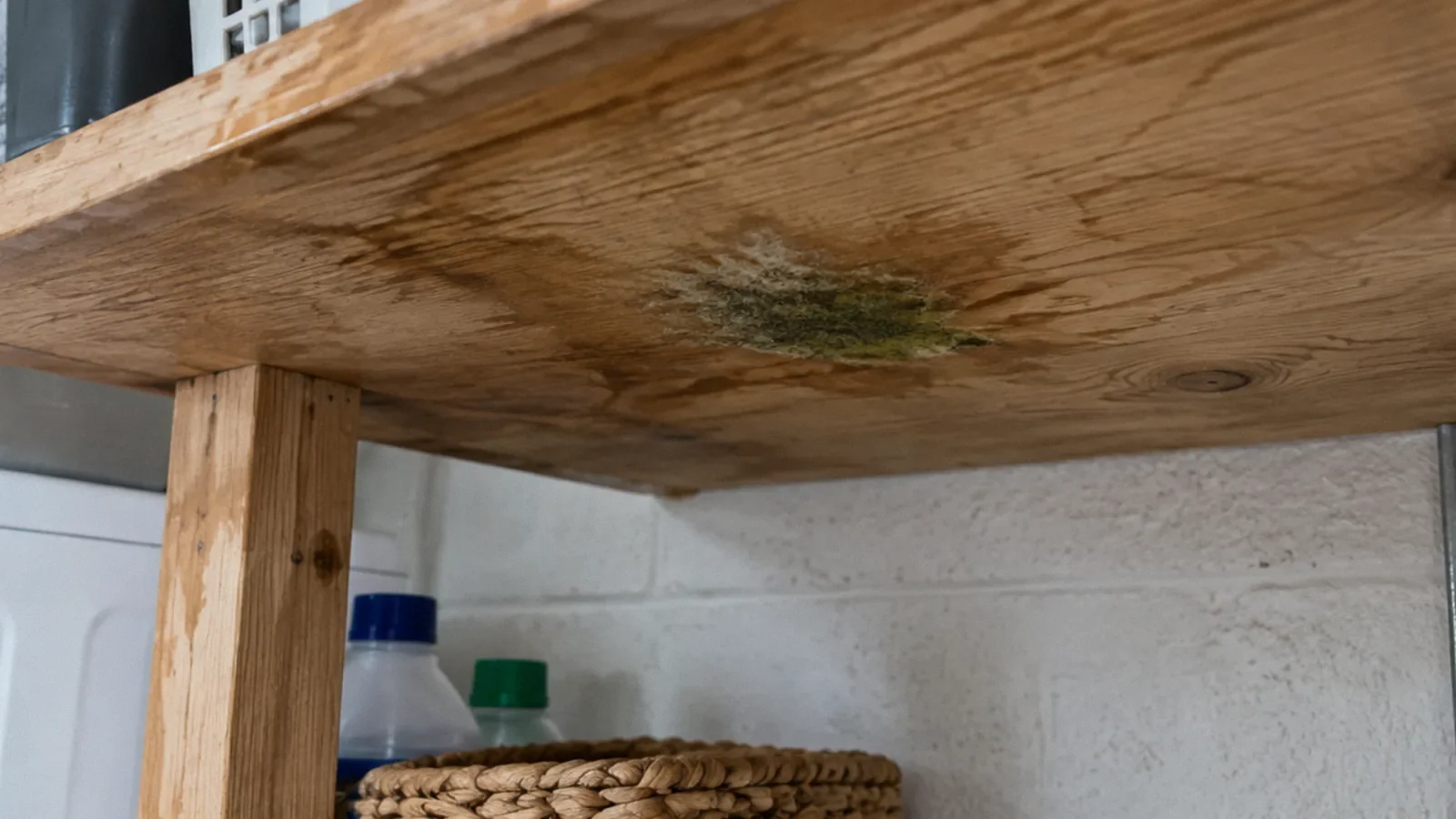
Understand how moisture affects mold on wood, when furniture or framing needs professional evaluation and why color or a spray is not a complete diagnosis.
Compare general asphalt shingle and metal roof lifespan estimates, the factors that shorten service life and signs that warrant a professional inspection.
Understand natural sinkholes, ground depressions caused by pipes or settling, and safe first steps when a depression appears near a home.
Review a dated national duct cleaning price benchmark, what changes the quote, and EPA guidance on when duct cleaning may be appropriate.
Review dated national mold remediation cost figures, location-specific examples and the factors that change a local cleanup quote.
Learn how to respond to an unexplained smoke smell, assess residue after a fire and compare ventilation, cleaning and professional odor treatment.
Understand soot residue, why different surfaces need different care and how to avoid spreading particles after a fire.
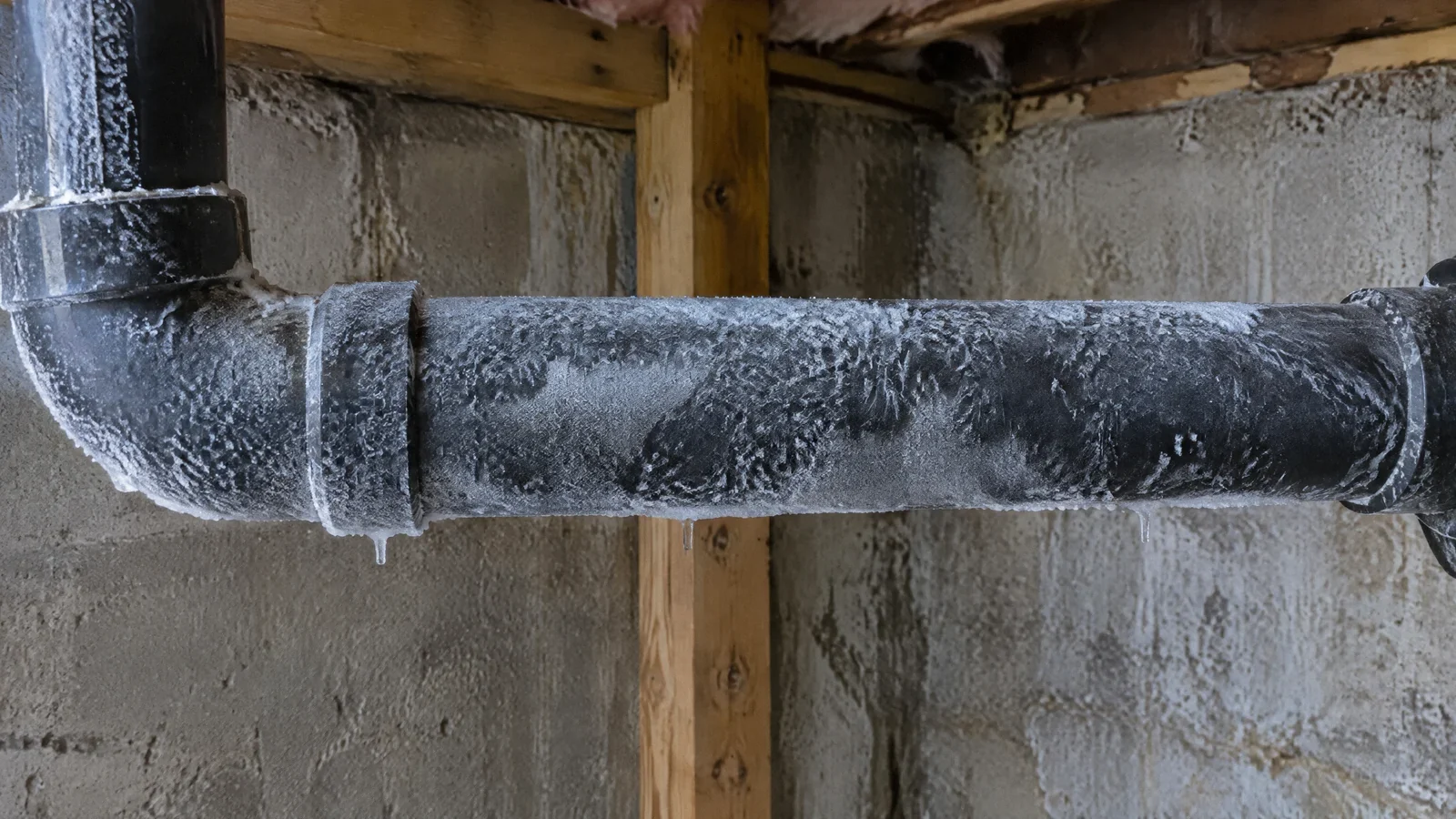
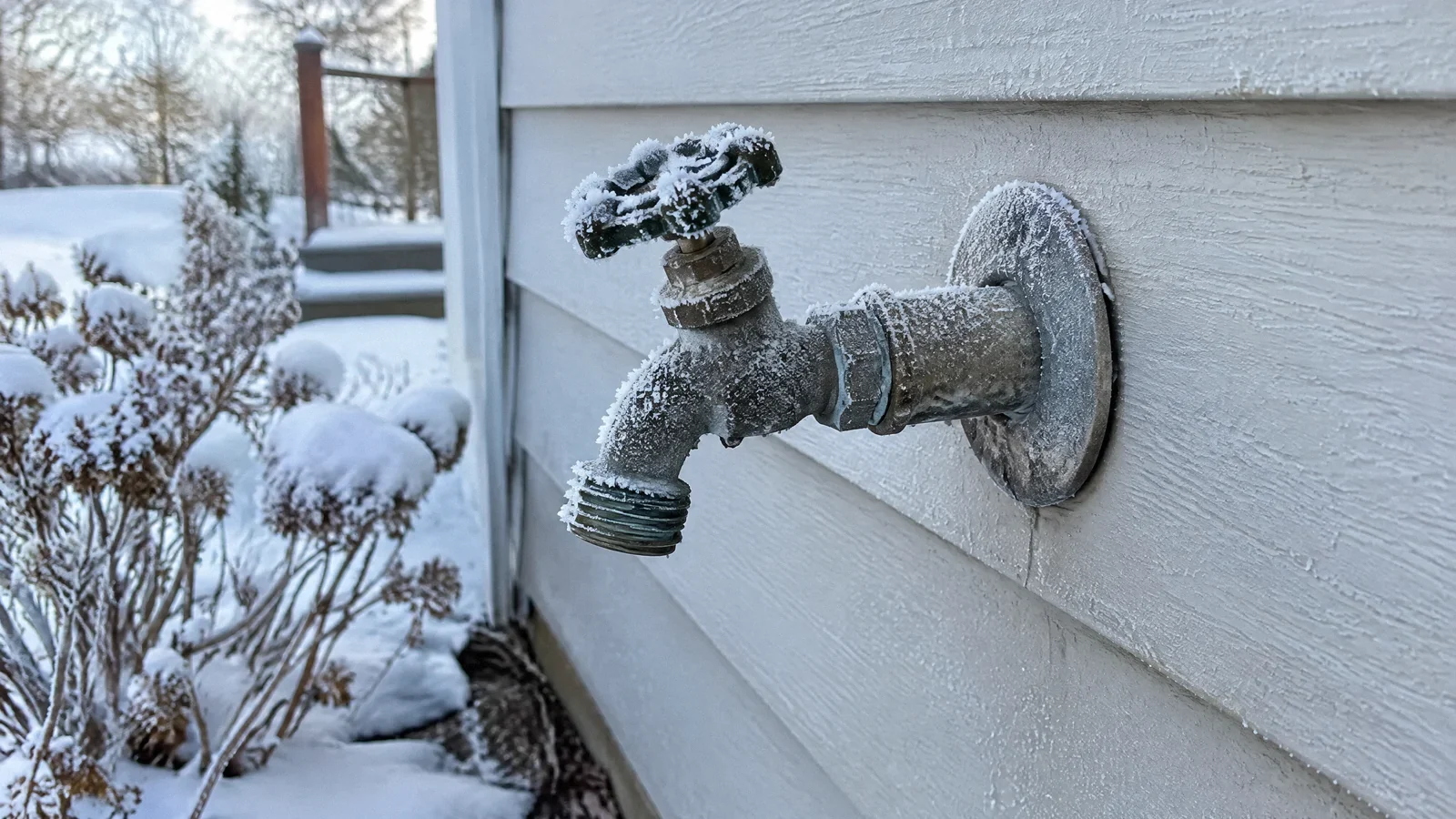
Learn why pipes freeze, how to respond safely to reduced water flow, and when to call a plumber rather than attempting to thaw a pipe.
Learn safe first steps for a burst water pipe, how to limit damage and what to ask a plumber and cleanup contractor.
Learn possible plumbing causes of sewer odors, why smell cannot rule out a gas emergency and what information to provide a plumber.
Learn the signs of a possible sewer line blockage, how to limit a backup and what to ask before drain cleaning or repair.
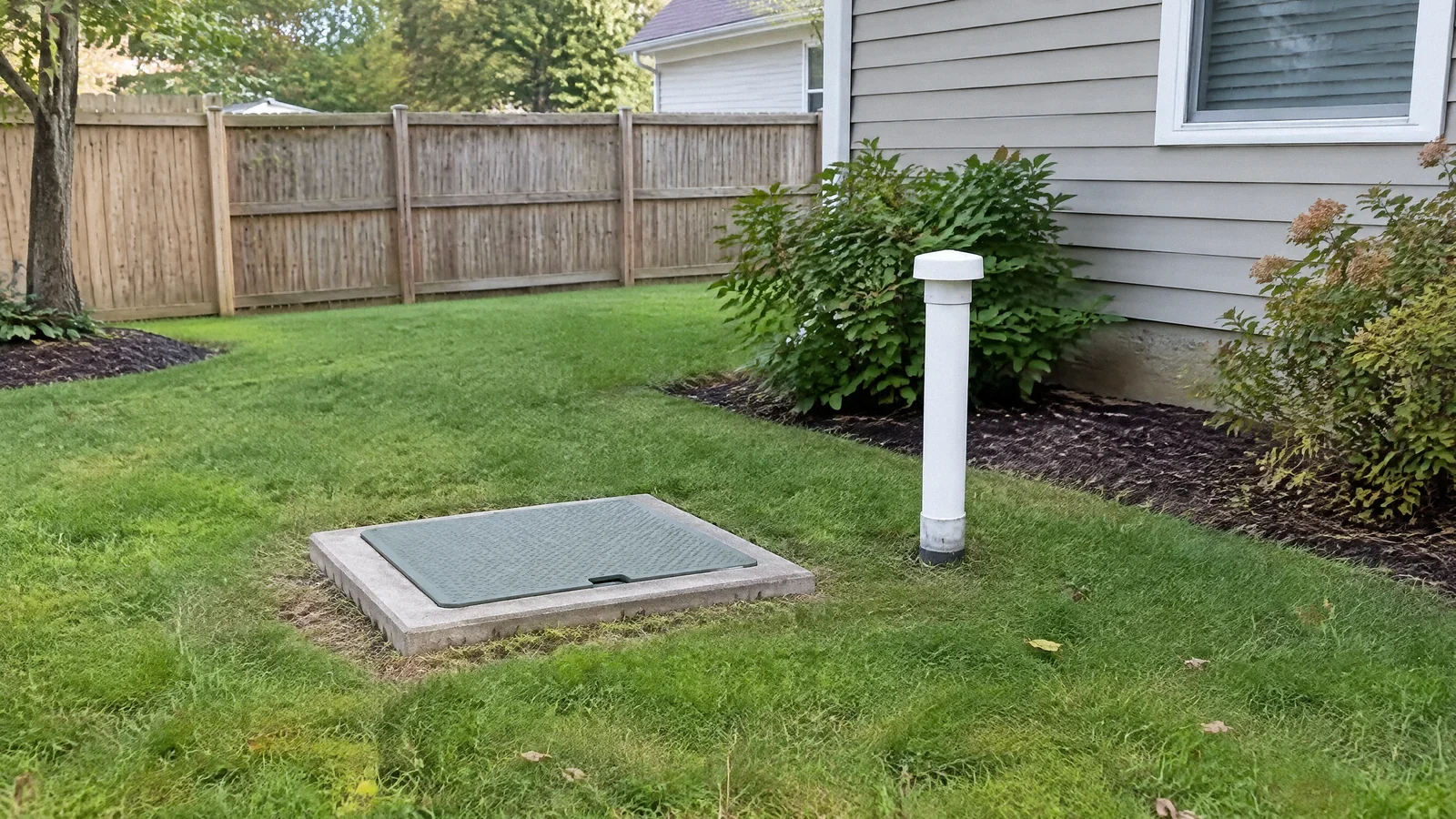
Learn EPA’s general septic inspection and pumping intervals, the factors that change the schedule and the warning signs of system trouble.
Compare ways to clear accessible sink debris, understand drain cleaner hazards and know when a recurring blockage needs a plumber.
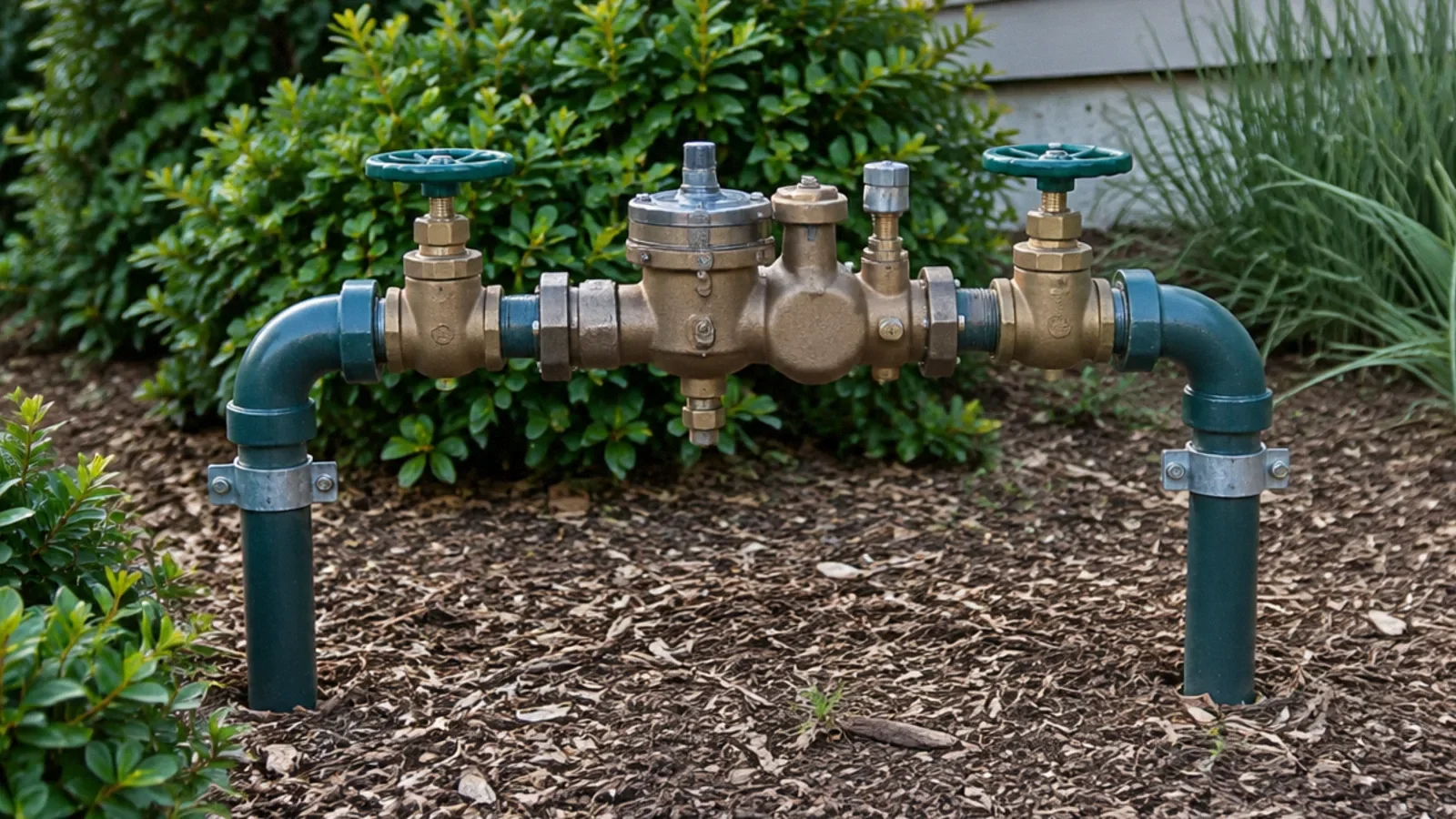
Understand why backflow prevention assemblies are tested, what a qualified tester does and how to check local requirements in the Bay Area.
Learn how to compare water-efficient toilets, WaterSense certification, installation and ongoing leak prevention.
Learn what can cause water around a toilet base, how the flange and seal work, and when to call a plumber.
Learn possible causes of water inside a refrigerator, electrical precautions and when to contact an appliance technician.
Learn how to respond to a fallen tree, recognize possible roof damage and arrange safe temporary protection and repairs.
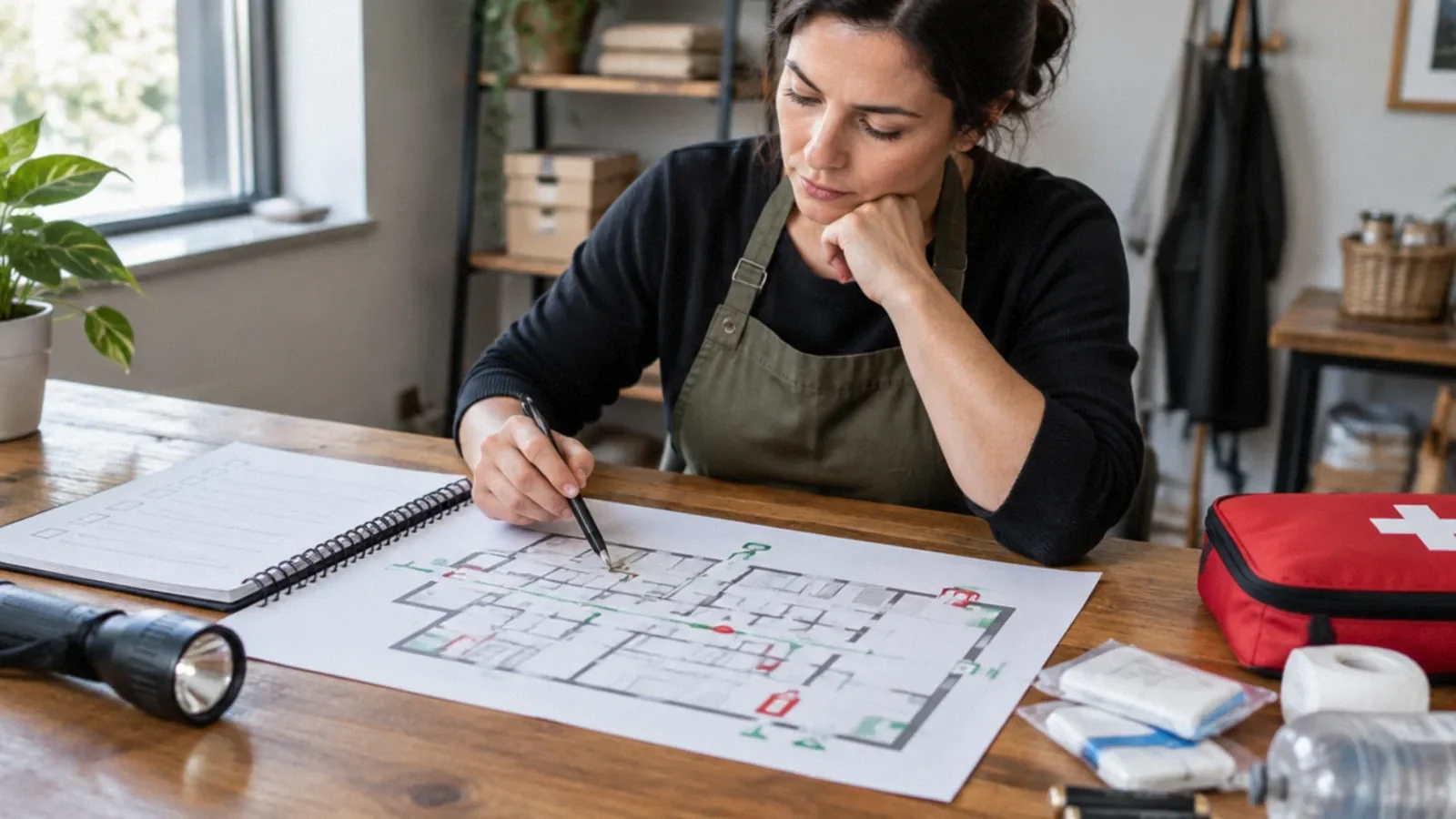
Create an evacuation plan, prepare a go-bag and understand California wildfire readiness without relying on last-minute actions.
Review dated national and San Francisco cost examples, the factors that affect a water damage estimate and the difference between mitigation and reconstruction.
Learn why a burning odor near electrical equipment needs prompt attention and what to do if smoke, sparks or fire are present.
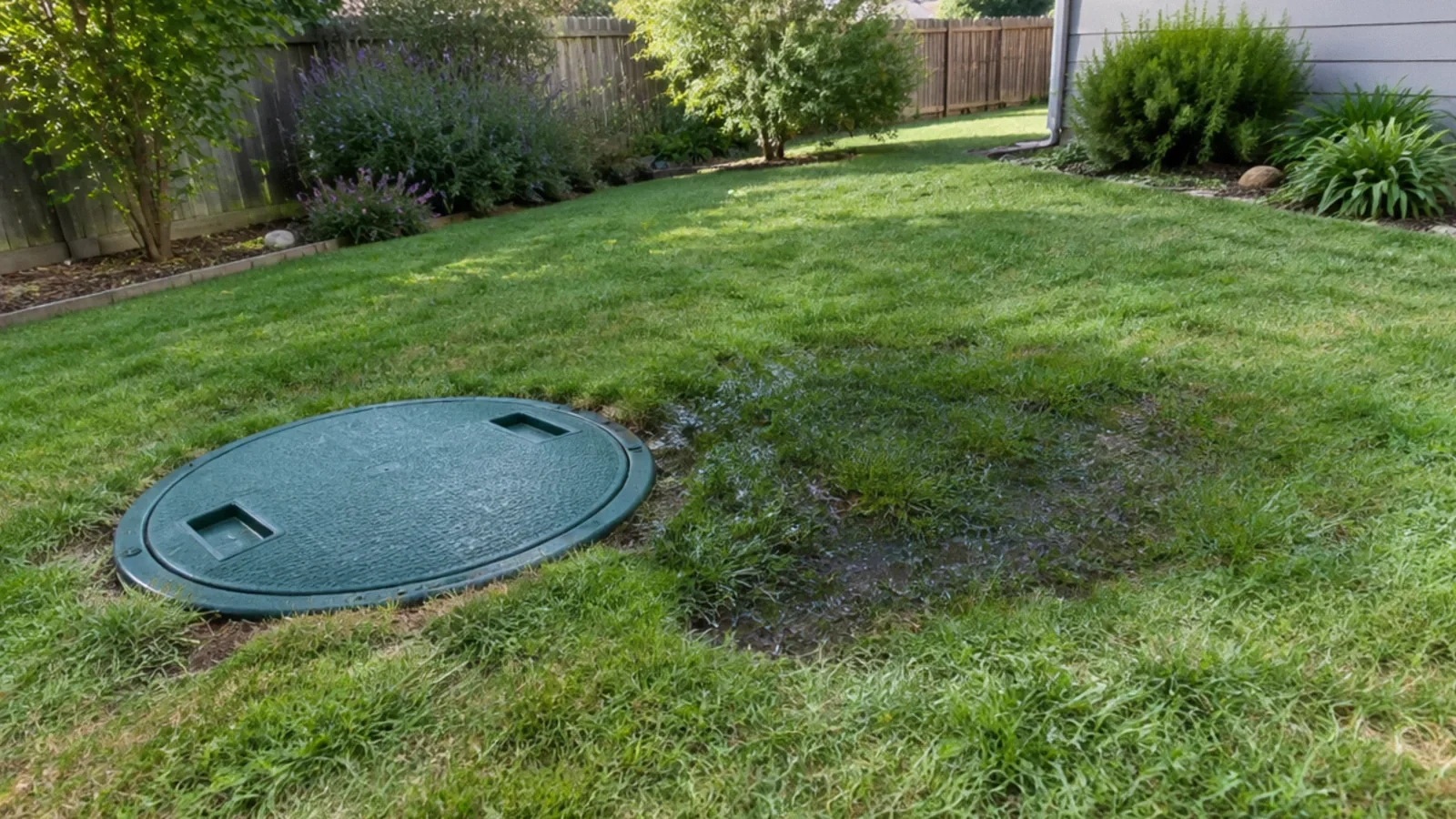
Learn what a septic alarm may indicate, how to reduce system use safely and when to call a qualified septic service professional.
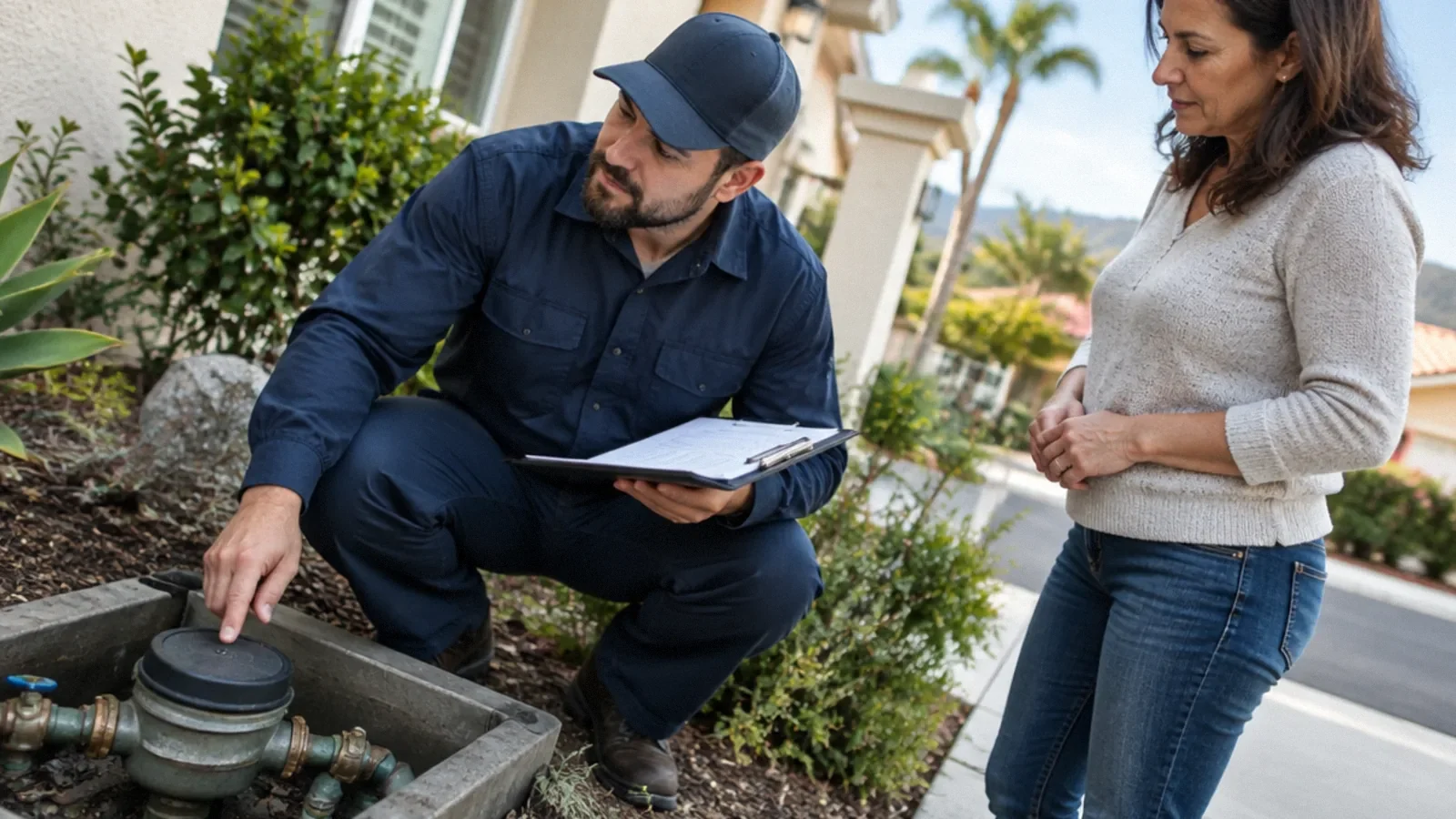
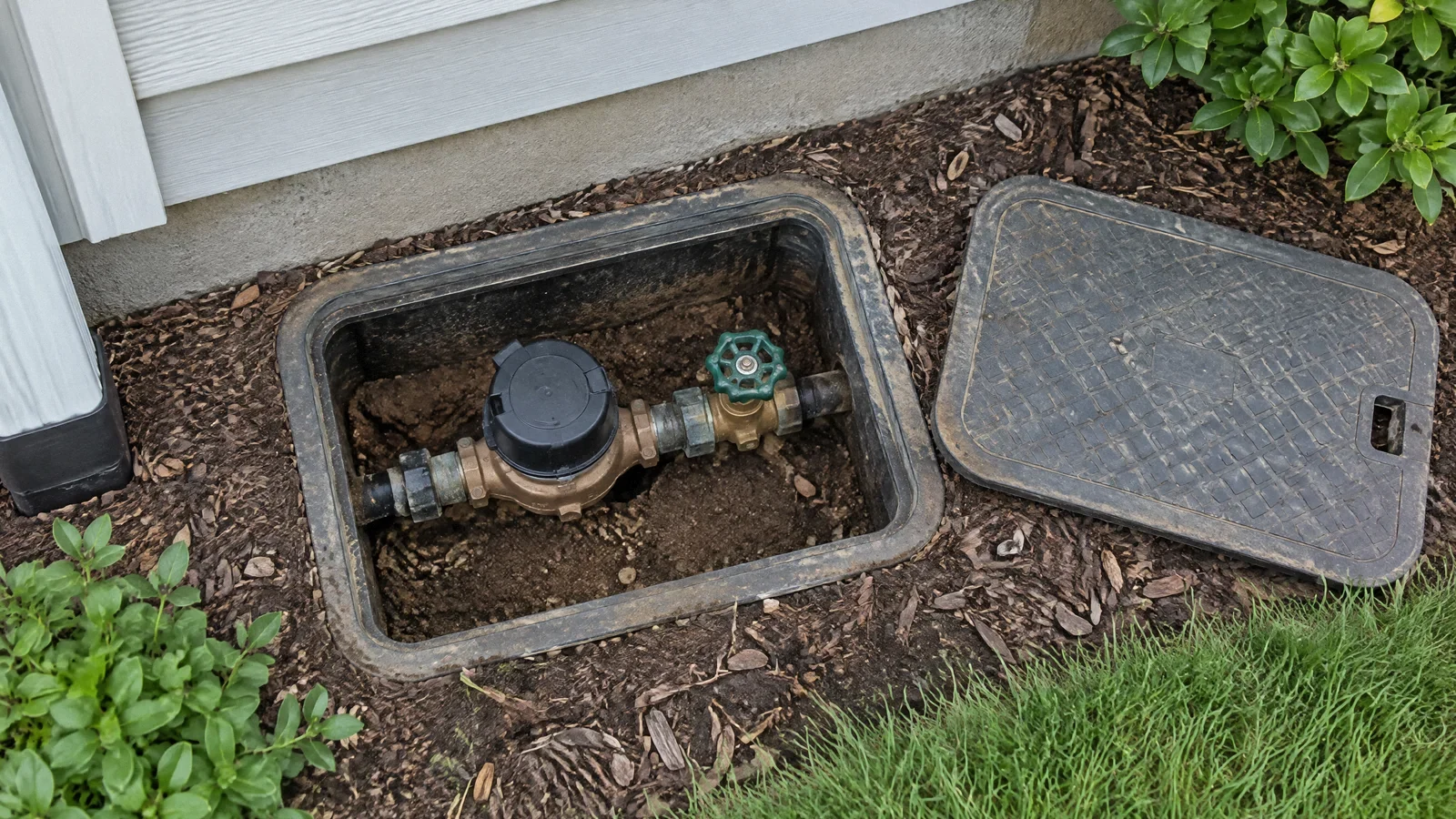
Learn possible signs of an underground water leak, what a meter check can and cannot show, and why utility locating matters before digging.
Use a practical home water damage prevention checklist covering plumbing, appliances, roof drainage, shutoffs and early signs of moisture.
Understand how to plan moisture investigation, occupant communication, containment and verification for mold in a commercial building.
Understand remediation in building and environmental contexts, how it relates to mitigation and restoration, and what to look for in a written scope.
Learn how to respond to an unknown sulfur-like odor, avoid wildlife contact and address skunk odor without unsafe chemical mixtures.
Learn the difference between cleaning accessible registers and full duct cleaning, when EPA suggests considering service and what to ask a contractor.
Understand the role of a water heater relief valve, signs that require urgent attention and why a suspected gas or electrical hazard needs professional help.
Compare wind speeds, understand gusts and learn how to respond to wind alerts without assuming a universal damage threshold.
Learn how to reduce household dust using source control, practical cleaning and appropriate HVAC filtration, with precautions for heavy or hazardous dust.
Learn why tobacco odor can linger in a house, how to address affected surfaces and when to involve a professional or building manager.
Find common sources of dog and cat odors and clean pet belongings and affected surfaces while protecting animals and avoiding excess moisture.
Find common sources of household odors, recognize urgent hazards and choose cleaning and ventilation steps that address the cause.
Learn how to read a sofa care label, remove ordinary surface soil and decide when upholstery needs a professional cleaner.
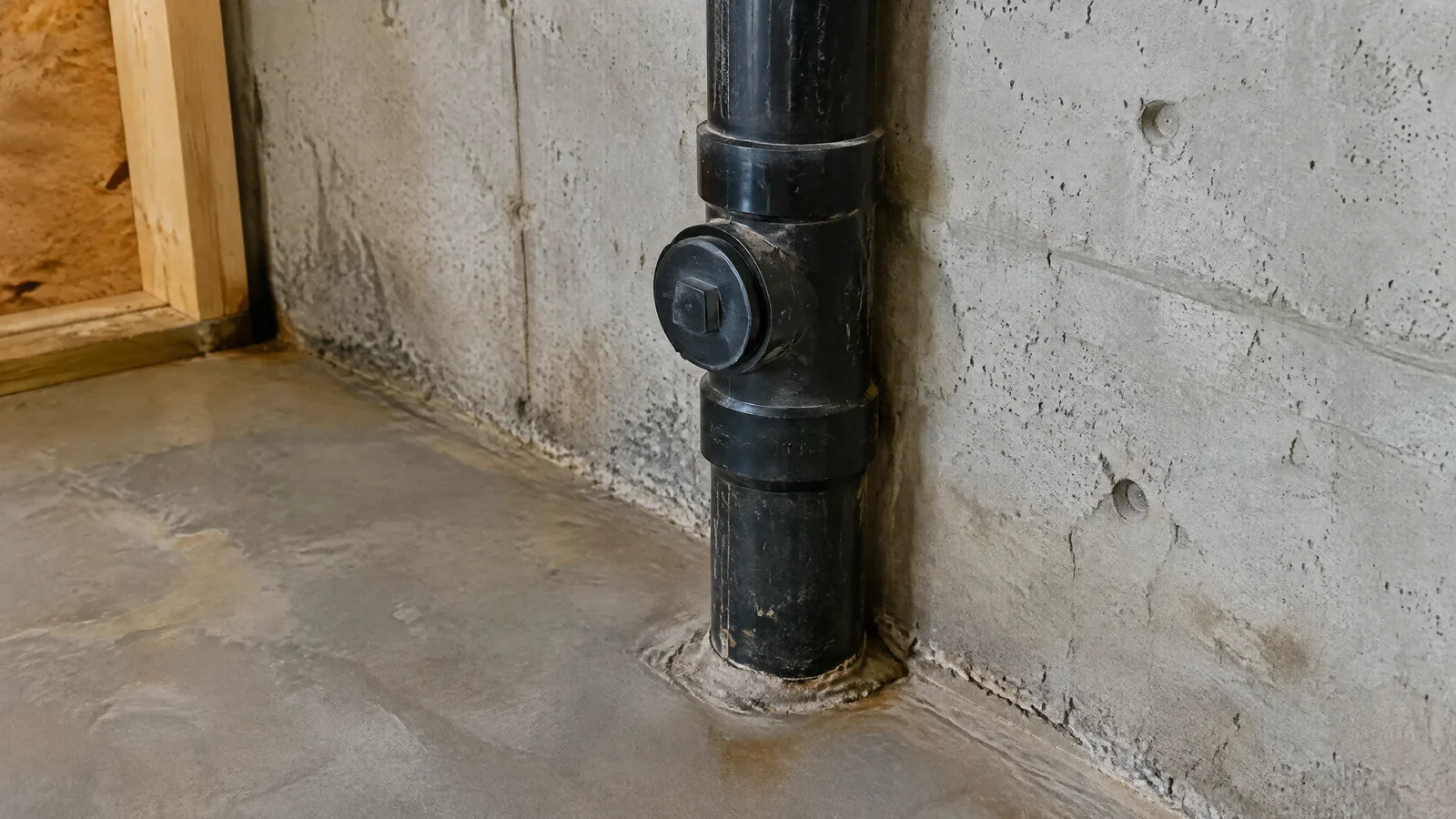
Identify a sewer cleanout, understand its purpose and learn what to do safely when a drain backs up or a cleanout cannot be located.
Review common residential fire causes, prevention steps, smoke alarm maintenance and a practical escape plan based on U.S. fire-safety guidance.
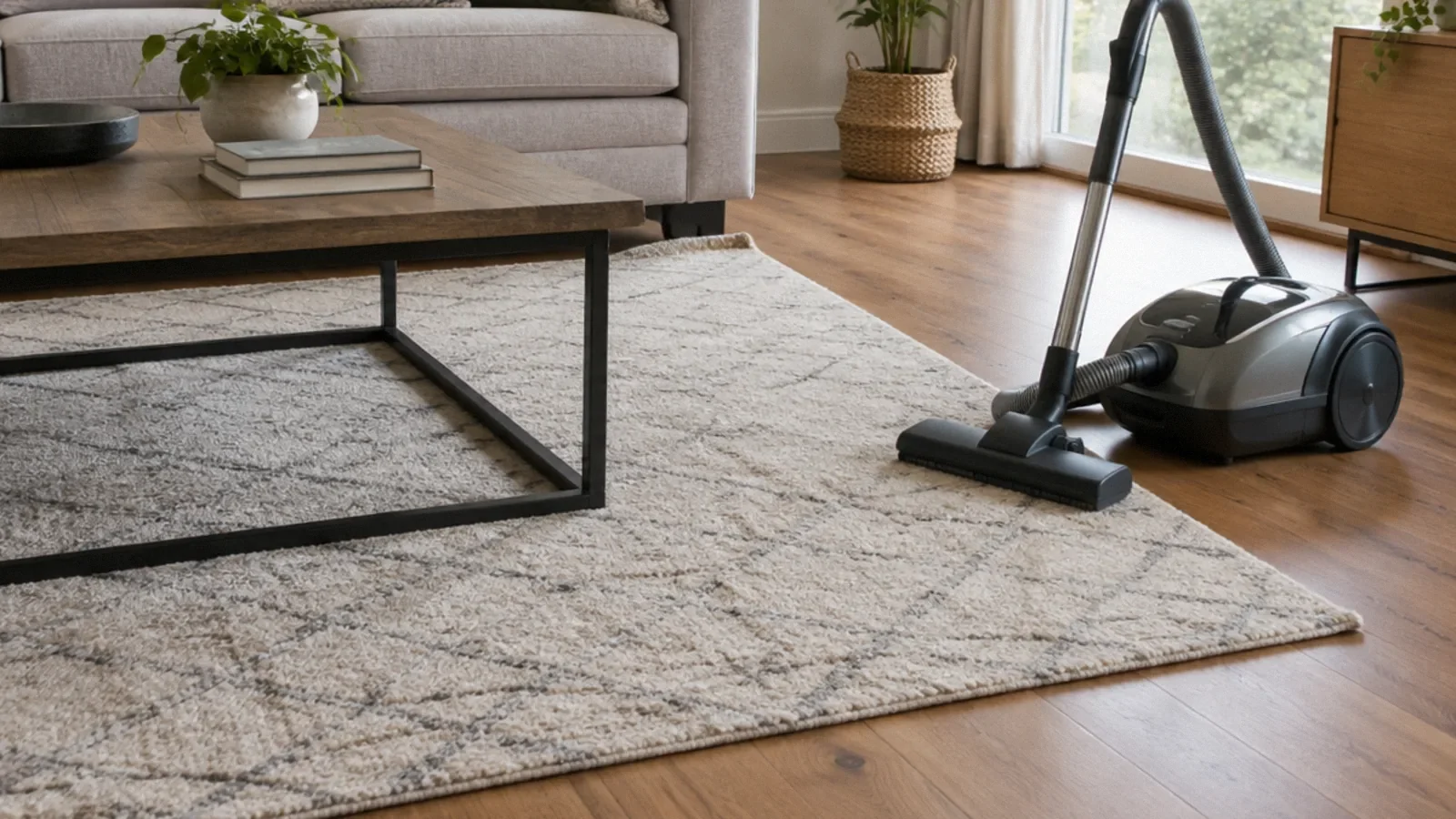
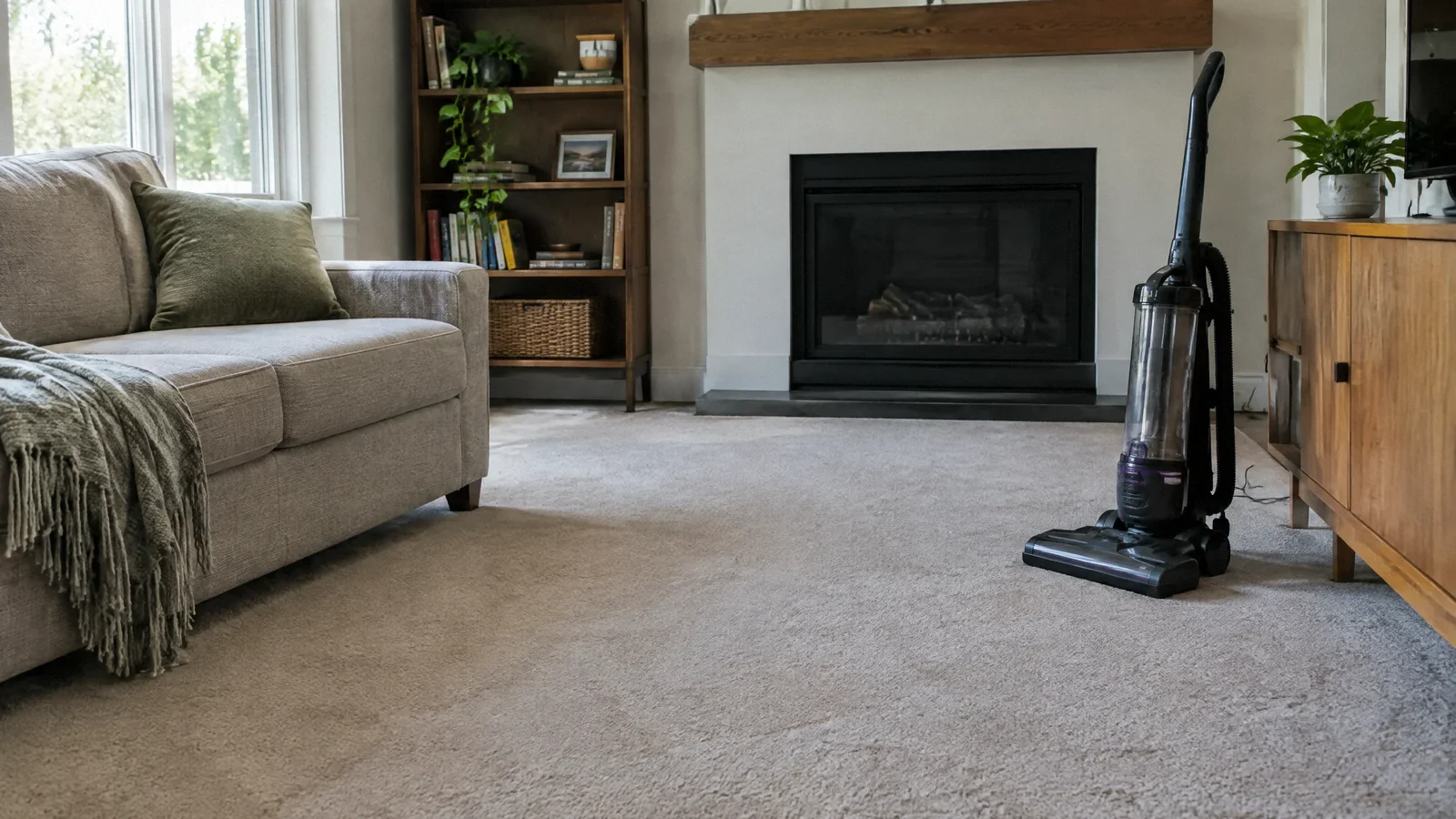
Compare vacuuming, spot cleaning and professional carpet care while protecting rugs, padding and floors from excess moisture.
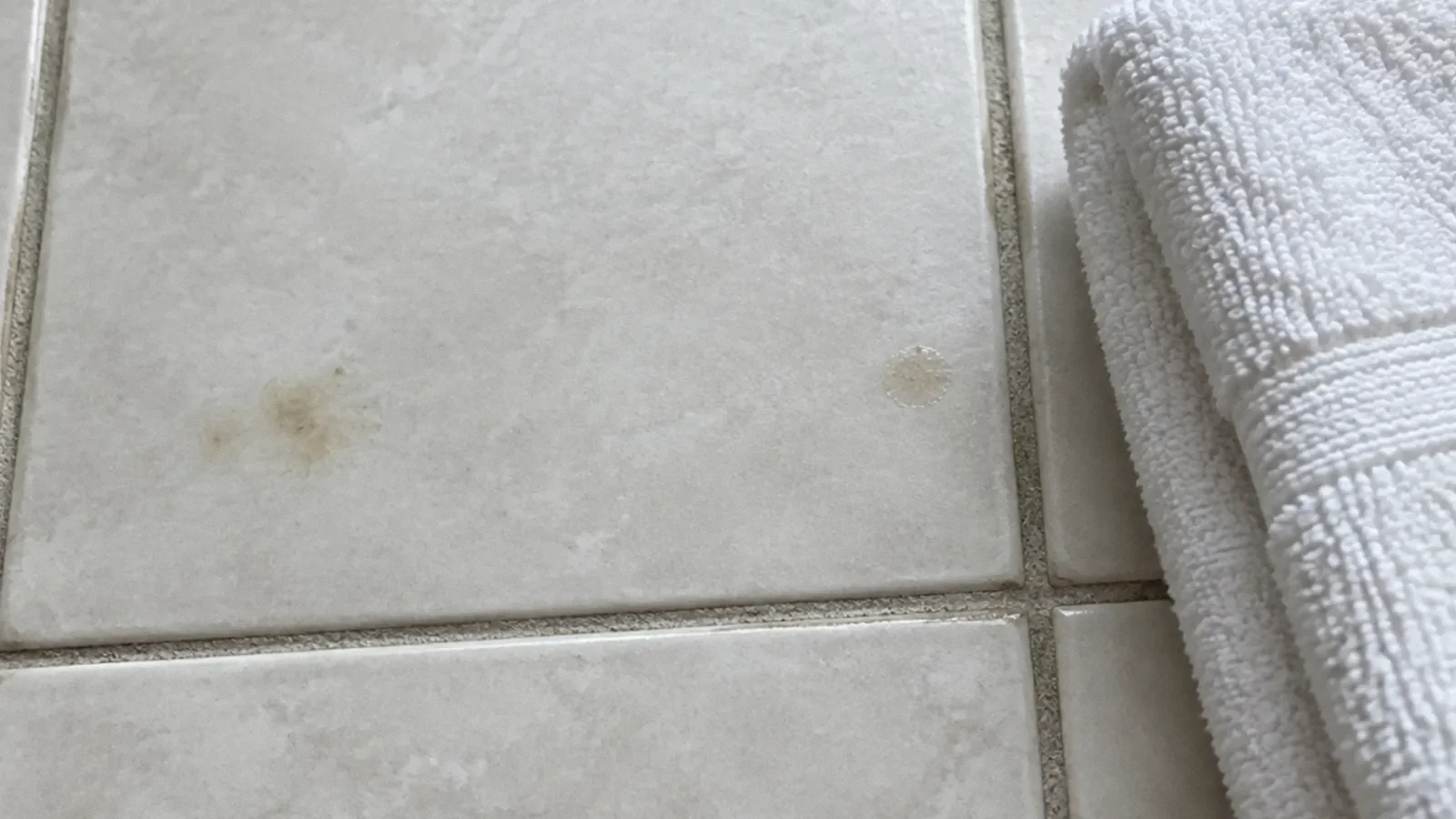
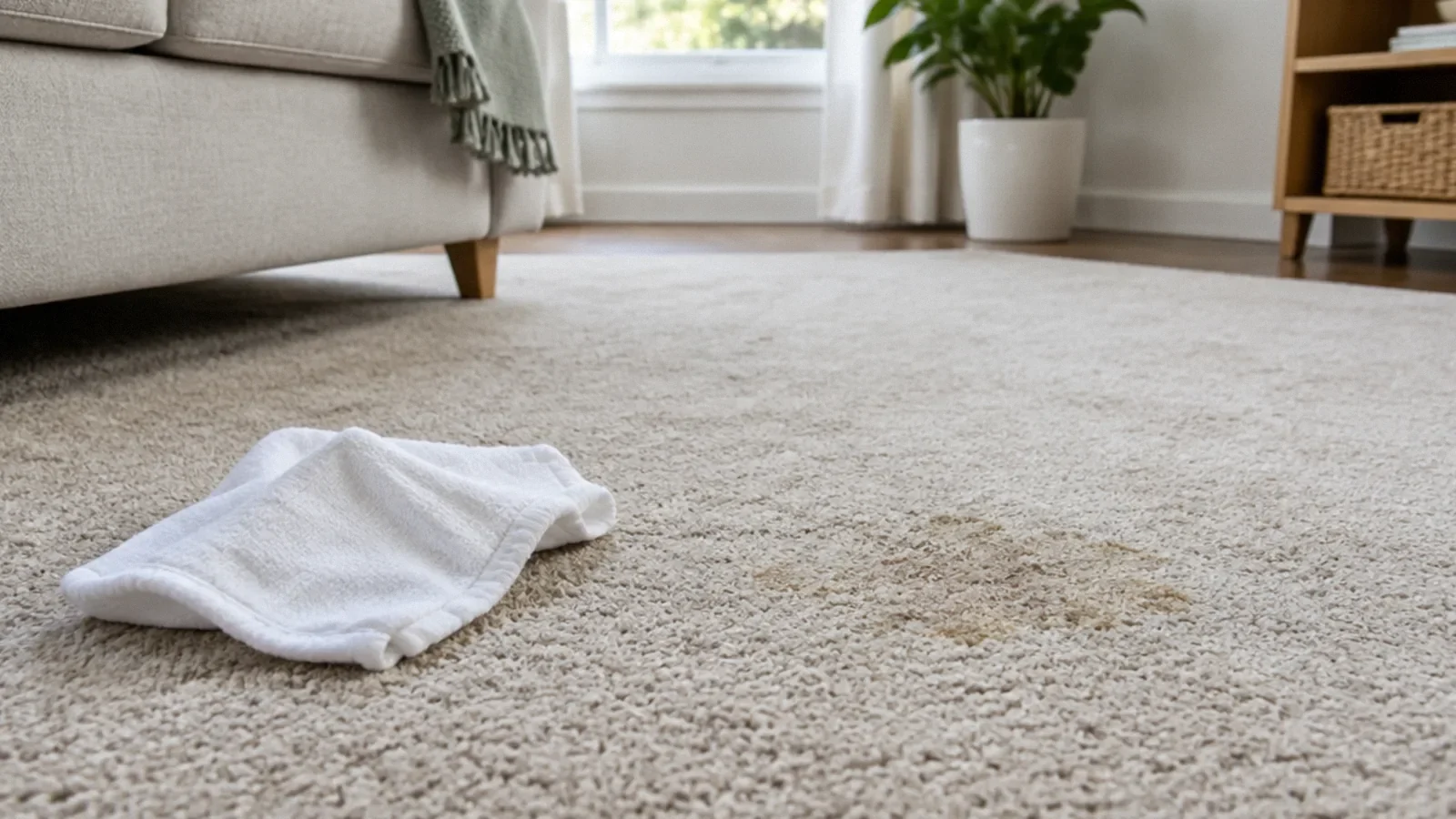
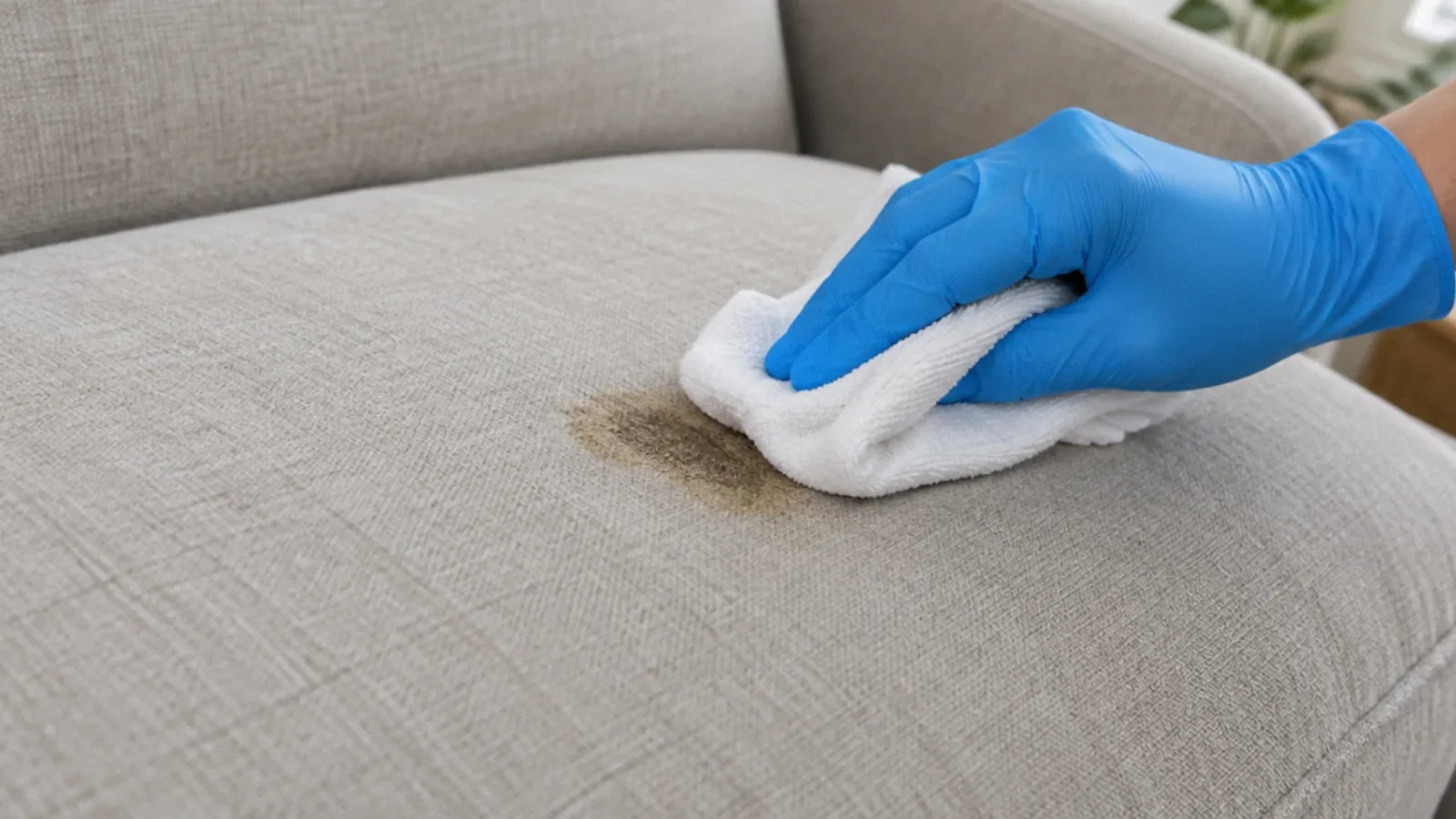
Learn how to blot a spill, select a compatible cleaner, investigate recurring brown spots and recognize when moisture or contamination needs professional help.
Compare carpet cleaner purchase and rental costs with professional carpet and area-rug cleaning prices, plus common additional charges.
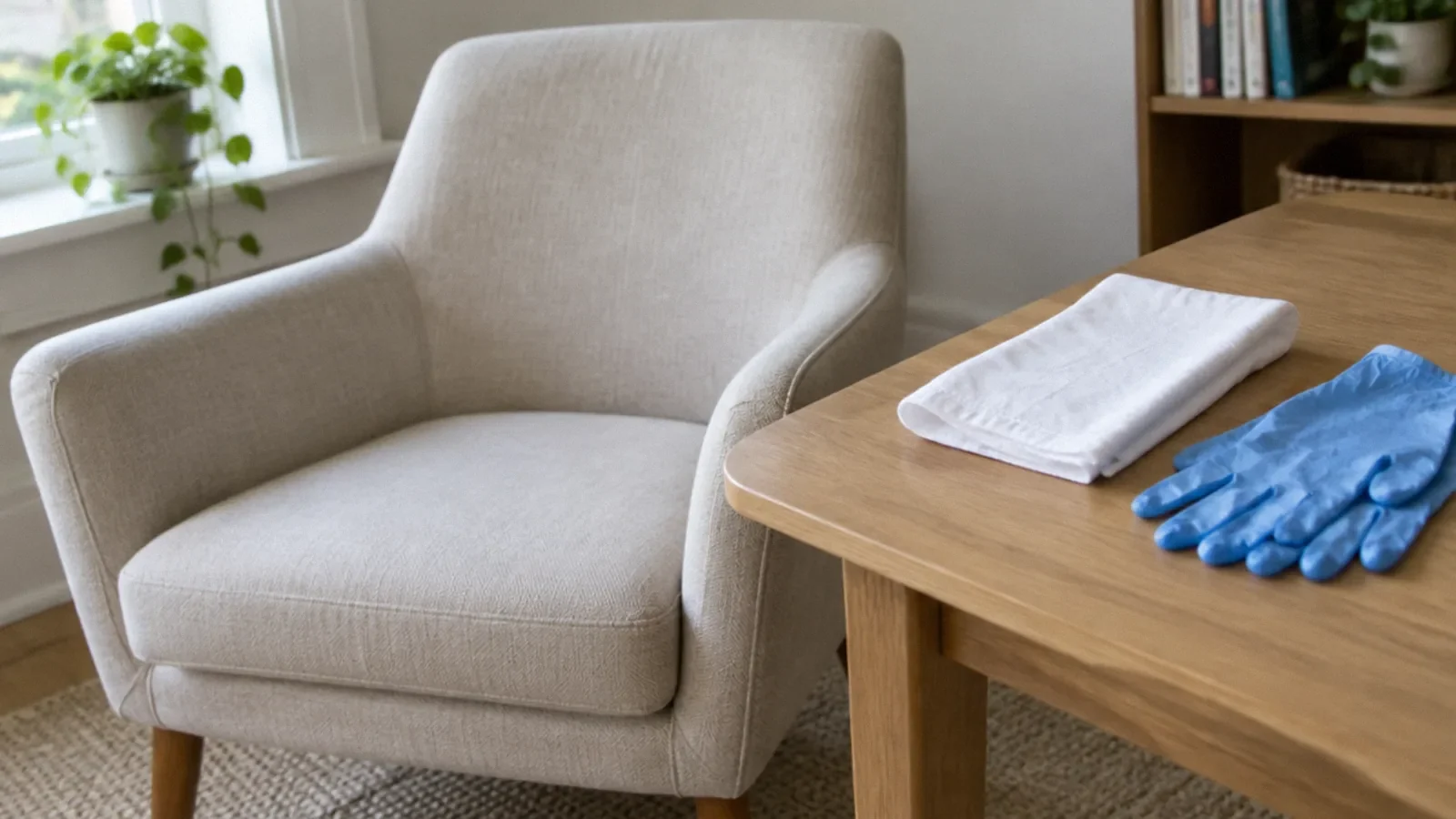
Learn how to protect yourself, check upholstery care instructions and address a small blood stain without saturating the cushion.
Learn how to vacuum and spot-clean a wool rug, protect its backing and dyes, and decide when to use a specialist.
Understand thermal tracking, condensation and soot deposits, and learn how to investigate dark lines without assuming a diagnosis from appearance alone.
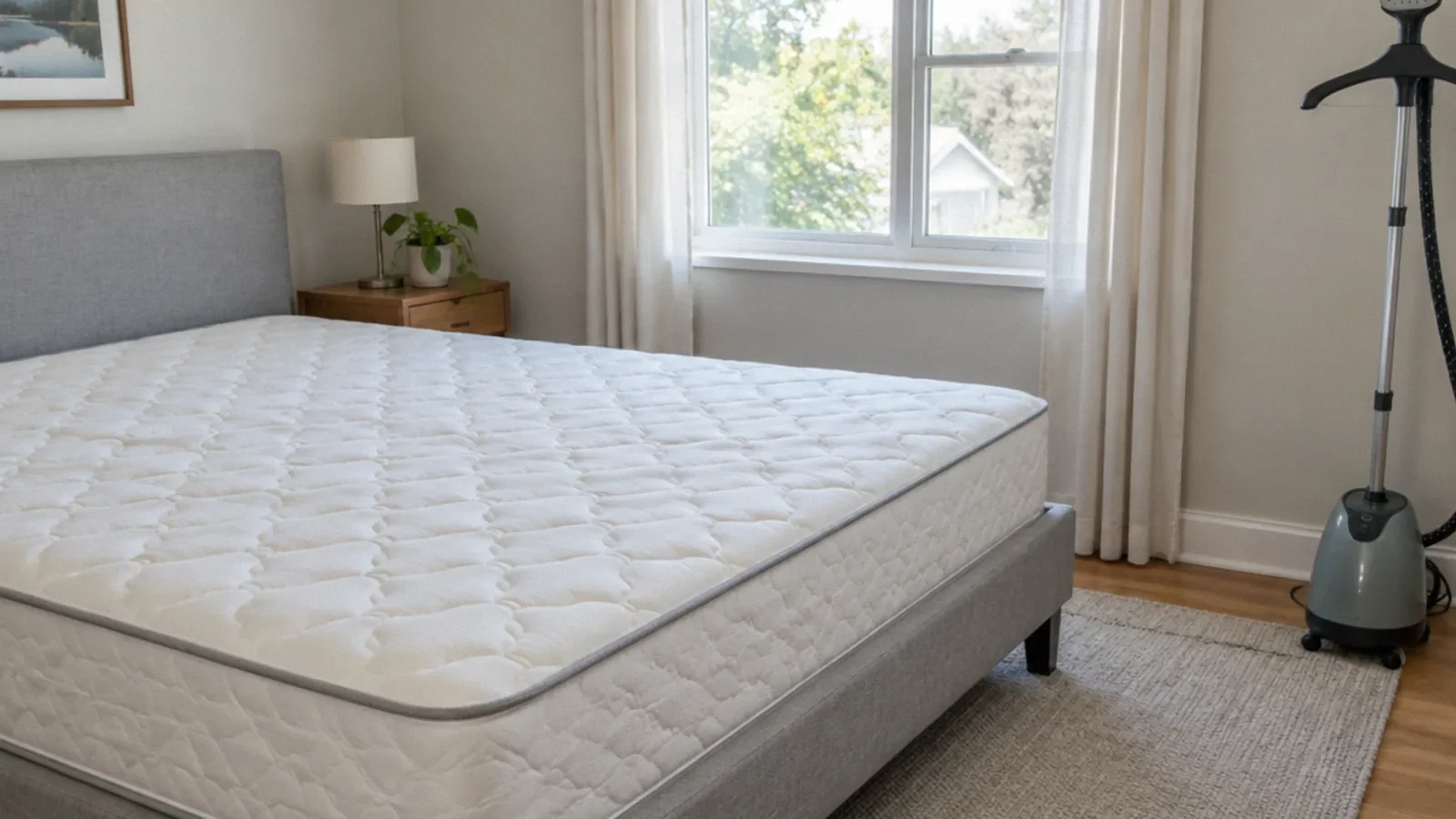
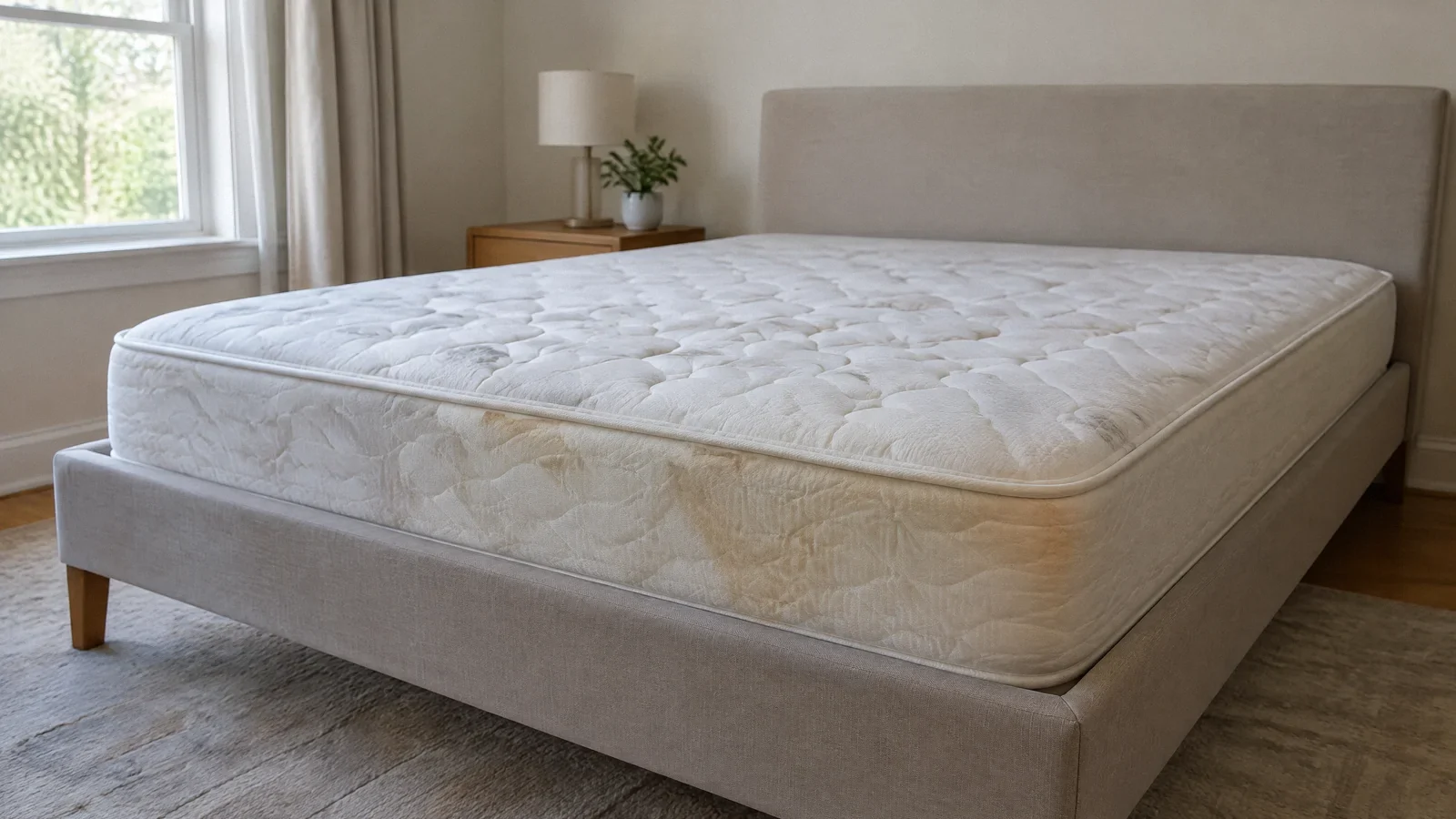
Learn how to respond to a mattress accident, protect porous filling and follow care instructions when moisture or odor remains.
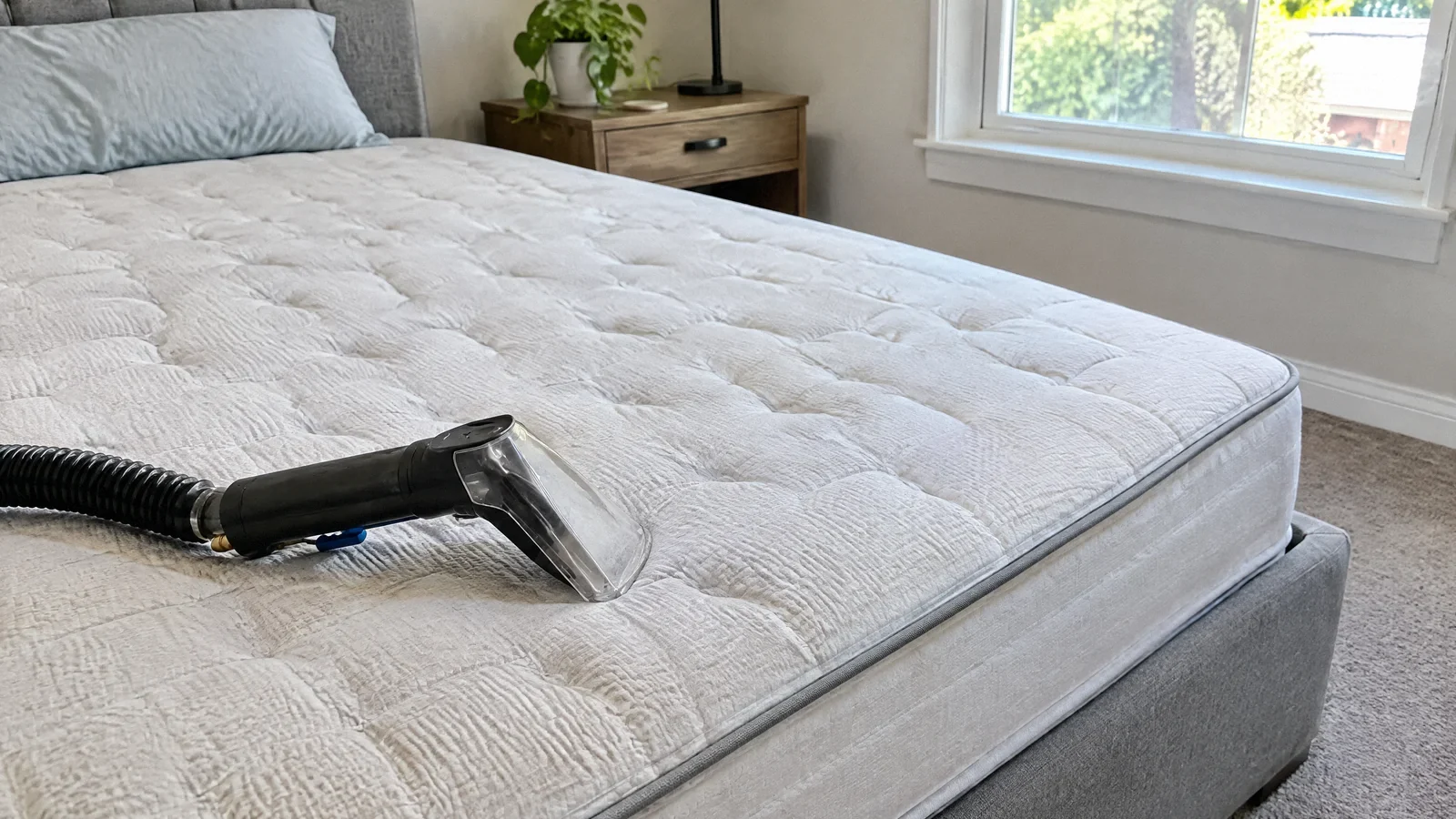
Learn how to clean and dry a mattress and why steam is not suitable for every material.
Learn how to blot fresh milk, treat a compatible carpet safely and investigate odor that remains in the backing or pad.
Learn the difference between a tornado watch and warning, recognize possible danger signs and prepare a safe shelter plan.
Learn how to respond to ink and marker spills, test compatible treatments and protect the carpet backing.
Learn how to contain an oil spill, protect carpet backing and choose appropriate help for stubborn grease or used motor oil.
Learn how to check a washer gasket, follow the manufacturer’s cleaning cycle and reduce moisture that can cause buildup.
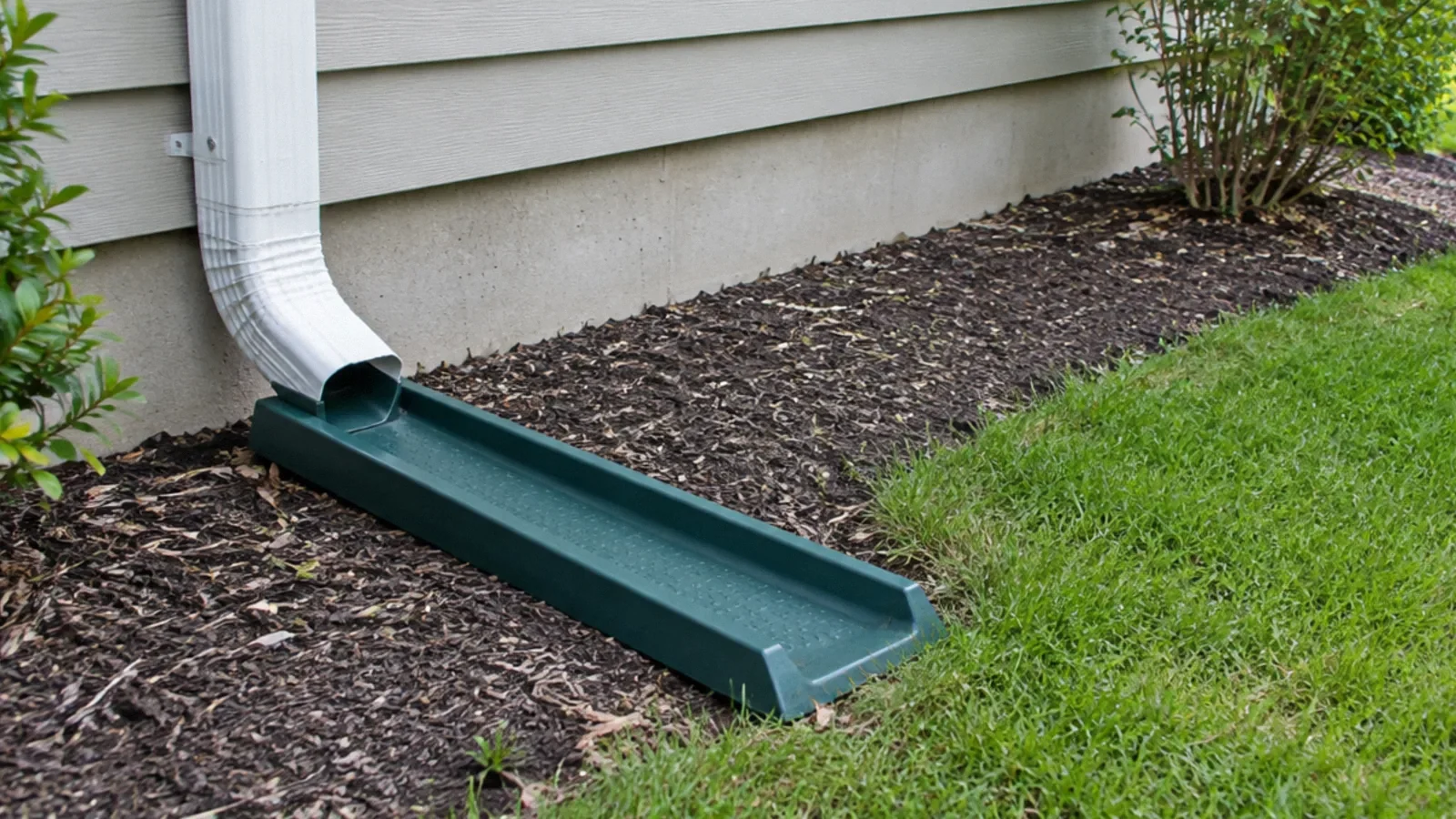
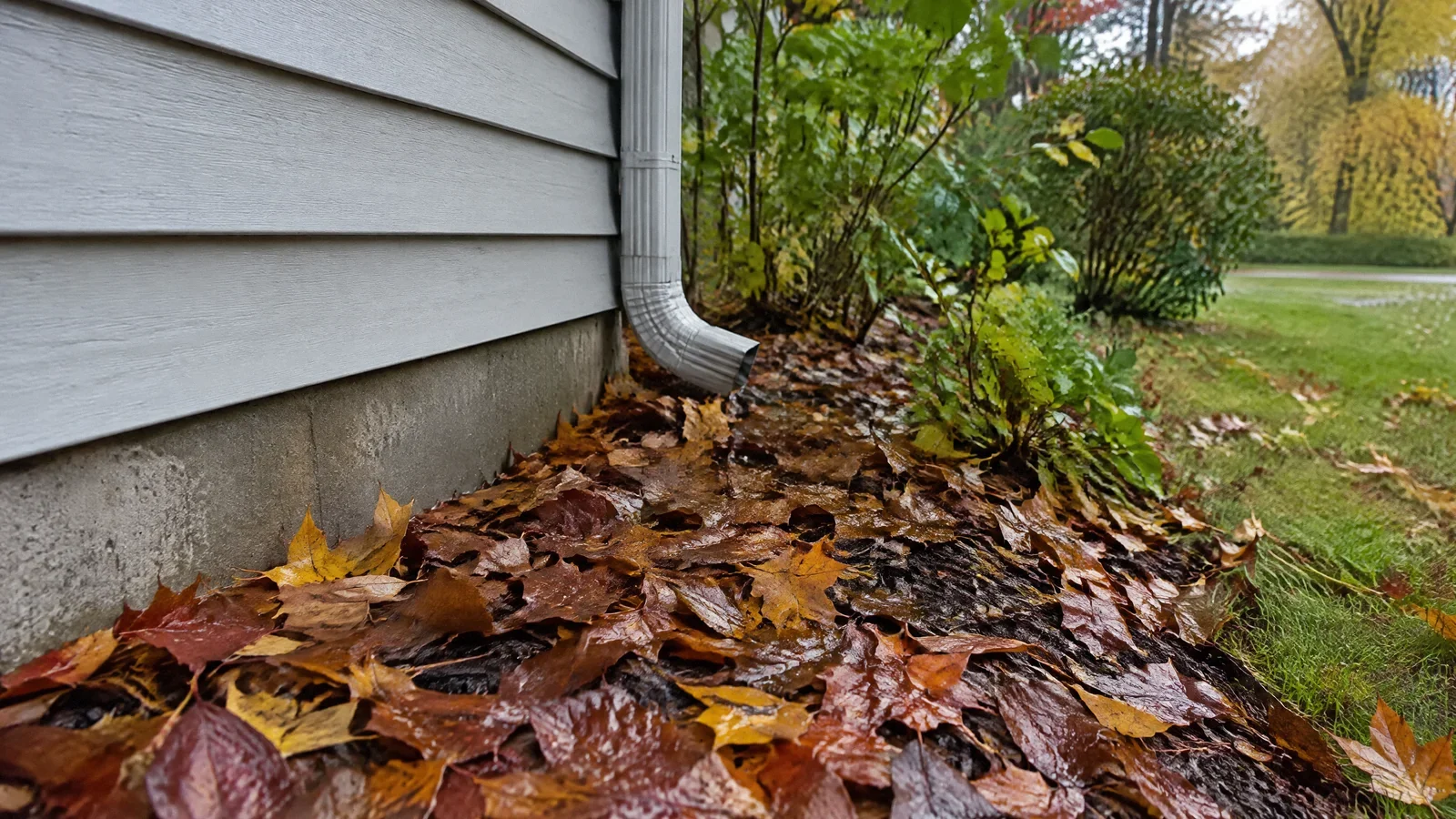
Learn how to recognize gutter and downspout blockages, protect the foundation and decide when to call a professional.
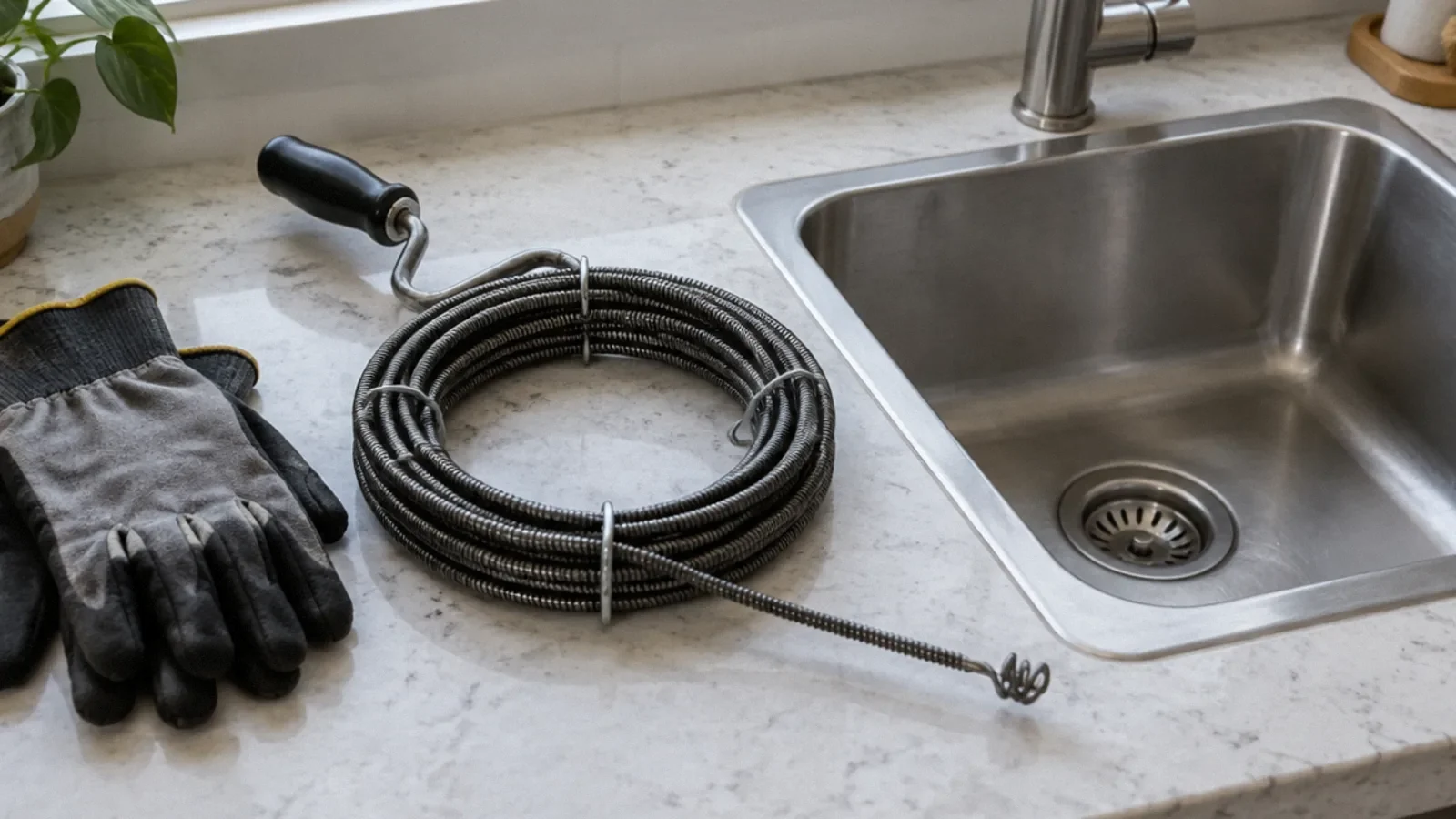
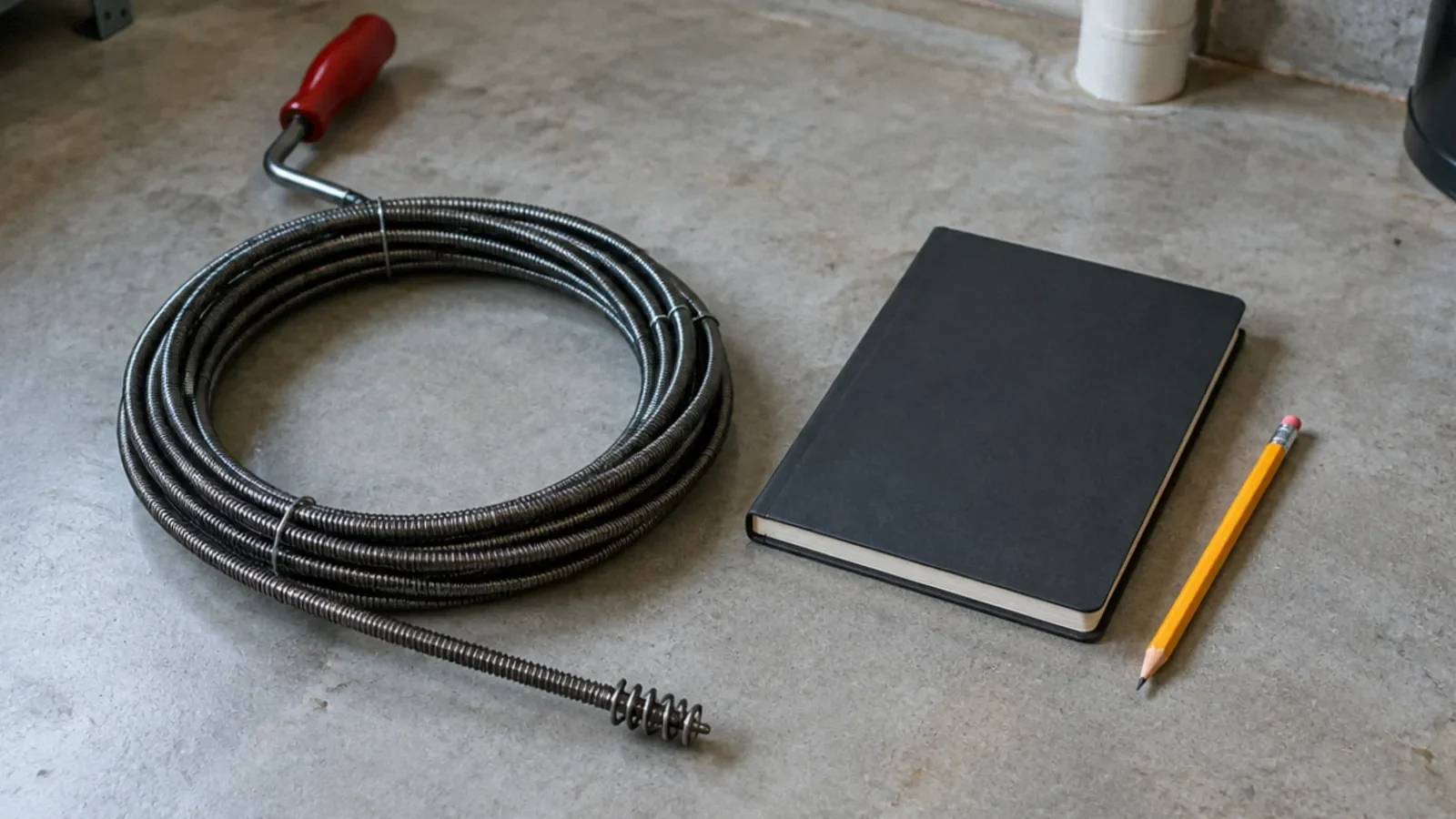
Understand manual drain augers, chemical-cleaner hazards and the signs that a clogged drain needs a professional.
Understand hurricane wind, storm surge and inland flooding, and prepare a practical plan for protecting people and property.
Compare safe first steps for a slow drain, understand chemical-cleaner risks and recognize signs of a sewer backup.
Follow a practical sequence for safety, documentation and repair after a storm without entering a dangerous building.
Learn how tornado geography and seasonal patterns vary across the United States and why warnings matter throughout the year.
Learn routine cleaning and moisture precautions for luxury vinyl plank and tile while following the flooring manufacturer’s instructions.
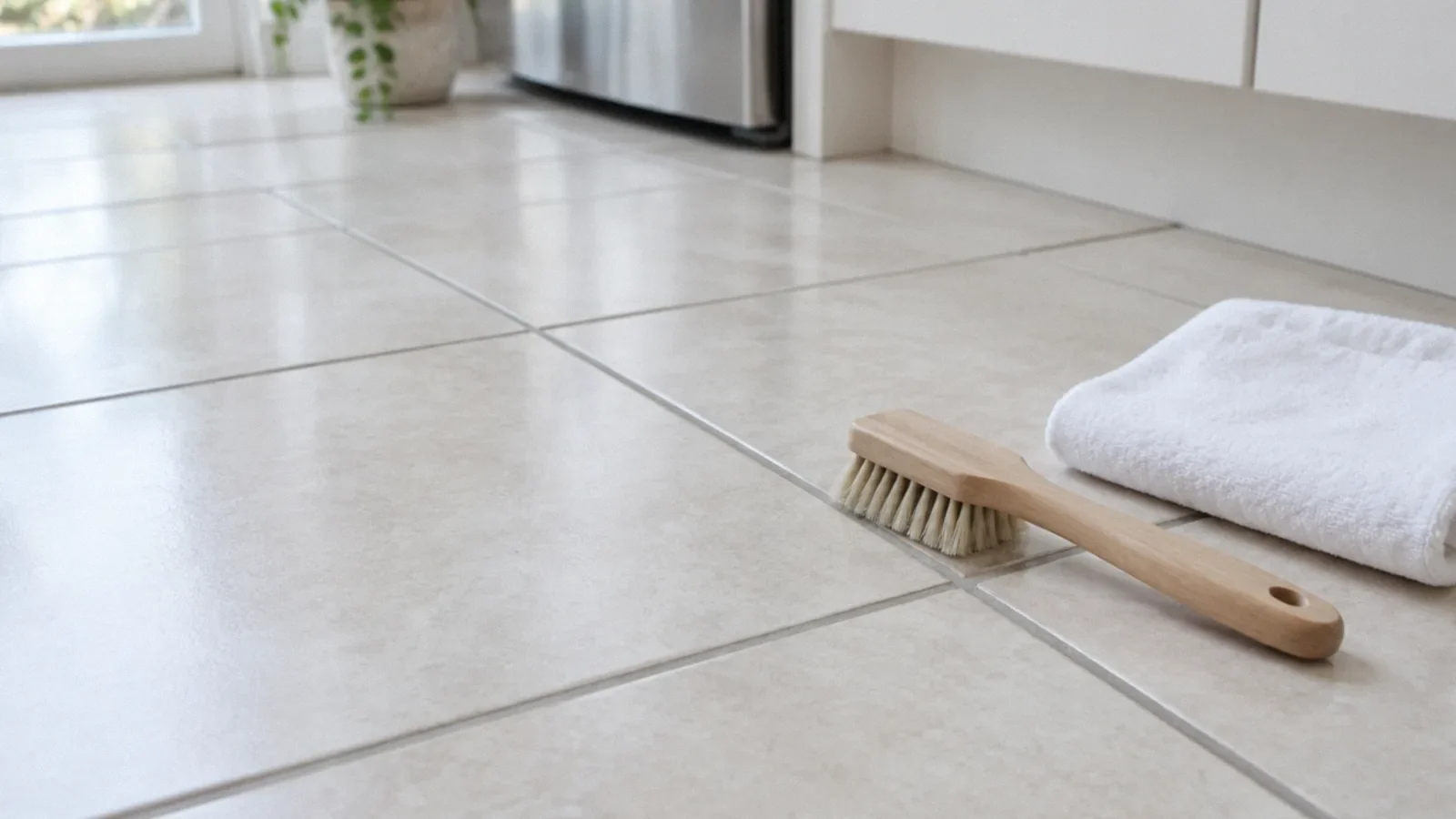
Learn how to choose a compatible grout cleaner, handle moisture and avoid unsafe chemical mixtures on tile floors.
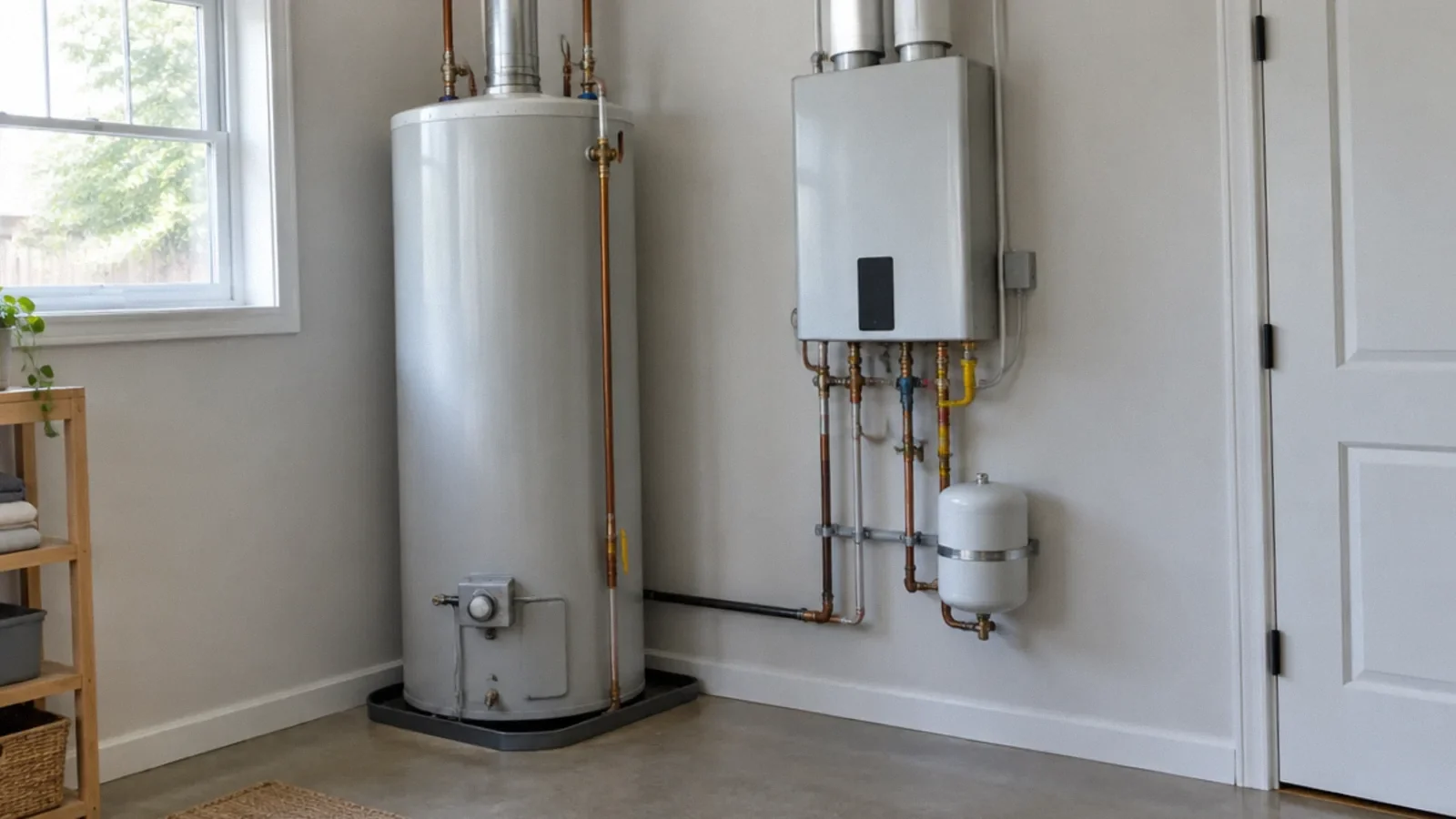
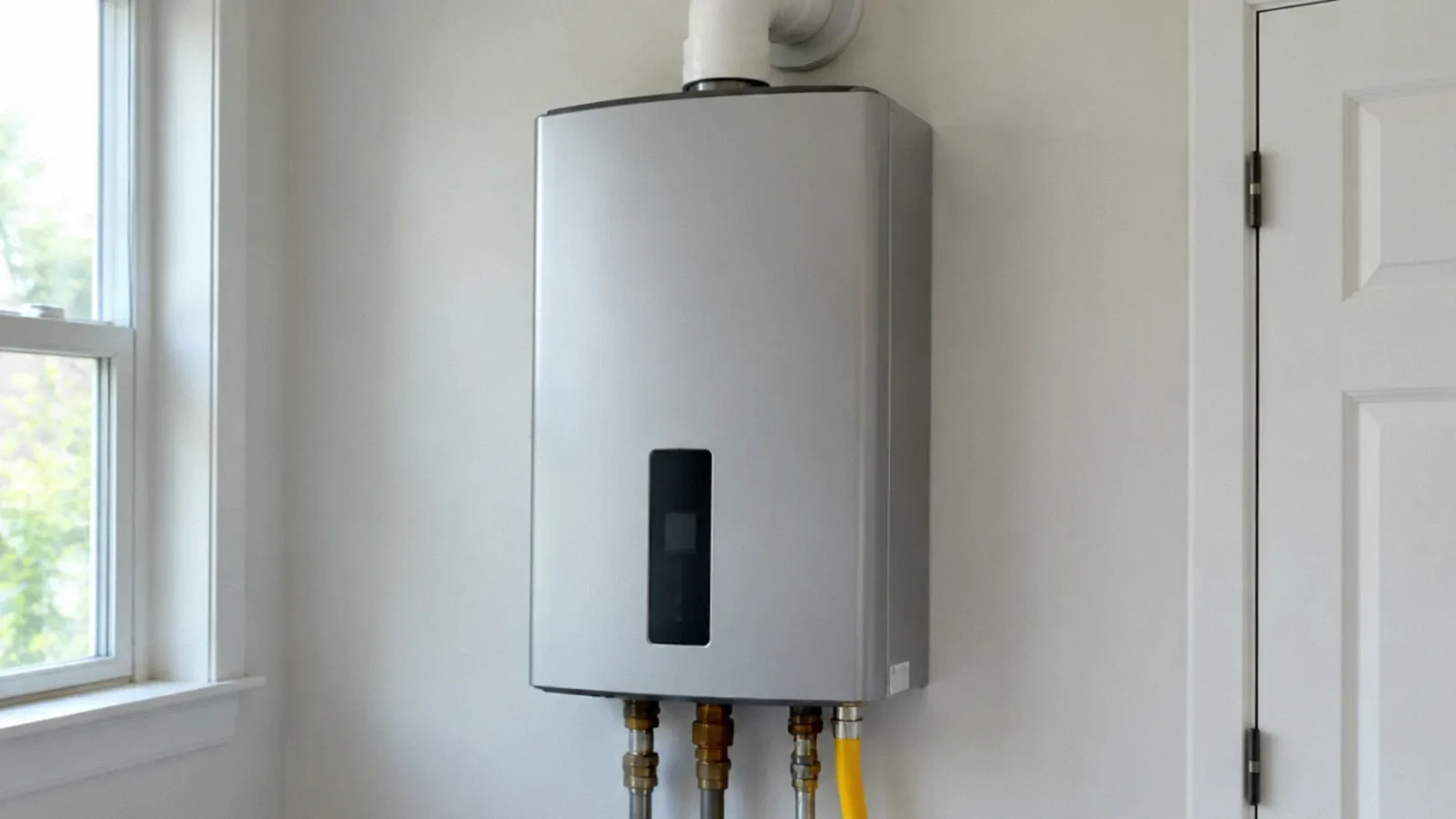
Compare hot-water delivery, sizing, installation, maintenance and leak considerations for tankless and storage water heaters.
Understand the geography of hurricanes, how to read historical state counts and why inland flooding remains a risk.
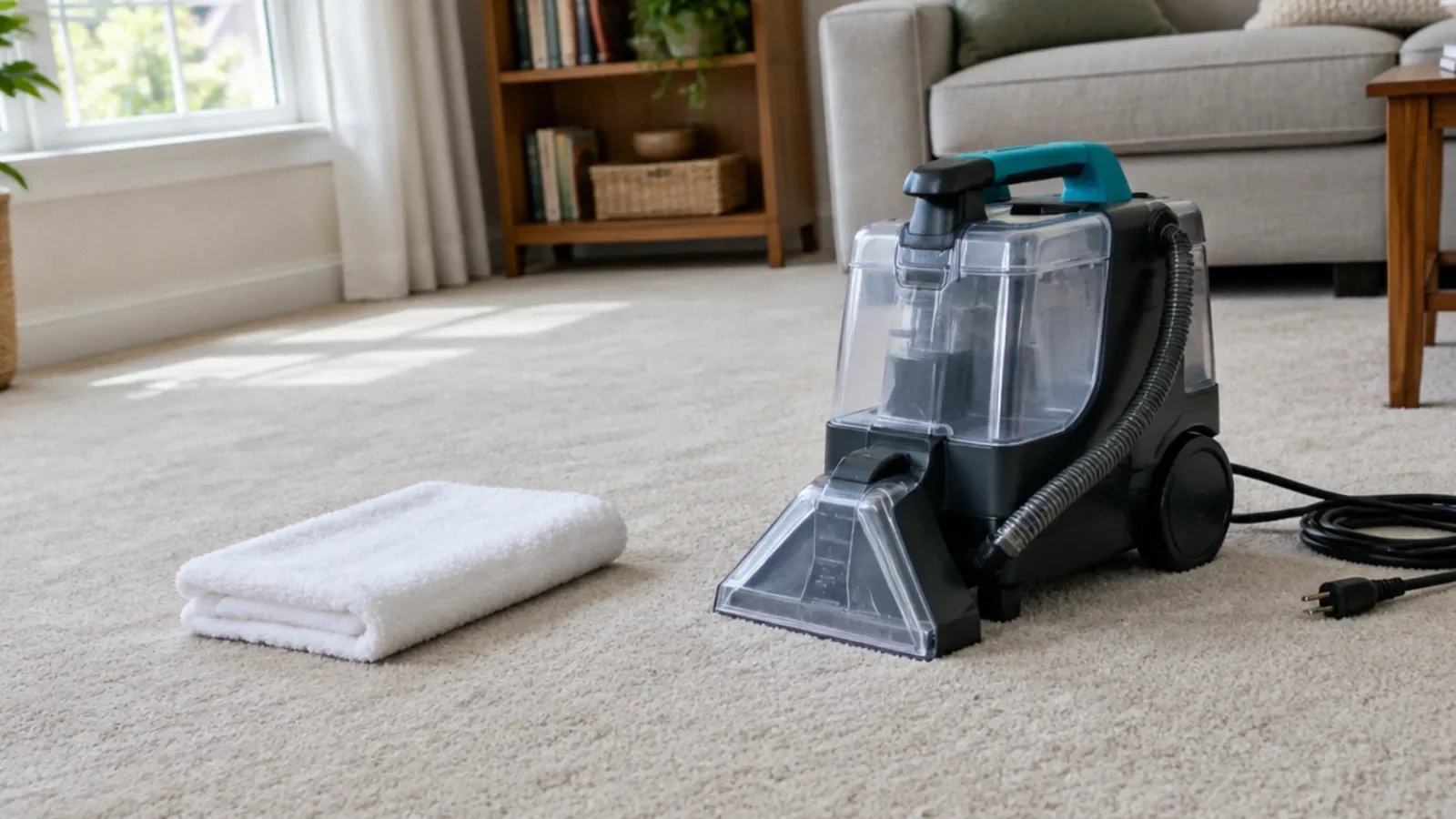
Compare common carpet-cleaning methods, their moisture needs and questions to ask before choosing a service.
Compare first steps for latex, acrylic and oil-based paint spills and learn when to seek professional help.
Learn how moisture can affect pillows, why porous filling is difficult to assess and when replacement or professional advice may be needed.
Learn how to identify the water source, assess flooring layers and decide when drying or replacement needs professional help.
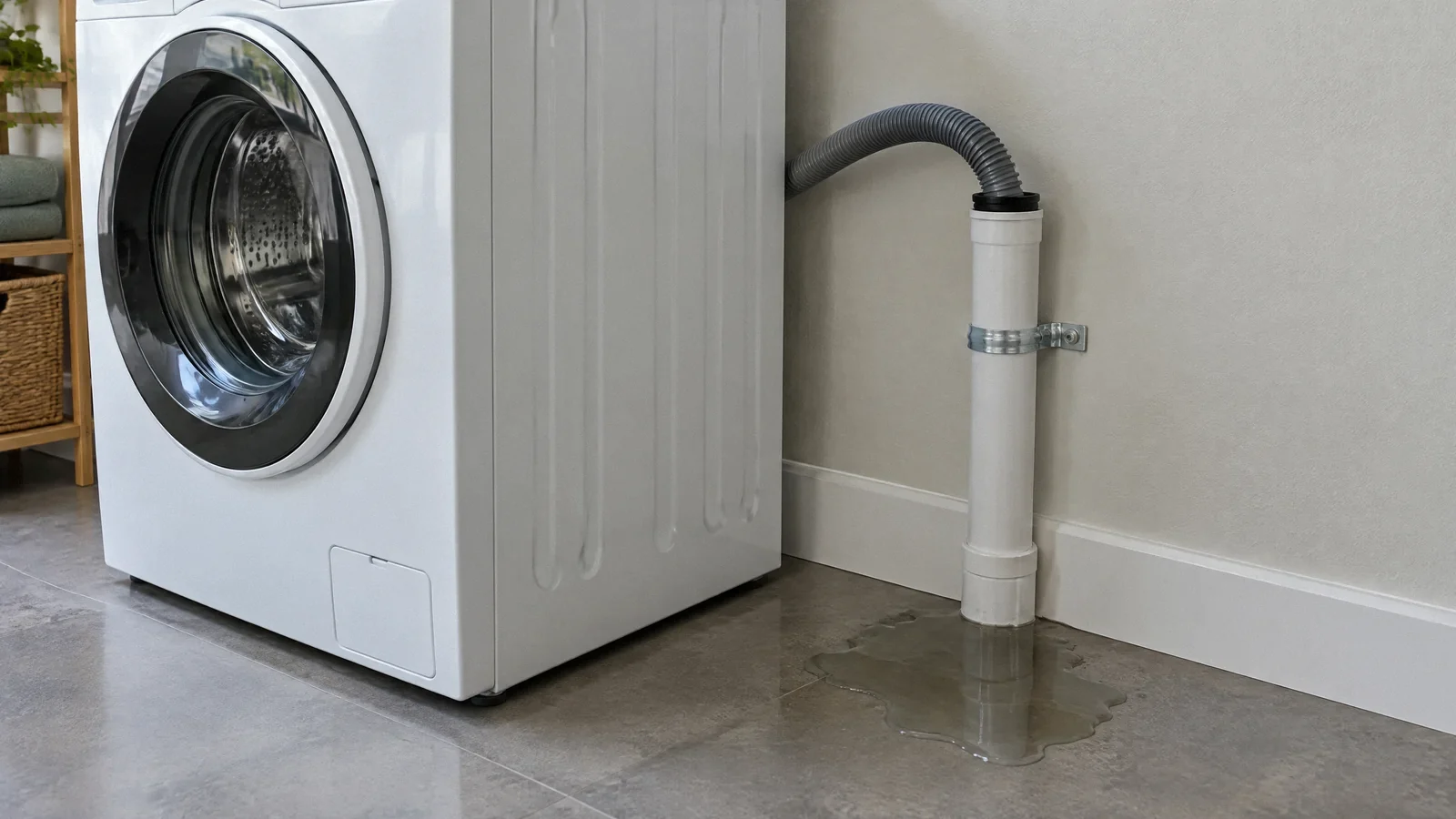
Learn how to respond to water under a washer and what hose, seal and drain clues to share with a technician.
Compare a dated national inspection-cost reference and understand scope, sampling and laboratory fees before hiring an inspector.
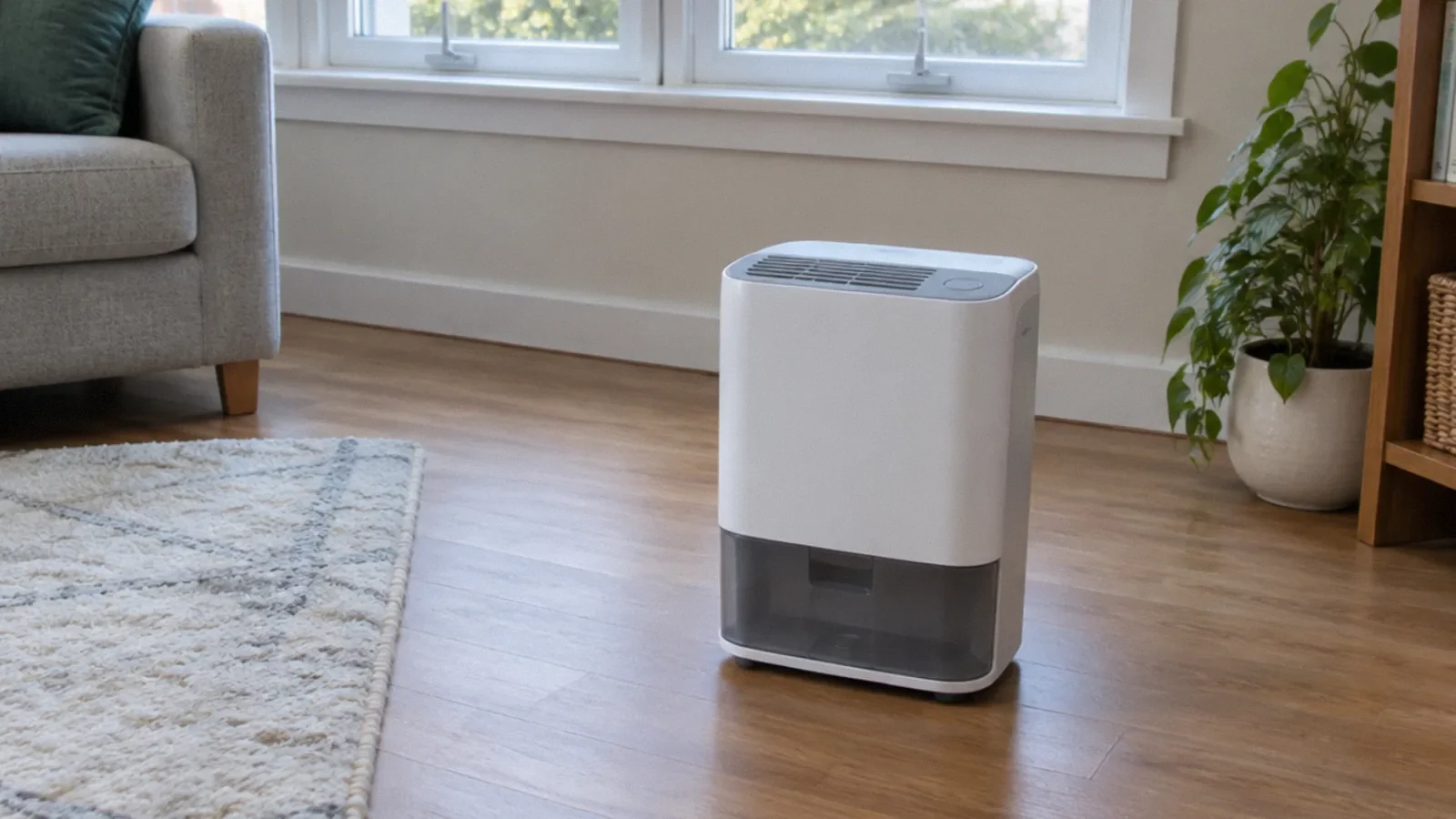
Learn how to disconnect a portable dehumidifier, clean accessible components and maintain it according to the manufacturer.
Understand the difference between service time and drying time, the factors that change each, and safe ways to avoid trapped moisture.
Learn why steam and excess moisture can damage wood flooring and how to choose a manufacturer-approved cleaning method.
Learn how to respond to a small bleach spill, avoid dangerous cleaner combinations and assess a faded patch.
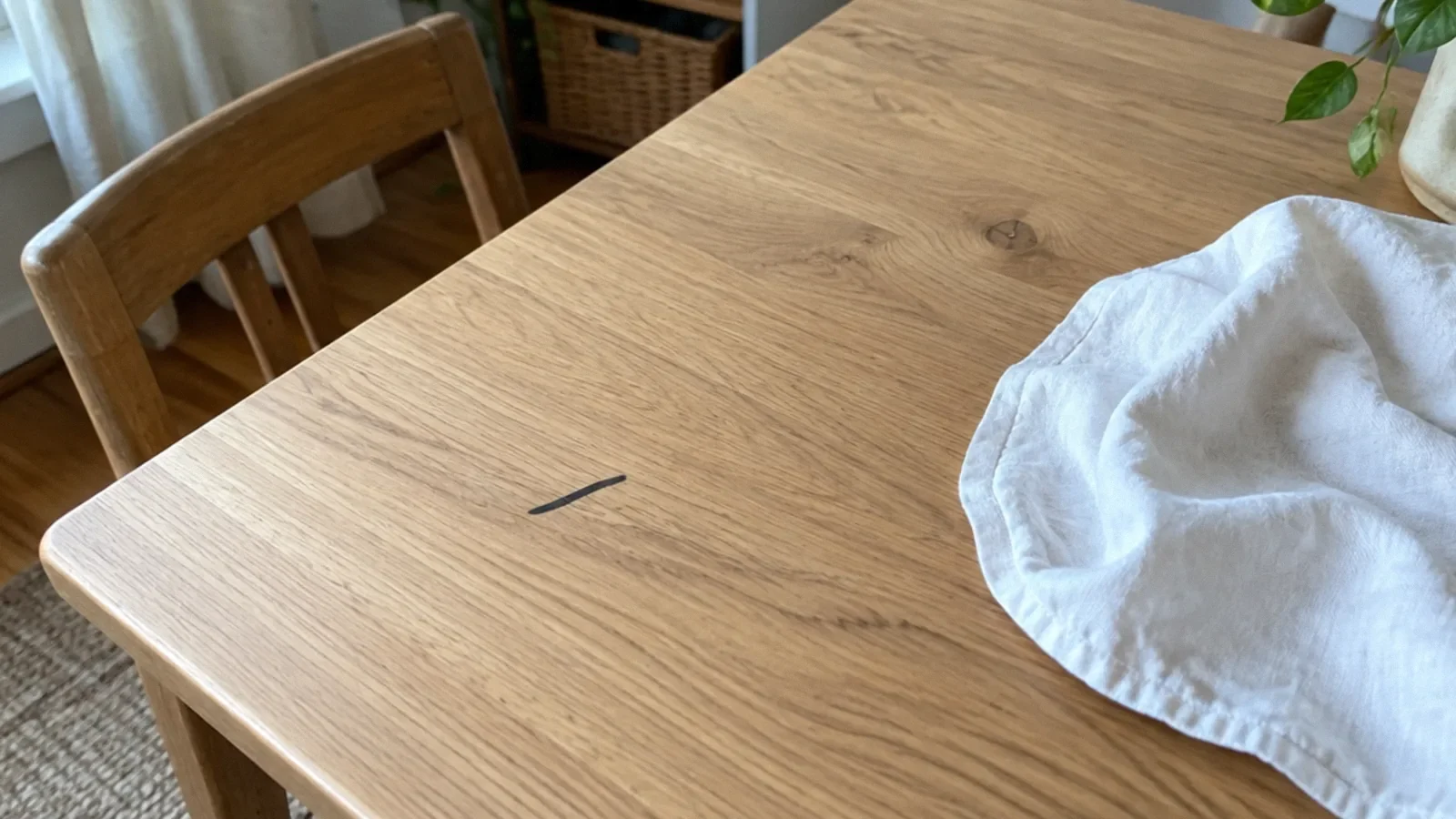
Learn how wood finish affects marker and hair dye cleanup and when to consult a furniture or flooring specialist.
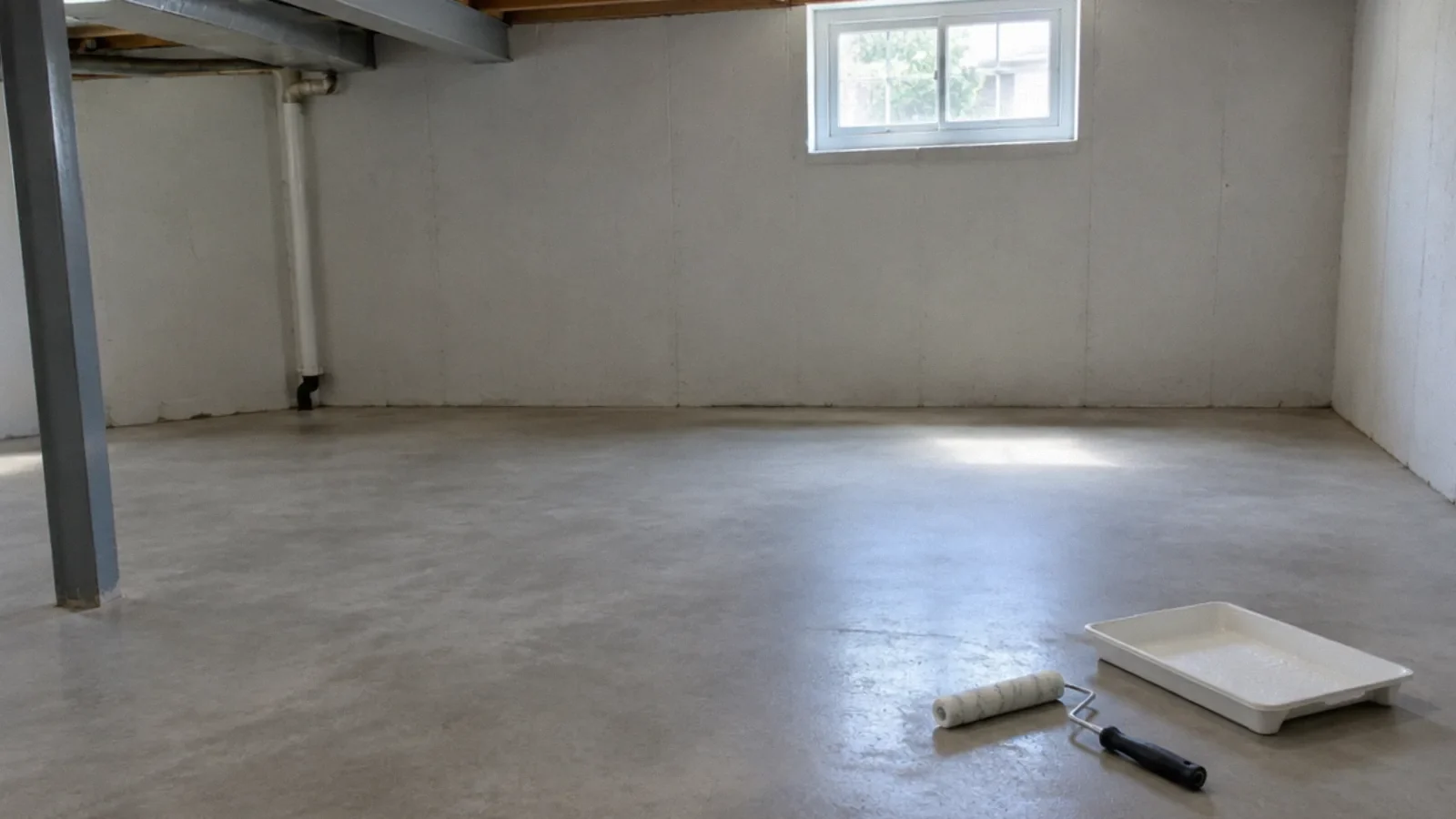
Understand concrete floor sealer options, moisture checks, surface preparation and when a professional should investigate.
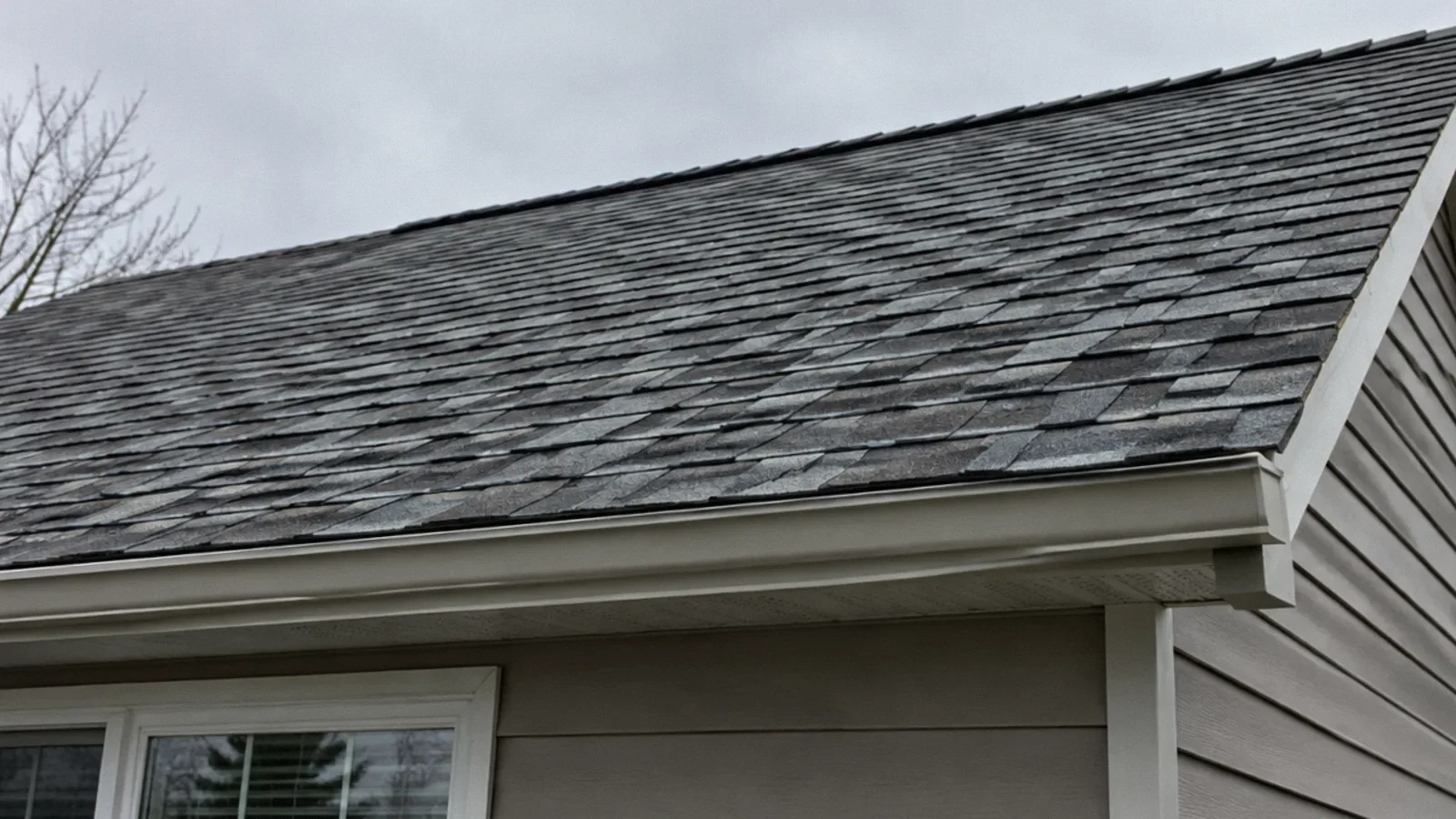
Understand asphalt shingle roof systems, compare architectural and three-tab shingles, and learn what to ask before repair or replacement.
Understand why house fire temperatures vary, how smoke and heat threaten escape, and what to plan before an emergency.
Recognize fire, burn, cut, slip, food and chemical hazards and make a practical household safety plan.
Distinguish burnt food odor from an electrical problem and learn how to clean a cooled microwave safely.
Understand where steam cleaning fits in flea control, its limits and how to protect pets and household materials.
Learn how to handle a small blood stain, protect yourself during cleanup and decide when specialized help is needed.
Learn how to assess a cooled carpet burn, protect the surrounding area and compare professional repair options.
Understand final cleaning after building work, dust hazards, contractor responsibilities and questions to ask before reoccupying.
Learn to identify common yard drainage problems and compare gutter, grading and stormwater options without redirecting water onto neighbors.
Understand how shaking can lead to fires, why response may be difficult and what to do if you suspect gas or electrical damage.
Learn why smoke and firefighting water can affect devices and when to seek an electronics assessment.
Learn how to treat chocolate on washable fabric, avoid setting a stain and protect delicate materials.
Learn how professional heat treatment is used for drywood termites, its limitations and preparation questions.
Understand the factors in biohazard cleanup estimates, California registration and possible reimbursement.
Plan a respectful cleanup around immediate safety, the occupant’s choices, professional support and a written cost estimate.
Organize bathroom cleaning by surface, prevent moisture problems and use cleaning products safely.
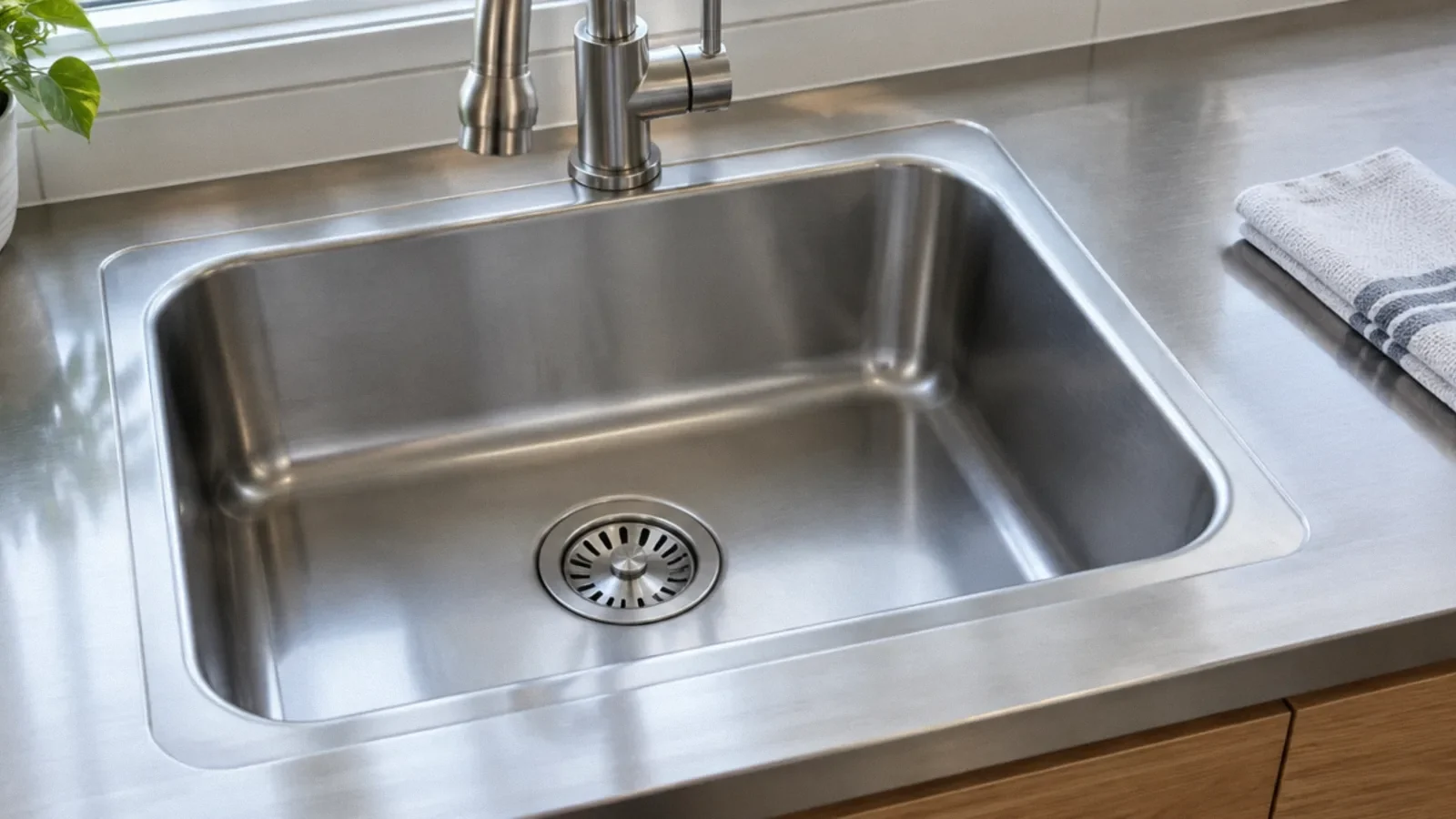
Understand sink types, fit, shutoffs, plumbing connections and the checks needed to prevent a leak.
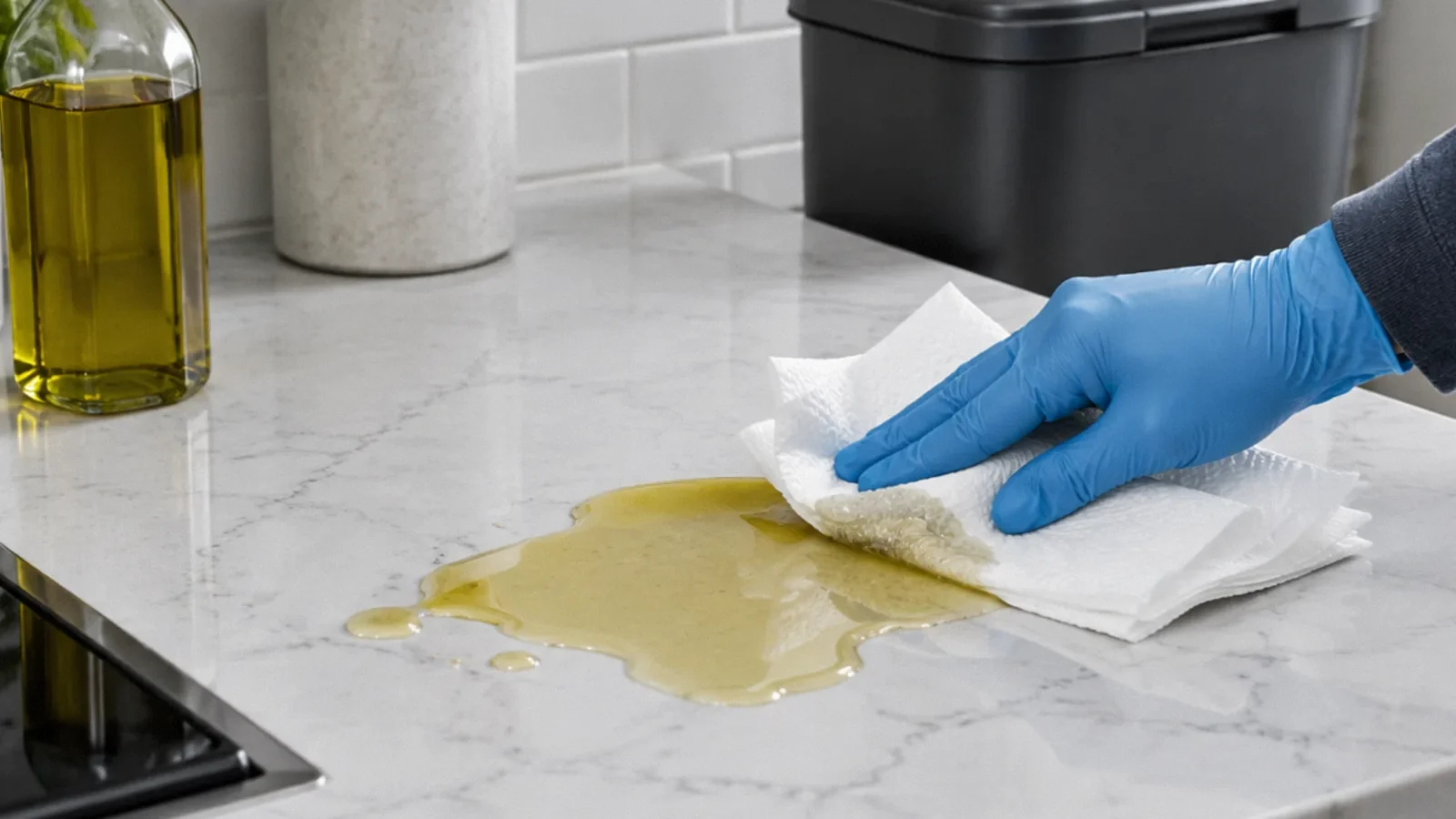
Distinguish cooking oil from automotive oil, reduce slipping hazards and keep oil out of drains.
Learn how to stop a safe-to-reach source, avoid electrical and sewage hazards and assess water damage.
Learn how to distinguish a fixture issue, utility interruption, plumbing leak or other cause of low water pressure.
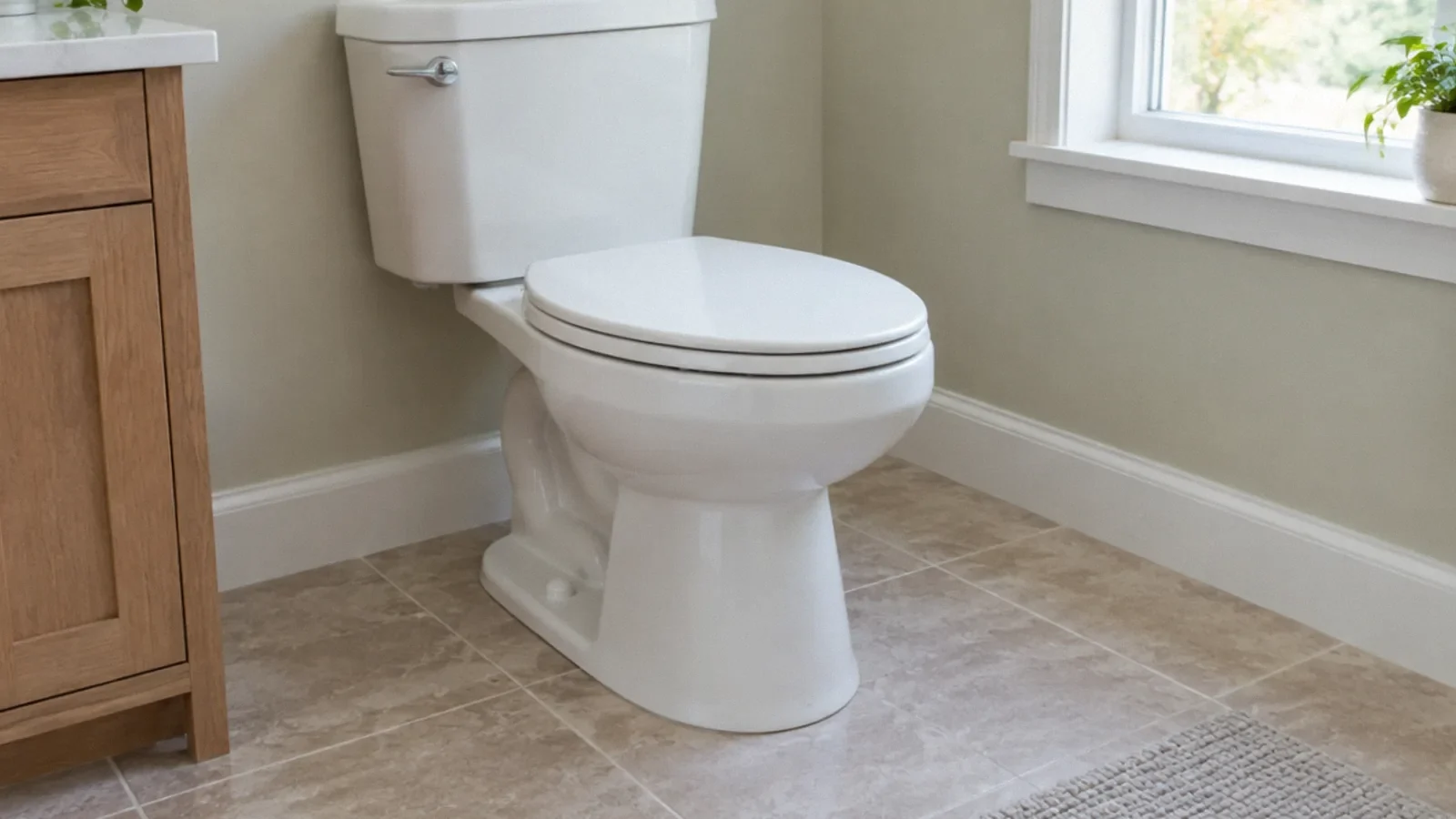
Learn which toilet problems may be repairable, when replacement may make sense and how to prevent leaks.
Learn how to assess damp clothes, use care-label laundry instructions and address a moldy washer or moisture source.
Understand fiber length and diameter, laboratory counting rules and why appearance cannot identify asbestos.
Understand common residential fire coverages, policy limits, documentation and questions to ask the insurer.
Learn how flooding develops, how gauges describe water levels and why state rankings depend on the measure used.
Understand how paint type, concrete finish and possible hazardous coatings affect cleanup.
Learn what to do when smoke enters a room and what a qualified chimney professional should check.
Learn how to protect people, clean a hard surface and follow disinfection instructions when illness is suspected.
Learn how ordinary carpet aging differs from damage and what California tenants and landlords should document.
Understand what debris removal can include, how hazardous materials change the work and what to ask about a quote or insurance.
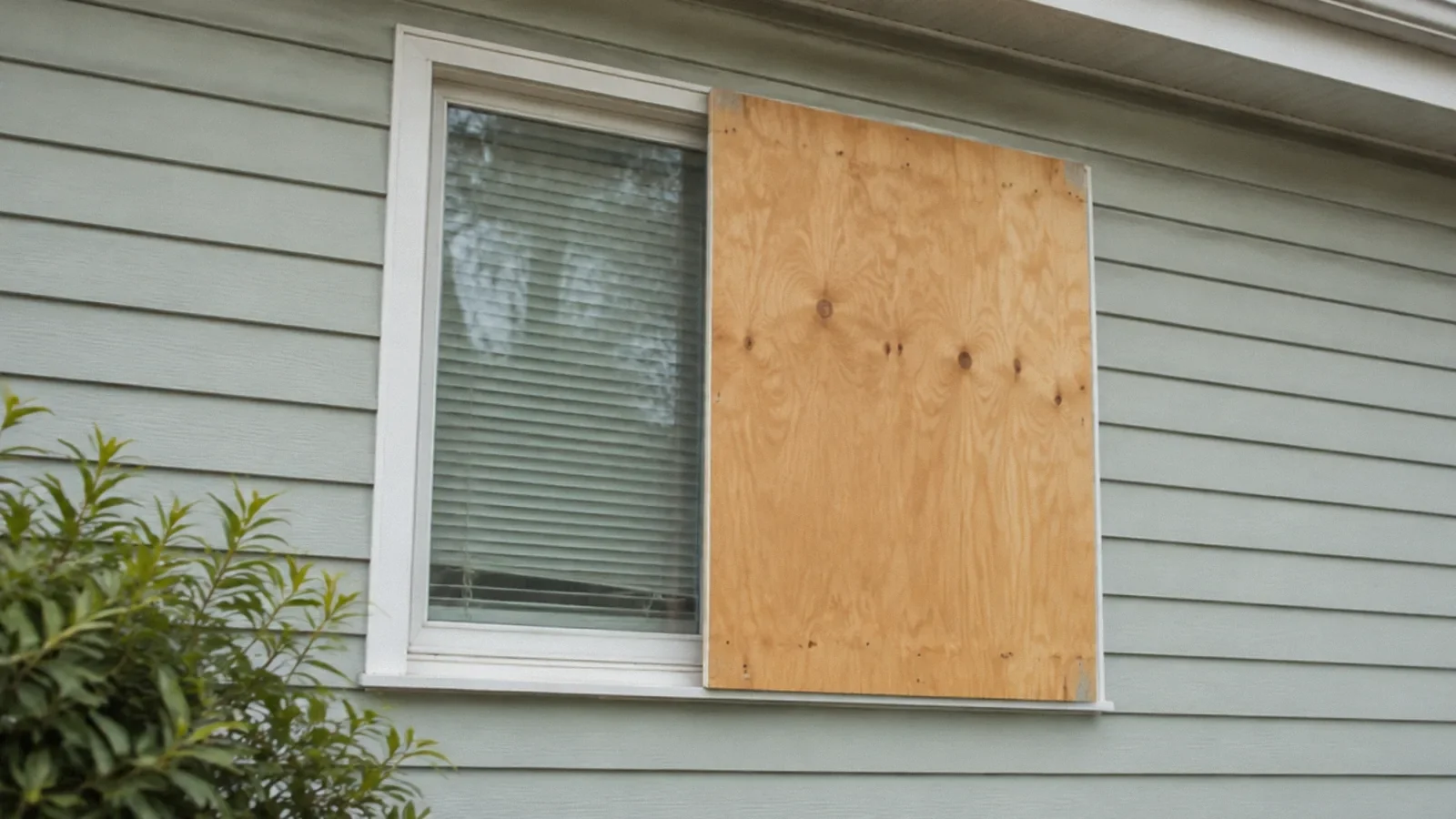
Understand when temporary board-up may be useful, how to preserve safe exits and what to ask a contractor.
Learn why the extinguisher agent, fire damage and appliance instructions determine the cleanup.
Learn why leather type, moisture and exposure matter and when to seek a leather or conservation specialist.
Learn why the mount’s age, condition and possible historic treatments matter before dusting or cleaning.
Learn how timing and sound can help a plumber investigate noisy pipes, pressure changes or a possible leak.
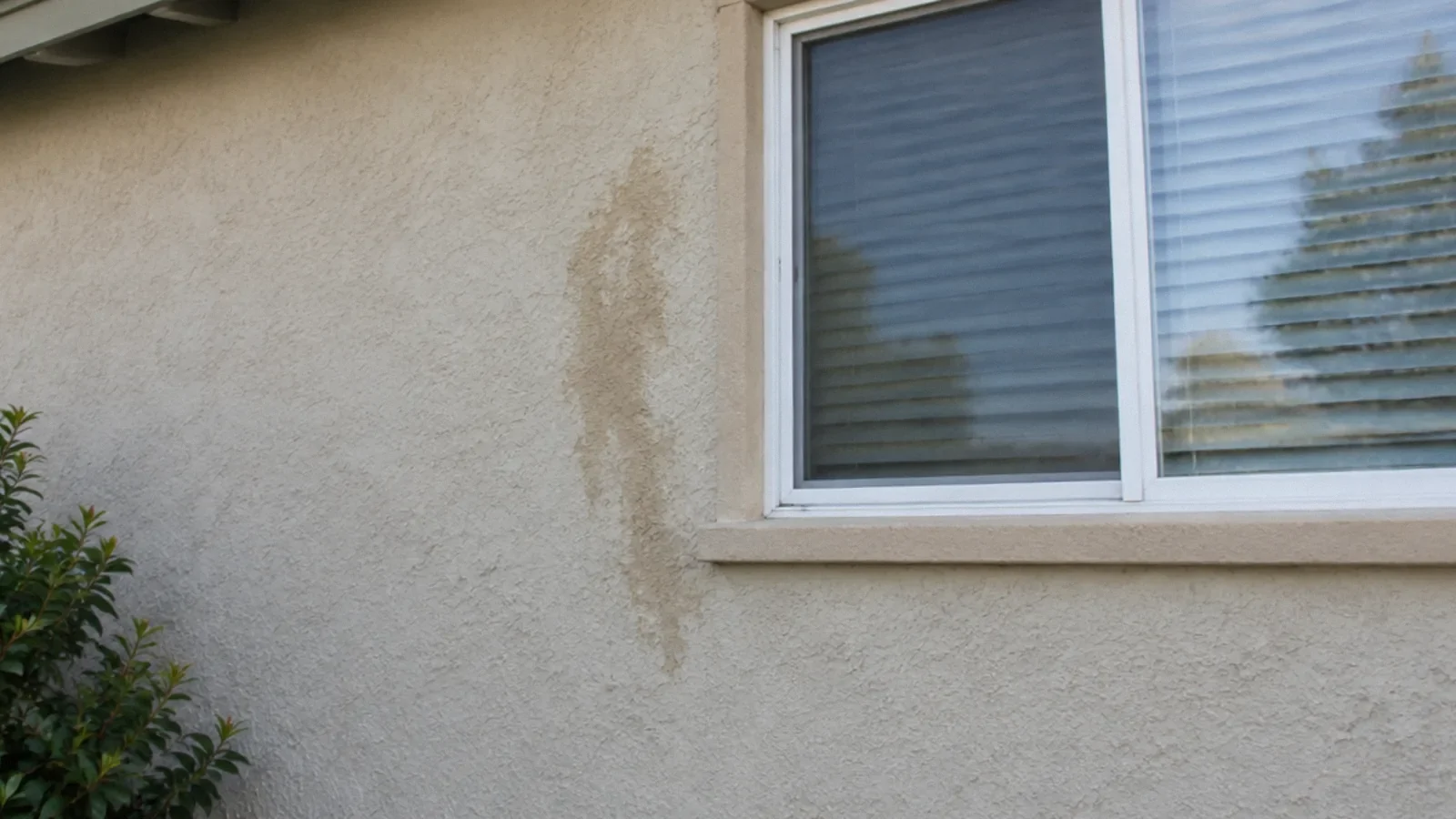
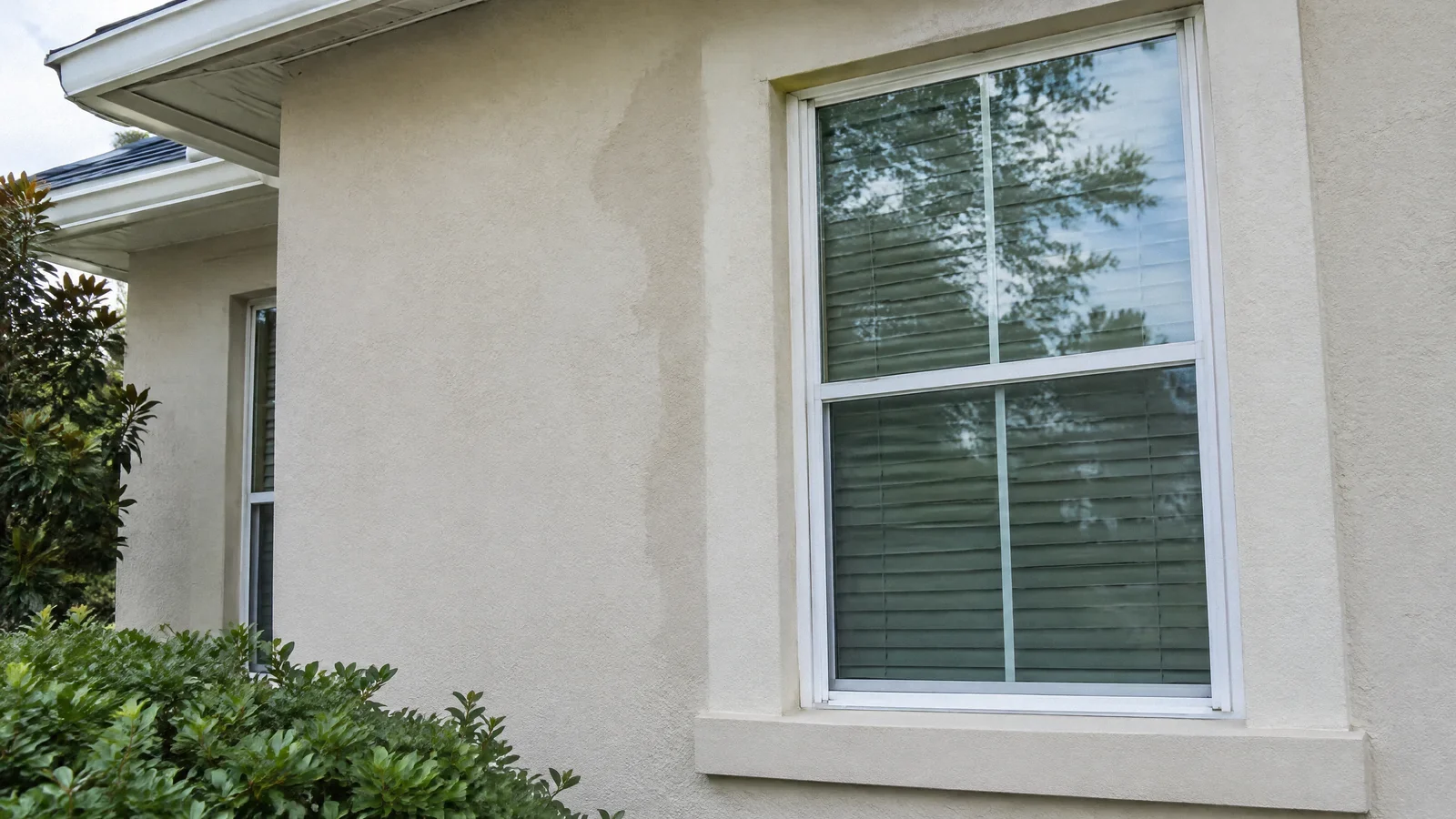
Learn why a stucco stain or crack may involve flashing, drainage and hidden wall materials.
A practical guide to lifting tomato and sauce stains from washable fabric, with separate precautions for carpet, upholstery and delicate items.
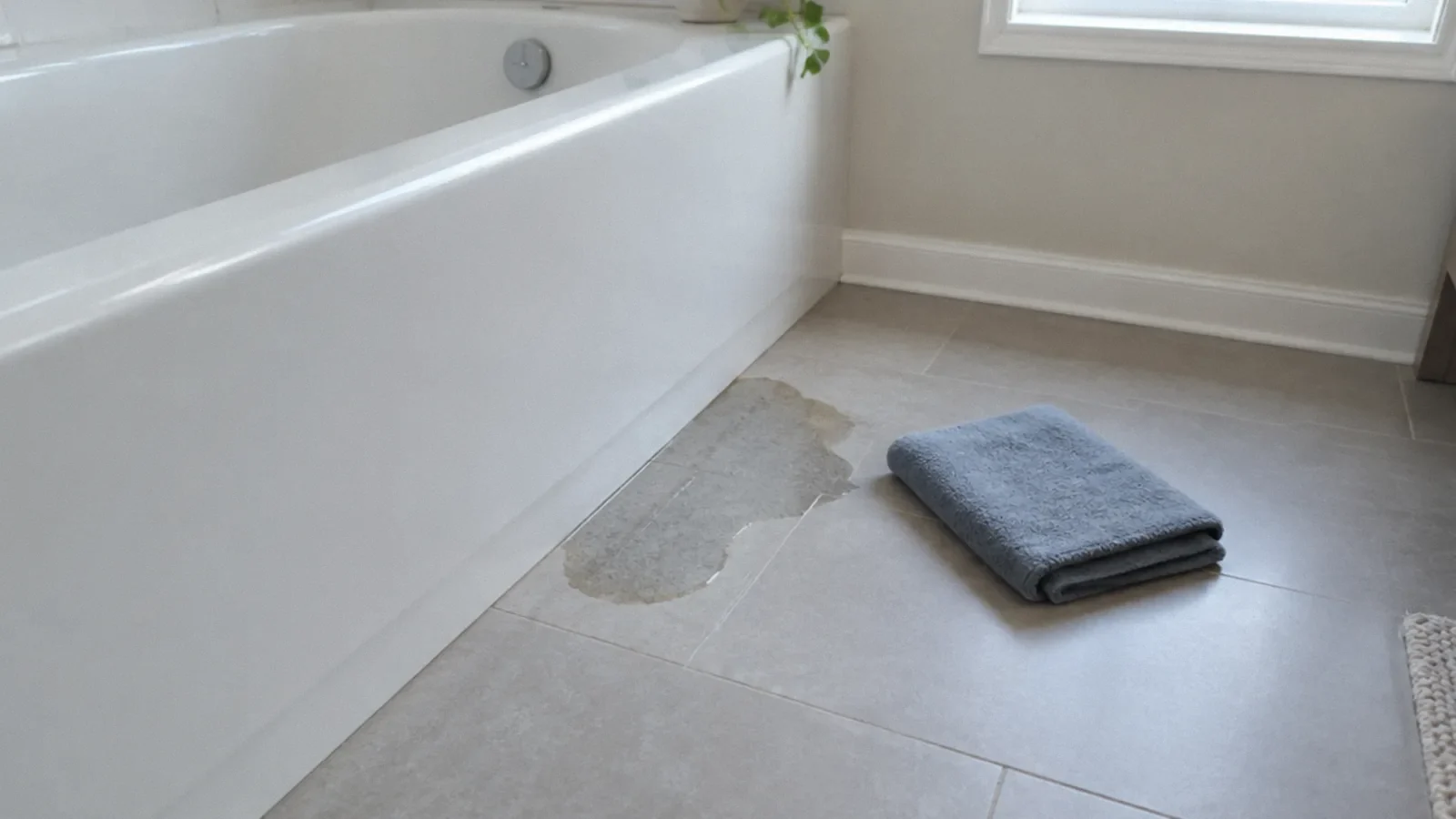
Learn how to distinguish an overflow, drain, supply, faucet or splash leak and when to stop using the bathtub and call a plumber.
Learn how water affects furniture, trim and structural wood, what to check before refinishing and when replacement or professional evaluation may be needed.
Understand insurer repair networks, contractor selection, deductibles, written scopes and questions to ask before agreeing to managed repairs.
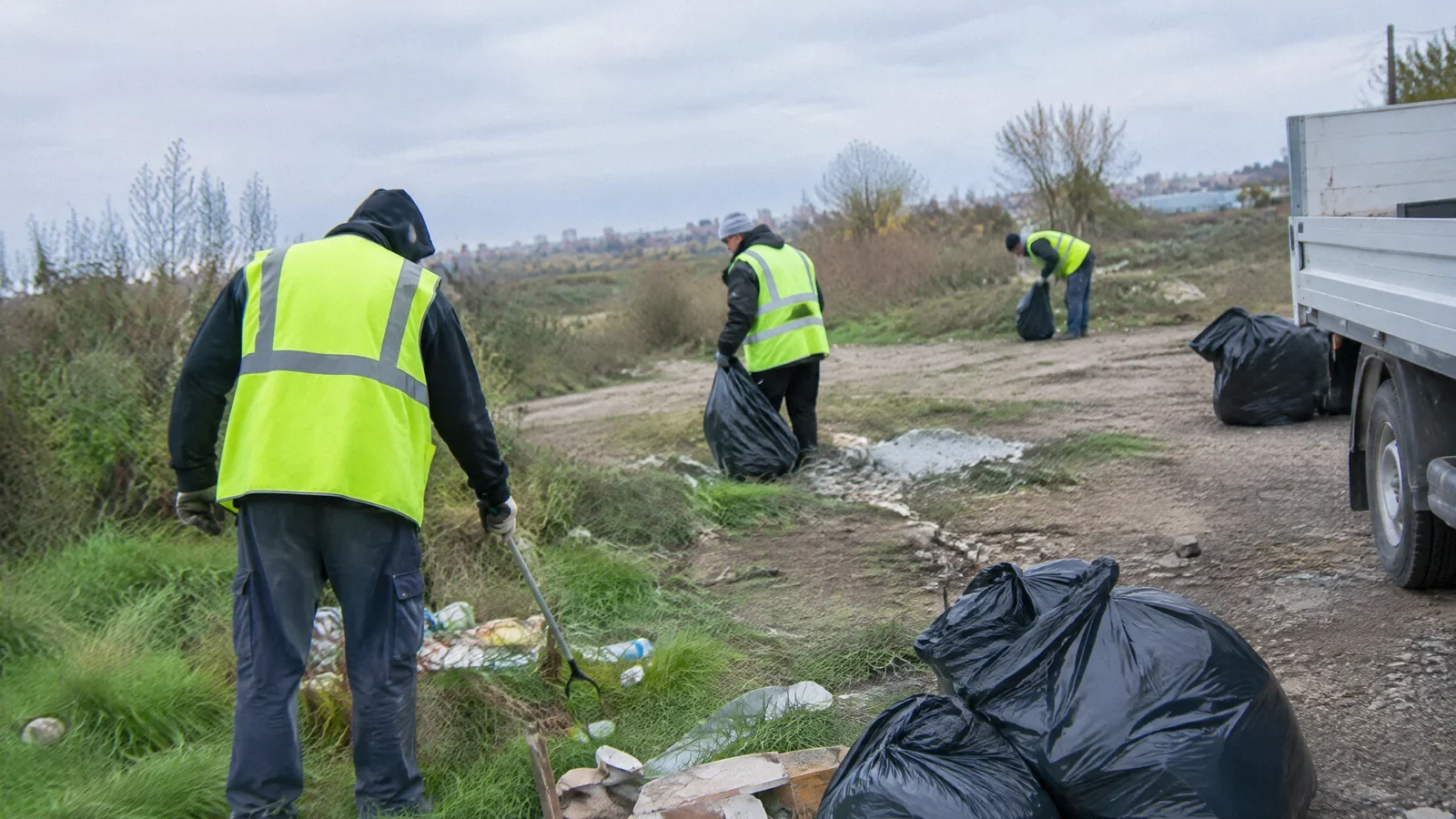
Use a manageable sequence for sorting yard debris, clearing paths and drains, caring for surfaces and keeping runoff out of storm drains.
Understand why flour is unsafe around a fire, what to do during a small cooking fire and when to leave and call 911.
Understand the limits and health concerns of ozone generators for mold, and the steps that address moisture and contaminated materials.
Learn how to contain an ink stain, identify the fabric and ink, choose a compatible pretreatment and avoid spreading the mark.
Find safe first steps for a toilet overflow, when to stop using other drains, how to handle contaminated water and when to call a plumber.
Learn how to respond to a wet receptacle, when to call an electrician and why drying or resetting it does not establish electrical safety.
Understand why a section of drywall may be removed after flooding, what determines the cut height and which safety checks come before demolition.
Learn how roof leaks, condensation, plumbing and equipment can wet an attic, and how to plan safe inspection, drying and repairs.
Learn how the cause of a roof leak, policy exclusions, deductibles and documented repair scope affect a homeowners insurance claim.
Understand how toilet and drain venting works, recognize signs of a blockage and learn when a plumber should inspect the system.
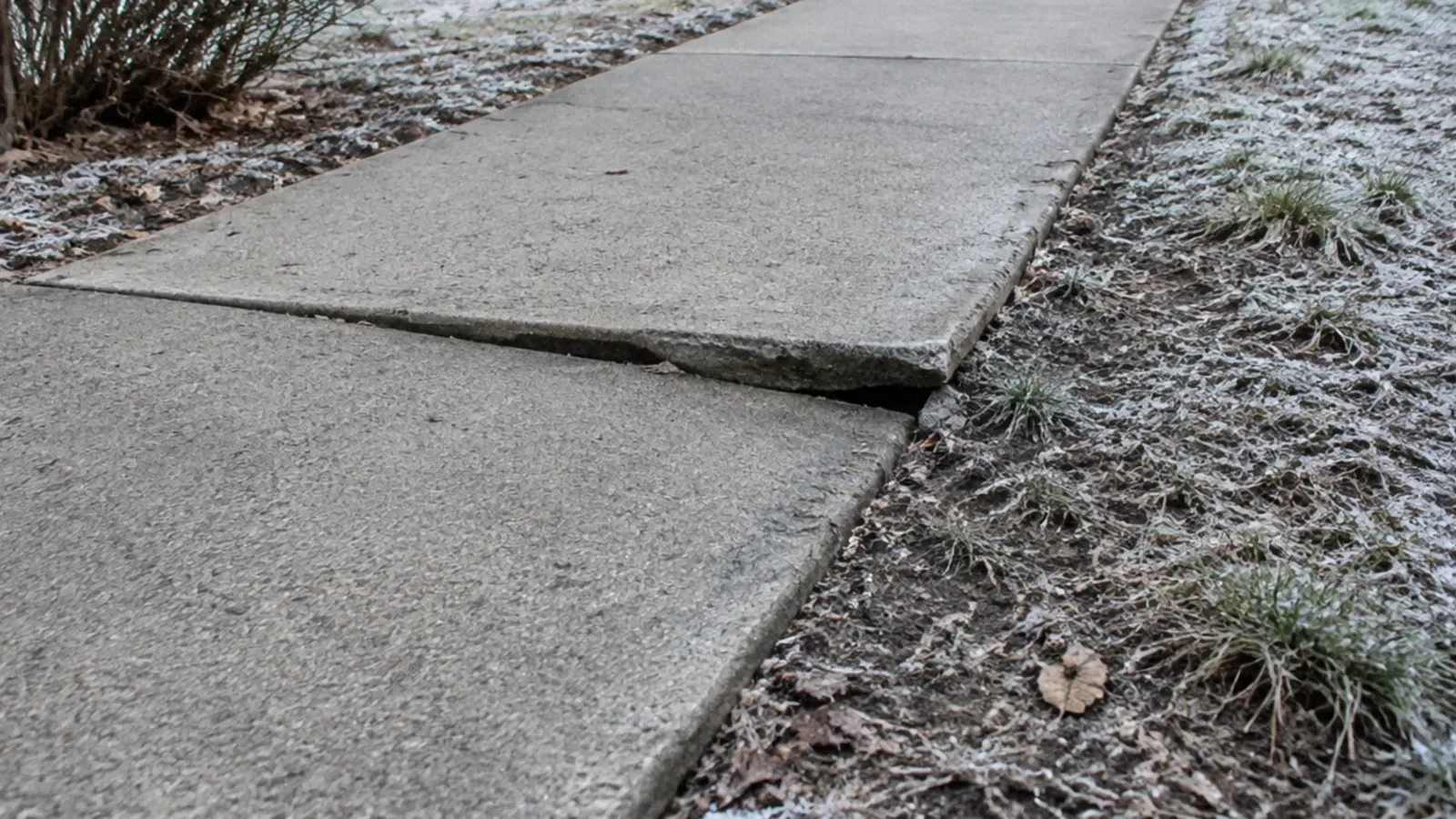
Understand how freezing temperatures, water and frost-susceptible soil can lift a slab, and why prevention depends on site-specific design.
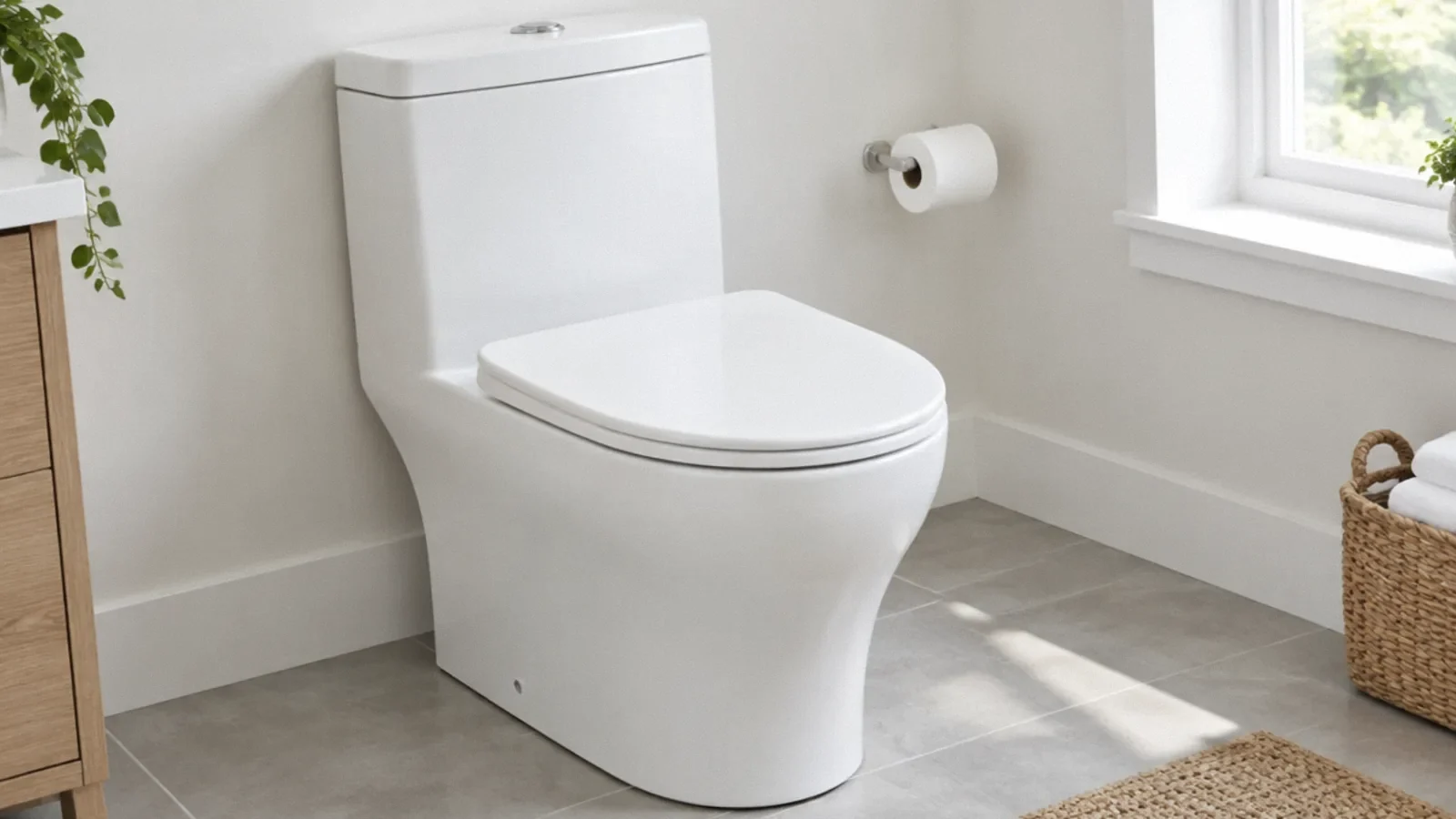
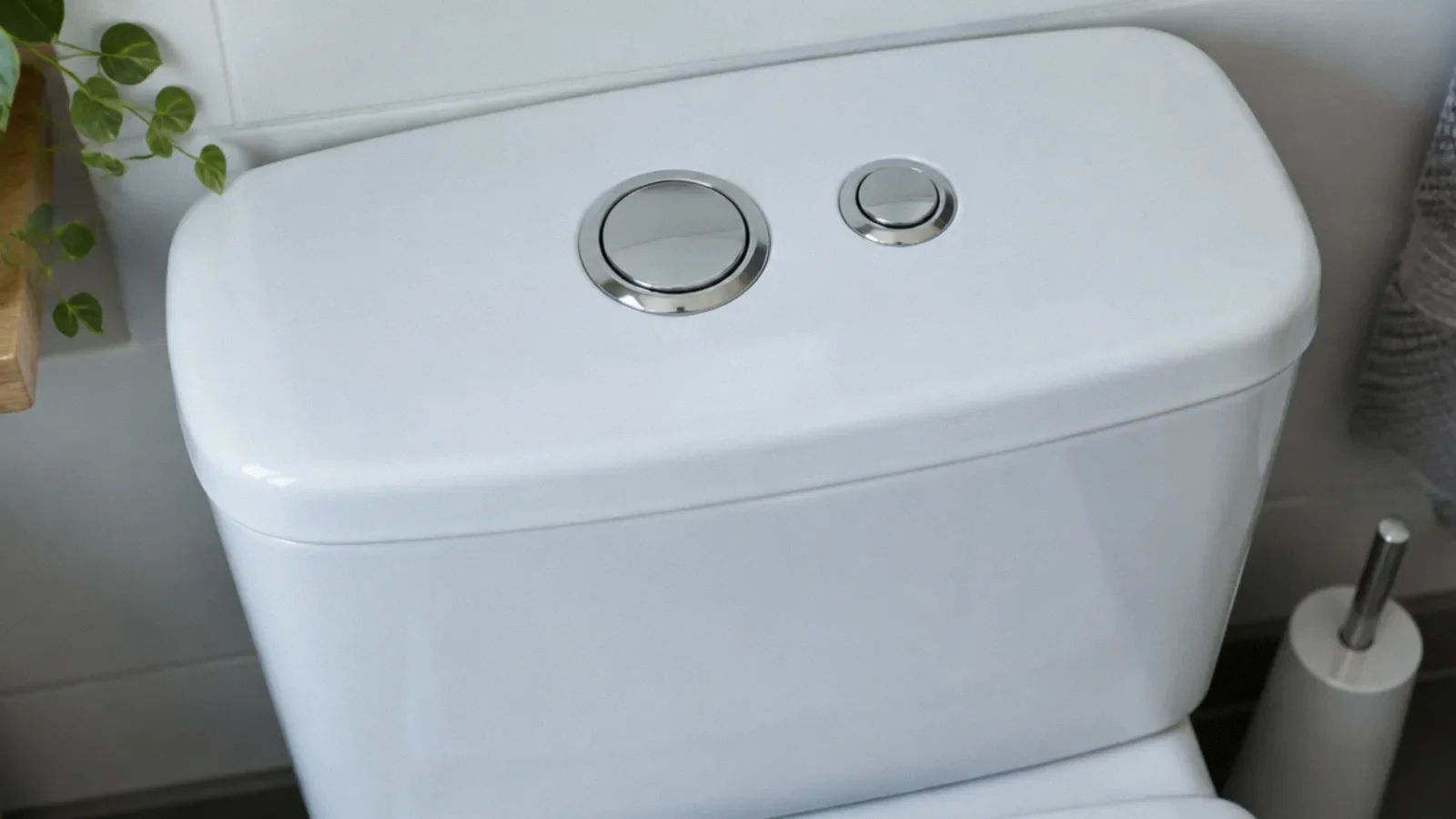
Compare flush controls, water use, performance, maintenance and fit before choosing a dual- or single-flush toilet.
Identify the symptom, distinguish an emergency from a routine service call and learn what a plumber, electrician or gas utility may need to check.
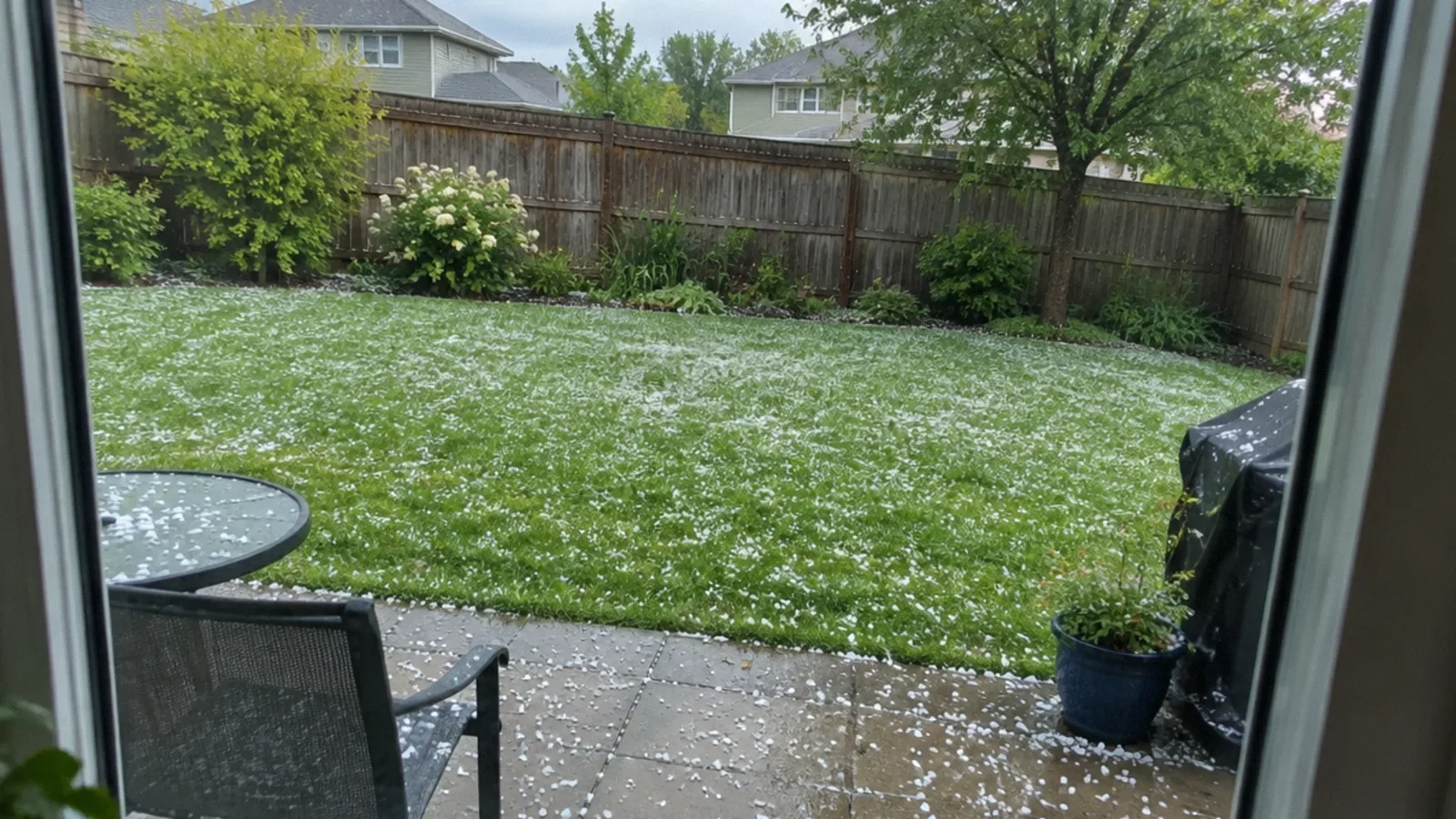
Learn where to shelter during hail and lightning, when to stay away from windows and how to check a home safely after the storm.
Learn why mineral scale builds up, how service intervals vary and what to ask before a professional flushes a tankless water heater.
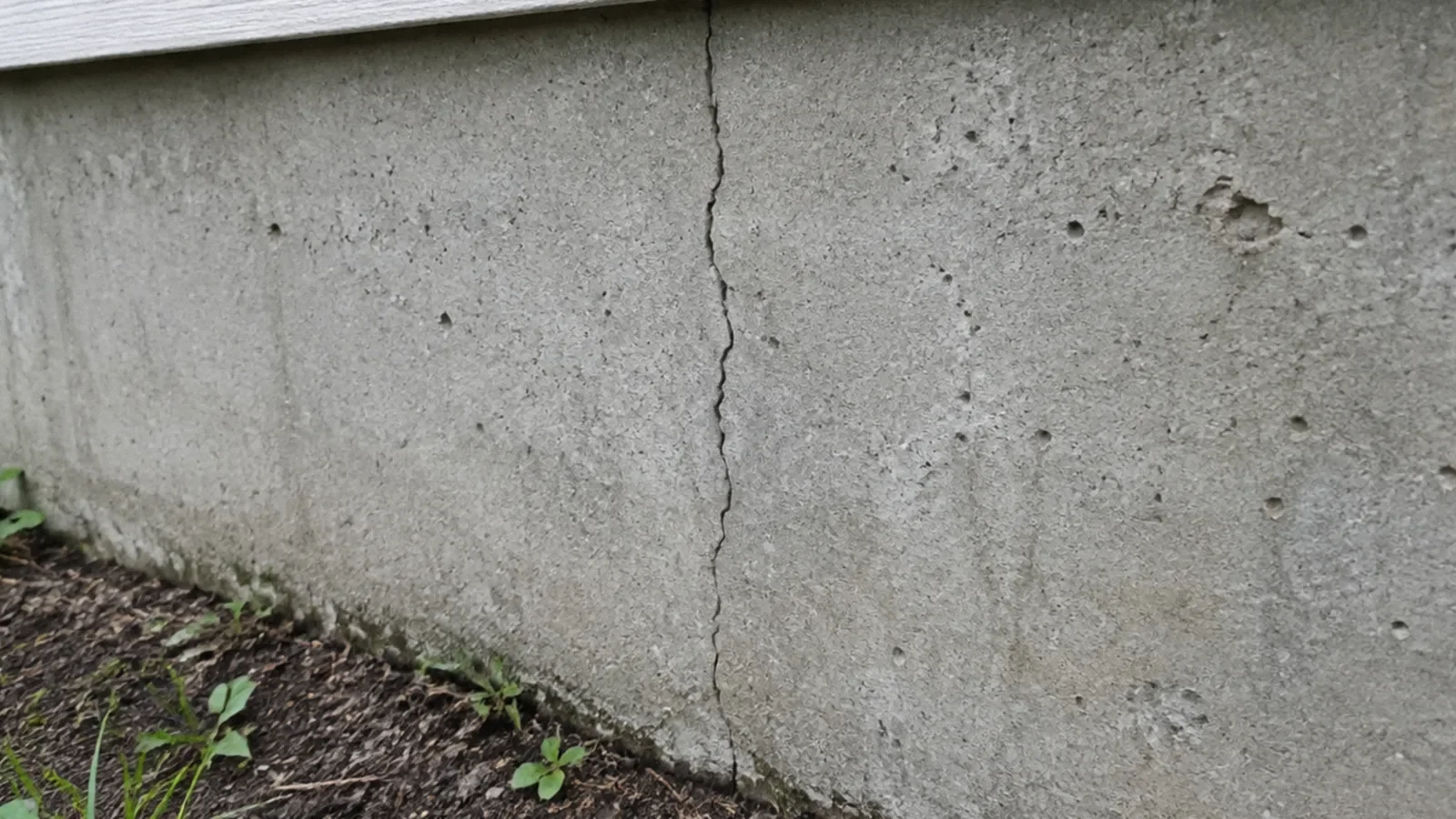
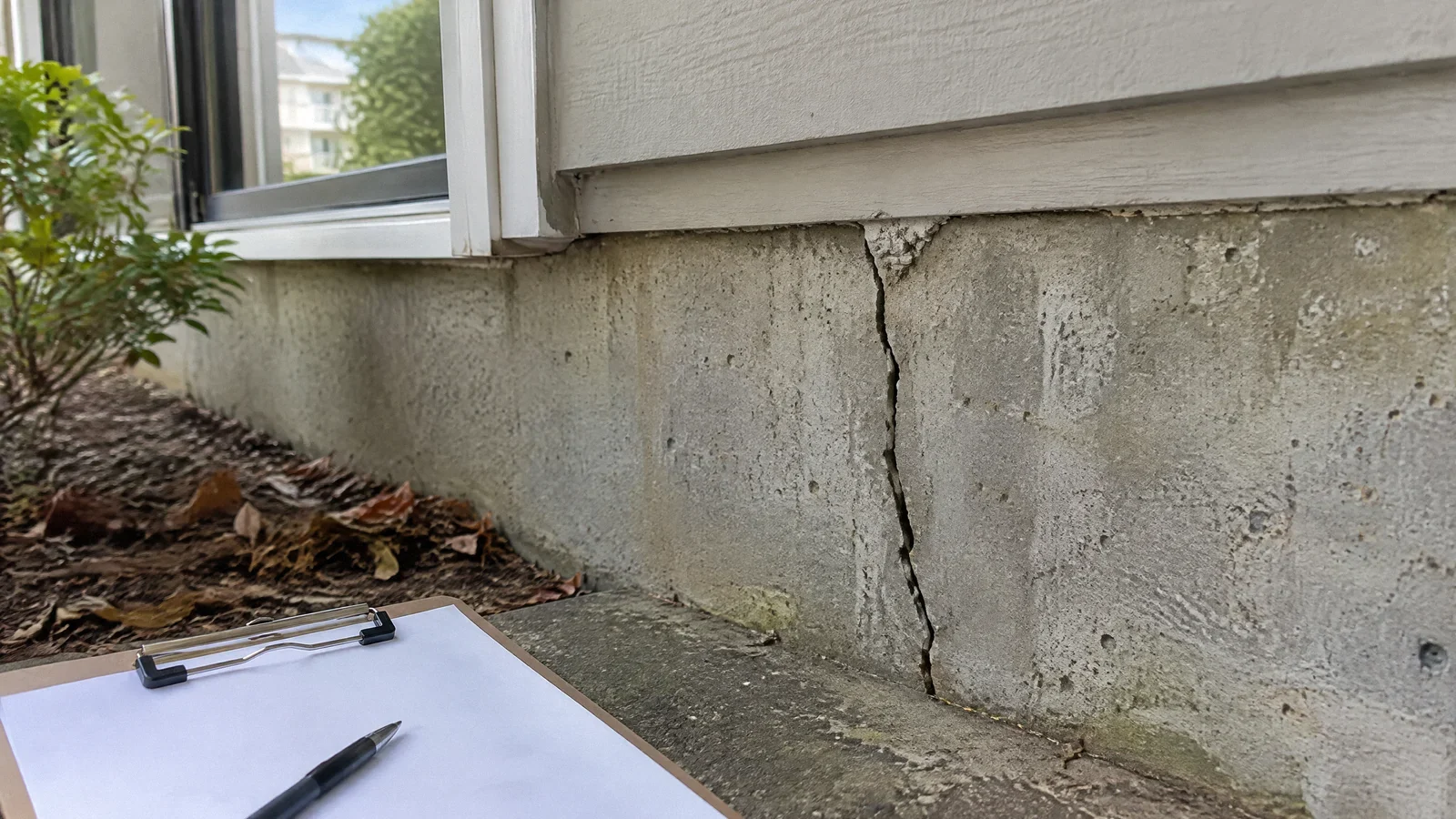
Learn how to distinguish moisture control from structural assessment and what to ask before sealing a concrete foundation crack.
Compare basic care for upholstered, wood, leather and other furniture, and know when moisture or stains require a specialist.
Learn how to dust and inspect an artificial tree, protect built-in lights from moisture and decide what to do about musty storage.
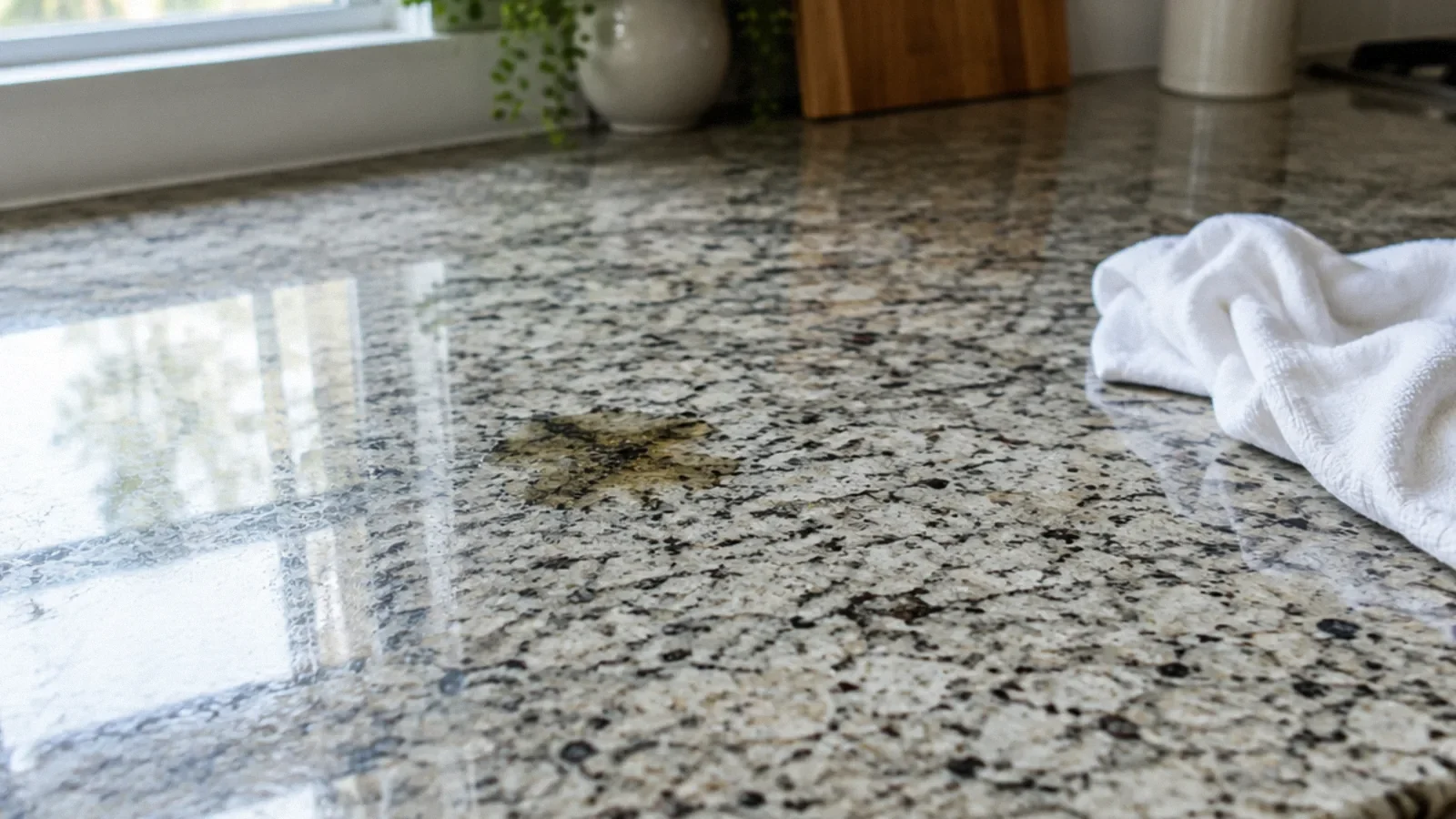
Learn how to identify a possible granite stain, use stone-compatible care and recognize when a professional should treat the surface.
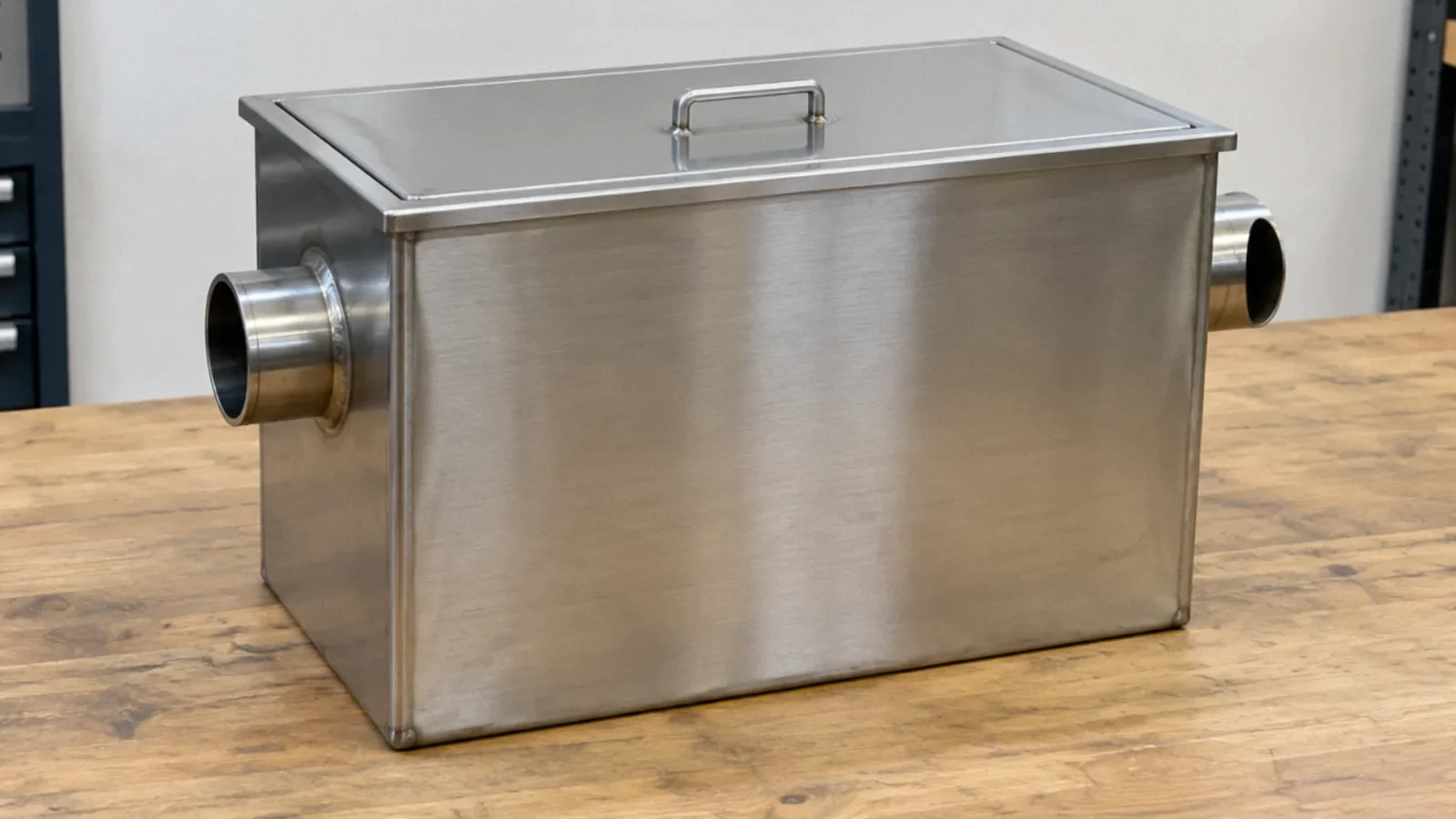
Compare equipment, installation and recurring service costs for a commercial grease trap, and see which local requirements affect a quote.
Understand national residential fire statistics, common attic fire hazards and practical steps for detection, escape and prevention.
Learn how construction projects are grouped by use and ownership, and how those categories differ from building-code construction types.
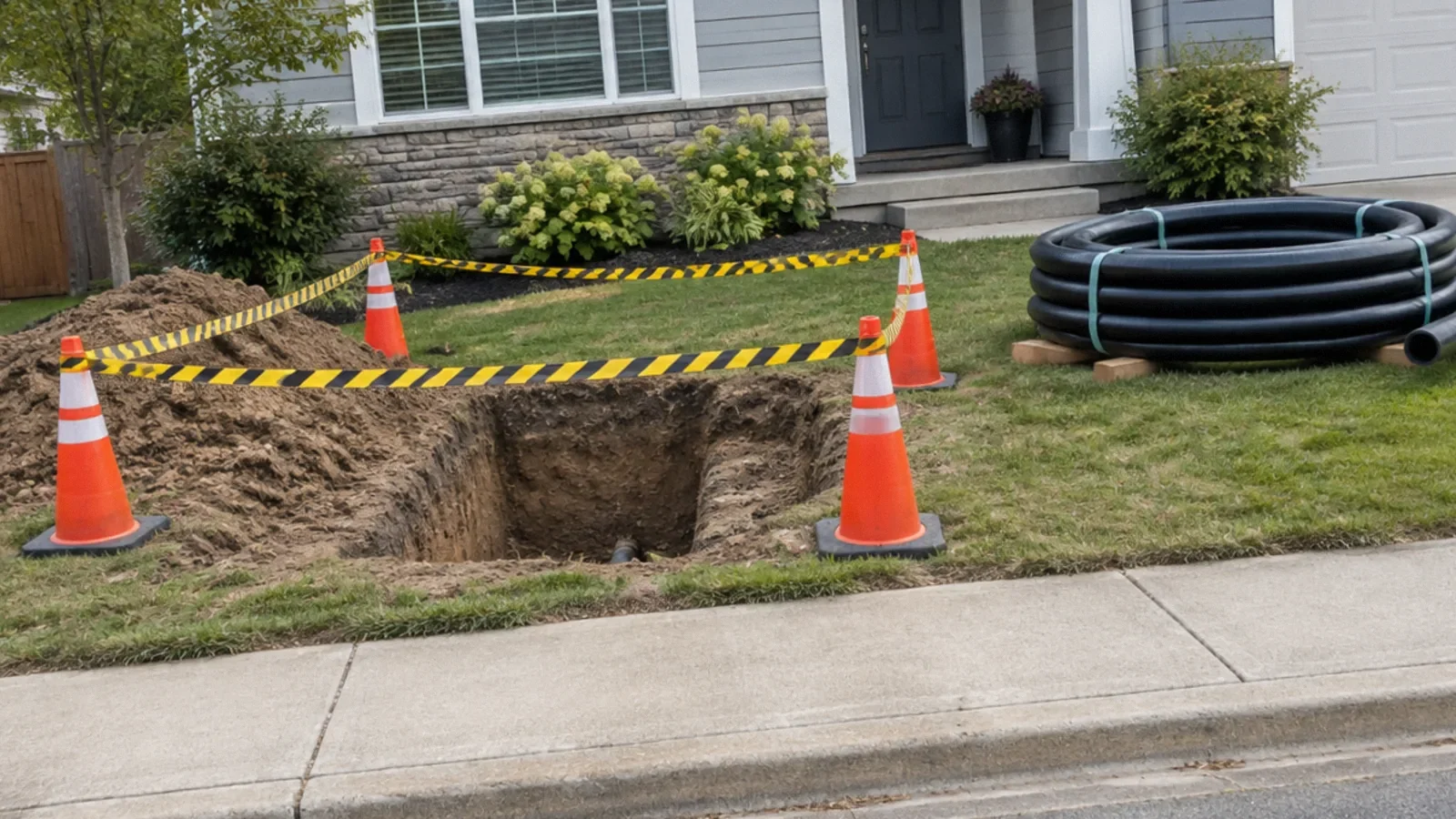
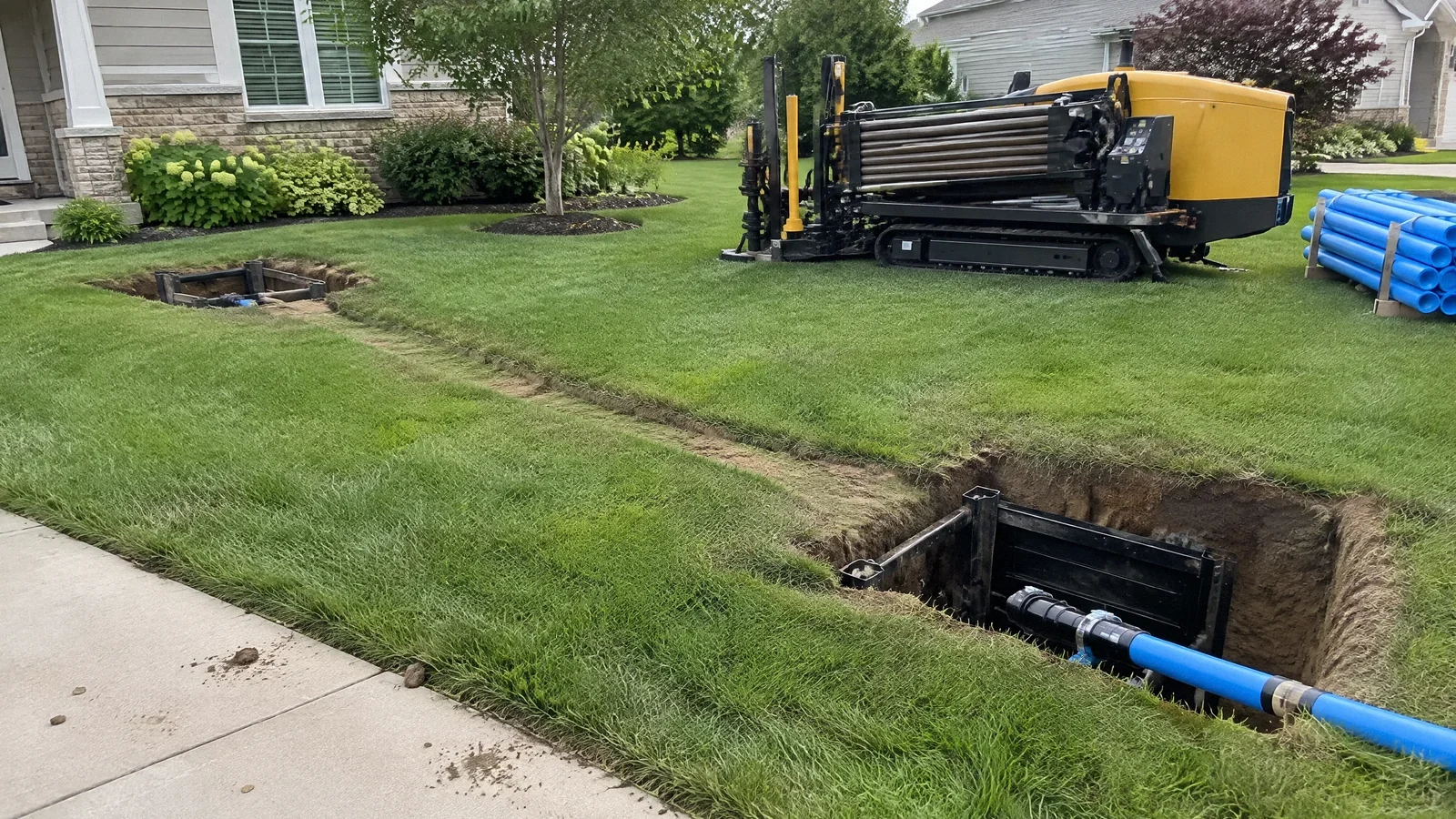
Understand trenchless water service replacement, access pits, utility responsibilities and questions to ask before choosing a repair method.
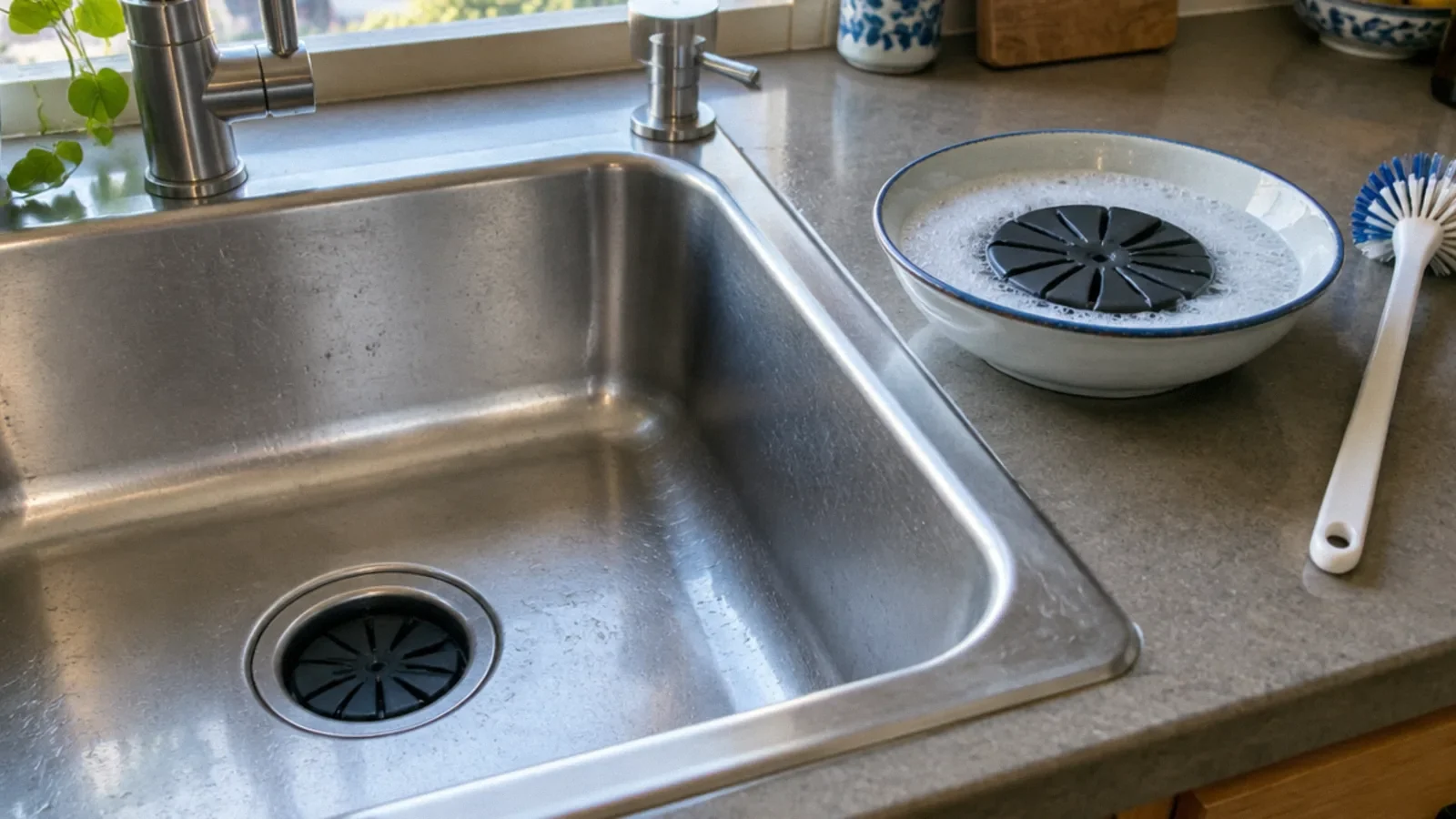
Clean the accessible splash guard safely, understand when ice may be permitted and learn when a persistent smell or backup needs service.
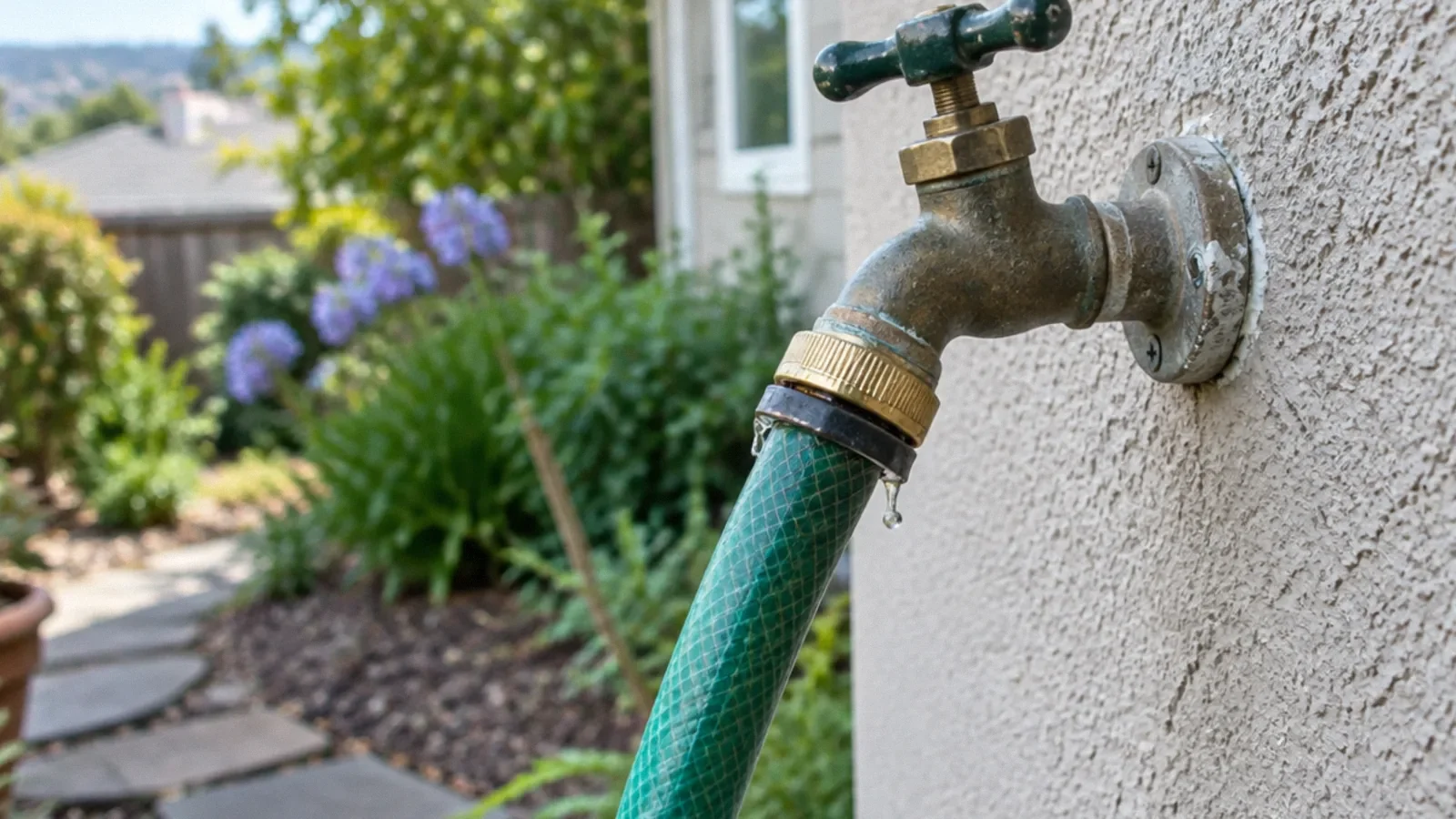
Identify leaks at a hose connection, handle, spout or vacuum breaker and recognize when an outdoor faucet may be leaking inside the wall.
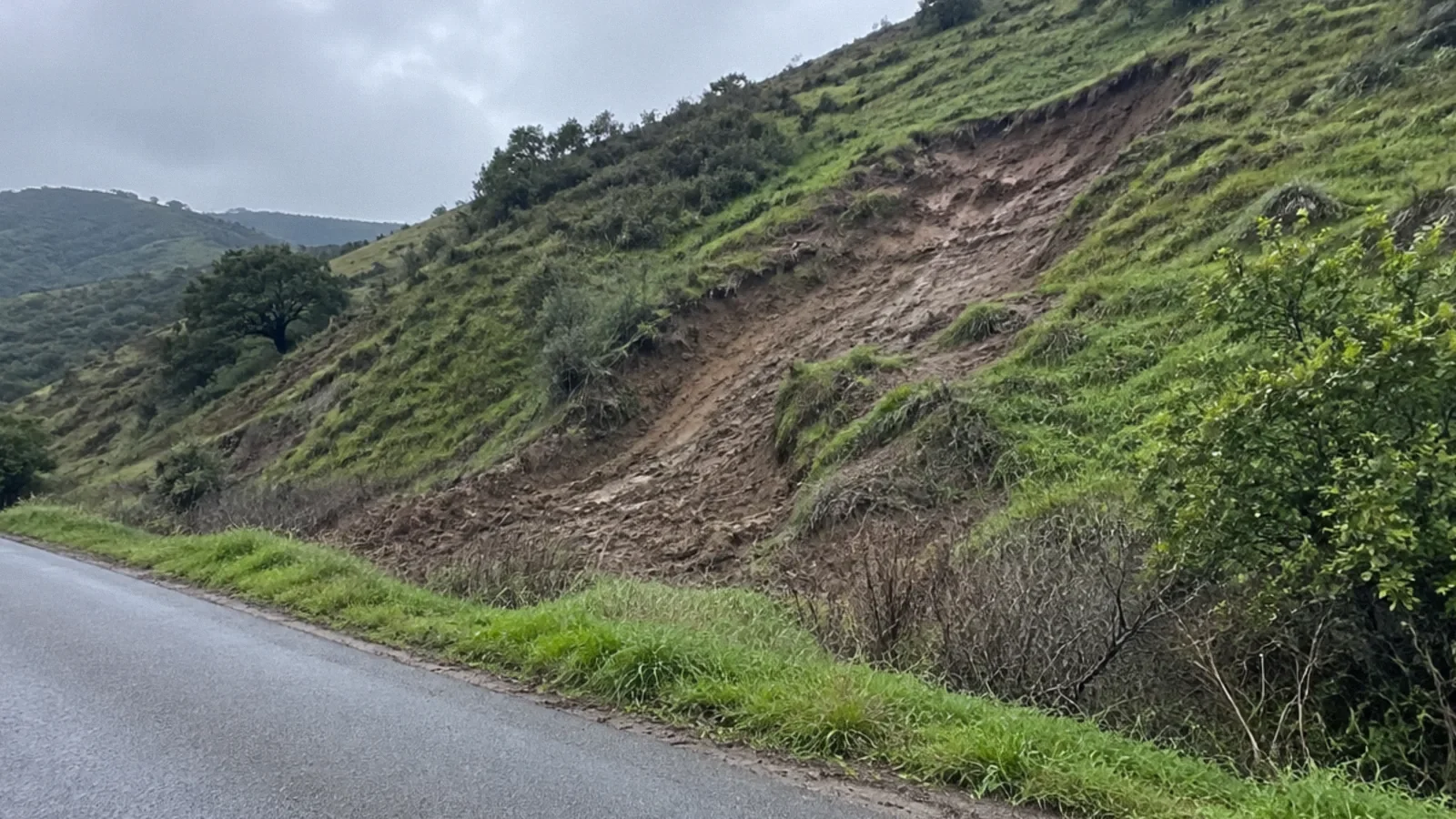
Understand debris flows and landslides, why heavy rain or wildfire can increase danger, and what to do before and after an evacuation.
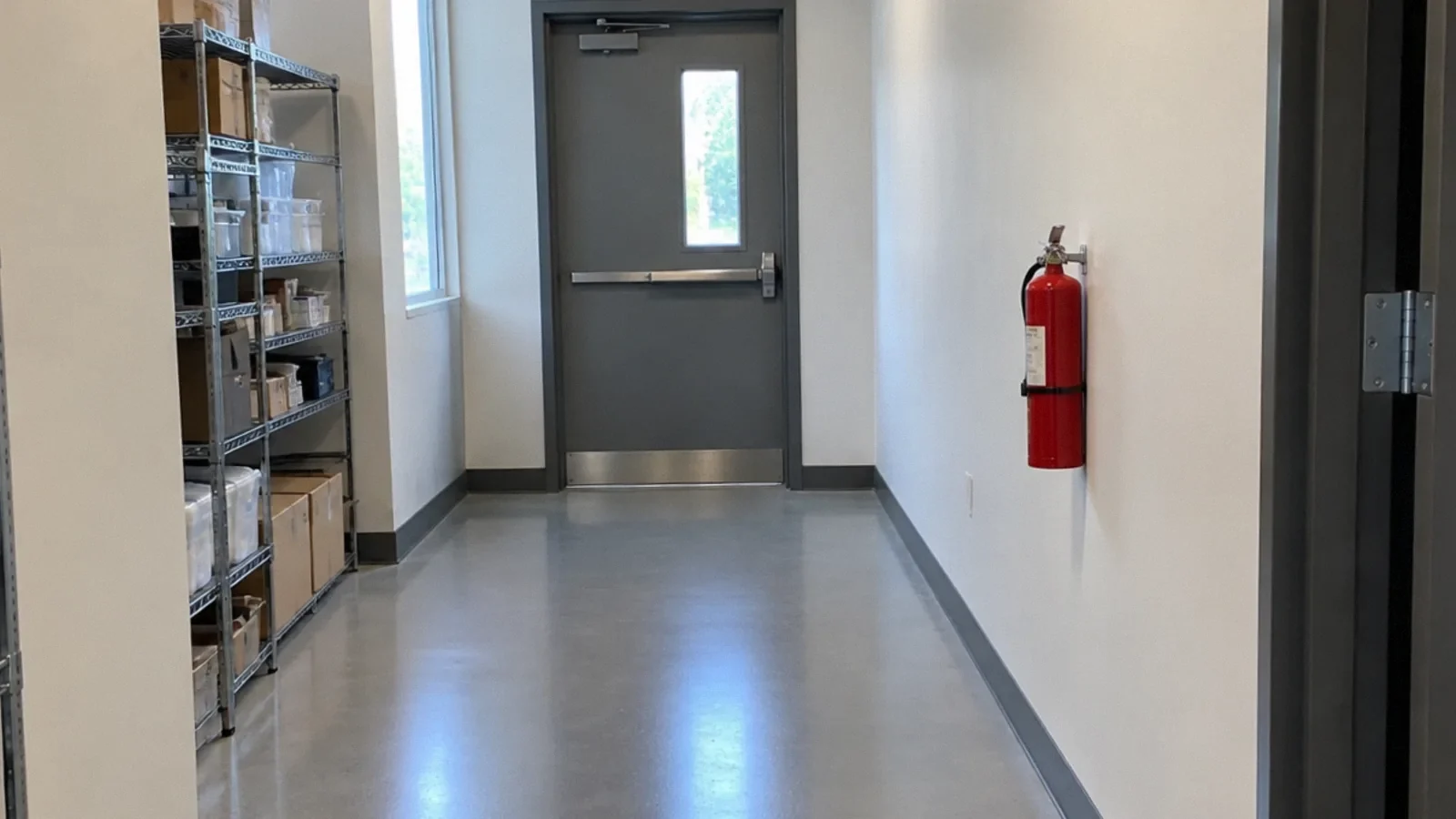
Review practical workplace fire hazards, clear exits, emergency procedures and the distinction between prevention and evacuation planning.
Map two ways out of each room, choose a meeting place, plan for everyone in the home and practice before a fire occurs.
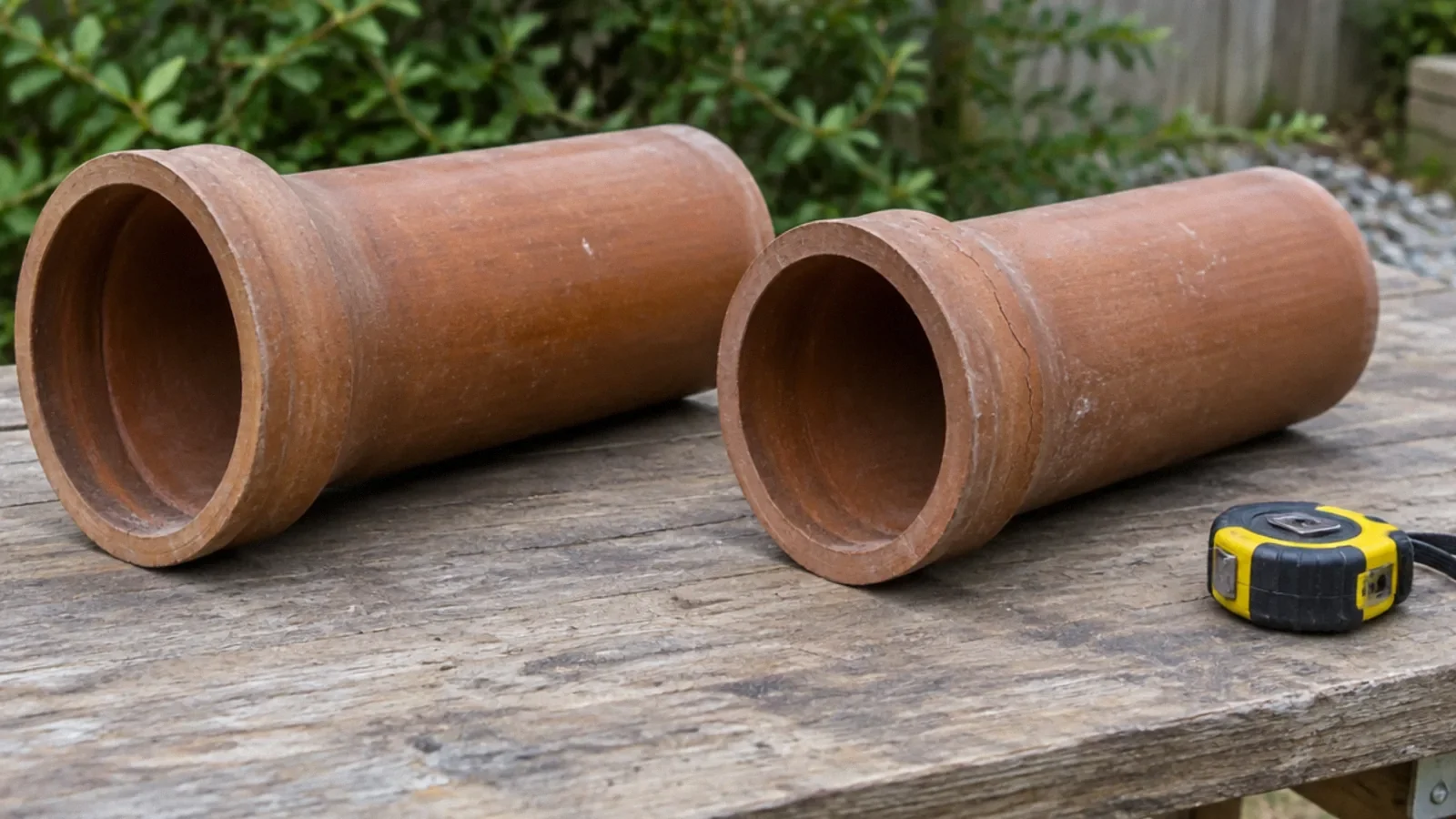
Learn how clay sewer lines fail, what a camera inspection can show and how spot repair, lining and replacement differ.
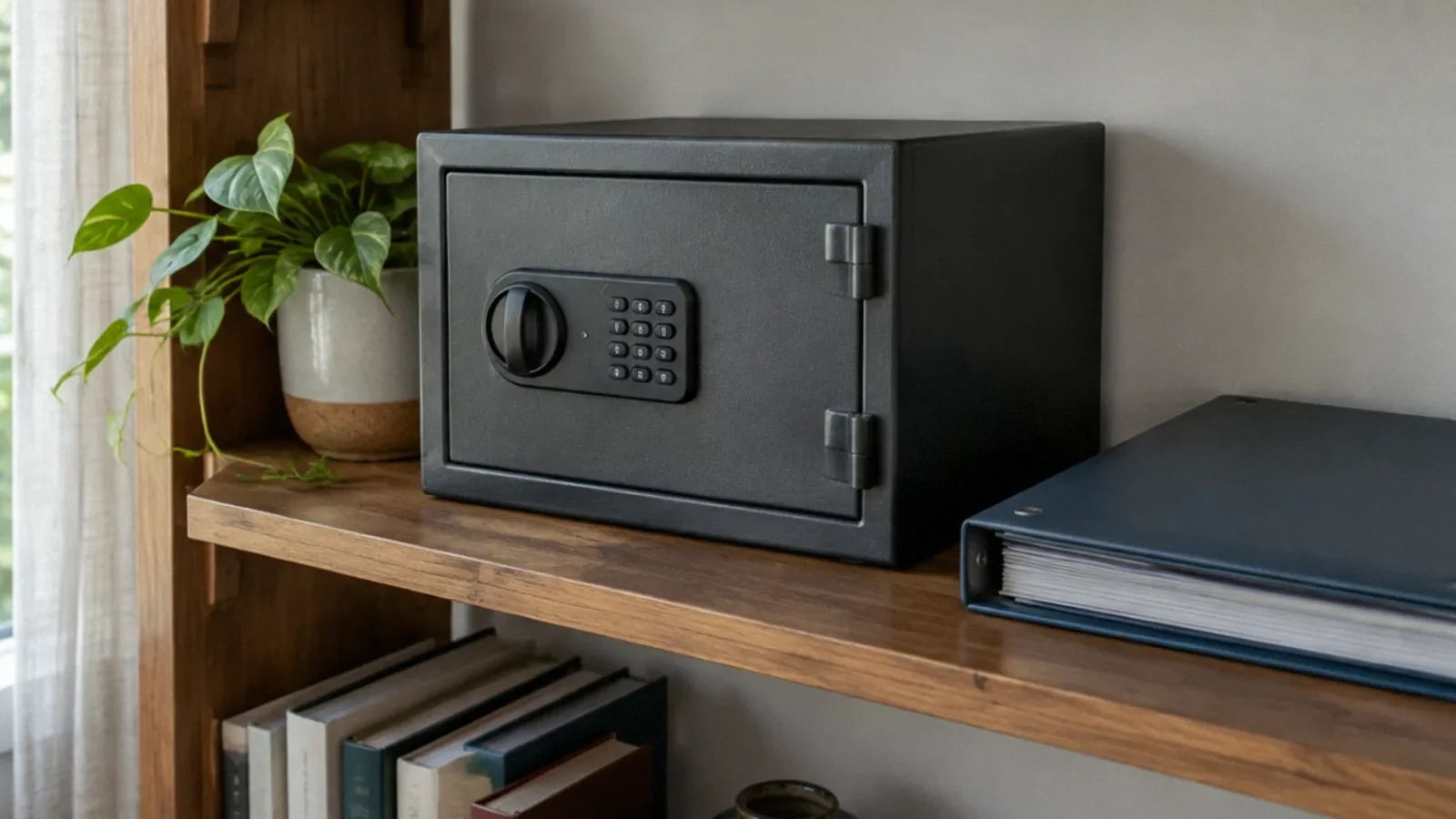
Learn how fire-resistance ratings, water protection and secure backups can help protect important papers without promising protection in every fire.
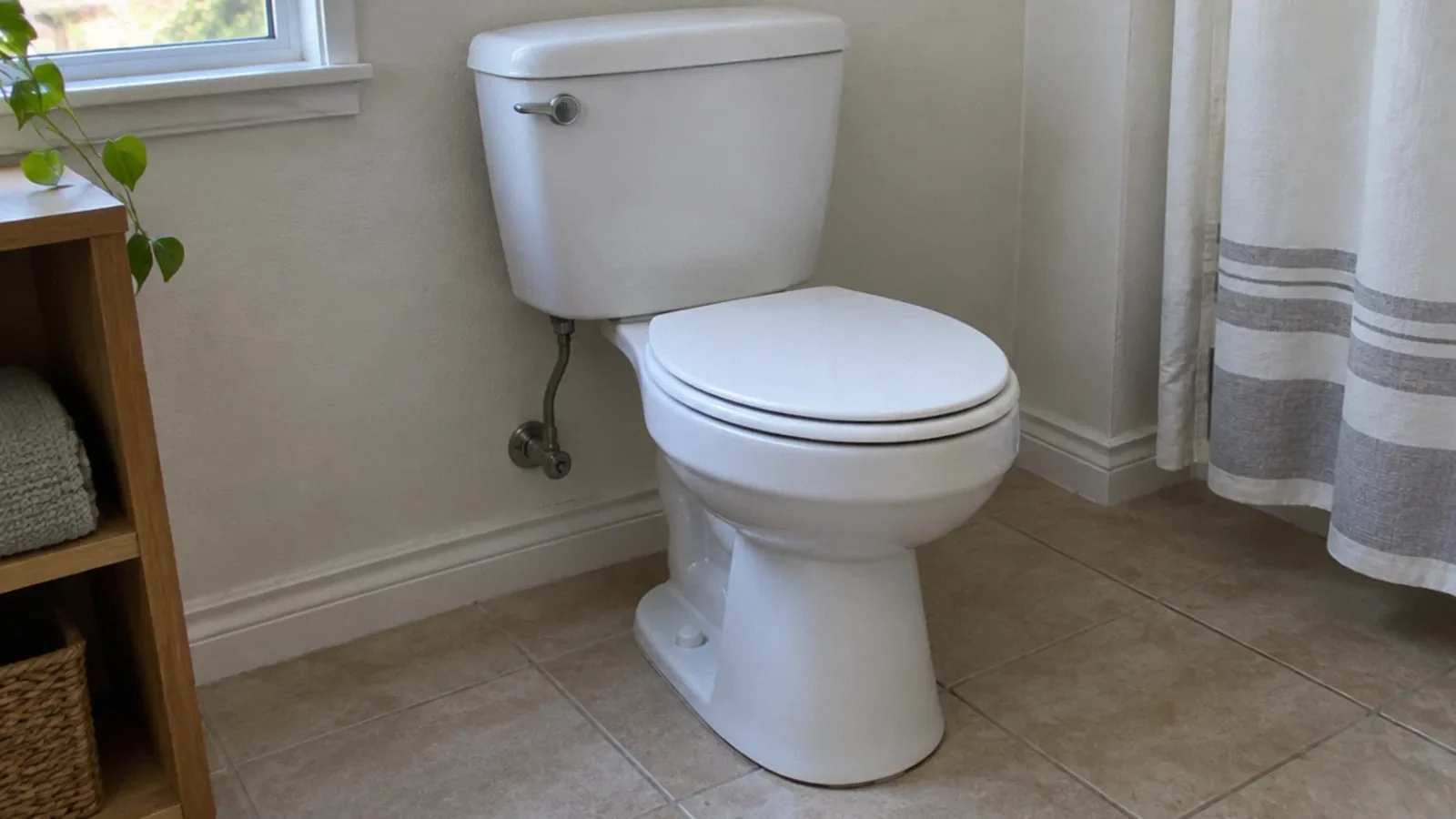
Compare the useful life of a ceramic toilet and its replaceable parts, identify leaks and cracks, and decide when to ask a plumber about replacement.
Learn why intact asbestos-containing material is different from disturbed material, when to seek an accredited professional and how to discuss exposure with a clinician.
Understand common distinctions between a plumbing failure and resulting water damage, what to document, and questions to ask your insurer.
Identify when an odor is a safety problem, clean ordinary food residue according to the appliance manual and know when to request service.
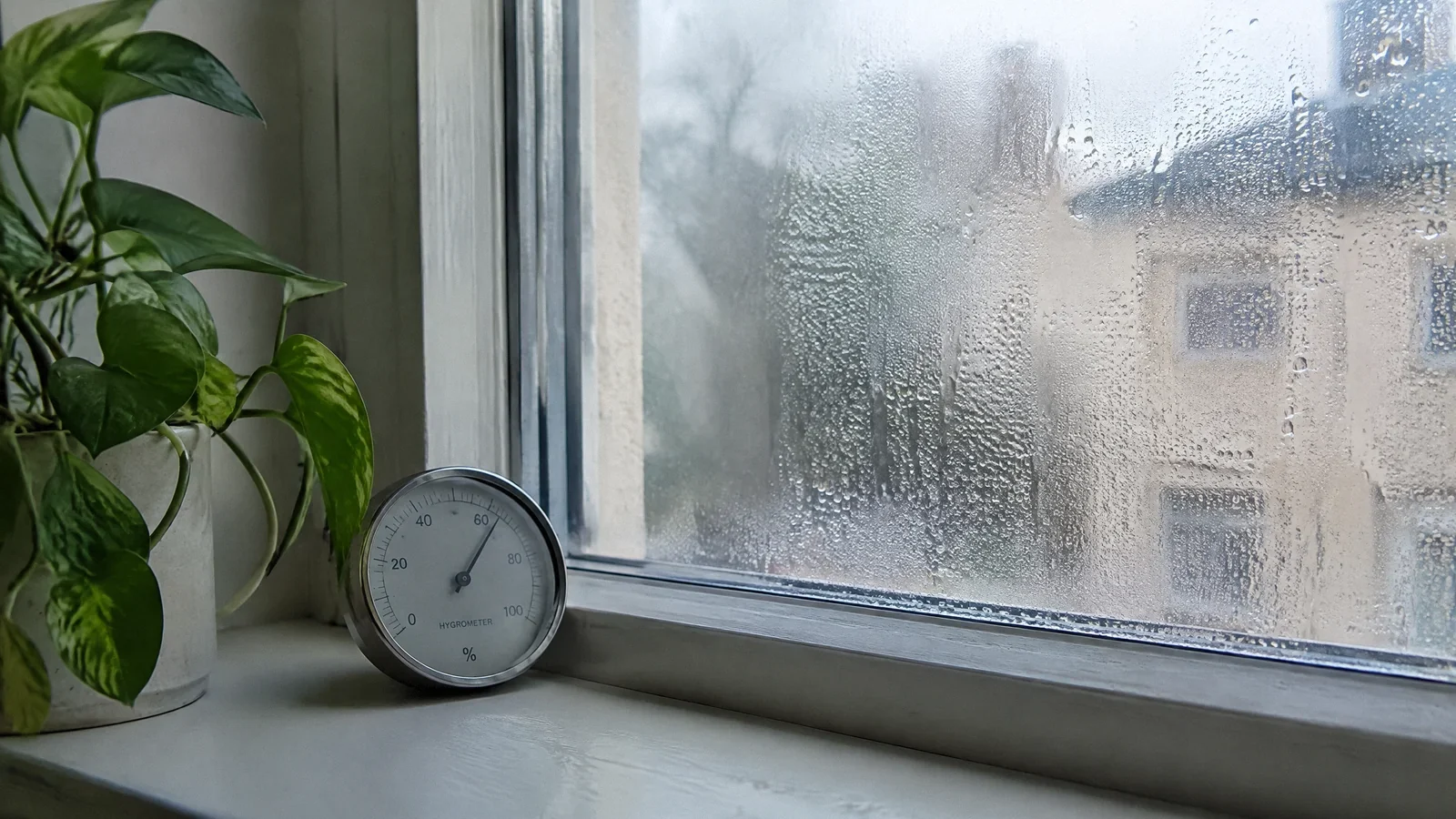
Understand relative humidity targets, basement condensation, seasonal changes and the limits of a dehumidifier after a leak.
Plan a kitchen or bathroom sink installation, understand supply and drain connections, and check local permit and leak-testing requirements.
Understand the basic steps for draining a storage water heater, the scald and electrical hazards, and when to call a professional.
Compare pipe materials, signs of corrosion and leaks, lead concerns and questions to ask before a partial or whole-house repipe.
Identify a leaking water shutoff valve, reduce water damage safely and understand when a plumber or water utility needs to help.
Learn how AC condensate drains work, what a blocked drain looks like, and when cleaning or repair requires an HVAC technician.
Understand the difference between property and liability coverage after a fire affects a neighbor, and how to document the loss without guessing fault.
Read water damage insurance claim statistics with their dates, policy population and limitations, plus practical steps after a leak.
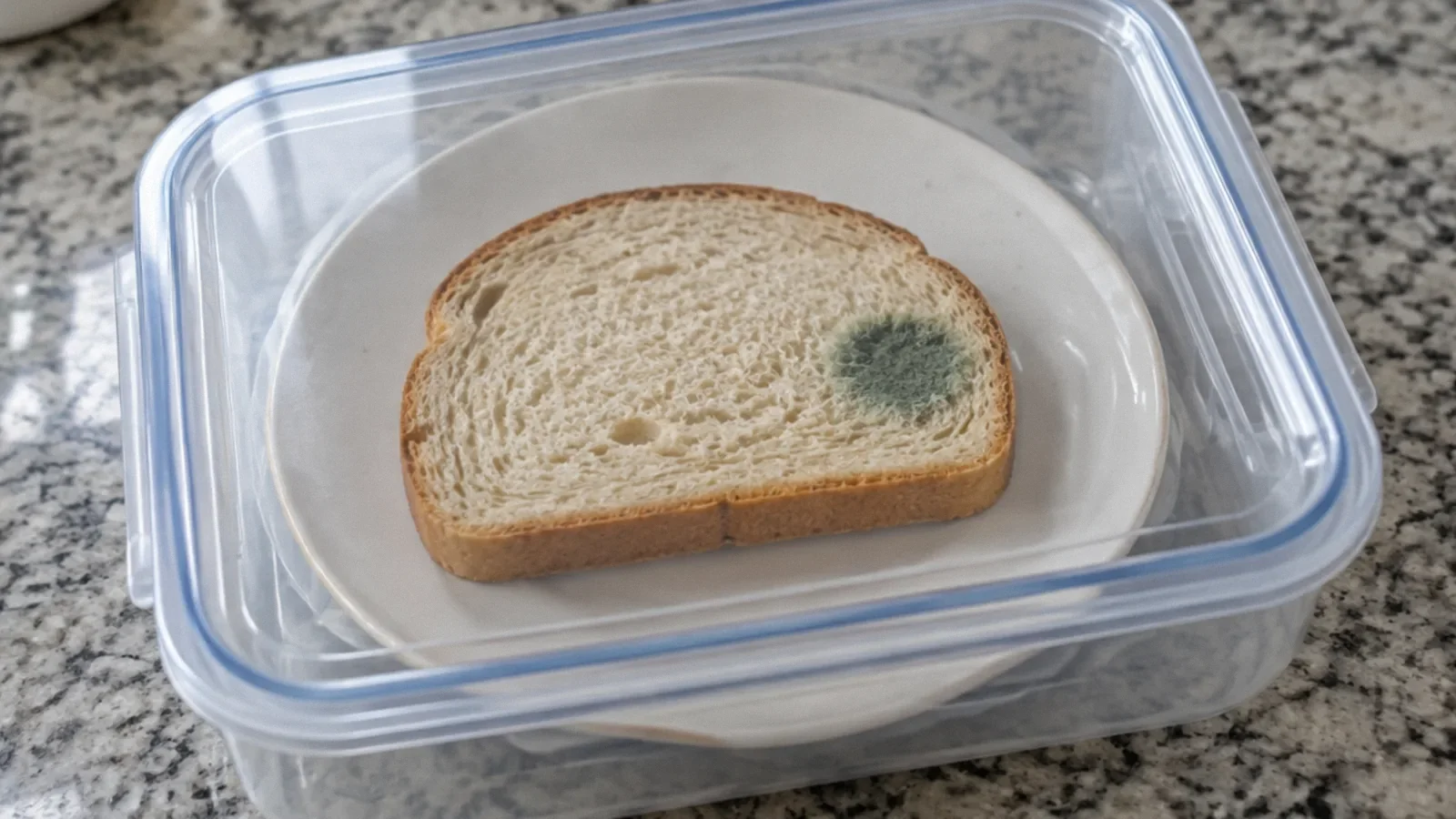
Learn why food develops mold, why its color cannot establish safety, and how USDA and FDA advise handling affected food.
Understand the limits of identifying mold by color, signs that need veterinary attention, and practical steps to keep pets away from damp areas.
See a graywater flow diagram, understand the sewer and landscape paths, and check California requirements before making changes.
Distinguish buildup in a drinking-water fixture from drain slime and building mold, and learn when to call the utility or a professional.
Understand how covered causes, mold exclusions, policy limits and documentation affect a homeowners insurance mold claim.
Learn how under-sink grease traps and larger interceptors are maintained, what to ask a service provider and where to check local requirements.
Learn how to respond to a leaking dishwasher, distinguish possible causes and check for hidden water damage without risking electrical shock.
Compare a home warranty service contract with insurance and learn what to ask about plumbing exclusions, limits and service authorization.
Learn the first steps after a commercial fire, what records may support a property claim and how business interruption coverage differs.
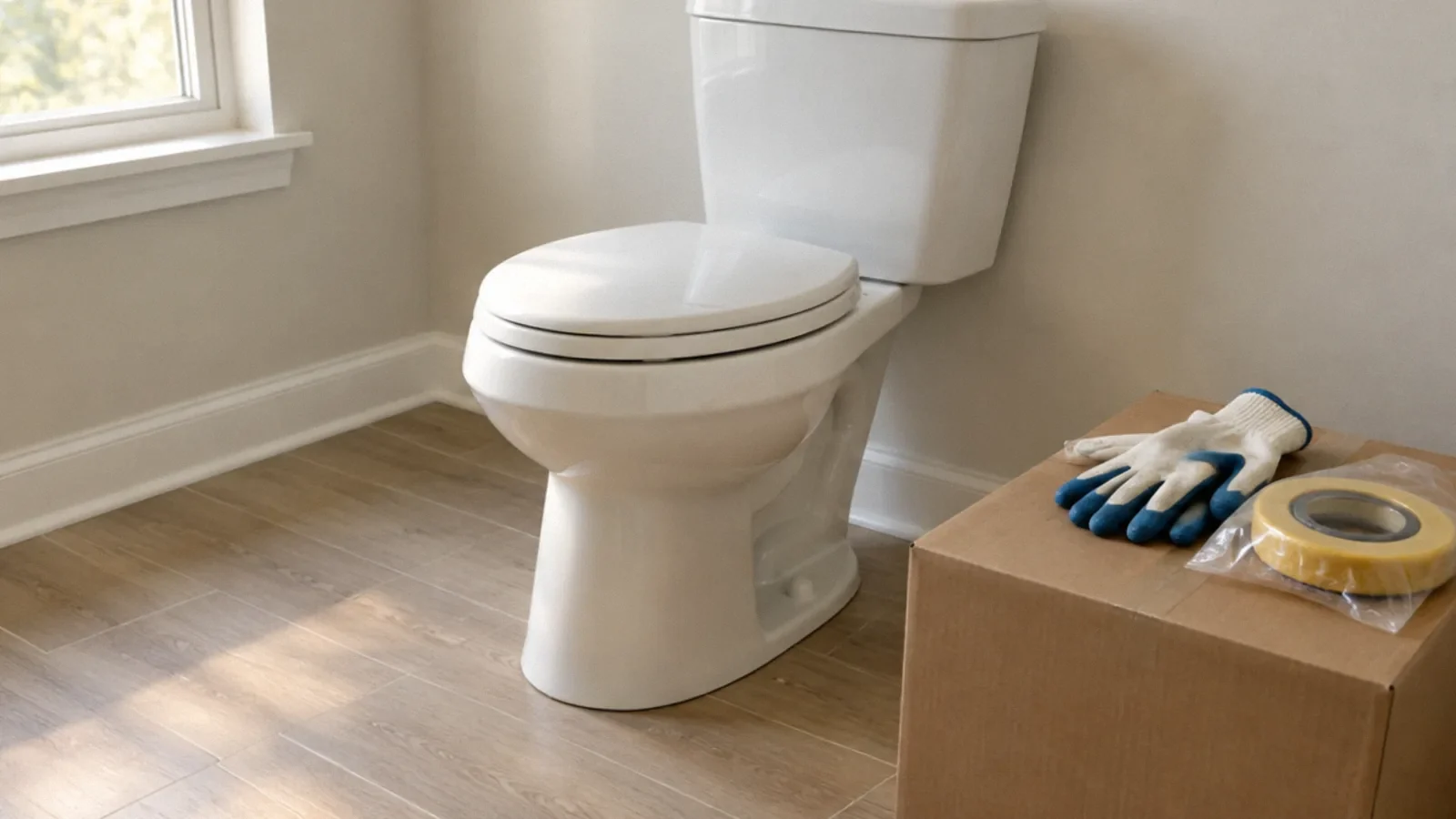
Understand toilet installation steps, the floor flange and seal, safety considerations and when to call a plumber.
Evaluate the water source, affected materials, repair scope and purchase-contract deadlines before deciding whether to proceed with a home purchase.
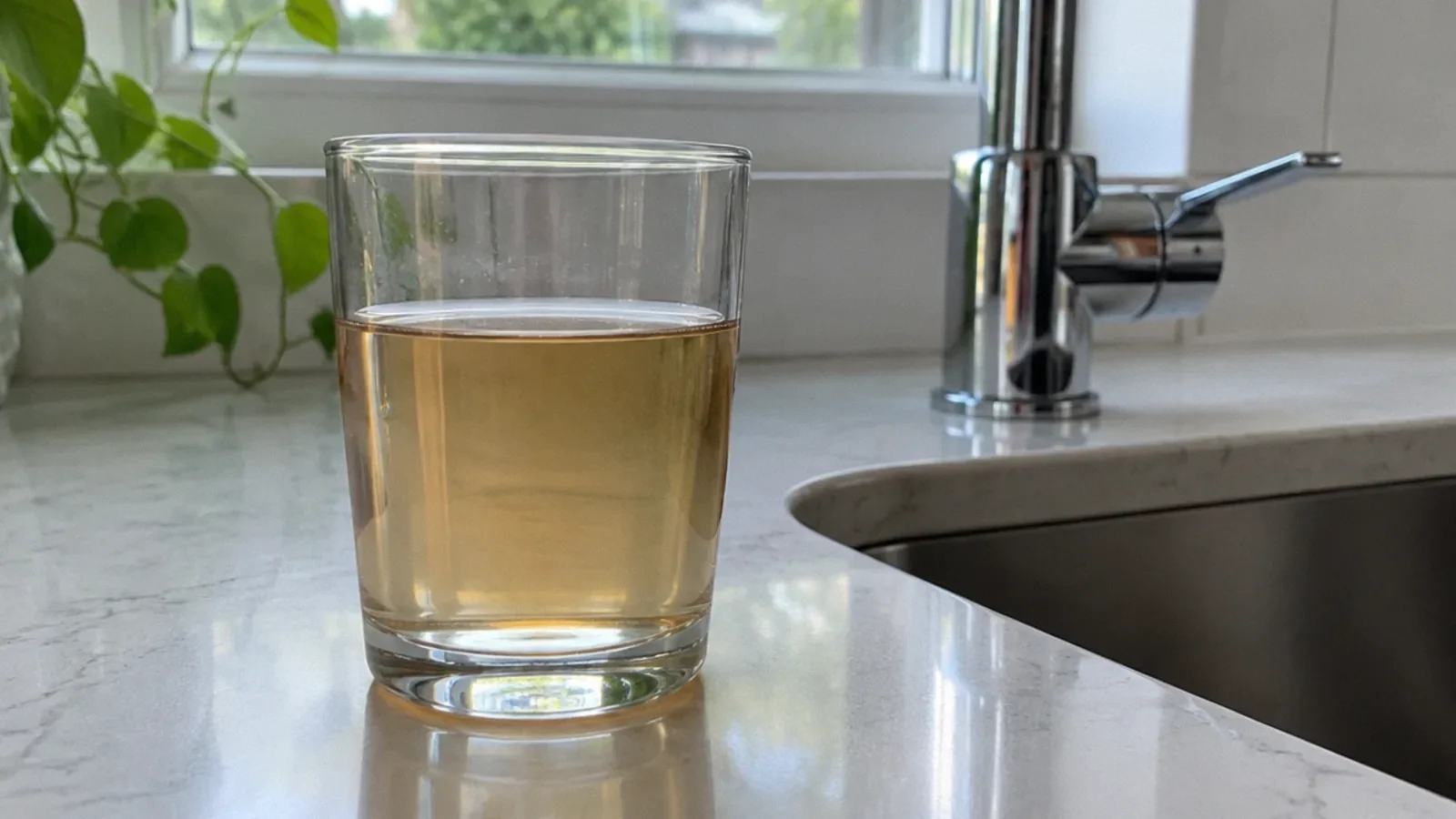
Learn how to document discolored water, distinguish possible utility and plumbing clues, and follow water-safety guidance.
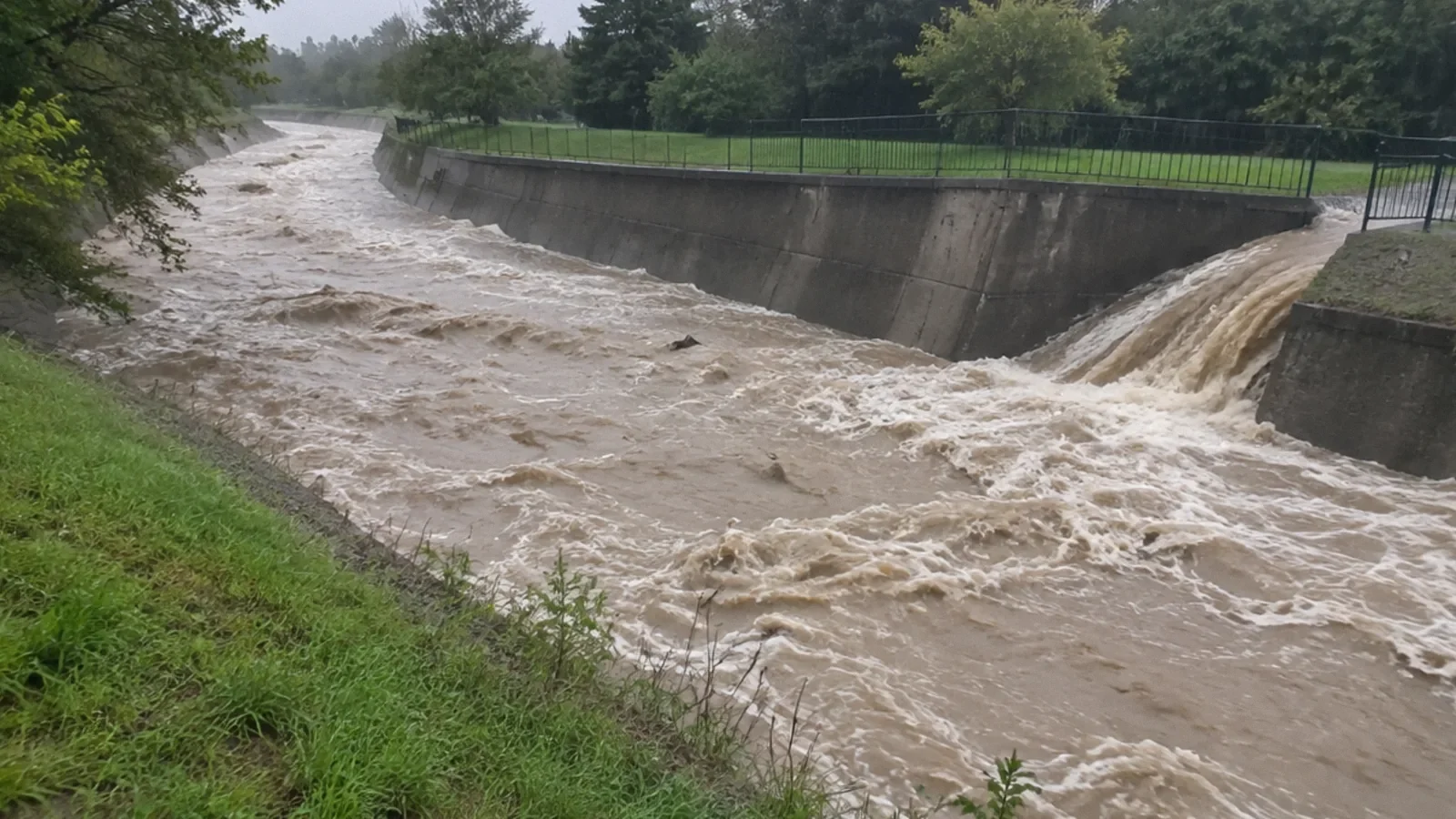
Understand flash floods, common causes, watches and warnings, and the safety steps recommended by the National Weather Service.
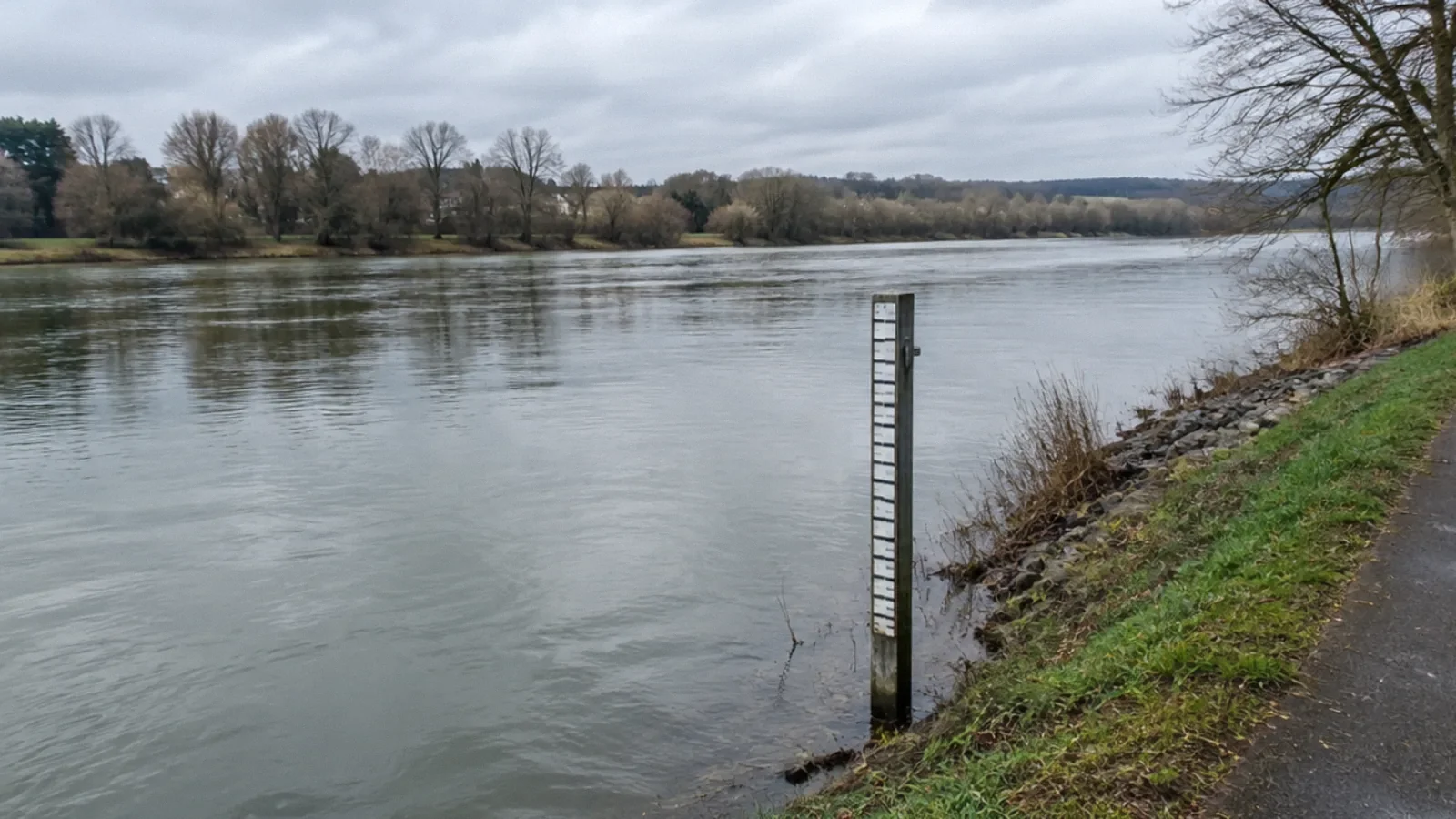
Learn what river stage and flood stage mean, how categories vary by gauge and why warnings matter more than a single number.
Compare dated national smoke-remediation estimates, understand cost drivers and ask for an itemized local scope.
Learn how to verify a California plumber, compare written scopes and ask about service calls, flat rates and emergency fees.
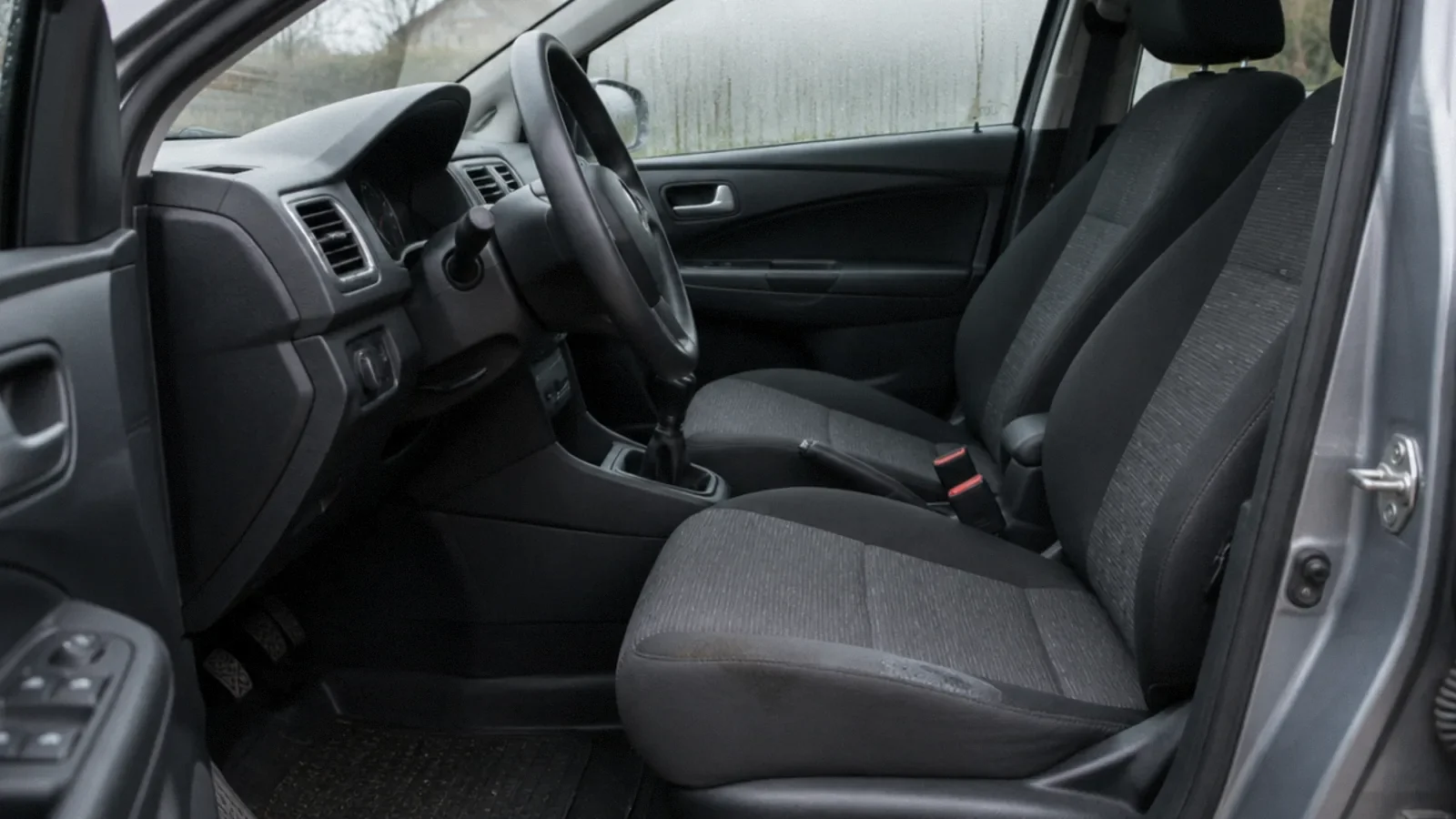
Find out how moisture reaches a car interior, when cleaning may be practical, and when to ask a qualified professional for help.
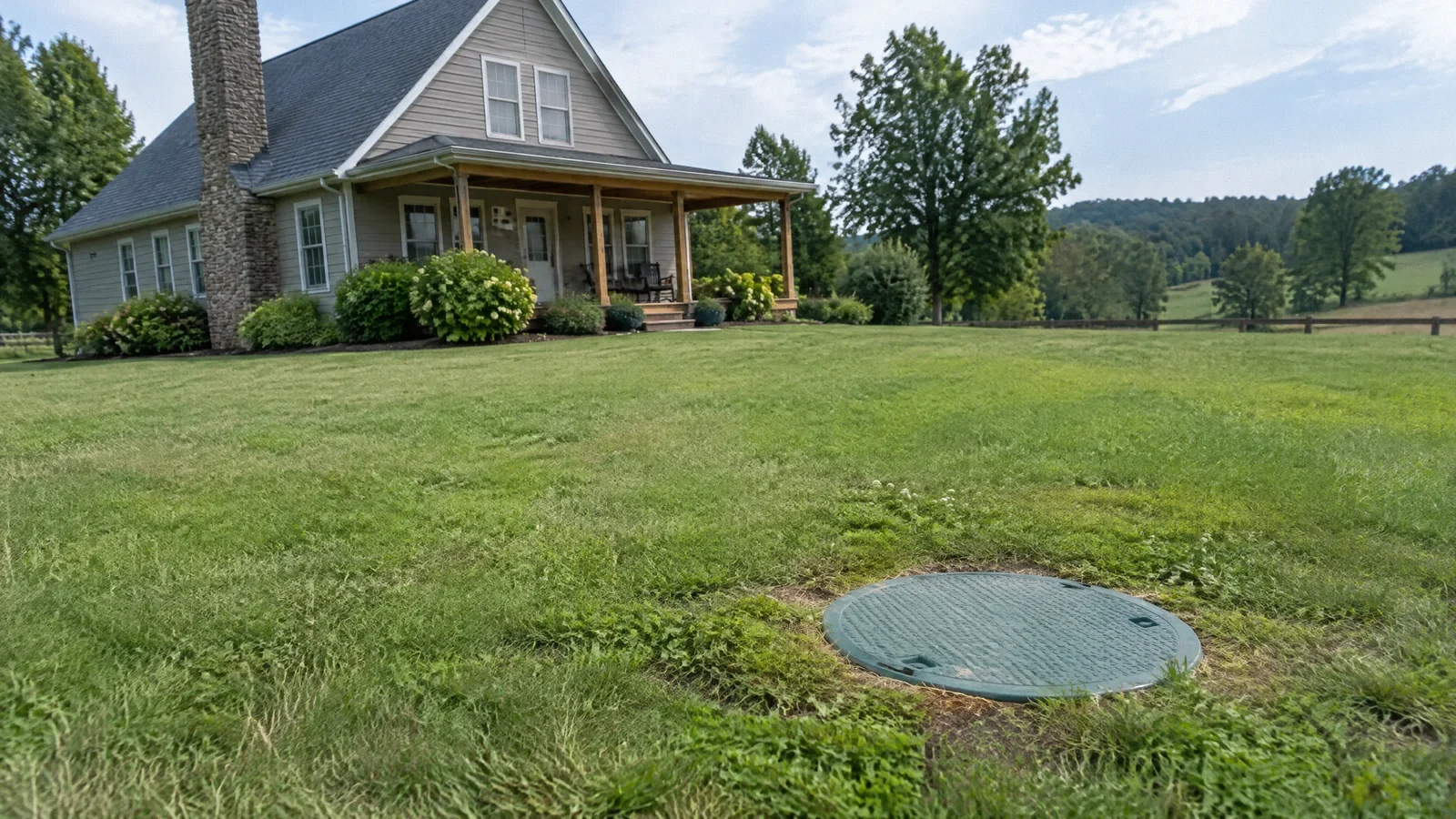
Recognize possible septic tank and outlet pipe failures, limit exposure, and know what to ask a qualified inspector.
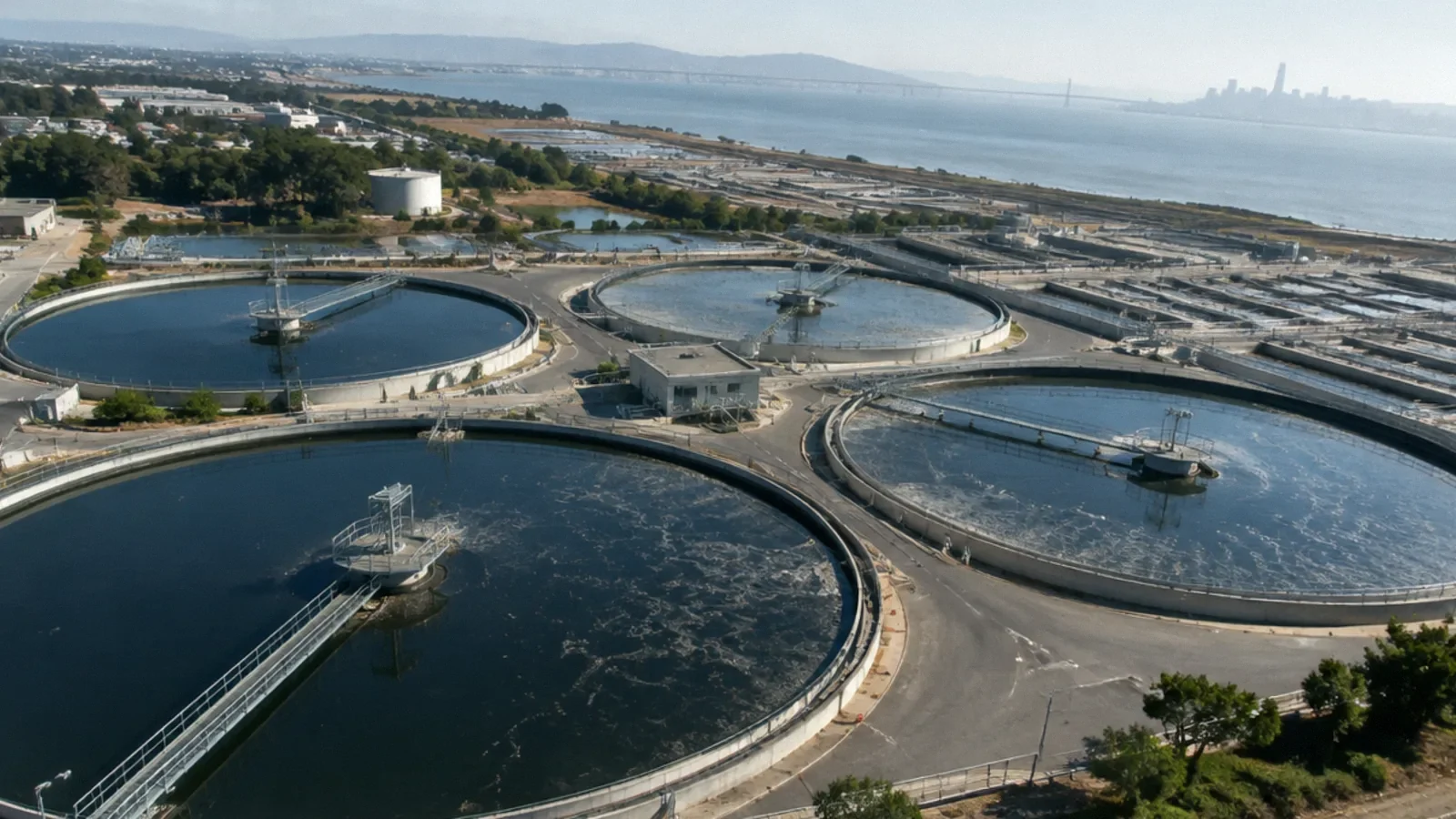
Follow household wastewater from the sewer to treatment, and learn how septic systems and storm drains differ.
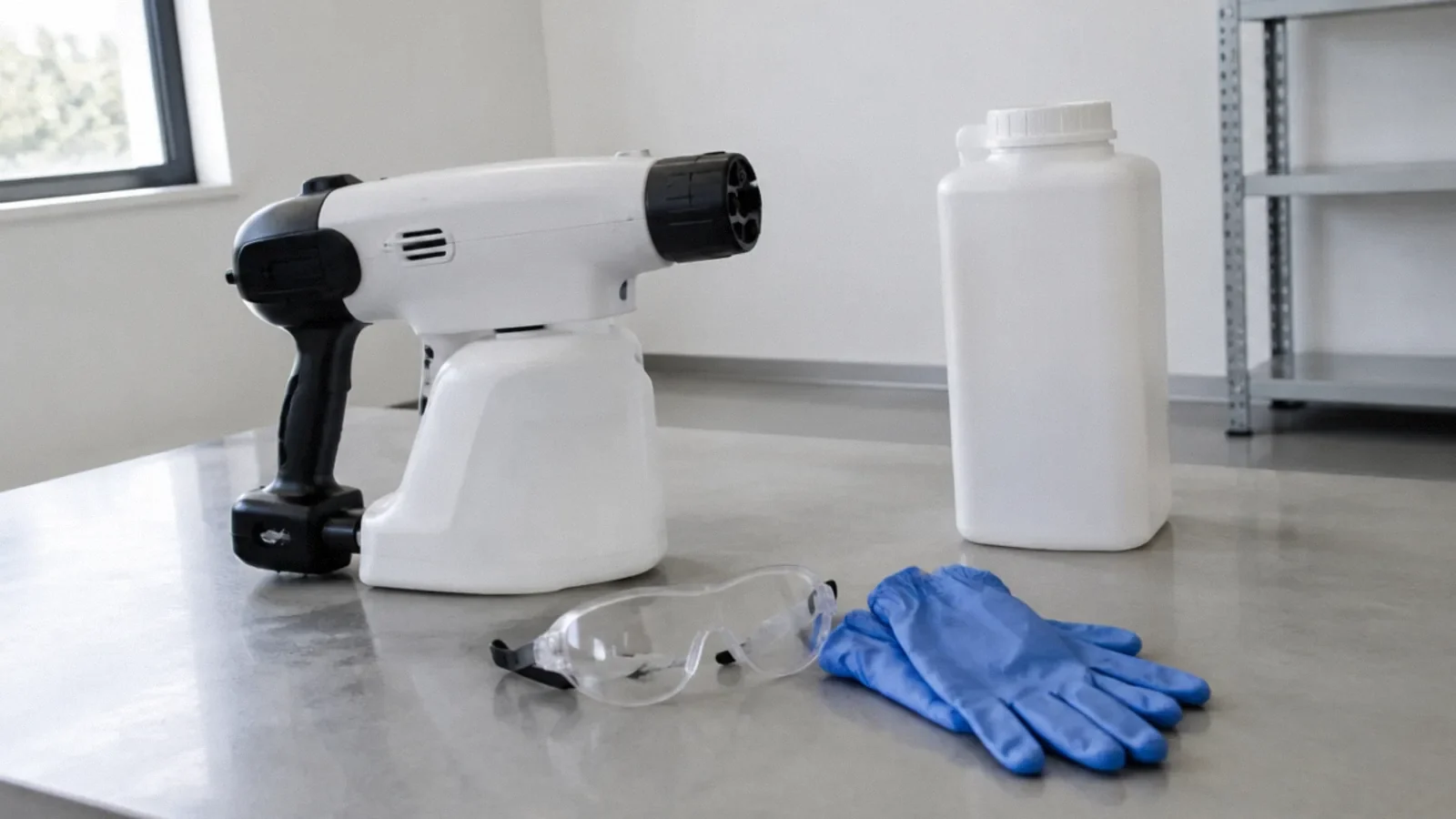
Understand electrostatic sprayers, disinfectant labels, contact time and the safety limitations of this application method.
Learn what biological hazards can include, when to isolate an area and how workplace rules and qualified cleanup fit together.
Understand the factors in a flooded car repair estimate, when a vehicle may be a total loss and how auto insurance can apply.
Compare a fire restoration estimate by separating emergency stabilization, smoke cleanup, water mitigation, contents and reconstruction.
Learn why a gasoline-like odor in a basement needs prompt attention, who to call and how professionals investigate possible sources.
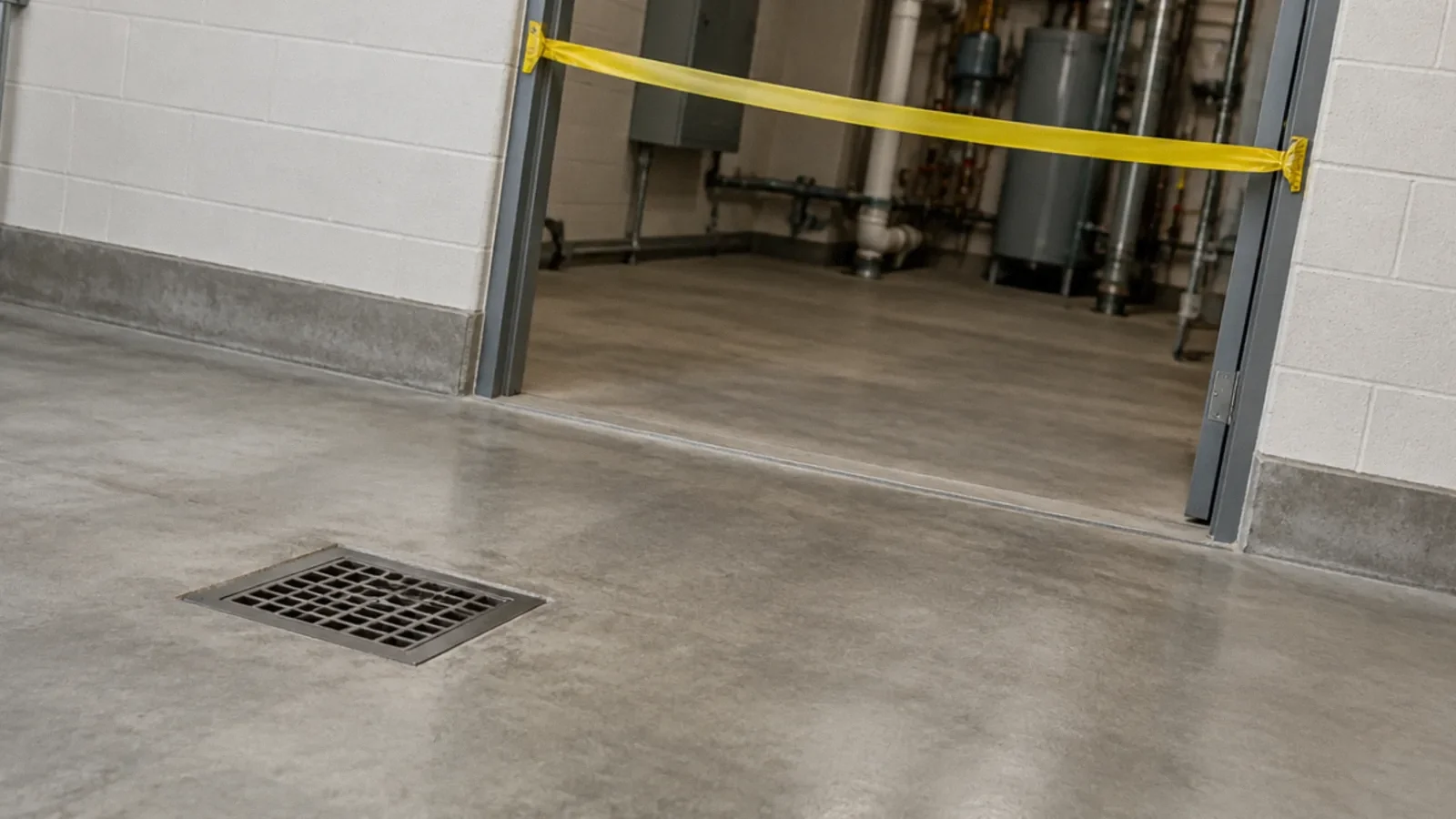
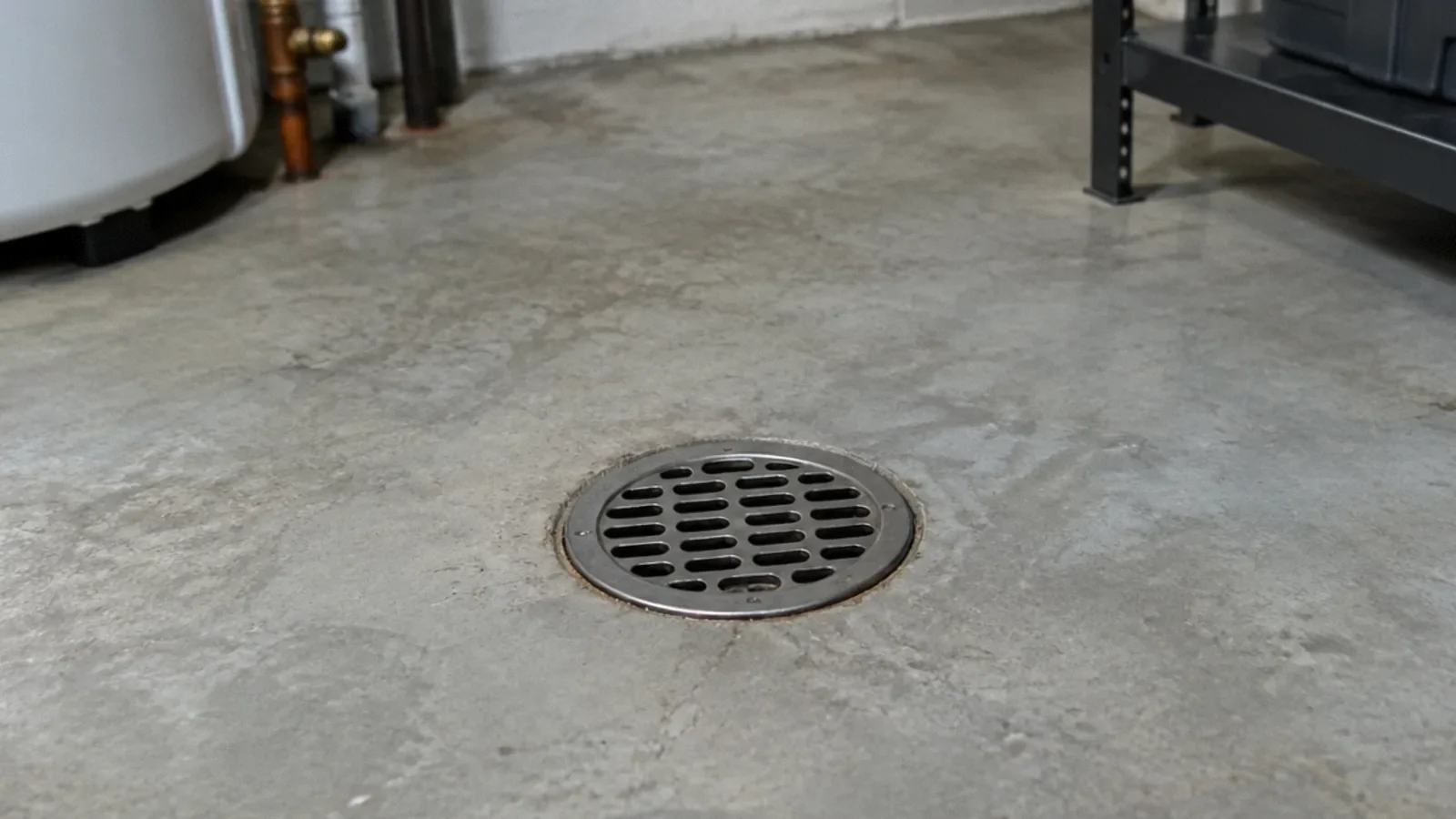
Understand floor drain connections, trap seals, common backup symptoms and questions to ask before repair or replacement.
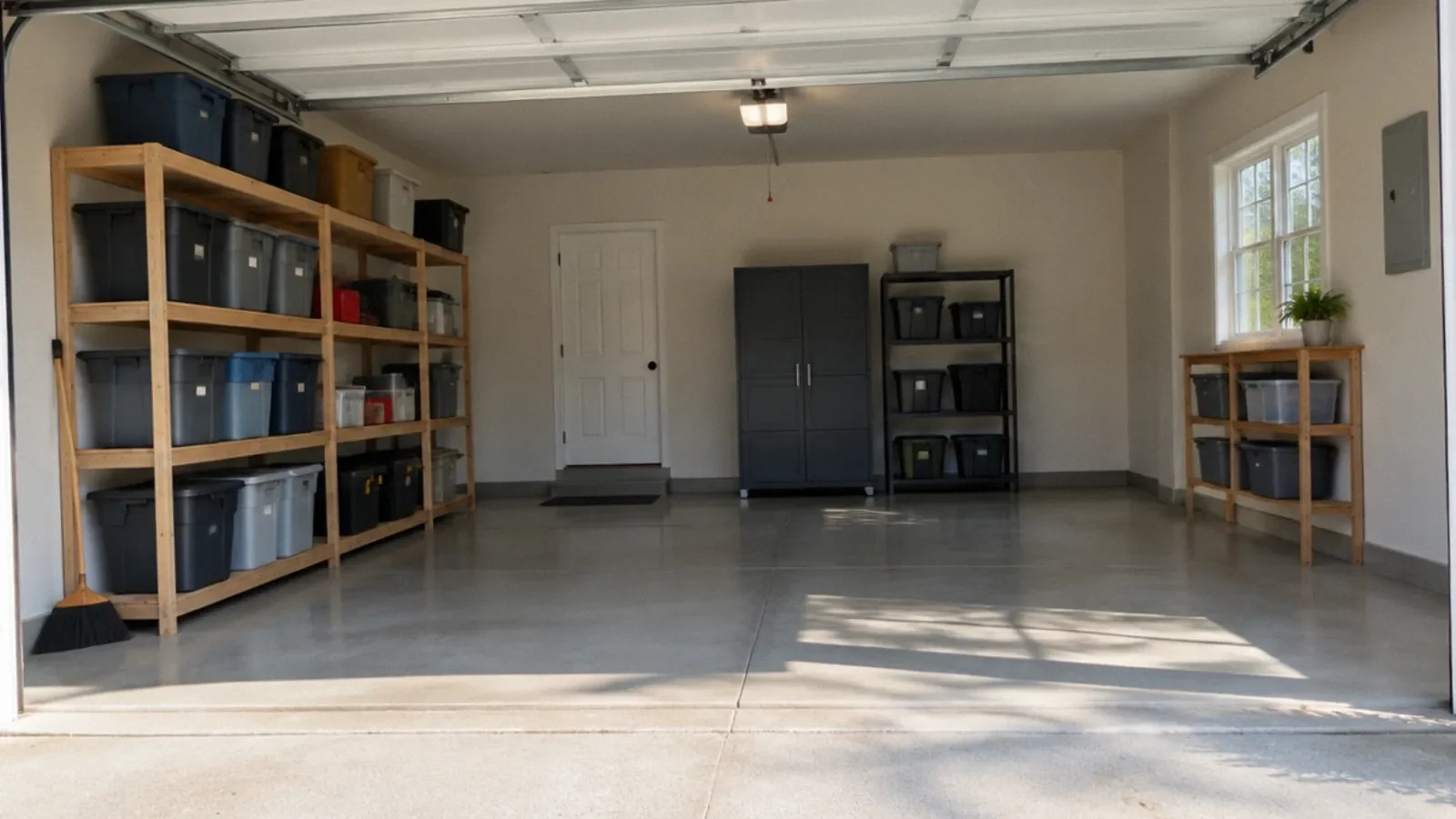
Plan a manageable garage cleanout, sort belongings, handle household hazardous waste and organize the space without blocking access.
Compare dated national drain-cleaning cost references and understand call-out fees, snaking, sewer inspection and repair exclusions.
Learn how to document suspected mold, contact hotel management and make a practical decision about your stay without identifying mold by color.
Understand the limits of a home inspection, when a separate plumbing or sewer evaluation may help and how to use the findings.
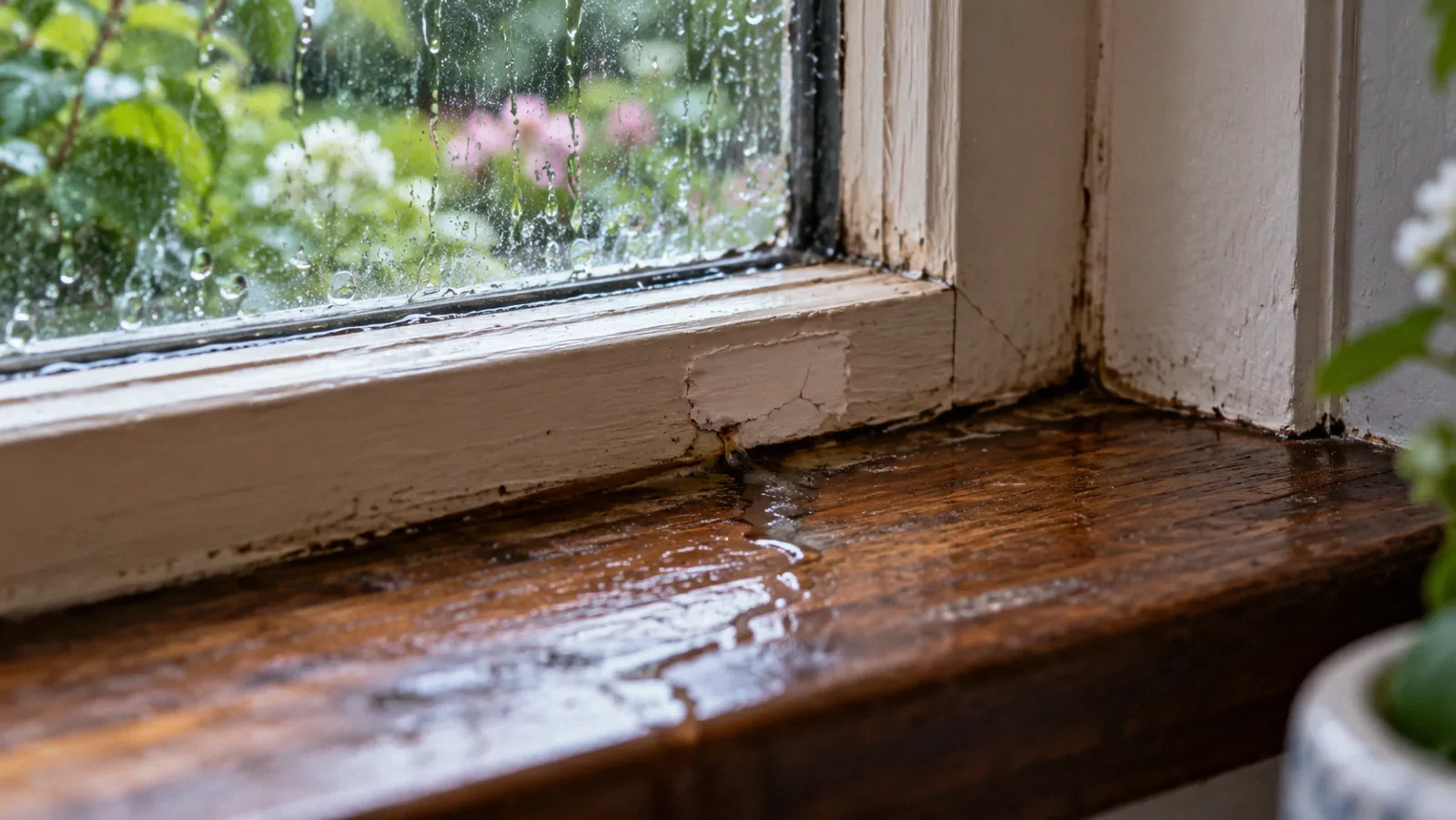
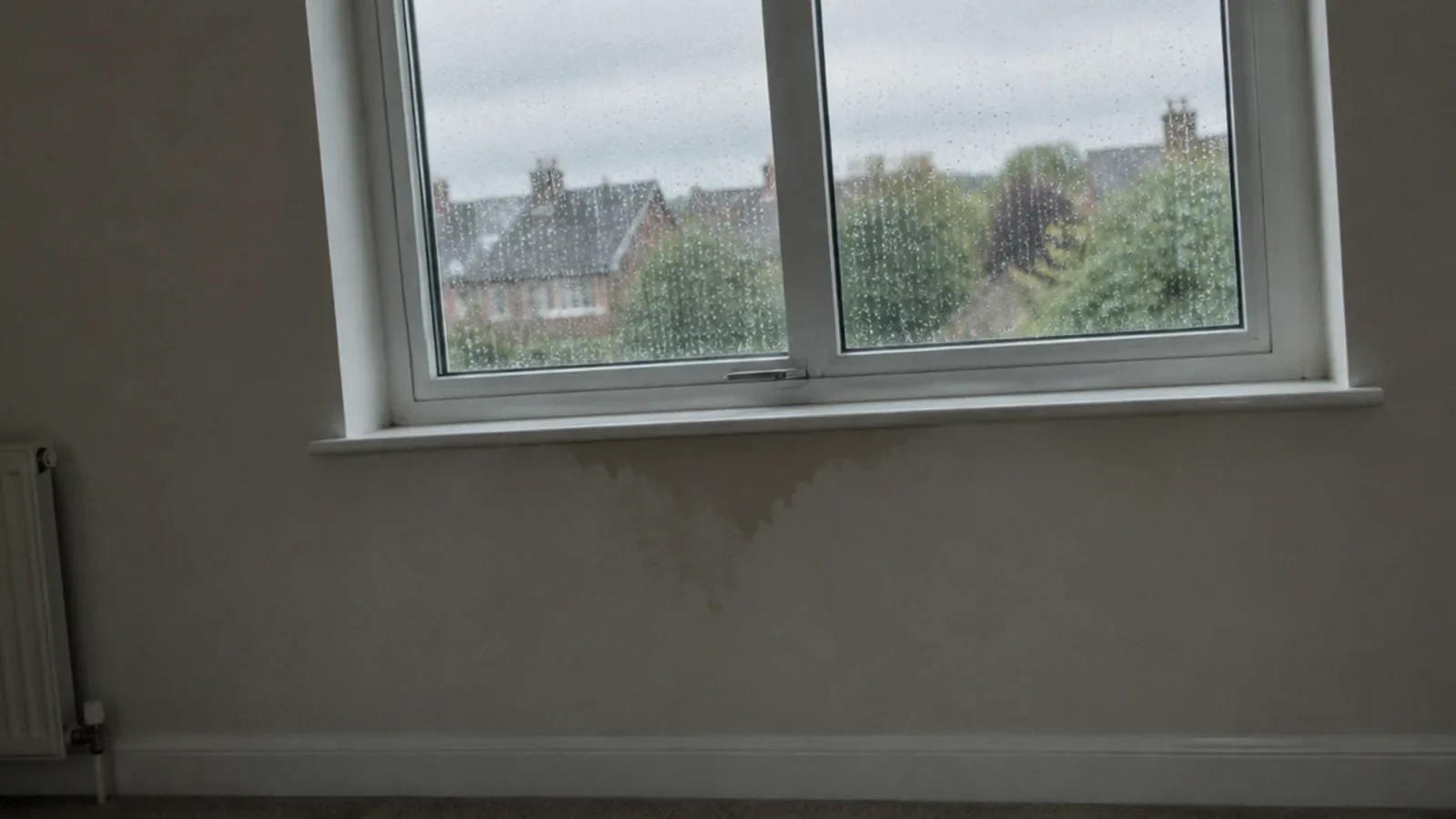
Trace possible rainwater entry around walls, roofs and windows, protect the room and understand why the visible stain may not mark the source.
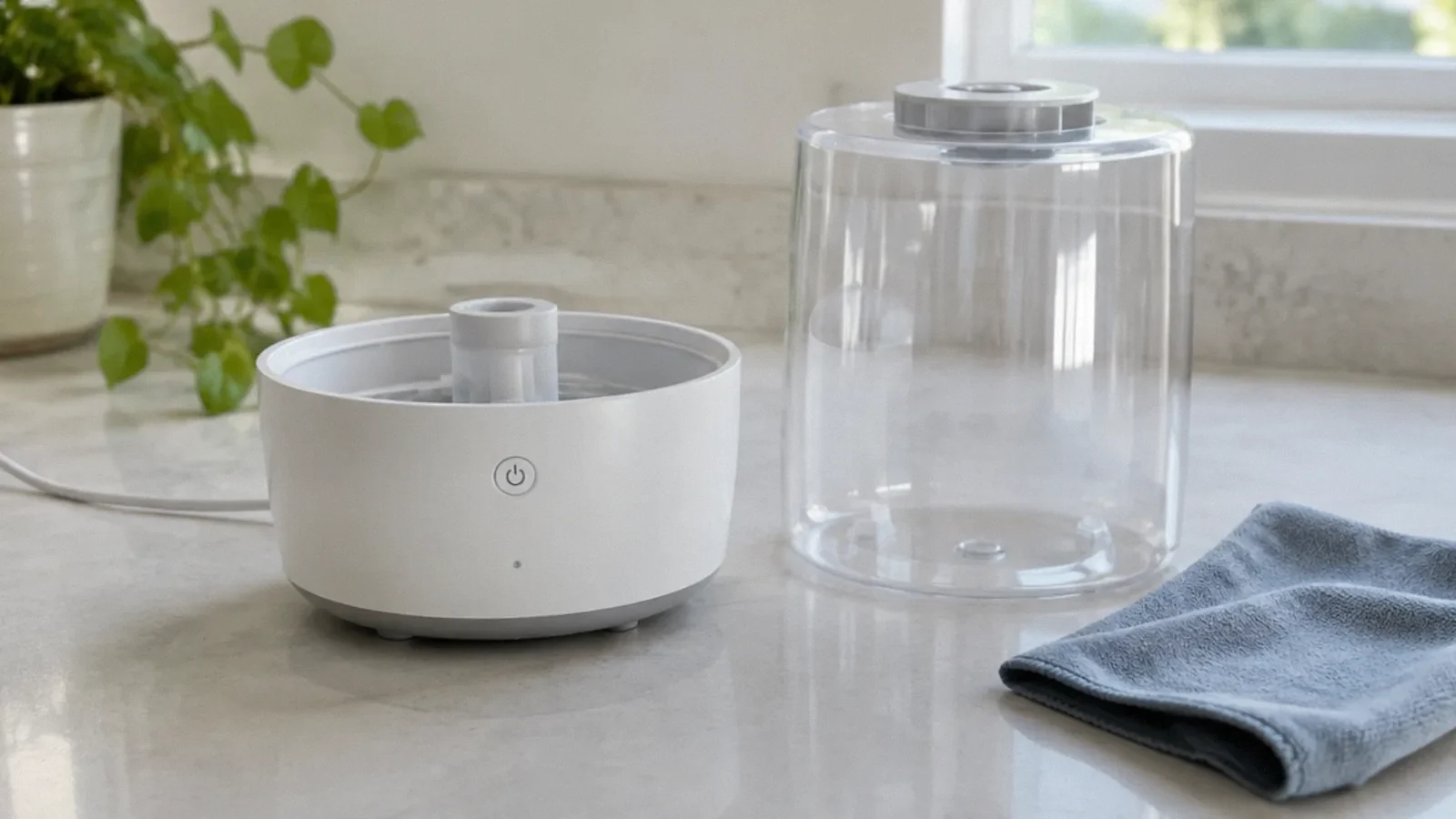
Recognize moisture and residue concerns in a portable humidifier and follow CDC and EPA guidance for safe maintenance.
Understand common reasons a washer does not drain completely, what to check safely and when to request appliance service.
Understand mineral deposits, hard water, signs of restricted flow and questions to ask before descaling or replacing plumbing.
Understand standing and stagnant water, possible contamination and mosquito risks, and how to respond safely to water around a home.
Learn when California contractor licensing rules can apply to construction and repairs, how to check a license and what to ask about the scope.
Follow a practical sequence for employee safety, documenting damage, contacting insurers and planning a safe business recovery.
Understand washer water supply and drainage, related leak risks and when a local permit or qualified professional may be needed.
Learn routine care for dark and light hardwood, how to handle spills and why the finish determines which cleaner or polish is appropriate.
Learn why leather finish matters, how to handle ordinary stains and when water damage or suspected mold needs specialist care.
Compare safe cleaning approaches for vinyl, metal, faux-wood and real-wood blinds, including why bathtub soaking is not suitable for every product.
Review California guidance for protective action during shaking, preparation and hazards to check afterward.
Plan a practical deep clean for a living room, kitchen and other spaces before a move, holiday or home sale, with safe product and moisture advice.
Learn when to seek shelter, what to avoid inside a home or vehicle and what to do after a nearby lightning strike.
Understand fire-resistant roof, siding and vent choices, tested assemblies and the limits of any single product during a wildfire.
Learn why a mothball odor needs attention, how to reduce exposure and when to seek poison-control or disposal guidance.
Find possible sources of tobacco odor in a vehicle and clean its surfaces carefully without promising that fragrance or ventilation eliminates exposure.
Distinguish fire-protection sprinklers from landscape irrigation and learn safe first steps, repair coordination and damage documentation.
Understand how a leak affects the water bill, plumbing repair and water-damage restoration, and compare an itemized estimate.
Clean a small cooled cooking-oil spill with surface-appropriate methods, and know when a spill, stain or fire needs a different response.
Prepare kitchen drains and bathrooms for guests, keep grease out of pipes and recognize when a blockage needs a plumber.
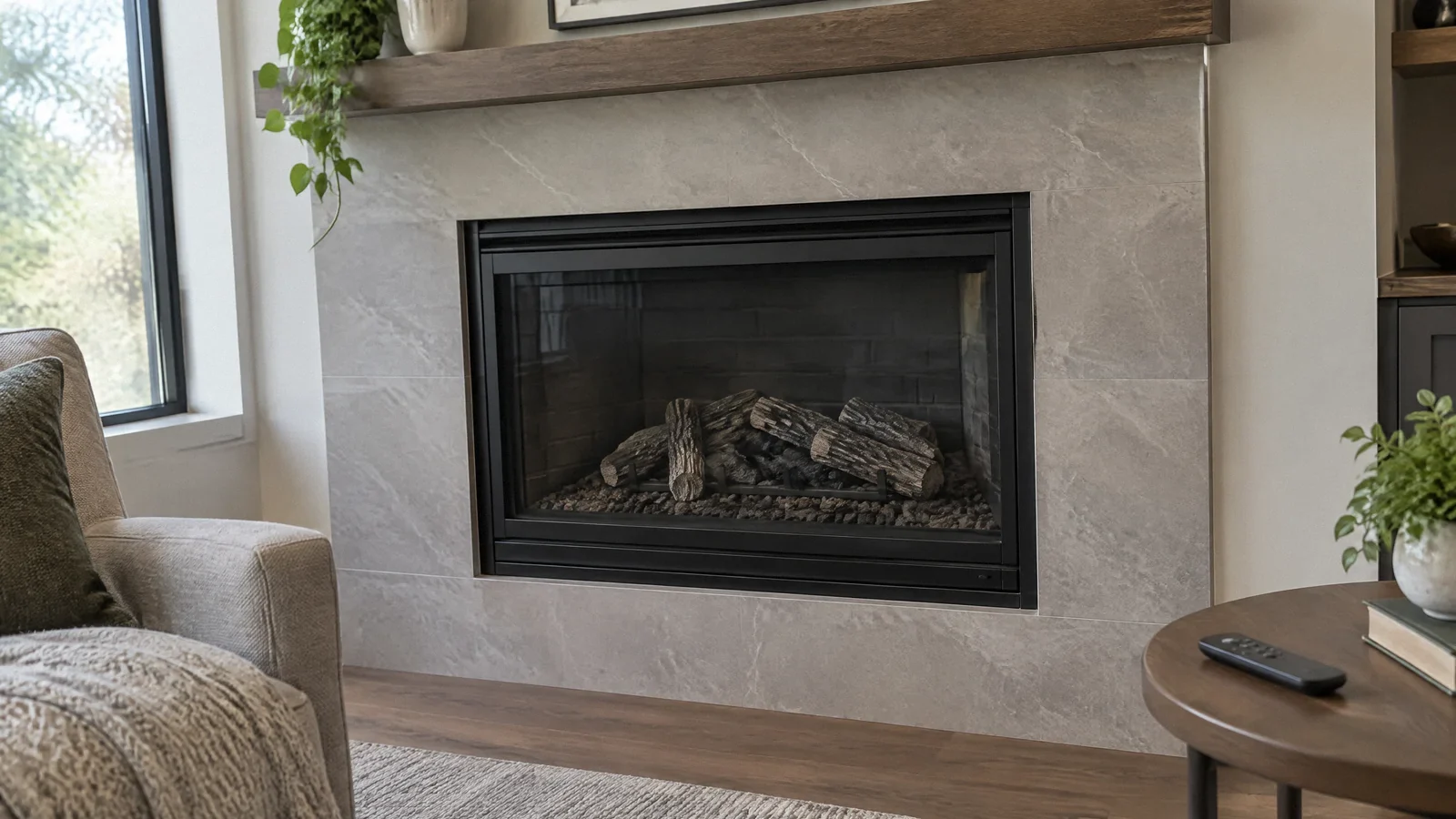
Compare basic safety considerations for wood-burning, gas and electric fireplaces, including alarms, maintenance and unexplained beeping.
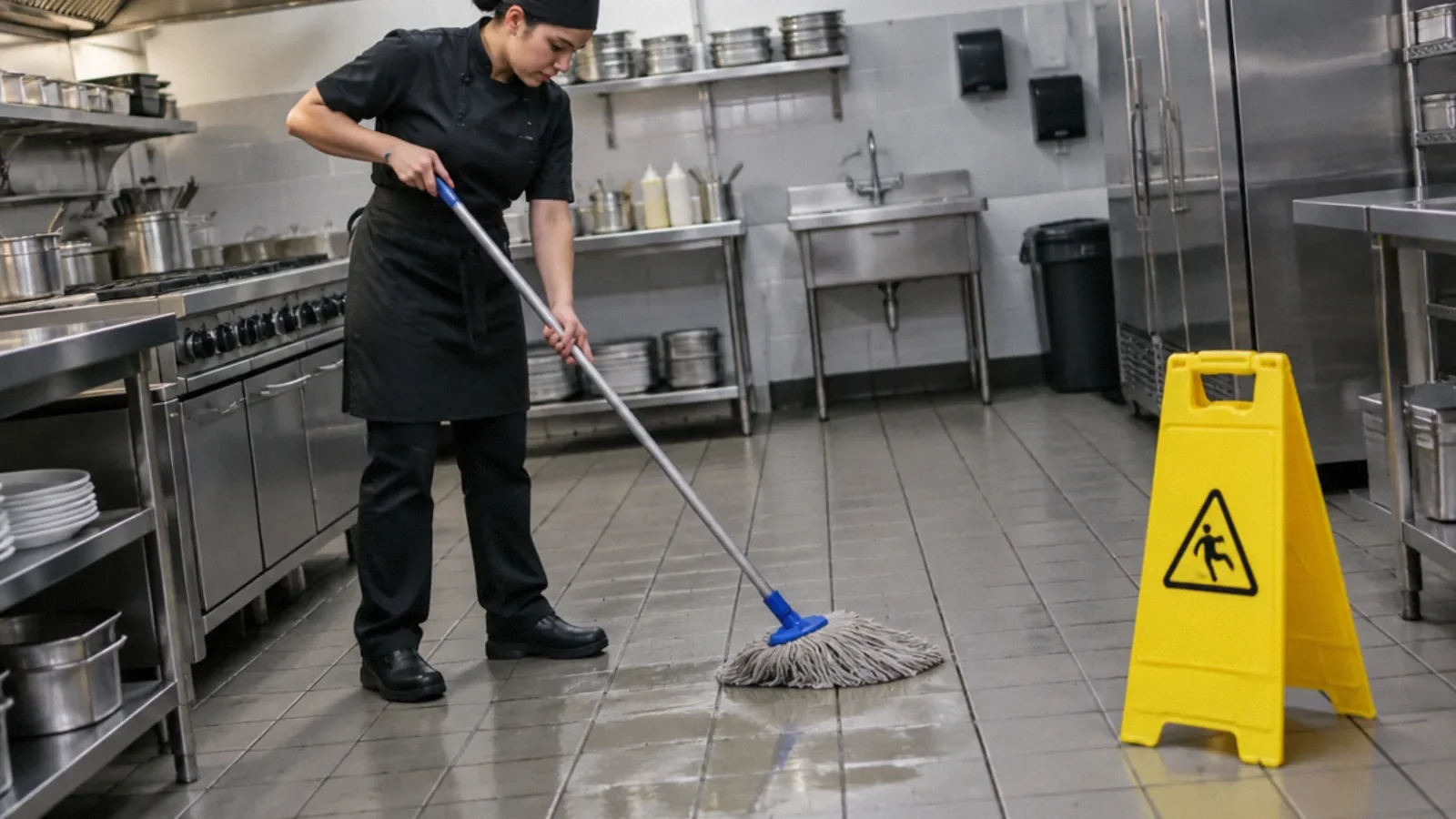
Build a restaurant floor-cleaning routine that accounts for grease, slip hazards, surface compatibility and local wastewater rules.
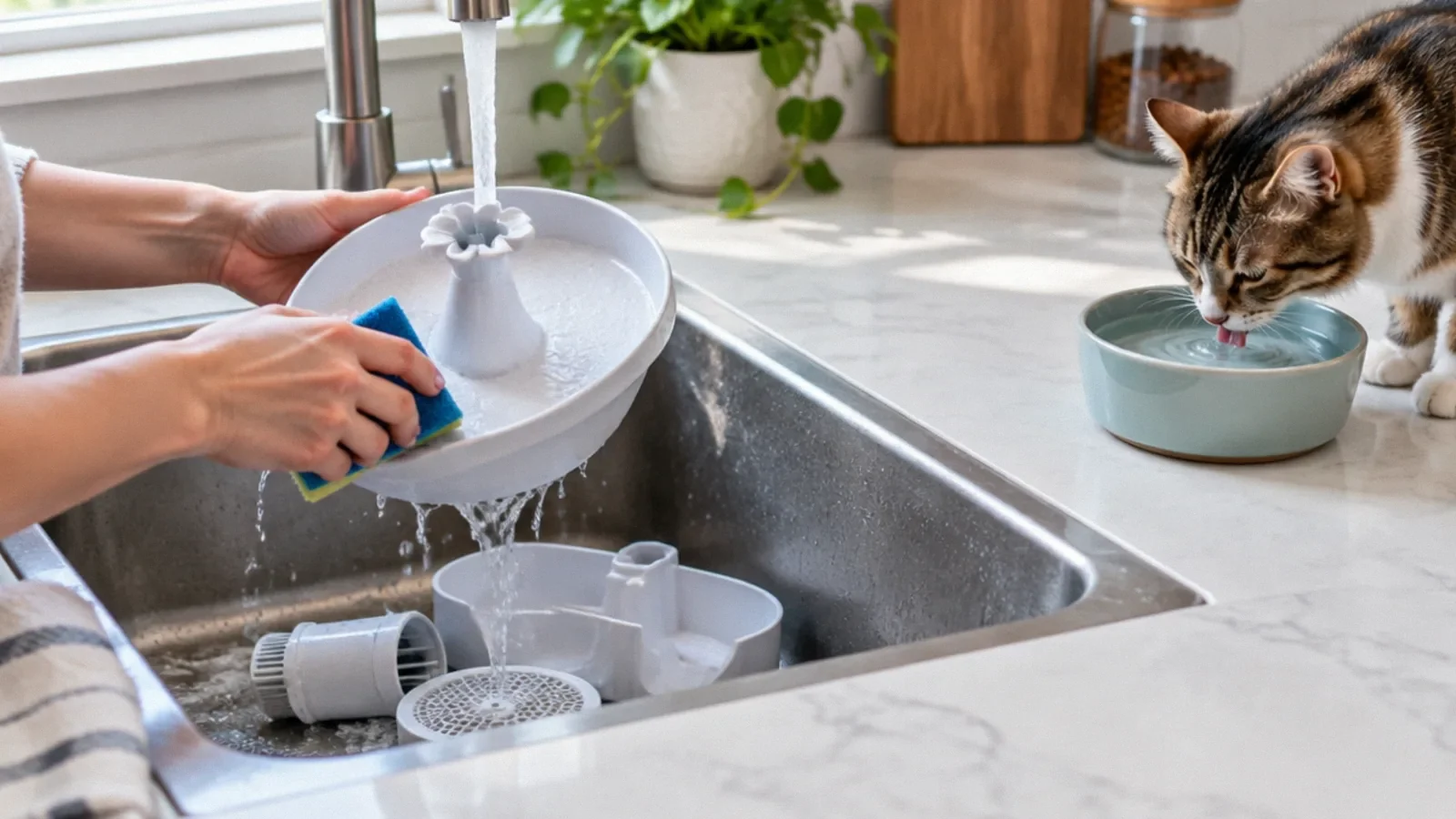
Learn how to stop using a dirty pet fountain, provide clean water and clean its accessible parts according to the manufacturer’s directions.
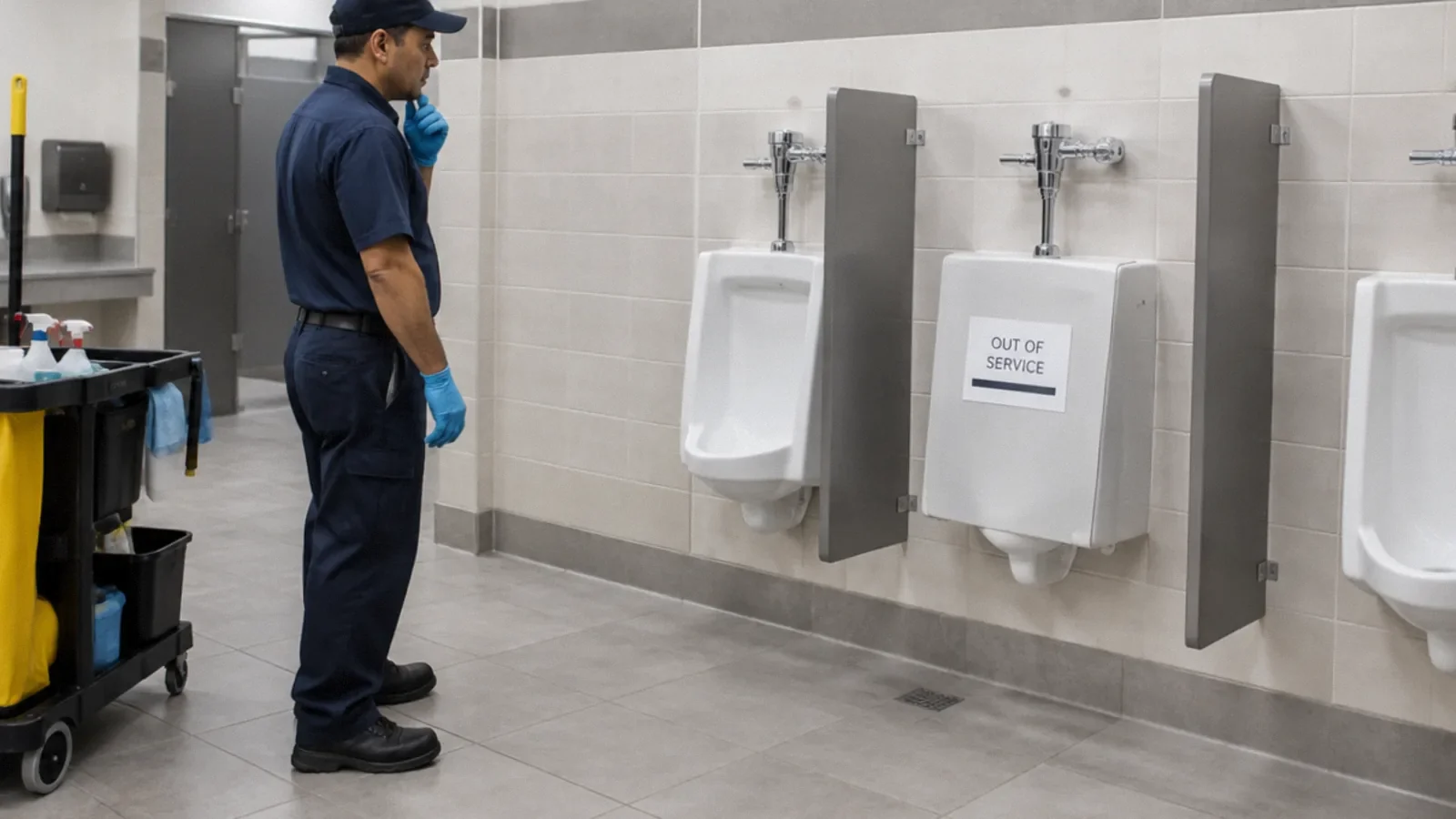
Identify common commercial restroom symptoms, protect occupants and coordinate an appropriate plumbing repair without worsening a backup.
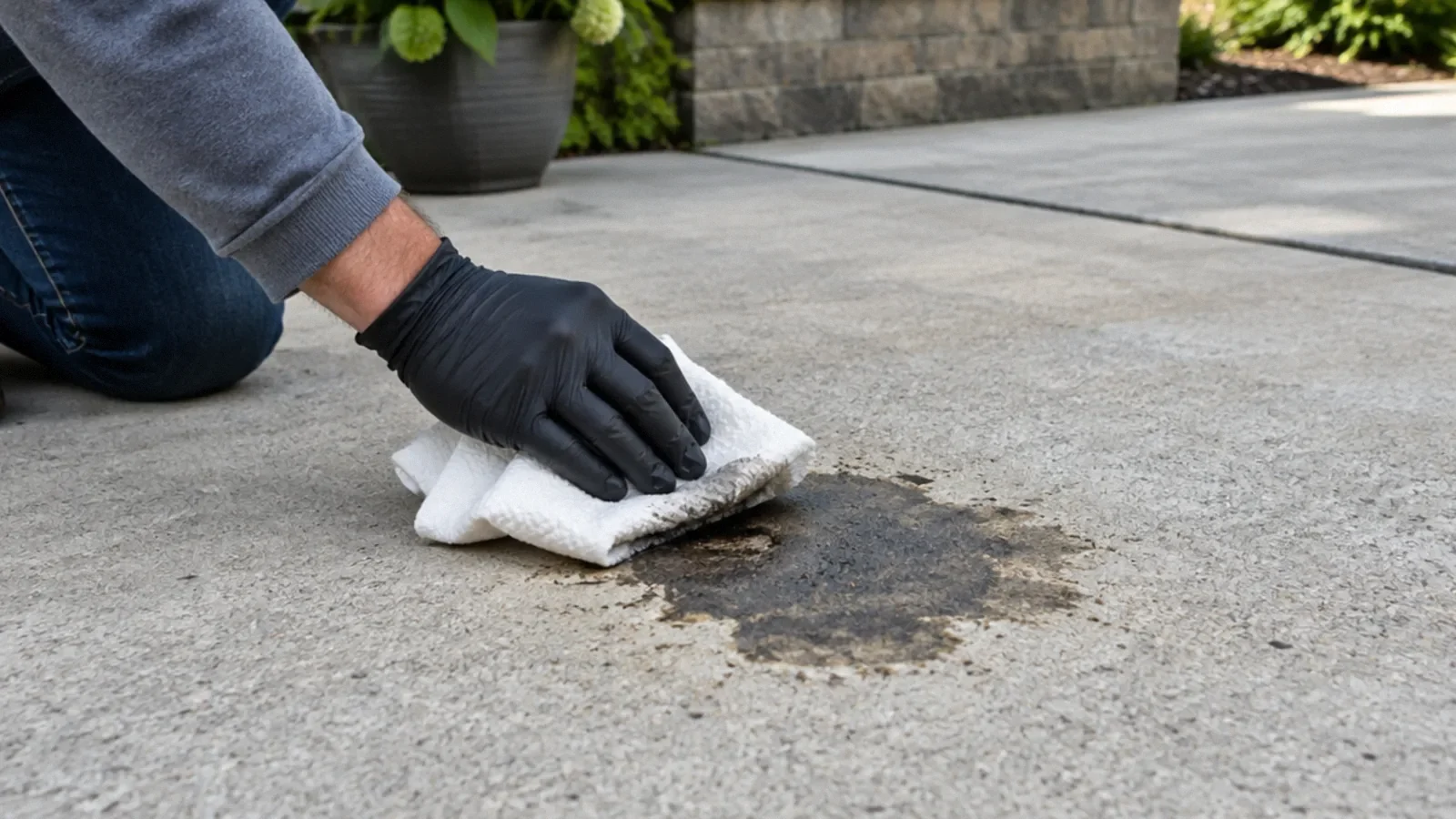
Identify the stain and concrete finish, contain residues and select a compatible cleaning method while protecting drains and surrounding surfaces.
Create a practical business emergency plan for evacuation, communication, critical operations, water damage and safe recovery.
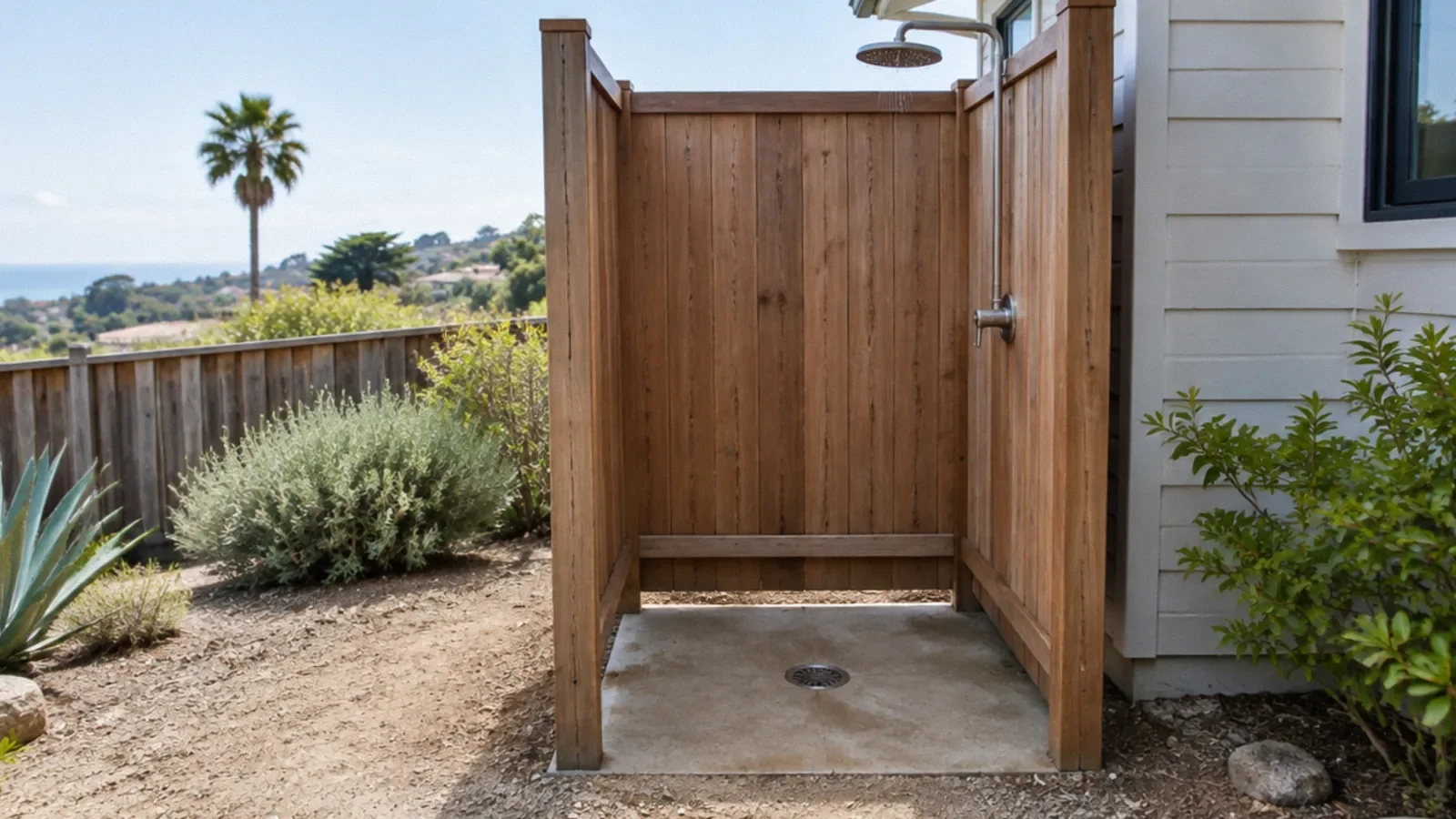
Use an outdoor shower drainage diagram to understand questions about sewer connections, graywater, permits and property protection.
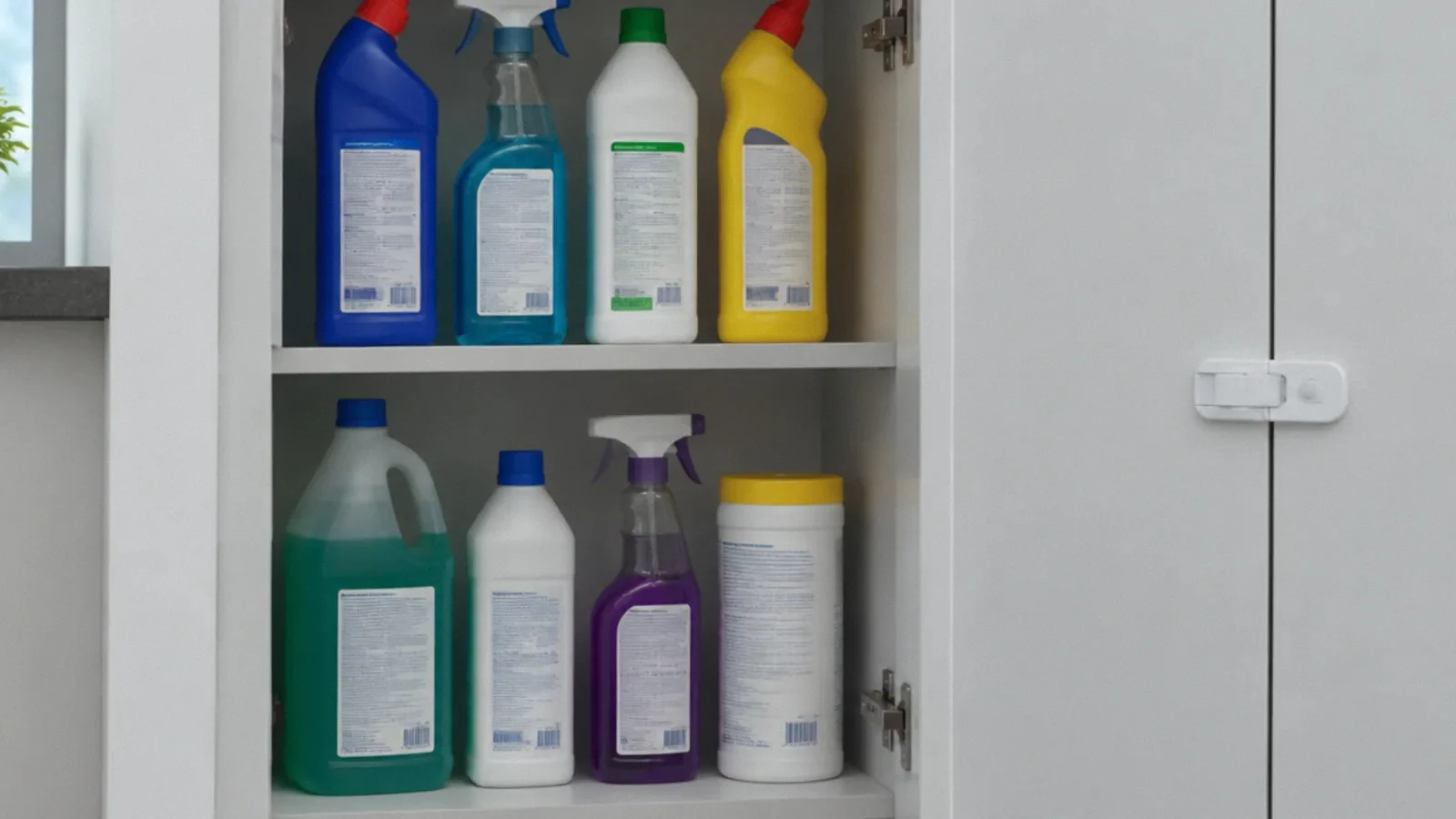
Learn how to check dates and storage instructions for cleaners and disinfectants without assuming every product has the same shelf life.
Choose a cleaning method for fresh or dried urine based on the surface, and understand when rodent contamination requires different precautions.
Understand national sewage-cleanup price ranges, crawl-space access and safety, and what to request in a local estimate.
Compare stain-protection treatments for upholstery and carpet, check compatibility and understand why a protective finish is not a cleaning guarantee.
Explore restoration training topics, supervised experience, worker safety and the difference between a course, a certification and a contractor license.
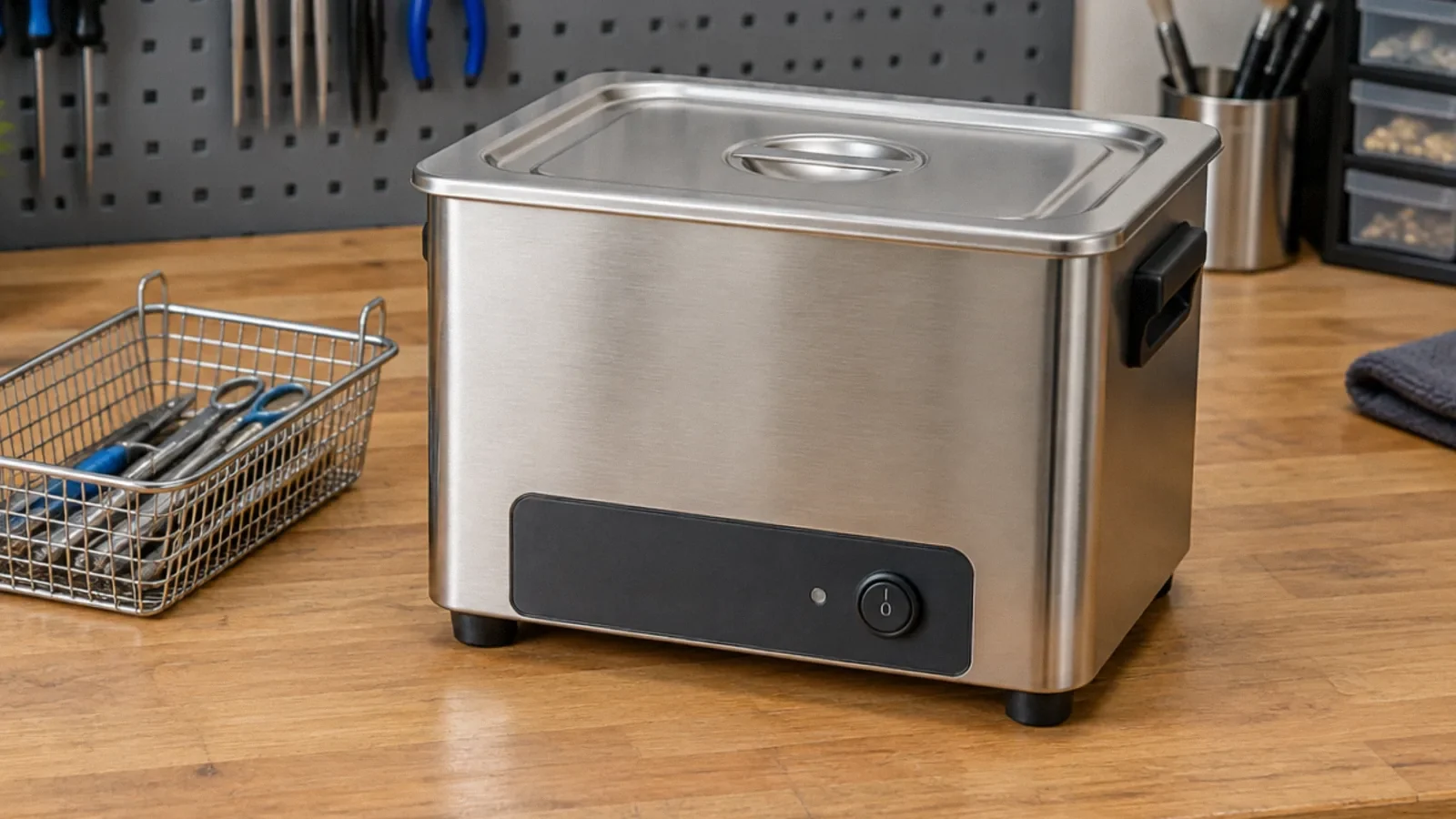
Learn how an ultrasonic cleaning bath removes some soils, why cleaning is not sterilization and what to check before treating an item.
Learn why a dry or inactive mold patch still needs attention, what visual clues can and cannot tell you, and how moisture control and removal fit together.
Compare algae and mold, understand the limits of visual identification, and choose a moisture-focused response for indoor and outdoor surfaces.
Compare grading, downspouts, gravity drainage and other approaches to managing foundation water, including their limitations.
Understand how temperature, moisture and surface conditions affect indoor mold growth and what to do after water damage.
Learn how to investigate a lingering odor after mold remediation, from residual moisture and hidden damage to cleaning products.
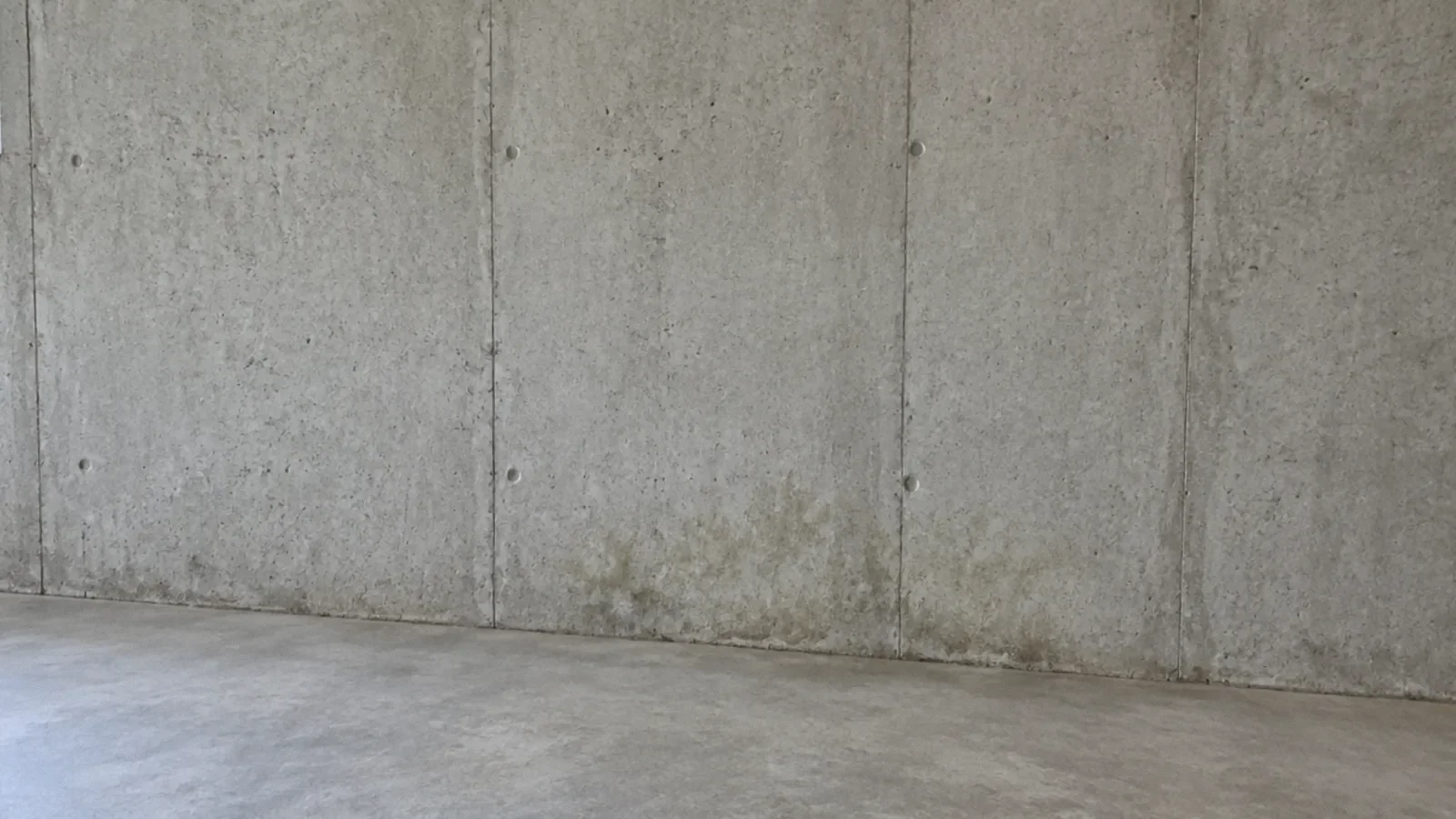
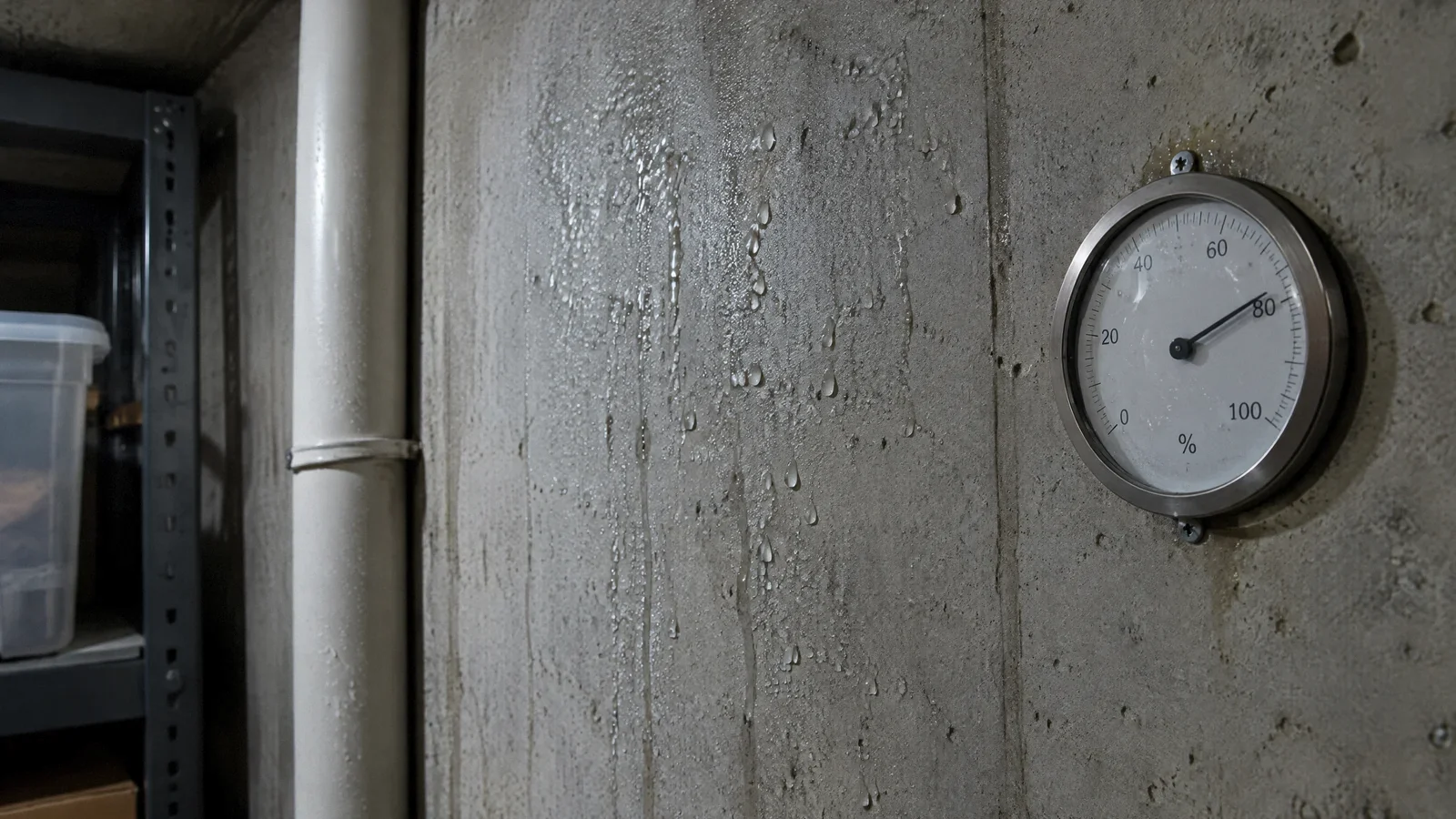
Learn how warm humid air, cold concrete and water entry affect basement walls, and how to choose the next inspection or repair.
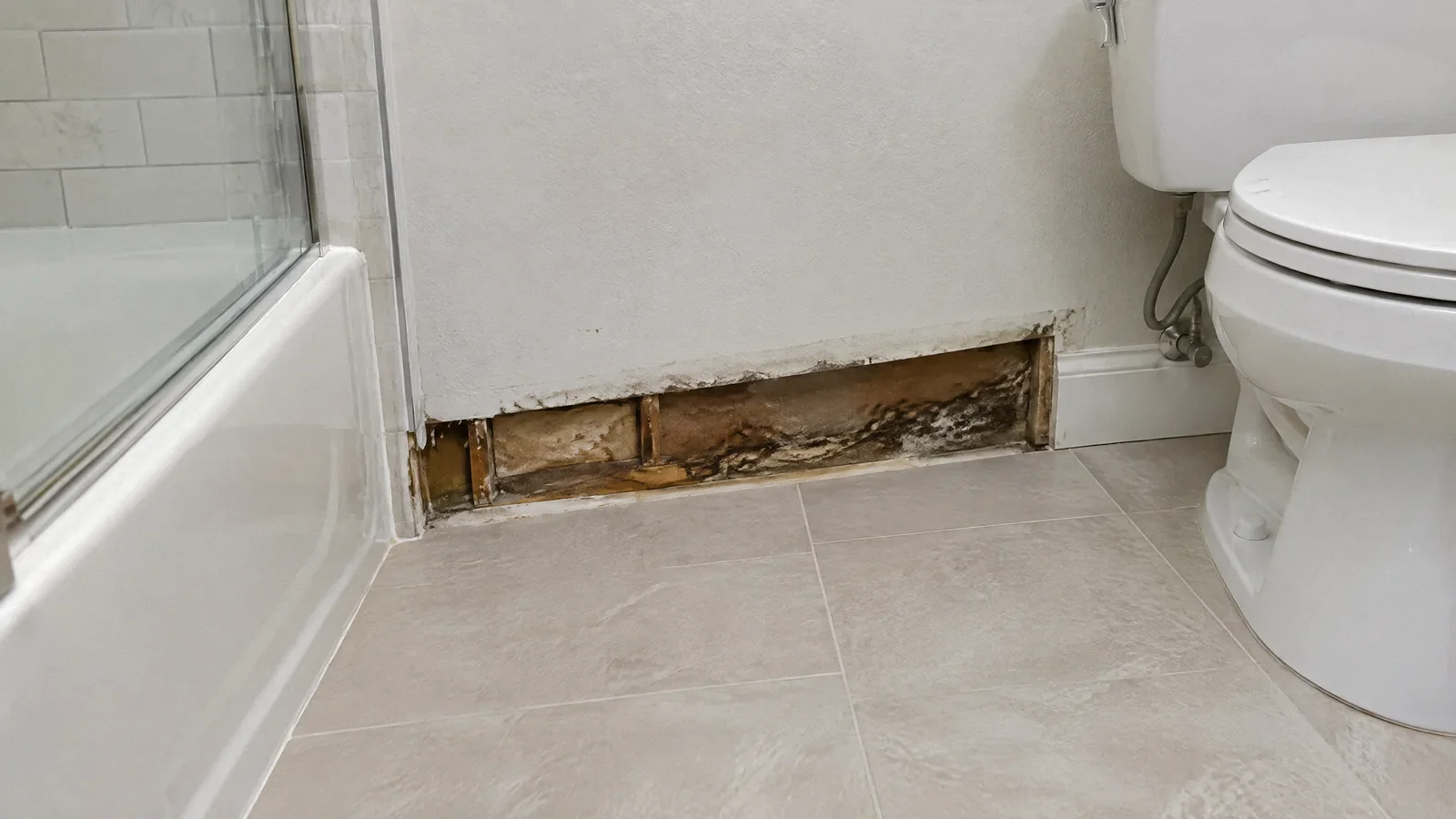
Plan a bathroom water damage repair by identifying the source, assessing affected layers, drying materials and restoring the room.
Understand the main bathtub supply, drain, overflow, trap and vent components and the decisions involved in installation.
Compare mechanical tools and chemical products for a clogged toilet, including label restrictions and when to call a plumber.
Understand how California worker protection, trauma scene registration and waste rules can apply to biohazard cleanup.
Learn what dark sink and drain buildup can mean, how to clean an accessible surface, and when recurring moisture calls for help.
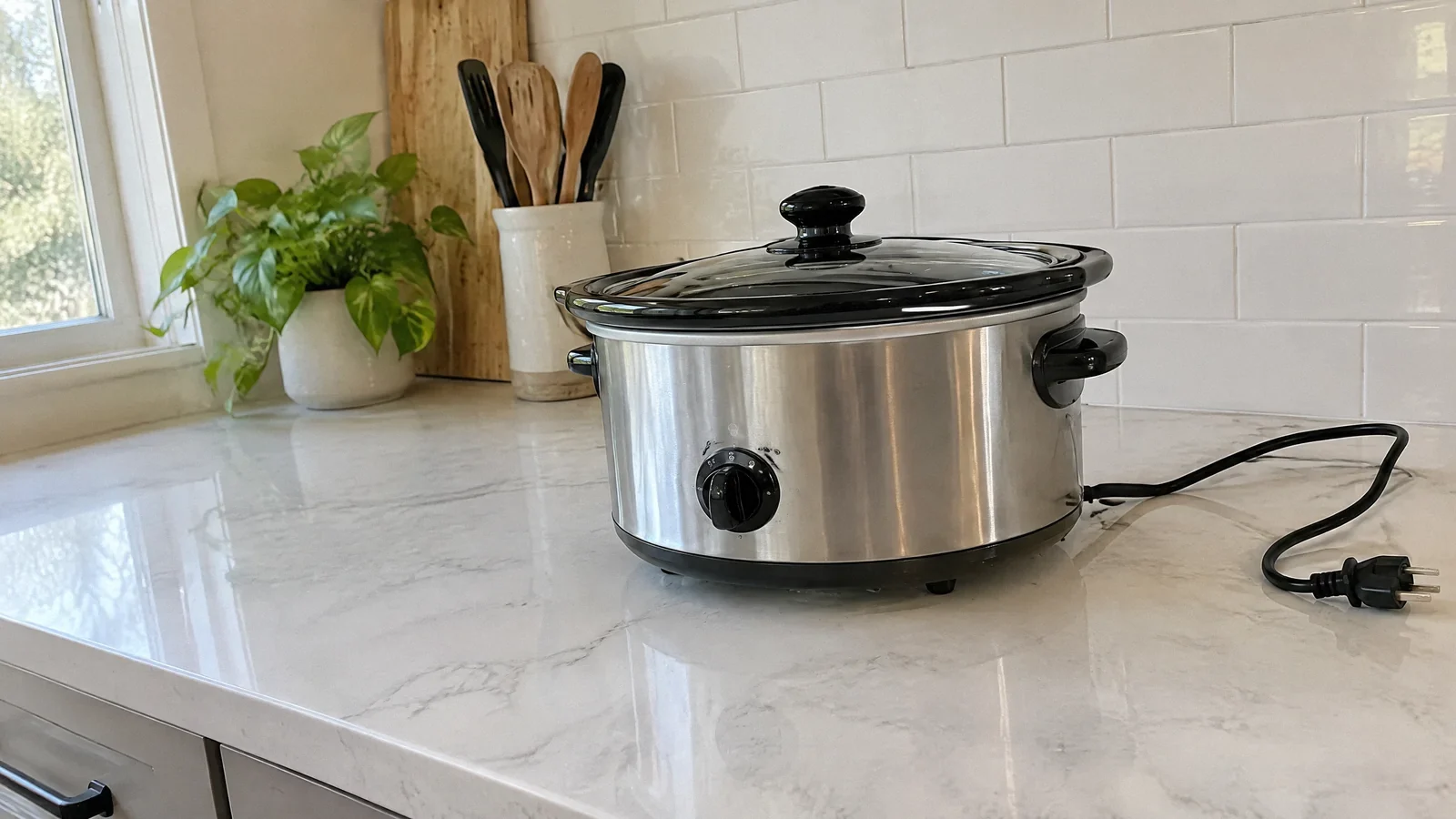
Understand slow cooker fire risks, check your appliance and plan a safe response to smoke or fire.
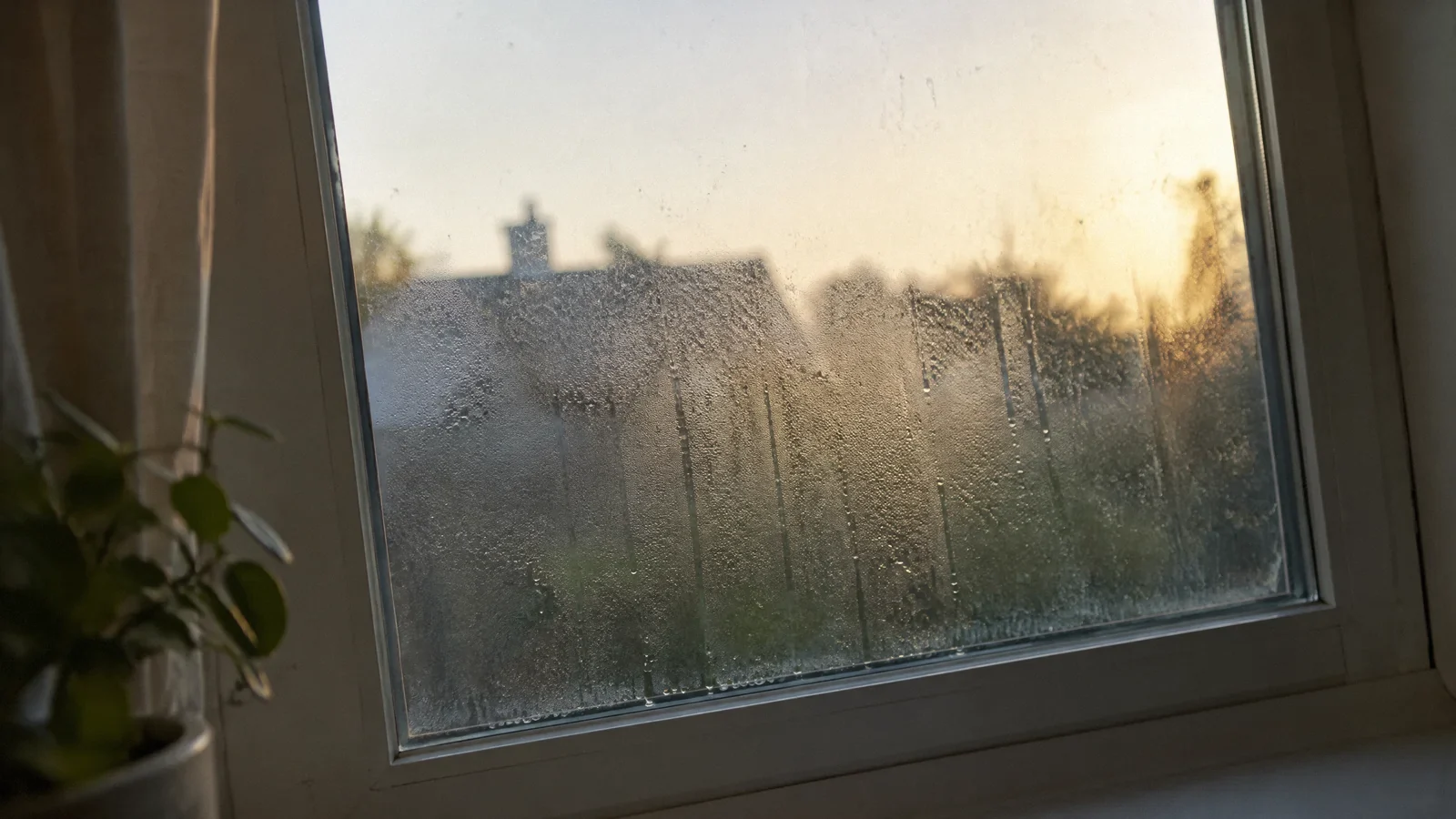
Learn why damp, dirty glass can support mold, how to clean a small area, and how to address condensation.
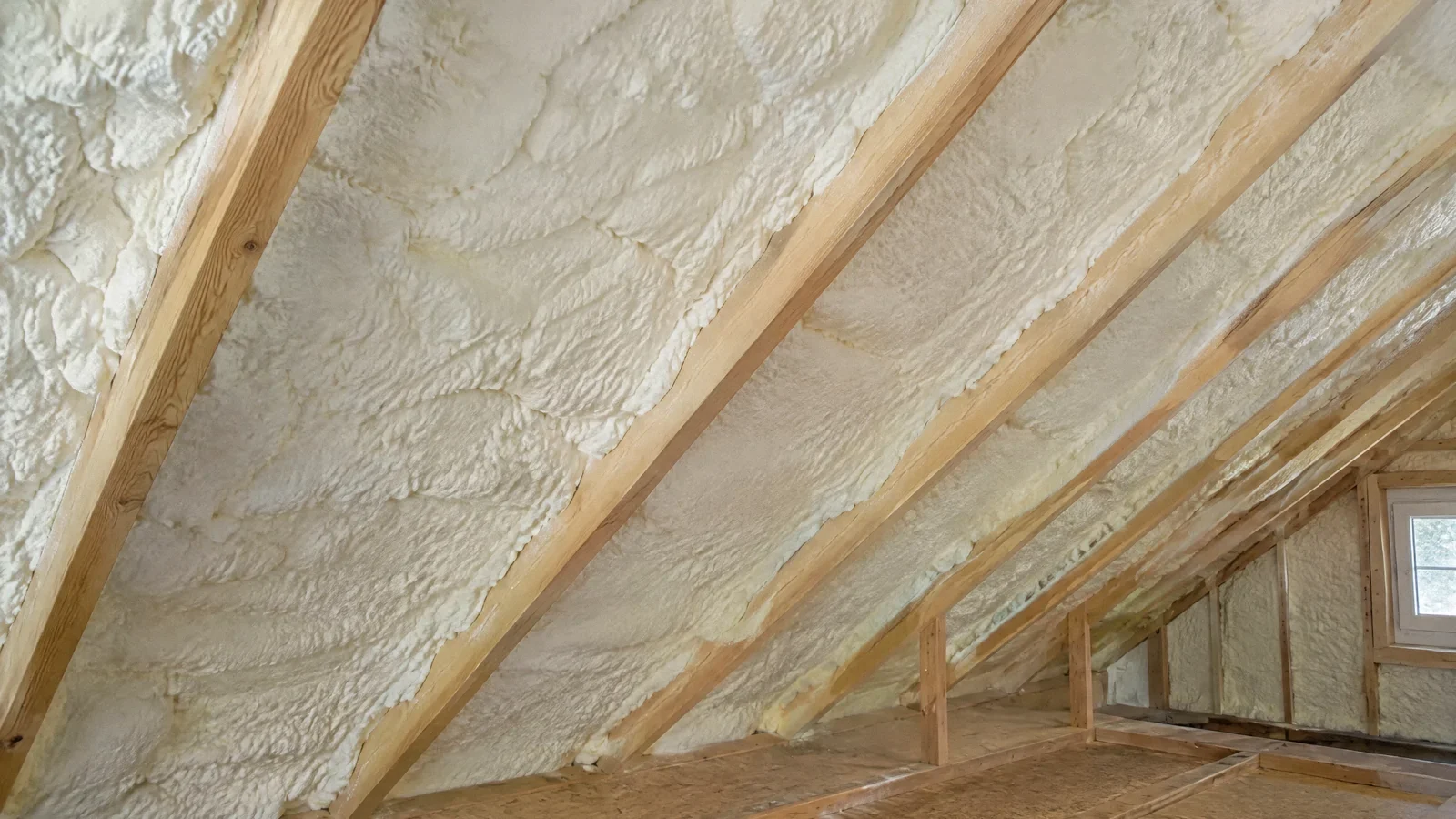
Compare wet open-cell and closed-cell spray foam and learn why the adjoining structure must also be checked.
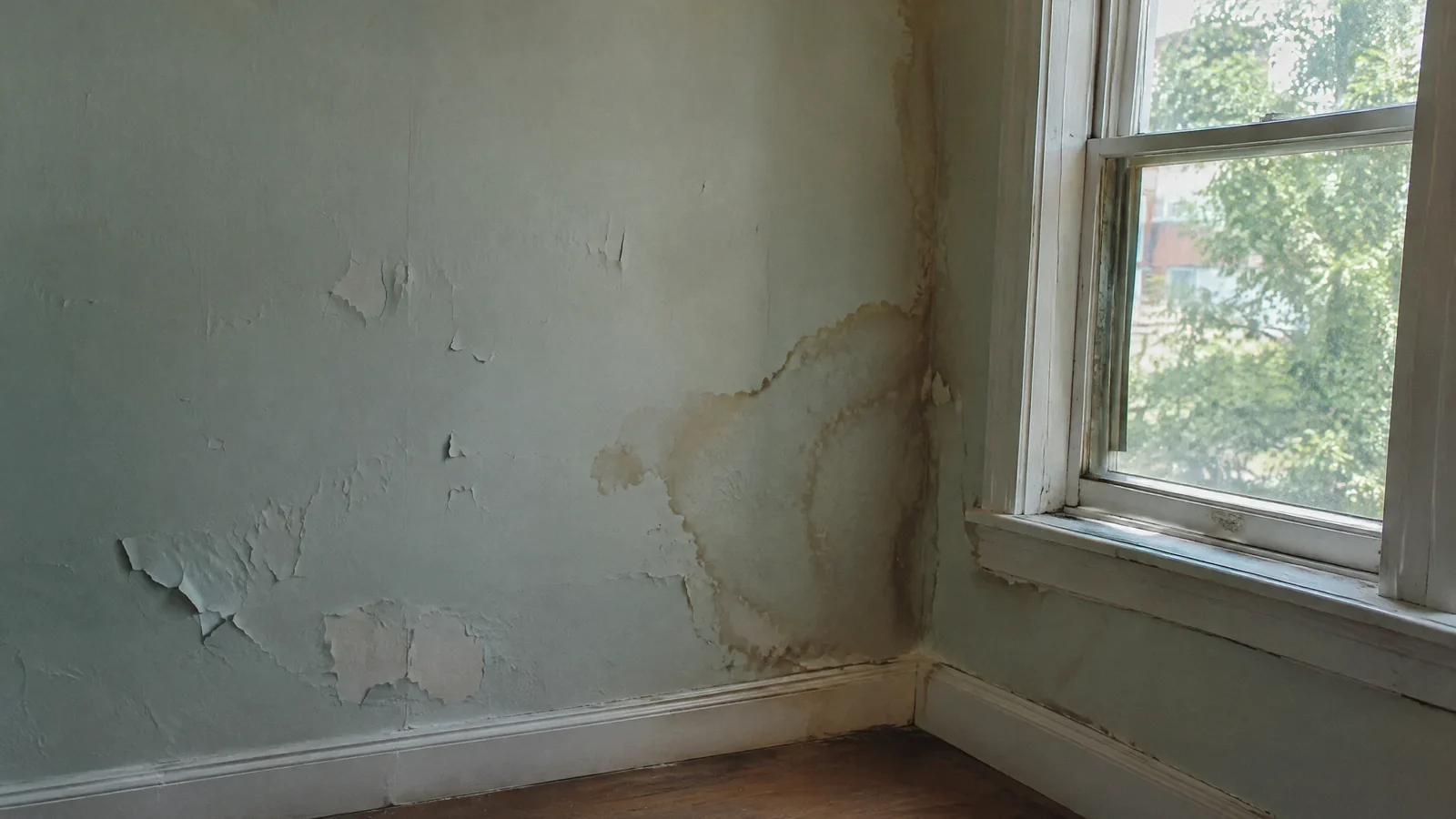
Learn the limits of visual signs, why paint is not a mold remedy, and what to do before refinishing a wall.
Understand how work location, containment, health needs and essential services affect the decision to stay or relocate.
Learn what to do after an oven fire and when professional inspection is needed before using the appliance again.
Document changes after carpet cleaning, address persistent dampness, and discuss an assessment and remedy with the cleaner.
Separate common carpet-cleaning myths from practical guidance on vacuuming, spots, professional cleaning and drying.
Explore common sources of water damage, their warning signs and practical steps to find and address the source.
The cost depends on the cause, ceiling material, size and accessibility of the repair, and the finish needed. Obtain written local estimates with the same.
The total may include finding and repairing the leak, drying, removing damaged material, and restoring the ceiling. The cost varies with the water source a.
A watered tree, safe clearance from heat, undamaged lights, and an escape plan all help reduce holiday fire risks. Turn decorative lights off before sleepi.
Return only when officials say it is safe. Keep away from electrical and structural hazards, treat floodwater as potentially contaminated, document damage,.
Wait for the authorities to release the property before entering an affected area. Ordinary estate clearing and cleanup involving blood or other potentiall.
Learn how to respond to a suspected blockage between a home and its septic tank, and how a professional locates the problem.
Stop adding water if wastewater is backing up, keep people away from sewage, and arrange a professional inspection. Slow drains and odors can indicate a pr.
Wait for authorities to permit access, protect people and essential operations, notify the insurer and building owner, and arrange a documented assessment.
Protect occupants, isolate the water source only if trained staff can do so safely, and call qualified plumbing and restoration providers. Assess affected.
Protect occupants and equipment, document the leak, and arrange a qualified roof inspection and interior moisture assessment. A leak visible inside may ori.
Understand upholstery cleaning price factors, what a quote should include and how to compare service for your sofa.
Plan routine office cleaning, targeted disinfection and cleaner air while protecting workers and following product instructions.
Compare ground liners, seam materials, insulation and moisture controls for a crawl space, with attention to compatibility and site conditions.
Check the cycle, filter, sink connection and drain path when a dishwasher leaves water behind, and know when to call for service.
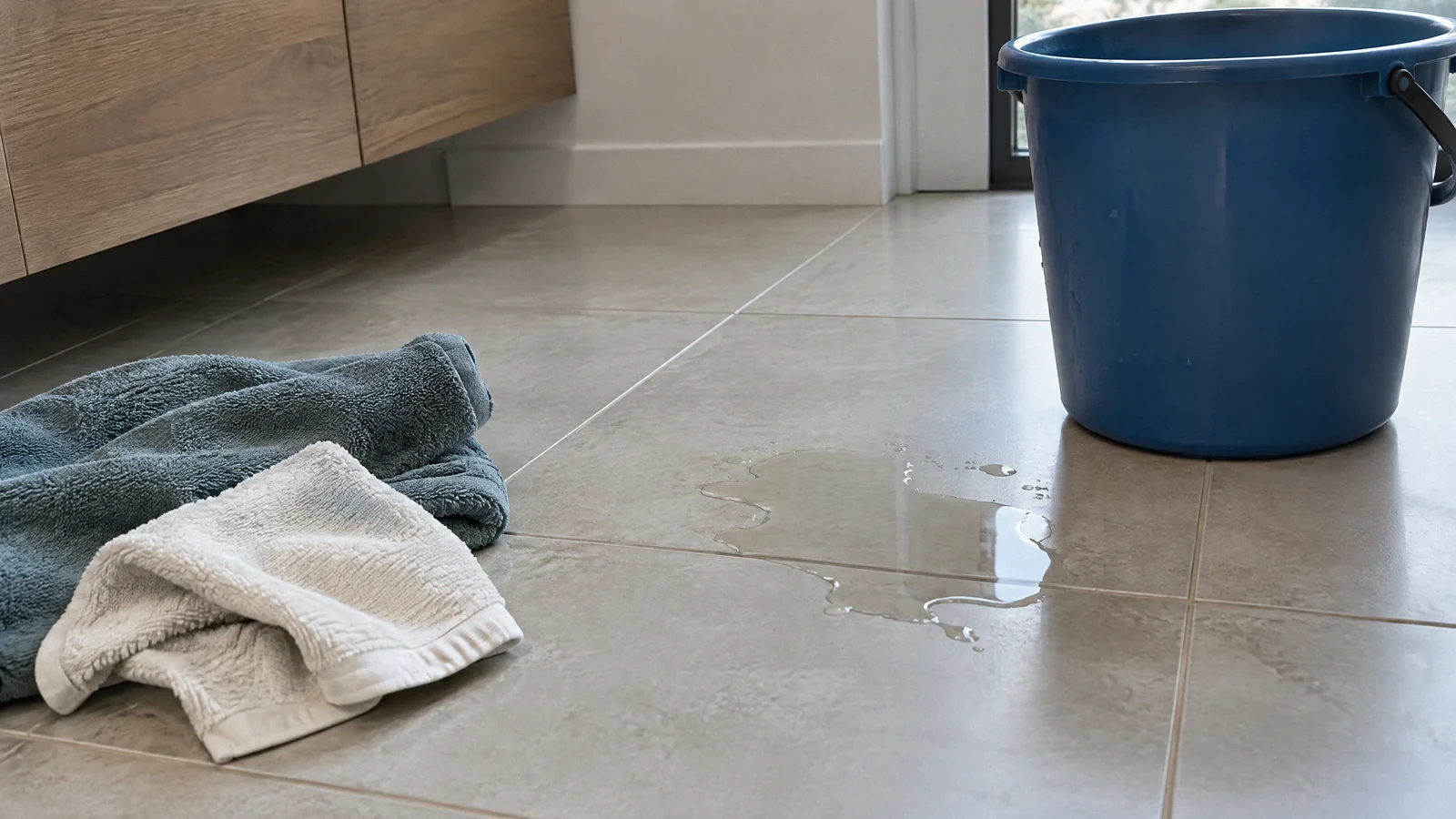
Learn how to assess a small clean-water incident, dry accessible materials and recognize situations requiring professional help.
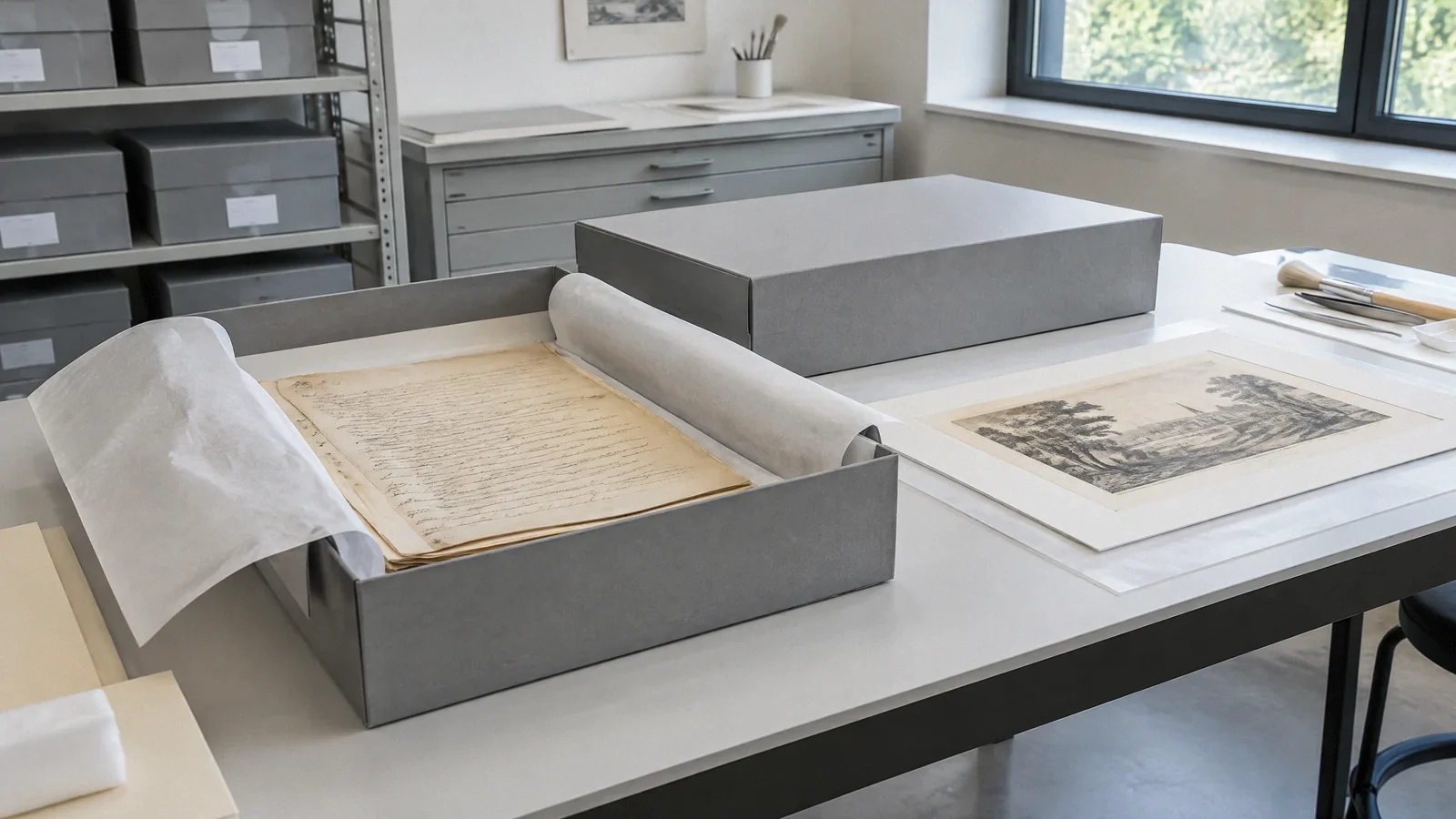
Learn when to freeze wet documents, how vacuum freeze drying differs from freezing, and what to ask a preservation professional.
Understand why mold can develop during cold weather and how to address condensation, leaks and damp materials.
Understand what mold-resistant paint can and cannot do, and how to prepare a damp or previously moldy surface.
Understand how active water damage, completed repairs and documentation can affect an appraisal or buyer’s decision.
Compare dryer vent cleaning quotes, understand access and duct-length charges, and ask what the service includes.
Reduce dust mites and allergens in carpet with suitable cleaning, humidity control and care for nearby bedding and upholstery.
Recognize possible mold and moisture problems, understand the limits of appearance, and decide when professional assessment is needed.
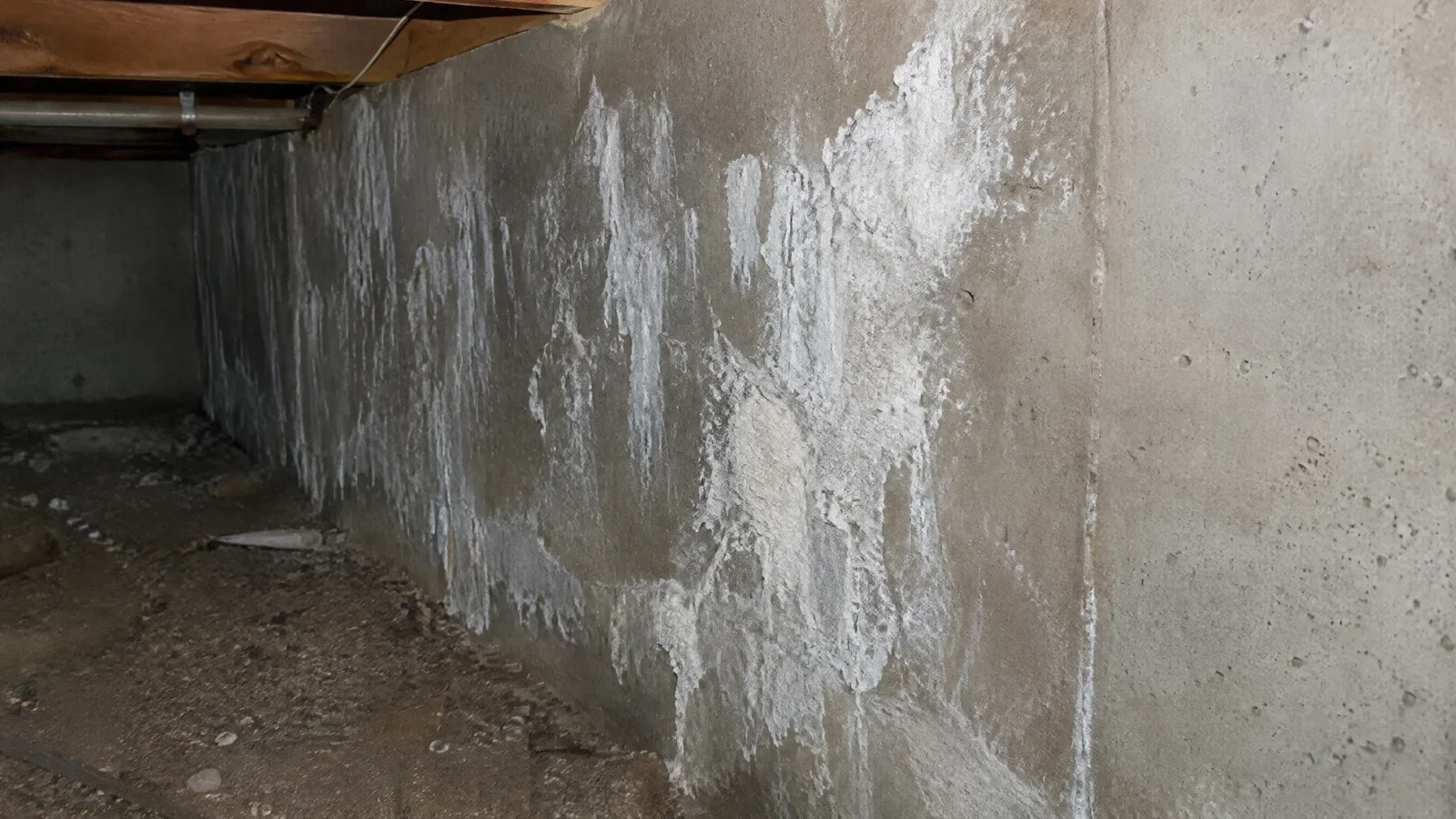
Learn why white mineral deposits appear on masonry and how to investigate the moisture pathway behind efflorescence.
Keep water away from outlets and learn when wet or damaged electrical equipment needs qualified assessment.
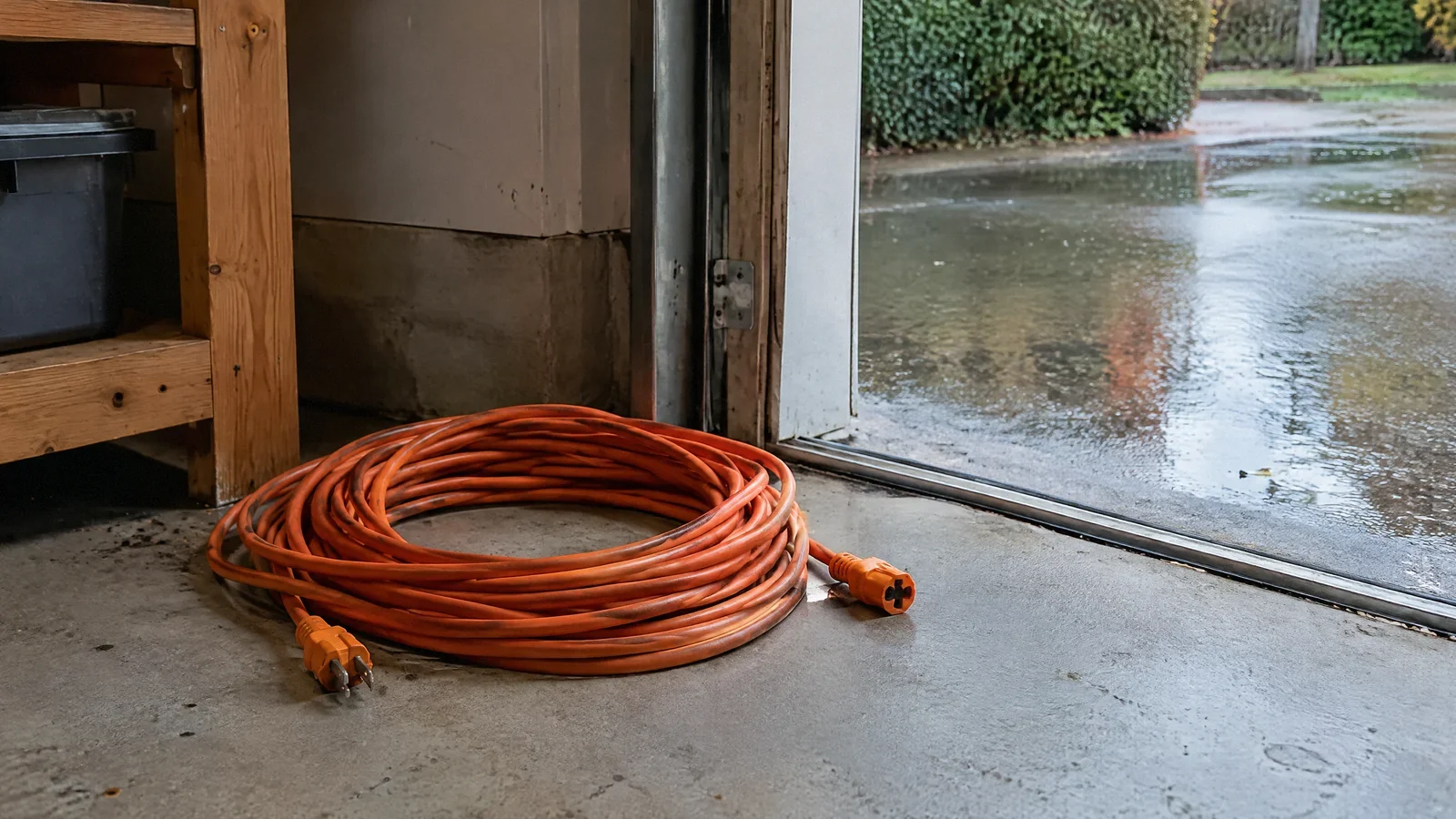
Know what to do when an extension cord gets wet, including safe isolation and professional evaluation before reuse.
Understand exterior foundation sealing, drainage and site assessment before choosing waterproofing work.
Compare fire and water damage restoration, including contamination, drying, smoke residue and repair planning.
Learn what a flood inspection should document, including water sources, affected materials, concealed areas and safety limits.
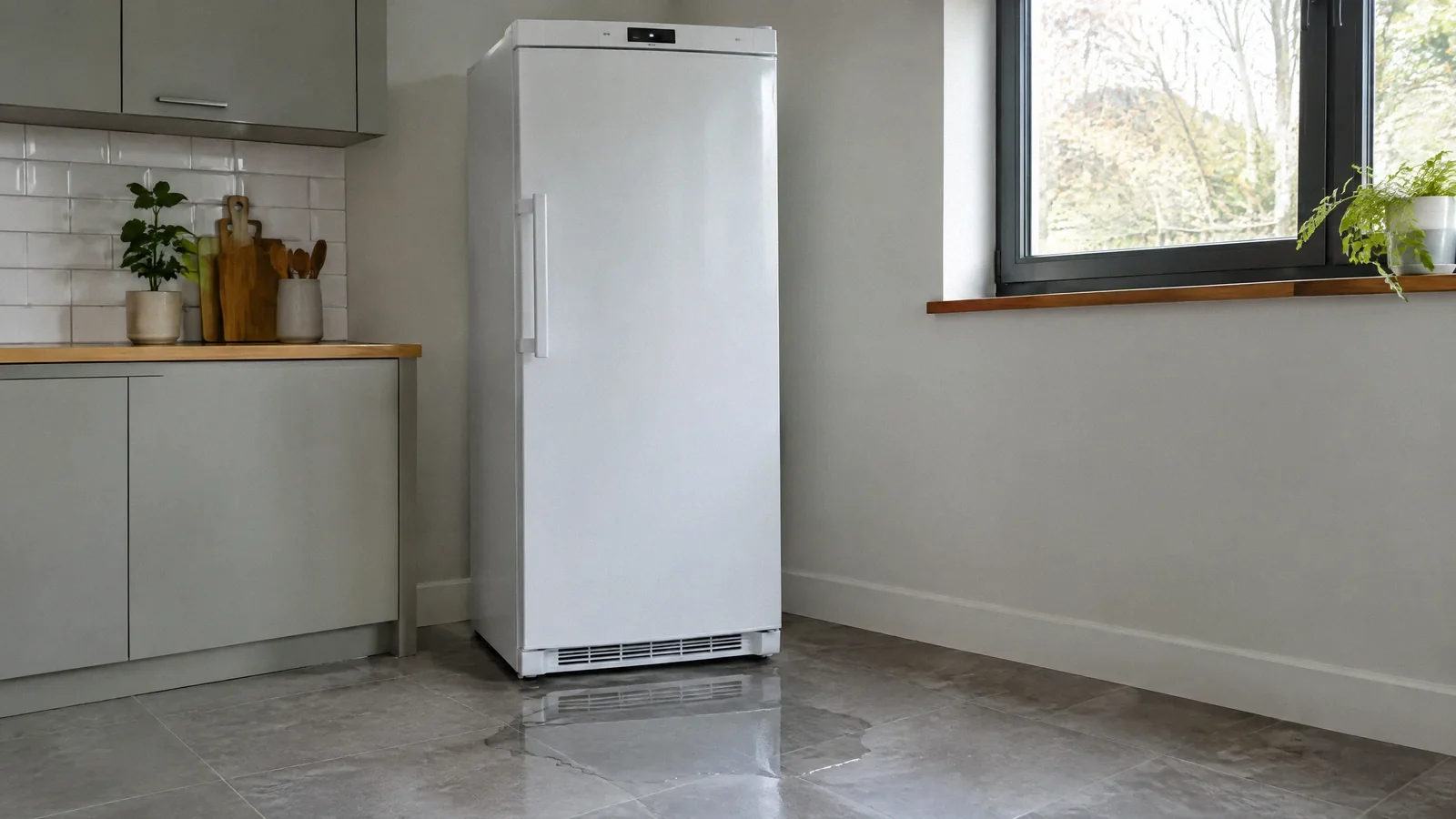
Identify common freezer leak patterns and decide when to consult the appliance manual or arrange professional repair.
Compare French drains and sump pumps, including when gravity drainage and pumped discharge may work together.
Learn why useful mold in food does not make unwanted growth in a damp home safe, and what to do in each setting.
Identify scratches, dents, wear and moisture damage in hardwood and compare repair options.
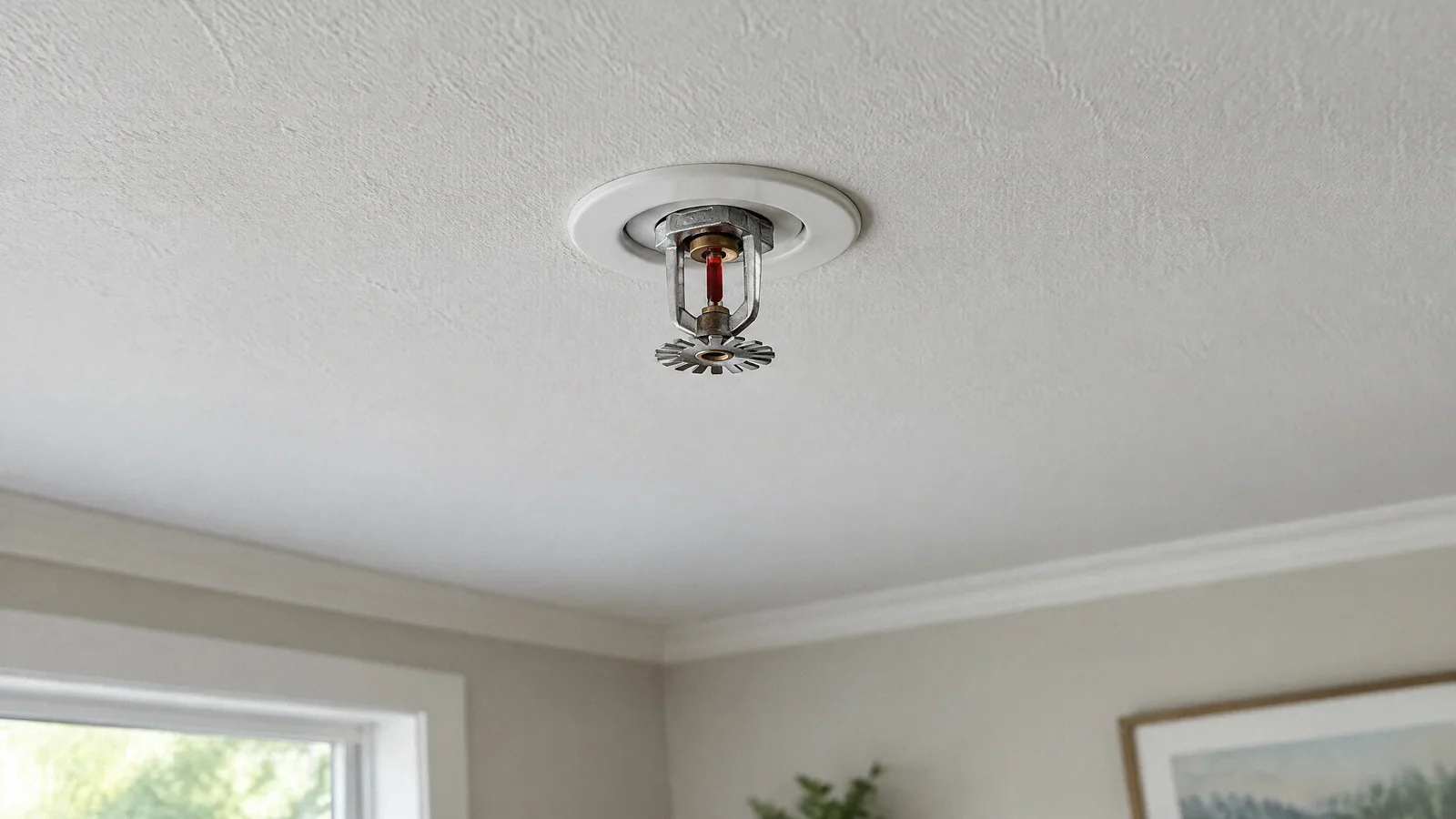
Understand how residential fire sprinklers operate, what they require, and what to ask before installation.
Learn how dryer fires start, recognize warning signs and maintain the lint filter and exhaust safely.
Understand the stages of mold remediation, why timelines vary and what must happen before rebuilding.
Learn why water damage can appear immediately or remain hidden, and what signs warrant an inspection.
Understand how mold and moisture can affect a home sale, appraisal and buyer negotiations without relying on a universal percentage.
Follow wastewater from the house through a septic tank and drainfield, and learn what maintenance protects each part.
Learn what to observe at registers, which signs suggest duct leakage, and when to request professional testing.
Choose carpet-cleaning products using material compatibility, credible environmental claims and safe-use instructions.
Care for Oriental and other delicate rugs with gentle routine cleaning, prompt spill response and specialist help when needed.
Learn when detergent or bleach may be appropriate for concrete and how product labels and surface requirements affect the choice.
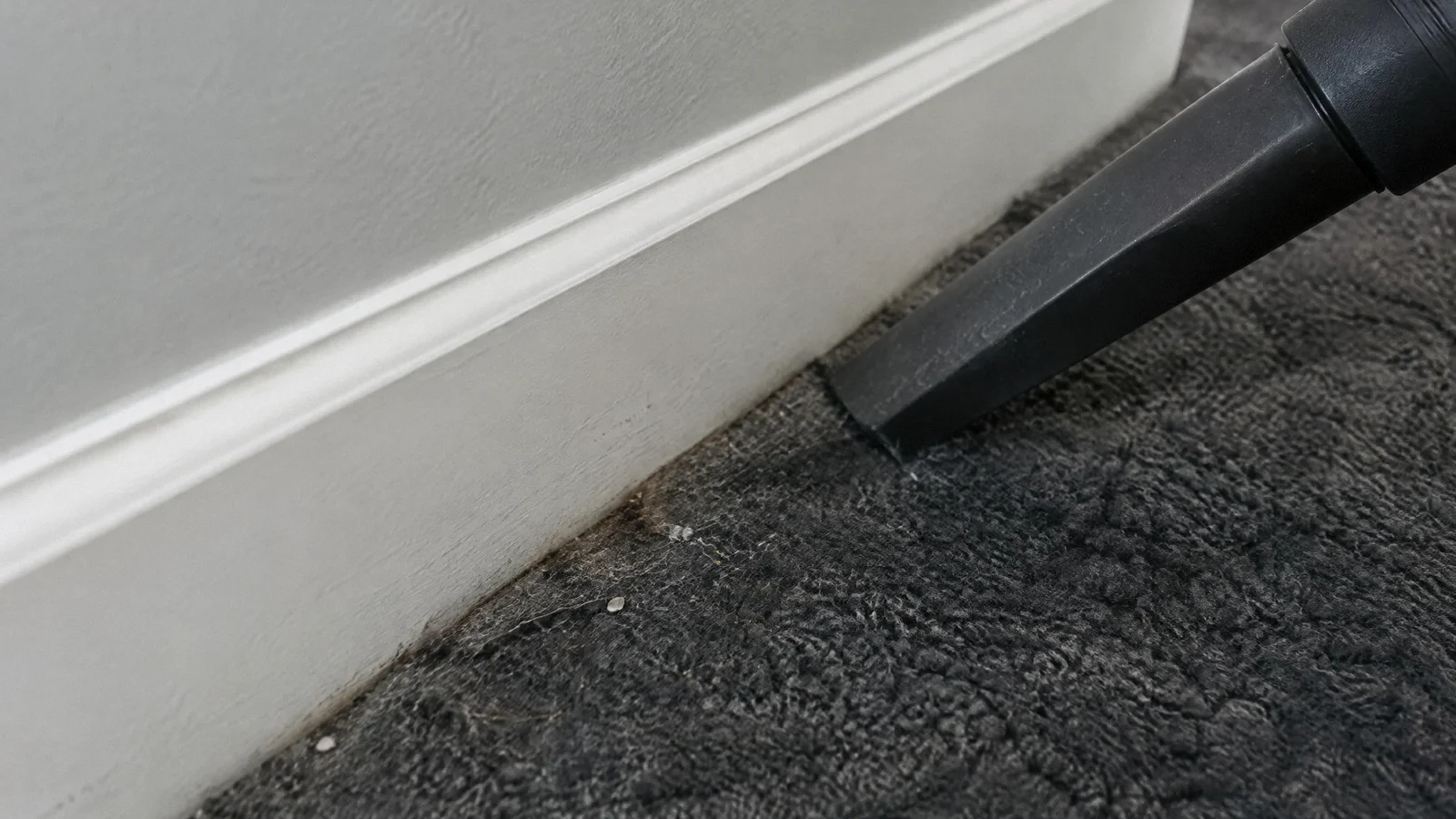
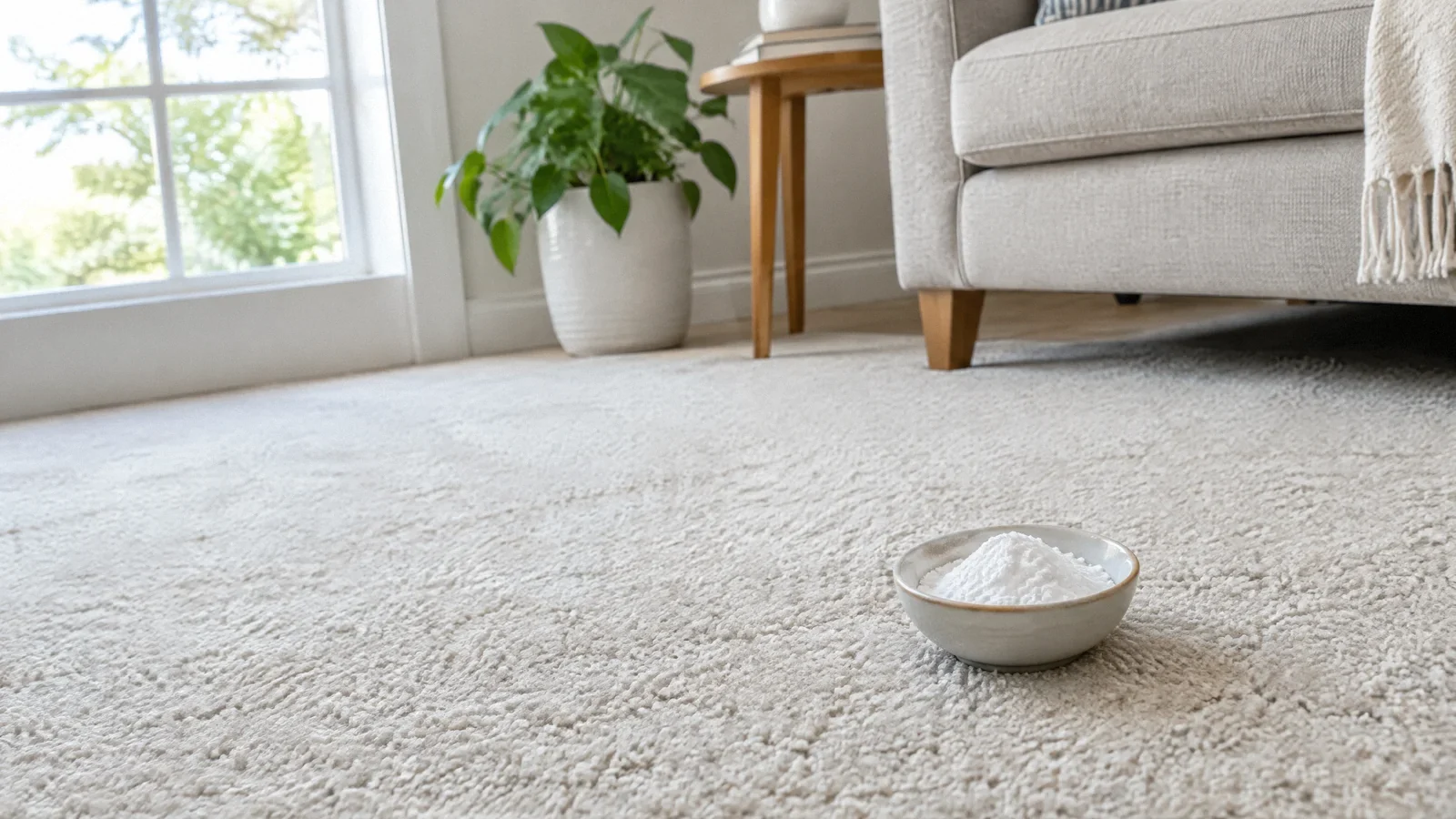
Vacuum the edges with a crevice tool, then use a carpet-compatible spot treatment according to its label. Persistent dark lines can require professional cleaning and attention to airflow gaps.
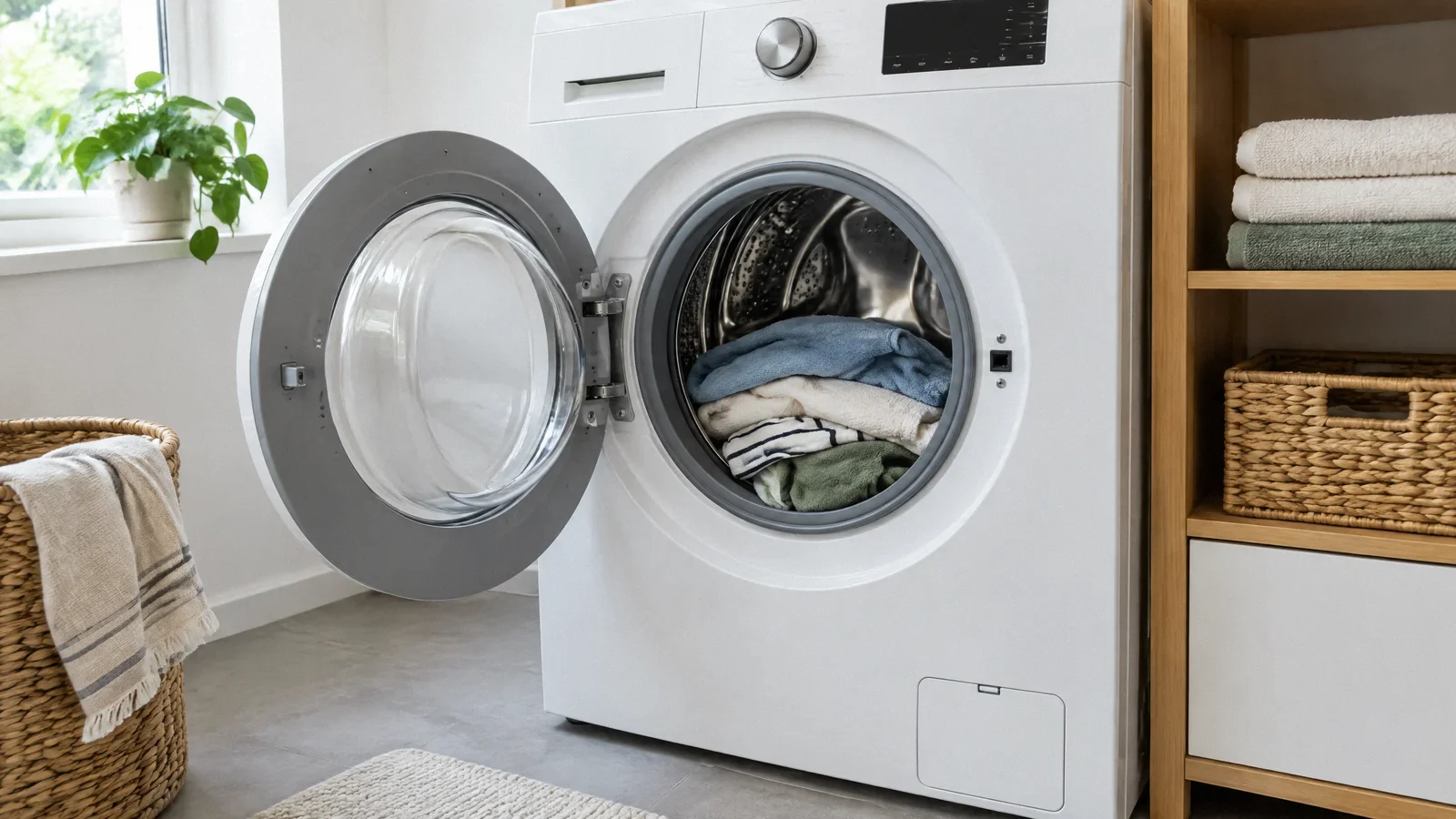
Reduce washing-machine lint through laundry sorting, accessible cleaning and model-specific filter maintenance.
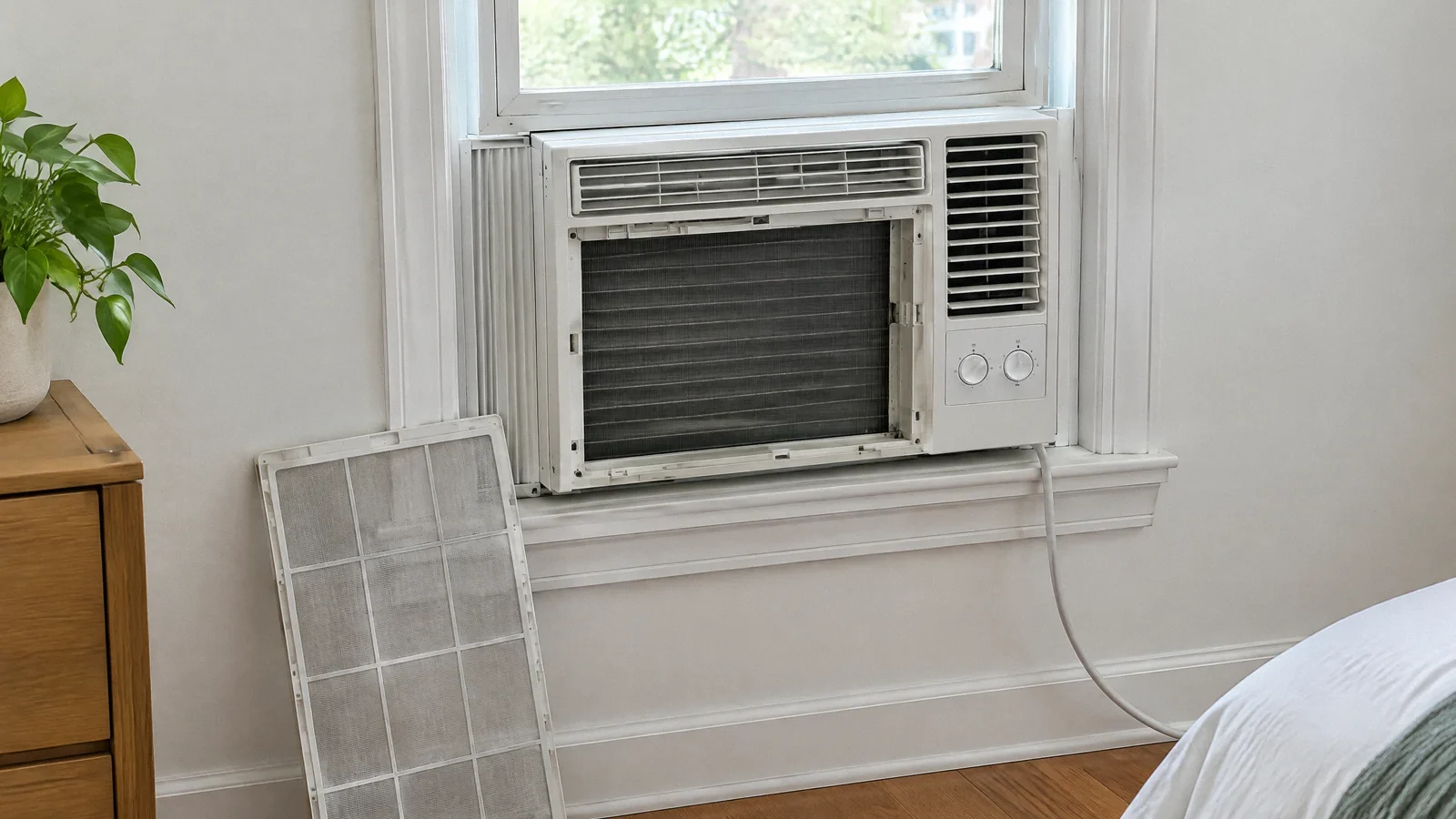
Understand safe next steps for suspected mold in an air conditioner, including moisture control and professional assessment.
Learn how to approach mold on a suitable hard surface and recognize conditions that require professional help.
Clean cigarette residue from compatible painted walls and decide when surface damage requires professional assessment.
Organize a home cleanout, protect important belongings and arrange appropriate handling for hazardous materials.
Clean RV carpet without excessive moisture, using compatible products and checking the backing before storage.
Sort smoke-affected clothing, handle soot carefully and choose laundering or professional textile restoration.
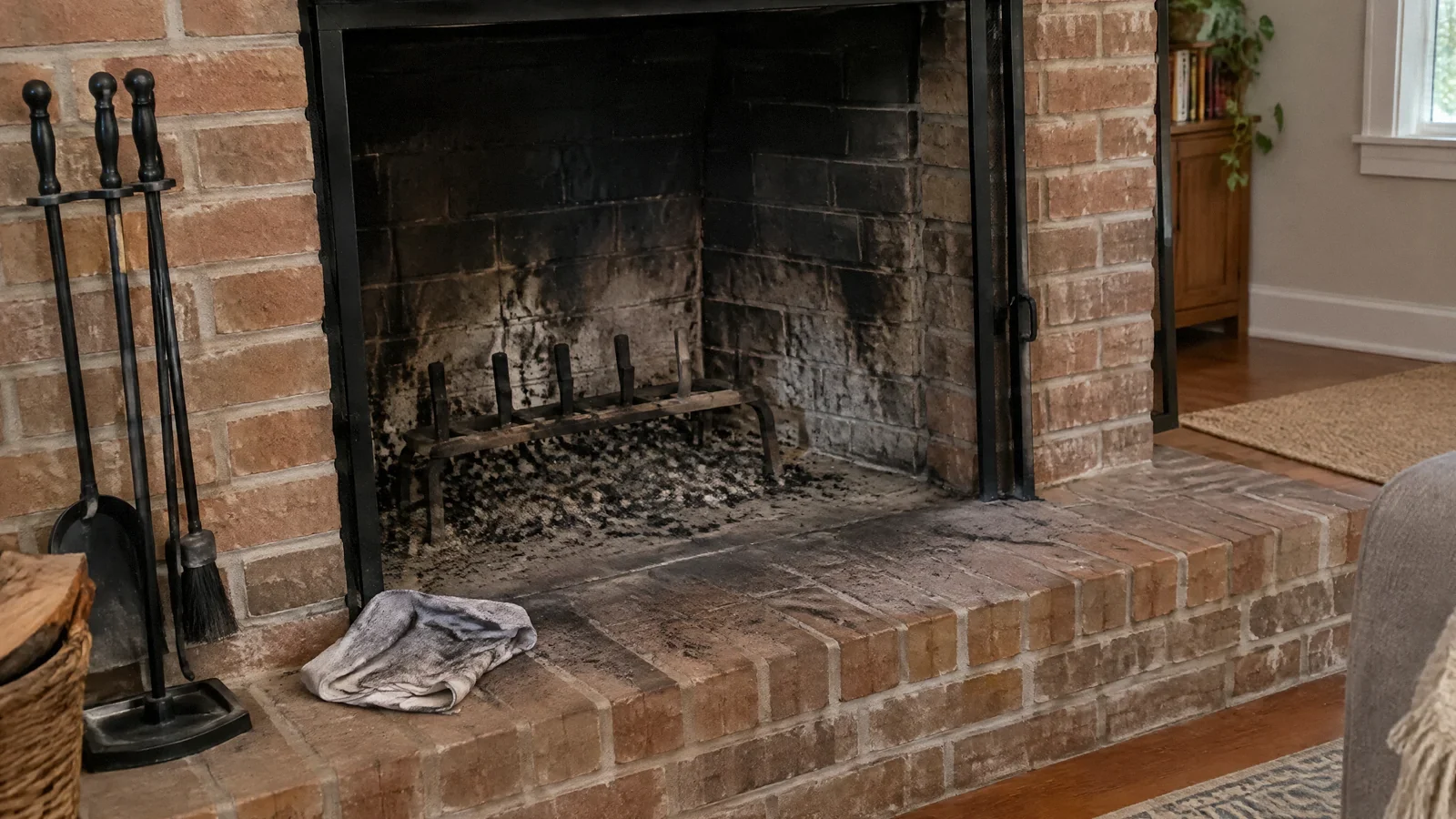
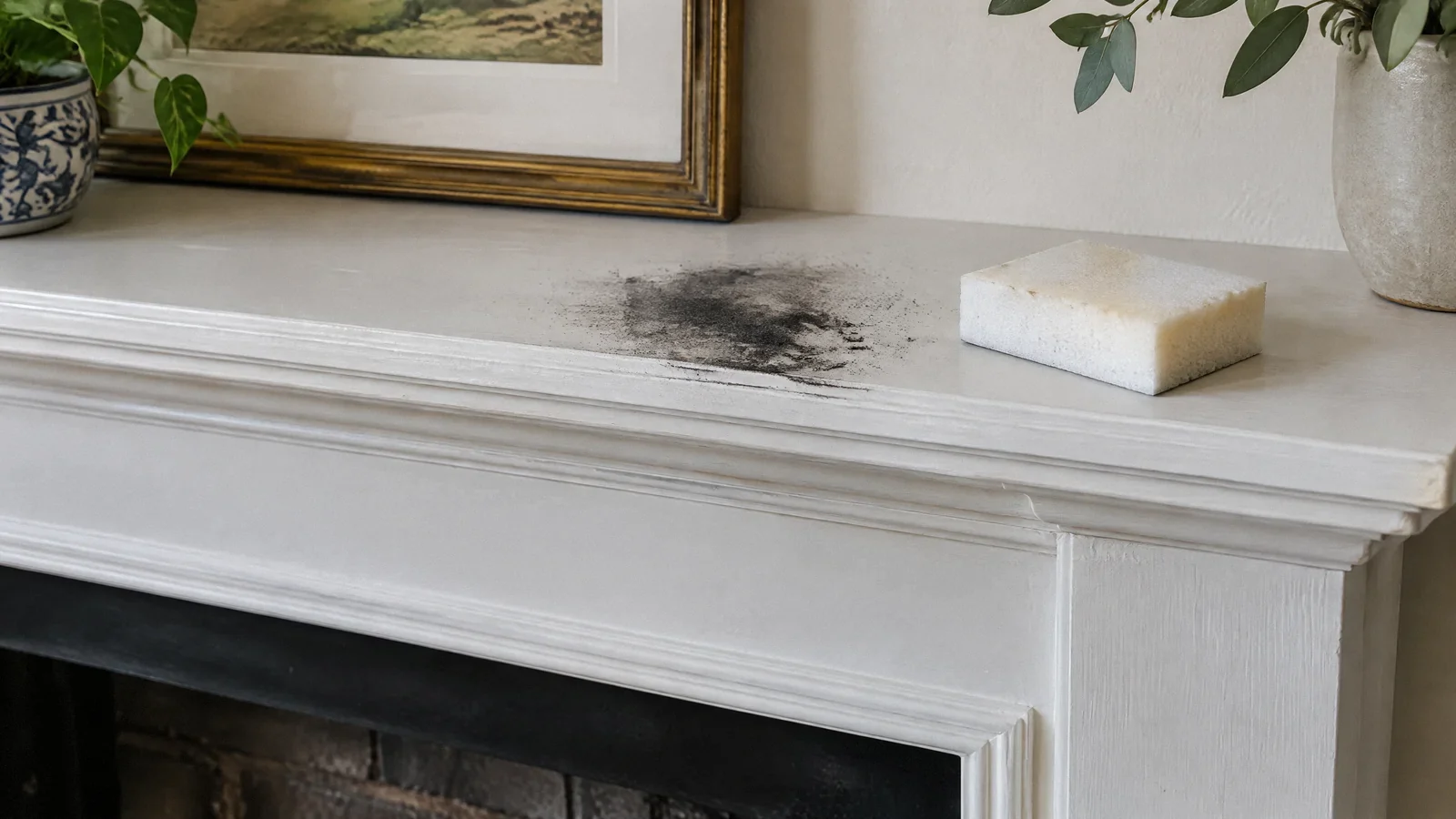
Assess brick and mortar, remove loose residue carefully and choose a compatible cleaning method for a fireplace or fire-damaged wall.
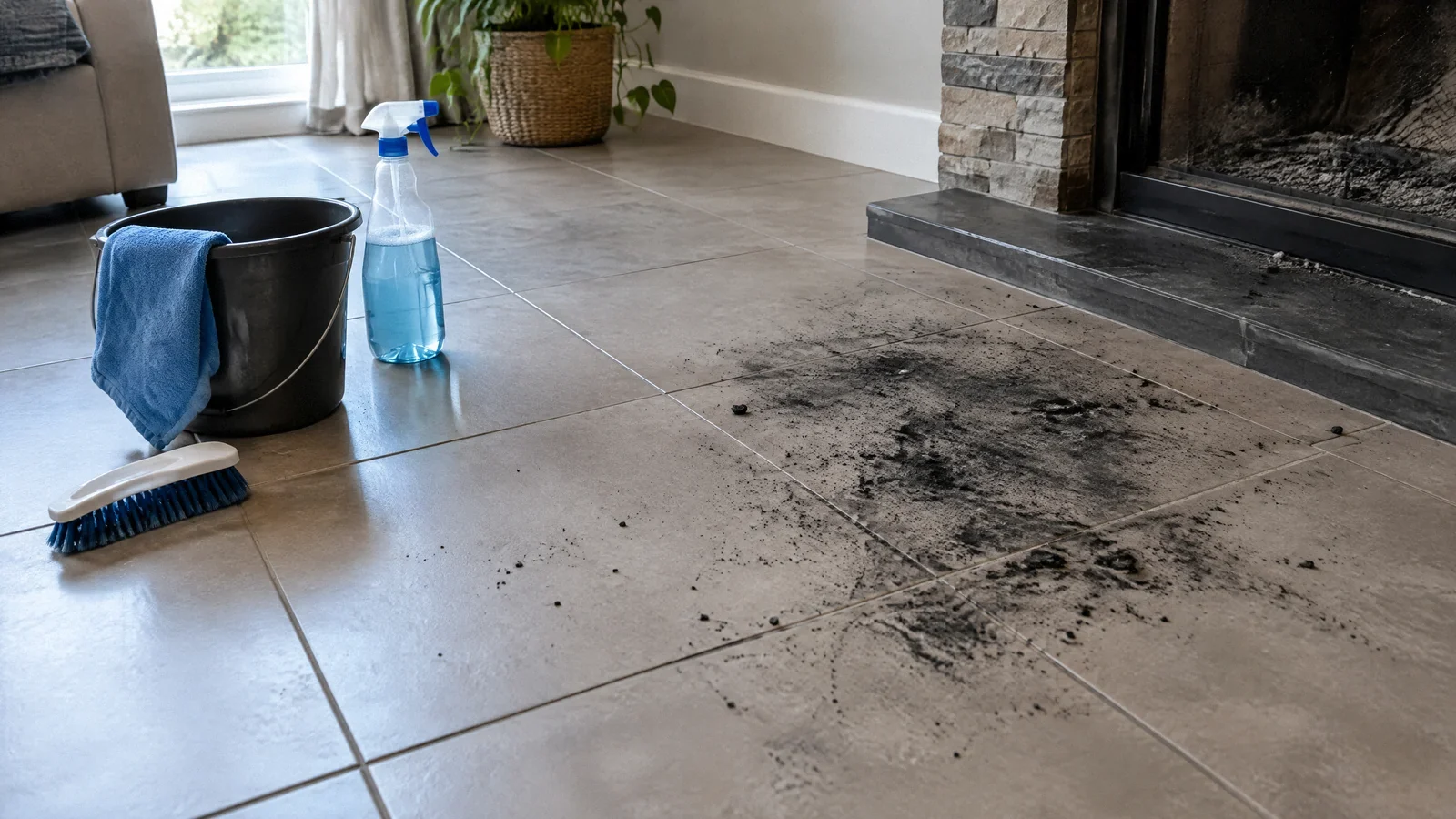
Choose a floor-safe approach to loose soot and residue after a fire, with separate guidance for hard floors and carpet.
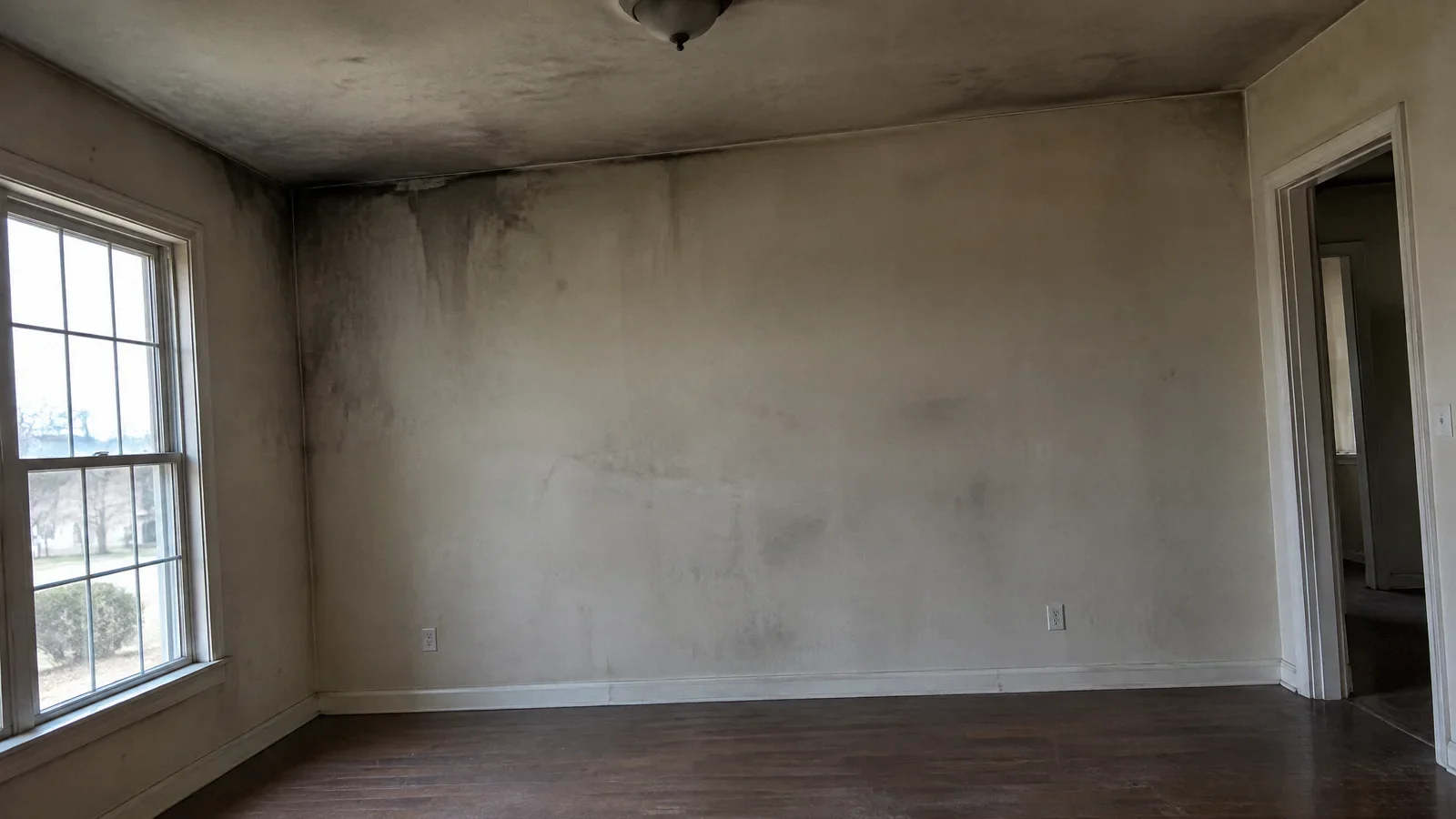
Learn how to assess soot, protect painted finishes and decide when walls or ceilings need professional fire restoration.
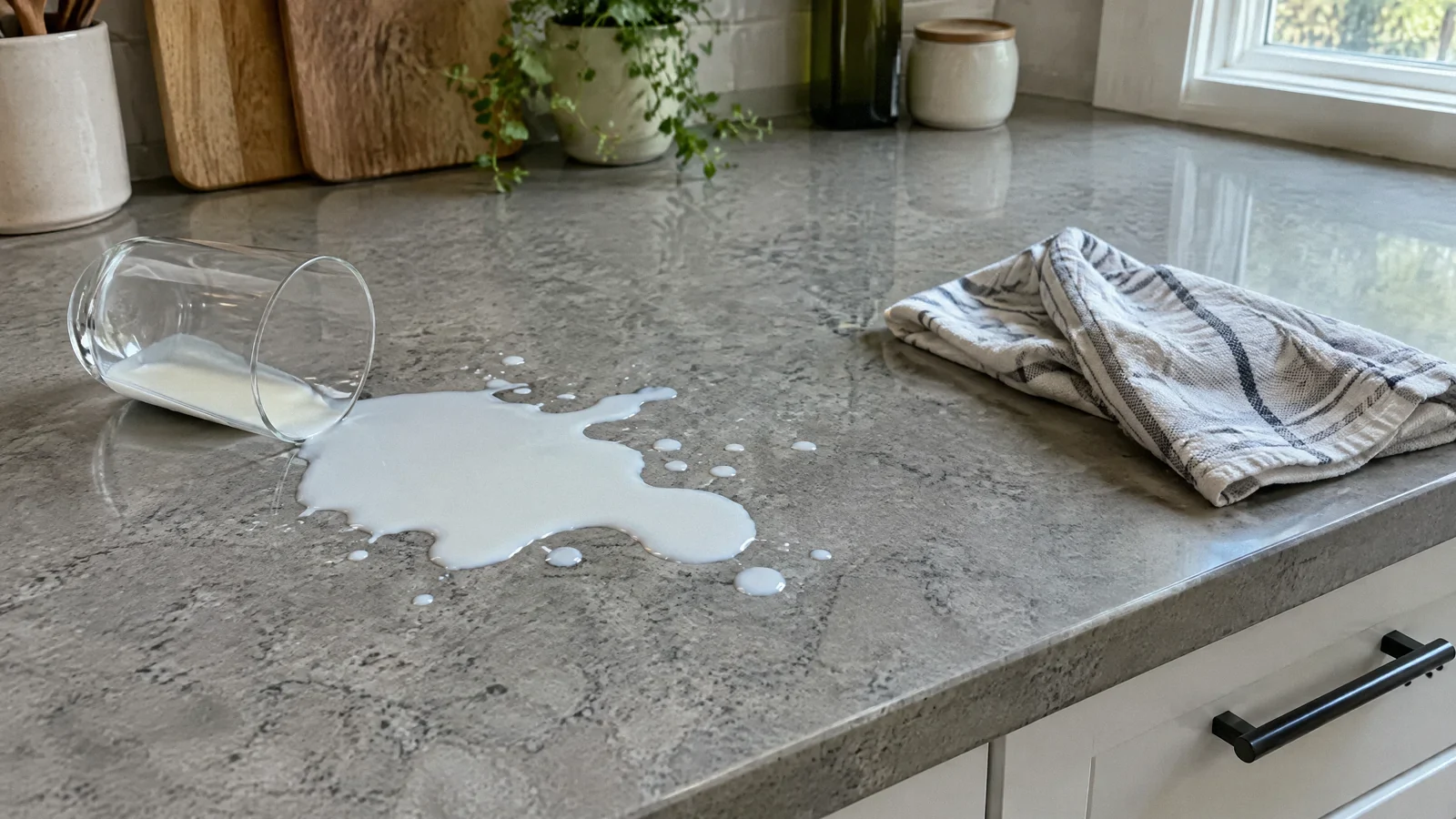
Remove spilled milk from hard surfaces, carpet, fabric and upholstery with methods suited to each material.
Learn when a gasoline spill needs emergency help, how absorbents are used and where to ask about disposal.
Assess contamination, construction and drying before deciding whether to clean, restore or discard flooded furniture.
Clear cooking smoke and other indoor smoke safely with source control, appropriate ventilation and particle filtration.
Learn the signs of a moisture problem, the limits of meters and testing, and when to arrange a controlled inspection for hidden mold.
A practical guide to safe entry, water removal, drying, moisture checks and cleanup after basement flooding.
Learn the practical steps for drying a water-damaged room, identifying hidden moisture and deciding when to call a professional.
Check visible leak signs, use a water meter screening test and know when to call a leak detection professional.
Identify common commercial toilet symptoms and know when a flushometer or drain needs qualified service.
Identify a bathtub faucet leak, find the correct valve parts and know when to call a plumber.
Find common causes of sink odors, clean accessible parts and recognize when a plumber is needed.
Identify likely causes of carpet discoloration and decide between careful cleaning, professional repair and replacement.
Choose a fabric-safe approach to cigarette smoke odor in clothing, curtains and upholstery.
Reduce exposure to mattress dust mites with encasements, regular bedding care and humidity control.
Trace a musty basement odor to moisture, condensation or affected materials and address the cause before covering it up.
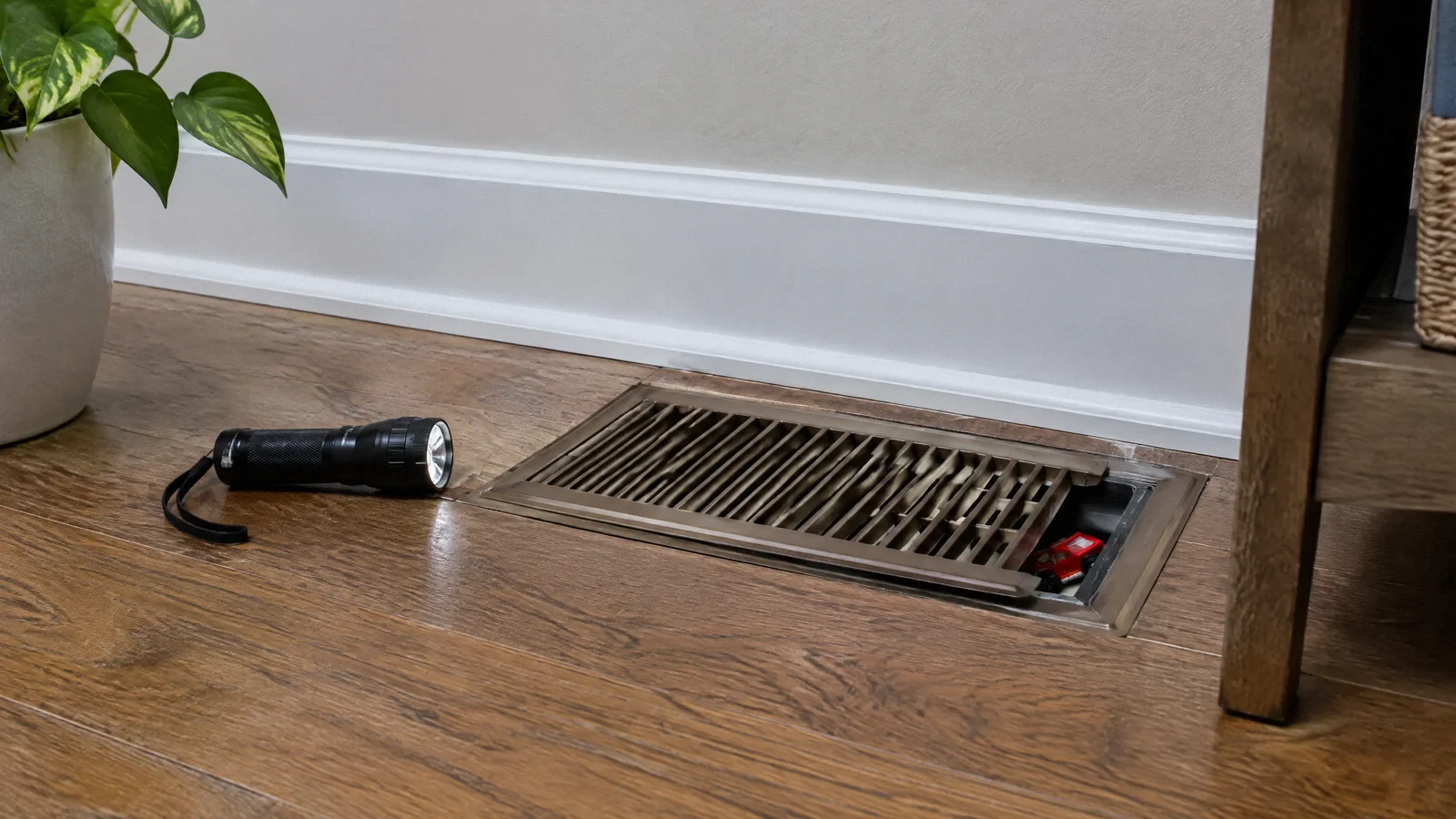
Retrieve an accessible object from a room HVAC register and know when to call a technician.
Find clues to the building drain and sewer lateral, understand cleanouts, and arrange safe underground locating.
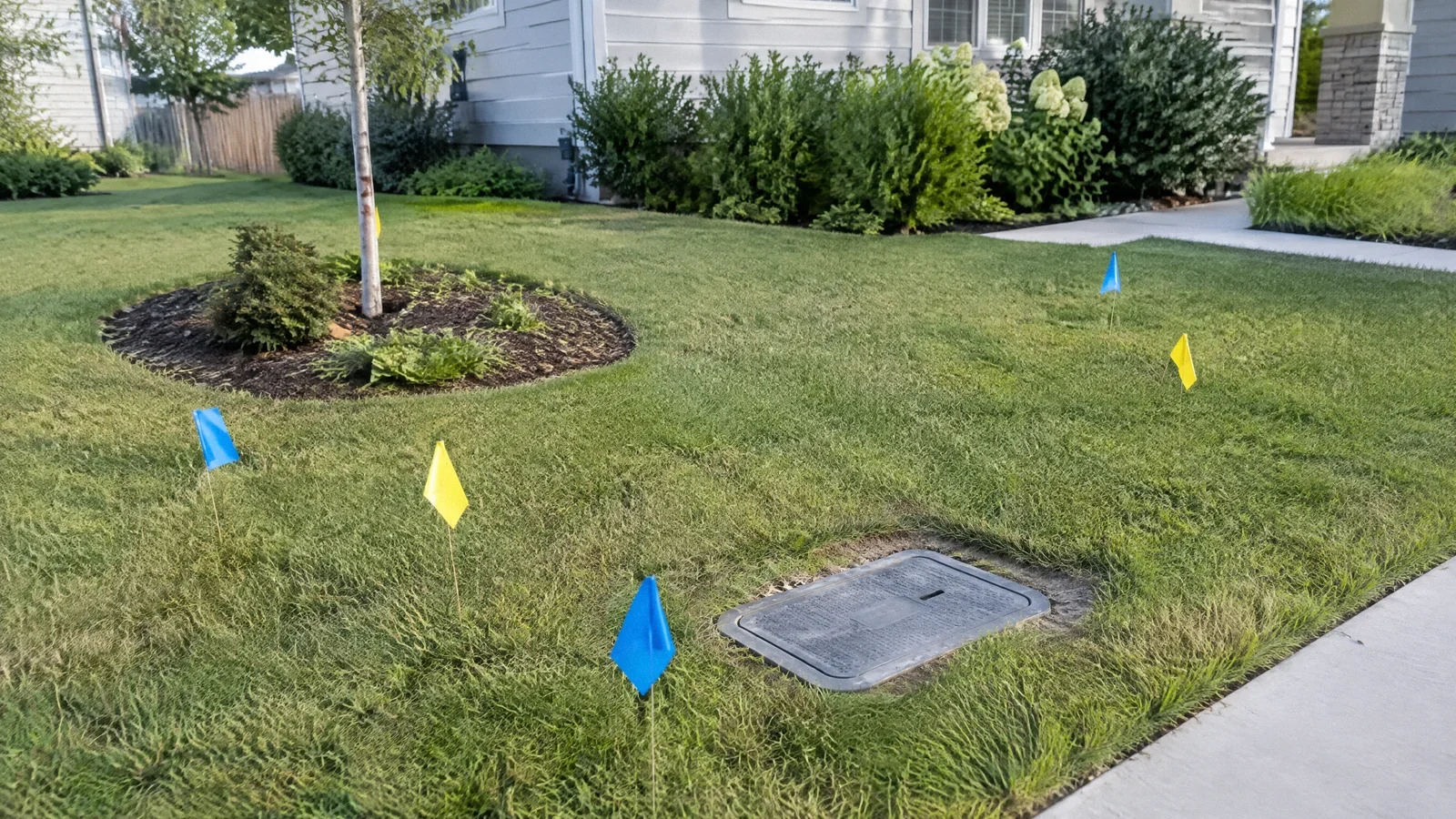
Learn how 811 requests, utility records and private locating help identify buried water lines before excavation.
Identify moisture or residue, use floor-compatible cleaning and traction measures, and reduce trip hazards.
Plan the drain, vent, supply, clearances and inspections involved in relocating a toilet.
Prepare your household, belongings and access for professional mold remediation while coordinating moisture repairs.
Prepare access, furniture, pets and stains for a carpet cleaning appointment while following your provider’s instructions.
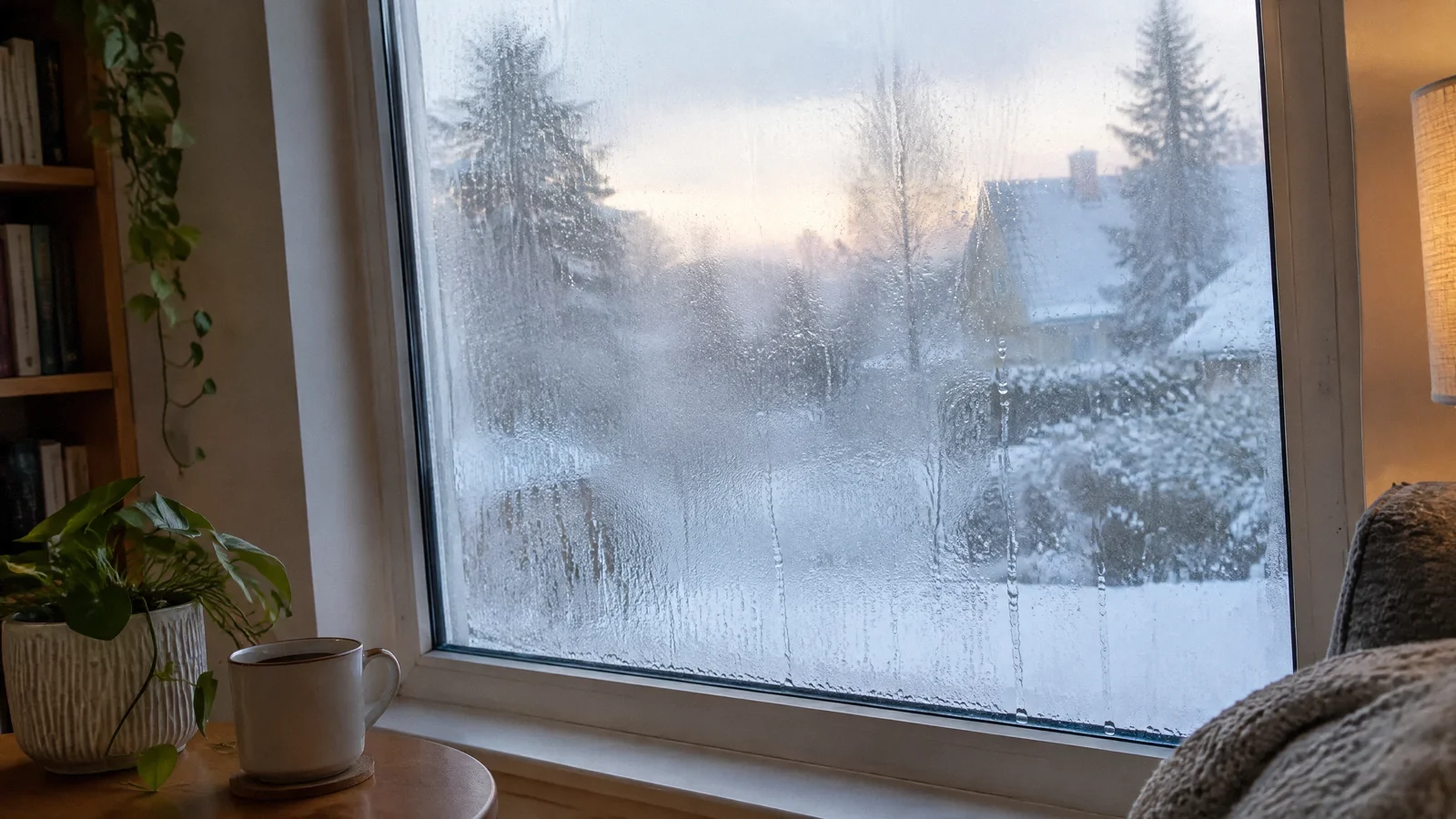
Identify window condensation or leaks, control moisture, and decide when recurring mold needs professional attention.
Learn when to evacuate, when a Class C extinguisher may be appropriate, and why flour and water are unsafe choices.
Plan safe professional disconnection, removal and disposal of a storage, tankless or heat pump water heater.
Understand duct removal, possible asbestos, system isolation, reconnection and professional checks.
Choose a ceiling stain treatment by cause and finish, from washable kitchen grease to a repaired water stain.
Treat fresh and old grease stains on washable clothes while protecting delicate fabrics and avoiding dryer heat.
Blot hair dye from wood, identify the finish and choose a safe next step for a persistent stain.
Learn when moldy carpet and padding need replacement, how to assess moisture, and when to get professional help.
Find and correct the moisture behind musty odors after a leak or basement flood, and know when materials need removal.
Find the source of carpet odors, freshen dry carpet and address musty smells or odor after cleaning.
Choose a gentle soot-cleaning method for wood and know when a fire-restoration or conservation professional is needed.
Remove the source of vomit odor and choose cleaning and drying steps for hard surfaces, laundry, carpet, mattresses and vehicles.
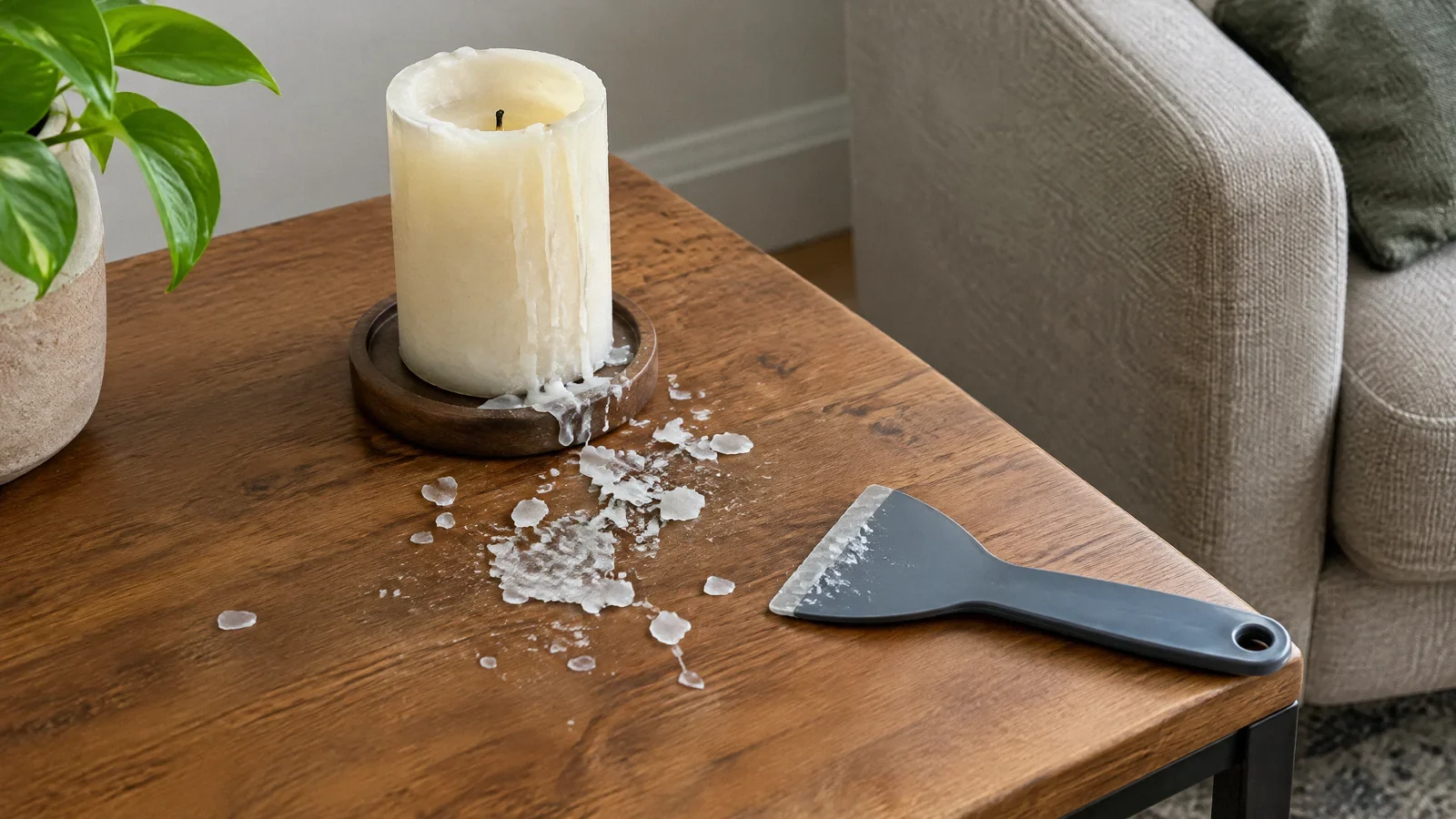
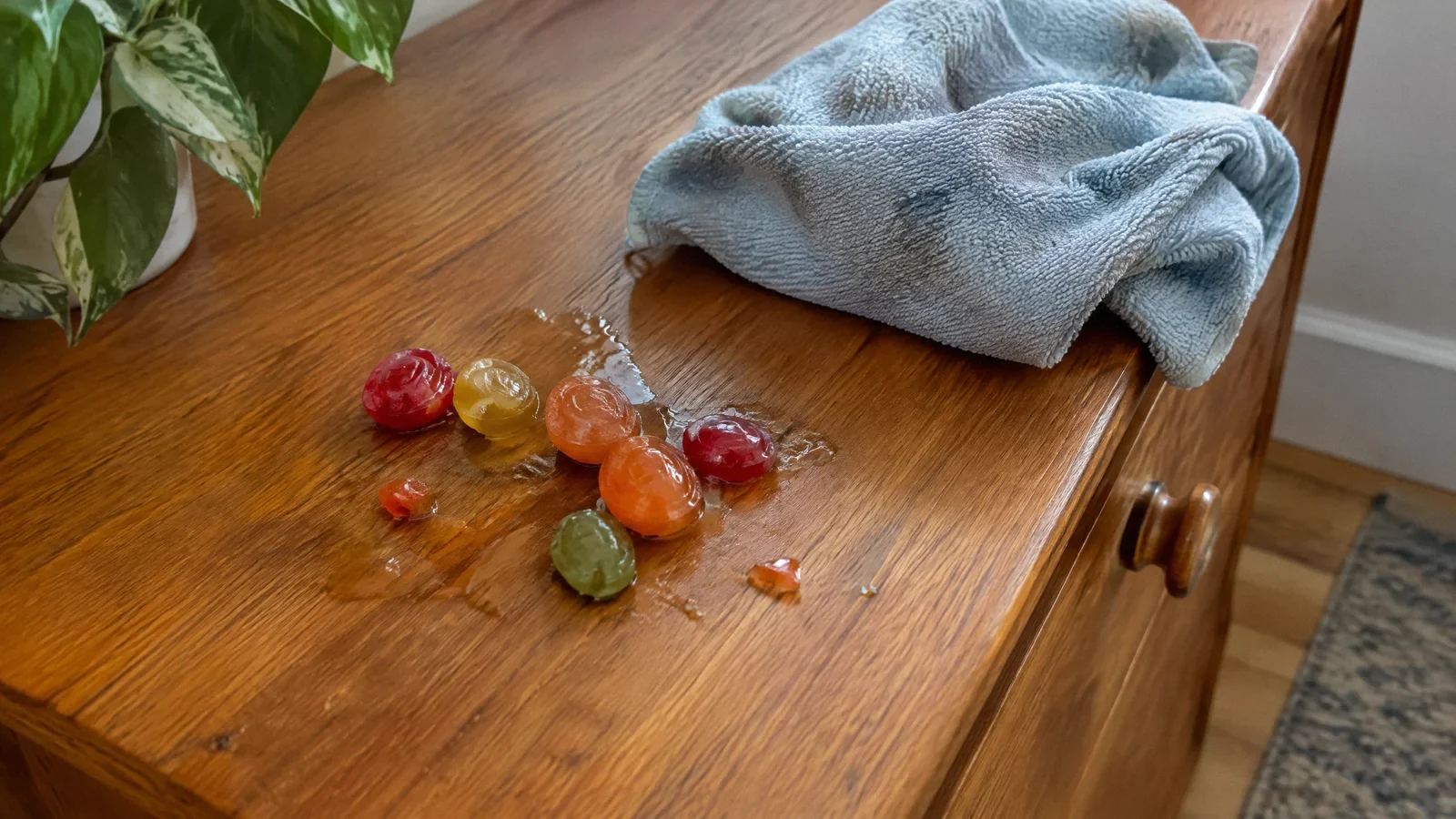
Treat candle wax and polish buildup differently, with practical precautions for wood, upholstery and delicate furniture.
Learn how to limit interior damage, identify possible roof leak sources and evaluate repair options with a qualified roofer.
Learn how professionals investigate and repair a sinkhole or other ground depression.
Dry, assess and care for water-damaged leather while protecting delicate finishes.
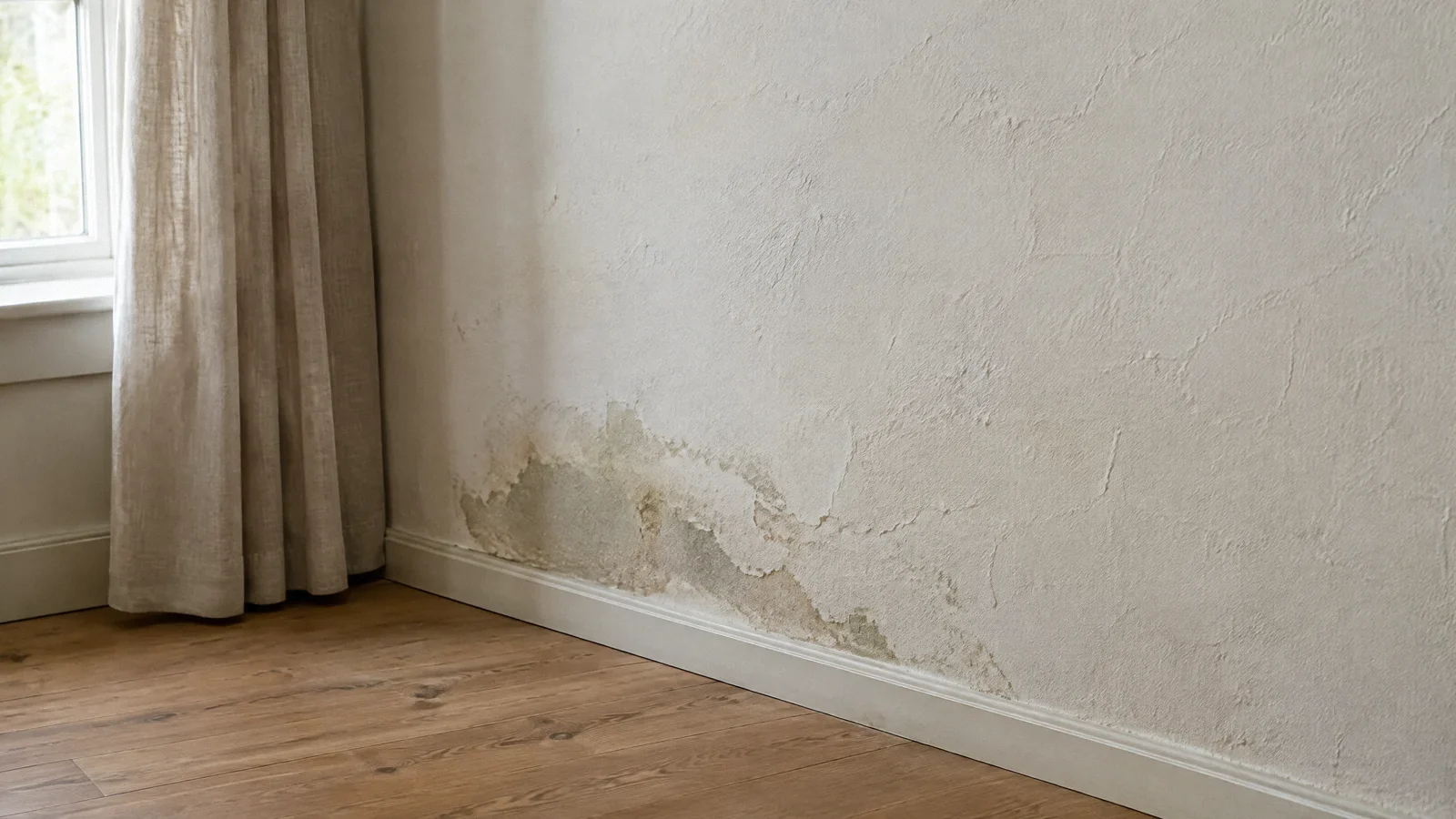
How to identify the source, dry or replace wall materials and repair a water-damaged wall.
Stop the water, check the stopper and trap, and know when to call a plumber.
Compare carpet shampooing with hot-water extraction, choose a compatible process and avoid residue or overwetting.
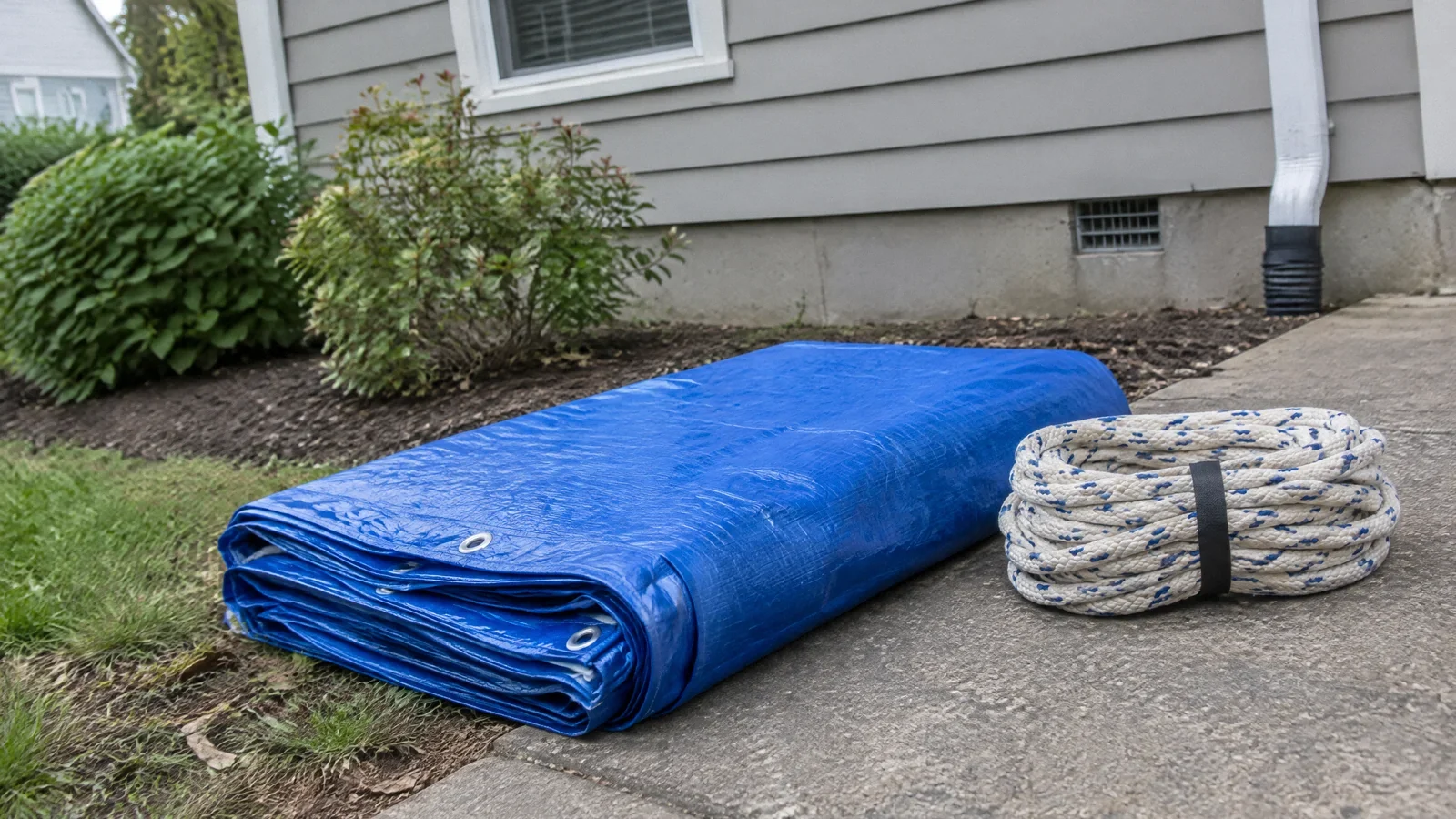
How professional roof tarping works, including no-nails options, weather limits and temporary protection.
Recognize a frozen drain, prevent overflow and use safe, gentle warming.
Distinguish a jammed disposal from a blocked drain and troubleshoot safely.
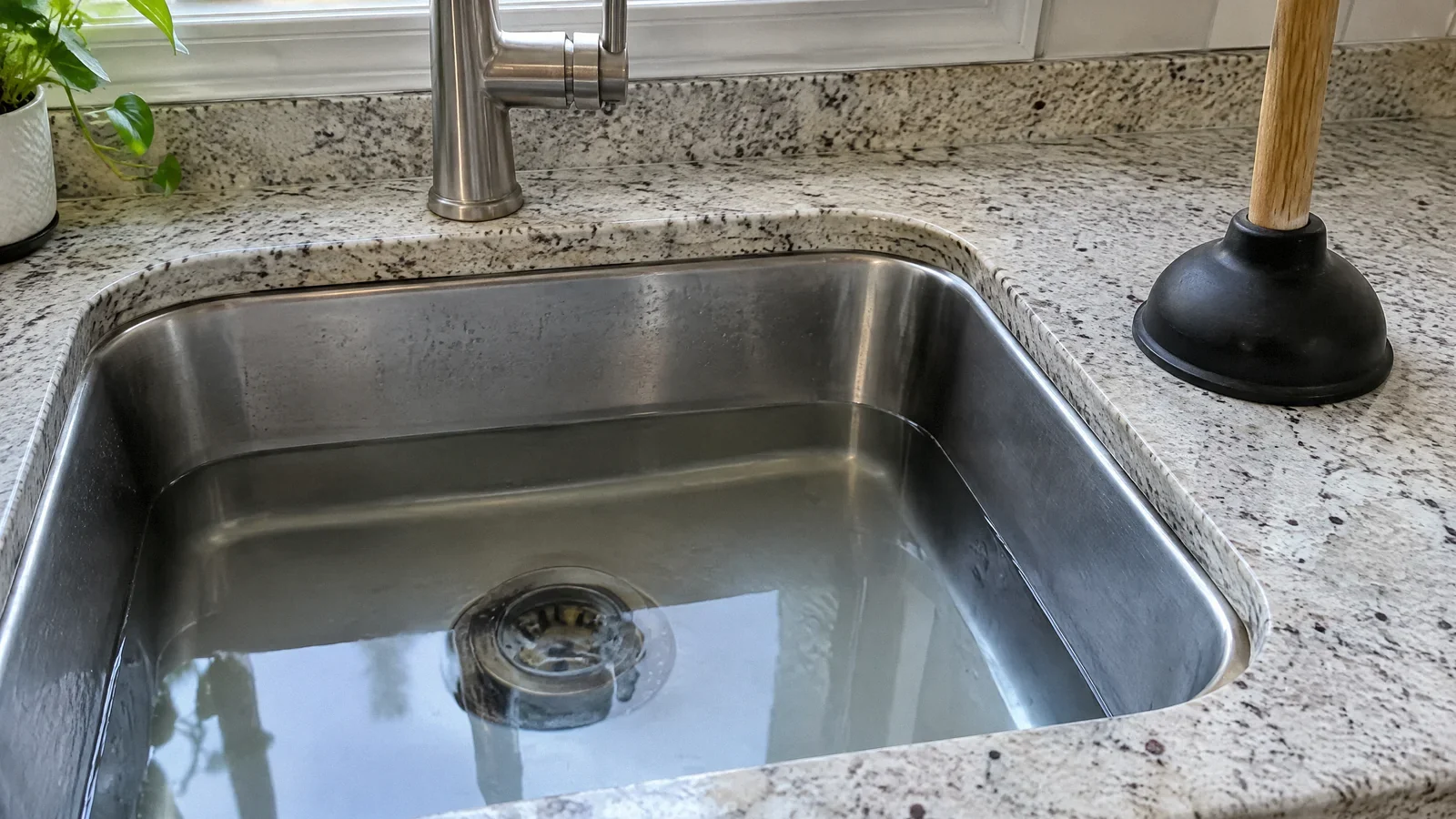
Steps for a slow or blocked kitchen sink, including standing water and a clear trap.
Understand toilet venting options, the role of local plumbing code, and when a plumber should assess a drain.
Distinguish condensation, seepage, and active leaks before choosing drainage, exterior waterproofing, or an interior repair.
Understand storm categories, forecast cones, inland flooding, evacuation orders, and safe decisions before and after a hurricane.
Compare a small cleanup with professional remediation, assess proposals, and understand what a successful job should accomplish.
Assess grading, downspouts, swales, rain gardens, and drainage outlets before changing the landscape around your home.
Understand why remediation levels vary by guideline and how to assess scope, containment, worker protection, and completion.
Find the water service line, recognize possible leaks, and understand who to call and what to ask before repair.
Learn how to identify moisture and material damage, decide what can be cleaned, and plan repairs after mold remediation.
Identify closet moisture sources, assess clothing and shelves, and choose a safe cleanup and prevention plan.
Find garage moisture sources and assess mold on walls, ceilings, and storage before selecting cleanup and repairs.
Assess mold and moisture inside a safe, protect valuable contents, and prevent recurrence.
Learn how to clean recurring toilet discoloration safely and identify when a leak needs attention.
Check common claims about mold color, testing, bleach, cleanup, and moisture control.
Mold on a Couch: Assess Upholstery, Cushions, and Moisture.
Mold on Furniture: How to Assess Wood, Fabric, and Finished Surfaces.
Mold on a Mattress: Inspection, Disposal, and Prevention.
Mold on Plaster Walls: Assess Surface Growth and Hidden Moisture.
Mold on a Subfloor: Inspection, Remediation, and Replacement Decisions.
Mold Remediation Protocol: What a Written Work Plan Should Cover.
Mold Season: Outdoor Spores, Indoor Moisture, and Regional Differences.
Learn how to investigate moisture beneath flooring, when testing helps, and how material and contamination affect cleanup.
Fix the source of moisture, assess the material and extent, and clean or replace affected surfaces as appropriate. White deposits are not proof of mold, and color alone cannot identify it.
Compare dust and suspected mold using moisture evidence and inspection limits rather than color or a quick wipe.
Understand the difference between rust and mold, and why appearance alone cannot identify a stain.
Learn what non-invasive leak detection can establish and when confirmation or repair still requires access.
Blot fresh oil, identify the material and follow its care instructions. Treat washable fabric, carpet and porous concrete differently; older stains may not disappear completely.
Do not force a stuck handle. A frozen handle and a frozen supply pipe are different problems; if water only trickles or the freeze is inaccessible, protect the home and call a plumber.
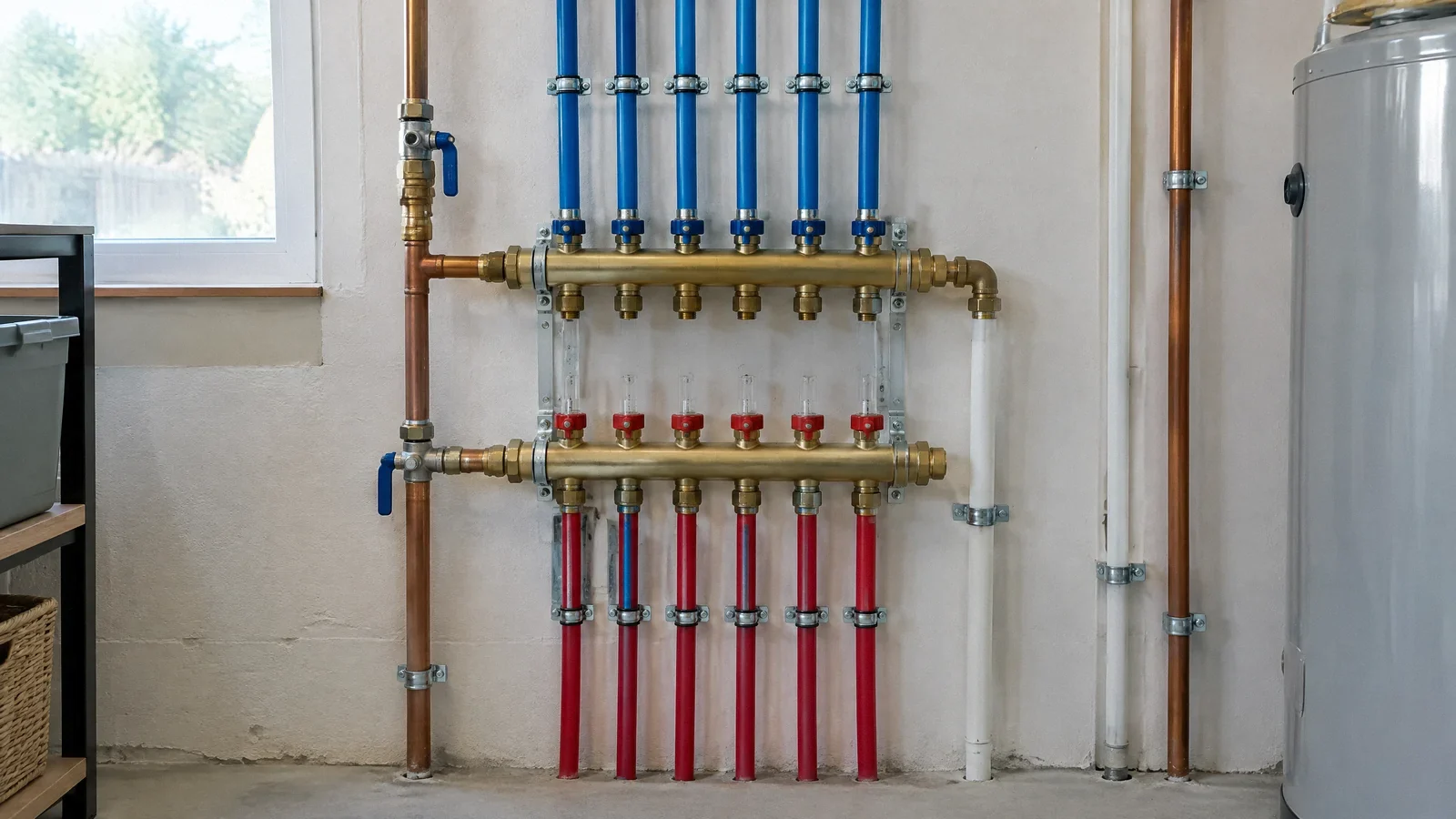
A home plumbing system brings potable water to fixtures, heats some of it, and carries wastewater away through drains and vents. Shutoff valves and backflow protections support safe operation.
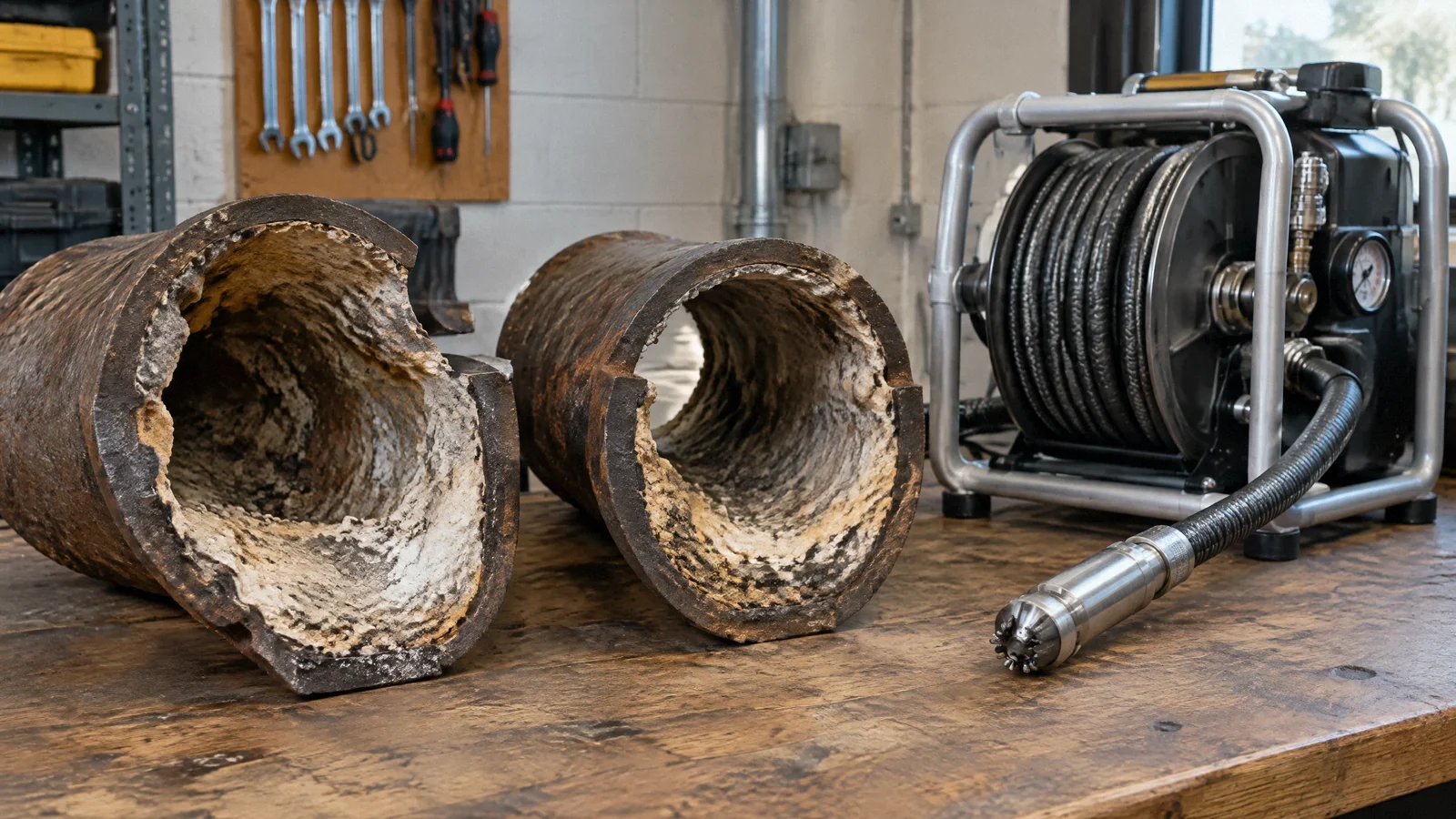
One Wisconsin contractor lists $1,000–$4,000 for cast-iron drain descaling; that is one local published price, not a national quote. Inspection, length, access and pipe condition can change the total.
Compare published mattress cleaning prices and learn how mattress size, cleaning method and minimum charges affect your quote.
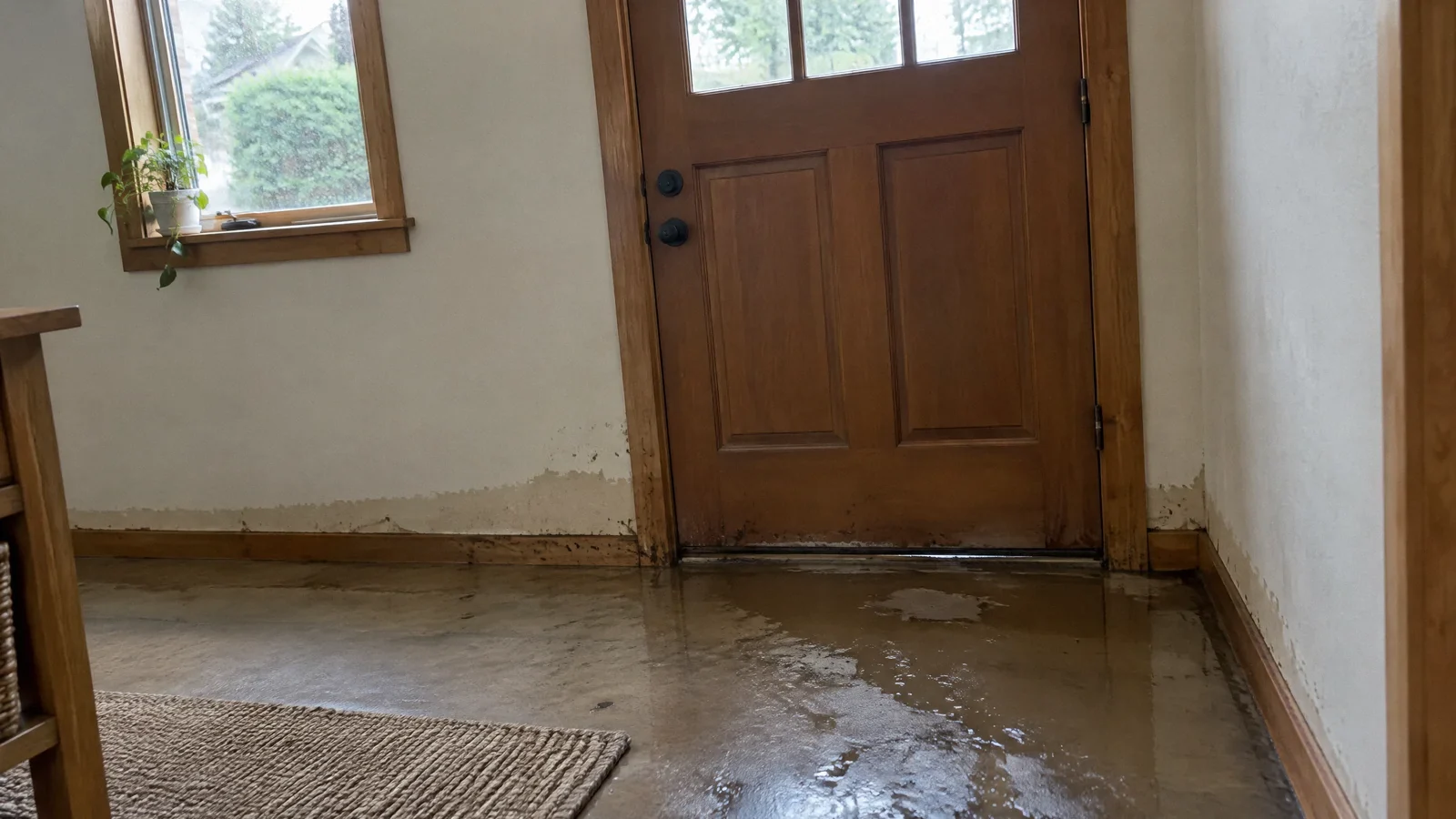
Respond safely to rainwater entering a home, investigate its route and check drying before closing affected materials.
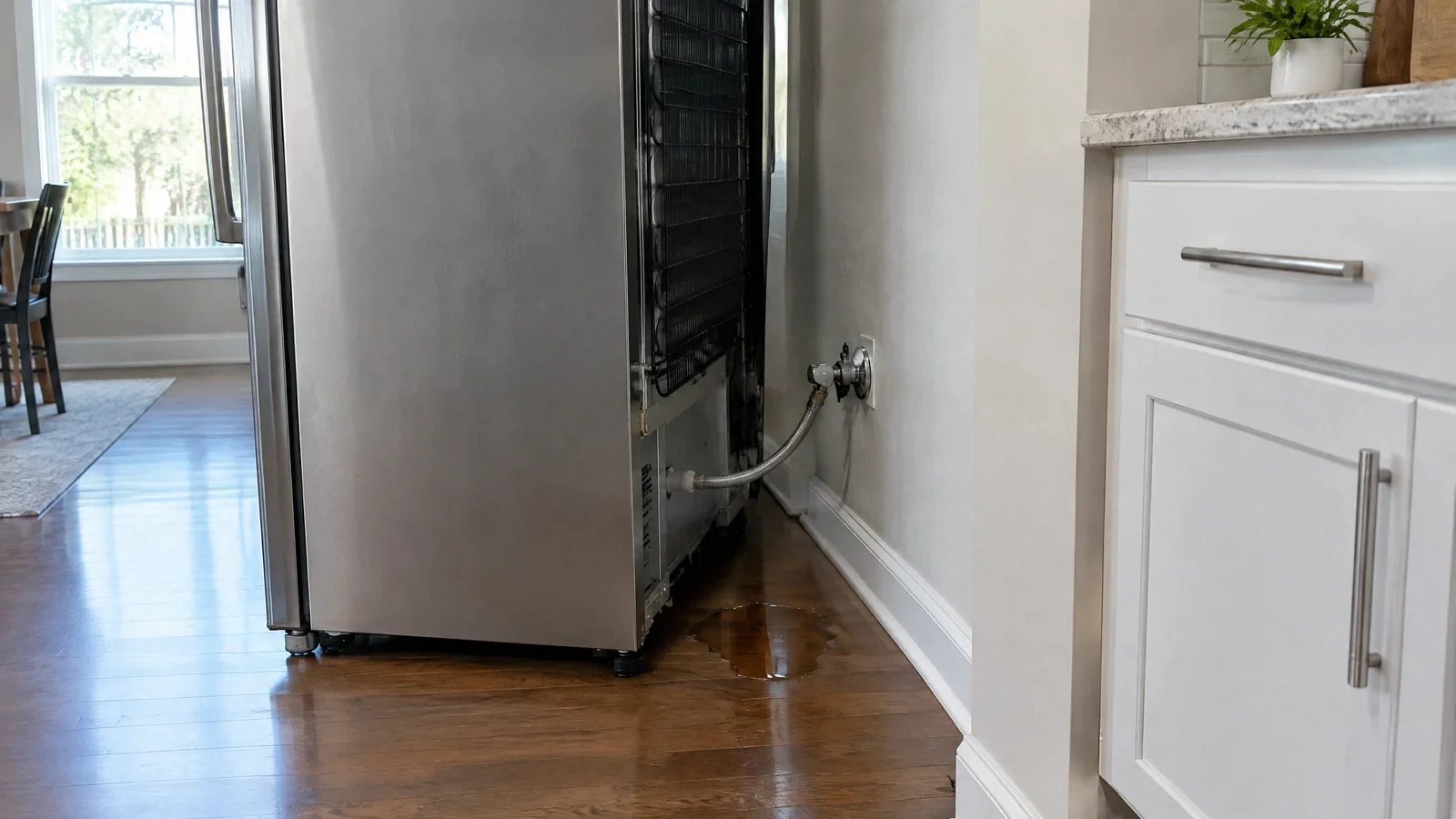
Respond to a leaking refrigerator water line, arrange appropriate repair and assess nearby flooring and cabinets.
Fix the moisture source first. Moldy porous drywall often must be removed, and extensive growth, sewage contamination, uncertain materials, or health concerns call for a qualified professional.
Assess suspected roof mold from a safe location and choose qualified help suited to the roof material and moisture source.
Prepare for a hurricane, follow local warnings and avoid electrical, floodwater and generator hazards after the storm.
Respond to a septic backup in a bathtub, stop adding wastewater and arrange professional investigation and cleanup.
Understand septic pipe repair choices, including locating damage, evaluating access and comparing a defined repair scope.
Recognize possible septic pump problems and learn what qualified inspection should check before selecting a repair.
Understand septic tank repair decisions, including symptoms, inspection findings and conditions requiring specialist assessment.
Investigate sewage odor around a septic system and recognize when reduced water use and professional inspection are needed.
Understand sewage cleanup price estimates, scope, repairs and coverage questions before comparing local bids.
Compare sewer camera inspection prices, access charges, recordings and costs that may be separate.
Understand main sewer snaking, its limits, safety and what to ask after a blockage.
Understand sewer descaling, pipe condition, inspection and how it differs from repair.
Identify possible shower leak sources and plan safe investigation, drying and repairs.
Understand floor moisture clues, the limits of appearance and how to investigate safely.
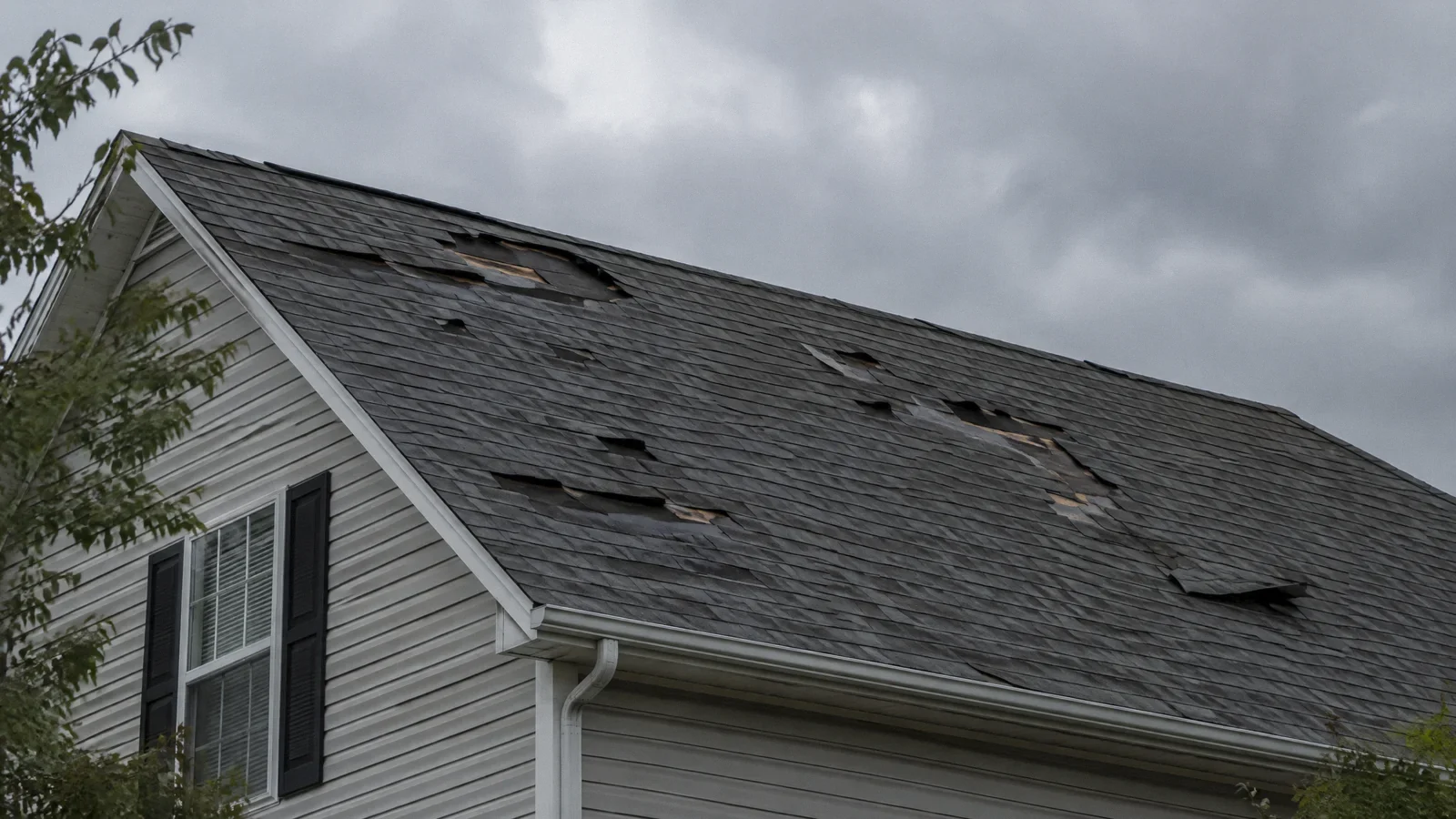
Recognize visible roof damage clues and know when a professional inspection is needed.
Recognize visible and hidden moisture clues throughout a home and plan a safe response.
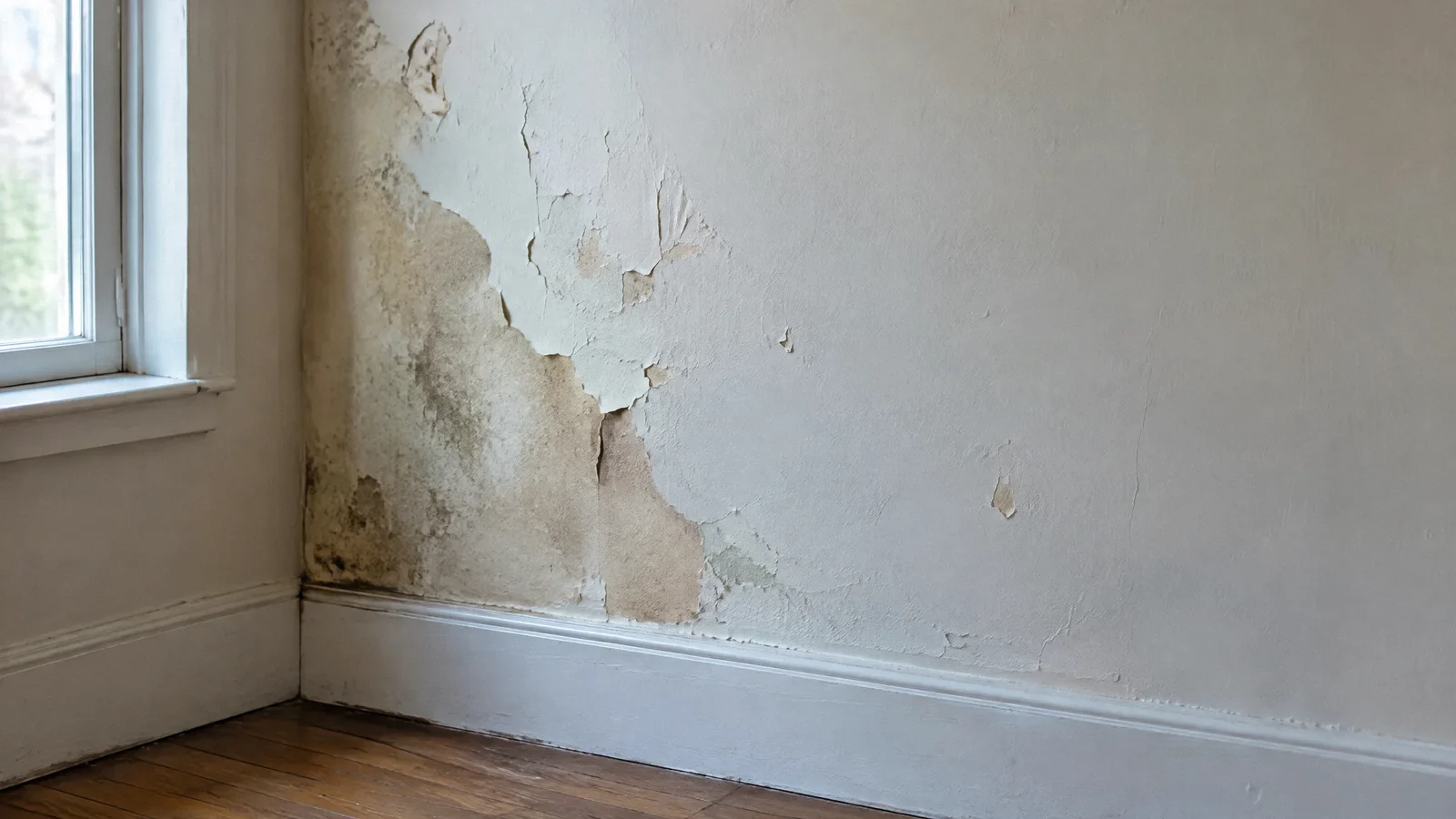
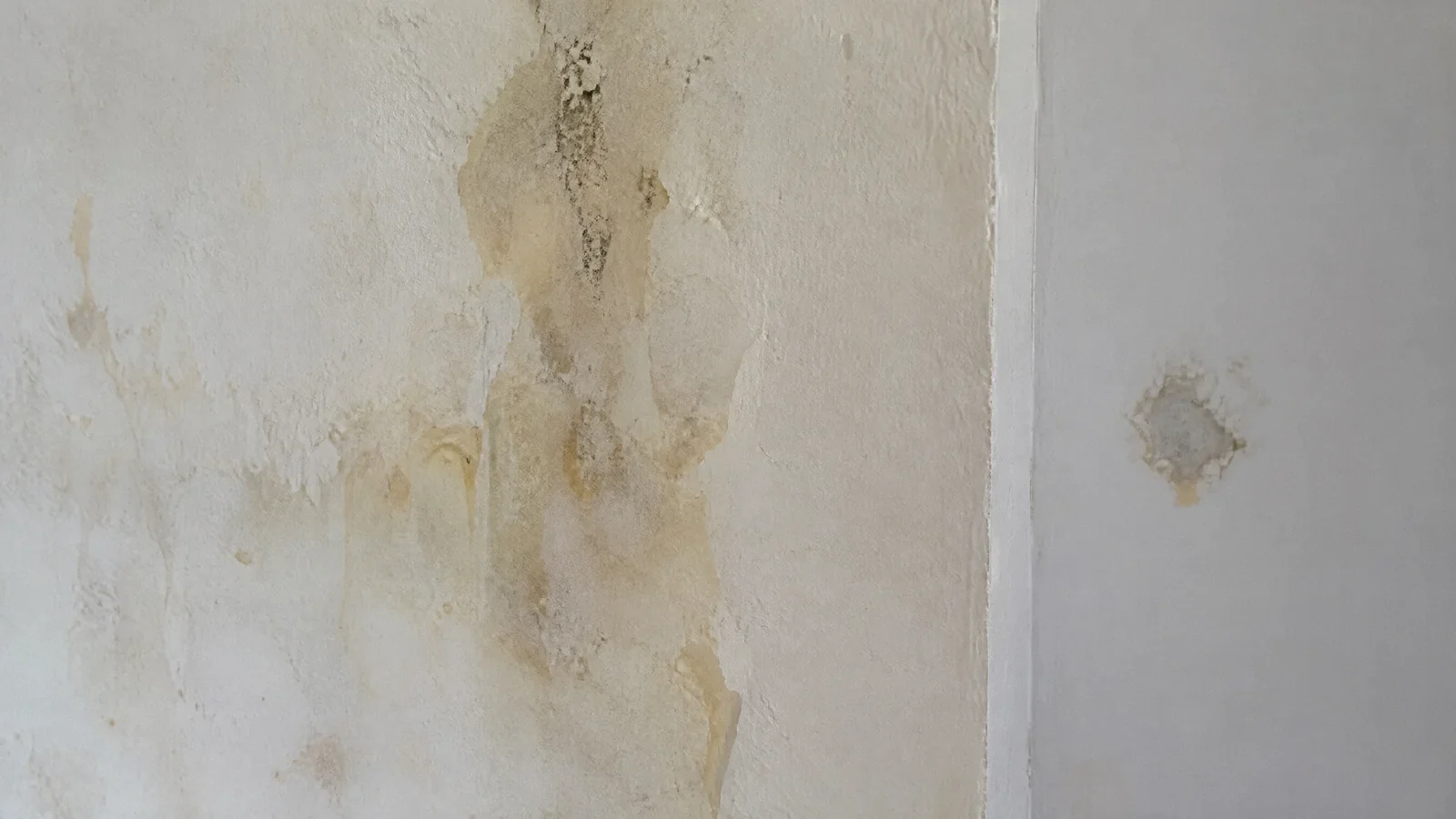
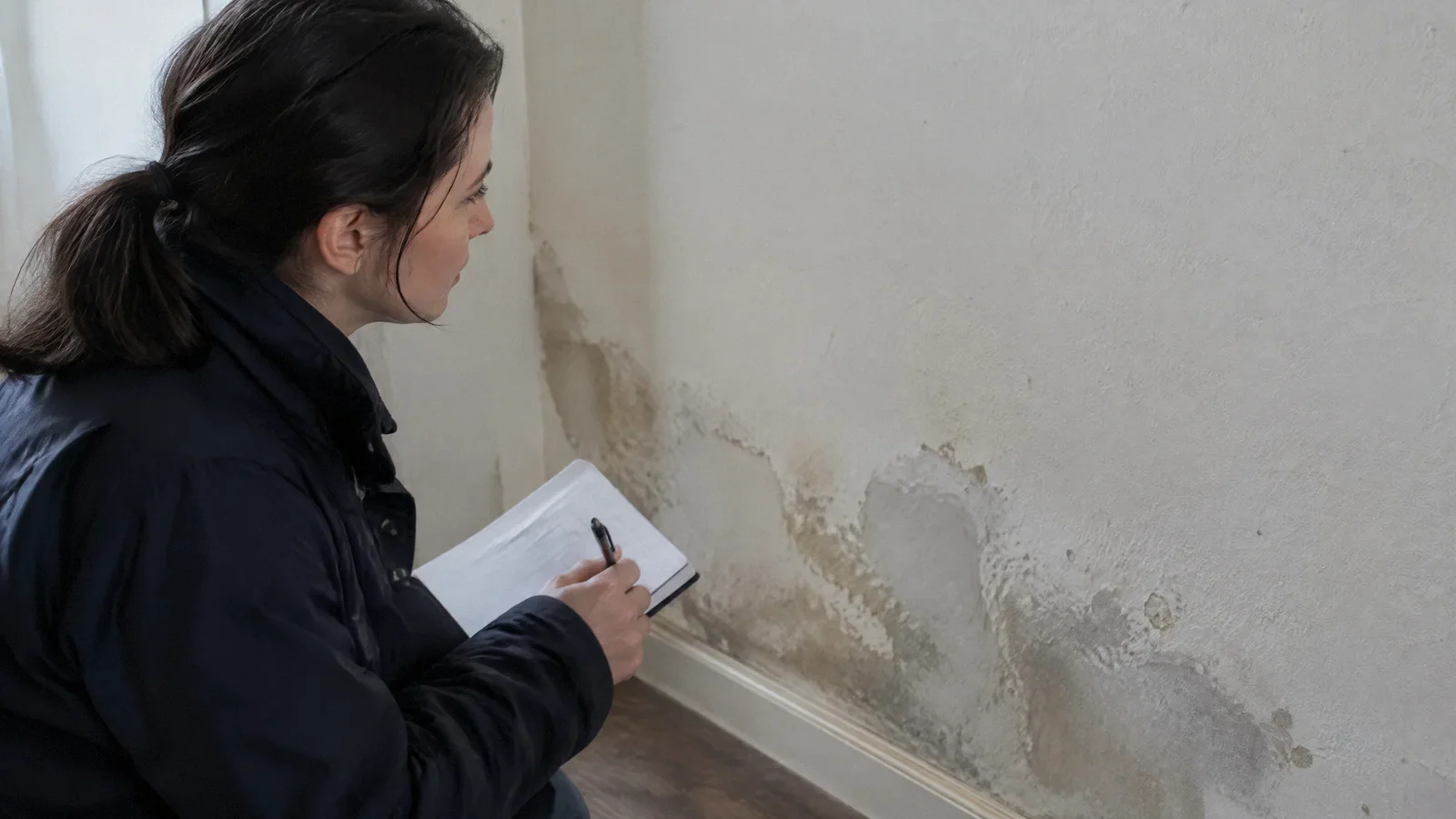
Recognize early wall moisture clues, understand their limits and plan a safe inspection.
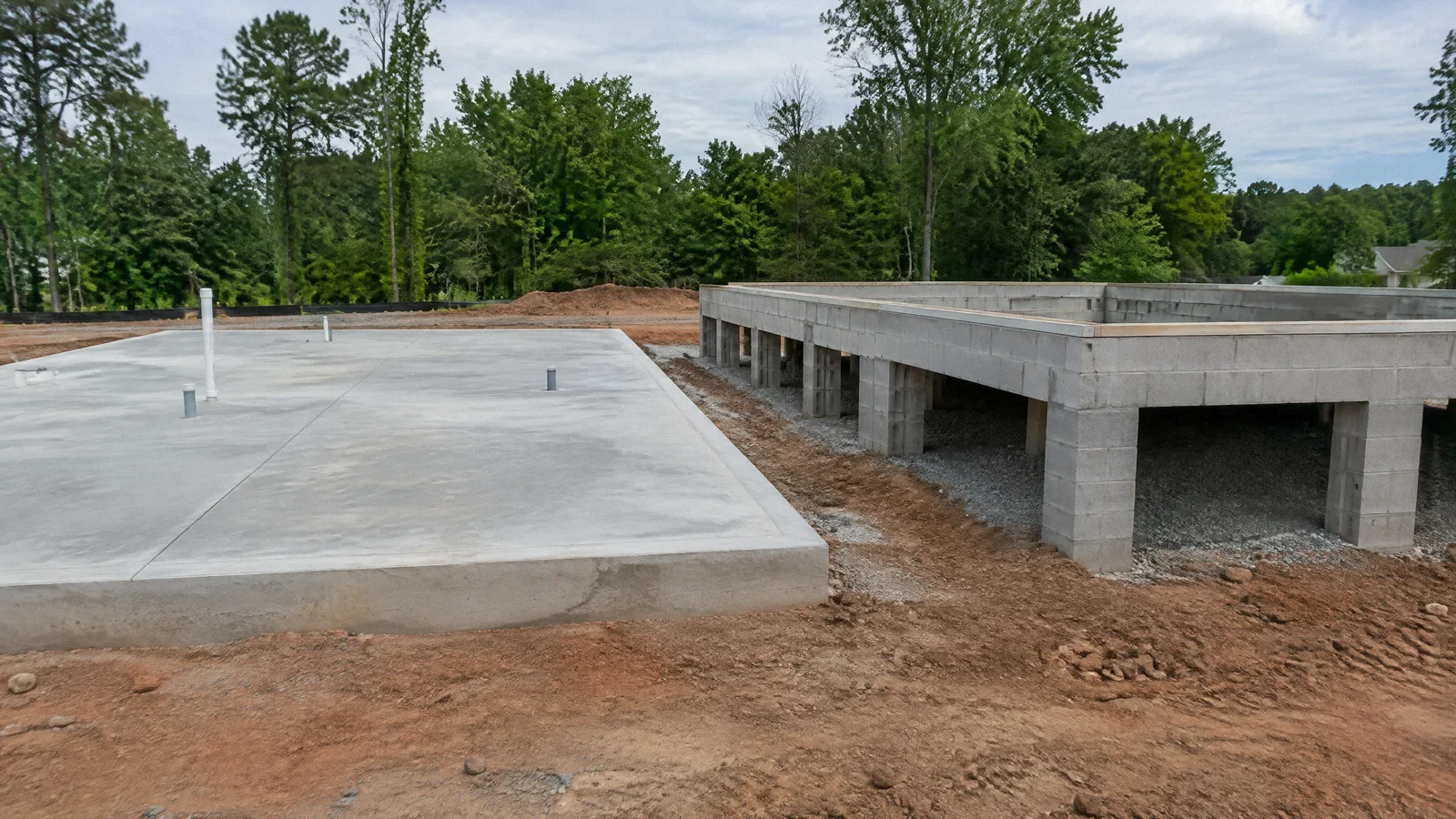
Compare slab and raised crawl-space foundations by water management, access, comfort and construction scope.
Visible smoke at a supply vent is a potential fire emergency. Leave by a safe route, call 911 from outside and stay out until the fire department says it i
For broad home protection, the U.S. Fire Administration recommends both photoelectric and ionization alarms or dual-sensor alarms, with interconnected unit
Keep out of a flooded basement until electrical and structural hazards have been assessed. Contact an electrician or utility and a qualified pump or restor
Replace a failing sump pump only after the electrical supply and site conditions are safe. A qualified installer should size the pump for the actual inflow
Understand thermal fogging after fire damage, its limits and why residue removal and source correction come first.
The toilet trapway is the curved passage built into most toilet bowls between the bowl and outlet. Water retained in the bend forms a seal against sewer ga
Plan a safe shelter in advance and move there early when conditions warrant. During a tornado warning, seek the best available shelter immediately rather t
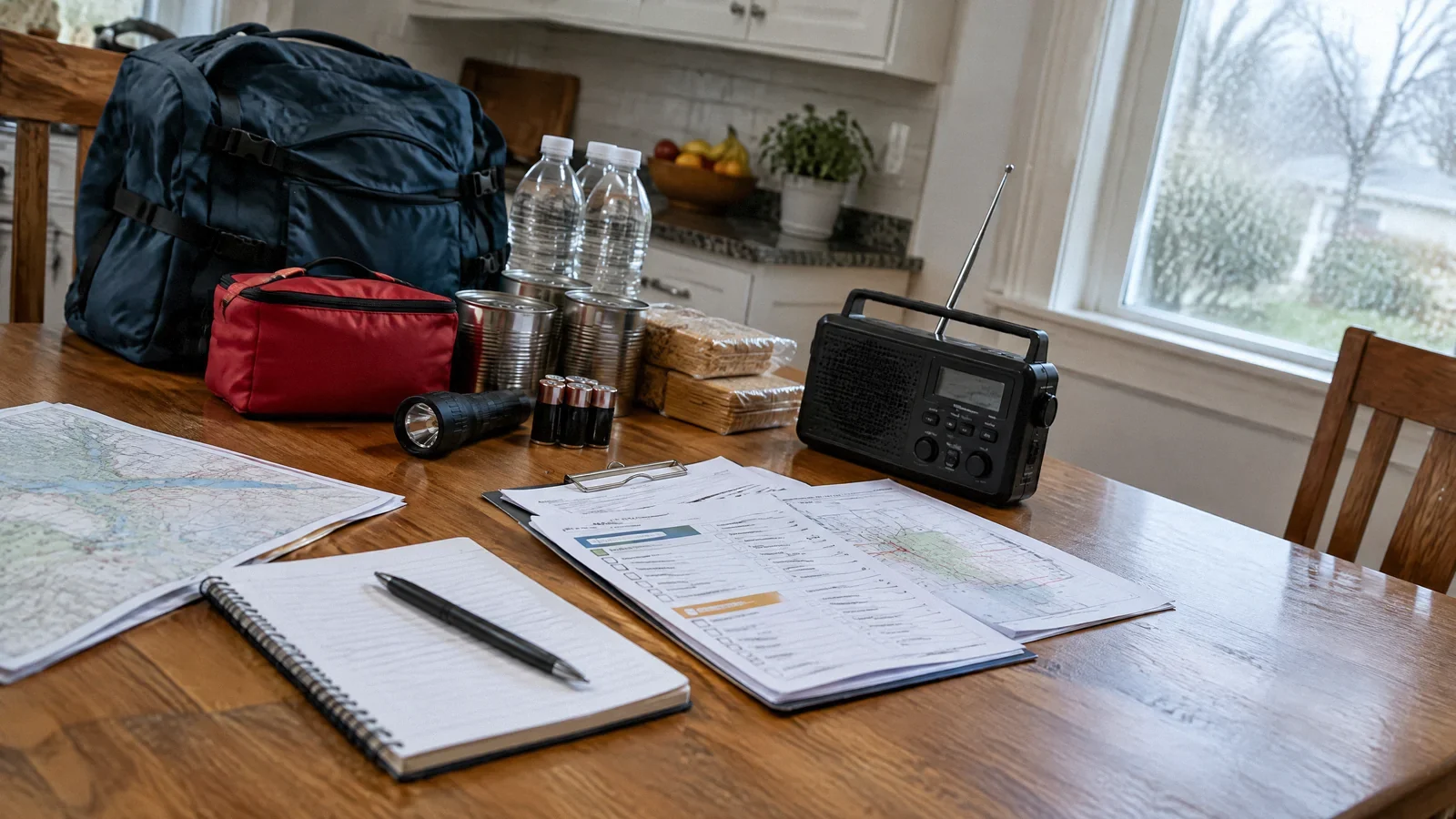
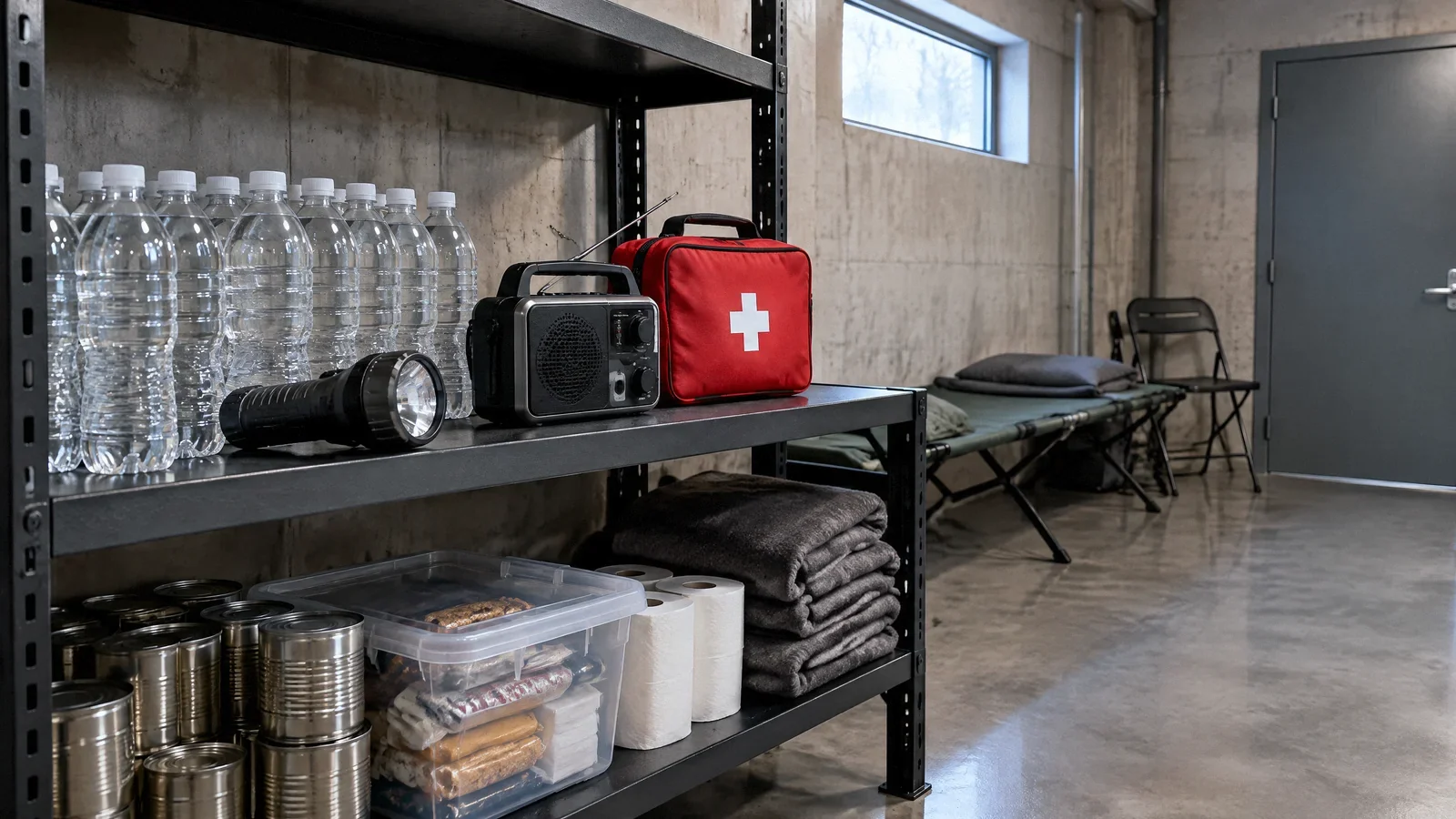
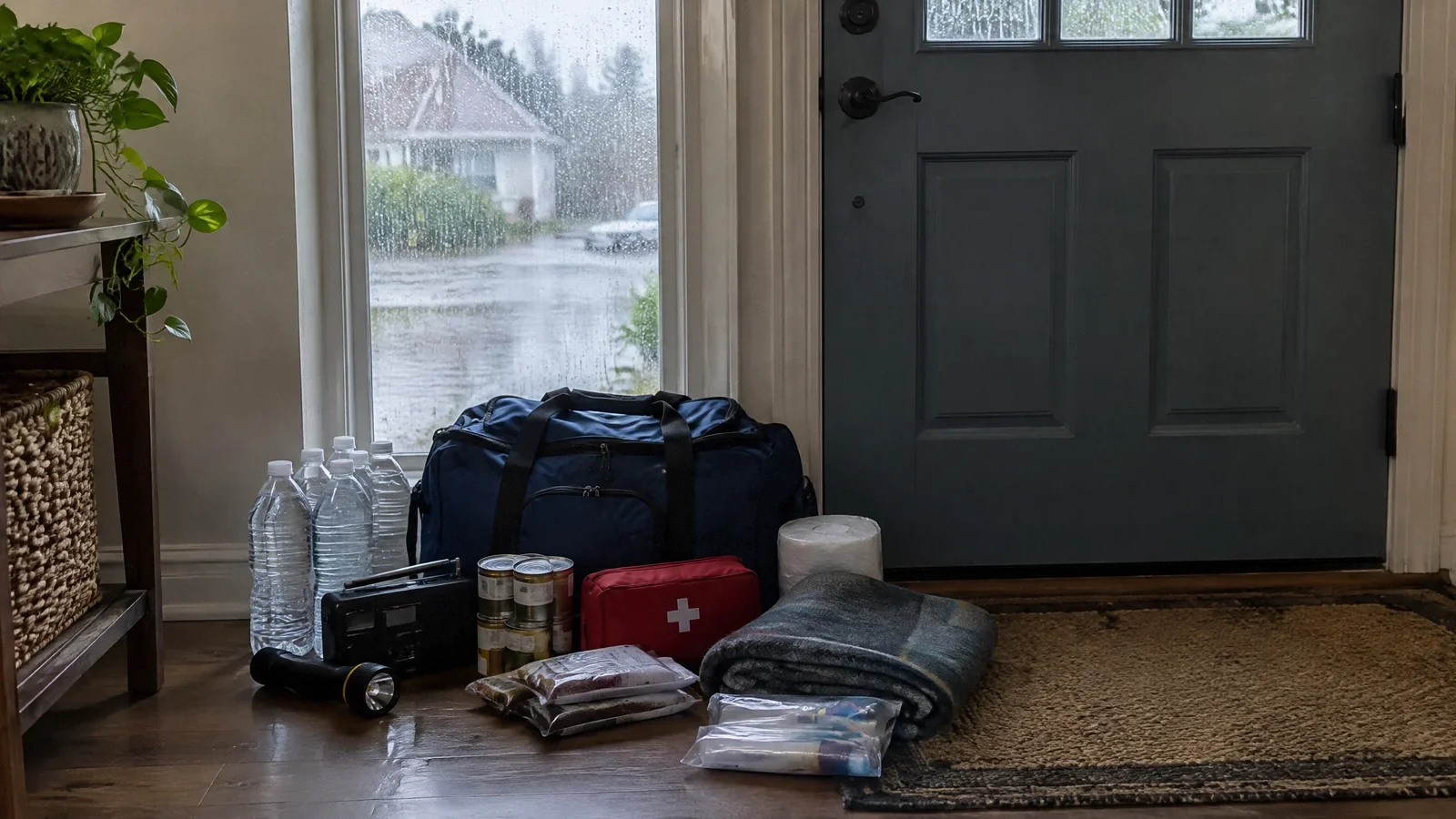
Keep a compact tornado shelter kit where you can reach it quickly: water, a flashlight, weather radio, batteries, first aid, medications, sturdy shoes and
Understand who handles authorized removal, when cleanup can begin, and how to choose a qualified trauma cleanup contractor.
Roots can enter vulnerable septic pipes, joints or tank openings, but slow drains do not prove roots are the cause. Reduce water use, avoid sewage and keep
Learn how roots enter sewer laterals, how inspection and clearing differ from repair, and what to ask before choosing a solution.
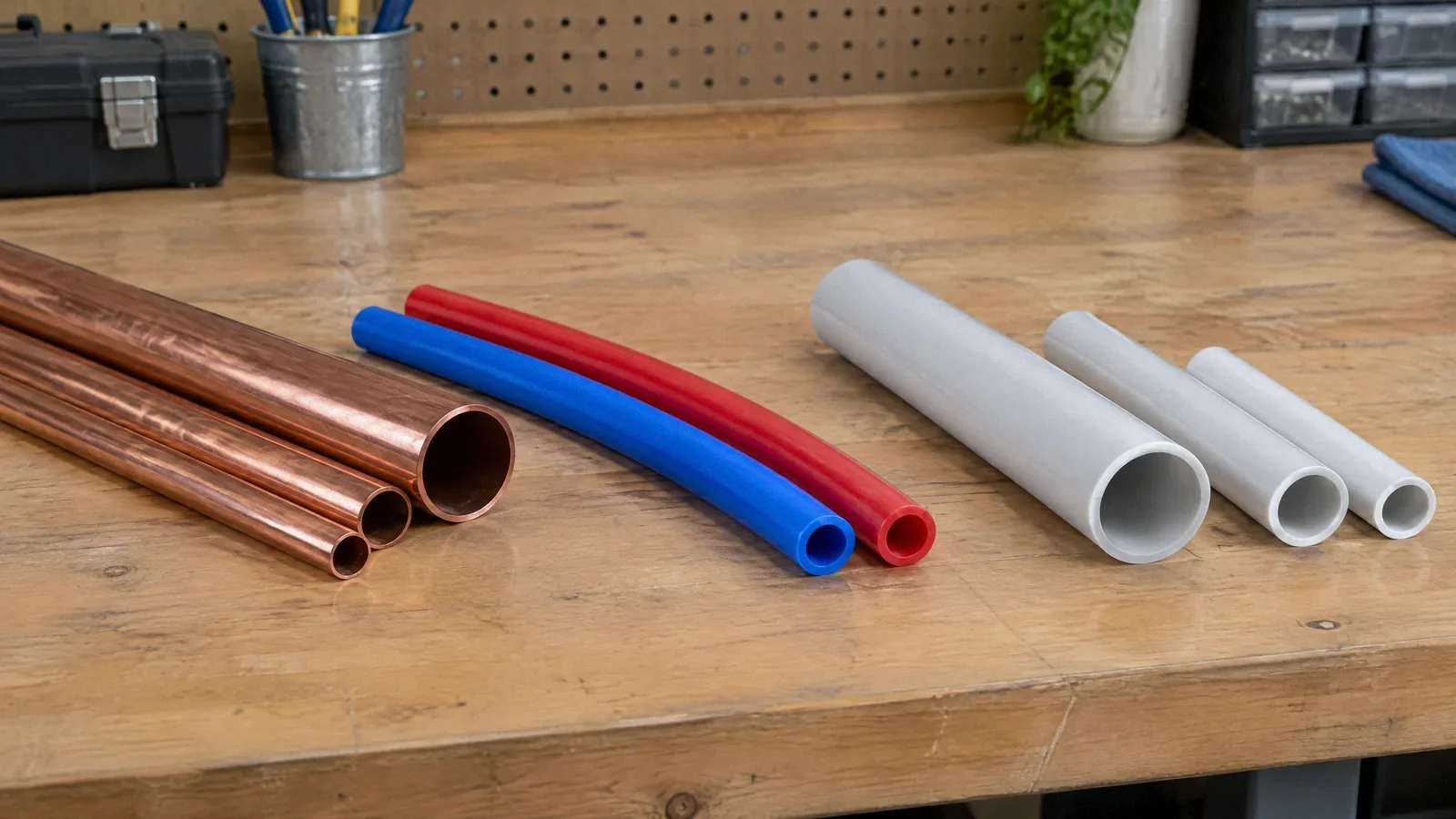
Practical guidance on types of household water supply pipes, including identification, decisions and next steps.
Practical guidance on types of water shut off valves, including identification, decisions and next steps.
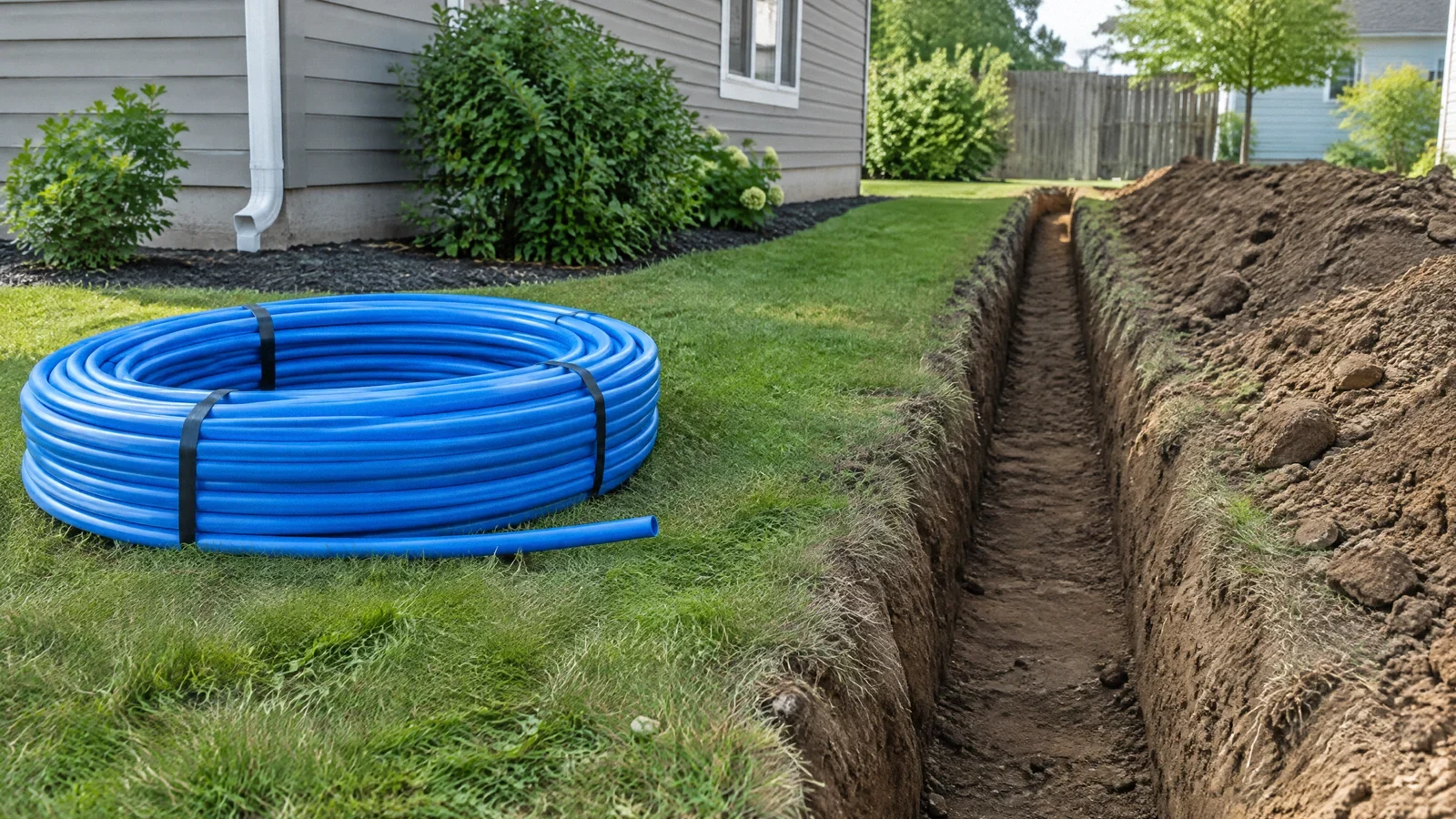
Practical guidance on underground water supply pipe materials, including identification, decisions and next steps.
Practical guidance on washing machine drain backing up, including identification, decisions and next steps.
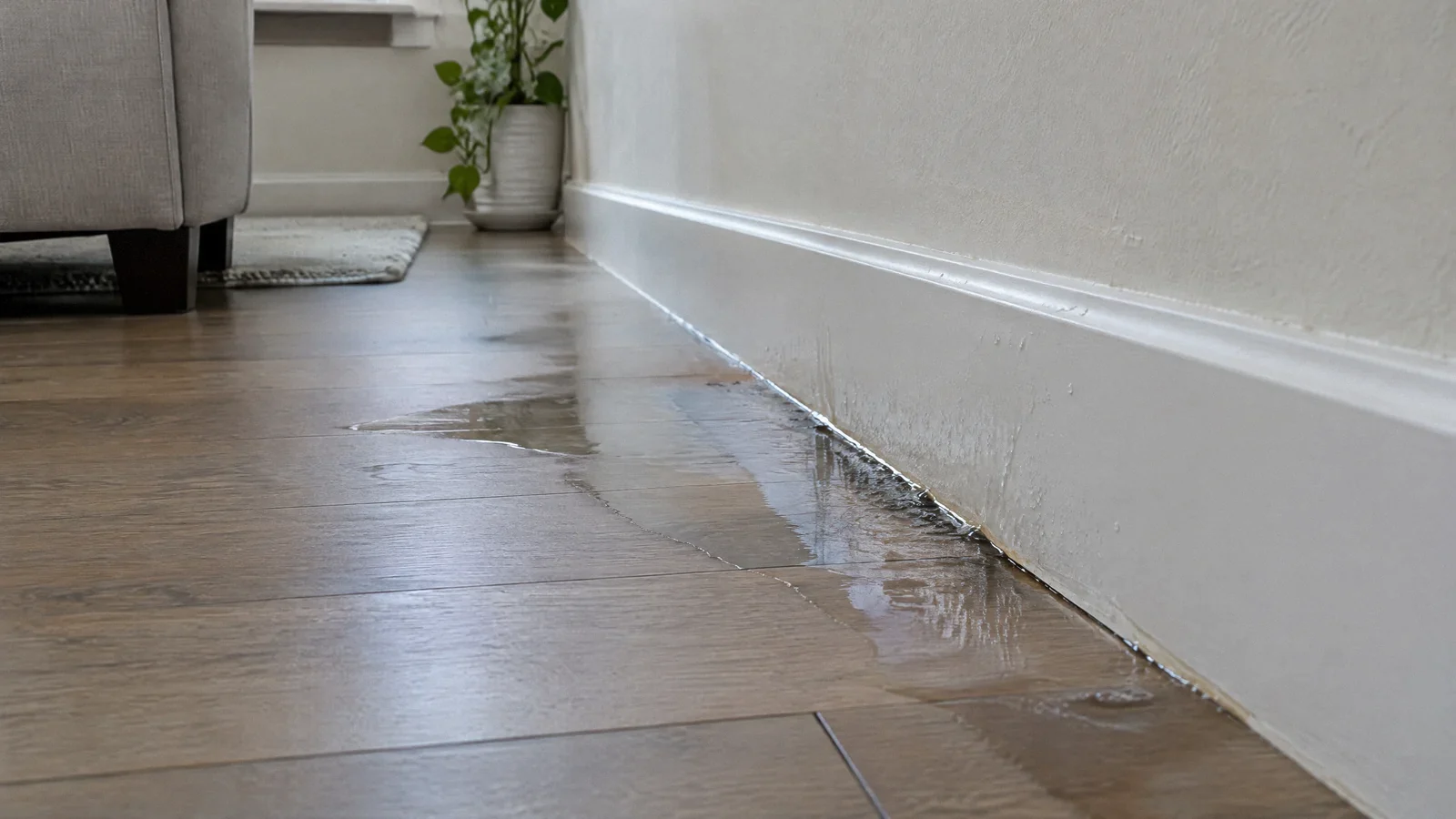
Practical guidance on water coming through floor causes and response, including identification, decisions and next steps.
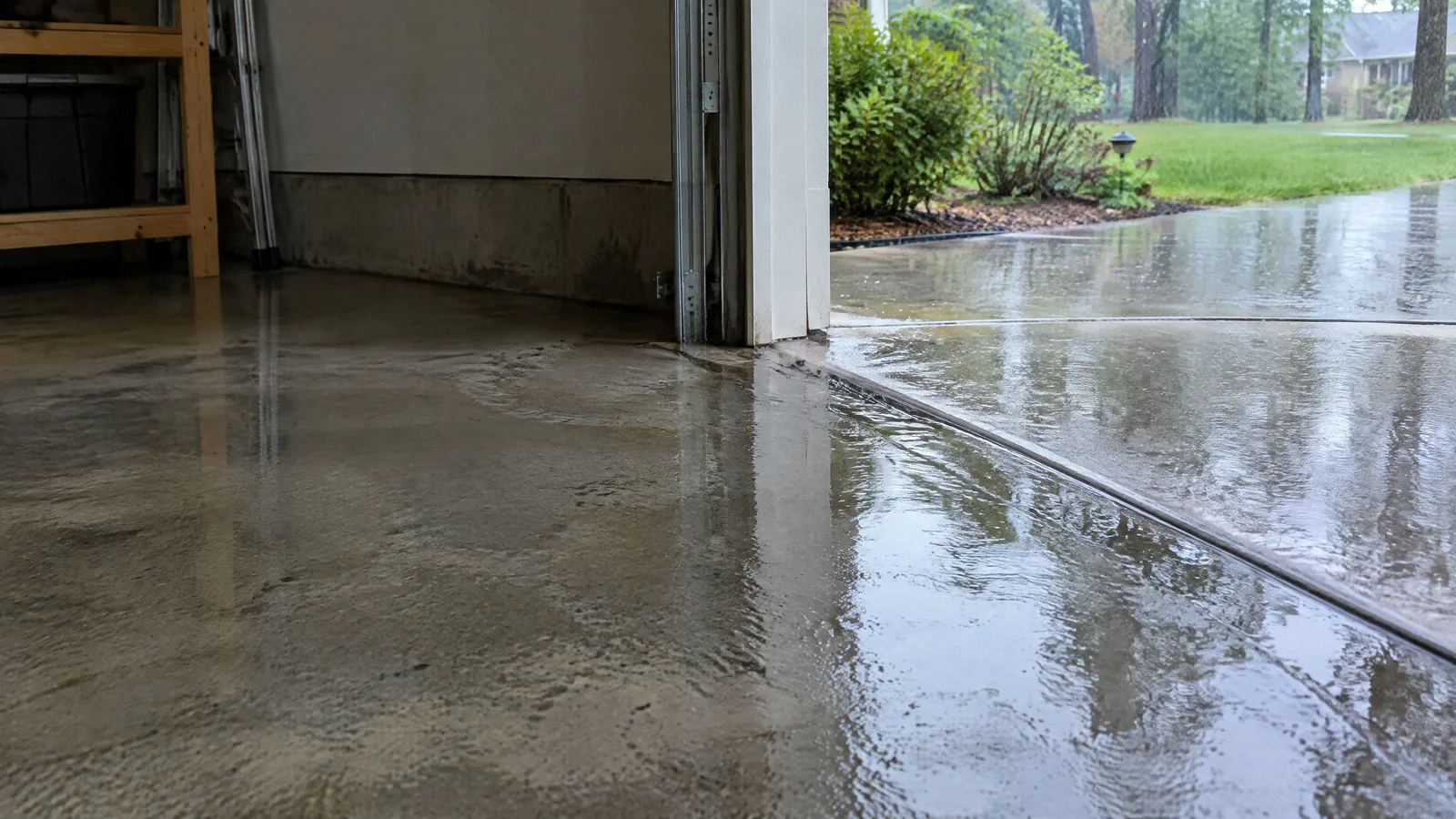
Practical guidance on water coming through garage floor, including identification, decisions and next steps.
Practical guidance on water coming up through concrete floor, including identification, decisions and next steps.
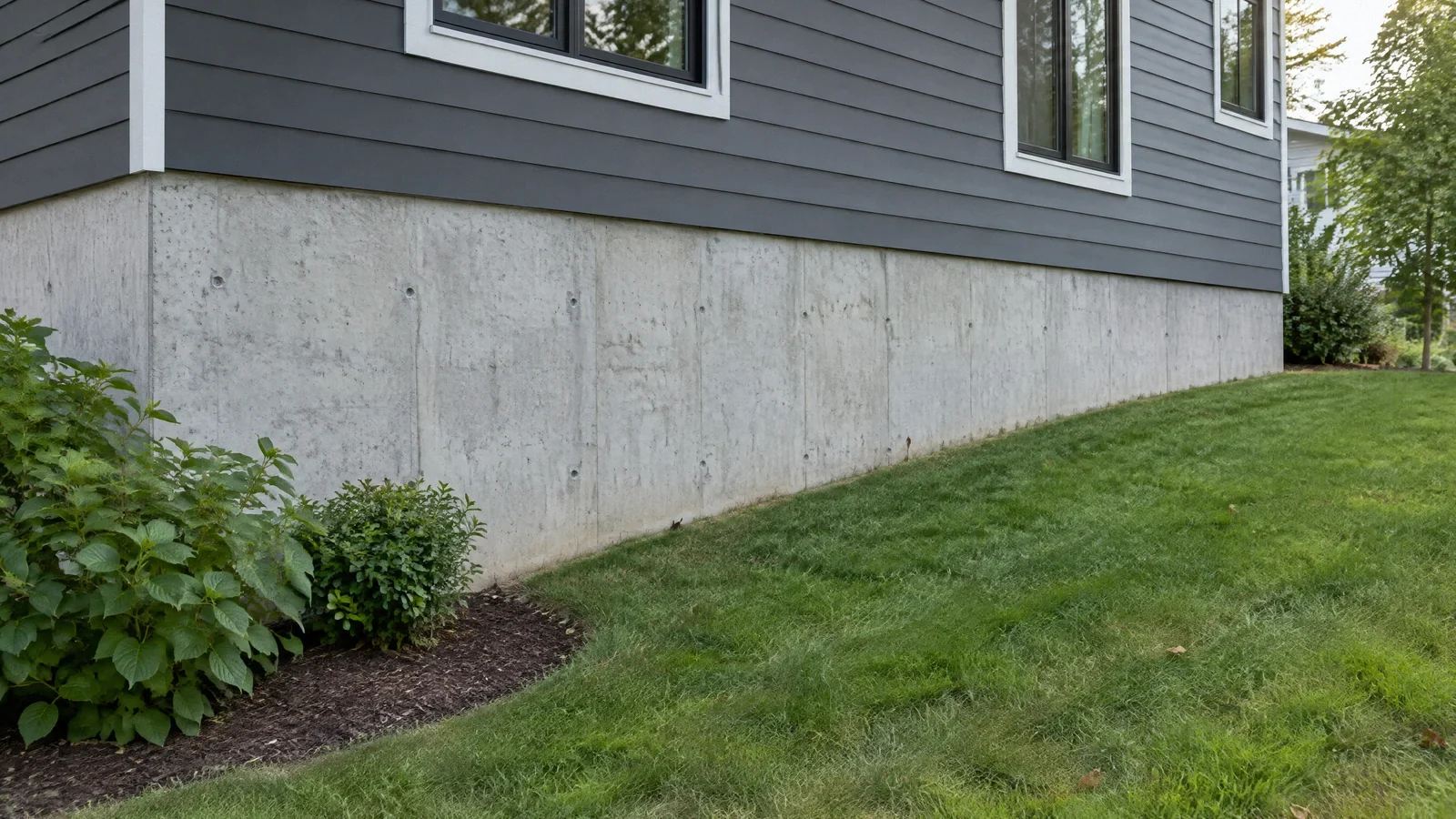
Practical guidance on water damage to foundation, including identification, decisions and next steps.
Compare common water losses with the NFIP flood definition and learn what to document before asking about coverage.
Learn how moisture damage and mold differ, why stains are not a diagnosis, and when to seek help.
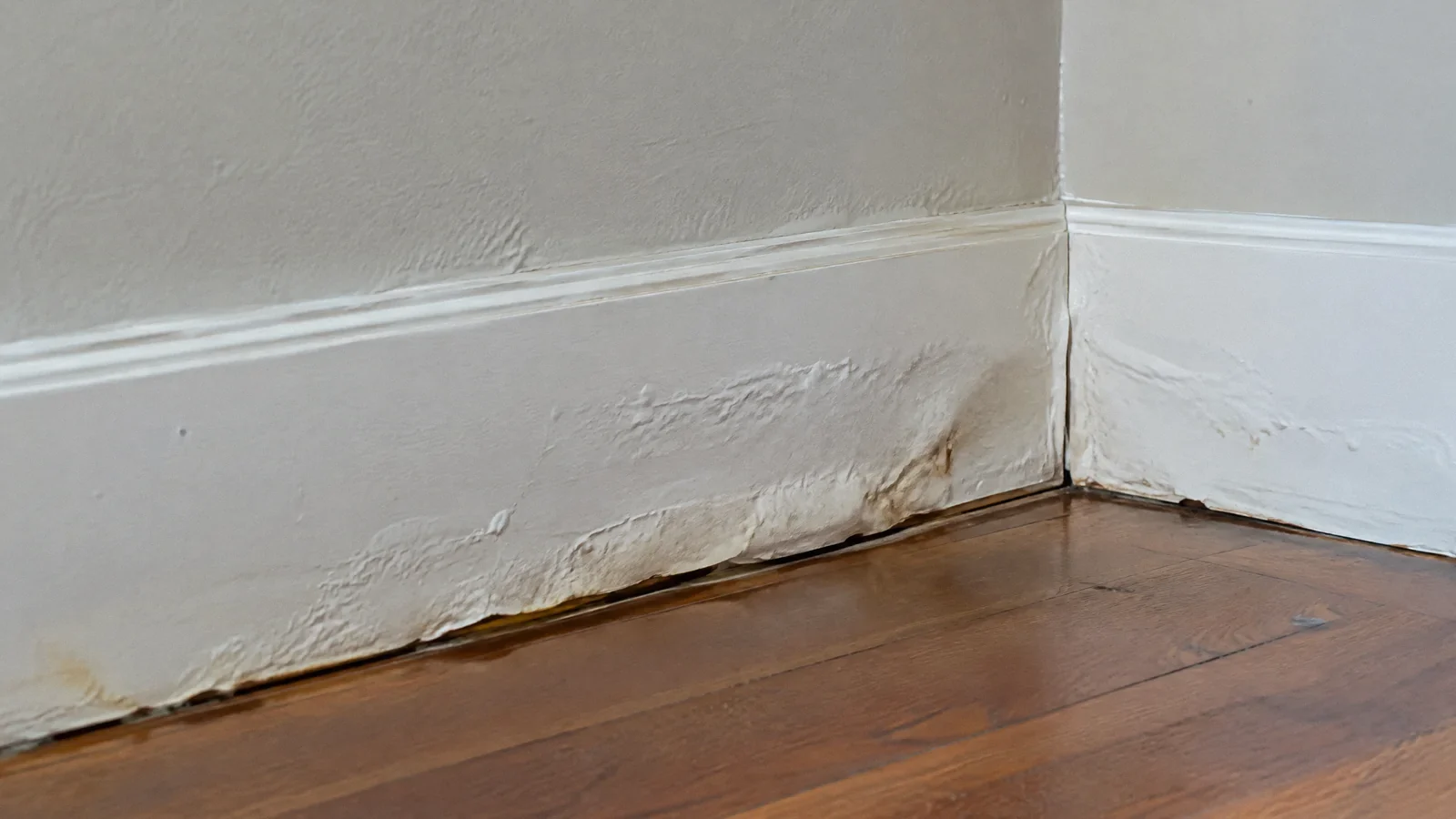
Identify the cause of wet or swollen baseboards and compare repair and replacement for MDF, wood, and other trim.
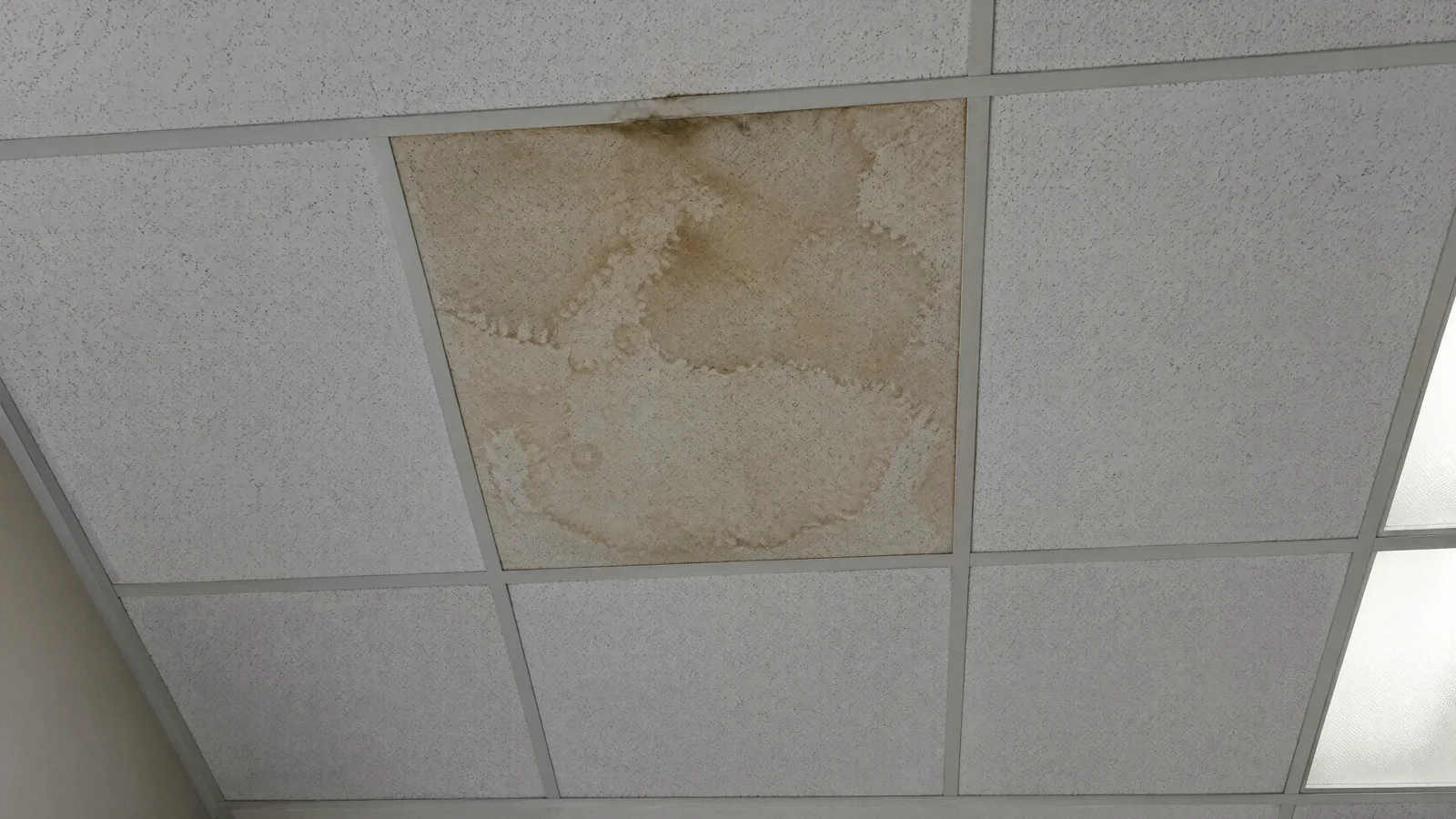
Find the likely source of ceiling tile water damage and understand safe inspection, replacement, and mold precautions.
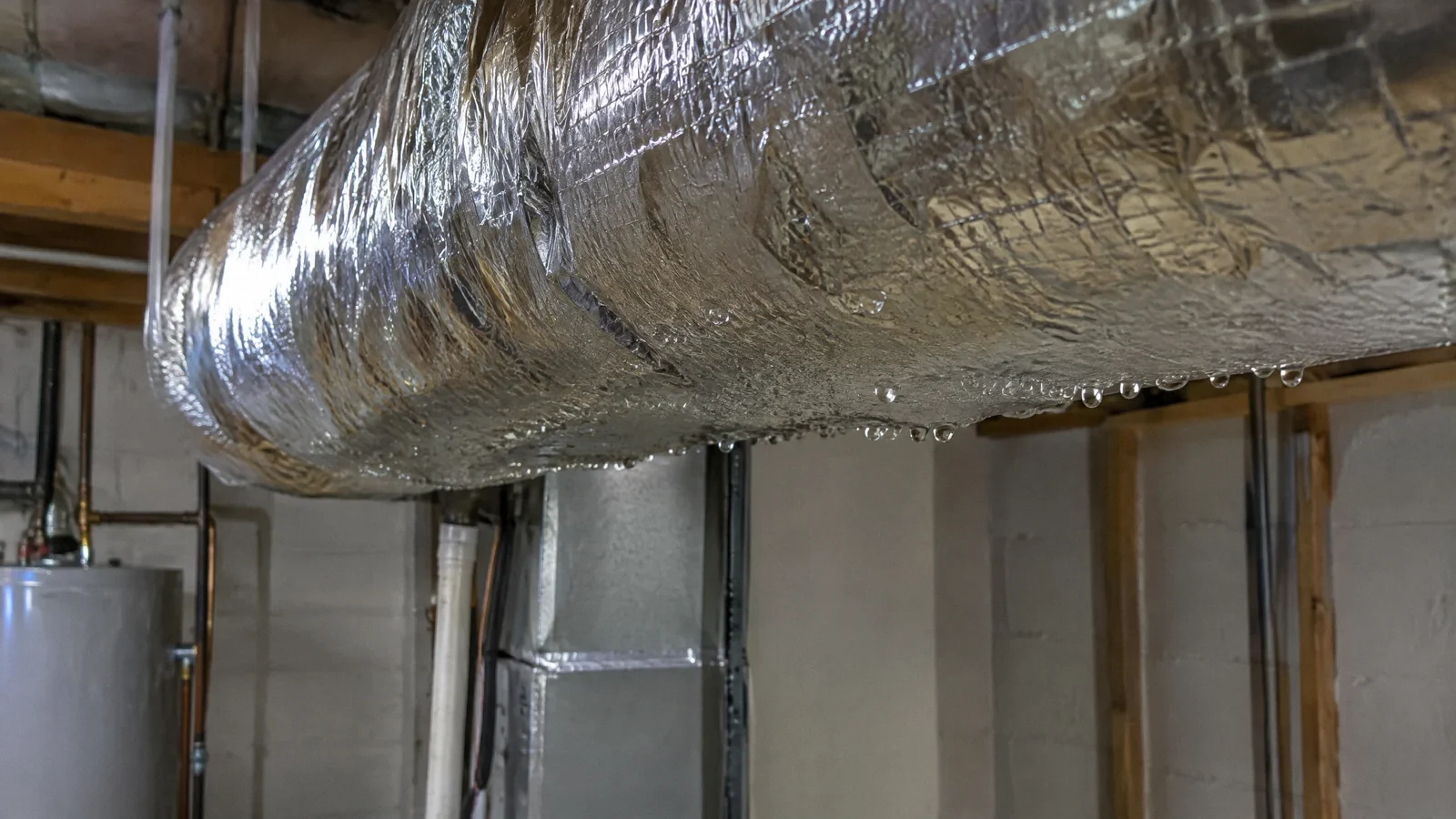
Understand possible sources of water in heating and cooling ducts and how professionals assess removal, drying, and replacement.
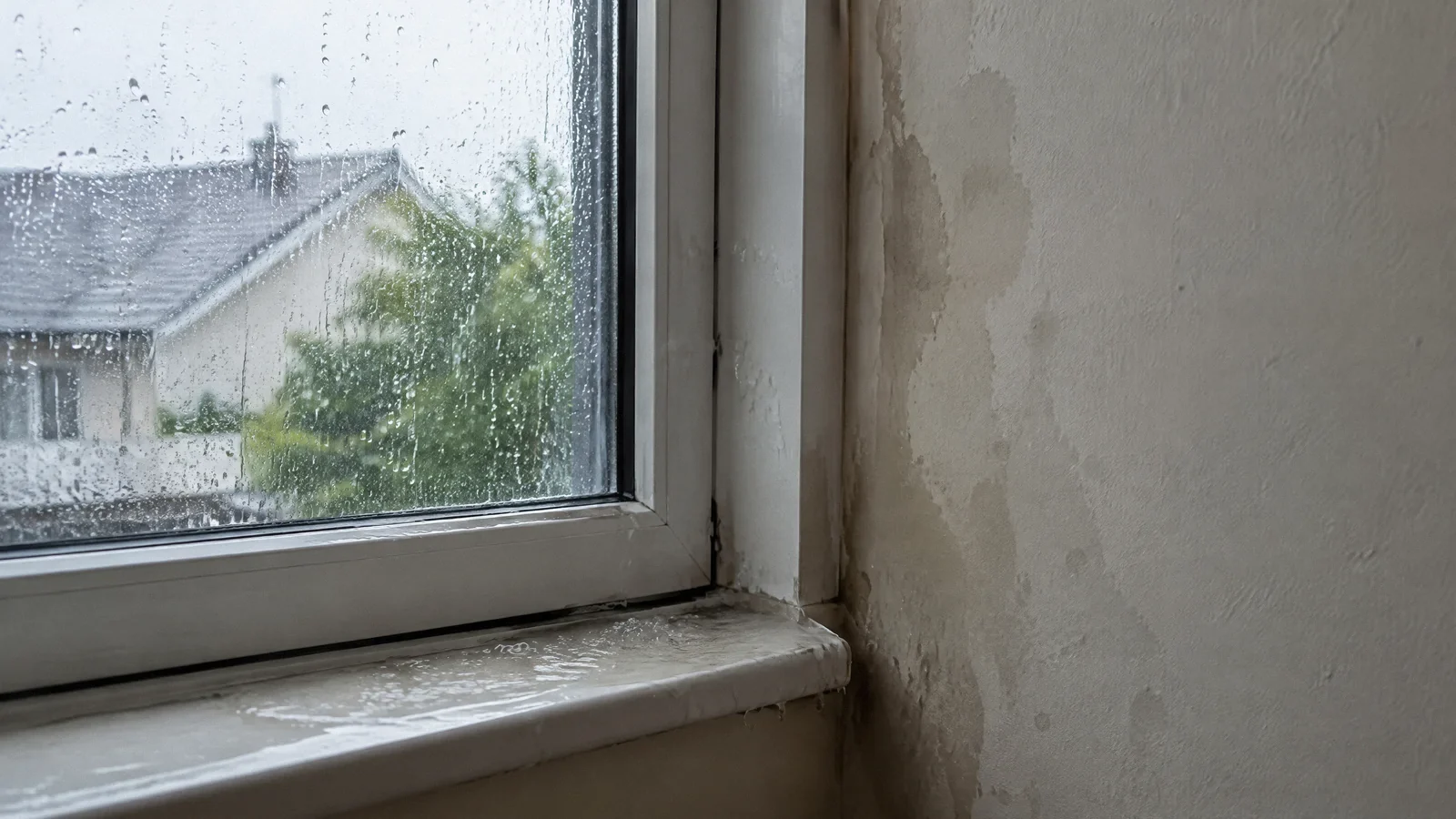
Understand what water intrusion means, how to distinguish possible routes, and what to do when water seeps into a home.
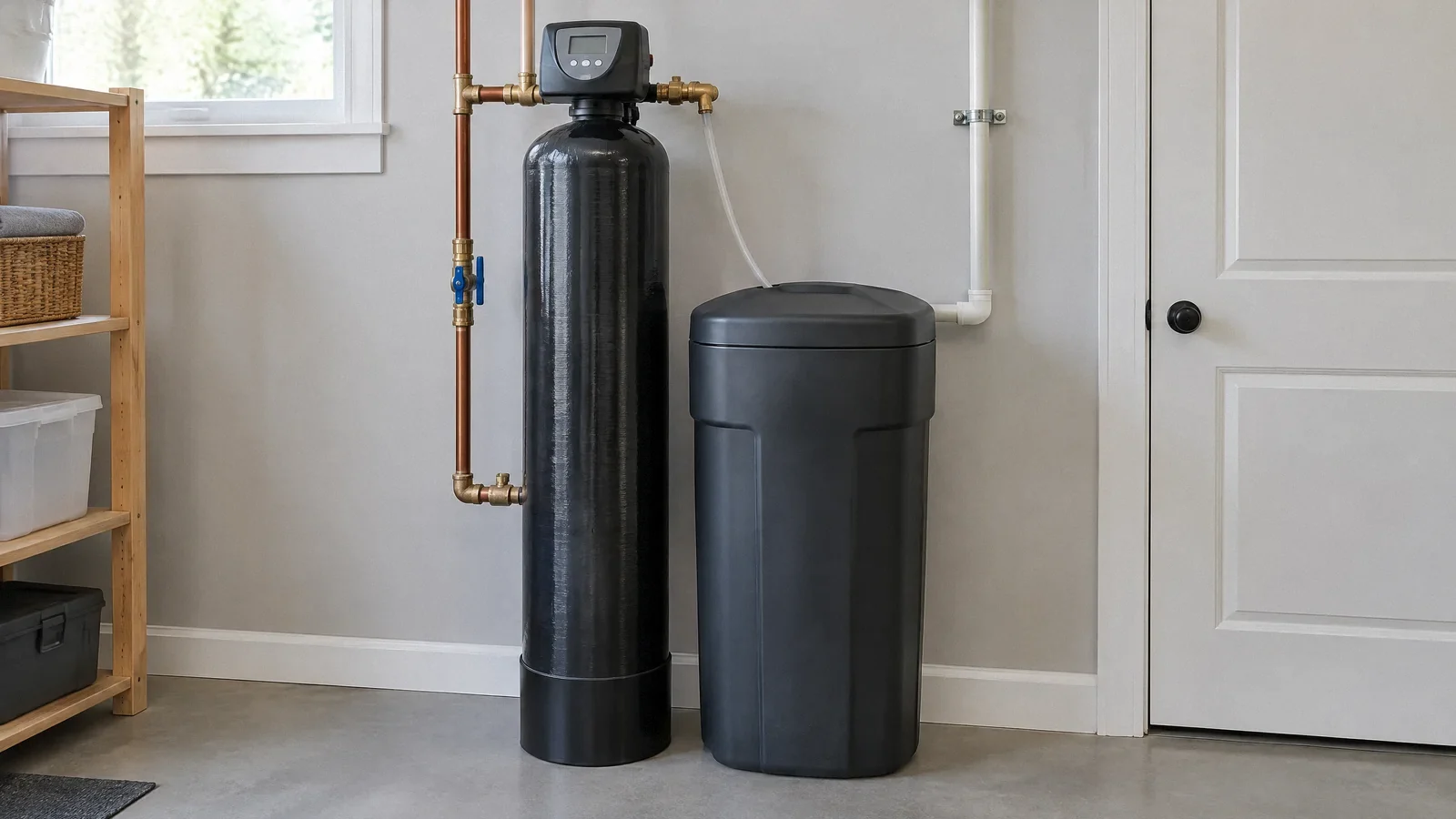
Compare scale reduction with sodium, chloride discharge, maintenance, and water chemistry before installing a softener.
Compare exterior water management, below-grade drainage, interior systems, and the limits of wall coatings.
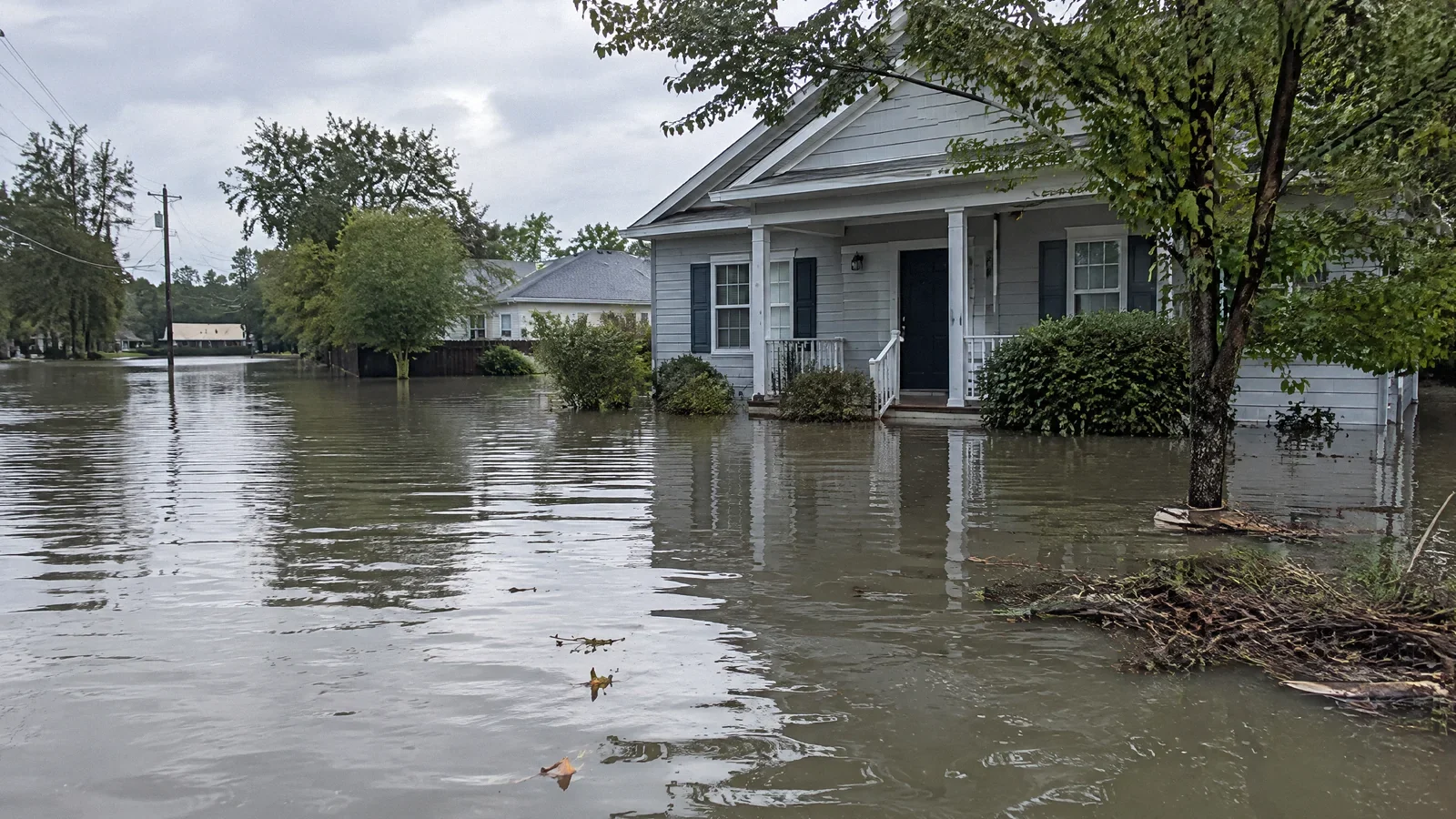
Understand how floodwater can affect a home, utilities, belongings, land, and health-related cleanup conditions.
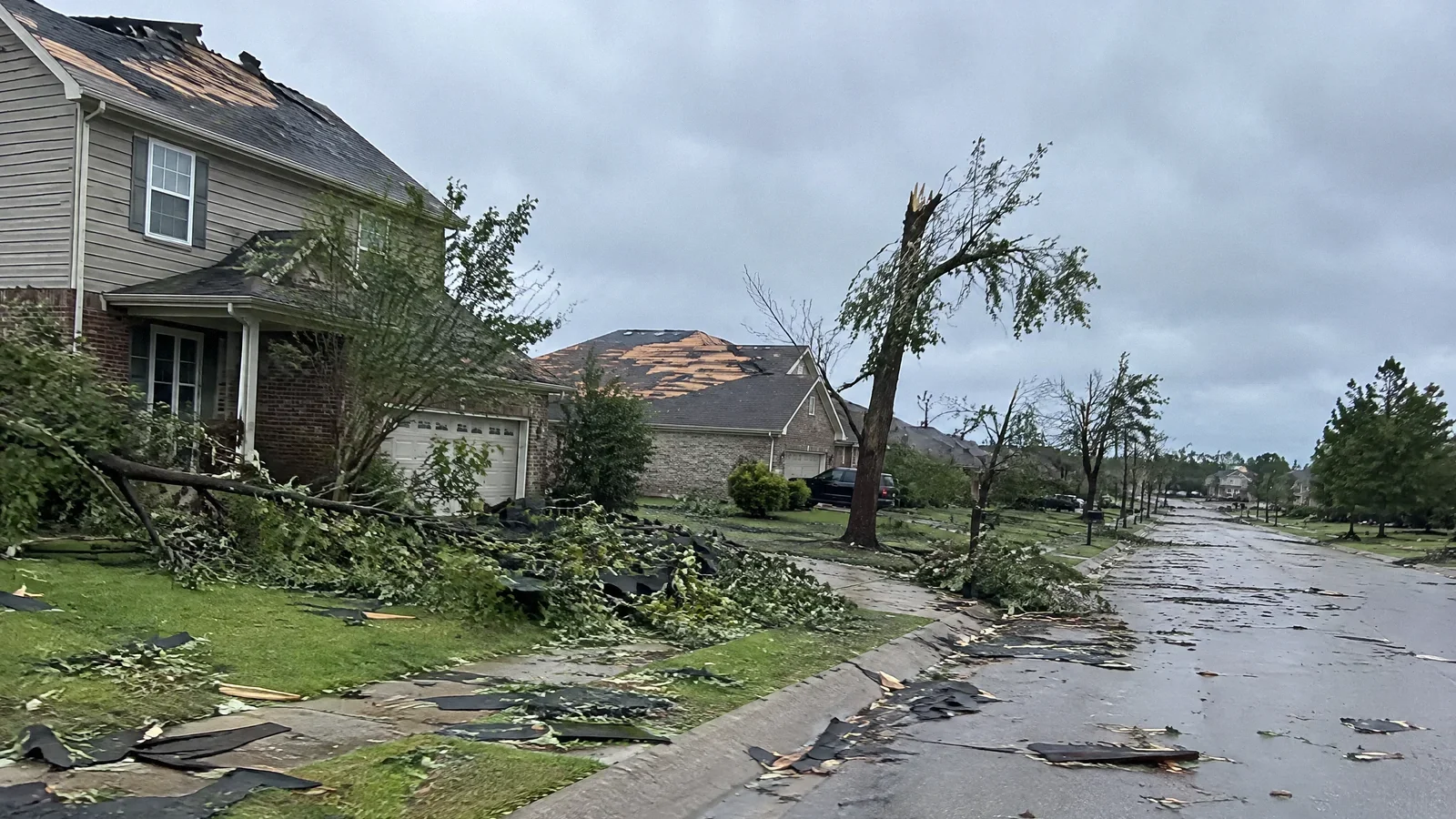
Understand how tornado winds and debris damage buildings, vehicles, utilities and communities, and what to do afterward.
Understand the role of moisture measurements, containment, HEPA filtration, cleaning and removal in professional mold remediation.
Learn how disaster restoration moves from emergency stabilization and assessment to cleanup, repair and verification.
Understand combustion, heat, light, smoke and gases, and why fire products remain hazardous after flames are out.
Estimate required sump pump flow and head, read a performance curve, and check practical installation constraints.
Prepare for a flood, respond to warnings and return safely after authorities permit reentry.
Learn where drainage cleanouts may be required, how access and direction matter, and why local code controls.
Learn how drying, pile direction, recurring spots and residue can change carpet appearance after cleaning.
Trace an outdoor sewage-like smell safely, recognize signs of septic or sewer trouble, and know whom to call.
Distinguish a musty basement from urgent fuel, sewage, smoke, and electrical odors and trace possible moisture sources.
Distinguish urgent gas or smoke hazards from odors associated with a wood, gas, or electric fireplace and arrange the right inspection.
Learn how to distinguish normal flooring movement from installation, support, and moisture problems that need inspection.
Identify a true double flush, a delayed refill, and a weak flush that needs a second press, then choose the right next step.
Use the location and timing of wet carpet to investigate leaks, rainwater, condensation, and potential contamination.
Find the source of a fireplace-area beep, distinguish alarms from control signals, and check the correct model manual.
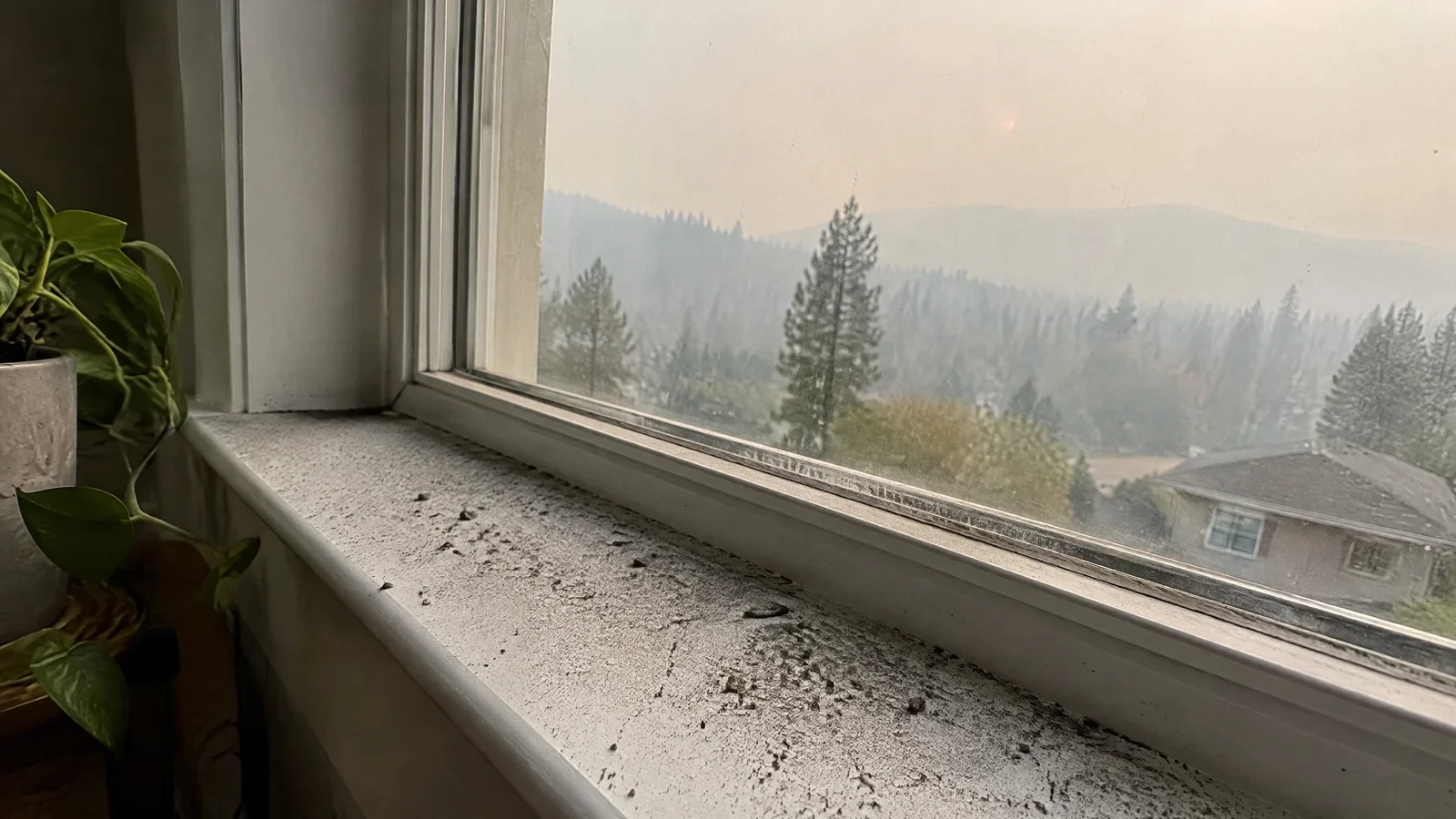
Learn how to assess indoor ash and smoke residue, protect occupants, document damage, and decide when to call a professional.
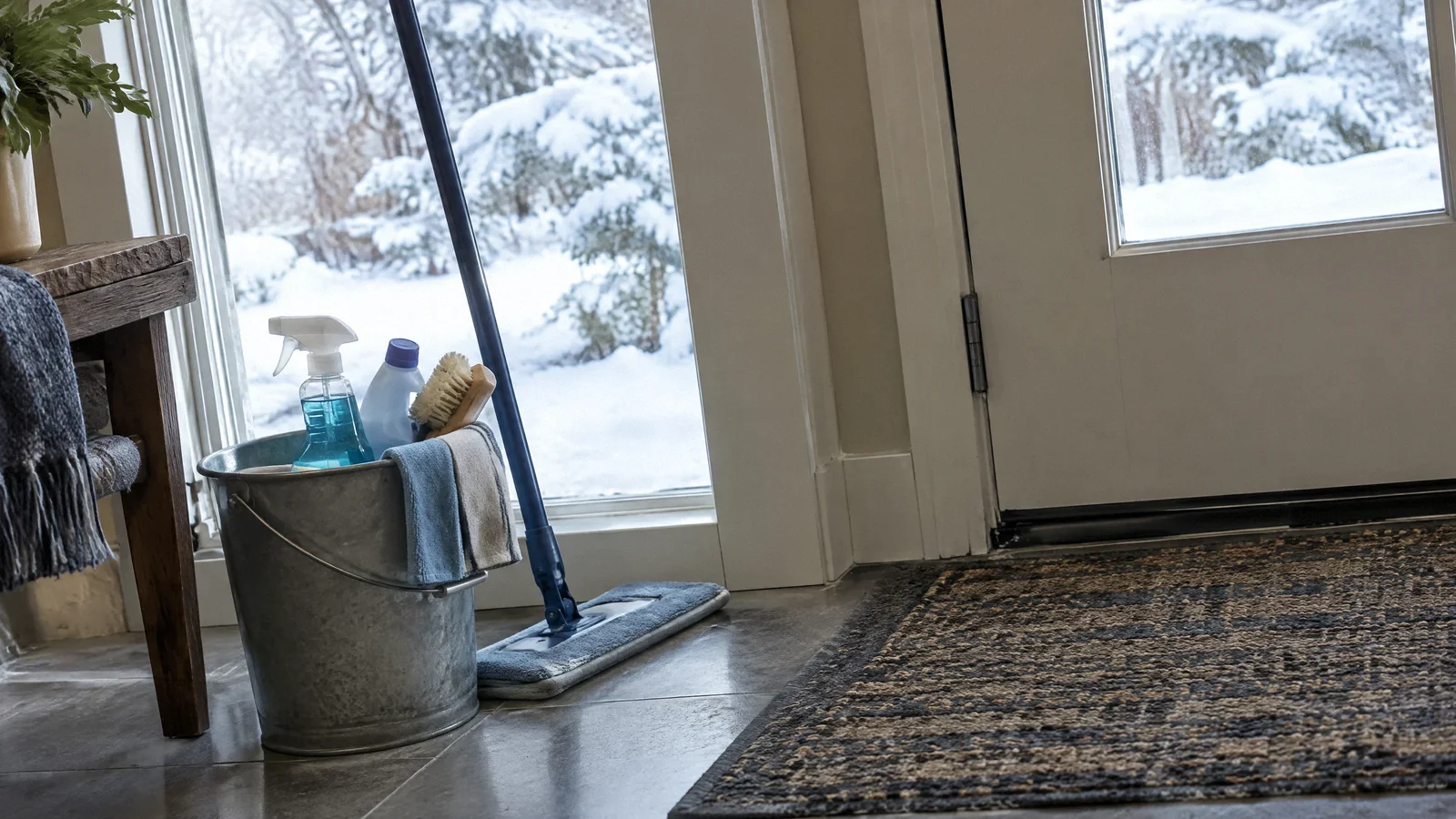
Plan a winter cleaning routine for entryways, moisture, filters, kitchen, bathrooms, and heating-season safety.
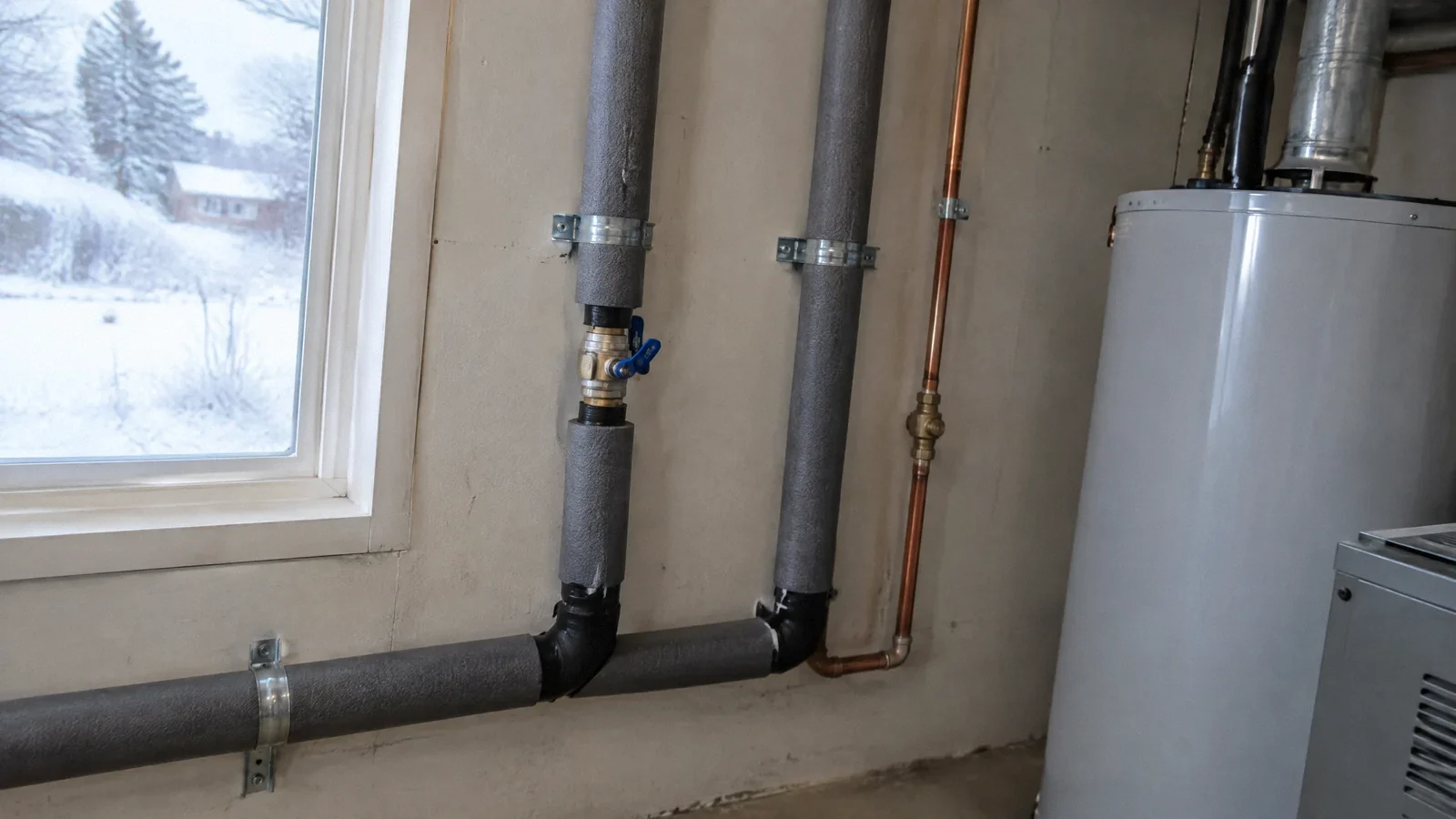
Plan for cold weather with pipe insulation, heat, outdoor faucet preparation, and a safe response to freezing or leaks.
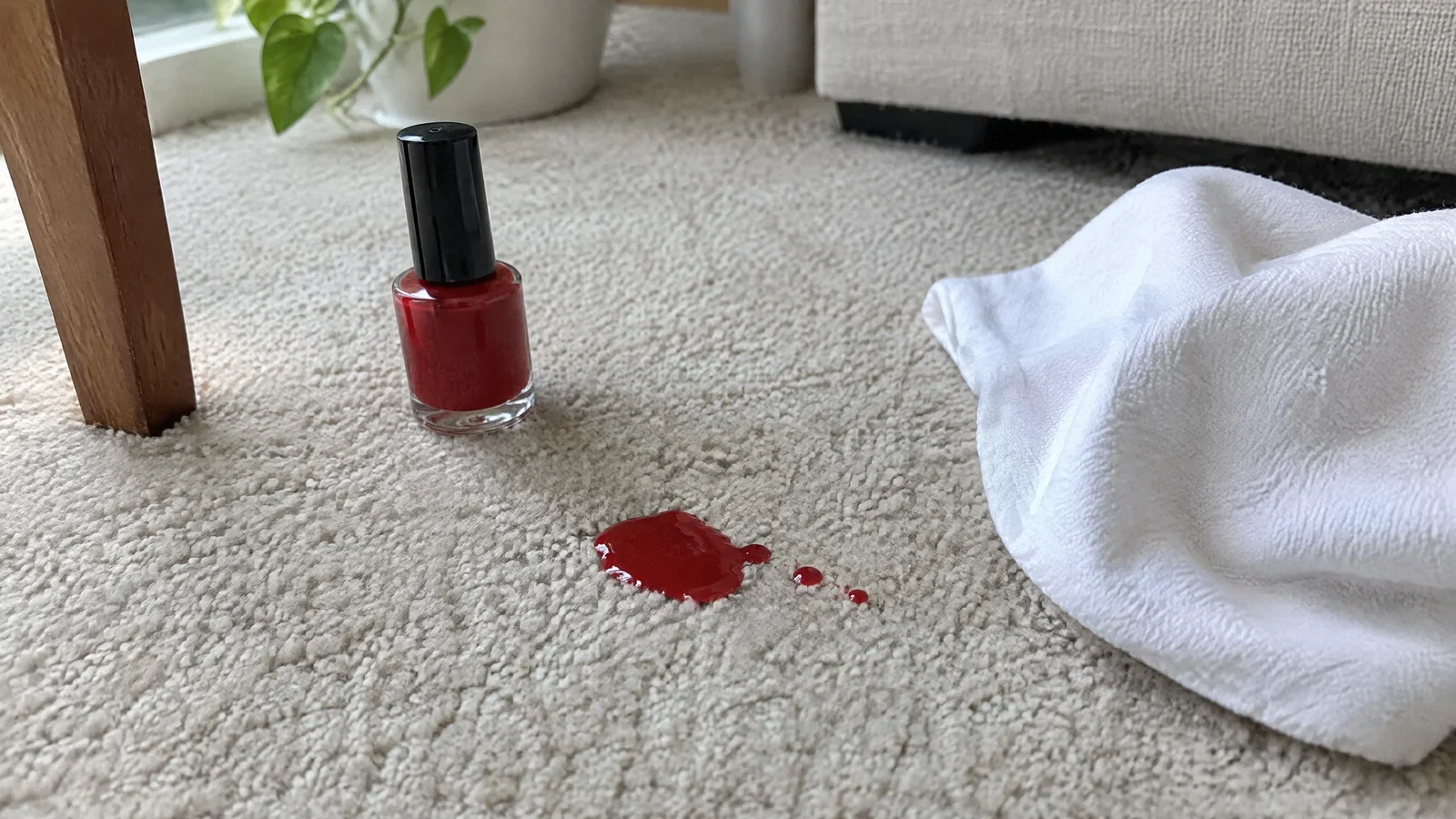
Learn how to contain nail polish on carpet, check solvent compatibility and handle dried or gel polish cautiously.
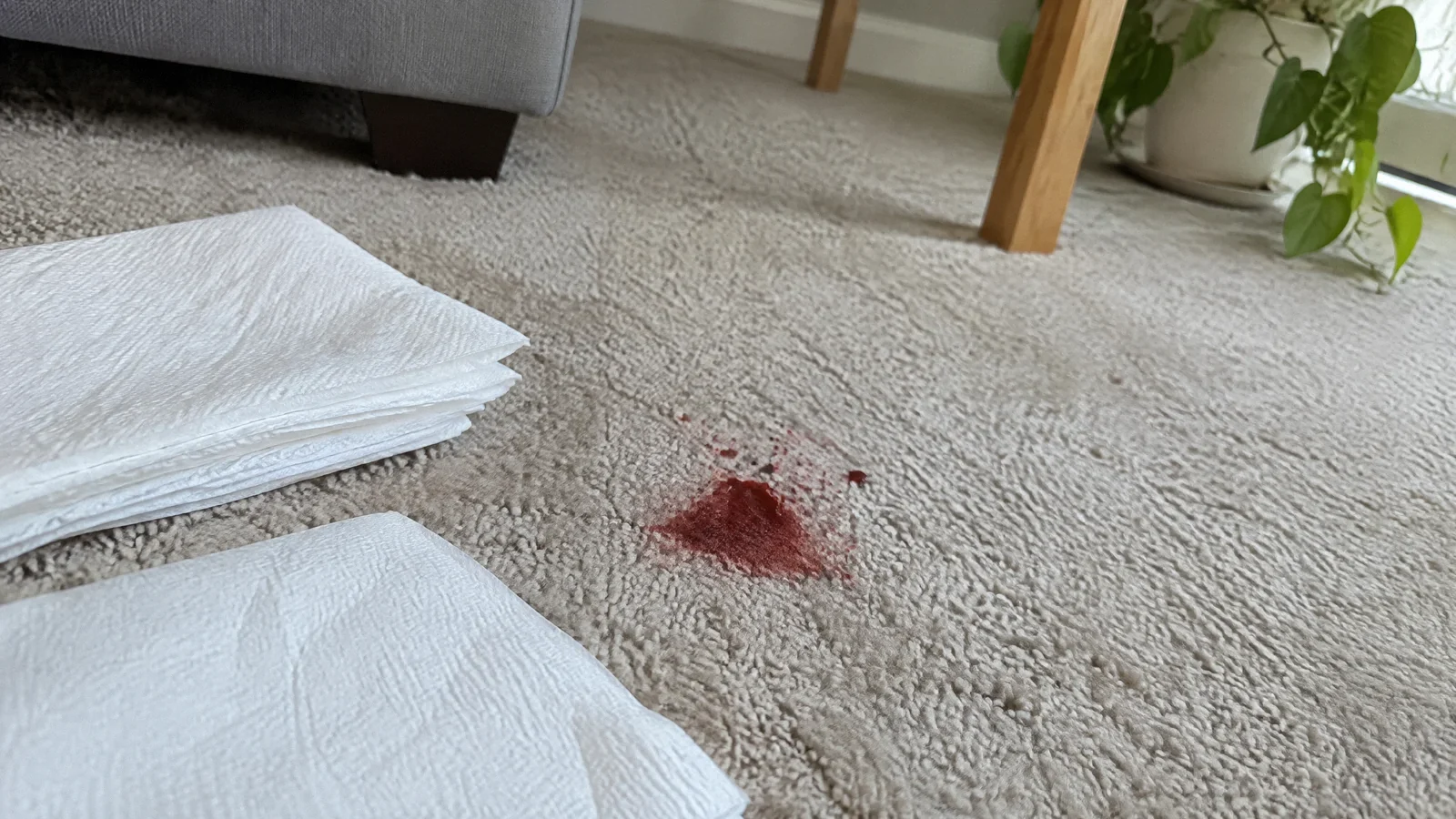
Learn how to blot a small blood spot from carpet, protect the fibers and recognize when professional cleanup is needed.
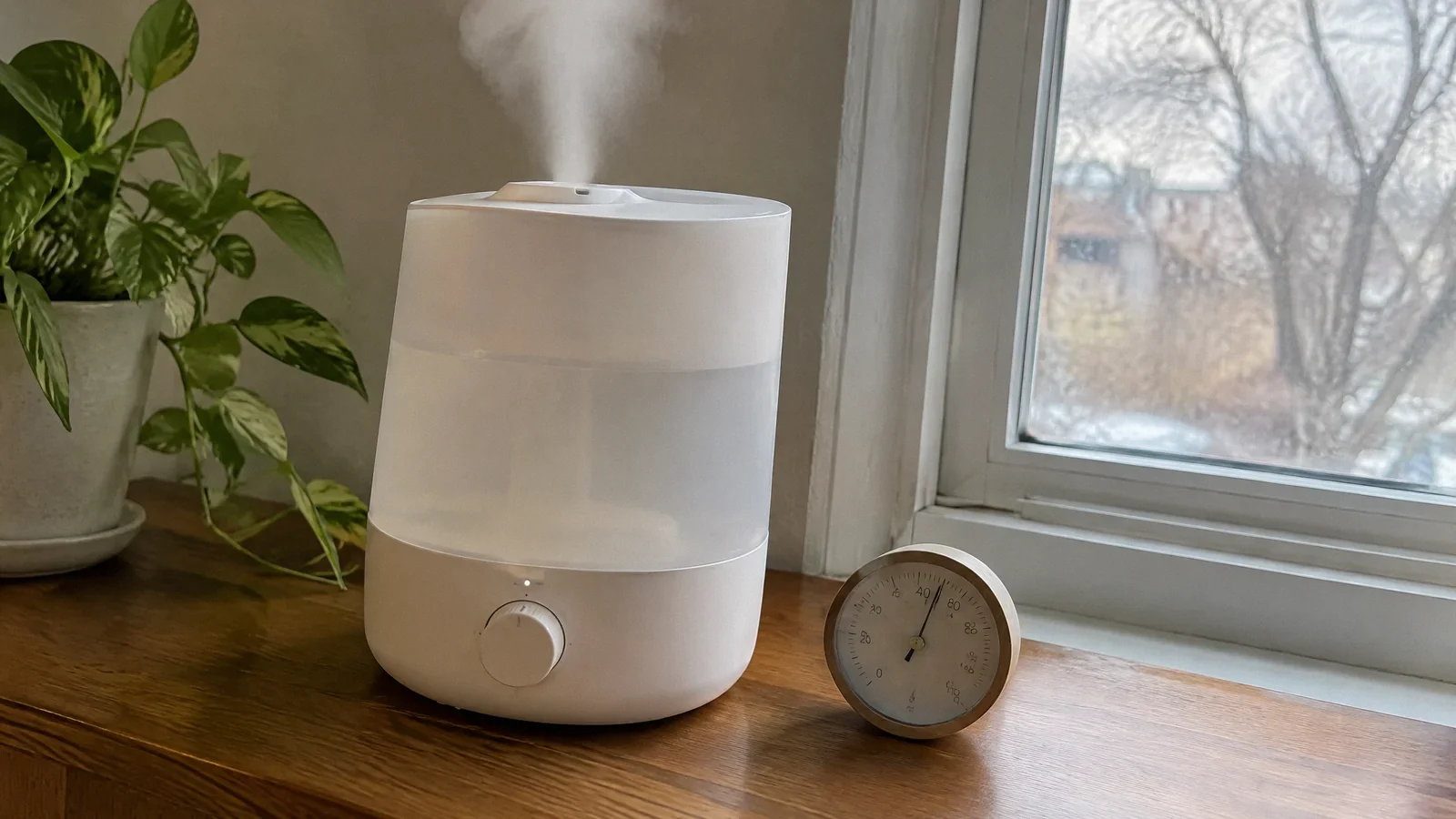
Learn how humidifiers affect room moisture, carpet and condensation, and why they do not remove existing mold.
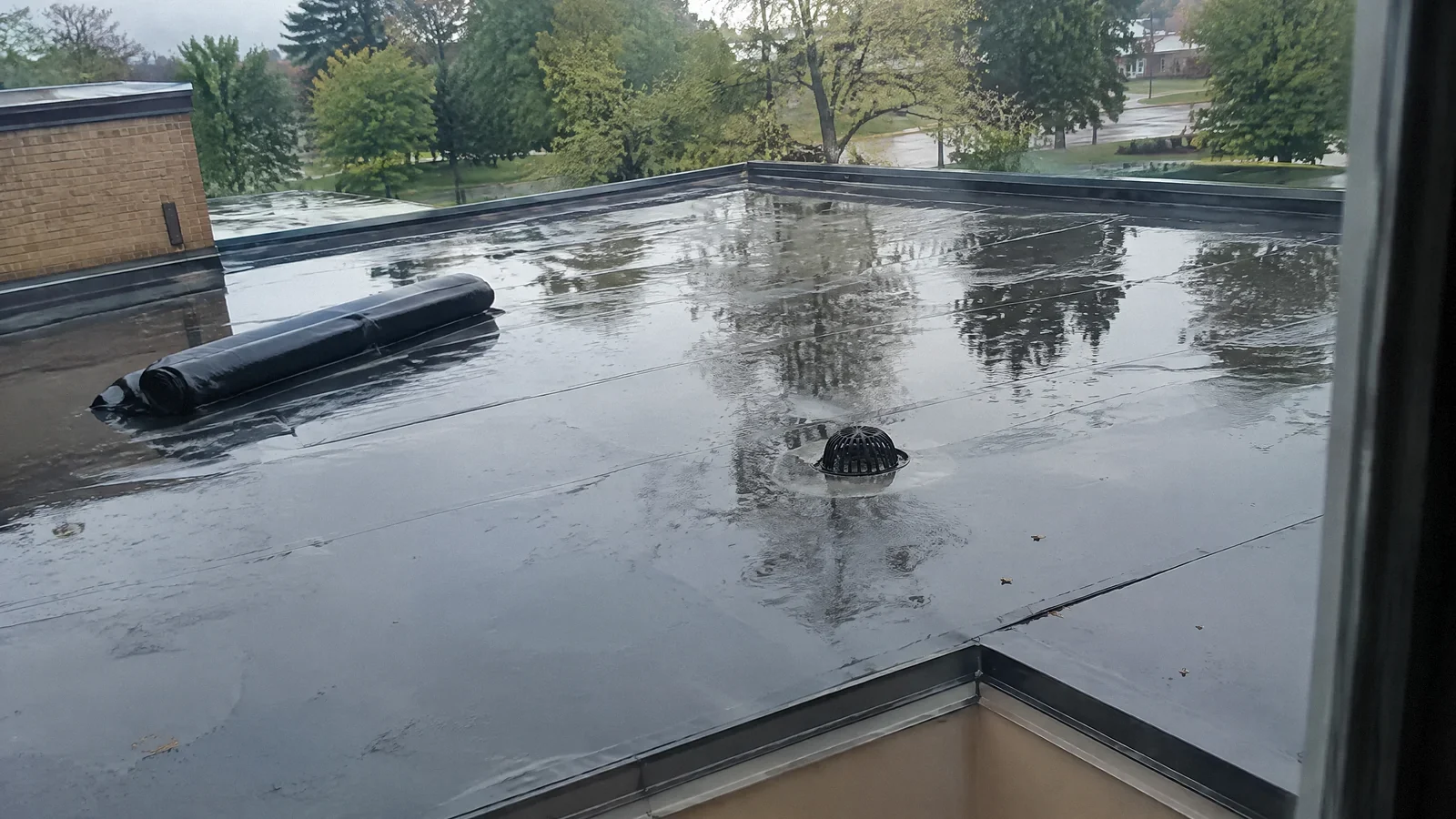
Understand temporary flat-roof protection, drainage and wind risks, and when a qualified roofer or engineer should assess the damage.
Compare two named drain-cleaner formulas, their label directions and safety limits before choosing a method.
Compare commercial smoke-sensing methods and addressable or conventional systems, and learn how to plan inspection and maintenance.
Investigate a suspected dead rodent odor, understand how it can change and arrange safe removal and cleanup.
Compare dripping, weak flow, leaks and other faucet symptoms, and learn when to call a plumber.
Find official hurricane season dates by ocean basin and understand why severe weather can occur outside a season.
Plan commercial water isolation, tenant communication and safe coordination with fire protection systems.
Learn how to respond to a white film in a pool or spa, check water treatment and decide when to seek help.
Recognize basement moisture, cracks, odors and equipment warning signs and know when to seek help.
Measure height, width, drain outlet position and dishwasher clearance before choosing a garbage disposal.
Understand possible sewer routes for rodents, signs to investigate and safe cleanup and repair boundaries.
Learn how to approach rust marks on chrome, protect the finish and recognize damage that cleaning cannot repair.
Understand fire legal liability, rented-premises limits, common policy exceptions and why the actual commercial liability form controls.
Understand how soil, weather and drainage affect drying after rain, and check whether muddy ground is ready for use.
Compare low-flow faucets, showerheads and toilets by their ratings, compatibility and WaterSense certification.
Interpret a Memnoniella laboratory finding, its taxonomic and sampling limits, and the next building steps.
Recognize possible snow-load warning signs, leave an unsafe building and understand why roof snow removal requires a safety plan.
Understand mold and mineral deposits on concrete, safe cleanup limits and moisture beneath floors or tile.
Compare the components, access, discharge, restoration and operating costs in a combined drainage estimate.
Understand positive and negative pressure drying, contamination limits and verification of hidden moisture.
Learn why ice dams form, how roof heat loss and drainage affect them, and what protective membranes can and cannot do.
Compare an underground storm cellar, an engineered safe room, a basement and an interior room when planning for tornadoes.
Investigate an animal-like HVAC odor, choose the right professionals and understand safe cleanup and prevention.
Understand allergens, irritation and new-carpet concerns without assuming a rash or other symptom identifies its cause.
Use a practical basement care schedule for moisture, drainage, humidity, sump equipment and warning signs.
Compare basement storage containers and learn how to protect belongings from moisture, leaks and everyday damage.
Compare sump pumps for a French drain by inflow, operating head, basin fit, discharge and backup.
Understand why fungal disease mortality estimates do not establish an annual death count from household black mold.
Understand annual U.S. lightning estimates, the difference between flashes and strokes, and what national averages say about personal risk.
Understand an Acremonium report, changes in fungal names, sampling limits and practical moisture assessment.
Identify common commercial water damage sources and coordinate safety, documentation, drying and business recovery.
Understand site authority, outreach, personal property and worker safety considerations for an encampment cleanup.
Remove melted hard candy carefully from wood, carpet and upholstery while limiting moisture and protecting finishes.
Understand the limits of lightening upholstery and compare cleaning, removable covers, slipcovers and reupholstery.
Understand the limits of evidence on indoor black mold and cancer, and why foodborne aflatoxin is a separate exposure.
Review ownership boundaries, governing documents, inspection and insurance when a foundation crack affects an HOA property.
Handle powder, lipstick and foundation stains according to the care instructions for clothing, carpet or upholstery.
Learn how cleaning products can release vapors and particles indoors, and how label directions and ventilation can reduce exposure.
Prepare plumbing, appliances and a home-check plan before holiday travel or guests, and know what to do if a leak appears.
Learn how storm conditions, reporting practices and year-to-year variability affect tornado counts and what scientists can infer about trends.
Prepare your home for winter with a practical plan for the roof, drainage, drafts, heating, pipes and power outages.
Try a material, “insurance”, “mold”, or a shorter phrase.