Yes. Indoor mold can grow during winter when moisture is available, including on cold surfaces where indoor water vapor condenses. Reduce excess humidity, address leaks and dry wet materials; cold weather alone does not solve an indoor moisture problem.
Why mold can be a winter problem
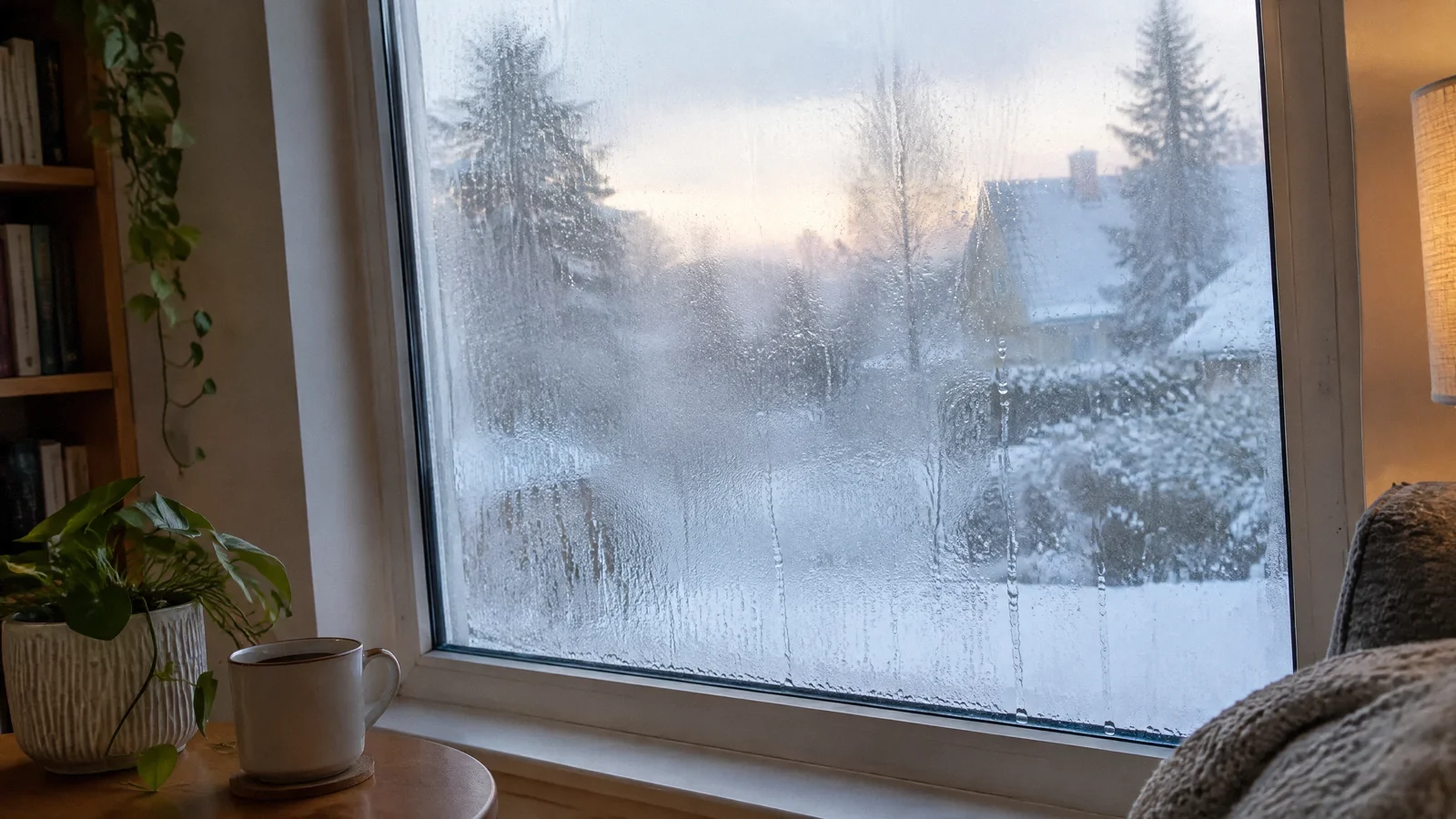
Cold outdoor weather does not keep a heated home dry. People add water vapor to indoor air through showers, cooking and everyday activities. When moist indoor air reaches a cold window, exterior wall or pipe, water can condense on that surface. Repeated wetting can create conditions favorable to mold, especially where dust or porous materials remain damp.
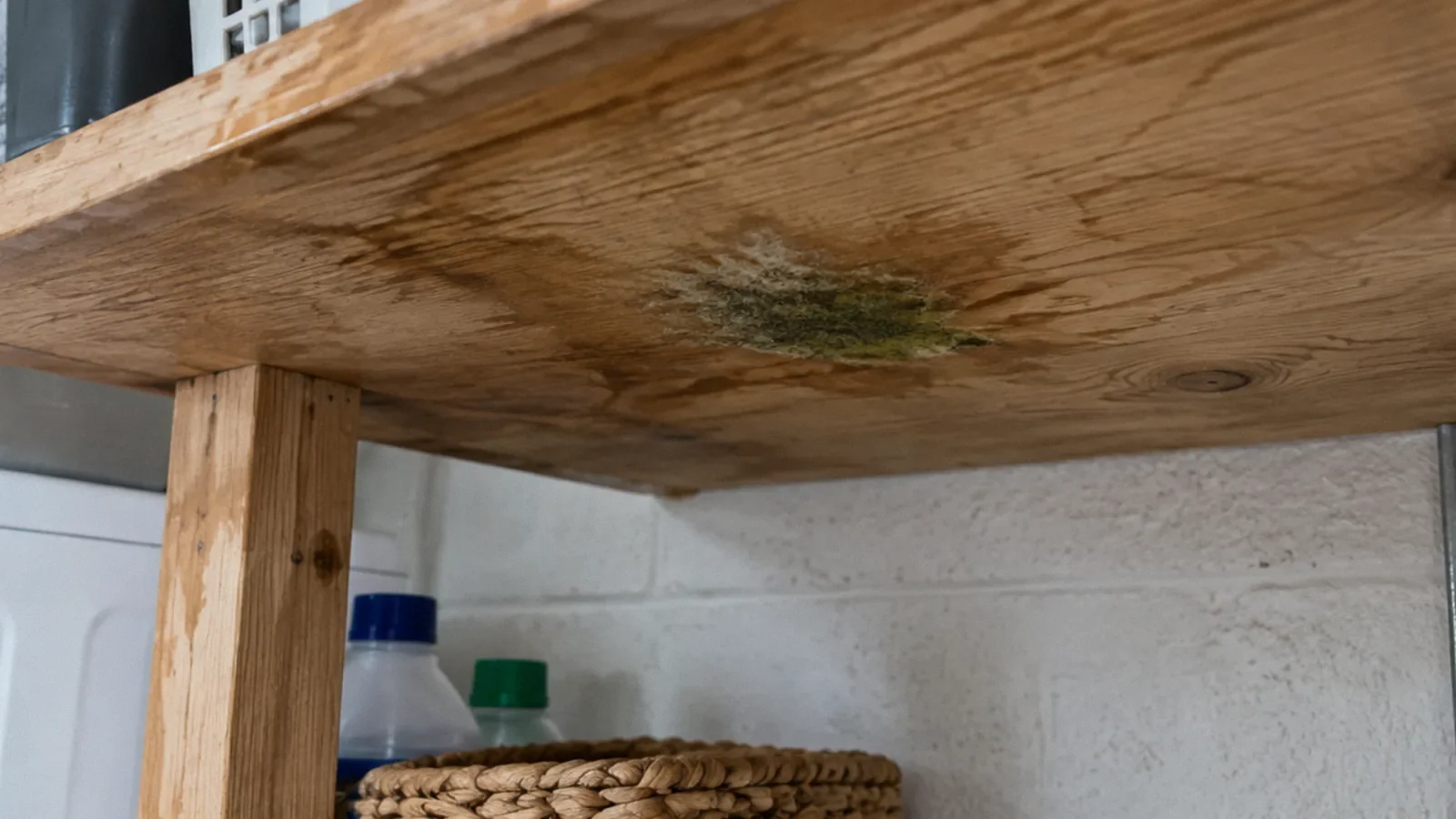
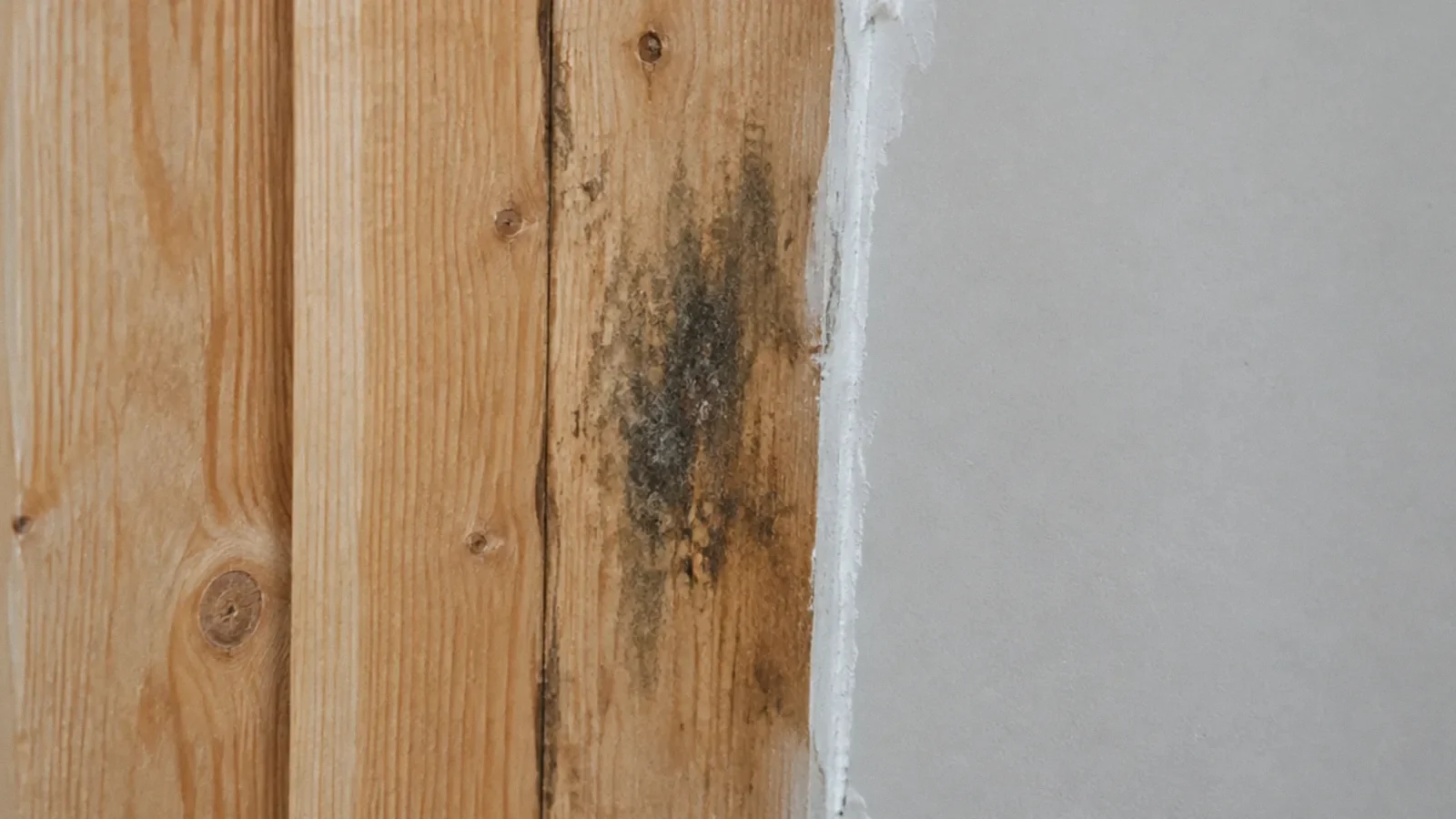
Condensation is only one possible source. A roof leak, plumbing leak or water entering around a window can also leave a wall or ceiling wet. A stain alone does not identify the source, and the color of growth does not identify its species or establish the health risk. The practical first task is finding and correcting the moisture.
Recognize condensation and investigate leaks
Water beads on the inside of glass on cold mornings suggest that the surface is cold relative to the indoor air. Wipe the water promptly and look for damp trim, peeling finishes or recurring wetness. Check whether the problem occurs after showers or cooking and whether it improves with exhaust ventilation. Condensation may collect behind furniture or curtains where air movement is restricted.
A localized ceiling stain after rain, wet material beneath plumbing, or water entering at a window can have a different cause. Do not assume it is ordinary condensation and cover it with paint. Record when the wetness appears, photograph changes, and arrange an inspection if the source is unclear or the material stays damp. Tenants should report leaks and persistent moisture to the property manager promptly.
Control indoor moisture without sealing in a problem
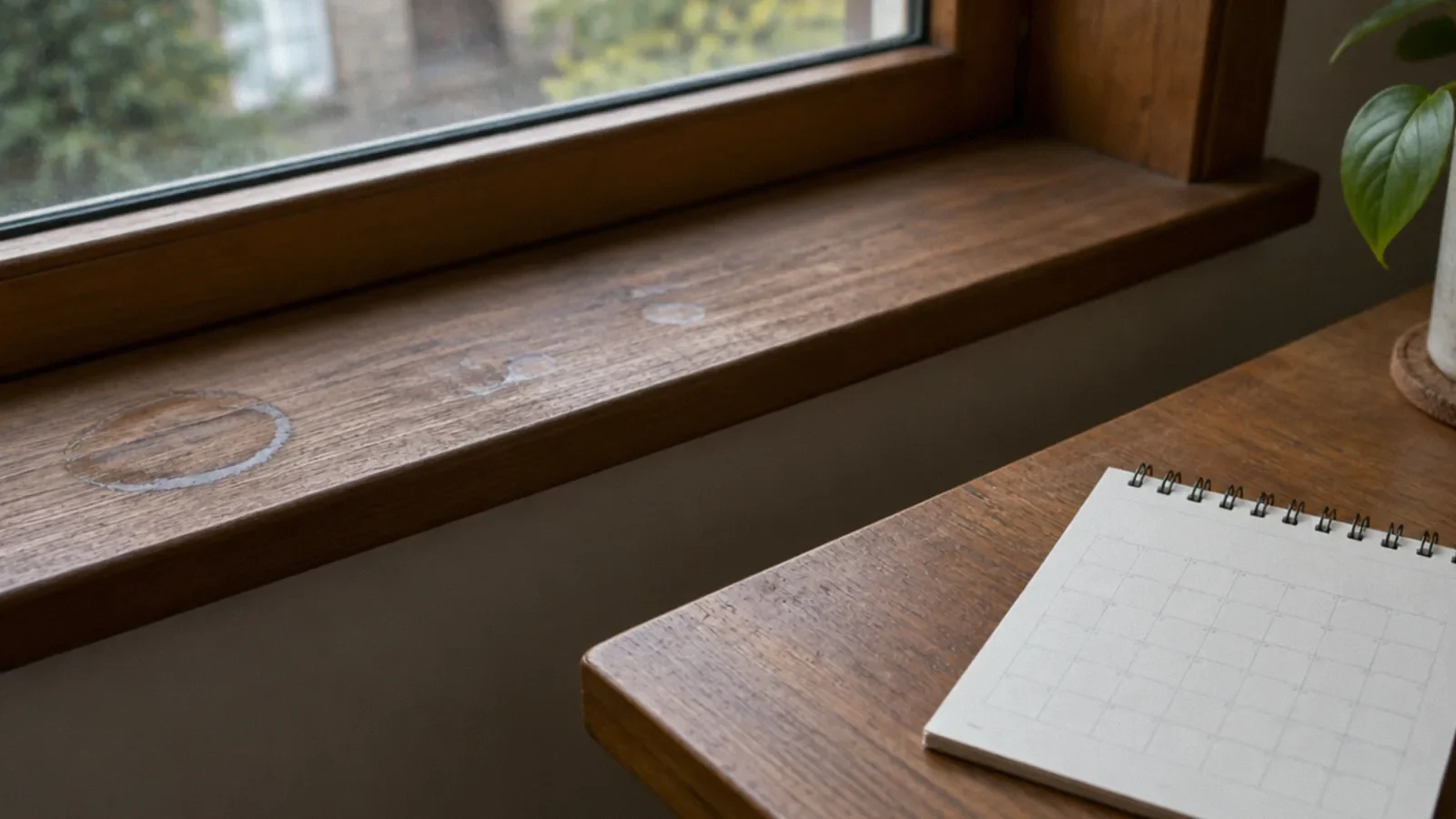
Use bathroom and kitchen exhaust fans when producing moisture, and check that they discharge outdoors where required. If a fan is weak or noisy, have it inspected. Vent clothes dryers outdoors as appropriate for the appliance and installation. Avoid adding unnecessary moisture indoors, and dry visible condensation rather than letting water sit on a sill or wall.
EPA recommends keeping indoor relative humidity below 60% and ideally between 30% and 50% where possible. A small hygrometer can help show whether indoor humidity is persistently high, but its reading is only a room-level clue. Cold surfaces may still collect moisture when the room average seems acceptable. During colder weather, a lower indoor humidity may be necessary to limit window condensation; comfort and the building’s needs also matter.
Ventilation and dehumidification choices depend on outdoor conditions and the building. A dehumidifier may help in a damp room, but empty and maintain it according to its instructions. Do not rely on a machine to compensate for an active leak. If opening a window is practical and safe, it can help exchange air, but it is not a substitute for correctly operating exhaust and repairing the source.
Address cold spots and concealed moisture
Insulating a cold pipe or improving a cold building assembly can reduce condensation, but the correct repair depends on climate and the wall or roof construction. Poorly chosen insulation or vapor-control materials can trap moisture. Ask a qualified building professional to investigate recurring cold spots, wet insulation or water staining before closing a wall or making major changes.
Move furniture enough to allow air to circulate near an exterior wall and check hidden areas periodically. That small adjustment cannot repair water intrusion or a defective building assembly. If there is a musty smell with no visible source, avoid tearing into suspect materials without a plan. A professional can assess potential hidden moisture and determine whether controlled investigation is appropriate.
Clean small areas carefully and know when to stop
EPA says that hard surfaces can generally be scrubbed with detergent and water and dried completely. Porous items such as ceiling tiles or carpet may need disposal if moldy because growth can be difficult to remove from their internal spaces. Do not paint or caulk over mold; clean and dry the surface and fix the water problem first.
The size and cause of the problem matter. EPA suggests that homeowners can often handle a moldy area under about 10 square feet, but larger areas, contaminated water, hidden damage or recurring growth call for professional assessment. People with asthma, mold allergies, chronic lung disease or weakened immune systems should not participate in mold cleanup; seek appropriate medical advice about personal health concerns. Follow EPA guidance on protection and ventilation; do not mix cleaning chemicals.
Build a seasonal routine
At the start of the heating season, check exhaust fans, look for plumbing leaks and inspect window frames and accessible areas for dampness. During cold spells, check windows in the morning and note rooms where condensation returns. After storms, inspect accessible ceilings and walls for new stains without entering unsafe spaces.
At the end of the season, review recurring locations. A one-time wipe may remove surface water, but repeated condensation or a returning stain is a reason to change the underlying conditions or seek an assessment. Keep a simple record of the date, weather and location to help an inspector distinguish a leak from a seasonal pattern.
Your next-step checklist
- Wipe condensation and identify where it returns.
- Run appropriate kitchen and bathroom exhaust.
- Measure indoor humidity and reduce persistent excess moisture.
- Repair leaks and investigate recurring cold or damp areas.
- Clean and dry suitable small hard surfaces; seek help for larger or uncertain problems.
Related questions
Does winter cold kill all mold indoors?
No. Indoor conditions can still support growth when moisture remains available. Treat the moisture source rather than relying on outdoor temperature.
Should I paint over a moldy wall?
No. EPA advises cleaning the mold, fixing the water problem and drying the surface before painting.
Sources & context
Public guidance supports the principles in this article. The practical questions and examples are editorial interpretation, not a site assessment or a coverage decision. State-specific rules apply only where identified.