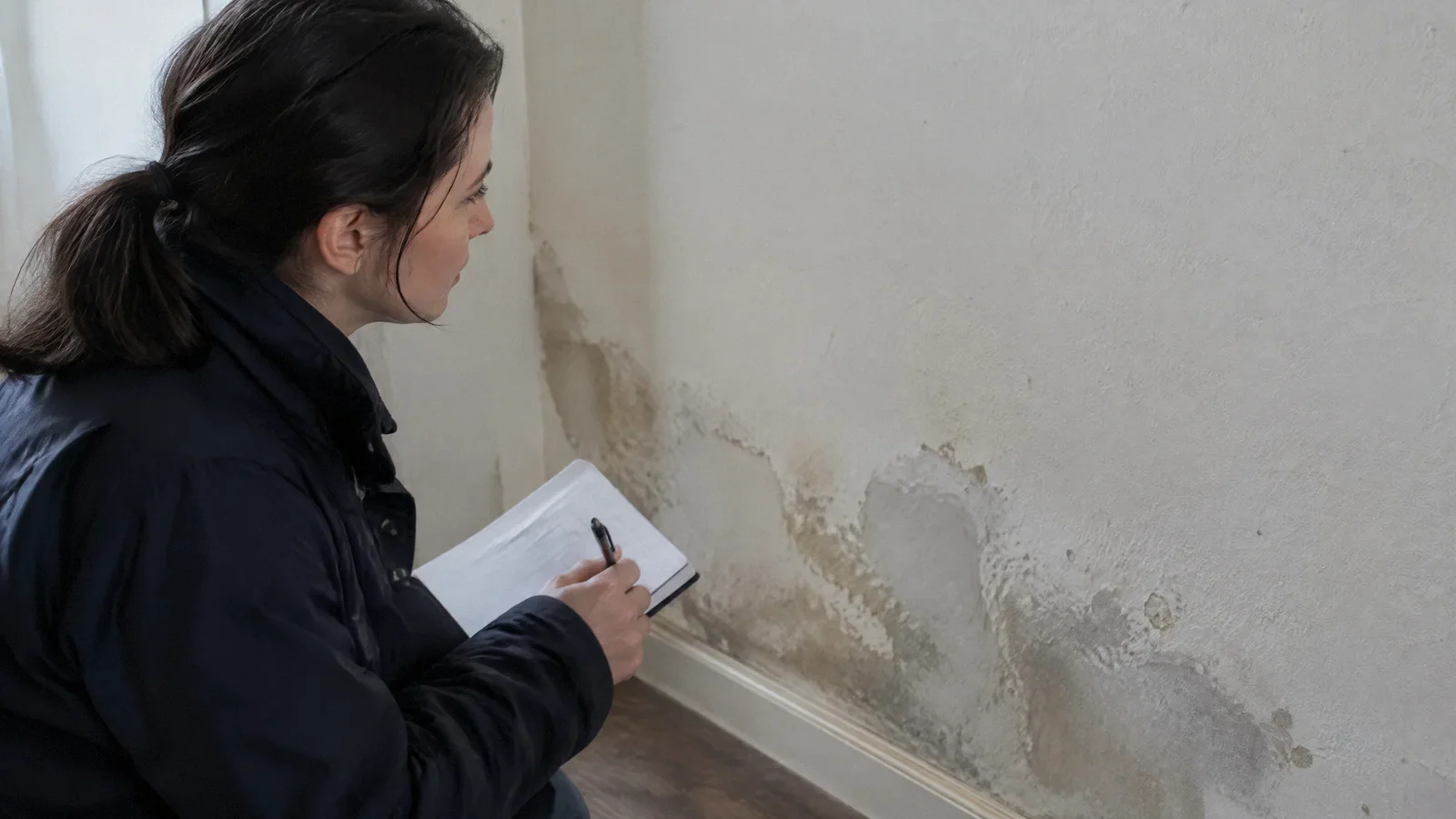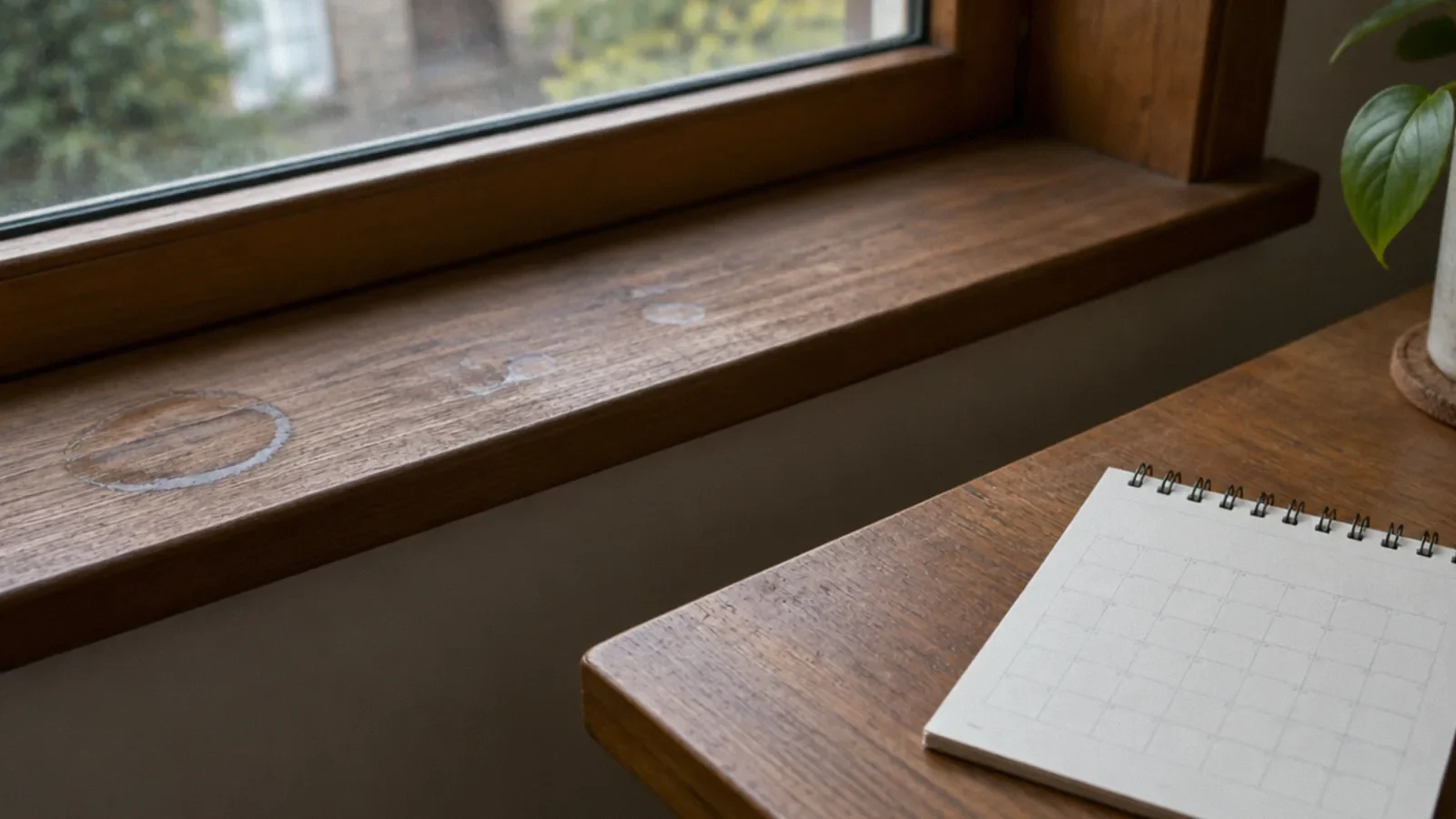
Mold after a leak: what the 24–48 hour guidance really means
The 24–48 hour drying target encourages prompt action. Assess hidden wet materials and records instead of treating it as a guaranteed mold-free window.
Separate useful evidence from alarm. Browse 79 detailed guides.
The 24–48 hour drying target encourages prompt action. Assess hidden wet materials and records instead of treating it as a guaranteed mold-free window.
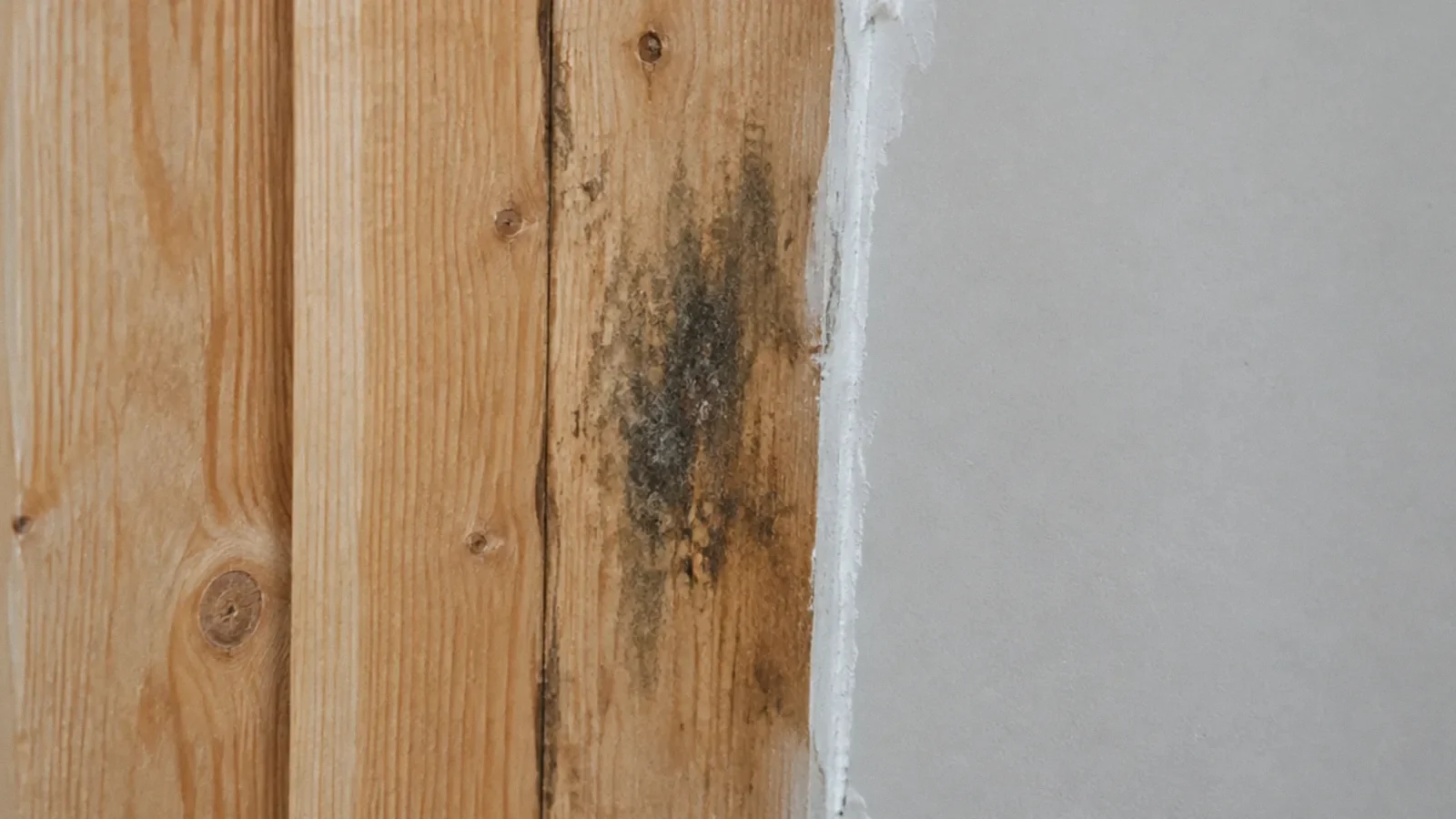
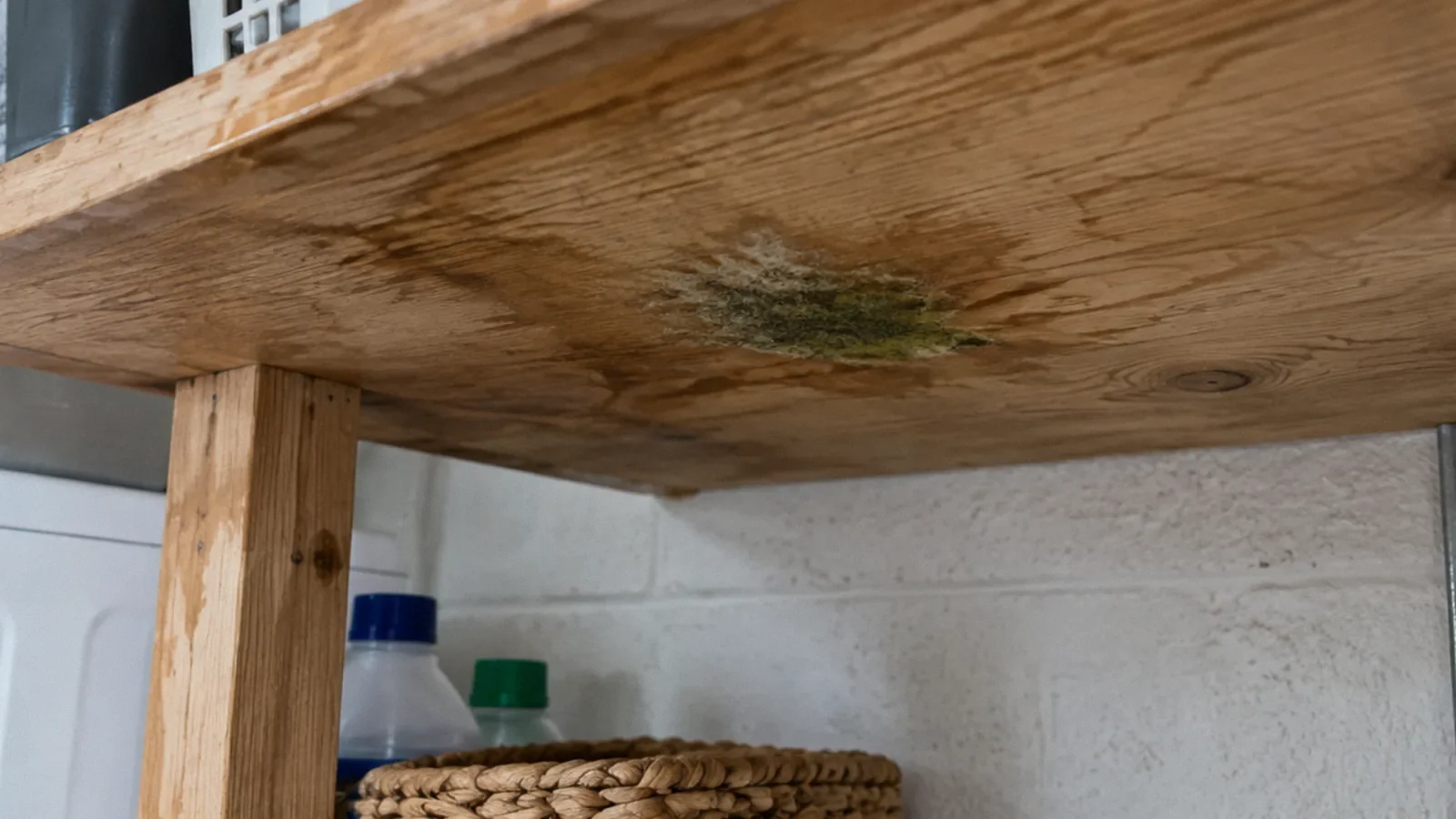
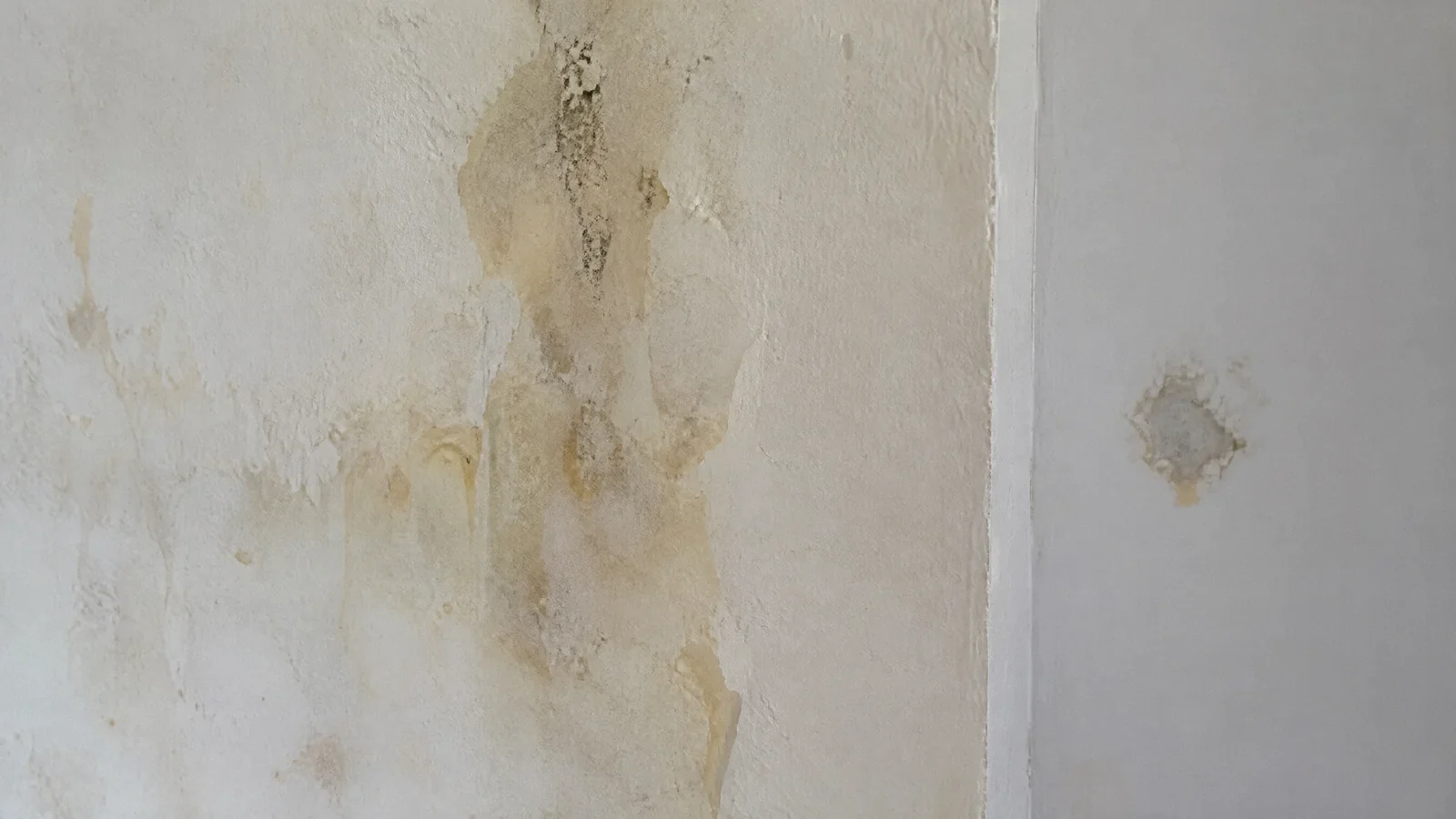
Mold color cannot establish species, age, or health effects. Use moisture history and material assessment to decide which investigation and cleanup are needed.
Changing mold’s color is not the same as removing growth. Compare cleaning, porous-material replacement, and moisture correction before accepting work.
A positive home mold kit does not locate a hidden leak or establish a safe exposure level. Choose an investigation that answers a practical repair question.
Professional air sampling captures limited conditions. Review its purpose, collection context, and interpretation alongside moisture and visual evidence.
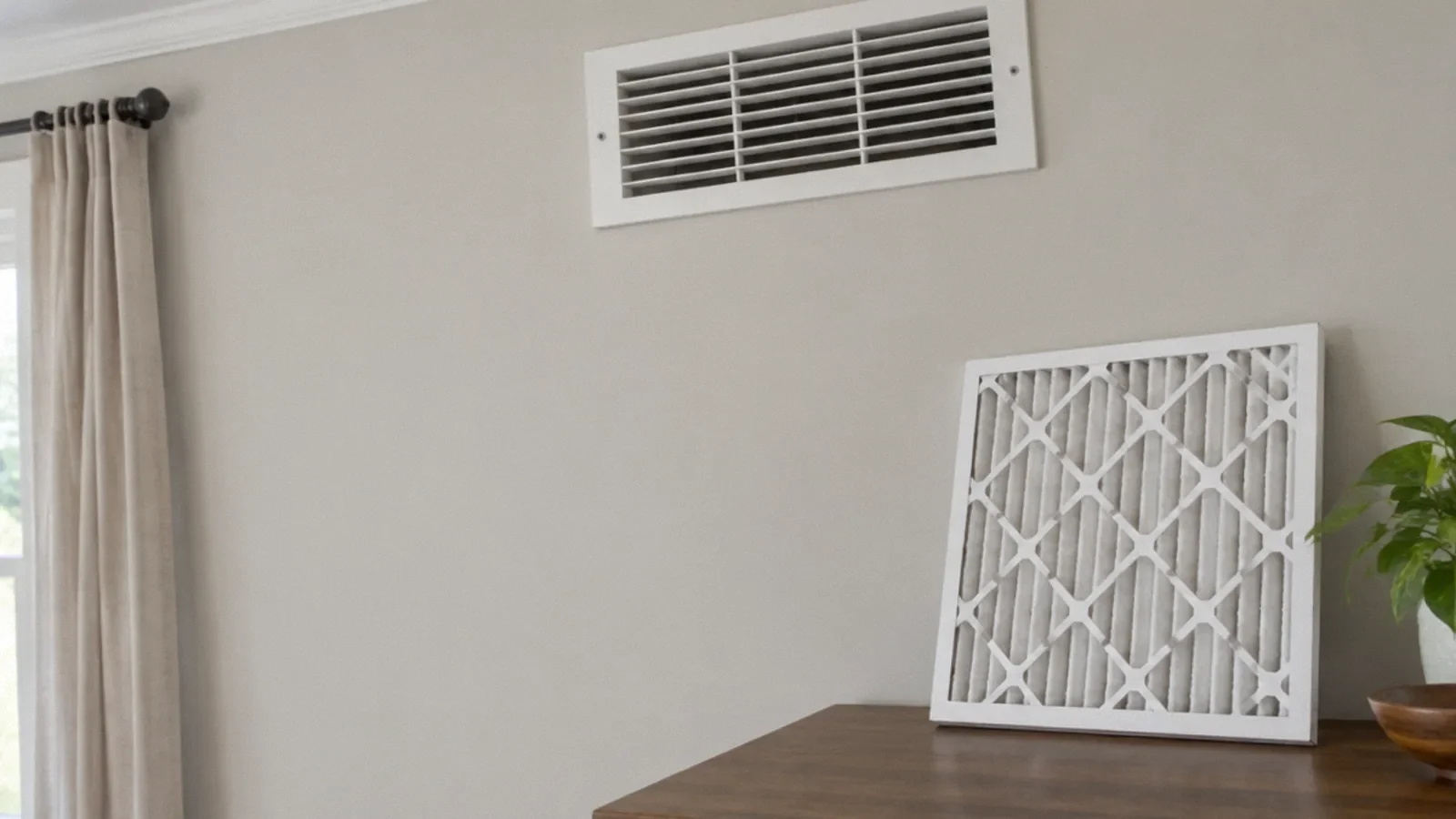
HVAC cleanup starts with the moisture source and affected components. Distinguish cleanable surfaces from wet insulation and unsupported treatment claims.
Mold concerns need both building assessment and appropriate clinical advice. Protect vulnerable occupants without treating a sample as a medical diagnosis.
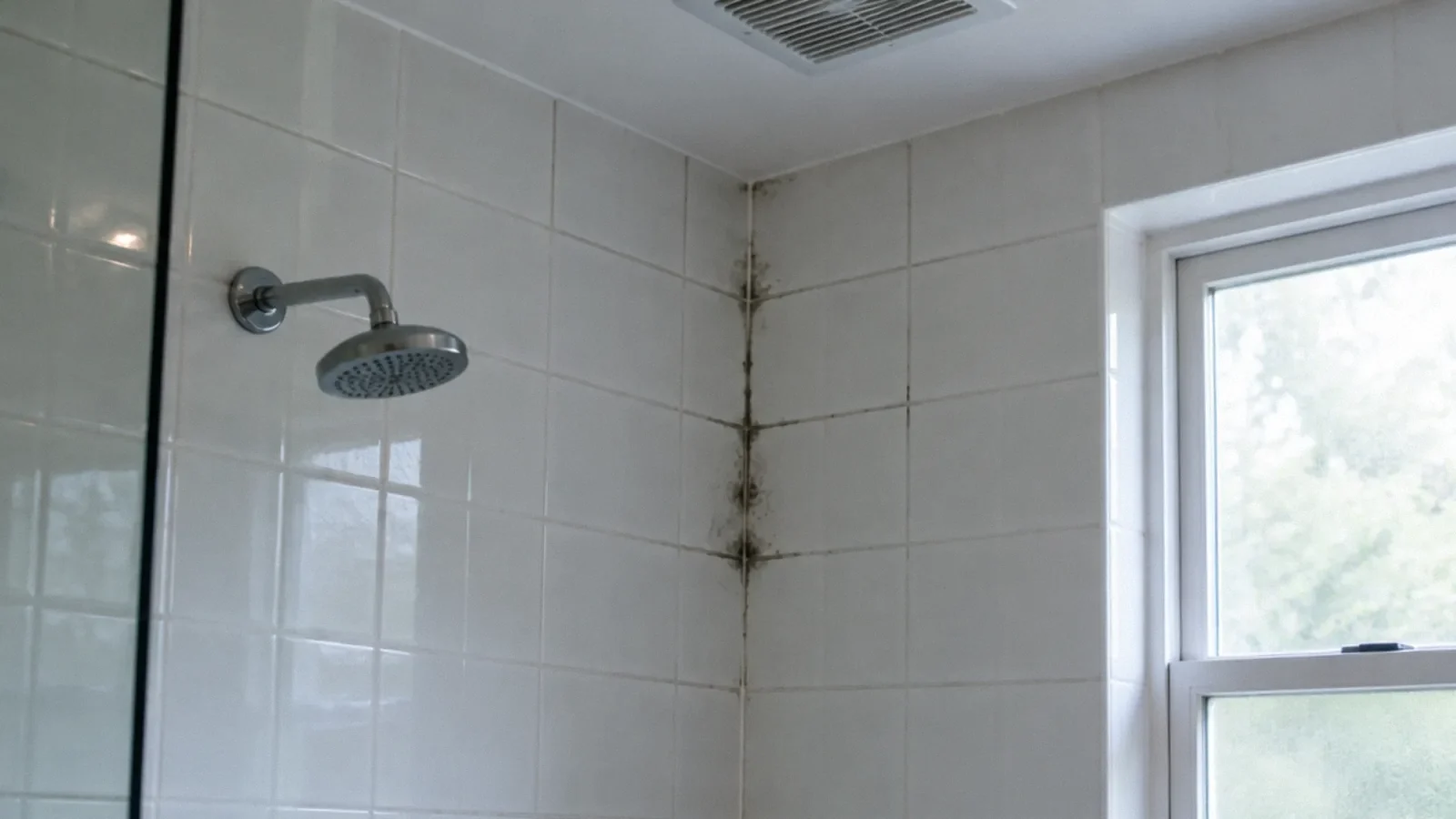
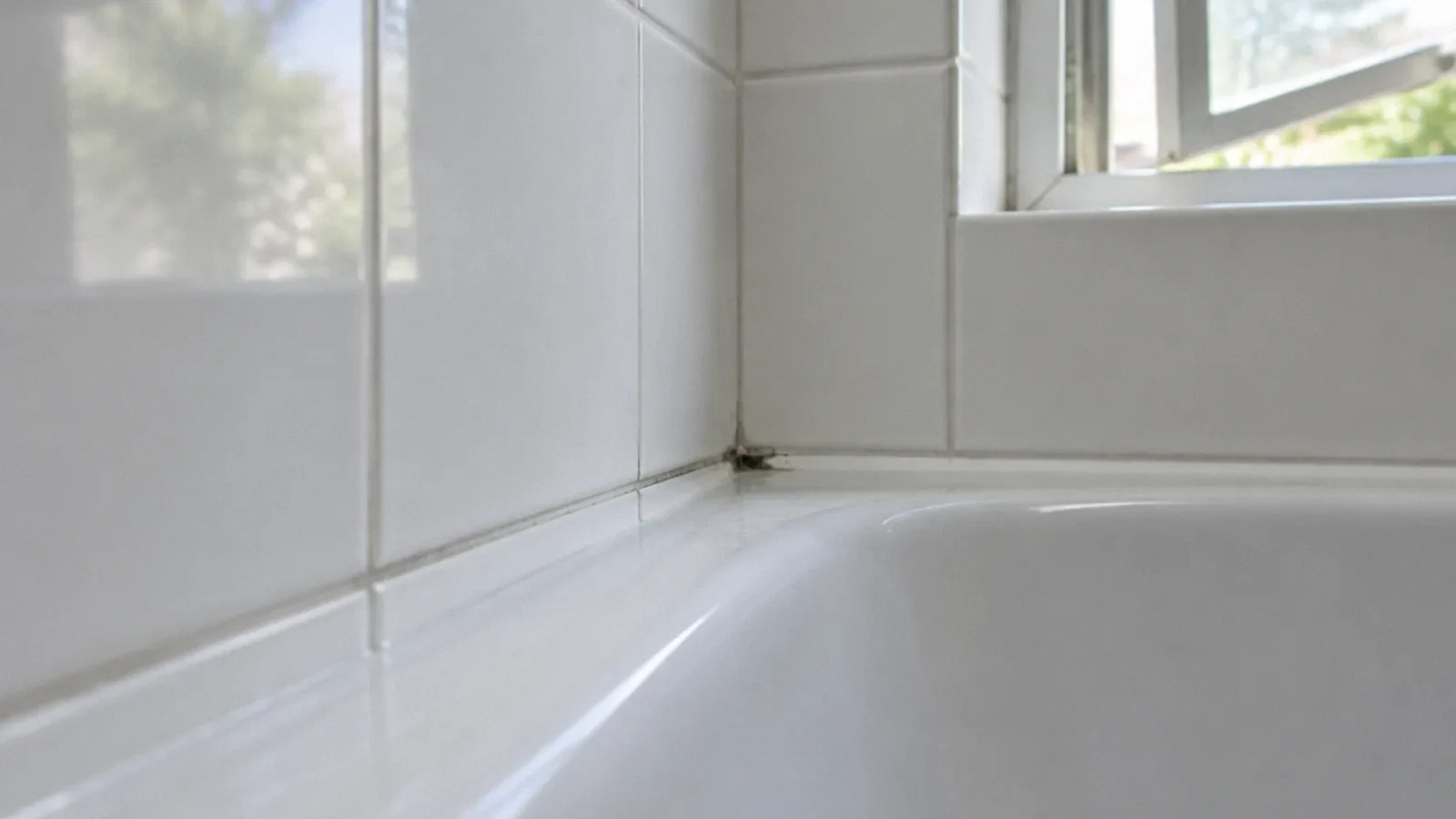
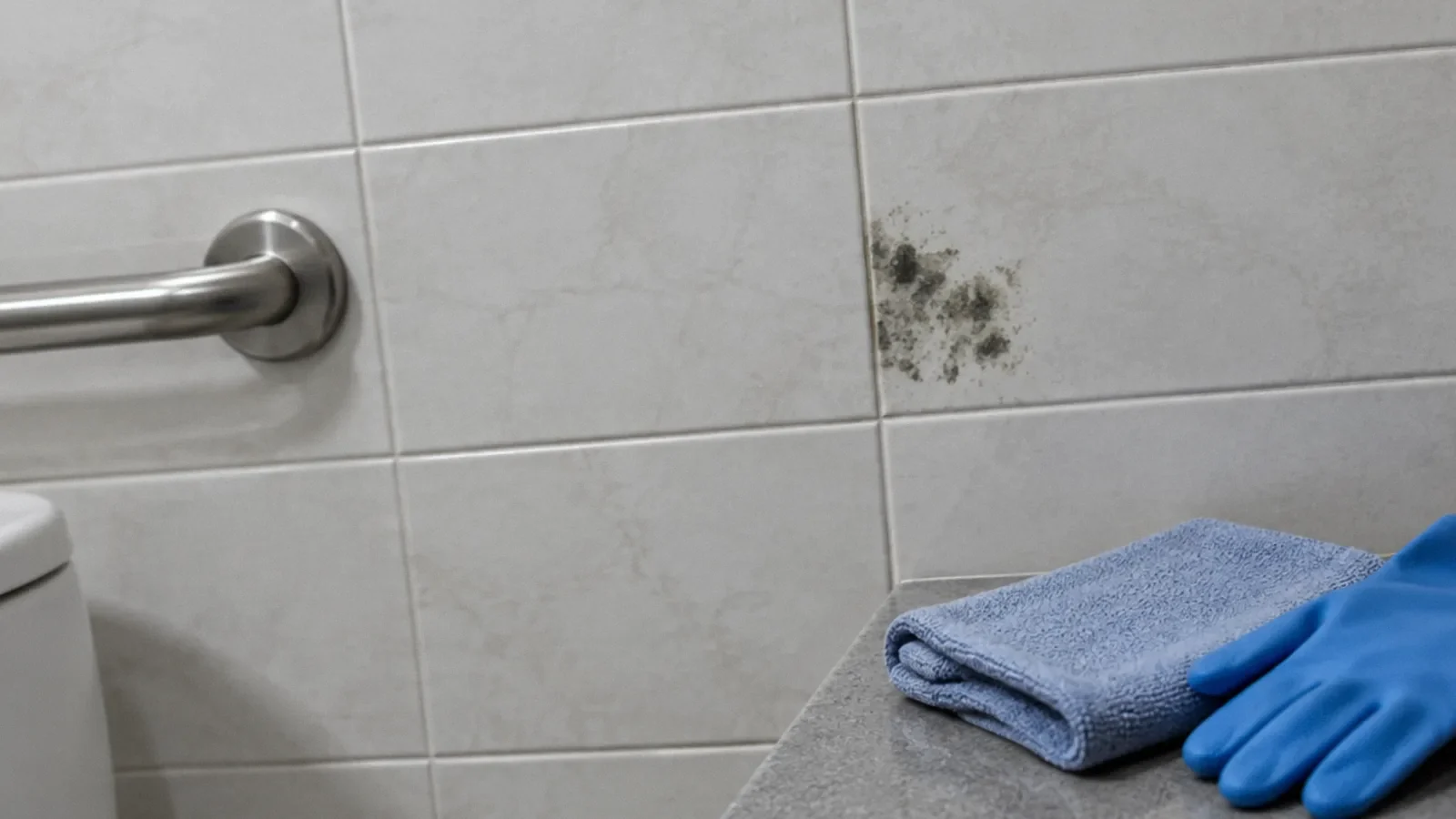
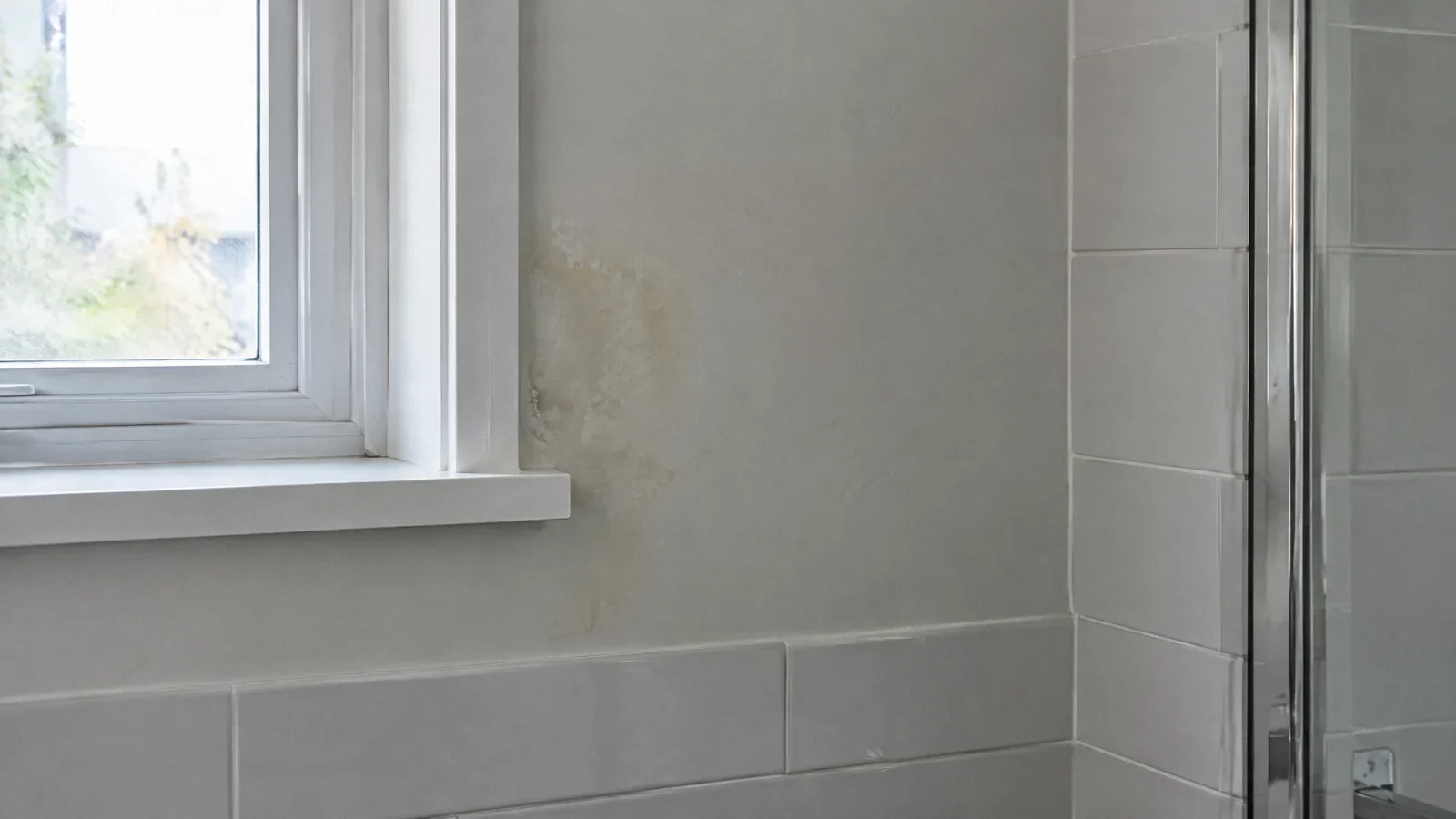
Identify bathroom moisture, clean suitable hard surfaces and know when suspected hidden mold needs professional assessment.
Understand the limits of identifying shower mold by color, who may be more sensitive to exposure and when to seek medical or cleanup help.
Learn what mold is, how moisture allows it to grow indoors, what visible growth can tell you and how to decide on your next step.
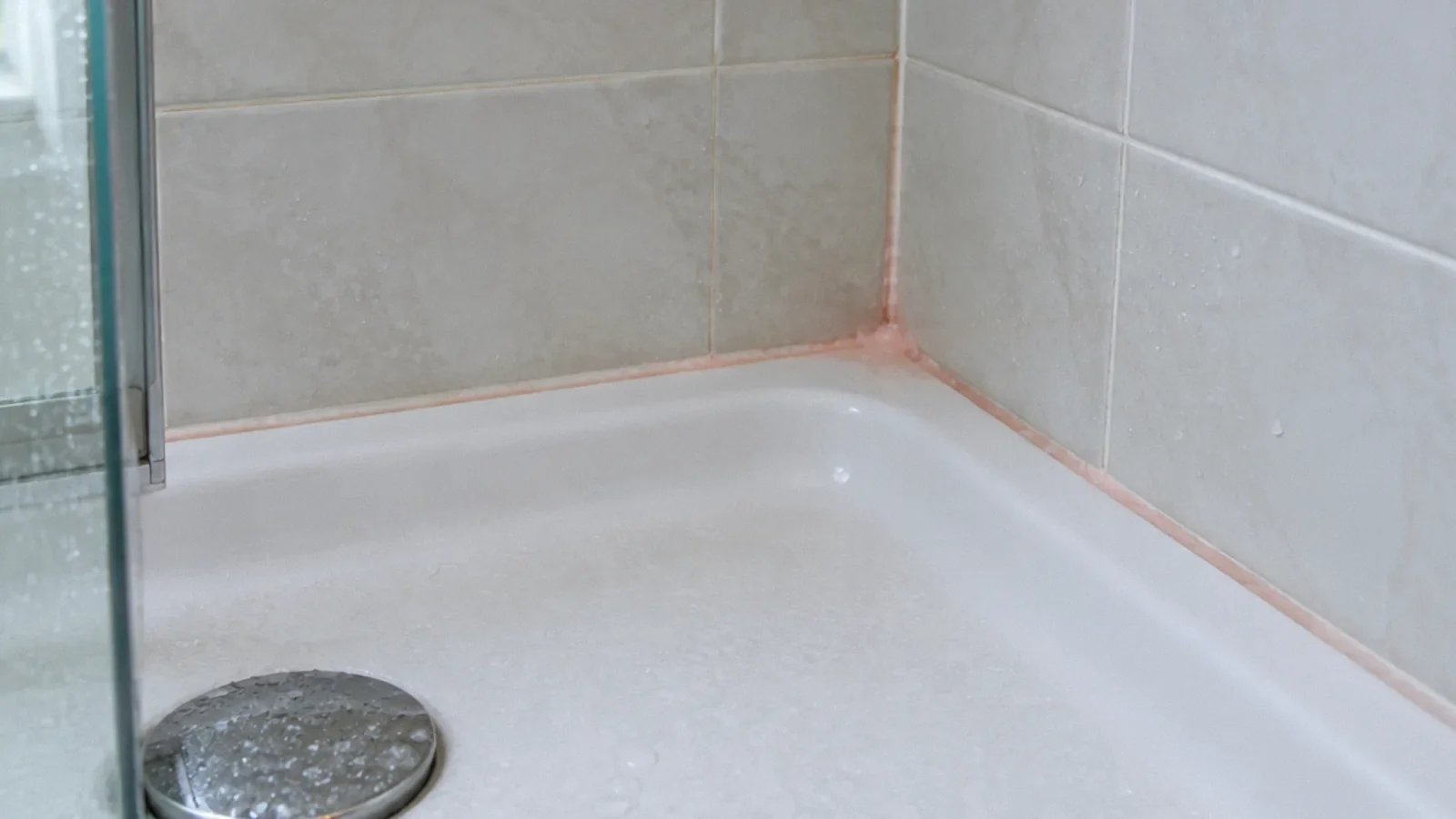
Understand what pink or red shower residue may be, how to clean accessible bathroom surfaces and which moisture problems need further attention.
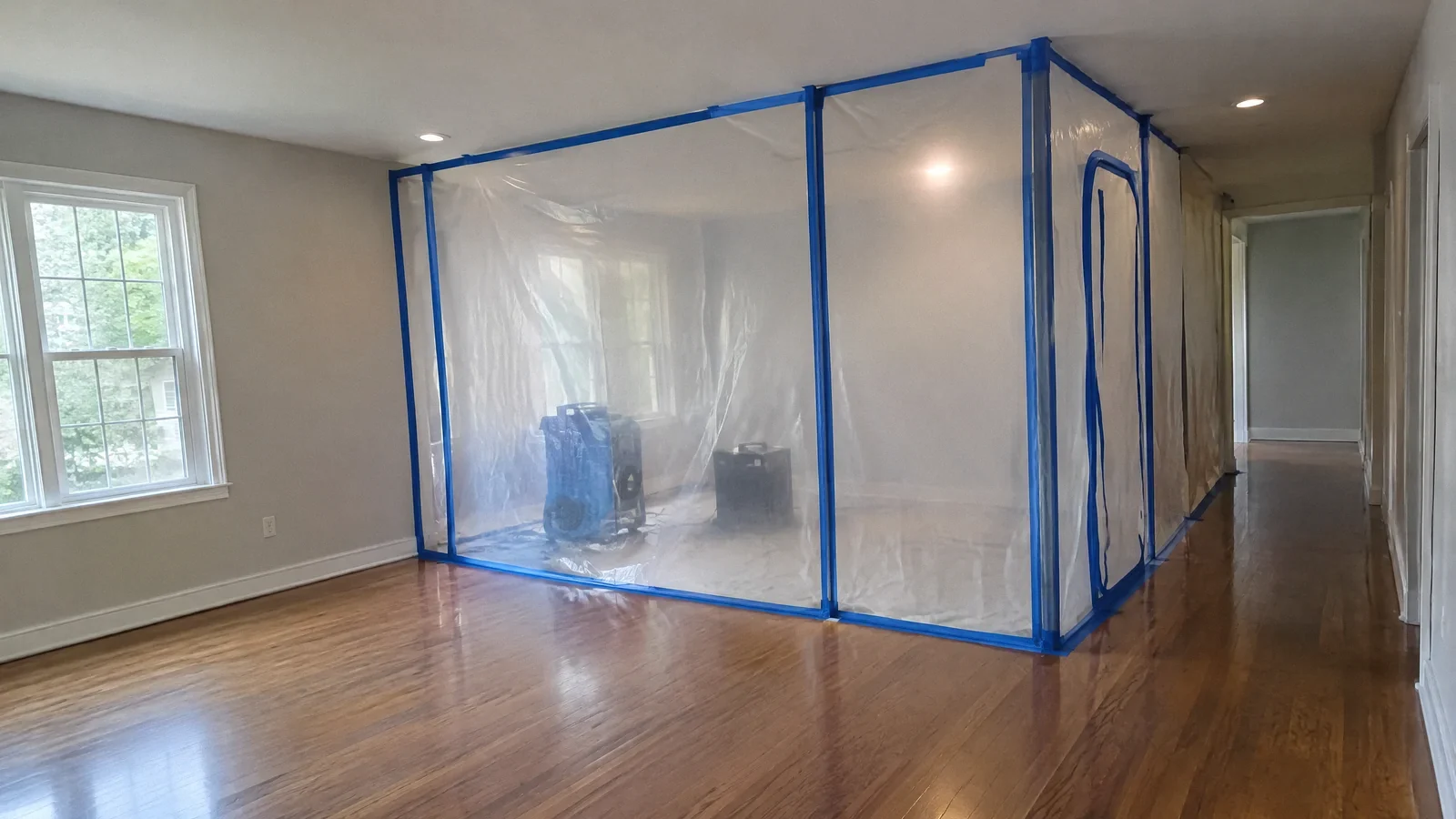
Understand the steps in home mold remediation, from identifying the moisture source to cleaning, removal and checking the completed work.
Understand the limits of vinegar for mold cleanup, why physical removal and drying matter and why bleach must never be mixed with vinegar.
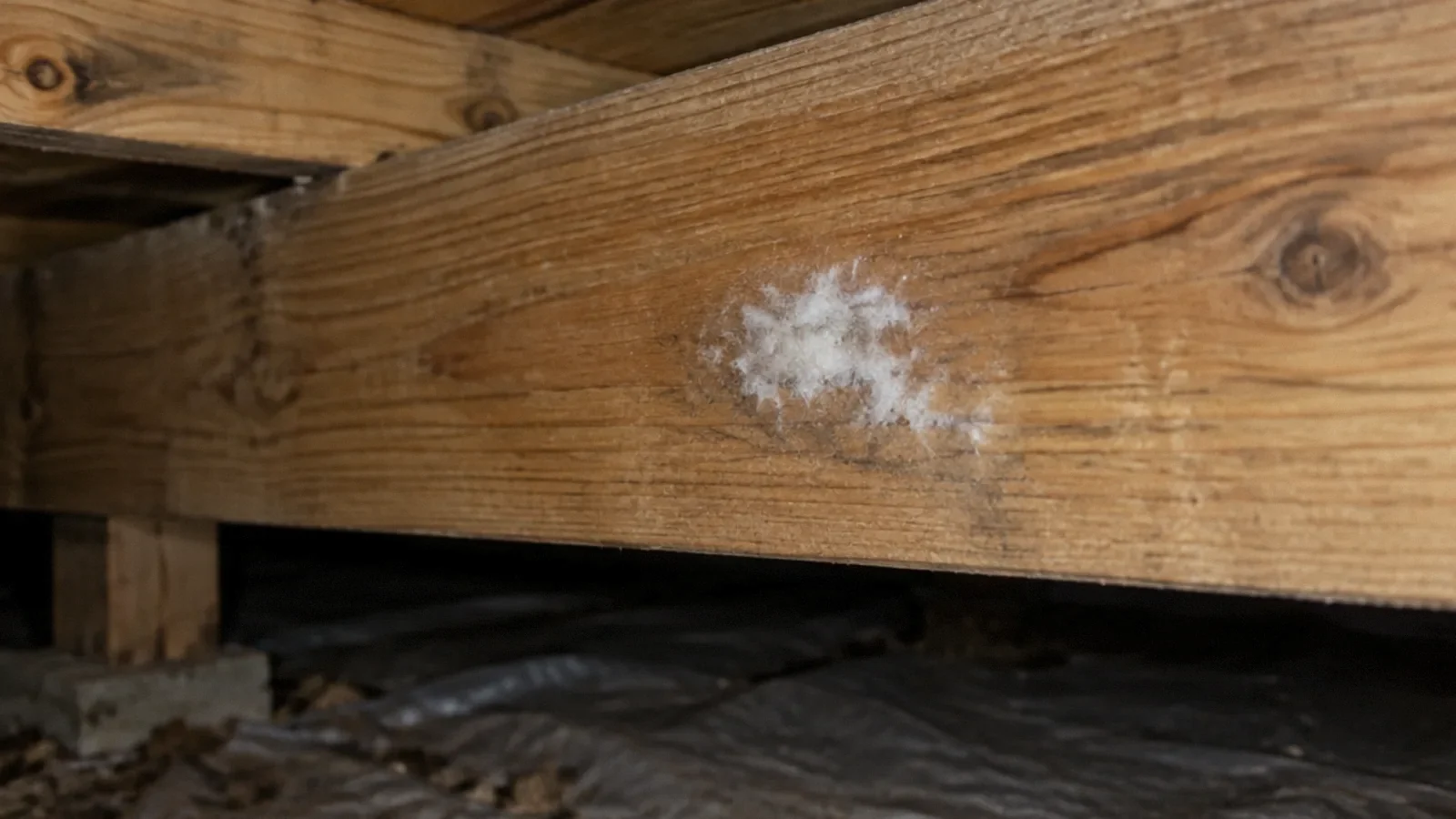
Learn why some mold can appear white, why color does not identify it and how to investigate a damp surface safely.
Understand how the terms mold and mildew overlap, why color is not a diagnosis and how to respond to a damp surface.
Learn the first steps for household mold cleanup, which materials can be difficult to clean and why fixing moisture is essential.
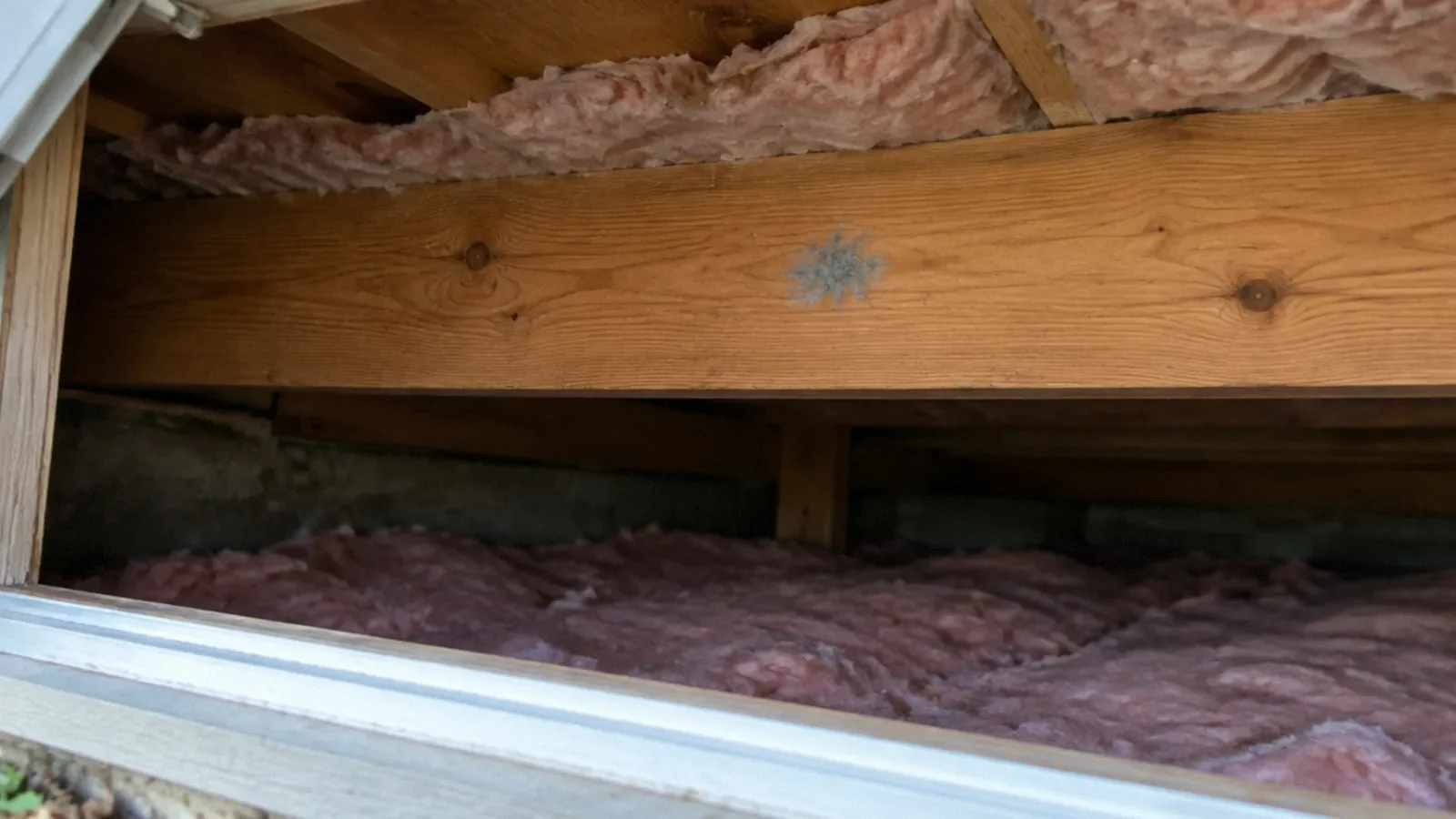
Learn why crawl space mold cleanup starts with safety and moisture, which materials may be affected, and what to ask a remediation professional.
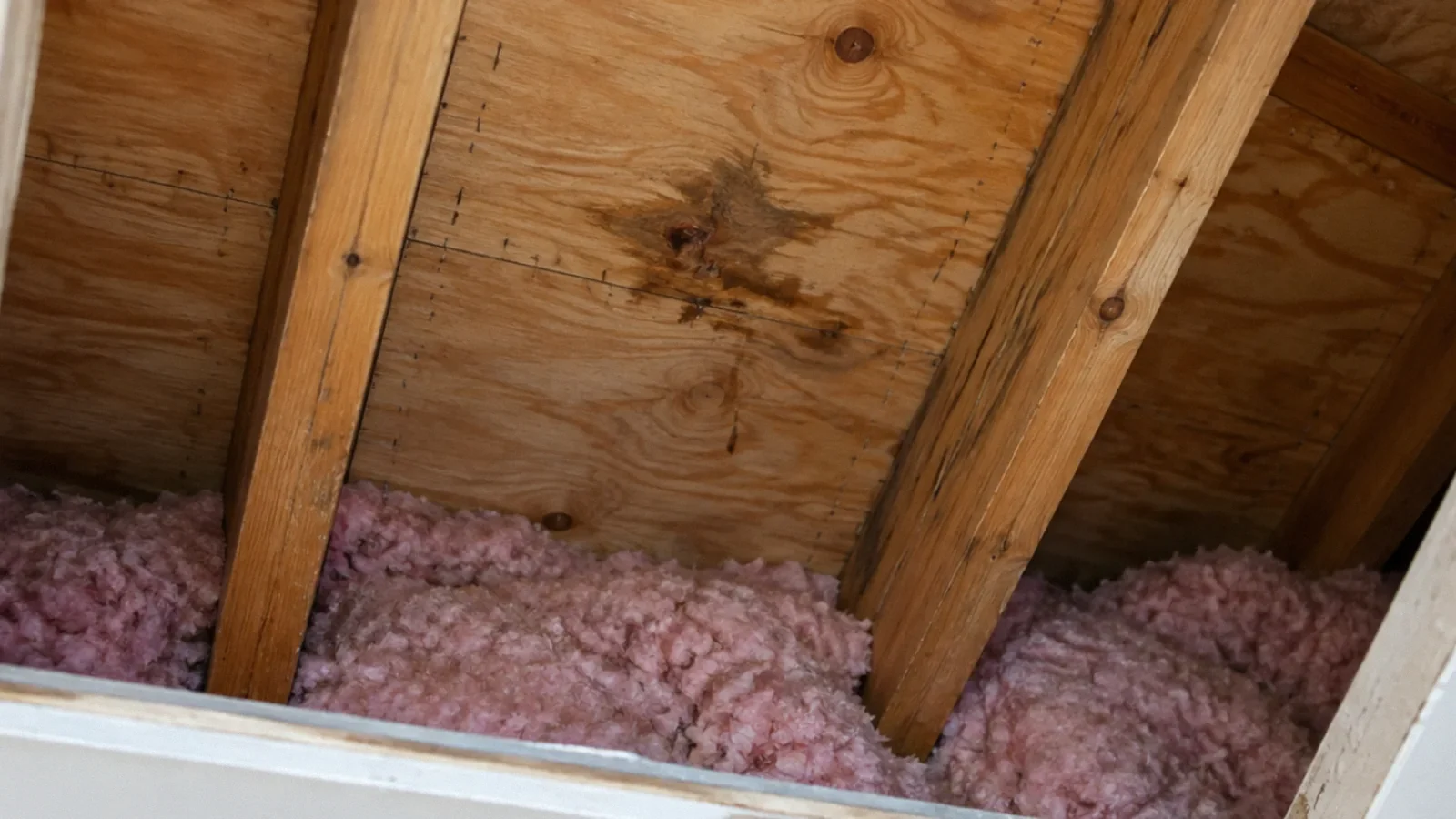
Distinguish exterior roof staining from attic moisture and learn what to ask a qualified professional.
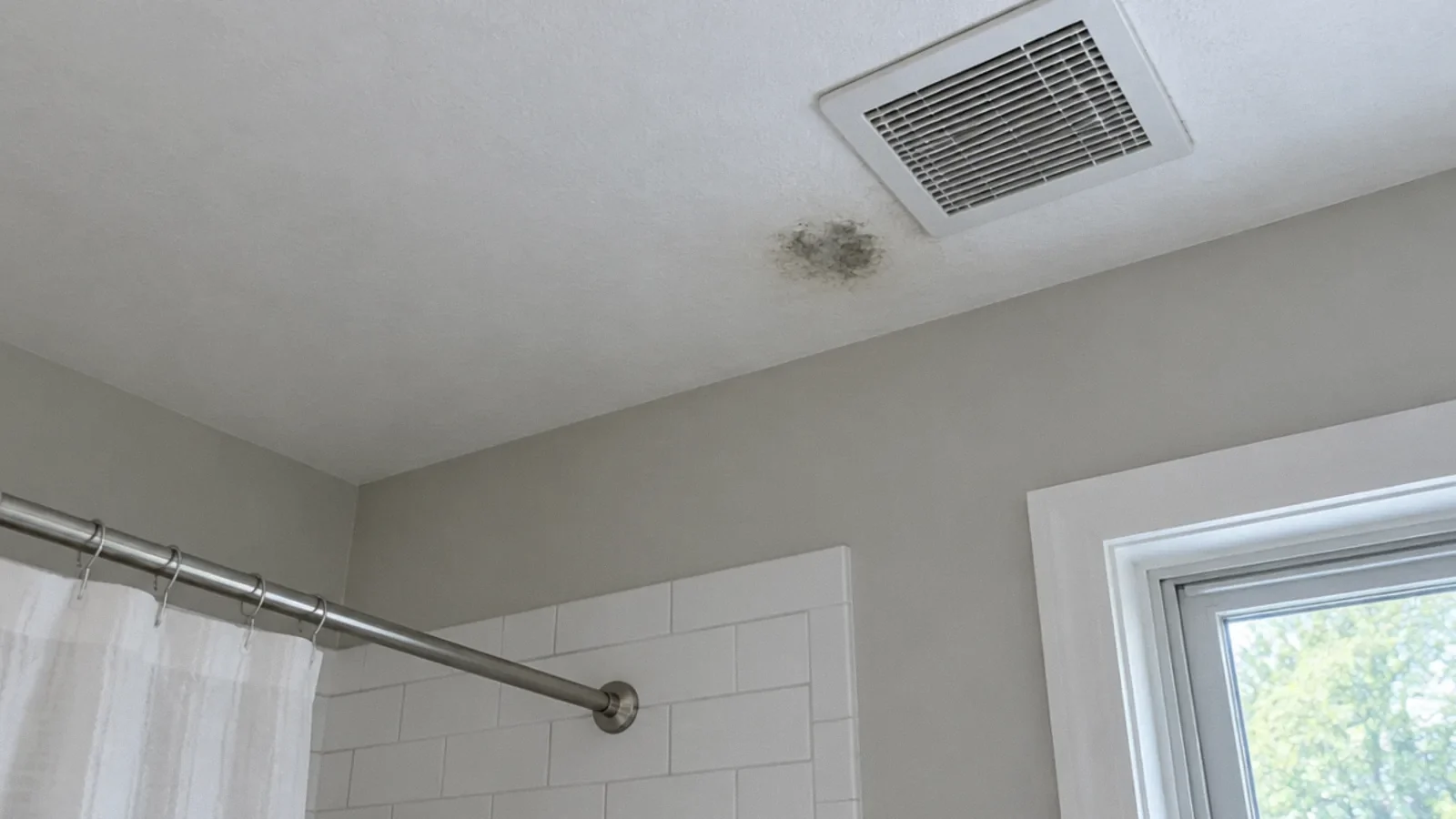
Investigate mold-like spots on bathroom or bedroom ceilings, identify moisture pathways and plan safe cleanup.
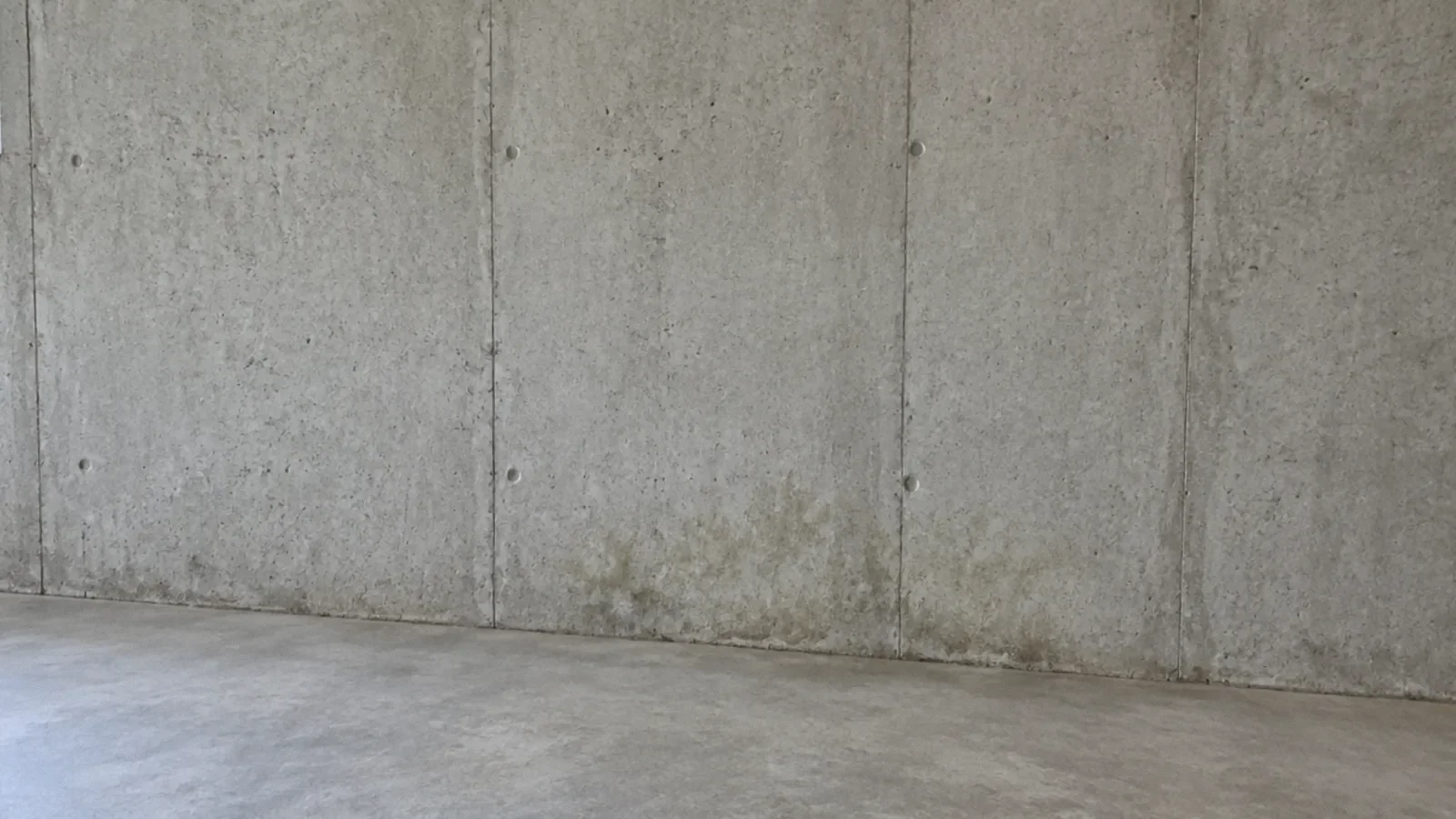
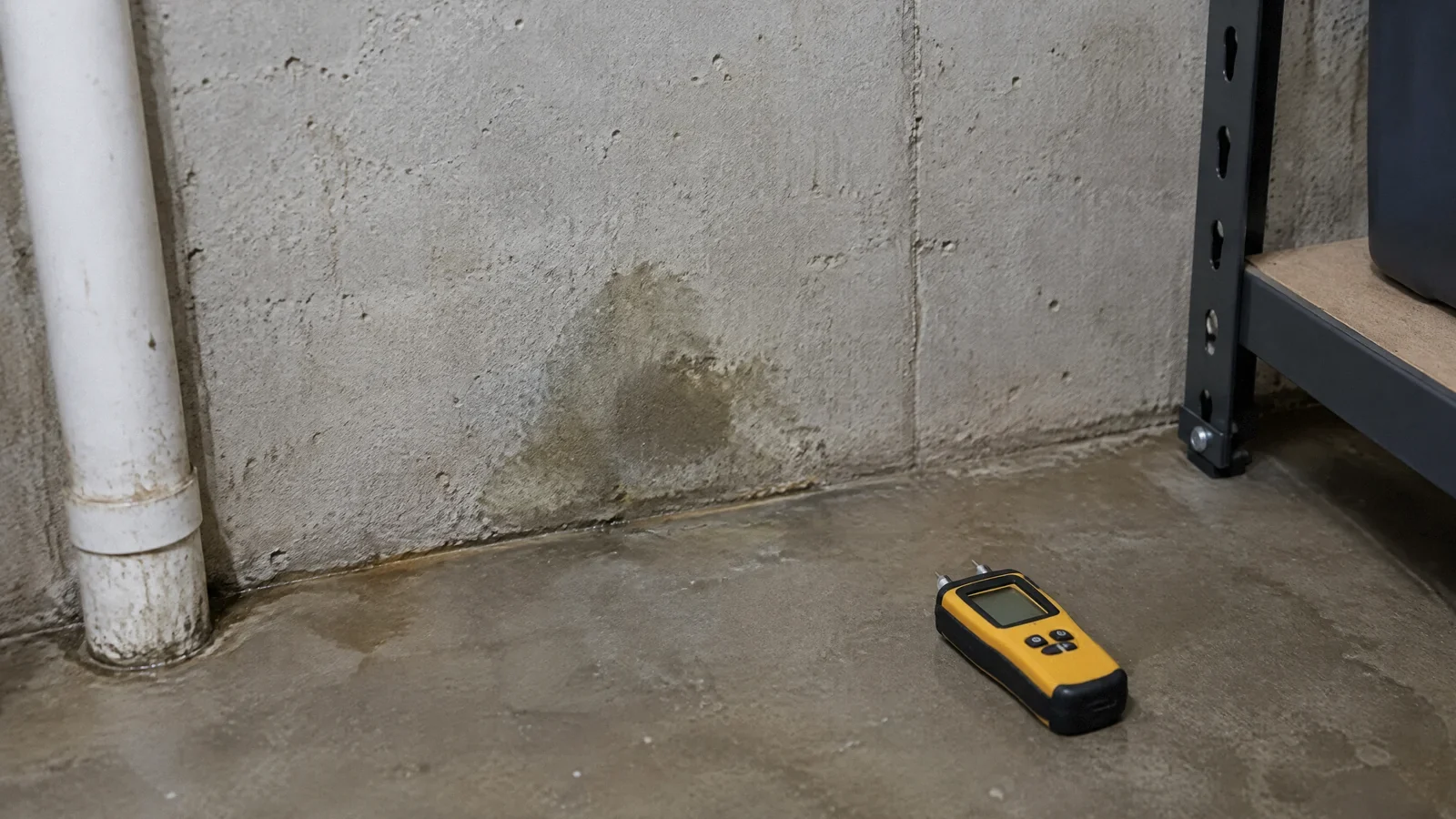
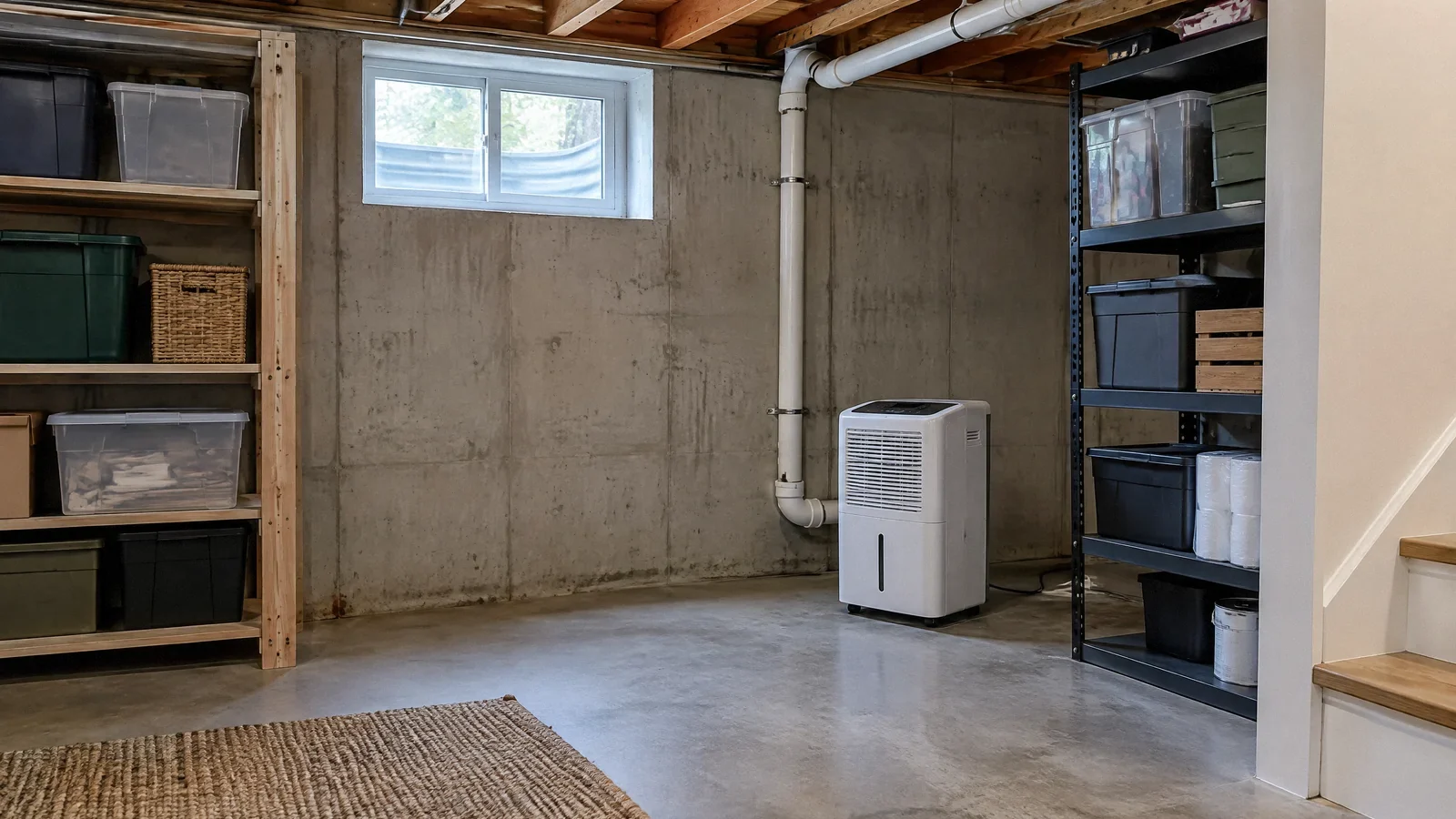
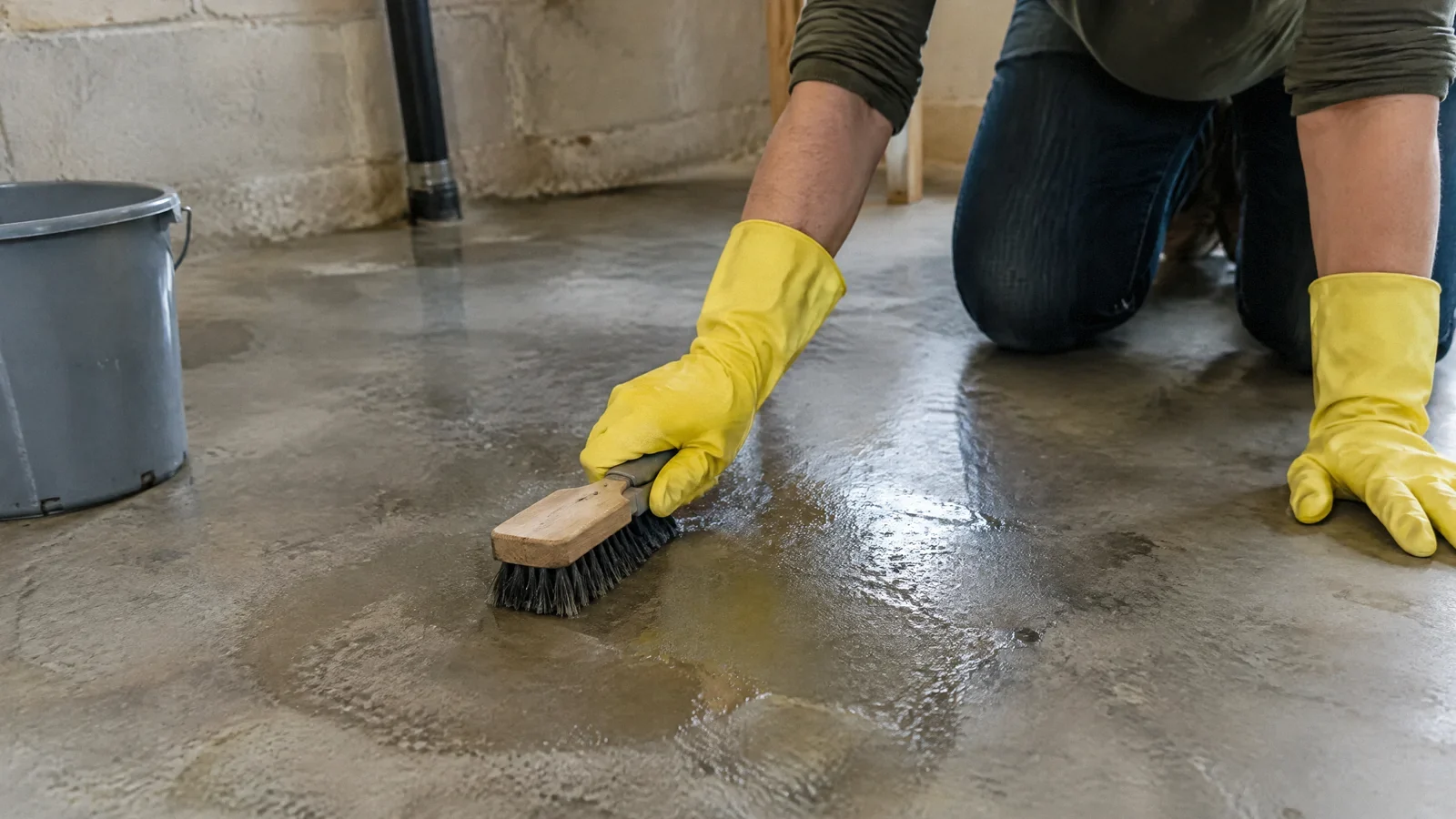
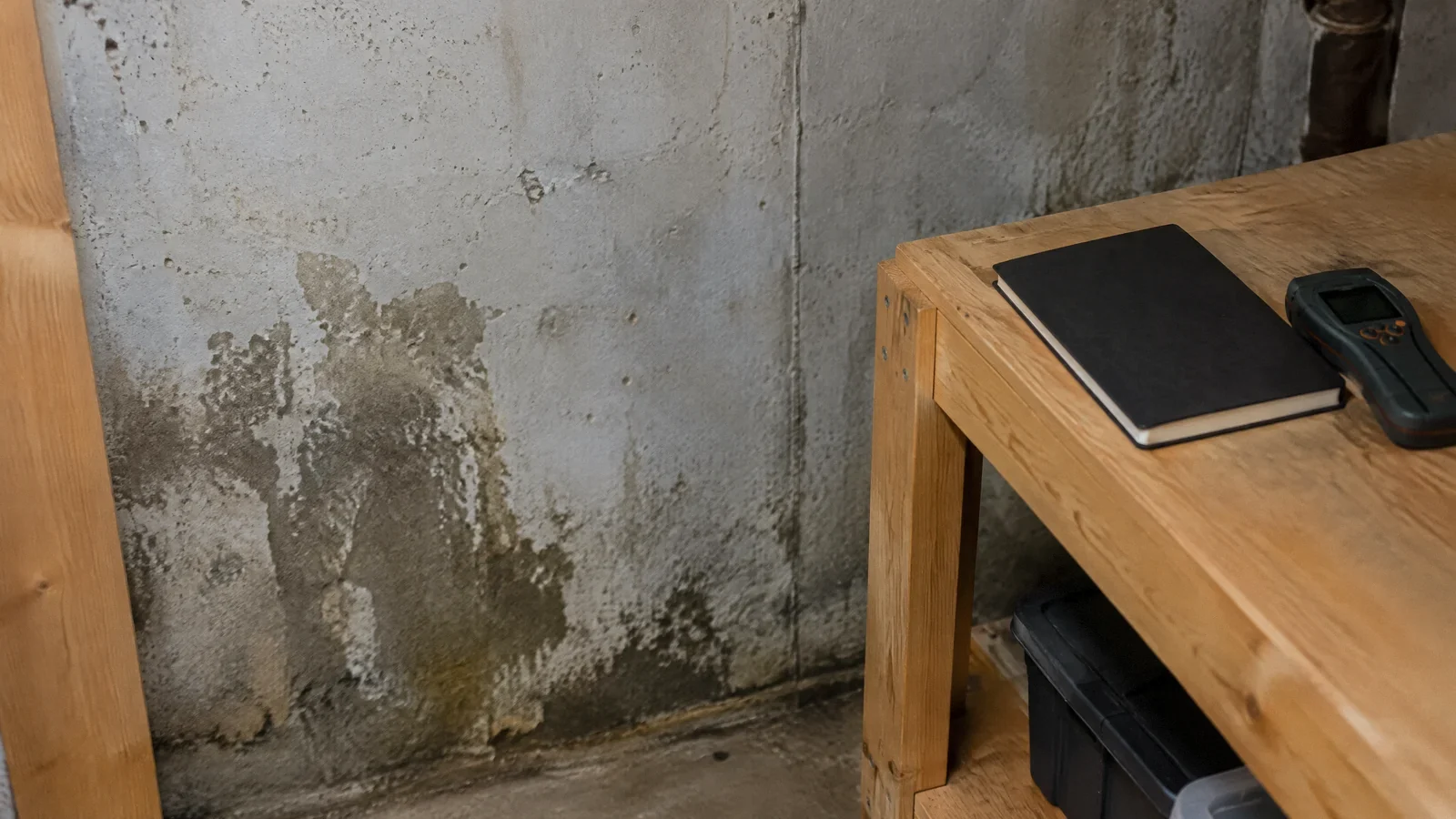
Learn how to investigate basement moisture, protect occupants and choose a cleanup approach for mold on different materials.
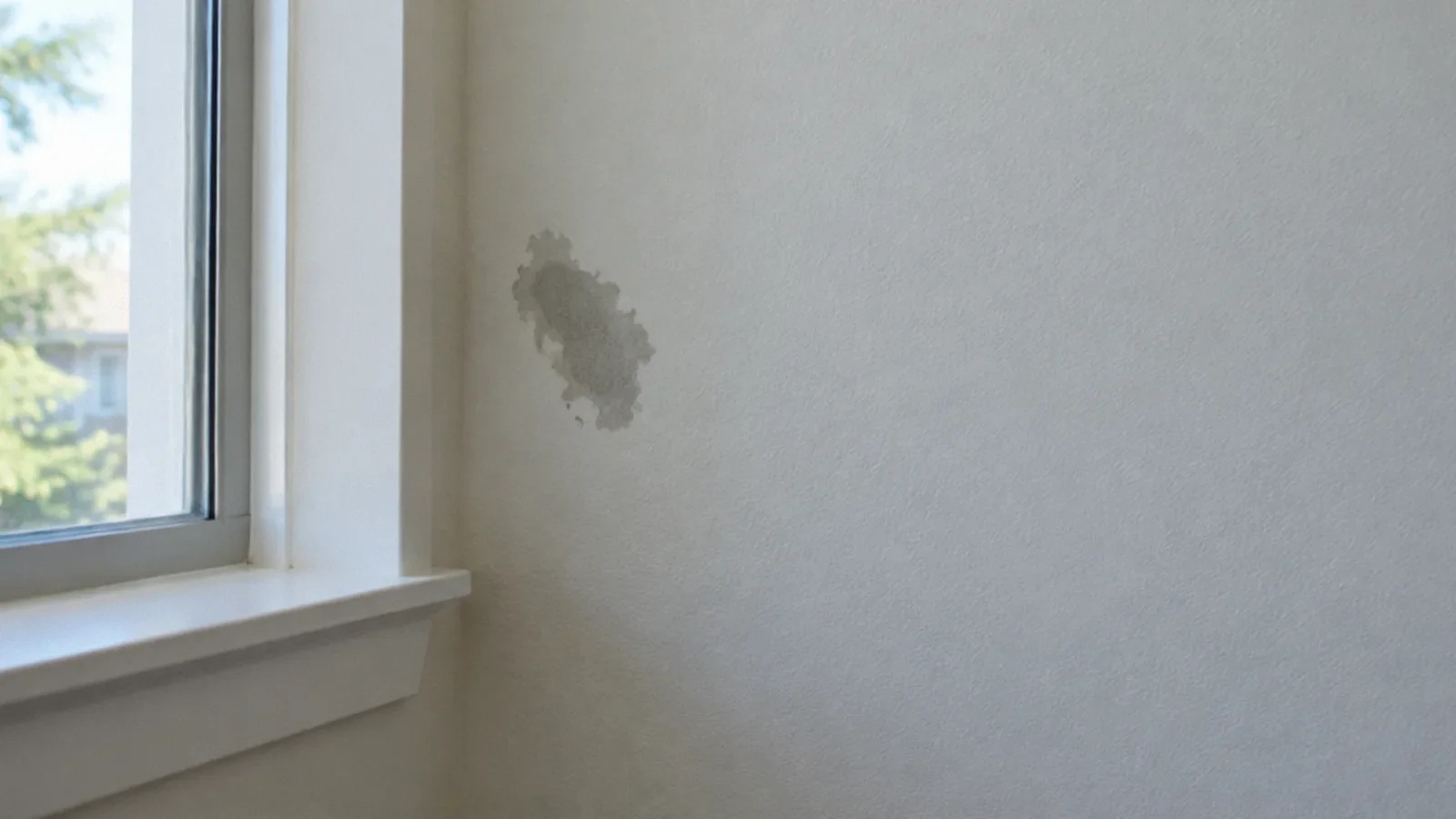
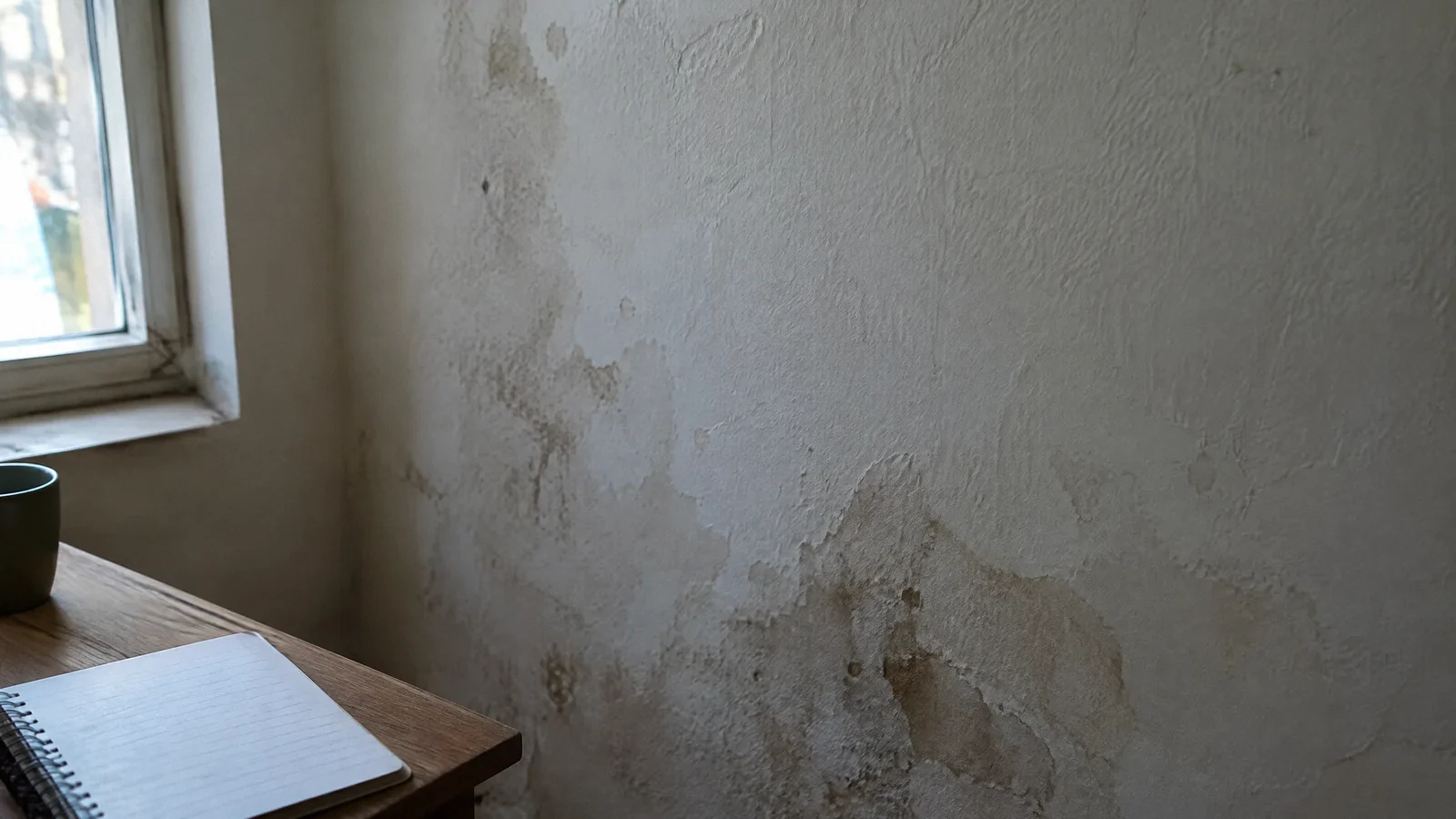
Learn why mold can appear on walls, what color and tests cannot establish, and when hidden moisture or damaged drywall calls for professional help.
Understand how moisture affects mold on wood, when furniture or framing needs professional evaluation and why color or a spray is not a complete diagnosis.
Learn how to check a washer gasket, follow the manufacturer’s cleaning cycle and reduce moisture that can cause buildup.
Learn how moisture can affect pillows, why porous filling is difficult to assess and when replacement or professional advice may be needed.
Compare a dated national inspection-cost reference and understand scope, sampling and laboratory fees before hiring an inspector.
Understand the limits and health concerns of ozone generators for mold, and the steps that address moisture and contaminated materials.
Find out how moisture reaches a car interior, when cleaning may be practical, and when to ask a qualified professional for help.
Learn how to document suspected mold, contact hotel management and make a practical decision about your stay without identifying mold by color.
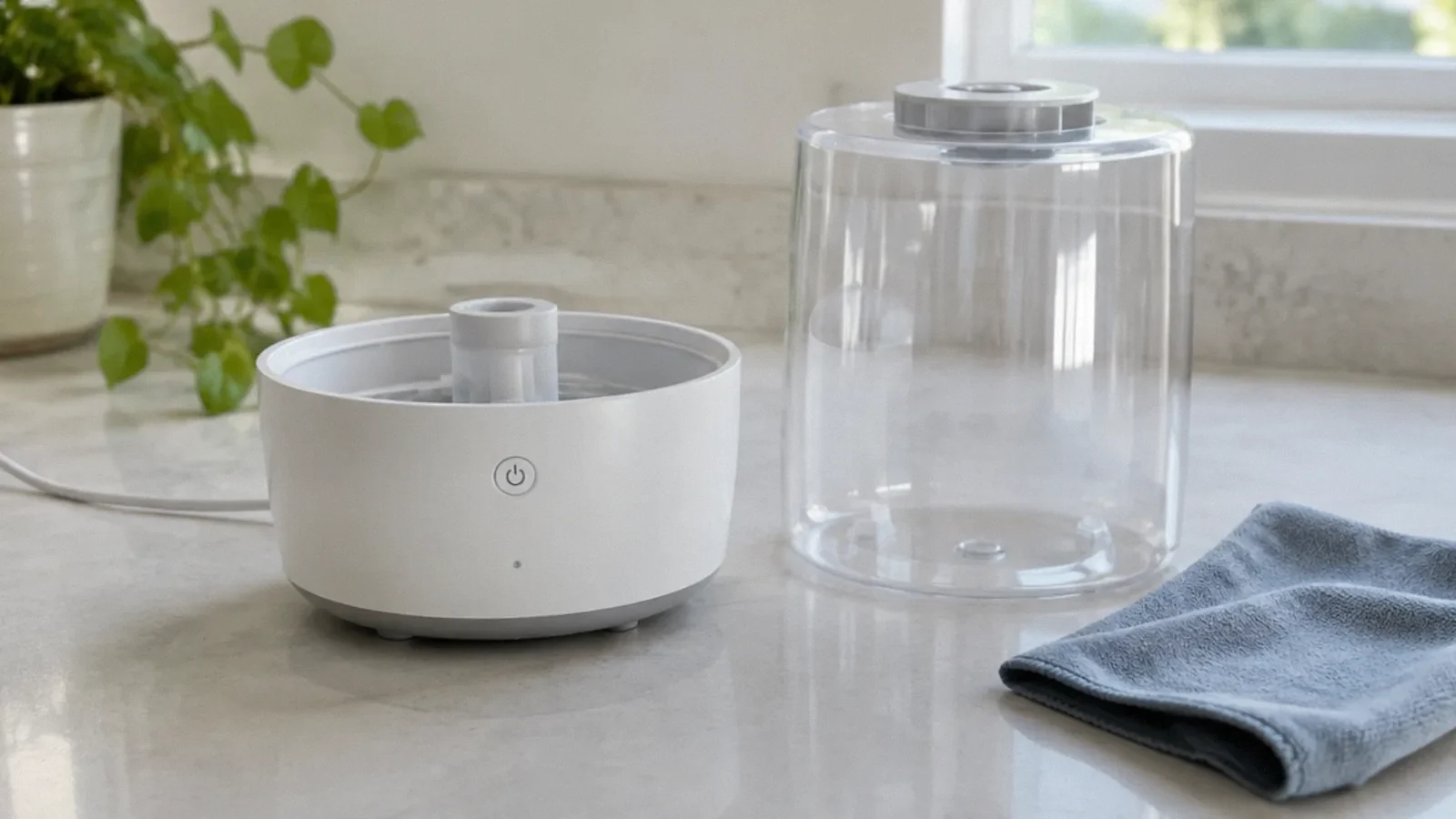
Recognize moisture and residue concerns in a portable humidifier and follow CDC and EPA guidance for safe maintenance.
Learn why a dry or inactive mold patch still needs attention, what visual clues can and cannot tell you, and how moisture control and removal fit together.
Compare algae and mold, understand the limits of visual identification, and choose a moisture-focused response for indoor and outdoor surfaces.
Understand how temperature, moisture and surface conditions affect indoor mold growth and what to do after water damage.
Learn how to investigate a lingering odor after mold remediation, from residual moisture and hidden damage to cleaning products.
Learn what dark sink and drain buildup can mean, how to clean an accessible surface, and when recurring moisture calls for help.
Learn why damp, dirty glass can support mold, how to clean a small area, and how to address condensation.
Learn the limits of visual signs, why paint is not a mold remedy, and what to do before refinishing a wall.
Understand how work location, containment, health needs and essential services affect the decision to stay or relocate.
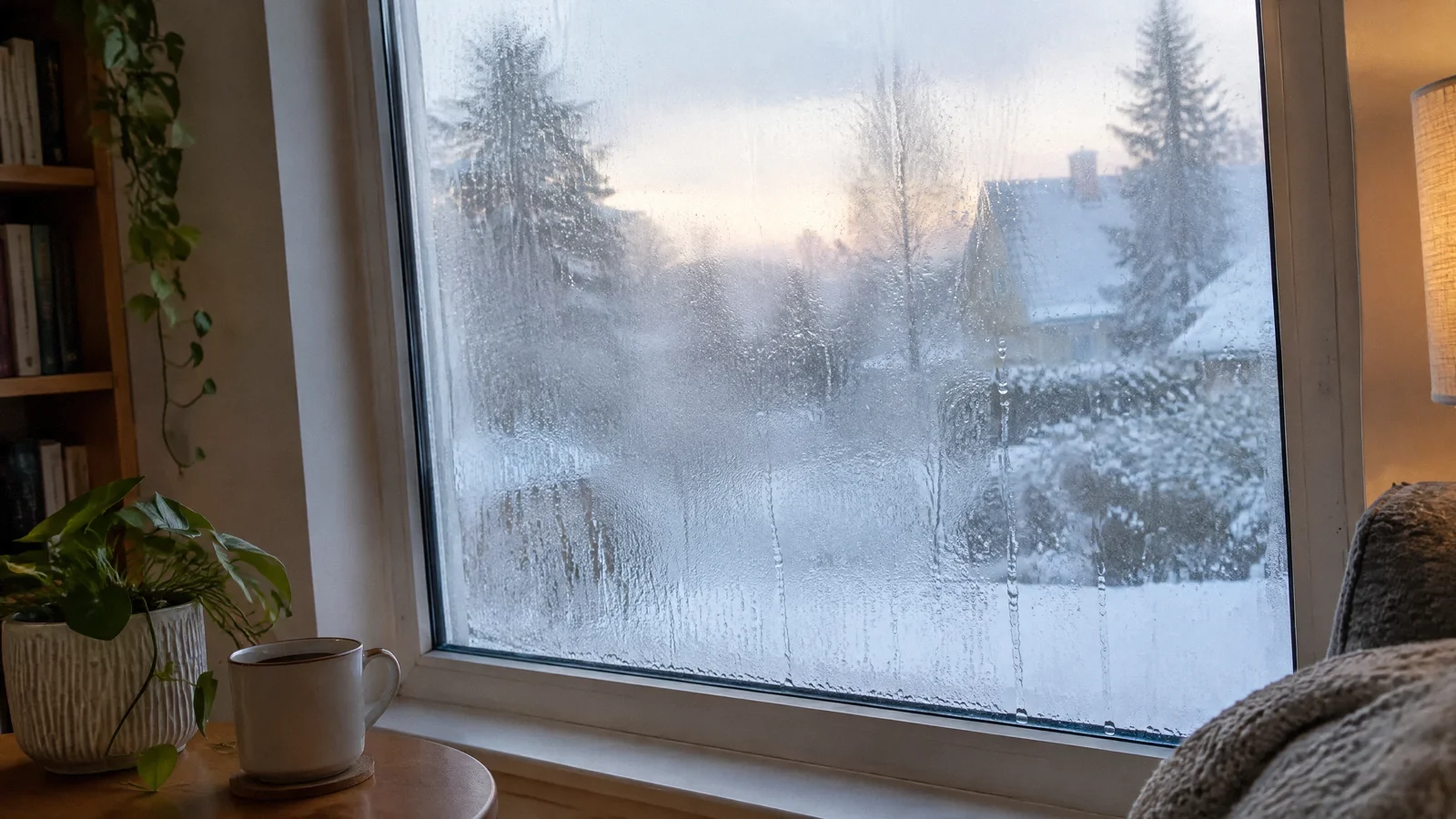
Understand why mold can develop during cold weather and how to address condensation, leaks and damp materials.
Understand what mold-resistant paint can and cannot do, and how to prepare a damp or previously moldy surface.
Recognize possible mold and moisture problems, understand the limits of appearance, and decide when professional assessment is needed.
Learn why useful mold in food does not make unwanted growth in a damp home safe, and what to do in each setting.
Understand the stages of mold remediation, why timelines vary and what must happen before rebuilding.
Understand how mold and moisture can affect a home sale, appraisal and buyer negotiations without relying on a universal percentage.
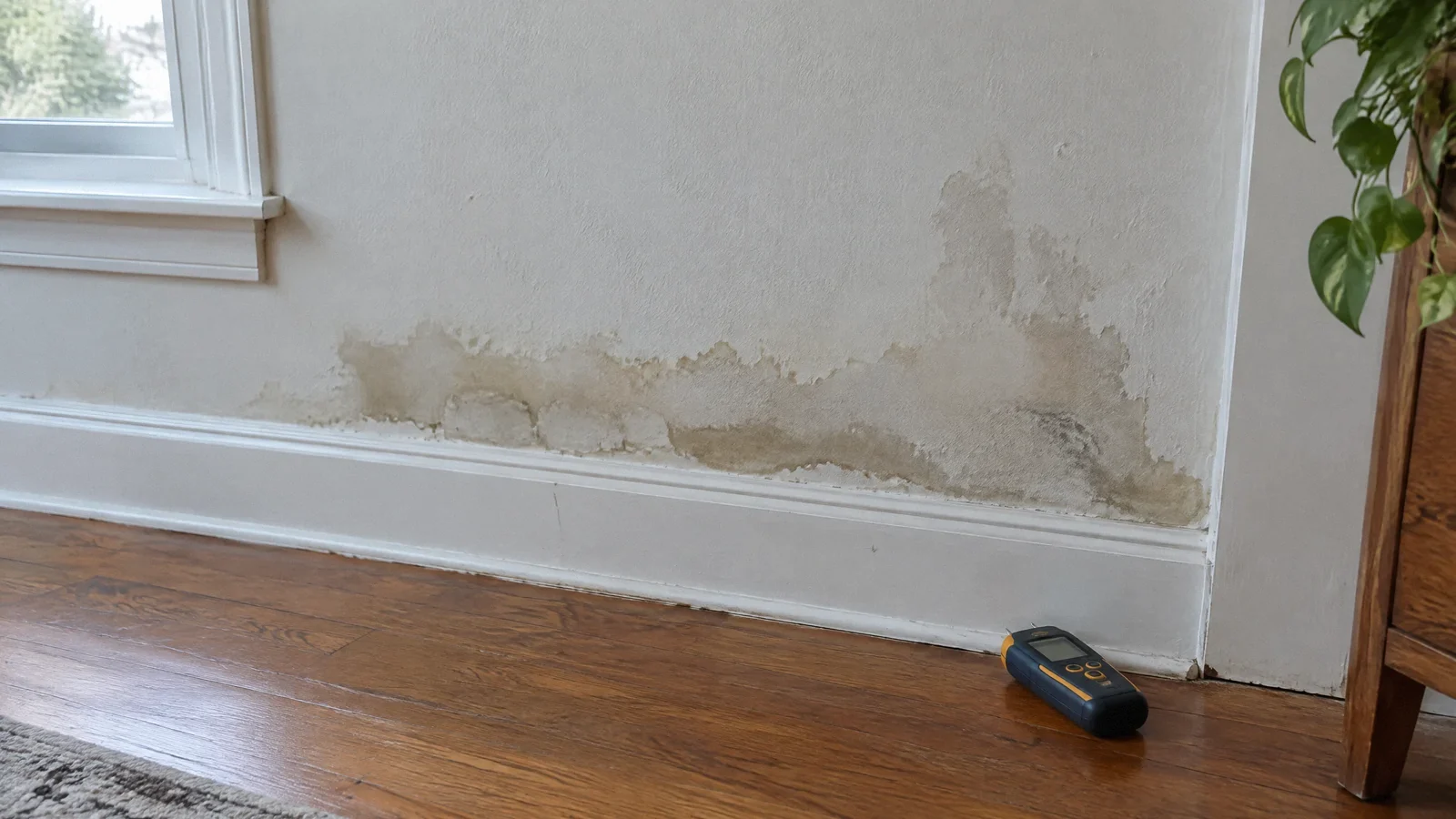
Learn the signs of a moisture problem, the limits of meters and testing, and when to arrange a controlled inspection for hidden mold.
Trace a musty basement odor to moisture, condensation or affected materials and address the cause before covering it up.
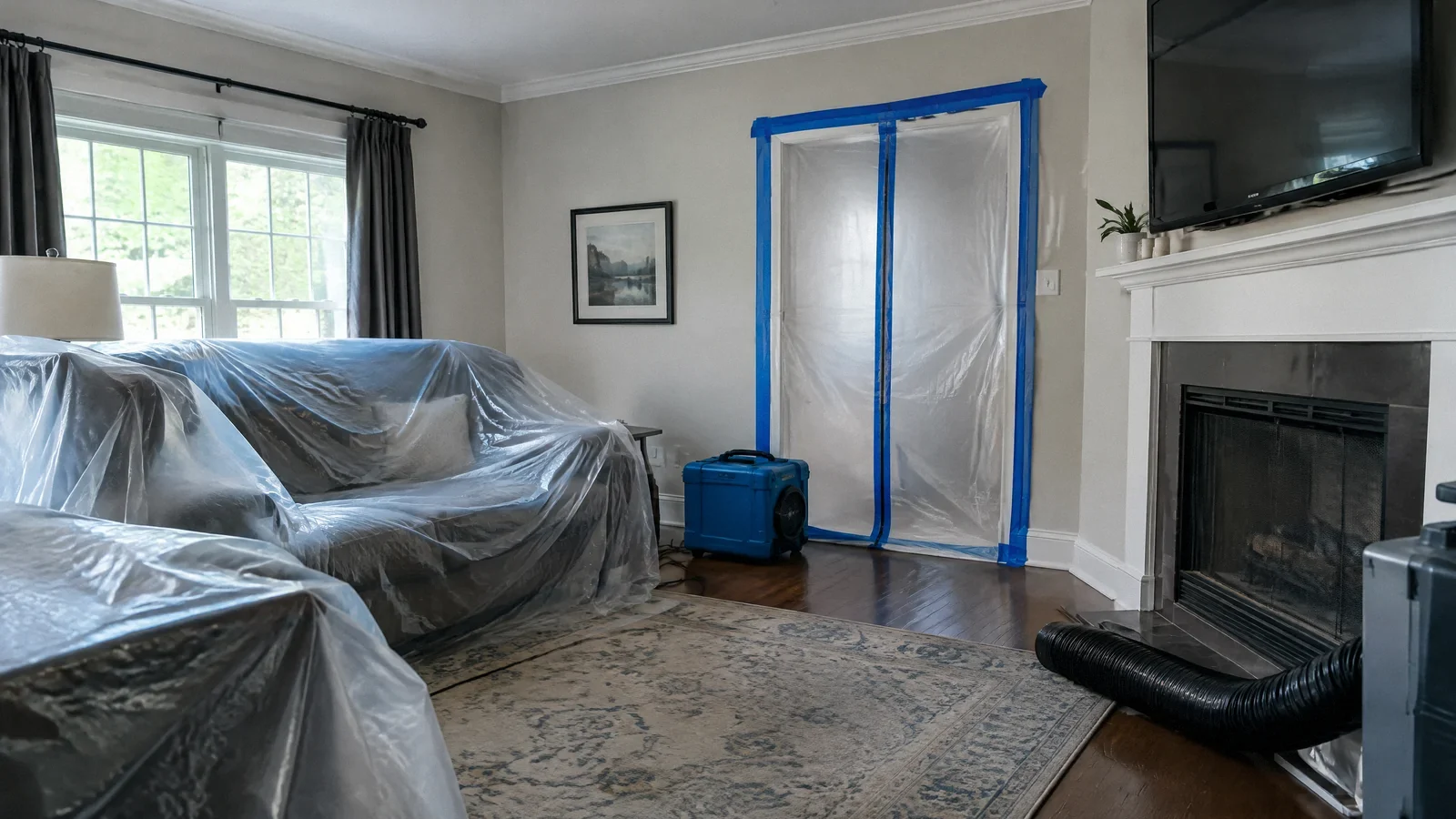
Prepare your household, belongings and access for professional mold remediation while coordinating moisture repairs.
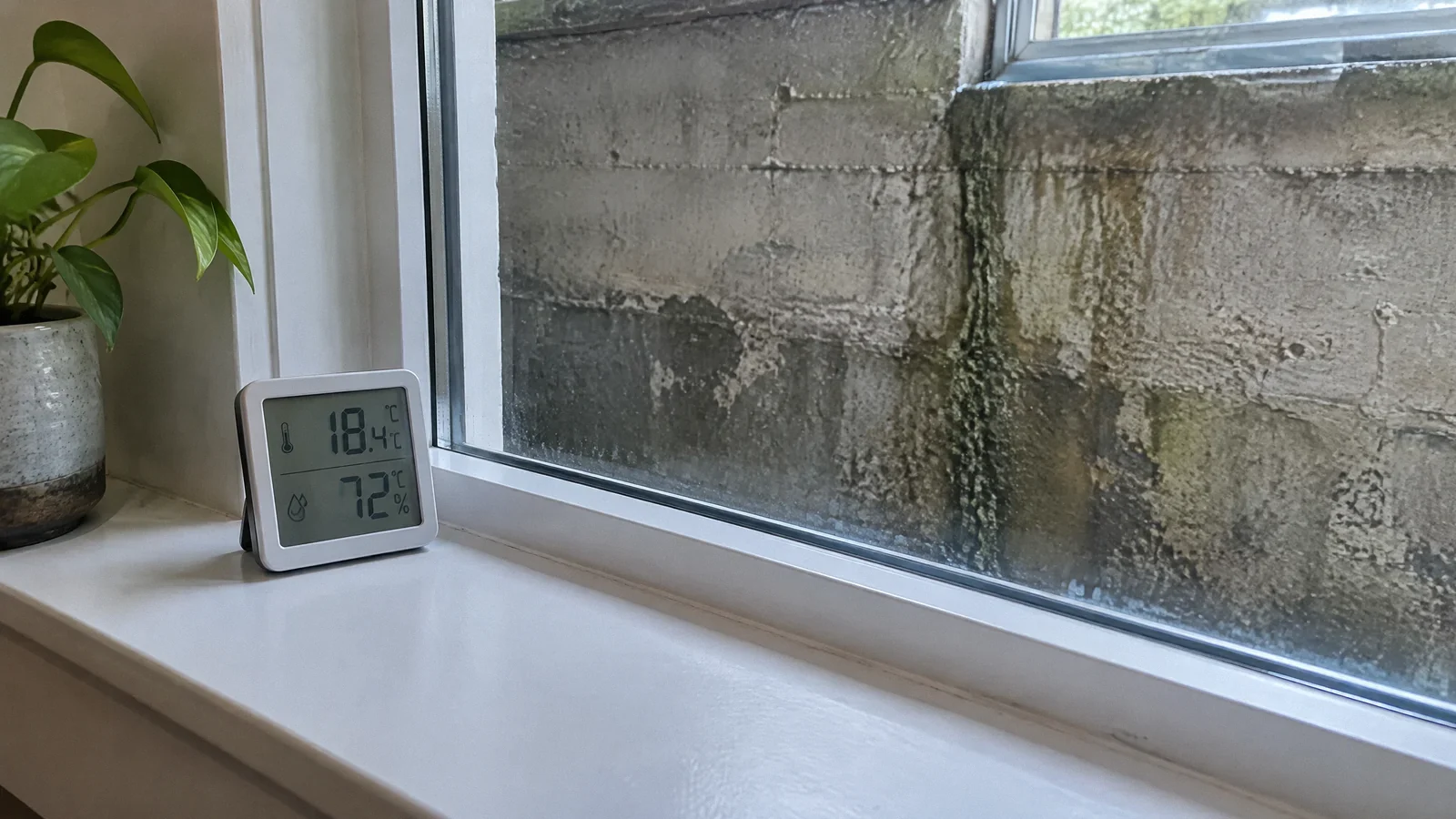
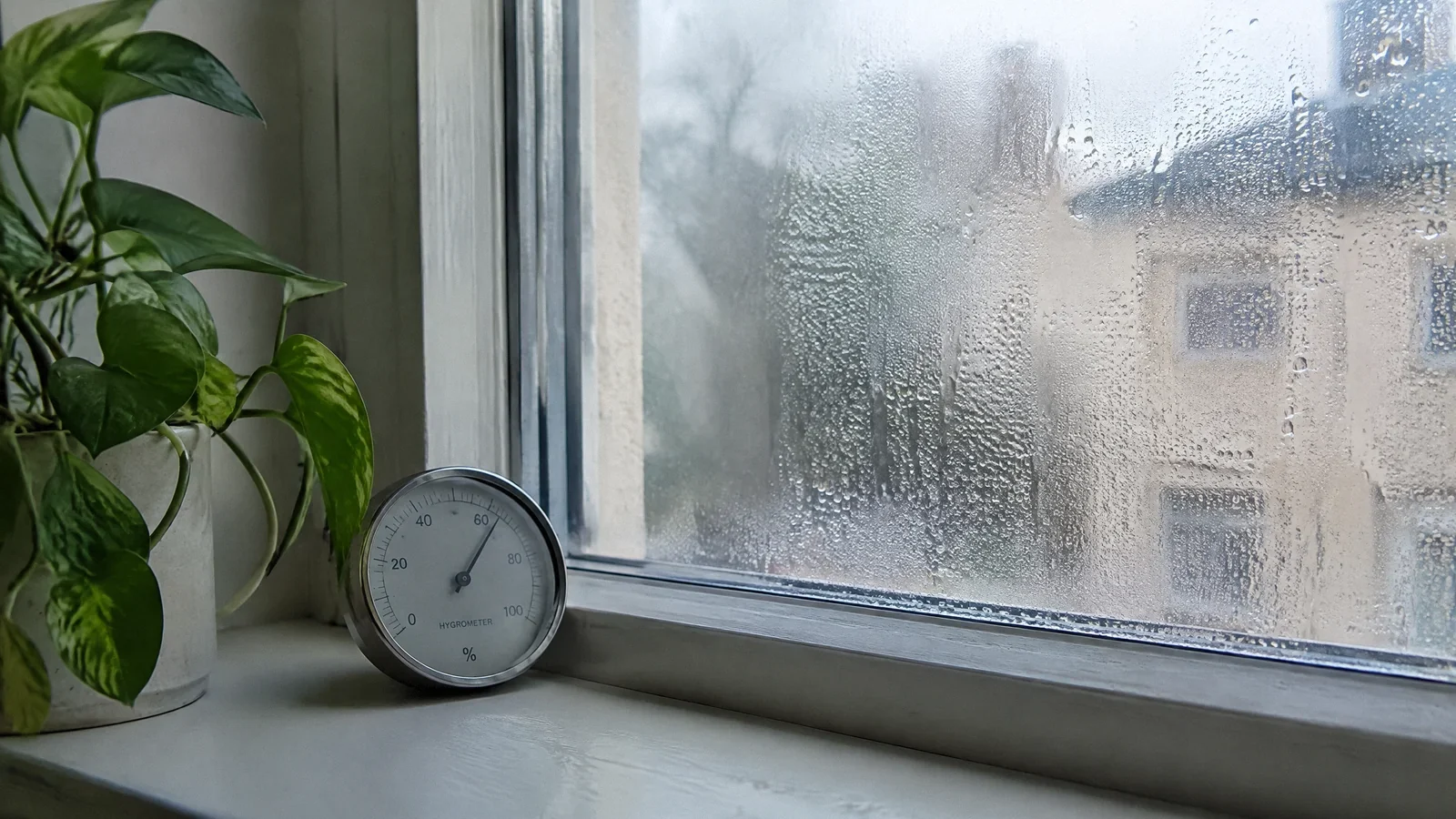
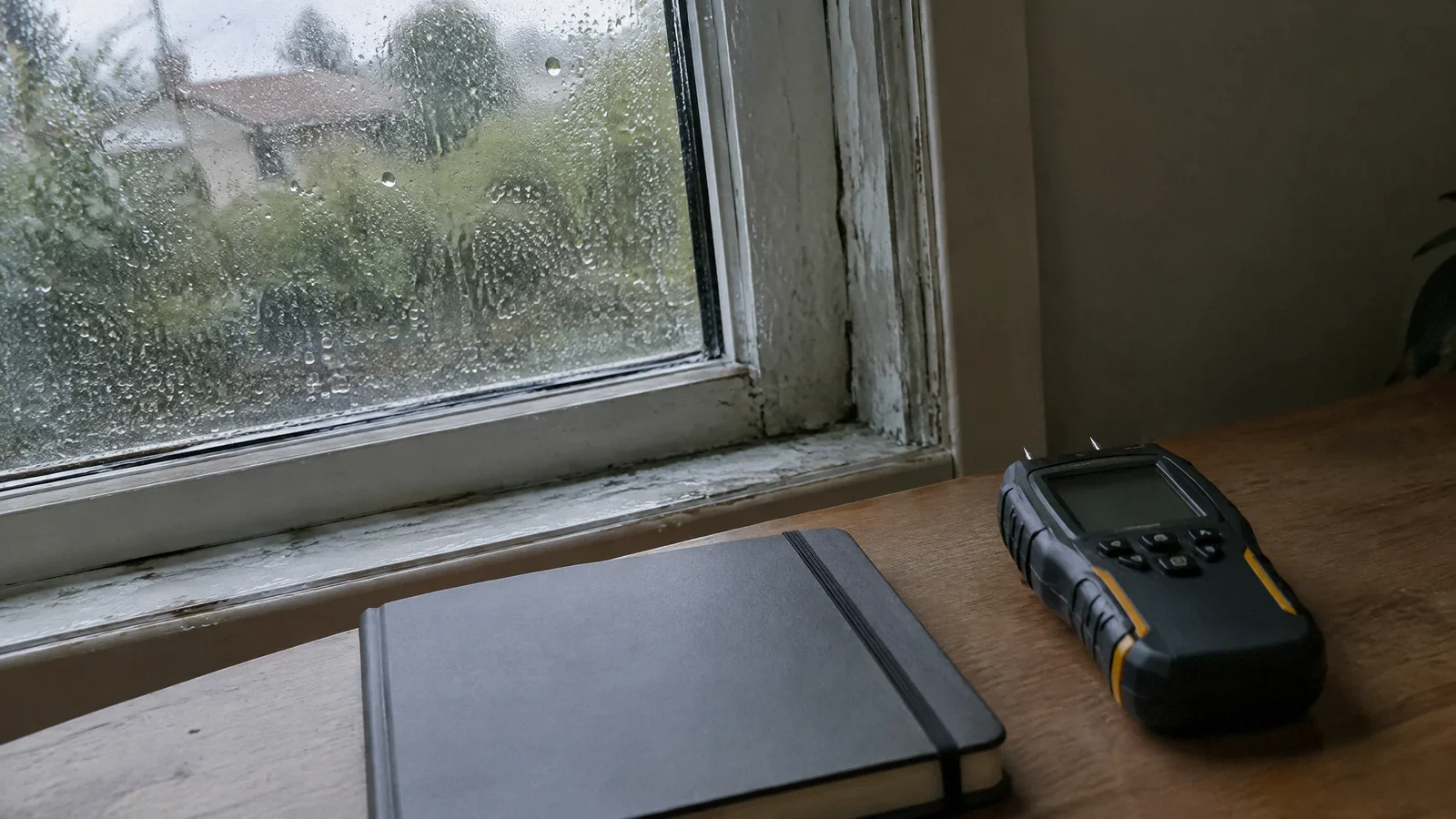
Identify window condensation or leaks, control moisture, and decide when recurring mold needs professional attention.
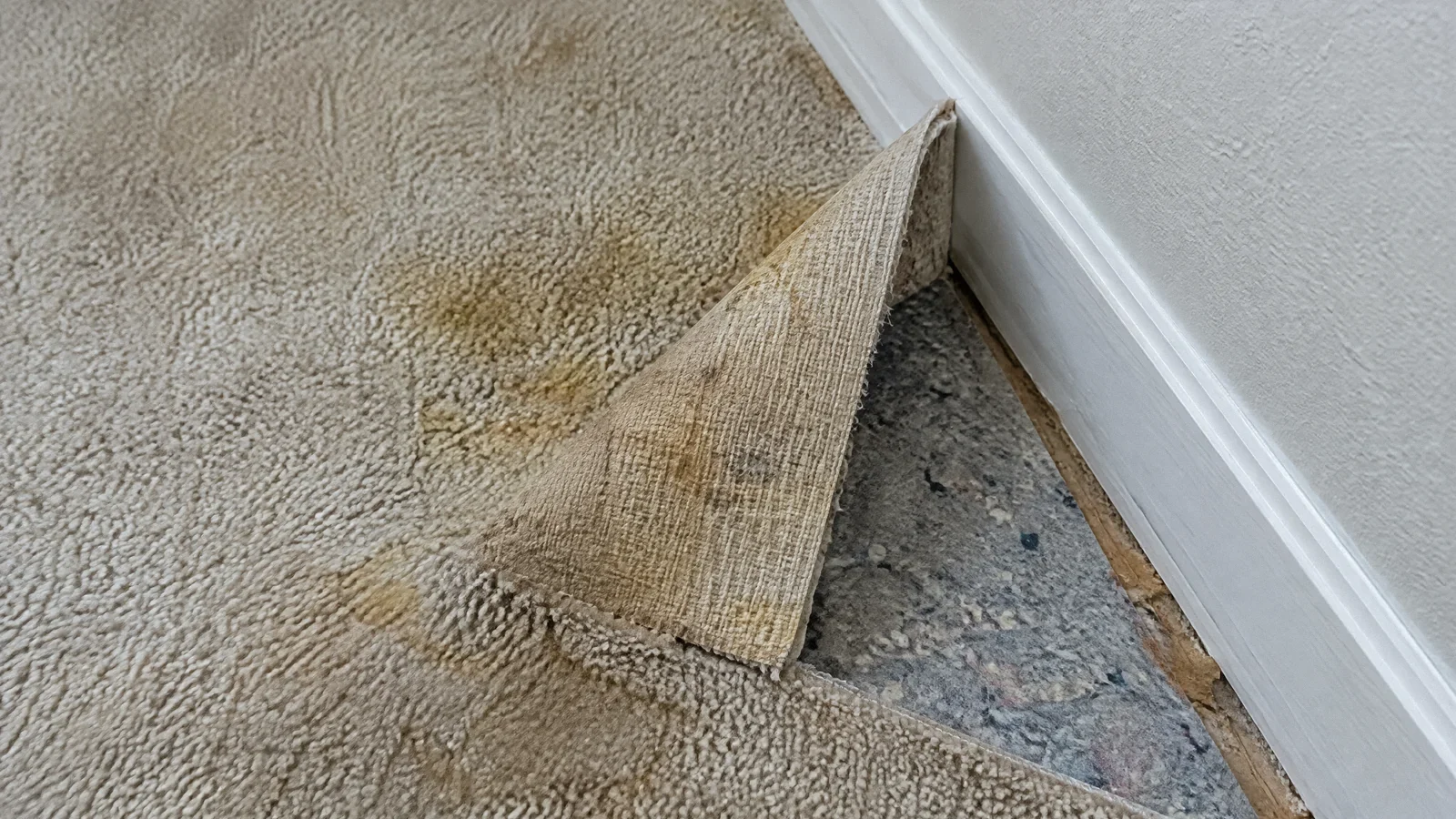
Learn when moldy carpet and padding need replacement, how to assess moisture, and when to get professional help.
Compare a small cleanup with professional remediation, assess proposals, and understand what a successful job should accomplish.
Understand why remediation levels vary by guideline and how to assess scope, containment, worker protection, and completion.
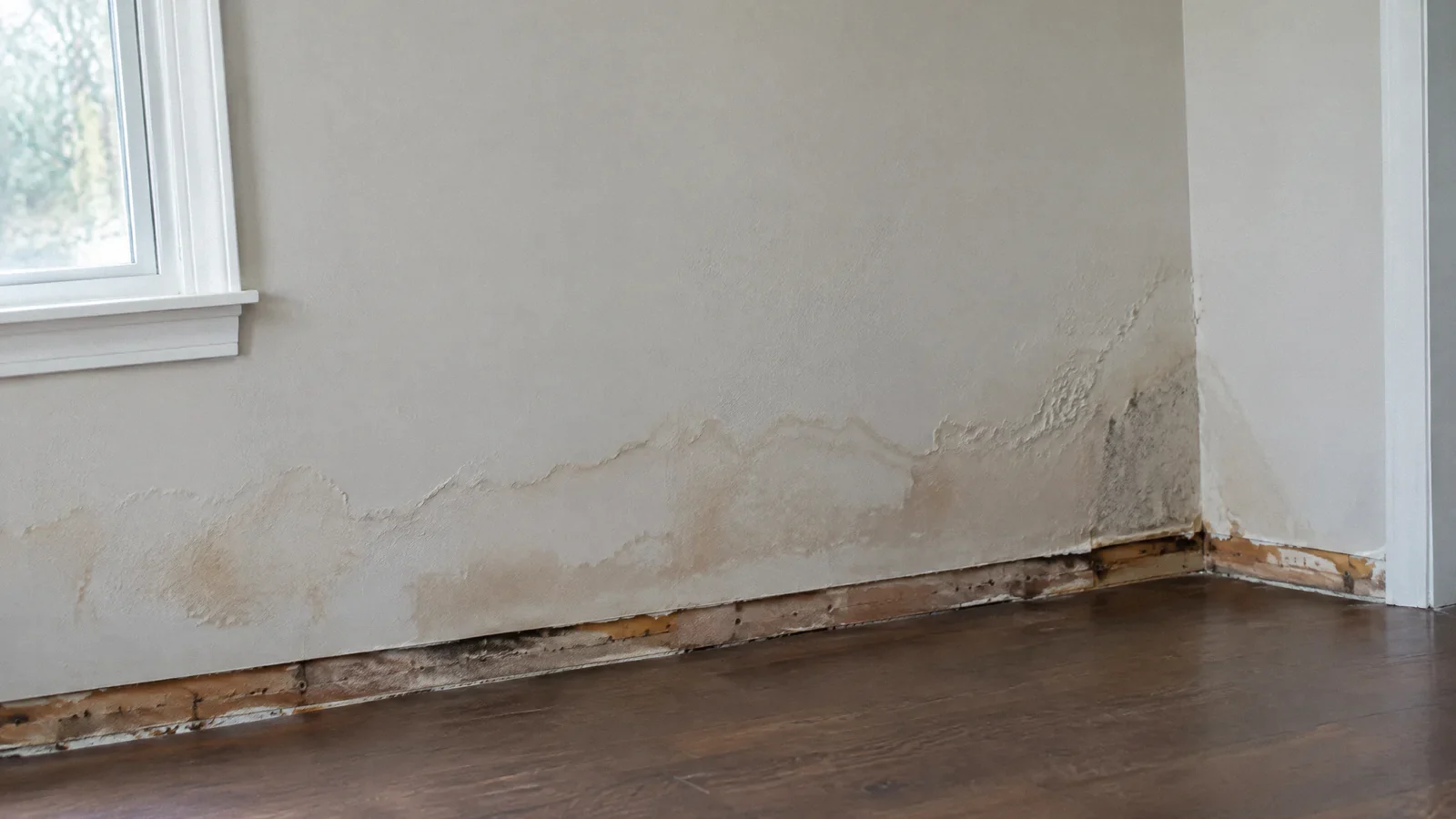
Learn how to identify moisture and material damage, decide what can be cleaned, and plan repairs after mold remediation.
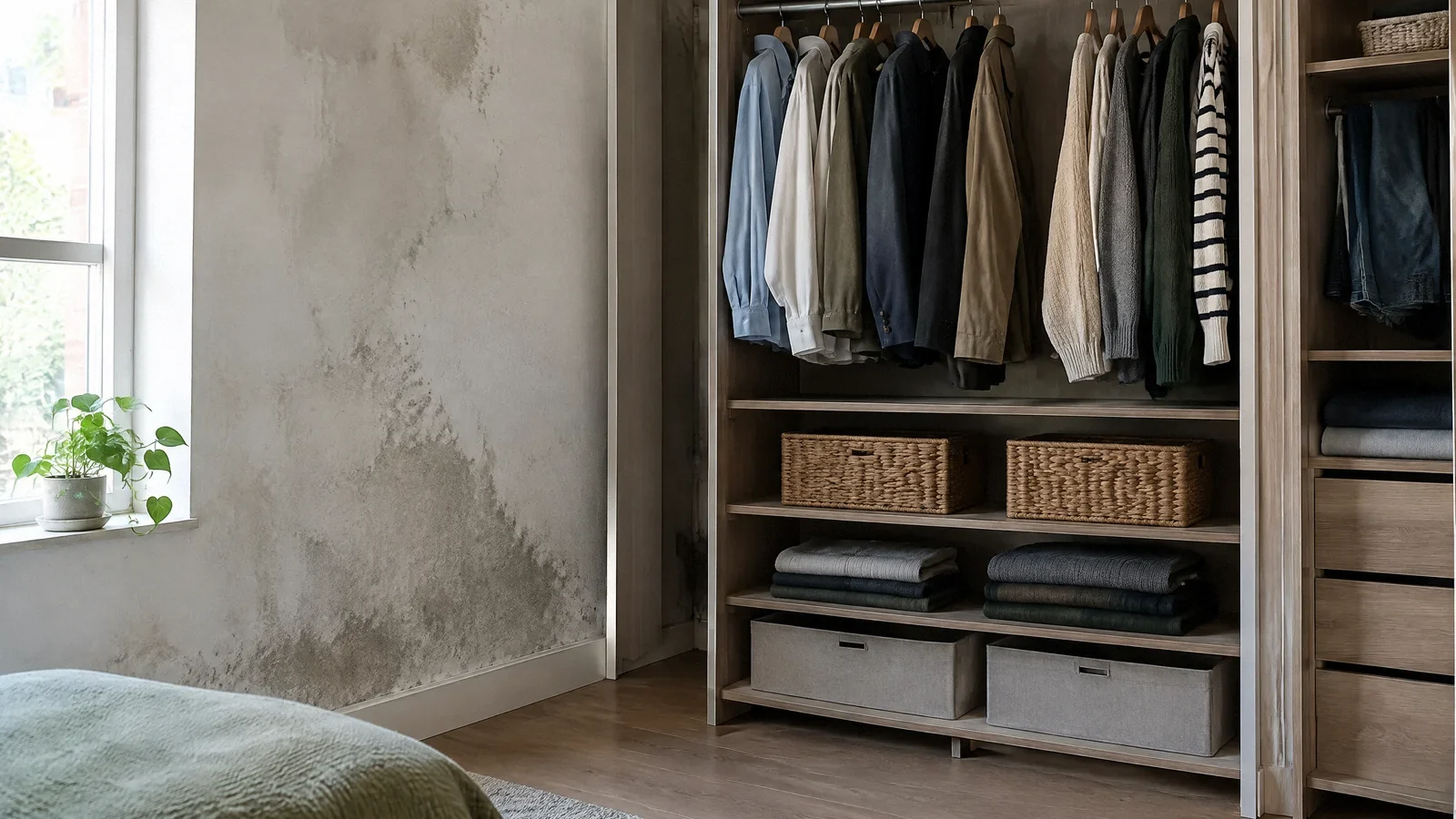
Identify closet moisture sources, assess clothing and shelves, and choose a safe cleanup and prevention plan.
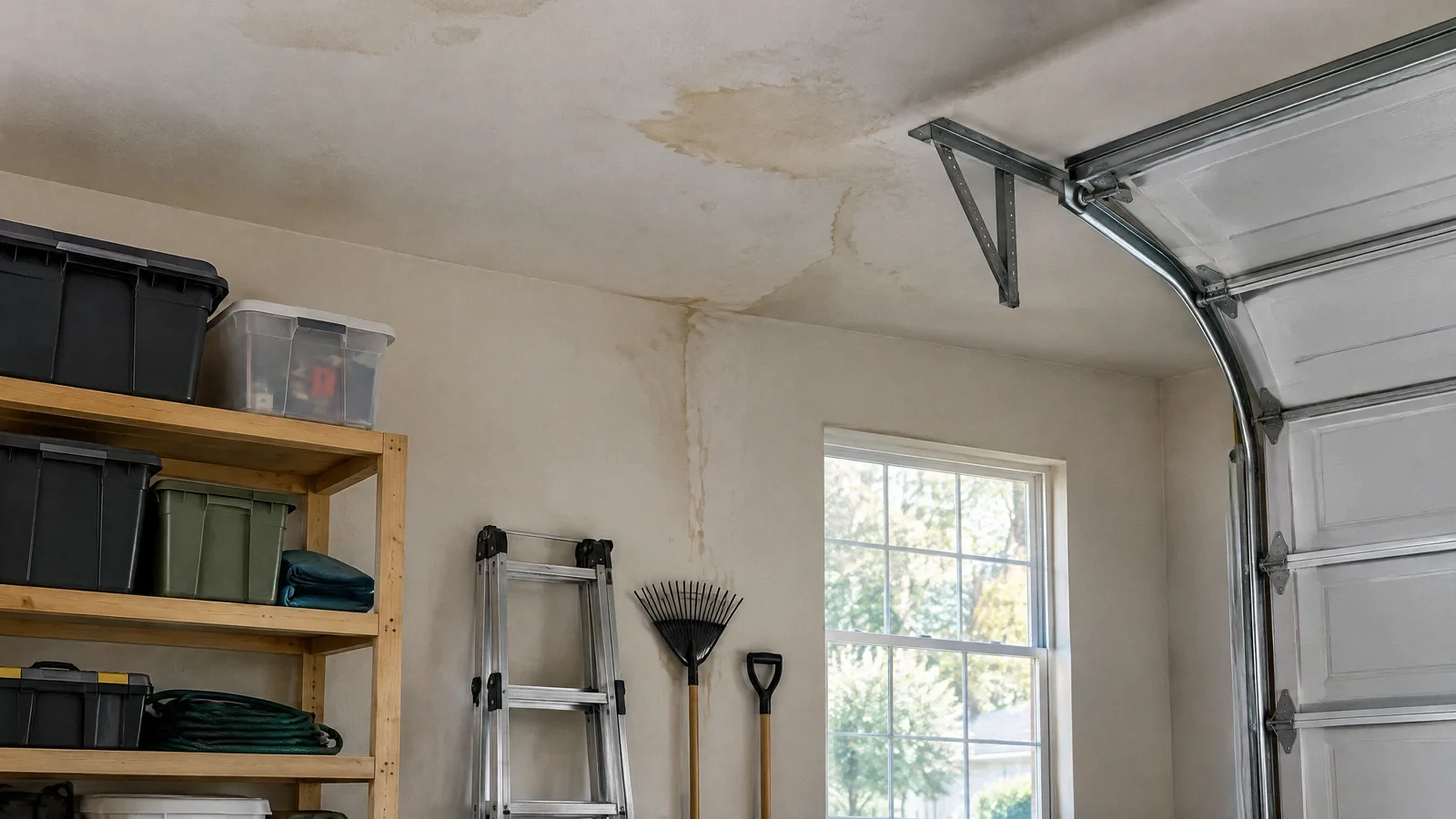
Find garage moisture sources and assess mold on walls, ceilings, and storage before selecting cleanup and repairs.
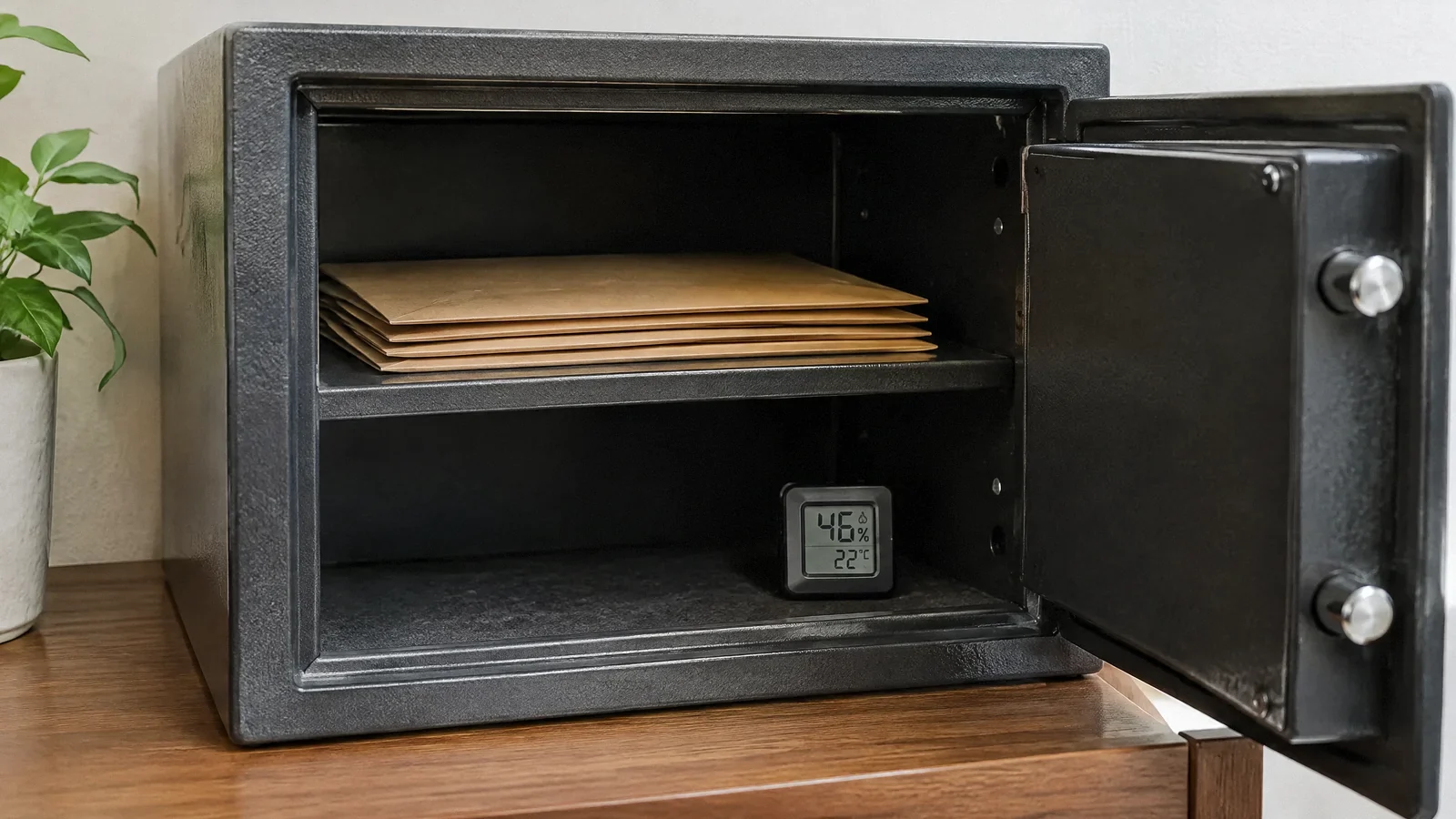
Assess mold and moisture inside a safe, protect valuable contents, and prevent recurrence.
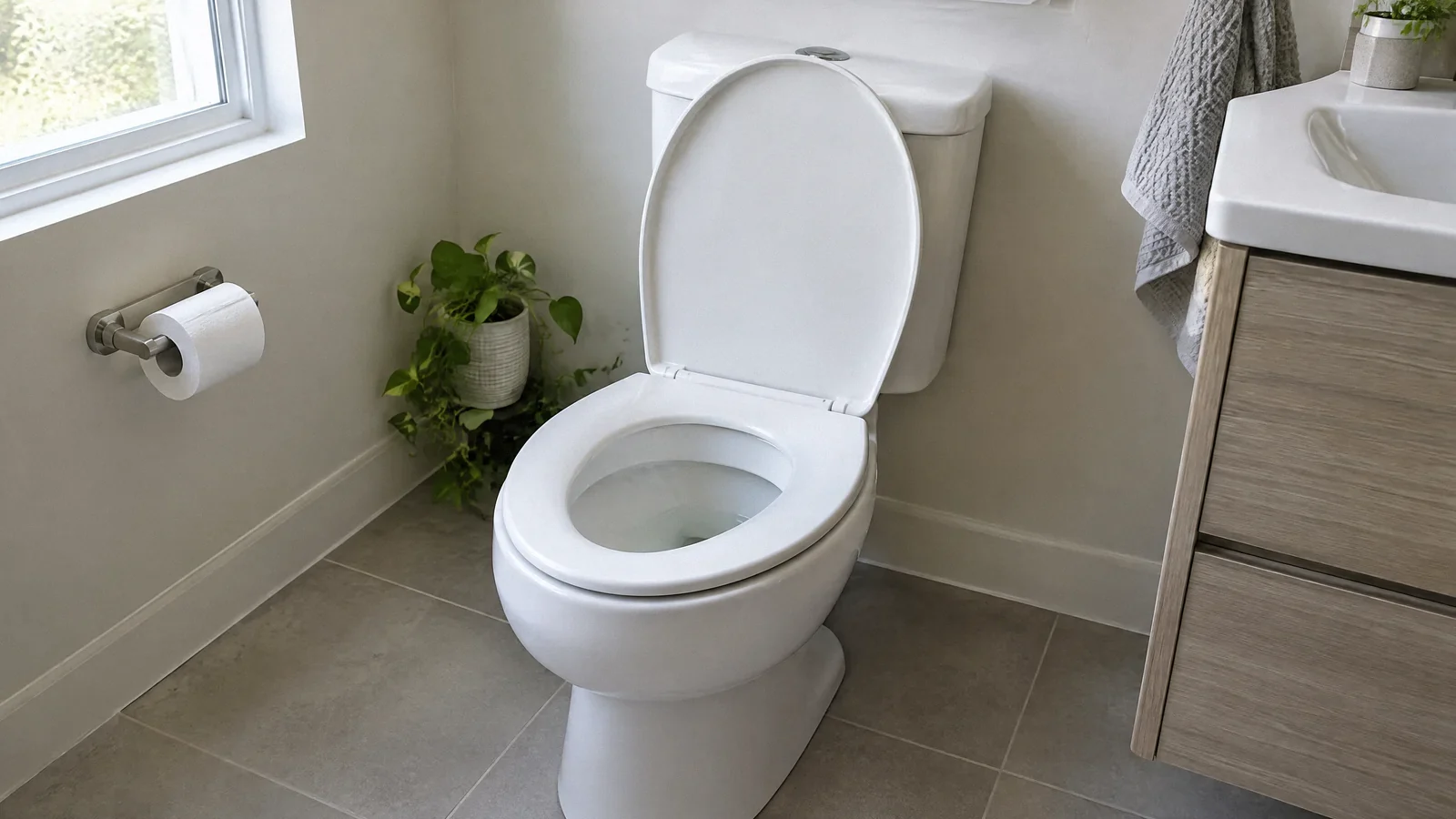
Learn how to clean recurring toilet discoloration safely and identify when a leak needs attention.
Check common claims about mold color, testing, bleach, cleanup, and moisture control.
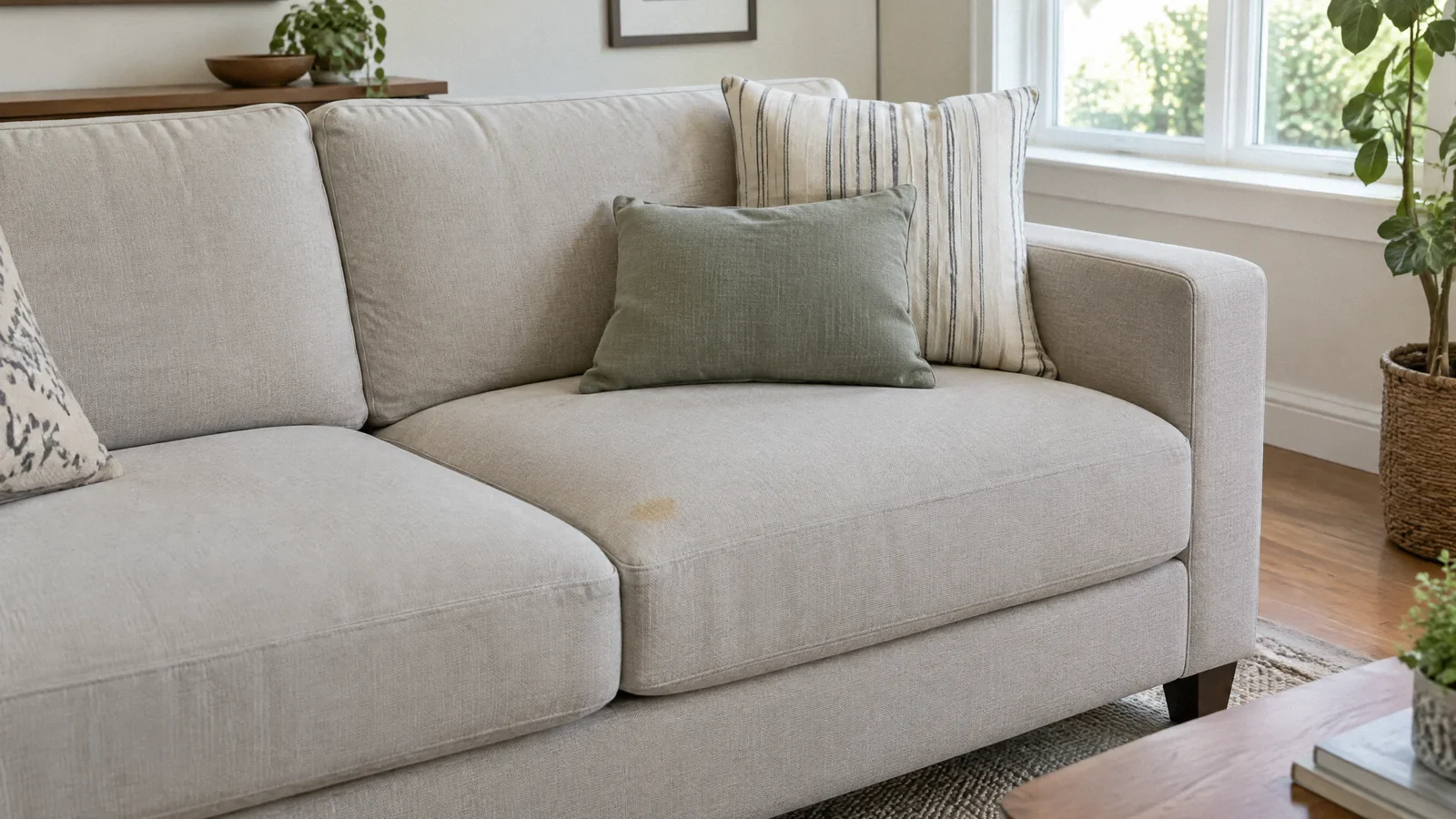
Mold on a Couch: Assess Upholstery, Cushions, and Moisture.
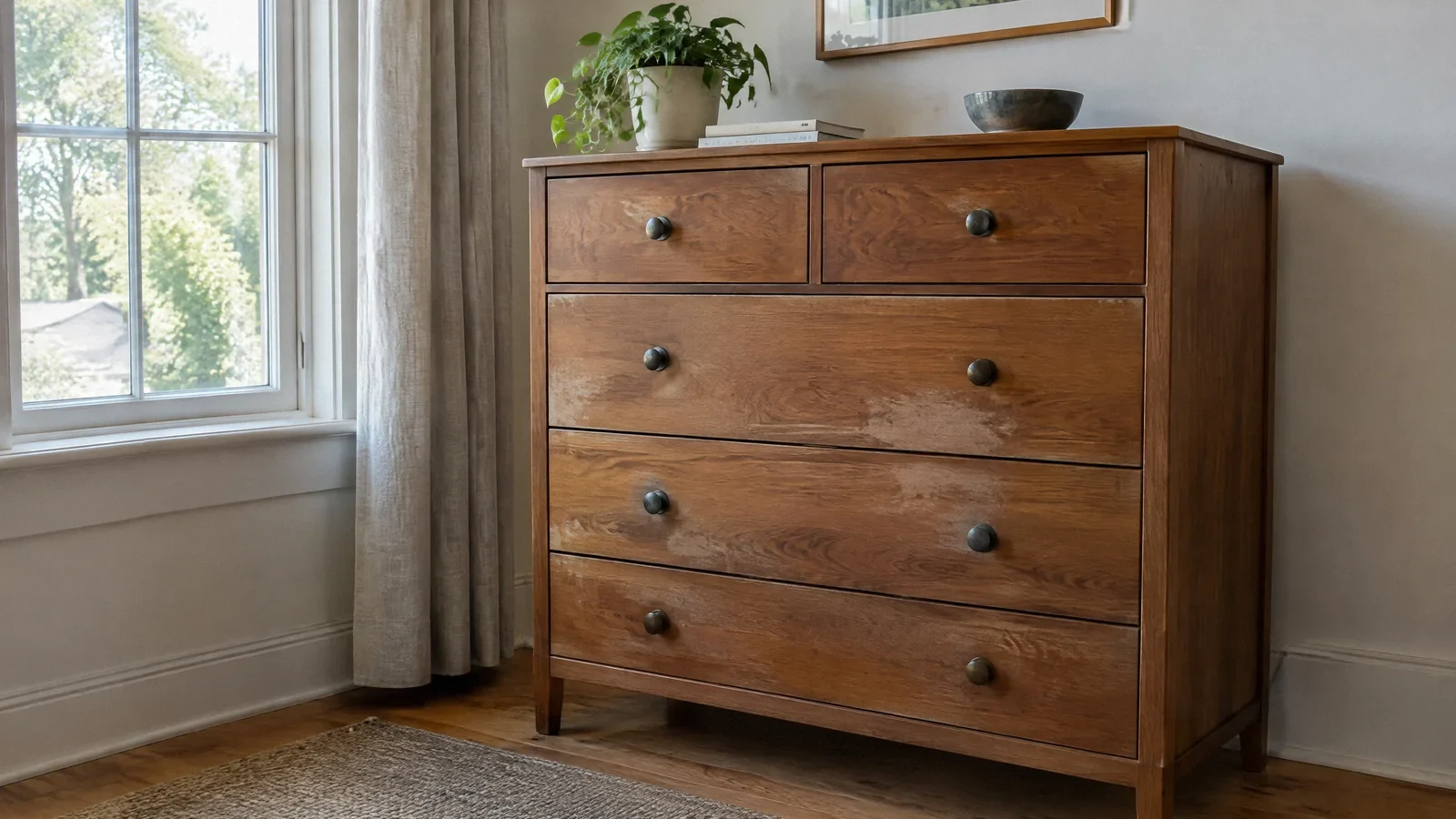
Mold on Furniture: How to Assess Wood, Fabric, and Finished Surfaces.
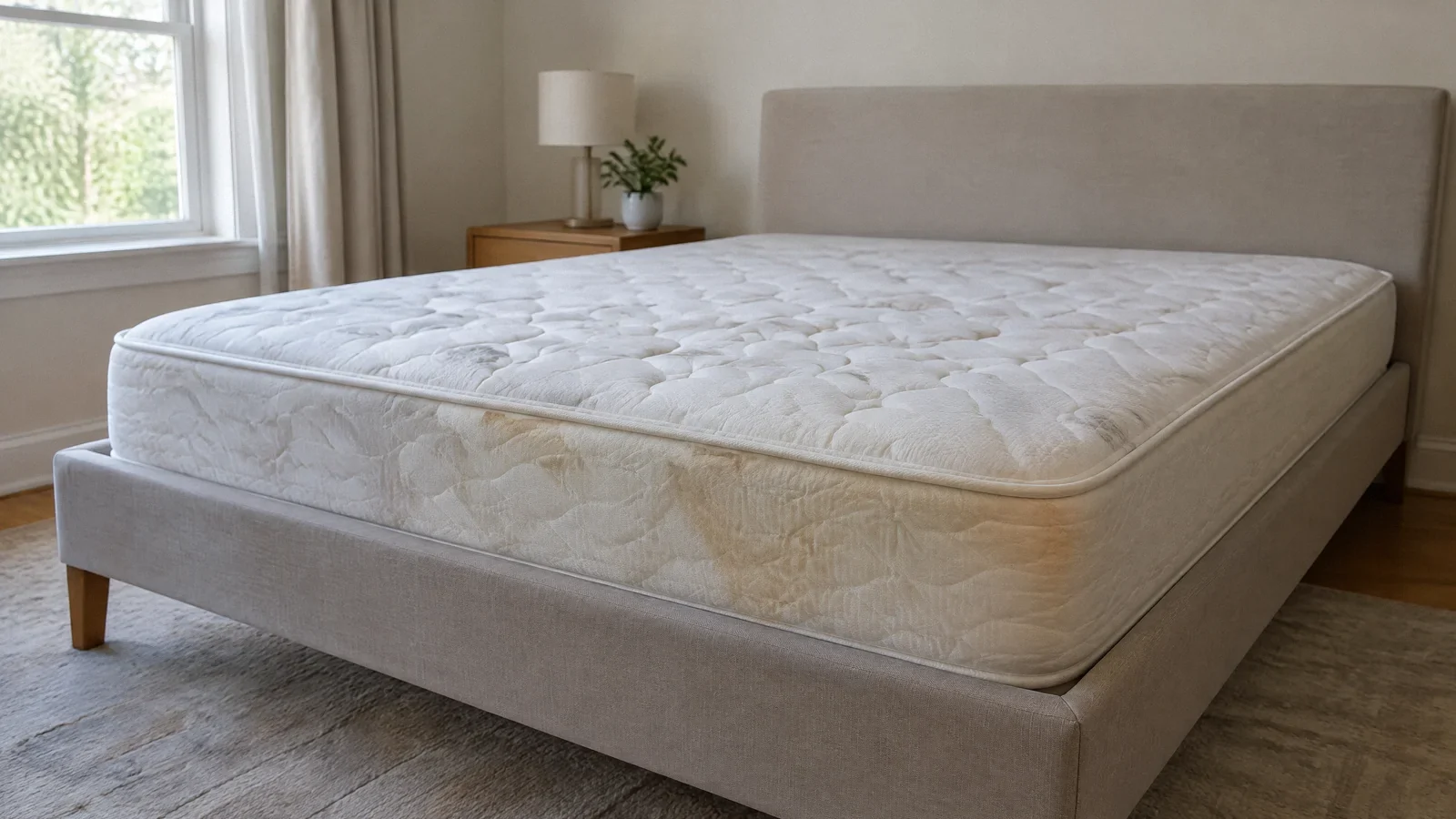
Mold on a Mattress: Inspection, Disposal, and Prevention.
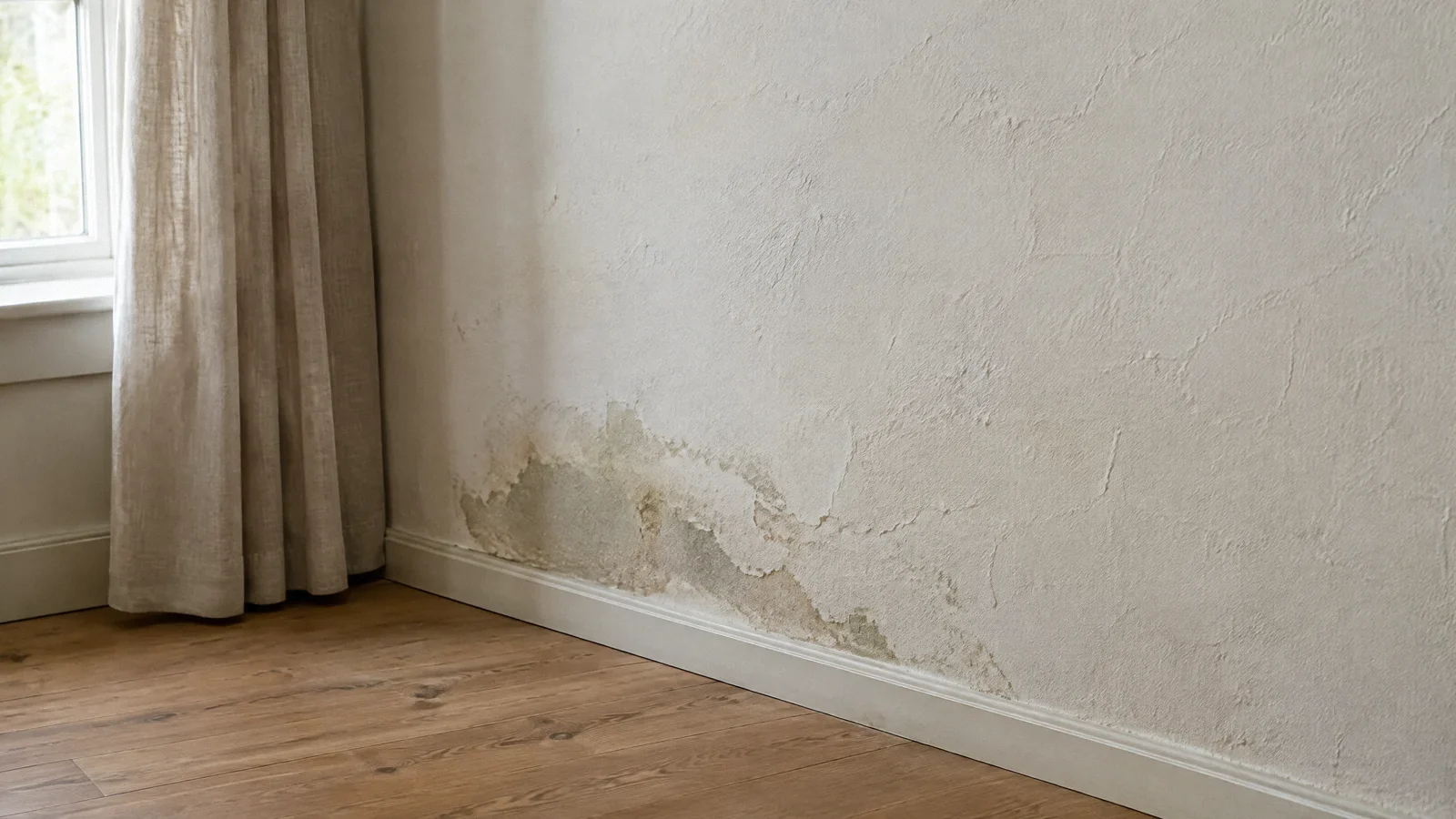
Mold on Plaster Walls: Assess Surface Growth and Hidden Moisture.
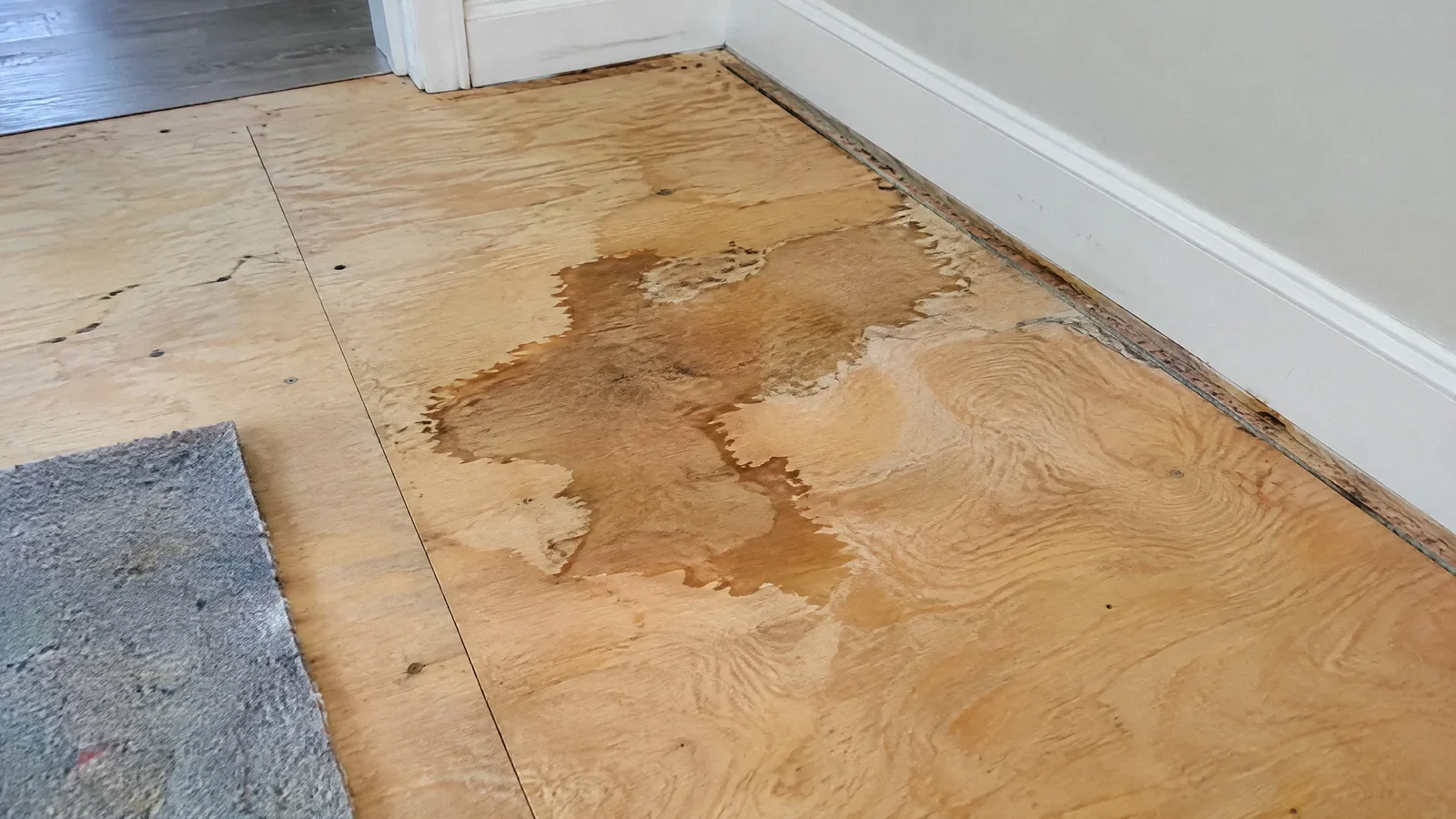
Mold on a Subfloor: Inspection, Remediation, and Replacement Decisions.
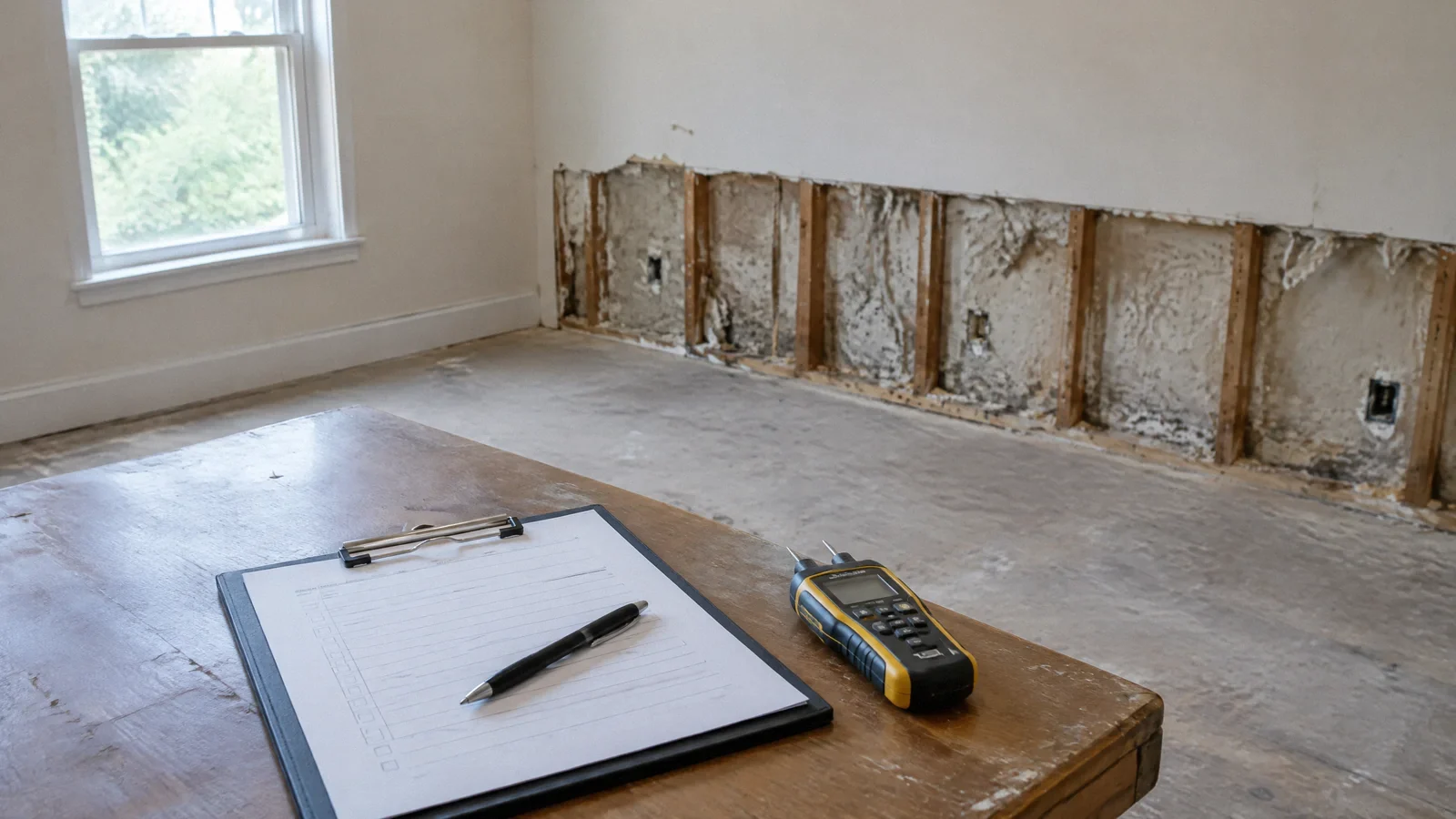
Mold Remediation Protocol: What a Written Work Plan Should Cover.
Mold Season: Outdoor Spores, Indoor Moisture, and Regional Differences.
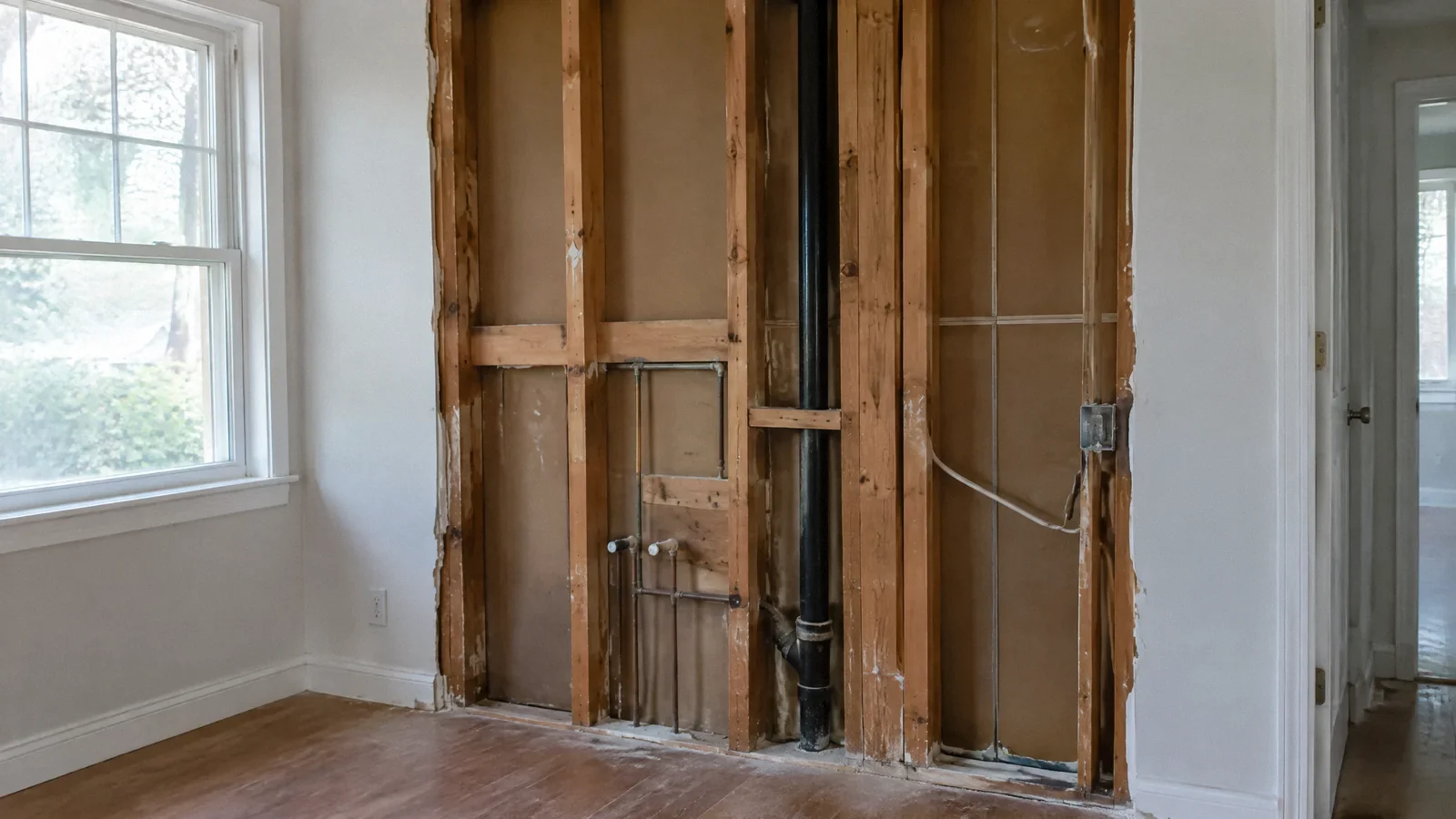
Learn how to investigate moisture beneath flooring, when testing helps, and how material and contamination affect cleanup.
Fix the source of moisture, assess the material and extent, and clean or replace affected surfaces as appropriate. White deposits are not proof of mold, and color alone cannot identify it.
Compare dust and suspected mold using moisture evidence and inspection limits rather than color or a quick wipe.
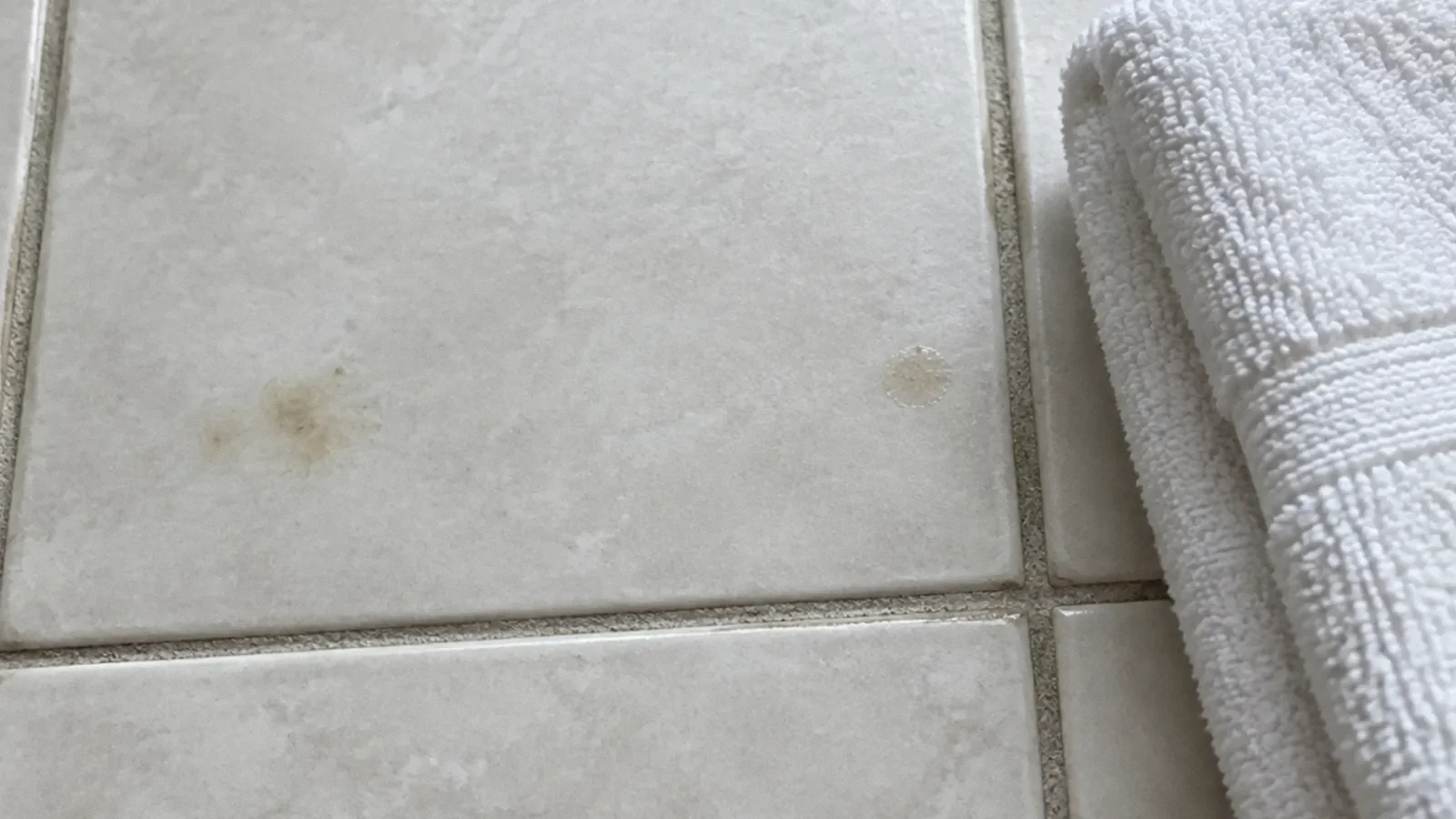
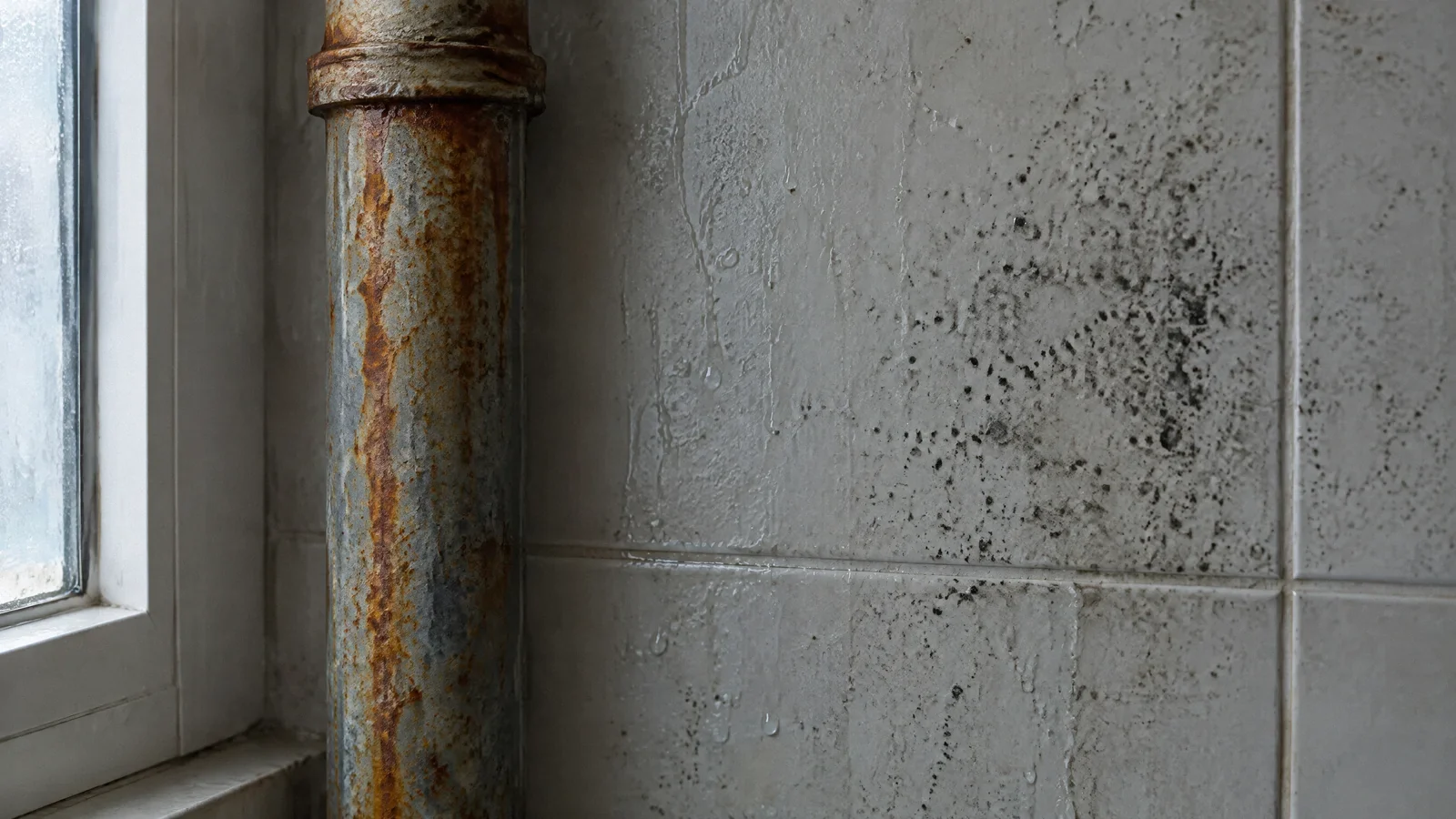
Understand the difference between rust and mold, and why appearance alone cannot identify a stain.
Fix the moisture source first. Moldy porous drywall often must be removed, and extensive growth, sewage contamination, uncertain materials, or health concerns call for a qualified professional.
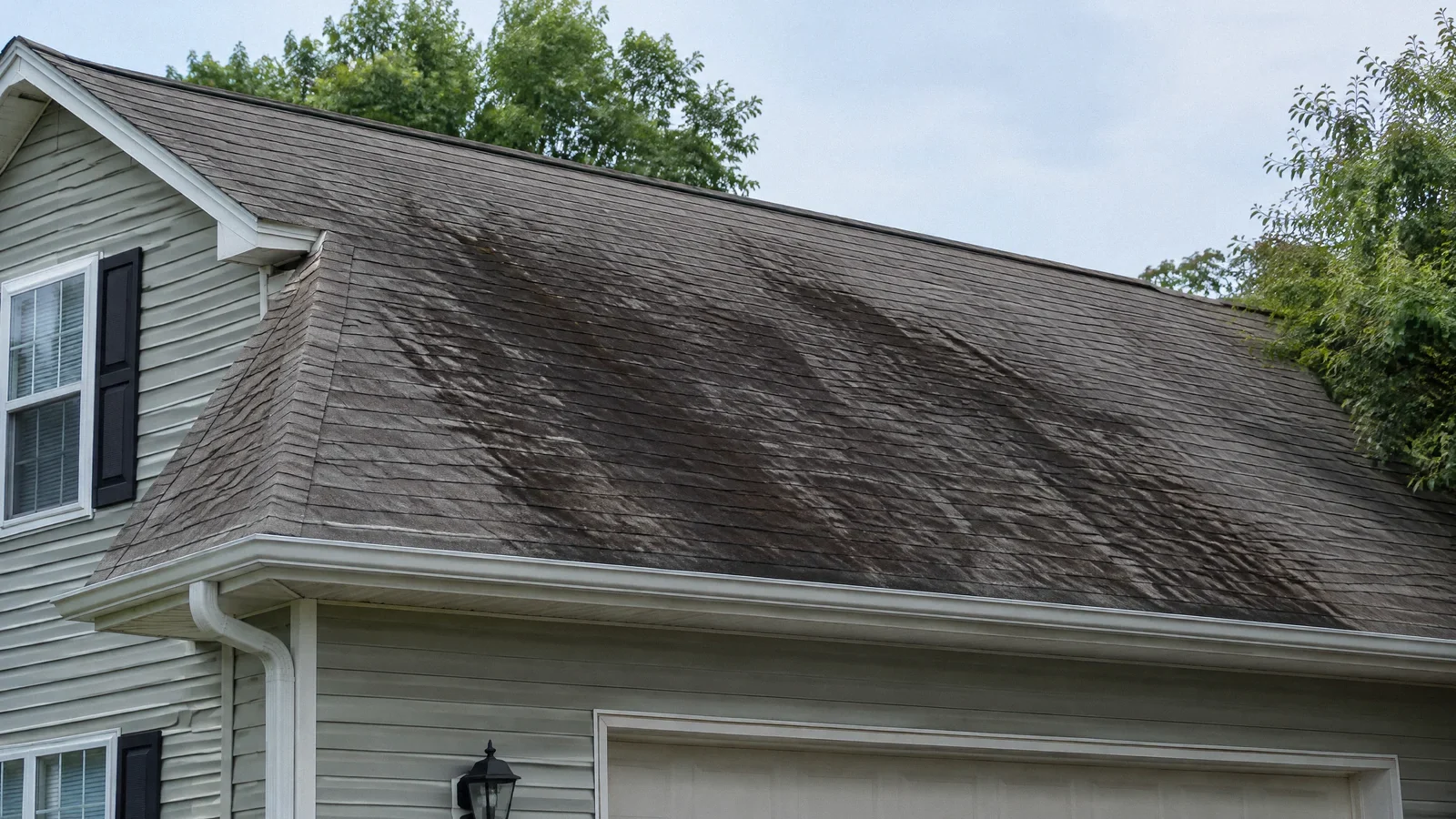
Assess suspected roof mold from a safe location and choose qualified help suited to the roof material and moisture source.
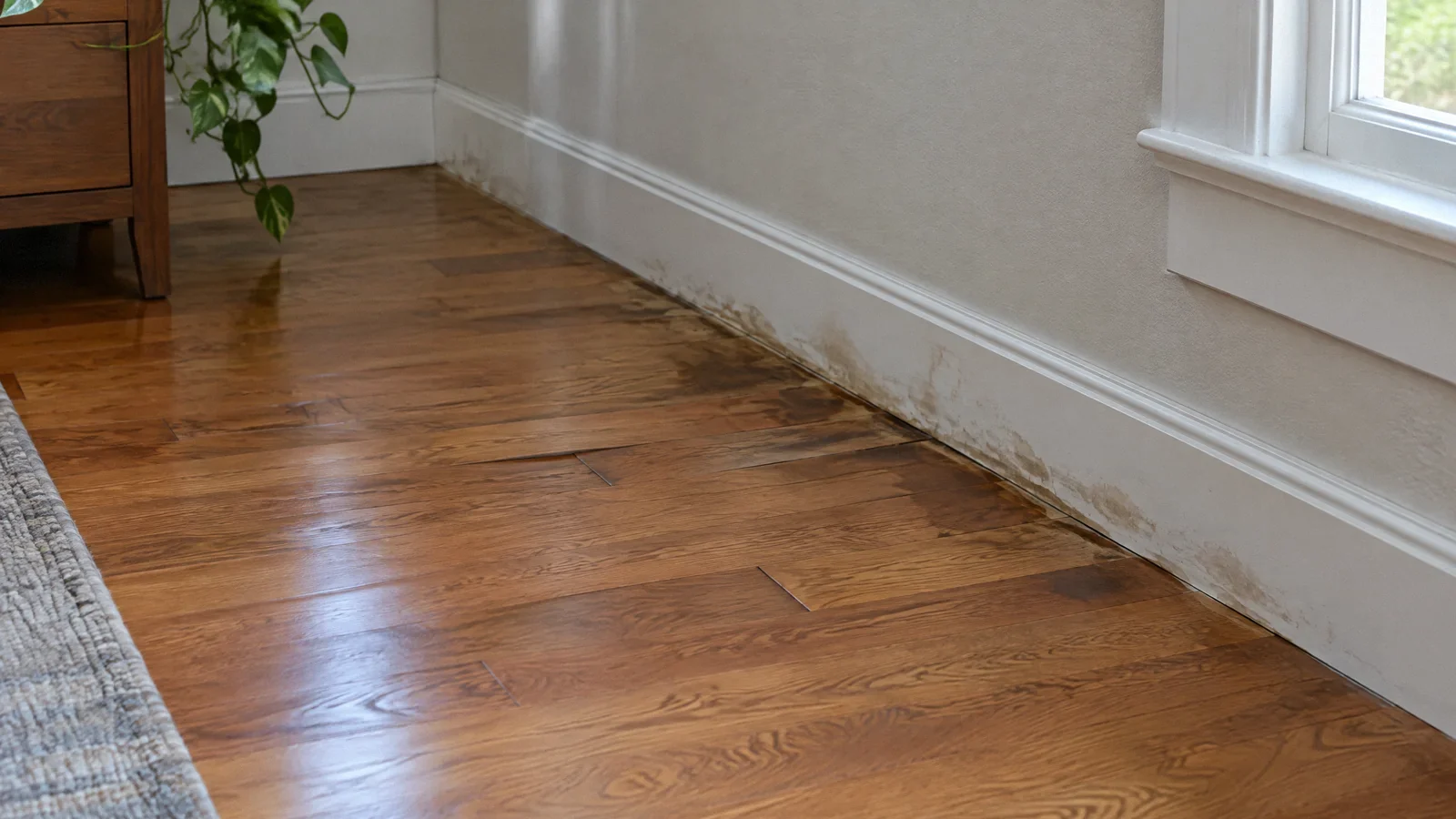
Understand floor moisture clues, the limits of appearance and how to investigate safely.
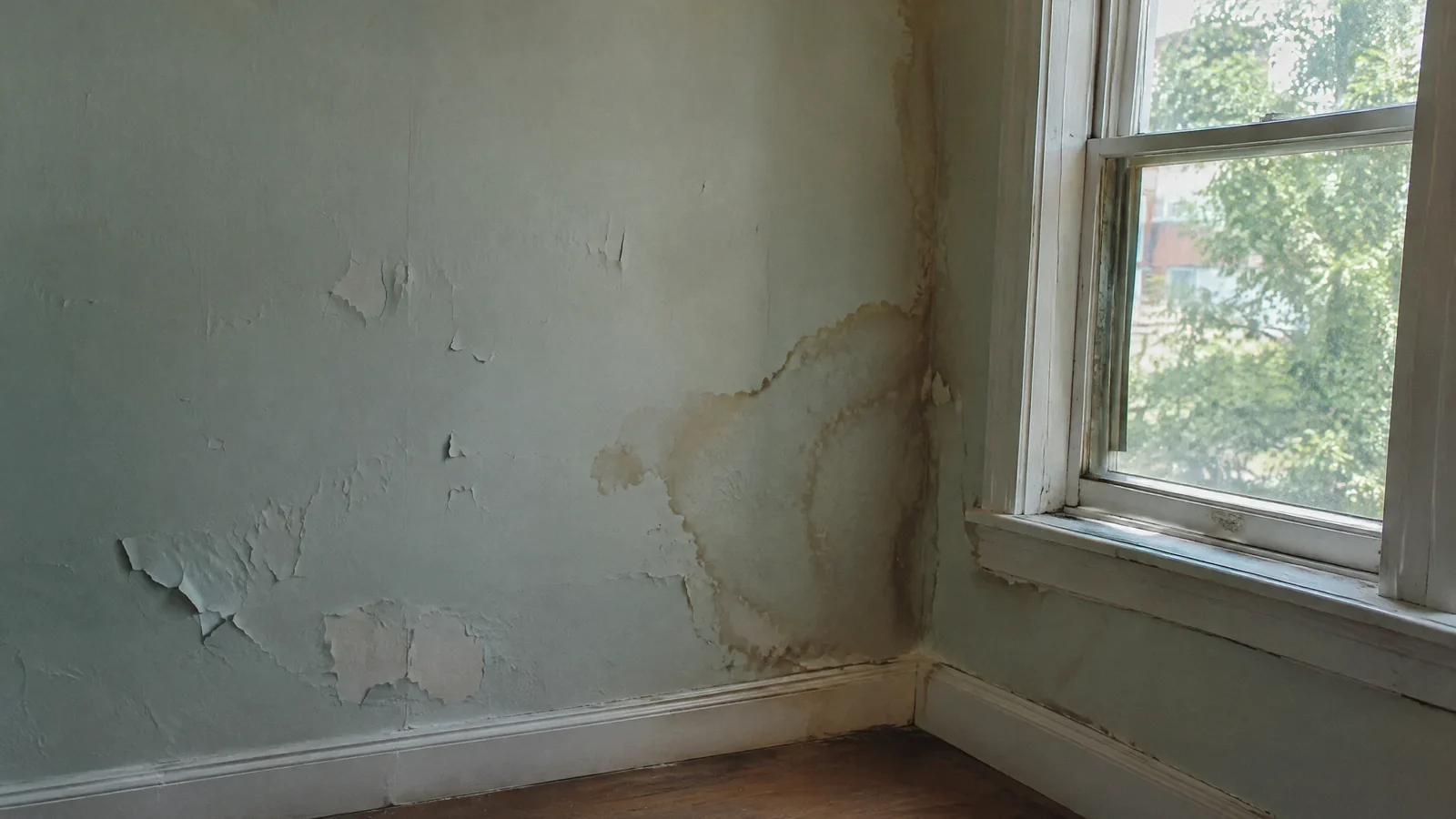
Learn how moisture damage and mold differ, why stains are not a diagnosis, and when to seek help.
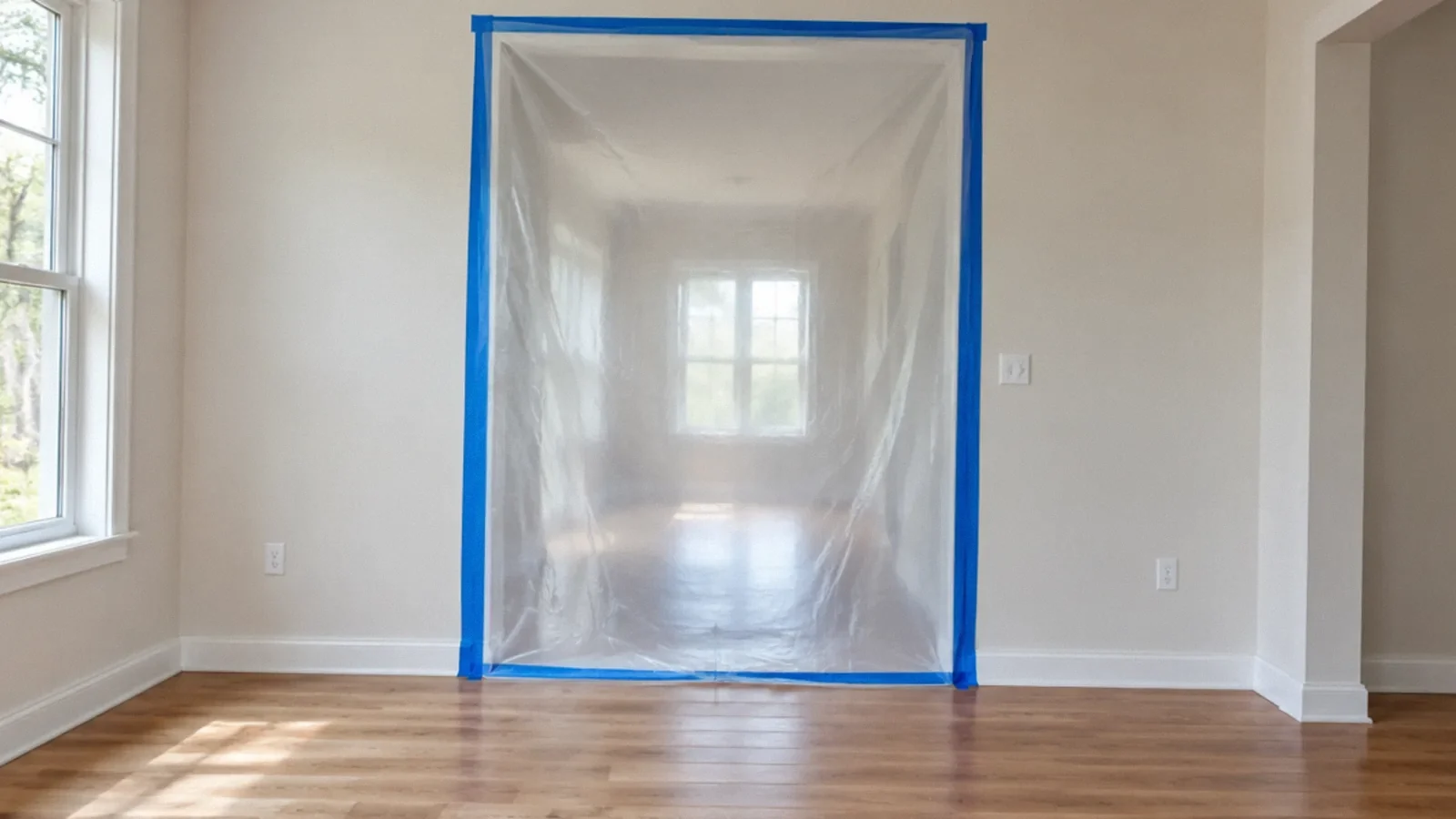
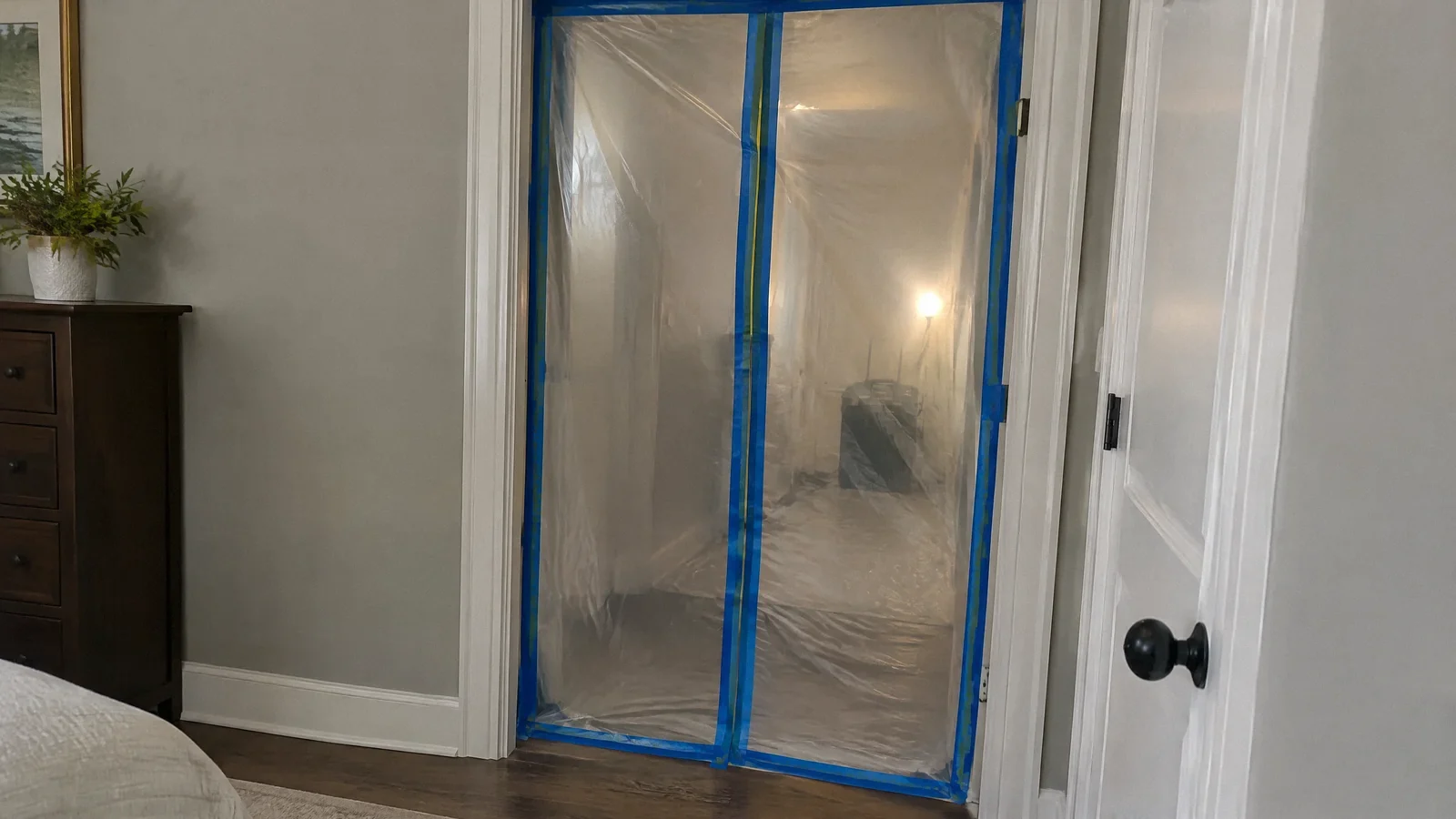
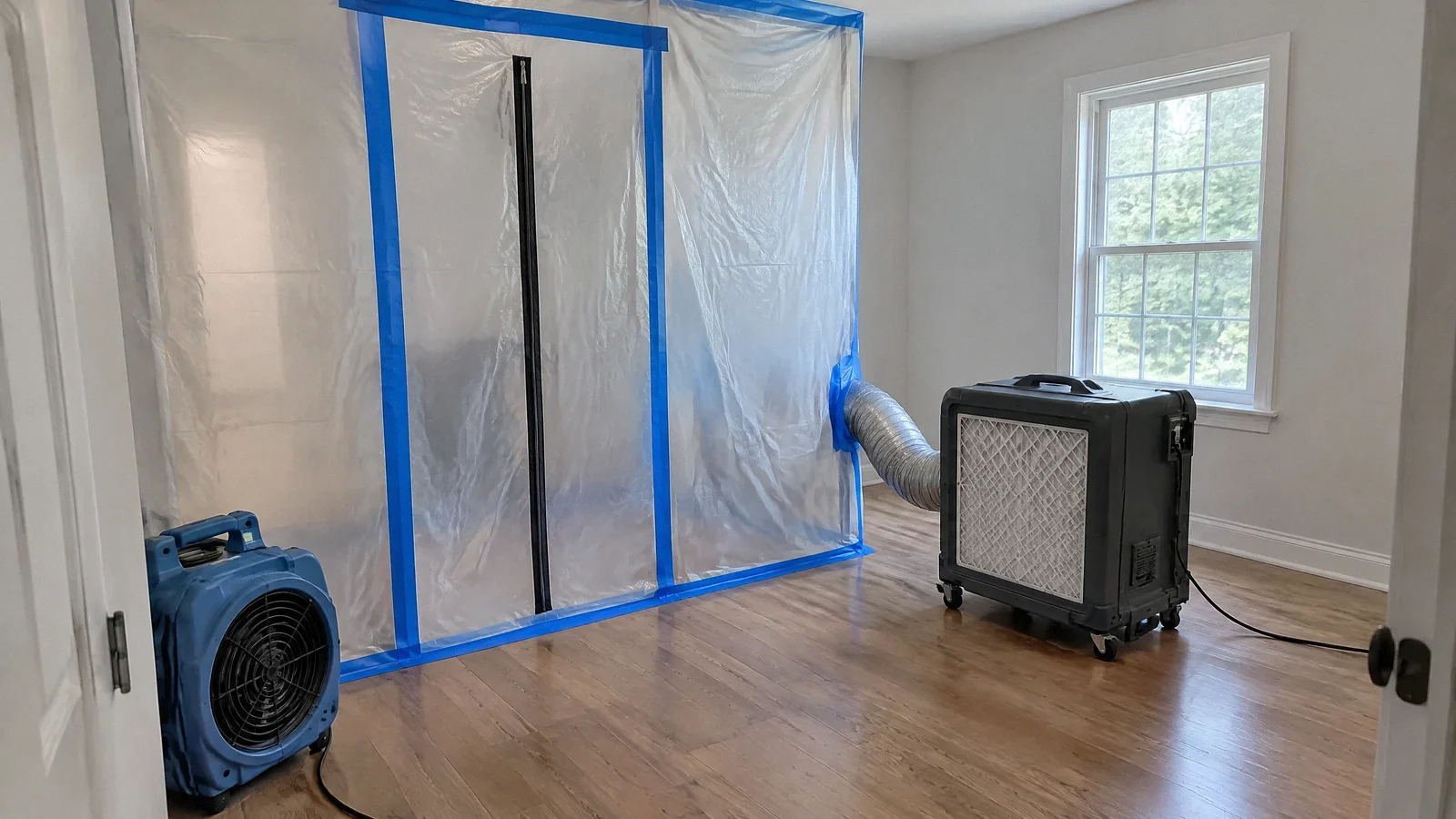
Understand the role of moisture measurements, containment, HEPA filtration, cleaning and removal in professional mold remediation.
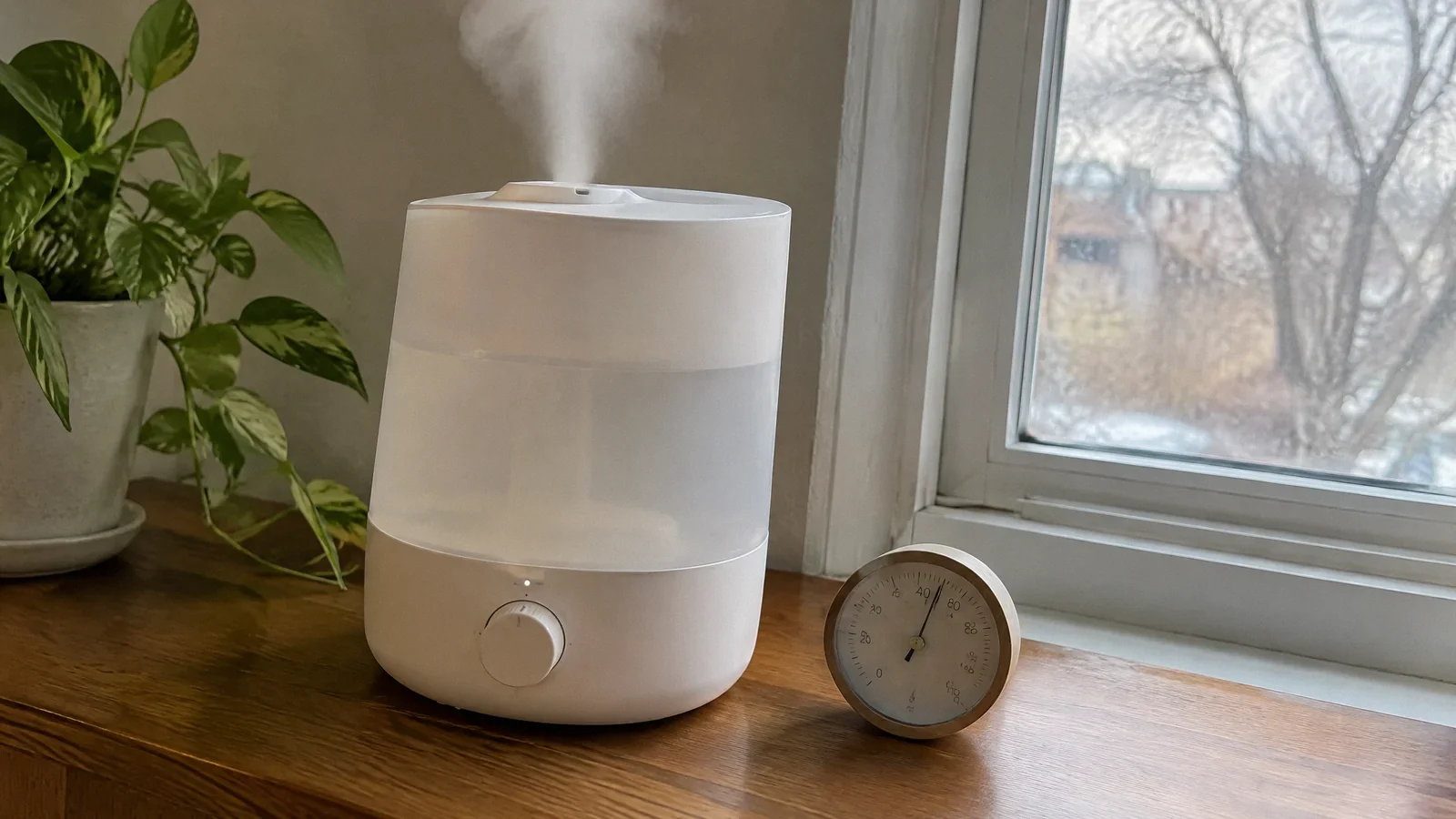
Learn how humidifiers affect room moisture, carpet and condensation, and why they do not remove existing mold.
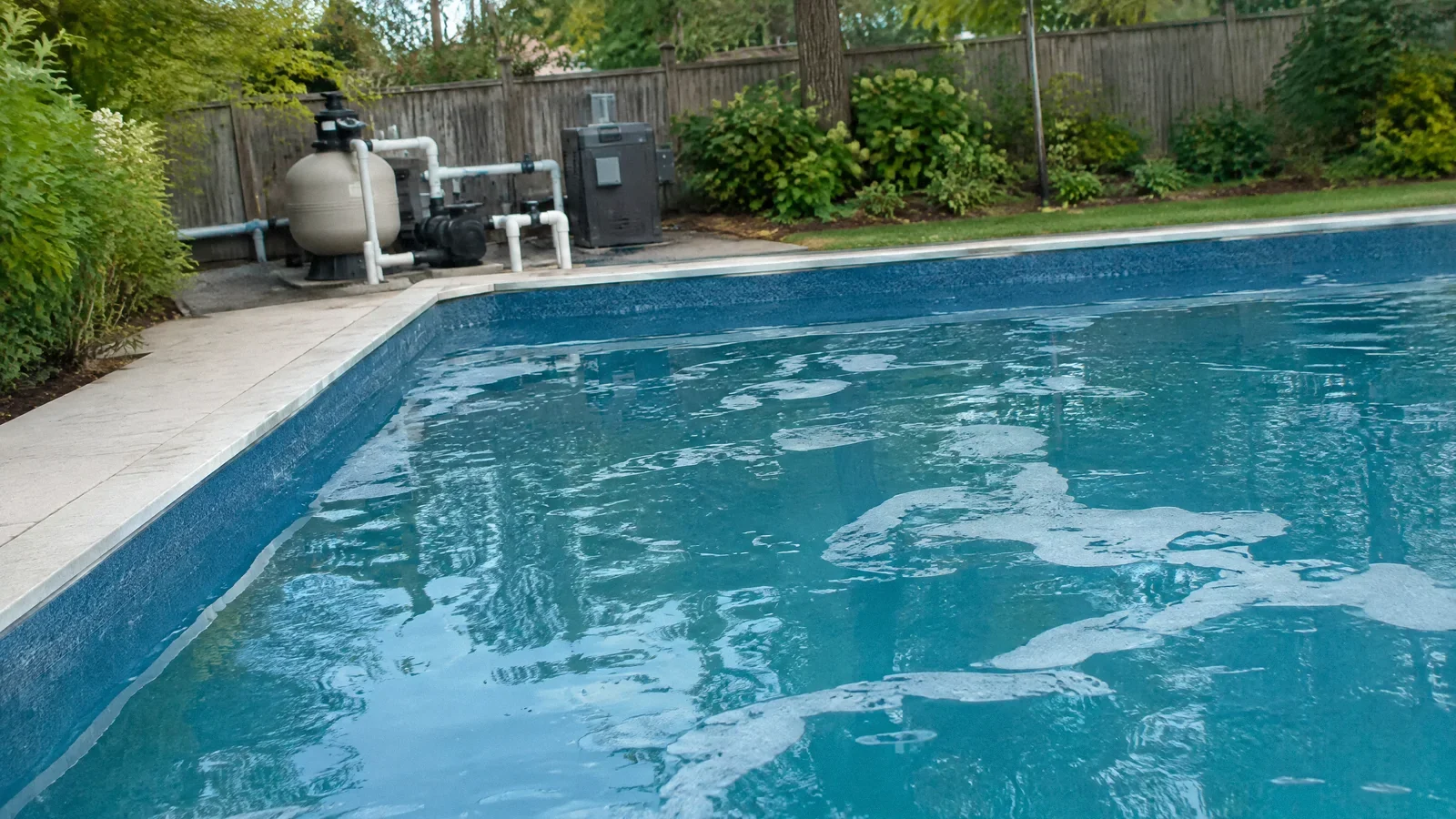
Learn how to respond to a white film in a pool or spa, check water treatment and decide when to seek help.
Interpret a Memnoniella laboratory finding, its taxonomic and sampling limits, and the next building steps.
Understand mold and mineral deposits on concrete, safe cleanup limits and moisture beneath floors or tile.
Understand why fungal disease mortality estimates do not establish an annual death count from household black mold.
Understand an Acremonium report, changes in fungal names, sampling limits and practical moisture assessment.
Understand the limits of evidence on indoor black mold and cancer, and why foodborne aflatoxin is a separate exposure.
Try a material, “insurance”, “mold”, or a shorter phrase.