EPA says ozone applied to indoor air at concentrations that do not exceed public health standards does not effectively remove mold and other biological pollutants. Ozone can irritate the airways, and EPA says not to use ozone generators in occupied spaces. Address the water source and contaminated materials instead of relying on an ozone machine.
What ozone machines do
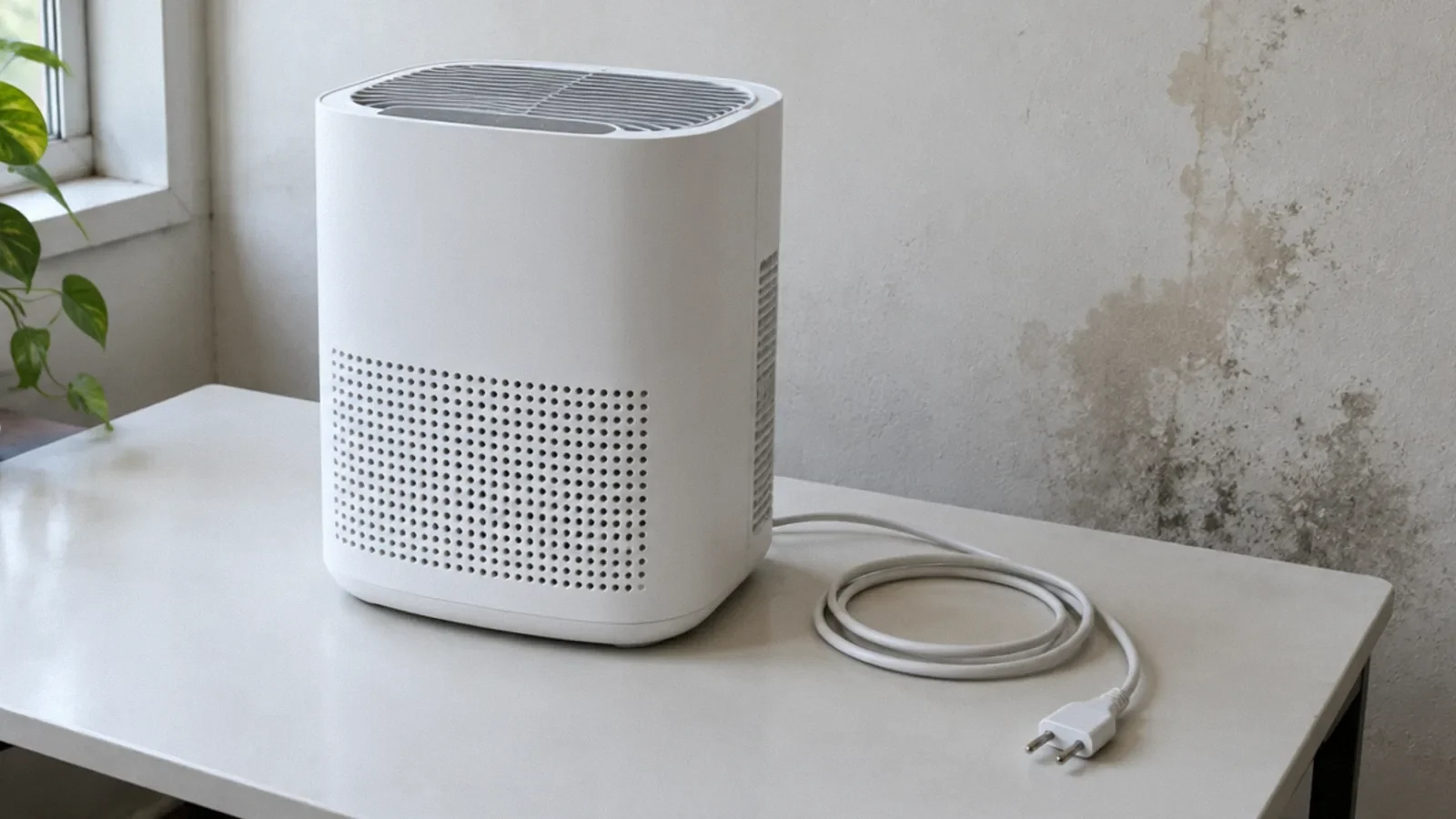
An ozone generator intentionally produces ozone, a reactive gas made of three oxygen atoms. Some machines are marketed for indoor odor or air treatment. An ozone machine is not the same thing as a mechanical particle filter, and a fresh or unusual smell is not evidence that a mold problem has been resolved.
EPA advises against using ozone generators in occupied spaces because ozone can irritate the airways. Follow the manufacturer’s safety information and do not use an ozone-producing device around people or pets. If a device has been used and anyone has symptoms, leave the area and seek appropriate medical advice.
What the EPA says about mold
EPA reports that ozone applied to indoor air at concentrations not exceeding public health standards does not effectively remove mold, viruses, bacteria and other biological pollutants. Concentrations high enough to affect some organisms can present health concerns, and embedded contaminants may remain in porous materials.
That distinction matters when comparing a laboratory claim with a real damp wall, carpet backing or insulation. A gas treatment may not reach or remove the affected material. There is no basis for treating a residential mold problem as solved just because an ozone machine has operated.
Why moisture control comes first
Mold grows where sufficient moisture and suitable material are present. A leaking pipe, roof opening, condensation problem or wet assembly can continue to support growth after a treatment ends. Find and correct the moisture source and dry affected materials using a plan suited to the water and the building.
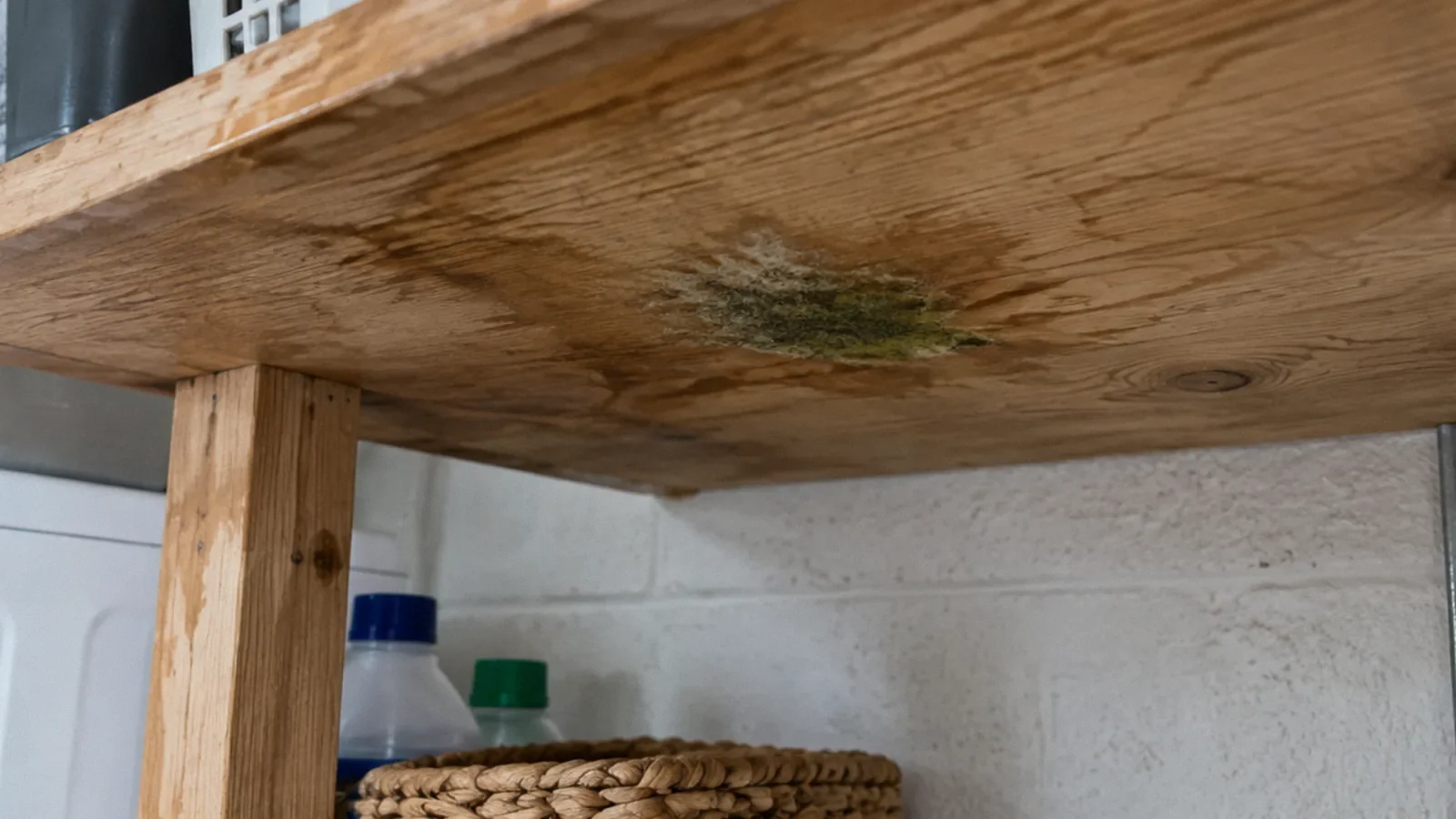
Visible growth needs an appropriate cleaning or removal plan. EPA notes that some porous materials may be difficult or impossible to clean completely and may need to be discarded. The decision depends on the material, contamination and extent; a machine cannot make that decision from across the room.
Cleaning and removal are different from masking odor
A change in odor does not establish that contaminated material has been removed. EPA notes that ozone can mask certain odors and is not considered useful for odor removal in building ventilation systems. A persistent musty smell is a reason to investigate moisture and hidden conditions, not simply to add another scent or treatment.
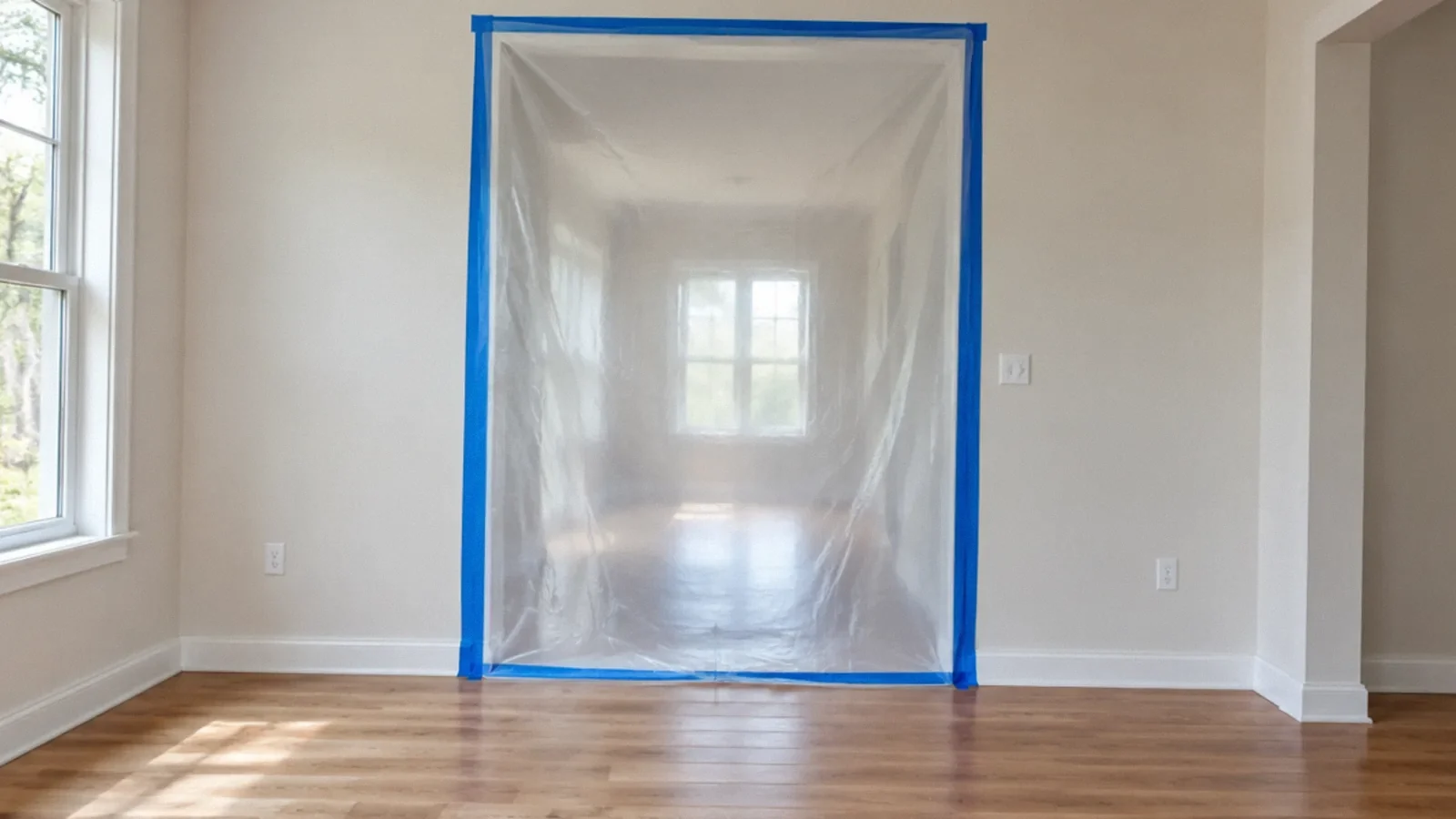
A small area on a suitable hard surface may be addressed using EPA cleanup guidance and appropriate protection. Extensive growth, contaminated water, HVAC involvement or uncertainty about safe cleanup warrants qualified assessment. Do not paint over visible mold or disturb suspect material unnecessarily.
Health and indoor exposure
Ozone can irritate the respiratory system. People with asthma, children, older adults and others with respiratory concerns may be especially sensitive. Symptoms and causes vary, so an article cannot diagnose an exposure or determine that a particular room is safe.
If someone develops concerning symptoms, move away from the suspected exposure and contact a healthcare professional. For an urgent medical emergency, call emergency services. Do not rely on a machine’s marketing language or a smell test as a measure of ozone concentration.
Air cleaners and filtration
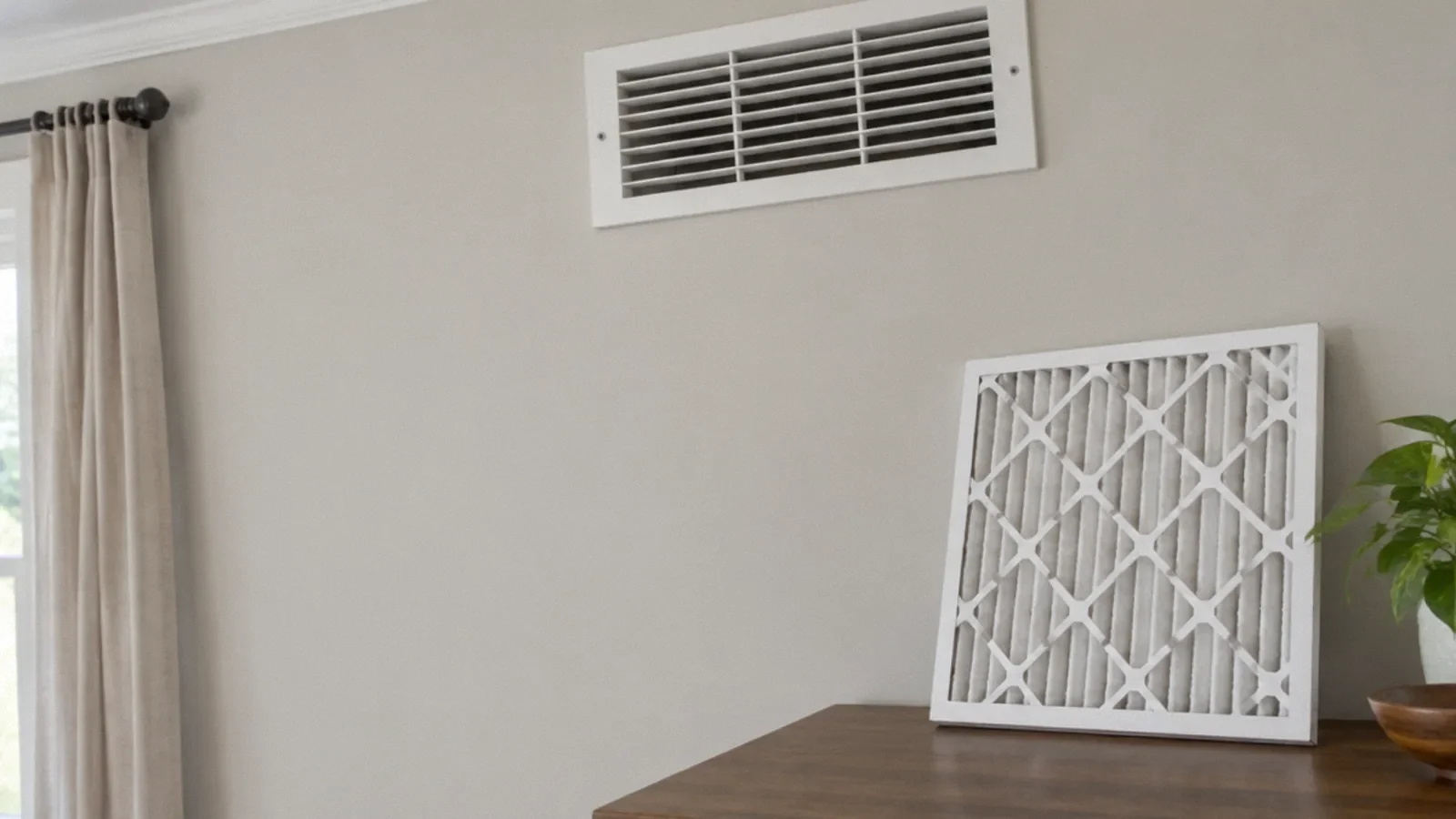
A portable air cleaner or HVAC filter may reduce some airborne particles, including particles associated with mold, when correctly selected and operated. EPA explains that air cleaning is a supplement to source control and ventilation, not a substitute. Settled growth and wet building materials still require attention.
Consider a device that does not intentionally produce ozone and follow its instructions for room size and filter maintenance. If an HVAC system is suspected of contamination, EPA advises against operating it until the problem has been evaluated because operation may spread material. Ask a qualified professional about the system.
Questions for a treatment provider
Ask the provider to identify the moisture source, affected materials, cleanup method and evidence that the work is complete. Request a written scope explaining whether materials will be cleaned or removed, how the area is protected and how dryness will be checked before reconstruction.
If ozone is proposed, ask for the purpose, exposure controls, applicable product information and how the plan actually addresses mold in porous materials. Do not accept an unqualified promise that ozone eliminates every spore or makes a building permanently mold-free. Get an independent assessment when a recommendation is unclear.
Prevent the problem from returning
Repair leaks promptly, control recurring condensation and maintain ventilation appropriate to the building and local conditions. Monitor previously wet areas for staining, moisture or odor after repairs, especially after rain or appliance use.
Keep inspection notes, photographs and repair records. If growth or moisture returns, investigate the original source and any missed pathway. The aim is a clean and dry assembly, supported by an appropriate assessment, rather than a temporary change in air or smell.
Your next-step checklist
- Do not use an ozone generator in occupied spaces.
- Identify and correct the moisture source.
- Clean or remove affected materials as appropriate.
- Do not treat odor change as proof of cleanup.
- Seek qualified help for extensive or concealed contamination.
Related questions
Will an ozone machine kill mold at safe indoor levels?
EPA says ozone applied to indoor air at concentrations not exceeding public health standards does not effectively remove mold and other biological pollutants.
Is ozone safe to run while people are home?
EPA says not to use ozone generators in occupied spaces because ozone can irritate the airways.
Can an air purifier replace mold remediation?
No. A suitable filter may reduce some airborne particles, but the moisture source and affected materials still need attention.
Does a missing musty smell prove mold is gone?
No. Odor can change or be masked. Assess the moisture source and affected materials.
Sources & context
Public guidance supports the principles in this article. The practical questions and examples are editorial interpretation, not a site assessment or a coverage decision. State-specific rules apply only where identified.
- EPA: Ozone generators sold as air cleanersfederal environmental health guidance
- EPA: Air cleaners and respiratory virusesfederal guidance
- EPA: Mold cleanup in your homefederal guidance
- CDC: Mold cleanup guidelinesfederal public health guidance