Mold remediation is the process of addressing a mold and moisture problem: identifying and correcting the water source, safely cleaning or removing affected materials, drying the area and checking the result. The scope depends on the location, affected materials and extent of damage; a small surface problem and concealed growth behind a wall may require different responses.
What remediation means in a home
Remediation means taking action to correct a problem. For household mold, that generally means more than making a stain disappear. A practical plan addresses both the material affected by growth and the moisture that allowed it to develop. Otherwise, the conditions for regrowth may remain.
Mold spores occur naturally indoors and outdoors; EPA says there is no practical way to remove every spore from an indoor environment. Be cautious of a promise that a treatment will permanently eliminate all mold spores. Ask instead how the work will correct the water source and address the affected materials.
Step 1: Assess the area and source of water
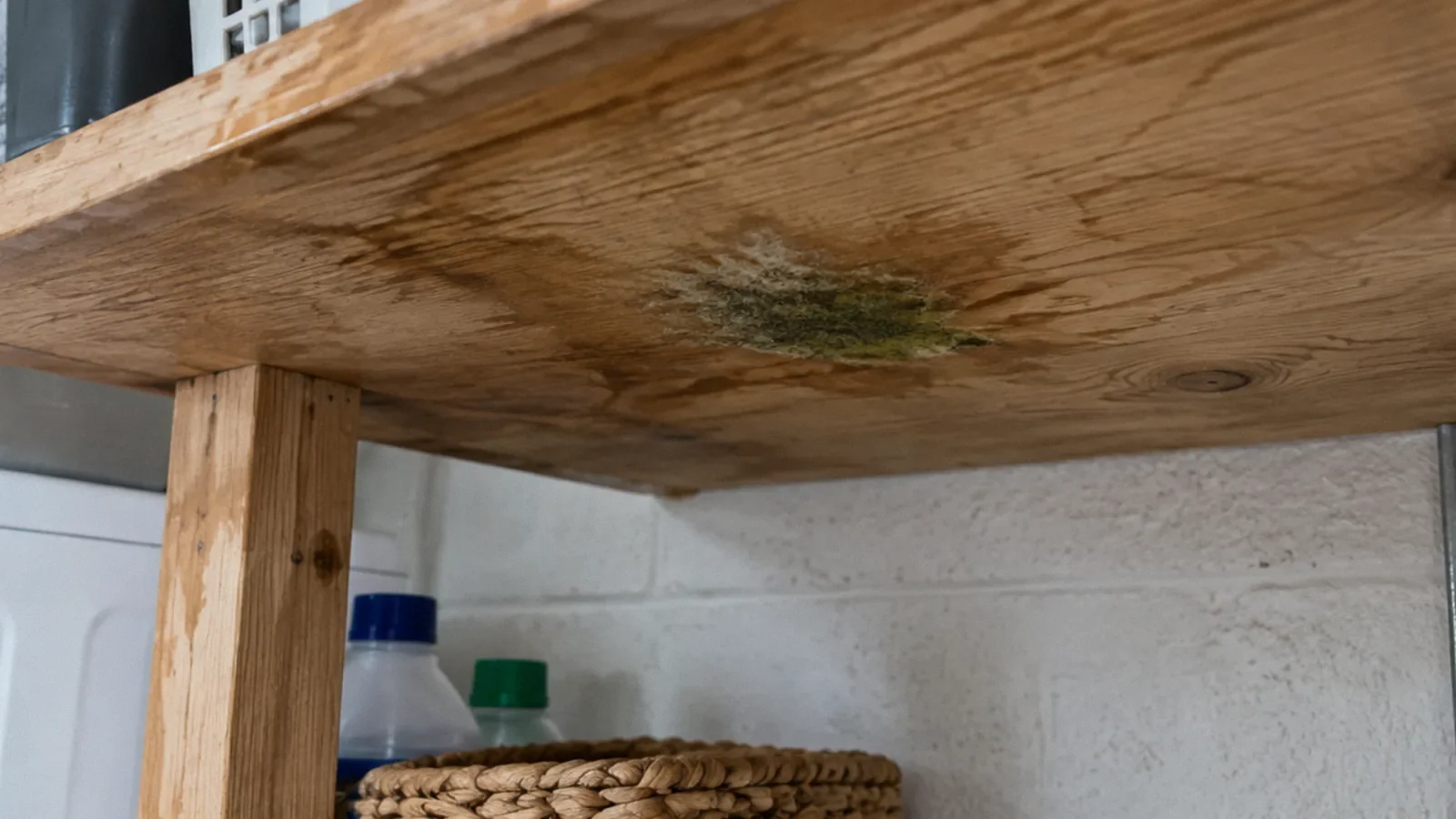
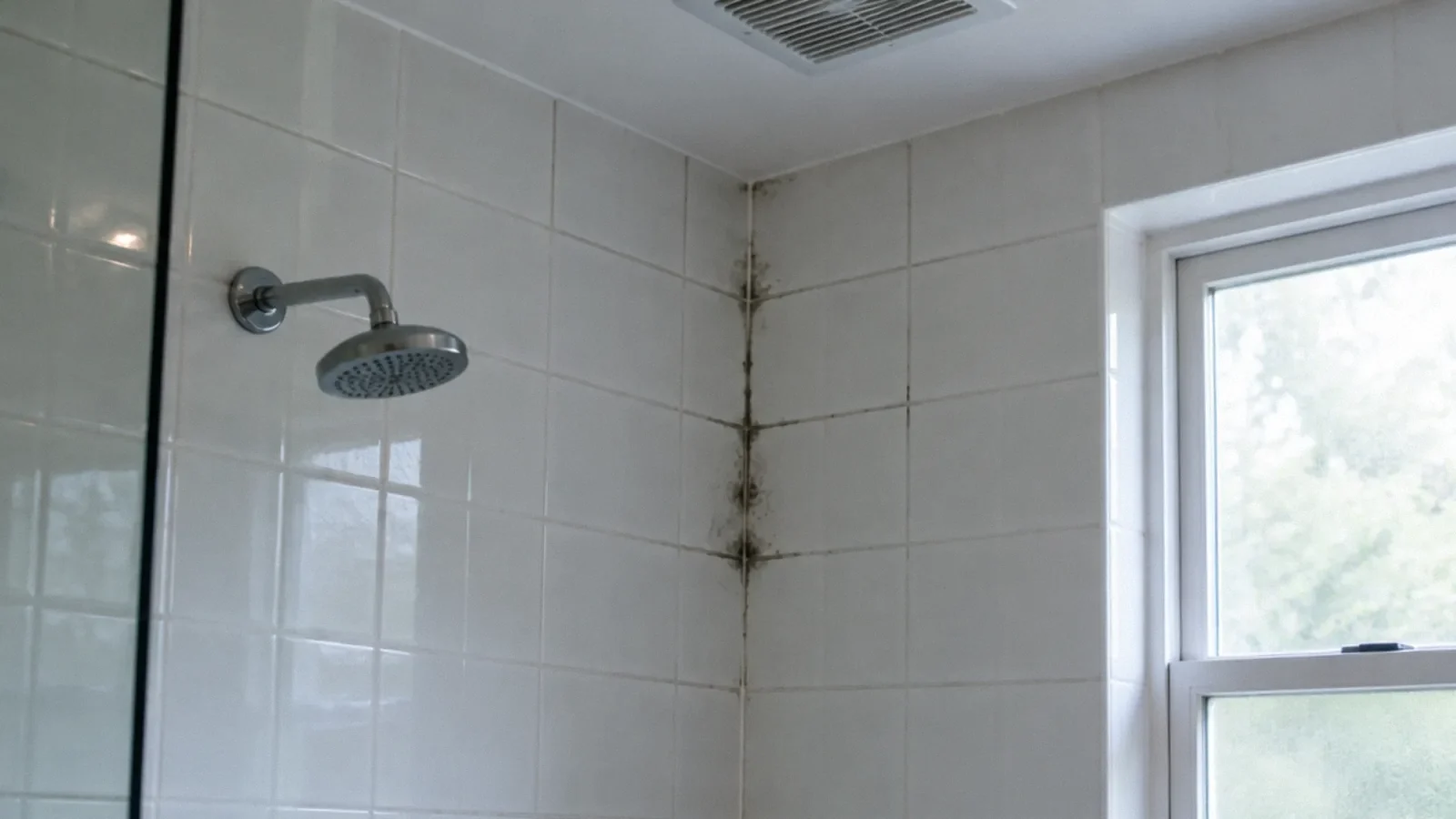
The first questions concern where moisture is entering, what materials got wet and whether damage may extend beyond what is visible. A leaky supply line, condensation at a cold surface and water entering from outside call for different repairs. An initial scope may change if workers uncover more damage.
Photographs, the history of the leak, repair records and an assessment of affected materials can help explain the problem. A visible patch does not tell you by itself how far water has traveled or whether a hidden cavity is affected. Avoid opening suspect materials without an appropriate plan for preventing disturbance and exposure.
Step 2: Plan protection and limit spread
The work plan should account for occupants, the affected area, the materials involved and how they will be disturbed. EPA’s remediation guidance for schools and commercial buildings describes selecting protective equipment and containment appropriate to the circumstances. A professional should explain which measures are relevant to your home and why.
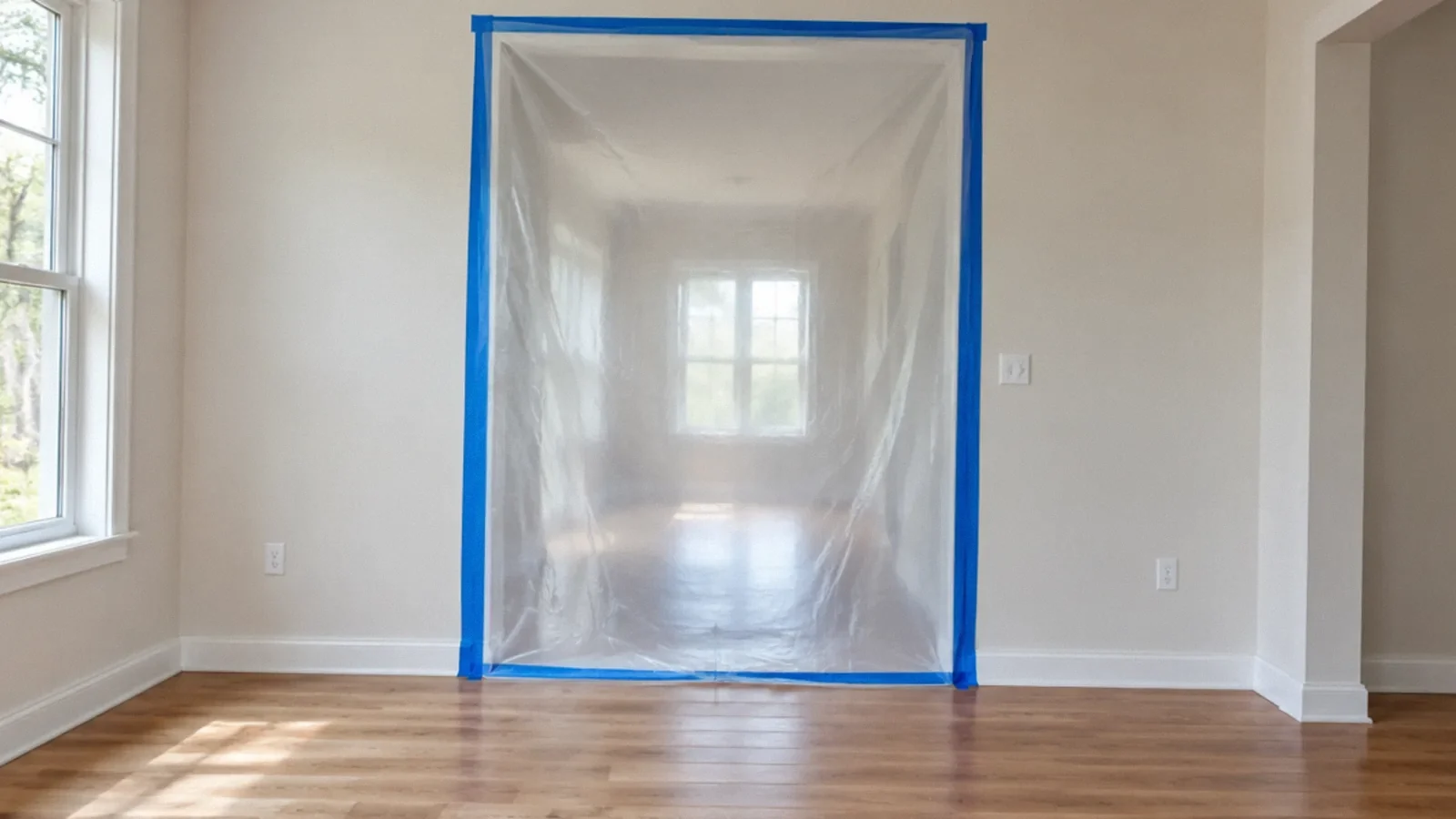
Some work may require isolating the affected space and managing air movement to reduce the spread of dust. Not every small job needs identical equipment or barriers. If anyone in the household has health concerns, discuss the situation and possible exposure with a clinician and the people planning the work.
Step 3: Repair, clean, remove and dry
Fix the water or moisture problem. EPA recommends scrubbing mold from suitable hard surfaces with detergent and water, then drying them completely. Absorbent materials may be difficult or impossible to clean thoroughly and may need to be discarded. Which materials can be kept depends on their condition and how they were affected.
Painting or caulking over mold does not address the underlying problem. Spraying a chemical alone is also not a substitute for physically addressing contaminated material and correcting moisture. Where water may contain sewage or other contaminants, use a qualified professional and an appropriate safety plan rather than treating it as ordinary clean-water damage.
Step 4: Check that the work addressed the problem
Before rebuilding or closing a cavity, ask how the contractor will document that the moisture source has been addressed, the materials are dry enough for the planned repair and visible contamination has been removed. Keep photos, invoices, moisture records if available and the written scope. Recheck the area if dampness or a musty odor returns.
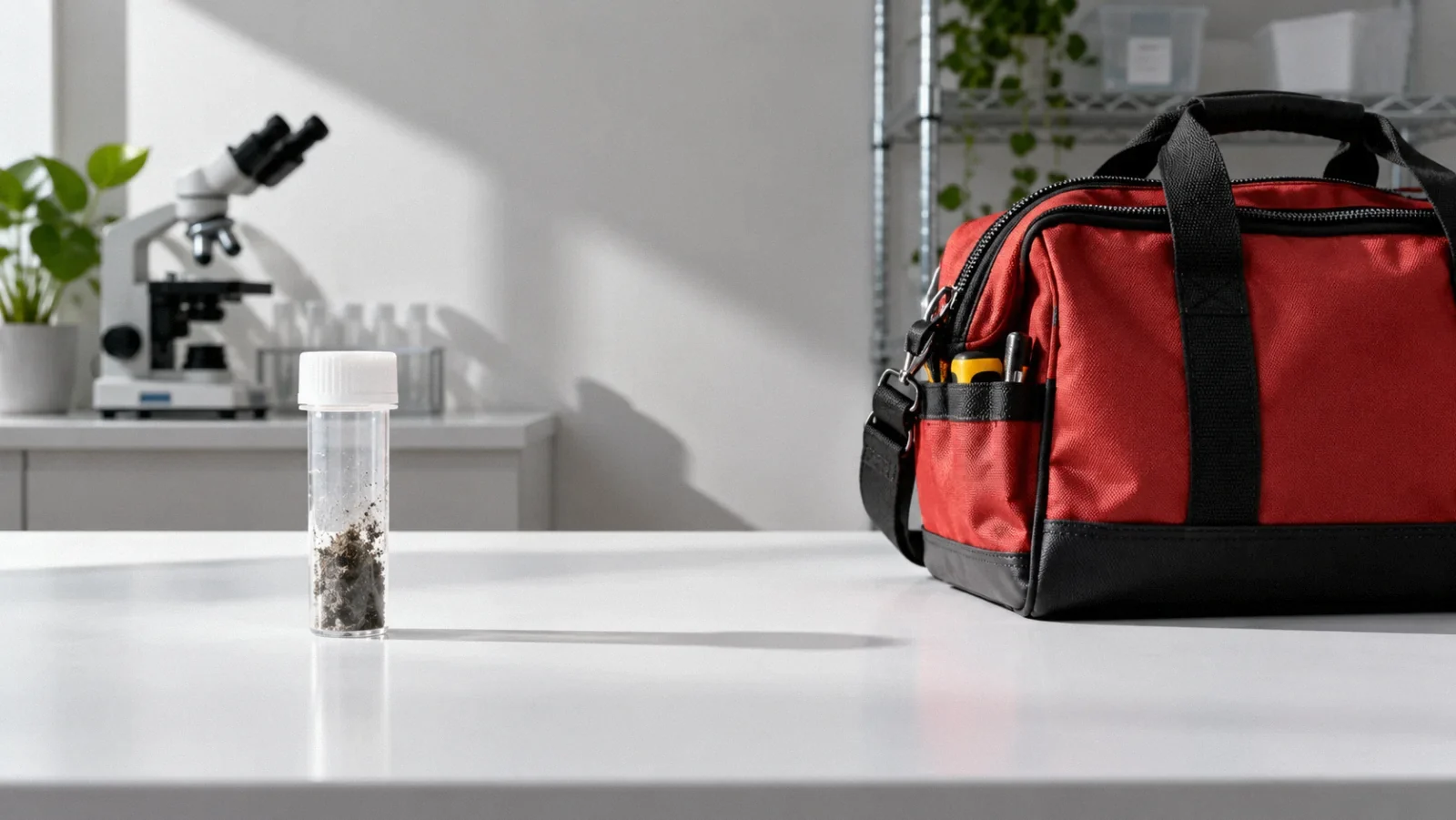
Testing is not automatically needed for every job. CDC does not recommend routine air sampling as the first step in evaluating a building. If a contractor proposes testing or a separate post-work assessment, ask what question it answers, who will perform it and how the result will affect the decision.
When to consider professional help
A limited amount of surface mold on a suitable hard surface may be manageable for some households using EPA and CDC guidance. Larger areas, concealed damage, recurring moisture, damaged porous materials, sewage contamination or uncertainty about the scope can justify experienced help. The size of a visible patch is only one part of the decision.
CDC advises people with asthma, mold allergies, chronic lung disease or weakened immune systems not to take part in mold cleanup. Anyone experiencing symptoms should consult a clinician; seek urgent care for severe or rapidly worsening breathing problems. A contractor cannot diagnose an illness from the appearance of a wall.
Questions to ask before approving a scope
Ask the contractor to identify the likely source of moisture, describe what will be opened or removed, explain how occupants and unaffected rooms will be protected, and provide a written scope. Clarify who will repair the leak, dry the area, dispose of debris and restore finishes, since those tasks may involve different parties.
Discuss possible changes if concealed damage is found, including how additional work will be priced and approved. Verify the credentials, insurance and any licensing requirements that apply to the proposed work in your jurisdiction. Do not rely on a generic label or a test result as a guarantee of competence.
Remediation, mitigation and restoration
These terms are sometimes used differently. In this guide, mitigation means limiting further loss, remediation means addressing contamination and its cause, and restoration means repairing the affected space. A single project may involve all three, and a proposal should spell out the actual work regardless of the label.
For a shower-specific surface problem, see the separate cleaning guide. For a general explanation of mold and moisture, see the introductory mold article. A written scope tailored to the particular building remains more useful than assuming every project follows the same sequence.
Mold removal versus remediation
People often use mold removal and mold remediation interchangeably. A proposal that uses either label should explain the work rather than implying that all mold spores everywhere can be eliminated. EPA describes remediation as addressing the moisture problem and cleaning or removing affected material.
Compare the inspection, containment, cleaning, removal, drying and verification in each written scope. A spray-only proposal or a promise to sterilize an entire building does not explain how the moisture source and affected materials will be addressed.
What to do after mold remediation
Before covering the treated area, confirm that the cause of moisture has been corrected and the materials intended to remain are dry enough for the planned repair. Review the agreed scope and check accessible surfaces for visible growth and debris. If the project includes independent post-remediation verification, make sure the reviewer can inspect before reconstruction conceals the work.
Clean and return belongings according to their material and the agreed scope; do not bring back items that remain damp or contaminated. Ask who is responsible for cleaning adjacent spaces, changing or evaluating affected HVAC filters, and disposing of removed materials. A damaged or persistent odor warrants investigation rather than perfume or paint.
After rebuilding, revisit the area and watch for recurring moisture, staining or musty odor, especially after rain or appliance use. Keep source-repair receipts, photographs, drying records and any inspection report together. If symptoms or contamination persist, consult an appropriate health or remediation professional rather than assuming a completion document settles every concern.
Limit spread during mold cleanup
Disturbing moldy material can release particles. Plan protection based on the area, material and occupants; close off the affected work area when appropriate and use qualified help for extensive damage or uncertain contamination. EPA’s disaster cleanup guidance advises against using fans when mold has already started growing because they may spread mold.
Containment and filtration plans vary with the work. Seal removed debris for transport and correct the water source. No ordinary home cleanup can remove every airborne spore, so the goal is to remove the growth, control moisture and avoid unnecessary spread.
A written mold remediation protocol
A useful written remediation plan identifies the area and materials to be addressed, the moisture source, occupant protection, containment or dust controls appropriate to the work, and how removed materials will be handled. It should also state how drying and visible cleanup will be checked before rebuilding.
An inspection can identify moisture and help define the work; sampling is not always necessary when growth is visible. Ask the inspector or remediation business about qualifications, the work scope and any testing relationships. The protocol should fit the actual building rather than promise that all spores will be eliminated.
Professional mold remediation standards
The IICRC describes ANSI/IICRC S520 as a procedural standard for professional mold remediation in buildings and contents. Its published overview identifies topics including inspection, safety, structural and HVAC work, documentation and post-remediation verification. Ask a provider which version and procedures it uses for the actual project.
A standard is not a substitute for assessing the specific building, following applicable law or correcting the moisture source. Ask for a written scope, protection plan and verification approach; do not assume a certification claim alone proves the work is complete.
Reducing airborne spores in the home
Mold spores occur indoors and outdoors, so there is no practical way to eliminate every spore from a home. Reduce the source first: repair the moisture problem and remove indoor growth using methods suited to the size and material. Avoid disturbing contaminated material or spreading debris into clean rooms.
A properly sized portable air cleaner or suitable HVAC filter can capture some airborne particles generated by mold, but filtration cannot remove growth embedded in a wet wall or correct a leak. Follow filter and equipment instructions; do not use a contaminated HVAC system until it has been assessed. EPA advises against air cleaners that intentionally produce ozone. See EPA’s Guide to Air Cleaners in the Home in the sources for selection and limitations.
Your next-step checklist
- Identify and address the water source.
- Request a written scope covering protection, cleaning, removal and drying.
- Ask how changes and concealed damage will be handled.
- Keep vulnerable household members out of cleanup.
- Document the completed work and check for recurring moisture.
Related questions
Does mold remediation remove every spore?
No practical method eliminates all mold spores indoors. Remediation focuses on the affected materials and the moisture conditions that allow growth.
Does all moldy drywall have to be replaced?
Porous materials can be difficult or impossible to clean completely and may need removal. The appropriate decision depends on the condition, contamination and extent of damage.
Is testing required before every remediation?
No. Visible mold and moisture need attention, and CDC does not recommend routine air sampling as the first step. Ask what decision any proposed test will inform.
How long does remediation take?
There is no reliable universal duration. The extent of damage, moisture source, drying needs, access and repairs all affect the schedule.
What do mold mitigation and mold abatement mean?
Both terms can describe measures to control or remove a mold problem. Ask what the written scope includes: identifying moisture, cleaning or removal, drying and checking the result.
What is the difference between mold mitigation and remediation?
Mitigation generally limits further damage, while remediation addresses mold contamination and its source. Contractors may use terms differently, so request a defined scope.
What are the steps in mold remediation?
The scope generally involves assessing moisture, protecting unaffected areas, cleaning or removing affected material, drying and checking the result.
How long does mold remediation take?
There is no universal duration. The affected materials, access, moisture source, drying and reconstruction determine the schedule.
What should I check after mold remediation?
Confirm the moisture source is repaired, affected areas are clean and dry, and any agreed verification is complete before rebuilding. Monitor for recurring moisture or growth.
Can I stay home during mold remediation?
It depends on the extent, containment, occupants and work plan. Ask the qualified contractor and property manager what areas must be unoccupied; people with health concerns should seek individualized medical advice.
Can mold remediation be dangerous?
Disturbing growth, contaminated materials or hidden building hazards can expose workers and occupants. The protection and containment plan should match the conditions; use experienced professionals for extensive or uncertain work.
Can mold simply be painted over?
Painting over suspected growth does not remove it or repair the moisture source. Assess the material and moisture, perform appropriate cleanup or removal, and finish only after the area is ready for rebuilding.
How long after mold cleanup is it safe to return?
There is no universal waiting period. Reentry depends on the affected area, containment, cleaning and drying, the products used and any applicable directions. Ask the contractor or independent assessor what evidence supports completion and when access is appropriate.
What if a musty smell remains after mold remediation?
A persistent odor warrants follow-up, but it does not by itself identify the source. Ask the contractor or an independent qualified assessor to review moisture, the completed scope and any inaccessible areas before adding fragrance or more chemicals.
What does level 3 mold remediation mean?
Labels such as “level 3” can be used differently in different guidance or proposals. Ask the provider which standard or document defines the term, what conditions were assessed and what controls and verification are included; a number alone does not describe the work.
Sources & context
Public guidance supports the principles in this article. The practical questions and examples are editorial interpretation, not a site assessment or a coverage decision. State-specific rules apply only where identified.
- US EPA: Mold cleanup in your homeofficial guidance
- US EPA: What is mold?official guidance
- US EPA: Mold remediation planning guidanceofficial guidance for schools and commercial buildings
- US EPA: Mold remediation guidelinesofficial guidance for schools and commercial buildings
- CDC: Mold cleanup guidelinespublic health guidance
- CDC/NIOSH: Mold testing and remediationpublic health guidance
- EPA: Checklist for mold remediationofficial guidance
- EPA: Homeowner’s guide to mold cleanup after disastersfederal disaster cleanup guidance
- IICRC: S520 professional mold remediation standardindustry standard publisher
- EPA: Guide to Air Cleaners in the Homeofficial guidance