Some coatings are designed to resist mold or mildew on the paint film when used as directed. They do not fix leaks, dry a wet wall, or make it safe to paint over existing mold. Correct the moisture source and clean and dry the surface first.
What a mold-resistant coating can do
Some paints and primers are marketed with ingredients intended to help resist mold or mildew on the dried coating. The particular claim, surface, conditions and application instructions depend on the product. Read the actual label and technical information before assuming a coating will work in a bathroom, on masonry or over a particular primer. A coating that protects its own film does not necessarily protect the wall cavity behind it.
Moisture control remains the central measure. EPA advises fixing water problems and drying surfaces and materials completely. Even a suitable coating cannot stop rain entering through a defective window or prevent a plumbing leak behind drywall. It is best considered an additional finish choice after the underlying problem has been addressed, not the repair itself.
Do not paint over existing mold
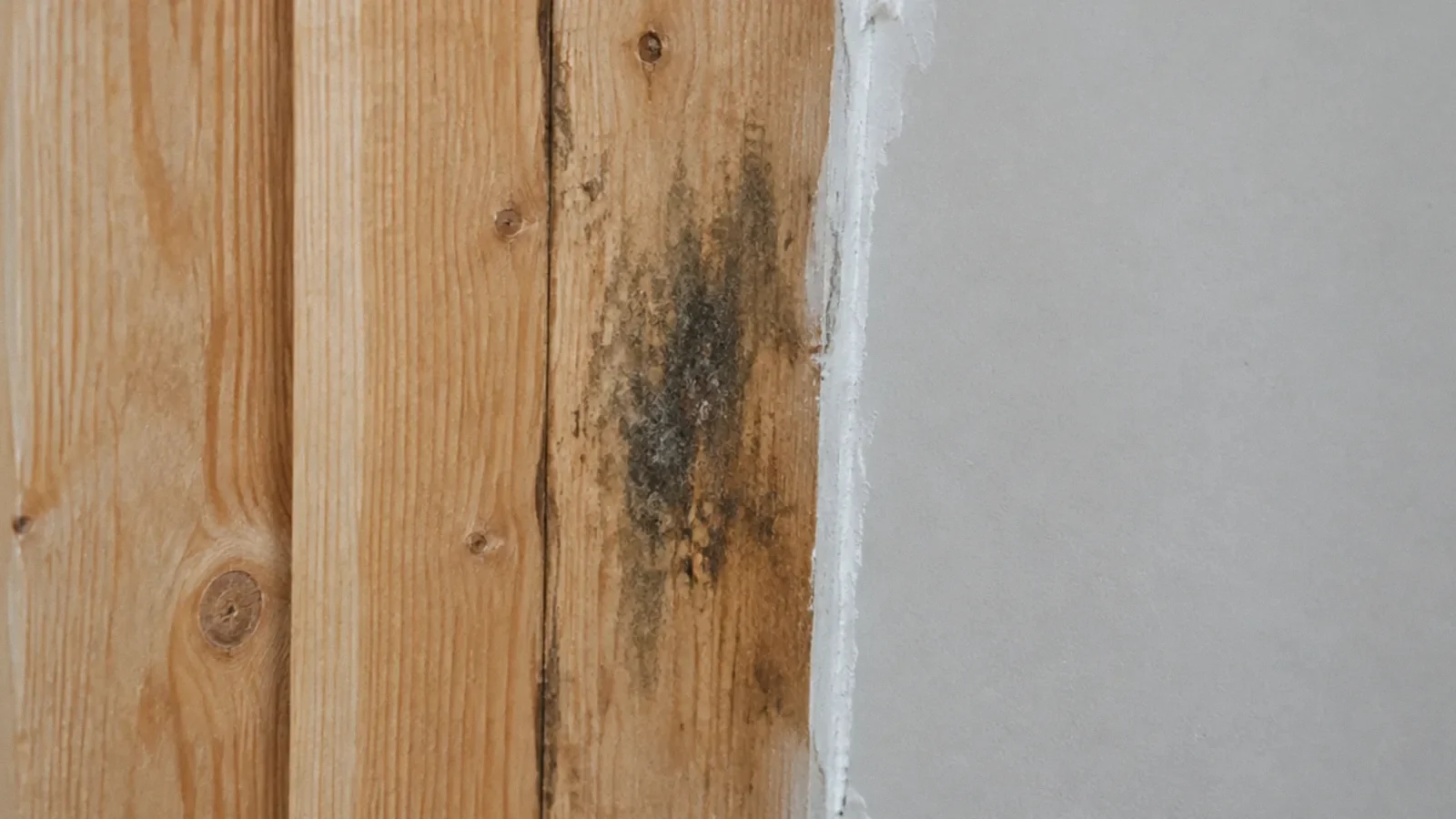
EPA explicitly advises against painting or caulking moldy surfaces. The surface should be cleaned and dried before painting; paint applied over mold is likely to peel. Covering discoloration may hide evidence of an unresolved problem without removing growth or moisture. A fresh coat can make it harder to see whether a stain is returning.
The correct cleanup depends on the material and extent. EPA describes scrubbing mold from hard surfaces with detergent and water and drying them completely. Porous materials such as moldy ceiling tiles and carpet may need to be discarded because mold can grow within them. A damaged wall covering or saturated drywall may need evaluation or replacement rather than a surface treatment.
Find the reason the surface became damp
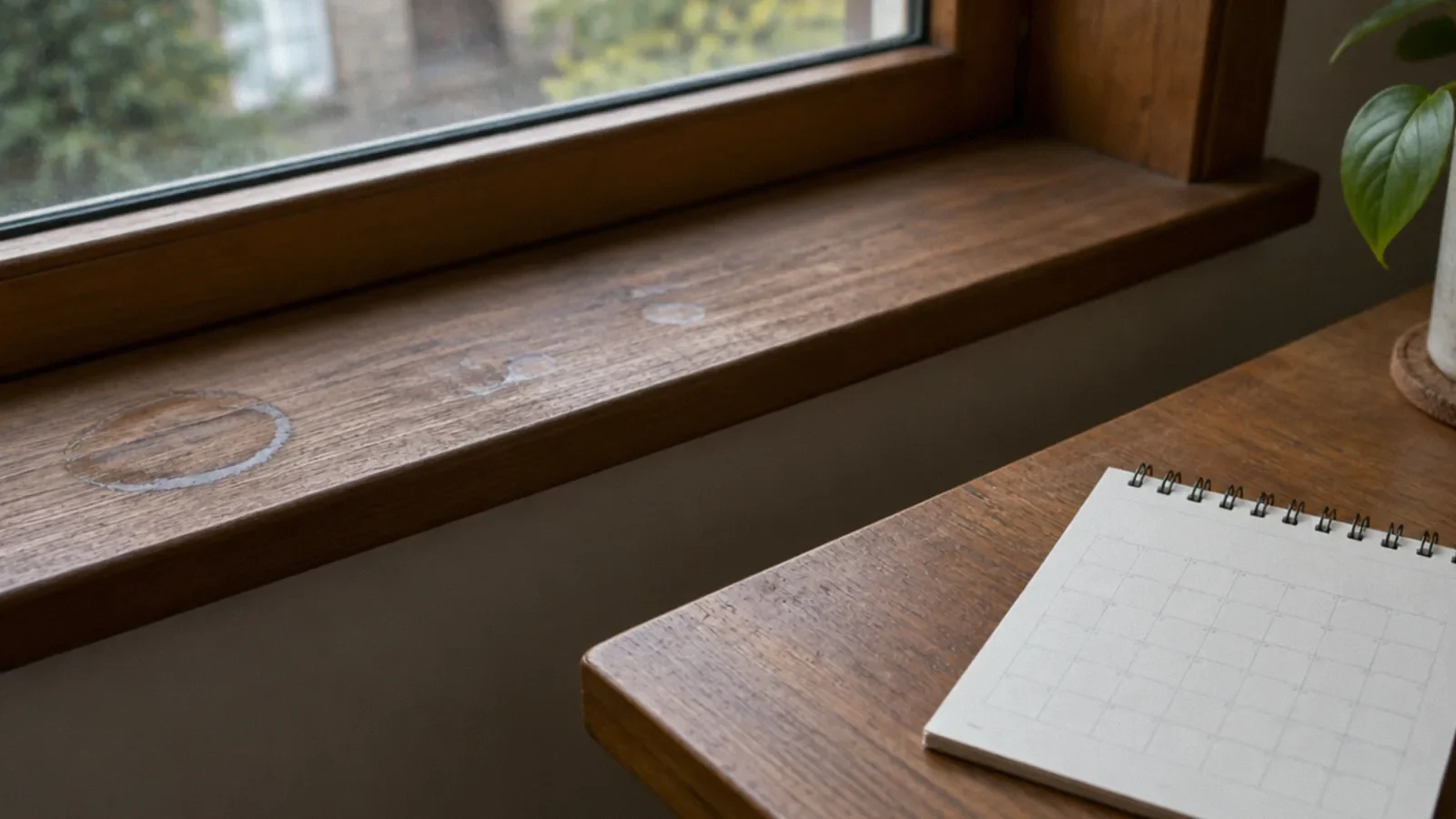
Look for the timing and location of water. Condensation may form on a cold bathroom wall after showers, while a stain that grows after rain may suggest water entering from outside. Wetness under a fixture can point to plumbing. The appearance of a spot is not a reliable test for the source or mold species. If the source is unclear, recurring or concealed, arrange an appropriate inspection.
Repair the leak or other source before finishing the surface. Improve bathroom or kitchen exhaust where appropriate, and check whether fans actually discharge outdoors. Wipe condensation and use a hygrometer to understand persistent humidity. EPA recommends keeping indoor relative humidity below 60%, ideally between 30% and 50% where possible. A coating cannot compensate for continuous wetting.
Prepare and choose a compatible finish
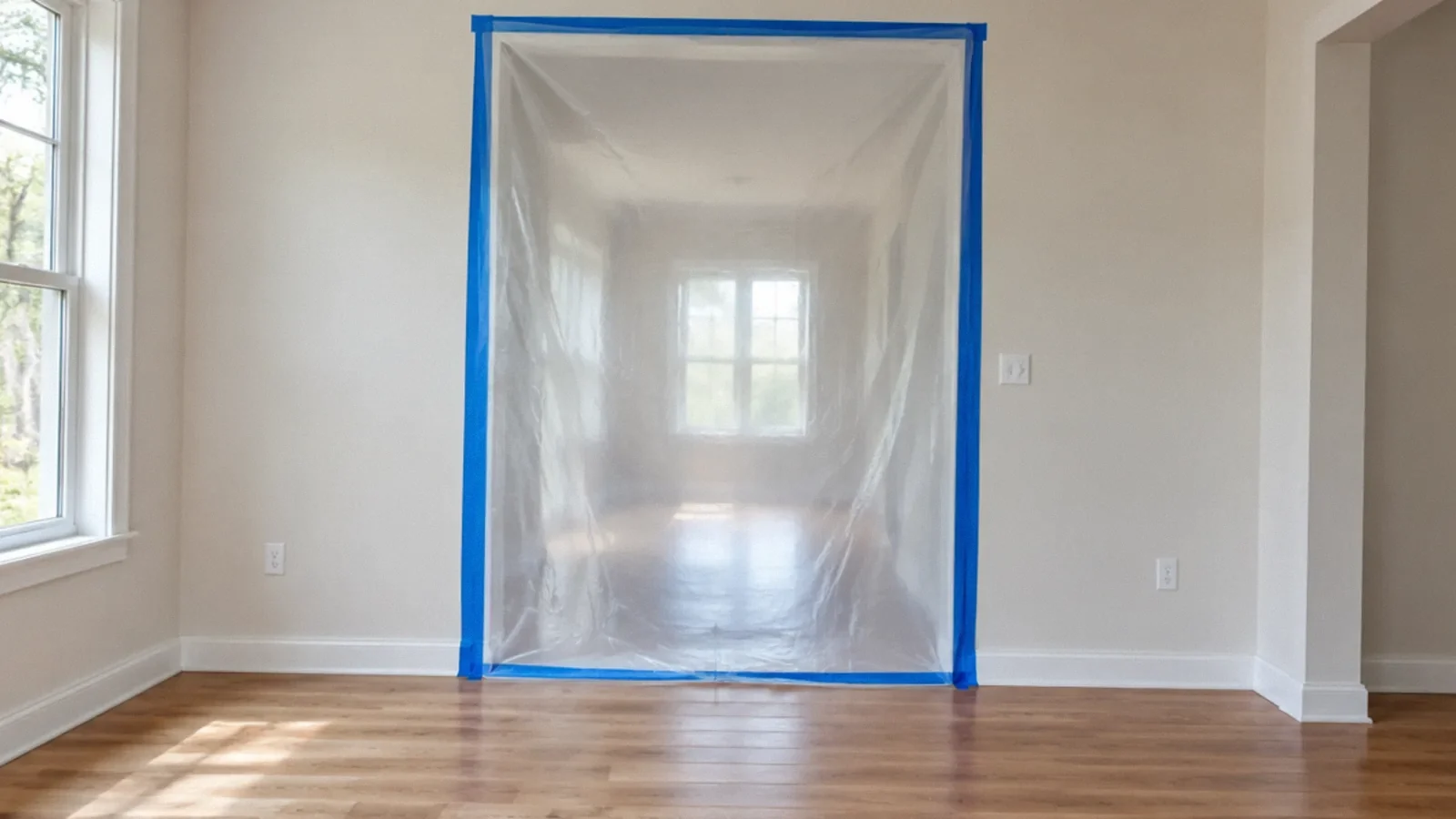
Once the source has been corrected, clean and dry the surface according to the material and product instructions. Remove loose or damaged finish only by methods appropriate for the building and coating. Older painted surfaces may involve lead; do not create dust by sanding or scraping without checking the applicable guidance and arranging trained help where needed.
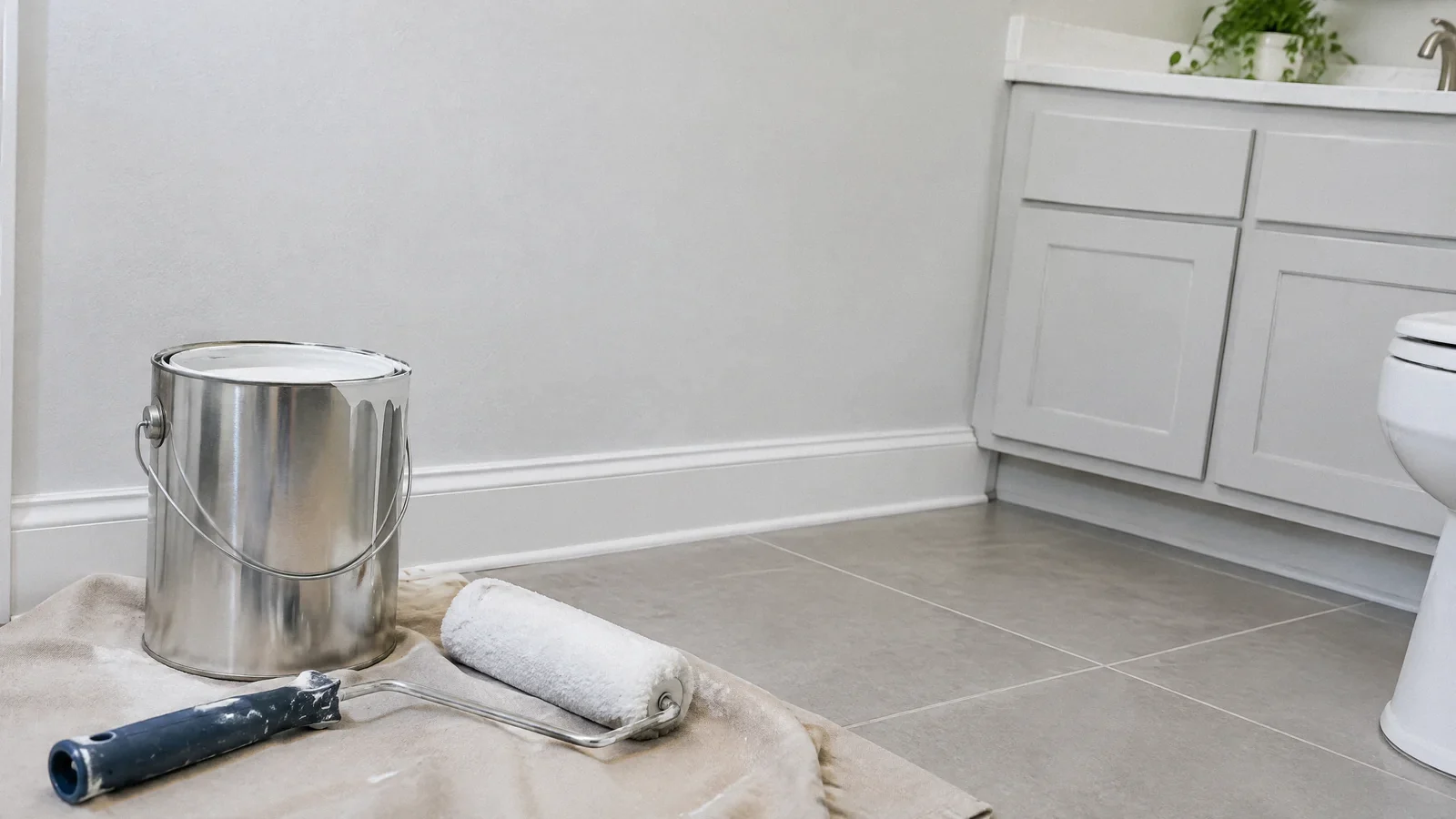
Select a paint formulated for the intended room and substrate. Read the label for surface preparation, primer compatibility, application conditions, ventilation, drying time and any cleaning limitations. Some products are not suitable for every material or area exposed to repeated direct water. Ask the manufacturer if the instructions are unclear. Do not mix additives or assume that a primer and topcoat from different systems are compatible.
Allow the coating to dry and cure as directed before exposing it to routine moisture or cleaning. Open windows or use ventilation when safe and as the label directs. Keep products away from children and pets and follow the instructions for storage and disposal. A claim on a can is not evidence that a hidden wall cavity has been remediated.
When to bring in a professional
EPA says a homeowner can often handle a small moldy area under approximately 10 square feet, but the circumstances matter. Larger areas, damage associated with sewage or contaminated water, persistent dampness, concealed growth or a heating and air-conditioning system need more specialized evaluation. If the area returns after cleaning, investigate the moisture source rather than repeatedly repainting.
Individuals with asthma, allergies, immune suppression or other health concerns should avoid exposure and seek medical advice appropriate to their situation. A qualified remediation professional can assess the extent, containment needs, material removal and verification of drying. Ask for a written scope that identifies how the water source will be corrected and how affected materials will be handled.
Check the result over time
After the surface is cleaned, repaired and refinished, watch for recurring condensation, musty odor, peeling or stains. Record when and where a problem returns; weather and water-use patterns can help an inspector investigate. Do not infer that a surface is dry behind the finish merely because it feels dry on top.
Maintain the exhaust fan and address leaks quickly. If moisture returns, correct it before the finish deteriorates. Where a previously affected wall remains sound and dry, a product used according to its label can be part of the finishing plan; it is not a guarantee that mold will never grow.
Your next-step checklist
- Find and fix the source of moisture.
- Clean or remove affected materials as appropriate, then dry thoroughly.
- Check product suitability, preparation and ventilation instructions.
- Apply compatible coatings as directed.
- Monitor the area and investigate recurring moisture.
Related questions
Can mold-resistant paint kill mold inside a wall?
Do not assume so. EPA advises cleaning mold and correcting the water problem before painting; a coating on the surface does not repair concealed damage.
Will a mold-resistant finish guarantee a mold-free bathroom?
No. It may help protect the coating as described on its label, but ventilation, moisture control and prompt repair remain necessary.
Sources & context
Public guidance supports the principles in this article. The practical questions and examples are editorial interpretation, not a site assessment or a coverage decision. State-specific rules apply only where identified.