Mold color alone cannot establish species, health consequences, age, or repair cost. Investigate the moisture source and extent of growth, then choose cleanup methods for the affected materials and exposure conditions.
What a photograph actually establishes
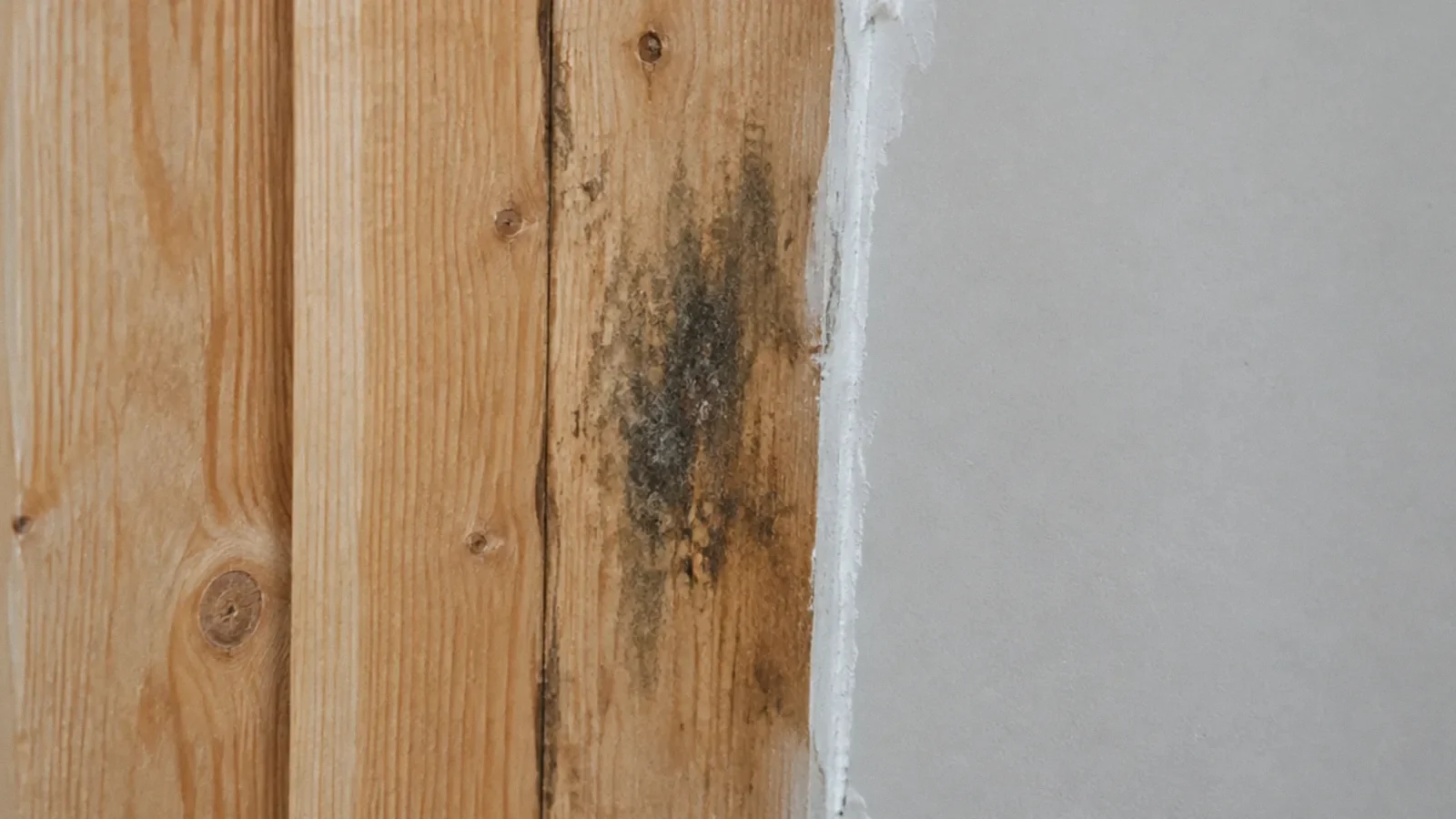
A photograph can document discoloration, location, and the approximate visible extent at a particular time. It cannot reliably distinguish every fungal growth from dirt, soot, adhesive residue, or staining. Even when growth is obvious, color is an inadequate basis for identifying a species. Lighting, surface finish, and mixed growth make image-only conclusions especially weak.
CDC describes Stachybotrys chartarum as a mold associated with sustained moisture on cellulose-containing materials. It also explains that identifying the mold type is not necessary for deciding that indoor growth should be removed. 'Black mold' is therefore a poor shorthand for either a harmless stain or an exceptional emergency. The responsible description is what was observed, where, and under what moisture conditions.
“Regular mold” is an everyday expression, not a scientific category that separates harmless growth from black mold. CDC describes several common indoor mold groups and explains that indoor growth needs cleanup and moisture control regardless of its type. Neither a familiar appearance nor a dark color establishes an individual health risk.
Why dark-looking growth can develop
Mold needs moisture and a suitable material to grow. Leaks, condensation or other persistent dampness can allow growth on materials in walls, ceilings or other parts of a building. A dark color does not establish which organism is present or whether the moisture came from one particular source.
Molds also occur outdoors, and wet concrete or other surfaces can support growth when conditions and available material permit. Investigate the water pathway, affected materials and extent rather than trying to infer the species or age of growth from color alone.
Spores, dust and dark growth
Molds release microscopic spores, but a dark dust or patch cannot be identified as a particular mold by appearance alone. CDC notes that spores are common indoors and outdoors; a building concern is unwanted growth supported by moisture.
Dead mold can still cause allergic reactions, according to EPA. Do not disturb suspect material unnecessarily. Ask an experienced professional how to address visible growth and the source of dampness without spreading debris.
Separate the building question from the health question
The building question is whether there is unwanted growth or water damage and how to correct it. The clinical question concerns an individual's symptoms, medical history, and exposure circumstances. A laboratory species name does not by itself answer the clinical question. CDC notes the limits of linking Stachybotrys to specific symptoms, while NIOSH describes established associations between damp buildings and respiratory or allergic problems.
People with persistent symptoms should discuss them with a clinician. Difficulty breathing or another acute medical concern needs timely medical care, not an online comparison of mold photographs. A building contractor should not diagnose a person's illness from a wall sample. Conversely, the absence of a diagnosis does not justify leaving a recurring moisture problem unresolved.
Choose the investigation around decisions
Ask whether a test would change the proposed work. If growth is visible on a wet porous material that cannot be effectively cleaned, a species label may add little to the removal decision. If the issue is whether a dark mark is growth at all, a qualified investigator can explain whether targeted examination or sampling would resolve that uncertainty. Testing should have a defined purpose before money is spent.
The inspection should describe the leak source, affected assembly, accessible surfaces, and limits. A cabinet toe kick with visible dark growth may be one part of a larger concealed area, but it does not prove every cabinet is affected. Look for a clear distinction between observed damage, likely migration paths, and locations that have not yet been opened or measured.
Warning signs in a proposed scope
Be cautious when the entire proposal rests on phrases such as 'toxic black mold everywhere' without a location map or material list. Ask what was directly observed and what additional investigation is proposed. An expensive response can be justified by extensive contamination, difficult access, hazardous materials, or vulnerable occupants, but those reasons should appear in the scope rather than being replaced by an alarming label.
The opposite error is dismissing growth because it is white, light gray, or described as mildew. Color does not make indoor growth desirable. A sound proposal addresses physical removal or disposal, moisture correction, protection of adjacent areas, and verification. It should explain when a broader investigation becomes necessary if more damage is exposed.
A useful description for a contractor
Describe the observed area using location, material, size, and moisture history. For example, dark spotting on the paper backing of a removed cabinet panel after a documented supply leak provides more direction than a photograph titled toxic mold. Ask the contractor to explain whether the proposed scope would change if the same growth appeared gray rather than black. If color is the only reason offered for a much larger scope, request the missing evidence about extent, access, contamination, or material condition before accepting the proposal.
How to record the finding without exaggeration
Use language such as 'dark suspected growth on the back of the bathroom vanity, photographed after the supply leak was discovered.' Keep the original image with a wider view showing location. If a professional confirms growth, retain the report and its methods. Do not add a species name that was never established or a precise age based on appearance.
For a sale, rental complaint, or repair dispute, factual descriptions are more useful than dramatic terminology. Record what changed after cleanup and whether the moisture source has been tested under normal conditions. Residual staining may remain on a cleaned material, but that conclusion requires an assessment of the actual surface, not simply a decision to rename a suspicious patch as a stain.
What to do when you see black-looking mold
Keep people away from a large or disturbed area and do not scrape it or paint over it. Look for the moisture source from a safe location, and stop an accessible leak if doing so is safe. The color cannot establish the species or whether it is more dangerous than another visible growth.
For a small area on a suitable hard surface, follow EPA cleanup guidance and use appropriate protection; porous materials can be difficult to clean completely. Seek experienced help for extensive growth, contaminated water, HVAC involvement or uncertainty about safe cleanup. People with health concerns should consult a healthcare professional.
Dark growth on the exterior of a house
Dark material on siding or exterior walls may have several causes, including biological growth, dirt or staining. Color alone does not identify a mold species or establish risk. Look for recurring moisture, drainage or shaded damp surfaces without climbing a roof or disturbing a large suspect area.
Cleaning depends on the siding and coating. Follow the manufacturer’s instructions, avoid forcing water behind siding and keep cleaning chemicals out of storm drains. A qualified exterior-cleaning or remediation professional can assess extensive growth, damaged material or hard-to-reach areas.
Where dark-looking mold may grow
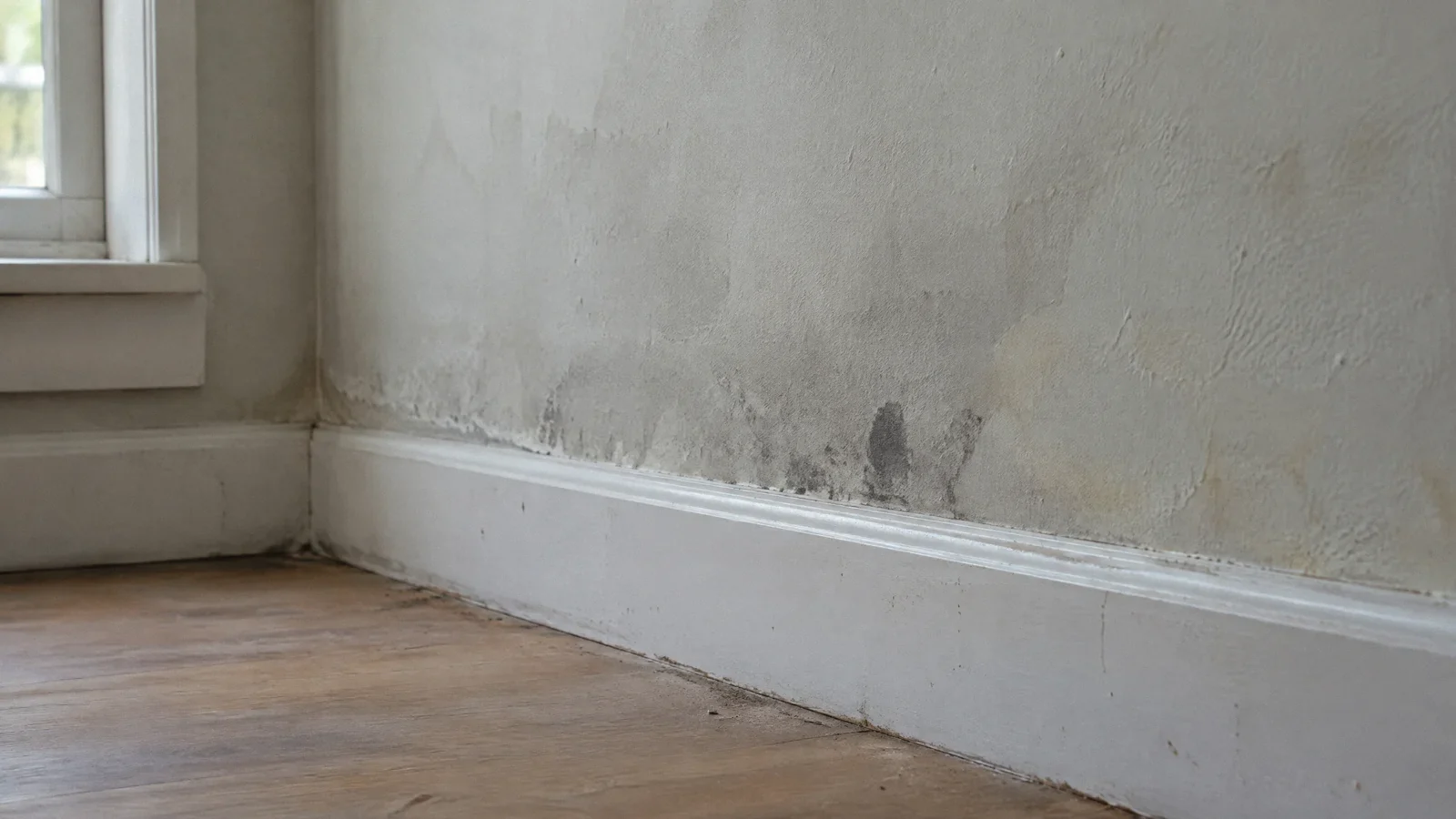
Dark patches may appear where moisture persists: around window condensation, behind plumbing leaks, on damp drywall or wood, and in poorly ventilated bathrooms, basements or attics. Growth can occur in other colors too. A black spot is not a reliable identification of a particular species.
Investigate and correct the water source, avoid disturbing suspect material unnecessarily, and use cleanup precautions suited to the affected area and material. If the area is extensive, contaminated by sewage, or difficult to reach safely, arrange a qualified assessment.
Where to see real mold photographs
EPA’s Mold Image Library, linked in the sources below, contains labeled photographs of mold and similar-looking deposits on building materials. Use them as reference examples, not a way to identify an organism or determine risk from a picture.
If a patch is uncertain, investigate the moisture and affected material. An experienced professional can assess a significant or inaccessible area and explain whether a specific test would answer a useful question.
Your next-step checklist
- Photograph both the close detail and the room location without disturbing suspected growth.
- Ask what evidence supports identification and what a test would change.
- Base scope on moisture, materials, extent, access, and occupants rather than color.
- Keep health evaluation with a clinician and building evaluation with qualified investigators.
- Require the report to distinguish confirmed findings from suspected concealed damage.
Related questions
Can white mold be ignored?
No. Color does not establish whether growth is acceptable or what cleanup is needed. Investigate moisture and the material involved.
Does a species result prove the house caused symptoms?
No. A building sample is not a medical diagnosis or a measure of one person’s exposure. Bring concerns and relevant records to a clinician.
Can a contractor tell how many years mold has been growing?
Appearance alone cannot establish a precise age. Leak records, dated photographs, and repair documents provide better evidence of the moisture history.
What does black mold look like?
A dark patch may be fungal growth or another residue, and appearance alone cannot identify a species or establish a health risk. Investigate moisture and the affected material.
What causes black-looking mold in a house?
Moisture from leaks, condensation or another source can support mold growth. Dark color does not identify the organism, so the source and materials need assessment.
Can mold grow outside?
Yes. Molds are common outdoors as well as indoors. Indoor growth should be addressed together with the moisture problem.
Does black dust prove black mold spores are present?
No. Color and a photograph cannot identify the material or species. Investigate moisture and have the area assessed as needed.
Is the black material dust or mold?
Color alone cannot distinguish dust from mold. Consider moisture and other evidence, avoid disturbing the material and ask a qualified professional when identification affects the cleanup decision.
How can I tell whether mold is toxic or dangerous?
Appearance alone cannot establish species, toxin production or an individual health risk. Address the moisture and growth; consult a healthcare professional about symptoms and a qualified assessor when needed.
Can black-looking mold be powdery or fuzzy?
Growth can have different textures, but dust and other material can look similar. Color or texture alone cannot identify the organism, and mold can also appear in many other colors.
Can color alone show whether dark mold is toxic?
No. Color does not reliably identify the organism or establish a health risk. Address the moisture source and seek appropriate assessment.
Is black mold always slimy or a particular species?
No. Color and texture cannot reliably identify the species or establish a health risk. Address moisture and seek appropriate assessment.
Is brown mold different from black mold?
Color alone cannot reliably identify the organism or determine risk. Address the moisture source and seek appropriate assessment when growth is suspected.
Is green mold safer than black mold?
Color alone does not identify the organism or establish a health risk. Correct moisture and seek appropriate assessment for suspected indoor growth.
How common is black-looking mold?
Dark-looking growth can occur in damp places, but appearance alone cannot identify its species and a reliable percentage cannot be inferred from color.
Is a small black patch automatically safe?
No. Color and size alone do not establish a person’s risk or identify the growth. Address the moisture source and use a cleanup method appropriate for the material and extent.
What does black, hairy-looking mold mean?
A dark fuzzy patch may be fungal growth or another material, but appearance cannot identify a species or establish toxicity. Investigate moisture and avoid unnecessary disturbance.
What are the beginning stages of black-looking mold?
Small spots may grow when moisture persists, but color or size cannot identify a species or reliably date its growth. Investigate and correct the moisture source instead of waiting for a larger patch.
What is the worst mold?
There is no useful ranking based on a color or photograph. Health effects depend on the organism, exposure and person; any indoor growth warrants addressing the moisture problem.
Is surface mold the same as black mold?
Surface describes location, while black describes appearance. Neither phrase identifies a species or shows whether growth extends into a material; investigate the moisture and material condition.
Is dried black-looking mold harmless?
Drying does not automatically remove growth or establish that it is harmless. Avoid disturbing suspect material and address the moisture source and affected materials.
Does black mold wipe off?
Some dark surface material can wipe away, but wiping does not identify it or prove that hidden contamination has been removed. Avoid disturbing extensive growth, correct moisture and use a cleanup approach suited to the affected material.
Sources & context
Public guidance supports the principles in this article. The practical questions and examples are editorial interpretation, not a site assessment or a coverage decision. State-specific rules apply only where identified.
- CDC: Facts about Stachybotrys chartarumofficial
- EPA: Mold, moisture and your homeofficial
- CDC/NIOSH: Mold in the Workplaceofficial
- CDC: Mold and moisturefederal health guidance
- U.S. EPA: Mold and moisture guidefederal guidance
- U.S. EPA: Mold image libraryfederal photographic reference
Community questions behind this topic
These discussions helped identify reader concerns. They are anecdotal, not technical or legal authority.