We did not find a reliable annual U.S. count specifically attributable to household black mold. CDC fungal disease estimates cover multiple diseases and cannot be relabeled as deaths caused by black-looking growth in homes.
Is there a reliable annual number?
We did not find a reliable U.S. annual count specifically of deaths caused by exposure to household “black mold.” The phrase does not identify one organism, one medical condition or one exposure pathway. A meaningful count would need a consistent definition, a population, a period and a method for establishing the cause of death.
That gap does not mean damp buildings are harmless. It means that a broad fungal-disease statistic or a dramatic unsourced number cannot answer the particular household question. Evaluate the building moisture and any individual health concerns on their own evidence.
What the CDC fungal disease estimate counts
CDC estimates deaths associated with fungal diseases using national death certificate data. Its overall estimate includes several different fungal diseases, such as candidiasis, aspergillosis and other mycoses. CDC notes that fungal diseases are underdiagnosed and underreported and that national surveillance does not yet cover all fungal diseases.
The estimate is about fungal diseases as a group, not a count of deaths attributable to black-looking growth in homes. A death certificate category is not automatically a record of where an exposure occurred or whether a particular damp wall caused the disease. Do not relabel the total as household black-mold deaths.
Infection is different from damp-building effects
Some fungal infections can be severe or life-threatening, particularly in people with certain medical risk factors. Infection involves a fungus causing disease in body tissues. A clinician evaluates the condition and relevant tests. The presence of mold in a room does not by itself establish infection, its route or the source.
Separately, public health agencies describe associations between damp or moldy buildings and respiratory or allergic symptoms, including worsening asthma in some people. These are important health concerns, but a population association does not prove that a particular symptom or death was caused by a particular surface in a particular home.
Why the term black mold is imprecise
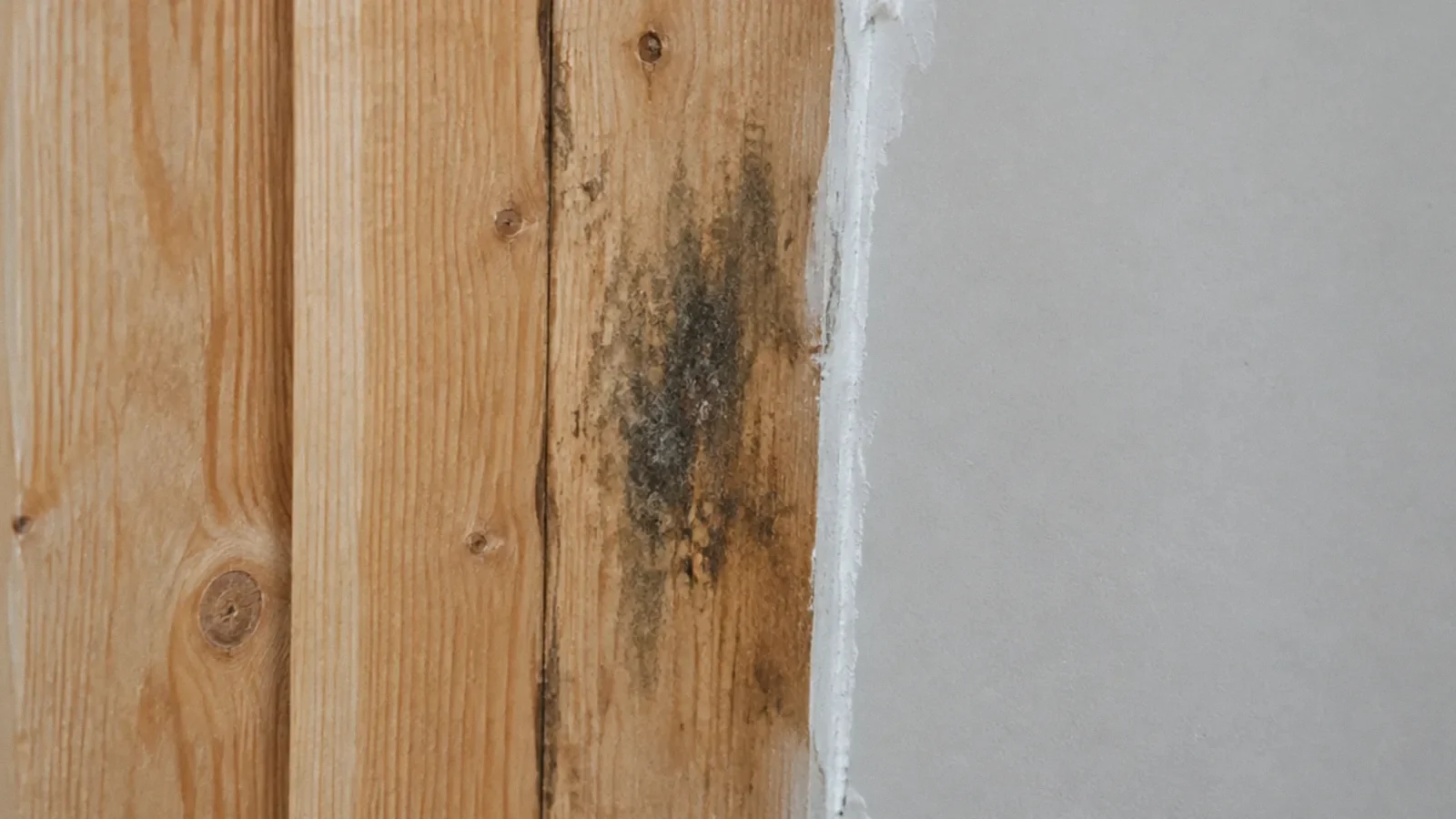
Many materials can appear dark, and different molds can have similar colors. Lighting, substrate and mixed growth also affect appearance. CDC discusses Stachybotrys chartarum as one mold associated with sustained moisture on cellulose-containing materials, but a black patch is not proof that this organism is present.
Color alone cannot establish the organism, exposure dose, health effect or fatality risk. Conversely, growth does not become acceptable merely because it is a lighter color. Identify and correct the water problem and assess the affected materials regardless of color.
How to evaluate a number you encounter
Look for the source, country, year and definition. Does it report deaths with a diagnosed fungal disease, deaths where a fungus was one contributing condition, or deaths attributed specifically to household exposure? Is it based on surveillance, death certificates, a study of a selected patient group or an unsupported claim?
A number can be accurate for one definition and misleading when used for another. Ask whether the source measures the claimed exposure and whether it identifies a causal relationship. A list of severe individual cases cannot by itself establish a national annual total. Missing or inconsistent data also make a precise-looking estimate unreliable.
What a home investigation can and cannot establish
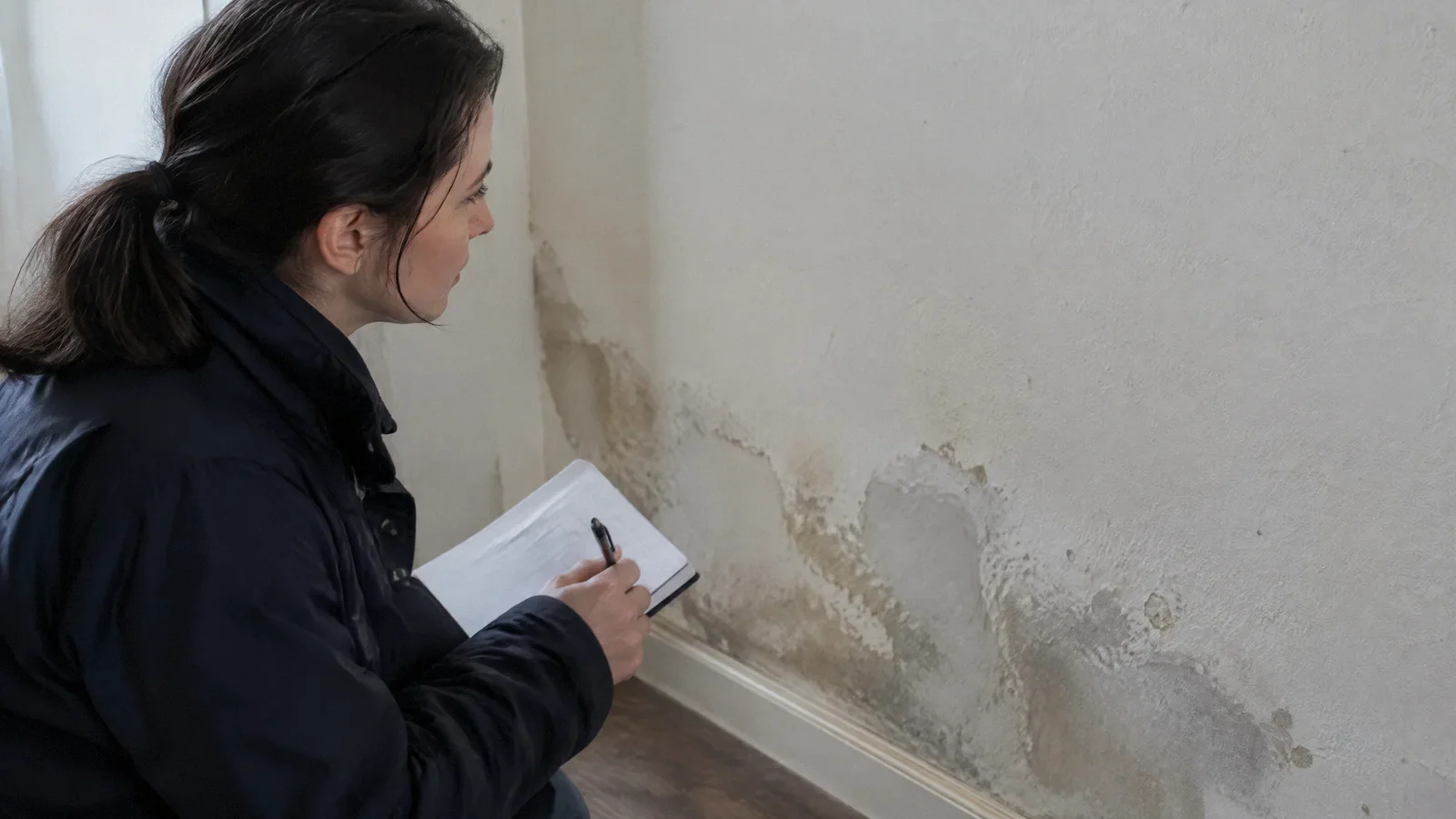
An inspector can document visible damage, water pathways, affected materials and the limits of access. A laboratory may report what was found in a particular sample using a particular method. Neither a photograph nor an environmental report alone establishes a medical diagnosis or proves the cause of a death.
Testing may be useful when it answers a specific building question, but routine sampling is often unnecessary when visible growth already requires cleanup. Ask what decision a proposed test will change and how the result will be interpreted. Document observations and preserve the full report rather than a cropped label.
Practical steps for a damp home
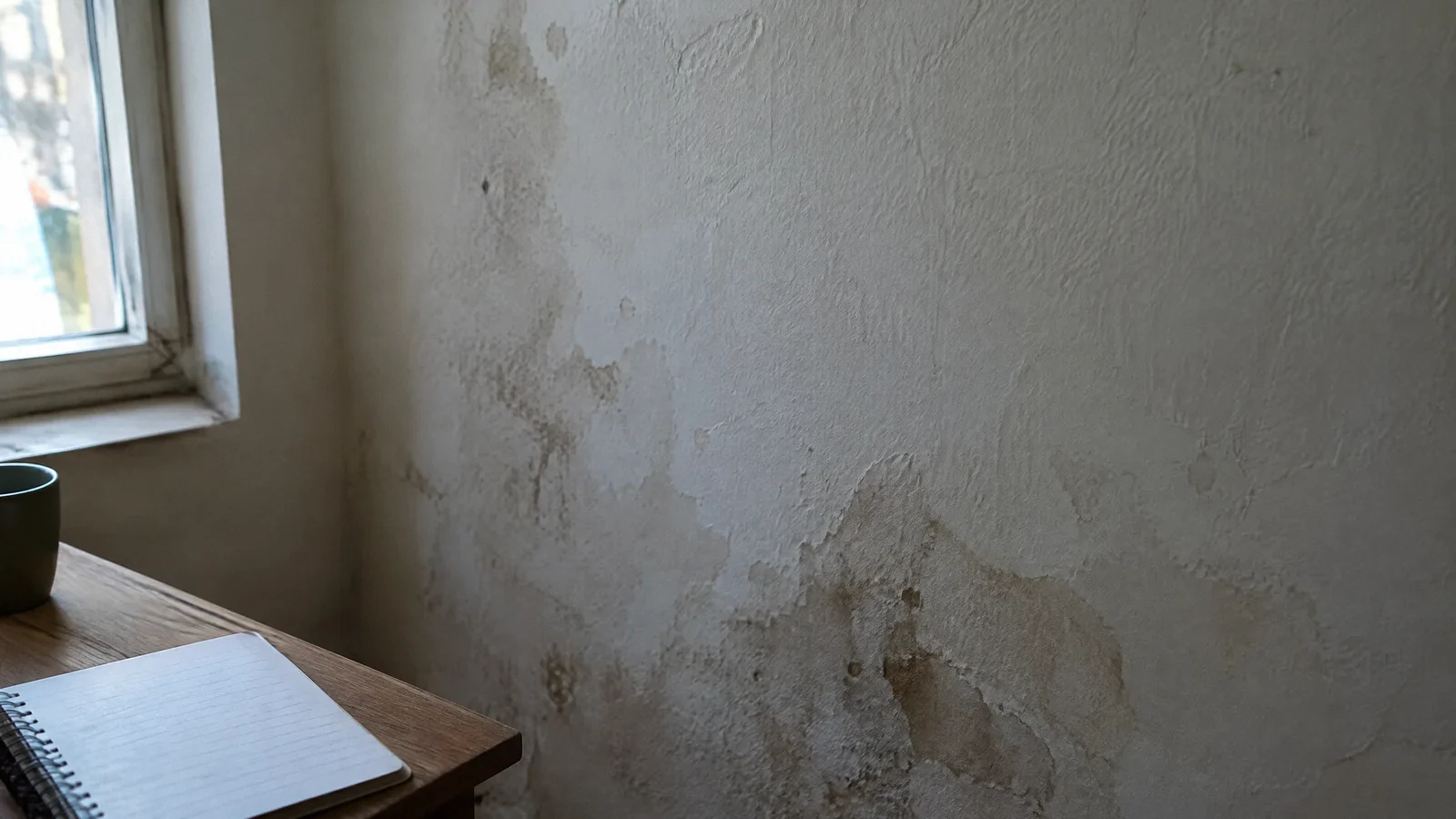
Stop an accessible leak if safe, avoid disturbing suspect material and arrange cleanup suited to the affected material and extent. EPA advises consulting professional guidance for substantial damage or growth. Porous wet materials may need different treatment from hard surfaces. Drying and repair must address the moisture source to prevent recurrence.
Keep people with relevant health vulnerabilities away from cleanup. If an HVAC system is suspected to be contaminated, seek assessment before operation because it can spread material. Avoid electrical equipment in standing water and seek qualified help for unsafe or inaccessible conditions.
Discuss individual risk with a clinician
People with asthma, allergies, chronic lung disease or weakened immune systems may need individualized advice. Symptoms such as cough or wheezing have multiple possible causes; an online statistic cannot diagnose a person. Describe timing, symptoms, relevant medical history and the documented building conditions to a clinician.
Seek urgent medical attention for severe breathing difficulty or another acute concern. Building repair and medical evaluation can proceed in parallel. Neither a species label nor the absence of a household death count should delay a response to a genuine moisture problem or a concerning symptom.
Your next-step checklist
- Check the definition, population and year behind a number.
- Do not equate all fungal disease deaths with household mold exposure.
- Document moisture and avoid disturbing suspect material.
- Arrange appropriate cleanup and repair.
- Discuss individual symptoms and risks with a clinician.
Related questions
Does CDC publish a household black mold death count?
We did not find a reliable annual U.S. count for that specific cause. CDC reports broader fungal disease estimates, which answer a different question.
Can a mold infection be serious?
Yes. Some fungal infections can be severe, especially for people with certain medical risk factors. A clinician evaluates an individual case.
Does a black patch identify Stachybotrys?
No. Color alone cannot reliably identify a mold or its health effect.
Should I wait for a test before fixing a leak?
No. A known moisture source should be addressed safely while any building or medical assessment proceeds.
Sources & context
Public guidance supports the principles in this article. The practical questions and examples are editorial interpretation, not a site assessment or a coverage decision. State-specific rules apply only where identified.
- CDC: Fungal disease burden by the numbersfederal public health statistics
- CDC: About fungal diseasesfederal health guidance
- NIEHS: Mold and healthfederal health guidance
- EPA: Mold, moisture and your homefederal cleanup guidance
- CDC: Facts about Stachybotrys chartarumfederal health guidance