Damp buildings can affect respiratory and allergic health, but a mold photograph or air sample cannot diagnose one person’s illness. People with symptoms or heightened vulnerability should discuss exposure and cleanup participation with a clinician while the moisture problem is investigated.
Address health and building conditions in parallel
A homeowner may feel forced to prove that mold caused symptoms before anyone will repair a leak. That is the wrong dependency. A known moisture problem and indoor growth deserve appropriate building action on their own evidence. Medical evaluation can proceed at the same time, with its own methods and uncertainties.
CDC/NIOSH describes associations between damp buildings and respiratory symptoms, allergic conditions, and asthma. CDC also explains the limits of linking a particular mold such as Stachybotrys to specific symptoms. These statements support taking concerns seriously without claiming that every symptom in a damp home has one cause or that identifying a species establishes a diagnosis.
Possible symptoms and their limits
CDC lists a stuffy nose, sore throat, coughing or wheezing, irritated eyes and skin rash among possible effects for some people exposed to damp or moldy environments. Others may have no symptoms. These signs have many possible causes and do not by themselves prove that a building or a particular mold caused an illness.
People with asthma or mold allergies may have stronger reactions. CDC notes that some people with weakened immune systems or chronic lung disease may develop fungal lung infections. A clinician should assess individual symptoms and risk; an online article cannot diagnose an infection or predict when symptoms will occur.
Recognize who needs individualized advice
People with asthma, significant allergies, immune suppression, or other relevant medical conditions may need tailored advice about remaining in a space or participating in cleanup. Ask a clinician who knows the person's history rather than relying on a contractor's generic reassurance. EPA recommends consulting a health professional when health concerns affect mold cleanup decisions.
If someone has acute breathing difficulty or another urgent medical problem, seek appropriate urgent care. Do not wait for environmental test results. For less urgent persistent symptoms, arrange medical evaluation and explain the building circumstances factually. A clinician can consider competing causes and decide whether further medical testing, treatment, or exposure avoidance is appropriate.
Prepare a useful exposure history
Record where symptoms occur, when they started, whether they change away from the building, and what activities or repairs were happening. Keep the notes descriptive rather than treating them as proof. A change during a trip may be relevant, but it can coincide with changes in medication, pollen, sleep, pets, or other exposures.
Bring available building records: the water event date, affected rooms, visible findings, inspection reports, and repair schedule. A complete report with limitations is more useful than a screenshot of an alarming species name. Avoid ordering repeated environmental or medical tests solely because an online discussion presents them as a universal answer; ask the clinician what decision a proposed test would inform.
Keep vulnerable occupants away from disturbance
Opening walls, removing porous materials, and moving debris can change exposure conditions. The remediation plan should address separation of occupied areas, access routes, cleaning, and when people may return. An individual with heightened vulnerability should not be assigned cleanup work simply because they own the home or because the visible patch is small.
The appropriate temporary arrangement depends on the building scope, the person's medical needs, and the controls available. A general article cannot set one universal relocation rule. Ask the project team what areas may be affected during work and discuss those facts with the clinician. Coordinate practical needs such as medication access, temperature control, mobility, and caregiving.
Do not use a building test as a medical certificate
An air sample measures material collected by a particular method at a particular time. It does not directly measure an individual's dose over weeks or establish whether their symptoms are caused by the building. Likewise, a report stating that a remediation area met project criteria cannot guarantee that every occupant will have no symptoms.
Ask providers to stay within their expertise. A contractor can describe materials, moisture, and cleanup. A clinician can evaluate health. An environmental investigator can explain the sampling plan and building findings. The owner benefits when these roles exchange accurate information, not when one report is stretched into a conclusion it was never designed to support.
Prepare for a temporary move or restricted work area
When a clinician and project team recommend avoiding an area during work, translate that advice into a practical arrangement. Identify sleeping space, bathroom access, medication storage, mobility needs, and how occupants will avoid the debris route. If the household must leave, ask which project milestone permits reconsidering return and who supplies the relevant building information.
Do not use the absence of odor during one short visit as the sole basis for ending the arrangement. Likewise, do not extend displacement indefinitely because of an unexplained online test result. Review the actual work status, remaining limitations, and the person's medical needs with the appropriate professionals. A written plan can reduce uncertainty while acknowledging that no general report predicts every individual's response.
Plan follow-up without promising a cure
After source correction and cleanup, track whether the original moisture or odor returns and continue the medical plan. If symptoms persist, do not assume the building work failed or that the symptoms are imaginary. Medical conditions can have multiple causes and may require ongoing evaluation. Share relevant changes with the clinician.
Retain the repair and verification records, including unresolved access limitations. If new dampness appears, investigate it promptly rather than relying indefinitely on an older favorable report. The practical goal is to reduce avoidable exposure and correct the building while preserving honest uncertainty about individual health outcomes. That is more useful than a promise that one treatment will restore everyone's health.
Does color or location establish a health risk?
Green, gray, white or black-looking growth cannot be ranked for an individual’s health risk by color. A damp closet, carpet, garage, attic or floor cavity may each have a different moisture source and exposure pathway. Avoid disturbing suspect material and arrange an assessment of the actual conditions.
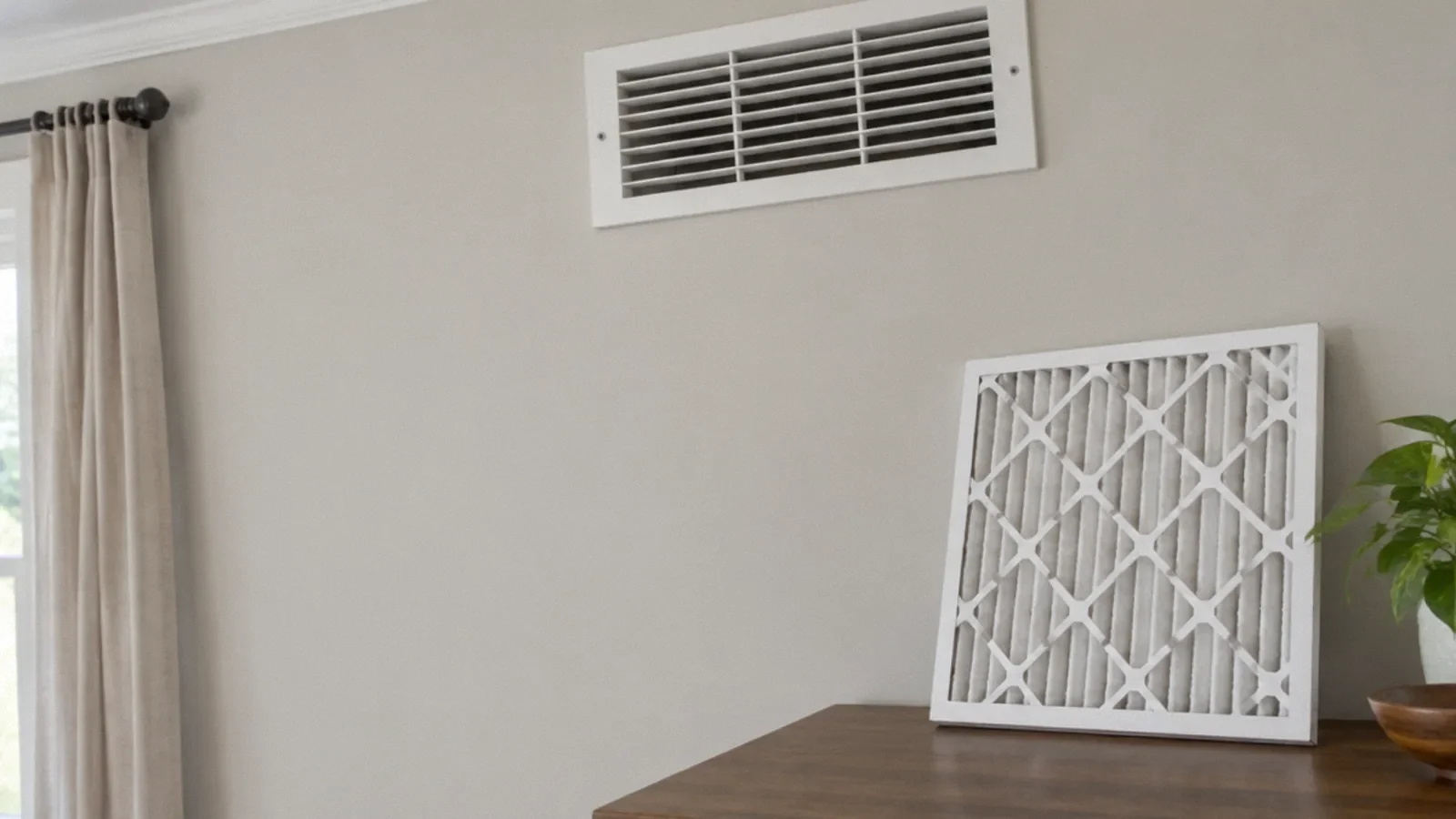
If an HVAC system is known or suspected to be contaminated with mold, EPA advises not operating it until it has been assessed because it could spread material through the building. Symptoms have many possible causes; describe the timing and the building conditions to a clinician rather than diagnosing an illness from the location or color of a patch.
How common is “mold toxicity”?
There is no single percentage that answers this question without a clear definition of the condition, exposure, population and method of diagnosis. The phrase “mold toxicity” is used in different ways online; it should not be treated as a precise diagnosis or a count of everyone who has lived in a damp building.
CDC describes a range of possible effects from damp or moldy environments, including allergy and respiratory symptoms in some people, while others have no symptoms. Certain people with weakened immune systems may develop mold infections. Discuss individual symptoms and testing with a licensed clinician; avoid inferring a diagnosis or prevalence from a home test alone.
Mold infection is different from an allergic reaction
CDC explains that invasive mold infections are rare but can be severe, particularly for people with weakened immune systems. Symptoms vary with the infection and part of the body affected; fever, cough, shortness of breath or sinus symptoms have many possible causes and cannot diagnose a mold infection.
A person with immune suppression or concerning symptoms should contact a clinician promptly for individualized evaluation. Seek emergency care for severe breathing difficulty or another urgent symptom. A home photograph or air sample cannot diagnose an infection or establish its source.
Environmental mold exposure and allergy are not ordinarily spread from one person to another. Infection is a separate medical issue; a clinician can evaluate symptoms and the particular organism and circumstances rather than assume contagion from a household patch.
Mildew, allergies and children
Mildew is a common term for mold, often used for surface growth. In a sensitized person, inhaled spores can trigger an allergic response such as sneezing, nasal congestion, itchy eyes or wheezing. These symptoms also have other causes and cannot establish mold exposure or allergy without clinical assessment.
Children may develop nasal or eye irritation, cough or worsening symptoms of existing asthma; the same symptoms occur for many reasons. Discuss persistent symptoms and the damp environment with a pediatrician. “Mold toxicity” is an imprecise label and does not establish a diagnosis. Seek emergency care for severe breathing difficulty, fainting, or swelling of the lips or tongue.
Hives, sinus symptoms and infection
Hives can have many causes, including foods, medicines, infection and allergies. A clinician can assess the timing and other possible triggers; a visible patch does not prove the cause. Severe breathing trouble or swelling of the mouth or throat requires emergency help.
Allergic inflammation can cause congestion and sinus pressure, while sinus infection is a different condition. Symptoms overlap and mold is not proof of infection. Persistent, worsening or concerning symptoms warrant clinical evaluation.
A damp basement and a practical response
For example, a leaking pipe may leave a basement wall and stored cardboard damp. Spores or fragments may become airborne, especially when growth is disturbed, and occupants may encounter them in or near the affected area. The exact exposure and individual health response cannot be inferred from appearance.
Keep vulnerable people away, avoid disturbing the growth, identify the moisture source and arrange appropriate cleanup and repair. A black fuzzy surface is not identifiable by color or texture. Rare invasive mold infections can be life-threatening, particularly in people with weakened immune systems; most people breathe spores daily without such an infection. A clinician assesses individual risk.
Other symptoms, timing and seasonal questions
Nausea, vomiting, fever, throat symptoms or shortness of breath have many possible causes. They cannot identify mold exposure, a lung infection or liver damage by themselves. Tell a clinician about symptoms and relevant conditions, and seek urgent care for severe breathing difficulty or rapidly worsening symptoms.
There is no reliable schedule predicting when exposure will cause symptoms or whether effects will persist. Outdoor mold levels can vary with season and local weather, while indoor dampness may persist in any season. A clinician can assess an individual allergy and alternative causes; prompt repair of a moisture problem remains useful regardless of the season.
Your next-step checklist
- Seek urgent care for acute medical concerns rather than waiting for building tests.
- Discuss heightened vulnerability and cleanup participation with the treating clinician.
- Keep a descriptive symptom and location history without assuming causation.
- Provide full building reports and repair details to the clinician when relevant.
- Separate vulnerable occupants from disturbance according to the project and medical plan.
- Continue medical and building follow-up after cleanup.
Related questions
Does a black mold result prove my symptoms came from the house?
No. A species finding does not establish individual causation. A clinician should evaluate symptoms and exposure history alongside other possible causes.
Can a contractor tell me it is medically safe to stay?
A contractor should explain building conditions and controls, not replace individualized medical advice. Discuss relevant facts with a clinician.
Should I wait for a diagnosis before repairing the leak?
No. A known moisture problem warrants prompt building action independently of whether a medical cause has been established.
What symptoms can mold exposure cause?
Some people may experience irritation, a stuffy nose, cough or wheezing, while others have no symptoms. These symptoms have other possible causes, so discuss them with a clinician.
Can black-looking mold be dangerous?
Color alone does not establish species or individual risk. Damp or moldy environments can cause symptoms in some people; discuss health concerns with a clinician and address moisture and growth.
Can mold cause a life-threatening infection?
CDC says invasive mold infections are rare but can be severe, particularly in people with weakened immune systems. A color or household photograph cannot diagnose an infection; consult a healthcare professional about individual concerns.
Can mold exposure affect asthma?
CDC says mold exposure can trigger asthma symptoms in some people. A healthcare professional can assess an individual’s symptoms and exposure history.
Does a black-looking patch prove liver damage?
No. Color cannot diagnose a medical condition or establish the cause of organ damage. Discuss symptoms and concerns with a healthcare professional.
Is all mold equally dangerous?
Health effects vary with the person and circumstances. Color alone cannot establish exposure or diagnose illness; consult a healthcare professional about symptoms.
Can dried or dead mold still cause a reaction?
EPA notes that dead mold can still cause allergic reactions. Appropriate cleanup and moisture control are needed, not only killing growth.
Is green-looking mold safe?
Color does not establish the organism or the health risk. Address growth and moisture, and consult a clinician about individual symptoms.
How can mold affect the body?
Mold exposure can cause irritation or allergic symptoms and can trigger asthma in susceptible people. Individual symptoms require medical assessment.
Is white fuzzy mold dangerous?
Color and texture do not establish an organism or an individual health risk. Avoid disturbing suspected growth, address moisture and discuss symptoms or vulnerability with a clinician.
Can I stay in a house with black-looking mold?
The decision depends on the extent, exposure and occupants. CDC advises people with weakened immune systems to avoid moldy buildings when possible; consult a clinician and qualified building professional.
Can mold affect the lungs?
Mold exposure can trigger respiratory symptoms in some people, and serious invasive infections are uncommon but can affect people with weakened immune systems. A clinician must assess symptoms and possible causes.
Is mold on a bathroom ceiling dangerous?
Health effects vary by person and exposure; color or location alone cannot establish an individual risk. Fix the moisture problem and arrange appropriate cleanup. Discuss symptoms with a healthcare professional.
What if I touched black-looking mold?
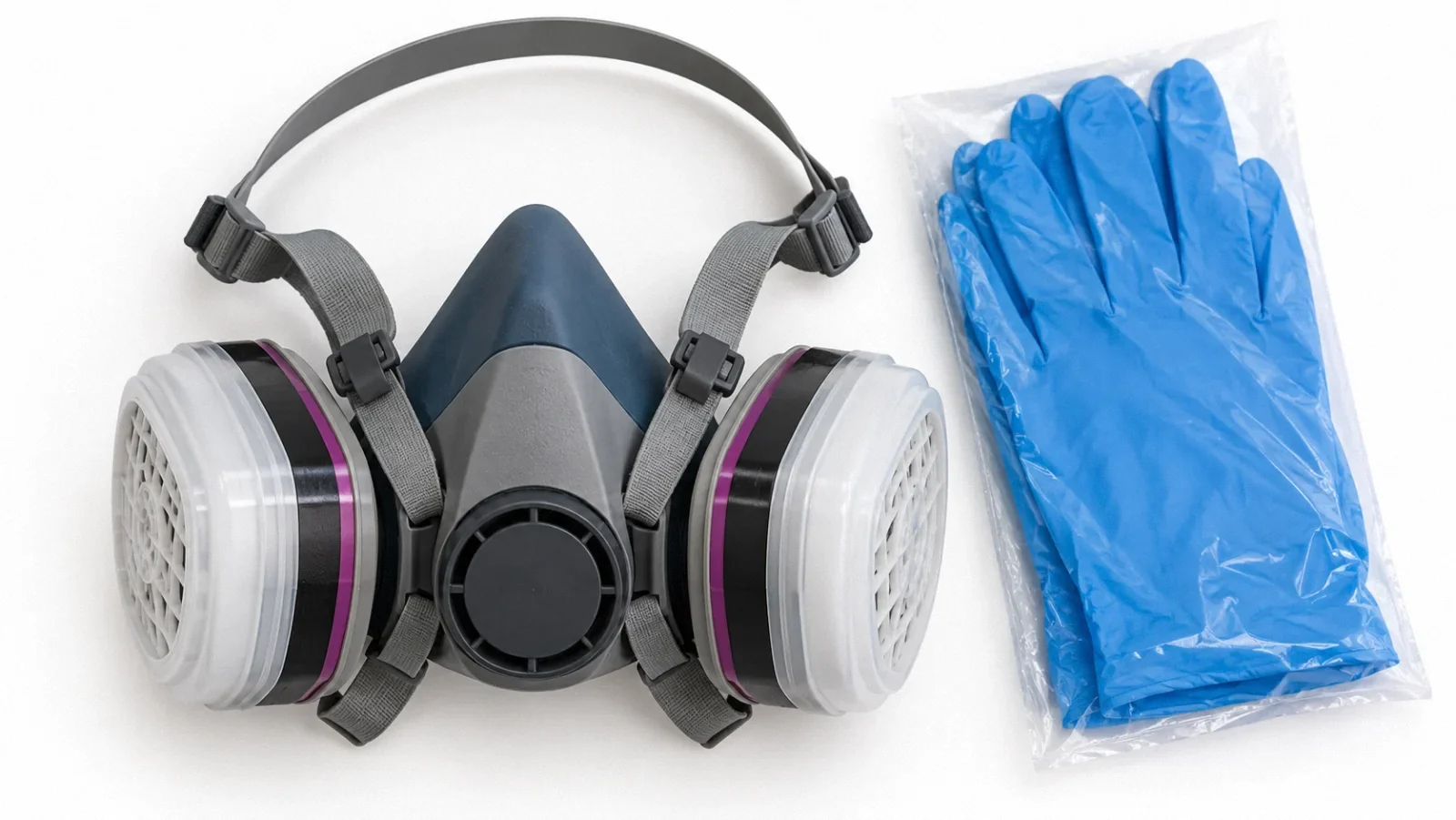
Avoid further contact, wash exposed skin with soap and clean water, and do not touch your eyes or mouth. CDC advises gloves for mold cleanup. Contact a healthcare professional about symptoms, an open wound or individual health concerns.
Is black-looking mold on water-damaged wood dangerous?
Color and material alone do not establish a person’s health risk. Avoid disturbing suspect growth, address moisture and discuss symptoms or individual risk with a healthcare professional.
Is dry black-looking mold harmless?
Drying does not remove existing mold, and color does not identify a species or determine risk. Even dead mold can cause allergic reactions; address the moisture source and arrange appropriate cleanup.
What does mold poisoning mean?
The phrase is used for different concerns, including possible effects of damp buildings and ingestion of contaminated food. Symptoms and causes need clinical evaluation; contact poison control or emergency services promptly if a poisoning exposure or severe symptoms are suspected.
Can mold exposure cause a fever?
Fever has many possible causes. CDC notes fever among possible signs of certain invasive mold infections, particularly in people with weakened immune systems; a clinician must assess symptoms and their cause.
What if I touch a black-looking mold patch?
Avoid further contact, wash exposed skin with soap and water, and consult a clinician if irritation or other symptoms occur. Color does not identify the organism; seek urgent care for severe symptoms.
What if I breathed in black-looking mold?
Move away from the affected area and contact a healthcare professional about symptoms or individual risk. Color does not identify the organism or predict an outcome. Seek emergency care for severe breathing difficulty or another urgent symptom.
Can digestive symptoms prove mold exposure?
Digestive symptoms have many possible causes and do not by themselves establish a mold-related illness. Discuss symptoms and any relevant exposure history with a clinician; seek urgent care when symptoms are severe.
When is mold allergy season?
Mold is present indoors and outdoors in all seasons, according to CDC. Outdoor exposure can vary with local weather and season, while indoor dampness can persist year-round. Allergy symptoms have multiple possible causes; discuss recurring symptoms with a clinician.
Is mold contagious?
Mold spores spread through the environment; an allergic reaction is not contagious. Some fungal infections have their own transmission patterns. CDC states that mucormycosis does not spread between people. A clinician can evaluate individual symptoms and risk.
Can mold cause a throat infection?
Throat irritation has many possible causes. Some fungi can cause infections in certain circumstances, particularly in people with weakened immune systems, but symptoms alone cannot identify an infection. Contact a clinician for diagnosis and seek urgent help for severe symptoms.
Can mold affect the skin or digestive tract?
Skin irritation and digestive symptoms have many possible causes. CDC notes that rare invasive infections can involve skin wounds and, less commonly, the gastrointestinal tract, particularly in people with weakened immune systems. A clinician must evaluate the individual symptoms and risk.
Can mold cause respiratory infections or harm children?
Dampness and mold can be associated with respiratory symptoms, while an infection is a different diagnosis. Some people, especially those with weakened immune systems, can develop fungal infections. Children with symptoms should be evaluated by a clinician; appearance or a general article cannot establish cause or toxicity.
Sources & context
Public guidance supports the principles in this article. The practical questions and examples are editorial interpretation, not a site assessment or a coverage decision. State-specific rules apply only where identified.
- CDC/NIOSH: Mold in the Workplaceofficial
- CDC: Facts about Stachybotrys chartarumofficial
- EPA: Mold, moisture and your homeofficial
- CDC: Mold and possible health effectspublic health guidance
- CDC: About invasive mold infectionsfederal health guidance
- U.S. EPA: A brief guide to mold and moisturefederal guidance
- CDC: Invasive mold infection preventionfederal public health guidance
- CDC: Mold cleanup and skin protectionfederal public health guidance
- U.S. EPA: Air duct cleaning and suspected moldfederal guidance
- CDC: Mold and possible health effectsfederal health guidance
- CDC: Invasive mold infectionsfederal health guidance
- CDC: Mold, testing and remediationfederal health guidance
- CDC: Invasive mold infectionsfederal medical guidance
- CDC: Mucormycosis risk factorsfederal medical guidance
Community questions behind this topic
These discussions helped identify reader concerns. They are anecdotal, not technical or legal authority.