There is no single nationwide mold season. Outdoor fungal spores are present at different levels through the year, and local climate, rainfall, vegetation and weather affect exposure. CDC environmental guidance notes that outdoor molds occur year-round in some warmer regions and may be especially relevant in fall in northern areas. Local patterns differ, so a calendar date alone cannot predict an individual’s exposure.
Is there one mold season?
There is no single nationwide mold season. Outdoor fungal spores are present at different levels through the year, and local climate, rainfall, vegetation and weather affect exposure. CDC environmental guidance notes that outdoor molds occur year-round in some warmer regions and may be especially relevant in fall in northern areas. Local patterns differ, so a calendar date alone cannot predict an individual’s exposure.
Indoor mold has no definite season: a leak, condensation or persistent humidity can support growth at any time. A wet bathroom in winter and a damp basement in summer are different situations, but both require attention to moisture. Outdoor spores and indoor growth are related environmental concerns, not interchangeable diagnoses.
Why outdoor exposure changes
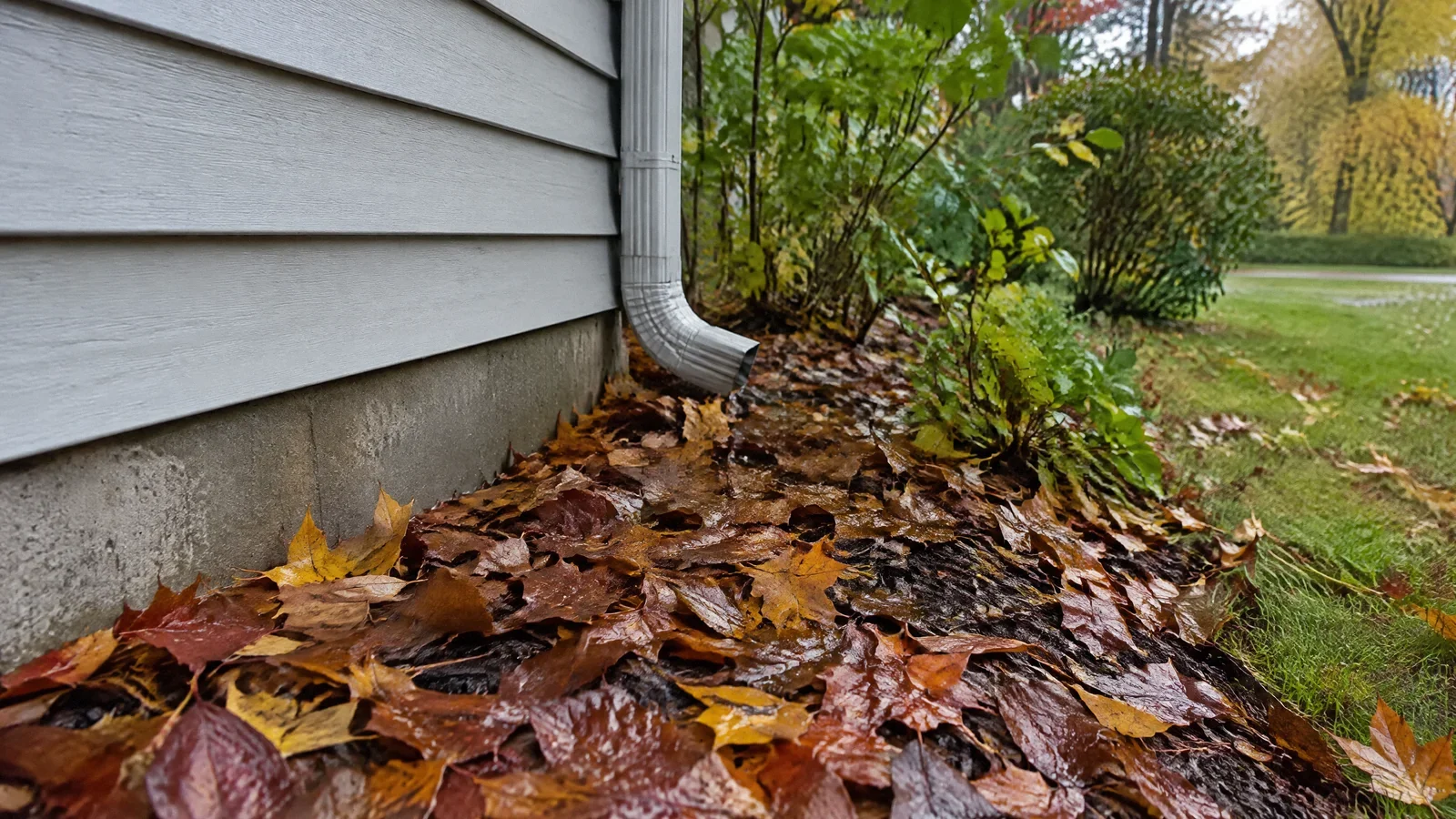
Damp leaves, compost, mulch and decaying vegetation can support fungi. Gardening, mowing or raking can disturb material and increase a person’s exposure. Weather can change both growth and the movement of spores, so a rainy week does not produce the same response everywhere. If you are sensitive, pay attention to your local conditions and symptoms rather than assuming a national peak applies to your neighborhood.
Local pollen and mold reports can provide context where available, but counting methods and reporting frequency vary. A reported outdoor count does not measure the condition of a particular home or predict how an individual will feel. A clinician can help evaluate recurring symptoms and distinguish possible triggers.
Reduce outdoor exposure when it matters to you
People with mold sensitivity can reduce contact with damp leaves, mulch or compost and ask someone else to perform tasks that disturb them. If the task cannot be avoided, discuss suitable precautions with a clinician. Change clothes and wash after outdoor work when practical. These steps reduce contact but cannot eliminate all outdoor spores.
Consider the tradeoff when opening windows: fresh air can help control indoor pollutants or humidity in some conditions, while outdoor allergens or humid air may make it less useful in others. Use local weather and your household’s needs to guide ventilation rather than following a fixed year-round rule.
Indoor moisture matters in every season
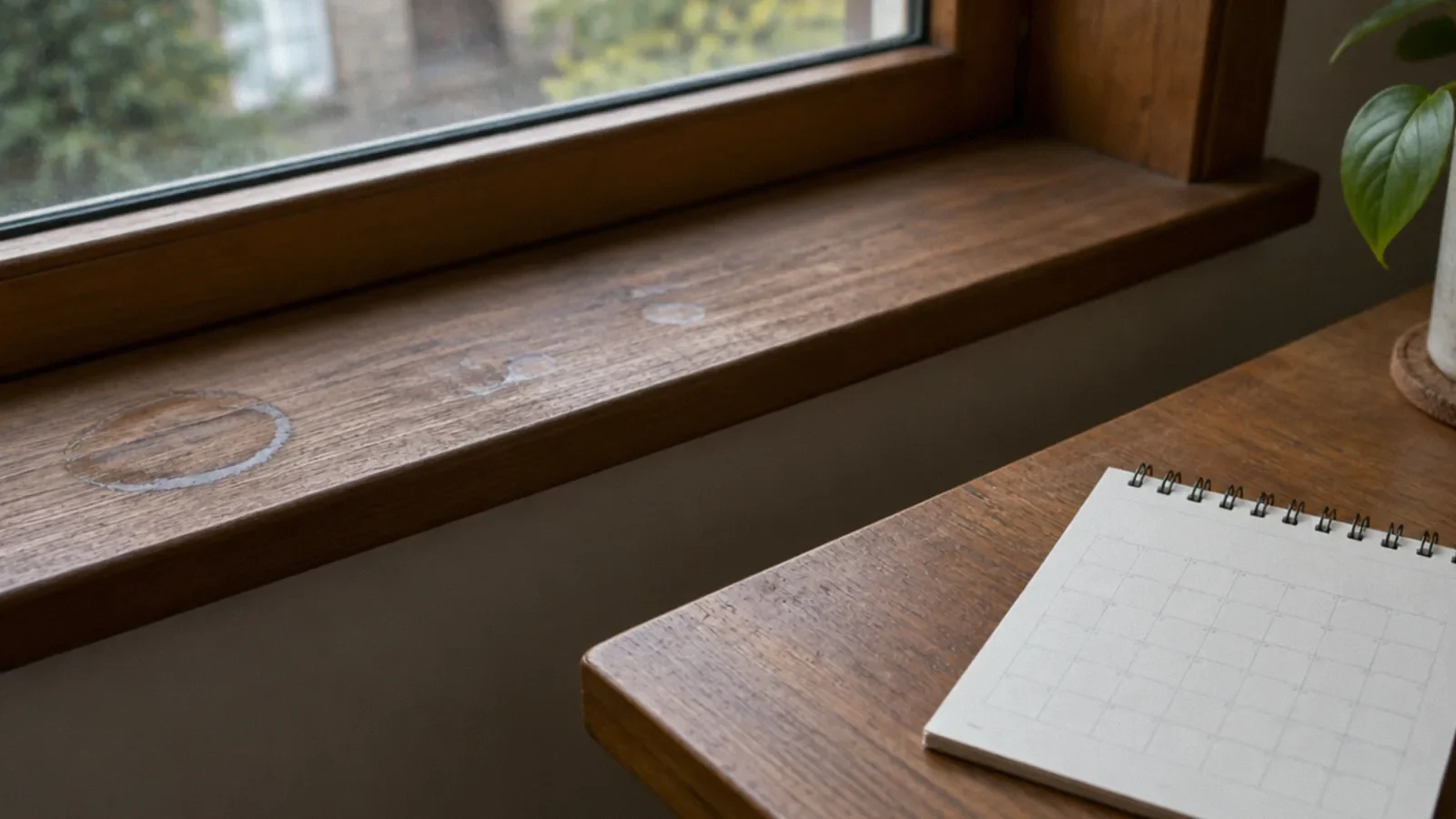
Repair leaks, dry wet materials promptly and use bathroom and kitchen exhaust fans vented outdoors. EPA recommends indoor relative humidity below 60%, ideally 30% to 50% where practical. A hygrometer can show trends, but a normal room reading does not rule out a wet wall cavity or a plumbing leak. Condensation on windows or a musty smell warrants further investigation.
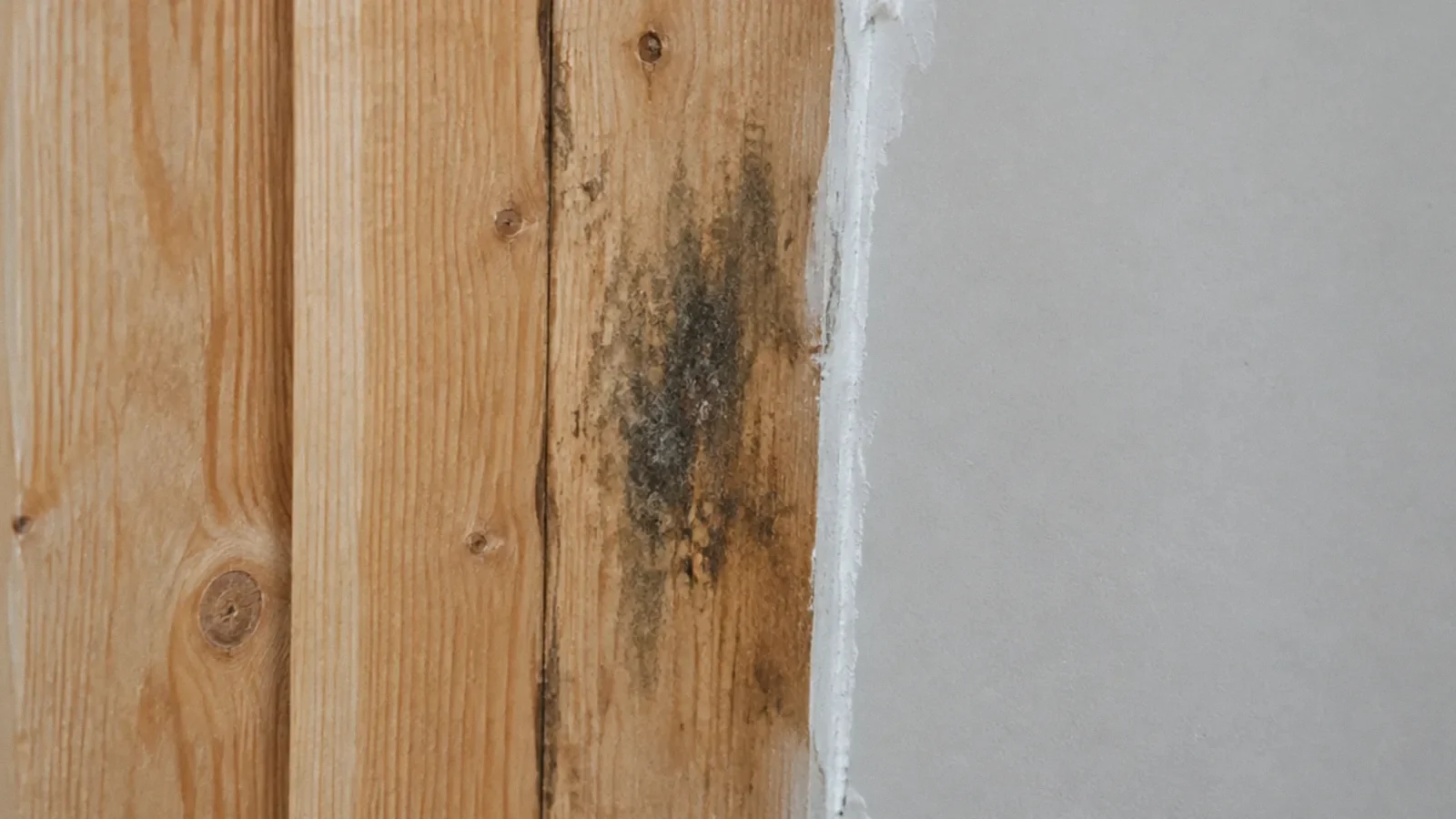
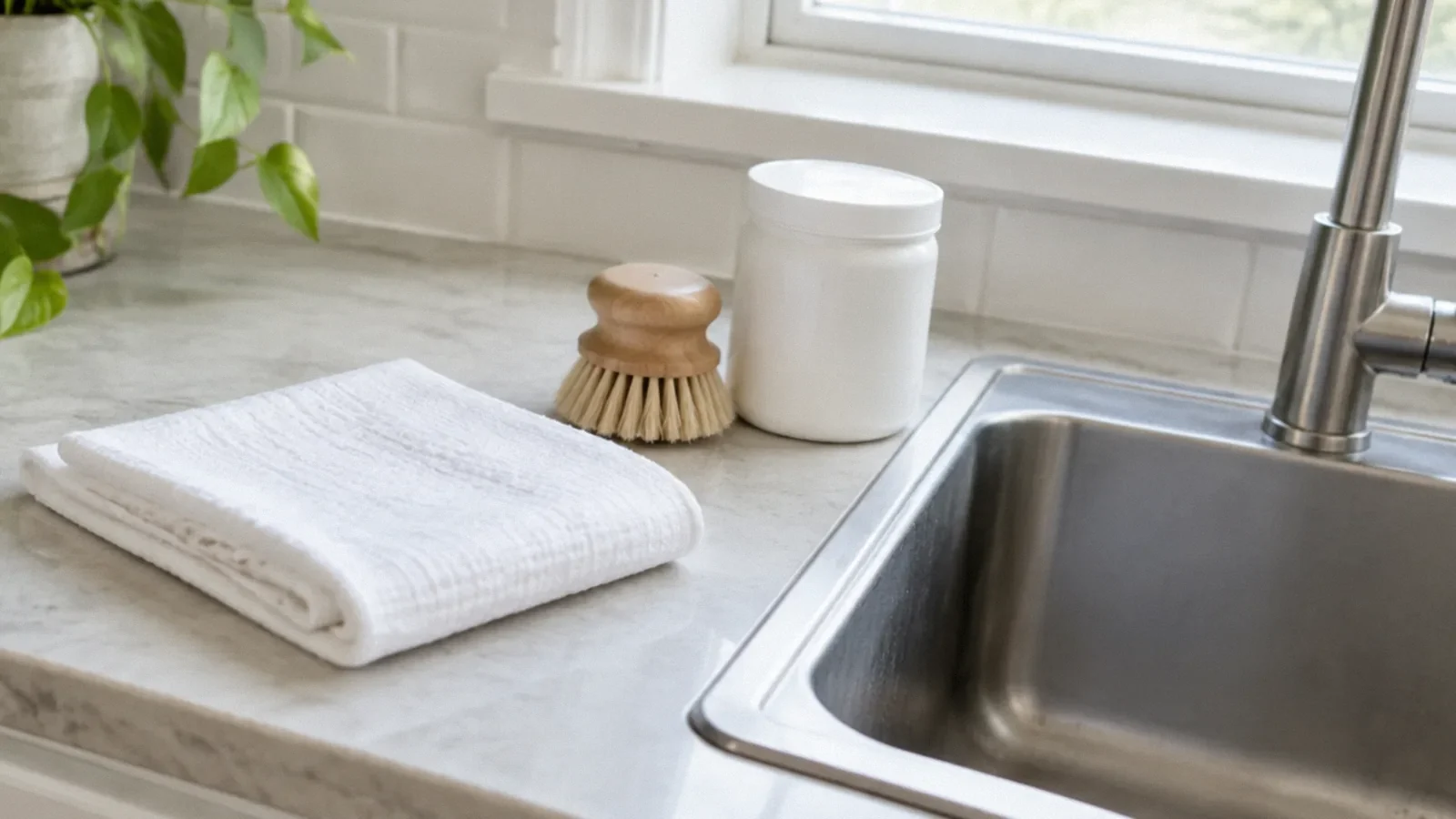
For small accessible mold areas, follow EPA and CDC cleanup guidance and correct the moisture source. People with allergies, asthma, chronic lung disease or weakened immune systems should not do the cleanup. Seek qualified help for extensive damage, hidden wet materials or contaminated water.
When symptoms or a building problem persist
Mold exposure can affect people differently, and symptoms have many possible causes. A physician can help assess ongoing respiratory symptoms or allergy concerns; neither the color of a patch nor a seasonal calendar establishes a diagnosis. Seek urgent medical care for severe or rapidly worsening symptoms.
If a musty odor or visible growth returns after cleaning, document where and when it occurs. Check for leaks and condensation, and arrange a building assessment if the source is hidden. Do not rely on fragrance or a short air sample as proof that the underlying moisture issue has been resolved.
How a seasonal pattern can guide a personal plan
If symptoms recur during fall yard work, record the activity, weather and timing and discuss that history with a clinician. The same symptoms can have several causes, so a diary is a way to prepare for a conversation, not a diagnosis. A person may react to more than one outdoor trigger, and a local spore report cannot determine which one is responsible.
For a damp indoor room, record humidity trends, visible condensation, leaks and when an odor occurs. If the odor follows rain, an exterior water path may be relevant; if it follows showers, bathroom ventilation or a plumbing issue may need attention. These are leads for inspection rather than proof of a particular defect.
Review the plan when conditions change. A room that is dry during heating season may become humid during summer; an outdoor task that is comfortable in dry weather may disturb damp leaves after rain. Practical adjustments work best when they address the source and the individual’s circumstances.
Use local observations carefully
A local count describes conditions at the monitoring location and time. It may not represent a yard, a bedroom or a different part of the region. Combine those reports with your own activity and symptom history, and ask a health professional how to interpret a recurring pattern.
Your next-step checklist
- Identify the moisture source and correct it.
- Assess the affected materials and occupants.
- Document repairs and check for recurrence.
Related questions
Can color identify the mold species?
No. Color alone cannot identify a species or establish individual health risk.
Does cleaning replace fixing the moisture source?
No. Correcting moisture is necessary to reduce recurrence.
Sources & context
Public guidance supports the principles in this article. The practical questions and examples are editorial interpretation, not a site assessment or a coverage decision. State-specific rules apply only where identified.