Employers must assess cleanup hazards and select controls and protective equipment for the actual work. When respirators are required, OSHA’s respiratory protection requirements include a program and applicable medical evaluation, fit testing, training, and proper use; handing out masks is not the complete obligation.
Start with the task, not a shopping list
The same room can present different hazards during inspection, demolition, cleaning, and reconstruction. A worker opening a contaminated cavity has a different exposure situation from someone photographing an intact surface. Floodwater can add biological or chemical contamination, and older materials may introduce lead or asbestos. Electrical, fall, heat, and structural hazards may also be present.
OSHA's flood-response resources emphasize employer responsibility for anticipated hazards. A project assessment should identify the work, materials, exposure routes, and conditions before selecting equipment. A generic bag containing gloves and a mask does not establish that the selection is suitable. Nor does a small visible mold area rule out other hazards in the work path.
Use controls before relying on PPE alone
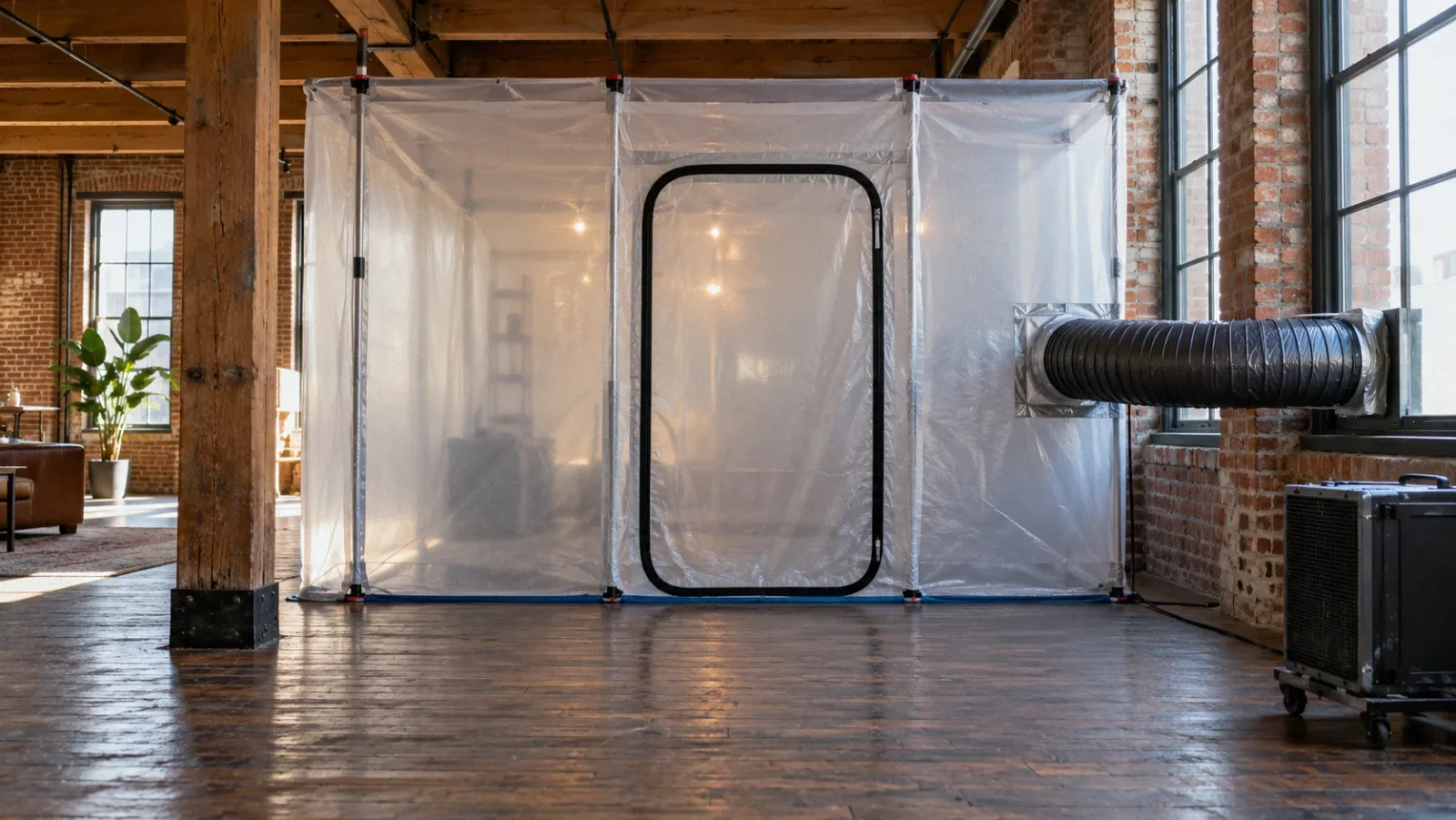
OSHA's respiratory standard prioritizes feasible engineering controls for atmospheric contamination. In practical terms, the work plan should address how disturbance is contained, how dust is controlled, and how workers and occupants avoid unnecessary contact. Personal protective equipment is part of that system rather than permission to perform uncontrolled demolition.
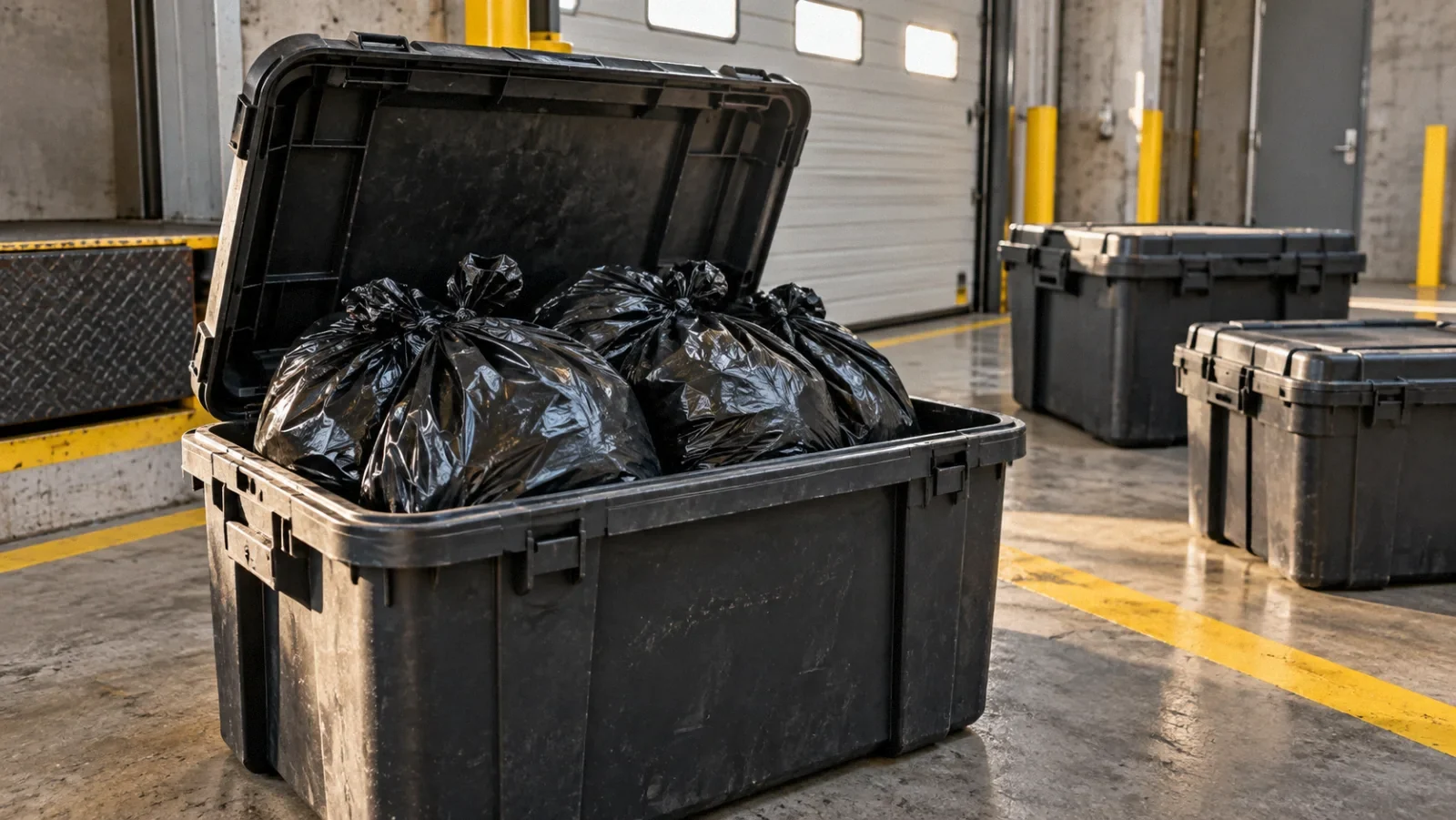
Ask the responsible supervisor how clean and contaminated areas are separated, where workers change or remove contaminated equipment, and how debris moves through the building. The plan should consider adjacent trades and residents. If another crew enters after containment is removed but before cleaning is complete, the protective strategy may fail even though the first crew wore appropriate equipment.
Understand required respiratory protection
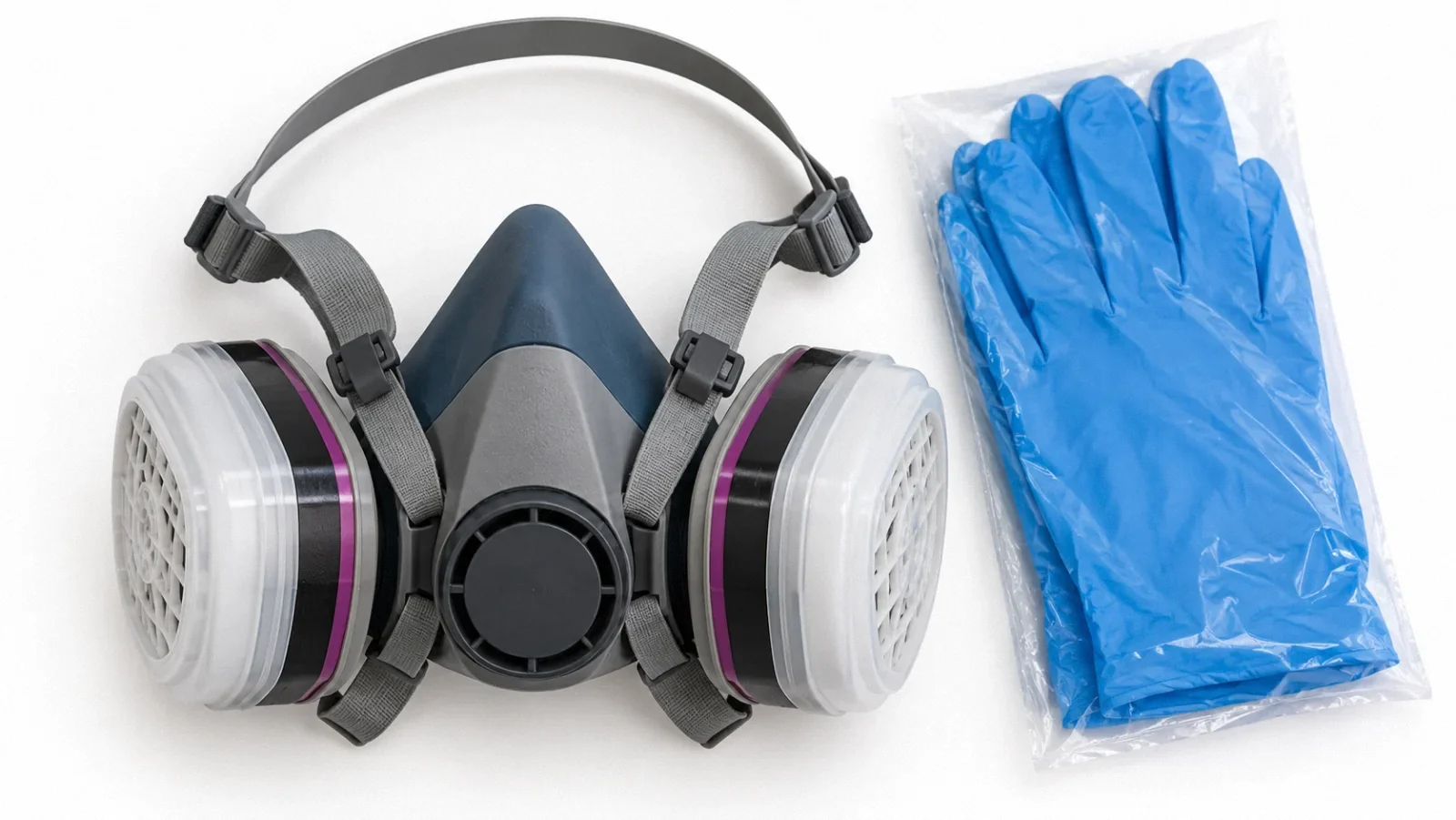
When respirators are necessary to protect employees, the employer must provide suitable equipment and maintain the applicable respiratory protection program. OSHA's 29 CFR 1910.134 addresses program administration, medical evaluation, fit testing for tight-fitting respirators, training, use, and maintenance. The specific selection must match the assessed hazard; no single disposable respirator protects against all gases, vapors, dusts, or oxygen-deficient conditions.
A fit test is different from a user seal check. The former evaluates the fit of a particular respirator model and size through an accepted procedure; the latter is performed when the respirator is donned as required by its use instructions. Facial hair or other interference can compromise a tight-fitting seal. Do not treat a successful check by feel as a substitute for required fit testing.
Keep voluntary use and required use distinct
OSHA has provisions for voluntary respirator use that differ from required use, including specific treatment of filtering facepieces. The employer should determine which situation actually exists rather than labeling needed protection voluntary to avoid program duties. If work conditions require a respirator, an employee's willingness to proceed without one does not settle the employer's obligation.
Document the hazard assessment and the basis for selection. Workers should understand when to stop, how to recognize equipment problems, and whom to notify. A respirator that becomes damaged, soiled, or otherwise unsuitable needs action under the program. Improvised substitutions during a job should be reviewed by the responsible qualified person rather than left to individual guesswork.
Account for eyes, skin, clothing, and other hazards
Gloves must be suitable for the task and any chemicals used. Eye protection should address expected splash or debris. Protective clothing, footwear, hearing protection, and other equipment depend on the work. A chemical label and the employer's assessment matter; household cleaning advice cannot be copied wholesale into an occupational plan.
Lead and asbestos work may require separate regulated procedures and qualifications. Electrical hazards are not solved by wearing ordinary cleanup gloves or rubber boots. Confined spaces and uncertain atmospheres require their own evaluation. Stop work when conditions exceed the plan rather than adding more layers of generic PPE and continuing into an unidentified hazard.
Coordinate several employers in one damaged room
A restoration crew, electrician, and drywall contractor may work in sequence or overlap. Each employer retains its own responsibilities, while the project needs coordination so one activity does not defeat another's controls. Ask who communicates an unexpected hazardous material, changes access restrictions, and confirms when another trade may enter.
For example, removal may expose suspected asbestos outside the original survey. The response is to stop the affected disturbance and obtain the proper assessment, not to tell the next crew that an N95 makes the new task equivalent to ordinary mold cleanup. The change should appear in the scope and safety communication. Workers arriving later need the updated information, including areas or materials that remain restricted.
Review the program through actual work practices
An owner hiring a restoration crew can ask who supervises safety, how hazards are assessed, and how the team coordinates occupied areas. The owner should not attempt to administer another employer's respiratory program, but clear questions help reveal whether there is a plan. Workers should receive instructions they understand and have a route to report concerns.
At the end of a task, the plan should cover equipment cleaning or disposal, movement out of the work area, and preventing contaminated clothing or tools from spreading debris. Retain the relevant project safety and scope records without collecting private employee medical information. The measure of a protective program is how it functions throughout the task, not whether workers appeared in a photograph wearing masks.
Your next-step checklist
- Assess task-specific mold, chemical, lead, asbestos, electrical, and physical hazards.
- Plan containment, dust control, access, and debris movement before selecting PPE.
- For required respirator use, implement the applicable OSHA program requirements.
- Distinguish fit testing from a seal check and review seal interference.
- Set stop-work criteria for unexpected materials or conditions.
- Coordinate cleanup and decontamination without exposing adjacent workers or occupants.
Related questions
Is an N95 enough for every mold job?
No. Selection depends on the hazard and task, and an N95 does not protect against every contaminant or atmosphere. The employer must assess the work.
Can a worker waive required fit testing?
An employee’s preference does not remove applicable employer obligations for required tight-fitting respirator use.
Does homeowner guidance replace OSHA requirements?
No. Occupational work has separate employer responsibilities. Use the applicable standards and a task-specific safety program.
Sources & context
Public guidance supports the principles in this article. The practical questions and examples are editorial interpretation, not a site assessment or a coverage decision. State-specific rules apply only where identified.
- OSHA: Respiratory protection, 29 CFR 1910.134official
- OSHA: Flood preparedness and responseofficial
- EPA: Mold, moisture and your homeofficial
Community questions behind this topic
These discussions helped identify reader concerns. They are anecdotal, not technical or legal authority.