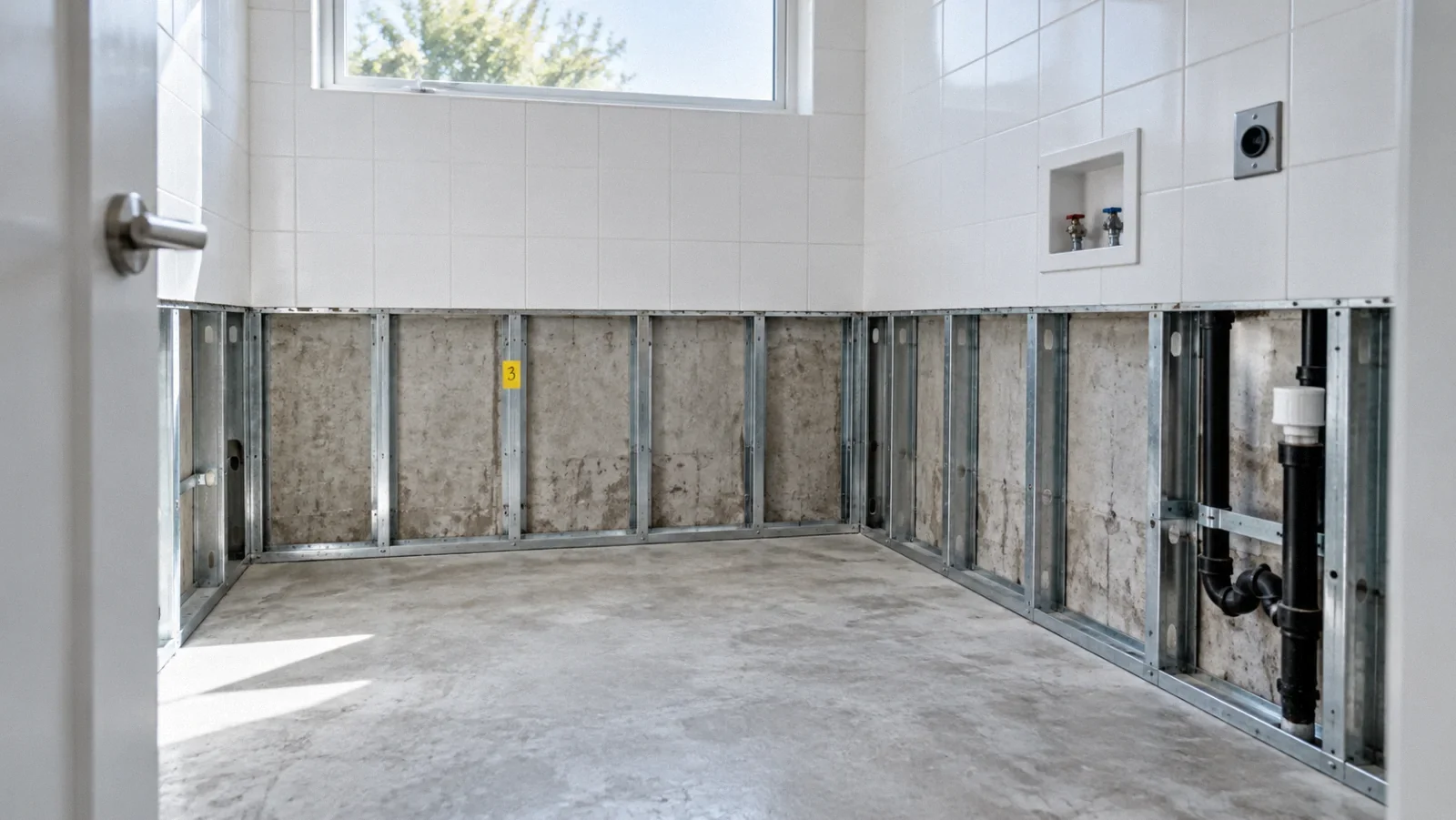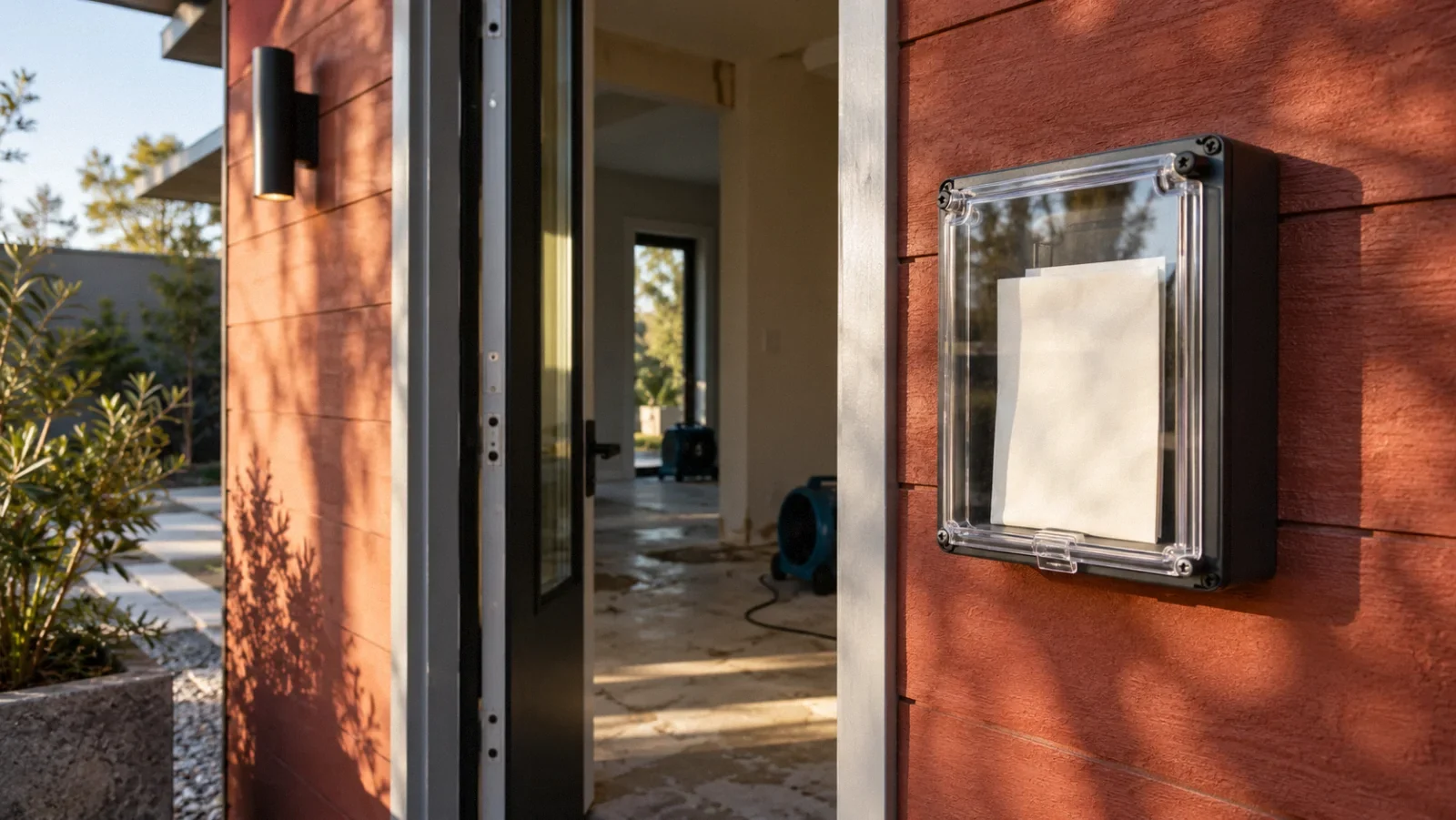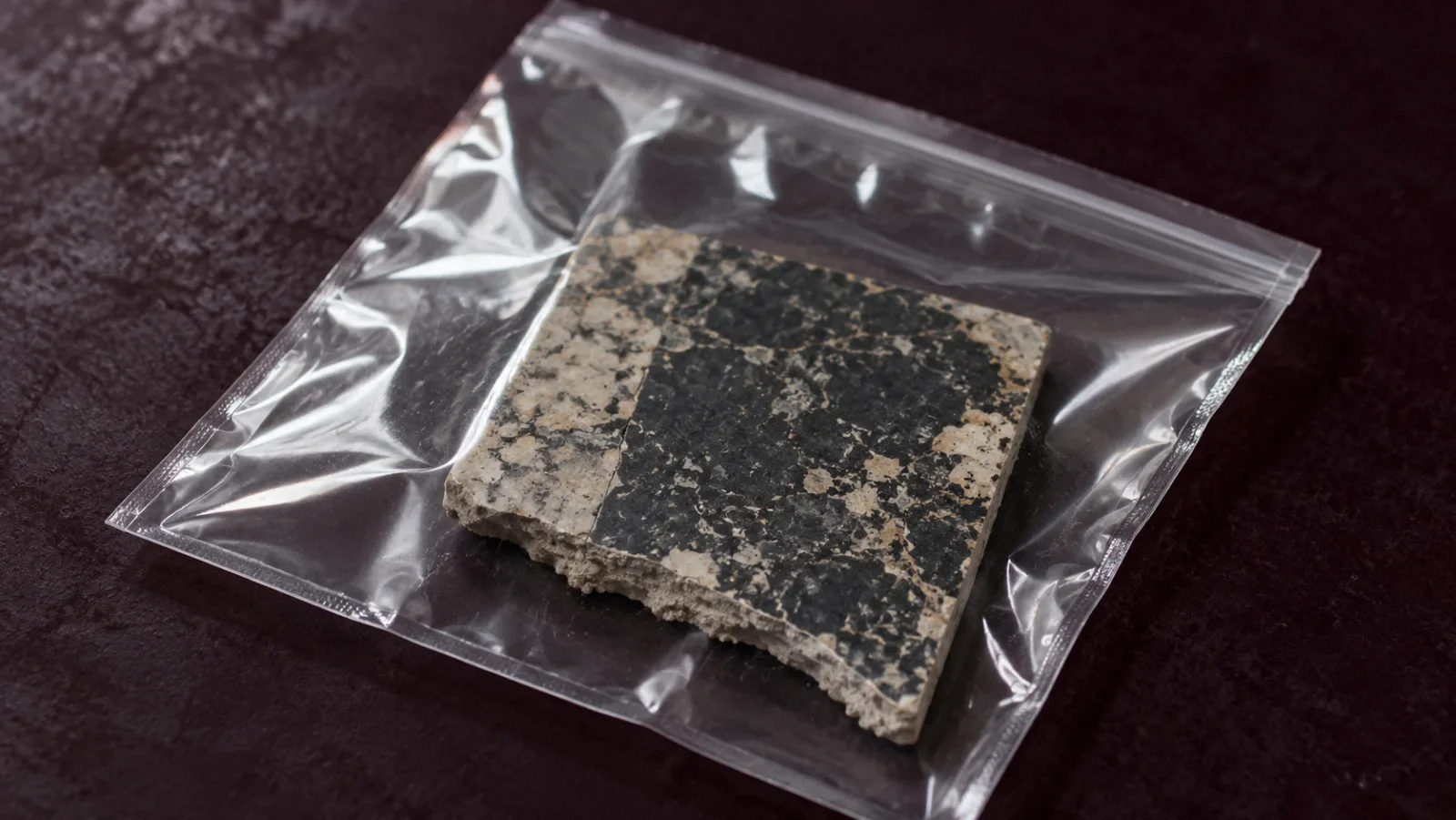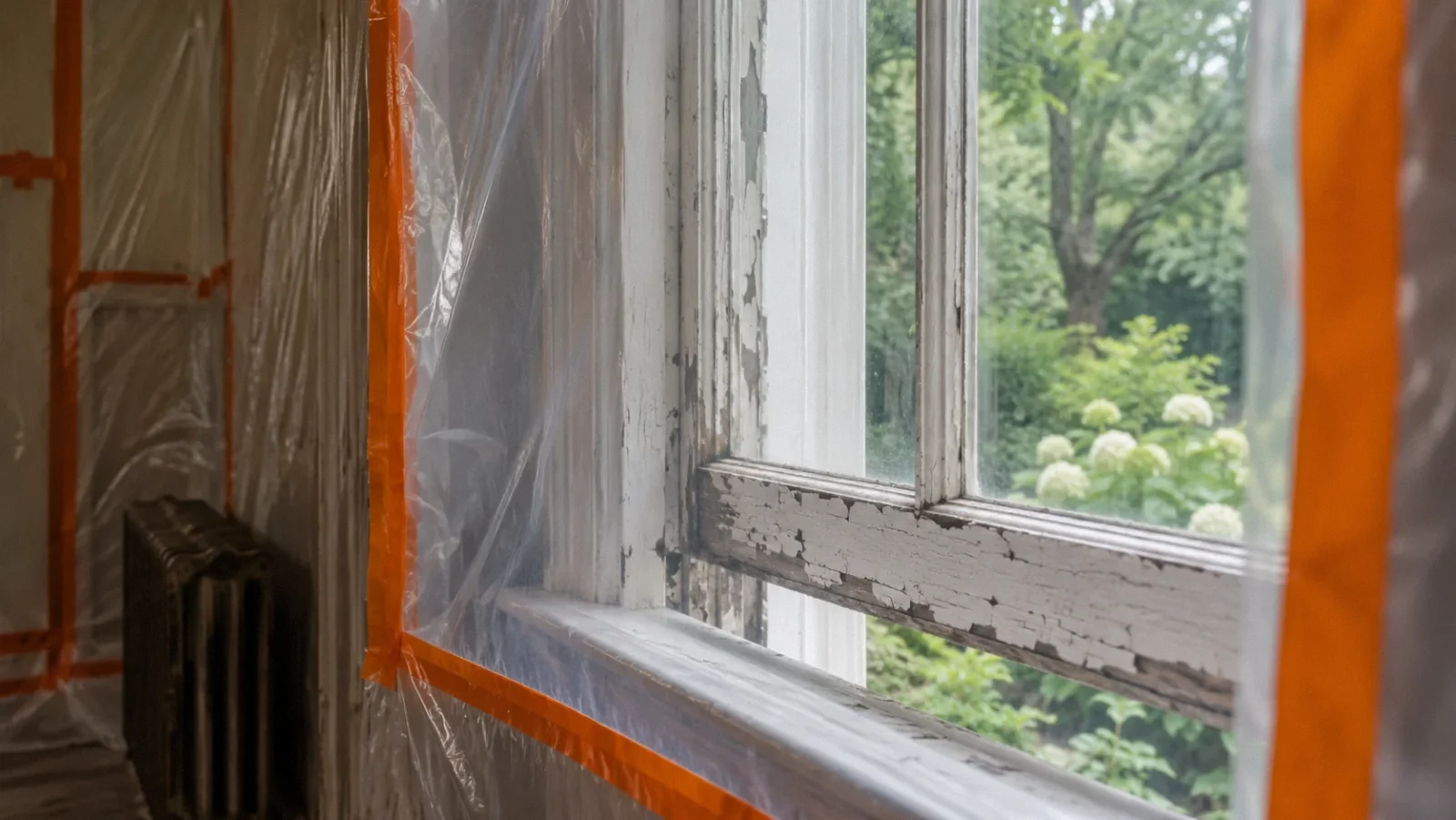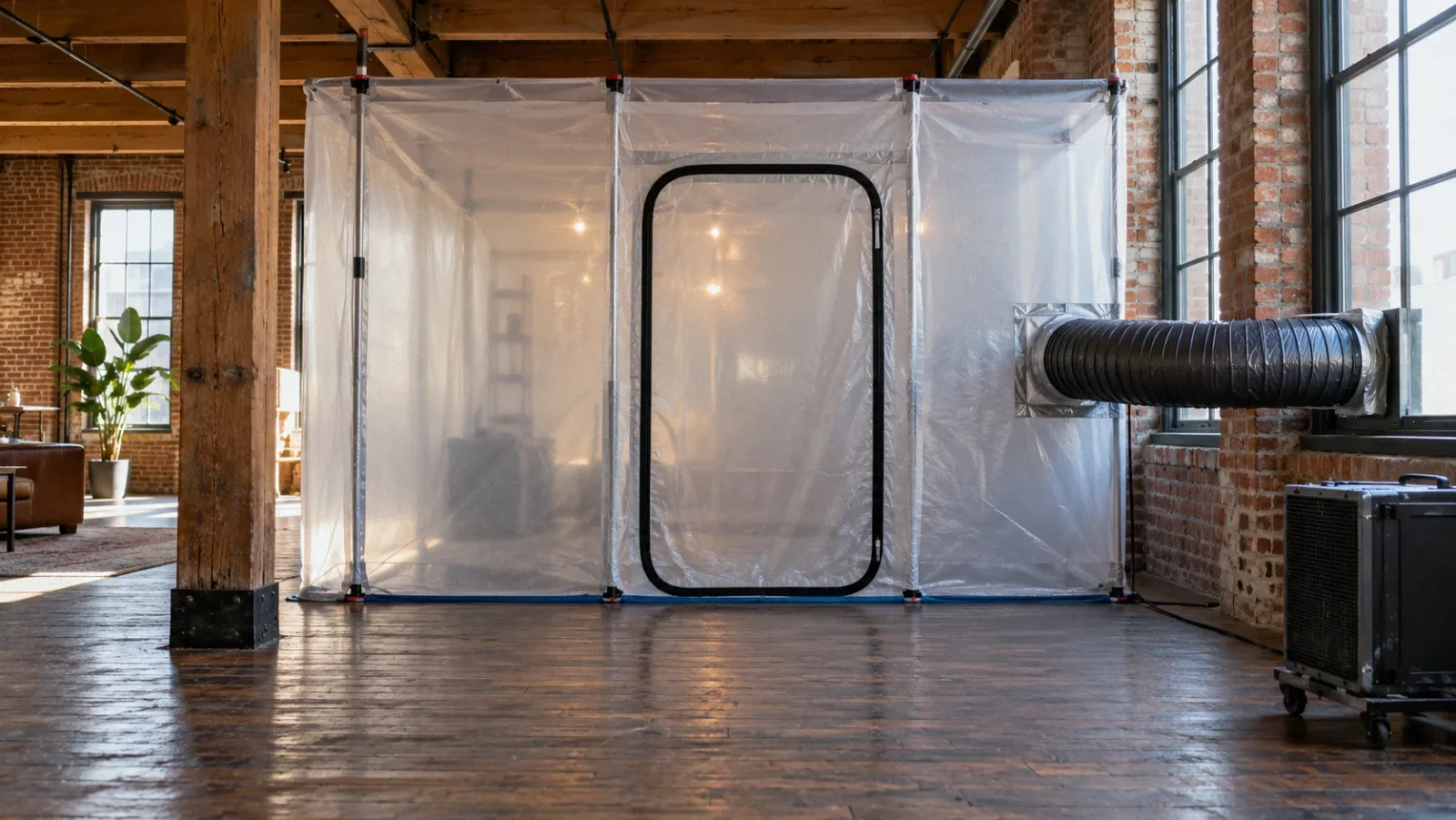
Negative Air and Containment During Water-Damage Cleanup
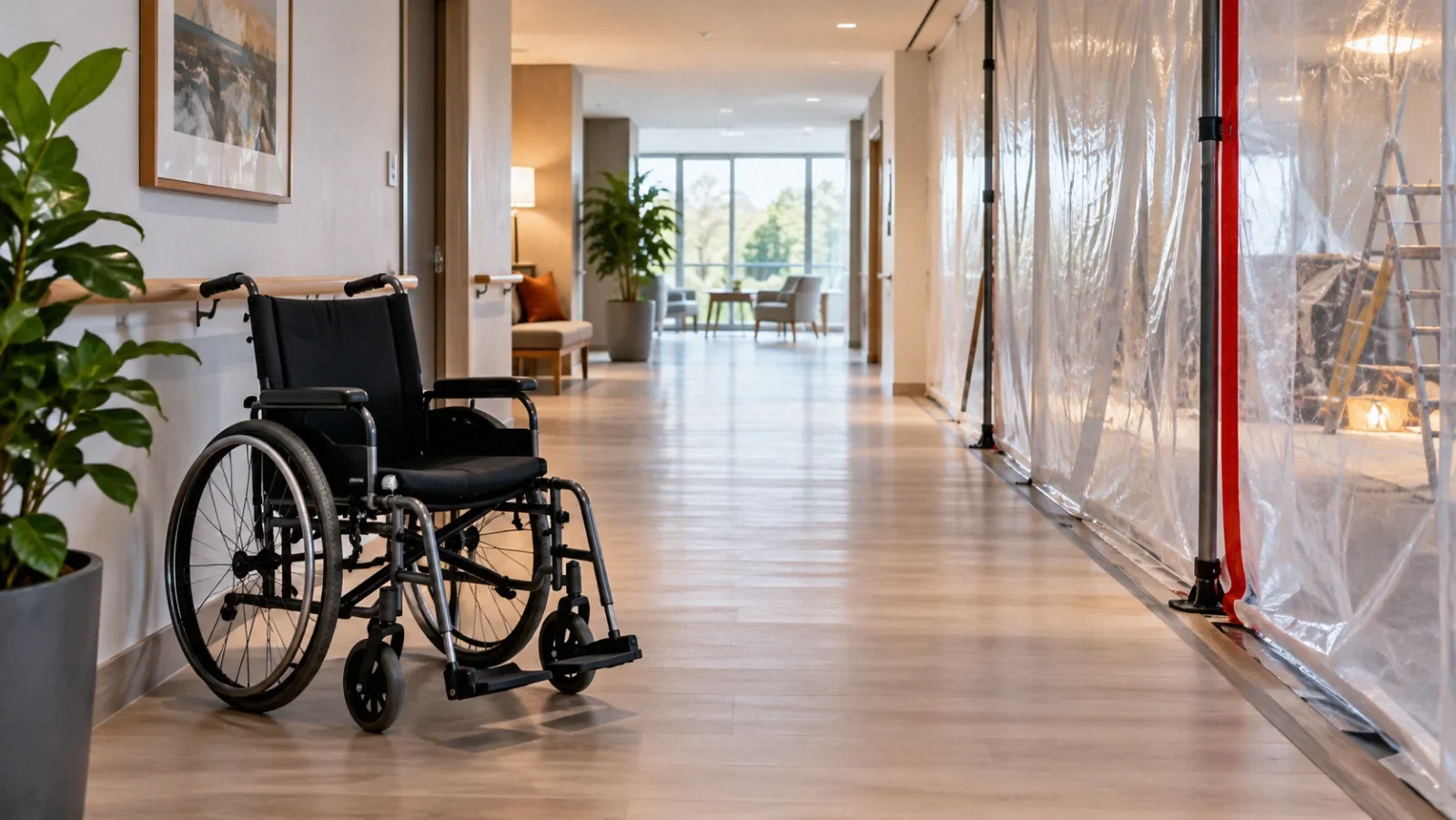
Understand how barriers, exhaust, makeup air, and verified pressure direction work together to limit contamination during water-damage remediation.
Clear scopes, communication and closeout. Browse 20 detailed guides.
Understand how barriers, exhaust, makeup air, and verified pressure direction work together to limit contamination during water-damage remediation.
Separate water contamination from drying difficulty, using practical contrasting cases to understand why classification should lead to specific cleanup decisions.
Keep owners, contractors and adjusters aligned with named decision makers, scheduled updates and a log separating proposed work from actual approvals.
Plan restoration around health, mobility and access needs through practical work boundaries, suitable communication and individualized clinical advice.
Collect source-repair, drying, construction and payment records in a usable handover file that explains completed work, verification and remaining limitations.
Remediation verification should examine source correction, retained materials, cleanliness, and limitations before reconstruction covers the evidence.
Permit decisions depend on the repair scope and local authority. Separate urgent mitigation, permanent reconstruction, hazardous materials, and final approval.
Water damage does not remove asbestos hazards. Assess suspect layers before disturbance and coordinate removal, reconstruction, and required records.
Repairs in pre-1978 housing can create lead dust. Verify lead-safe qualifications, define emergency work limits, and document the required cleanup process.
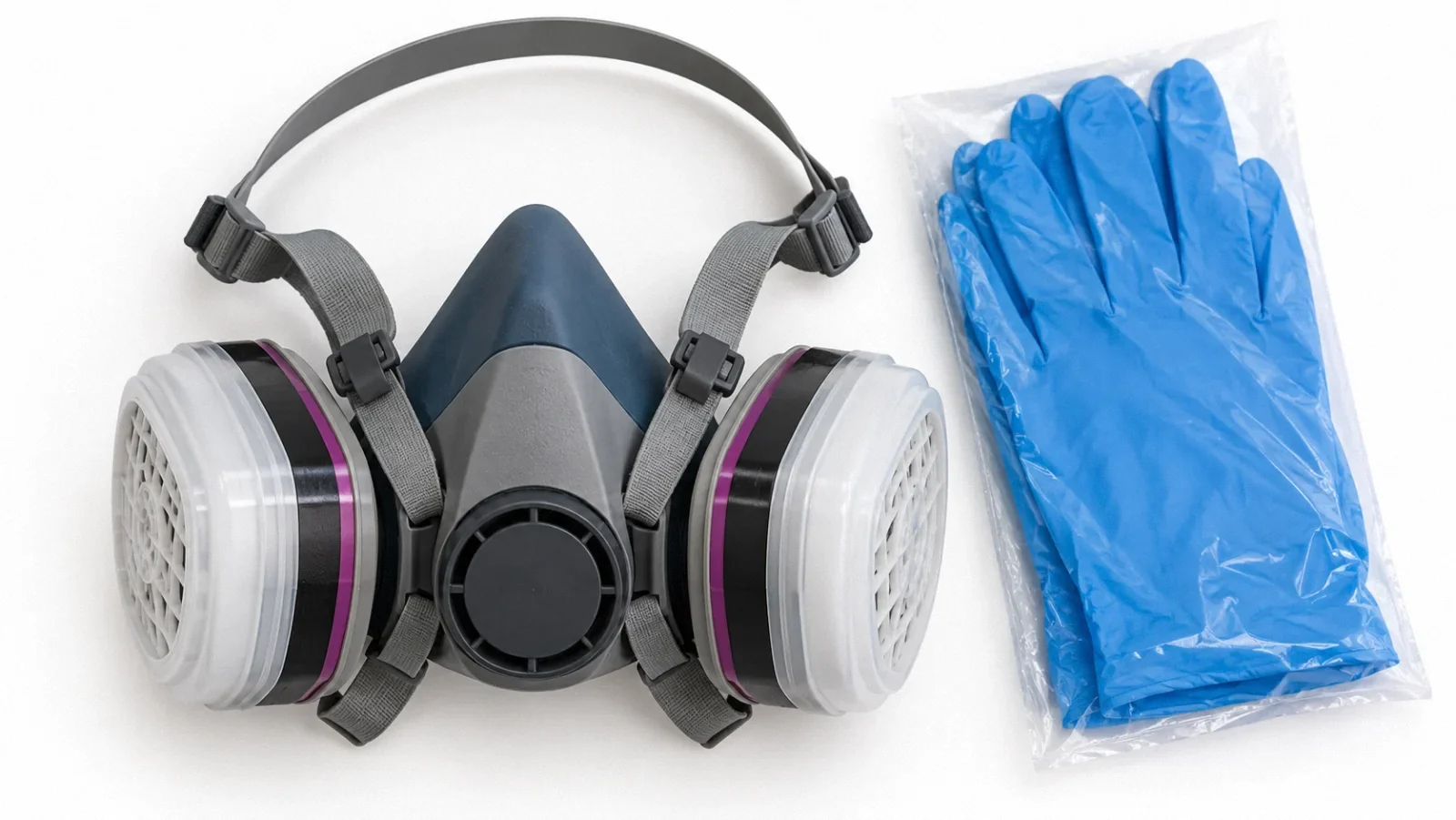
Worker protection requires a task-specific plan. Understand controls, required respirator programs, fit testing, PPE selection, and coordination between trades.
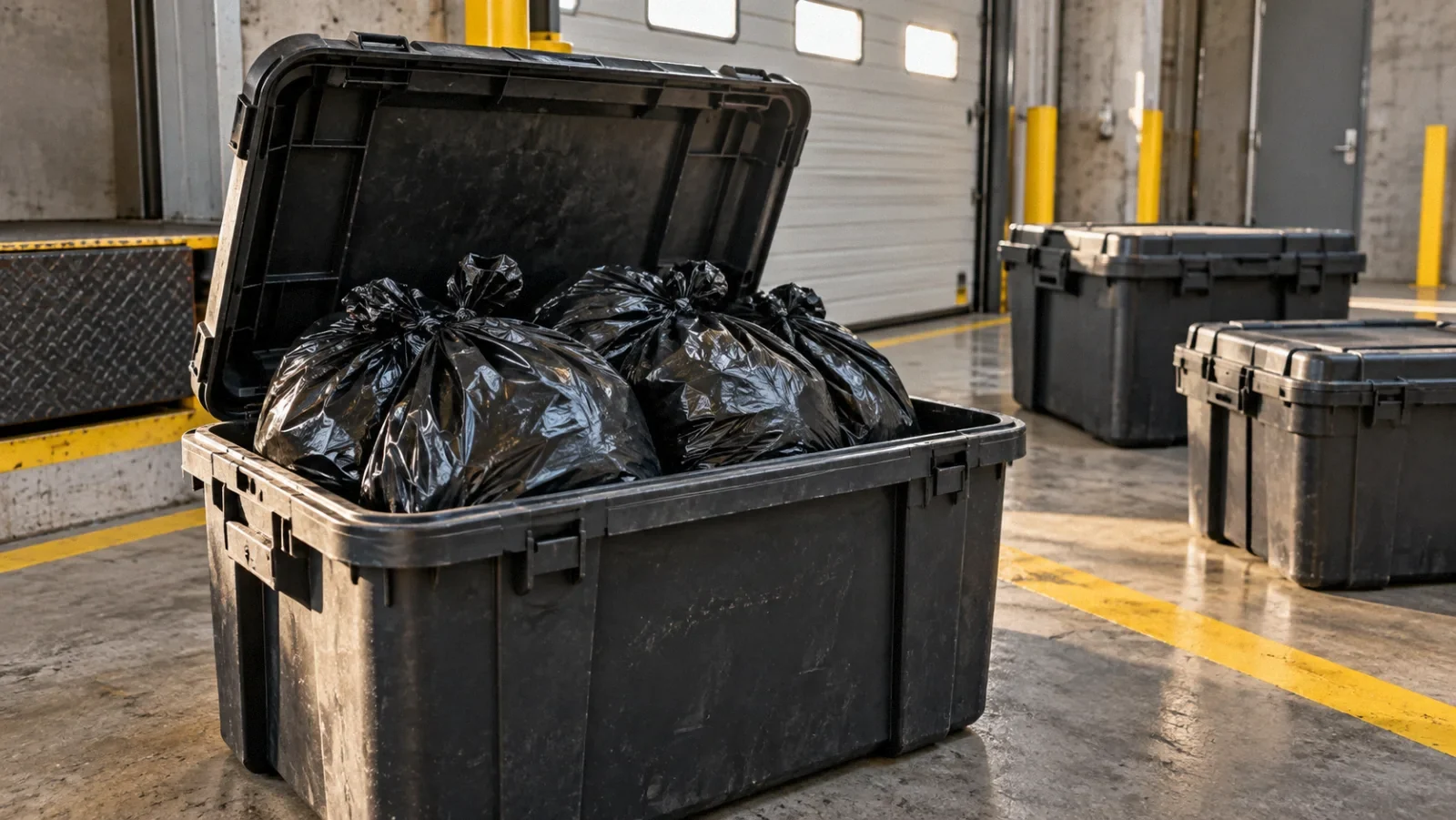
Classify debris before mixing it. Mold, lead, and asbestos require different decisions about handling, transport, facility acceptance, and documentation.
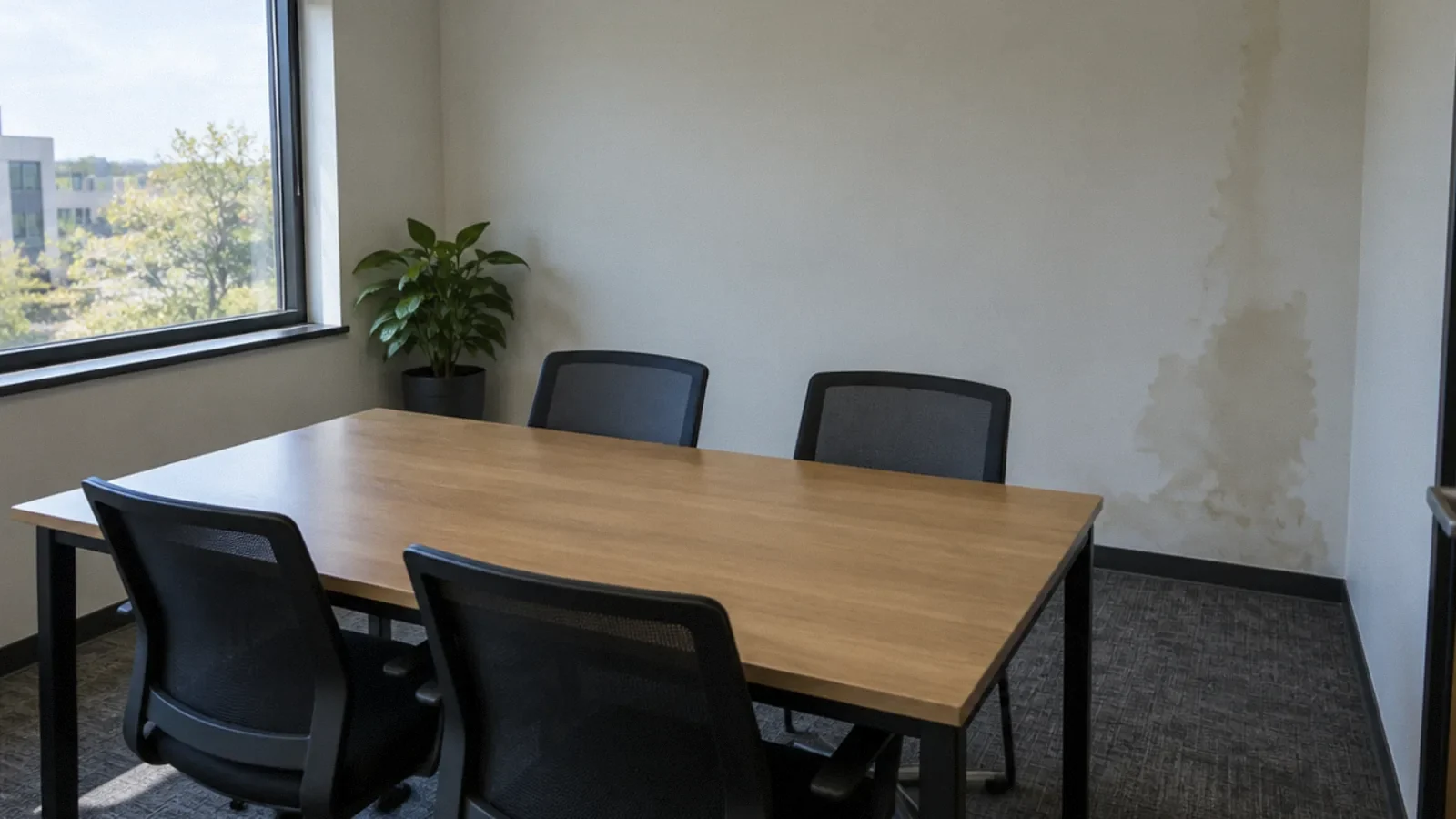
Understand how to plan moisture investigation, occupant communication, containment and verification for mold in a commercial building.
Learn how professional heat treatment is used for drywood termites, its limitations and preparation questions.
Understand the factors in biohazard cleanup estimates, California registration and possible reimbursement.
Plan a respectful cleanup around immediate safety, the occupant’s choices, professional support and a written cost estimate.
Understand what debris removal can include, how hazardous materials change the work and what to ask about a quote or insurance.
Learn why the extinguisher agent, fire damage and appliance instructions determine the cleanup.
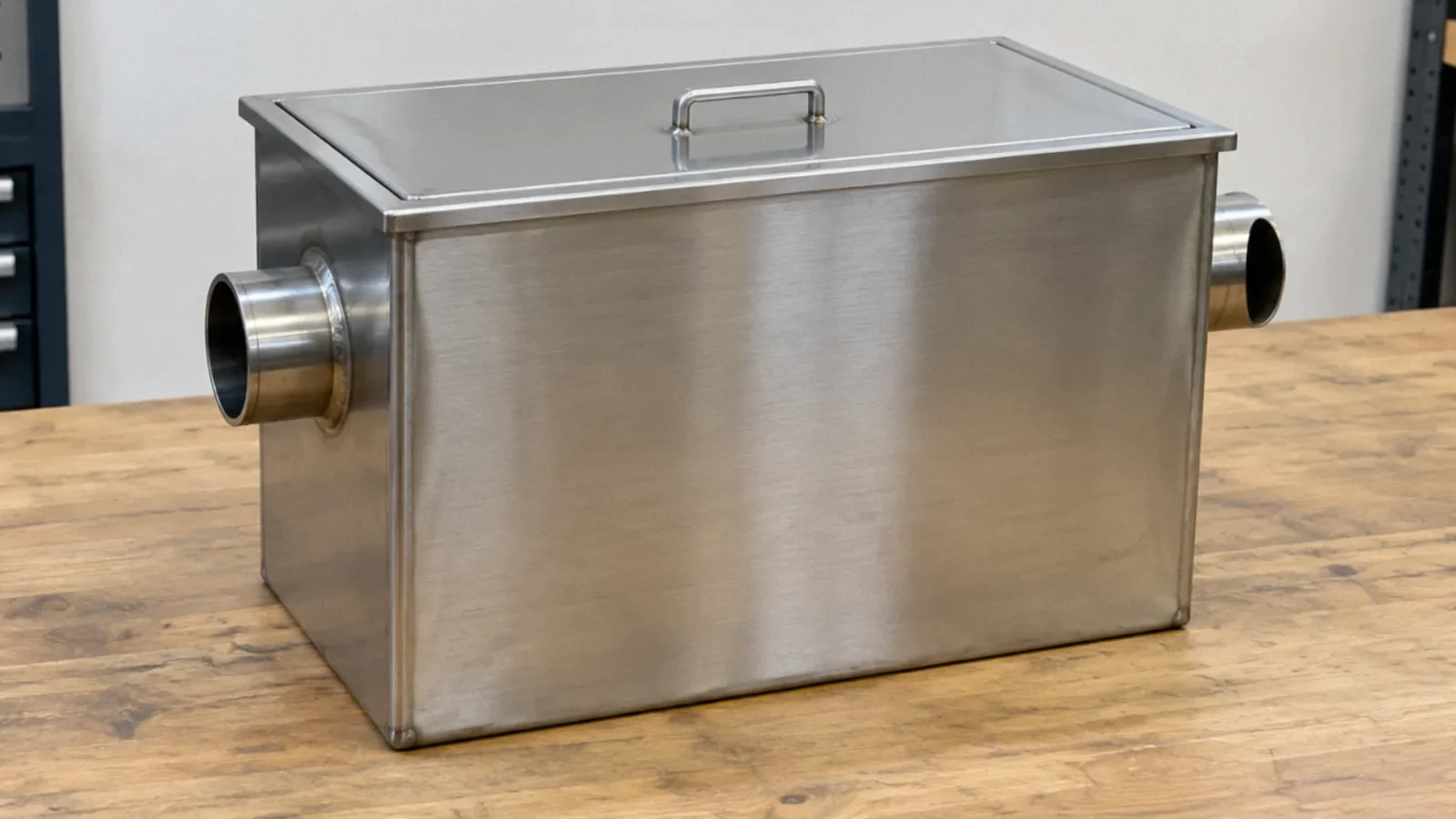
Compare equipment, installation and recurring service costs for a commercial grease trap, and see which local requirements affect a quote.
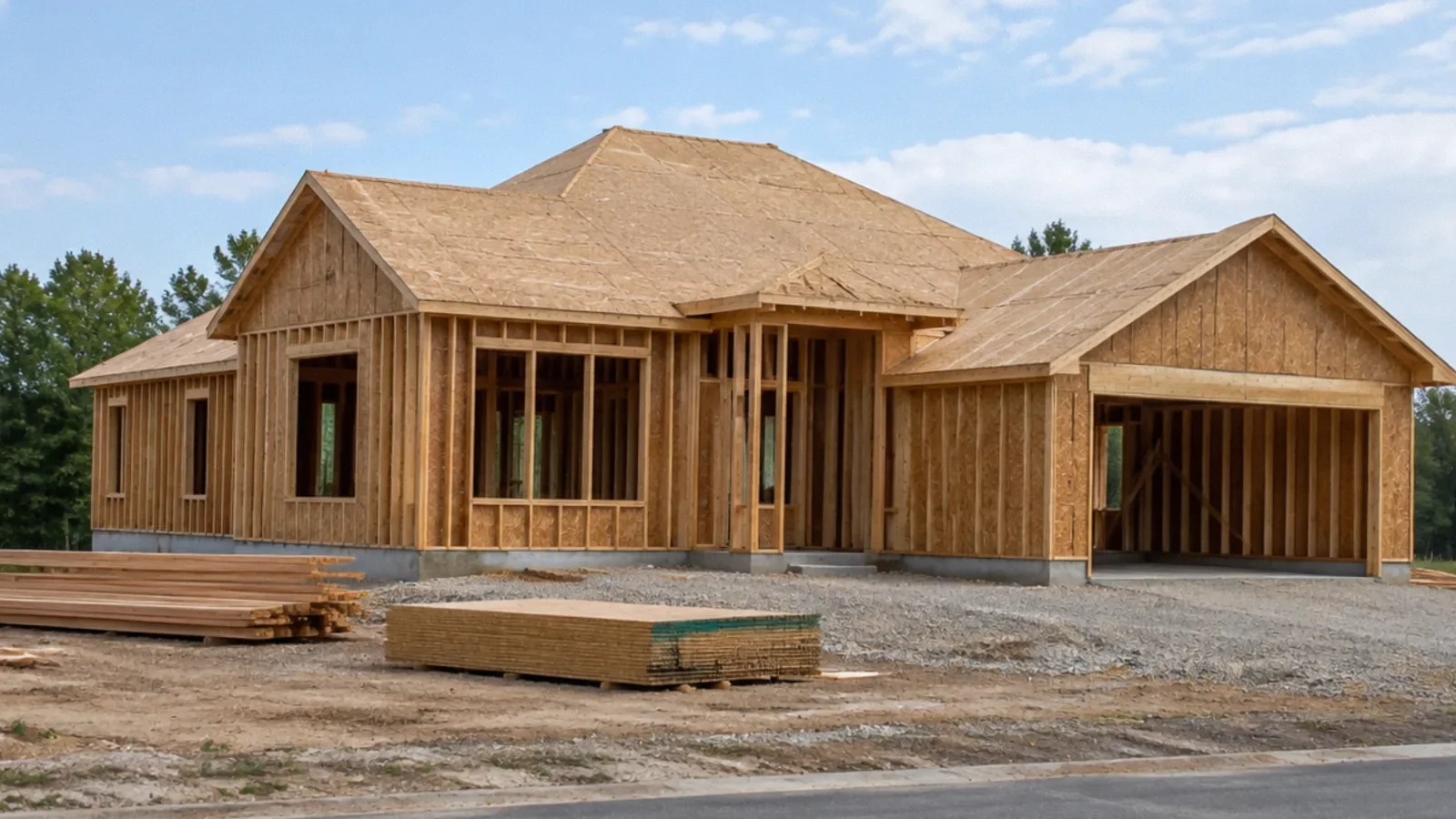
Learn how construction projects are grouped by use and ownership, and how those categories differ from building-code construction types.
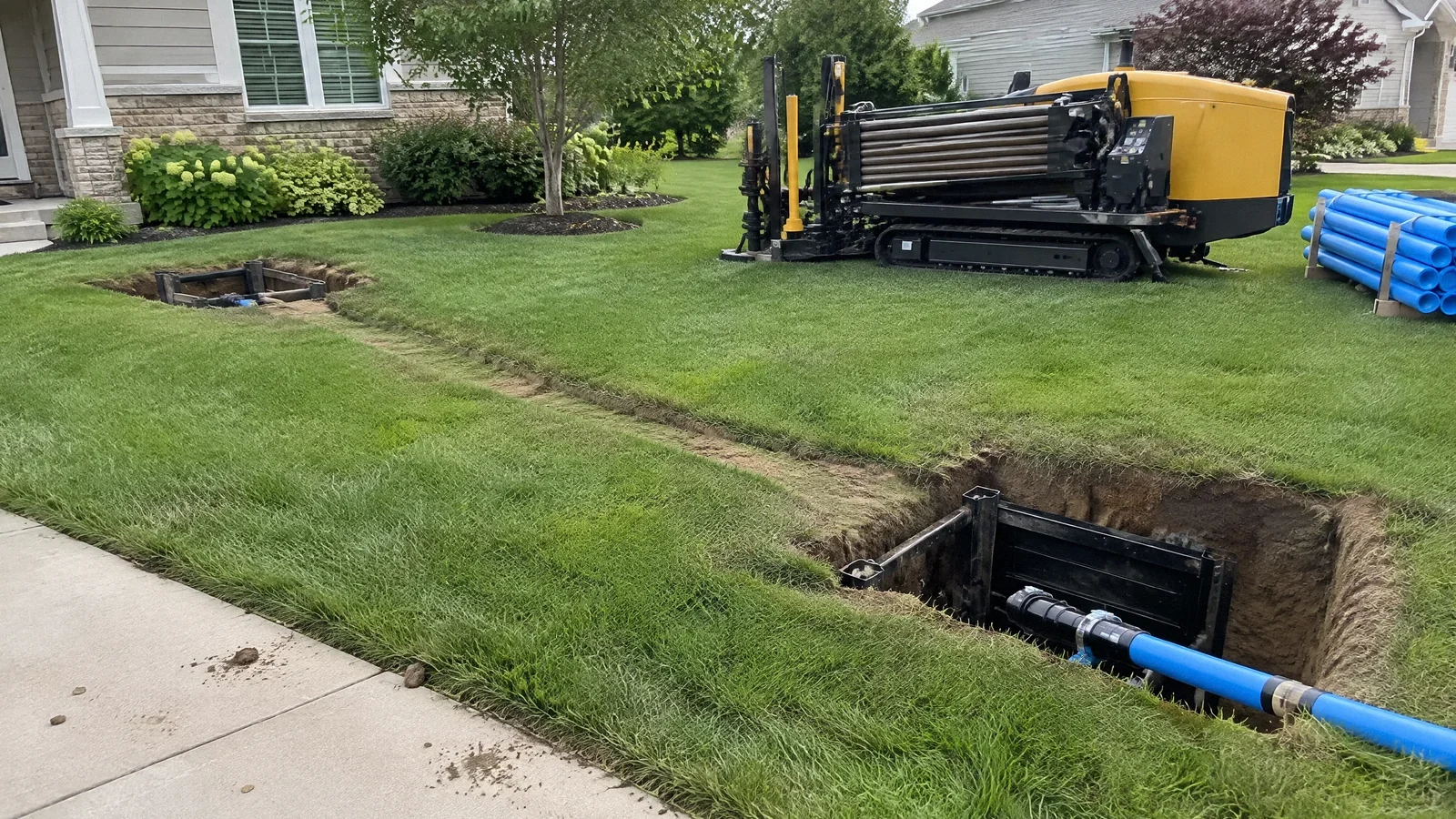
Understand trenchless water service replacement, access pits, utility responsibilities and questions to ask before choosing a repair method.
Try a material, “insurance”, “mold”, or a shorter phrase.