Construction can be classified by the purpose of a project, such as residential buildings, commercial buildings or infrastructure, and by public or private ownership. Building codes also use construction types based on structural materials and fire-resistance requirements. These are different classification systems.
Construction includes more than new buildings
The U.S. Census Bureau’s construction-spending definitions include new structures, additions, alterations, renovations, major replacements and installed building systems. A water-damage reconstruction, roof replacement or plumbing installation can be construction work even when no new house is built.
The classification used in an estimate, permit or statistical report depends on its purpose. Ask whether a person means the kind of project, the building’s occupancy, who owns it or its code construction type before comparing categories.
Residential construction
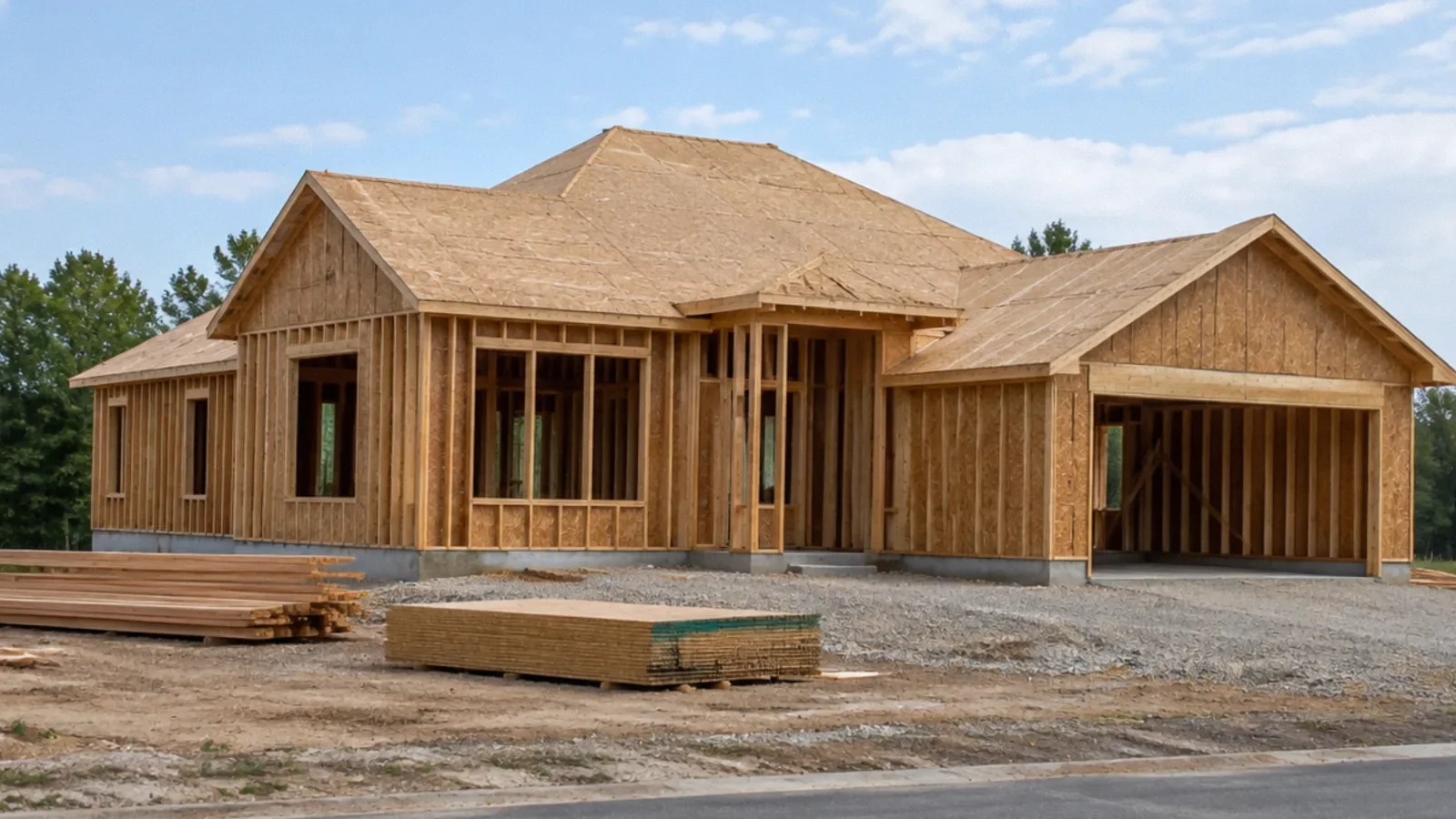
Residential construction concerns housing, such as single-family houses, townhouses and multifamily buildings. Census definitions distinguish new single-family and multifamily construction and also account for certain improvements and additions. A mixed-use building can have both residential and nonresidential areas.
Residential projects can range from a bathroom repair to a new apartment building. Their scope, design, permits and licensed trades differ. A homeowner should request a written scope and check local requirements rather than assuming every residential project follows the same process.
Commercial and other nonresidential work
Nonresidential projects can include offices, retail, healthcare, schools, industrial facilities and other buildings used for purposes other than housing. A restaurant renovation and a hospital project can have very different equipment, occupancy and approval requirements.
A commercial building can be privately or publicly owned. Ownership and use are separate questions: a privately owned office is nonresidential, while a publicly owned housing project can be residential. Census statistical categories have specific definitions that may differ from a permit form.
Infrastructure and site construction
Roads, utility lines, water and sewer facilities, bridges and other fixed infrastructure are another broad group of construction work. Site preparation, grading, drainage and utility connections may also be part of a building project. The responsible agencies and permits depend on the work and location.
A construction site is the place where work occurs; sites can involve new buildings, renovation or infrastructure. Access, neighboring properties, underground utilities and worker safety need planning. Call 811 before excavation and follow the utility and local authority’s instructions.
Public and private projects
The Census Bureau classifies projects as private or government owned based on ownership during construction for its spending data. A public school project and a privately owned office project can both involve similar building trades but have different procurement and contract requirements.
Do not assume a project’s financing alone defines every legal obligation. For a specific job, read the contract and ask the owner or responsible authority which requirements apply. This article describes broad categories, not a determination of prevailing wage, licensing or permit obligations.
Building-code types I through V
Building codes also classify construction by the materials and fire-resistance characteristics of structural elements. Construction types I through V answer a different question from whether a building is residential or commercial.
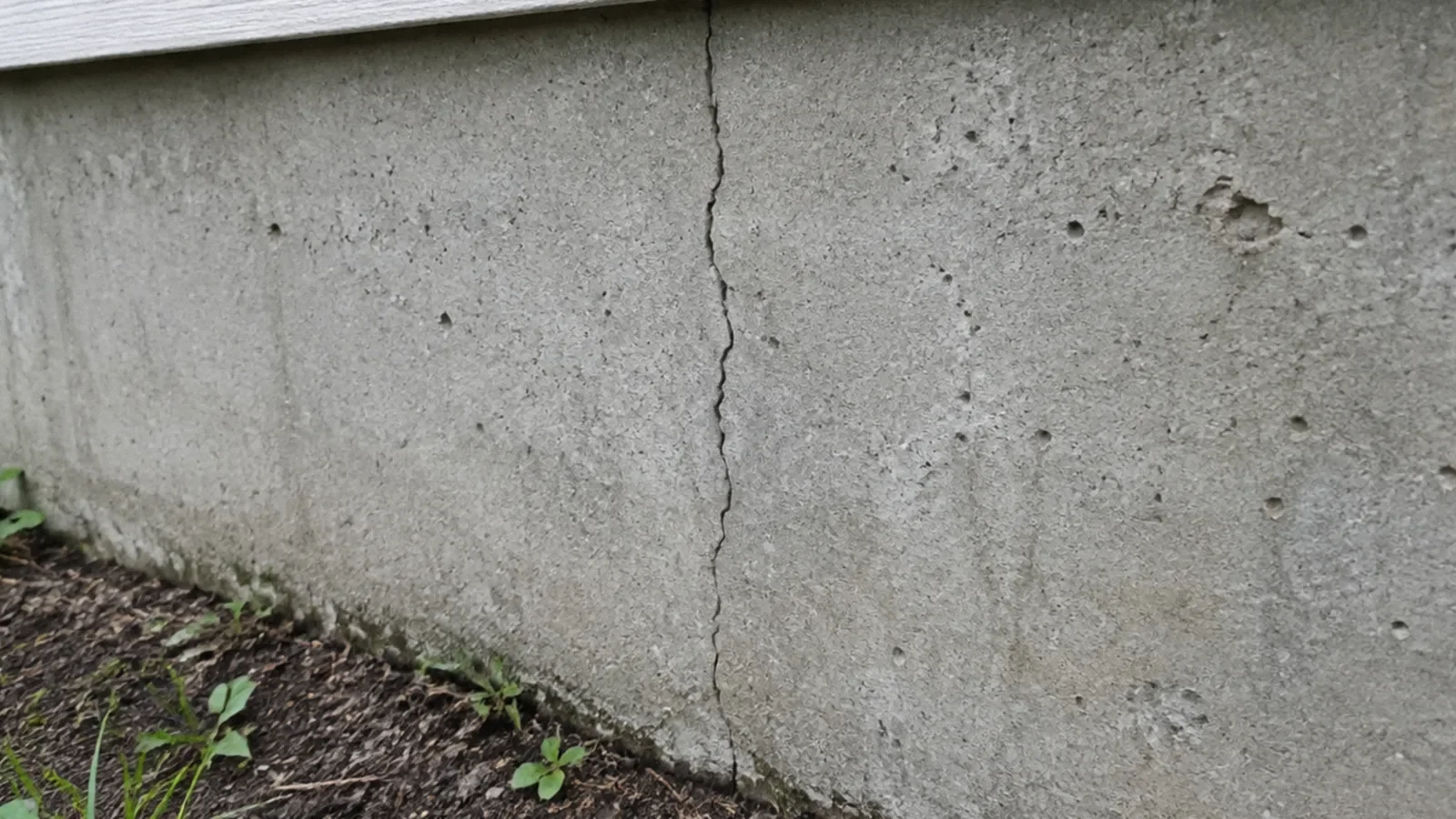
For example, the National Institute for Occupational Safety and Health describes typical Type III construction as having masonry exterior walls and combustible interior structural components, and Type IV as using large wooden structural components. These are general descriptions, not a substitute for the adopted code. A building’s classification depends on its design and authority’s review, not just a visual impression of one wall.
Repairs and restoration
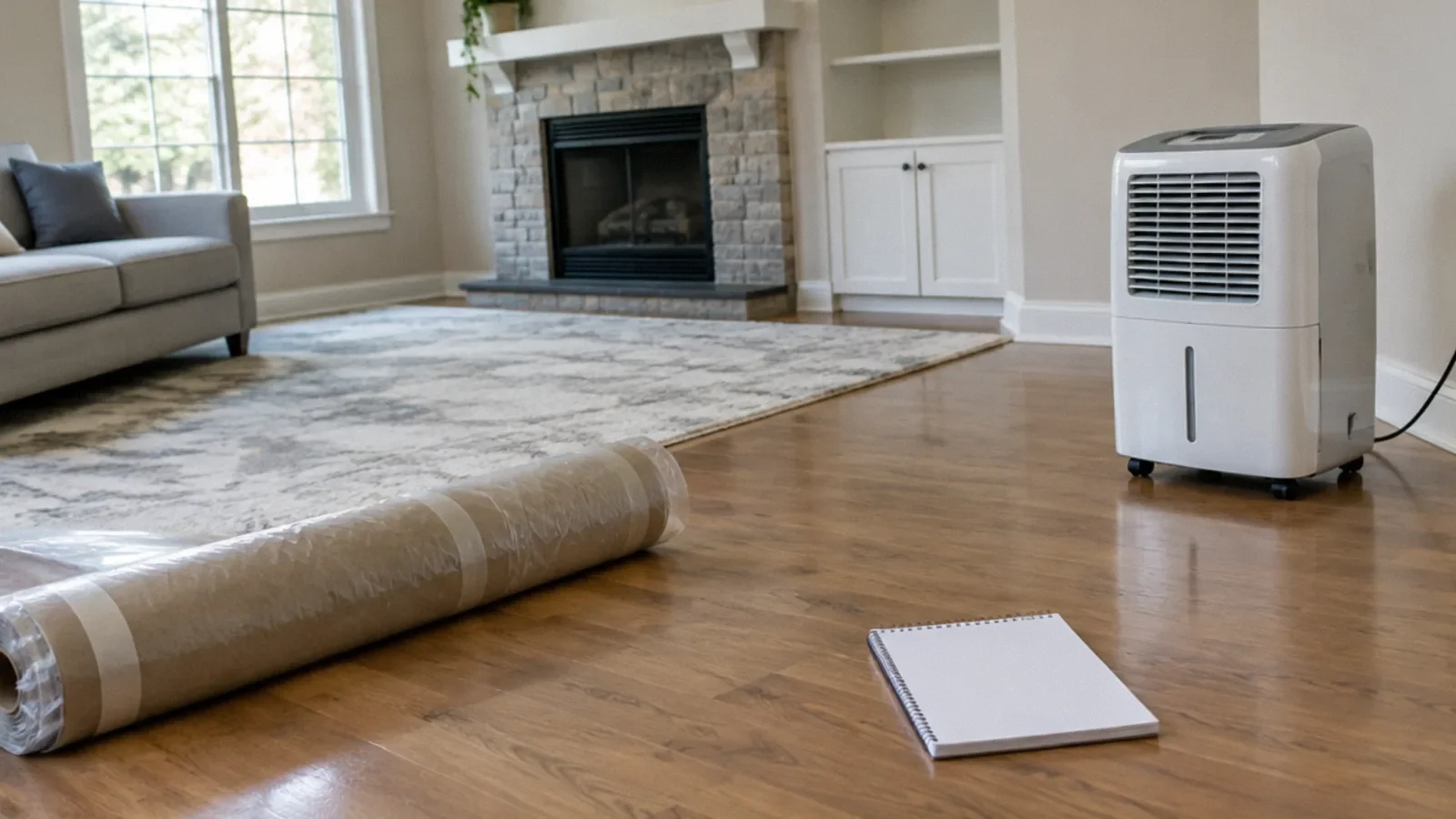
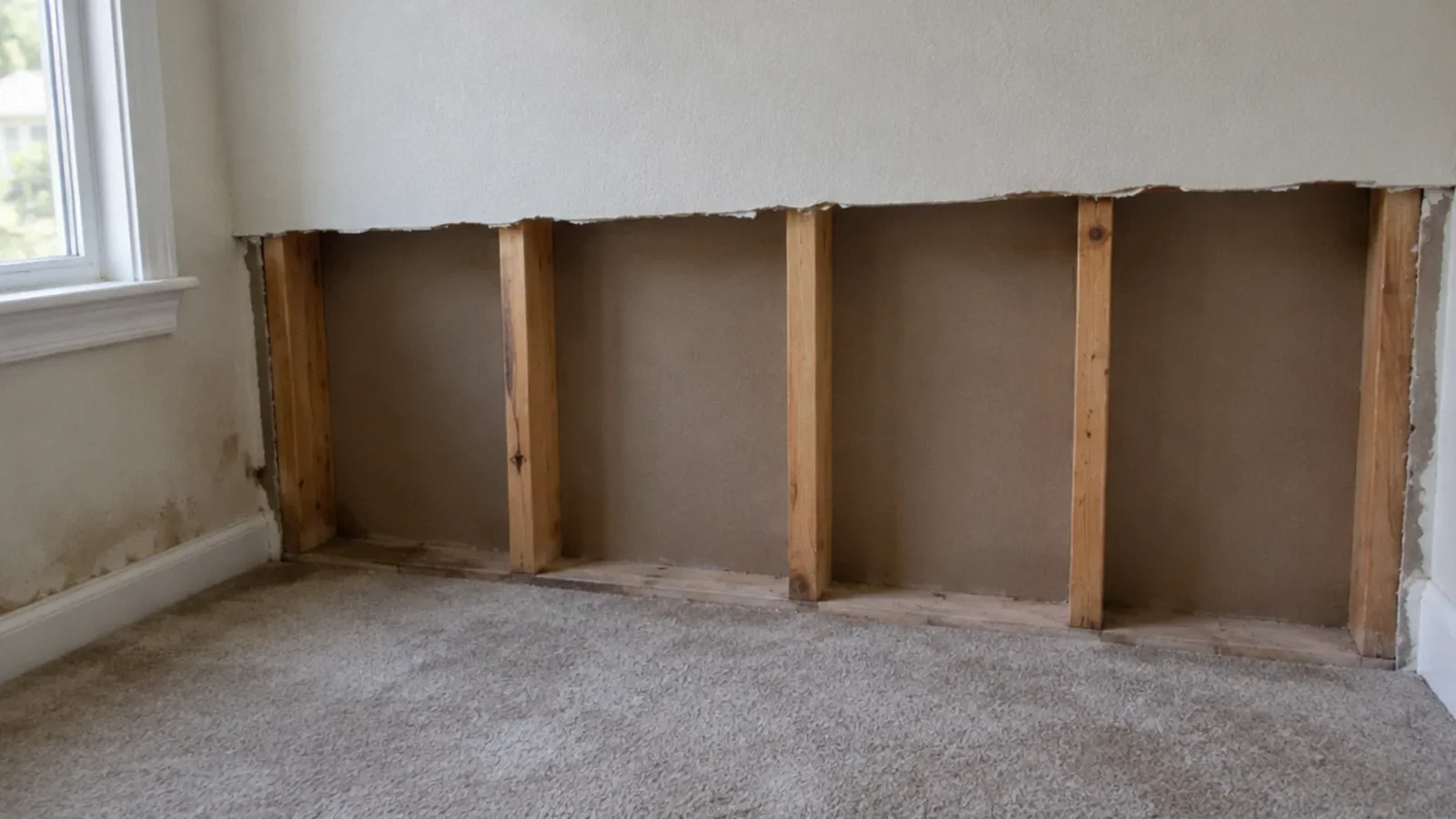
After a water or fire loss, construction may include demolition, drying, structural repair, electrical or plumbing work and replacement of finishes. The work should follow an assessment of contamination, moisture and structural condition. Wet electrical equipment and suspected asbestos or lead require appropriate qualified handling before disturbance.
Separate the emergency mitigation scope from reconstruction in the written estimate. Ask which permits, inspections and specialists are required and how hidden damage will be documented. An insurance claim and a construction contract are related but separate decisions.
Choosing a qualified contractor
Check the license and status appropriate to the work and location, request references and insurance information, and compare written bids. California’s Contractors State License Board provides an online license check. Licensing and permit rules vary by jurisdiction and scope.
A useful proposal identifies materials, responsibilities, schedule, change orders and payment terms. Ask the local building department about requirements for the specific project. Avoid assuming that a project category alone establishes every code or contractor qualification.
Your next-step checklist
- Identify whether the question concerns project use, ownership or code type.
- Define the work and affected building systems.
- Check permits and qualified trades for the location.
- Locate utilities before excavation.
- Compare written scopes and contractor credentials.
Related questions
What are common types of construction projects?
Broad examples include residential buildings, nonresidential buildings and infrastructure. Projects can also be public or private.
What is residential construction?
It is construction involving housing, including single-family and multifamily work; specific statistical and legal definitions vary.
Are building-code Types I–V the same as residential and commercial categories?
No. Code construction types address structural materials and fire-resistance requirements, while residential and commercial describe project use.
Is renovation considered construction?
Yes. The Census Bureau’s construction definitions include additions, alterations, renovations and major replacements.
Sources & context
Public guidance supports the principles in this article. The practical questions and examples are editorial interpretation, not a site assessment or a coverage decision. State-specific rules apply only where identified.
- U.S. Census Bureau: Construction definitionsfederal statistical definitions
- NIOSH: Structure fires and building construction typesfederal safety guidance
- California CSLB: Check a licensestate licensing resource
- EPA: Debris and damaged buildingsfederal safety guidance