A foundation crack should be assessed in context before it is sealed. Water entry, movement, the crack’s location and the condition of the structure affect the repair. A sealant may address an appropriate opening but cannot by itself correct poor drainage, ongoing movement or a structural problem.
Start with safety and the water source
If a wall is visibly bowing, a structure appears unstable or water is near electrical equipment, keep people away and seek qualified help. Do not enter standing water to reach a panel or move a heavy object against a damaged wall. An urgent structural or electrical hazard takes priority over a cosmetic repair.
Note whether water enters during rain, after irrigation or when a pipe operates. A crack may be one pathway, while the source can be roof runoff, grading, groundwater, plumbing or another condition. Record observations from a safe location and avoid digging until utilities are located.
What a crack can and cannot tell you
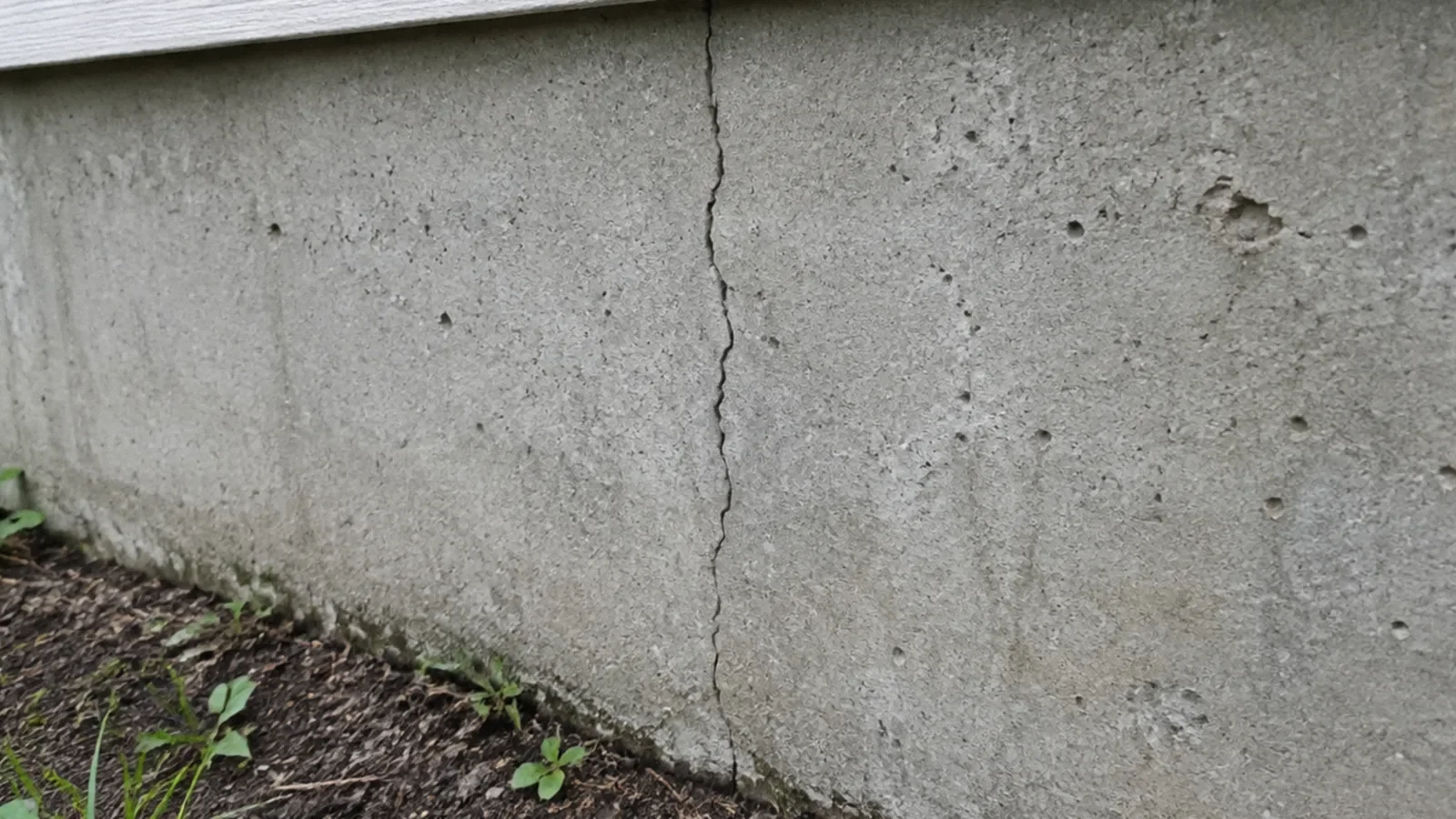
Concrete can crack for different reasons, including shrinkage, settlement, pressure or movement. A narrow visible crack does not automatically prove a structural failure, and a large or changing crack cannot be diagnosed reliably from a photograph alone. Width, direction, movement and the surrounding construction all matter.
Document location and any visible change, and tell the professional whether doors, floors or other surfaces have moved. A structural engineer or other qualified specialist can determine whether further evaluation is needed. Do not cover an unexplained changing crack before it is assessed.
Find out how water reaches the wall
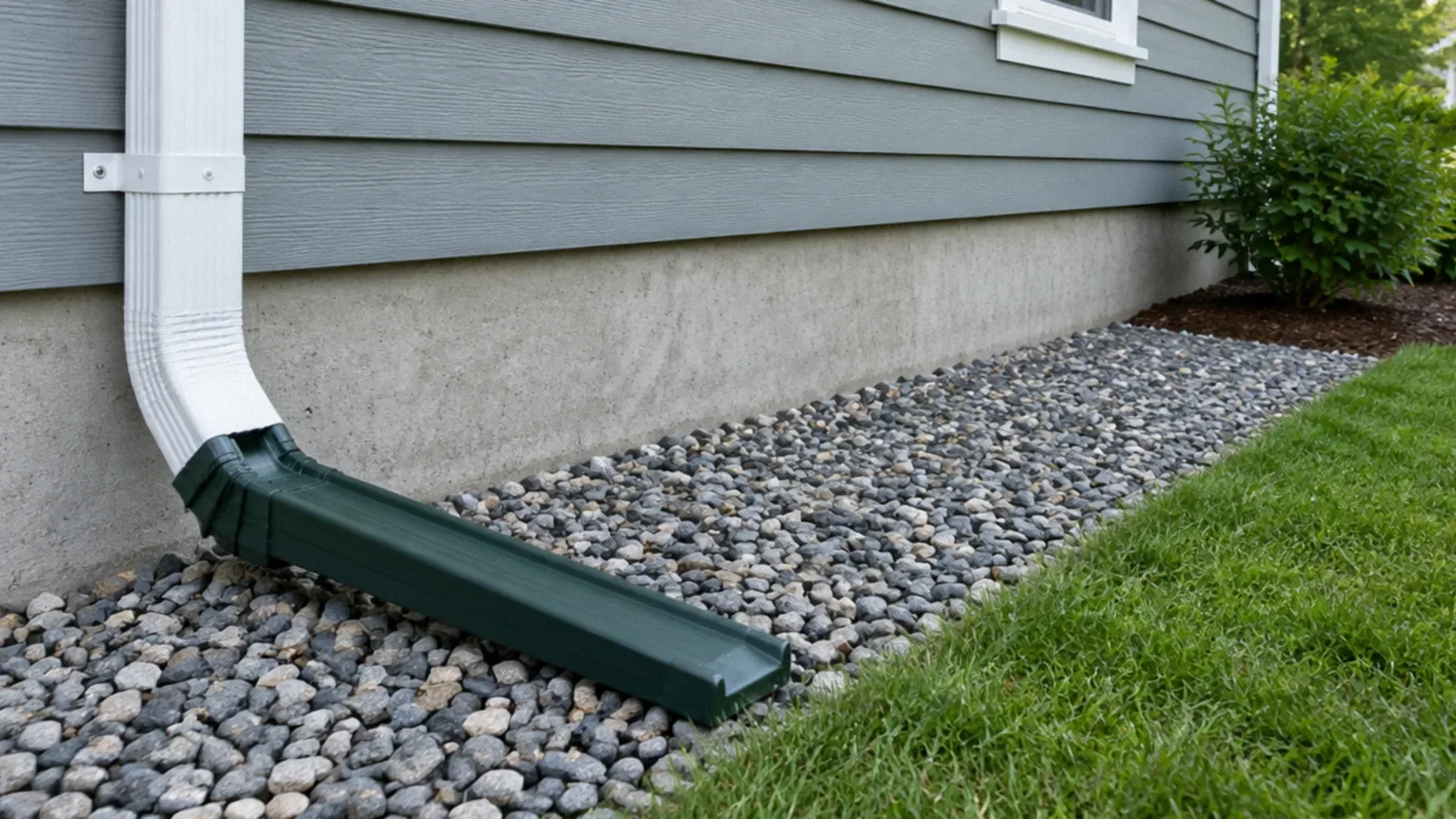
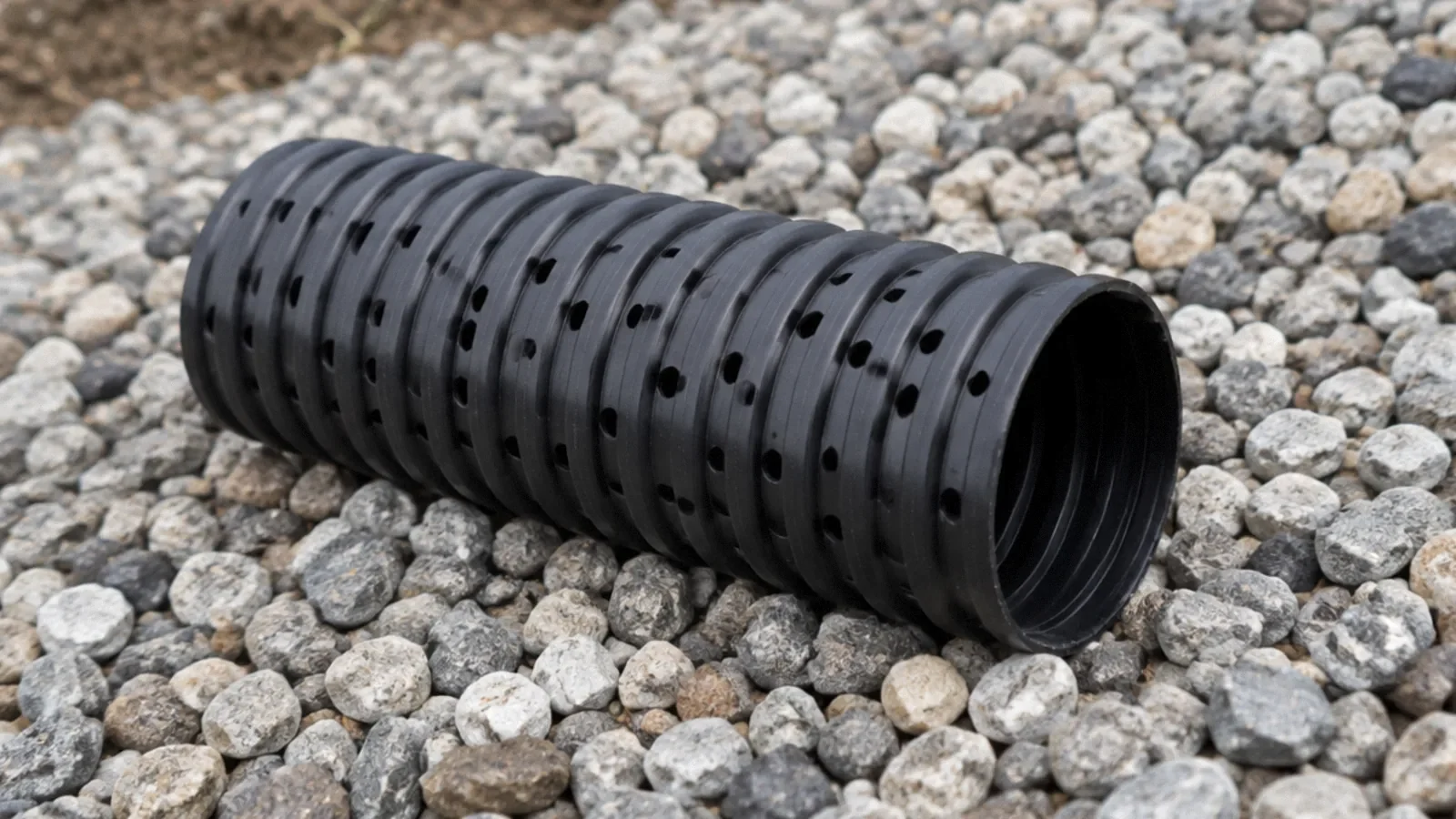
The University of Minnesota Extension notes that ground sloping toward a foundation can direct water toward a basement, and that drainage can be an important part of solving moisture through cracks. Inspect accessible gutters, downspouts and surface drainage safely. A buried drain or foundation opening may require specialist assessment.
Do not assume that every crack needs an interior sealant or that a new drain will solve every leak. The repair should match the observed pathway and site. Discharging water onto a neighboring property or into an unsuitable system can create a new problem.
When sealing may be part of a repair
A compatible sealant, injection or other method may be appropriate for a particular crack after the cause and condition are assessed. Product suitability depends on the material, movement, moisture and location. Follow the manufacturer’s instructions and applicable building requirements.
A surface coating can conceal evidence without stopping water or movement behind the wall. Ask the contractor what the product is intended to do, what preparation is required, whether the crack must be dry and how the result will be checked. Do not treat a cosmetic seal as a structural repair unless the design calls for it.
Structural repair is a separate decision
A bowed wall, displacement, worsening crack or damage to supported framing may require structural evaluation. Depending on the facts, an engineer may recommend monitoring, stabilization, drainage changes or another repair. The appropriate method cannot be selected from a generic checklist.
Do not remove soil beside a foundation, cut reinforcement or alter a load-bearing element without a qualified plan. Excavation may affect utilities and stability. Call 811 before digging, and check for required permits and inspections with the local authority.
Radon and indoor air considerations
Cracks and openings can also be pathways for soil gas. EPA describes sealing as one component of radon-resistant construction, but sealing alone does not establish that an existing home has a safe radon level. If radon is a concern, use appropriate testing and qualified mitigation guidance.
A moisture repair can affect ventilation and adjacent materials. Keep people away from suspected mold or contaminated water during work, and avoid mixing cleaning chemicals. Address the source and assess wet insulation, framing or finishes before closing the area.
Compare written proposals
Ask each contractor to identify the suspected cause, inspection findings, repair method and whether drainage, excavation, sealing and interior restoration are included. Request details about permits, warranty, cleanup and how concealed conditions or additional work will be handled.
A proposal should explain how success will be evaluated after the conditions that caused the leak return. A low price for sealing a visible line may omit source correction; a large excavation may also be unnecessary without supporting evidence. Obtain an independent assessment when recommendations conflict.
Monitor after repair
Keep photographs, measurements, invoices and the repair description. Monitor safely after rain or irrigation and report renewed water, a changing crack or displacement. A dry surface on the day of repair does not prove the entire drainage and foundation system has been corrected.
If interior materials were wet, confirm they have been appropriately assessed, cleaned and dried before refinishing. Insurance coverage depends on the cause, exclusions and policy; ask the insurer for a written explanation if making a claim.
Basement floor cracks versus wall cracks
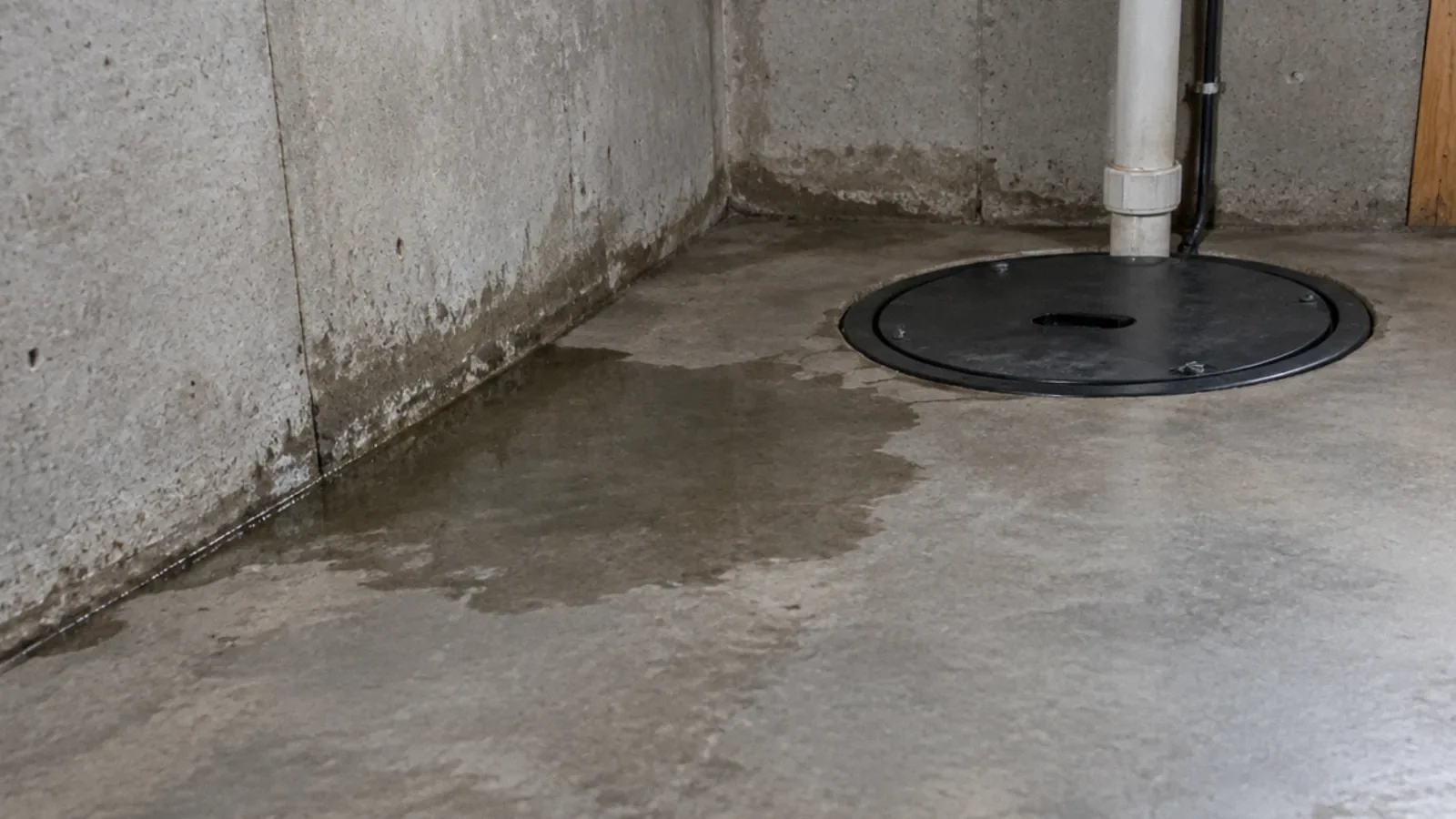
A floor slab crack and a foundation wall crack occur in different assemblies. Water at a floor crack or the floor-wall joint can reflect moisture or pressure beneath the slab; a wall crack may provide a route for water reaching the wall from outside. Neither location alone proves structural failure or identifies the source. Record location, width and dates of visible changes without entering an unsafe area.
A widening or displaced crack, bowing wall, sticking doors alongside movement, or recurring water deserves inspection by a qualified structural engineer or foundation professional. Sudden movement or instability calls for keeping clear and contacting local emergency authorities. A drainage specialist can assess grading and water pathways; a cosmetic seal alone may not address the cause.
Your next-step checklist
- Keep clear of unstable walls and electrical hazards.
- Document location, moisture and any change.
- Identify the water pathway before sealing.
- Use qualified structural assessment when movement is suspected.
- Call 811 and check permits before excavation.
Related questions
Can I seal a foundation crack to stop water?
Sealing can be part of an appropriate repair, but the cause, movement and water pathway must be assessed first.
Does every foundation crack mean structural failure?
No. Cracks have different causes. A changing, displaced or concerning crack should be evaluated by a qualified professional.
Will sealant fix poor drainage?
Not by itself. Drainage and other moisture sources may need separate correction.
Does sealing a crack eliminate radon risk?
No. Sealing may be one component of a radon-resistant approach, but appropriate testing and mitigation may still be needed.
What should I do about a crack in a basement wall?
Document the location and any water or change over time. A professional can assess whether moisture control, sealing or structural evaluation is appropriate; do not diagnose stability from a photograph.
Sources & context
Public guidance supports the principles in this article. The practical questions and examples are editorial interpretation, not a site assessment or a coverage decision. State-specific rules apply only where identified.
- University of Minnesota Extension: Basement moisture causes and solutionsuniversity extension guidance
- EPA: Moisture control guidancefederal technical guidance
- EPA: Radon-resistant construction basicsfederal guidance