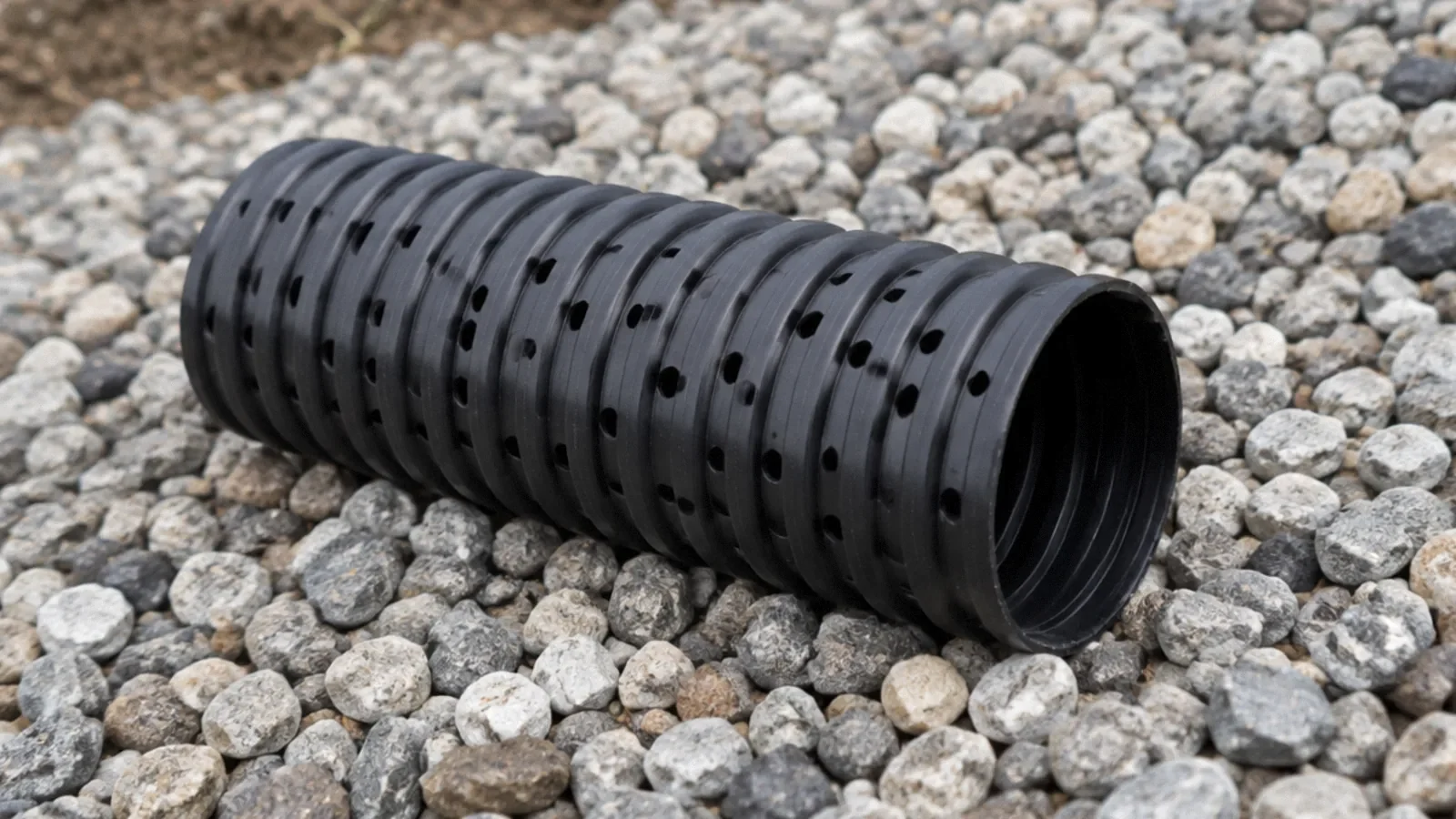
A French drain is generally a gravel-filled underground drainage route, often containing a perforated pipe, that collects and conveys water. Whether one helps depends on the source of water, soil, slope, capacity and an appropriate discharge or infiltration design.
What the system is meant to do
A drain gives water a route through or alongside soil to a planned destination. In common residential use, a French drain has an aggregate-filled trench and often a perforated pipe, with filter fabric used to limit movement of fine soil into the assembly. Terminology varies: ask what the proposal actually contains rather than assuming the name describes a single standardized system.
The Department of Energy Building America guidance describes buried drains used to collect and direct water away from a site. A shallow yard drain can address a different water pathway from a drain at foundation footing level. Both require an appropriate collection area, a route and an outlet or other designed destination. A trench by itself is not an explanation of where the water will go.
Connect the proposed drain to the observed problem
Record where water first appears and whether it follows heavy rain, long wet weather, plumbing use, overflow from a gutter or a sewer backup. Surface water crossing a patio, water accumulating in saturated soil and a failed supply line call for different investigations. A drain designed for one pathway cannot be assumed to resolve every source.
For example, water pooling uphill of a house may suggest a surface collection problem, but an investigator should also check where roof water and existing drains discharge. Water rising through an interior floor during regional flooding can involve conditions beyond a small yard drain. Ask the designer what evidence supports the diagnosis and what conditions would exceed the proposed system.
Follow the water all the way to its destination
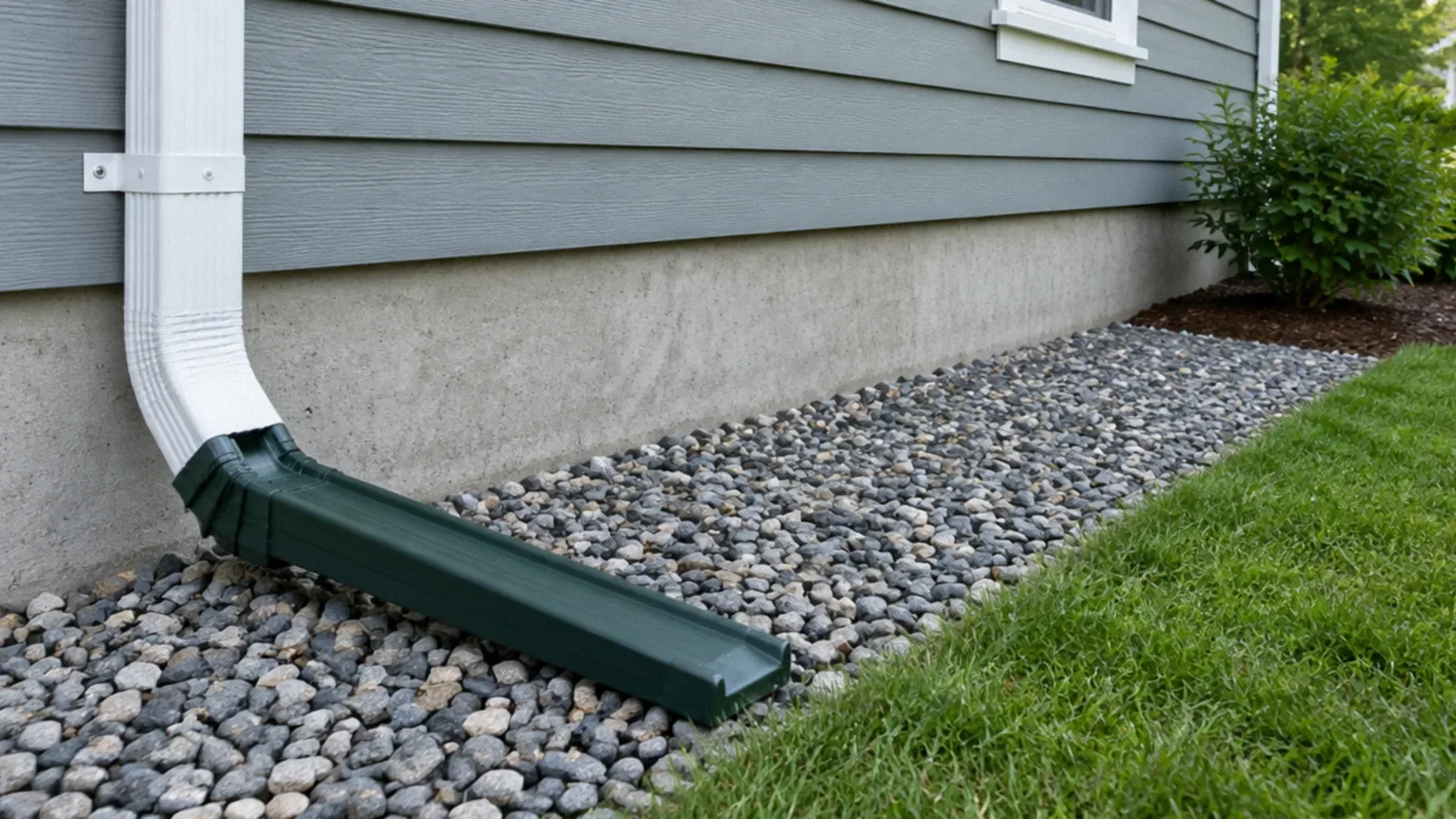
A perforated collection pipe and surrounding stone are only part of the route. Water may travel by gravity to an acceptable outlet, enter a designed infiltration feature, or in some systems be collected and pumped. The choice depends on elevations, soil, groundwater, property boundaries and local approvals. An outlet that is blocked, submerged, eroding the ground or returning water toward the foundation can undermine the whole installation.
Do not assume that discharging to a sidewalk, a neighbor’s land, a sanitary sewer, a storm drain or a dry well is allowed. Some communities require stormwater to be managed on site or place other conditions on discharge. Ask the local authority and the designer about permits, easements, setbacks, water quality and the proposed outlet before work begins. Contaminated water and sewage need separate handling.
Distinguish a yard drain from a foundation drain
A yard drain may intercept shallow water at a landscape low point. A footing drain is associated with a foundation assembly and can be much deeper. DOE guidance describes foundation drain pipe, aggregate, filter material and the need to carry collected water to an appropriate destination. The right arrangement depends on the actual foundation and water problem; a generic trench depth, pipe size or fabric detail is not a design for every house.
Excavation beside a foundation can affect stability, waterproofing, landscaping and utilities. Before digging, contact the local 811 center and arrange for any private lines to be identified. Ask a qualified local professional whether the site needs engineering, permit review or protective measures. Do not enter standing water to reach electrical equipment or inspect a flooded space.
Ask what can fail and how it will be maintained
Sediment, roots, crushed pipe, unsuitable outlet conditions and capacity limits can reduce performance. Fabric and clean aggregate can help limit some sediment movement, but no material makes a drain maintenance-free. Obtain a drawing or record showing the collection route, inspection points, outlet and any pump. A buried system that cannot be located later is harder to diagnose.
Ask the installer what can be inspected safely, how to recognize an obstruction, and whether flushing or other service is appropriate for the particular system. Observe the outlet from a safe location after relevant rain when practical. Keep a record of recurring ponding, erosion, pump alarms or water entry. Do not open a drain in a hazardous flooded area or assume a clear surface proves that the buried line is functioning.
Evaluate the entire water-management plan
A French drain may complement working gutters, downspout routing, surface grading, foundation waterproofing or a sump system; it does not replace a diagnosis of each component. The proposed work should explain the water it will collect, where that water will go, the expected maintenance and the failure or overflow conditions it does not address. Beware of a guarantee that every basement will stay dry regardless of flood severity or power loss.
If water has already entered the building, assess wet finishes, insulation and belongings separately. EPA’s mold guidance connects moisture control with cleanup; an exterior drain does not automatically dry or remediate interior materials. Keep photographs and repair records, and use qualified help when contamination, structural movement, electrical hazards or disputed insurance questions are involved.
French drain and sump pump together
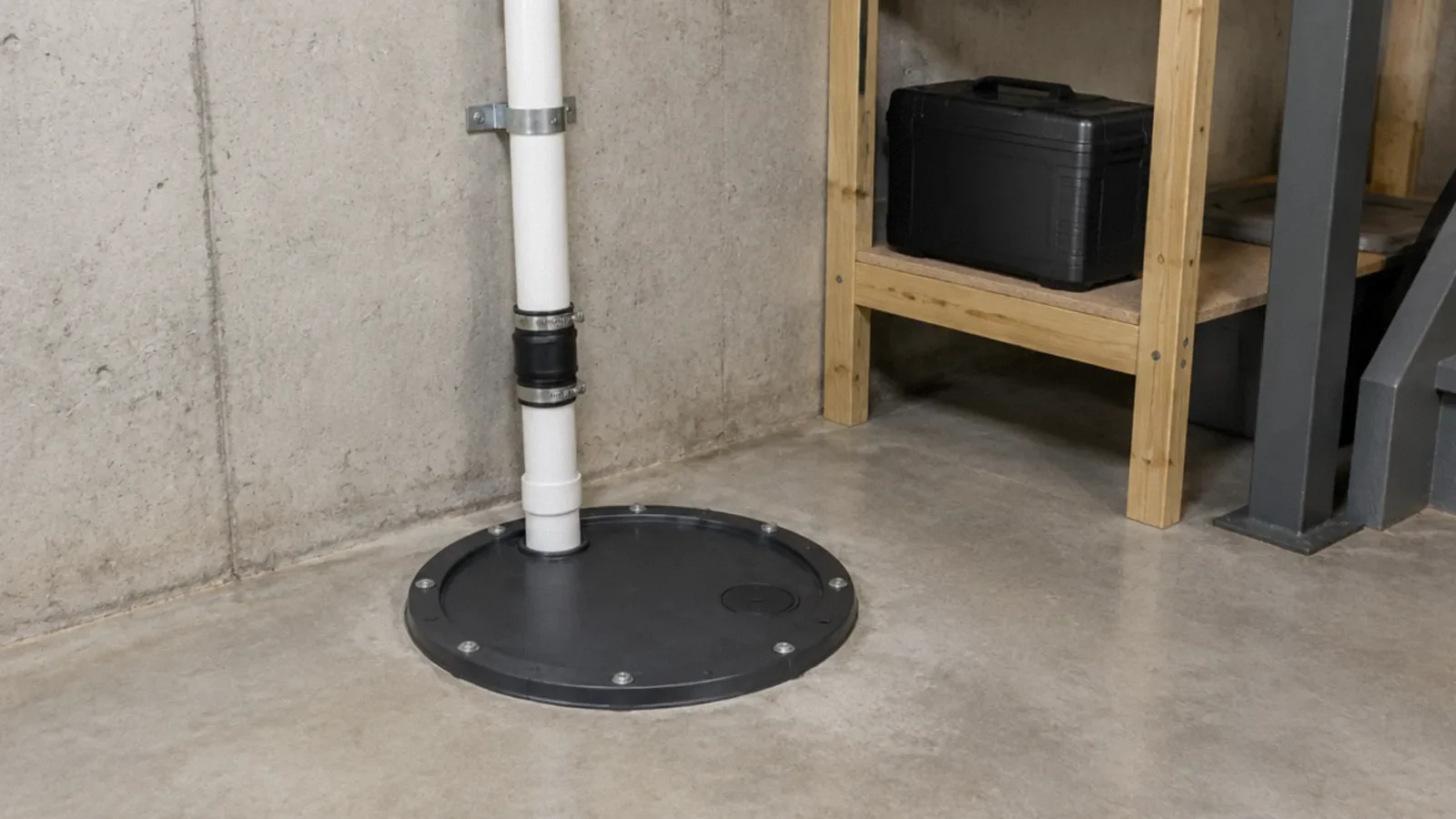
Some foundation drainage systems convey collected water to a sump basin, where a pump moves it to an appropriate discharge location. Other drains rely on gravity and do not use a pump. Whether either arrangement is suitable depends on the property, water source, local rules and the available outlet.
Ask the designer how the pump, check valve, power, maintenance and discharge will work together and what happens during a power failure or heavy rain. Never direct water toward a neighboring property or into an unapproved connection. A qualified professional can evaluate the existing system.
How collection and discharge fit together
A weeping pipe or weeping tile commonly means a perforated foundation drain, though local usage and actual construction vary. Water collected beside a foundation can flow by gravity to an approved outlet, or to a sump basin where a pump sends it to a permitted discharge. The design must account for flow, lift, reliable outlet, blockage, maintenance and power failure; ask about alarm and backup power.
An interior perimeter drain typically runs alongside the slab and collects water to a sump. Installing it can disturb a finished floor and does not stop exterior water pressure at the wall. Exterior drainage can intercept water outside but may require substantial excavation. A sump alone may handle water reaching its basin without a perimeter pipe; it does not necessarily collect water evenly around a foundation. Choose after a site assessment, not by product name.
A surface trench or channel drain catches runoff at the surface; a buried French drain collects subsurface water through a permeable trench. A channel may discharge to a suitable sump where allowed, but its intended water, capacity and discharge must be checked. Ask the designer which approach fits the route of water, what access is needed for cleaning and what happens if the pump loses power.
Your next-step checklist
- Record where water collects and when it appears; distinguish surface, subsurface and plumbing sources.
- Ask for a system drawing showing collection, conveyance, outlet, overflow and maintenance access.
- Confirm the proposed discharge or infiltration route with the appropriate local authority.
- Contact the local 811 center before excavation and identify private buried utilities.
- Discuss foundation stability, groundwater, permits and excavation safety with qualified professionals.
- Evaluate and dry affected interior materials separately from exterior drainage work.
Related questions
Does every wet basement need a French drain?
No. Water can come from plumbing, surface runoff, groundwater or other causes. The remedy depends on the observed mechanism and the property.
Can a French drain discharge onto a neighbor’s property?
Do not assume so. A lawful, suitable discharge location depends on local rules, property rights and the site; confirm the proposed route before work.
Is a French drain guaranteed to prevent flooding?
No. Drainage systems have capacity, outlet and maintenance limits and may not address every water source or severe flood condition.
What is weeping tile?
The term often refers to a drainage pipe or system that collects water around a foundation. Terminology varies, so ask where it collects water and where it discharges.
Can a French drain be installed inside a basement?
An interior perimeter drainage system can collect water at the basement edge and direct it to an appropriate outlet or sump. Design, discharge, permits and water control depend on the building and local requirements; it does not automatically solve every exterior drainage problem.
What can be used instead of a sump pump?
Depending on the property, gravity drainage, grading or other engineered measures may be possible. An alternative is not suitable everywhere; a qualified professional should assess the water source, discharge route and local requirements.
Sources & context
Public guidance supports the principles in this article. The practical questions and examples are editorial interpretation, not a site assessment or a coverage decision. State-specific rules apply only where identified.
- DOE Building America: Swales, drains and site gradingofficial
- DOE Building America: Footing drain pipeofficial
- EPA: A brief guide to mold, moisture and your homeofficial
- 811 Before You Dig: Before you digindustry safety guidance