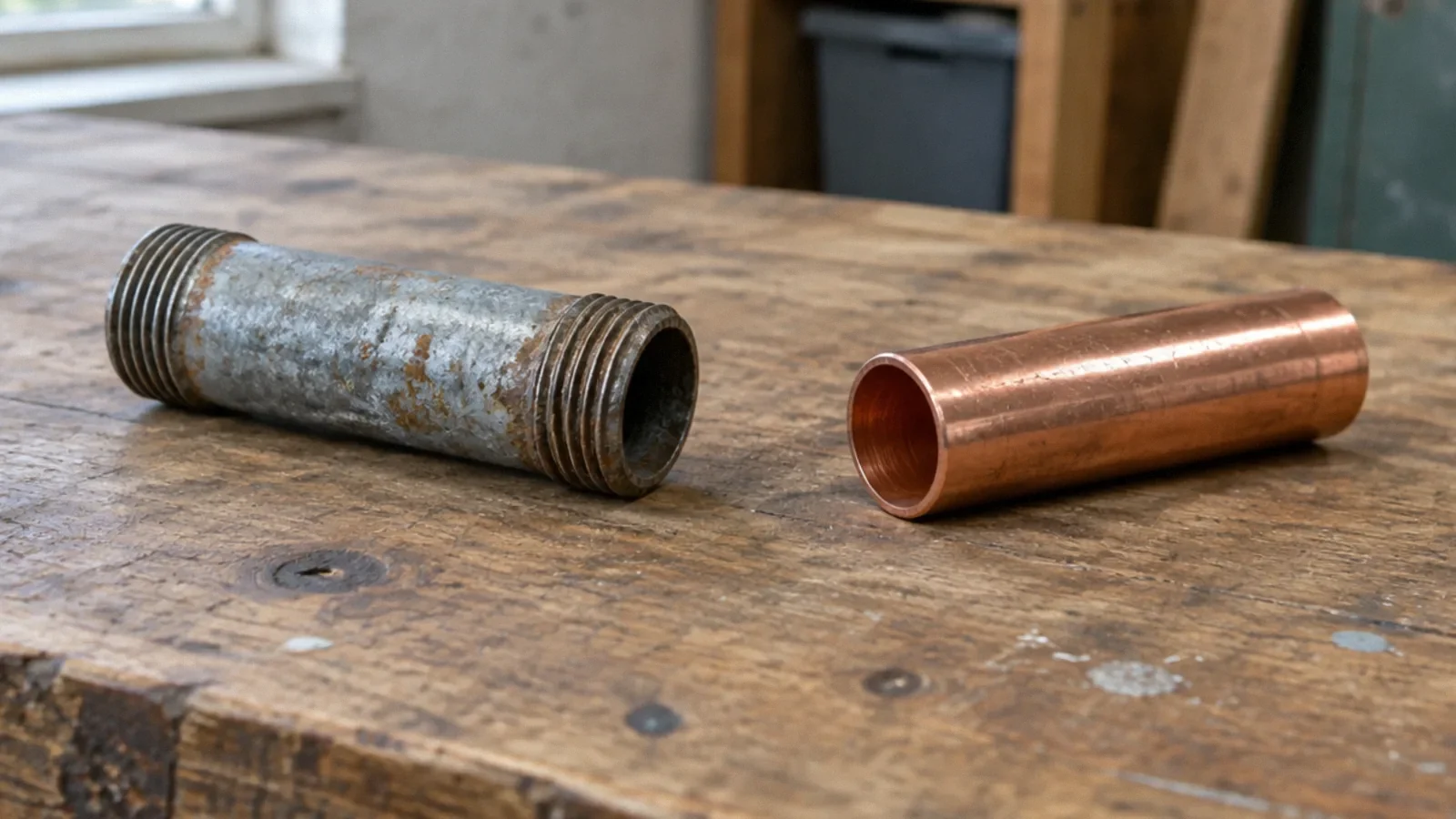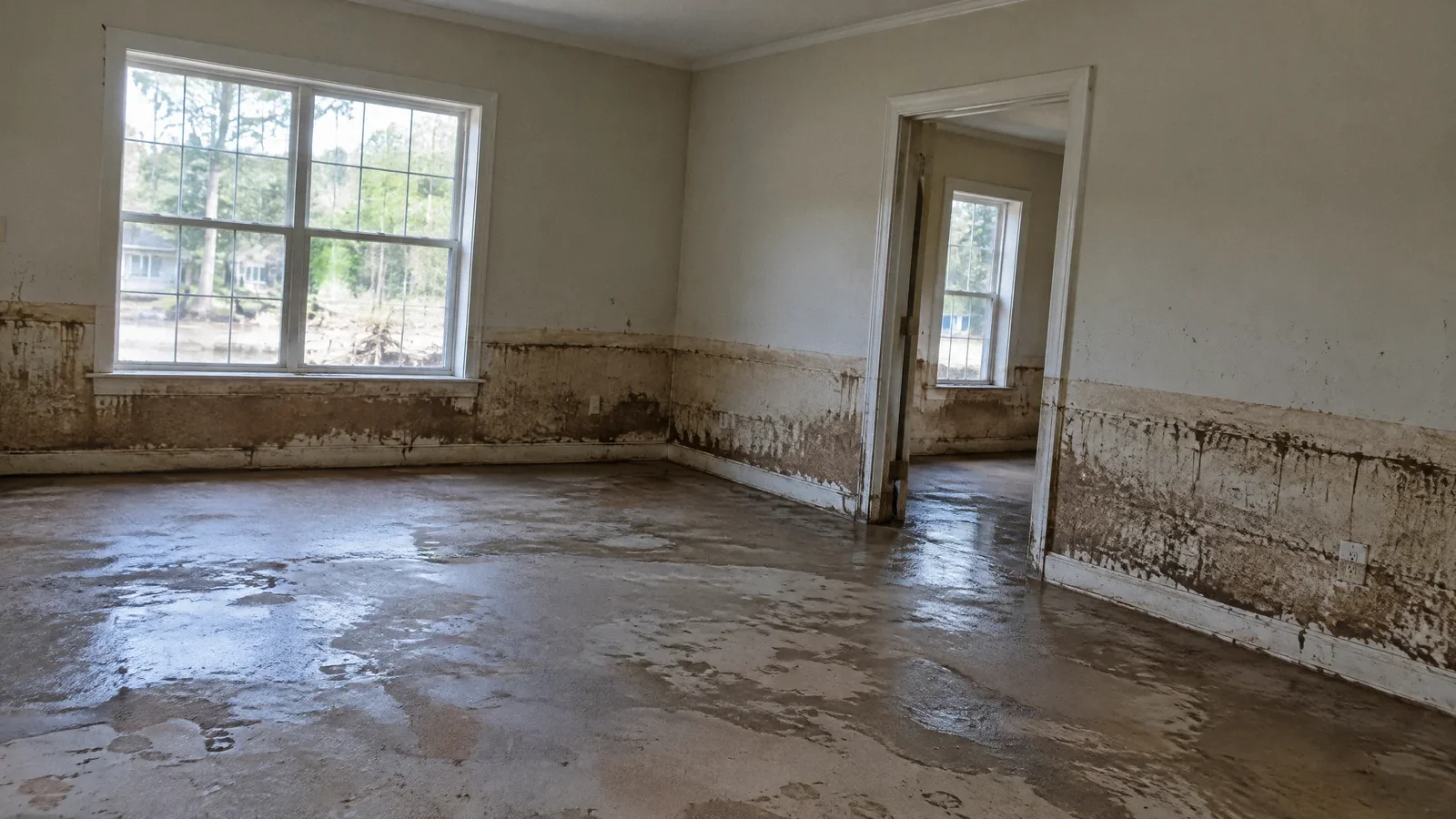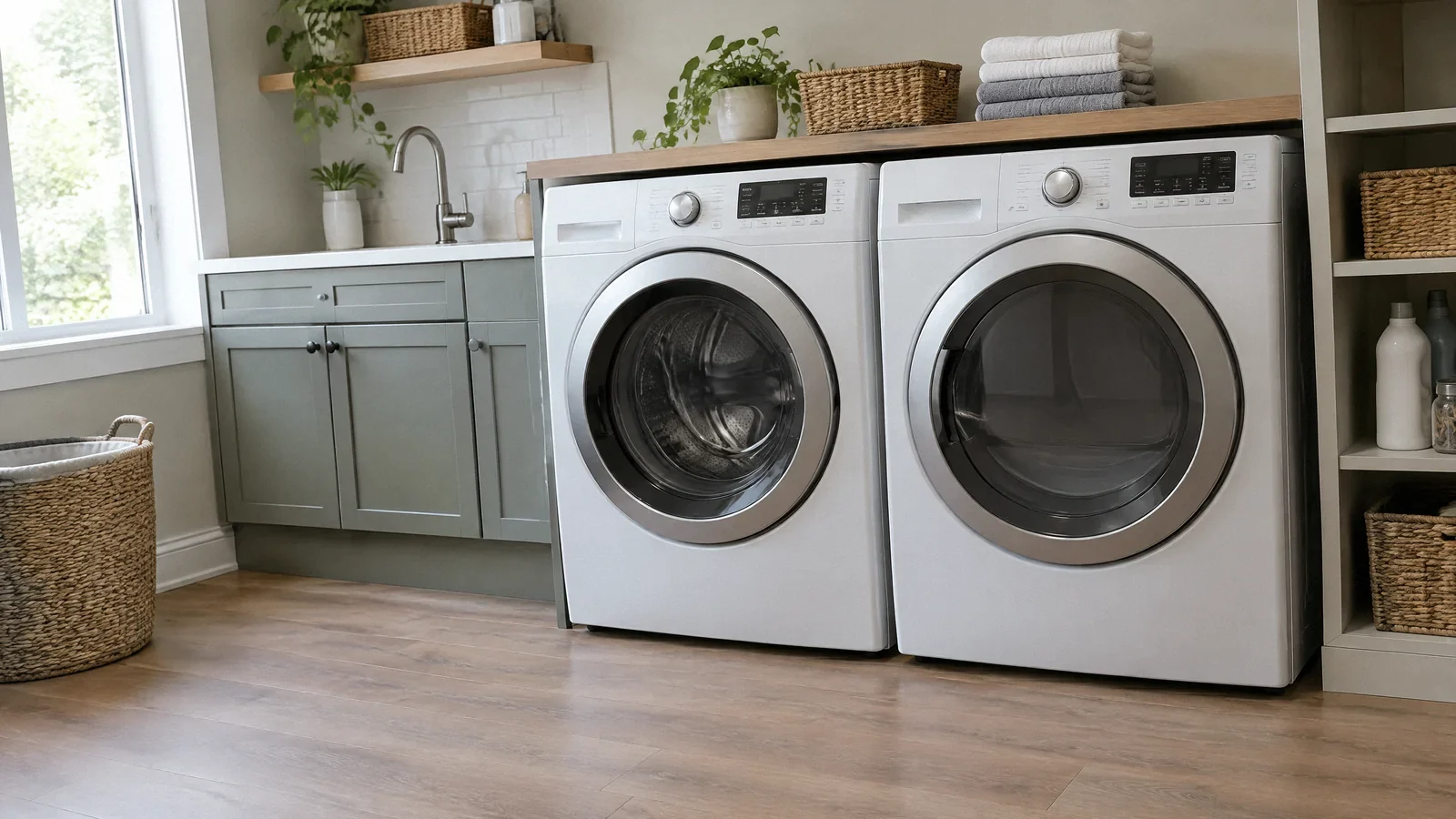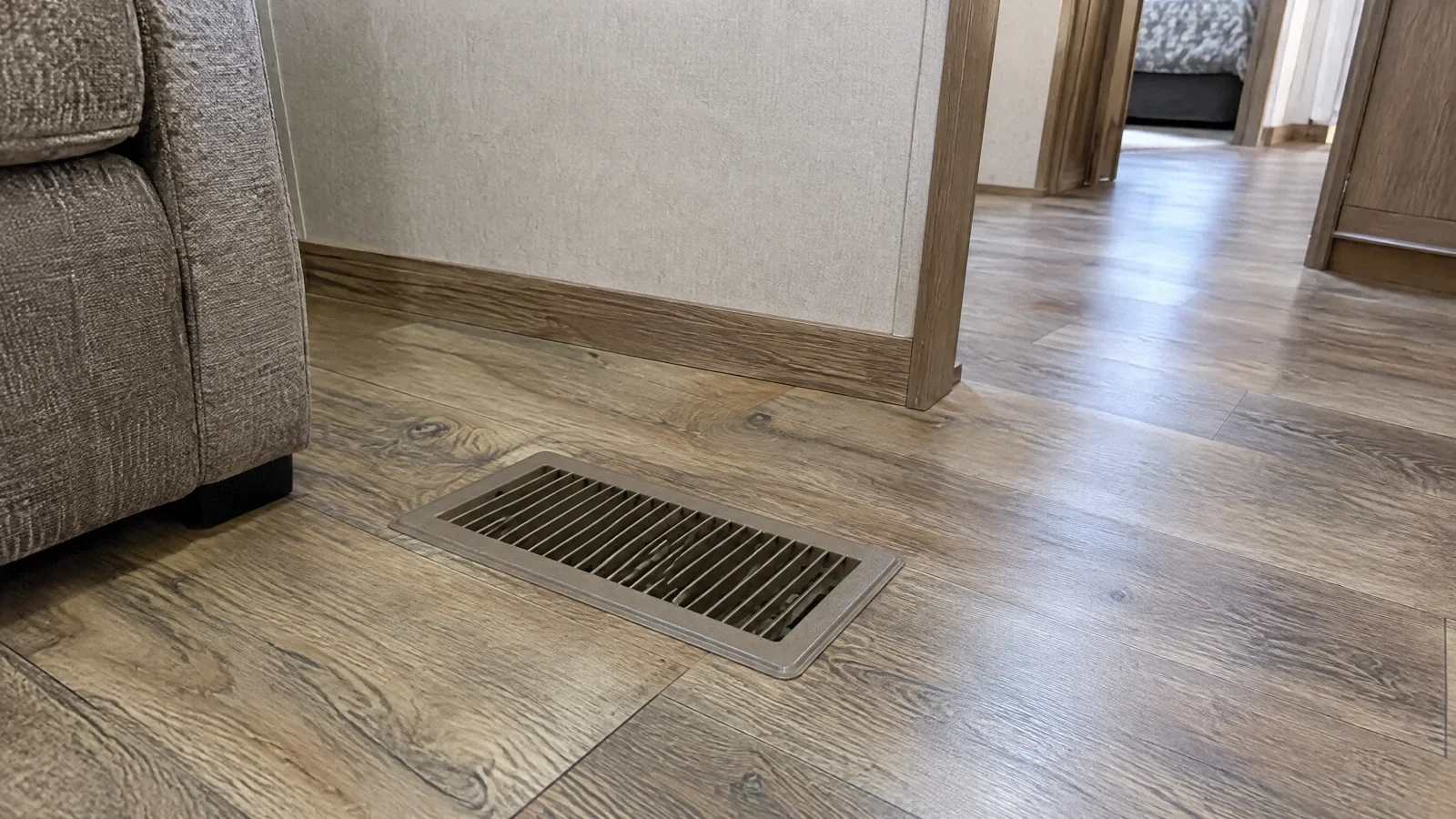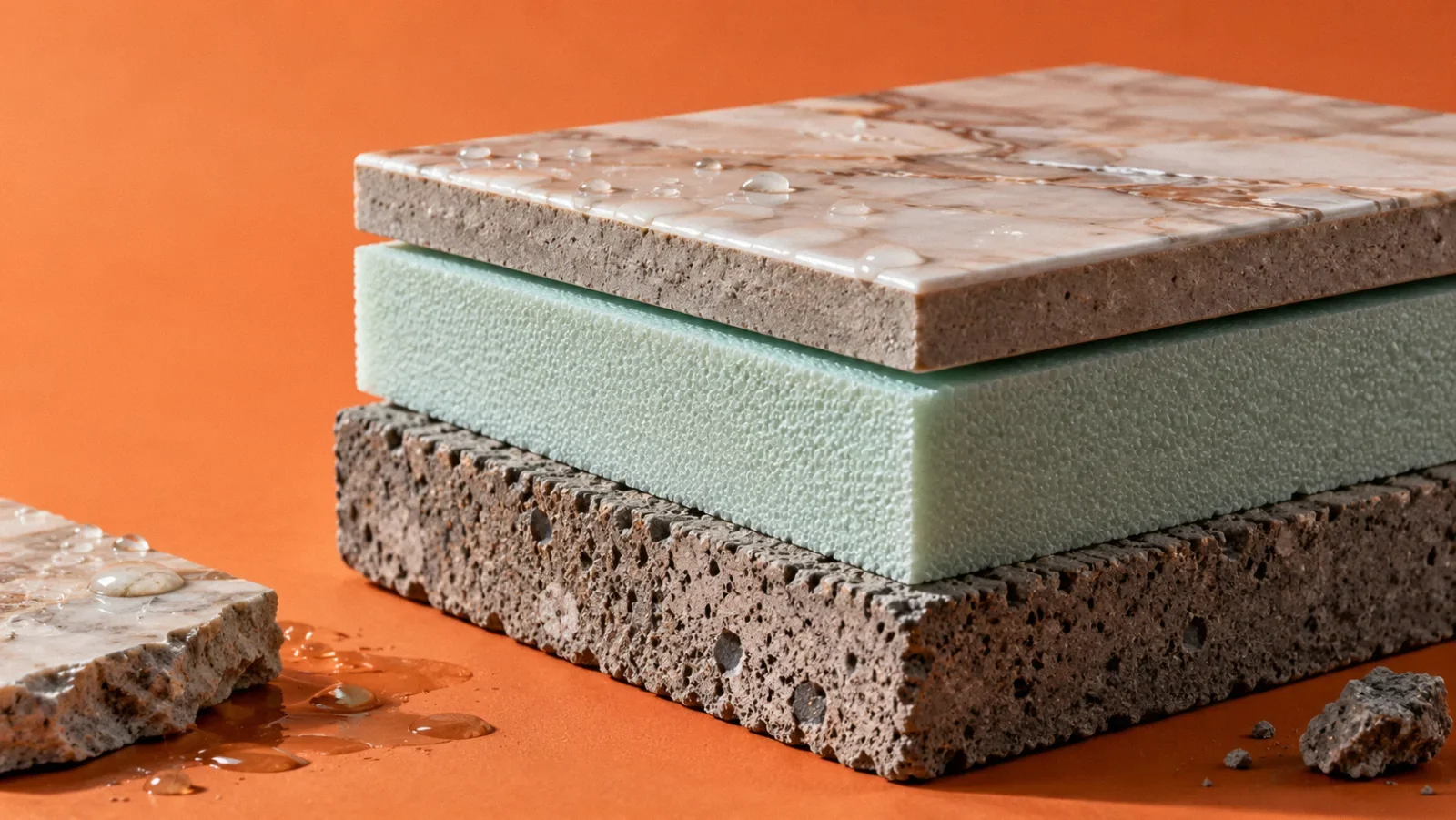
Rebuilding With Flood-Resistant Materials: Choose the Whole Assembly
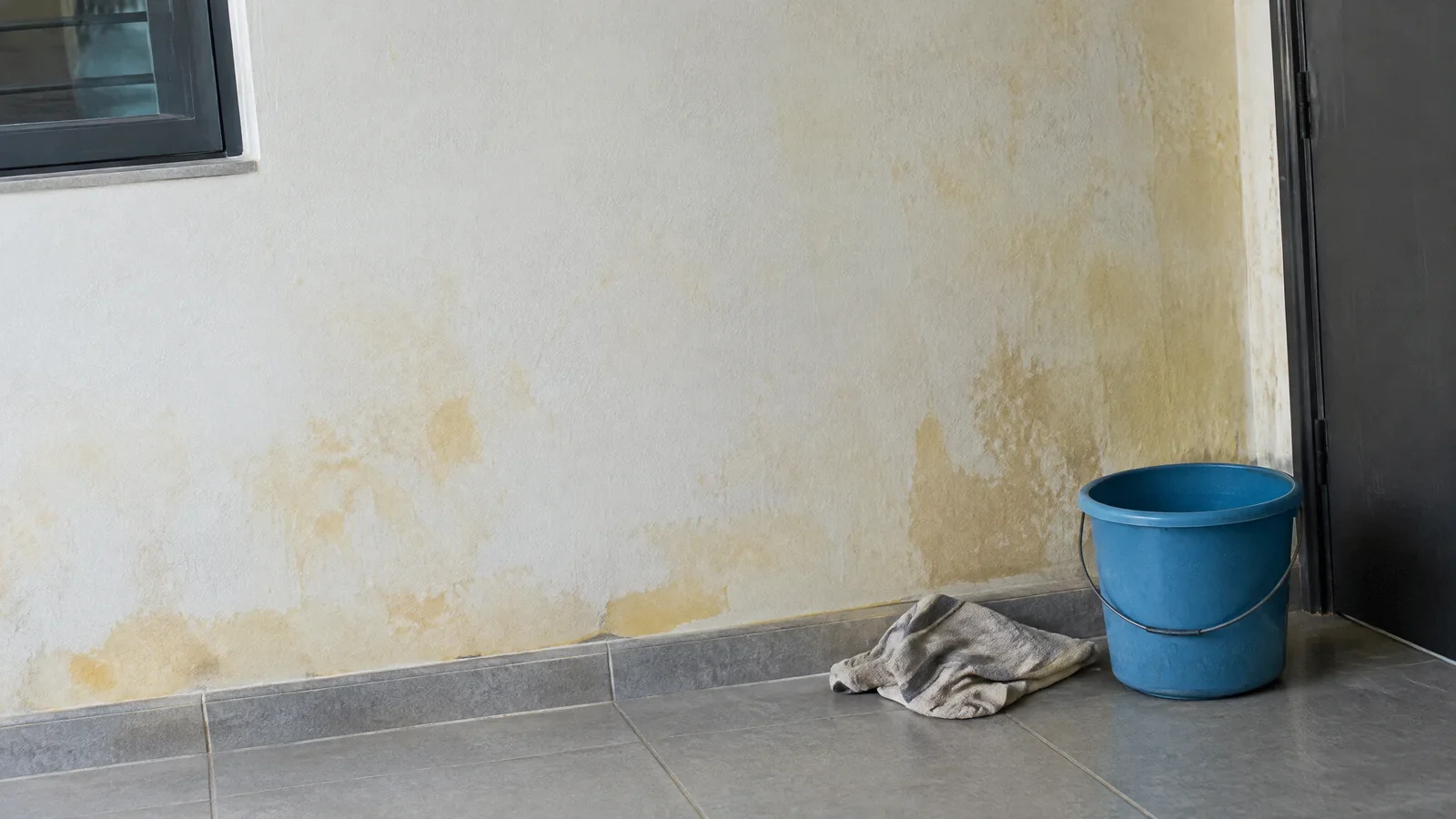
Choose flood-resistant reconstruction at the assembly level, balancing source control, cleanability, inspection access, local requirements, and future recovery.
Find the cause. Reduce the next loss. Browse 155 detailed guides.
Choose flood-resistant reconstruction at the assembly level, balancing source control, cleanability, inspection access, local requirements, and future recovery.
Flood risk remains outside high-risk mapped areas. Evaluate local runoff, groundwater, drainage failures, equipment dependencies, and safe evacuation.
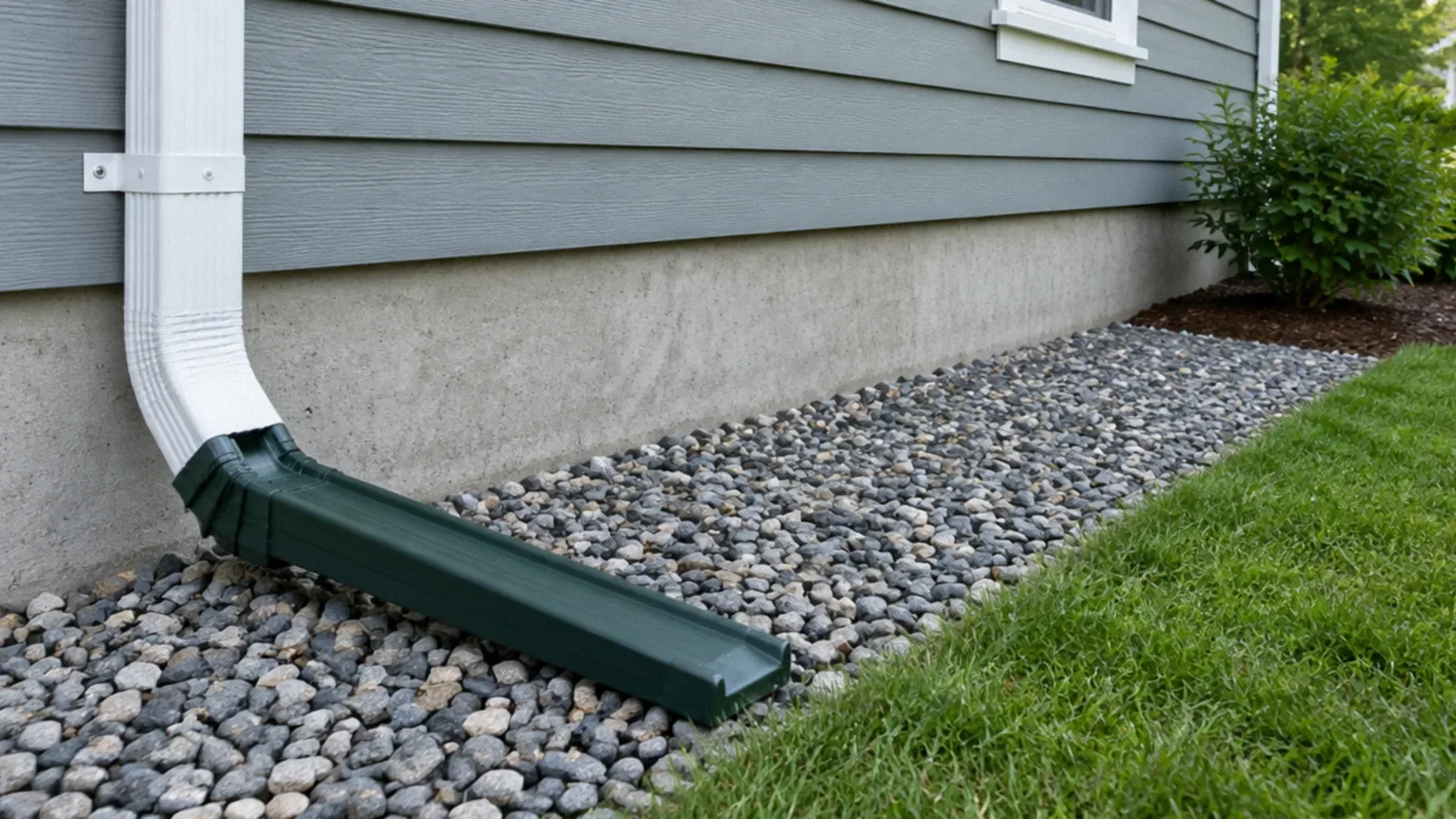
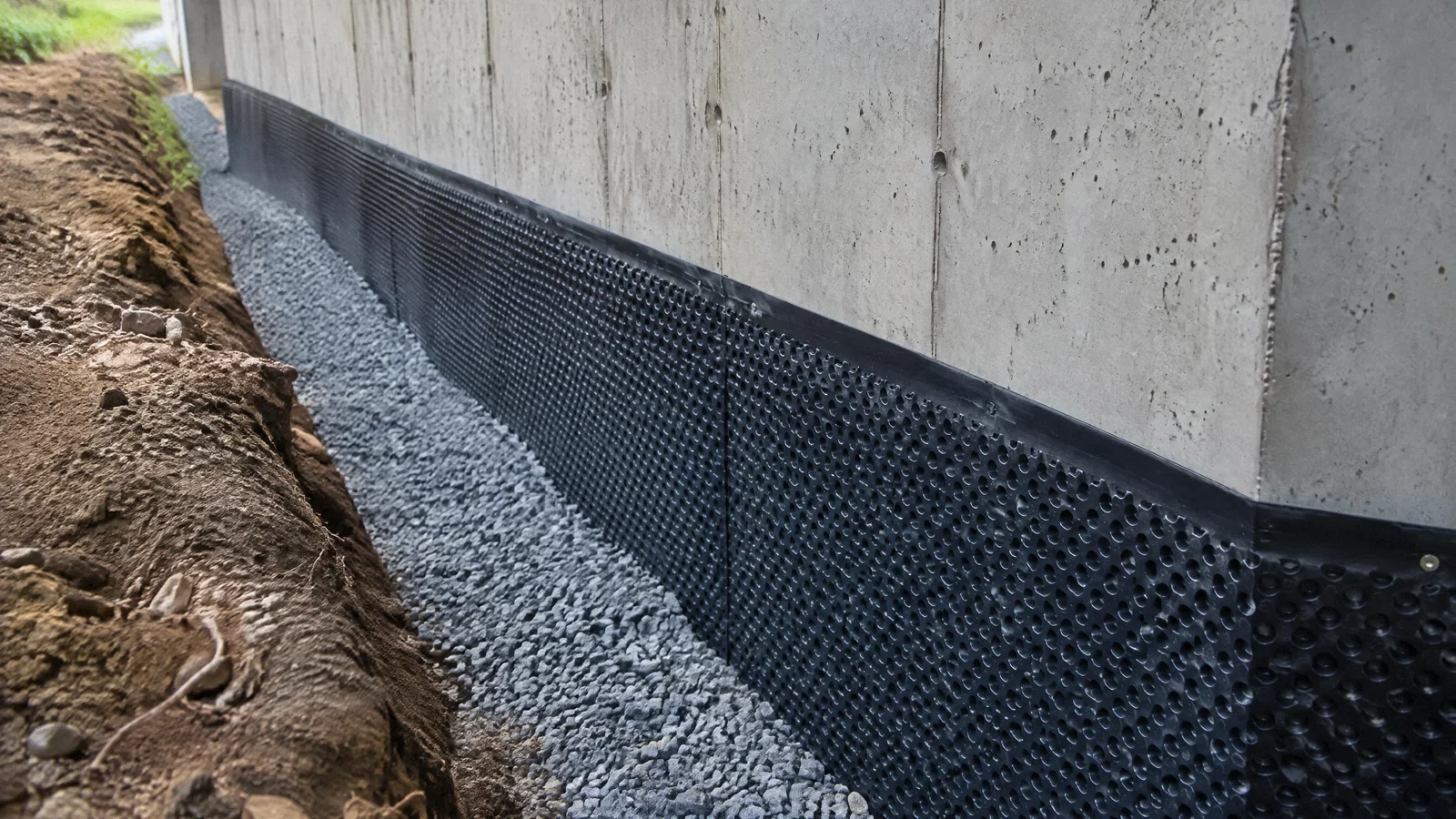
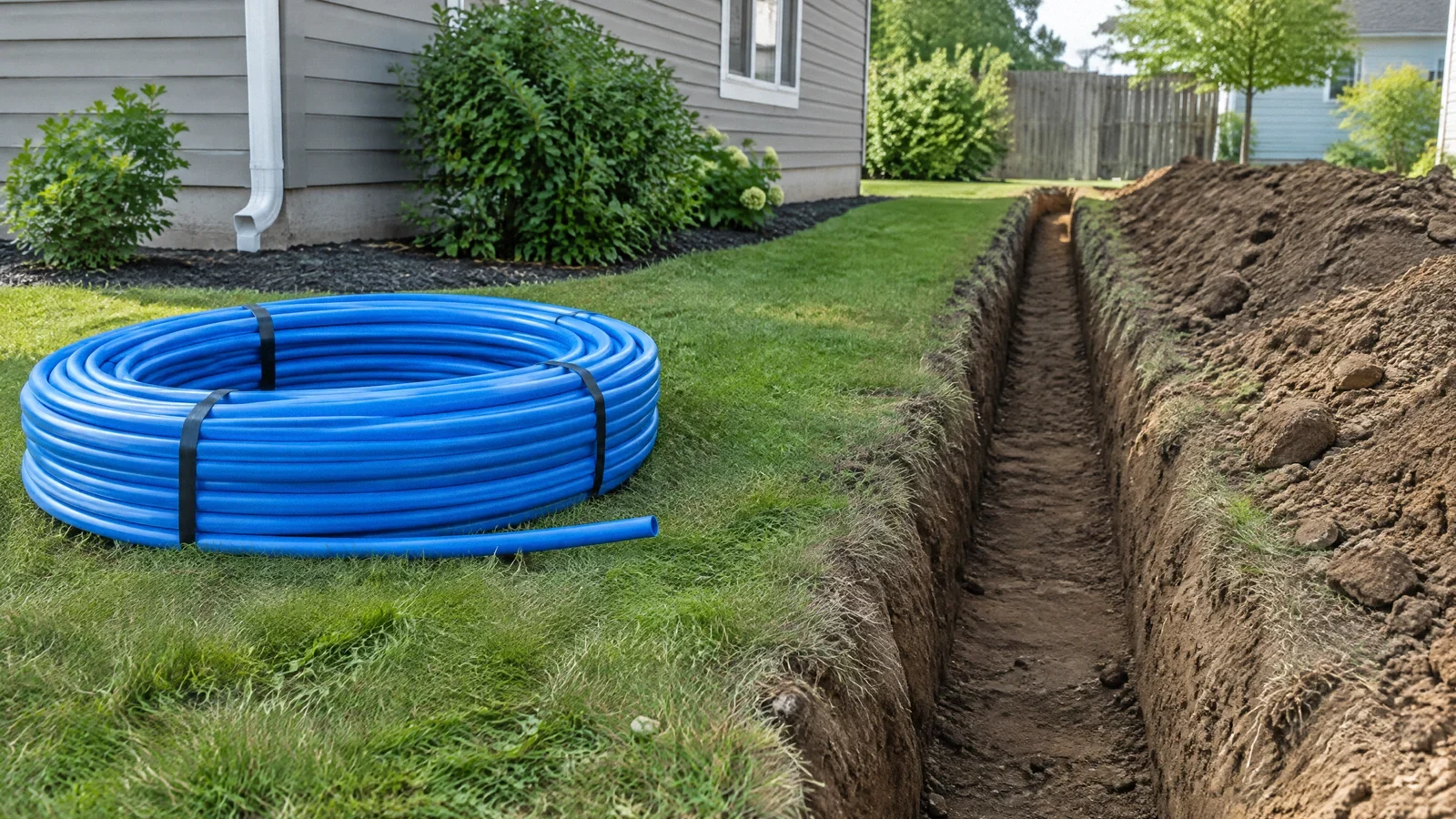
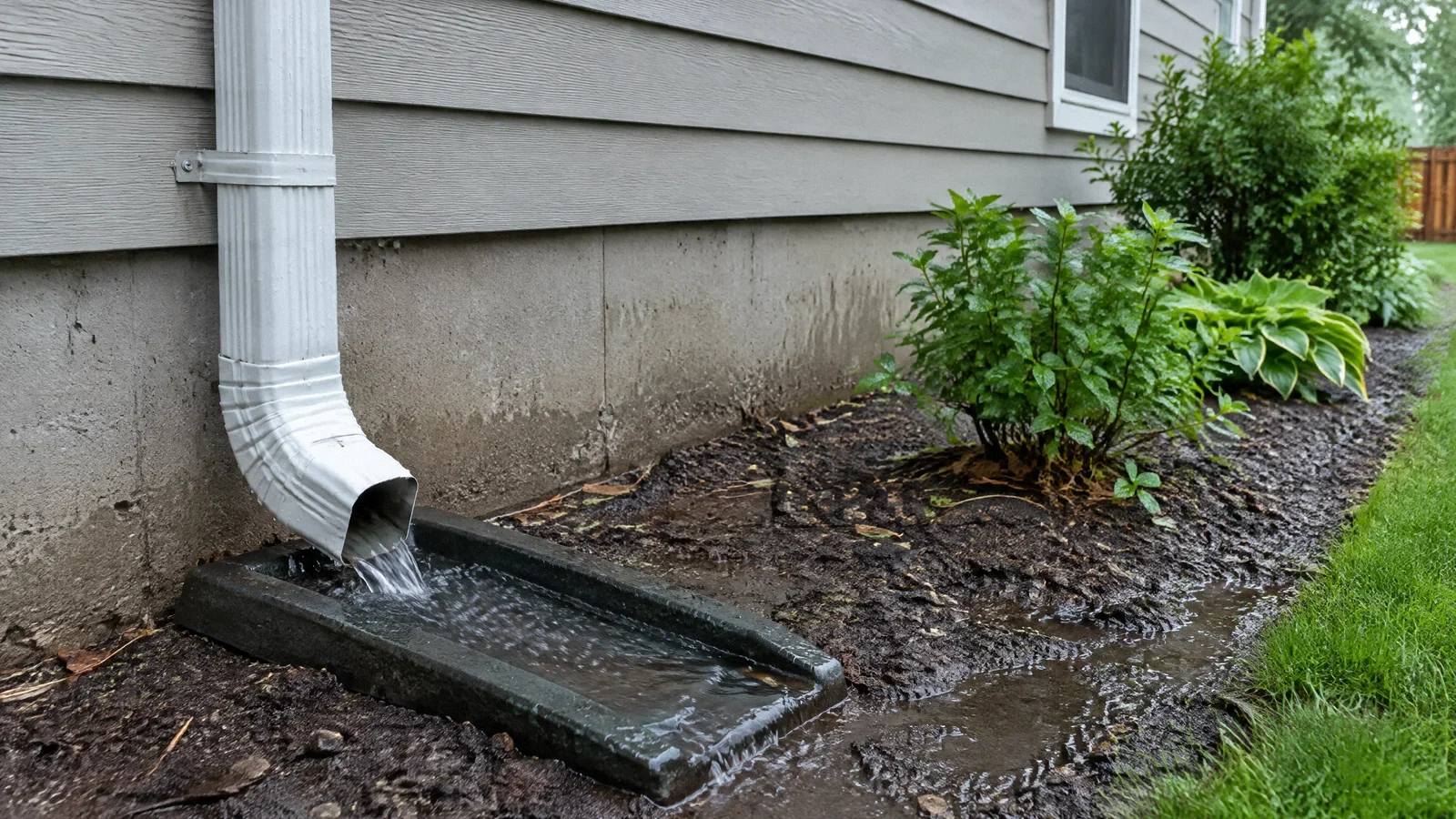
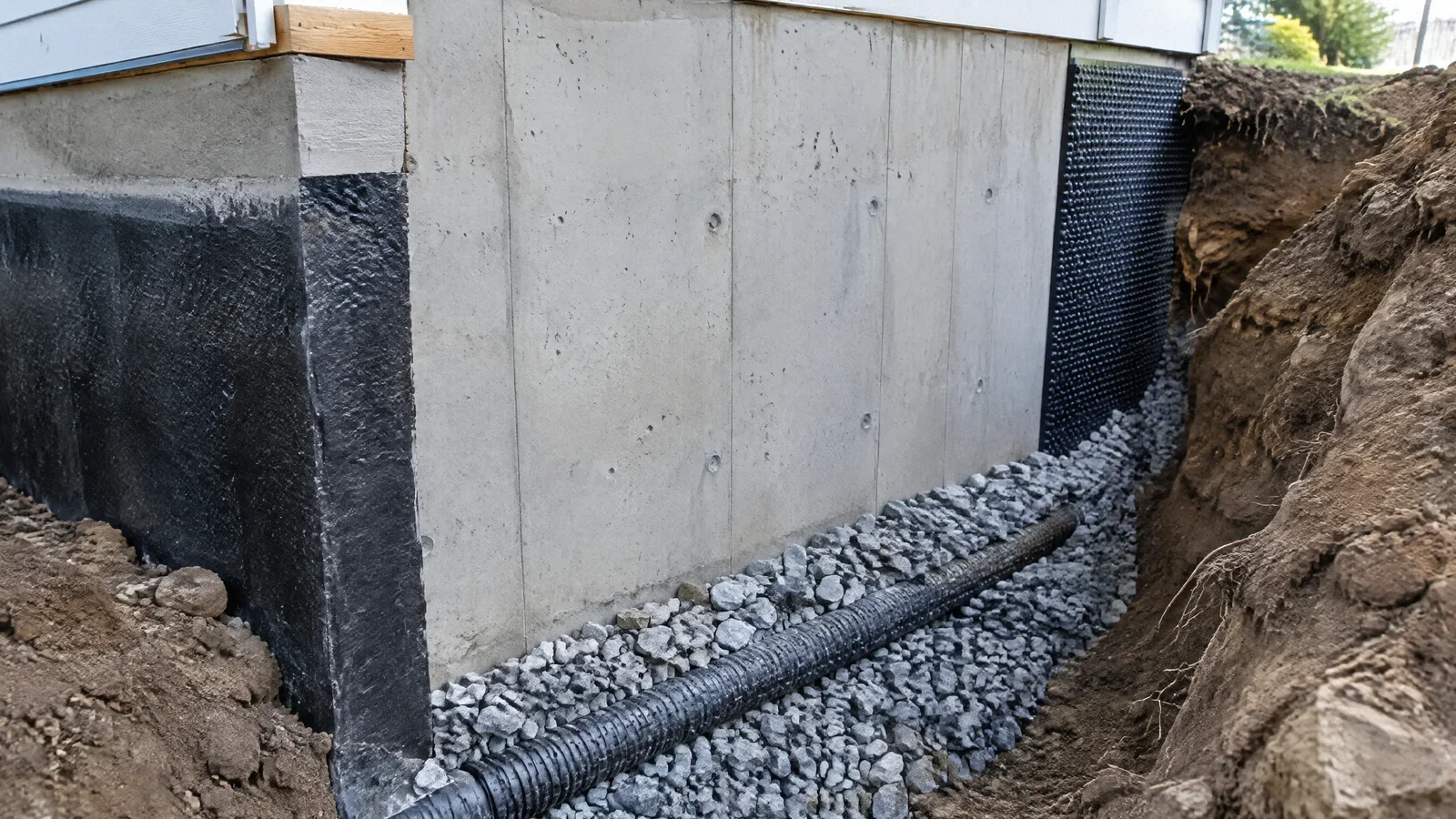
Foundation drainage connects roof runoff, surface grading, groundwater, and discharge. Diagnose the pathway before choosing excavation, coatings, or pumps.
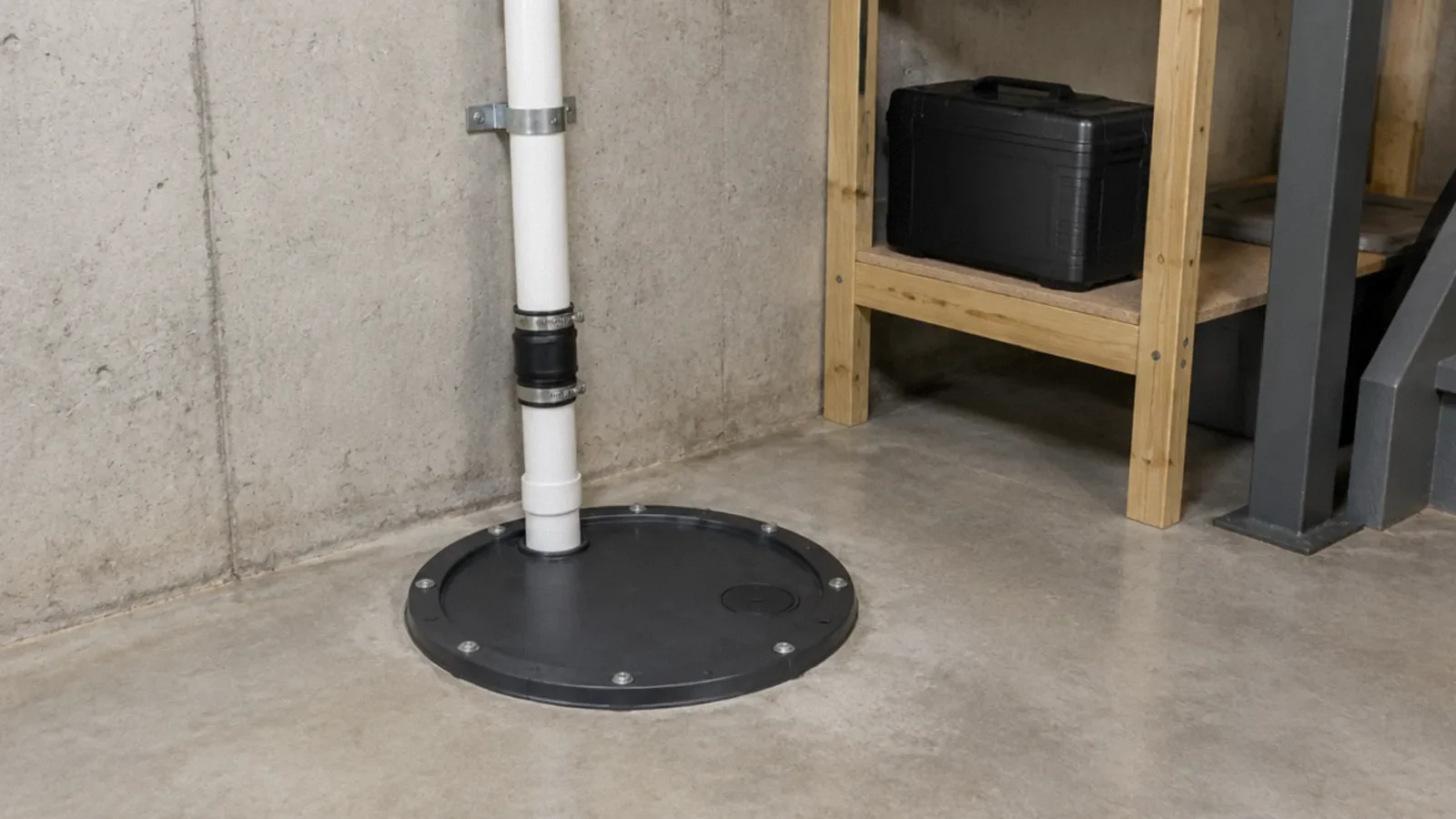
A sump backup battery addresses only one failure mode. Match capacity to the site and test discharge, controls, alarms, and outage response safely.
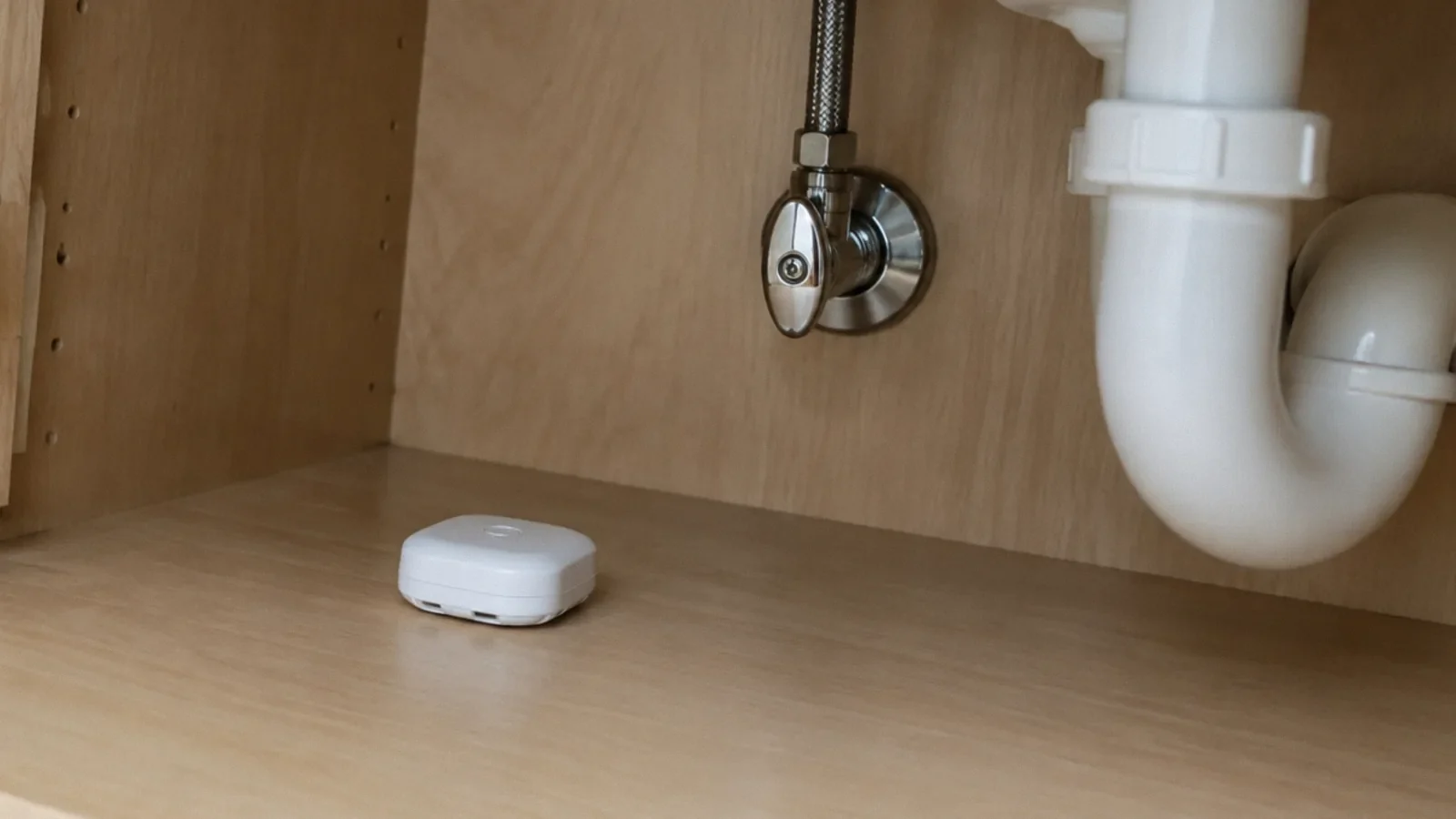
Leak sensors, flow monitors, and shutoff valves perform different jobs. Design coverage around actual water paths and test the complete response chain.
Flood resilience measures must fit the actual hazard and building. Coordinate drainage, equipment protection, structural limits, maintenance, and evacuation.
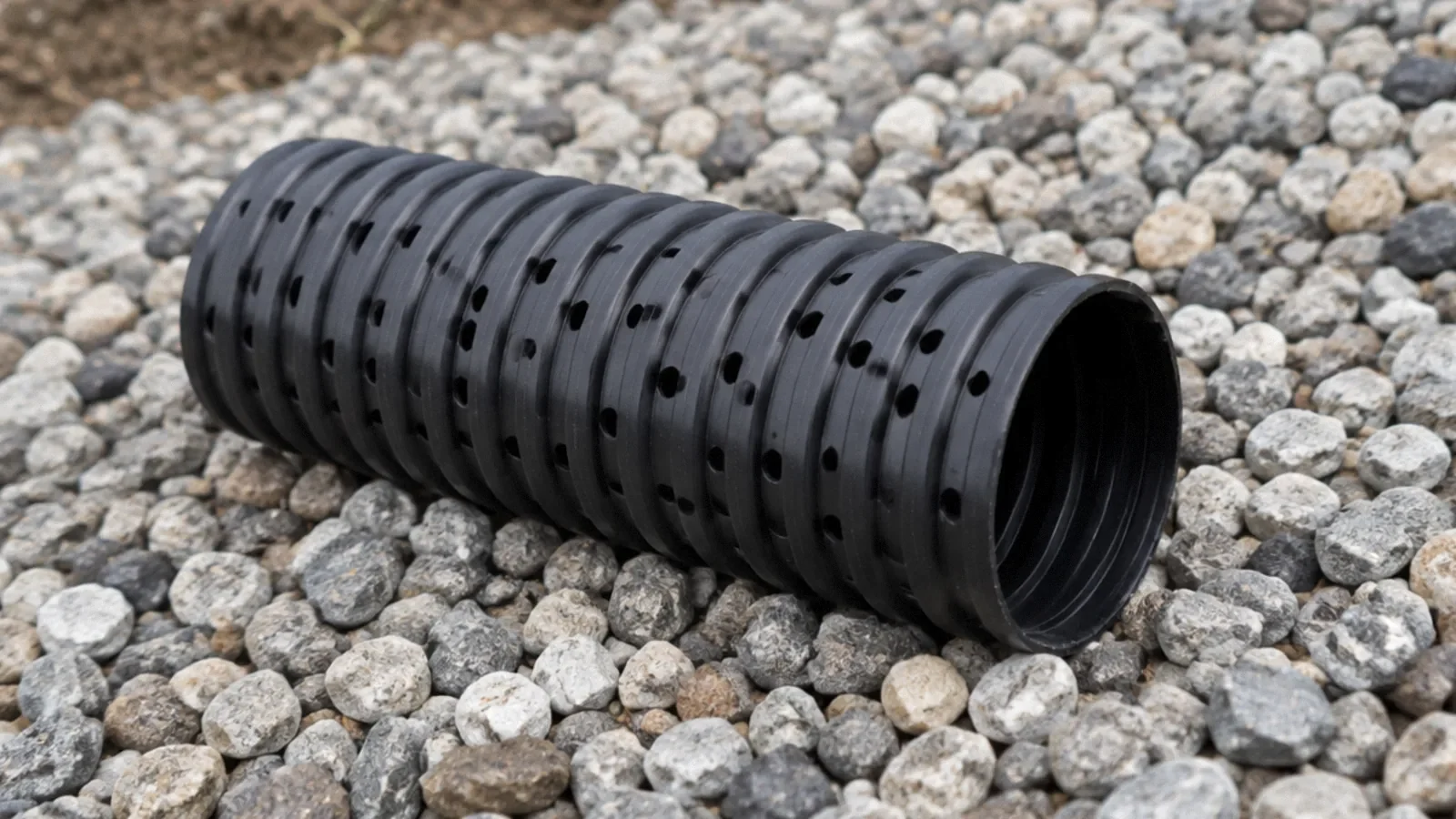
Understand French drain components, drainage routes, common limitations, maintenance questions and when to seek a site-specific assessment.
Understand why a water-powered backup sump pump can create a cross-connection, what to ask your water utility, and how inspection and testing fit into the system.
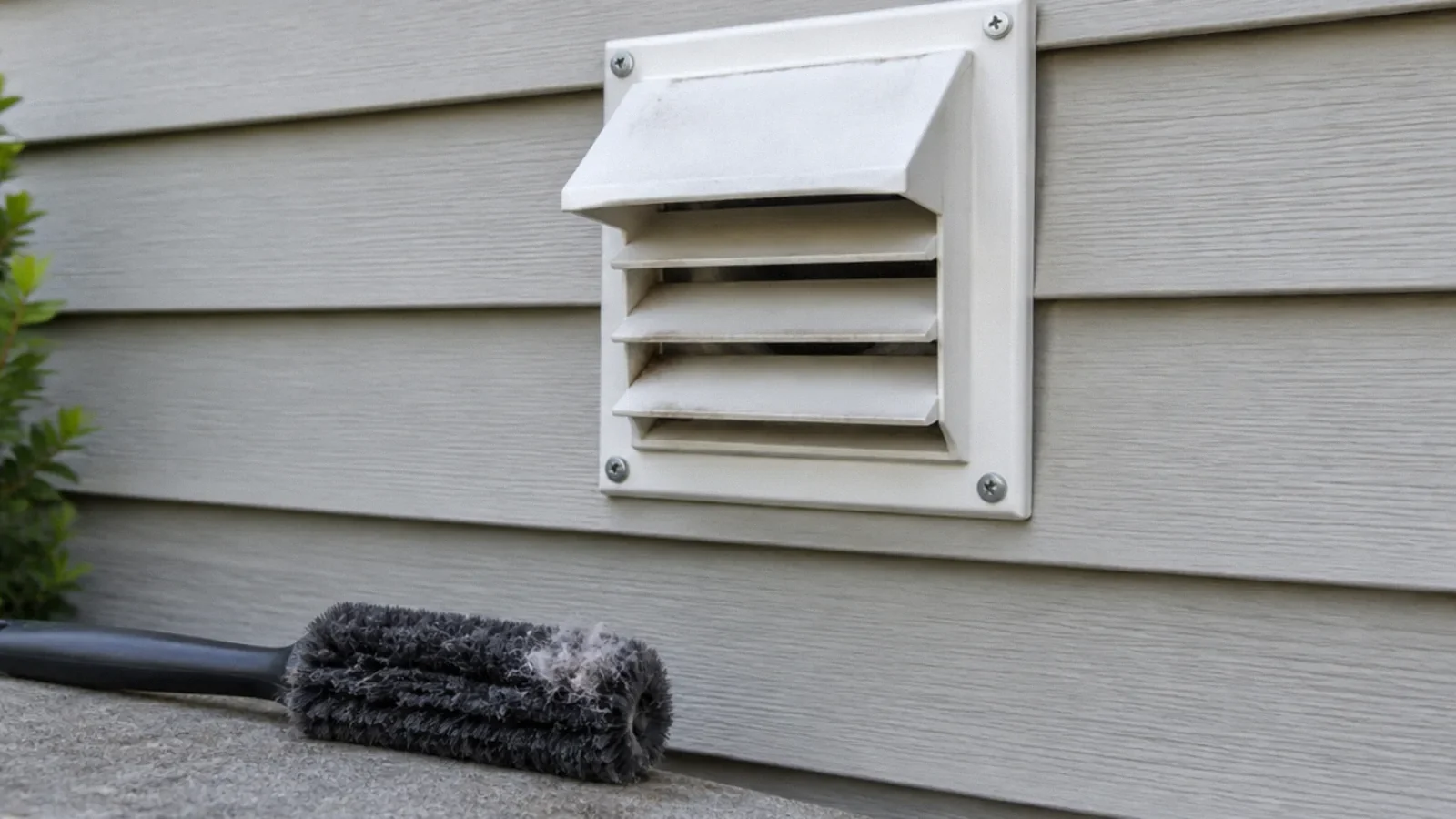
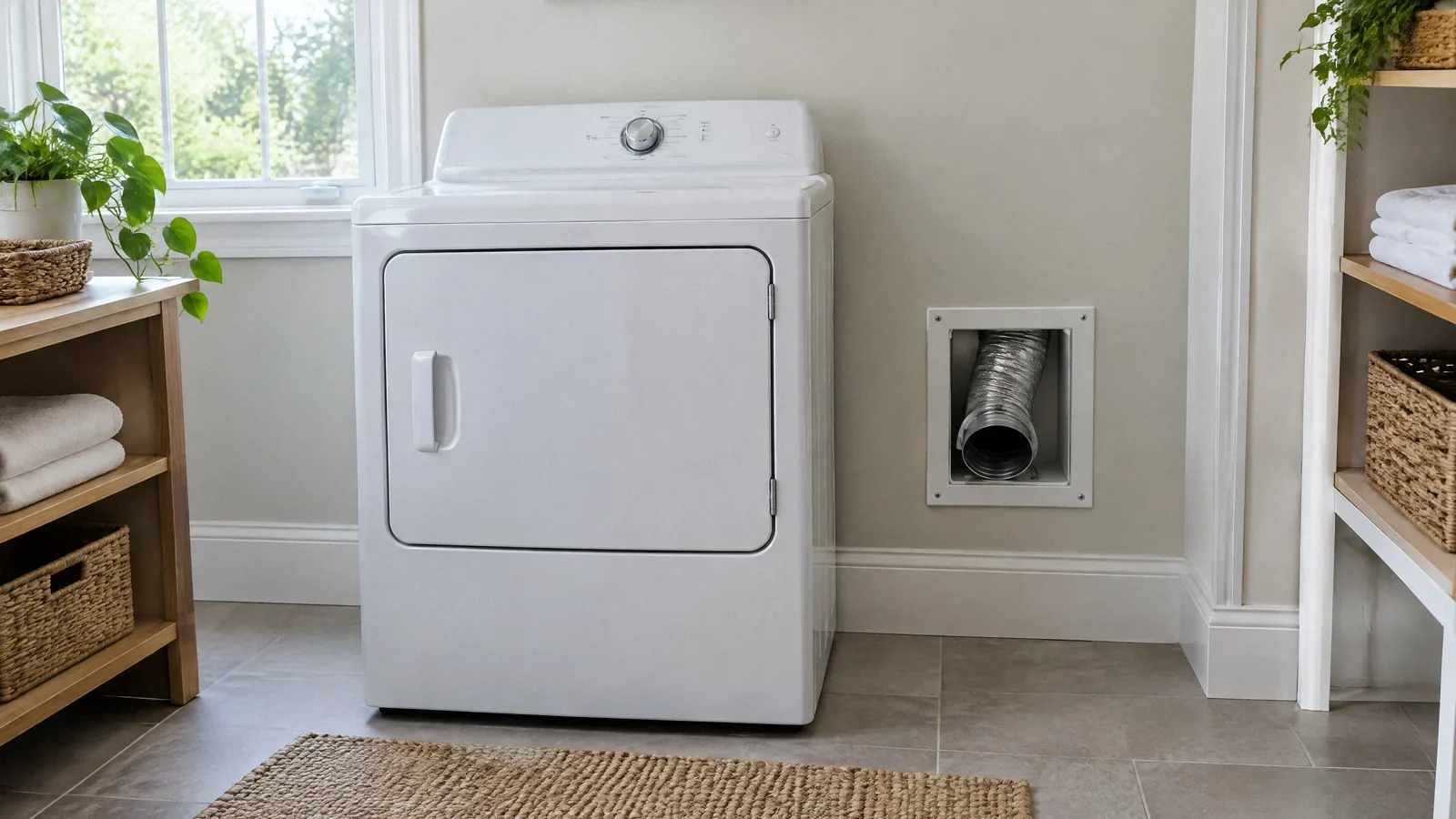
Learn the signs of a restricted dryer vent, what accessible maintenance involves and when to arrange professional cleaning.
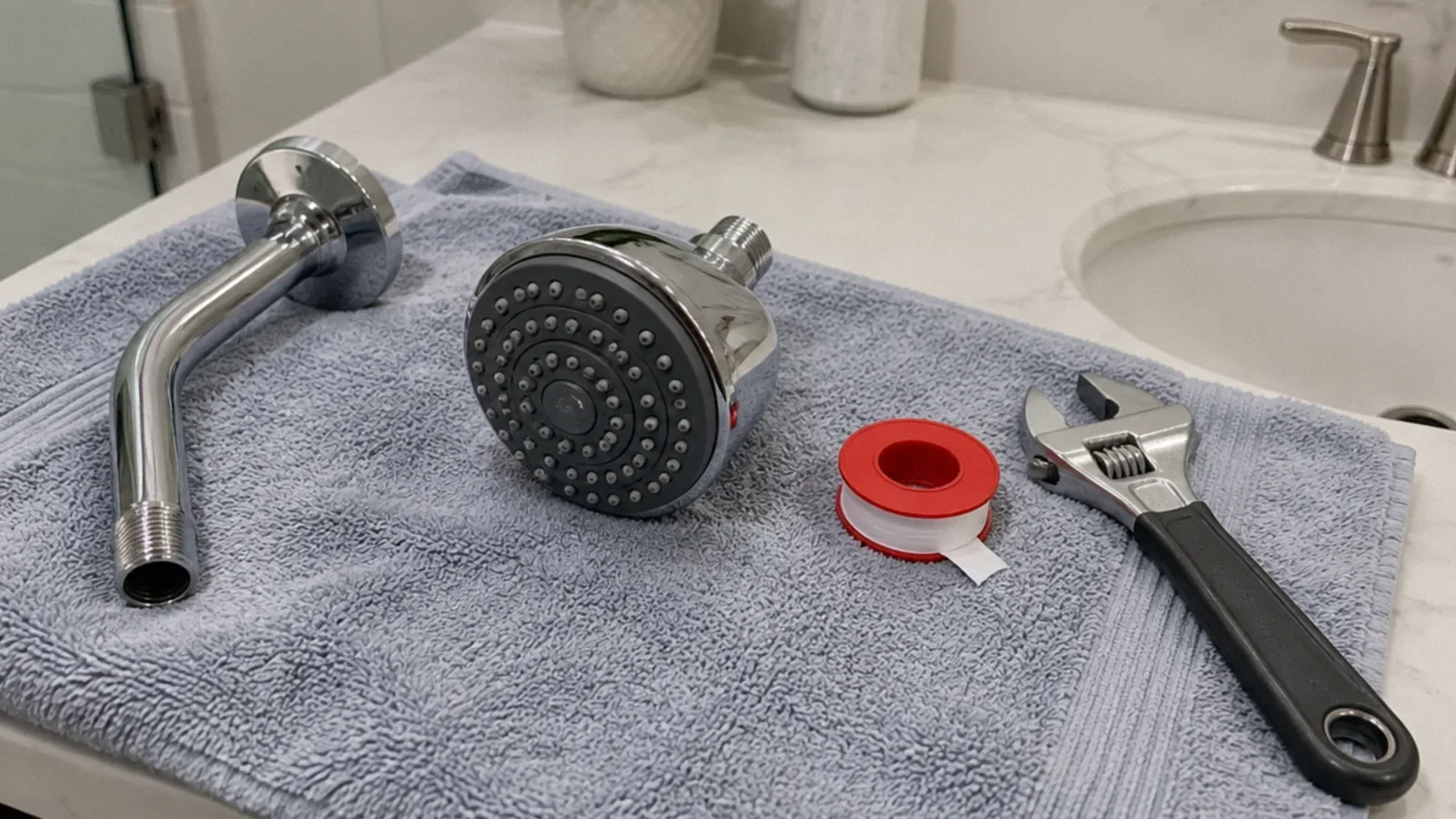
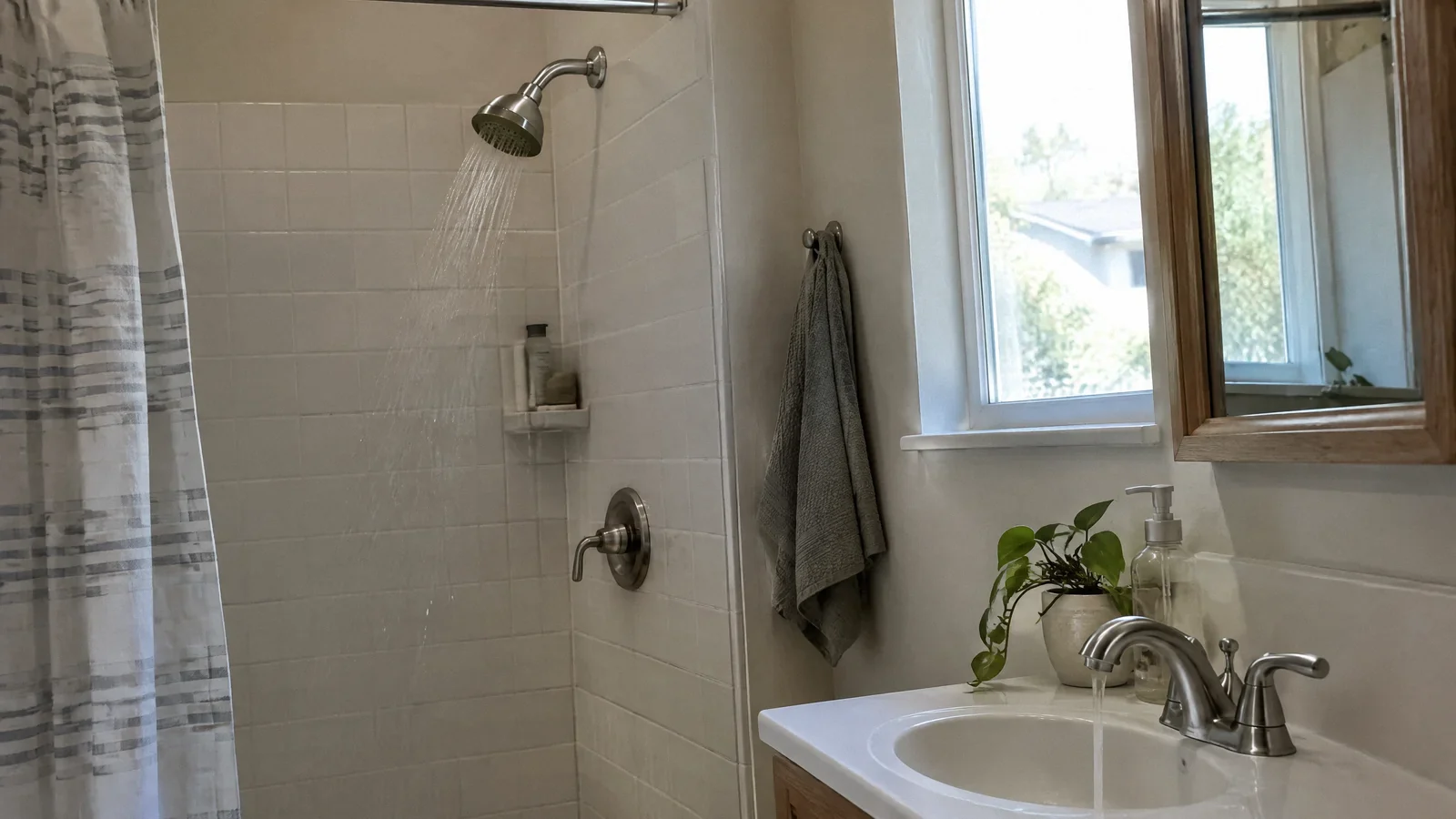
Follow a practical showerhead replacement checklist, including protecting the shower arm and checking for leaks.
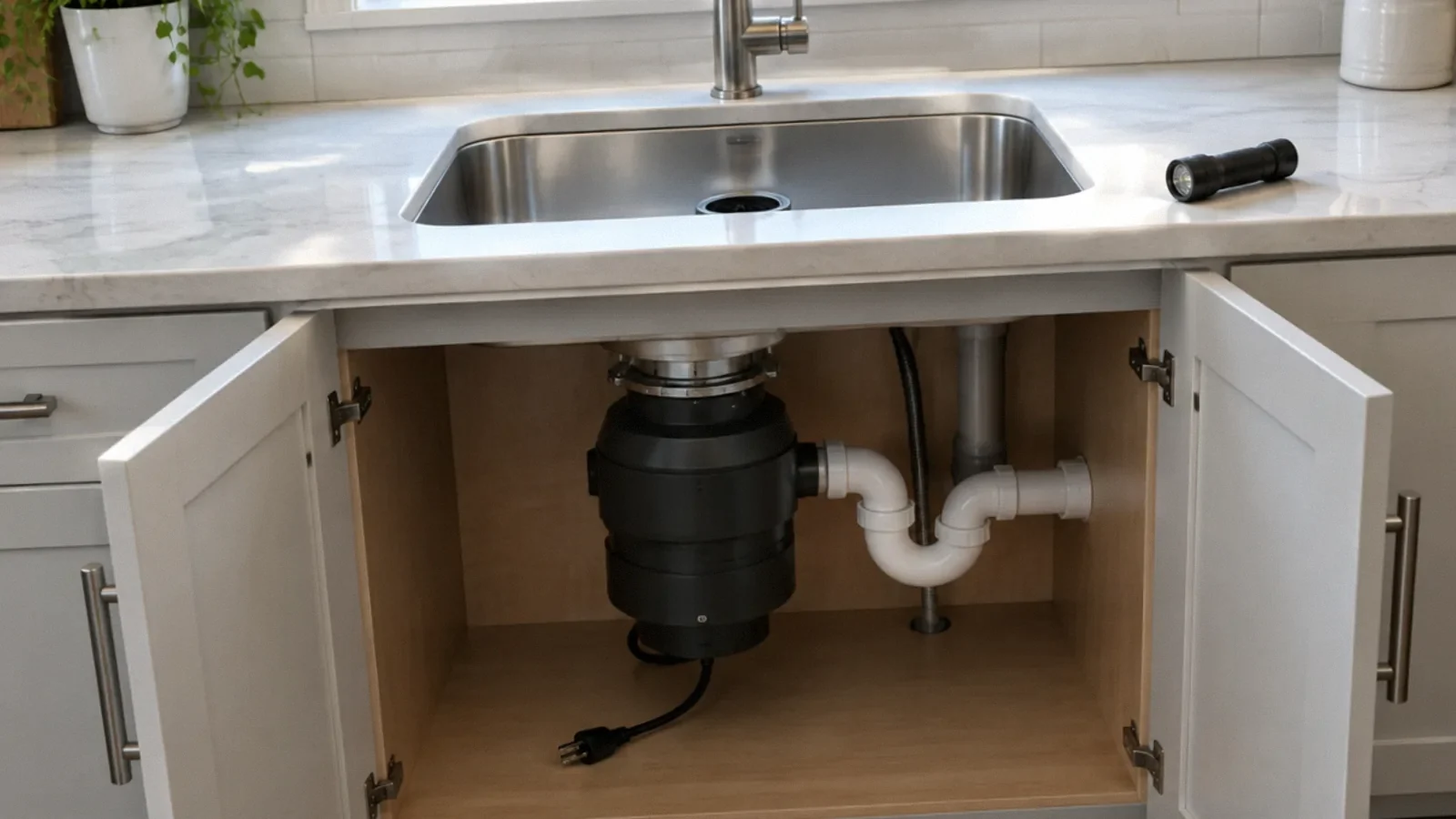
Learn how to distinguish a silent disposal, a jam and a drainage problem without putting your hands in the unit.
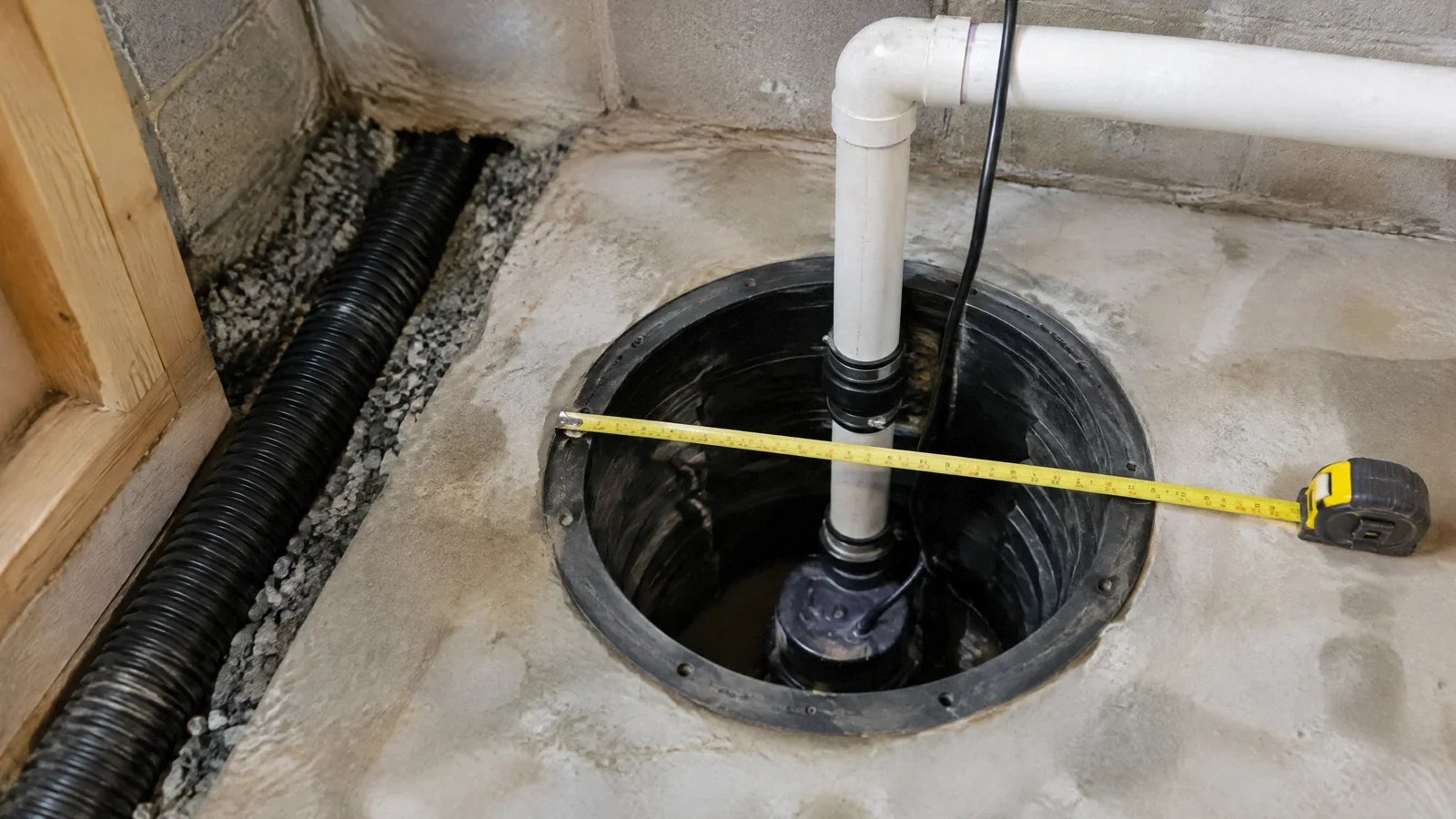
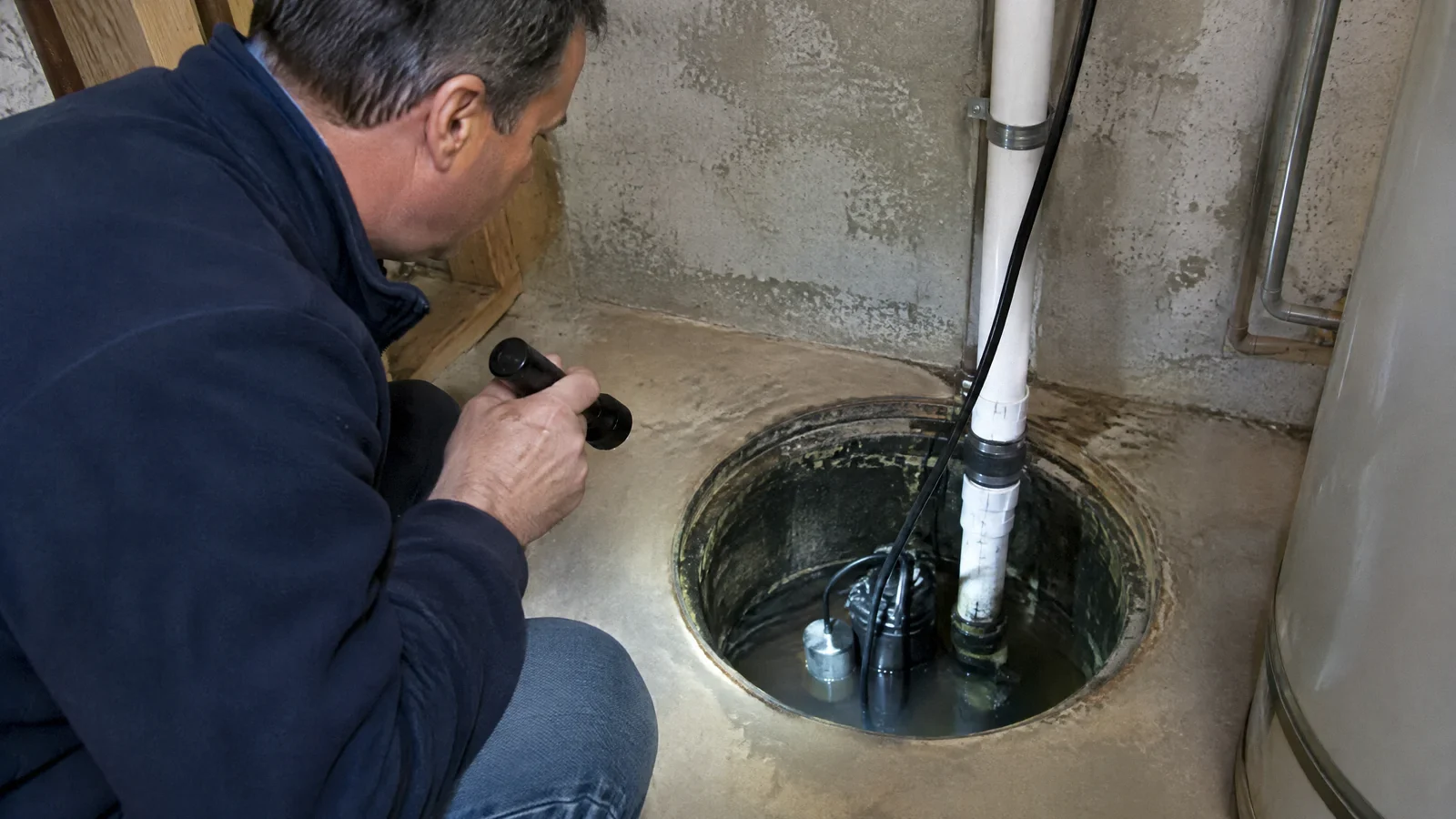
Learn safe first steps for a sump pump problem, signs that need professional service and what to ask about repair or replacement.
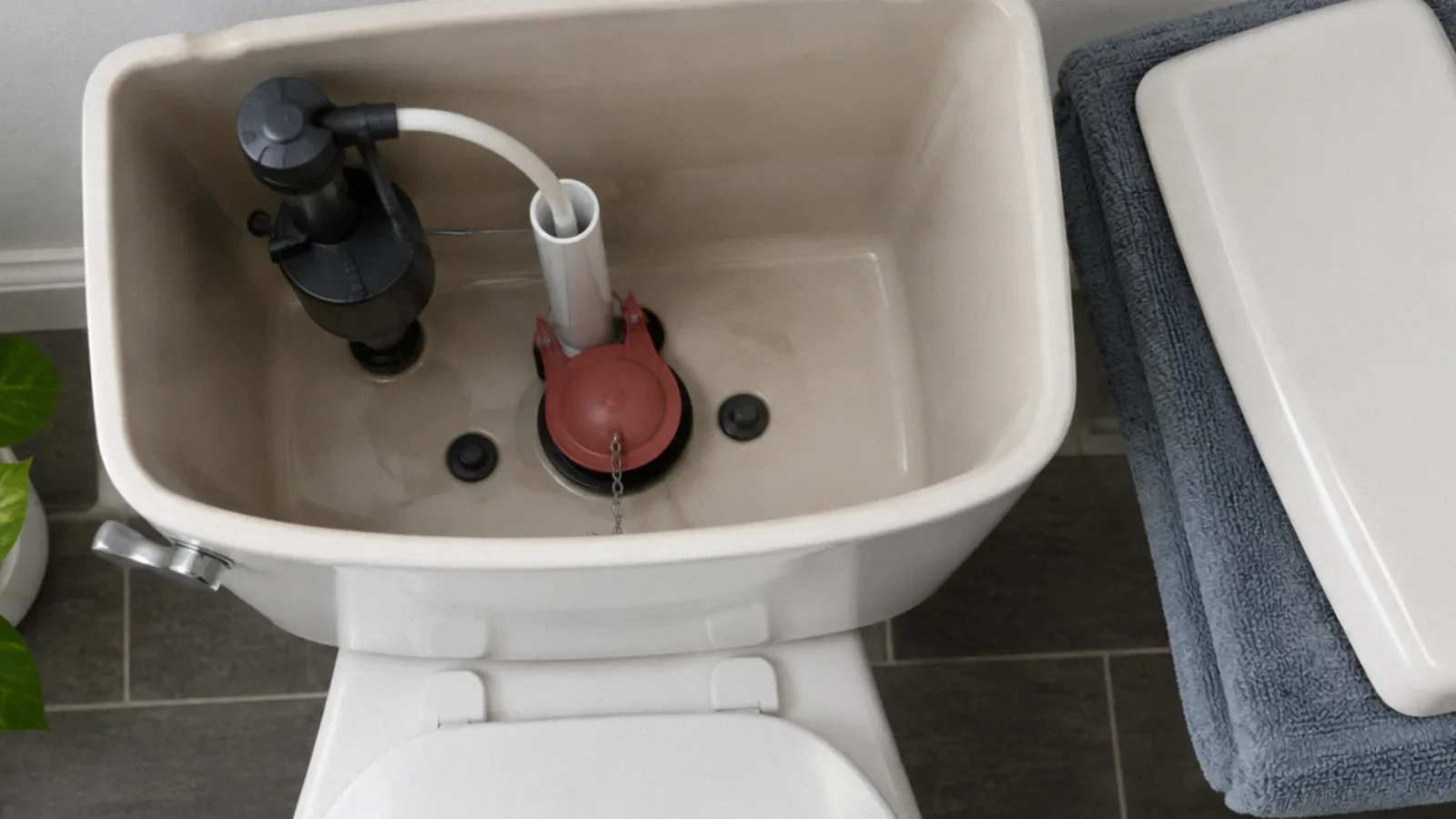
Learn the common causes of a running tank toilet, how to check for a silent leak and when to call a plumber.
Follow a practical flapper replacement checklist, including shutoff, part compatibility and a post-repair leak test.
Learn the difference between sink and toilet plungers, how to avoid chemical splashes and when a drain needs professional attention.
Use a safe symptom-based checklist for a dishwasher that will not start, drain or complete a cycle.
Understand the warm and cool phases of ENSO, their possible effects on seasonal weather, and why local forecasts remain essential.
Use a practical plumbing maintenance checklist for fixtures, accessible pipes, shutoff valves and drainage without overlooking safety or manufacturer instructions.
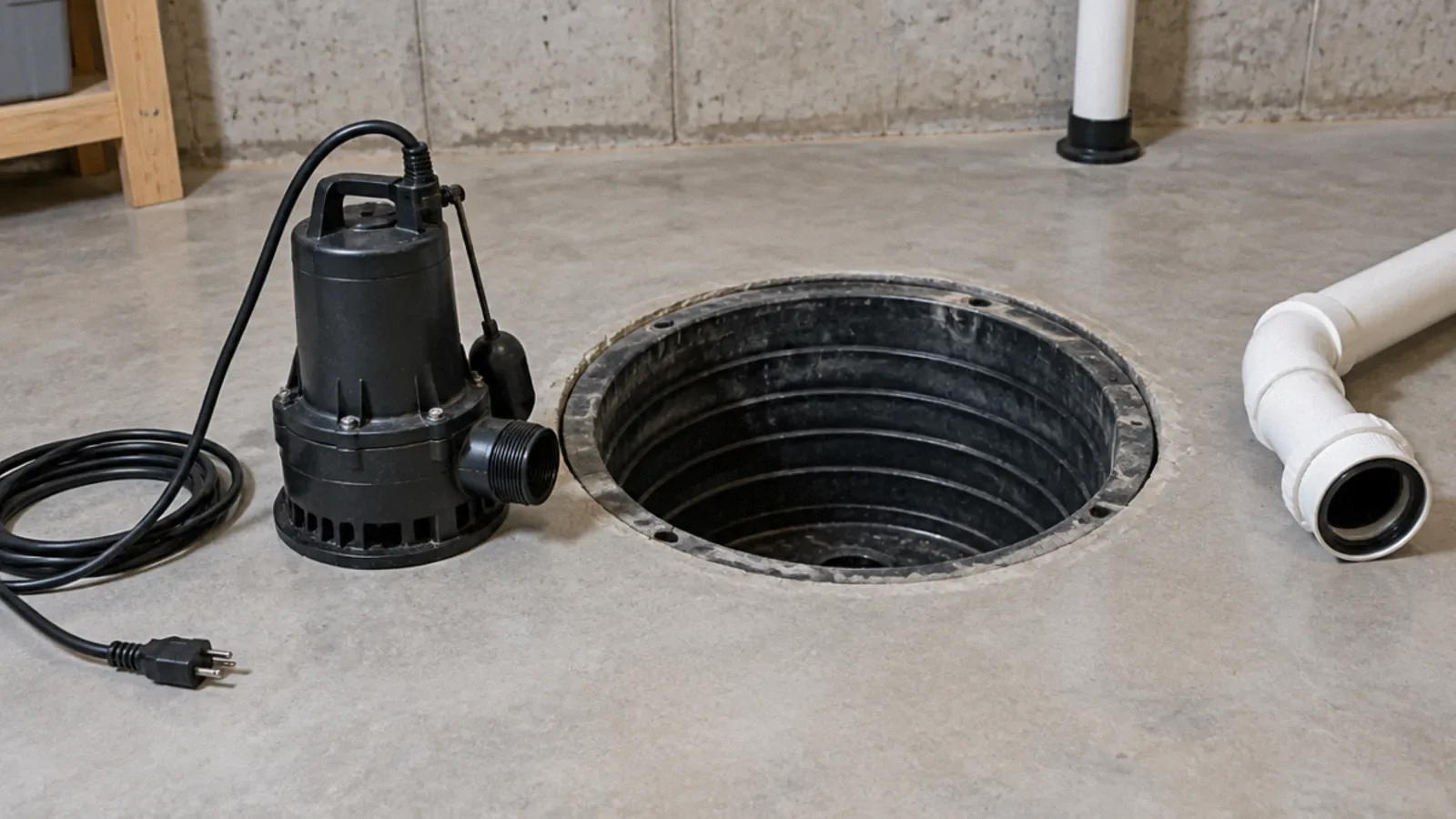
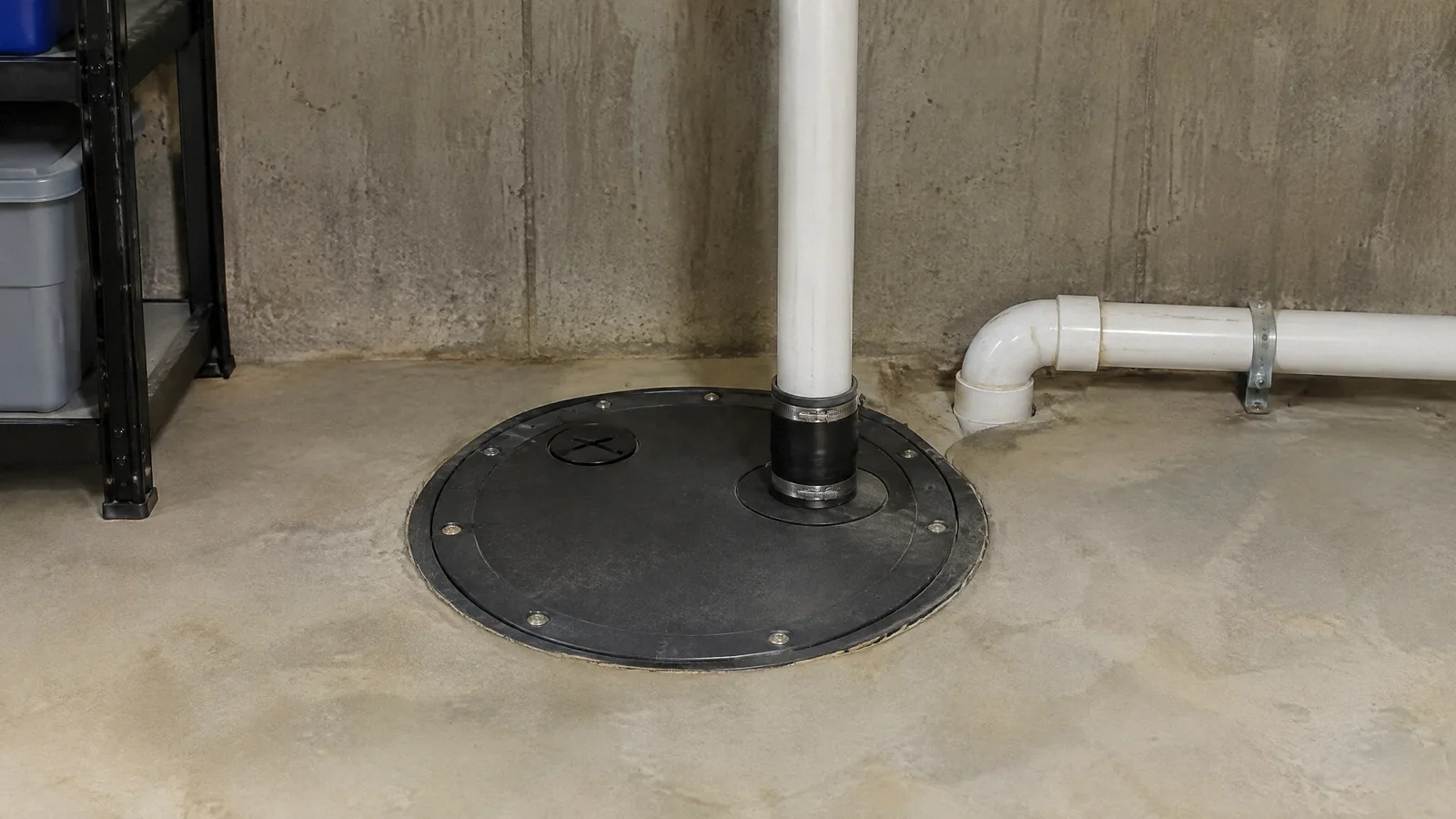
Learn the parts and purpose of a residential sump pump, how a float activates it, and what a pump can and cannot do for basement water.
Learn how to respond to a slow or clogged shower drain, avoid chemical splashes and recognize when a plumber should inspect the line.
Learn how to locate a faucet leak, prepare for repair, identify the right replacement part and check the result without damaging the fixture.
Compare general asphalt shingle and metal roof lifespan estimates, the factors that shorten service life and signs that warrant a professional inspection.
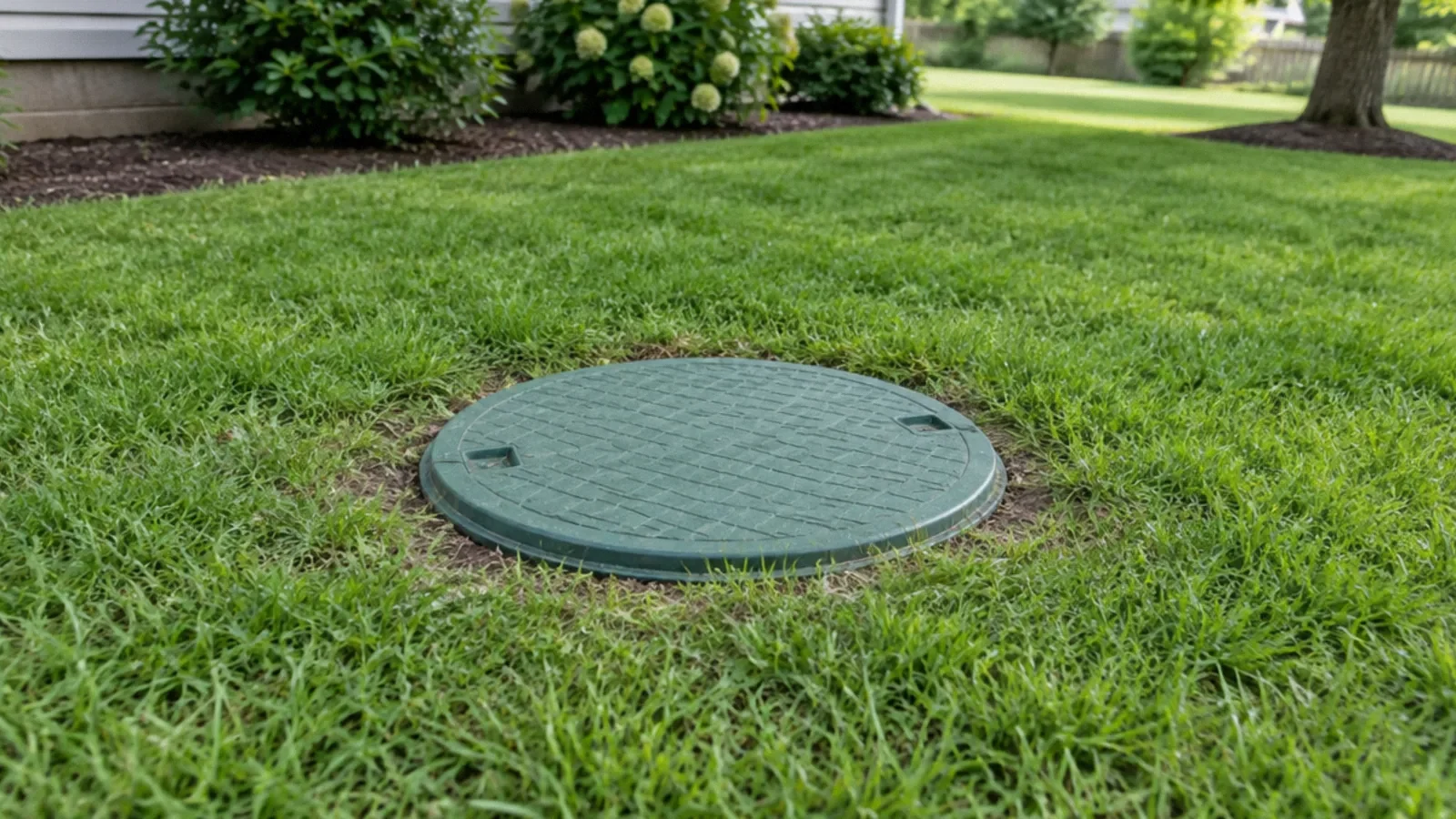
Learn EPA’s general septic inspection and pumping intervals, the factors that change the schedule and the warning signs of system trouble.
Compare ways to clear accessible sink debris, understand drain cleaner hazards and know when a recurring blockage needs a plumber.
Learn how to compare water-efficient toilets, WaterSense certification, installation and ongoing leak prevention.
Use a practical home water damage prevention checklist covering plumbing, appliances, roof drainage, shutoffs and early signs of moisture.
Learn the difference between cleaning accessible registers and full duct cleaning, when EPA suggests considering service and what to ask a contractor.
Learn how to reduce household dust using source control, practical cleaning and appropriate HVAC filtration, with precautions for heavy or hazardous dust.
Learn why tobacco odor can linger in a house, how to address affected surfaces and when to involve a professional or building manager.
Find common sources of dog and cat odors and clean pet belongings and affected surfaces while protecting animals and avoiding excess moisture.
Find common sources of household odors, recognize urgent hazards and choose cleaning and ventilation steps that address the cause.
Learn how to read a sofa care label, remove ordinary surface soil and decide when upholstery needs a professional cleaner.
Review common residential fire causes, prevention steps, smoke alarm maintenance and a practical escape plan based on U.S. fire-safety guidance.
Compare vacuuming, spot cleaning and professional carpet care while protecting rugs, padding and floors from excess moisture.
Learn how to blot a spill, select a compatible cleaner, investigate recurring brown spots and recognize when moisture or contamination needs professional help.
Learn how to protect yourself, check upholstery care instructions and address a small blood stain without saturating the cushion.
Learn how to vacuum and spot-clean a wool rug, protect its backing and dyes, and decide when to use a specialist.
Learn how to respond to a mattress accident, protect porous filling and follow care instructions when moisture or odor remains.
Learn how to clean and dry a mattress and why steam is not suitable for every material.
Learn how to blot fresh milk, treat a compatible carpet safely and investigate odor that remains in the backing or pad.
Learn how to respond to ink and marker spills, test compatible treatments and protect the carpet backing.
Learn how to contain an oil spill, protect carpet backing and choose appropriate help for stubborn grease or used motor oil.
Learn how to recognize gutter and downspout blockages, protect the foundation and decide when to call a professional.
Understand manual drain augers, chemical-cleaner hazards and the signs that a clogged drain needs a professional.
Compare safe first steps for a slow drain, understand chemical-cleaner risks and recognize signs of a sewer backup.
Learn routine cleaning and moisture precautions for luxury vinyl plank and tile while following the flooring manufacturer’s instructions.
Learn how to choose a compatible grout cleaner, handle moisture and avoid unsafe chemical mixtures on tile floors.
Compare first steps for latex, acrylic and oil-based paint spills and learn when to seek professional help.
Recognize fire, burn, cut, slip, food and chemical hazards and make a practical household safety plan.
Distinguish burnt food odor from an electrical problem and learn how to clean a cooled microwave safely.
Understand where steam cleaning fits in flea control, its limits and how to protect pets and household materials.
Learn how to handle a small blood stain, protect yourself during cleanup and decide when specialized help is needed.
Understand final cleaning after building work, dust hazards, contractor responsibilities and questions to ask before reoccupying.
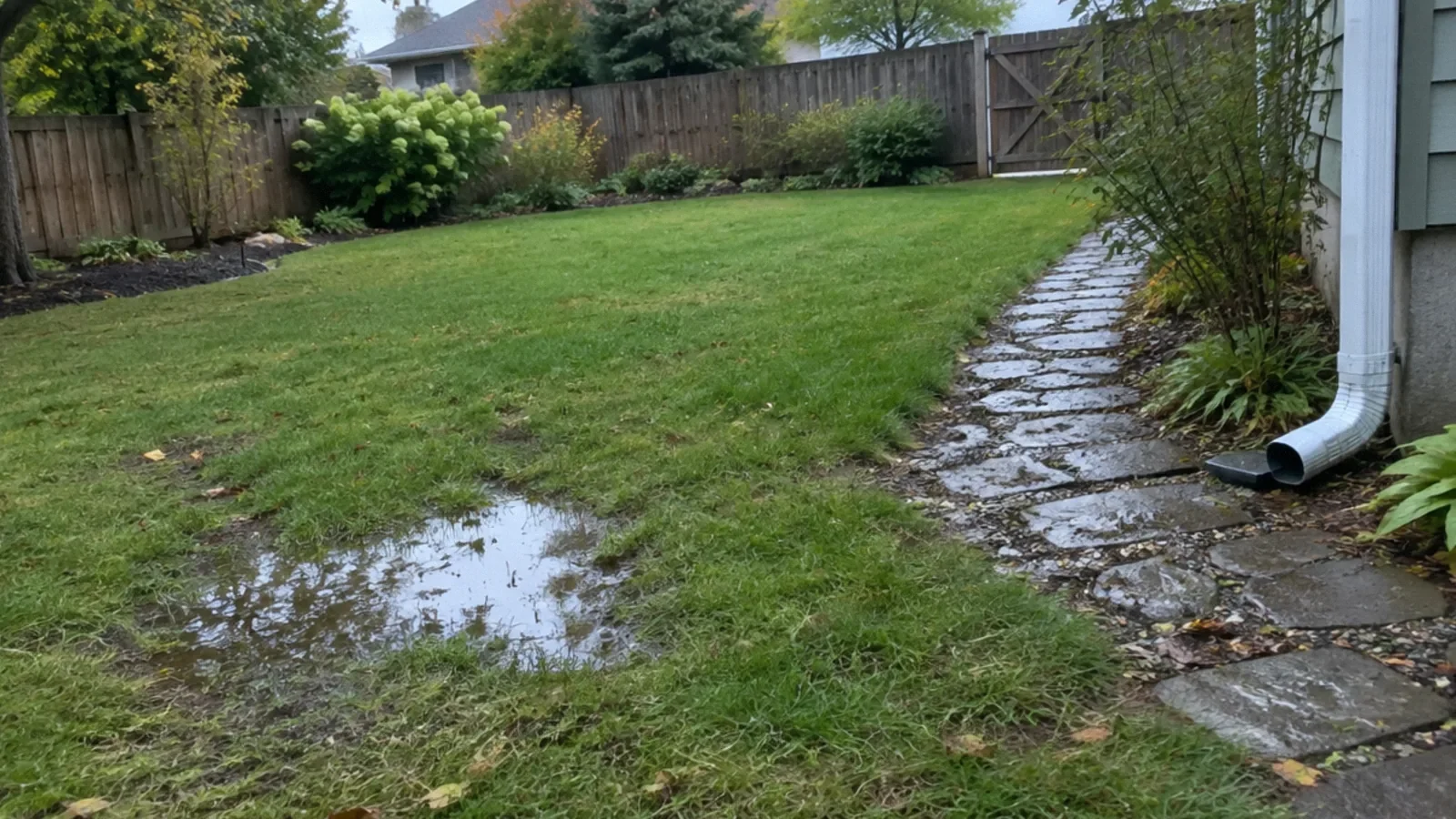
Learn to identify common yard drainage problems and compare gutter, grading and stormwater options without redirecting water onto neighbors.
Organize bathroom cleaning by surface, prevent moisture problems and use cleaning products safely.
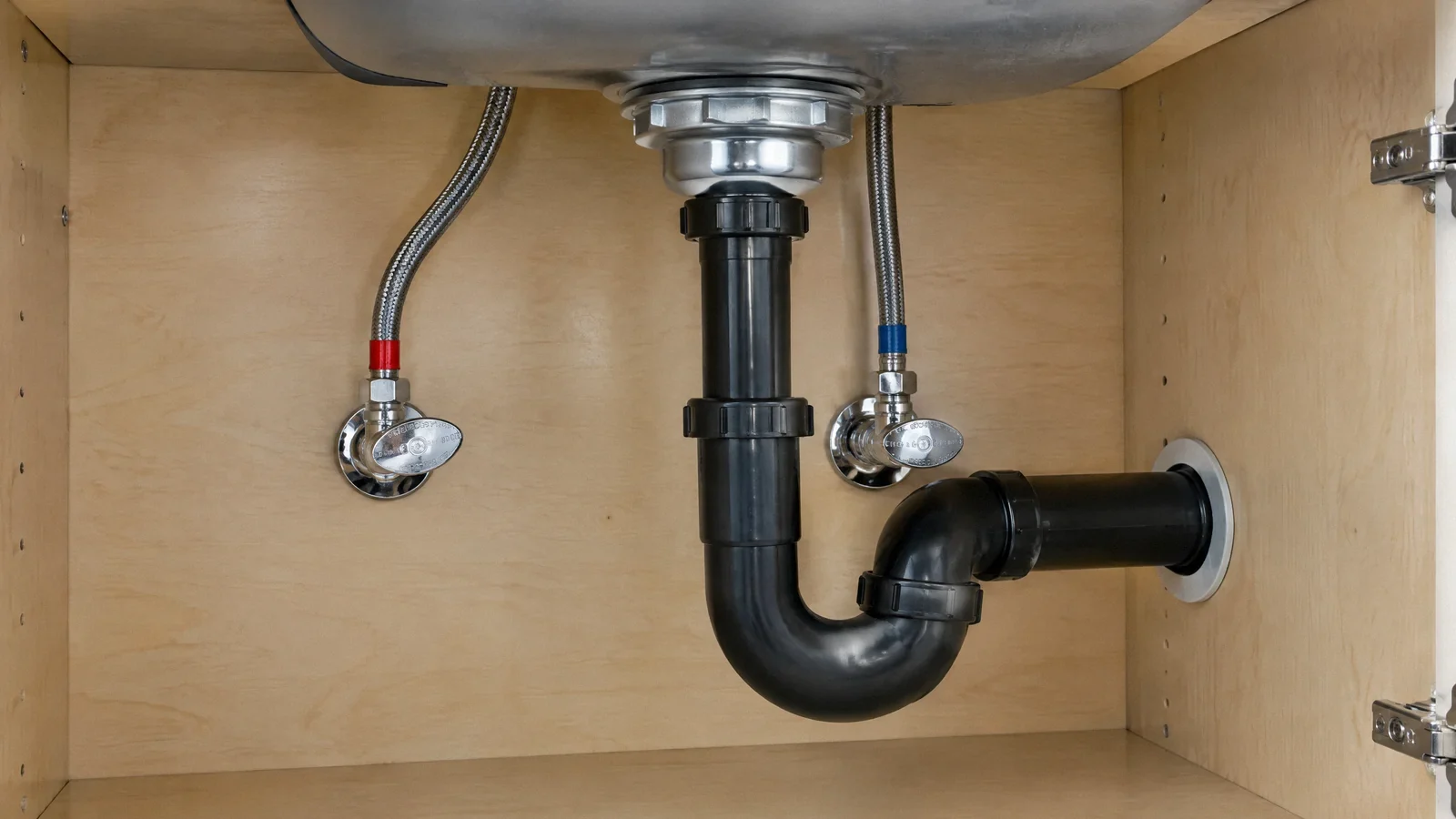
Understand sink types, fit, shutoffs, plumbing connections and the checks needed to prevent a leak.
Distinguish cooking oil from automotive oil, reduce slipping hazards and keep oil out of drains.
Learn which toilet problems may be repairable, when replacement may make sense and how to prevent leaks.
Learn how to assess damp clothes, use care-label laundry instructions and address a moldy washer or moisture source.
Learn how flooding develops, how gauges describe water levels and why state rankings depend on the measure used.
Learn how to protect people, clean a hard surface and follow disinfection instructions when illness is suspected.
Use a manageable sequence for sorting yard debris, clearing paths and drains, caring for surfaces and keeping runoff out of storm drains.
Understand how toilet and drain venting works, recognize signs of a blockage and learn when a plumber should inspect the system.
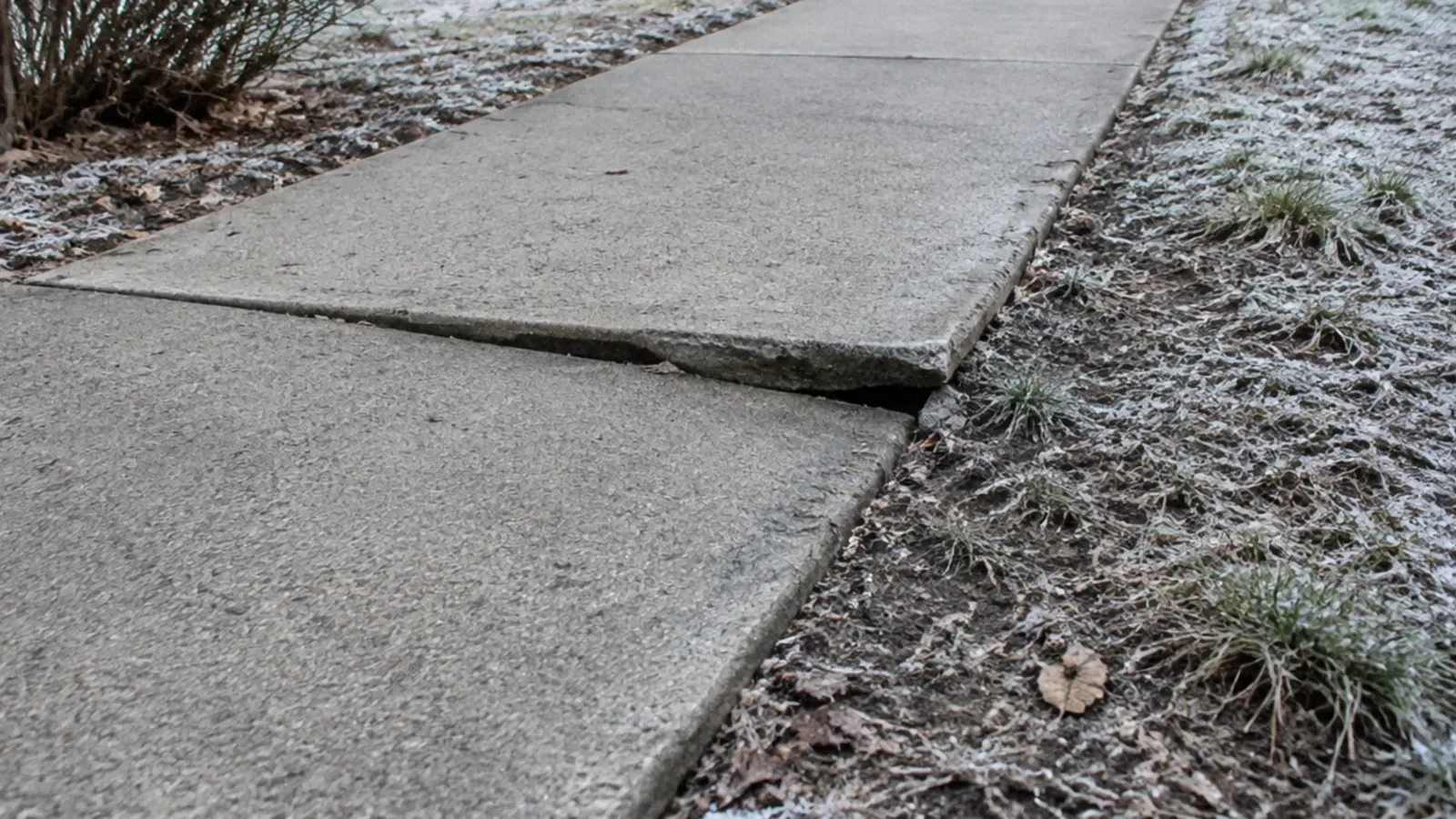
Understand how freezing temperatures, water and frost-susceptible soil can lift a slab, and why prevention depends on site-specific design.
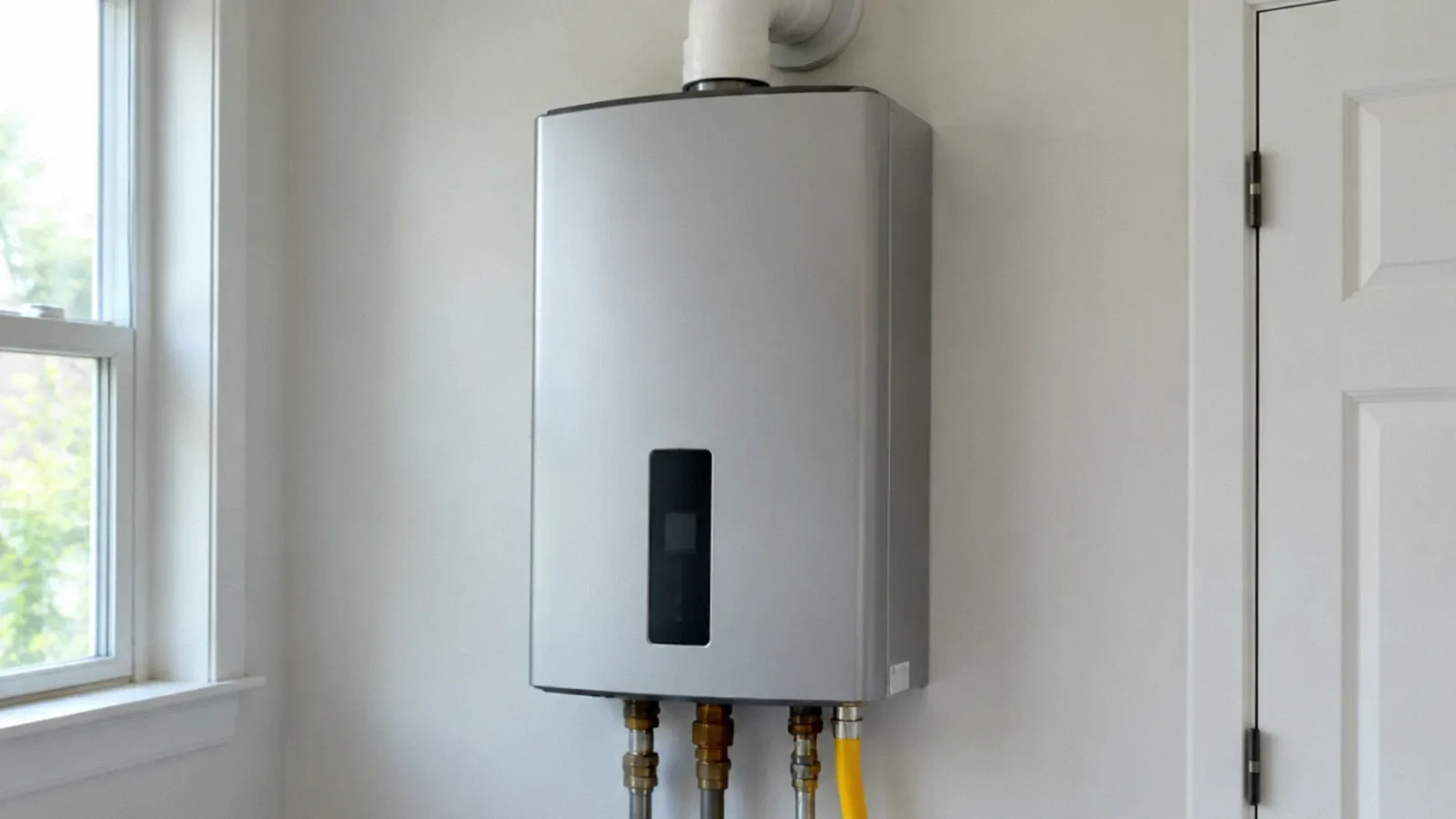
Learn why mineral scale builds up, how service intervals vary and what to ask before a professional flushes a tankless water heater.
Learn how to dust and inspect an artificial tree, protect built-in lights from moisture and decide what to do about musty storage.
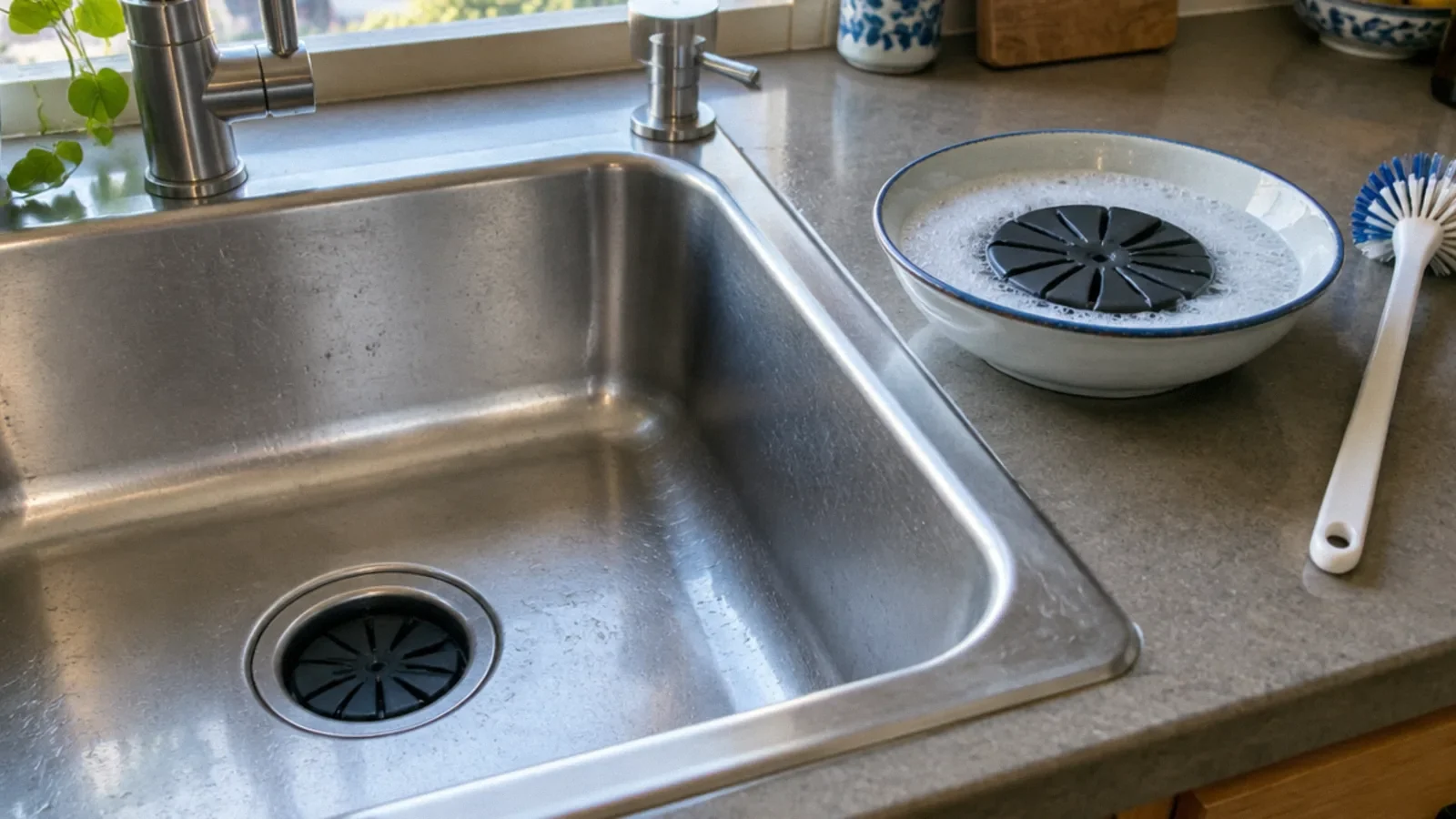
Clean the accessible splash guard safely, understand when ice may be permitted and learn when a persistent smell or backup needs service.
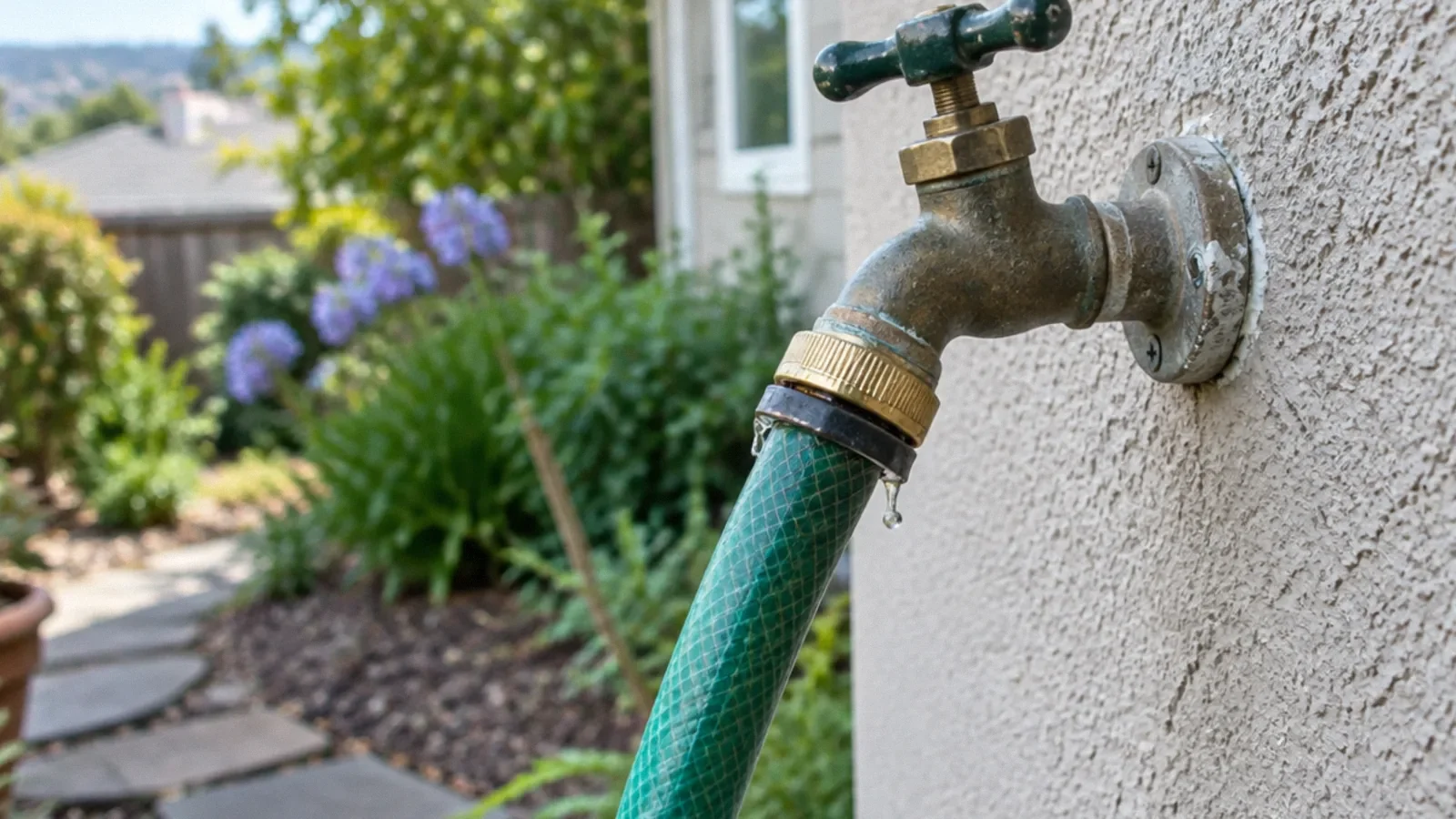
Identify leaks at a hose connection, handle, spout or vacuum breaker and recognize when an outdoor faucet may be leaking inside the wall.
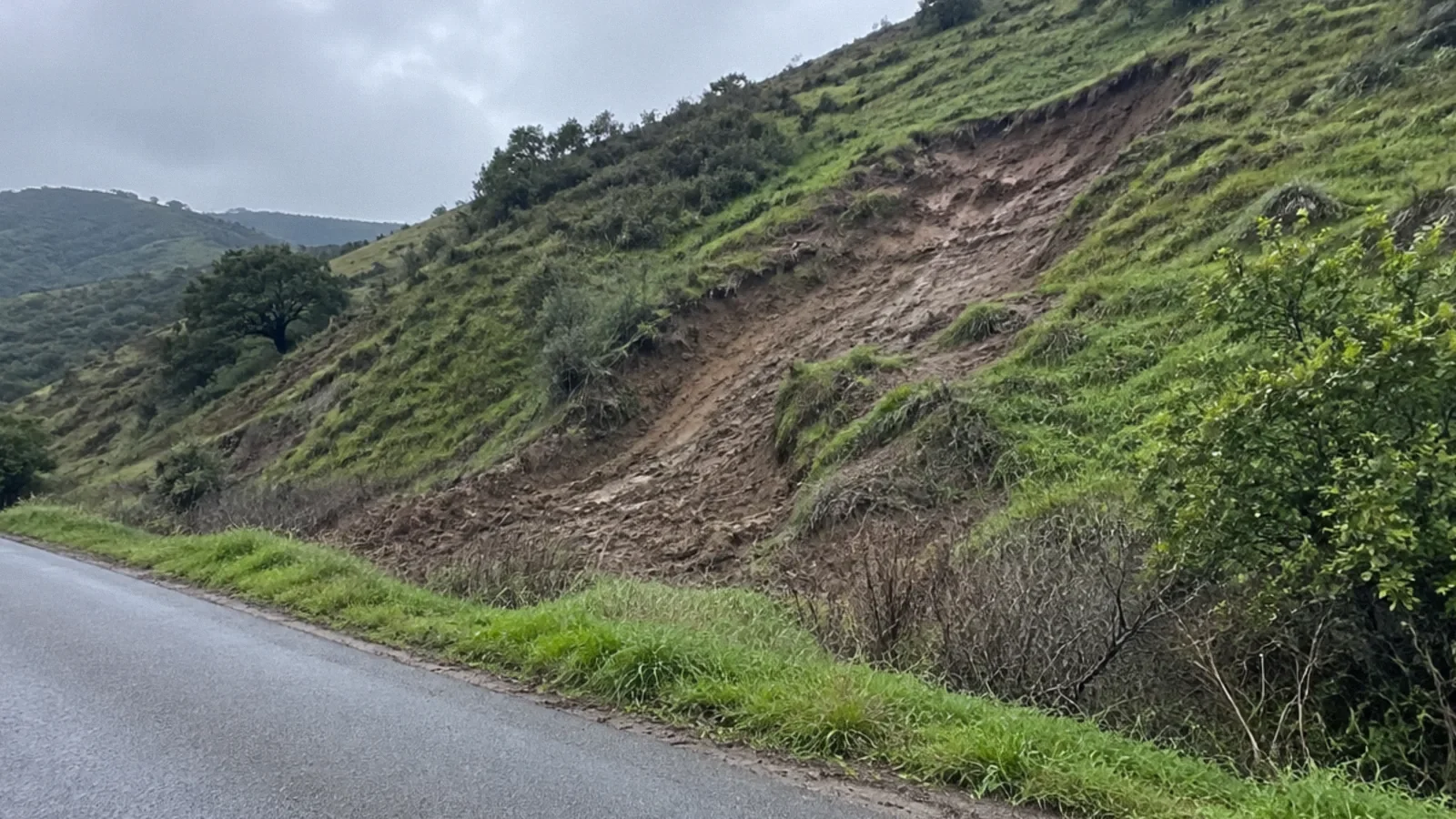
Understand debris flows and landslides, why heavy rain or wildfire can increase danger, and what to do before and after an evacuation.
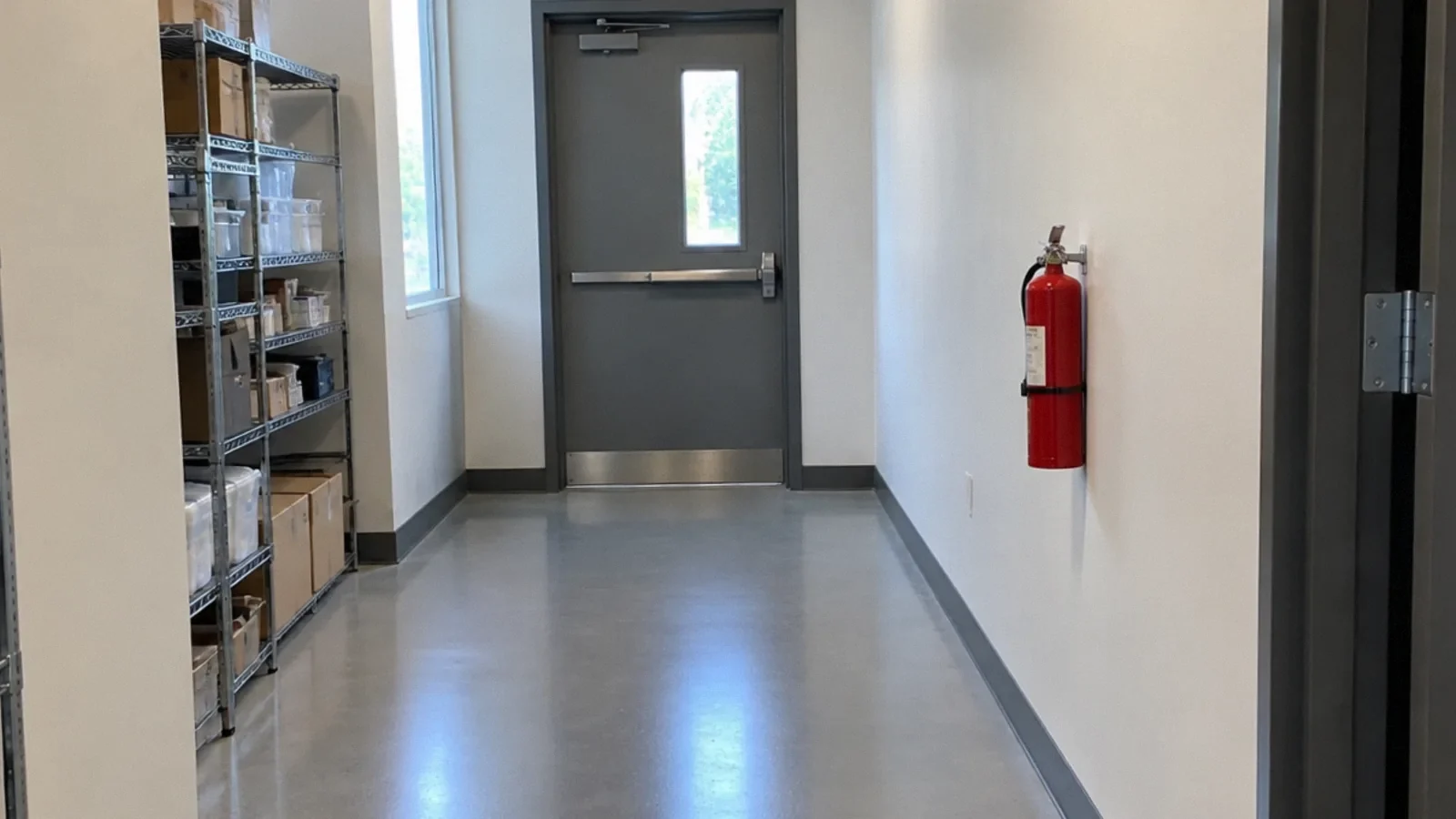
Review practical workplace fire hazards, clear exits, emergency procedures and the distinction between prevention and evacuation planning.
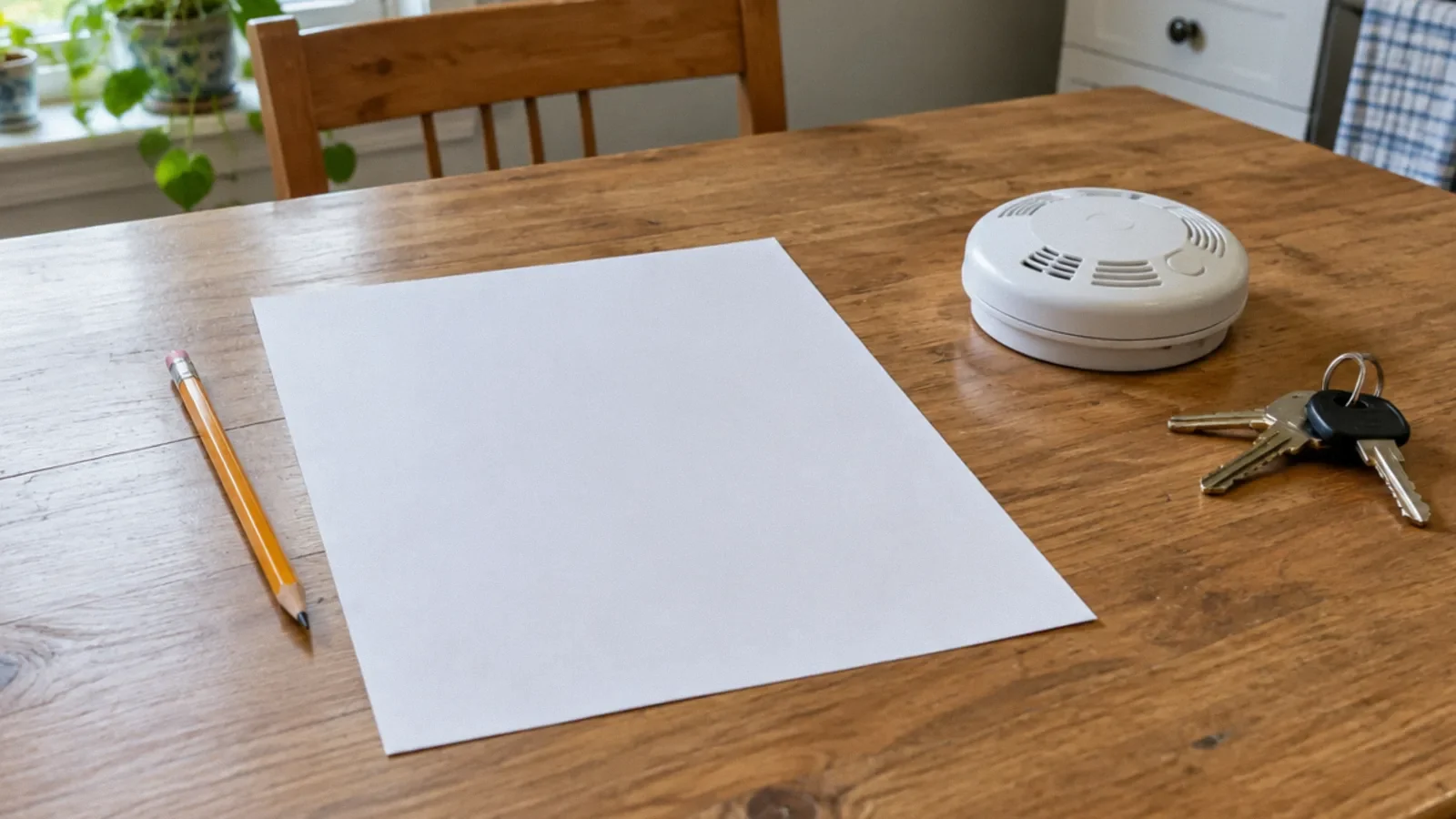
Map two ways out of each room, choose a meeting place, plan for everyone in the home and practice before a fire occurs.
Learn how fire-resistance ratings, water protection and secure backups can help protect important papers without promising protection in every fire.
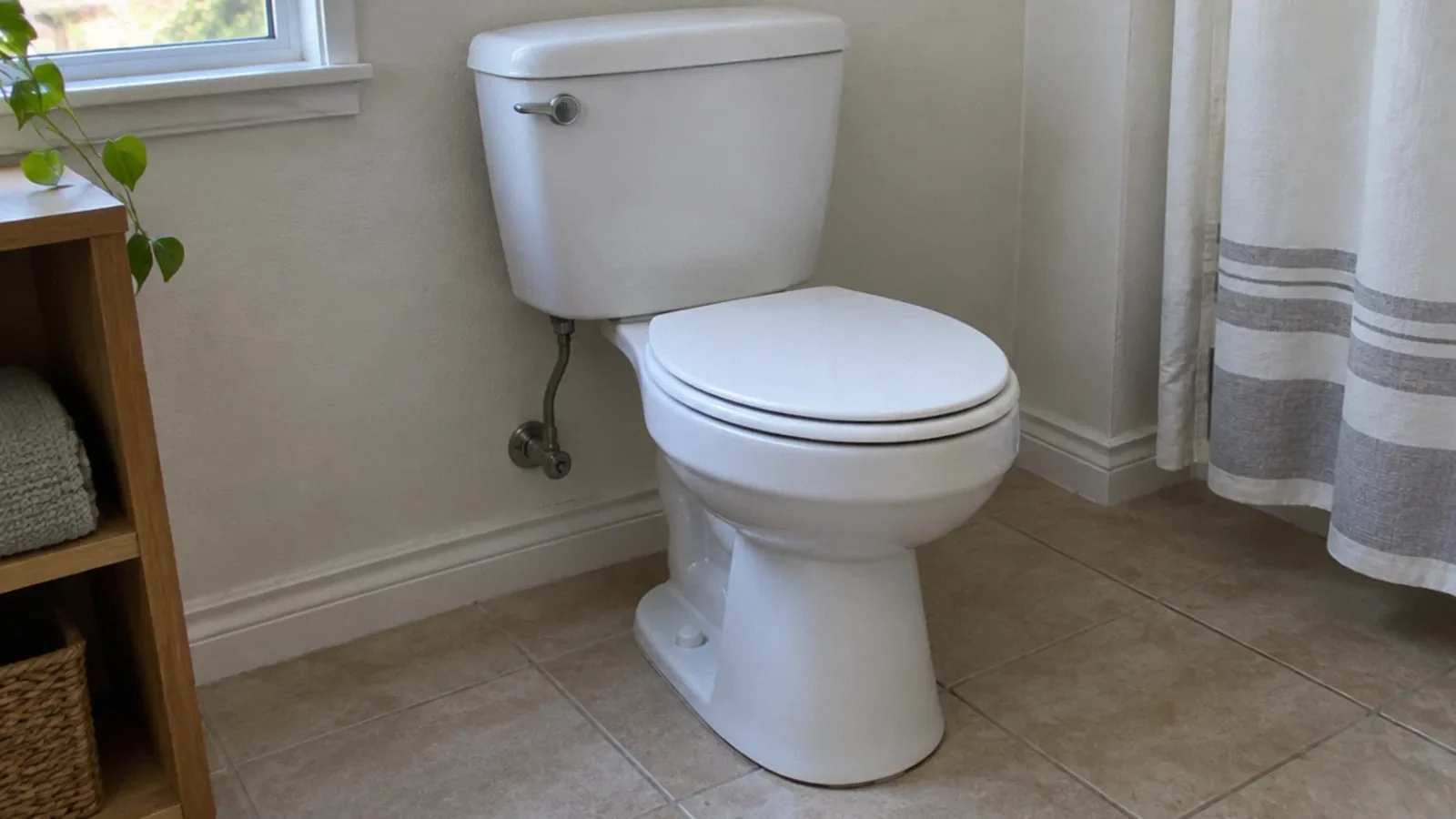
Compare the useful life of a ceramic toilet and its replaceable parts, identify leaks and cracks, and decide when to ask a plumber about replacement.
Learn why intact asbestos-containing material is different from disturbed material, when to seek an accredited professional and how to discuss exposure with a clinician.
Identify when an odor is a safety problem, clean ordinary food residue according to the appliance manual and know when to request service.
Understand relative humidity targets, basement condensation, seasonal changes and the limits of a dehumidifier after a leak.
Plan a kitchen or bathroom sink installation, understand supply and drain connections, and check local permit and leak-testing requirements.
Understand the basic steps for draining a storage water heater, the scald and electrical hazards, and when to call a professional.
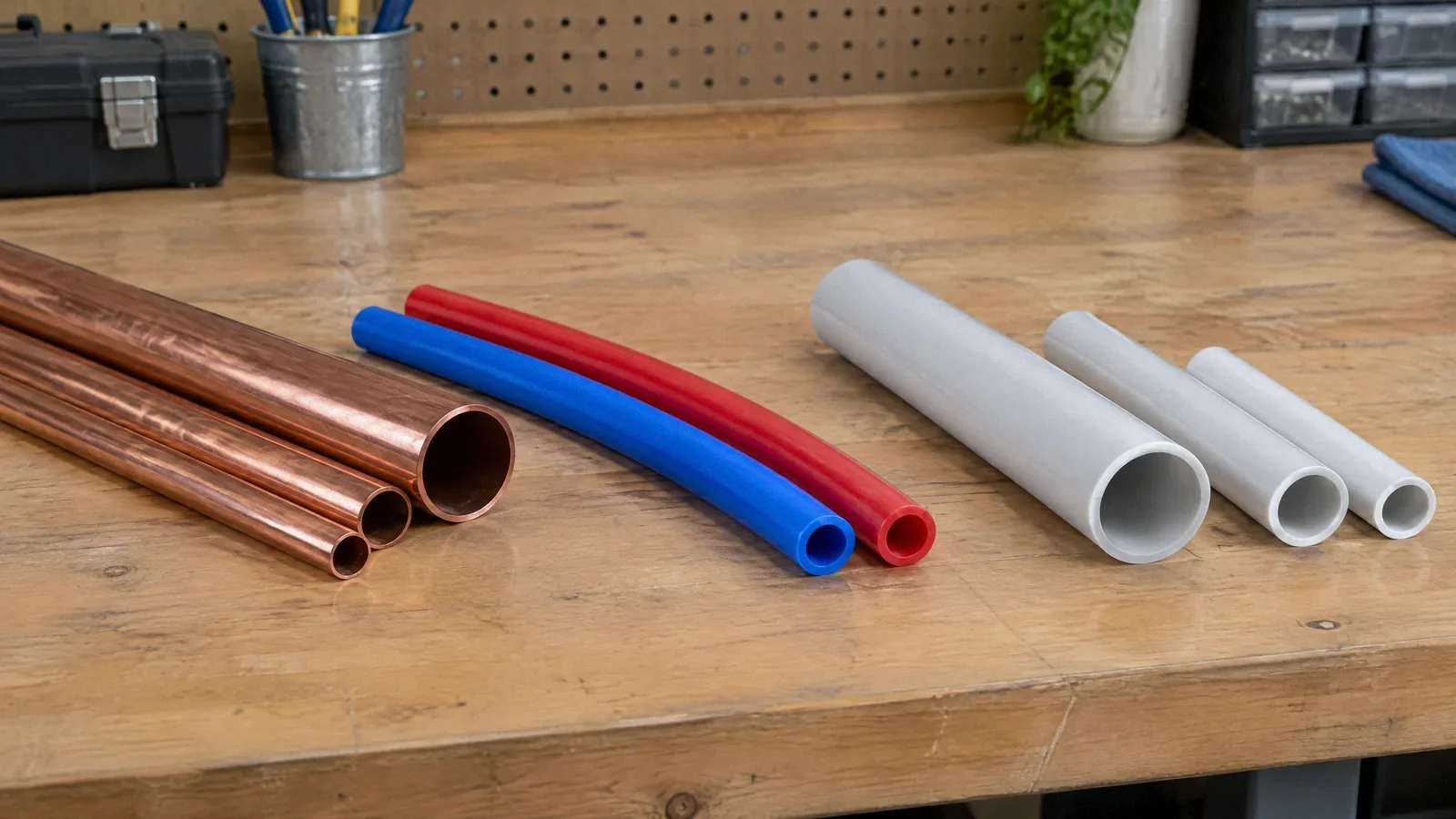
Compare pipe materials, signs of corrosion and leaks, lead concerns and questions to ask before a partial or whole-house repipe.
Understand standing and stagnant water, possible contamination and mosquito risks, and how to respond safely to water around a home.
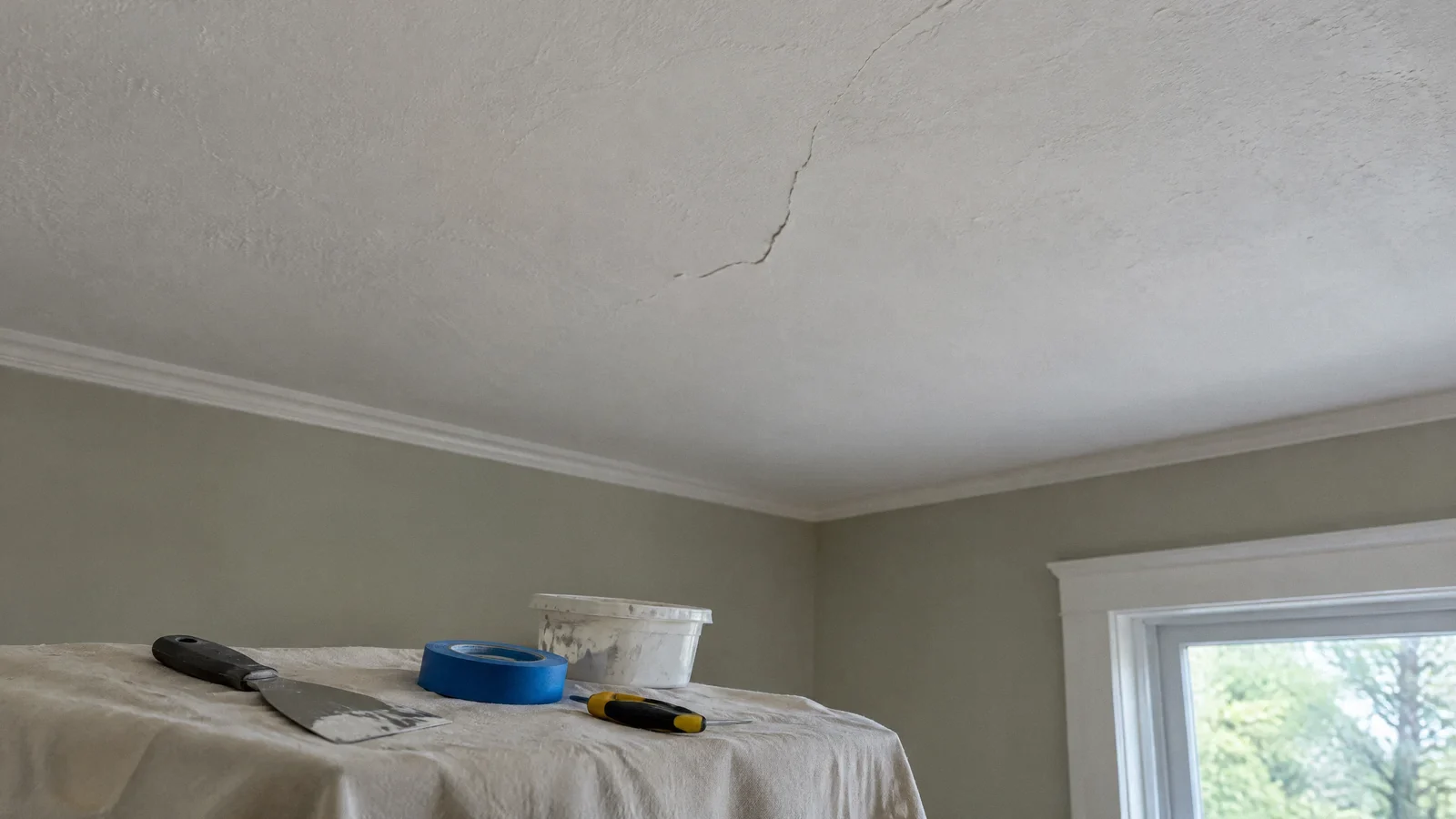
The cost depends on the cause, ceiling material, size and accessibility of the repair, and the finish needed. Obtain written local estimates with the same.
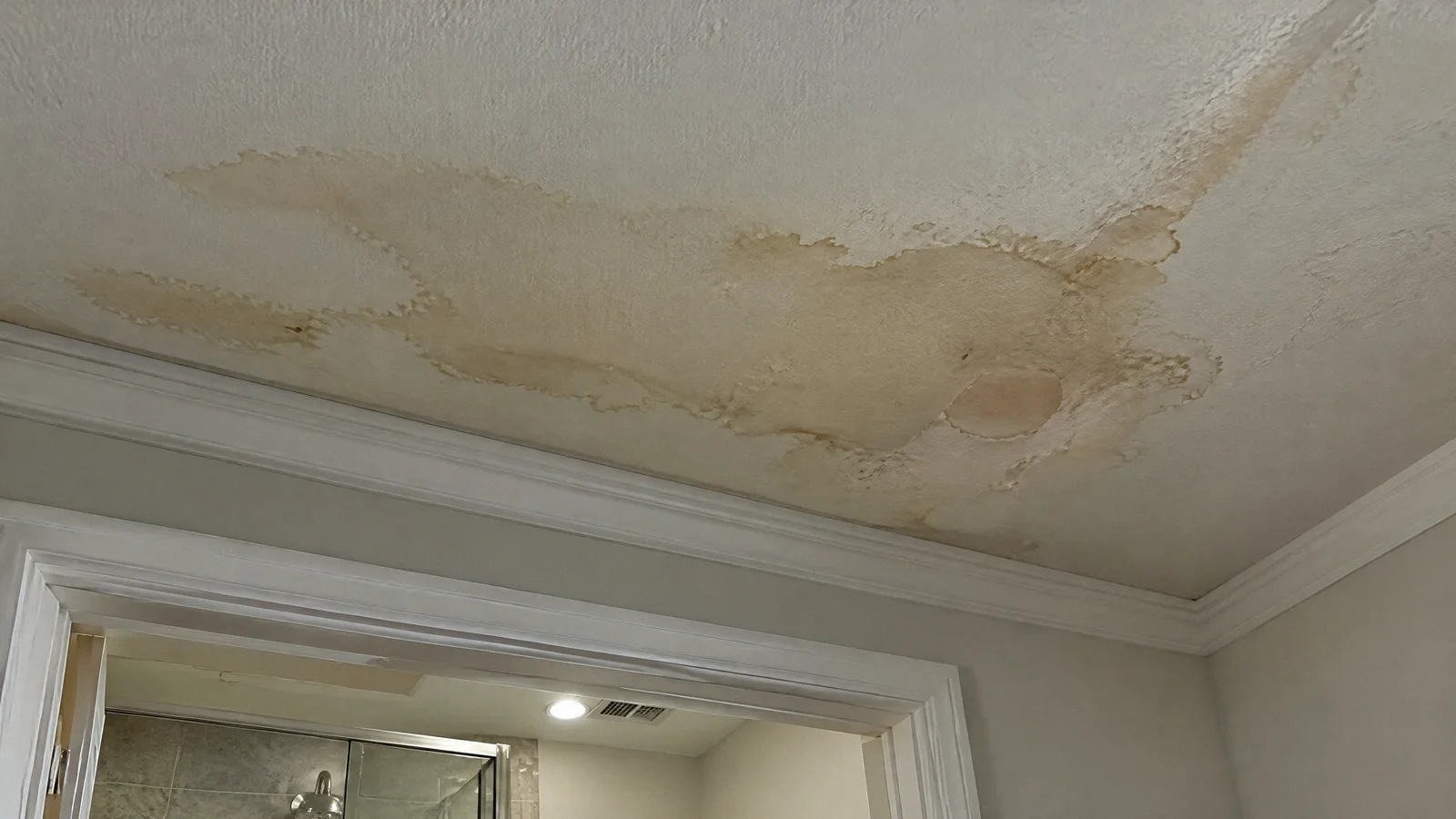
The total may include finding and repairing the leak, drying, removing damaged material, and restoring the ceiling. The cost varies with the water source a.
A watered tree, safe clearance from heat, undamaged lights, and an escape plan all help reduce holiday fire risks. Turn decorative lights off before sleepi.
Return only when officials say it is safe. Keep away from electrical and structural hazards, treat floodwater as potentially contaminated, document damage,.
Wait for the authorities to release the property before entering an affected area. Ordinary estate clearing and cleanup involving blood or other potentiall.
Learn how to respond to a suspected blockage between a home and its septic tank, and how a professional locates the problem.
Stop adding water if wastewater is backing up, keep people away from sewage, and arrange a professional inspection. Slow drains and odors can indicate a pr.
Wait for authorities to permit access, protect people and essential operations, notify the insurer and building owner, and arrange a documented assessment.
Protect occupants, isolate the water source only if trained staff can do so safely, and call qualified plumbing and restoration providers. Assess affected.
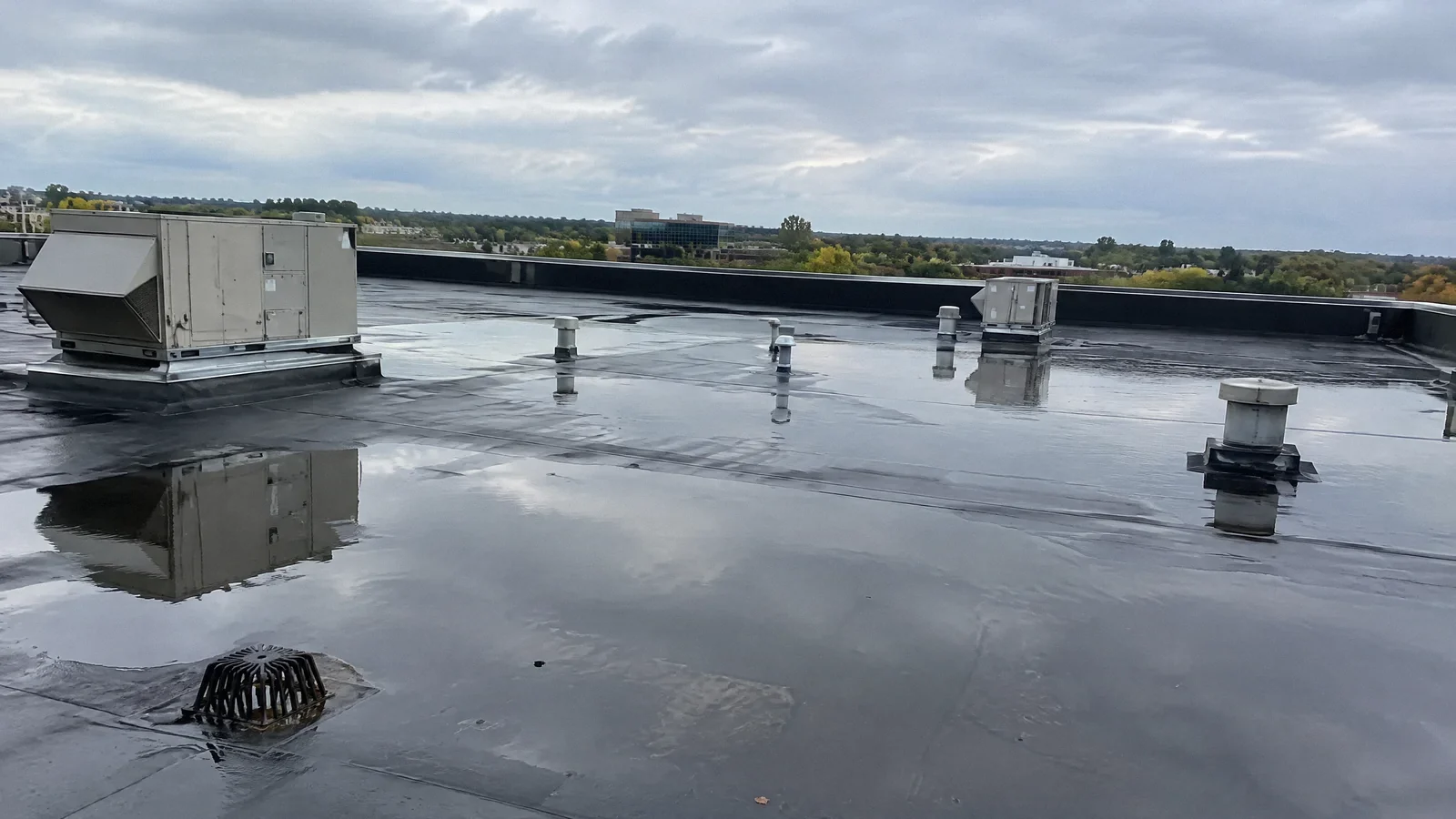
Protect occupants and equipment, document the leak, and arrange a qualified roof inspection and interior moisture assessment. A leak visible inside may ori.
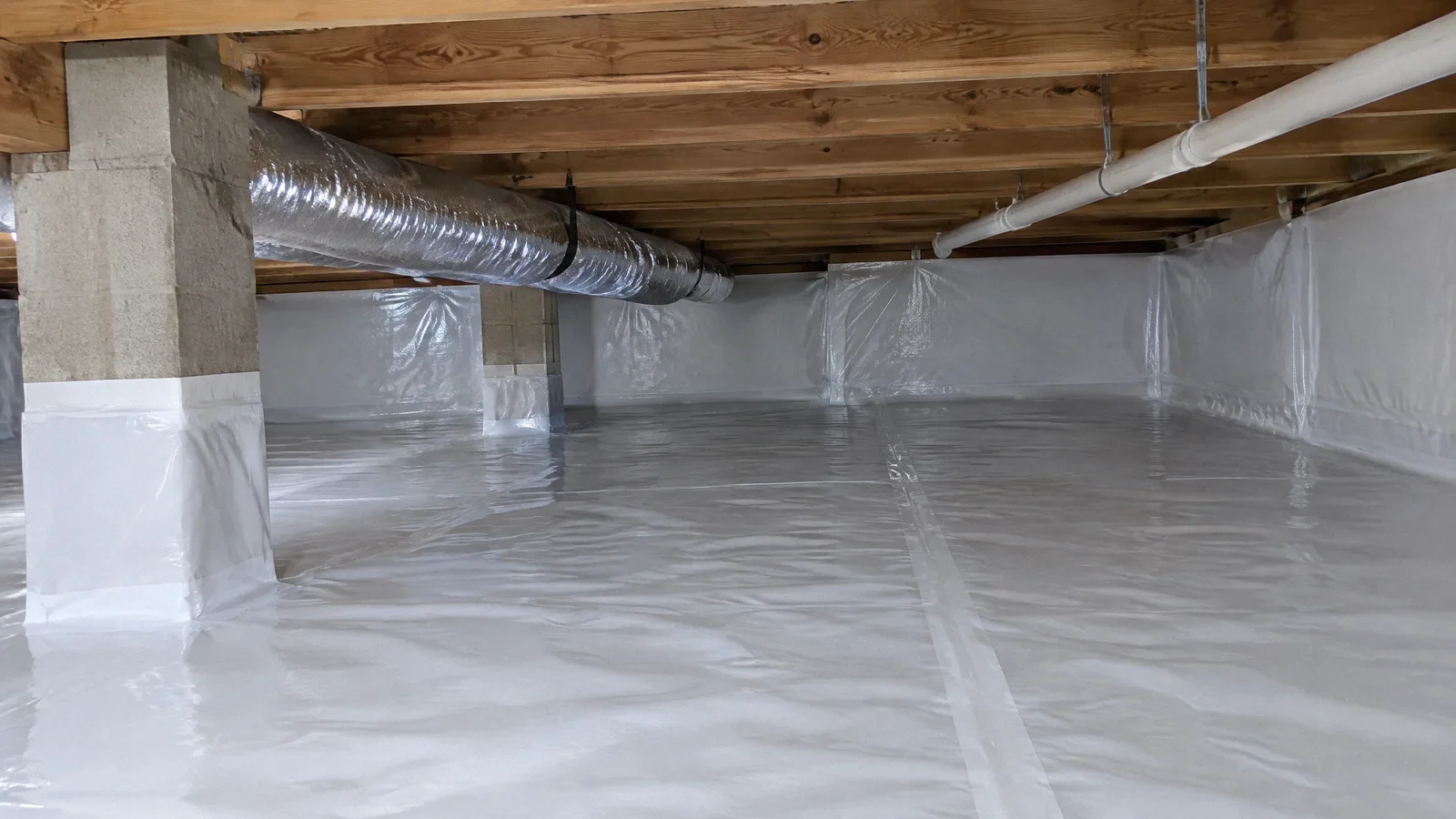
Compare ground liners, seam materials, insulation and moisture controls for a crawl space, with attention to compatibility and site conditions.
Compare dryer vent cleaning quotes, understand access and duct-length charges, and ask what the service includes.
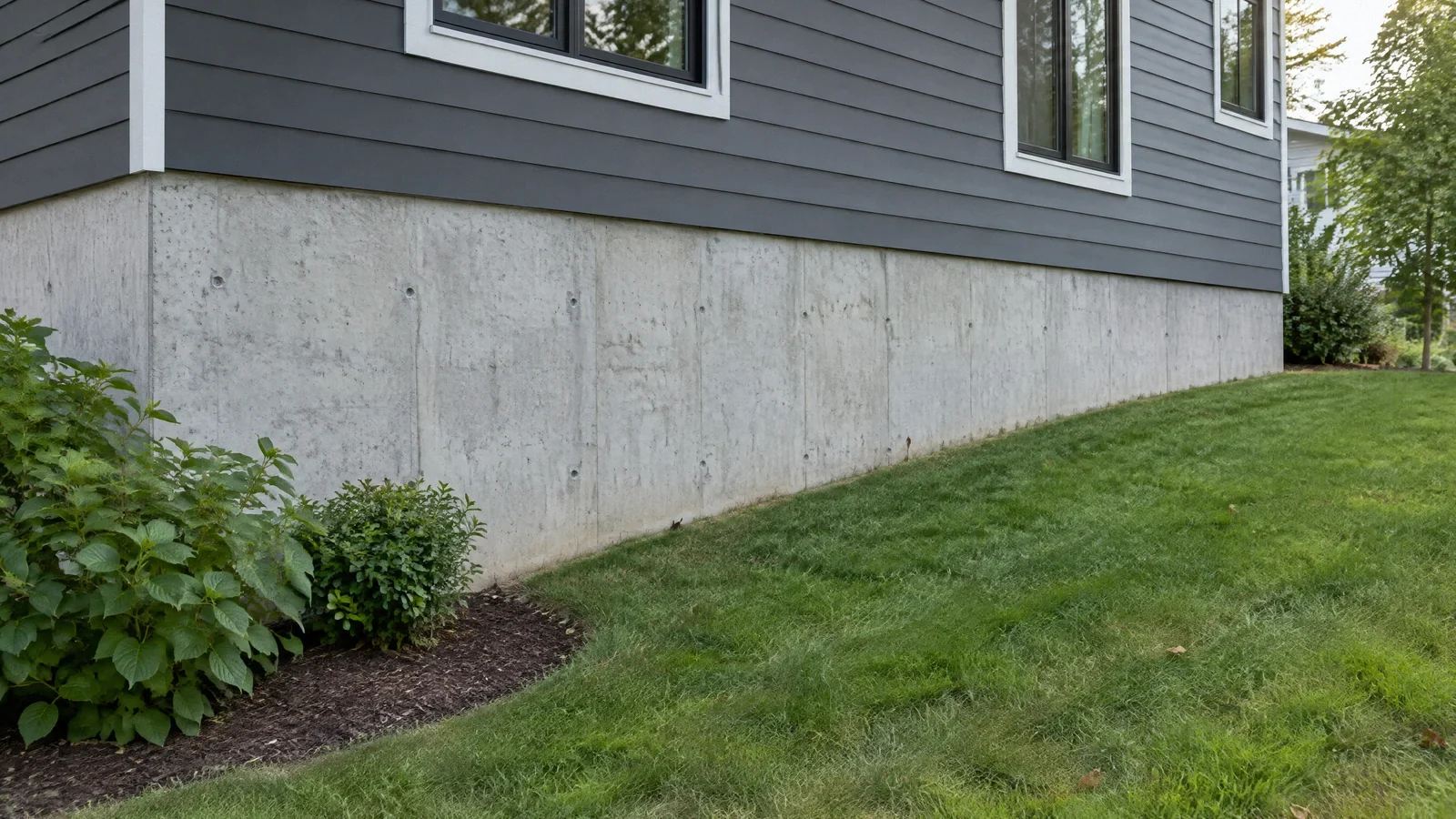
Understand exterior foundation sealing, drainage and site assessment before choosing waterproofing work.
Compare French drains and sump pumps, including when gravity drainage and pumped discharge may work together.
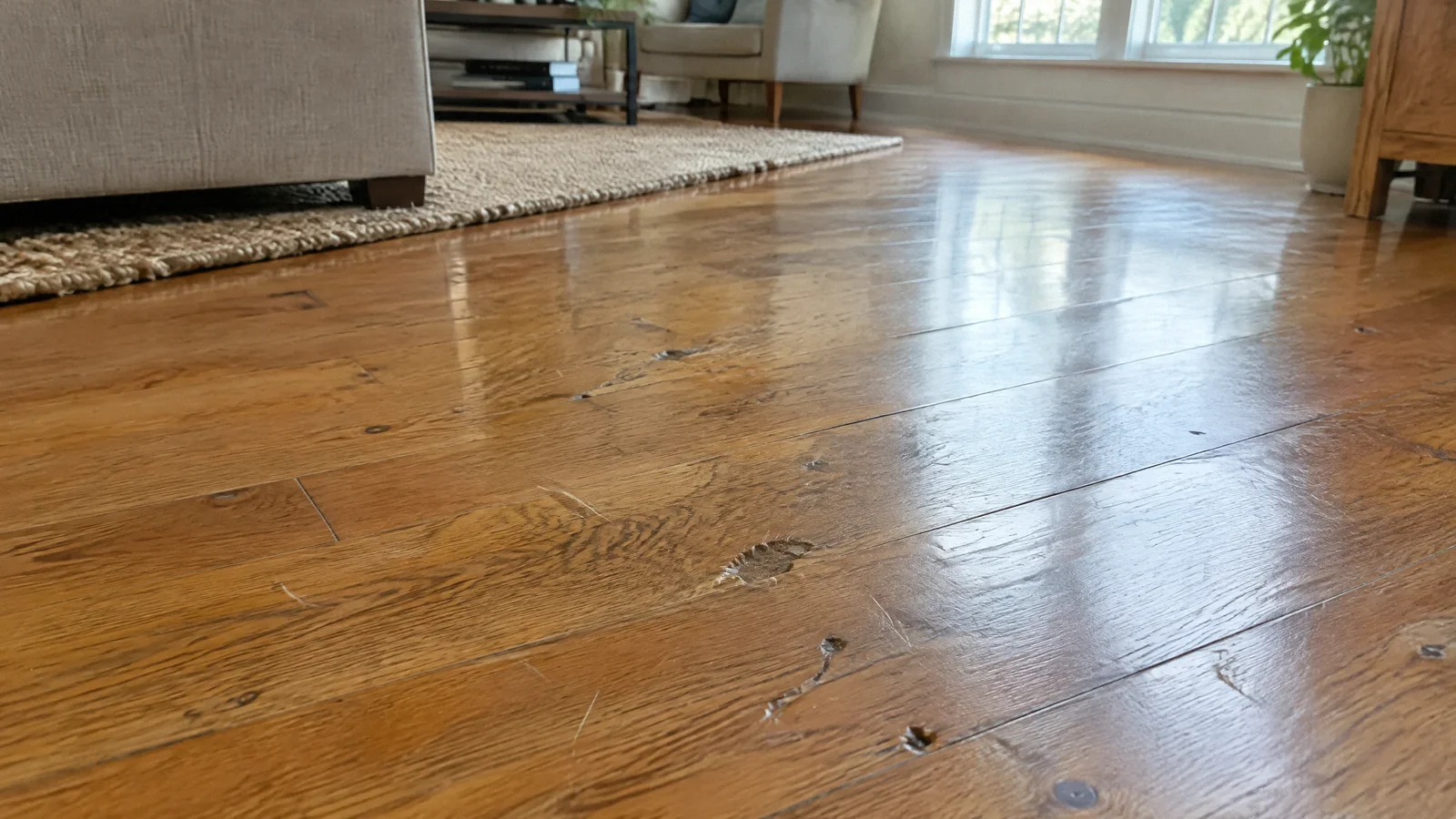
Identify scratches, dents, wear and moisture damage in hardwood and compare repair options.
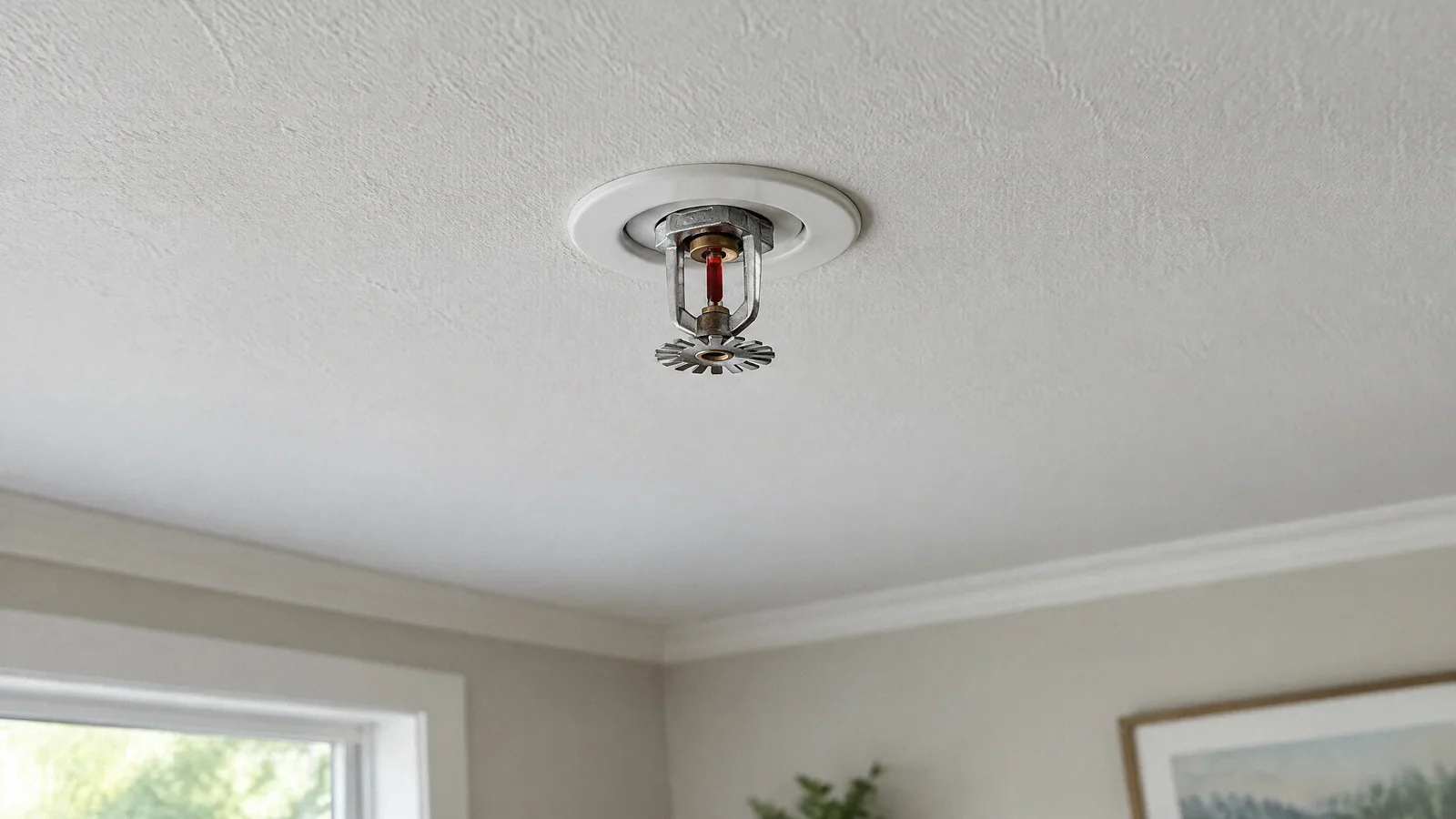
Understand how residential fire sprinklers operate, what they require, and what to ask before installation.
Learn how dryer fires start, recognize warning signs and maintain the lint filter and exhaust safely.
Follow wastewater from the house through a septic tank and drainfield, and learn what maintenance protects each part.
Learn what to observe at registers, which signs suggest duct leakage, and when to request professional testing.
Choose carpet-cleaning products using material compatibility, credible environmental claims and safe-use instructions.
Care for Oriental and other delicate rugs with gentle routine cleaning, prompt spill response and specialist help when needed.
Learn when detergent or bleach may be appropriate for concrete and how product labels and surface requirements affect the choice.
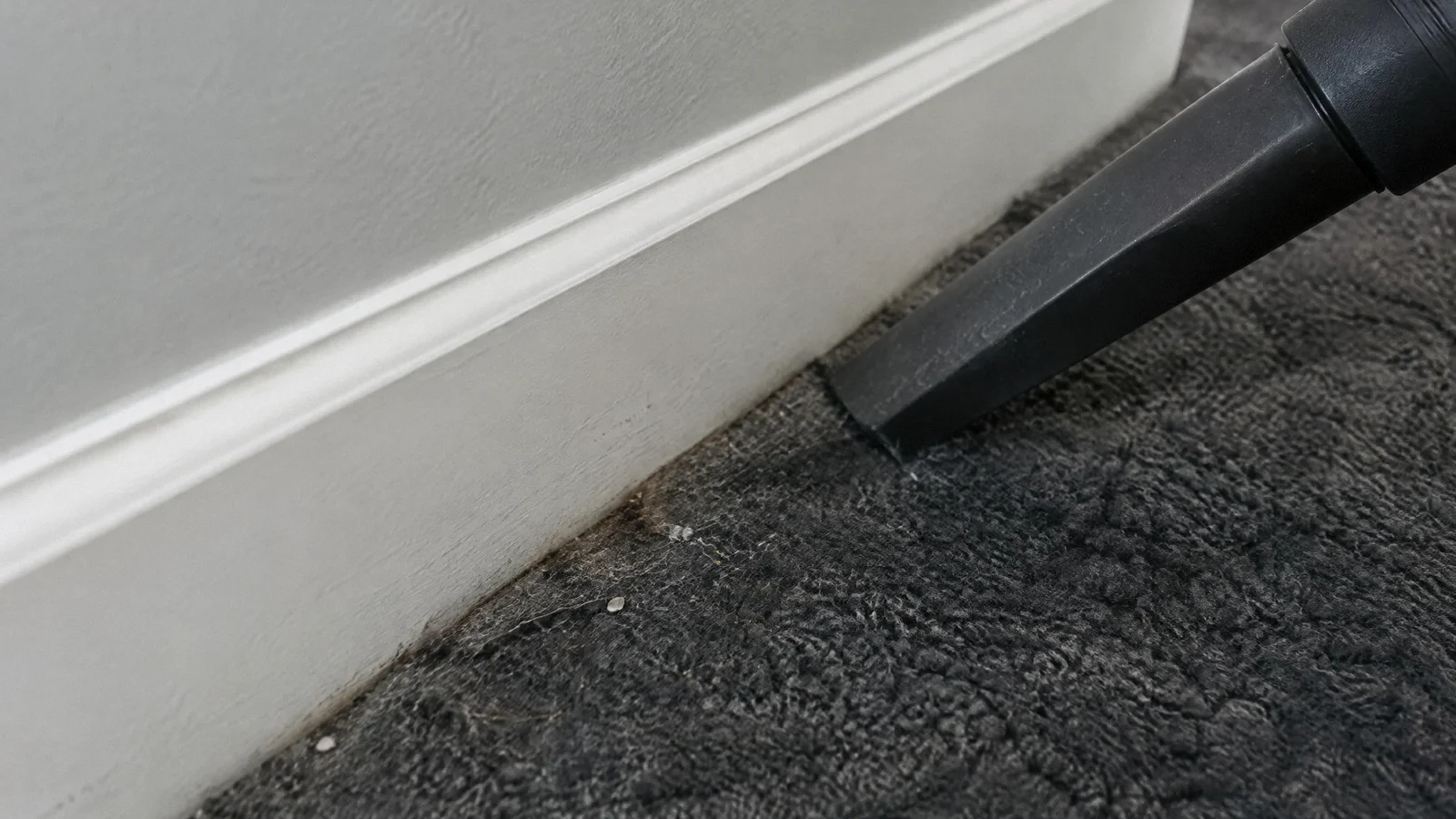
Vacuum the edges with a crevice tool, then use a carpet-compatible spot treatment according to its label. Persistent dark lines can require professional cleaning and attention to airflow gaps.
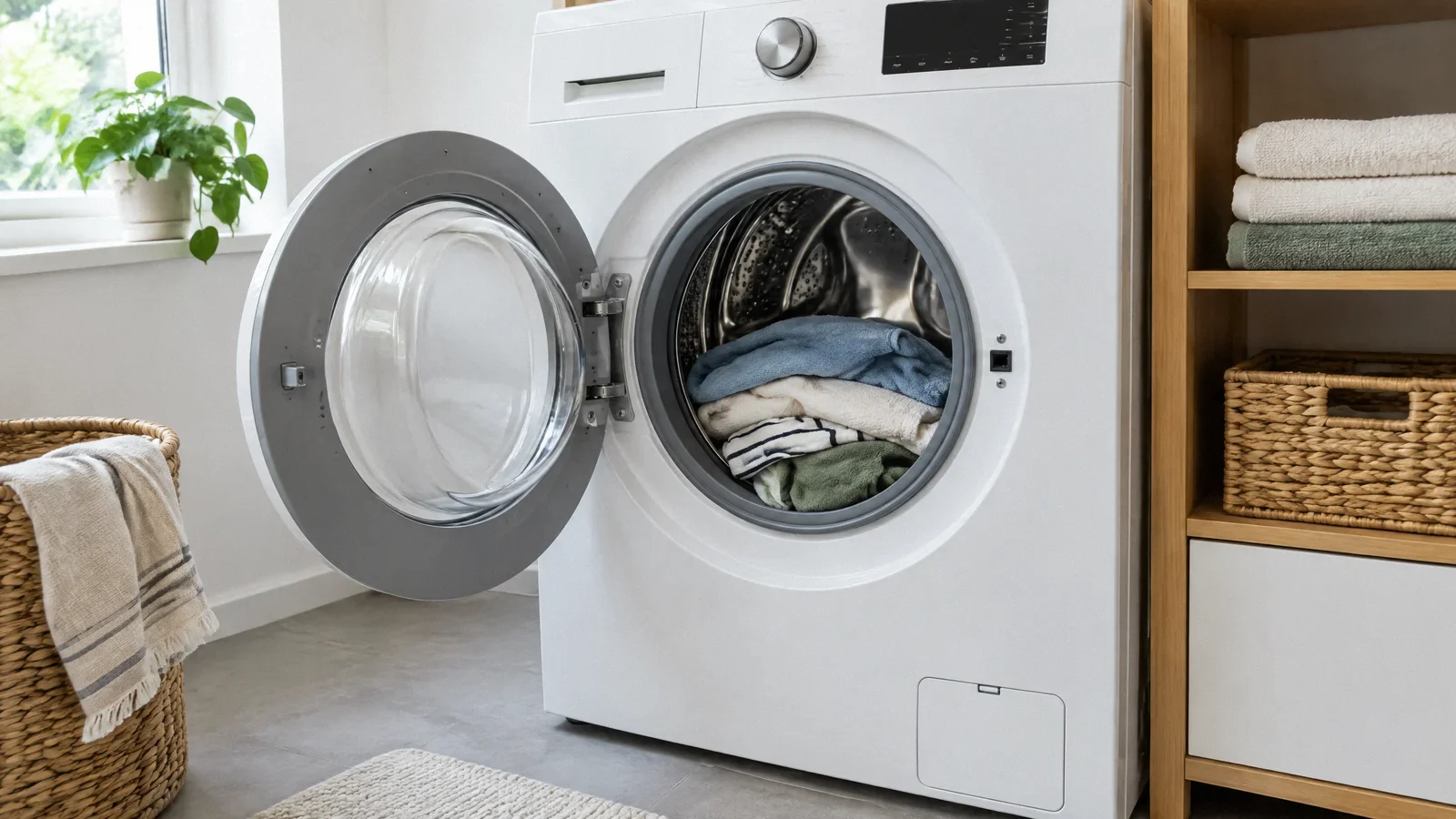
Reduce washing-machine lint through laundry sorting, accessible cleaning and model-specific filter maintenance.
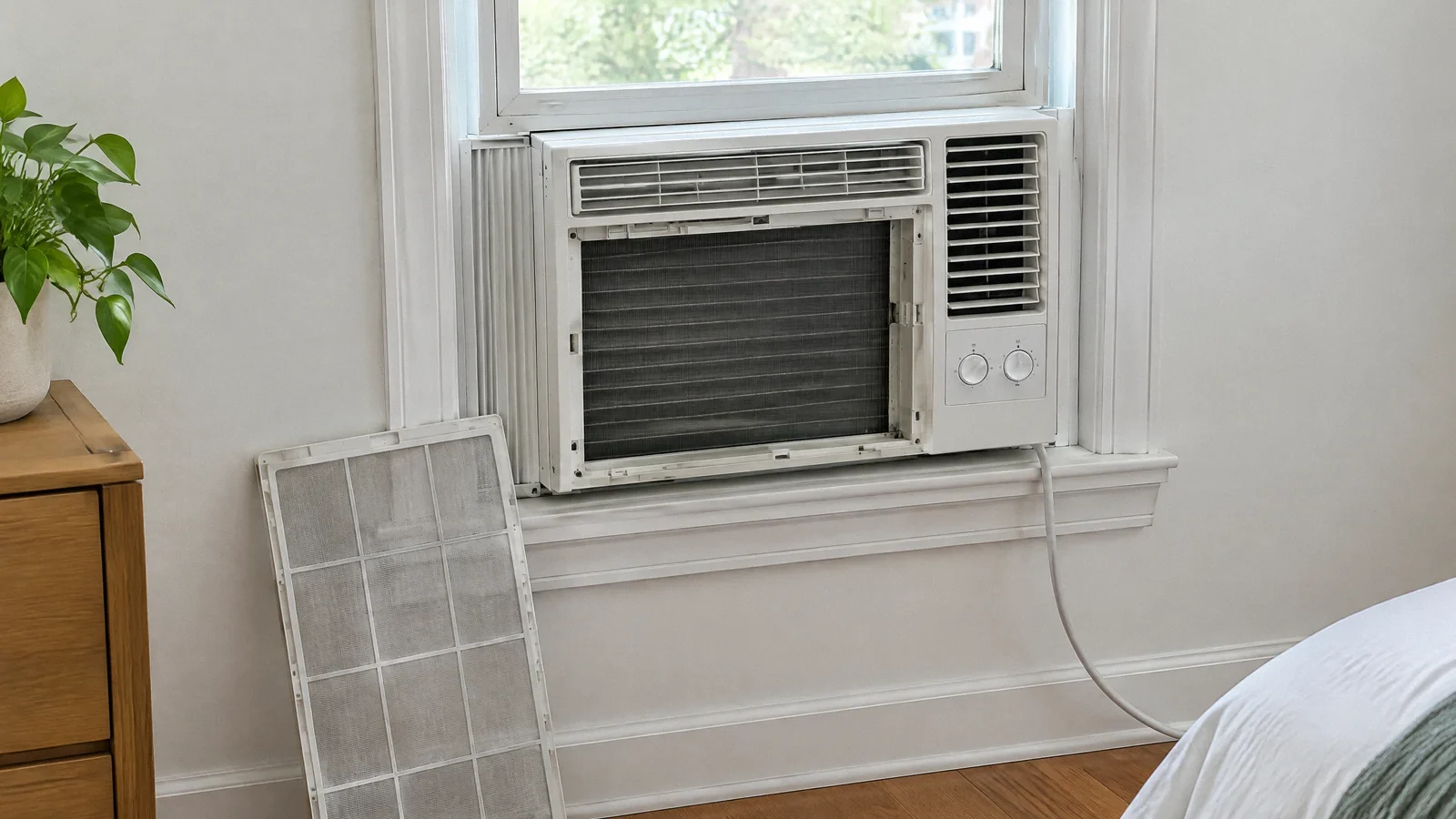
Understand safe next steps for suspected mold in an air conditioner, including moisture control and professional assessment.
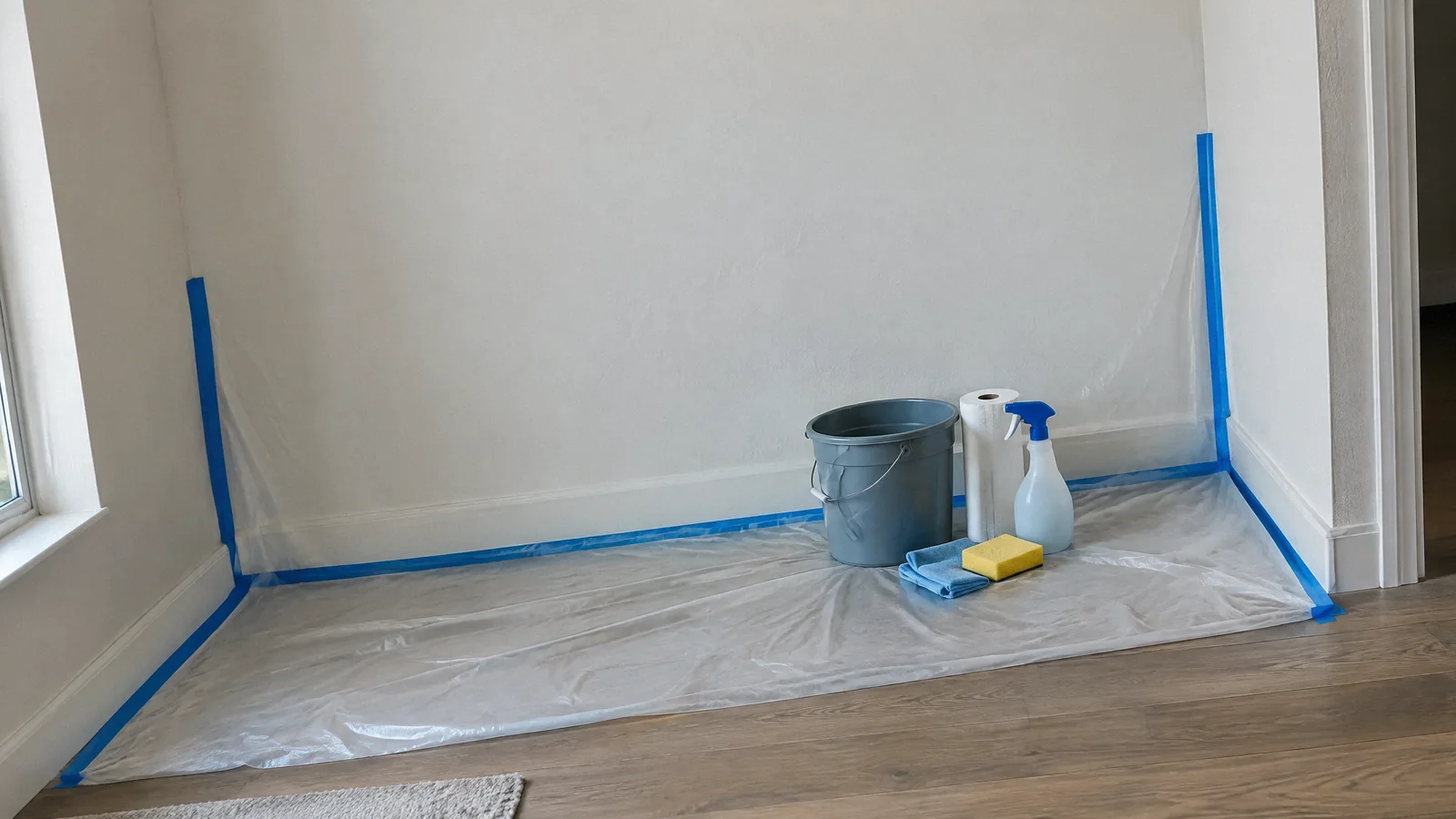
Learn how to approach mold on a suitable hard surface and recognize conditions that require professional help.
Clean cigarette residue from compatible painted walls and decide when surface damage requires professional assessment.
Organize a home cleanout, protect important belongings and arrange appropriate handling for hazardous materials.
Clean RV carpet without excessive moisture, using compatible products and checking the backing before storage.
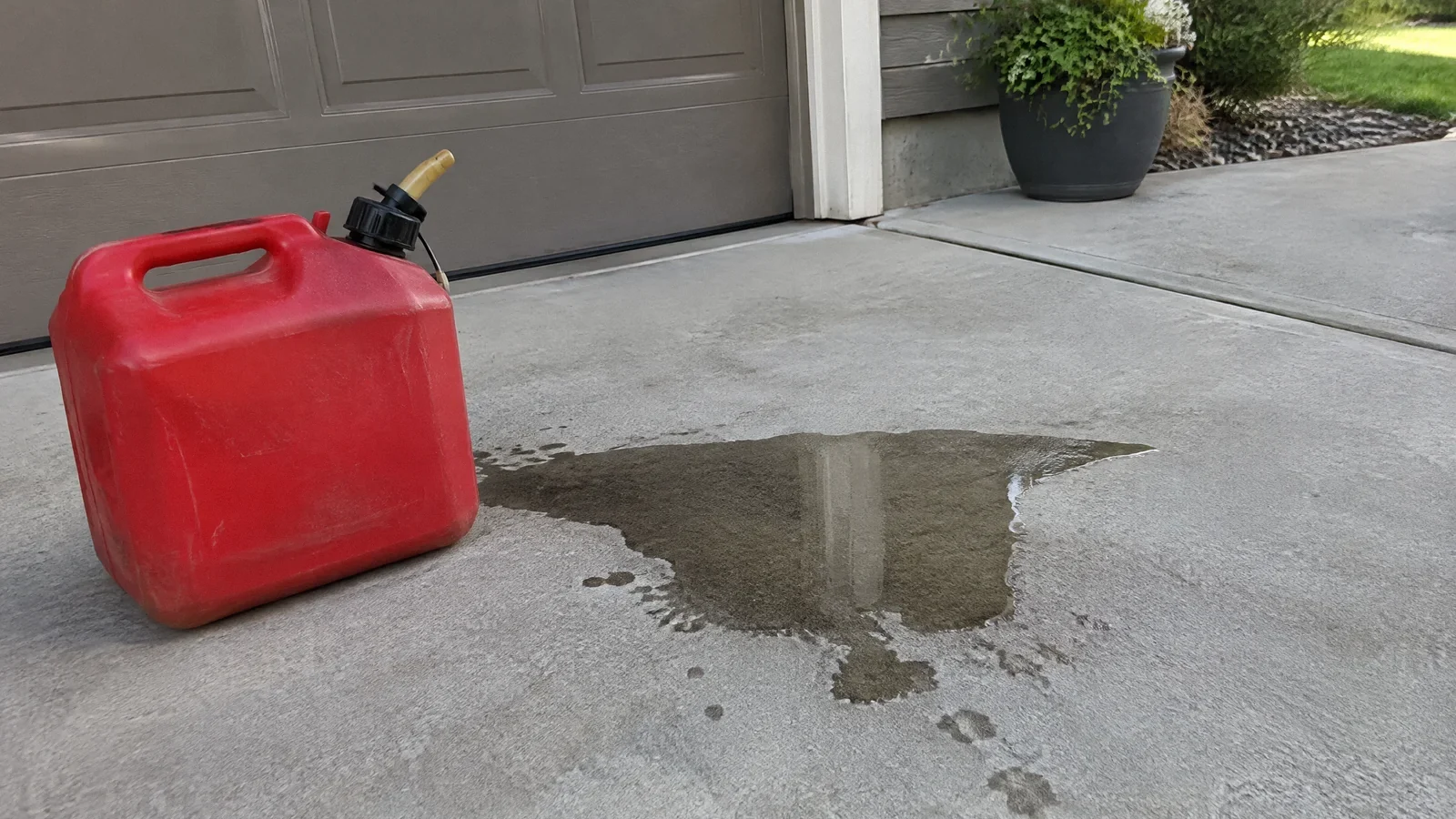
Learn when a gasoline spill needs emergency help, how absorbents are used and where to ask about disposal.
Reduce exposure to mattress dust mites with encasements, regular bedding care and humidity control.
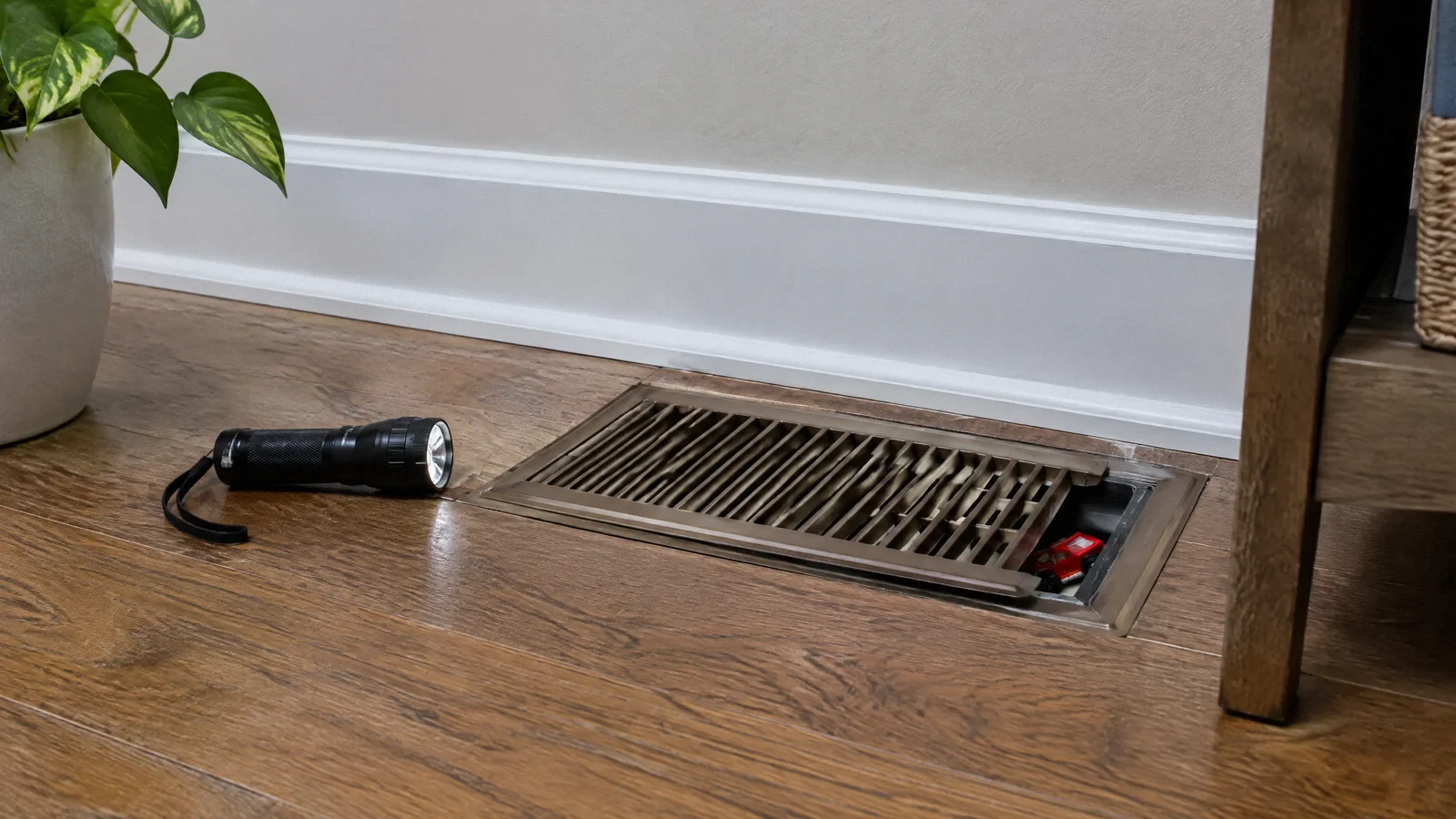
Retrieve an accessible object from a room HVAC register and know when to call a technician.
Identify moisture or residue, use floor-compatible cleaning and traction measures, and reduce trip hazards.
Understand duct removal, possible asbestos, system isolation, reconnection and professional checks.
Treat fresh and old grease stains on washable clothes while protecting delicate fabrics and avoiding dryer heat.
Blot hair dye from wood, identify the finish and choose a safe next step for a persistent stain.
Find the source of carpet odors, freshen dry carpet and address musty smells or odor after cleaning.
Remove the source of vomit odor and choose cleaning and drying steps for hard surfaces, laundry, carpet, mattresses and vehicles.
Treat candle wax and polish buildup differently, with practical precautions for wood, upholstery and delicate furniture.
Distinguish condensation, seepage, and active leaks before choosing drainage, exterior waterproofing, or an interior repair.
Assess grading, downspouts, swales, rain gardens, and drainage outlets before changing the landscape around your home.
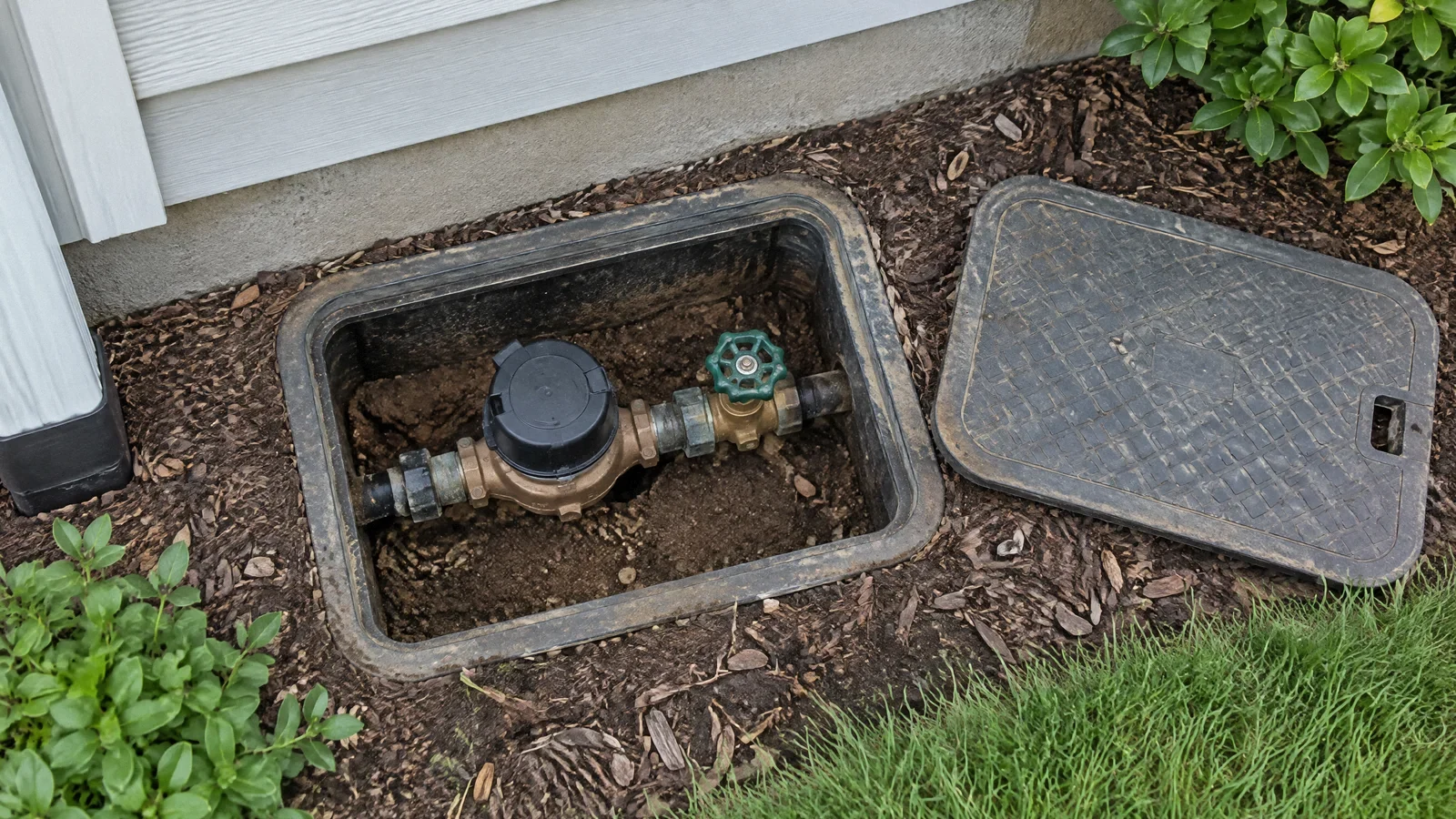
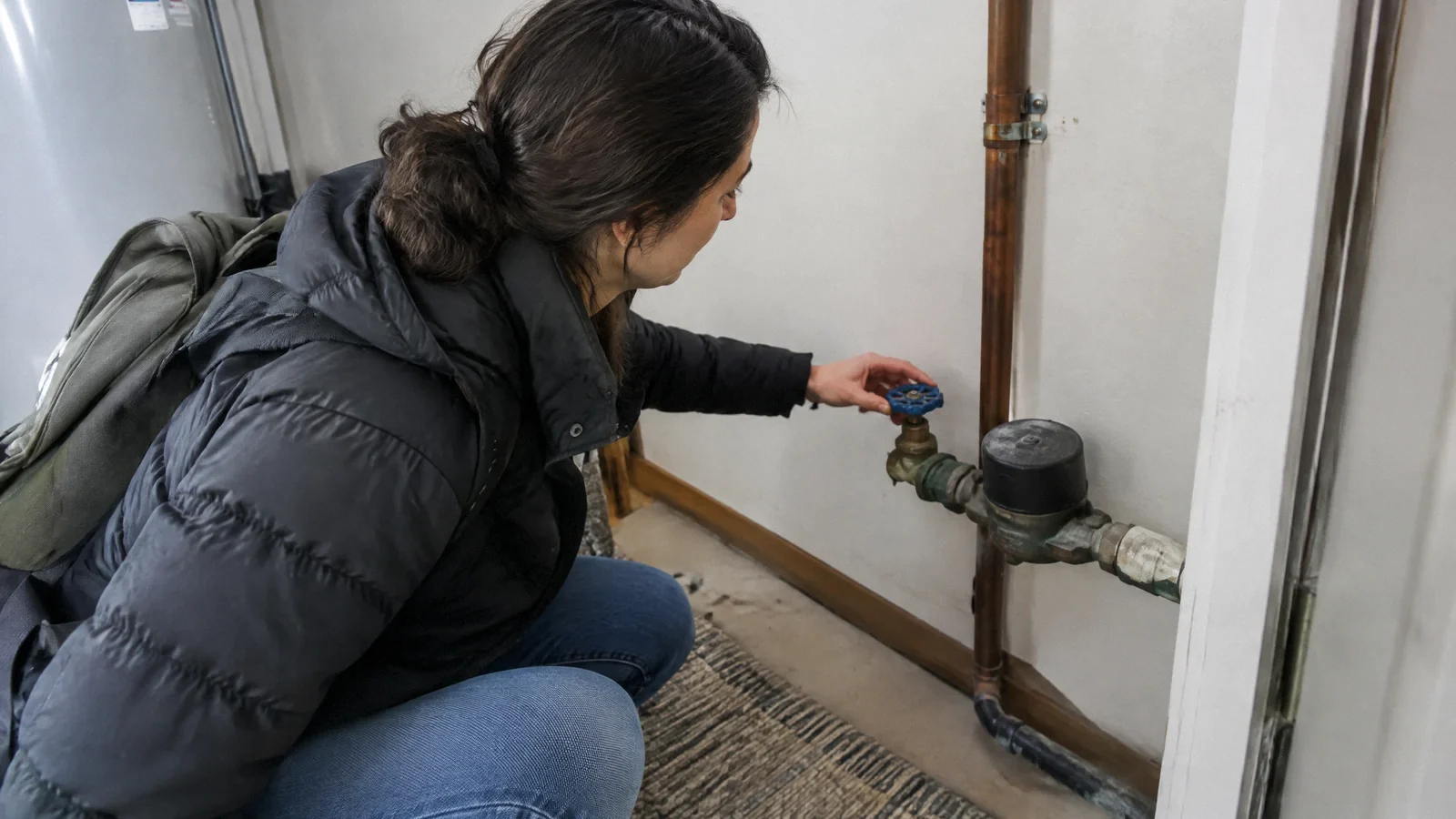
Find the water service line, recognize possible leaks, and understand who to call and what to ask before repair.
Practical guidance on types of household water supply pipes, including identification, decisions and next steps.
Practical guidance on types of water shut off valves, including identification, decisions and next steps.
Practical guidance on underground water supply pipe materials, including identification, decisions and next steps.
Practical guidance on water damage to foundation, including identification, decisions and next steps.
Compare exterior water management, below-grade drainage, interior systems, and the limits of wall coatings.
Identify a true double flush, a delayed refill, and a weak flush that needs a second press, then choose the right next step.
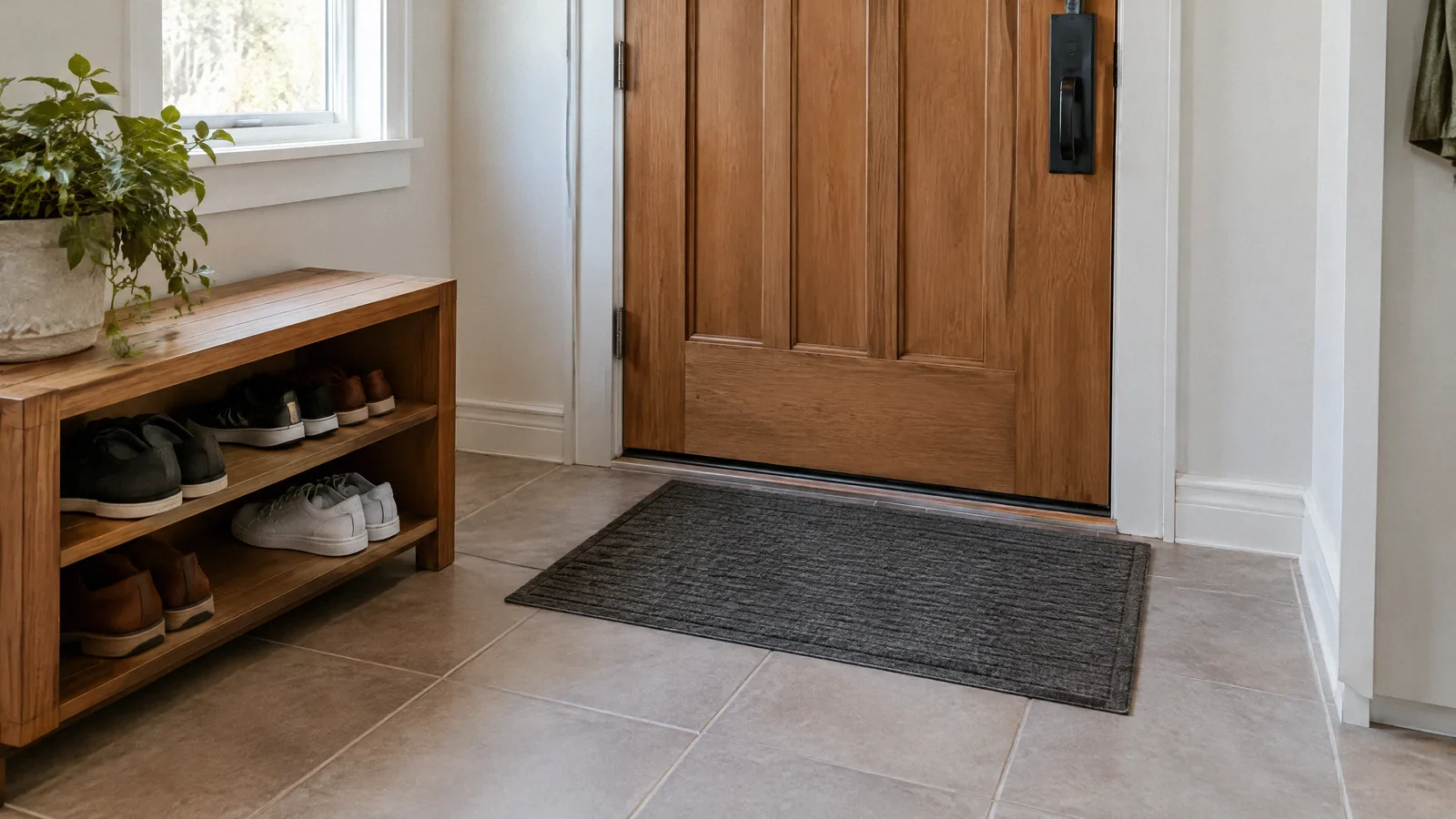
Plan a winter cleaning routine for entryways, moisture, filters, kitchen, bathrooms, and heating-season safety.
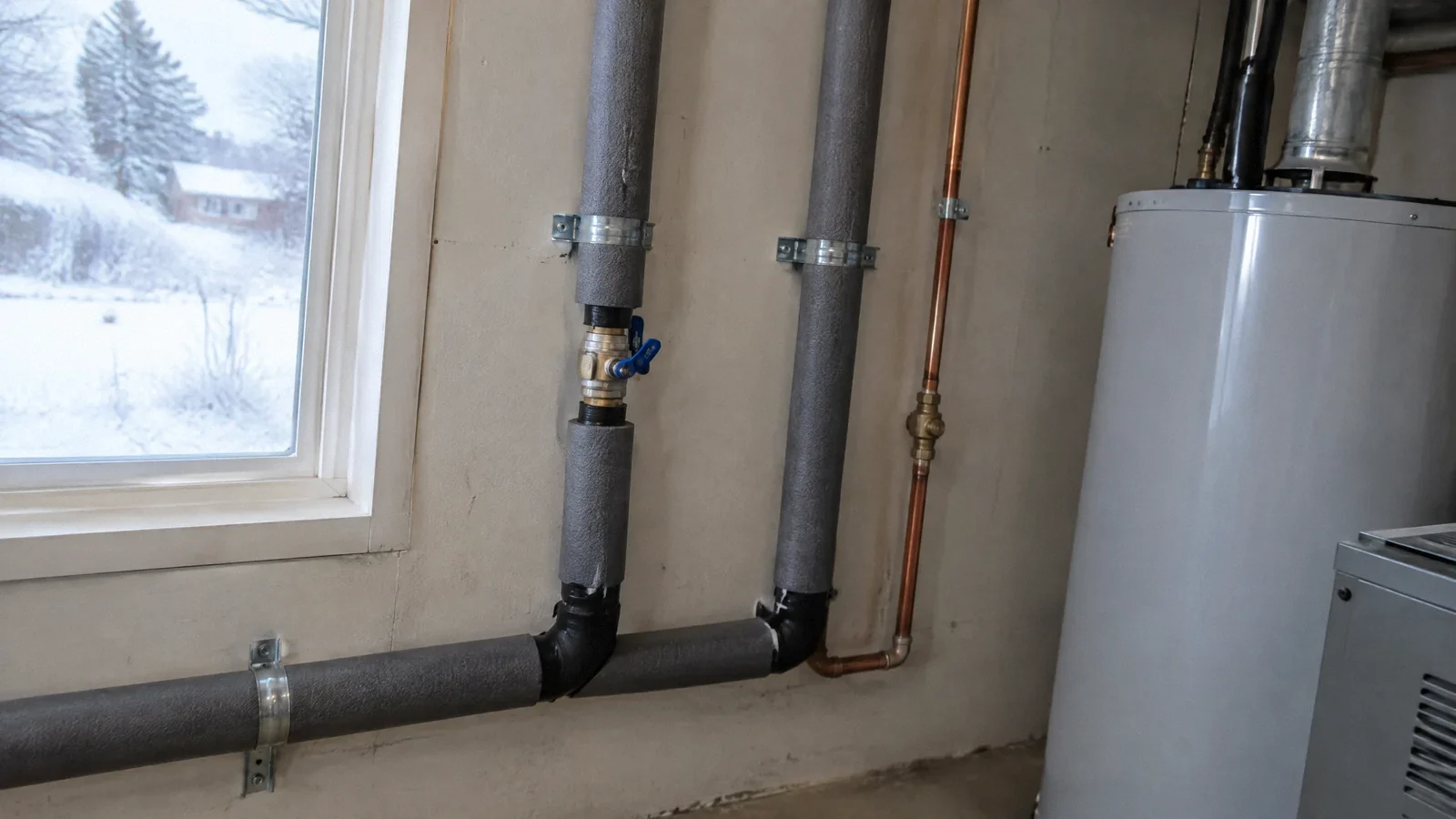
Plan for cold weather with pipe insulation, heat, outdoor faucet preparation, and a safe response to freezing or leaks.
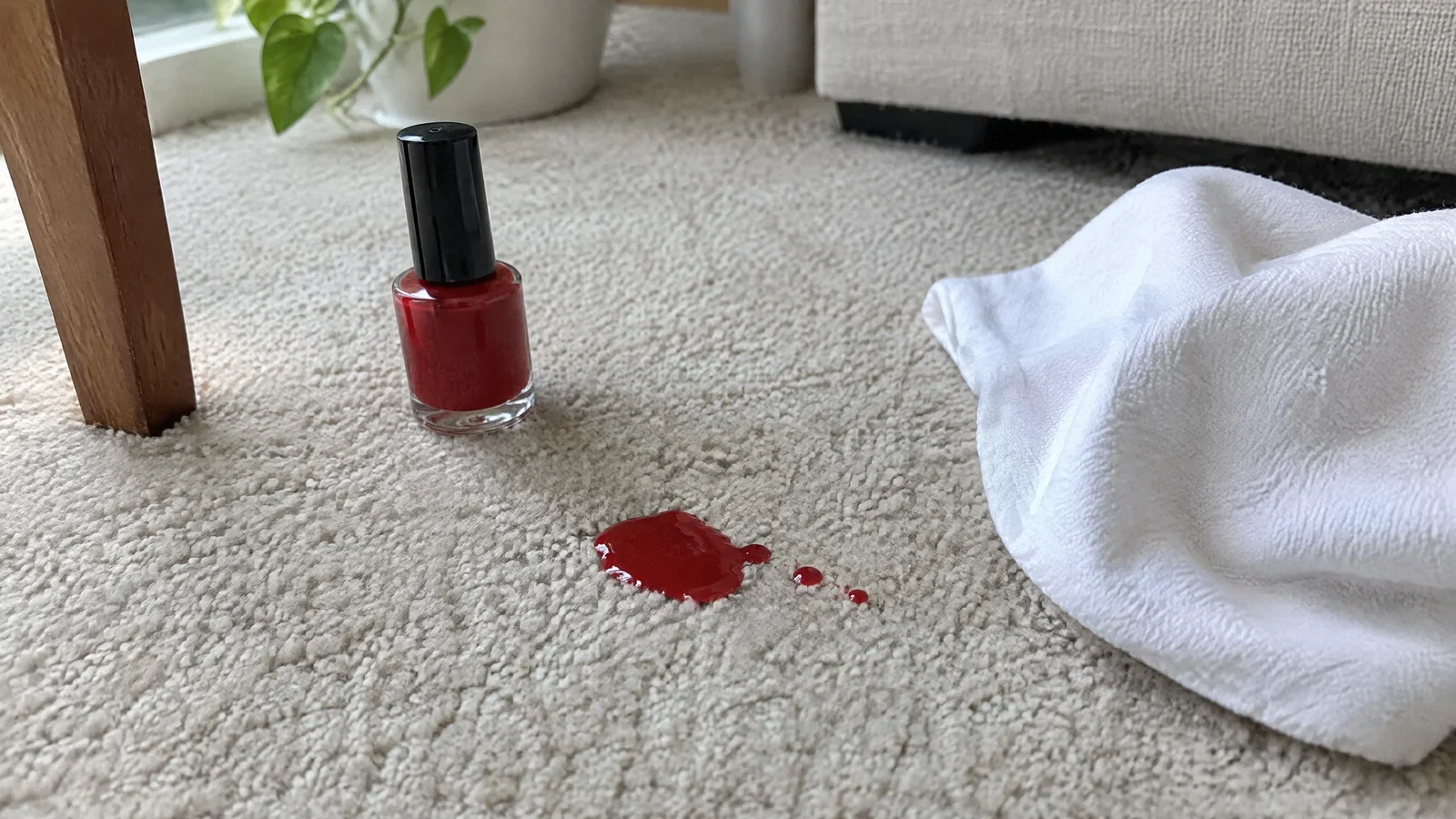
Learn how to contain nail polish on carpet, check solvent compatibility and handle dried or gel polish cautiously.
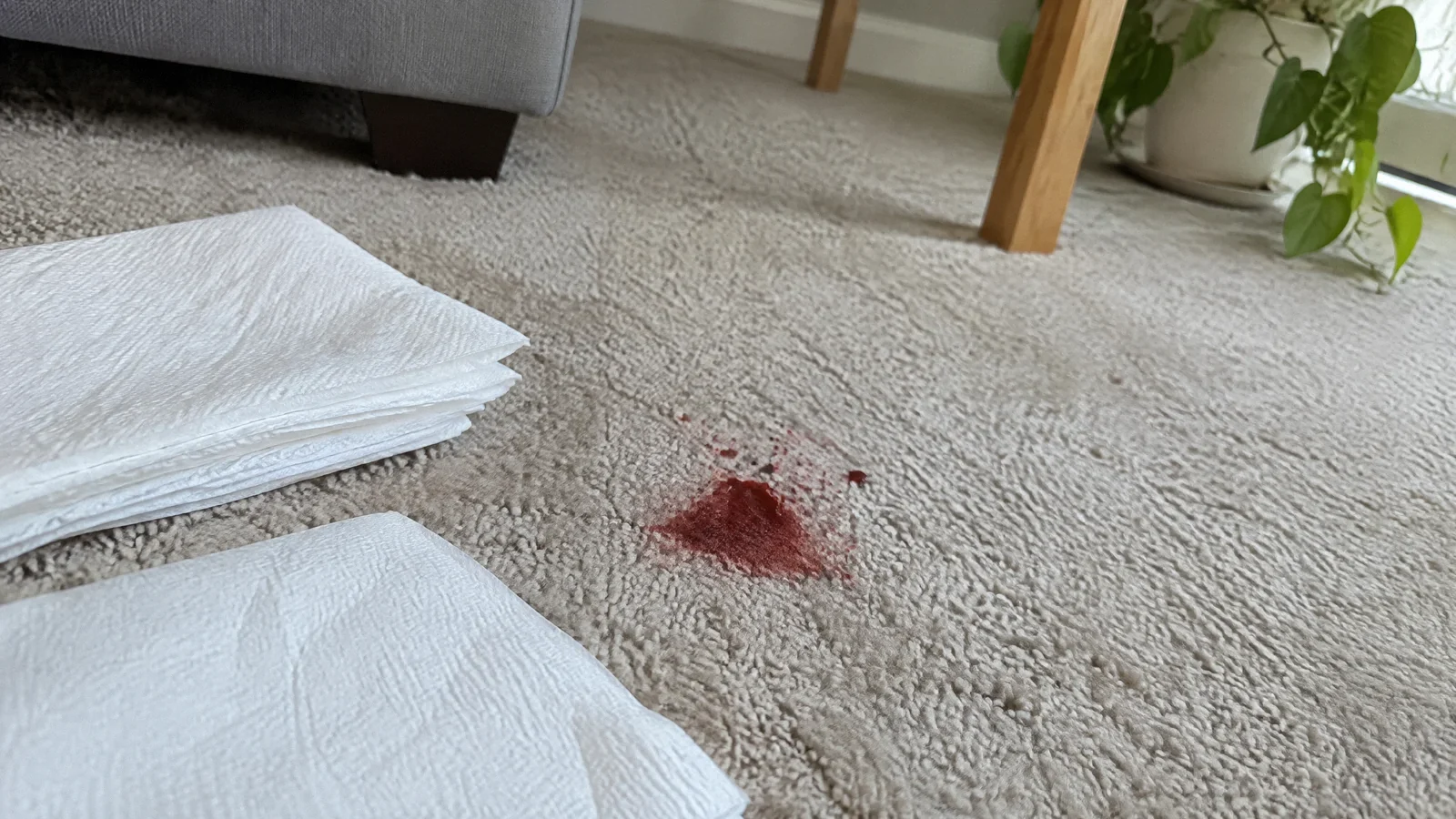
Learn how to blot a small blood spot from carpet, protect the fibers and recognize when professional cleanup is needed.
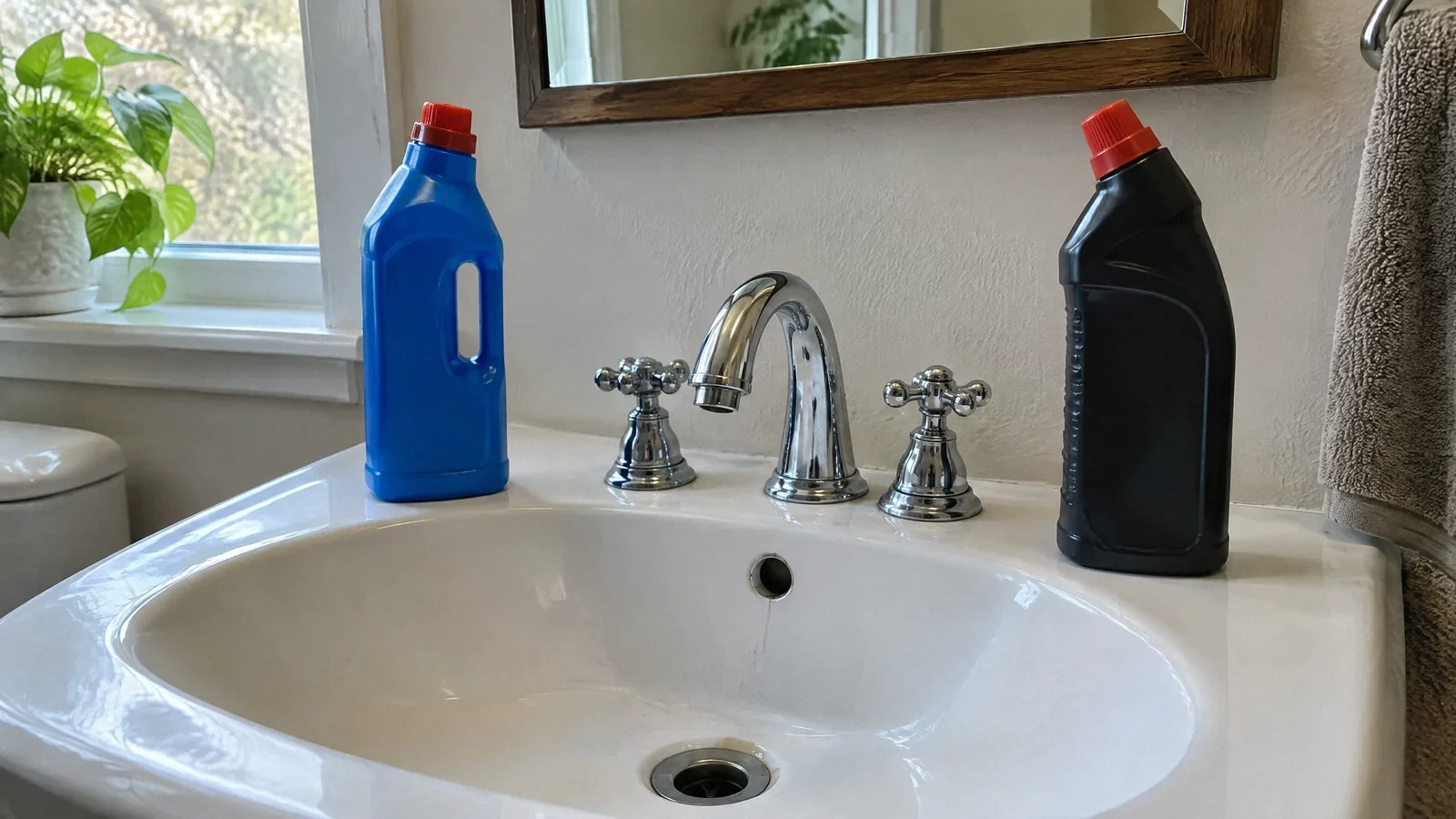
Compare two named drain-cleaner formulas, their label directions and safety limits before choosing a method.
Investigate a suspected dead rodent odor, understand how it can change and arrange safe removal and cleanup.
Compare dripping, weak flow, leaks and other faucet symptoms, and learn when to call a plumber.
Plan commercial water isolation, tenant communication and safe coordination with fire protection systems.
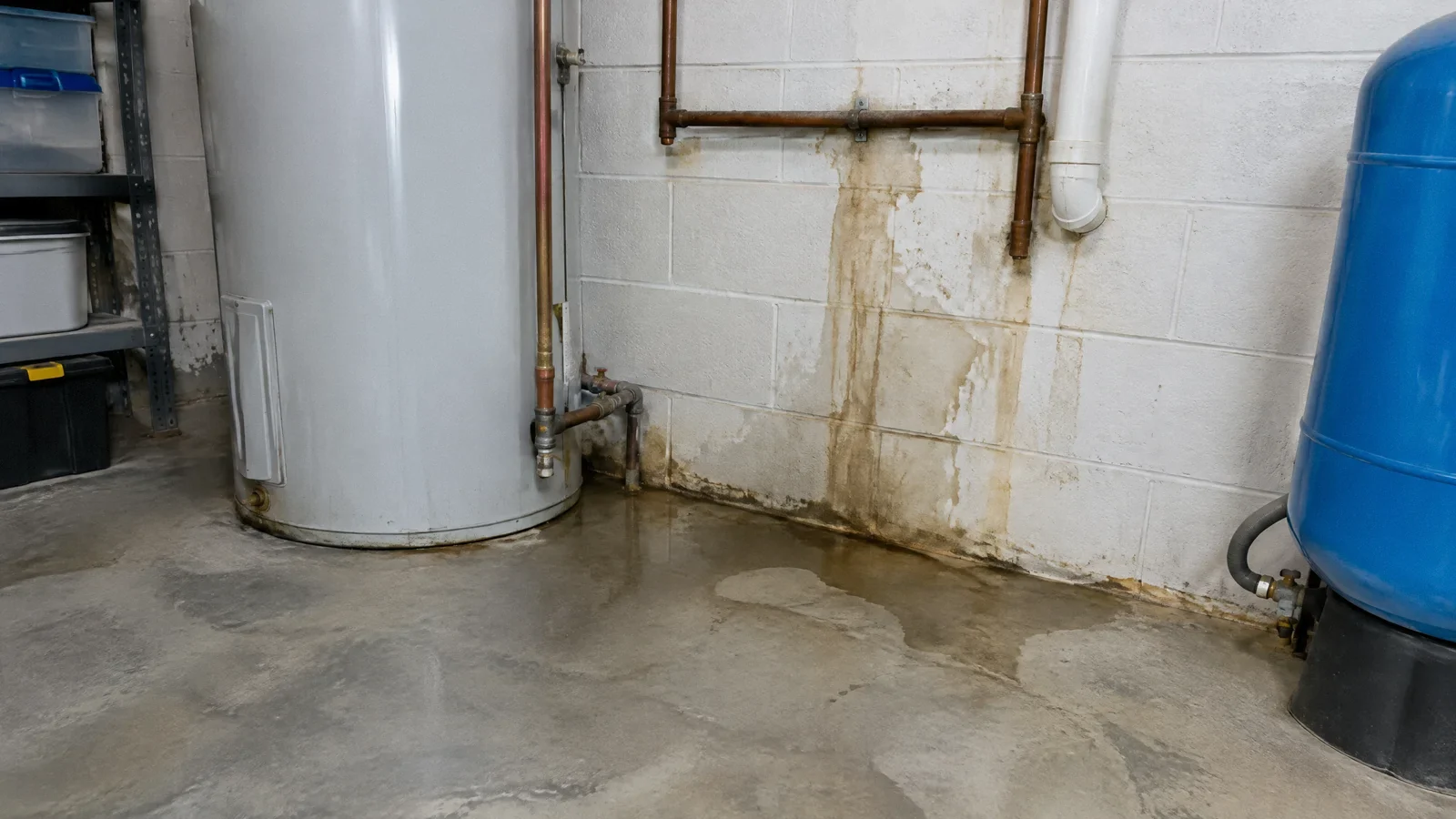
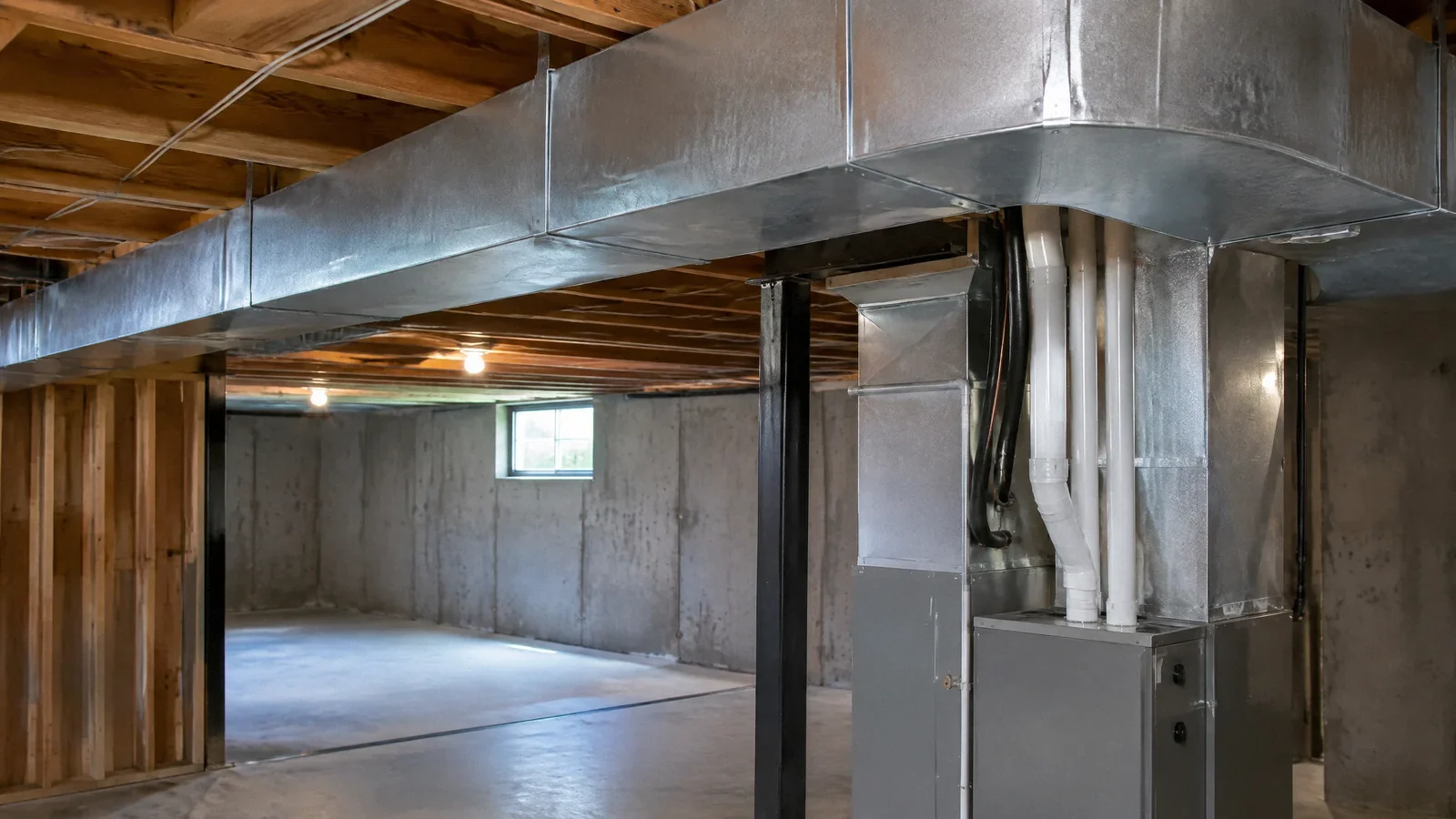
Recognize basement moisture, cracks, odors and equipment warning signs and know when to seek help.
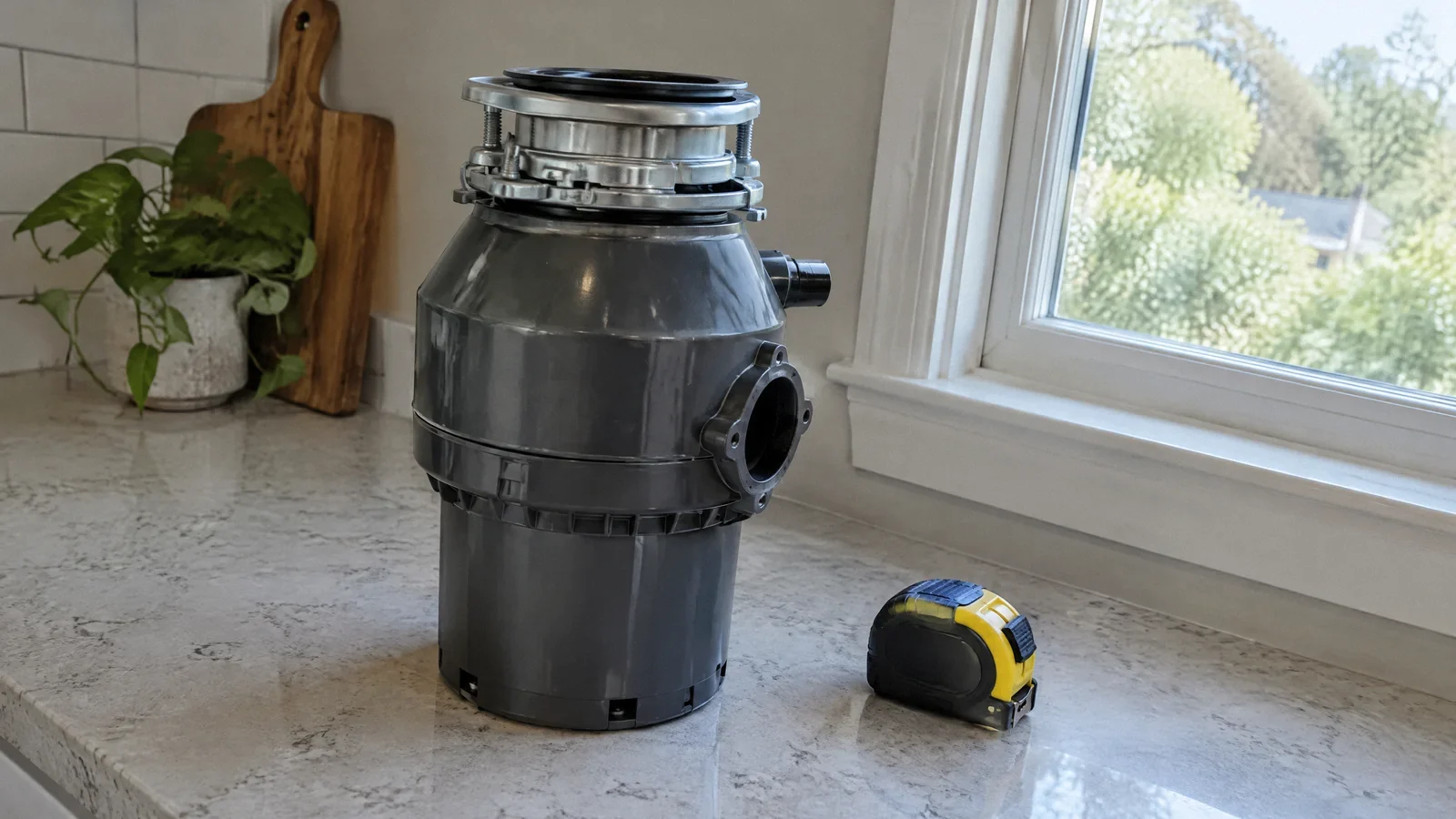
Measure height, width, drain outlet position and dishwasher clearance before choosing a garbage disposal.
Understand possible sewer routes for rodents, signs to investigate and safe cleanup and repair boundaries.
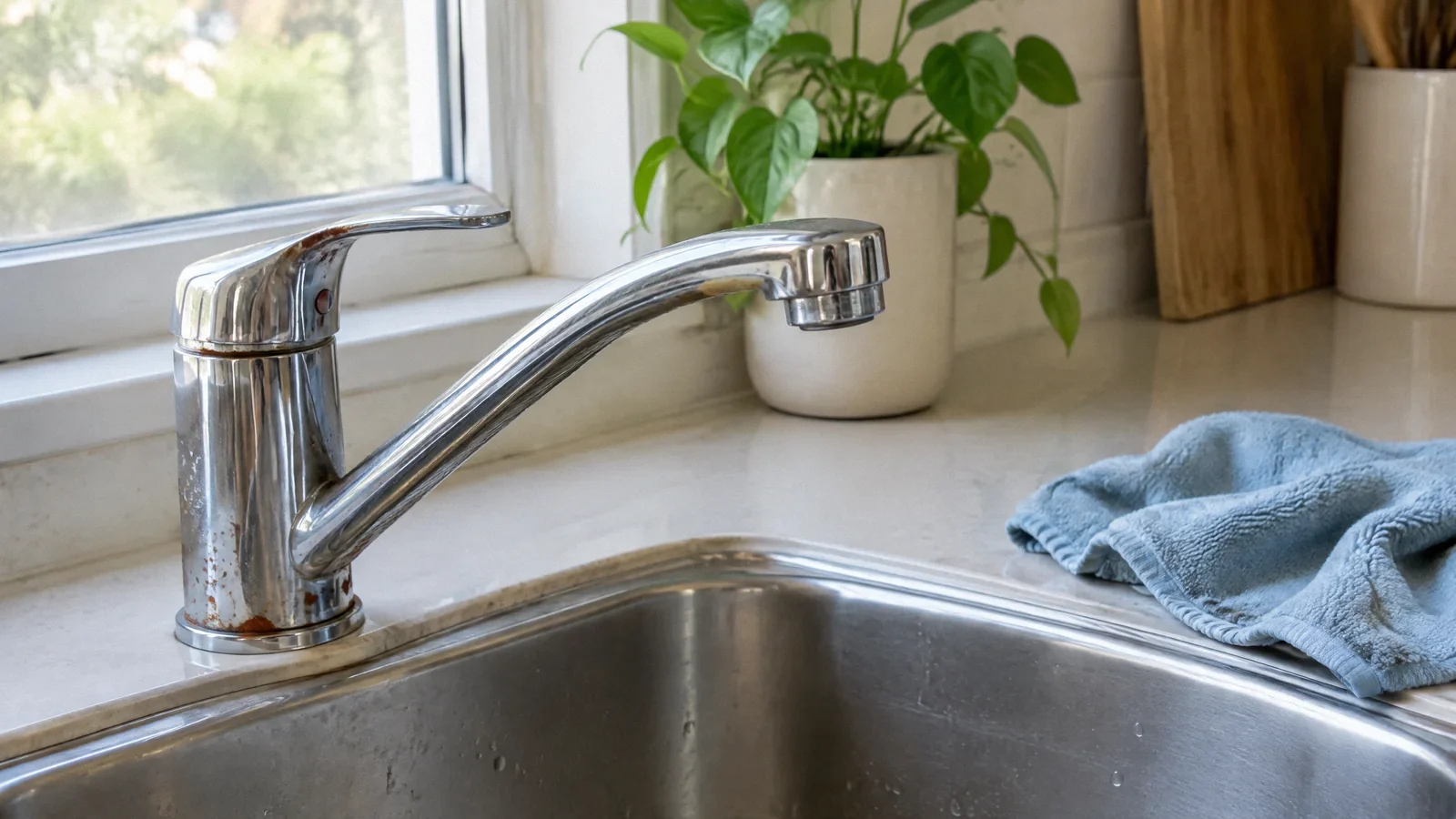
Learn how to approach rust marks on chrome, protect the finish and recognize damage that cleaning cannot repair.
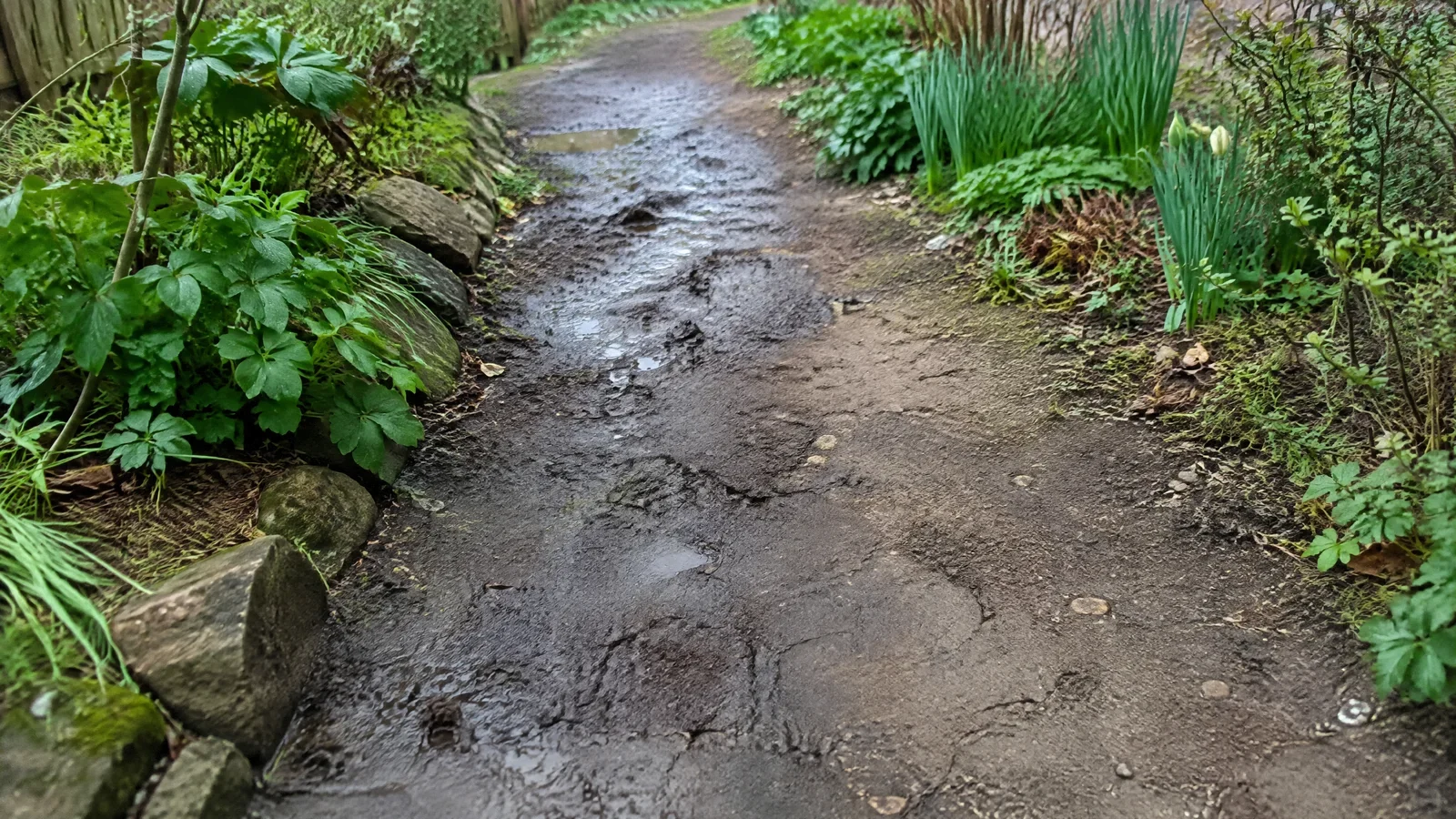
Understand how soil, weather and drainage affect drying after rain, and check whether muddy ground is ready for use.
Compare low-flow faucets, showerheads and toilets by their ratings, compatibility and WaterSense certification.
Compare the components, access, discharge, restoration and operating costs in a combined drainage estimate.
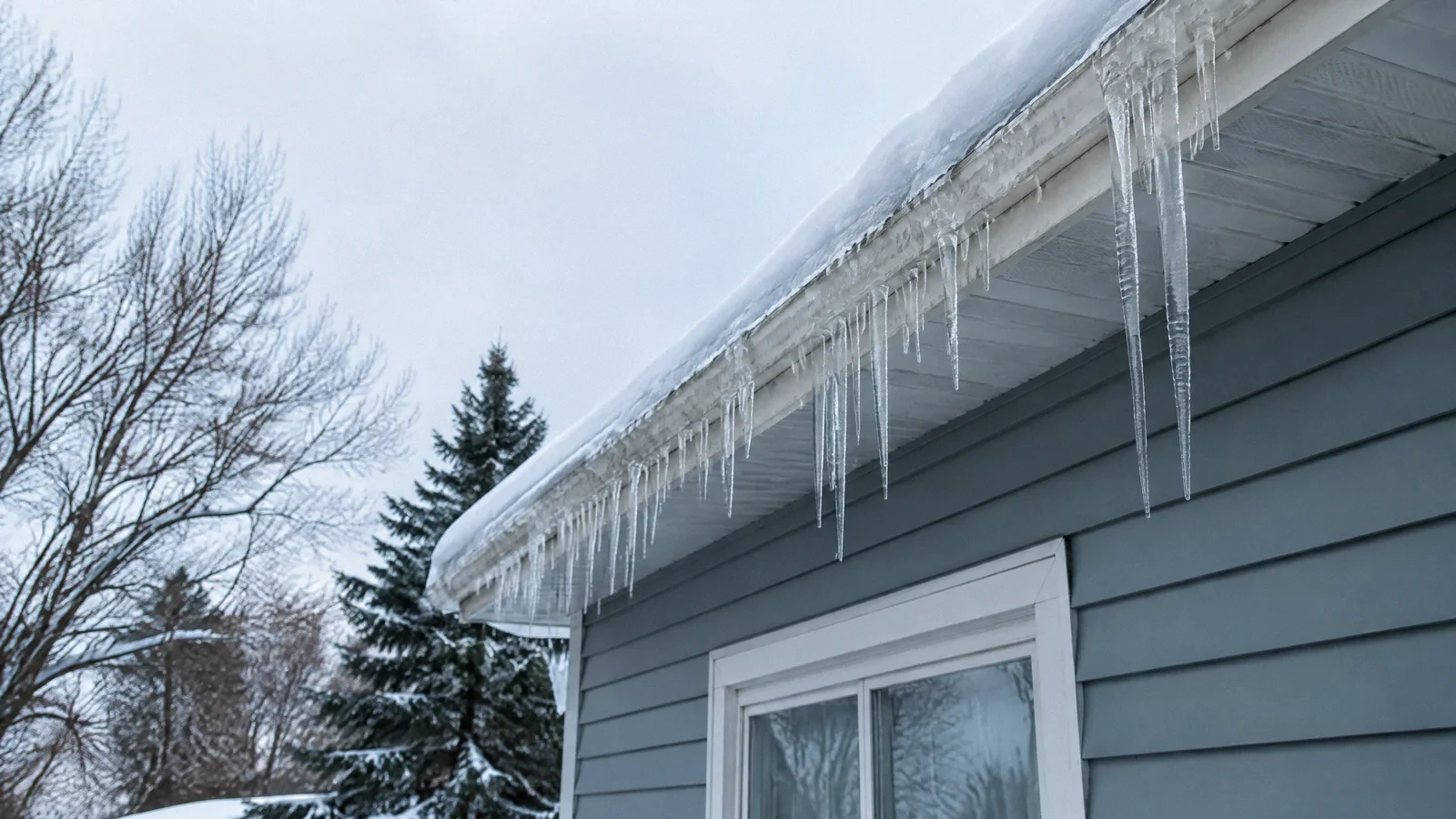
Learn why ice dams form, how roof heat loss and drainage affect them, and what protective membranes can and cannot do.
Investigate an animal-like HVAC odor, choose the right professionals and understand safe cleanup and prevention.
Understand allergens, irritation and new-carpet concerns without assuming a rash or other symptom identifies its cause.
Use a practical basement care schedule for moisture, drainage, humidity, sump equipment and warning signs.
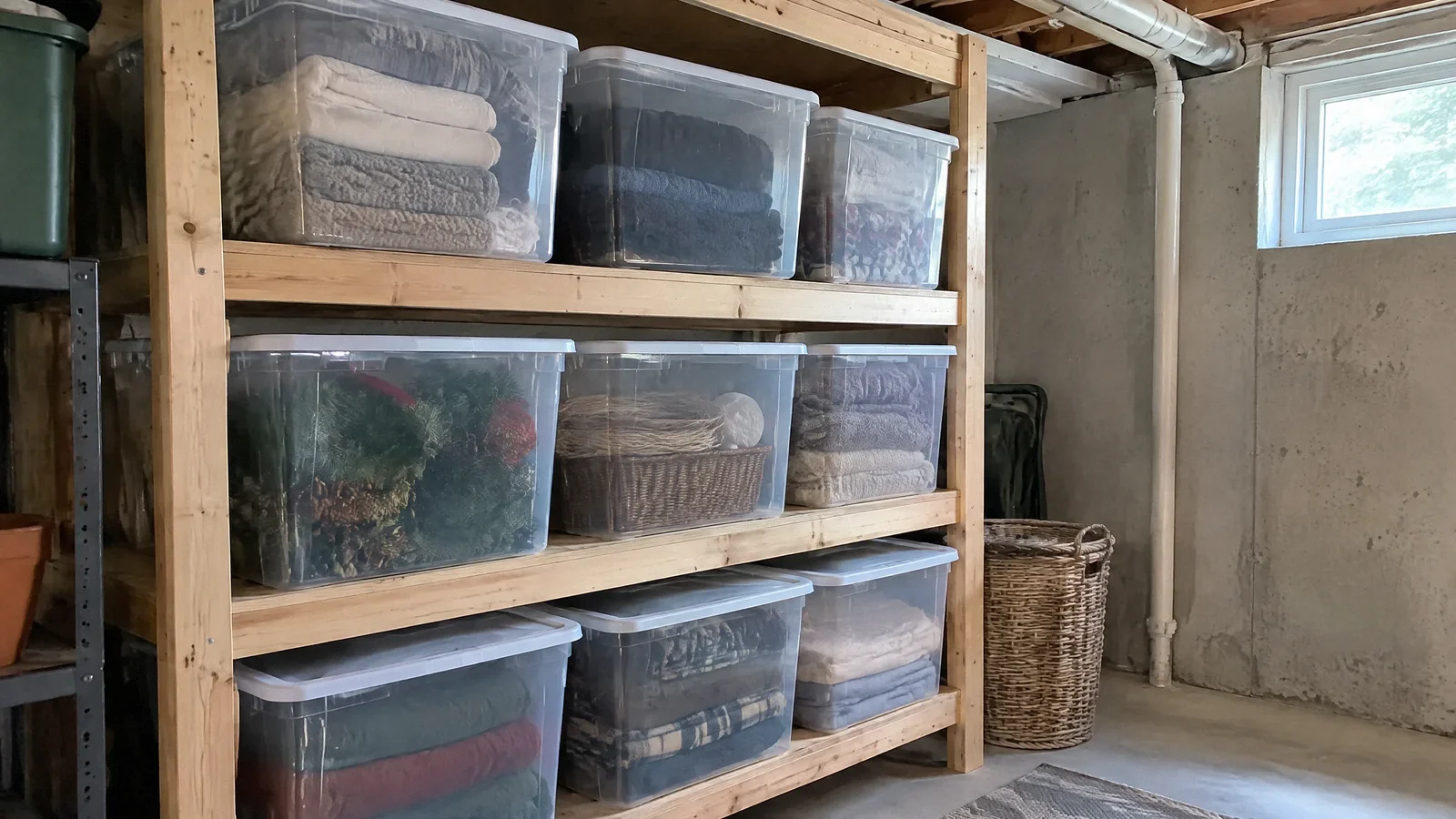
Compare basement storage containers and learn how to protect belongings from moisture, leaks and everyday damage.
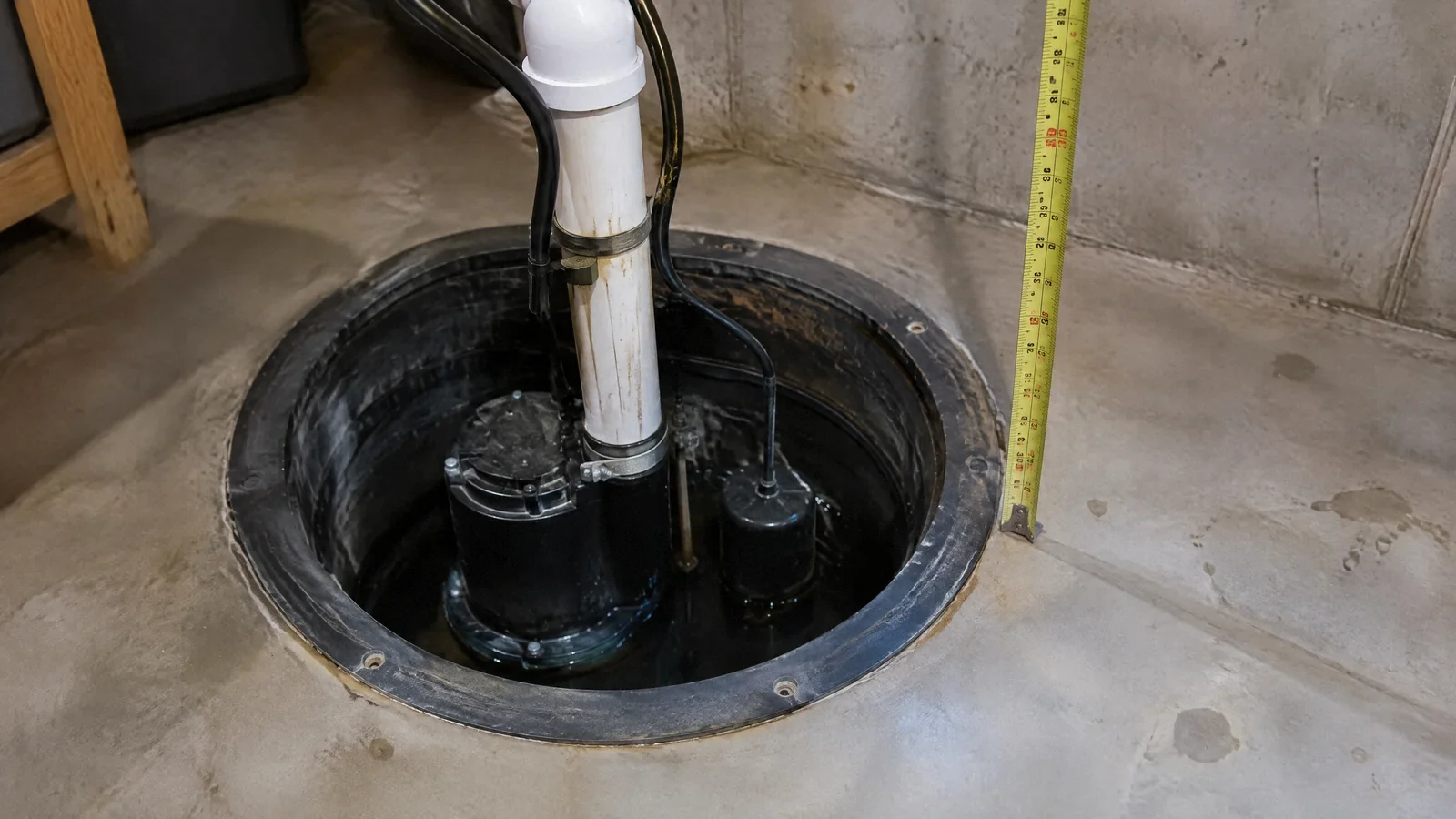
Compare sump pumps for a French drain by inflow, operating head, basin fit, discharge and backup.
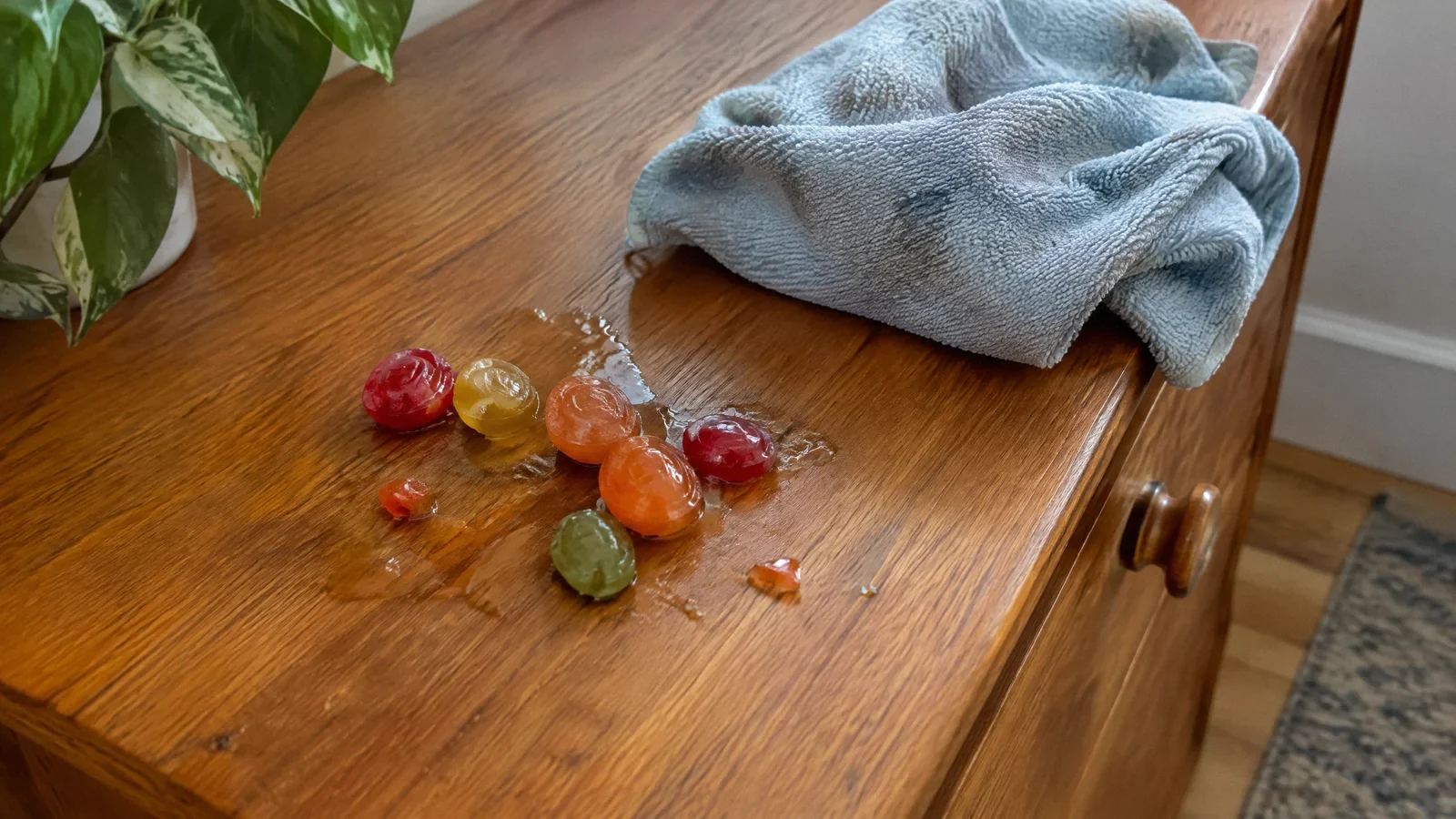
Remove melted hard candy carefully from wood, carpet and upholstery while limiting moisture and protecting finishes.
Understand the limits of lightening upholstery and compare cleaning, removable covers, slipcovers and reupholstery.
Handle powder, lipstick and foundation stains according to the care instructions for clothing, carpet or upholstery.
Learn how cleaning products can release vapors and particles indoors, and how label directions and ventilation can reduce exposure.
Prepare plumbing, appliances and a home-check plan before holiday travel or guests, and know what to do if a leak appears.
Prepare your home for winter with a practical plan for the roof, drainage, drafts, heating, pipes and power outages.
Try a material, “insurance”, “mold”, or a shorter phrase.