An animal-like HVAC odor can have several causes. Stop the system at the thermostat if safe and arrange inspection; a pest professional and HVAC technician may both be needed for removal and equipment access.
First rule out an emergency
A strong smell from a cooling system can have several causes. If it smells like burning, you see smoke or sparks, hear an alarm, or suspect an electrical fire, leave and call emergency services. If gas is suspected, leave and contact the gas utility or emergency services from outside. Do not open equipment to investigate.
For a decomposition-like smell with no immediate emergency, turn the system off at the normal thermostat if this can be done safely. Avoid repeatedly running it to locate the smell. Arrange an inspection rather than assuming that the odor identifies a dead animal.
Why an air conditioner may smell this way
A rodent or other animal in a duct, equipment cabinet or nearby cavity is one possibility. Other causes include drain or condensate problems, wet debris, microbial contamination, spoiled material near an air intake or an unrelated plumbing odor carried by airflow. A smell that begins with the fan may indicate an airflow pathway, not necessarily the location of its source.
A technician should inspect the system and nearby conditions. Record which rooms are affected, whether the odor occurs with cooling, fan-only operation or while the system is off, and when it began. Do not run equipment solely to reproduce a potentially hazardous condition.
Pest service, HVAC service or both?
CDC recommends contacting a professional rodent exterminating service when there is evidence that rodents entered heating or cooling ventilation systems. An HVAC professional can safely access and evaluate equipment, condensate drainage, filters and system condition. Coordinate the two services when both animal removal and mechanical access are needed.
For a rental, notify the manager and provide the location and timing. Ask who will isolate and reopen the equipment, remove the source, clean affected components and verify operation. A pest removal does not automatically establish that electrical or mechanical components are safe to operate.
Inspection without disturbing contaminants
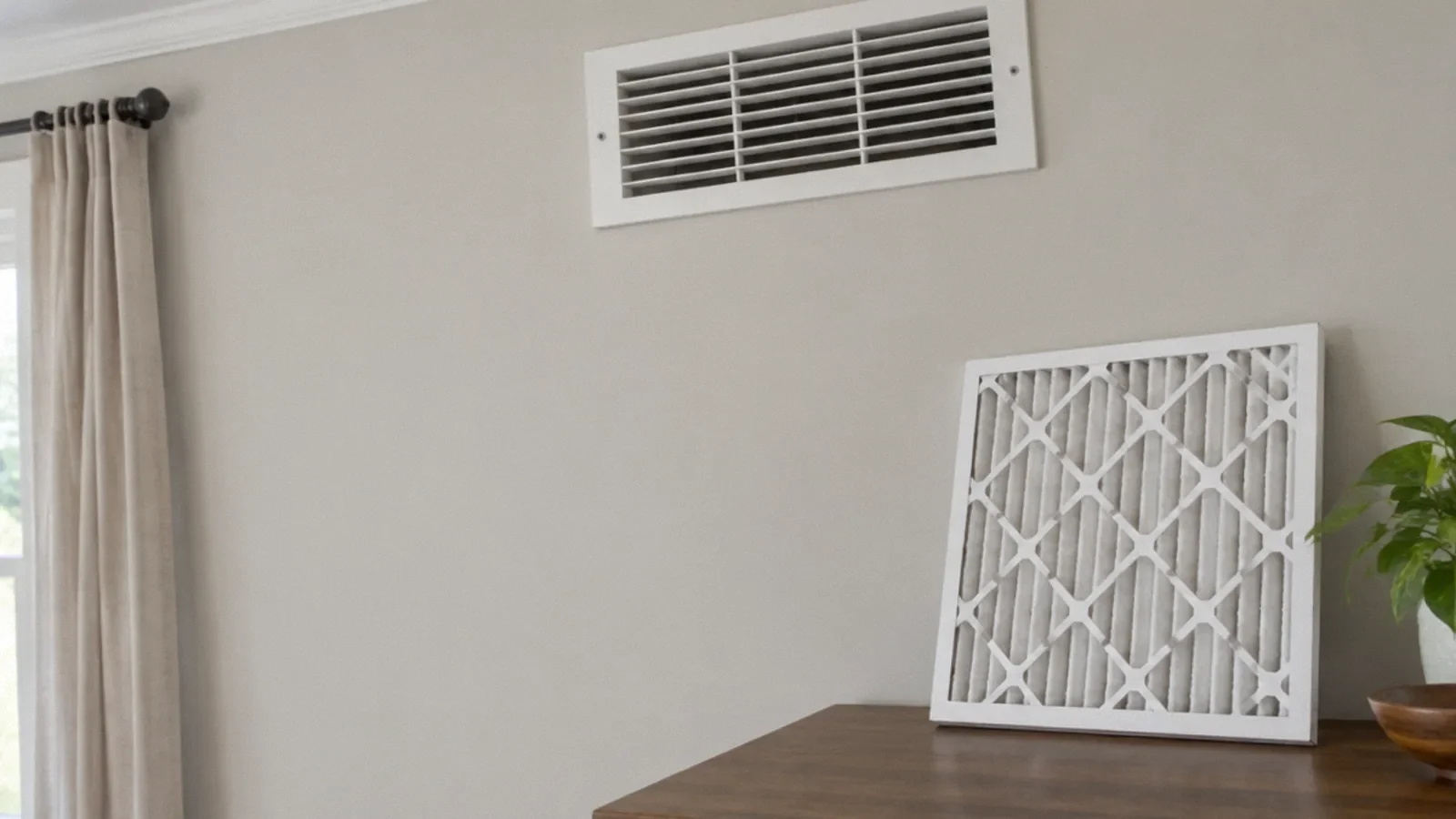
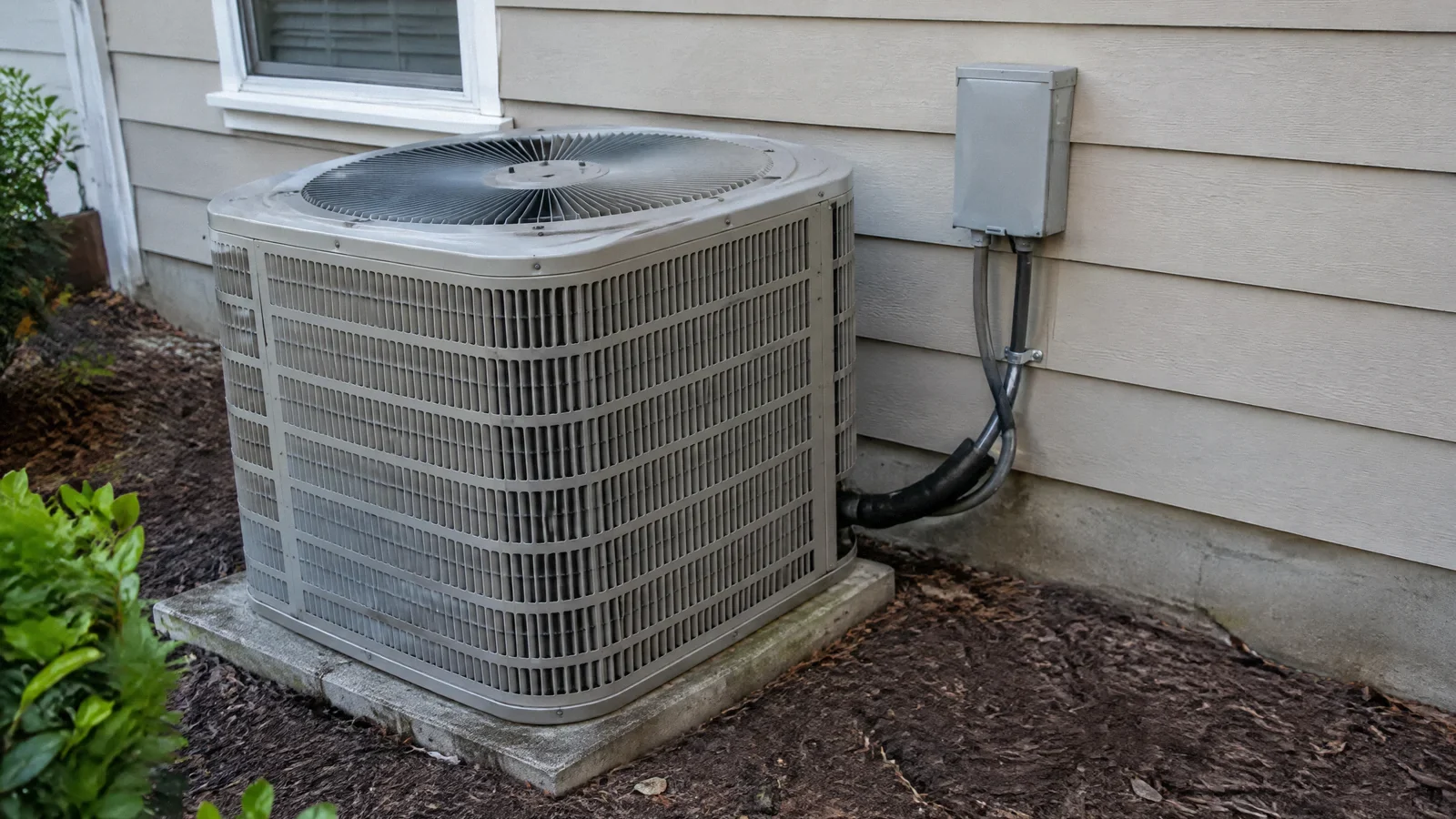
Observe accessible registers and the area near the unit from a safe position. Do not reach into ducts, remove electrical covers or probe equipment with a tool. Look for visible signs such as nesting material or droppings without touching them. An outdoor condenser is not the same component as the indoor air handler and supply ducts; the technician should identify the relevant airflow path.
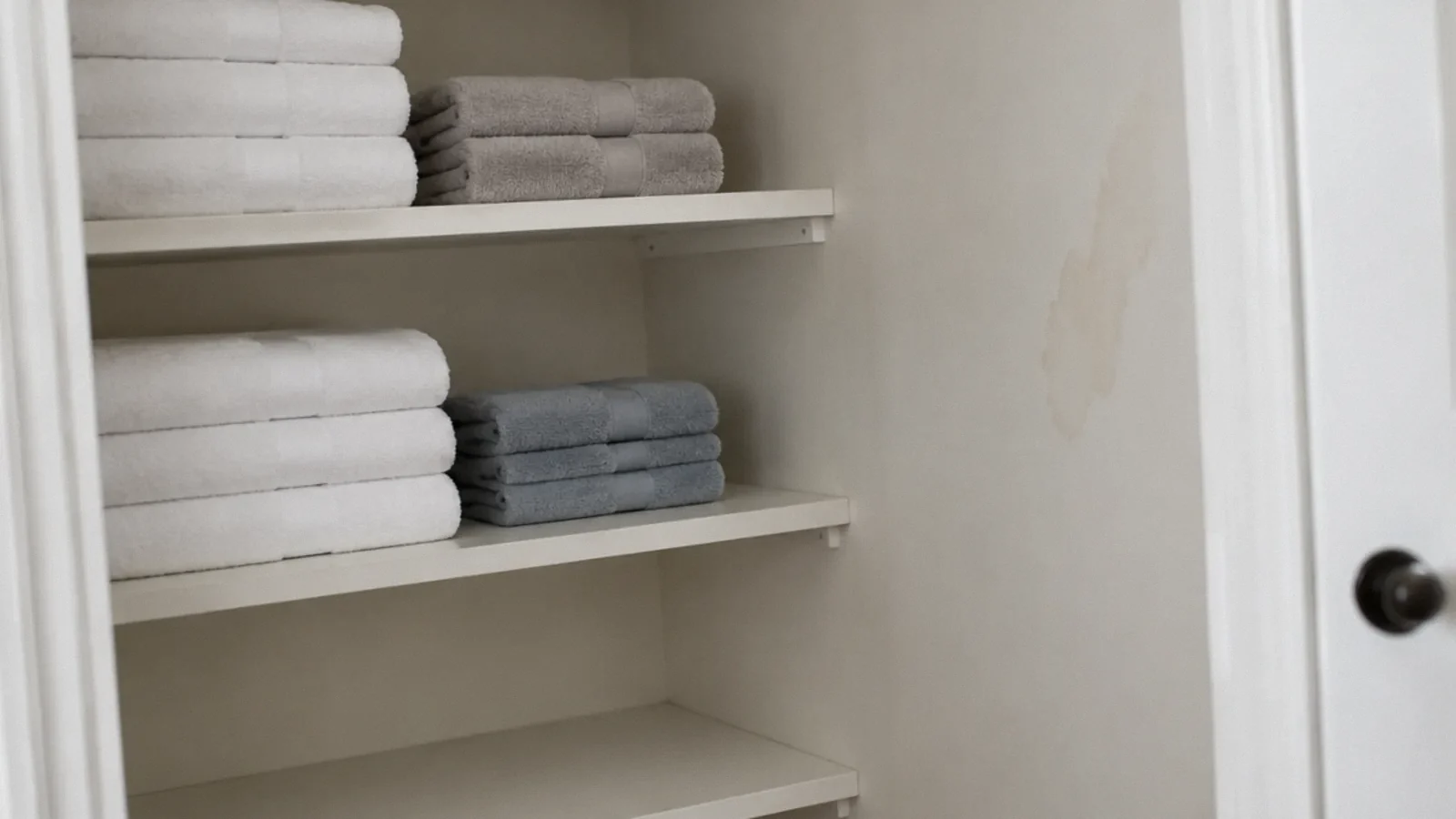
A concealed source may be in a wall or ceiling near a duct rather than inside it. Ask where access is proposed, how the service will protect occupants and what will happen if the suspected source is not found. Avoid unnecessary demolition and retain photographs or a written description of actual findings.
If a rodent is found
Do not dry sweep or vacuum droppings, urine or nests. CDC advises wetting rodent waste and carcasses with an appropriate disinfectant before removal, using gloves and following contact-time and disposal guidance. Heavy infestation requires additional precautions. A professional should handle inaccessible or contaminated ventilation components.
An ordinary vacuum or household spray into an air register is not a safe substitute for assessing the system. Do not add cleaning products to a running unit. A source may have contaminated insulation or other porous material that cannot be cleaned in the same way as an accessible hard surface.
Cleaning the system and correcting the cause
EPA says duct cleaning may be considered when ducts are infested with vermin, but the underlying cause should also be corrected. Ask the provider which components were inspected and how contamination will be removed or which materials require replacement. Confirm how access openings will be closed and how the workspace will be protected.
Do not accept a blanket claim that routine duct cleaning prevents all health problems. EPA says the evidence does not establish that. Ask about any proposed chemical, its label, the surface where it will be used and occupant protection; do not assume a fragrance or fogging treatment removes a carcass or contaminated material.
Restore operation and check for recurrence
A qualified technician should address any damaged electrical or mechanical components before restarting the system. Once the source is removed, cleaning is complete and the technician says operation is appropriate, observe whether odor recurs under normal conditions. A persistent odor may reflect another source, remaining contaminated material or an inaccessible area.
Document the findings, work and areas that were not inspected. If the odor returns, share those records rather than repeatedly masking it. For a smell strongest in a wall without an HVAC connection, a separate pest investigation can evaluate the cavity and entry points.
Reduce future entry and moisture
Ask a pest professional to identify and seal suitable entry points after addressing any active infestation. Maintain screens, access panels and filters as specified for the system, and remove food or nesting attractants where practical. Sealing must not obstruct required equipment ventilation or service access.
Maintain condensate drainage and respond to leaks. EPA notes that preventing water and dirt from entering the system helps prevent contamination. If anyone has symptoms after exposure to rodent waste or a damp environment, discuss them with a clinician; smell alone cannot diagnose an illness.
Your next-step checklist
- Treat smoke, burning or gas as an emergency.
- Stop the system at the thermostat if safe.
- Record the odor pattern without opening equipment.
- Coordinate pest and HVAC inspection.
- Correct entry points and moisture sources after cleanup.
Related questions
Does this smell prove an animal died in the duct?
No. Several sources can smell similar, and airflow may carry odor from another location.
Should I run the fan to clear the odor?
Stop the system if safe and arrange inspection; running it may distribute odor or contamination.
Who removes a rodent from ducts?
CDC recommends a professional rodent exterminating service when rodents have accessed HVAC ventilation; an HVAC specialist may be needed for equipment access.
Will duct deodorizer solve the problem?
It may mask odor but does not remove a carcass, contaminated material or the underlying entry point.
Sources & context
Public guidance supports the principles in this article. The practical questions and examples are editorial interpretation, not a site assessment or a coverage decision. State-specific rules apply only where identified.
- CDC: How to clean up after rodentsfederal health guidance
- EPA: Should you have air ducts cleaned?federal indoor air guidance