A dead rodent can create a strong odor, but smell does not confirm the source. Avoid disturbing waste, have a pest professional locate and remove any carcass, and clean affected materials safely.
Could the smell be a dead rat?
A dead rodent in a wall can produce a strong decomposition odor, but smell alone cannot confirm a rat, its location or even that an animal is present. Spoiled food, a drain problem, damp materials and other sources can produce unpleasant odors. A pest professional can combine the odor pattern with accessible evidence and decide whether targeted inspection is warranted.
If the smell resembles gas or burning, or there is smoke or an alarm, leave and contact the utility or emergency services from a safe location. Do not spend time searching a wall when an active hazard is possible.
How the smell can change over time
As an animal decomposes, odor can develop, become more noticeable and eventually diminish. There is no dependable timetable or sequence that identifies the animal from smell. Temperature, moisture, size, airflow, access by insects and the location can all affect how the odor develops and travels.
A decreasing smell does not prove the source was removed or that nearby materials are clean. An odor that returns can reflect remaining contaminated material, another animal, or an entirely different source. Record the pattern without assuming a precise day of death or a fixed number of days for resolution.
Look for clues without opening the wall
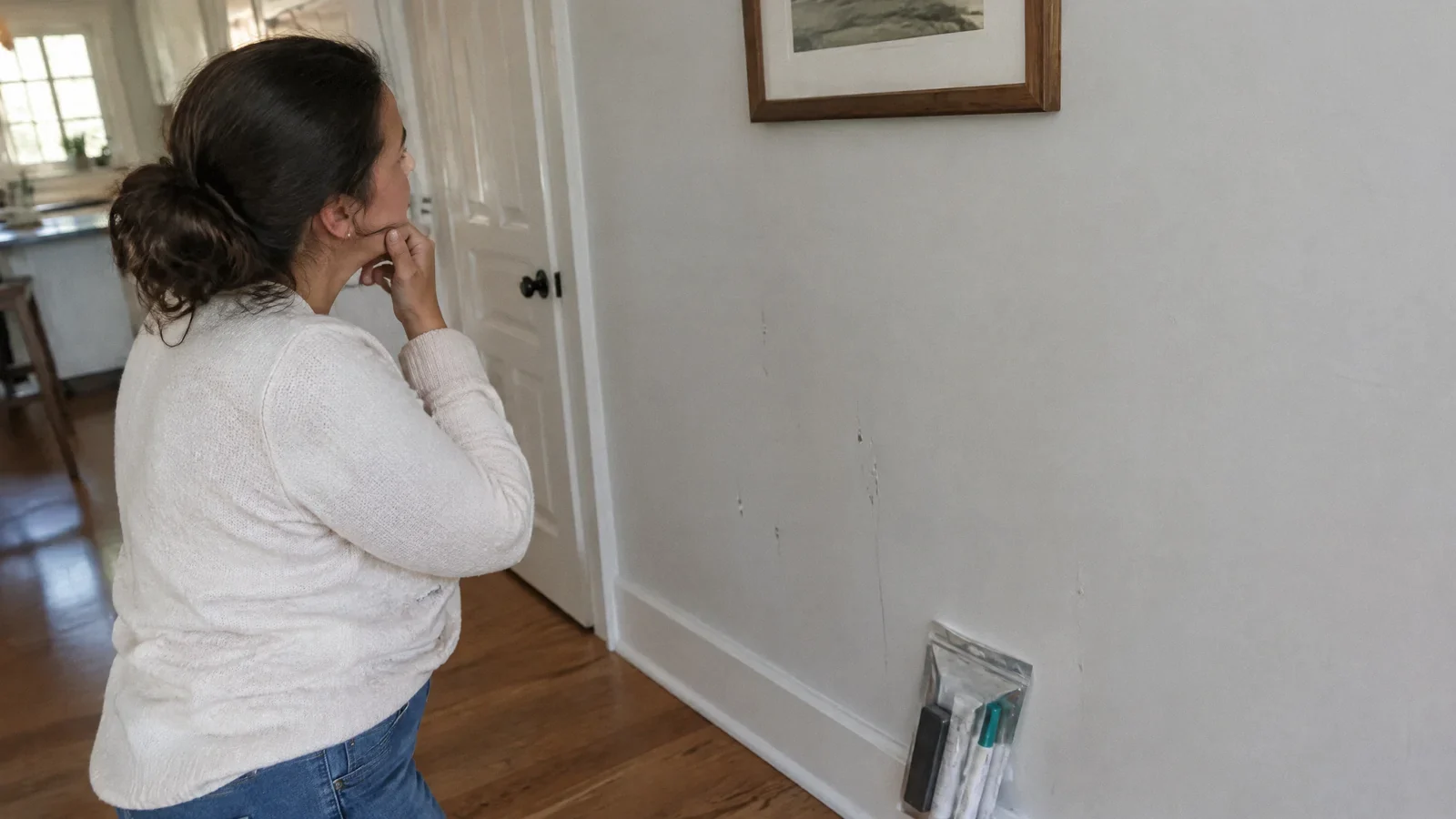
Note the rooms and times where odor is strongest, whether it changes when the HVAC fan runs and whether there are flies, droppings, gnaw marks or a known rodent history. Flies can be associated with several kinds of decaying material, so they are a clue rather than proof. Observe from accessible locations without touching waste.
A smell at one outlet or baseboard can travel through a cavity or airflow pathway. Do not drill holes randomly, pour chemicals into walls or disturb suspect insulation. Utilities, older building materials and contamination can make an opening unsafe. A targeted investigation should explain the proposed access point and its limitations.
Who should investigate?
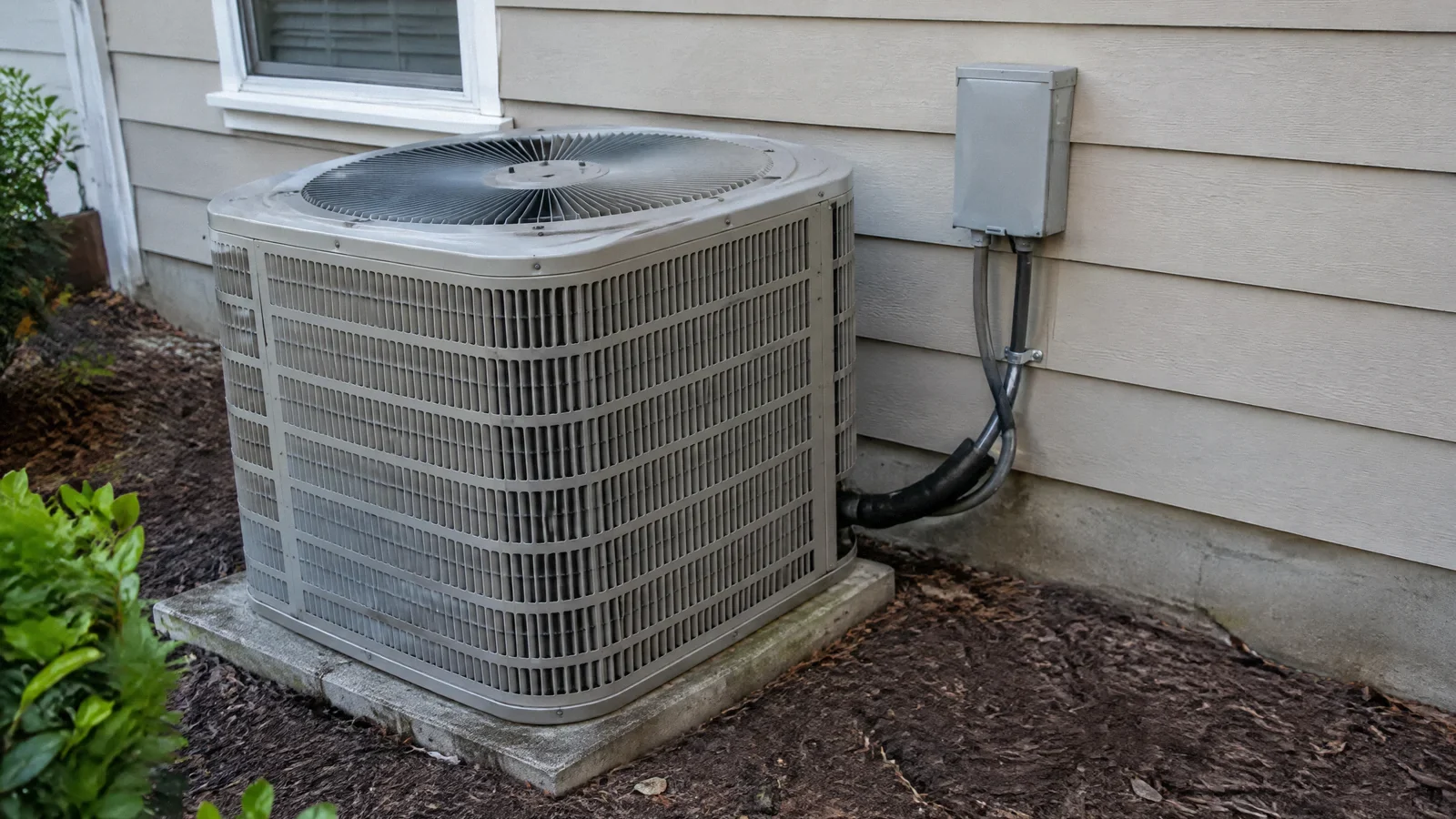
A pest management professional can look for rodent evidence and entry points, locate a suspected carcass and discuss removal. If the smell appears associated with air ducts, CDC recommends a professional rodent service and notes that duct-cleaning specialists understand the associated risks. An HVAC technician may be needed to access equipment safely.
For a rental or shared building, notify the manager promptly and describe the location and timing. Ask who will coordinate access and repairs. A plumber is appropriate when evidence points toward a drain or sewer issue; an electrician or emergency responder may be required for a burning smell.
Removal and cleanup
If a carcass is safely accessible, CDC advises wearing rubber or plastic gloves, wetting the animal and surrounding area with a suitable disinfectant for the label contact time, then double-bagging it for disposal as directed by local health authorities. Wash gloved hands before removing gloves and wash hands afterward. Do not dry sweep or vacuum droppings, urine or nesting material.
A concealed carcass, heavy infestation or contaminated insulation calls for a qualified cleanup plan. CDC describes additional precautions for heavily infested spaces and notes that contaminated insulation may need removal. Ask how affected hard surfaces and porous materials will be handled and how waste will be contained.
Why fragrance is not a repair
Sprays, candles and odor absorbers may alter what you smell without removing the carcass, fluids or contaminated material. Do not use an ozone generator in an occupied area or assume an odor treatment makes a cavity clean. Open windows for ventilation only when it is safe and outdoor conditions permit; ventilation is not a replacement for source removal.
After removal and cleaning, the odor may persist if material absorbed contamination, another source remains or the identified animal was not the only source. Ask the professional which materials were accessible and what follow-up is appropriate. Avoid repeated demolition without evidence for the next access point.
Prevent another animal entering
Once the immediate problem is addressed, inspect for openings, food and water sources with a pest professional. Seal appropriate entry points using methods suited to the building and remove accessible food sources. Do not seal an active infestation blindly without a plan for animals already inside.
North Carolina State Extension cautions that indoor rodenticide use can leave animals dead in inaccessible spaces. Follow local rules and product labels for any pest-control method and protect children and pets. Ask the service how traps or other controls will be monitored and removed.
Health concerns and follow-up
Avoid contact with rodents, droppings and contaminated dust. If you develop illness after rodent exposure, contact a healthcare provider and describe the exposure; symptoms have several possible causes and the smell itself cannot diagnose a disease. Seek urgent care for severe breathing difficulty or another acute problem.
Keep a record of the inspection, where material was removed and whether a section remained inaccessible. If odor or flies continue under ordinary conditions, ask for a follow-up assessment rather than assuming either that the wall is clean or that the entire building is affected.
Your next-step checklist
- Rule out gas, smoke or an active burning hazard.
- Record the odor pattern and visible clues safely.
- Arrange targeted pest inspection and removal.
- Do not dry sweep or vacuum rodent waste.
- Repair entry points and monitor for recurrence.
Related questions
Can smell prove there is a rat in the wall?
No. Odor can have other causes and can travel through a building. Inspection is needed.
How long will the smell last?
There is no reliable universal duration; conditions, animal size, airflow and affected materials vary.
Can I just cover the odor?
A fragrance does not remove the source or contaminated material. Investigate and clean appropriately.
Should I vacuum rodent droppings?
No. CDC advises against dry sweeping or vacuuming rodent waste; follow its wet disinfection guidance.
Sources & context
Public guidance supports the principles in this article. The practical questions and examples are editorial interpretation, not a site assessment or a coverage decision. State-specific rules apply only where identified.
- CDC: How to clean up after rodentsfederal health guidance
- NC State Extension: Rodents after stormsuniversity extension guidance
- Texas A&M Extension: Indoor fliesuniversity extension guidance