A persistent musty smell can justify investigating hidden moisture even when no growth is visible. Map when and where the odor occurs, check accessible moisture sources, and use controlled professional access when evidence points to concealed material.
Describe the pattern before buying a treatment
An odor complaint becomes more useful when it includes location, timing, and conditions. Is the smell strongest inside one closet, after rain, when cooling begins, or after the room has been closed overnight? Record these observations for several normal-use periods if conditions permit. Do not deliberately enter an unsafe area or remain in a space that causes concerning symptoms merely to complete a log.
EPA identifies a moldy smell without a visible source as one reason to consider hidden mold. That is a reason for investigation, not proof that every odor comes from fungal growth. Stored damp possessions, drain problems, and HVAC-related moisture can also complicate the picture. The investigator should consider alternatives and explain which evidence makes one pathway more likely.
Reconstruct the water route
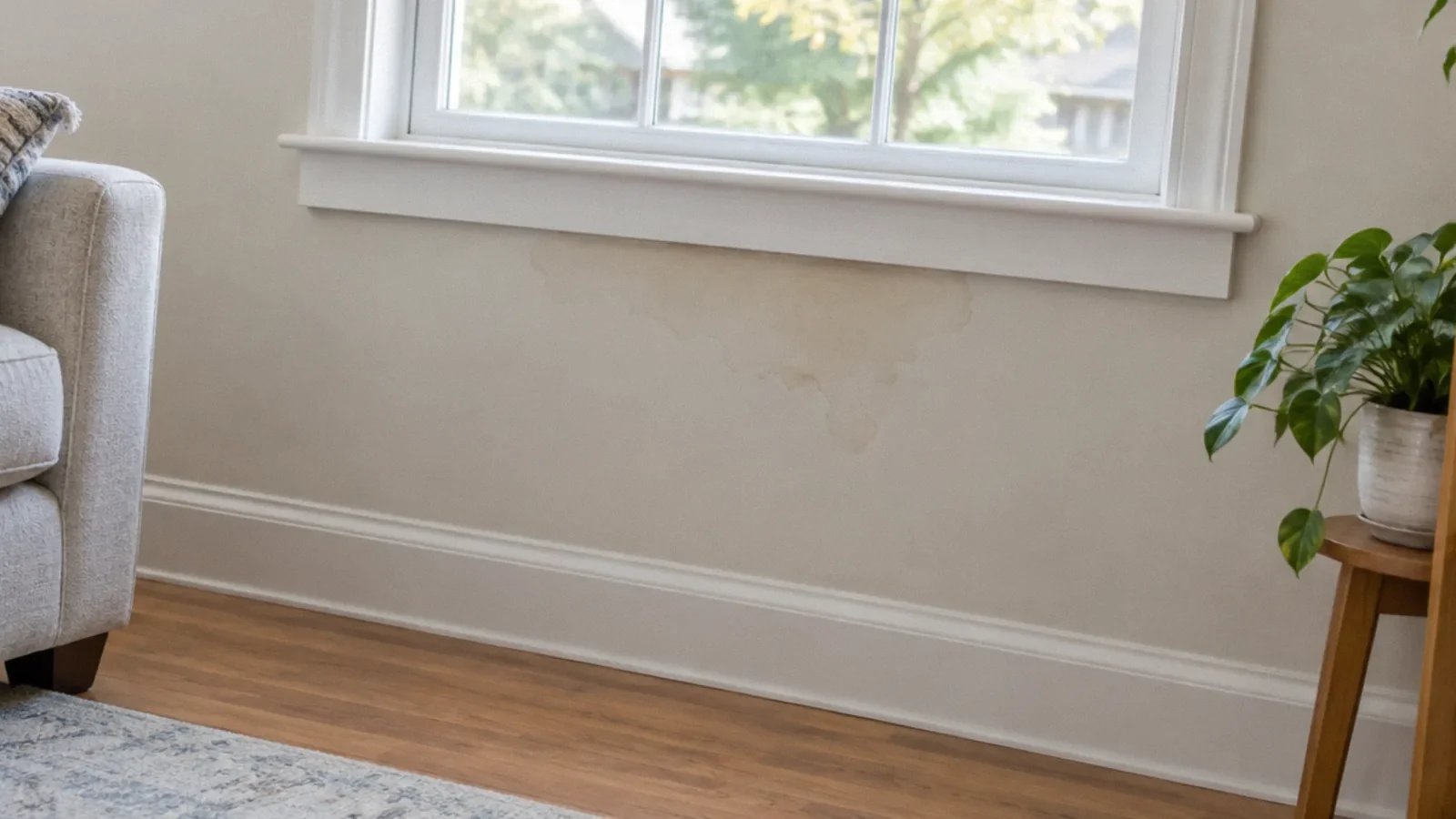
Start with the last known leak or wetting event. A repaired bathroom drain may have sent water into the ceiling below, the back of a closet wall, and the floor-wall junction. Replacing the visible stain does not establish that every connected material was inspected. Obtain any earlier photographs and ask which components were removed, dried, or left inaccessible.
Compare the odor location with that route. An odor strongest at the cabinet base after a dishwasher leak suggests a different investigation from a smell throughout the house only when the air handler runs. This comparison helps choose the next inspection point. It does not justify cutting every wall or treating an entire building based on one unpleasant room.
Check accessible sources safely
An initial inspection can review visible plumbing connections, condensate drainage, roof-leak history, window condensation, and stored items without disturbing suspect material. Emptying an accessible cabinet may reveal a swollen back panel or staining that was hidden by belongings. Stop if access requires moving heavy appliances, entering confined spaces, touching electrical equipment, or disturbing potentially contaminated finishes.
Moisture instruments can help compare locations, but readings require interpretation for the material and meter. Infrared images show temperature differences rather than directly proving mold. Ask the investigator how a suspicious reading will be confirmed and what limits apply. A normal room humidity reading does not rule out a localized leak or a damp enclosed layer.
Plan targeted access when evidence supports it
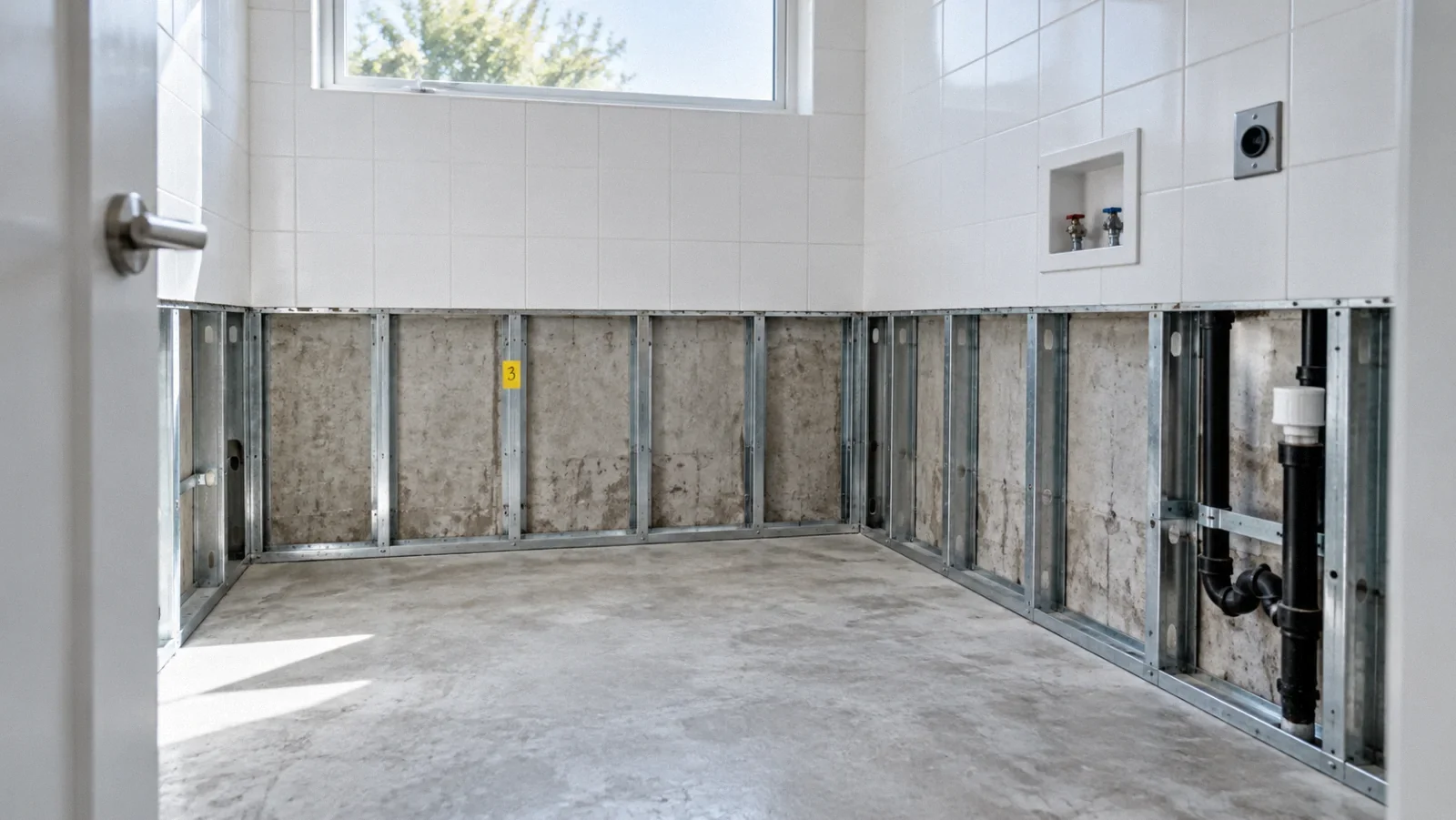
If the history, odor pattern, or measurements point toward a cavity, controlled access may be more useful than repeated deodorizing. Before opening, consider utilities, lead paint, asbestos, occupant protection, and how contamination will be contained. The owner should know where access is proposed and what findings would expand the scope.
Photograph the opening and the materials found, including apparently unaffected boundaries. If nothing abnormal is found, record that result rather than silently moving to ever-larger demolition. A staged investigation should have decision points: what the current evidence supports, what remains uncertain, and what the next step is expected to resolve. That protects both the building and the investigation budget.
Use room isolation as an observation, not a diagnosis
An odor that becomes stronger when a closet is closed can help identify a location, but it does not prove the source is inside the nearest wall. Stored contents, the floor assembly, an adjacent cavity, or air movement from another space may contribute. Have the investigator compare these possibilities through inspection rather than sealing openings at random. Record any changes made during the investigation, including removing belongings or altering ventilation, so later observations can be interpreted. Otherwise, the team may mistake a changed room condition for evidence that a repair succeeded.
Judge the repair after normal conditions return
A fragrance, ozone treatment, coating, or constant equipment operation can change odor without resolving the moisture source. Ask the project team what physical condition was corrected and why the smell should not recur. EPA's duct guidance also warns that cleaning alone does not address continuing moisture problems in HVAC components; wet or moldy insulation may require replacement.
After the work, evaluate the room under ordinary use and during the conditions that previously triggered the odor. Keep the inspection and repair record with dates. Persistent or returning odor warrants review of incomplete access, another source, or a failed repair. Symptoms should be discussed with a clinician; smell intensity is not a reliable measure of a person's exposure or medical risk.
Musty odors in basements, bedrooms and closets
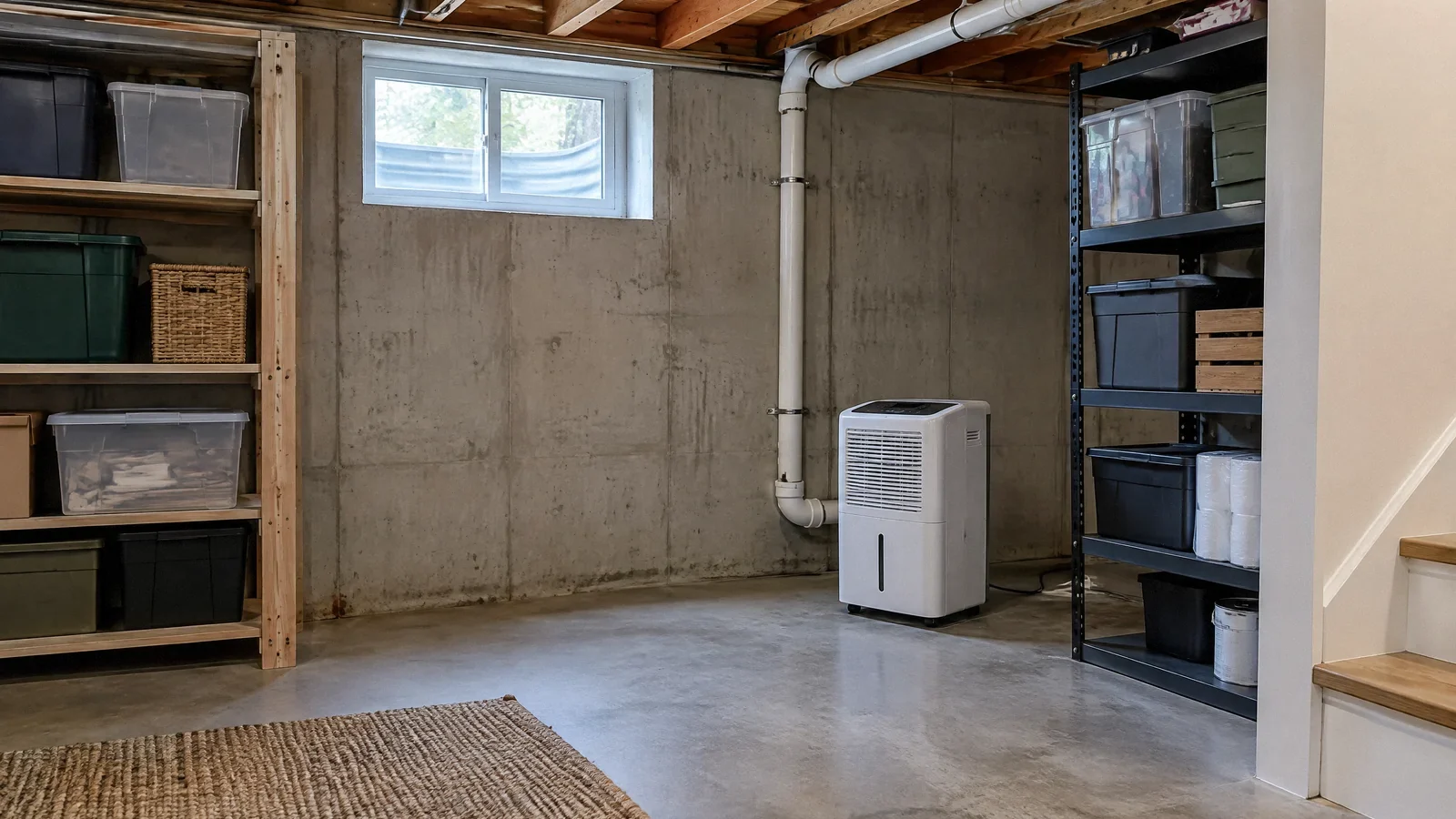
A musty basement smell can follow groundwater entry, a plumbing leak, condensation on cool surfaces, damp stored belongings or another moisture problem. EPA notes that a moldy odor suggests growth and merits investigation, but smell alone does not locate the source. Stay out of water near electrical equipment and report sewage or immediate hazards.
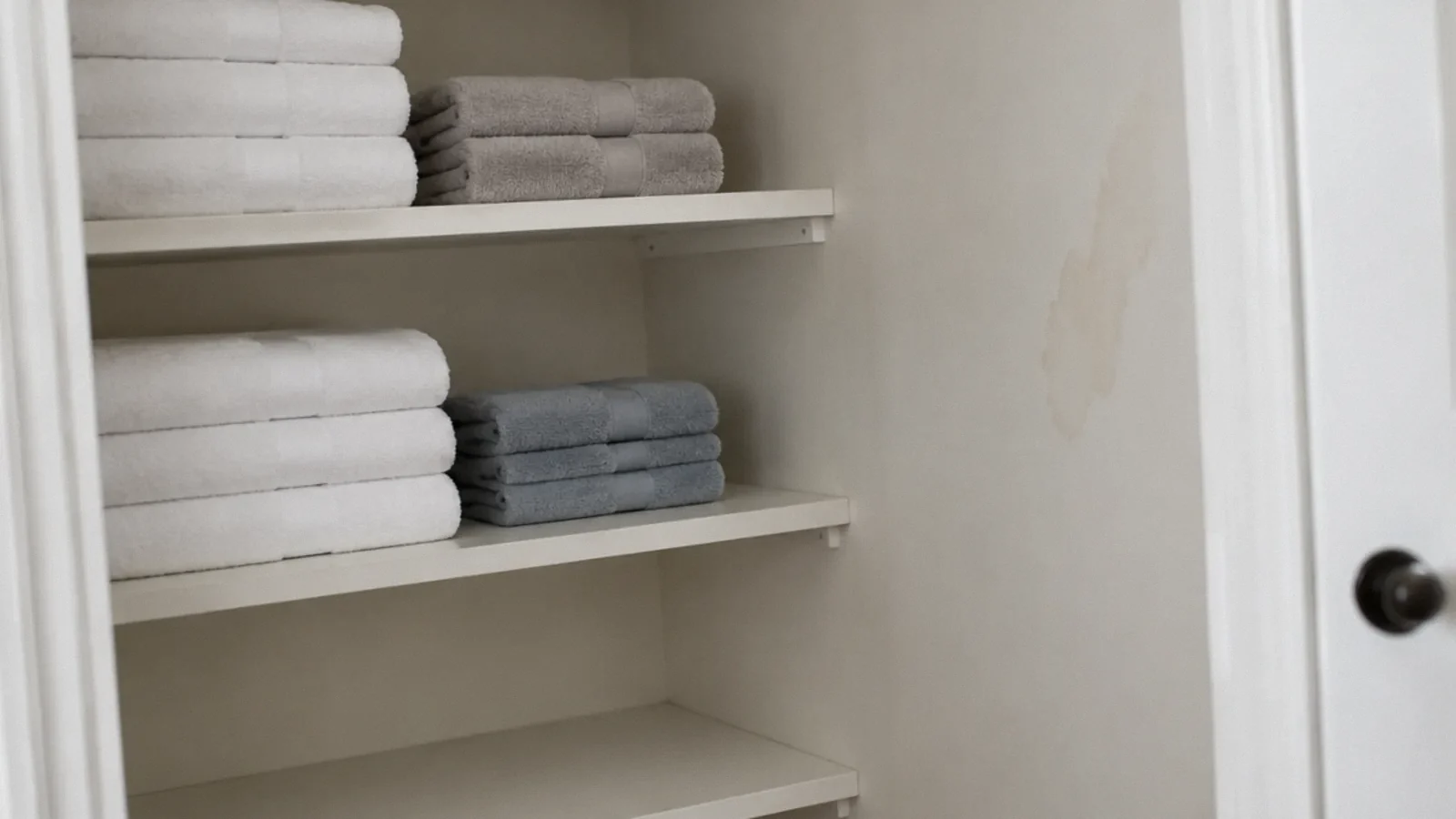
In a bedroom or closet, check readily accessible items, exterior walls, windows and the history of leaks without disturbing suspect material. Keep belongings away from damp surfaces. The source may be in a neighboring room or concealed assembly; a scent or air freshener will not fix it.
Address the cause of moisture, clean or remove affected material as appropriate and dry it completely. For extensive damage, inaccessible areas or health concerns, seek experienced help. A dehumidifier may help manage room humidity but cannot repair an active leak or remove existing mold.
A room-by-room investigation
A musty smell is often described as stale, damp or earthy, but is subjective. Microbial growth can release volatile compounds, and other sources can smell similar. Humidity itself has no reliable identifying odor, and absence of odor does not exclude mold. A fragrance called mildew may describe a product rather than a building problem.
In a bedroom check wet bedding and textiles, condensation at windows, exterior walls behind furniture, airflow and adjacent rooms. In a closet remove and separately inspect stored items, then check the wall and floor for dampness. Correct the source, clean suitable surfaces and dry fully; porous items that cannot be cleaned and dried may need specialist assessment or disposal. Avoid disturbing suspect material.
A sewage-like smell can come from a drain or sewer problem, while a gas or burning smell requires immediate separate response. Vinegar-like or earthy smells are not reliable tests for mold. Investigate the appropriate source rather than assigning a species by scent.
Basements, rain and recurrence
From safely accessible areas check plumbing, condensate drains, stored damp items, walls and floor after rain. Note timing and inspect exterior drainage, roof and windows from safe locations. Arrange repair, suitable drying, and cleaning or removal of affected materials, then reassess under normal conditions. A dehumidifier may help manage moisture but cannot stop a leak. After contaminated water, seek qualified cleanup; avoid flooded areas and electricity.
Odor may lessen as materials dry yet persist or return if hidden moisture or affected material remains. Wet drywall can smell but odor cannot establish mold; soft material or a leak history warrants separate assessment. For a seasonally closed cabin inspect leaks, fabrics and pests, and ventilate when outside conditions support drying. If gas or burning is suspected, leave and contact emergency services or the utility; do not investigate the smell indoors. Discuss symptoms with a clinician.
Your next-step checklist
- Log the location, timing, weather, and HVAC conditions associated with the odor.
- Compare the suspected source with records of the original water path.
- Inspect accessible areas before authorizing destructive access.
- Require a targeted access plan that accounts for utilities and hazardous materials.
- Recheck under normal use and the conditions that previously triggered the smell.
Related questions
Does no visible mold mean no hidden problem?
No. Hidden wet materials may not be visible from the occupied room. Odor, history, and measurements can support further investigation.
Will an air purifier fix a musty wall cavity?
It does not repair the water source or remove affected material inside the cavity. It should not replace investigation of persistent moisture.
Should I order an air test first?
Not automatically. Ask what the result would change. A moisture-focused inspection may provide a clearer next step than a short air sample.
What does mold smell like?
Mold can have a musty odor, but odors have several possible sources. Smell alone cannot identify a species or confirm hidden growth; investigate the moisture and location.
How do I get rid of a musty basement smell?
Investigate the moisture source, correct it and clean or remove affected material as appropriate. Avoid electrical hazards and seek help for extensive or concealed damage; fragrance alone will not fix the cause.
Why does a basement smell after flooding?
Wet or contaminated materials, trapped moisture or another remaining source may be responsible. Investigate safely and correct the cause; deodorizer alone does not dry the basement.
What does water damage smell like?
Damp materials may have a musty or stale odor, but odor alone does not prove mold or locate a leak. Sewage, gas or burning odors require different safety responses; investigate the source rather than covering the smell.
Sources & context
Public guidance supports the principles in this article. The practical questions and examples are editorial interpretation, not a site assessment or a coverage decision. State-specific rules apply only where identified.
- EPA: Mold, moisture and your homeofficial
- CDC/NIOSH: Mold, testing and remediationofficial
- EPA: Should air ducts be cleaned?official
- U.S. EPA: What does mold smell like?federal guidance
- EPA: Mold and moistureofficial guidance
Community questions behind this topic
These discussions helped identify reader concerns. They are anecdotal, not technical or legal authority.