Post-remediation verification should check the agreed scope, moisture correction, accessible cleanliness, and unresolved limitations before finishes conceal the work. Sampling may support a defined protocol, but it cannot substitute for those checks or guarantee future conditions.
Agree on completion before demolition
Verification works best when the owner and project team define the acceptance process before cleanup begins. Identify the areas included, the retained materials, the person performing verification, and the evidence expected. If an independent reviewer will be involved, arrange access while the relevant surfaces remain exposed. Discovering that the verifier needed to see a cavity after drywall is installed creates avoidable uncertainty.
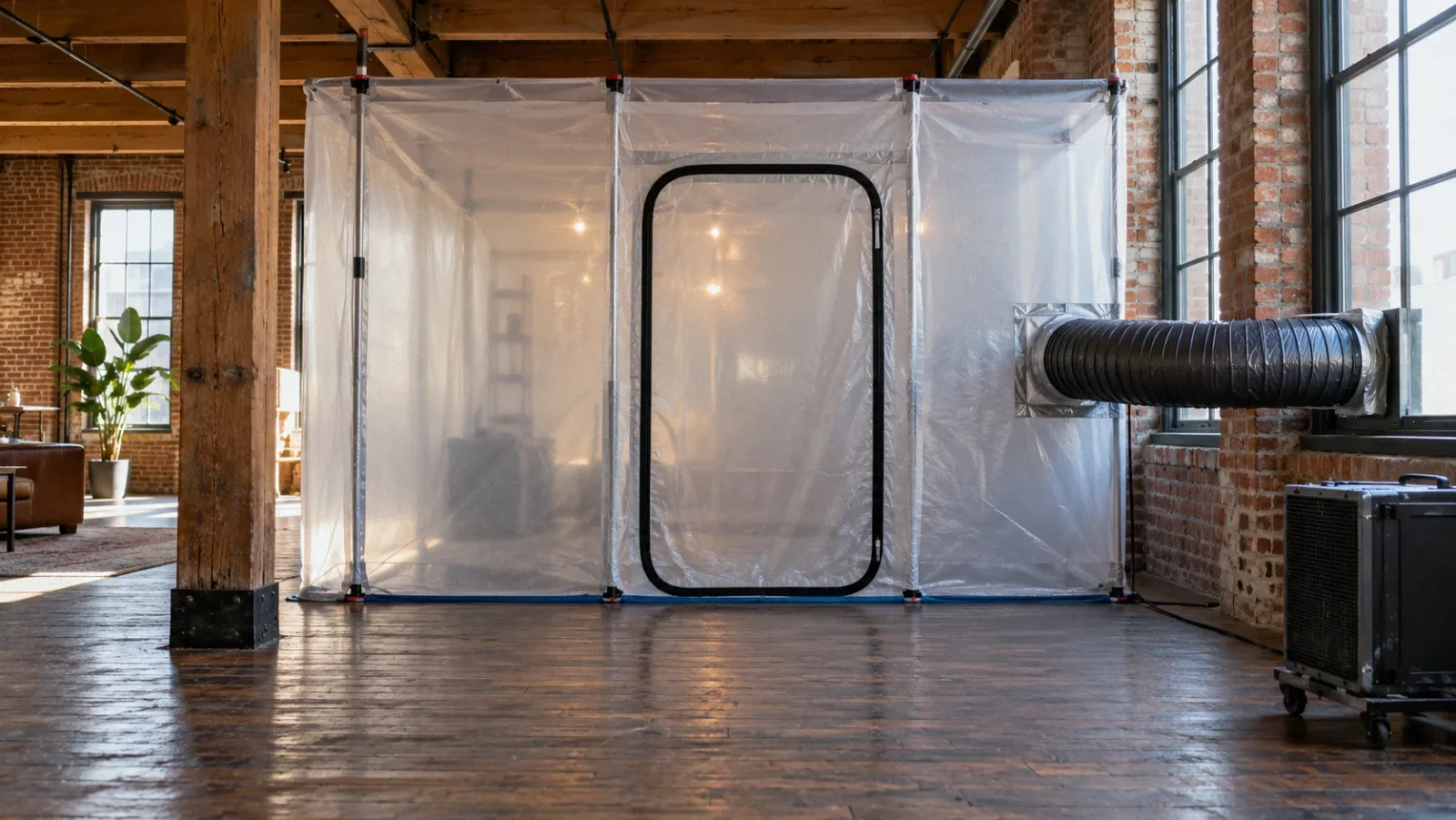
EPA's residential guidance connects completion with fixing the moisture problem, removing growth, and revisiting the area. It does not offer a universal mold-free certificate. A practical project plan should translate those goals into location-specific checks. State whether the reviewer is assessing only the containment area or also adjacent spaces, and distinguish visual inspection from any sampling that may be separately included.
Review the source repair independently
Remediation may remove damaged material without repairing the roof, pipe, drainage problem, or condensation mechanism that caused it. Ask who owns that separate repair and what demonstrates that it works. An invoice saying 'leak fixed' is less useful than a description of the defect, completed work, and appropriate follow-up observations or tests.
Some failures occur only during wind-driven rain, appliance discharge, or sustained groundwater conditions. A dry inspection day cannot reproduce all of those circumstances. The report should state that limitation and define a follow-up trigger. Temporary containment or drying may be complete while the permanent source repair remains outstanding; do not merge these milestones into one unexplained approval.
Examine retained surfaces and cleaning access
The verifier should compare actual work with the agreed material and location list. Look for accessible surfaces that were missed, debris left in cavities, or components closed before review. Ask how inaccessible retained areas were evaluated and what assumptions were necessary. A report that openly states an access limitation is more useful than a sweeping assurance unsupported by inspection.
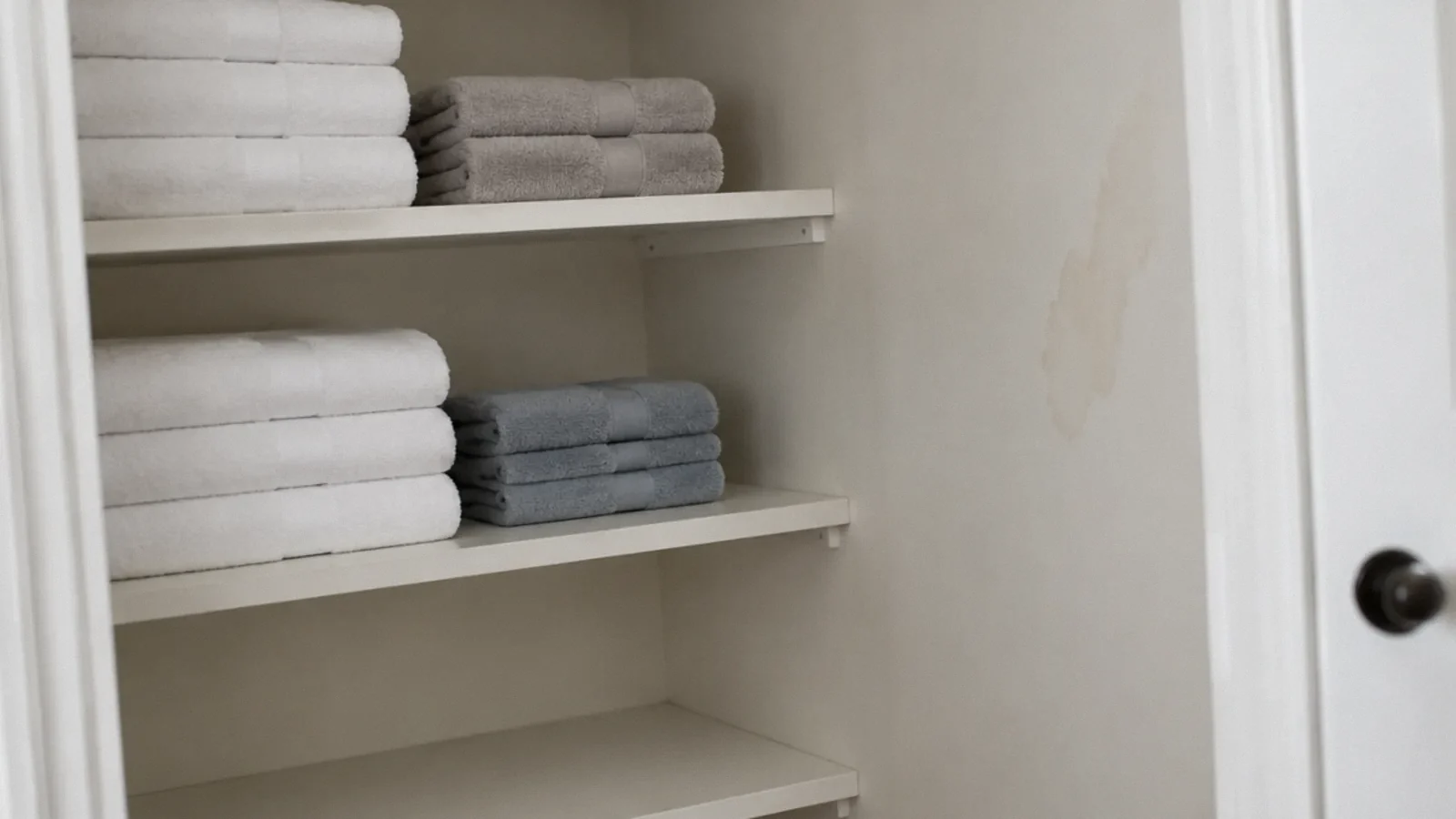
Moisture findings should identify methods and locations. Drying criteria depend on the material and reconstruction requirements, so do not accept one unexplained number for every substrate. If staining remains, ask why it is considered cosmetic rather than remaining growth or unresolved dampness. Photographs should show enough context to connect each close detail to the relevant part of the building.
Decide what sampling would add
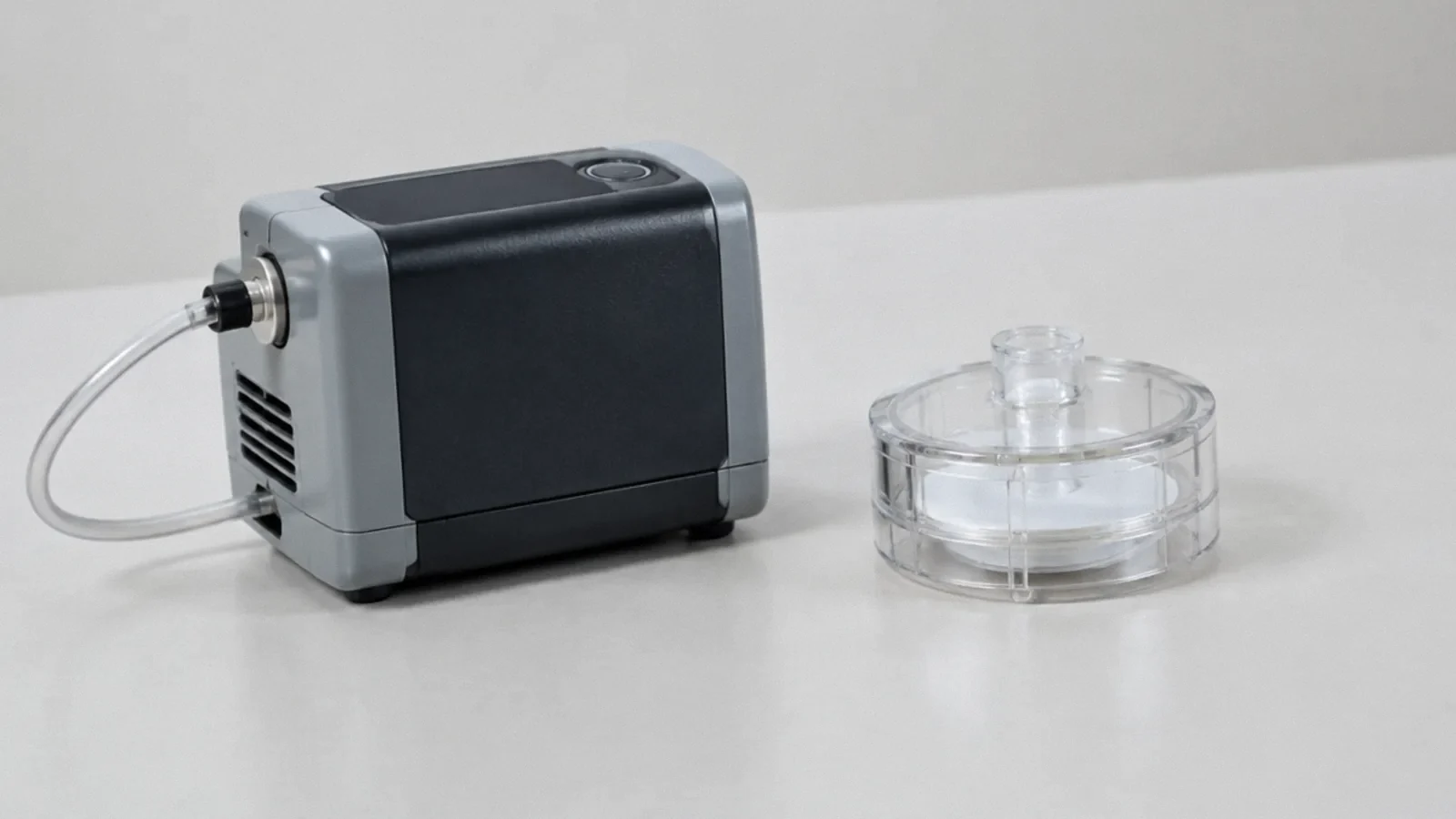
EPA recognizes that sampling may have a role in evaluating cleanup, while explaining that federal mold thresholds have not been established. NIOSH cautions against treating brief air sampling as a health-risk verdict. If the project includes samples, the protocol should explain collection locations, conditions, interpretation, and what happens when results are unexpected.
A passing laboratory label cannot overcome visible debris, an unresolved leak, or wet retained material. Conversely, an unexpected sample does not automatically identify which additional surface needs removal. The team should investigate discrepancies and document the response. The completion decision should integrate the evidence rather than selecting whichever single result is most convenient for closing the job.
For example, a qualified reviewer may use a surface sample to investigate whether a cleaned surface still contains fungal material, if that question and its interpretation are specified in advance. Air sampling is a short snapshot affected by collection conditions and cannot establish an occupant’s health risk. EPA says surface sampling may be useful for evaluating cleanup, while CDC/NIOSH does not recommend routine air sampling for building evaluations. A contract or applicable jurisdiction may set additional requirements; identify their source rather than describing a private criterion as a federal limit.
A failed check should identify a correctable issue
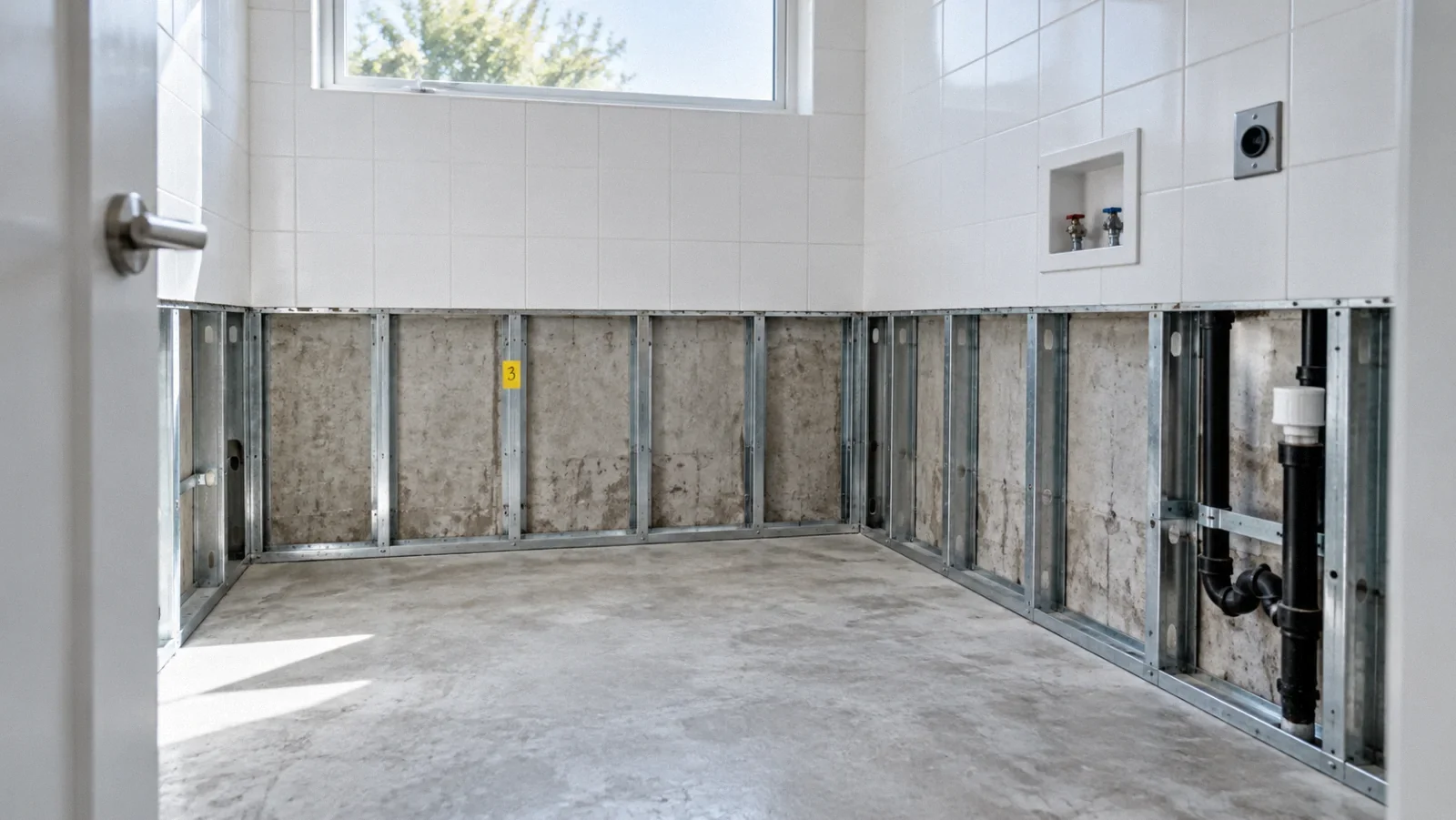
Consider a contained bathroom project where the wall cavity is clean but the source repair remains undocumented. A verifier can acknowledge the observed cleaning without declaring the whole event resolved. The project log should identify the missing plumbing confirmation and keep reconstruction or acceptance subject to the agreed decision process. This is more useful than reducing the outcome to an unexplained pass or fail.
In another case, the source repair is documented and the material readings are appropriate, but debris remains on a horizontal framing surface. The corrective action should identify that location, the required cleaning review, and any effect on adjacent areas. It should not automatically expand into a second whole-house remediation without evidence. Conversely, a small correction should not be ignored merely because the laboratory results are favorable.
Ask the reviewer to separate observations requiring correction, items requiring more investigation, and limitations that cannot reasonably be resolved within the scope. For each, name the responsible party and the evidence needed to close it. The owner can then judge whether the proposed next step actually addresses the finding, while the contractor receives a specific task rather than a vague instruction to make the building pass.
Keep approval boundaries clear
The verification report should identify who inspected, when, what was accessible, which criteria were used, and whether the work met them. List exceptions and outstanding items explicitly. Avoid a certificate that implies every room was evaluated when the scope covered only one bathroom wall. Occupant-specific medical concerns require a separate clinical discussion and cannot be settled by a general completion form.
Before reconstruction, obtain the owner’s understanding of remaining limitations and the next maintenance or observation steps. Keep source repairs, cleaning records, waste records where applicable, photographs, measurements, and verification together. After normal use resumes, watch the original failure location and report recurrence promptly. Verification is a reasoned assessment at a point in time, not a guarantee against a future leak.
Your next-step checklist
- Set verification scope, reviewer, and acceptance criteria before cleanup begins.
- Leave relevant surfaces accessible until the agreed review is complete.
- Confirm responsibility for the permanent moisture source repair.
- Require exceptions, inaccessible areas, and outstanding work to appear in writing.
- Retain the complete report and plan a follow-up matched to the original leak conditions.
Related questions
Does clearance mean no mold spores remain?
No. Spores occur naturally, and a report should describe the assessed condition and criteria rather than promise zero spores.
Can reconstruction start before verification?
Only when the agreed process and applicable requirements allow it. Covering surfaces first can prevent a meaningful assessment of the work.
Who should pay for a failed check?
That depends on the contract and why it failed. Define responsibility for correction, additional investigation, and reinspection before work starts.
Sources & context
Public guidance supports the principles in this article. The practical questions and examples are editorial interpretation, not a site assessment or a coverage decision. State-specific rules apply only where identified.
- EPA: Mold, moisture and your homeofficial
- EPA: Is sampling or testing for mold necessary?official
- CDC/NIOSH: Mold, testing and remediationofficial
Community questions behind this topic
These discussions helped identify reader concerns. They are anecdotal, not technical or legal authority.