Inspect for leaks, water entry, condensation and damp stored materials. Repair the moisture source, clean or remove affected materials as appropriate, and dry the space. A persistent odor or contaminated water calls for professional assessment.
Find the moisture before treating the smell
A musty basement odor often points to damp materials or mold, but smell alone cannot identify a mold species or pinpoint its source. Begin by looking for water entry, condensation and damp stored contents. Fixing the source and drying or removing affected material is more useful than covering the odor with fragrance.
Avoid entering a flooded basement when water may contact electrical equipment. A bulging wall, sewage backup, gas odor or unsafe structure requires appropriate professional or emergency help. If the smell resembles gas, leave and contact the gas utility or emergency services from a safe location; do not operate switches.
Inspect the building and contents
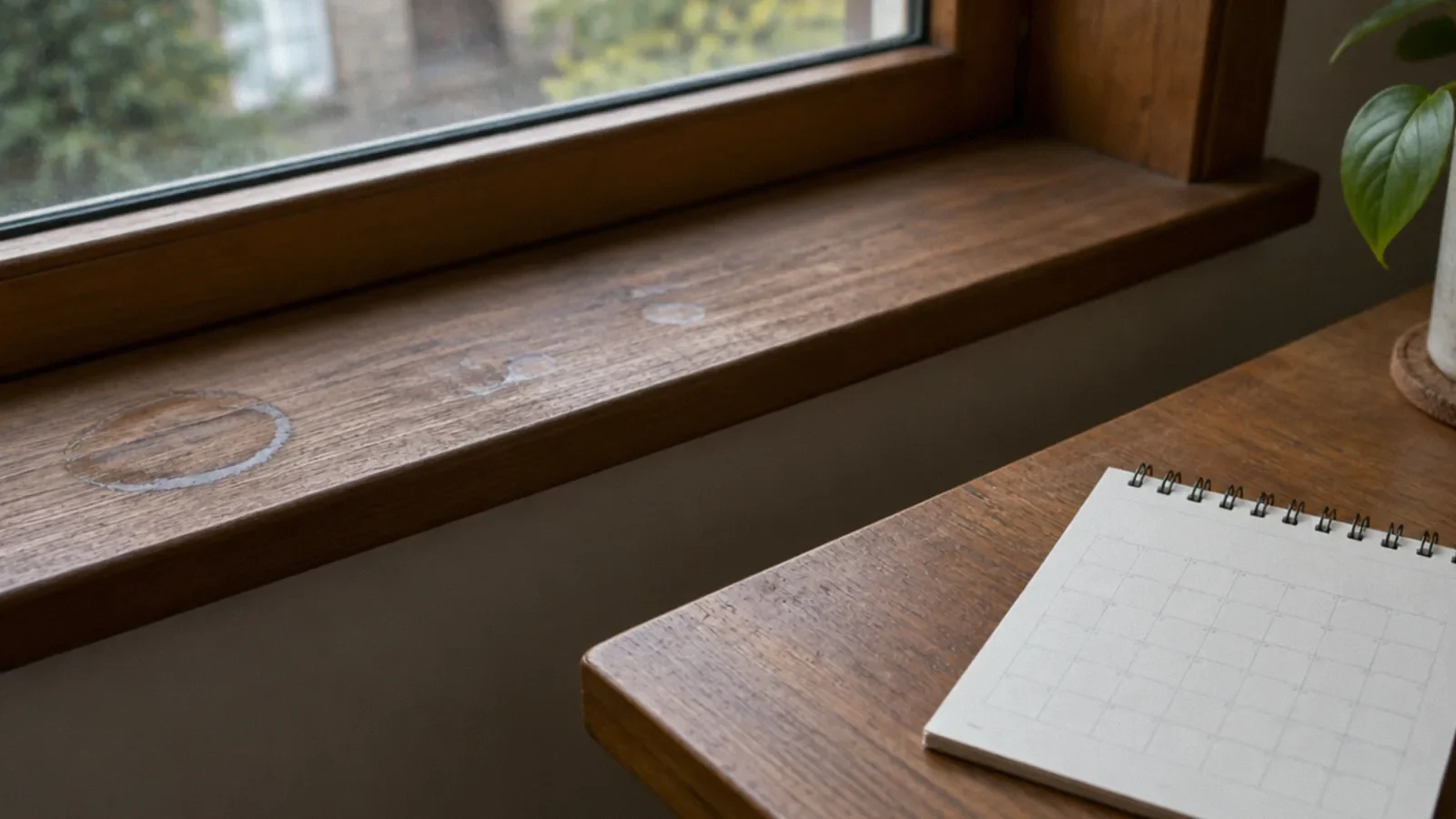
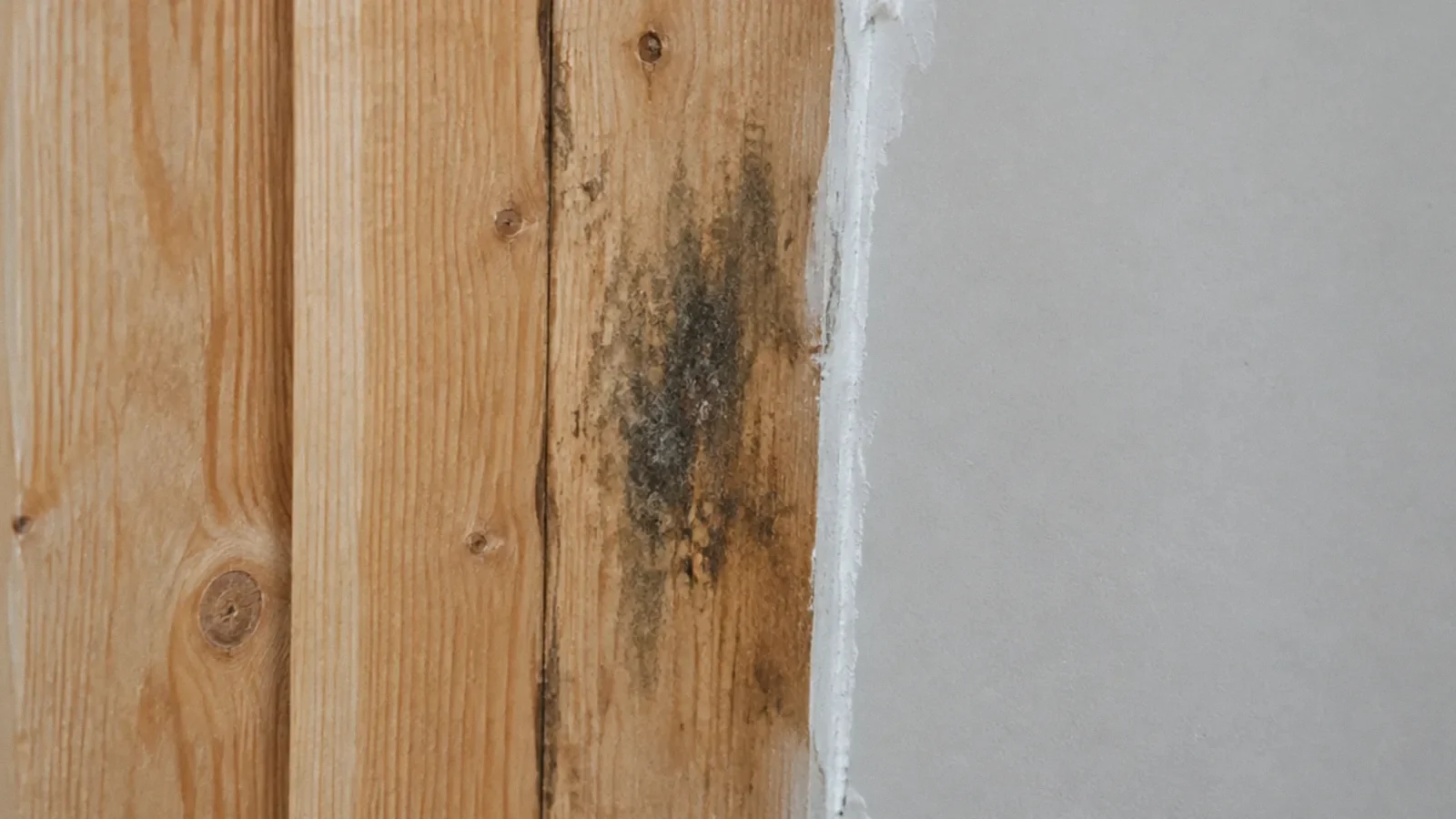
In good light, check accessible corners, baseboards, stored cardboard, furniture, carpet edges, exposed pipes and the underside of shelving. Look for damp spots, stains, peeling coatings, condensation or visible growth. Note whether the odor is strongest after rain, during humid weather, near a fixture or beside stored items. These patterns help narrow the search; they do not establish a diagnosis.
Move light, dry belongings away from the wall to inspect accessible surfaces if it is safe. Do not cut into suspect walls or disturb insulation. Water may travel behind finishes, and older materials may contain asbestos or lead. A professional can inspect concealed areas and choose safe access.
Separate water entry from condensation
After rainfall, observe gutters and downspouts from a safe location and look for water collecting against the foundation. A damaged downspout, poor grading or foundation opening can contribute to water entry, but a dry day may hide an intermittent problem. Arrange repairs suited to the site instead of assuming a coat of paint will stop water from outside.
In warm humid weather, moisture can condense on a cool pipe, wall or slab. Measure room relative humidity with a hygrometer and look for droplets on cold surfaces. Opening windows is not always a drying strategy: warm, humid outdoor air can add moisture when it enters a cool basement. Ventilate when conditions are favorable and use a properly maintained dehumidifier as needed.
Why a concrete floor may smell musty
Concrete itself and the layers above it need separate attention. Moisture may enter through or around a slab, while carpet, adhesive, underlayment, stored boxes or dust on the surface can retain moisture and produce an odor. Lift or remove materials only when safe and appropriate; do not disturb old flooring or adhesive that may contain hazardous materials.
A dry-looking surface does not establish that a slab is ready for new flooring. Ask an installer or restoration professional to use the flooring manufacturer’s specified moisture tests and limits. A sealed plastic sheet can reveal visible moisture in some conditions, but absence of droplets alone is not a substitute for the specified test. Do not trap moisture under a new covering to hide the smell.
Clean and dry the affected materials
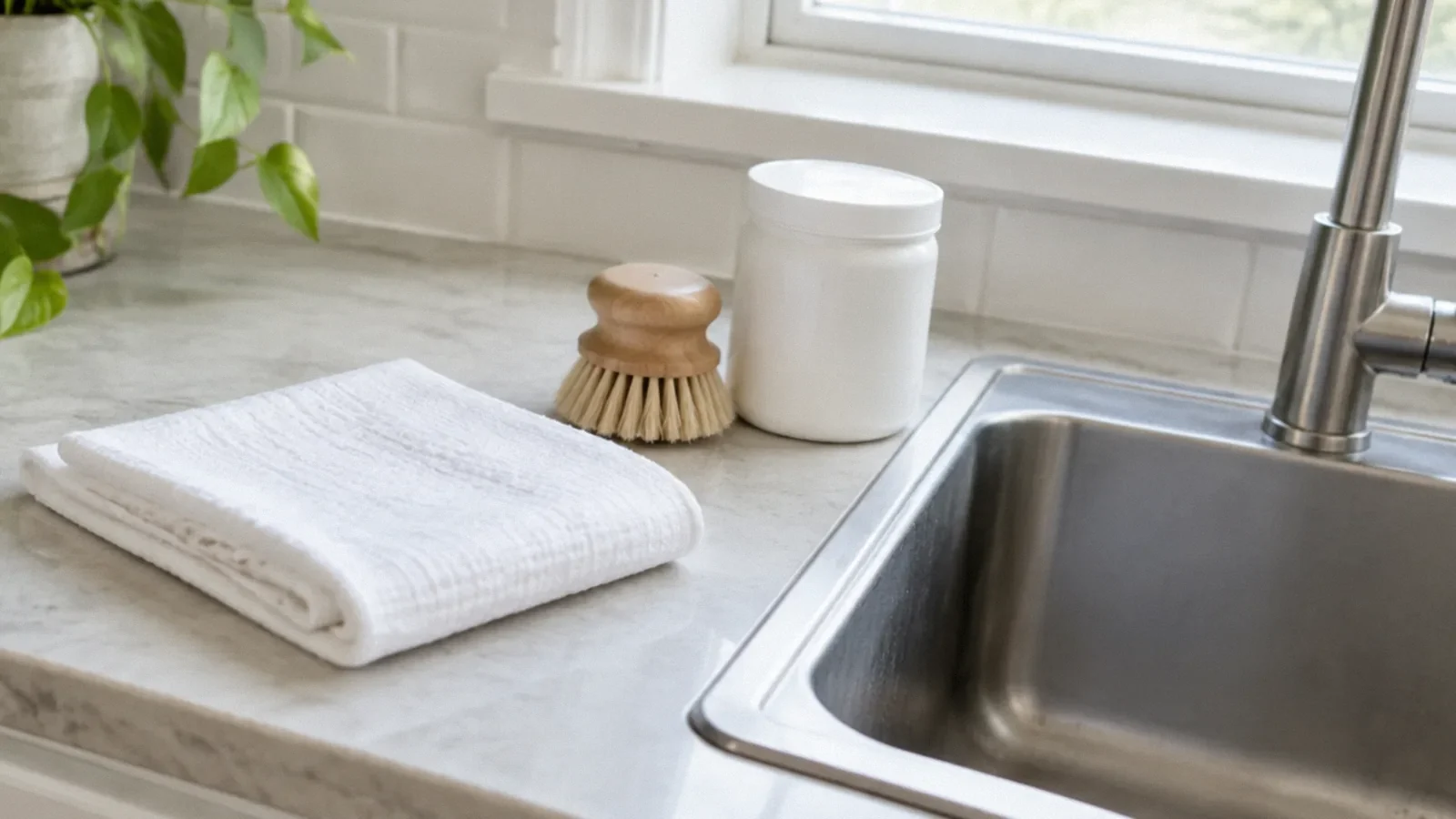
For a small area of mold on a hard surface, EPA recommends cleaning with detergent and water and drying completely. Wear appropriate protection and follow the product instructions. Never mix cleaning chemicals. People with asthma, mold allergies or weakened immune systems should avoid mold cleanup and seek suitable assistance.
Porous material such as moldy carpet, ceiling tile, cardboard or insulation may not be fully cleanable and may need removal. If water came from sewage or other contamination, or damage is extensive or hidden, use a qualified professional. A musty smell after cleanup is a reason to look for remaining moisture or affected material, not to spray a stronger fragrance.
Keep the basement drier
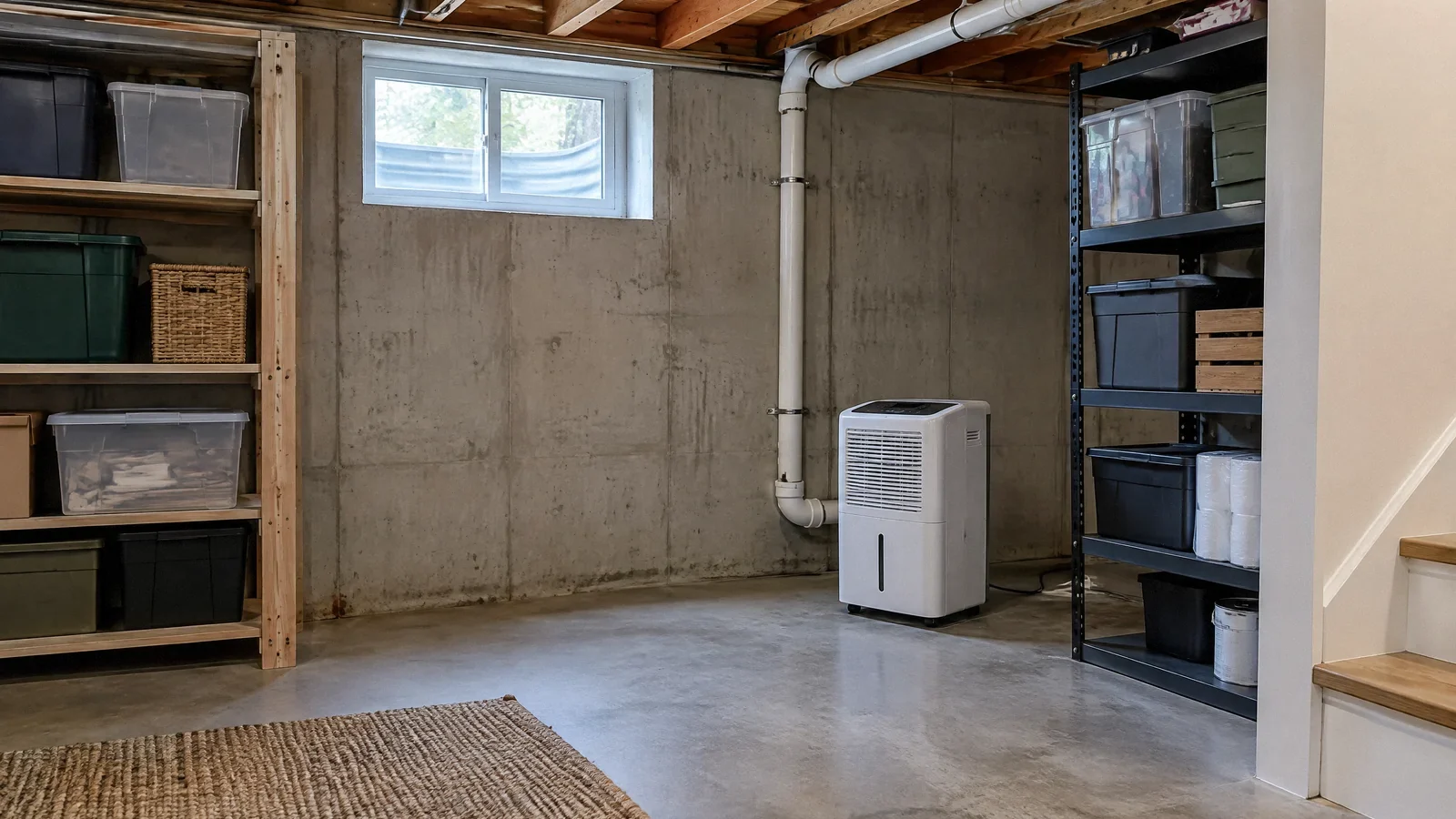
EPA recommends indoor humidity below 60%, ideally between 30% and 50% where possible. Place a hygrometer where it can represent the occupied space and check it in different seasons. A dehumidifier must be sized and maintained for its environment; empty the tank or provide an appropriate drain, clean filters and coils as directed, and keep airflow clear.
Store belongings on shelving rather than directly against damp-prone floors or walls. Avoid storing wet textiles and cardboard in the space. Insulating a cold pipe may reduce condensation when correctly specified and installed, but it will not fix a leaking pipe or groundwater entry. If humidity remains high despite normal operation, investigate the source and equipment capacity.
Decide when the job is complete
After correcting the source, allow materials to dry and monitor the basement through the weather or use conditions that previously triggered the odor. Check the repaired area, nearby contents and humidity. Reappearance after rain suggests the water-entry route may not have been fully resolved; odor concentrated around a drain may require a plumber.
A professional assessment is appropriate for recurring smells without an accessible source, water behind finishes, a large mold area, contaminated water, health concerns or planned disturbance of suspect building materials. Keep photos and repair records. Do not rely on a mold test or color to identify the problem when visible growth or a moisture source still needs attention.
Your next-step checklist
- Inspect accessible walls, floors, pipes and stored contents.
- Note whether the odor follows rain, humidity or fixture use.
- Repair the moisture source and dry affected materials.
- Monitor humidity and maintain the dehumidifier.
- Recheck after the conditions that previously caused the smell.
Related questions
Does a musty smell prove a particular mold species?
No. Odor cannot identify a species or establish the precise cause. Inspect for moisture and visible damage and seek help when the source is concealed or the affected area is extensive.
Will painting a concrete floor eliminate the smell?
A coating will not correct an ongoing moisture source and can trap moisture. Resolve the cause and meet the coating or flooring manufacturer’s testing requirements first.
Sources & context
Public guidance supports the principles in this article. The practical questions and examples are editorial interpretation, not a site assessment or a coverage decision. State-specific rules apply only where identified.