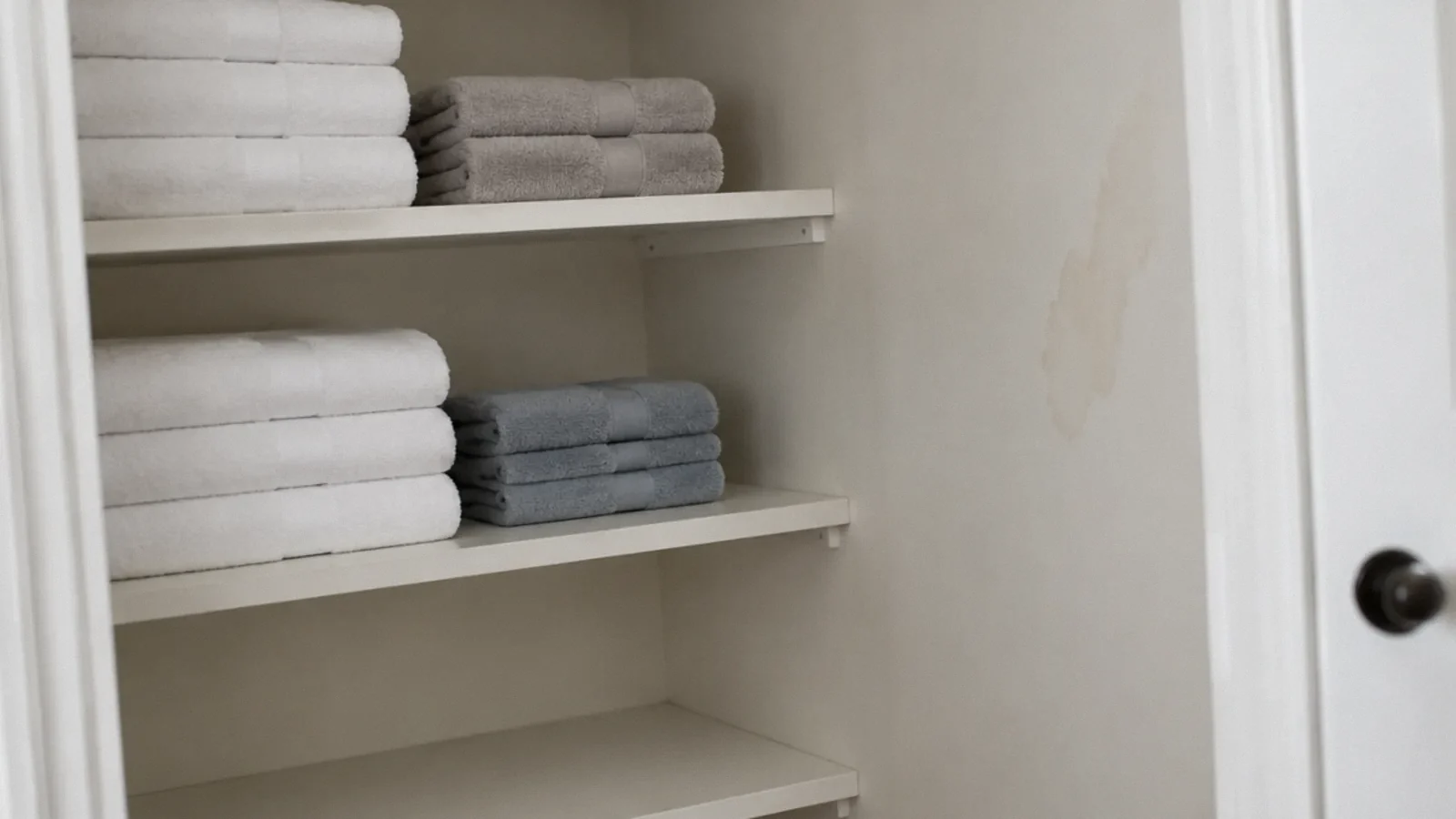
Fix the water source, inspect hidden layers, dry the affected materials and remove items that cannot be adequately cleaned or dried. A deodorizer alone cannot solve an ongoing leak or concealed dampness.
Find and stop the moisture source
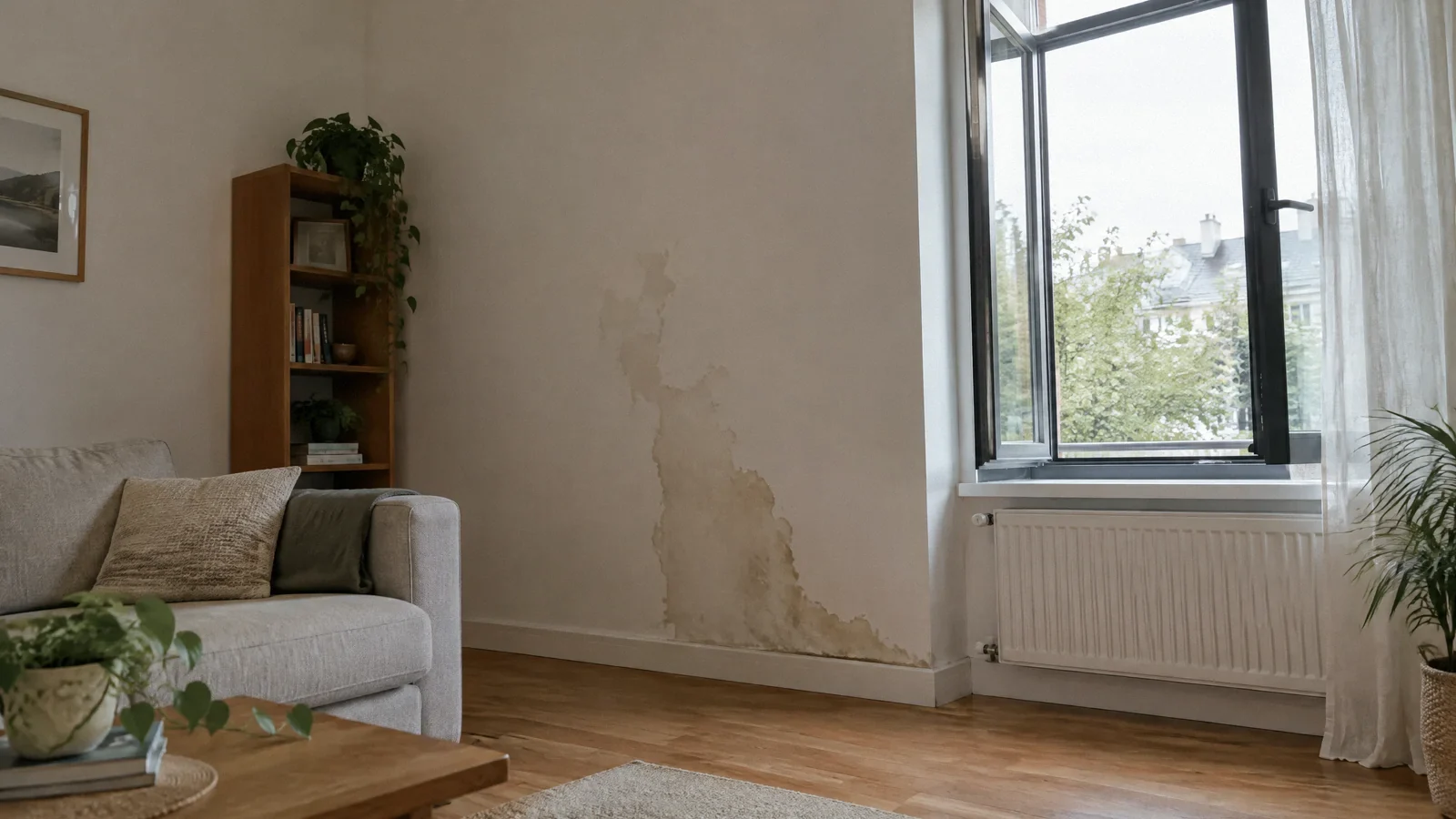
A musty smell after water damage is a signal to investigate, not a diagnosis. The odor can persist because wet material remains in a wall, flooring, insulation or belongings, or because a leak or condensation continues. Covering it with fragrance does not remove the source. Start by identifying when and where the water entered and whether the affected area is still damp.
Repair a leaking pipe or roof and address drainage before rebuilding. If the water came from sewage or a contaminated flood, contact a professional experienced in contaminated-water cleanup. Stay away from wet electrical equipment; do not run fans or dehumidifiers on a wet floor. A sagging ceiling or damaged structure needs urgent professional assessment.
Photograph damage and keep a record of the date, source and affected rooms. A renter should notify the property owner promptly. For an insurance claim, ask what documentation and mitigation steps the insurer needs without delaying urgent safety measures.
Dry the space without hiding the problem
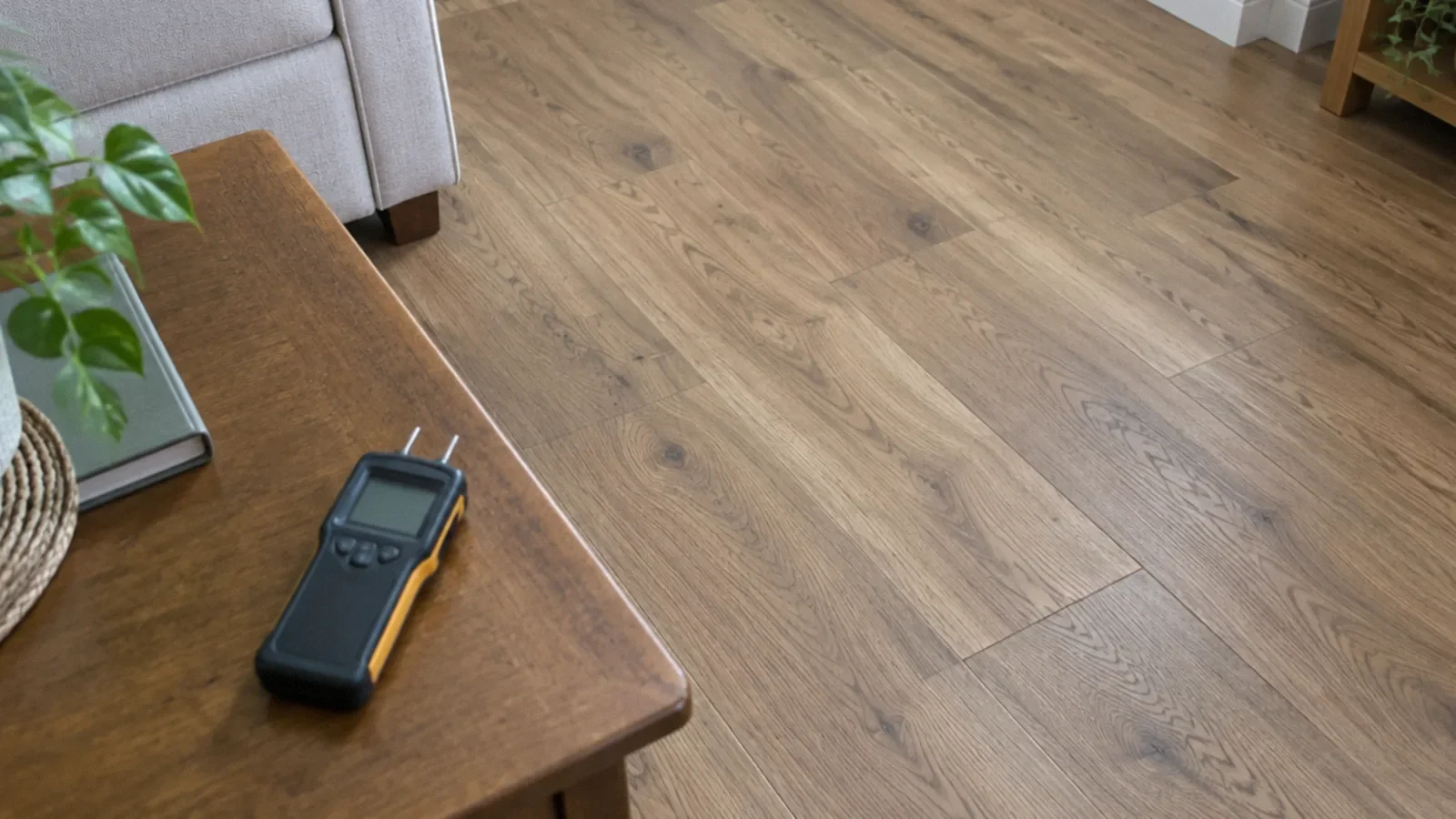
After the source is fixed, remove standing water through safe means and arrange drying of all affected layers. Ventilation can help when outdoor conditions are suitable, but opening a basement window on a humid day can introduce more moisture. Use a humidity gauge and compare conditions; EPA recommends keeping indoor relative humidity below 60%, ideally 30% to 50%.
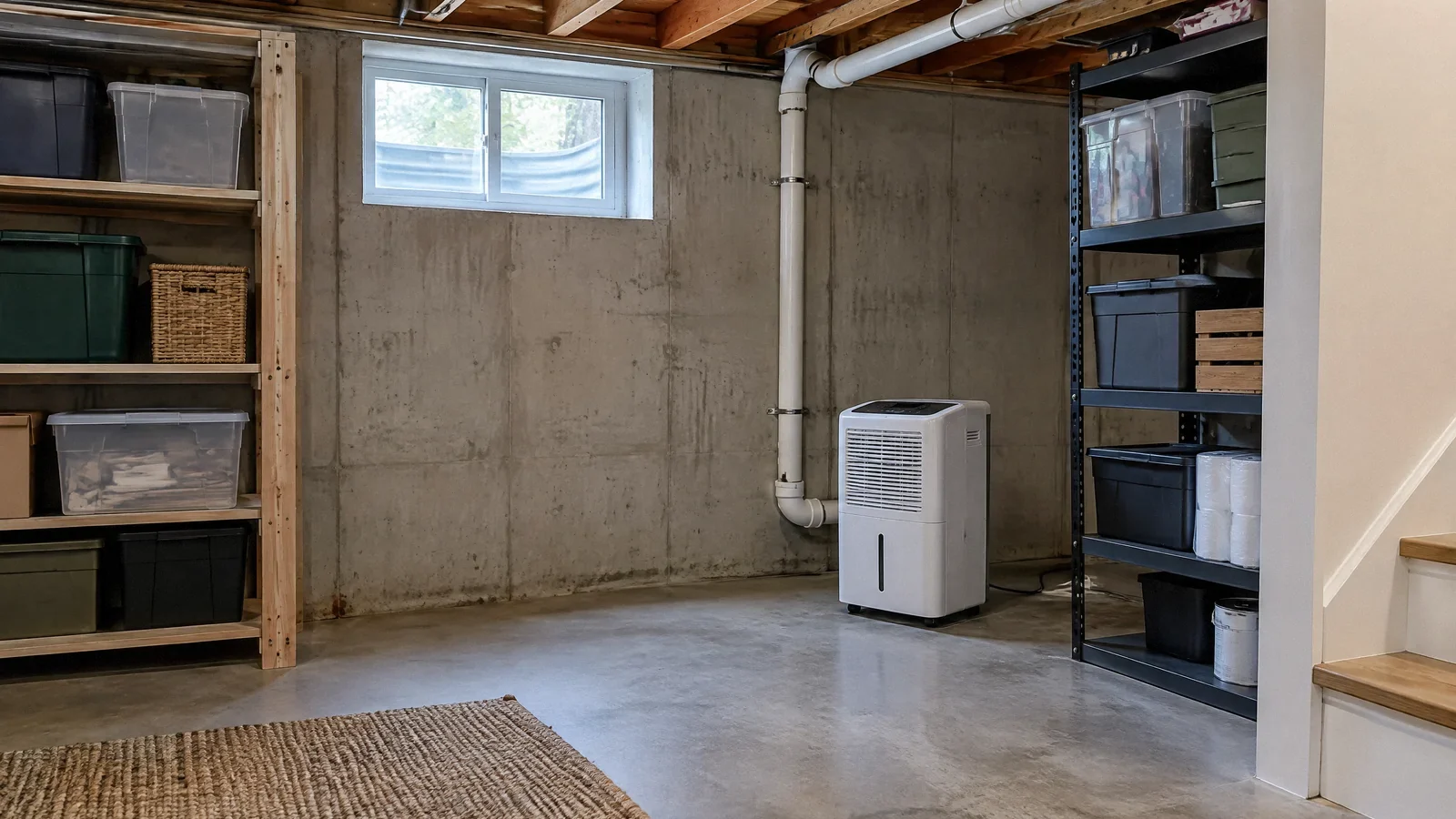
A properly sized dehumidifier may help control room humidity when used according to its instructions in an electrically safe, dry location. It does not repair a leak or guarantee that insulation and enclosed cavities have dried. A restoration professional can develop a drying plan and measure materials over time. Do not direct air at visibly moldy material, which may distribute particles.
Avoid relying on ozone machines, heavy fragrance or a coat of paint as the solution. They do not remove wet or contaminated material or correct the water source. Odor alone is not a reliable measure of indoor air quality, and a pleasant smell does not demonstrate that cleanup is complete.
Deodorize a flooded basement
For a basement flooded with contaminated water, use qualified help for cleanup and disposal. Floodwater can carry contaminants even when it looks clear. An expert can evaluate flooring, wall cavities and stored materials and determine what must be removed. Avoid entering standing water where electrical hazards may be present.
After clean-water damage, inspect concrete, floor coverings and the lower portions of walls. A carpet laid over a slab may trap moisture beneath it. If the pad or carpet remains wet, is contaminated or has visible mold, removal may be needed. Do not install new flooring or close a wall until the underlying materials meet the product manufacturer’s moisture requirements.
Check downspouts, surface drainage and the source of the flood with the appropriate contractor. A sump pump, drainage repair or waterproofing approach depends on the actual building and water pathway; a room deodorizer cannot resolve that cause.
When the smell remains after cleanup
A continuing odor after the visible surfaces are dry warrants another inspection. Ask the contractor what materials were checked, where moisture readings were taken, which materials were removed and whether adjacent rooms or cavities were assessed. A smell concentrated near a baseboard, closet or cabinet can help guide the inspection but does not identify the organism or establish a health diagnosis.
EPA advises against painting or caulking over mold. Clean mold from suitable hard surfaces with detergent and water, then dry completely; porous moldy material may need replacement. For extensive damage, sewage or uncertainty about hidden growth, use experienced professional help. People with respiratory conditions or weakened immune systems should avoid exposure and seek individualized medical advice.
Before replacing finishes, confirm the source is corrected, affected materials are dry and the affected area has been properly cleaned or removed. Retain the written scope and readings. If the odor returns, record the conditions and contact the contractor rather than adding more fragrance.
Prevent a repeat
Inspect the areas that previously leaked after heavy rain or plumbing repairs. Address new staining quickly and keep gutters and drainage maintained. Store cardboard and textiles away from areas prone to dampness, and do not place absorbent flooring over a persistently wet slab without a suitable moisture solution.
A periodic humidity reading helps reveal conditions that encourage condensation. Keep the home ventilated when outdoor air is appropriate, and service equipment according to its instructions. Prevention depends on controlling water entry as well as humidity.
Your next-step checklist
- Stop the water source and document damage.
- Treat sewage or contaminated flooding as a professional cleanup.
- Check hidden layers and dry affected materials.
- Control humidity and verify the underlying floor or wall is dry.
- Investigate recurring odor before rebuilding.
Related questions
Does a musty smell prove mold is present?
No. It is a reason to investigate moisture and possible hidden growth, but odor alone does not establish the cause.
Will a dehumidifier remove the smell?
It can help control humidity, but it cannot fix a leak or remove contaminated materials. Locate and address the source first.
Sources & context
Public guidance supports the principles in this article. The practical questions and examples are editorial interpretation, not a site assessment or a coverage decision. State-specific rules apply only where identified.
- Mold, Moisture and Your Homeprimary
- Indoor Odors and Air Qualityprimary
- Improving Indoor Air Qualityprimary