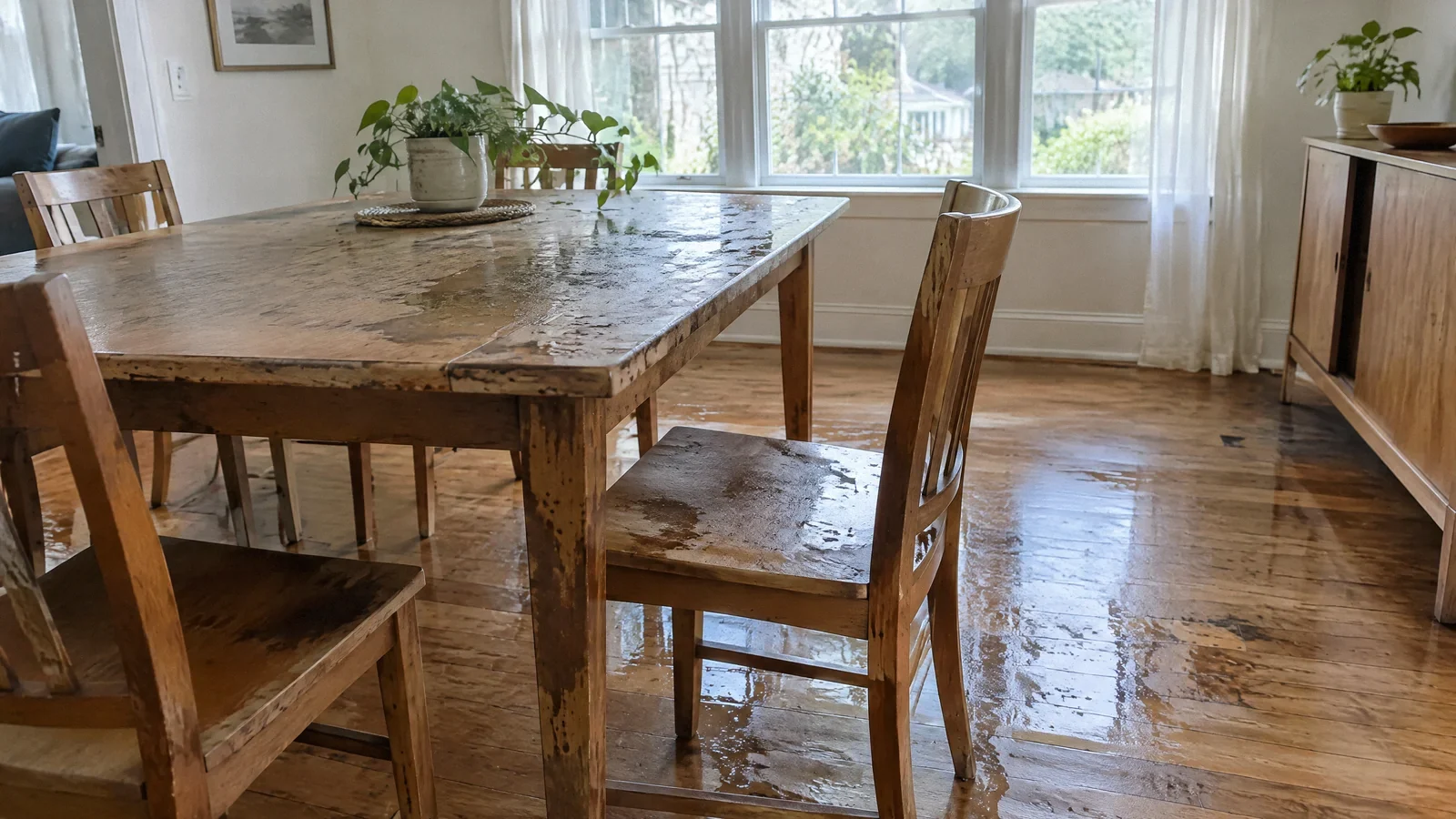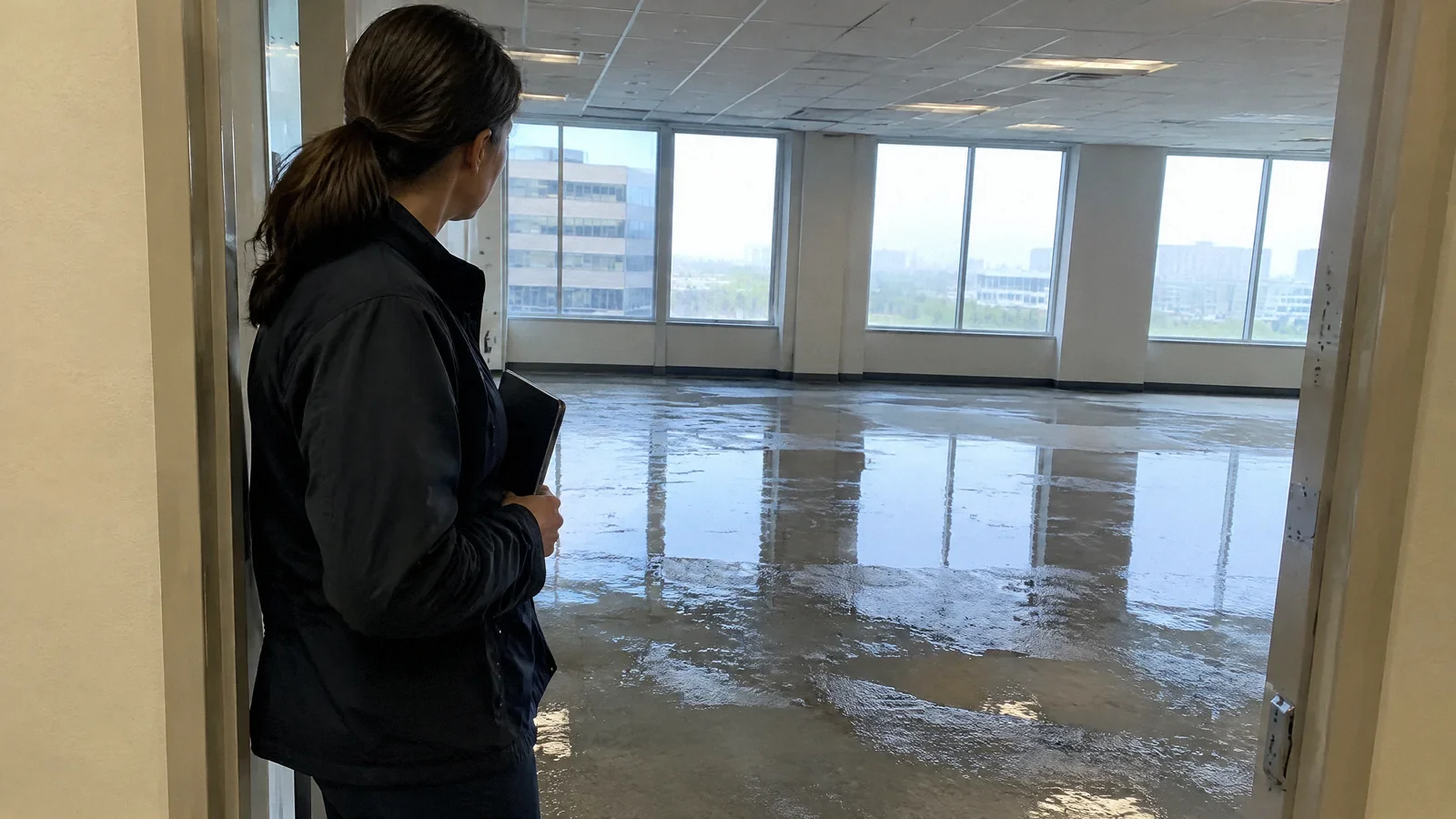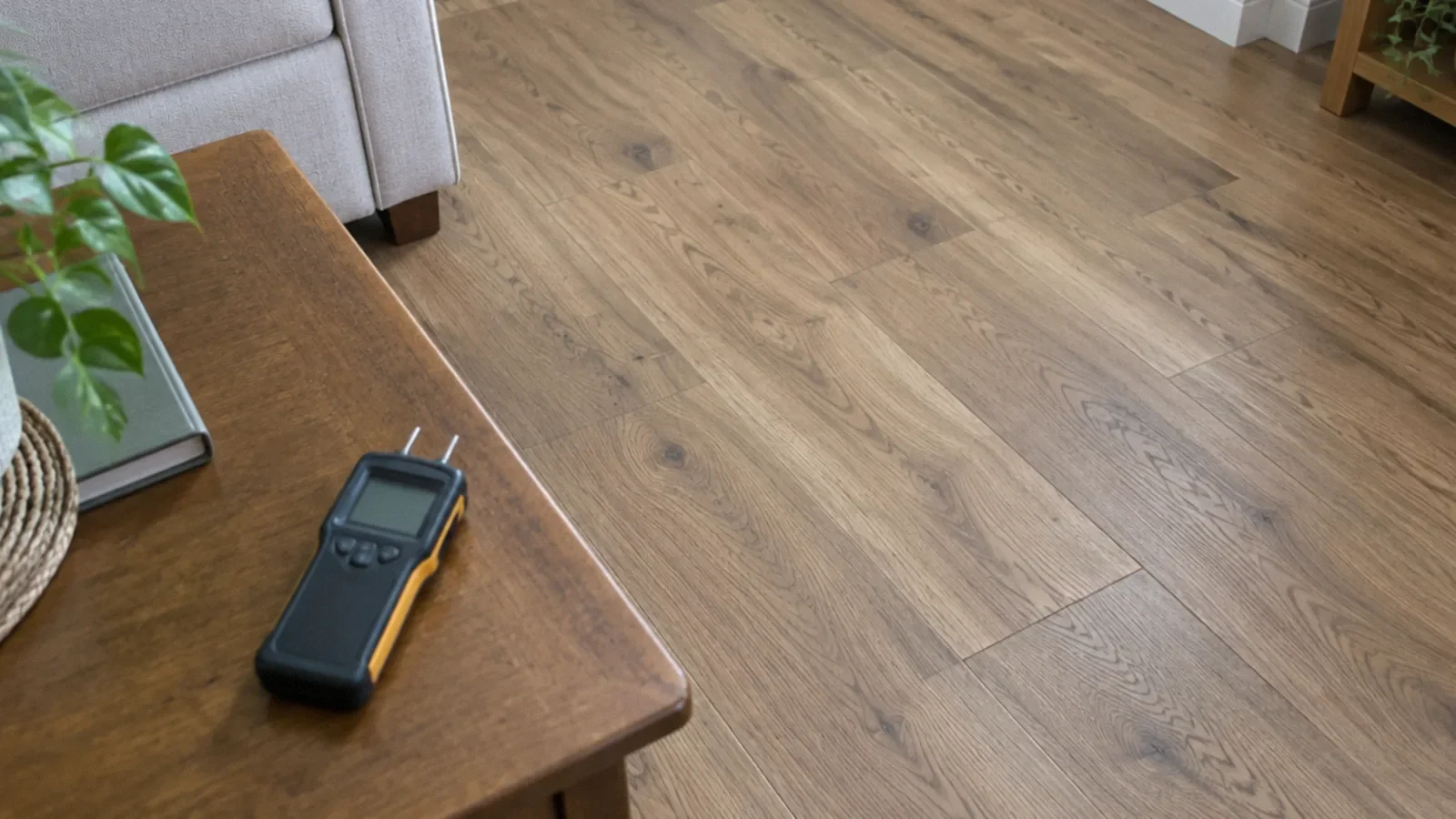
Water-Damaged Floors: How to Assess the Flooring and Subfloor
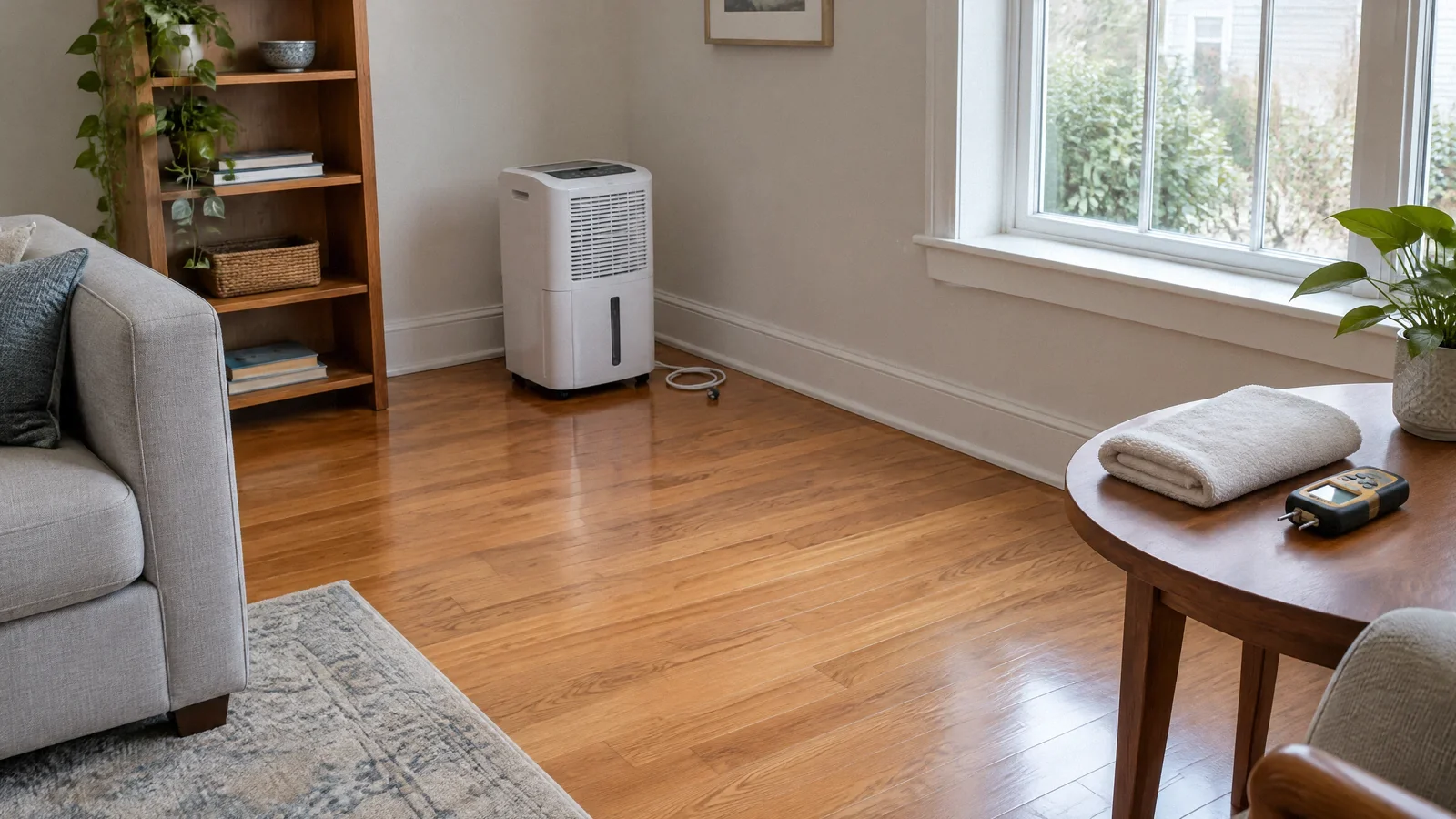
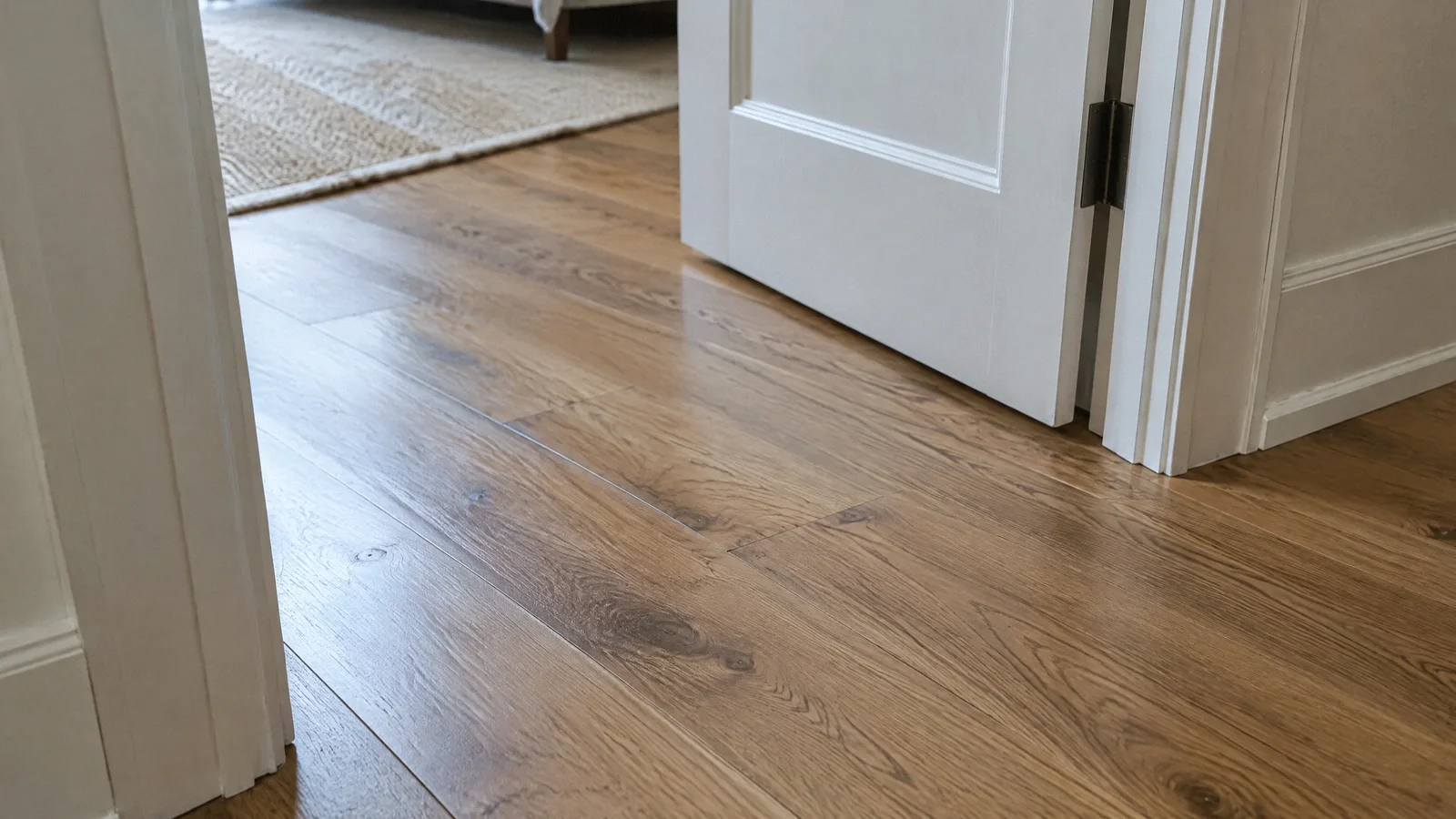
Learn how to identify the water source, assess flooring layers and decide when drying or replacement needs professional help.
Water intrusion, damage assessment and restoration decisions. Browse 74 detailed guides.
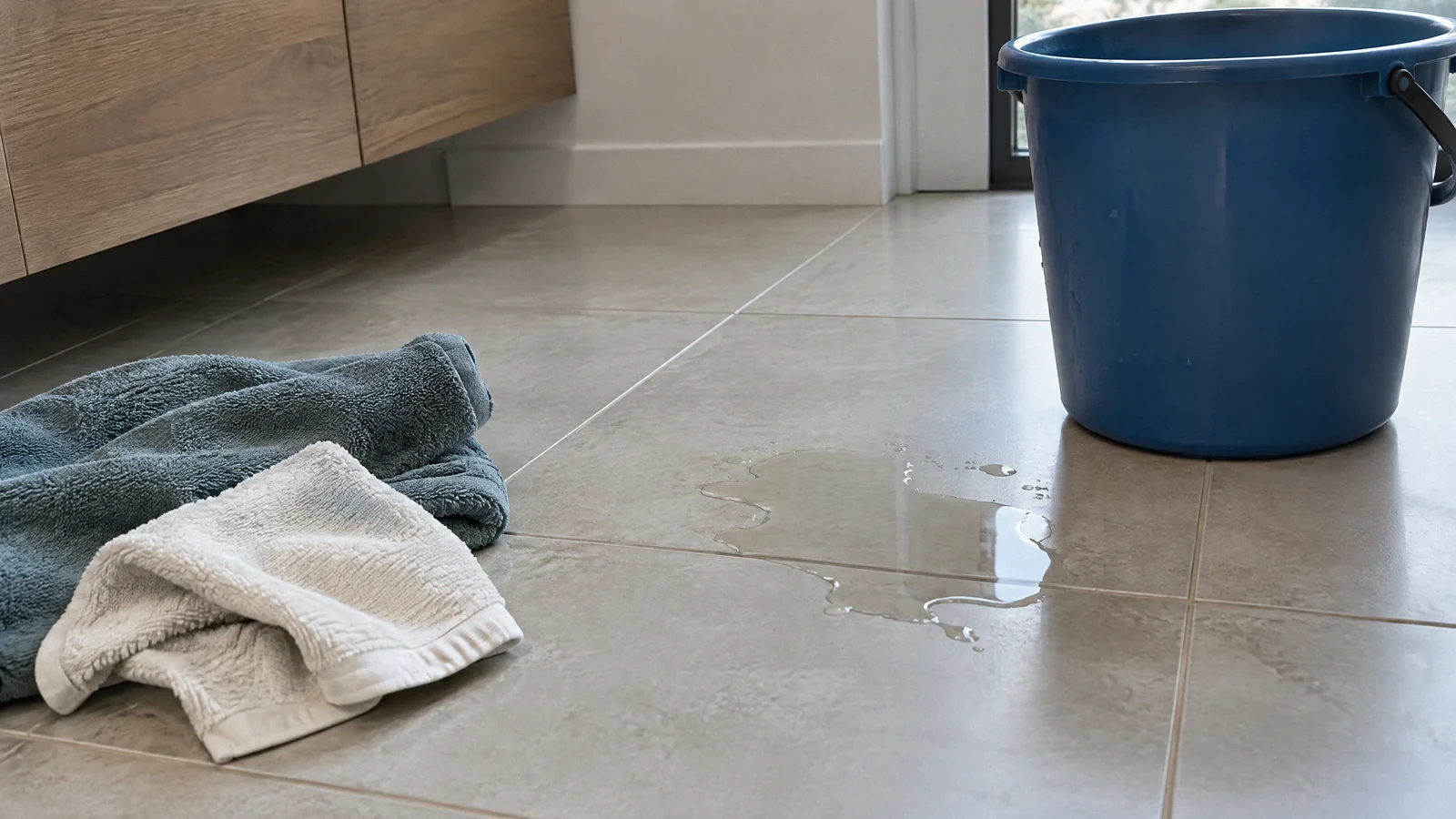
Learn how to identify the water source, assess flooring layers and decide when drying or replacement needs professional help.
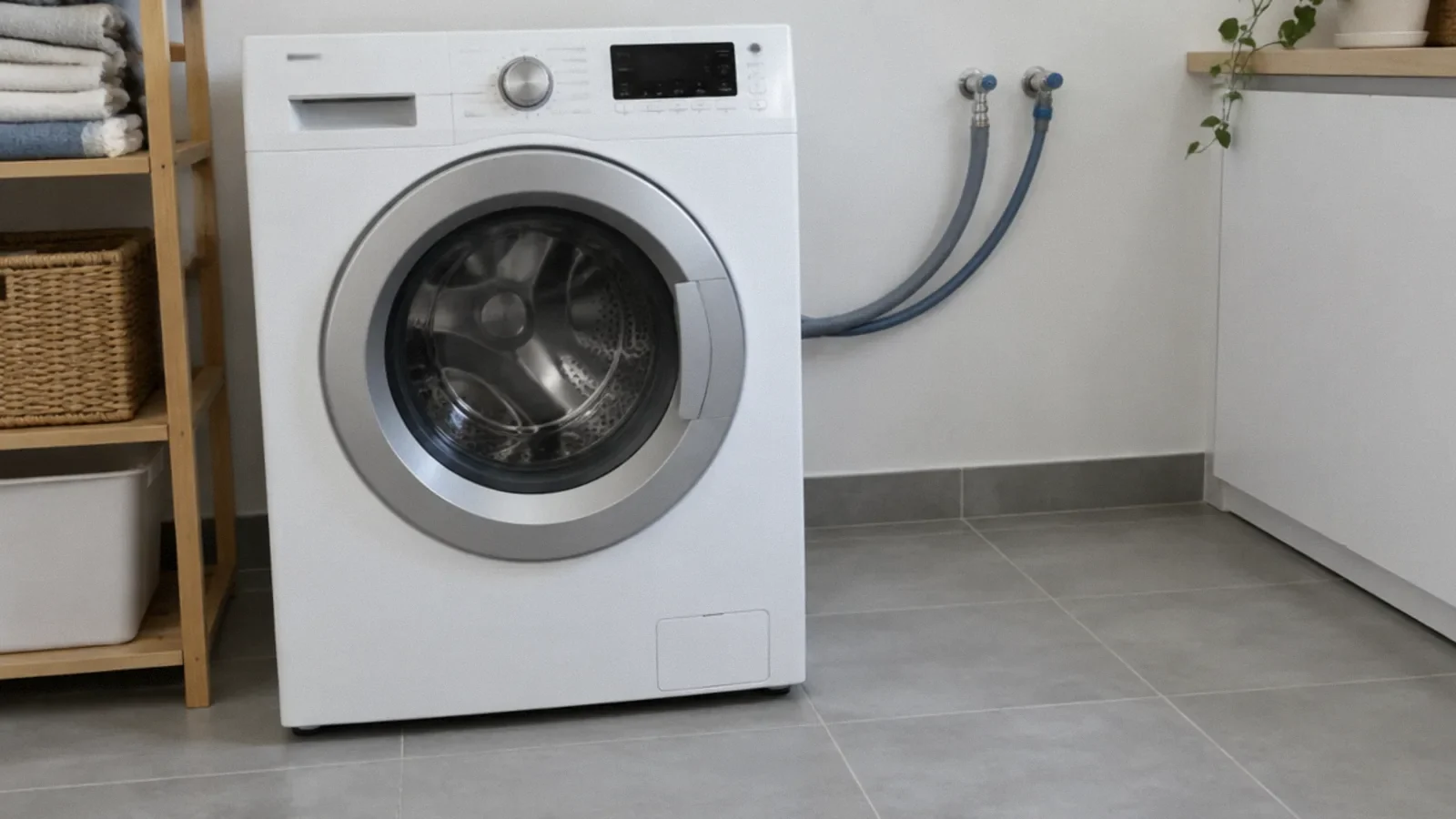
Learn how to respond to water under a washer and what hose, seal and drain clues to share with a technician.
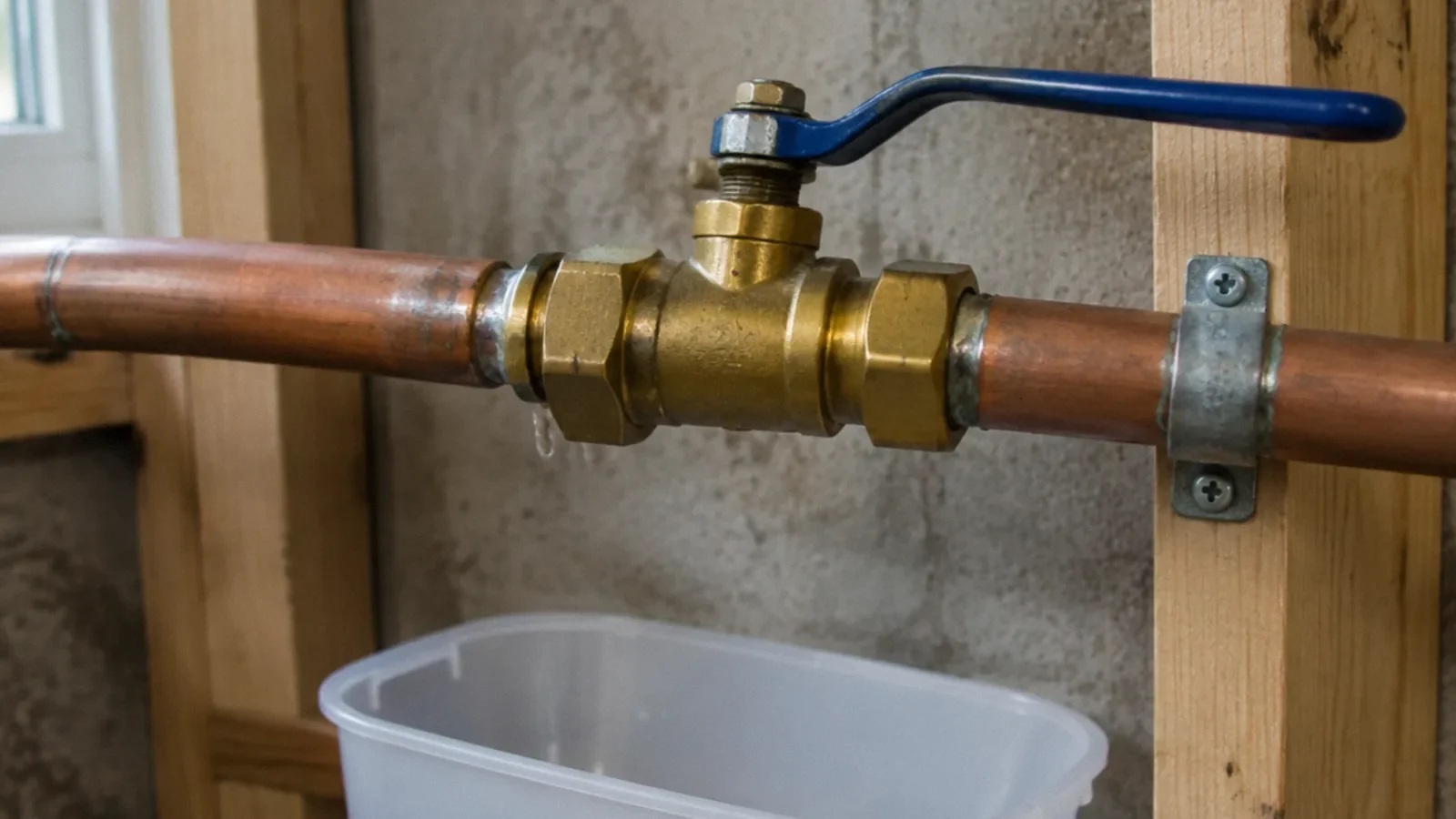
Identify a leaking water shutoff valve, reduce water damage safely and understand when a plumber or water utility needs to help.
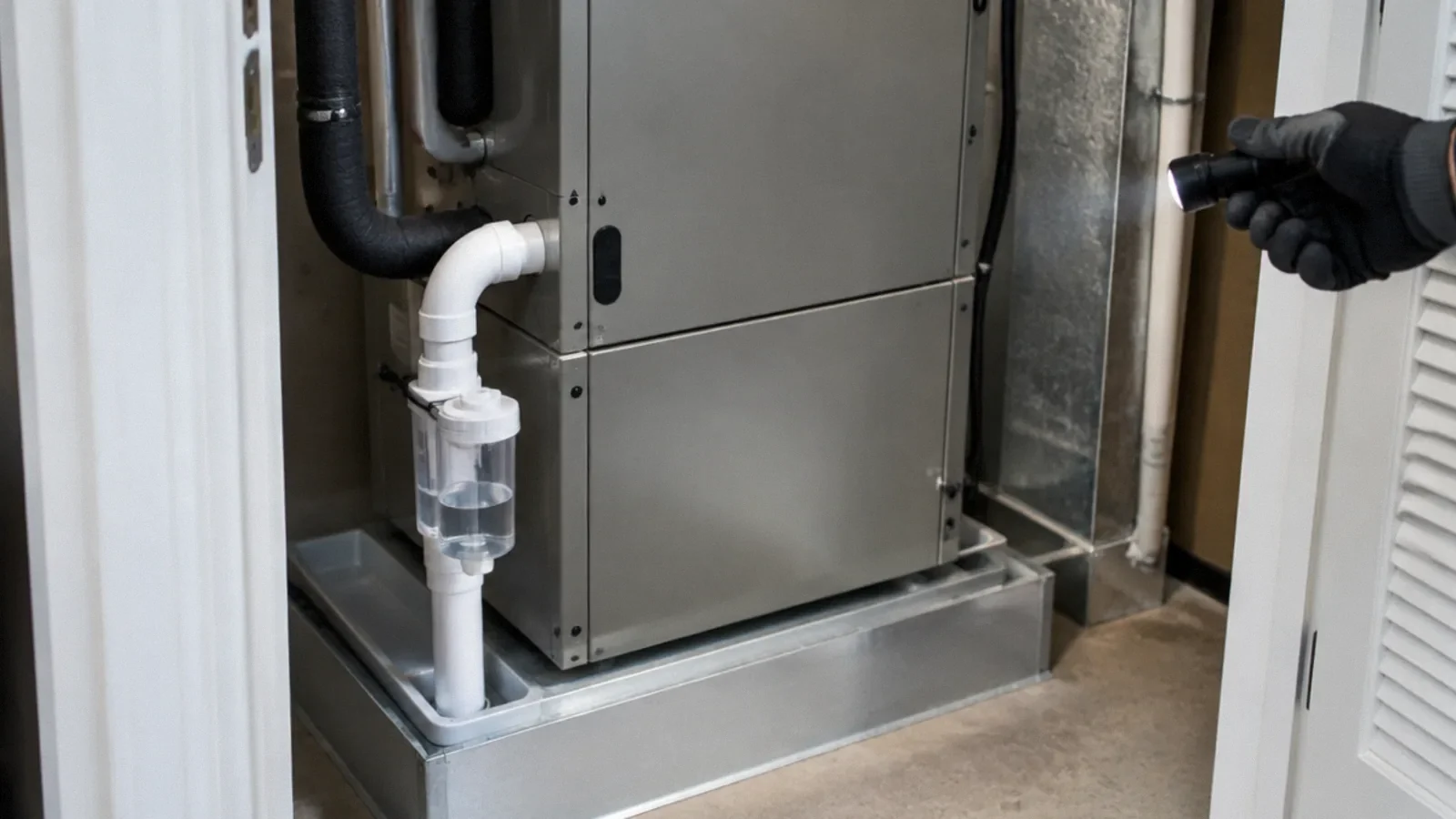
Learn how AC condensate drains work, what a blocked drain looks like, and when cleaning or repair requires an HVAC technician.
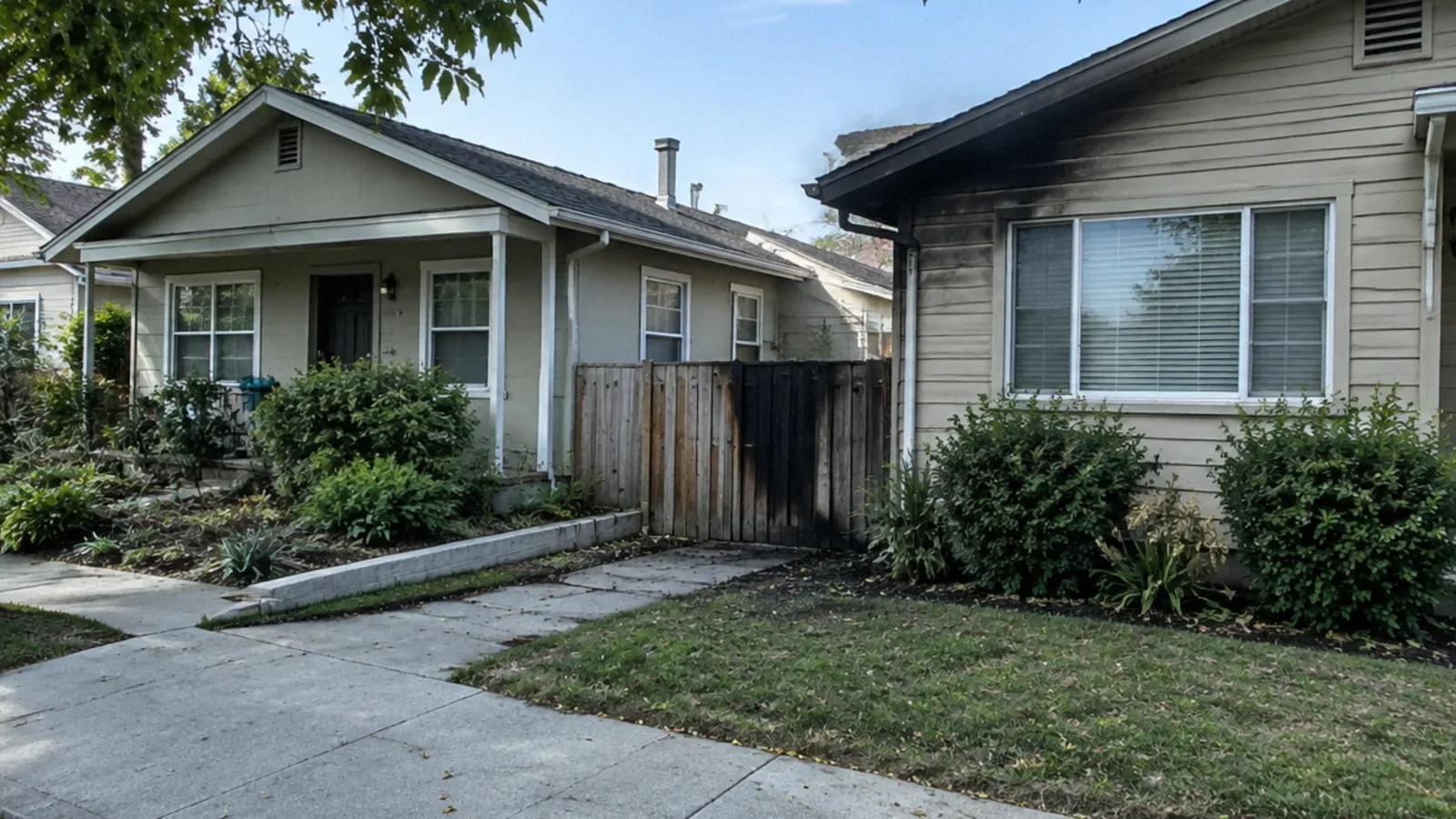
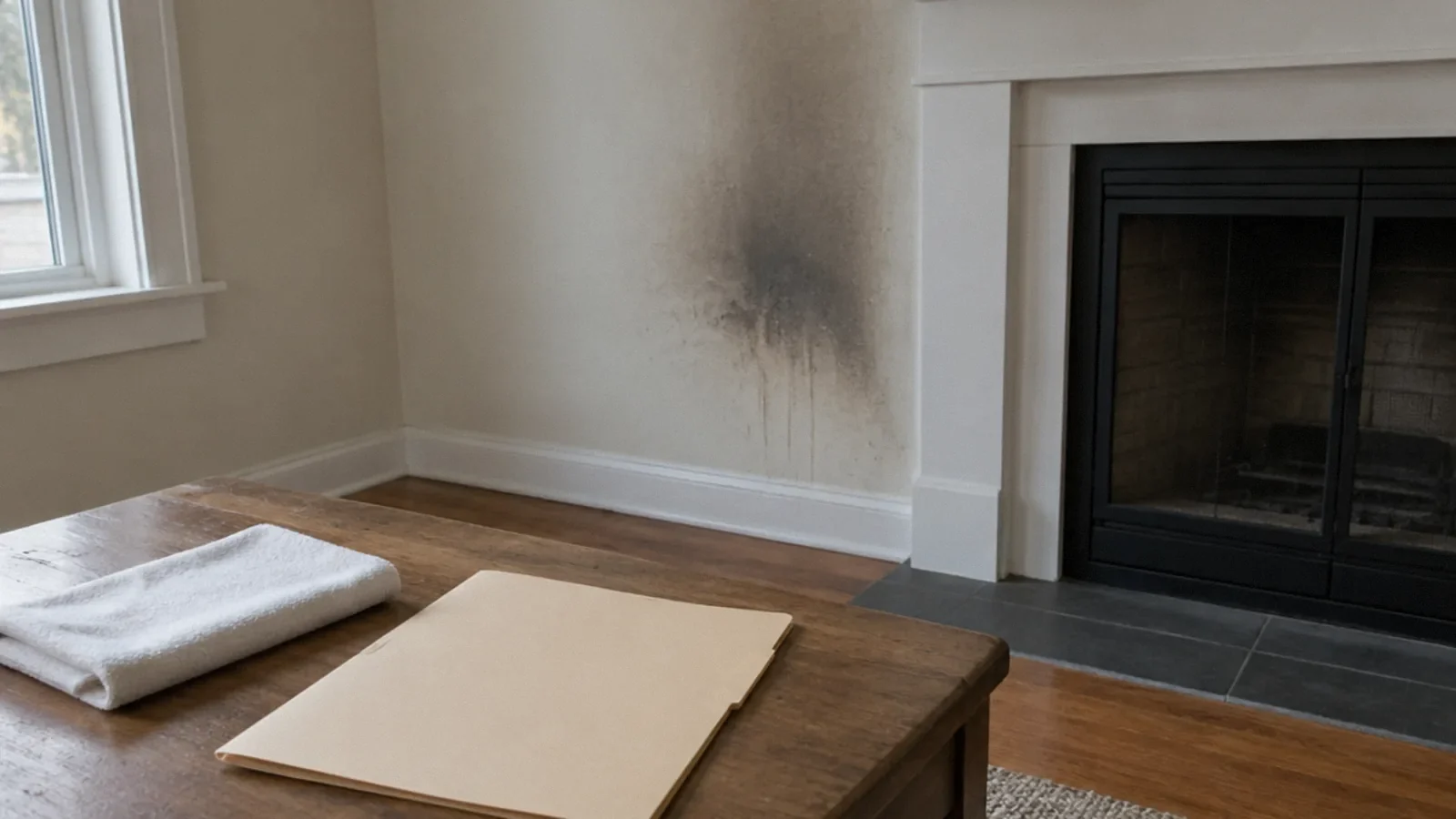
Understand the difference between property and liability coverage after a fire affects a neighbor, and how to document the loss without guessing fault.
Read water damage insurance claim statistics with their dates, policy population and limitations, plus practical steps after a leak.
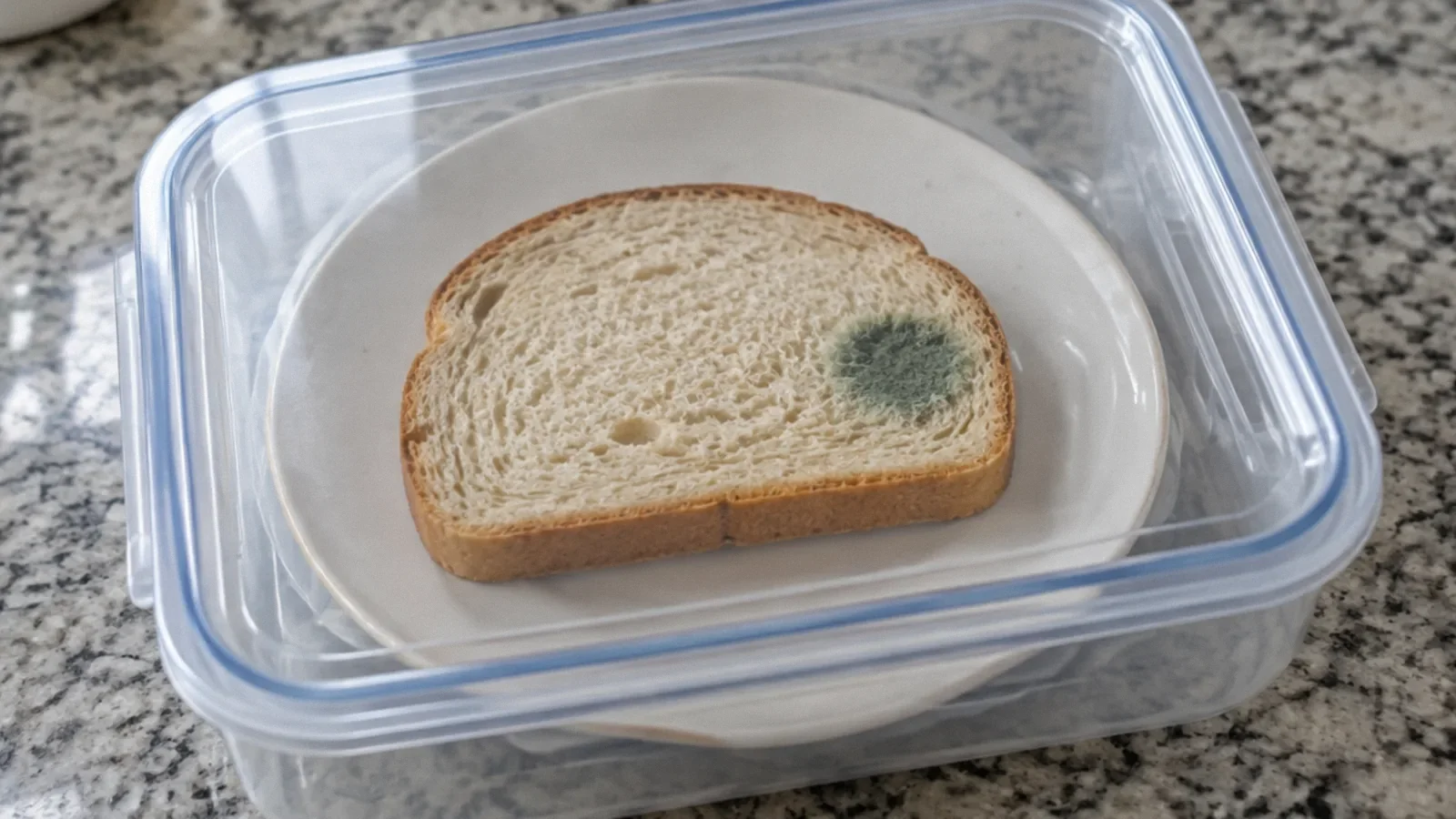
Learn why food develops mold, why its color cannot establish safety, and how USDA and FDA advise handling affected food.
Understand the limits of identifying mold by color, signs that need veterinary attention, and practical steps to keep pets away from damp areas.
See a graywater flow diagram, understand the sewer and landscape paths, and check California requirements before making changes.
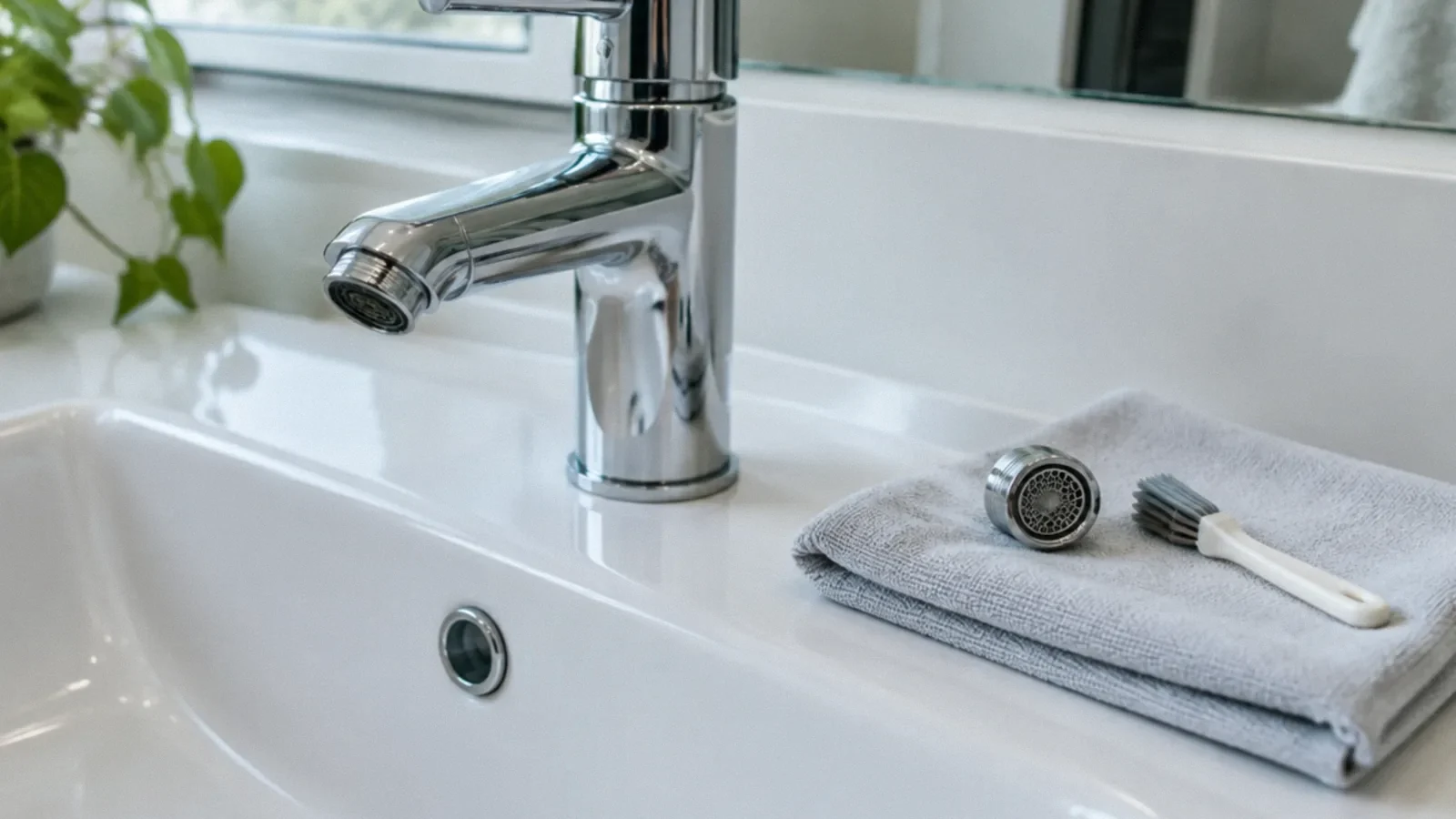
Distinguish buildup in a drinking-water fixture from drain slime and building mold, and learn when to call the utility or a professional.
Understand how covered causes, mold exclusions, policy limits and documentation affect a homeowners insurance mold claim.
Learn how under-sink grease traps and larger interceptors are maintained, what to ask a service provider and where to check local requirements.
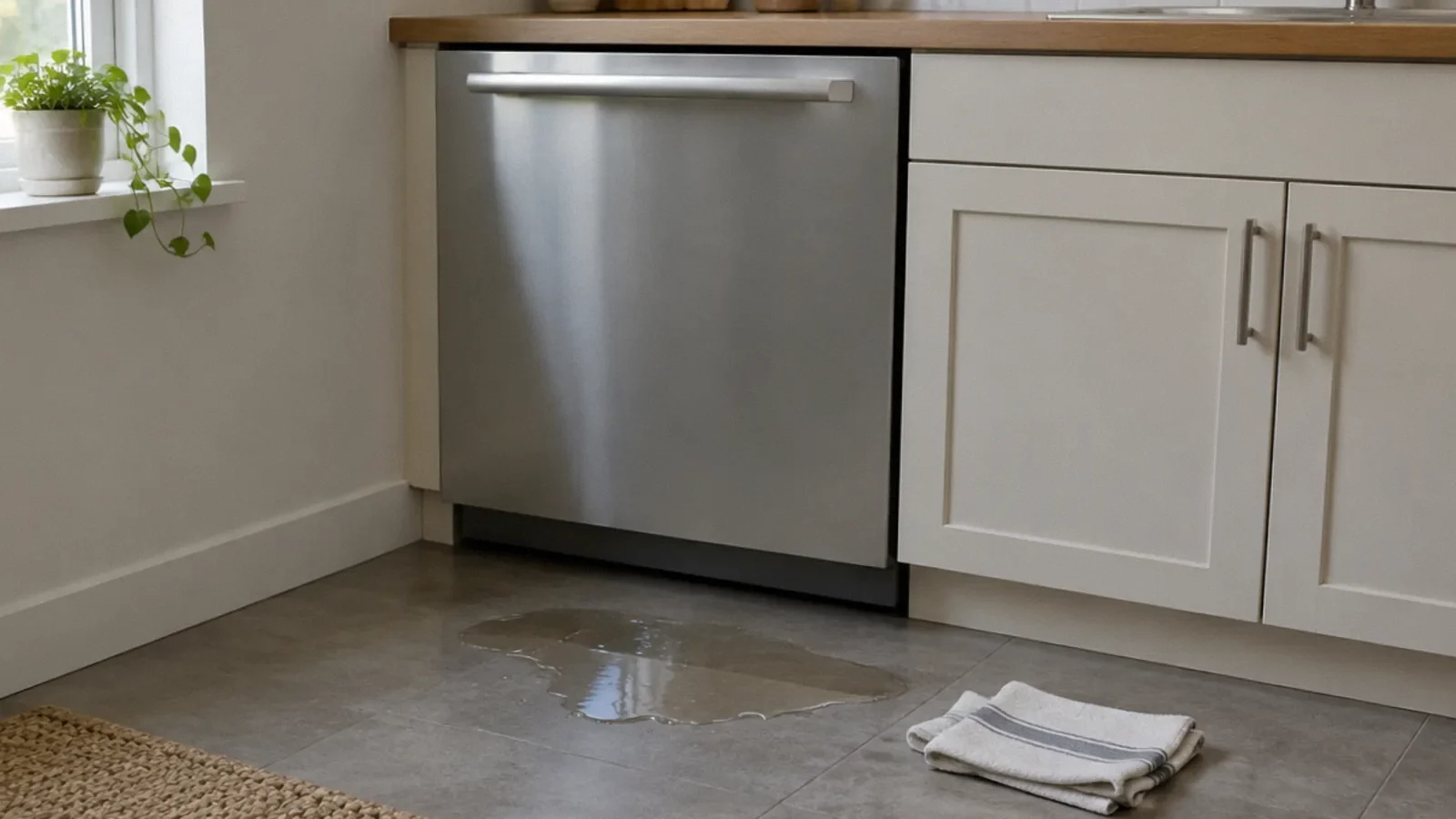
Learn how to respond to a leaking dishwasher, distinguish possible causes and check for hidden water damage without risking electrical shock.
Compare a home warranty service contract with insurance and learn what to ask about plumbing exclusions, limits and service authorization.
Learn the first steps after a commercial fire, what records may support a property claim and how business interruption coverage differs.
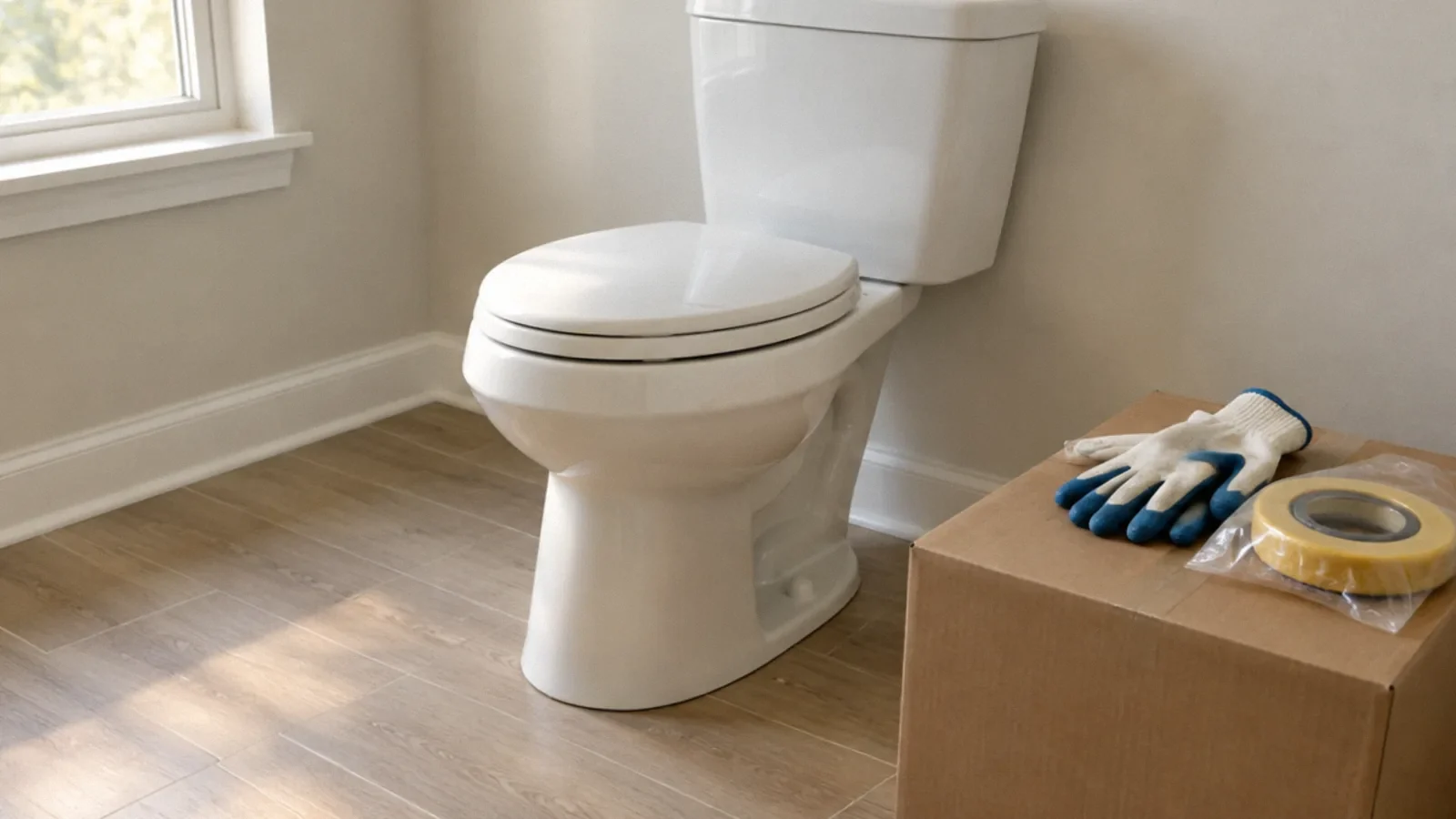
Understand toilet installation steps, the floor flange and seal, safety considerations and when to call a plumber.
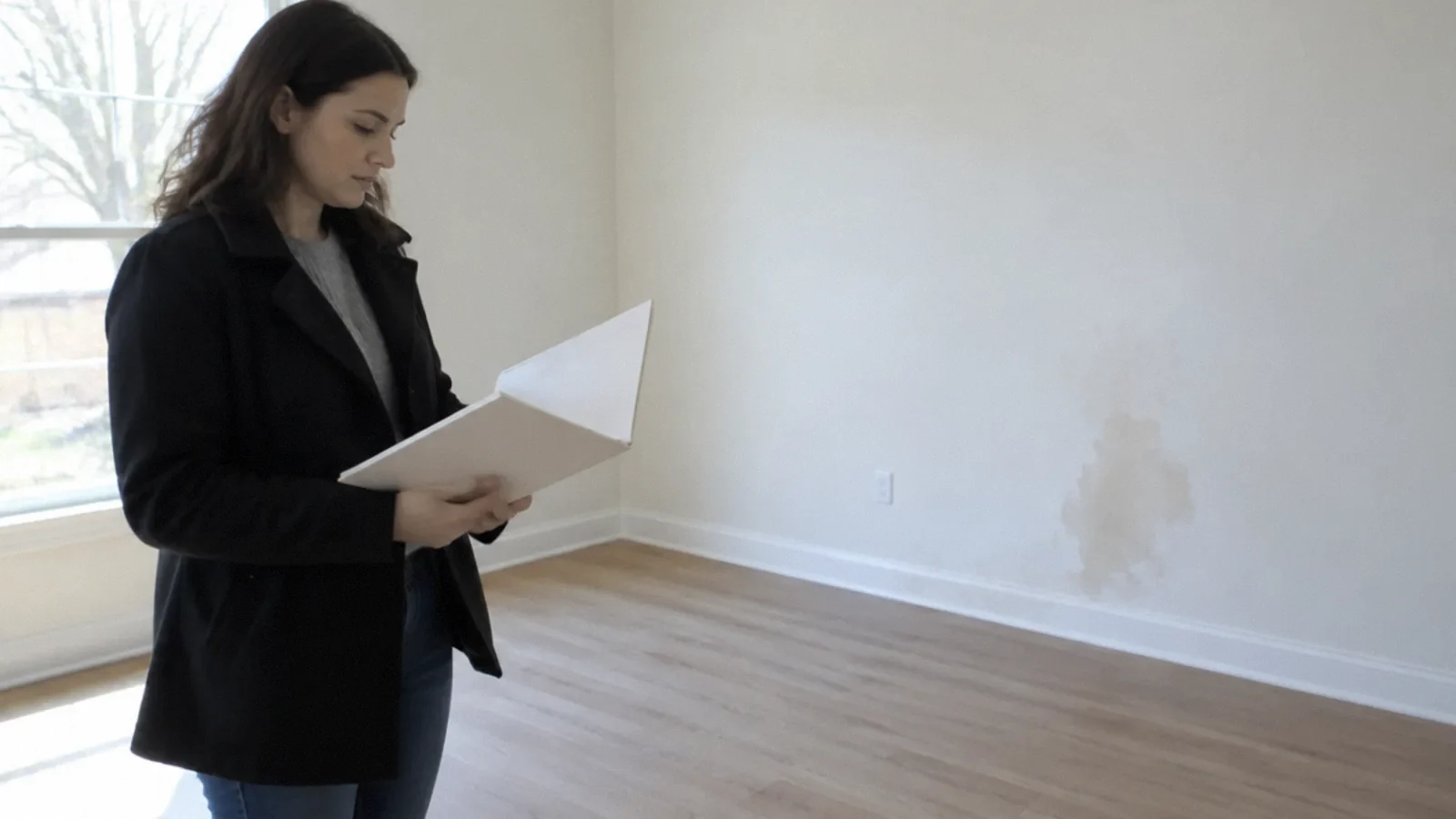
Evaluate the water source, affected materials, repair scope and purchase-contract deadlines before deciding whether to proceed with a home purchase.
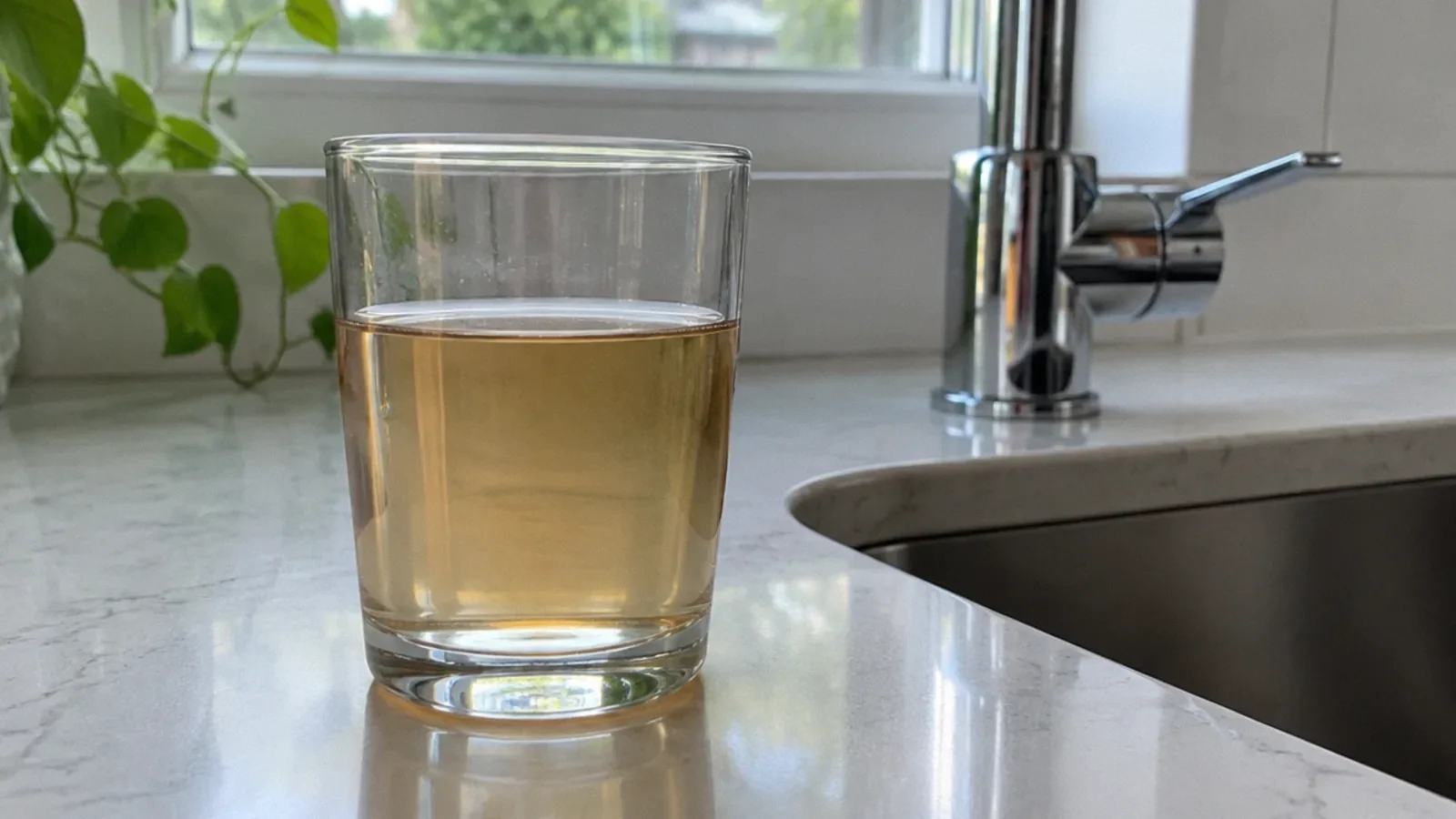
Learn how to document discolored water, distinguish possible utility and plumbing clues, and follow water-safety guidance.
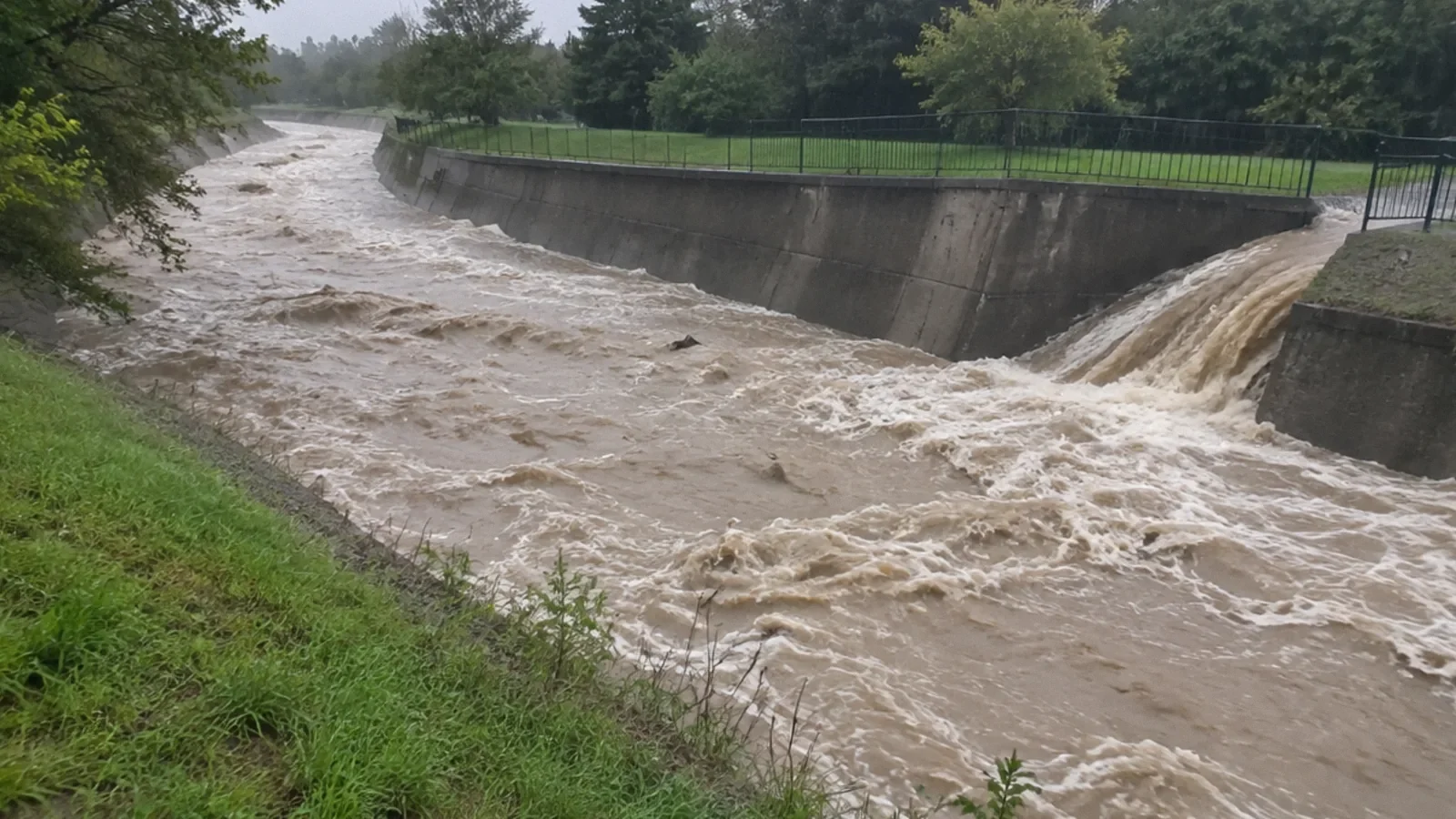
Understand flash floods, common causes, watches and warnings, and the safety steps recommended by the National Weather Service.
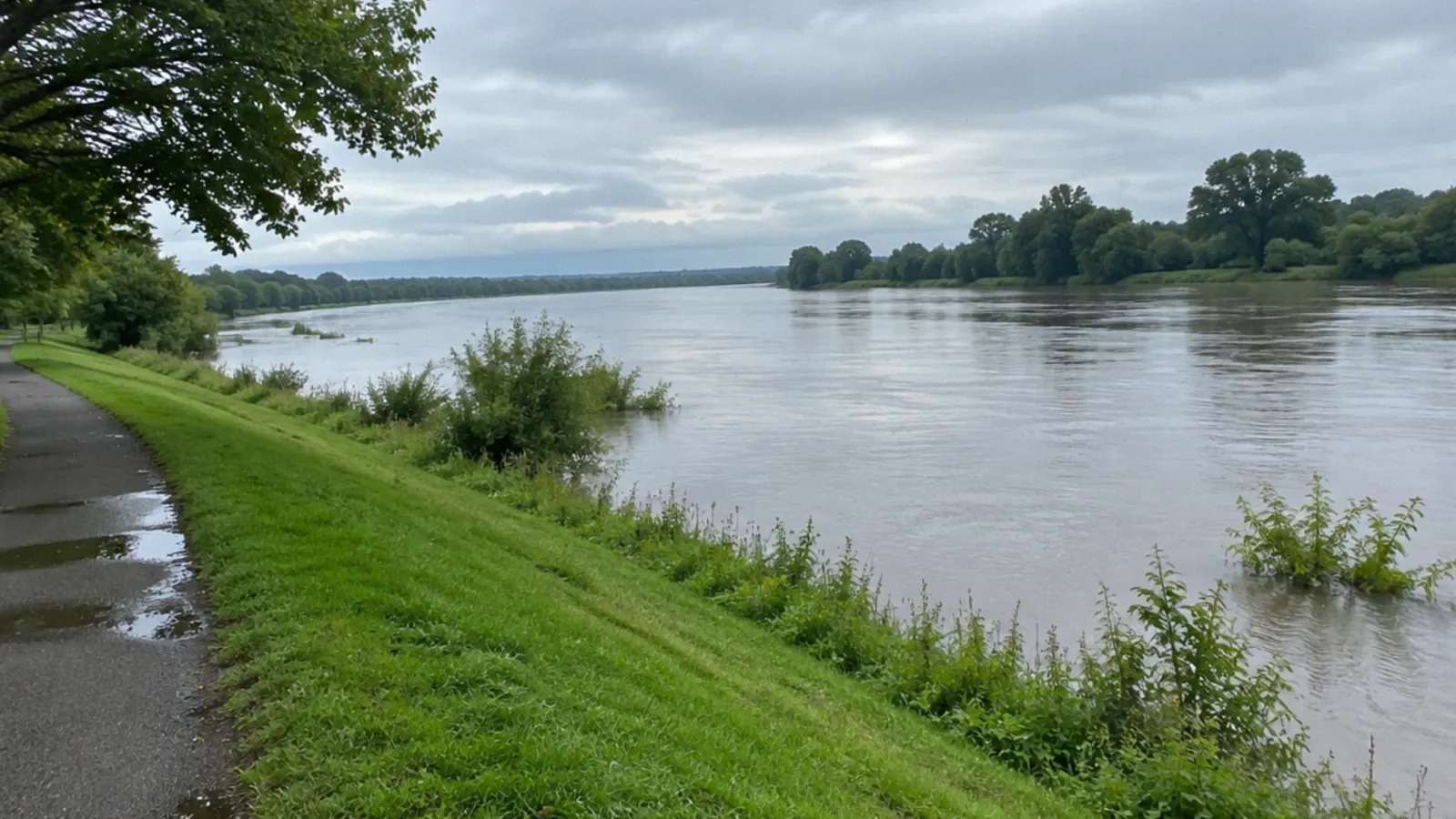
Learn what river stage and flood stage mean, how categories vary by gauge and why warnings matter more than a single number.
Compare dated national smoke-remediation estimates, understand cost drivers and ask for an itemized local scope.
Learn how to verify a California plumber, compare written scopes and ask about service calls, flat rates and emergency fees.
Understand the factors in a flooded car repair estimate, when a vehicle may be a total loss and how auto insurance can apply.
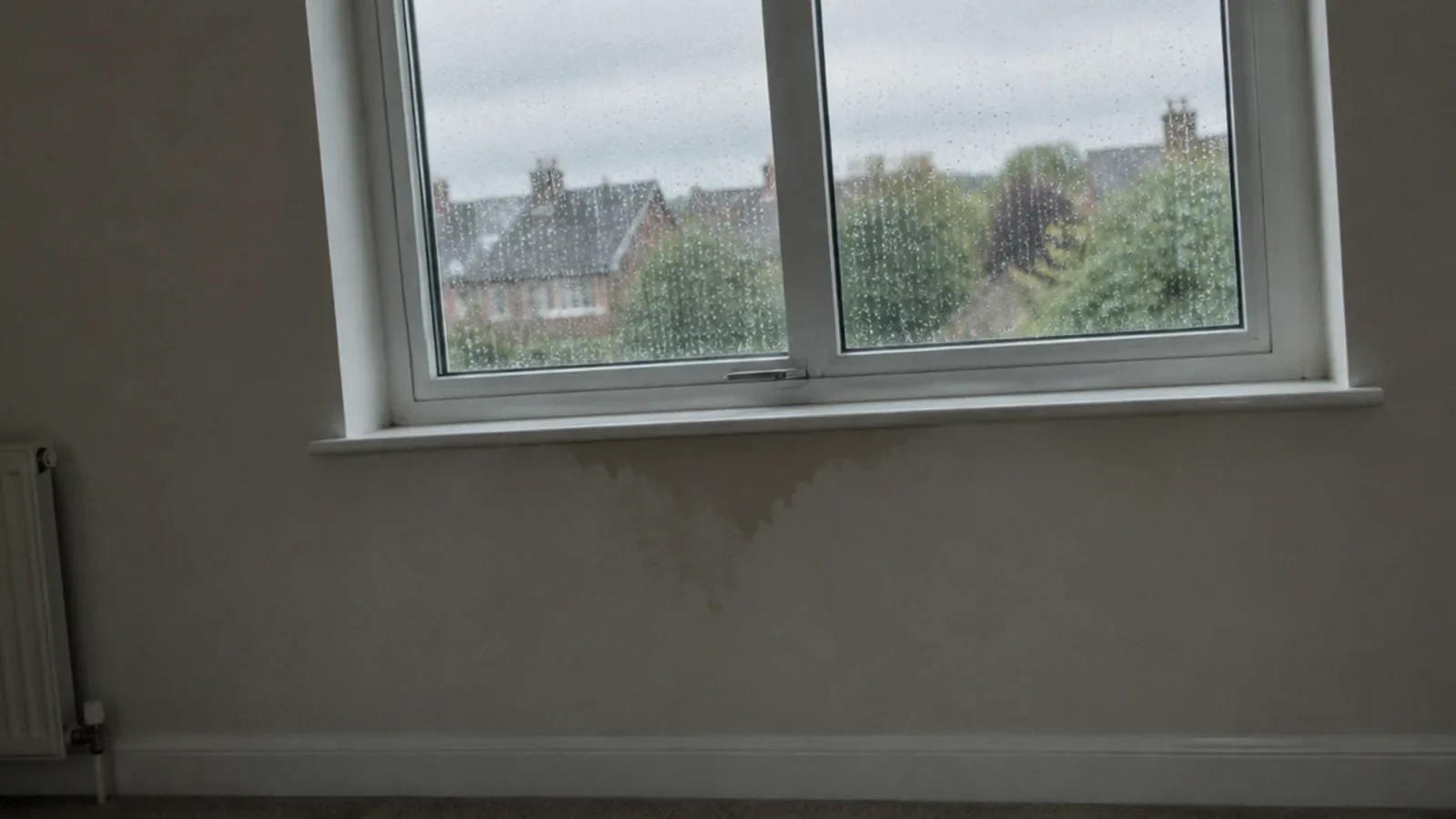
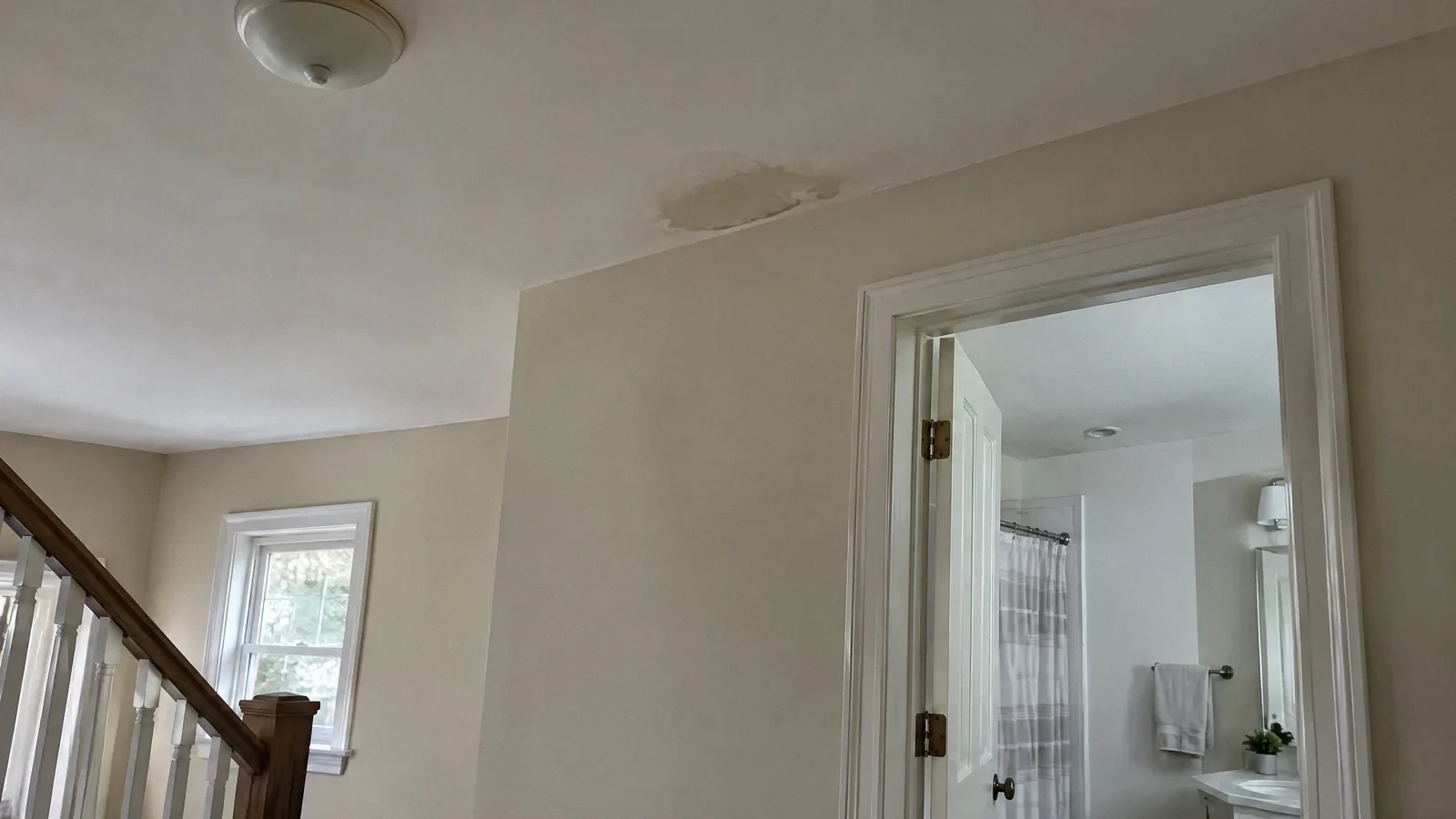
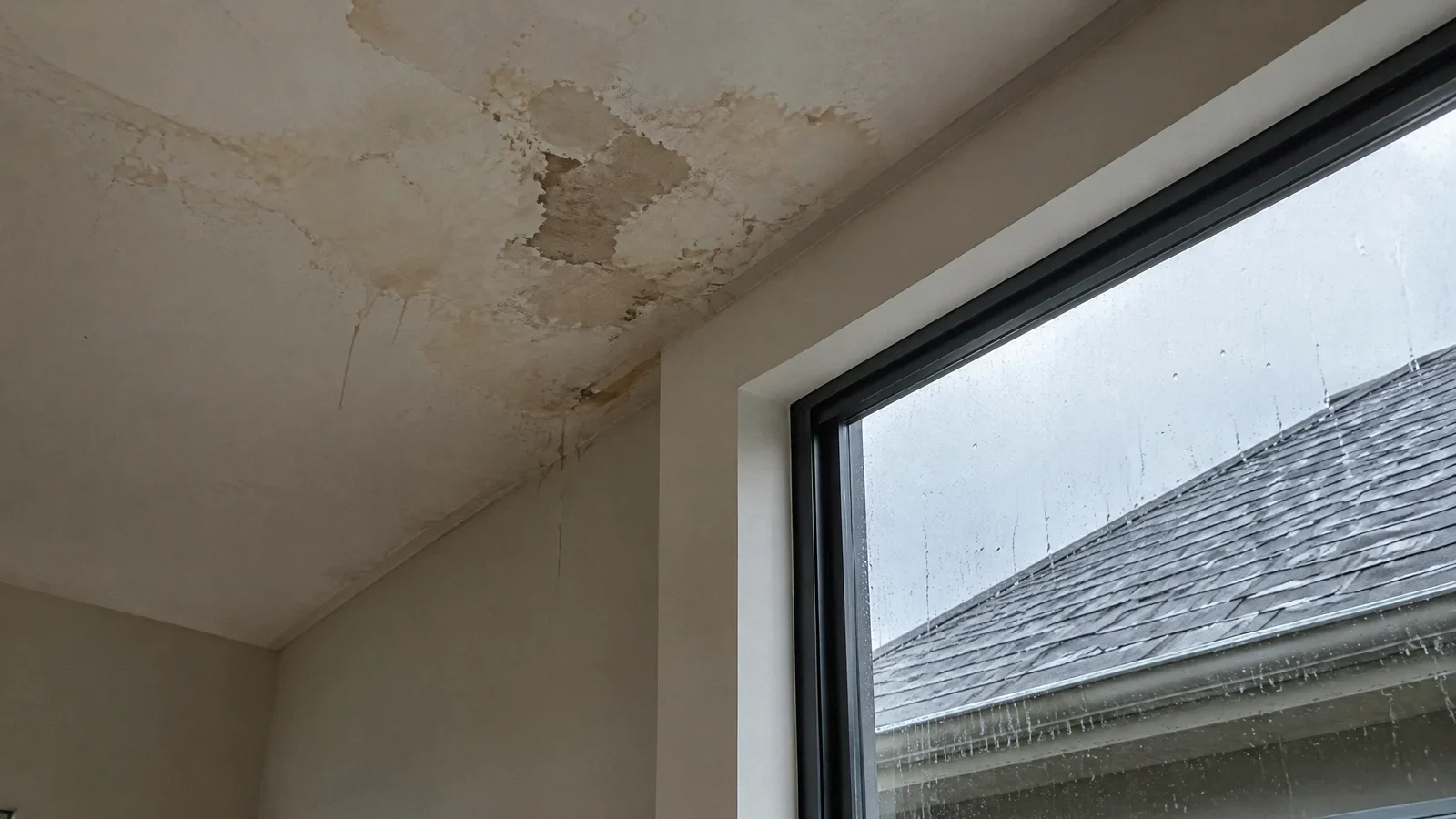
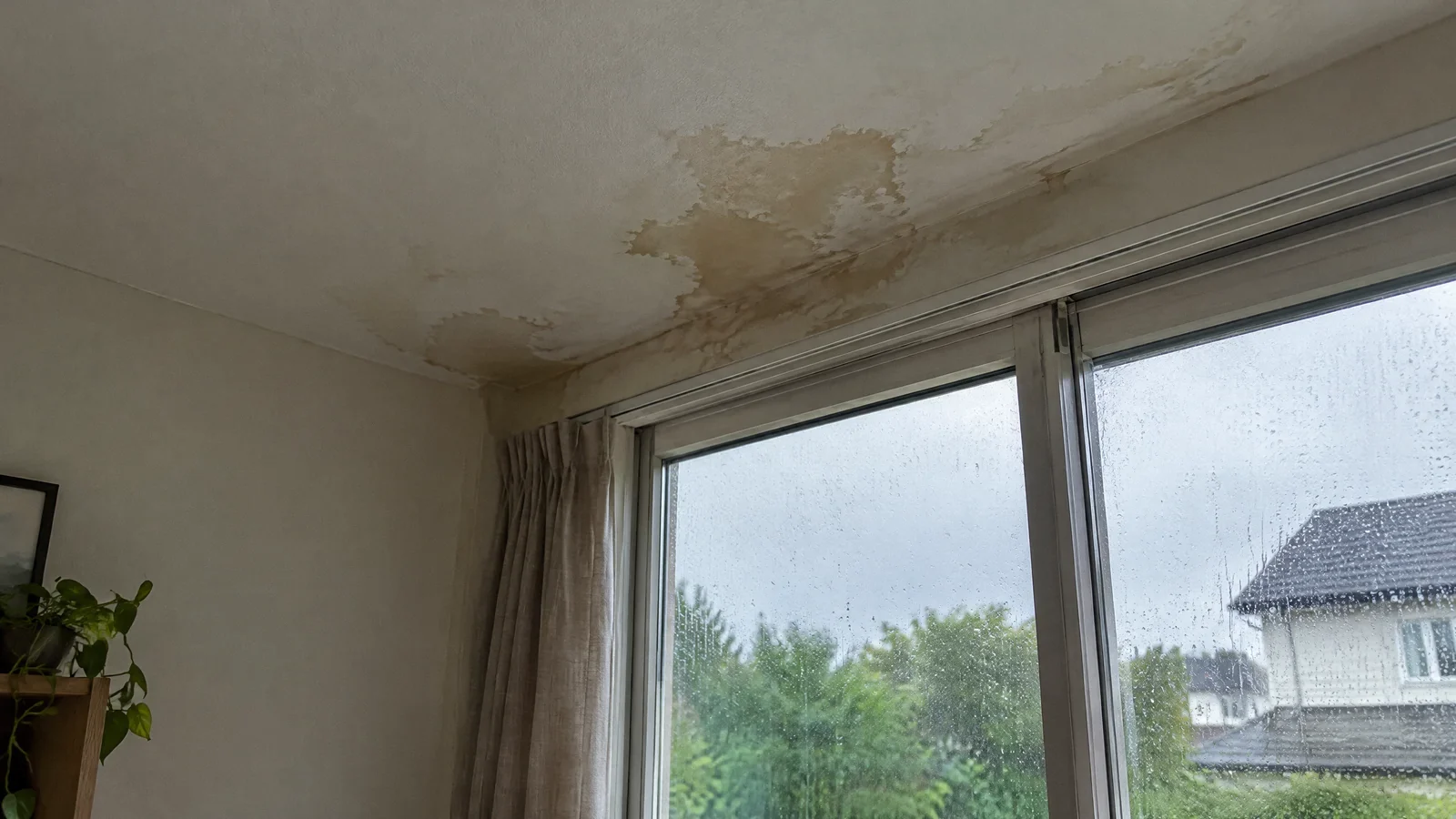
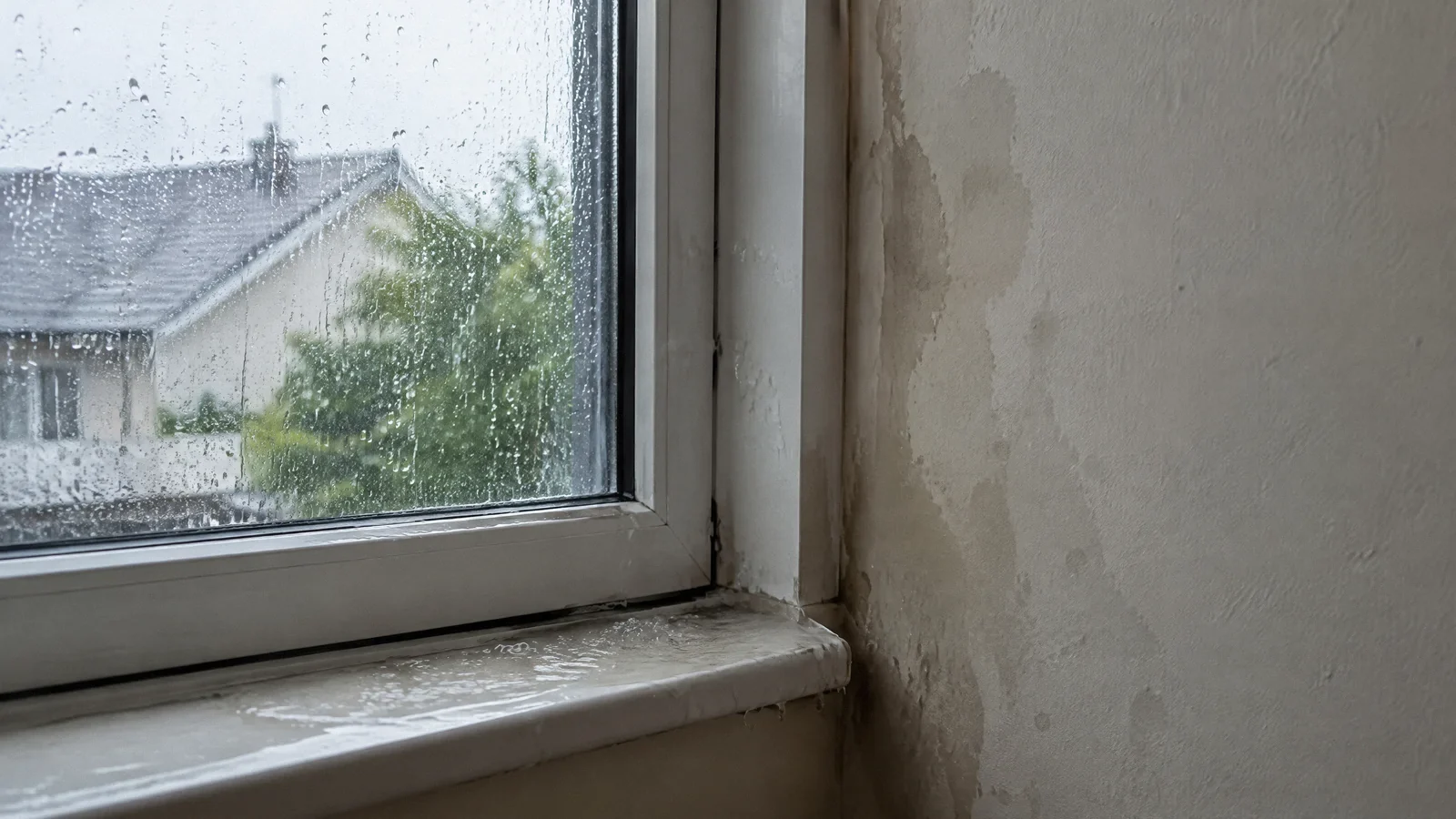
Trace possible rainwater entry around walls, roofs and windows, protect the room and understand why the visible stain may not mark the source.
Learn when California contractor licensing rules can apply to construction and repairs, how to check a license and what to ask about the scope.
Plan a practical deep clean for a living room, kitchen and other spaces before a move, holiday or home sale, with safe product and moisture advice.
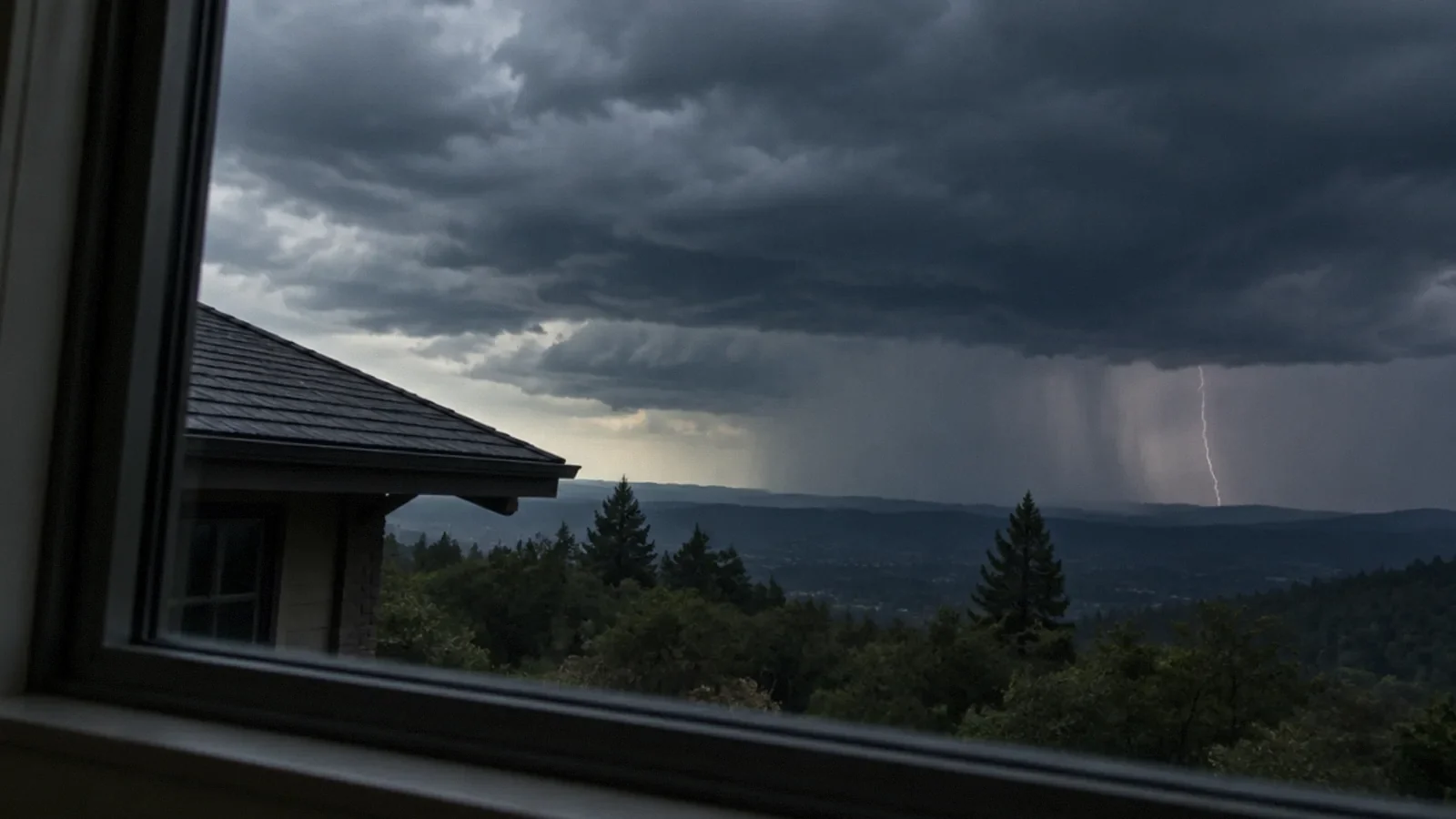
Learn when to seek shelter, what to avoid inside a home or vehicle and what to do after a nearby lightning strike.
Understand fire-resistant roof, siding and vent choices, tested assemblies and the limits of any single product during a wildfire.
Learn why a mothball odor needs attention, how to reduce exposure and when to seek poison-control or disposal guidance.
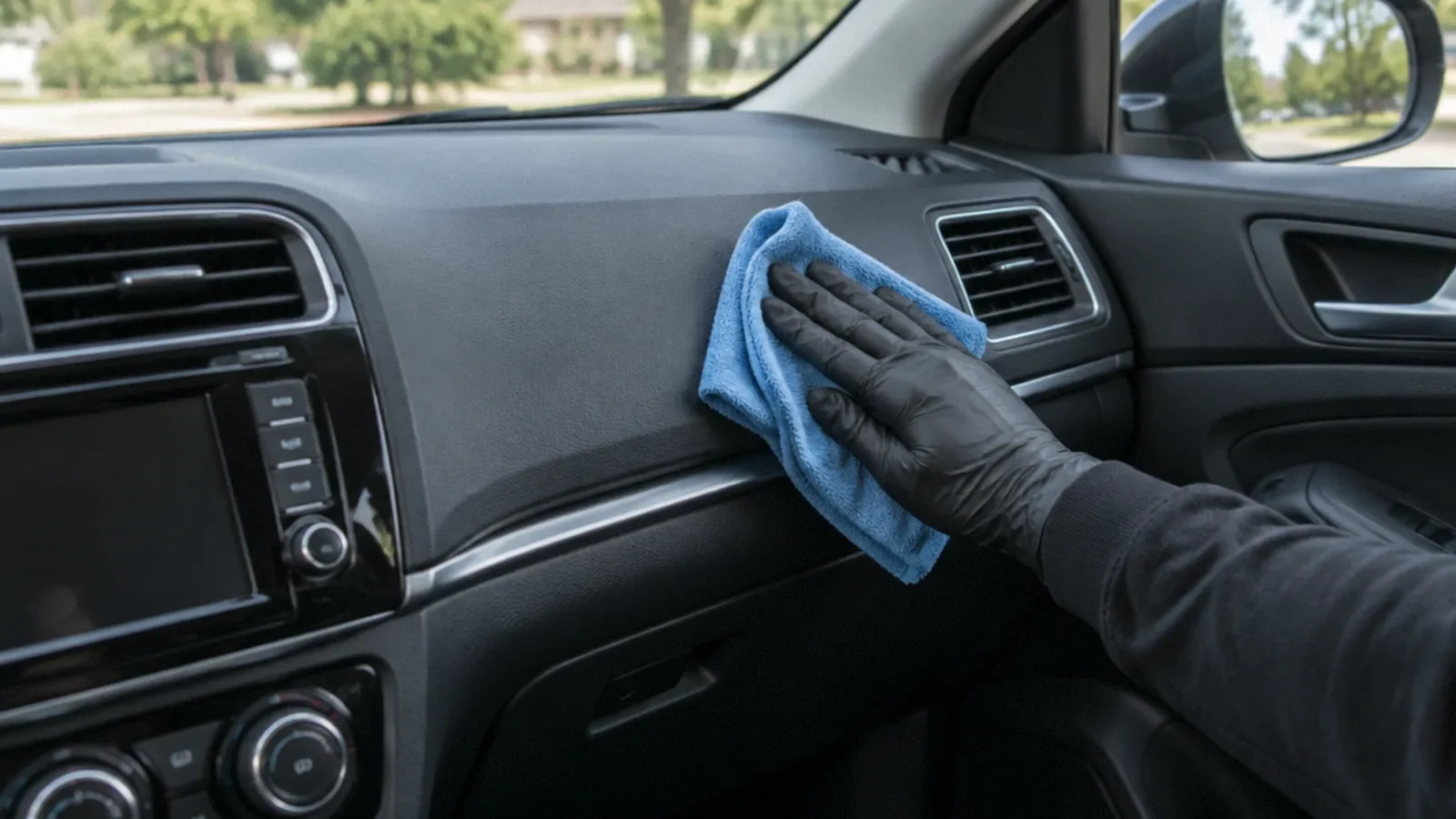
Find possible sources of tobacco odor in a vehicle and clean its surfaces carefully without promising that fragrance or ventilation eliminates exposure.
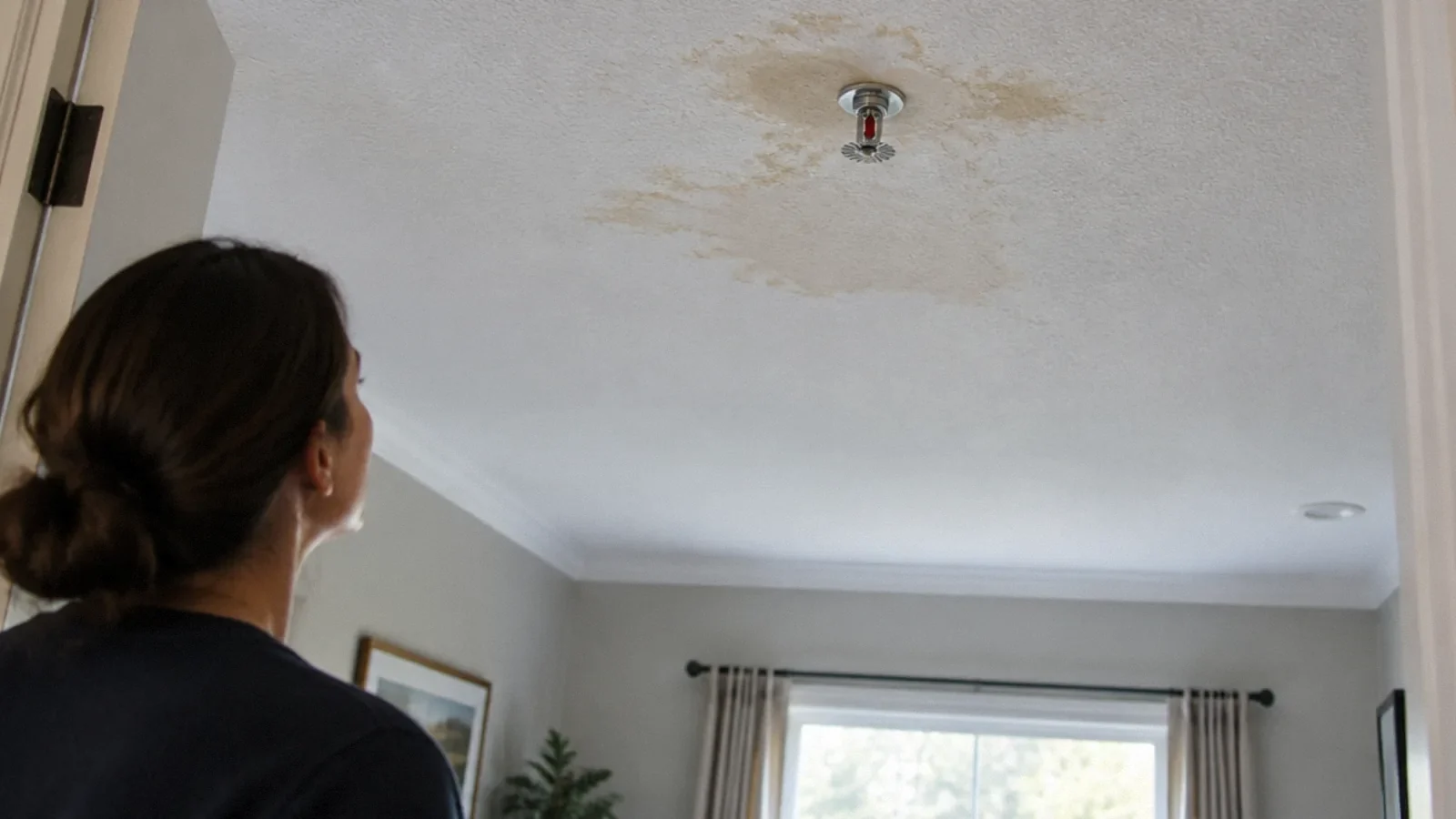
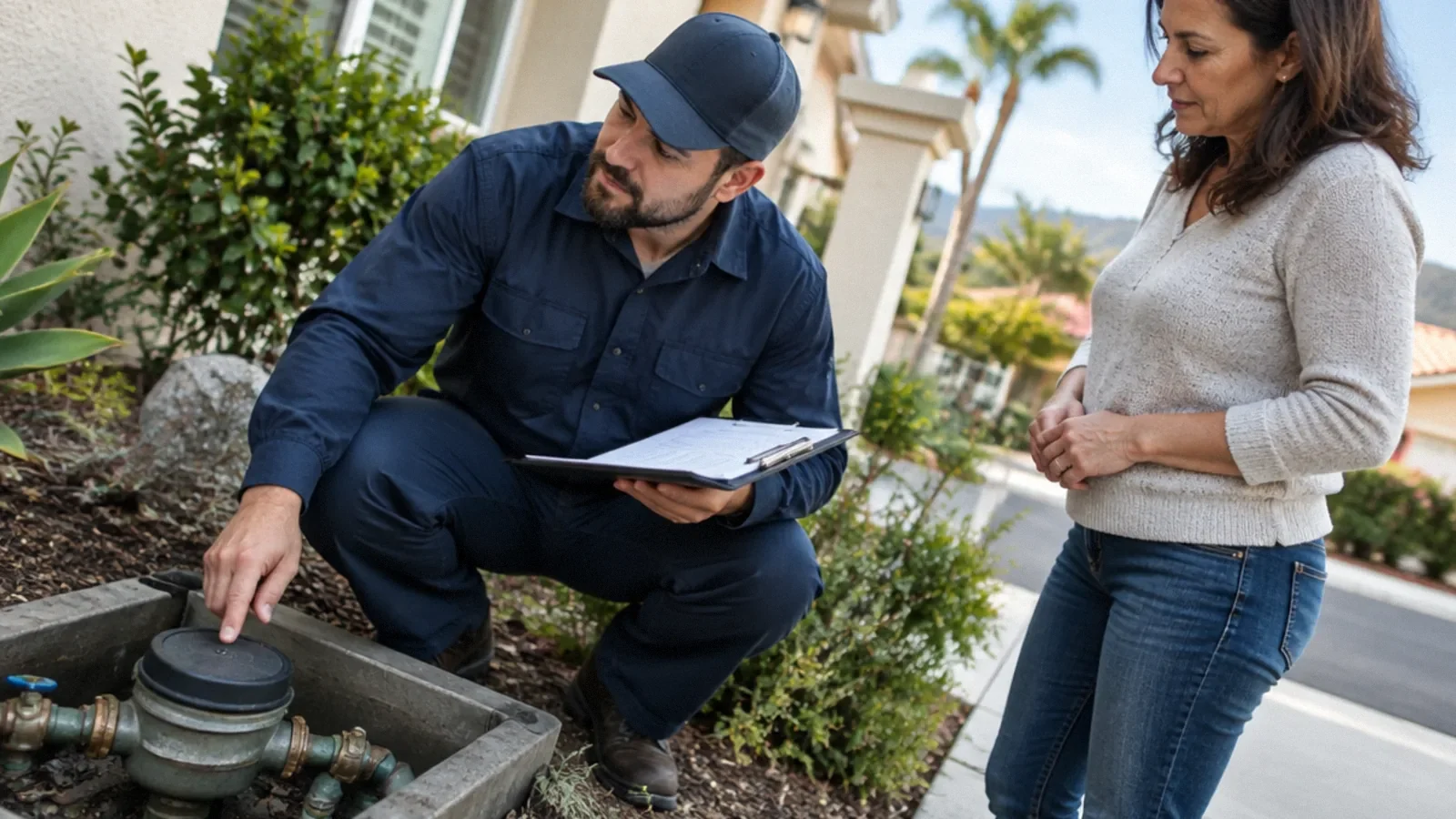
Distinguish fire-protection sprinklers from landscape irrigation and learn safe first steps, repair coordination and damage documentation.
Understand how a leak affects the water bill, plumbing repair and water-damage restoration, and compare an itemized estimate.
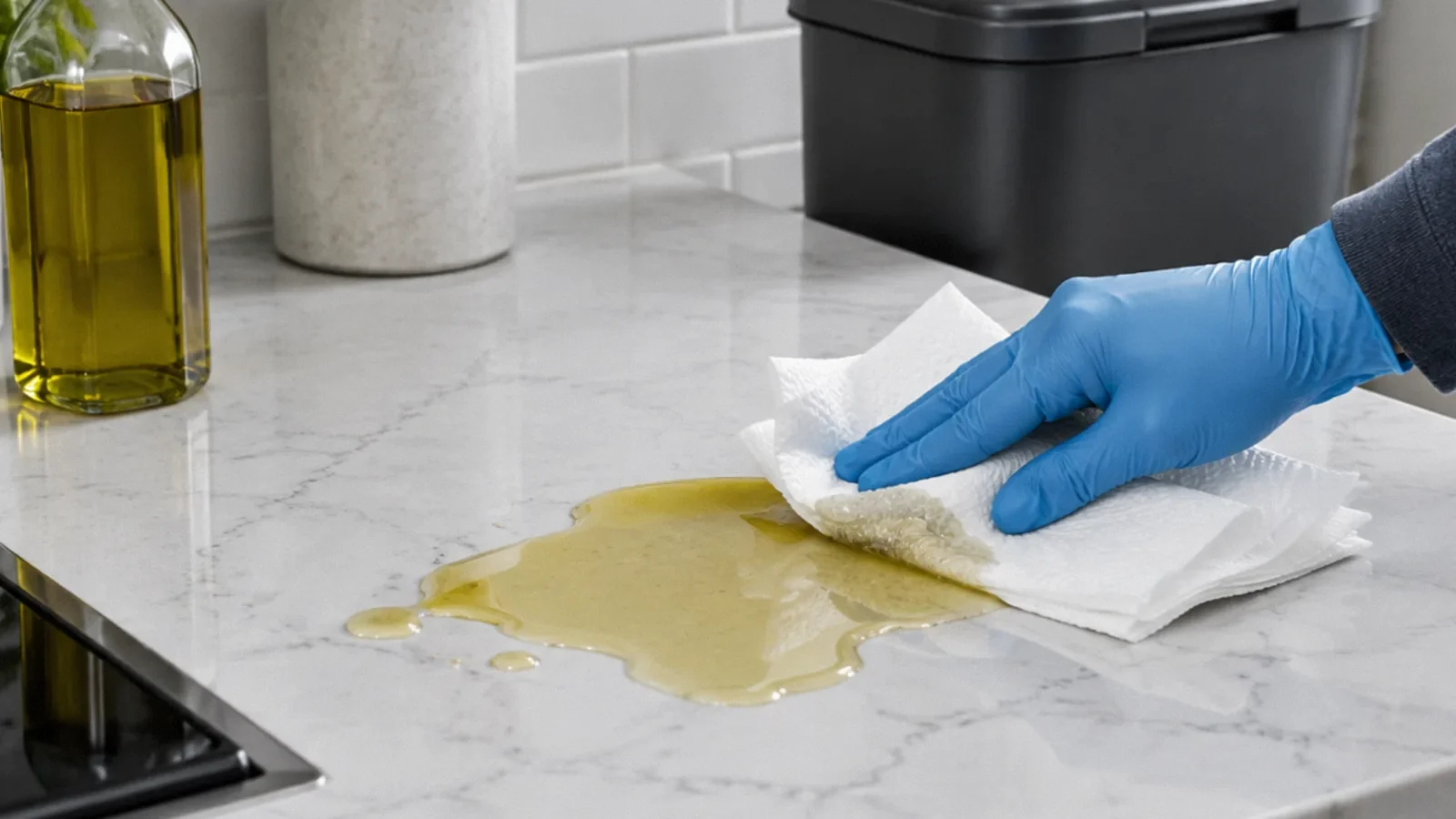
Clean a small cooled cooking-oil spill with surface-appropriate methods, and know when a spill, stain or fire needs a different response.
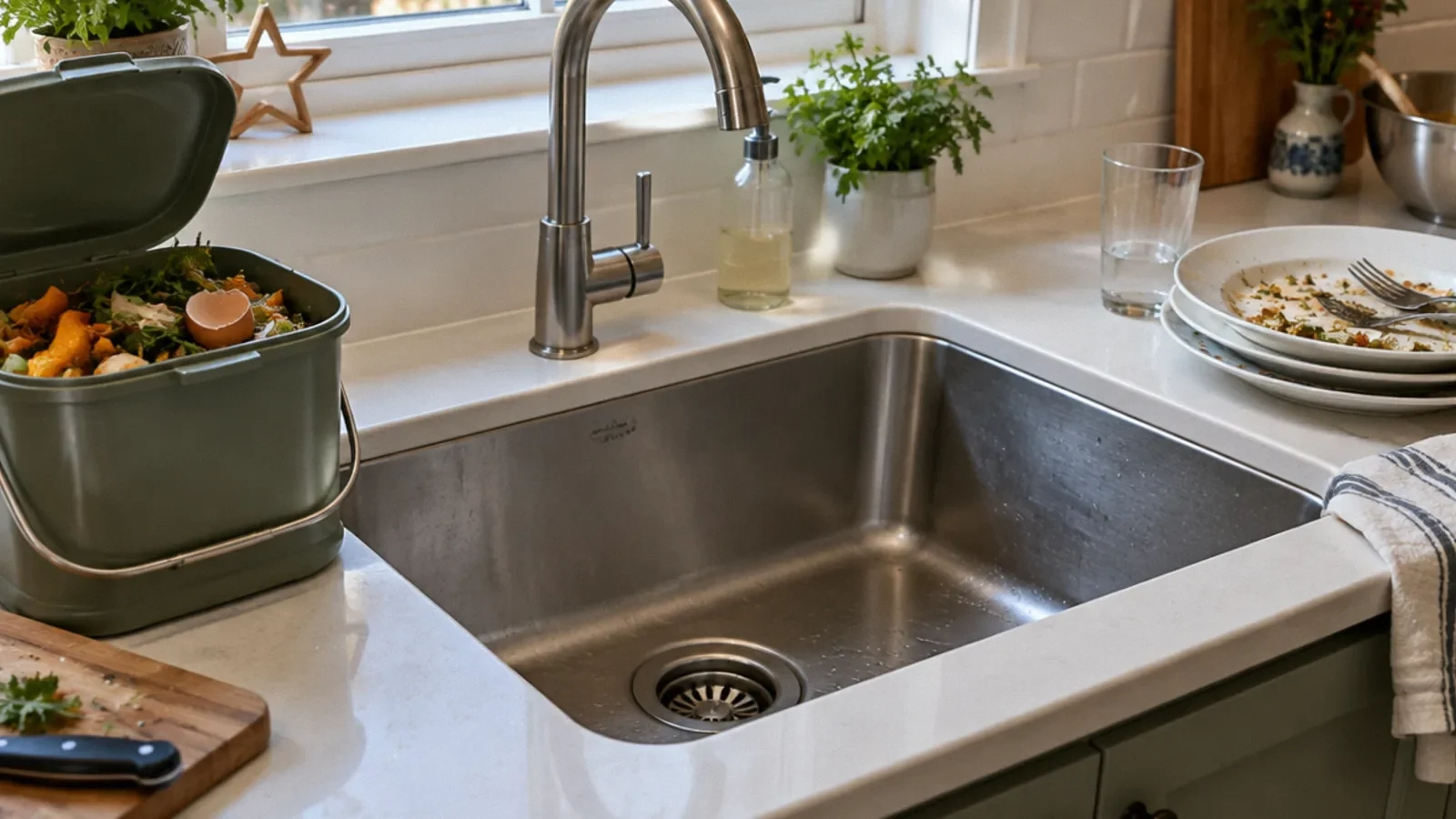
Prepare kitchen drains and bathrooms for guests, keep grease out of pipes and recognize when a blockage needs a plumber.
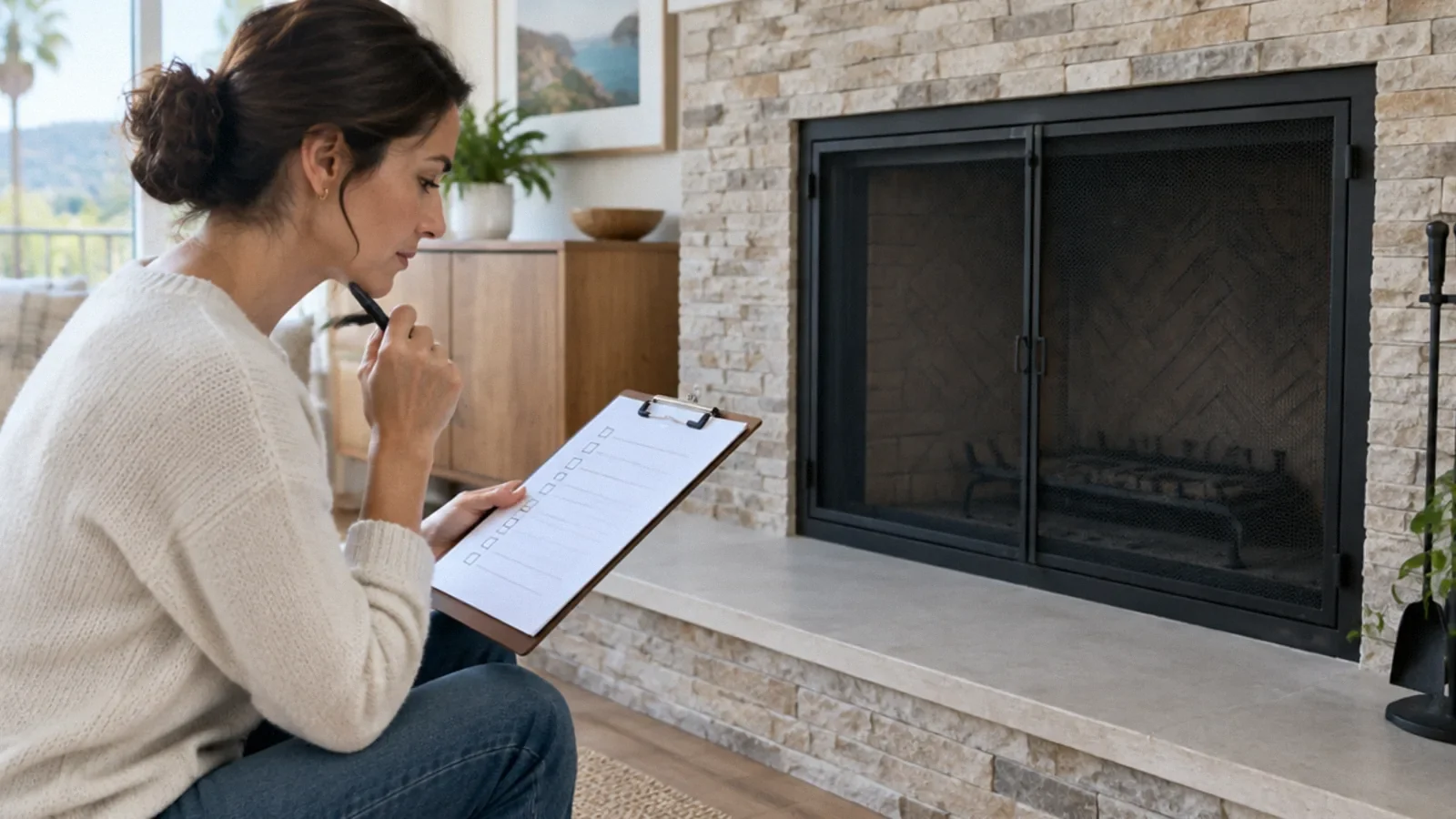
Compare basic safety considerations for wood-burning, gas and electric fireplaces, including alarms, maintenance and unexplained beeping.
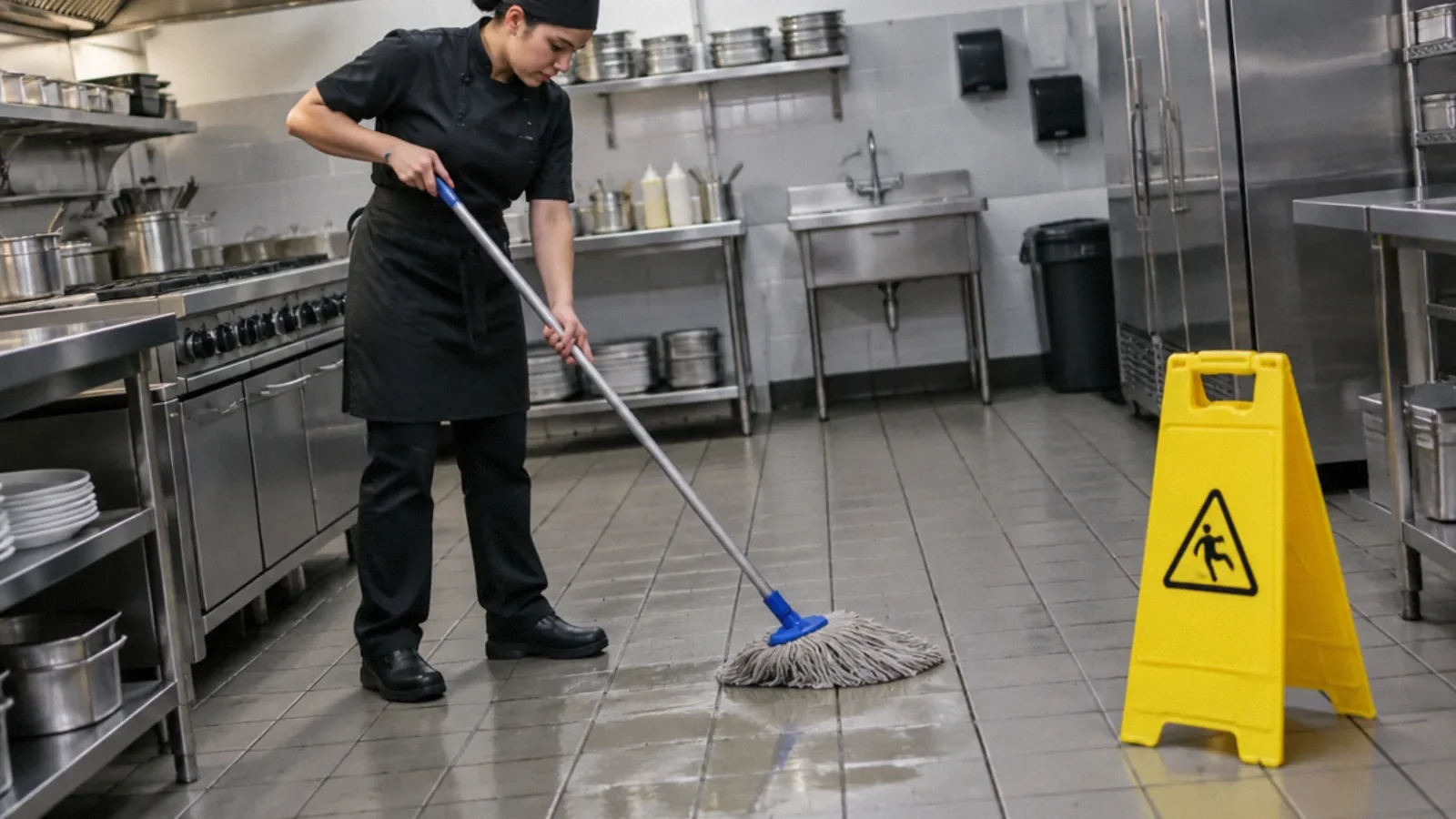
Build a restaurant floor-cleaning routine that accounts for grease, slip hazards, surface compatibility and local wastewater rules.
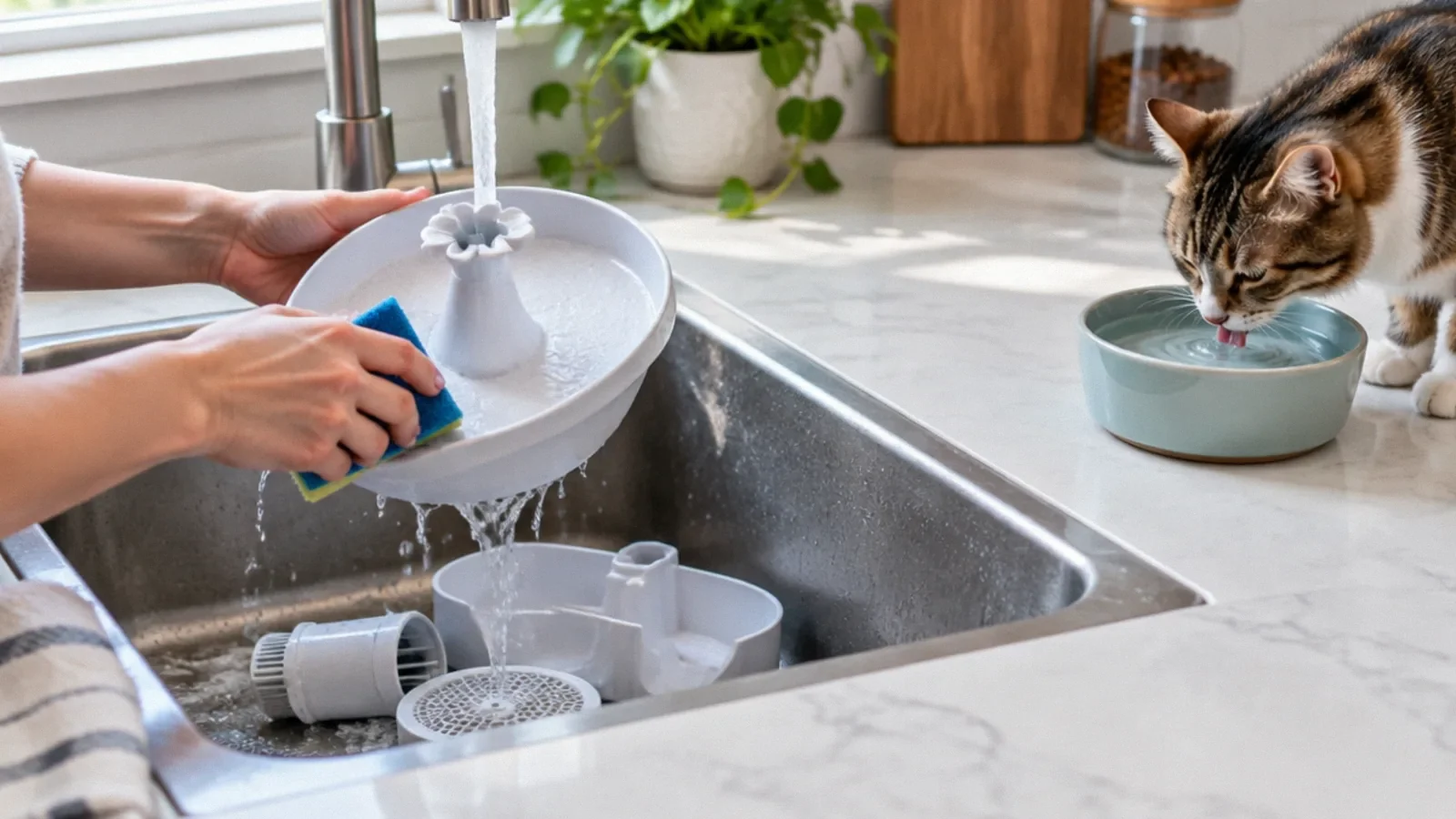
Learn how to stop using a dirty pet fountain, provide clean water and clean its accessible parts according to the manufacturer’s directions.
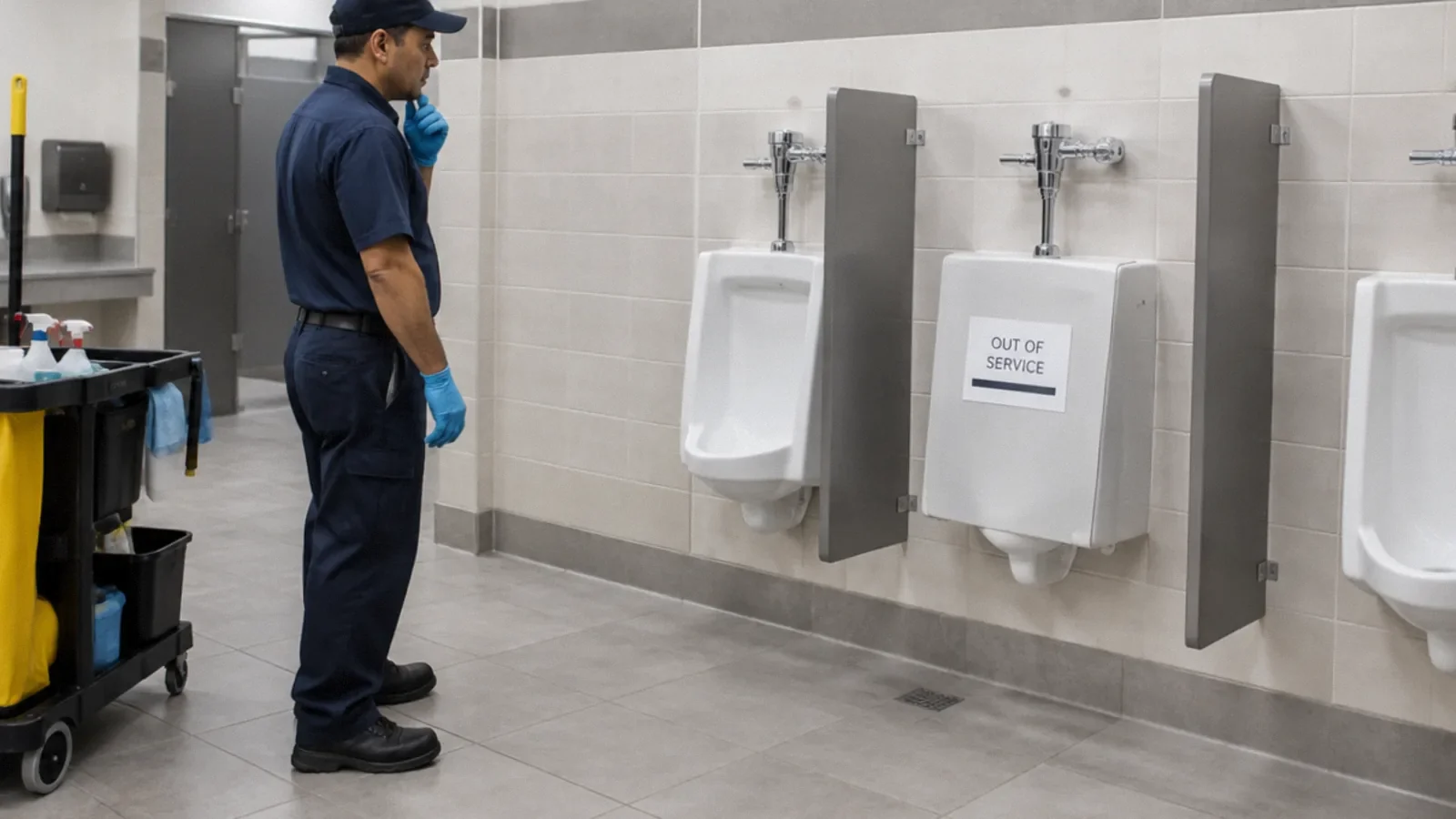
Identify common commercial restroom symptoms, protect occupants and coordinate an appropriate plumbing repair without worsening a backup.
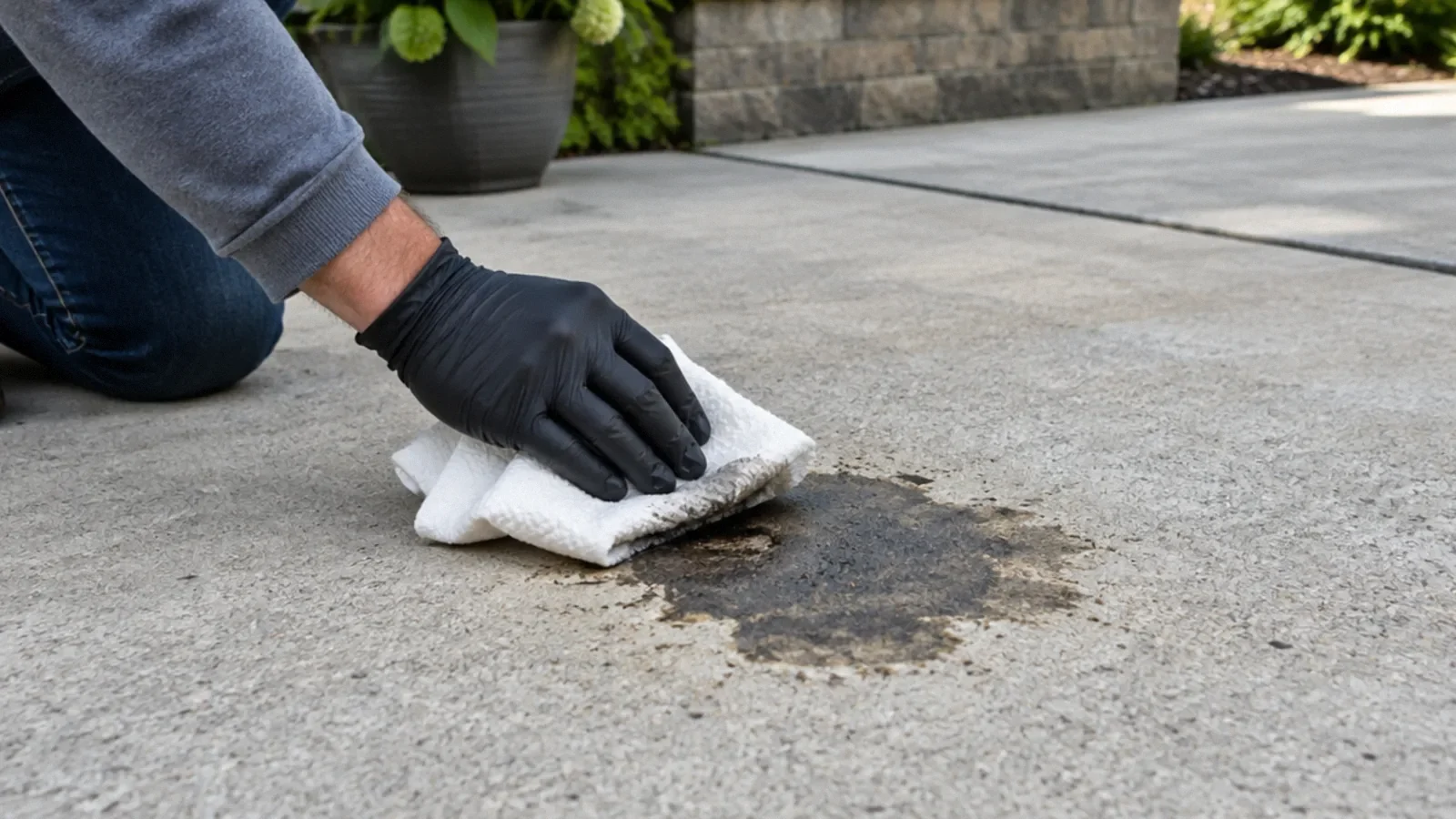
Identify the stain and concrete finish, contain residues and select a compatible cleaning method while protecting drains and surrounding surfaces.
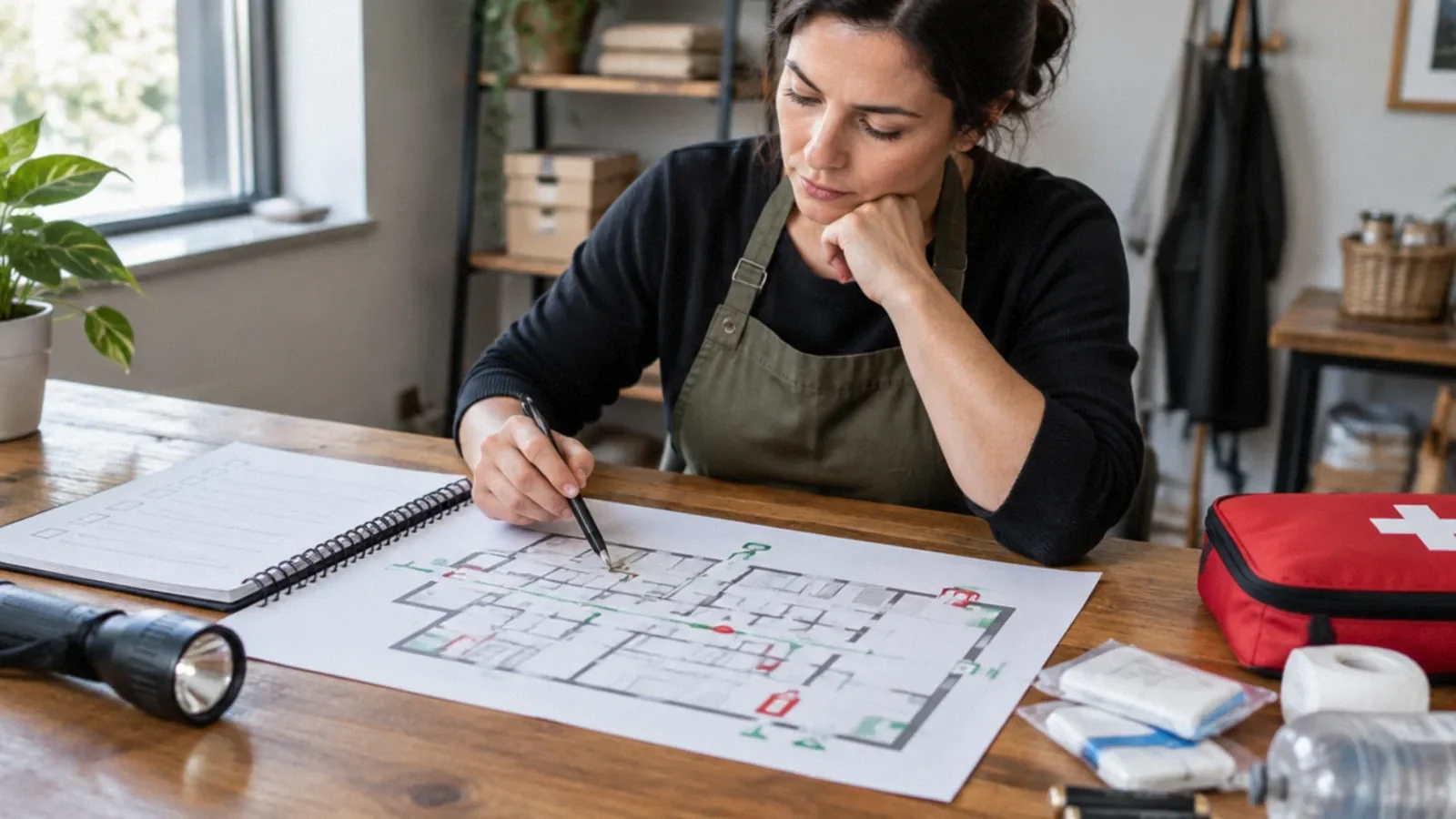
Create a practical business emergency plan for evacuation, communication, critical operations, water damage and safe recovery.
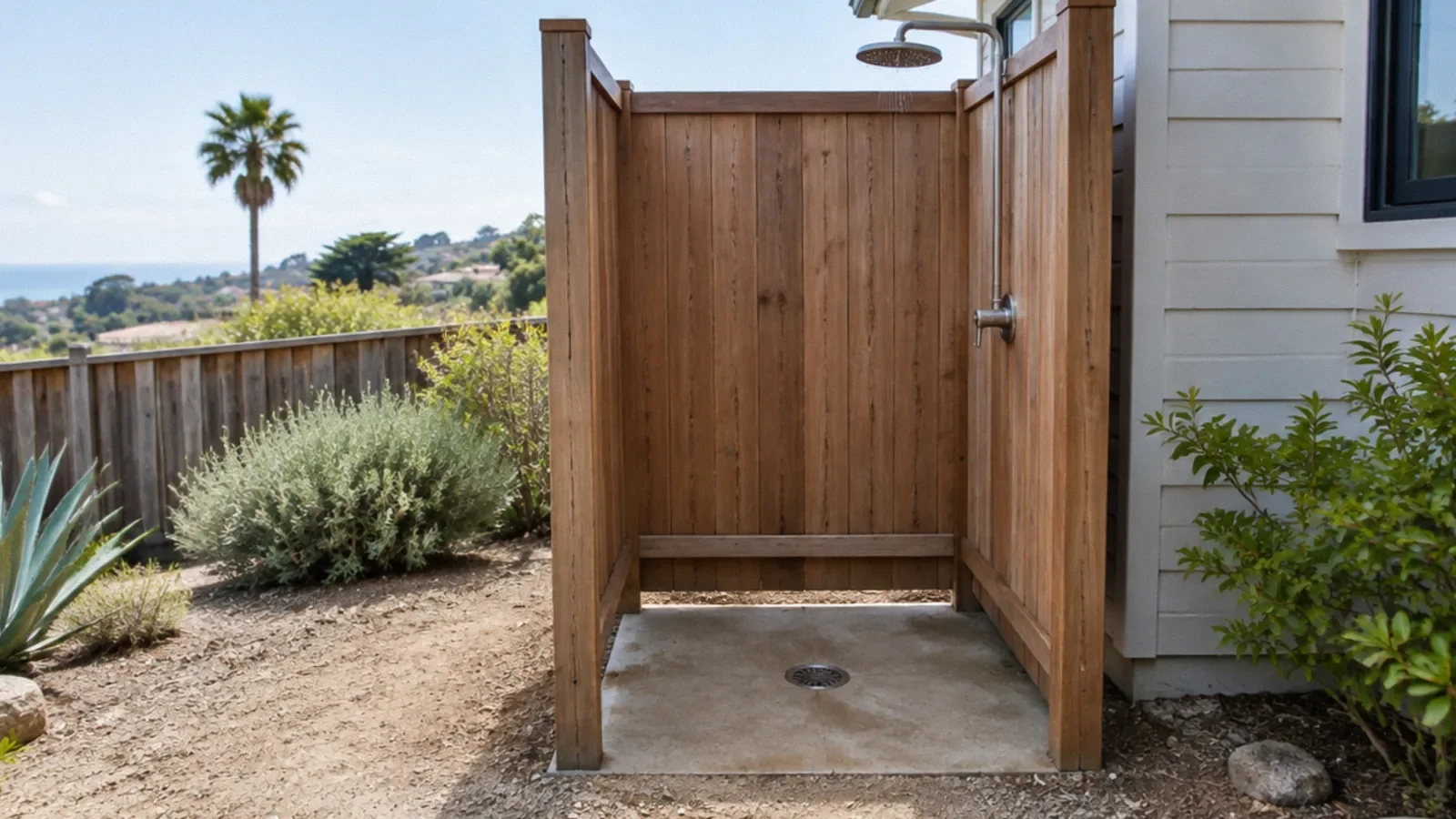
Use an outdoor shower drainage diagram to understand questions about sewer connections, graywater, permits and property protection.
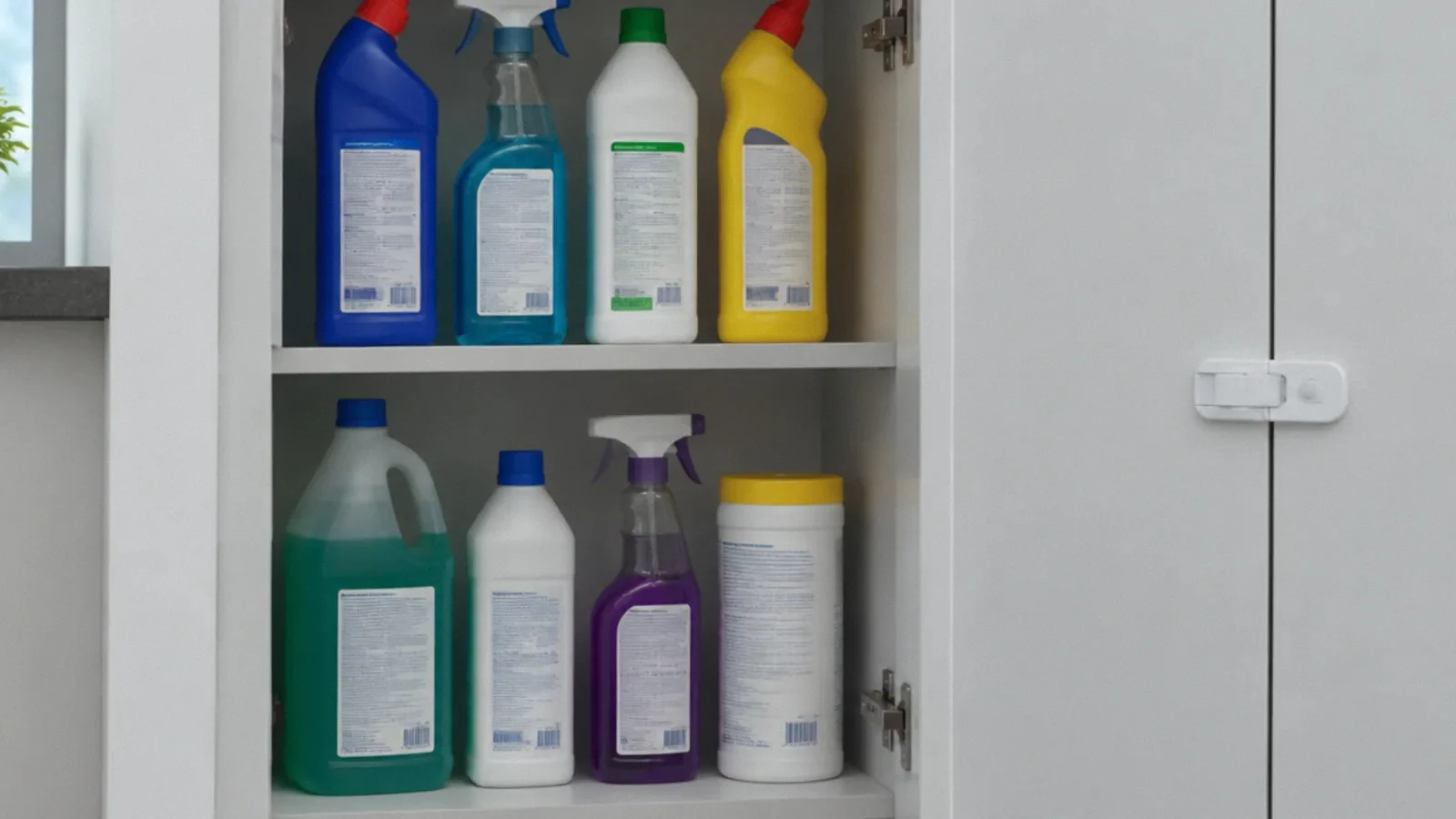
Learn how to check dates and storage instructions for cleaners and disinfectants without assuming every product has the same shelf life.
Choose a cleaning method for fresh or dried urine based on the surface, and understand when rodent contamination requires different precautions.
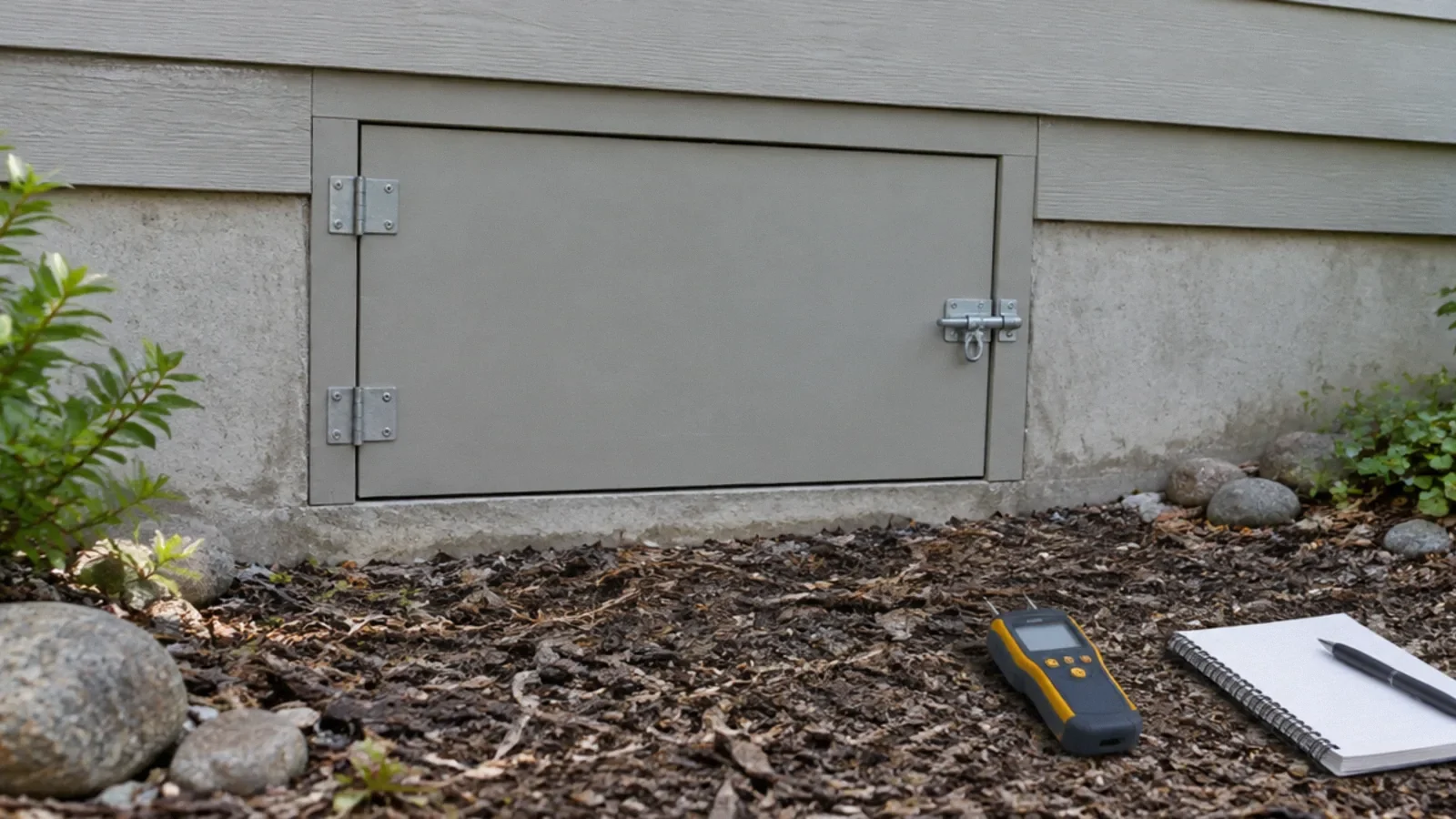
Understand national sewage-cleanup price ranges, crawl-space access and safety, and what to request in a local estimate.
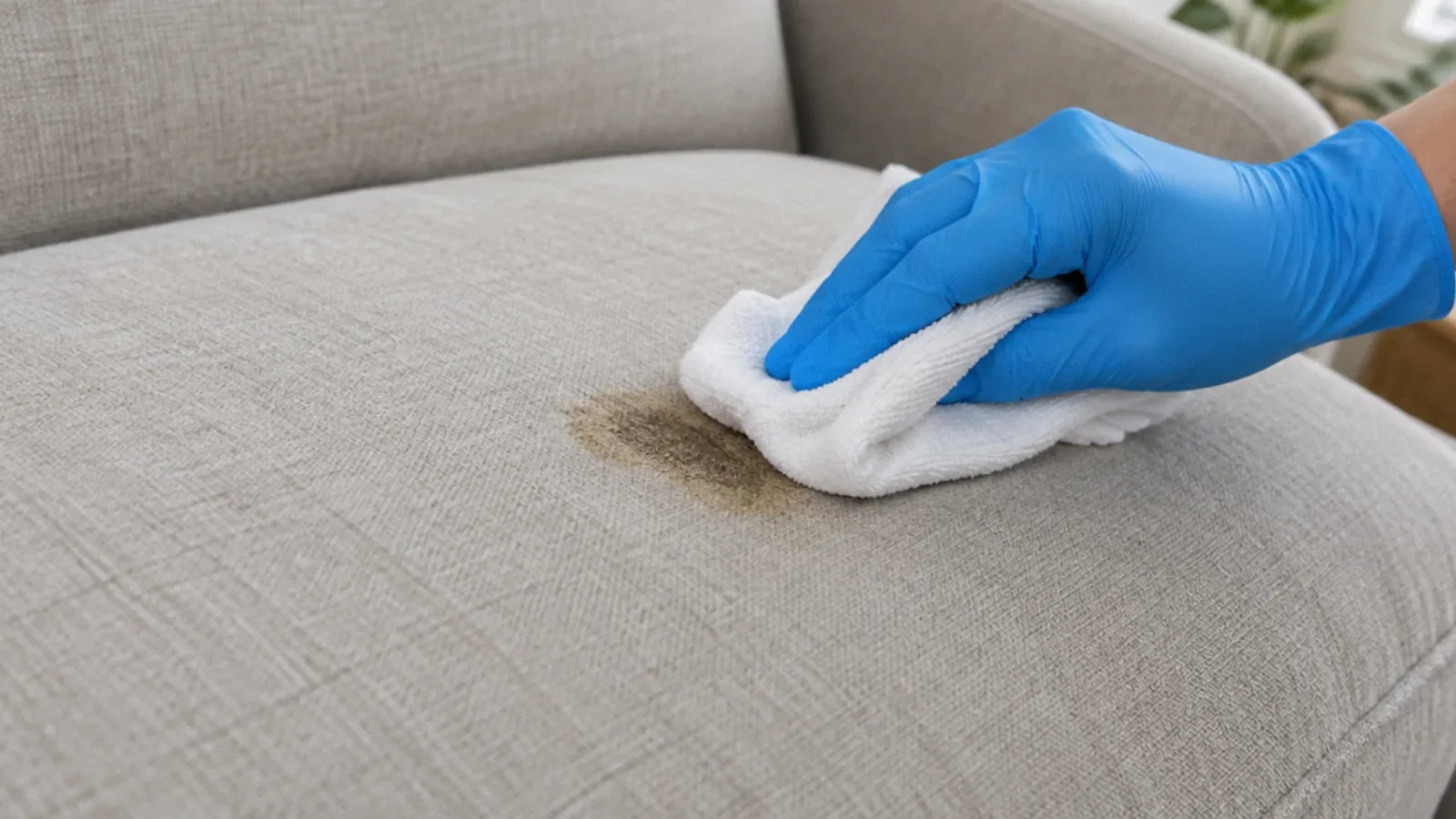
Compare stain-protection treatments for upholstery and carpet, check compatibility and understand why a protective finish is not a cleaning guarantee.
Explore restoration training topics, supervised experience, worker safety and the difference between a course, a certification and a contractor license.
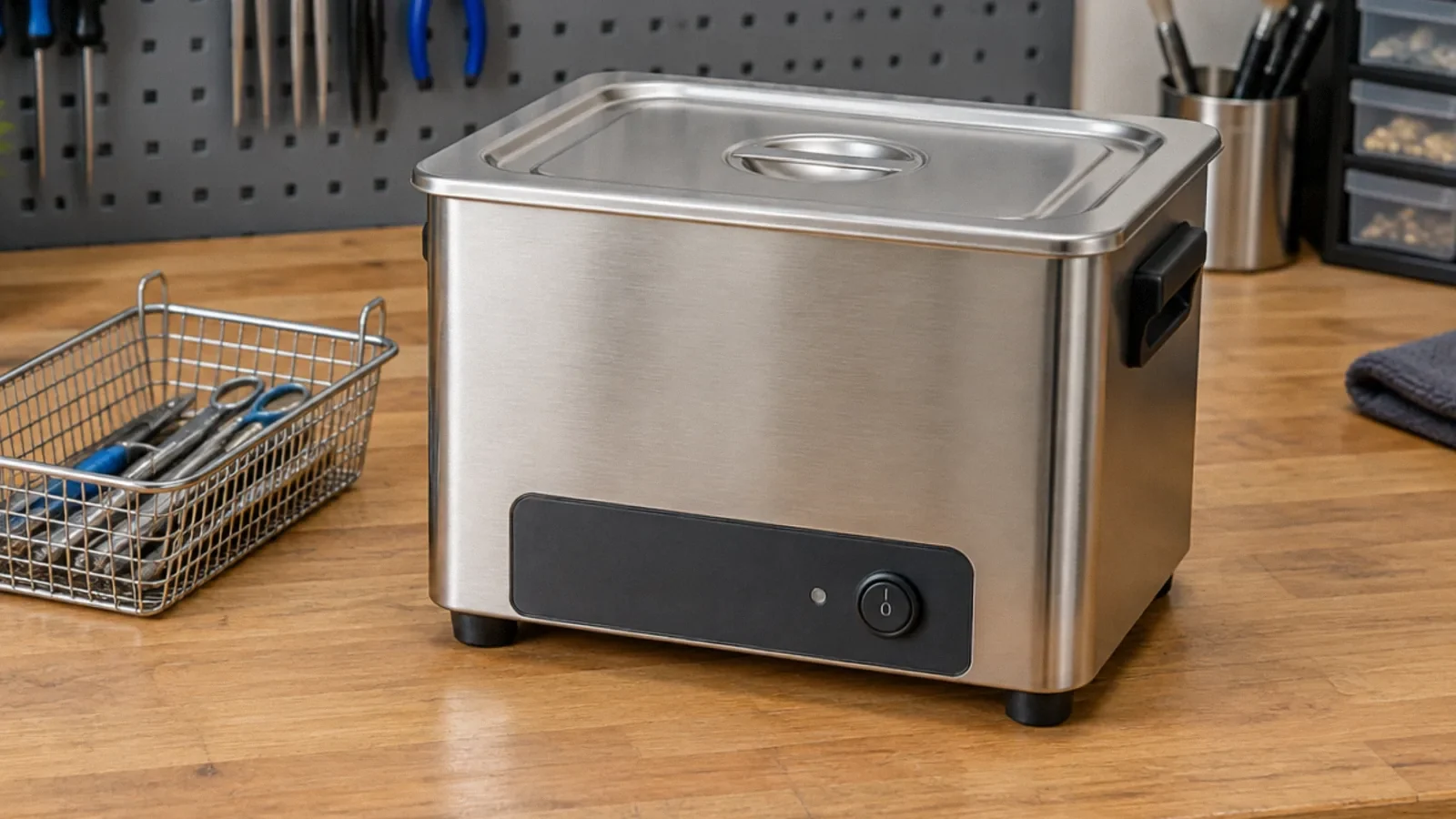
Learn how an ultrasonic cleaning bath removes some soils, why cleaning is not sterilization and what to check before treating an item.
Explore common sources of water damage, their warning signs and practical steps to find and address the source.
Learn how to assess a small clean-water incident, dry accessible materials and recognize situations requiring professional help.
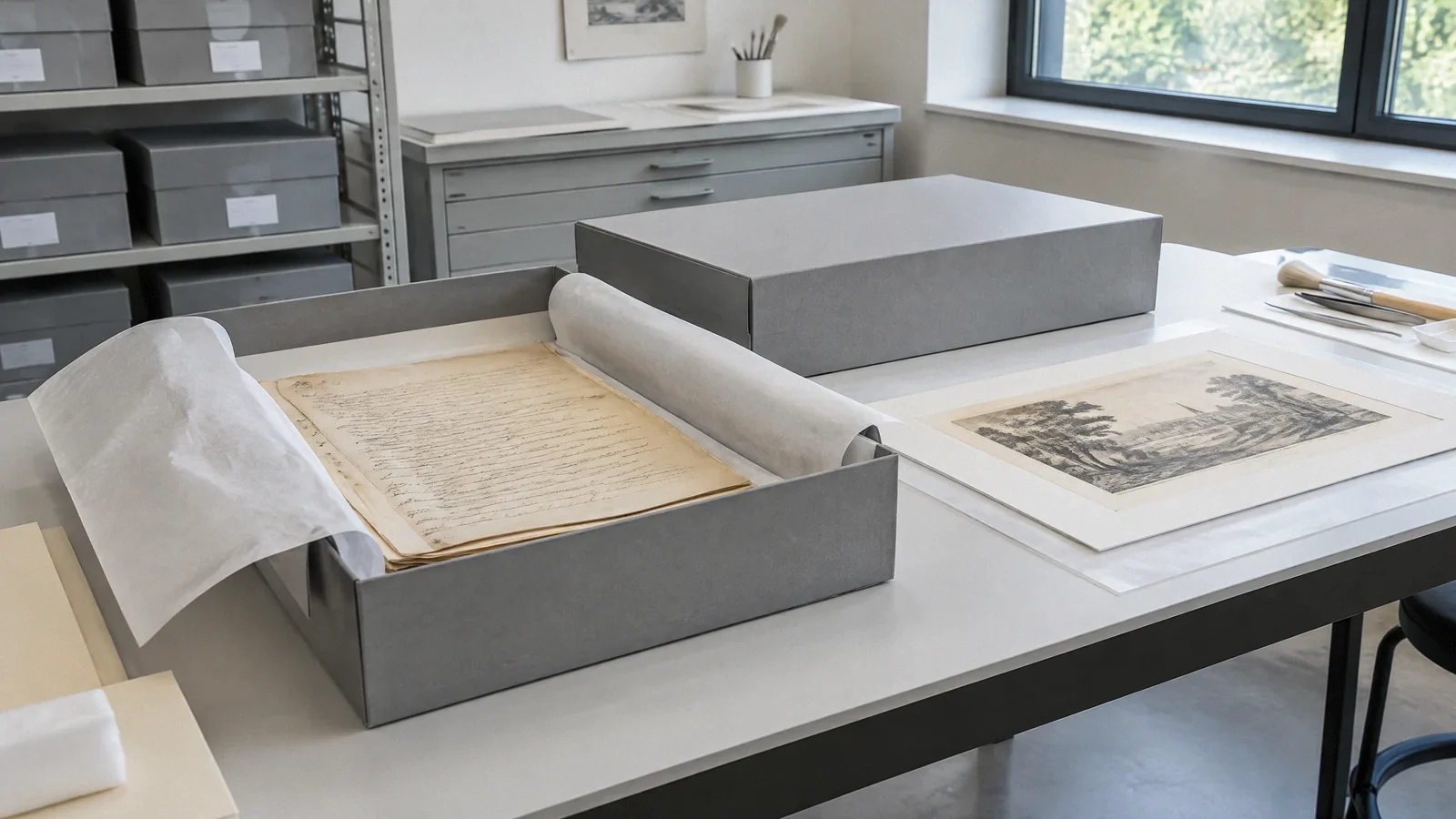
Learn when to freeze wet documents, how vacuum freeze drying differs from freezing, and what to ask a preservation professional.
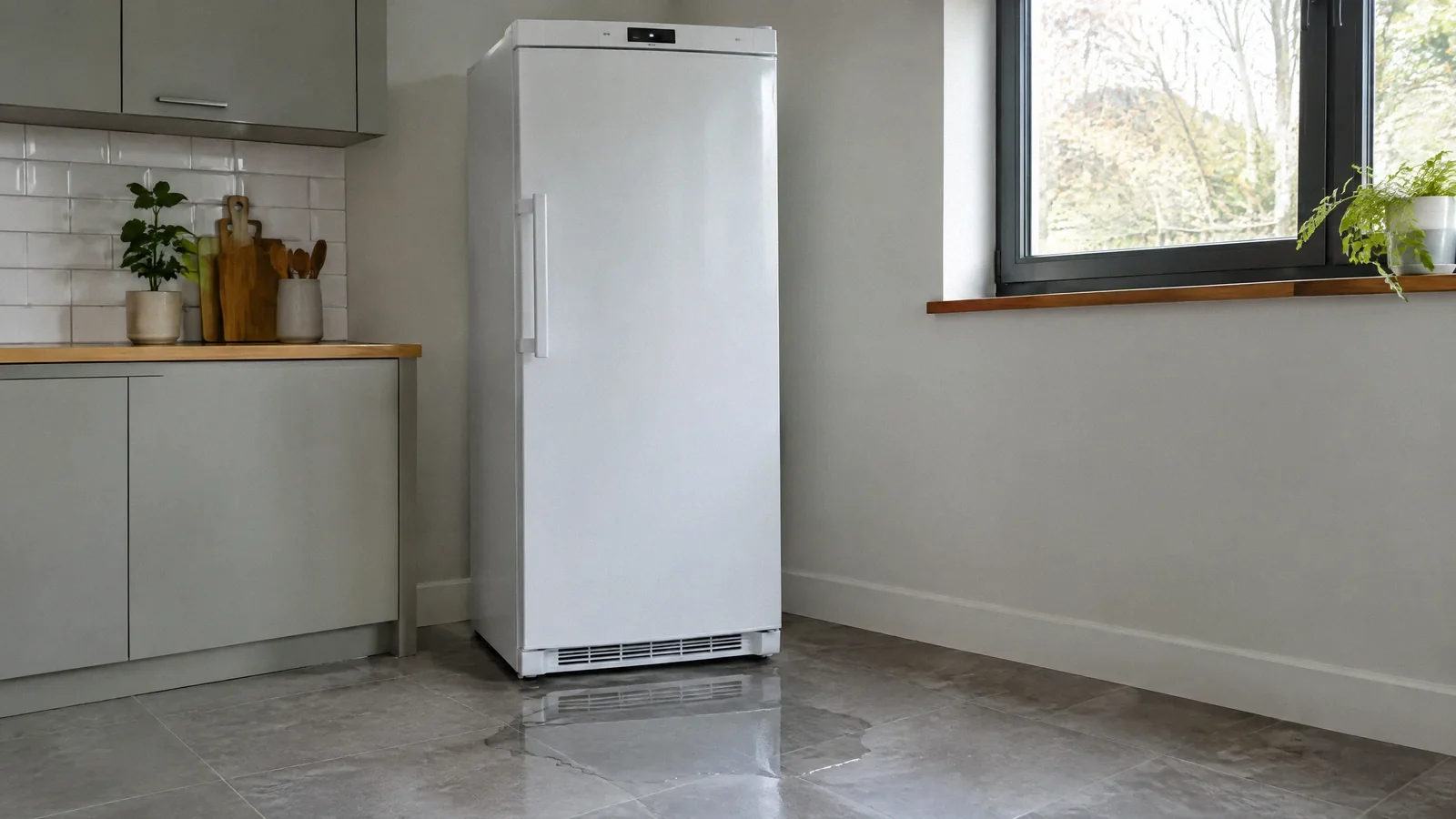
Identify common freezer leak patterns and decide when to consult the appliance manual or arrange professional repair.
Learn why water damage can appear immediately or remain hidden, and what signs warrant an inspection.
Assess contamination, construction and drying before deciding whether to clean, restore or discard flooded furniture.
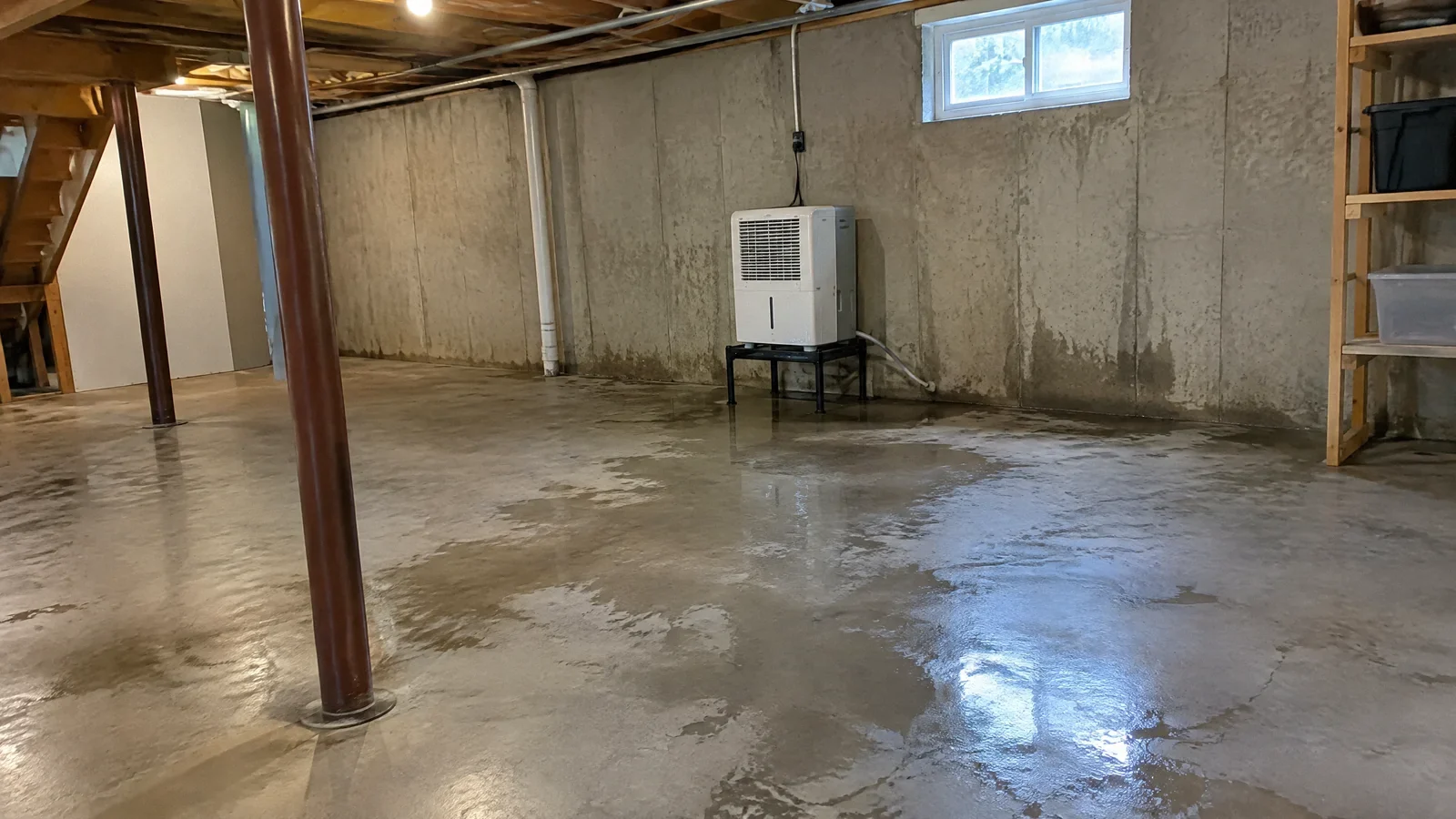
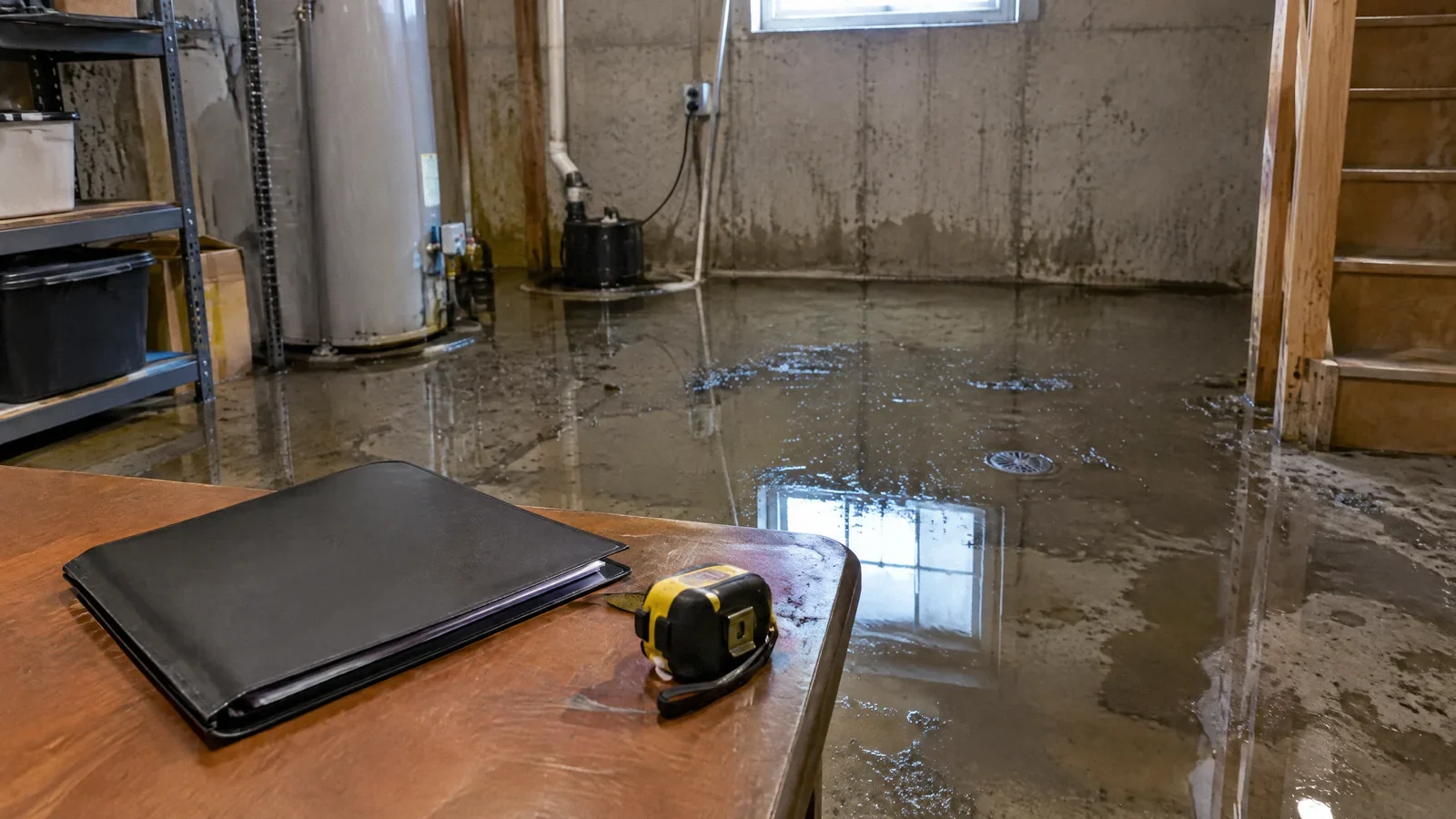
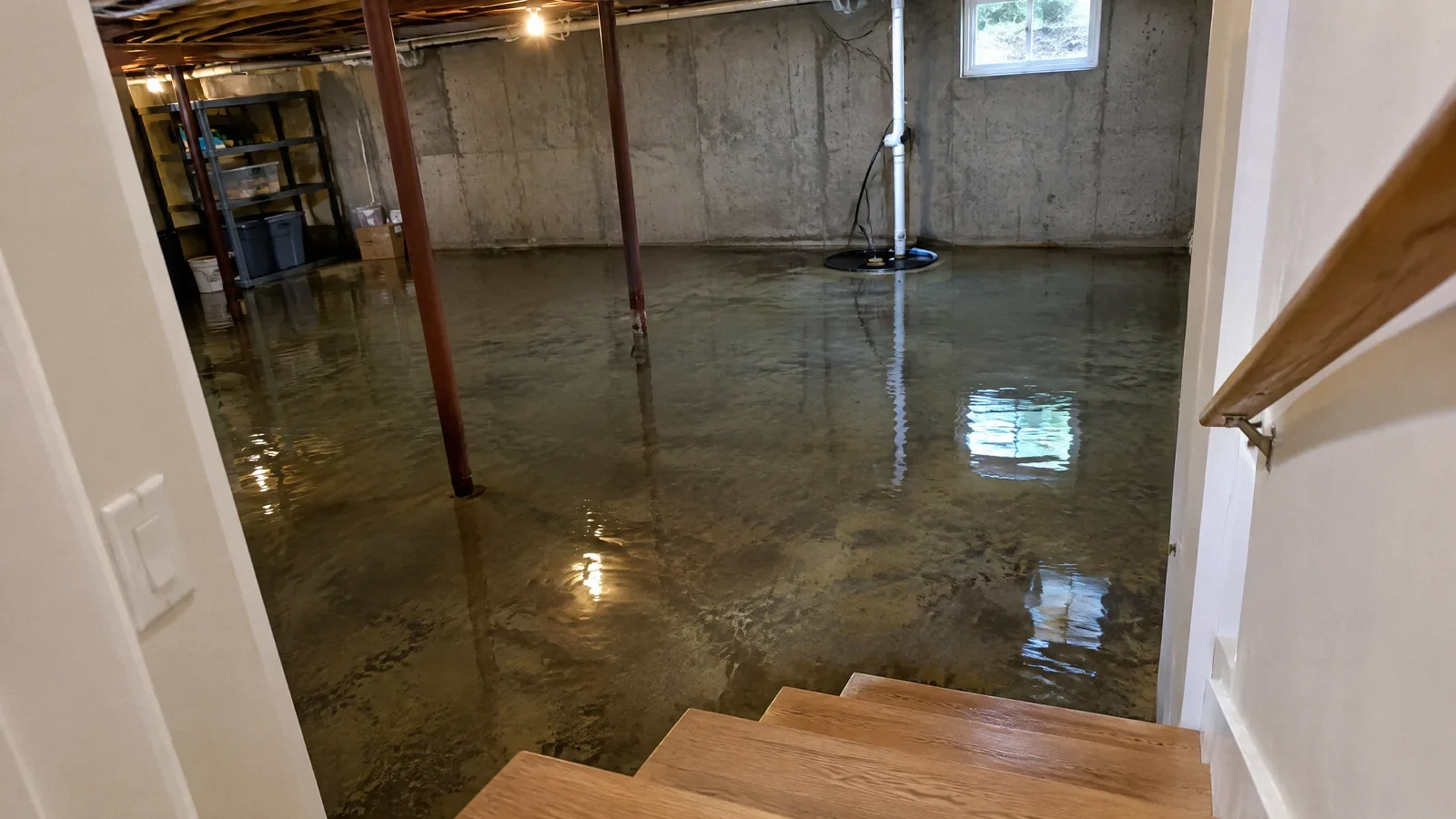
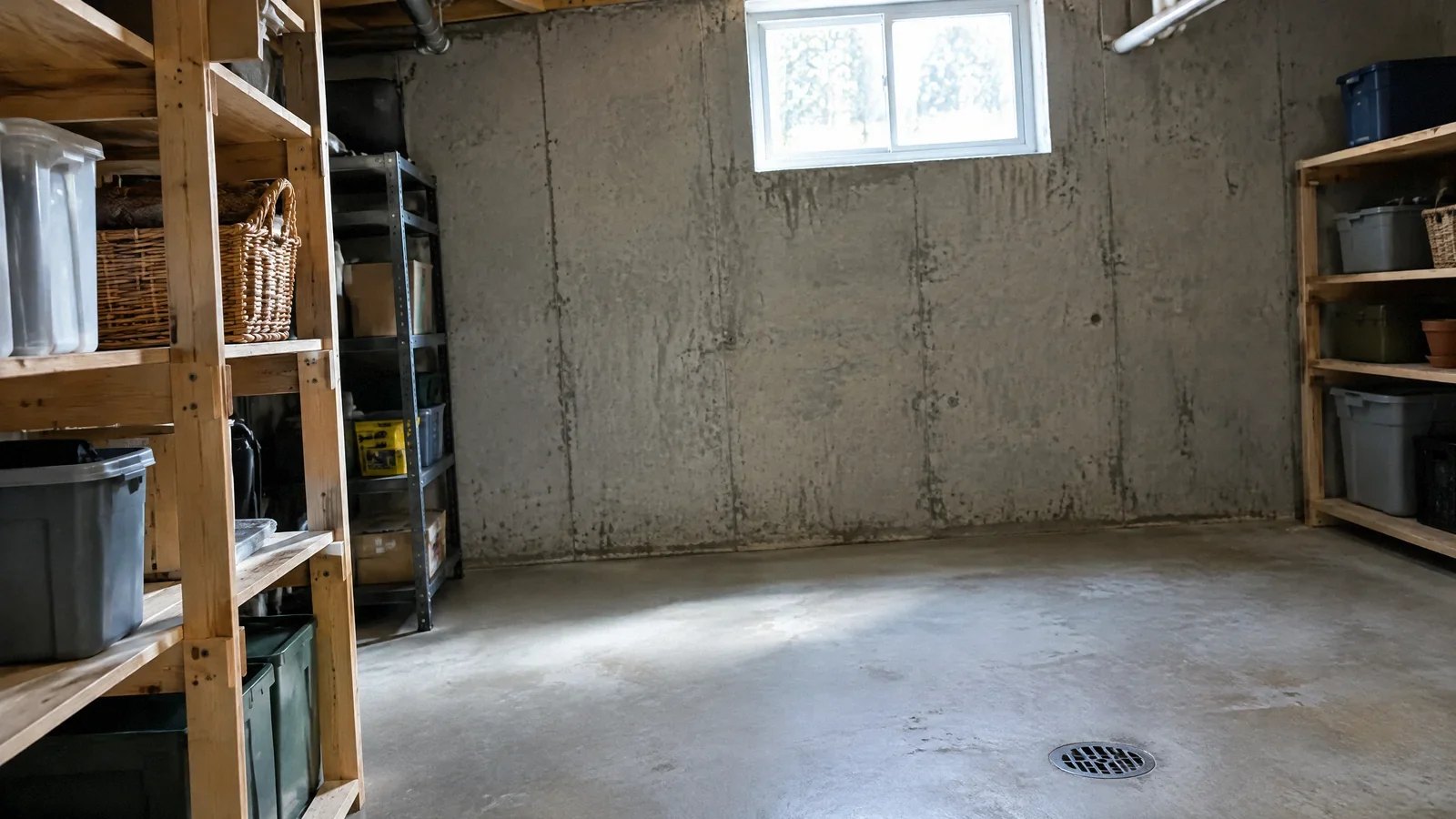
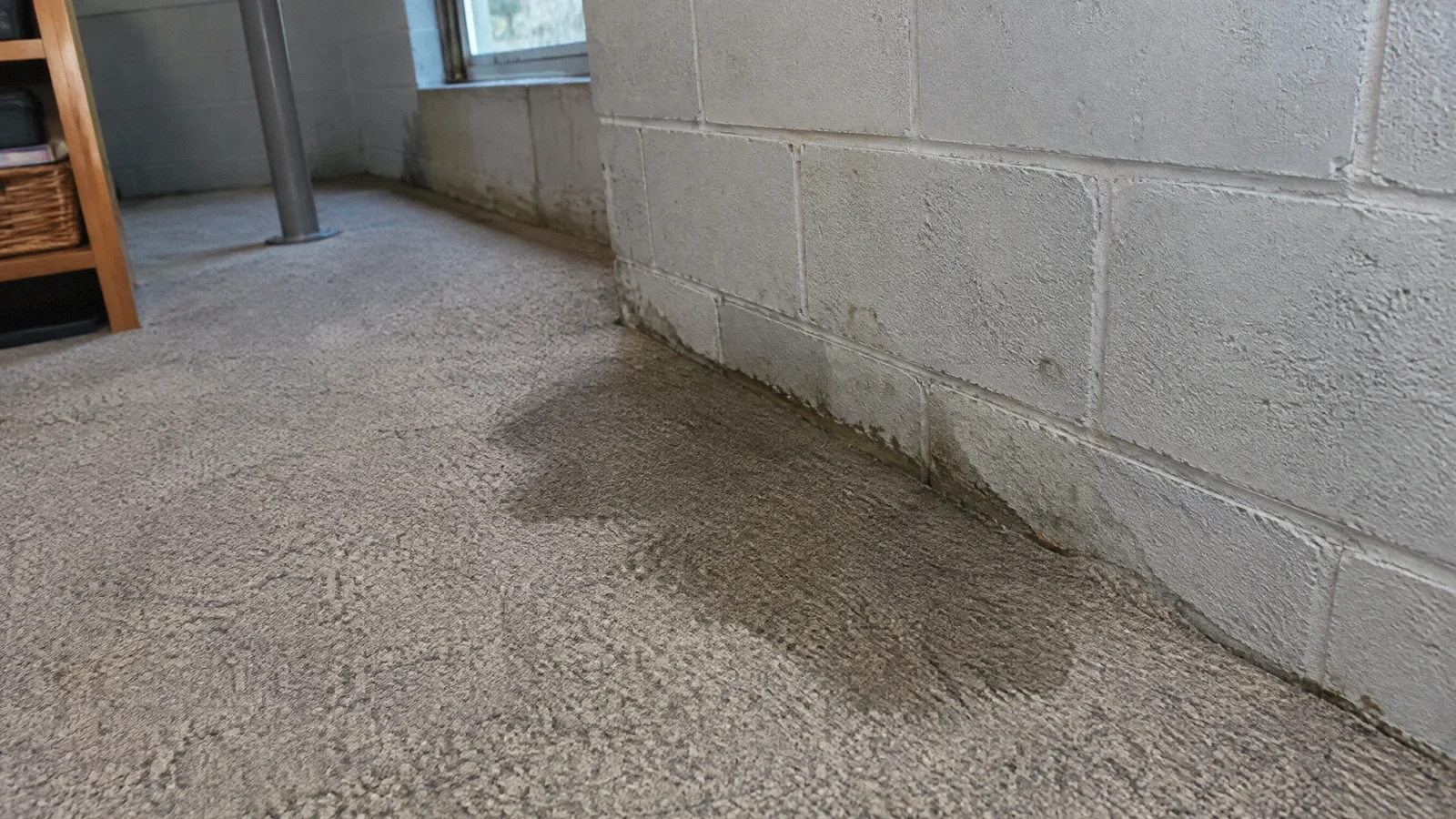
A practical guide to safe entry, water removal, drying, moisture checks and cleanup after basement flooding.
Learn the practical steps for drying a water-damaged room, identifying hidden moisture and deciding when to call a professional.
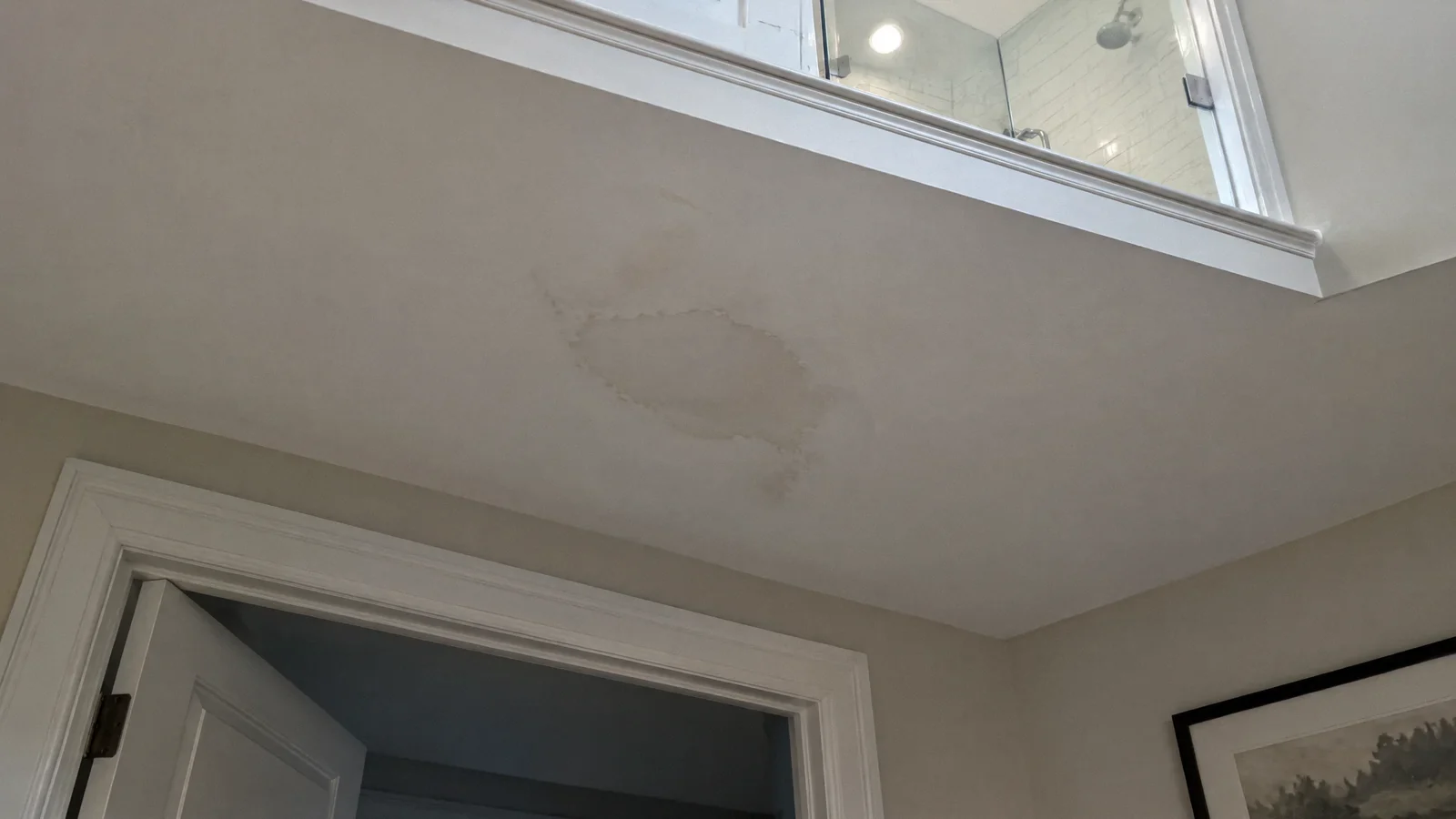
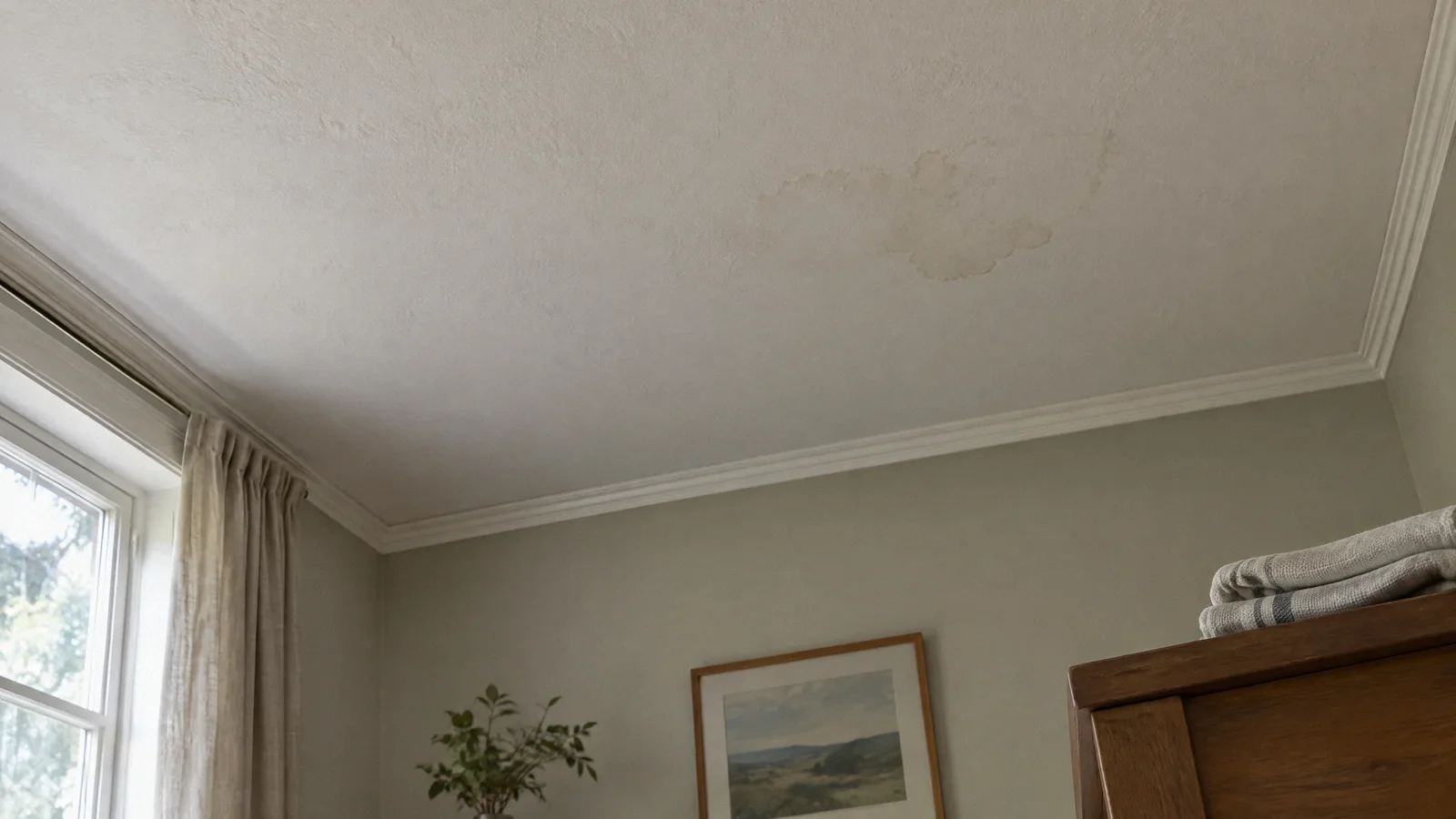
Choose a ceiling stain treatment by cause and finish, from washable kitchen grease to a repaired water stain.
Find and correct the moisture behind musty odors after a leak or basement flood, and know when materials need removal.
Learn how to limit interior damage, identify possible roof leak sources and evaluate repair options with a qualified roofer.
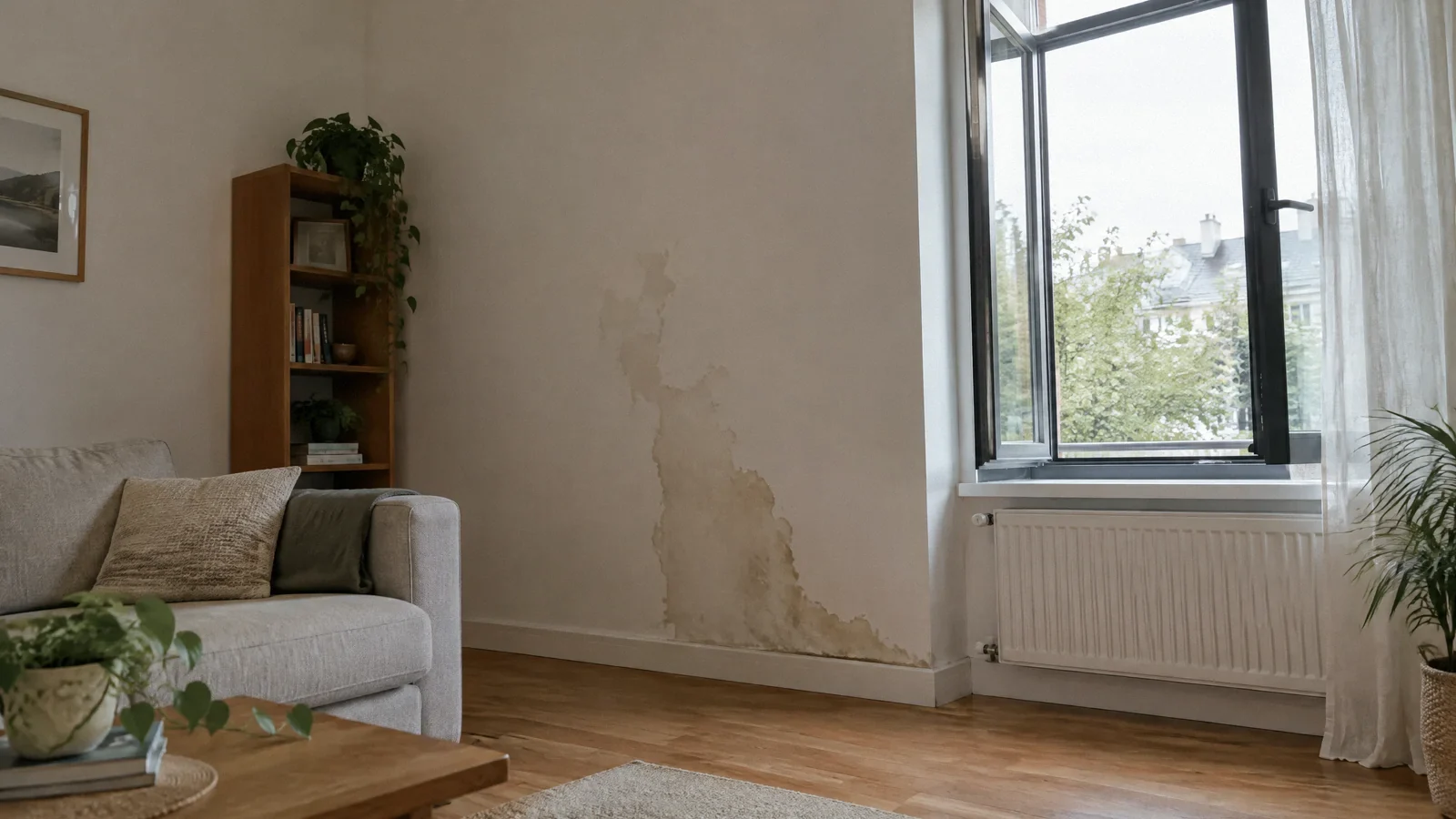
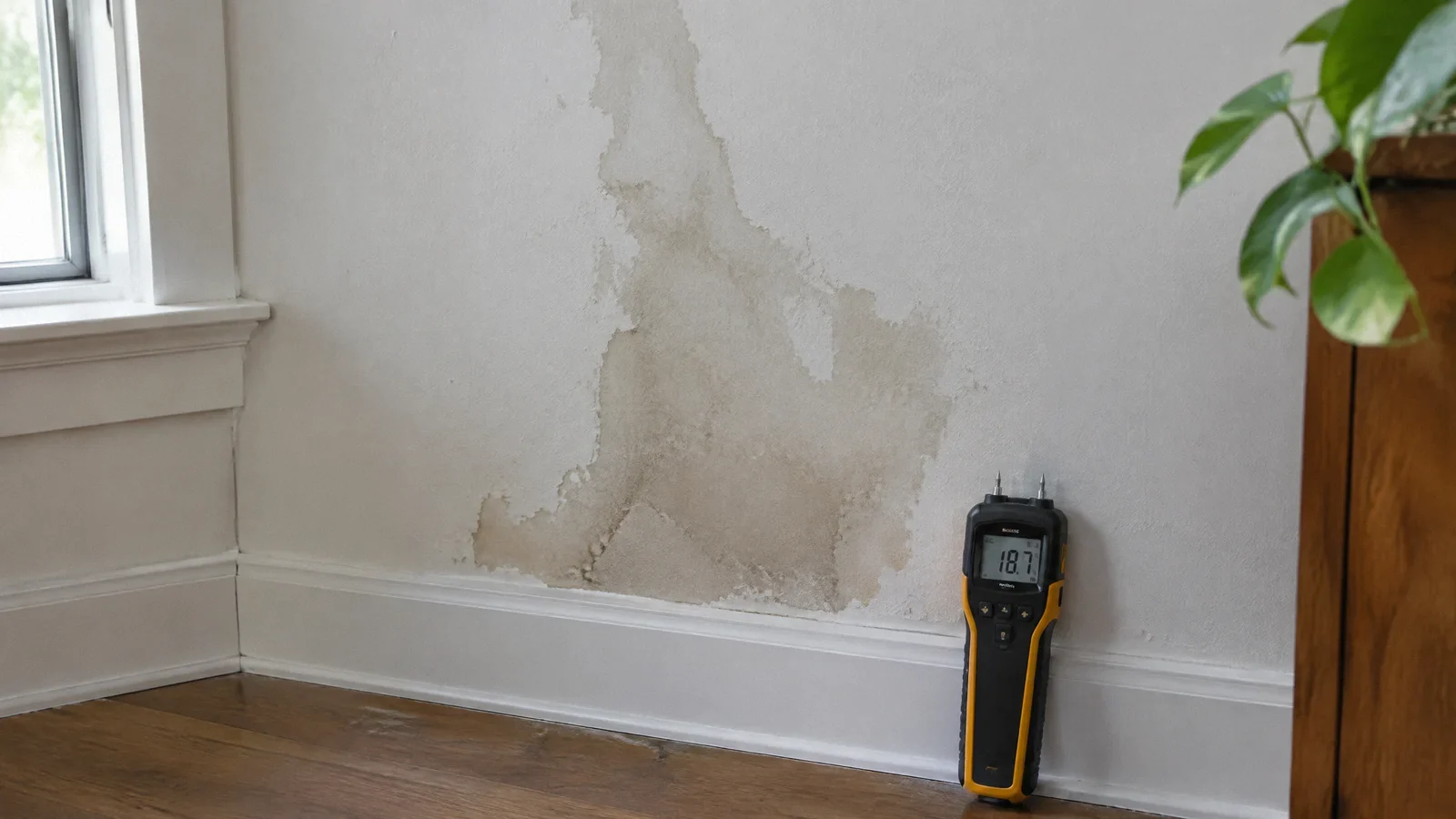
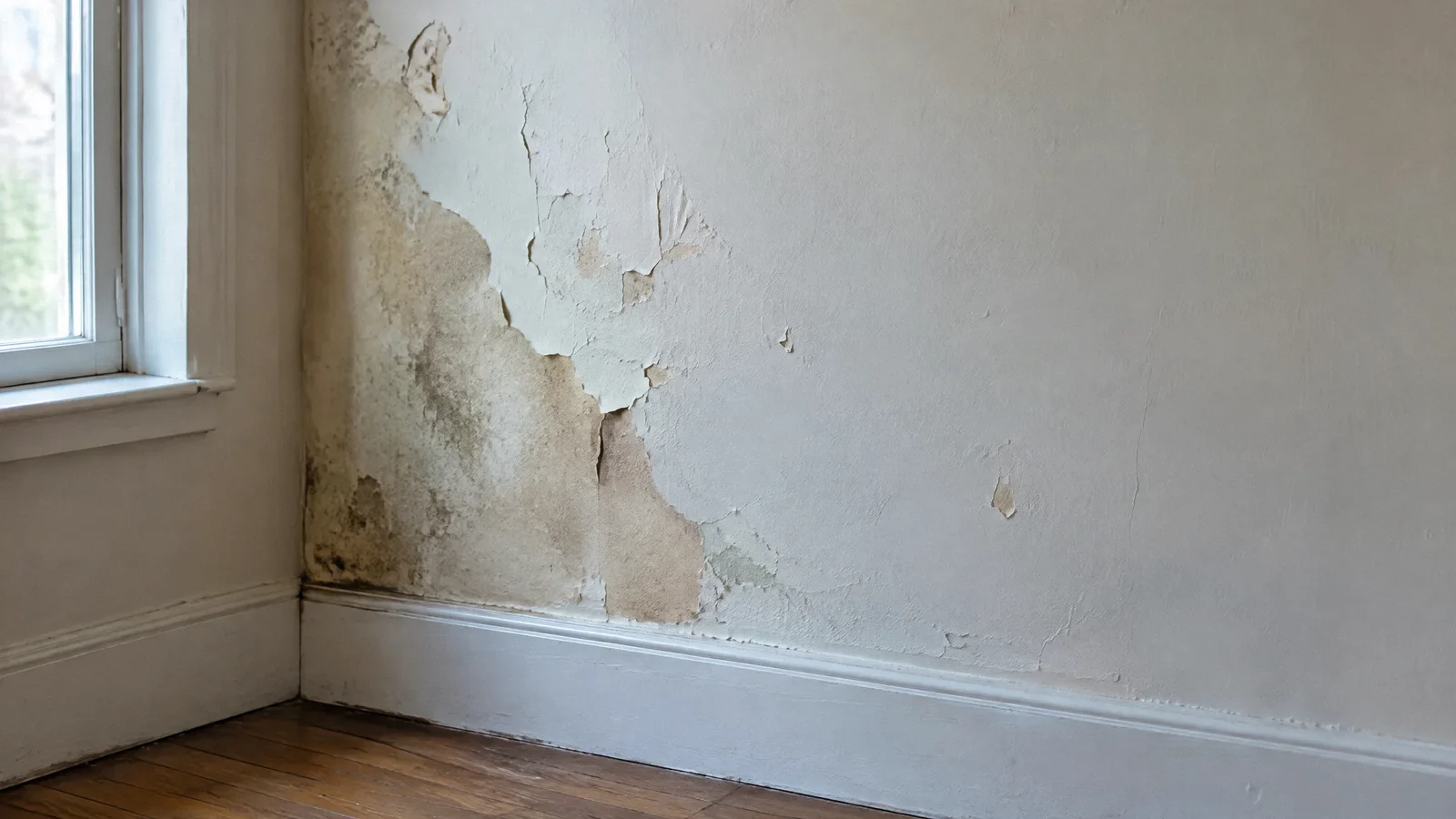
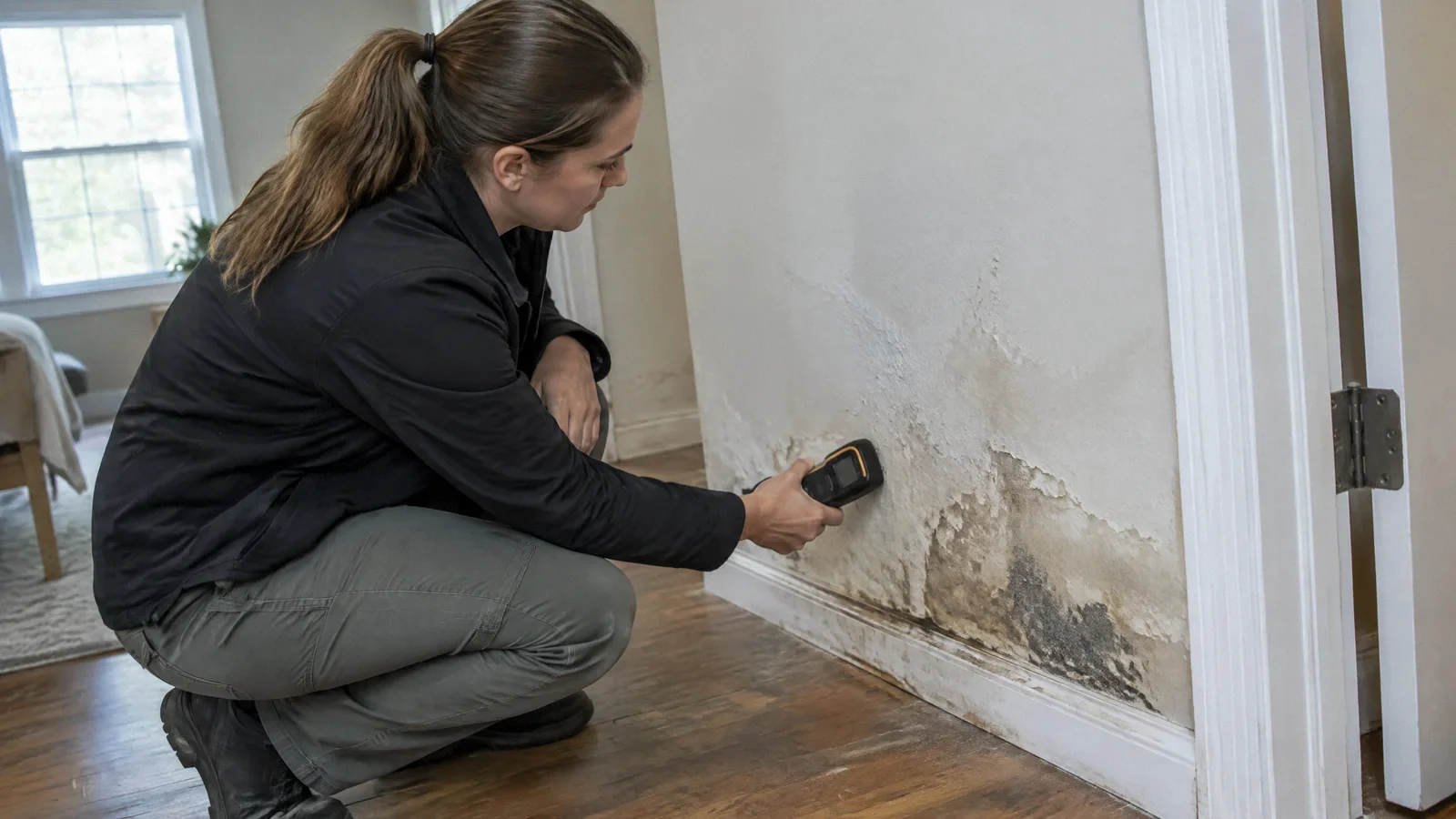
How to identify the source, dry or replace wall materials and repair a water-damaged wall.
Respond safely to rainwater entering a home, investigate its route and check drying before closing affected materials.
Understand sewage cleanup price estimates, scope, repairs and coverage questions before comparing local bids.
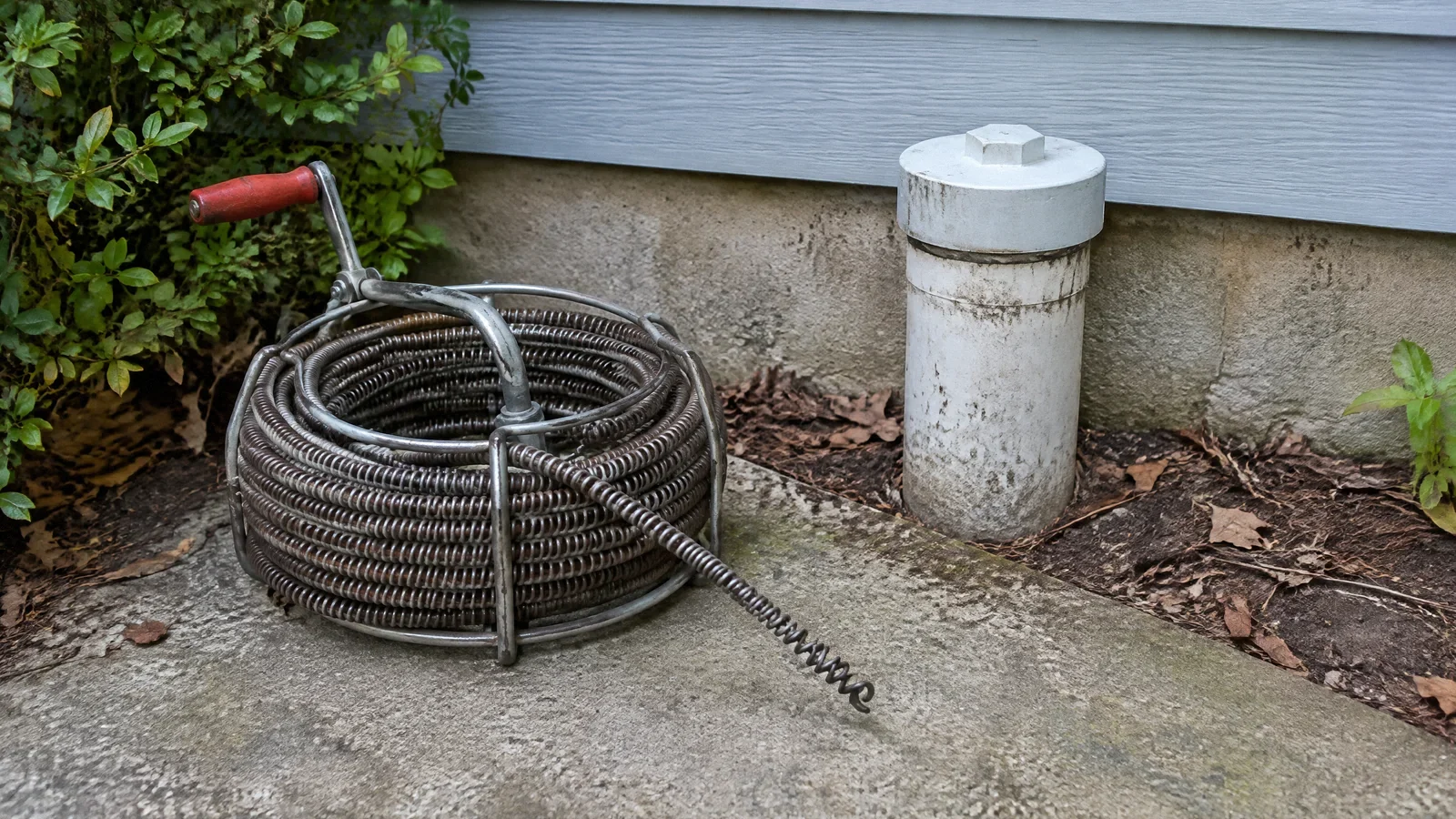
Understand main sewer snaking, its limits, safety and what to ask after a blockage.
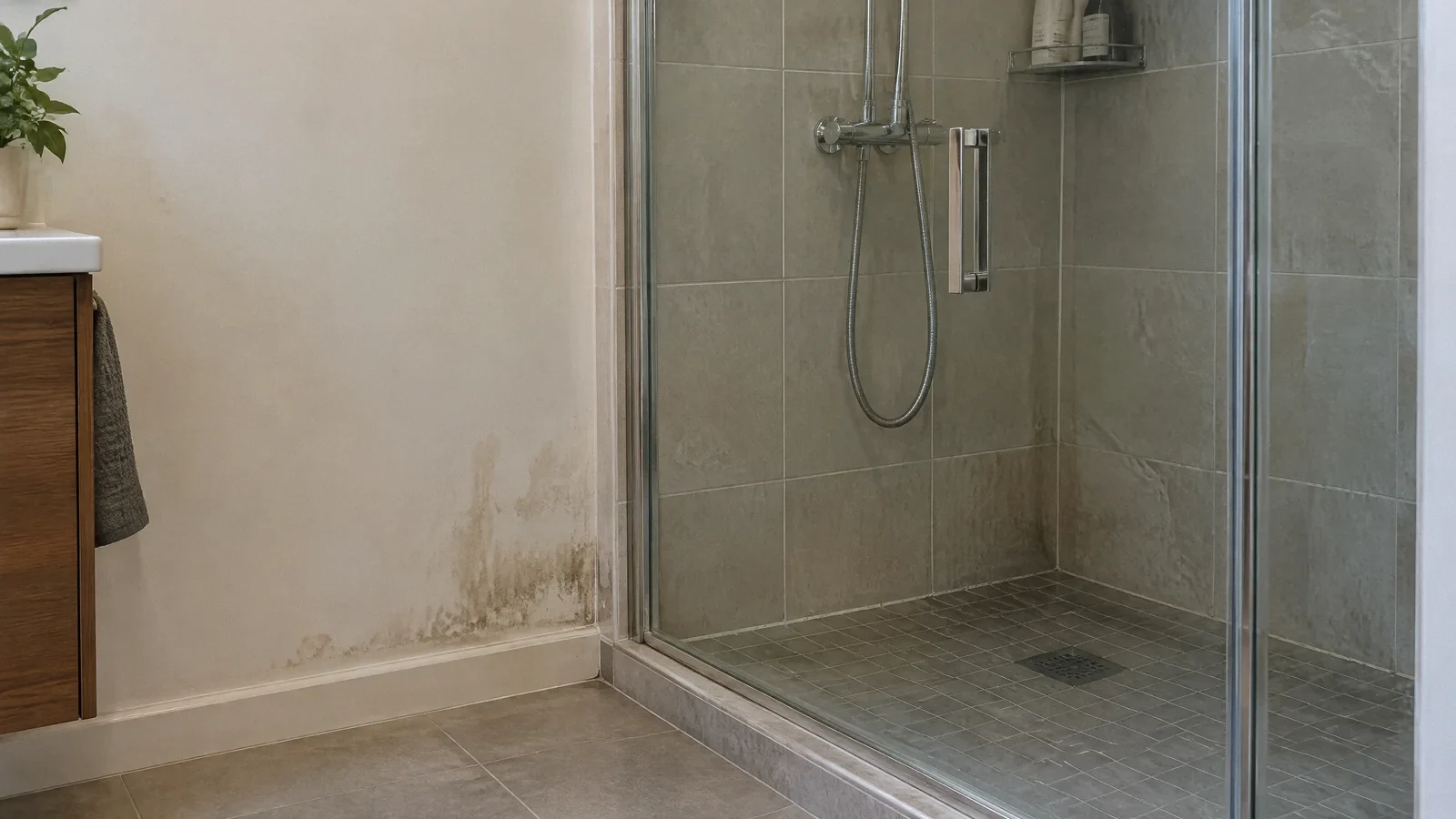
Identify possible shower leak sources and plan safe investigation, drying and repairs.
Recognize visible and hidden moisture clues throughout a home and plan a safe response.
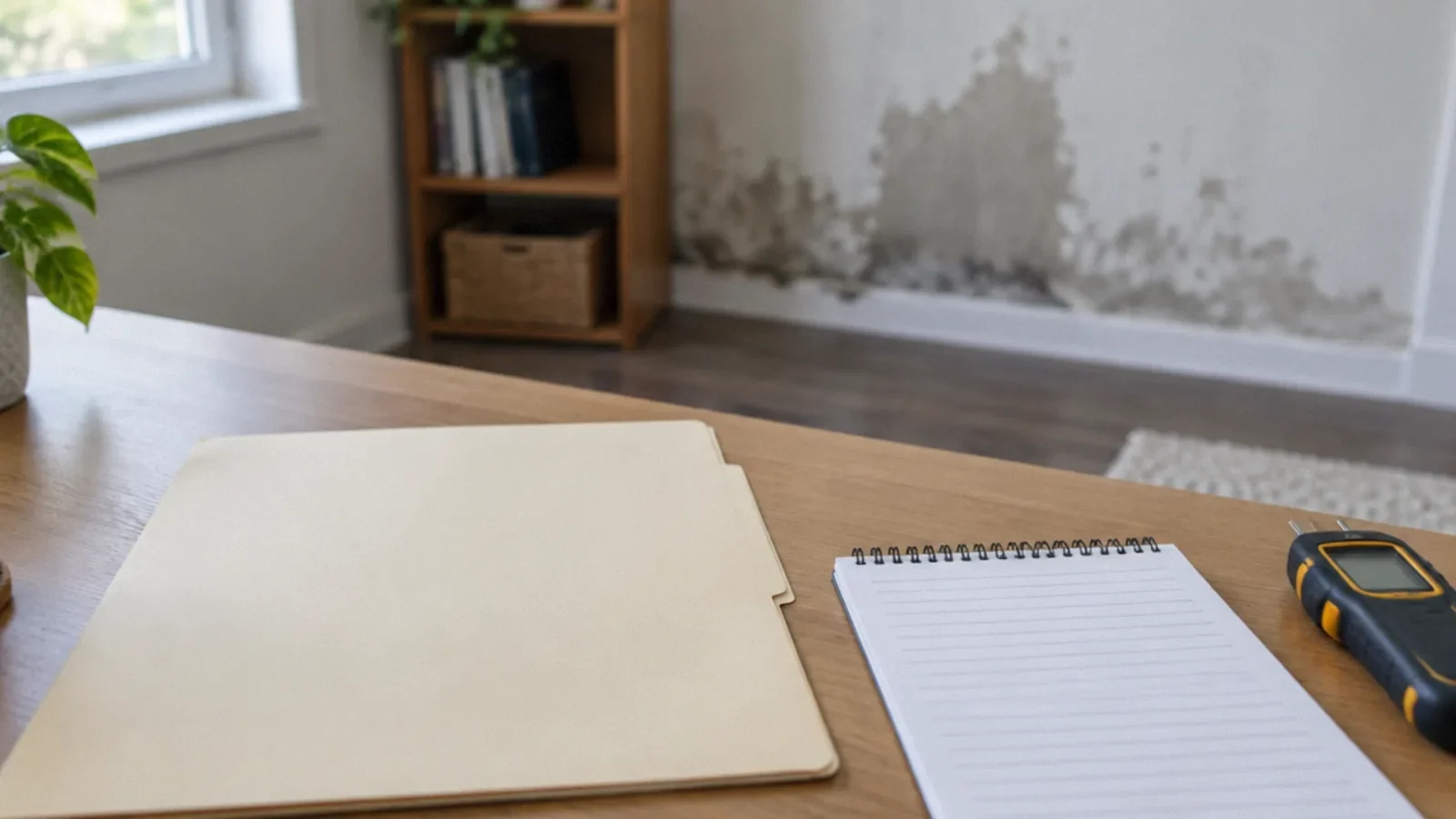
Recognize early wall moisture clues, understand their limits and plan a safe inspection.
Keep out of a flooded basement until electrical and structural hazards have been assessed. Contact an electrician or utility and a qualified pump or restor
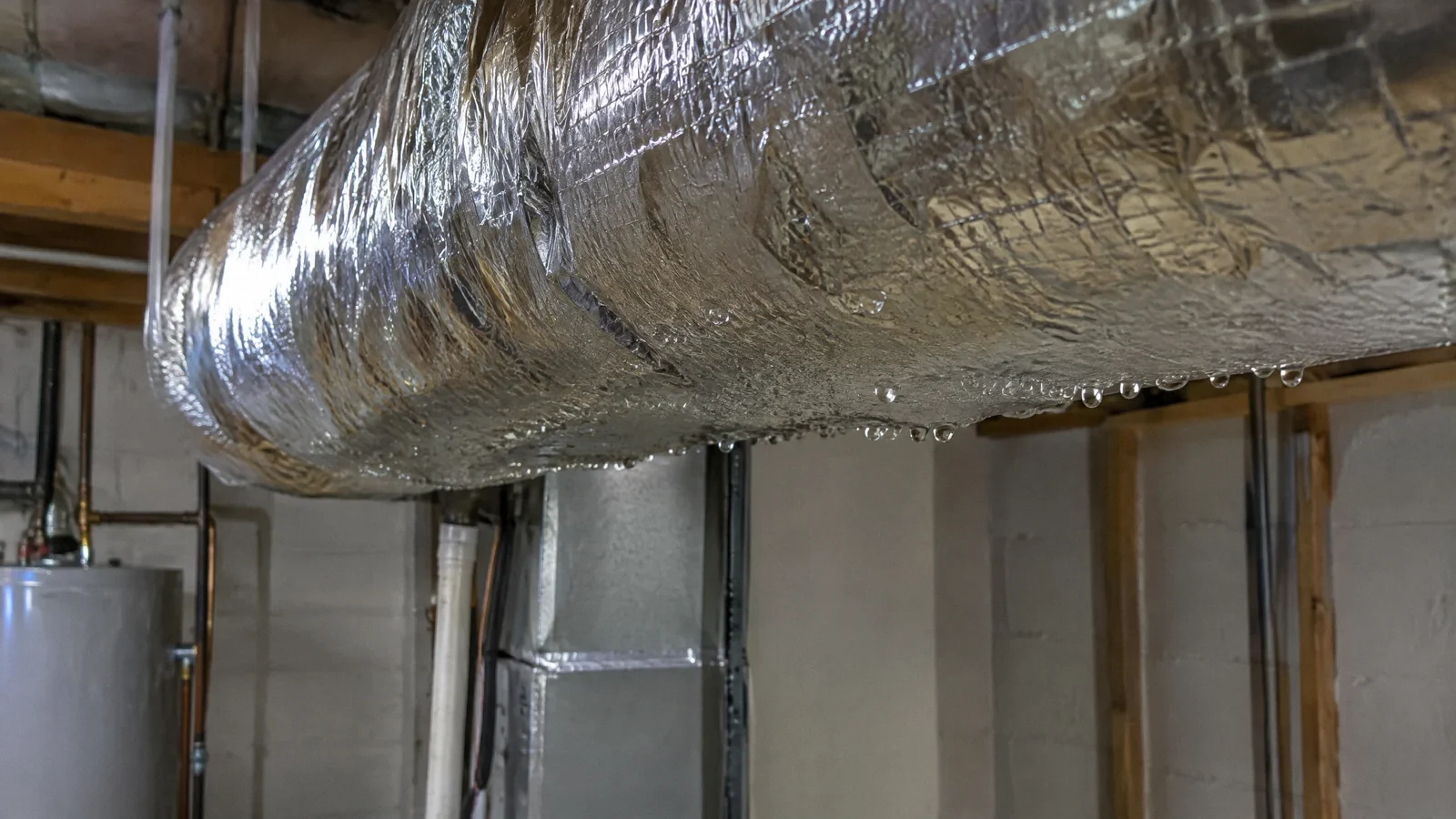
Understand possible sources of water in heating and cooling ducts and how professionals assess removal, drying, and replacement.
Understand what water intrusion means, how to distinguish possible routes, and what to do when water seeps into a home.
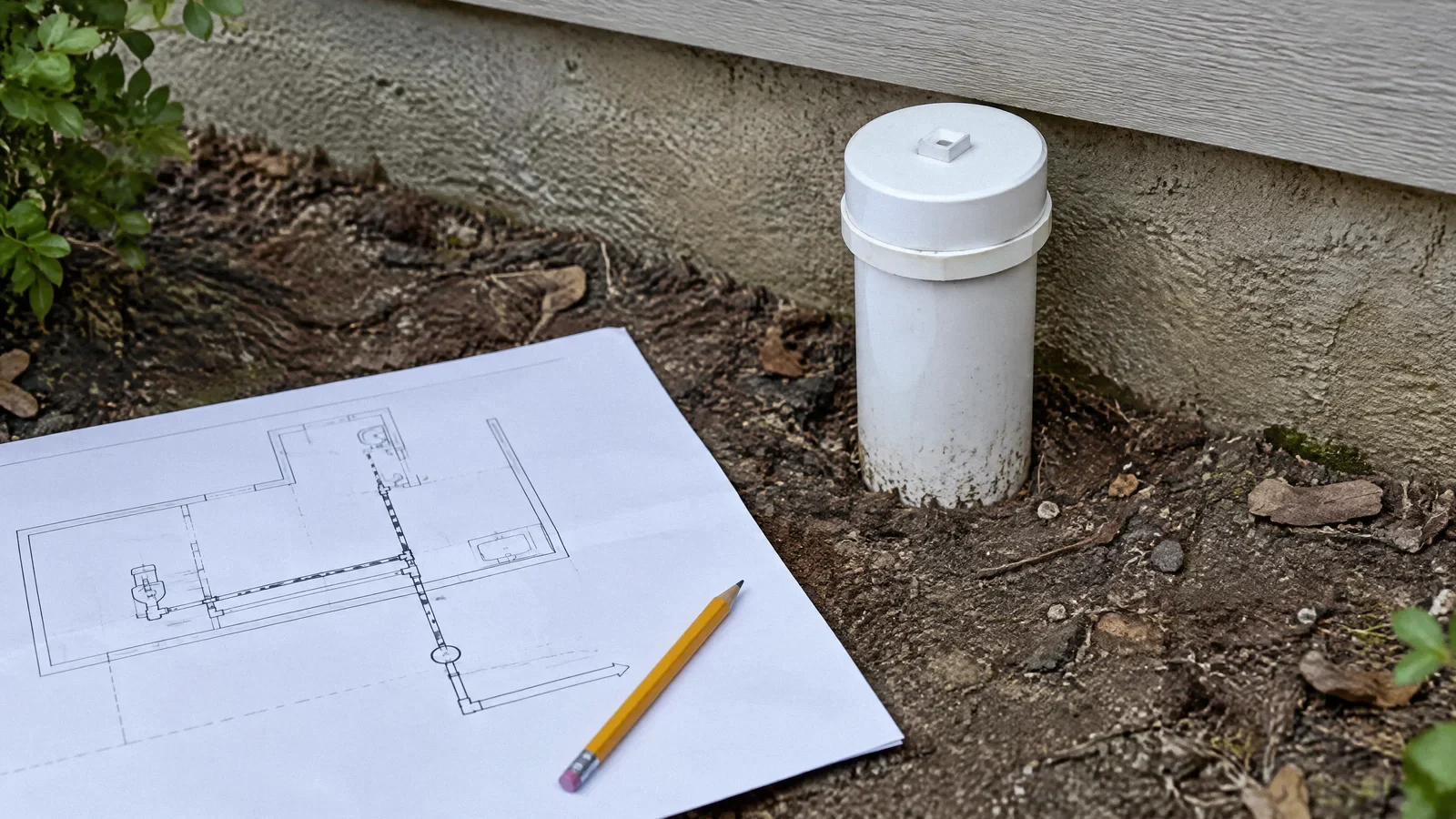
Learn where drainage cleanouts may be required, how access and direction matter, and why local code controls.
Distinguish a musty basement from urgent fuel, sewage, smoke, and electrical odors and trace possible moisture sources.
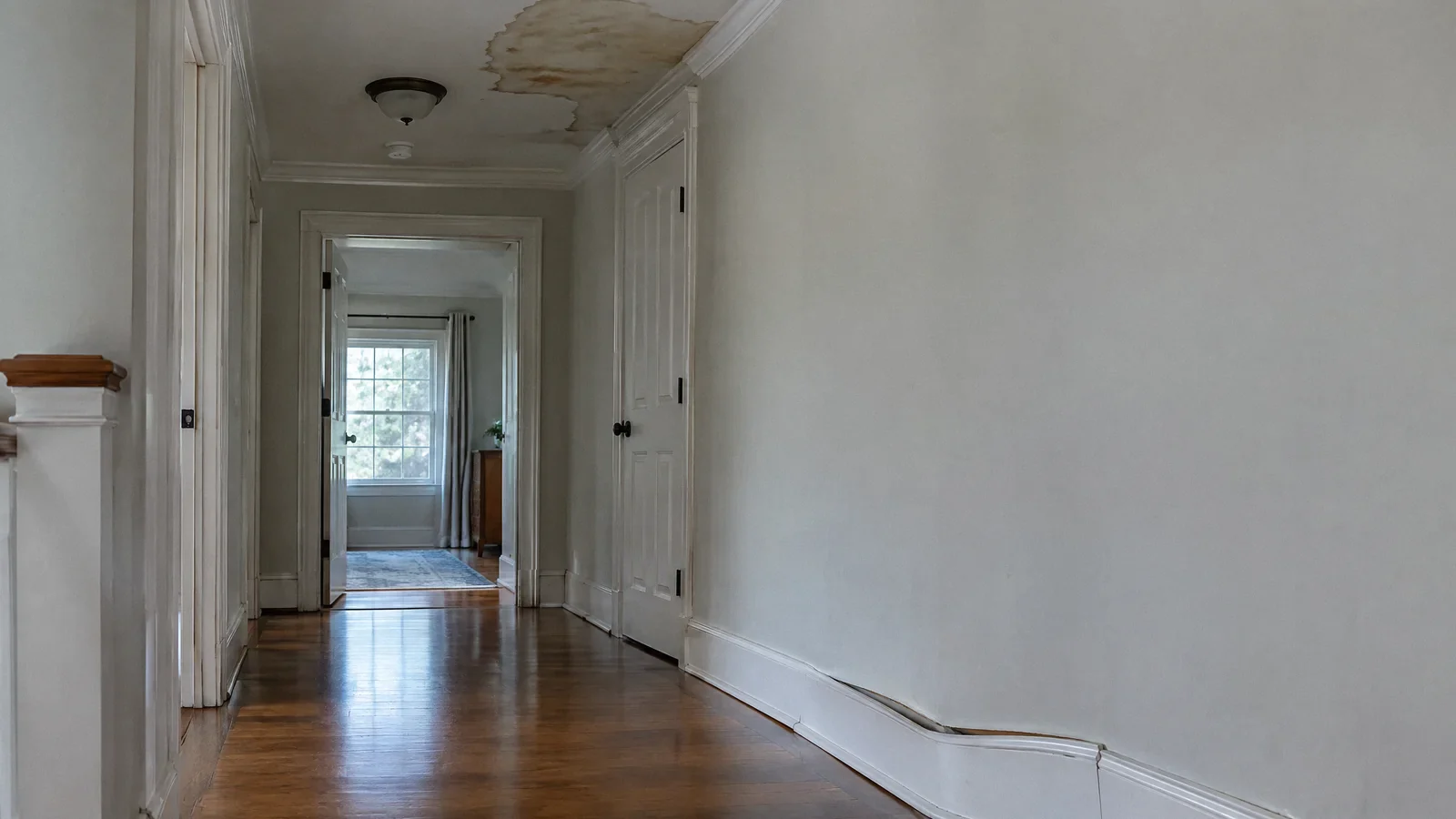
Learn how to distinguish normal flooring movement from installation, support, and moisture problems that need inspection.
Use the location and timing of wet carpet to investigate leaks, rainwater, condensation, and potential contamination.
Understand positive and negative pressure drying, contamination limits and verification of hidden moisture.
Identify common commercial water damage sources and coordinate safety, documentation, drying and business recovery.
Try a material, “insurance”, “mold”, or a shorter phrase.