Water under a washer can come from a supply hose, drain connection, door seal, internal component or another nearby source. Keep away from wet electrical equipment and stop a known water supply only if it is safely accessible. Do not run another cycle until the leak has been assessed and the machine is safe to use.
Make the area safe first
Do not touch a wet plug, outlet, cord or appliance panel, and do not enter standing water to reach a switch. If electricity cannot be isolated from a dry safe location, ask a qualified electrician or emergency responder for help. Keep children and pets away from the area.
If the washer’s water valves are clearly identified and reachable without crossing an electrical hazard, close them. Otherwise seek qualified help. A suspected gas leak from another appliance or an immediate danger requires evacuation and emergency assistance.
A puddle below does not identify the source
Water can run down the back or side of a machine before appearing underneath. A loose supply connection, damaged hose, door gasket, detergent drawer, blocked drain or internal component may all produce a puddle. A nearby plumbing leak or condensation can also be mistaken for a washer fault.
Observe only what is safely visible and note whether the leak occurs while filling, washing, draining or when the appliance is off. Do not pull a heavy machine across a wet floor or reach behind it when electrical connections are uncertain.
Supply hoses and connections
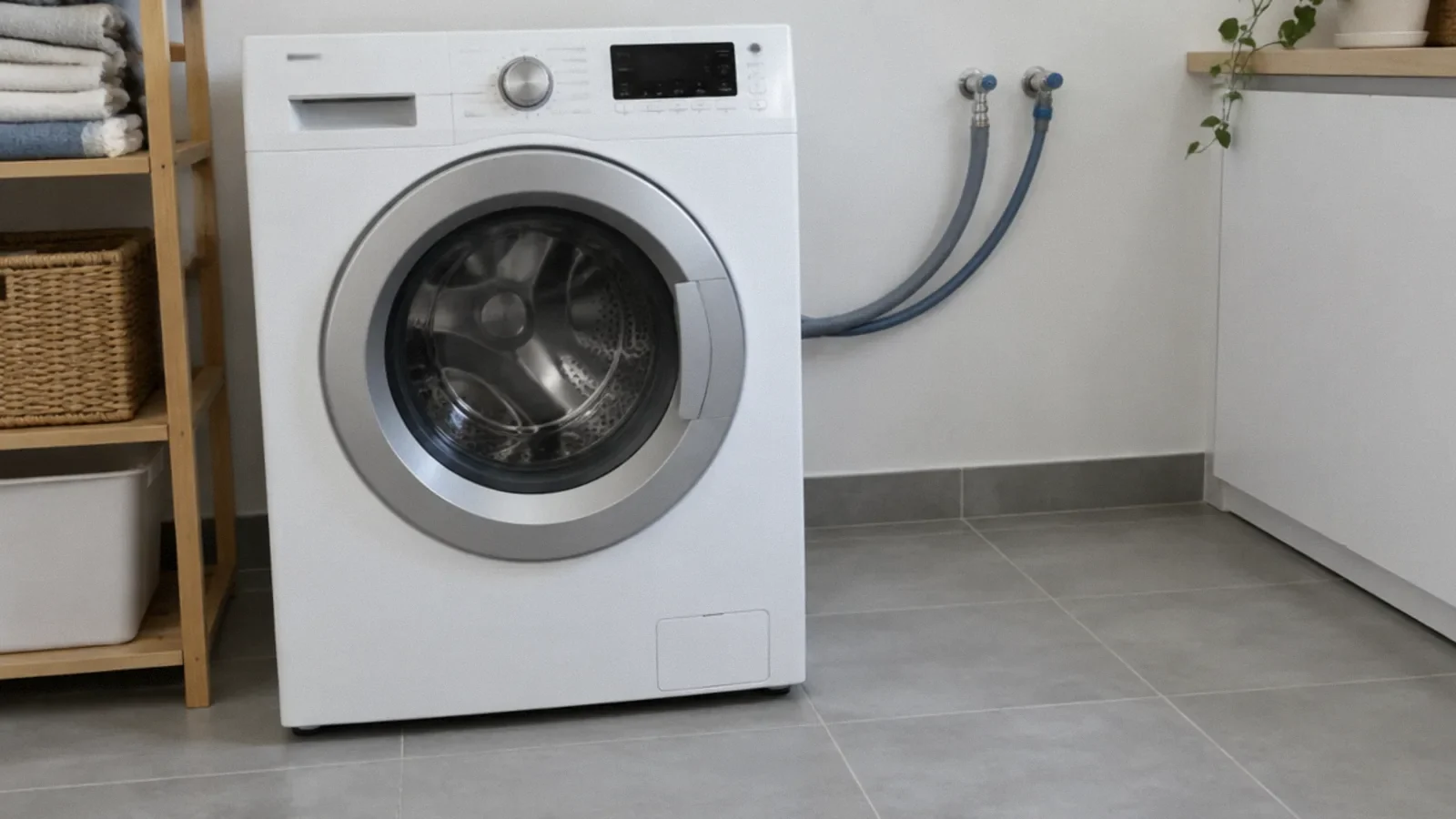
A supply hose carries water from a wall valve to the washer. If it or a connection fails, water may leak even when the washer is not running. A qualified person can inspect hose condition, connections and the wall valves after the area and appliance are made safe.
Do not assume tightening a fitting will solve a damaged hose. Follow the appliance and hose manufacturer’s instructions, and replace parts with compatible components when needed. Avoid forcing a stuck valve or connection; a plumber or appliance technician can assess it.
Drain hose and standpipe
A drain hose carries used water away during the drain cycle. A kink, disconnection or obstruction can contribute to overflow or leakage. The visible hose may not reveal a blockage inside the standpipe or a problem farther down the drain.
Do not open a backed-up drain or use a plunger or snake if chemical cleaner is present. Tell the technician about any drain product used. If sewage is backing up, stop using affected plumbing and keep away from contaminated water.
Front-load door and detergent drawer
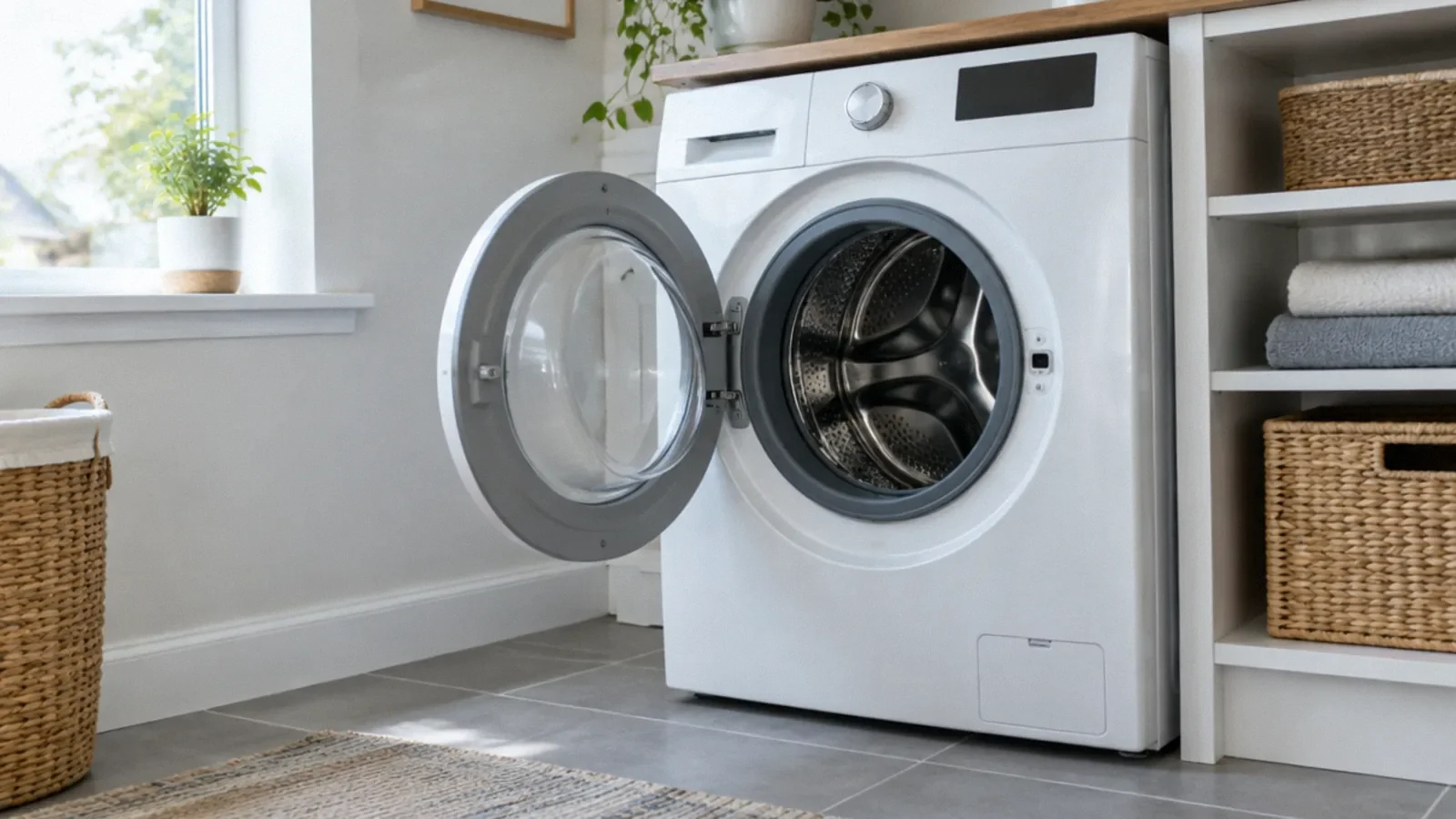
On a front loader, debris or damage at the door gasket can cause leakage around the front that travels to the floor. A detergent drawer or excess suds may also contribute on some models. Whirlpool identifies the door seal and detergent use among possible causes, but the symptom alone is not a diagnosis.
After the machine is made safe, follow the exact model’s instructions for accessible cleaning. Do not tear the gasket, spray electrical controls or mix cleaners. A damaged seal, faulty latch or recurring leak may require a qualified appliance technician.
Water inside or beneath the appliance
An internal pump, tub or hose may leak and generally requires access by an appropriately trained service provider. Do not remove panels or operate the machine with guards removed. A wet appliance should not be re-energized until qualified personnel determine it is safe.
A test cycle can release more water and expose electrical hazards. Do not run one simply to locate a leak unless a qualified technician has made the area safe and directs the test. Record the model, symptoms and timing for the service call.
Dry the floor and adjacent materials
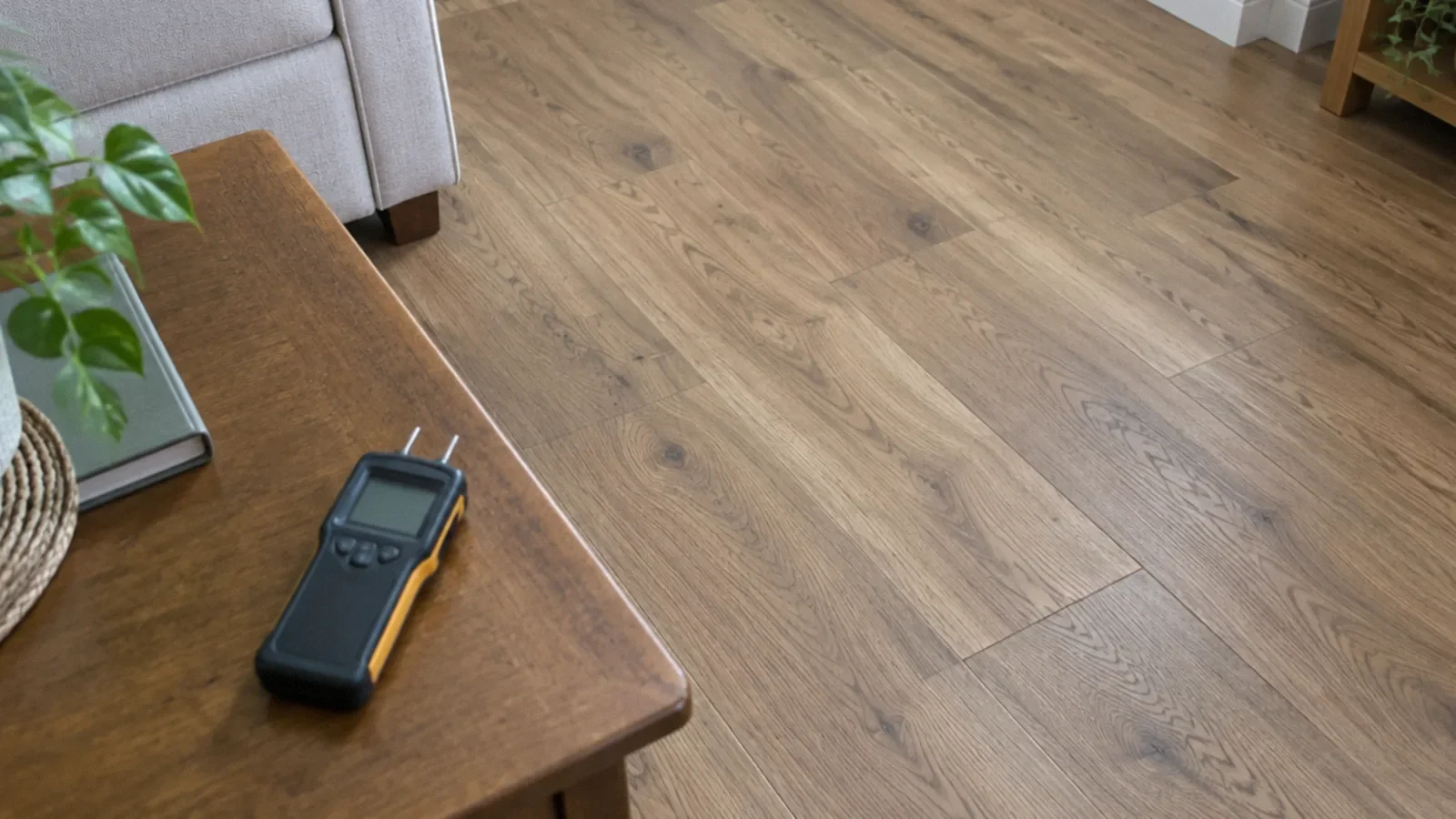
Once the source and electrical hazards are controlled, assess the flooring, baseboards, cabinets and subfloor. Water can travel underneath vinyl or into a wall cavity. EPA guidance emphasizes prompt cleaning and drying of water-damaged materials, including underflooring where affected.
The water source matters: a supply leak and a contaminated drain backup need different cleanup. Do not use fans before water is known to be clean or blow air over visible mold. Ask an experienced restoration professional to assess extensive wetness or inaccessible layers.
Repair, records and prevention
Notify the property manager or insurer as appropriate and document visible damage from a safe position. Ask the technician for the identified cause, replacement parts, test results and any work excluded from the appliance repair. Drying and floor repair may be separate services.
Follow the washer and hose manufacturers’ inspection and maintenance instructions. Keep shutoffs accessible and consider a leak alarm where appropriate. A preventative device does not replace maintenance or guarantee that a future leak cannot occur.
A top-loading washer leaking from below
A puddle under a top-loading washer can originate from a supply hose, drain hose, overflow, door or tub component, or another nearby source. Note whether it appears during filling, washing or draining, but do not place hands beneath an operating appliance to find the leak.
Do not move a heavy washer through standing water or touch wet electrical parts. If a known supply valve is safely accessible, close it for an active supply leak. Follow the model guide and arrange qualified service if the cause is hidden or the appliance requires disassembly.
Your next-step checklist
- Avoid wet electrical equipment and standing water.
- Close a known water supply only if safely accessible.
- Do not run another cycle to find the leak.
- Tell the technician when and where water appeared.
- Assess the floor and nearby wall after the source is controlled.
Related questions
Why is water under my washer?
A hose, drain connection, gasket, internal part or nearby source may be responsible. The puddle location alone does not identify the cause.
Should I unplug a wet washing machine?
Do not touch a wet plug or stand in water to reach it. Get qualified help to isolate power safely.
Can I run a cycle to see where it leaks?
Do not run another cycle until the area and appliance are safe and a qualified technician directs any test.
Can a washer leak damage the subfloor?
Yes. Water can travel below flooring or into adjoining walls, so assess the affected assembly after the source is controlled.
Why does a washing machine leak from the bottom during filling?
A hose, inlet connection, dispenser, internal part or another source may leak while the machine fills. Stop use and isolate the water if safe, then have the source checked; water appearing underneath does not identify the failed part.
Sources & context
Public guidance supports the principles in this article. The practical questions and examples are editorial interpretation, not a site assessment or a coverage decision. State-specific rules apply only where identified.
- Whirlpool: Causes of a leaking washermanufacturer guidance
- U.S. EPA: Water damage and cleanupfederal guidance
- FEMA: Household electrical emergenciesfederal safety guidance
- Primary guidance: producthelp.whirlpool.comprimary guidance
- Primary guidance: www.epa.govprimary guidance