A washer drain may back up because the receiving pipe is blocked, poorly configured or unable to carry the discharge. Stop the washer, stay clear of water near electricity and ask a plumber to assess the hose, standpipe and shared drain. Do not add drain chemicals to standing wastewater.
Recognize the location of overflow
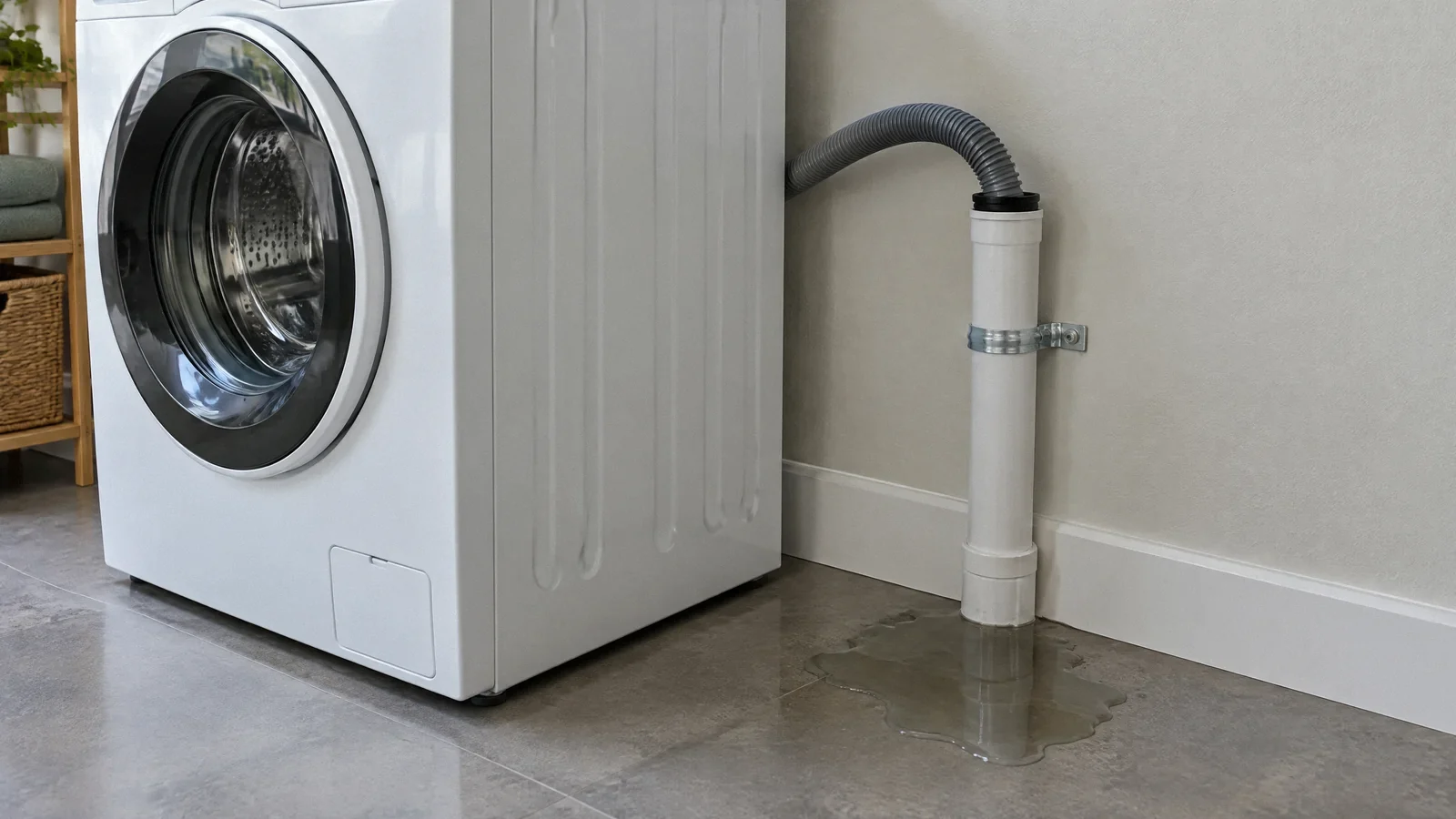
Watch from a safe, dry position: water rising from a standpipe or laundry sink during a washer’s discharge suggests the receiving drain cannot accept flow. A puddle from a supply hose, machine cabinet or loose drain hose is a different starting point. Stop the washer and avoid running another cycle to test it. Water near an outlet or appliance creates an electrical hazard; do not reach through standing water to unplug it.
Hose and standpipe configuration
The drain hose must be positioned and secured in accordance with the washer manufacturer’s instructions and applicable plumbing requirements. A hose that has come out may spill on the floor; a hose forced too far into the standpipe or sealed incorrectly may interfere with proper drainage. Do not tape the connection airtight as a quick fix. A plumber can verify the standpipe, trap, vent and discharge arrangement for the actual installation.
Capacity and venting
A washer discharges water rapidly. An undersized, obstructed or incorrectly configured drain can overflow even when a slow faucet appears to drain normally. Venting problems are another possible factor, but gurgling is not a definitive diagnosis. Ask a plumber to assess the pipe and local requirements rather than enlarging or modifying a drain based on a generic measurement. Older installations and modern machines may have different characteristics.
Clearing and safety
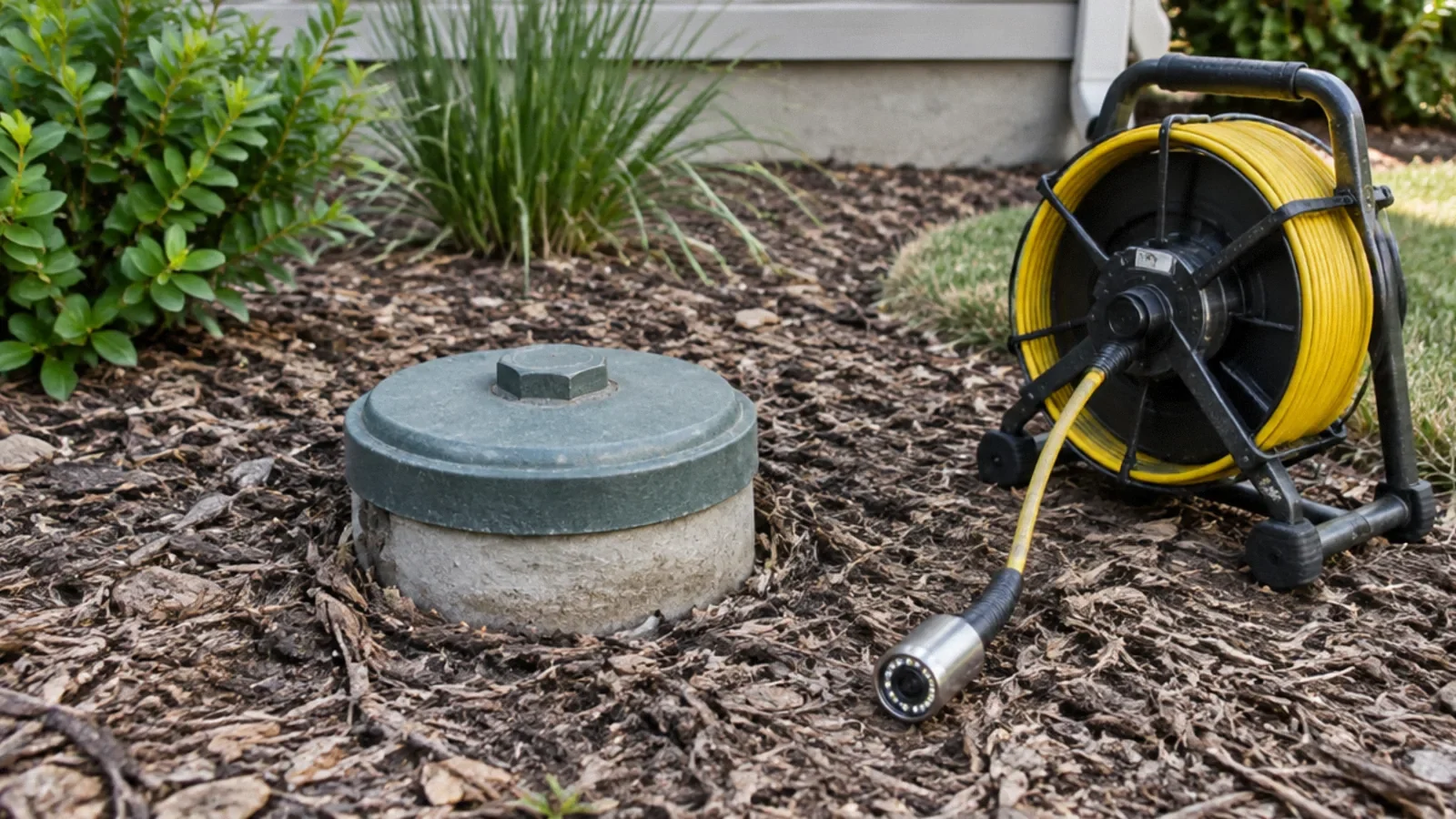
A professional can choose access and a clearing method based on the suspected location and pipe condition. Avoid pouring chemical drain cleaner into standing wastewater; it can create a splash hazard for whoever works on the line. Tell the plumber if a product was already used. Do not open a backed-up cleanout. If a public sewer or septic system may be involved, contact the responsible utility or service provider.
After flow is restored
Cleaning the obstruction and dealing with wet materials are separate tasks. Identify whether the water may be contaminated and assess water under flooring, baseboards or nearby cabinets. Dry promptly when electricity is safe; contaminated or inaccessible materials may require professional help. Retain photographs taken from a safe position, service reports and receipts, and notify the insurer or property manager as appropriate.
Separate machine faults from drainage
If the washer fails to empty but the standpipe does not overflow, an appliance restriction or pump problem may need appliance service. If water emerges from the standpipe during discharge, a plumbing restriction or receiving capacity may be involved. Either condition can coexist with a hose problem. Note any error message and when the water appears, then stop operation. The washer manual and a service technician can help assess the machine without treating all puddles as a sewer problem.
What to tell the plumber
Describe whether the overflow begins immediately or later in the drain cycle, whether a nearby sink also drains slowly, and whether previous cleaning helped. Mention recent plumbing changes and any drain chemicals. Ask which section was inspected, what was cleared, and whether the pipe and vent arrangement can accommodate the machine. If the obstruction recurs, request an explanation of the evidence and any inaccessible section before committing to a larger repair.
Testing after professional work
Once the professional says it is safe, follow the washer and plumbing instructions for a supervised test. Watch the standpipe and nearby fixtures from a dry location and stop the cycle if water rises again. Do not hold a hose in place by hand near electrical equipment. Ask what the repair covered and whether further inspection is needed. Keep the hose secured and accessible, and report repeat overflow rather than relying on a pan to contain an ongoing backup.
Your next-step checklist
- Record the location, condition and relevant history.
- Identify the source or application before choosing a repair or product.
- Ask a qualified professional about local requirements and limitations.
- Keep the written scope, inspection findings and records.
Related questions
Why does the standpipe overflow only when the washer drains?
A rapid discharge can expose a restriction or a receiving drain that cannot handle the flow. A plumber can assess the branch, hose arrangement and shared piping.
Can drain cleaner fix the overflow?
Do not add chemical cleaner to backed-up water. It may create a splash hazard and does not correct a poorly configured drain. Tell the plumber if chemicals were used.
Sources & context
Public guidance supports the principles in this article. The practical questions and examples are editorial interpretation, not a site assessment or a coverage decision. State-specific rules apply only where identified.
- Whirlpool: washer installation instructionsmanufacturer instructions
- CDC: Reentering a flooded homeofficial guidance