Start with people, electrical and structural safety, and stopping the source from a safe location. Once entry is safe, document the loss, arrange extraction and material assessment, and track what remains wet. A dry-looking room is not the same as a dry building.
The first decision is whether you can enter
A water emergency creates pressure to act, but crossing a wet room to save possessions can turn property damage into an injury. Stay out when water may contact electrical systems, a ceiling is sagging, walls are visibly unstable, or the source may be sewage. CDC guidance puts safe entry and electrical assessment before powered cleanup. A utility or emergency responder may need to make the area safe.
Keep children, pets, and other occupants away from the affected area. If anyone depends on powered medical equipment or cannot safely remain while utilities are interrupted, arrange another location early. This is an occupancy decision, separate from whether a contractor can begin work in one room.
Stop adding water, then establish what happened
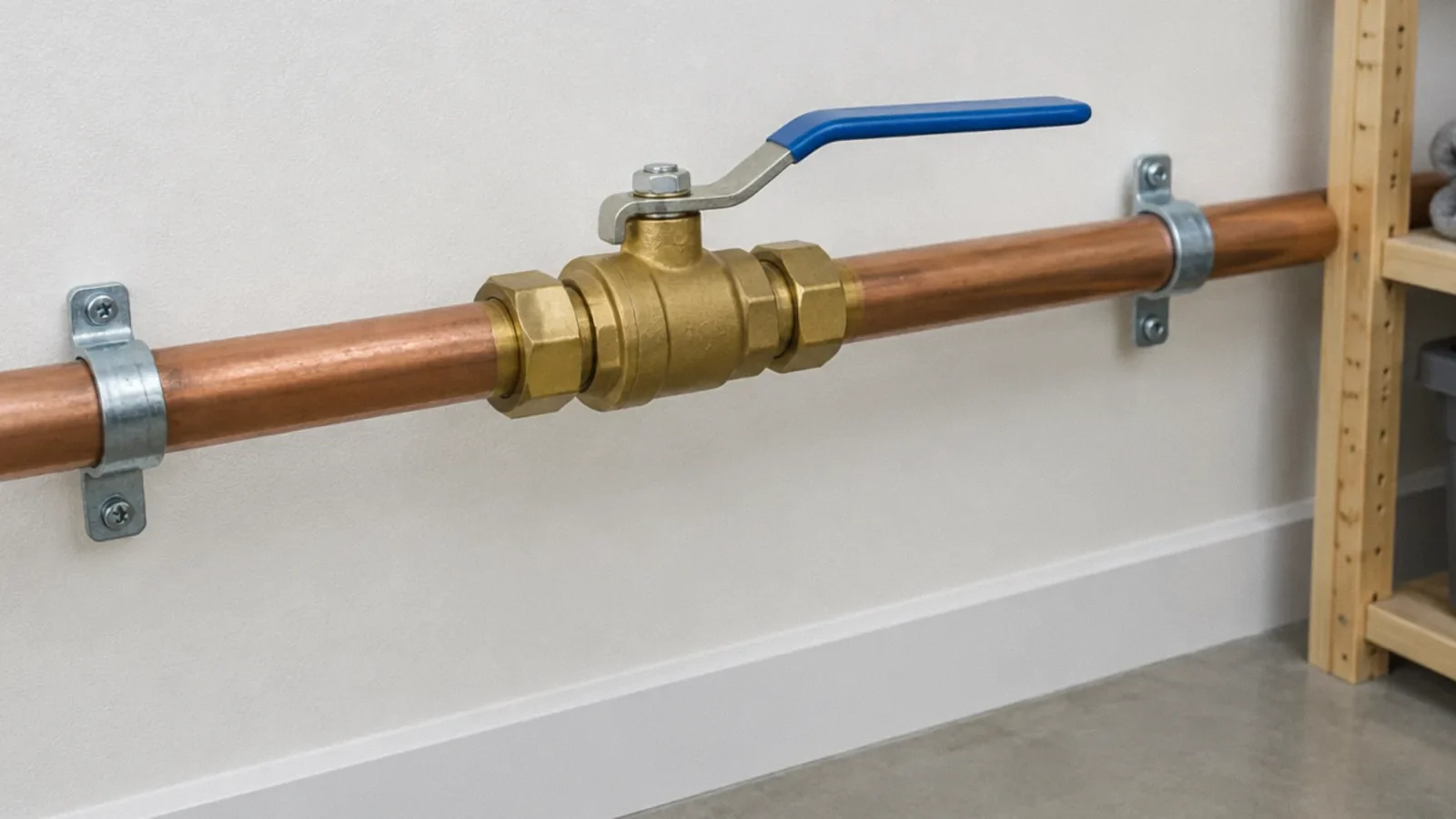
If a familiar plumbing shutoff is accessible by a dry, safe route, closing it can limit a supply leak. Do not enter floodwater to reach a valve or electrical panel. Roof water, sewer backups, and rising groundwater need different source-control responses; shutting the domestic water supply does not resolve them. Tell the responder what you observed rather than guessing that all water is clean.
Record discovery time, the last known dry condition, and any plumbing or weather event. These are different facts. A leak discovered this morning may have been running overnight. Photograph water paths, affected rooms, and visible damage from safe positions. Preserve the failed part when practicable, but do not delay necessary hazard control to obtain an ideal photograph.
Build a material list instead of counting puddles
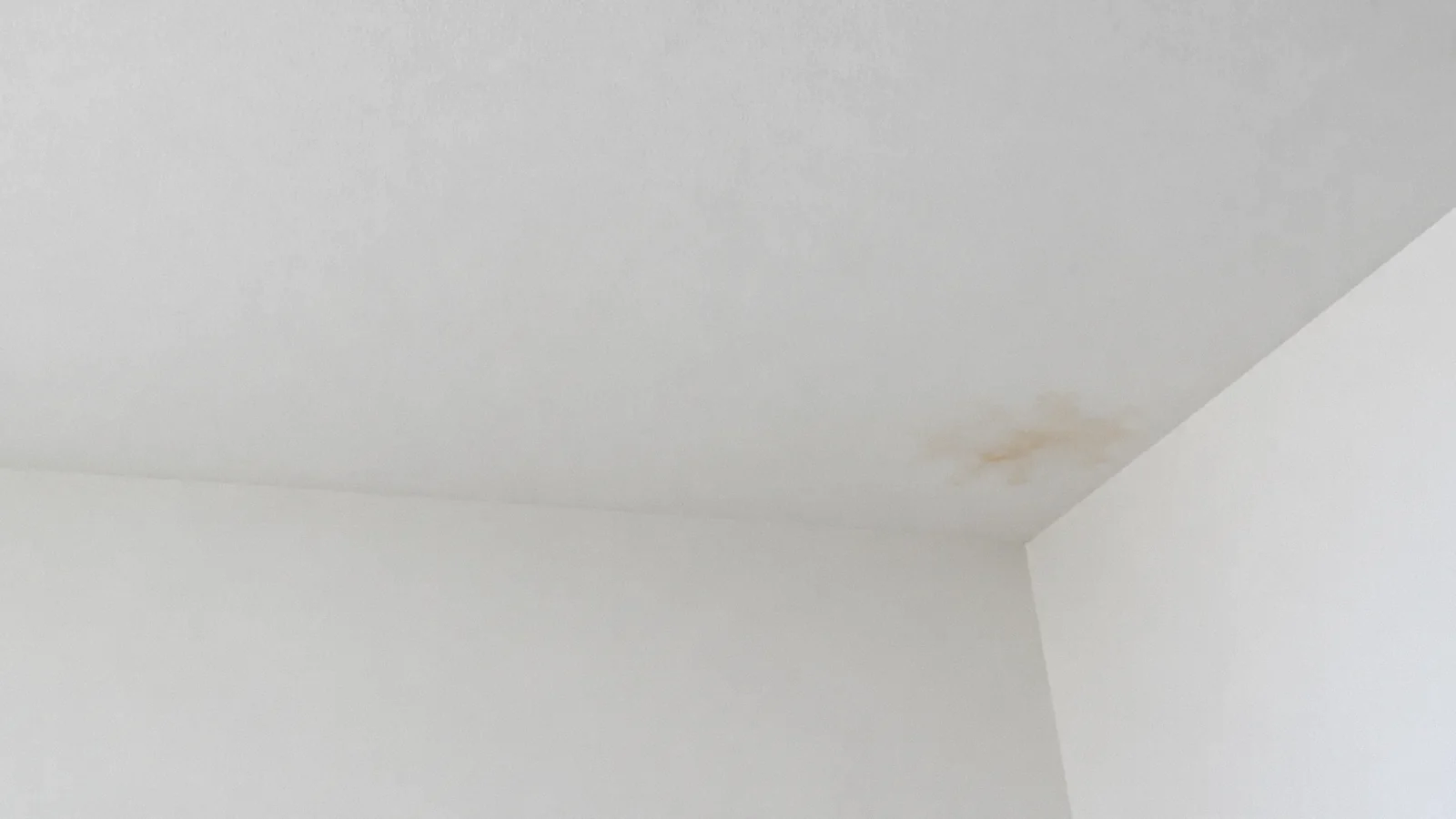
Standing water is only the visible portion of the loss. List floor finishes, padding, baseboards, wall cavities, cabinets, insulation, and belongings along the water path. Check the room below and adjacent spaces through safe access. Water can travel under continuous flooring or along framing without leaving a matching stain on the exposed surface.
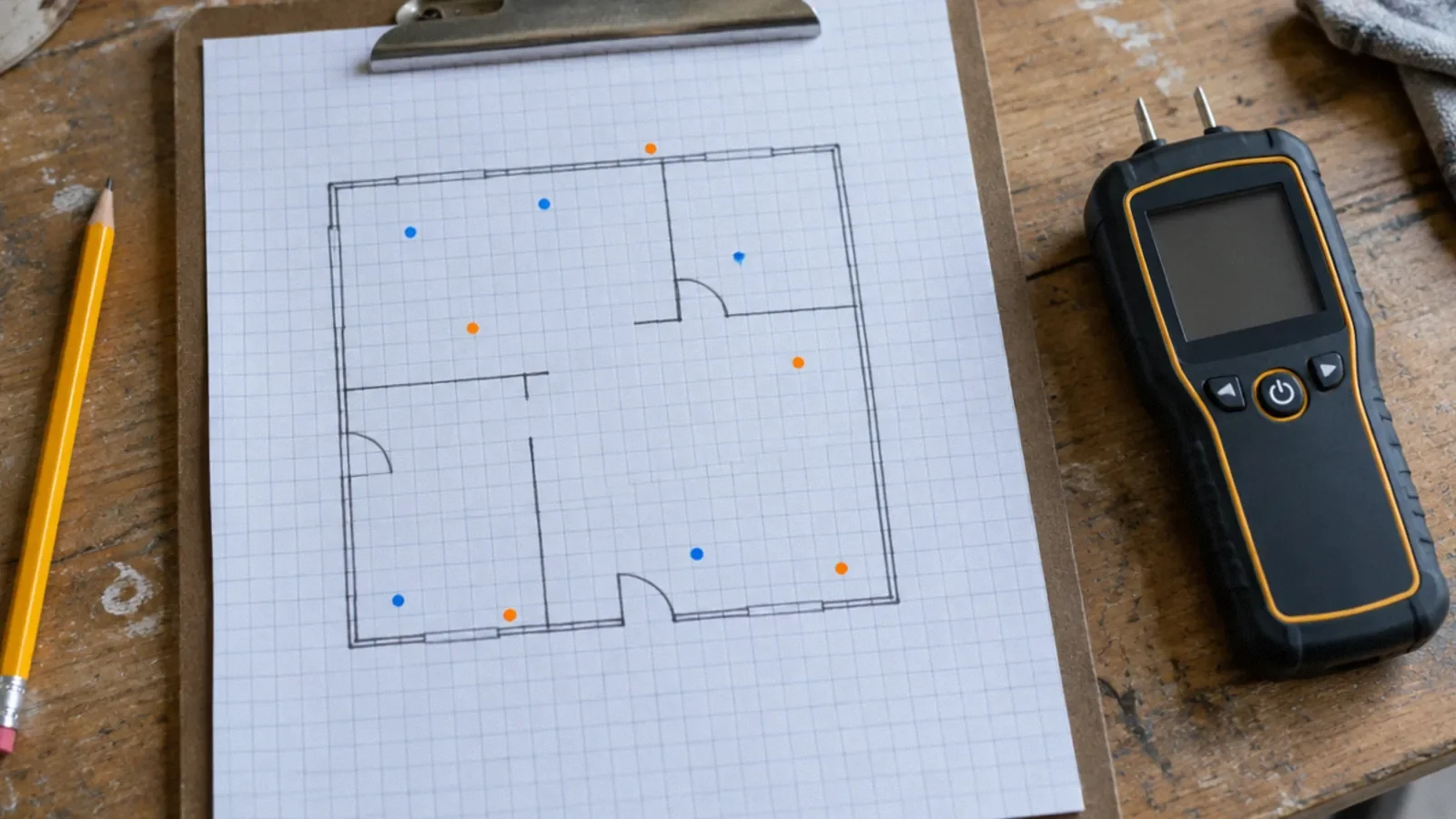
Ask the restorer to distinguish what can be inspected immediately from what remains concealed. EPA clean-water guidance treats materials differently and specifically calls for checking underlying flooring. A proposal that says only “dry room” does not explain whether a wet pad, cabinet base, or insulated exterior wall is included.
Use the first day to start drying, not promise completion
Prompt extraction and drying reduce the period materials remain wet. EPA’s commonly cited 24–48-hour guidance is a prompt-response target for clean-water situations, not a deadline that guarantees no mold and not a rule that everything becomes unsalvageable at a particular hour. Water quality, exposure, access, and material condition still matter.
Do not point household fans at unknown contamination or visible mold. EPA cautions against using fans before the water is known to be clean or sanitary. After appropriate assessment, extraction removes liquid and dehumidification or suitable ventilation removes released vapor. Equipment should be connected only through an electrical arrangement confirmed safe for the conditions.
An example of a useful first-day scope
Consider a supply hose that releases water into a laundry room and the hallway beside it. The first report should distinguish the repaired hose from the wet flooring, wall bases, and any ceiling below. Extracting the visible water addresses only part of that list. If the hallway finish continues beneath a closet, the closet deserves consideration even when no puddle remains there.
The handoff can state which areas were checked, which layers were exposed, and what will be measured next. It can also name the remaining unknowns, such as inaccessible flooring beneath an appliance. This makes tomorrow’s visit a continuation of an investigation instead of a fresh guess based on how the room looks.
Clean water damage according to the source
Once the area is safe, separate the first cleanup decisions by water source and material. A clean supply-line spill on a hard surface does not call for the same handling as water carrying sewage or outdoor flood contaminants. EPA cautions that floodwater can contain bacteria, chemicals and other hazards even when the source initially appears to be rain.
Remove accessible liquid only with equipment suitable for the conditions, then inspect affected surfaces and underlying layers. Materials that absorb contaminated water and cannot be adequately cleaned and dried may need removal. Ask which items remain inaccessible and how the team will check them before rebuilding.
Set a useful handoff for the next visit
Before the first crew leaves, identify the person responsible for source repair, monitoring, and authorization of changes. Ask where measurements were taken and when those same locations will be checked again. Request written explanation for removed materials, inaccessible areas, and any restrictions on using the affected room.
Keep a simple event log: arrival times, actions, equipment interruptions, newly discovered water, and receipts. Separate urgent stabilization from reconstruction choices. Selecting replacement colors or finishes can wait; explaining how wet layers will be inspected cannot. If water continues to appear after the supposed repair, report it immediately rather than treating all later moisture as ordinary drying.
A small spill versus outside floodwater
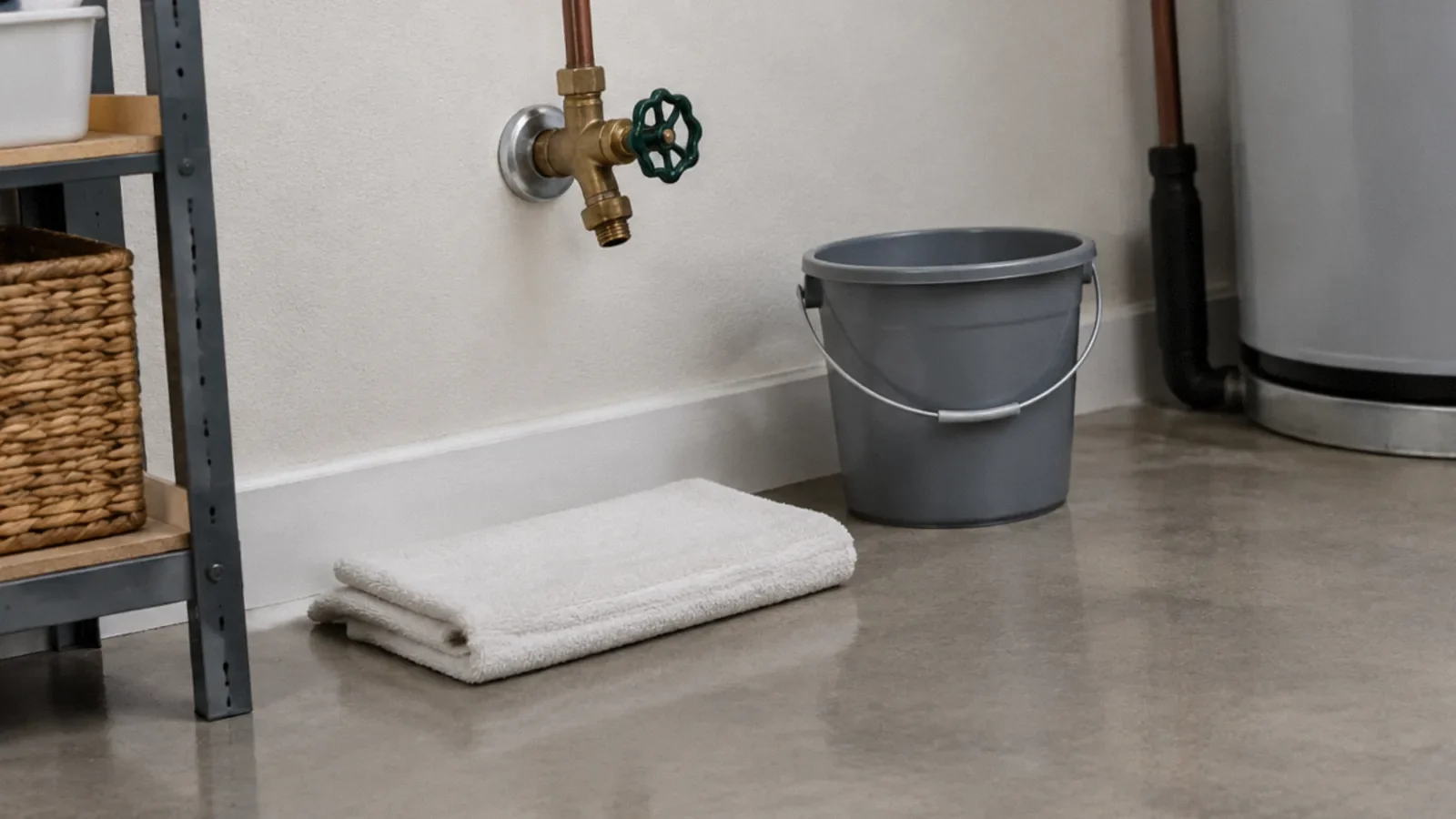
For a small, known clean-water spill with no electrical hazard, stop the source if the shutoff is safely accessible, blot or remove standing water, move washable belongings and dry accessible surfaces in accordance with their care instructions. Check adjacent flooring, baseboards and material underneath when safely accessible. If a large leak continues or the source is unknown, call a plumber; do not assume unknown water is clean.
A room flooded from above may affect neighboring rooms or the ceiling below. Water repeatedly appearing through a floor requires investigation of its source rather than another round of surface drying. Swelling, staining and soft finishes indicate damage but do not alone establish mold. Document damage safely, contact your insurer about its process without assuming coverage, and share the source repair and wet-area observations with the drying contractor.
When outside floodwater rises, follow evacuation instructions and never walk or drive through moving water. Return only when authorities say it is safe. Floodwater can carry contaminants; electrical and structural hazards may remain. Obtain professional help for sewage, extensive wet areas, inaccessible layers or conditions that cannot be safely dried.
Your next-step checklist
- Confirm that entry and the route to any shutoff are safe before approaching the affected area.
- Record the source as known, suspected, or still undetermined; do not silently convert a guess into a fact.
- Photograph visible conditions and list the rooms, finishes, cavities, and contents that may have been reached.
- Ask which materials require removal, which will be dried, and which have not yet been inspected.
- Get the monitoring contact and next visit time, with instructions for reporting equipment stops or new water.
Related questions
Should I call insurance before stopping the leak?
Notify the insurer promptly, but immediate safety and reasonable measures to stop continuing damage should not wait for perfect claim paperwork. Keep photographs and records of urgent actions. Coverage and authorization requirements depend on the policy.
If the floor feels dry by evening, is the emergency over?
The immediate flow may be controlled, but moisture below finishes or inside cavities can remain. Completion requires checking the affected materials and deciding whether contamination or physical damage needs further treatment.
What if I cannot get a restoration crew today?
Use safe access to document and protect unaffected belongings, keep people out of hazardous areas, and arrange the appropriate source repair. Do not improvise electrical access or disturb potentially contaminated assemblies to compensate for the delay.
Can I stay in a house after it floods?
Occupancy depends on electrical, structural, contamination and utility conditions. Follow local authorities and qualified professionals; do not stay in or enter an area that has not been made safe.
What should I do about a water bubble in a wall?
Keep people and belongings clear and avoid wet electrical equipment. Do not puncture a bulging surface; it may release water or conceal damaged material. If safe, stop the water source and arrange inspection of the wall and the leak.
Sources & context
Public guidance supports the principles in this article. The practical questions and examples are editorial interpretation, not a site assessment or a coverage decision. State-specific rules apply only where identified.
- CDC: Reentering Your Flooded Homeofficial
- EPA: Table 1, Water Damage Cleanup and Mold Prevention (clean-water material guidance)official
- EPA: Flood cleanup and indoor airofficial
Community questions behind this topic
These discussions helped identify reader concerns. They are anecdotal, not technical or legal authority.