Water Damage in the First 24 Hours: A Practical Triage Plan
Prioritize safe entry, source control, extraction, and hidden wet layers during the first day after a leak, with a clear record for the next crew.
The first decisions after a leak or flood. Browse 77 detailed guides.
Prioritize safe entry, source control, extraction, and hidden wet layers during the first day after a leak, with a clear record for the next crew.
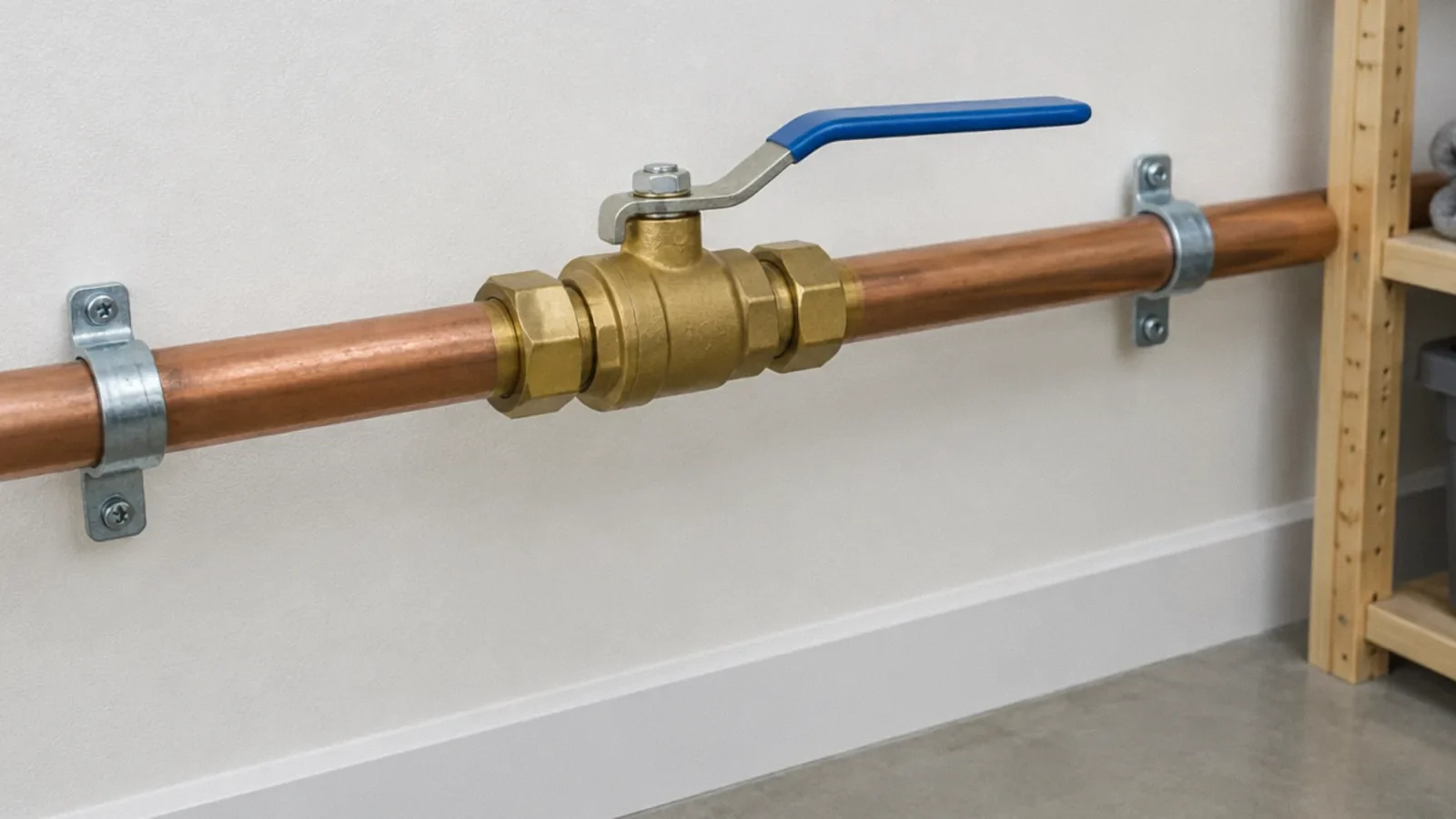
Know when a safe water shutoff can limit a leak, when to stay out of the room, and why wet electrical equipment needs assessment before reuse.
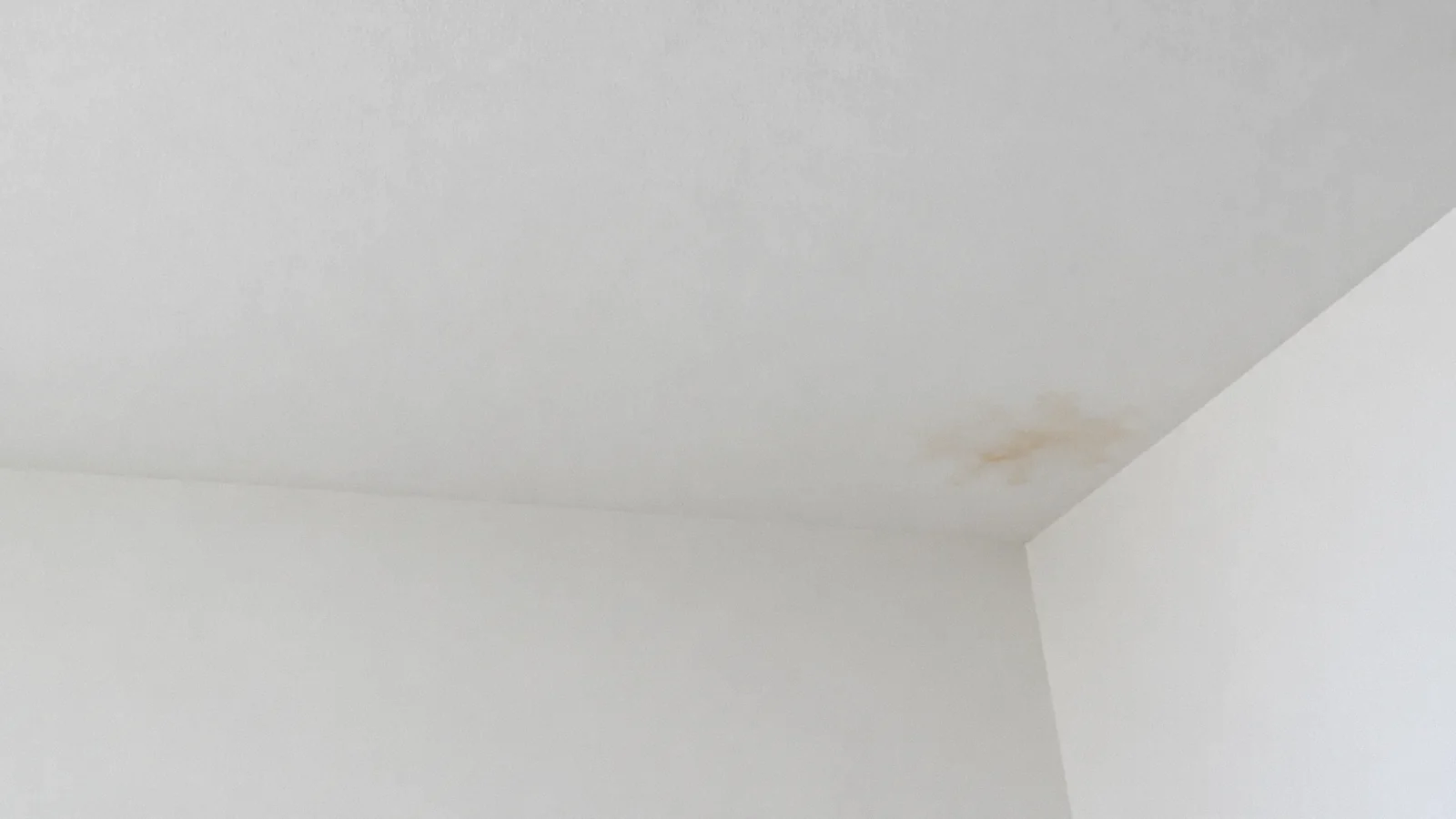
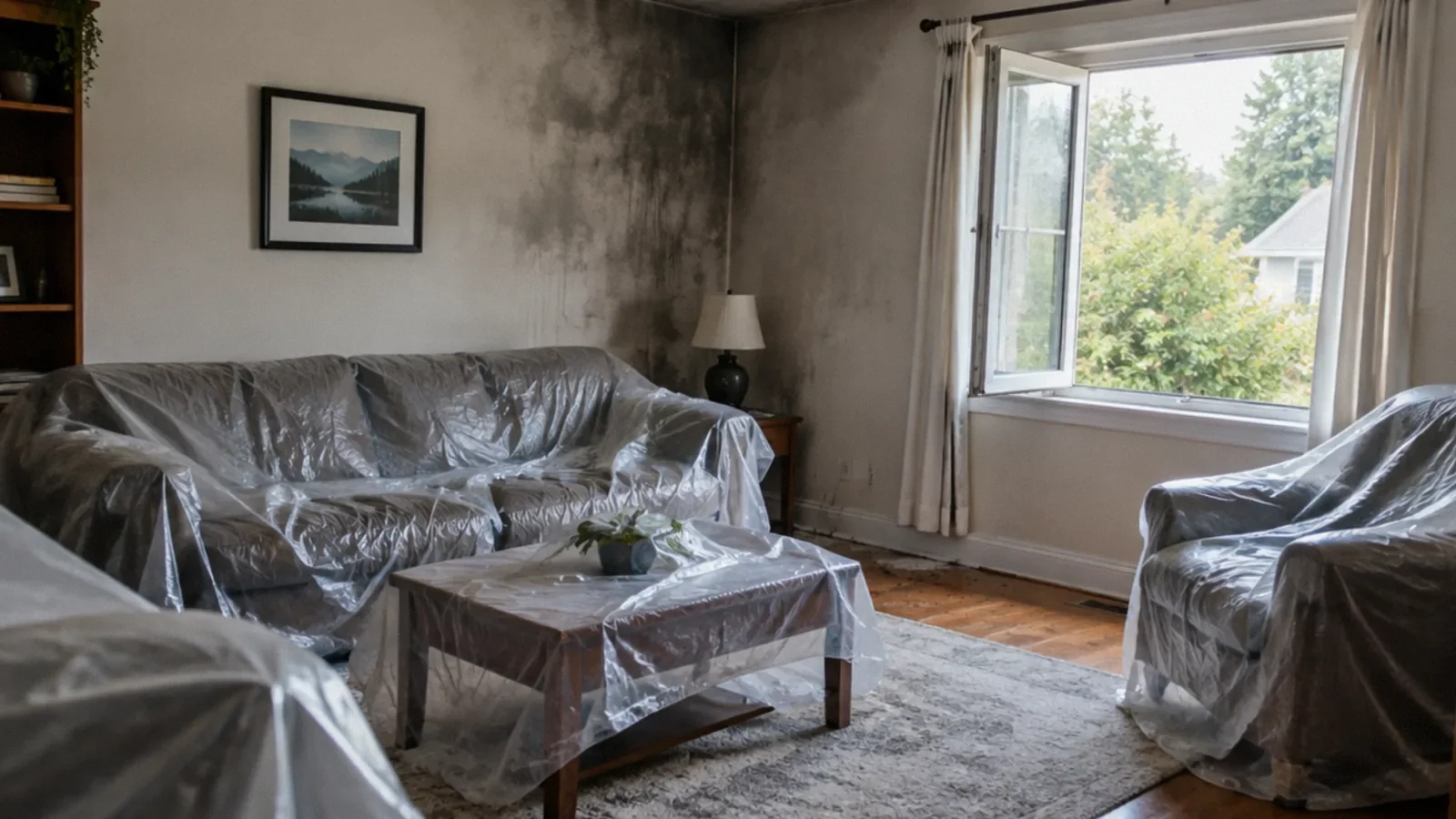
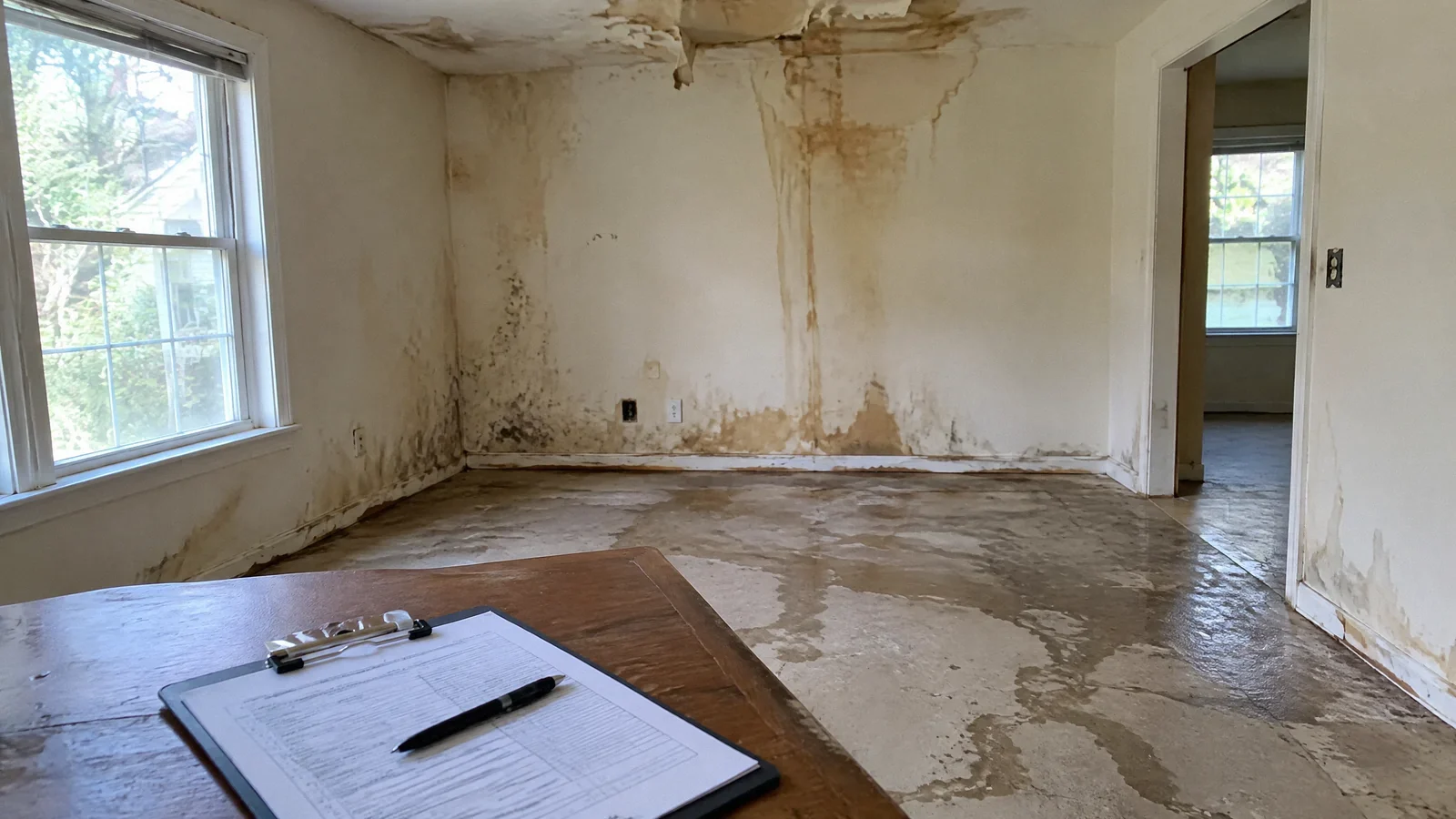
Assess a leaking ceiling beyond the visible stain: overhead safety, the water path, wet insulation, retained framing, and evidence needed before patching.
Understand why sewage cleanup requires contamination control as well as drying, including porous materials, hidden layers, waste handling, and return to use.
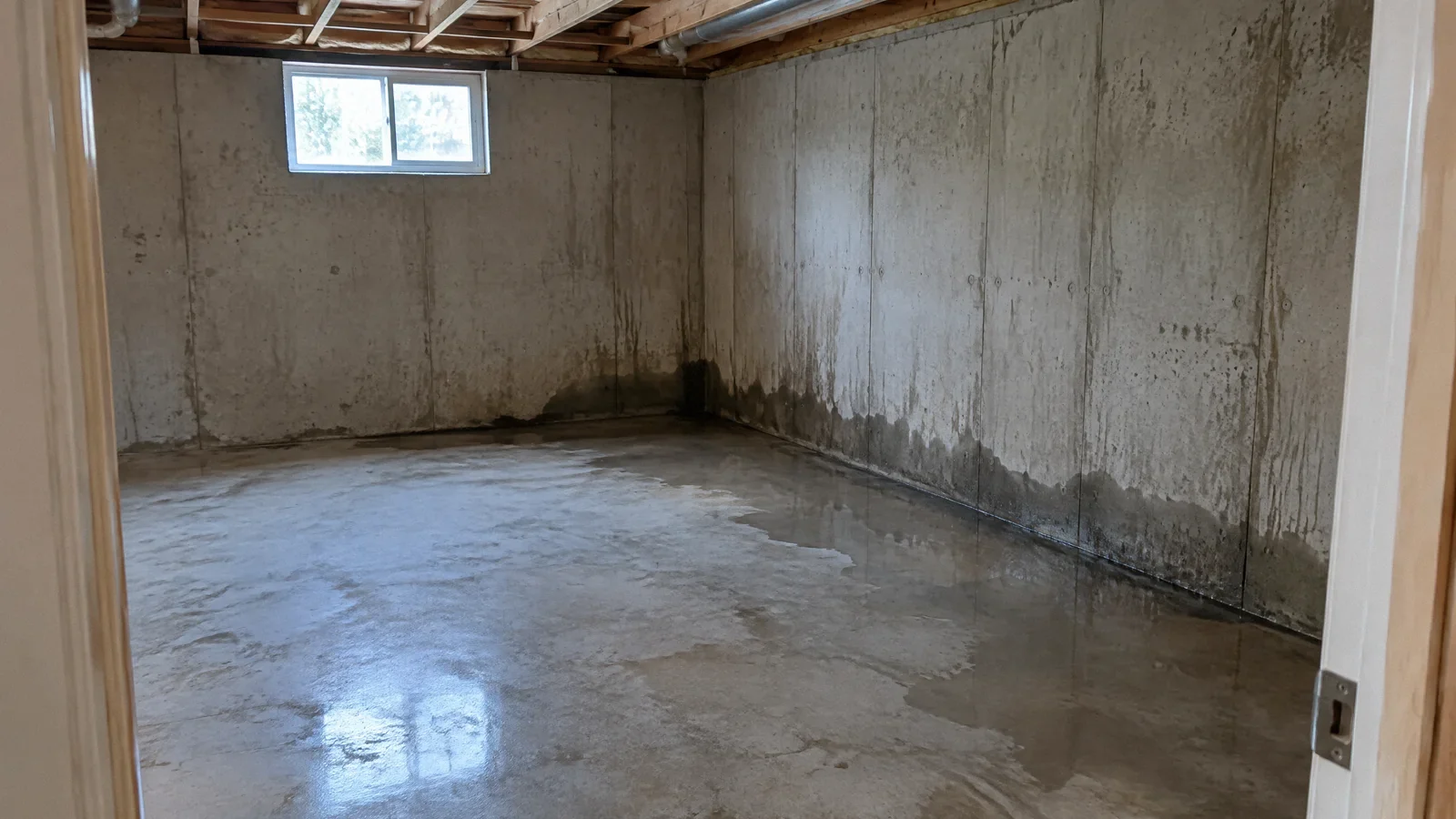
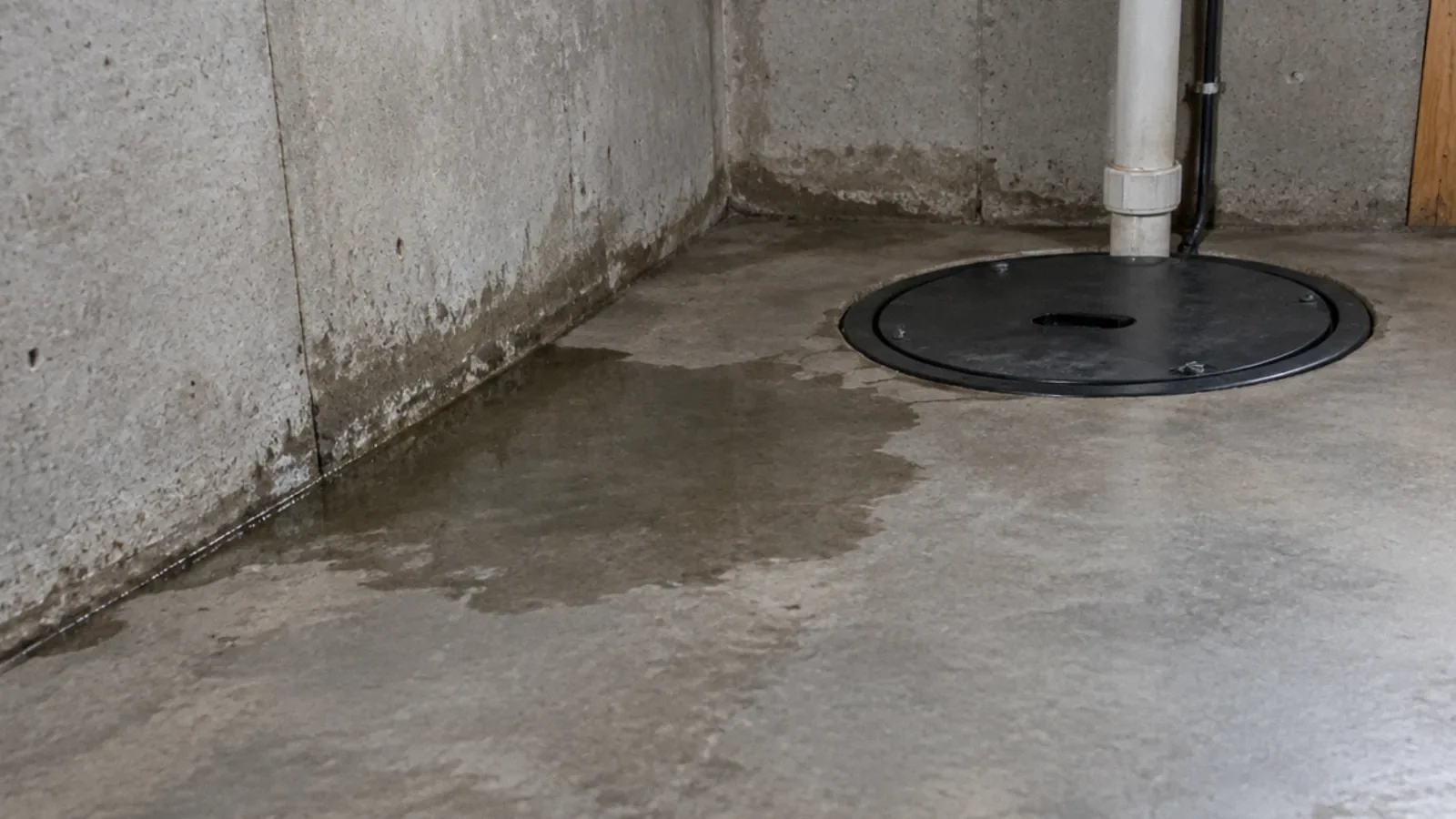
Learn why high groundwater can make rapid basement pumping risky, what conditions need structural guidance, and how extraction differs from final drying.
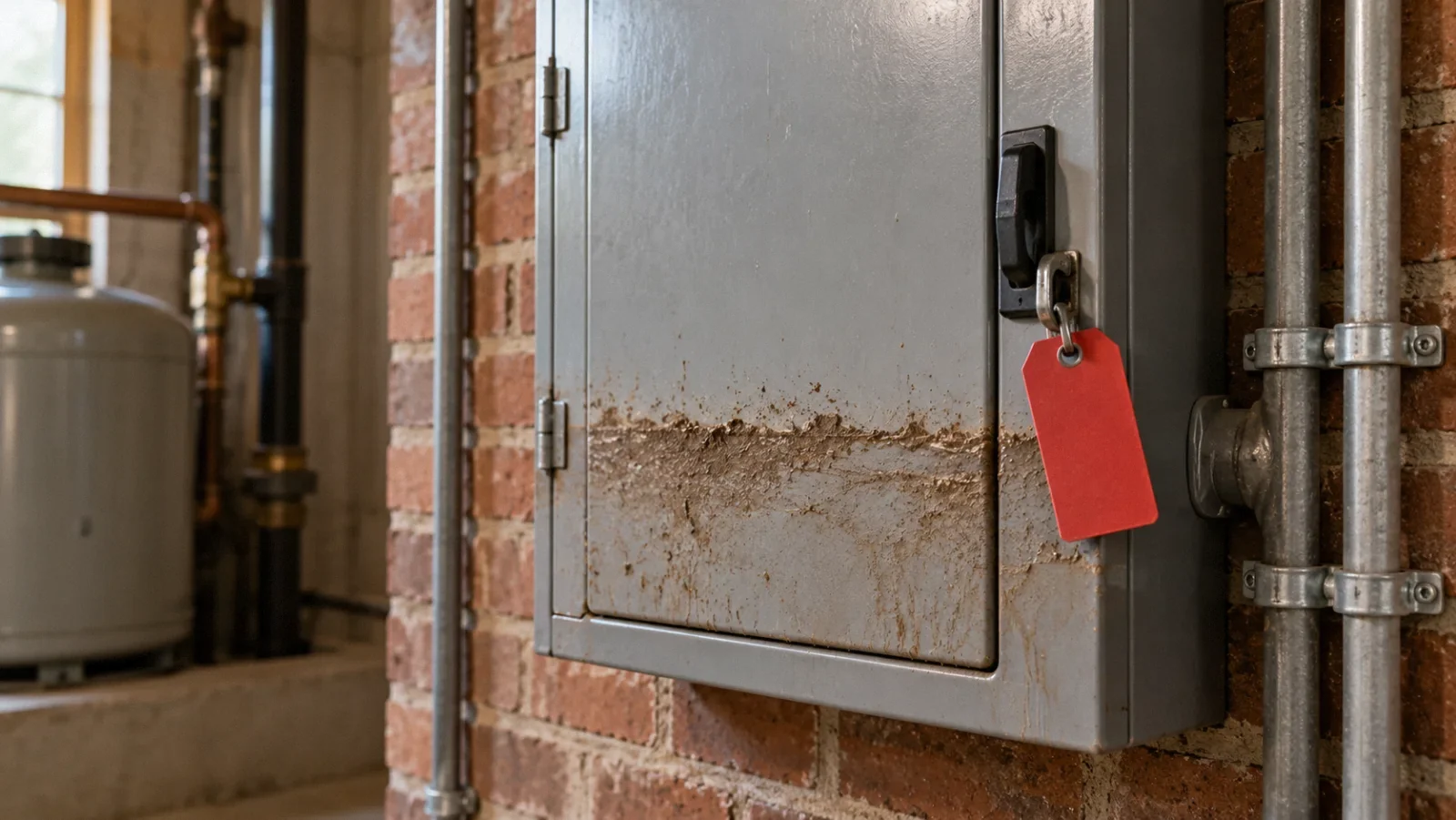
Flood-exposed electrical equipment needs qualified evaluation before power returns. Record exposure and require equipment-specific disposition decisions.
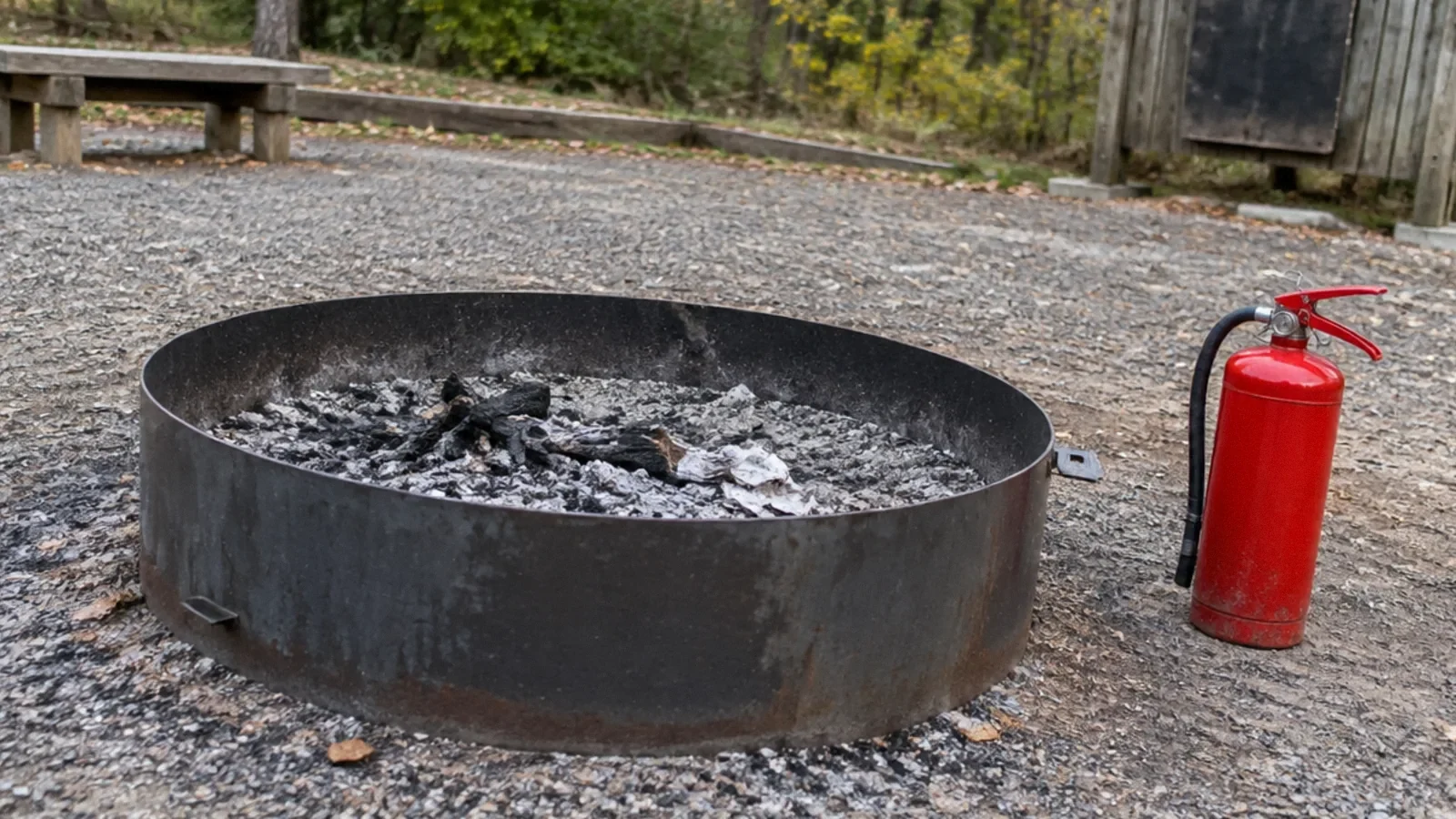
Learn the common U.S. fire classes, why an extinguisher must match the hazard and when to evacuate.
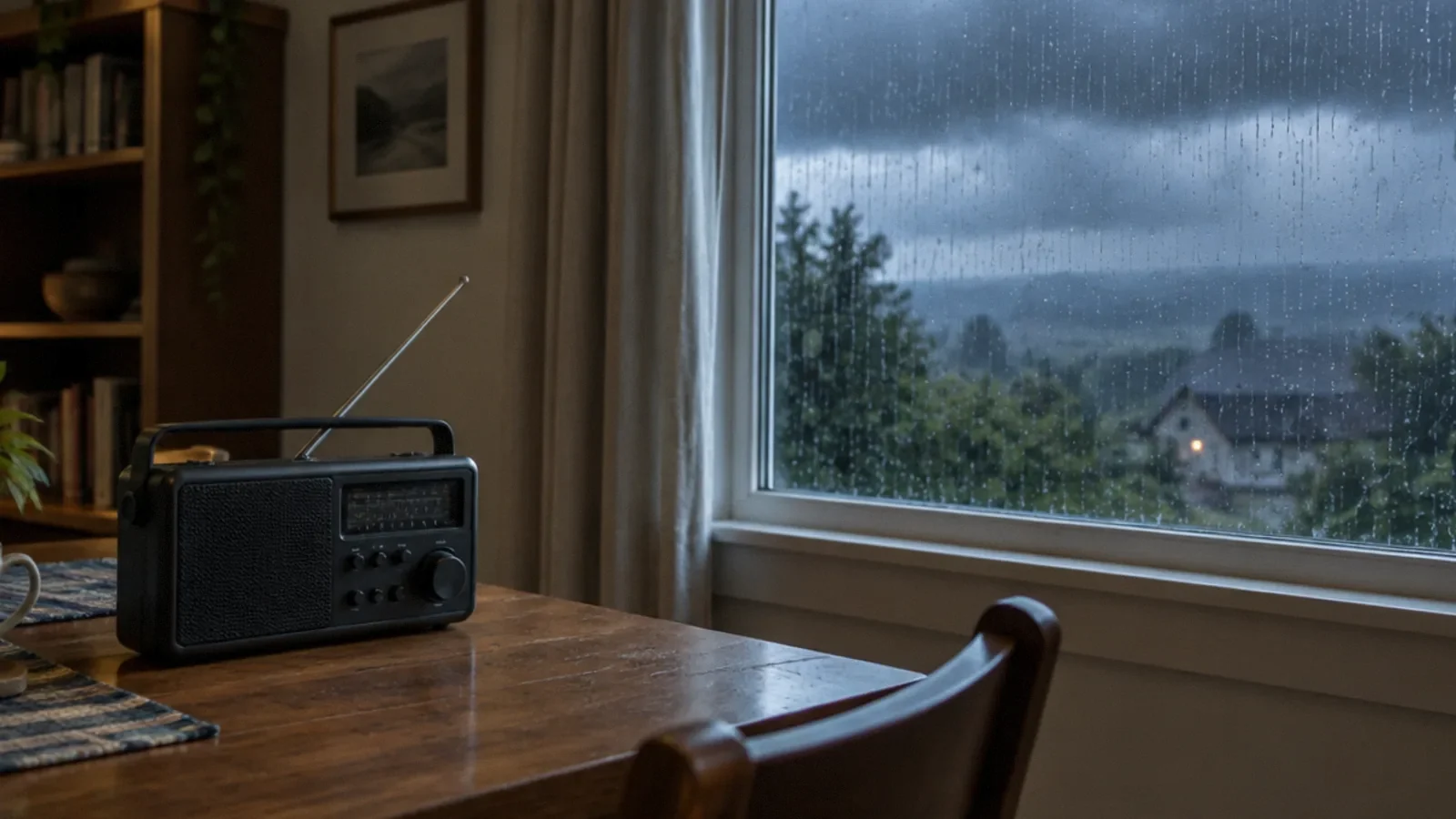
Learn how to respond to a watch, warning or advisory, including tornado and flood alerts from the National Weather Service.
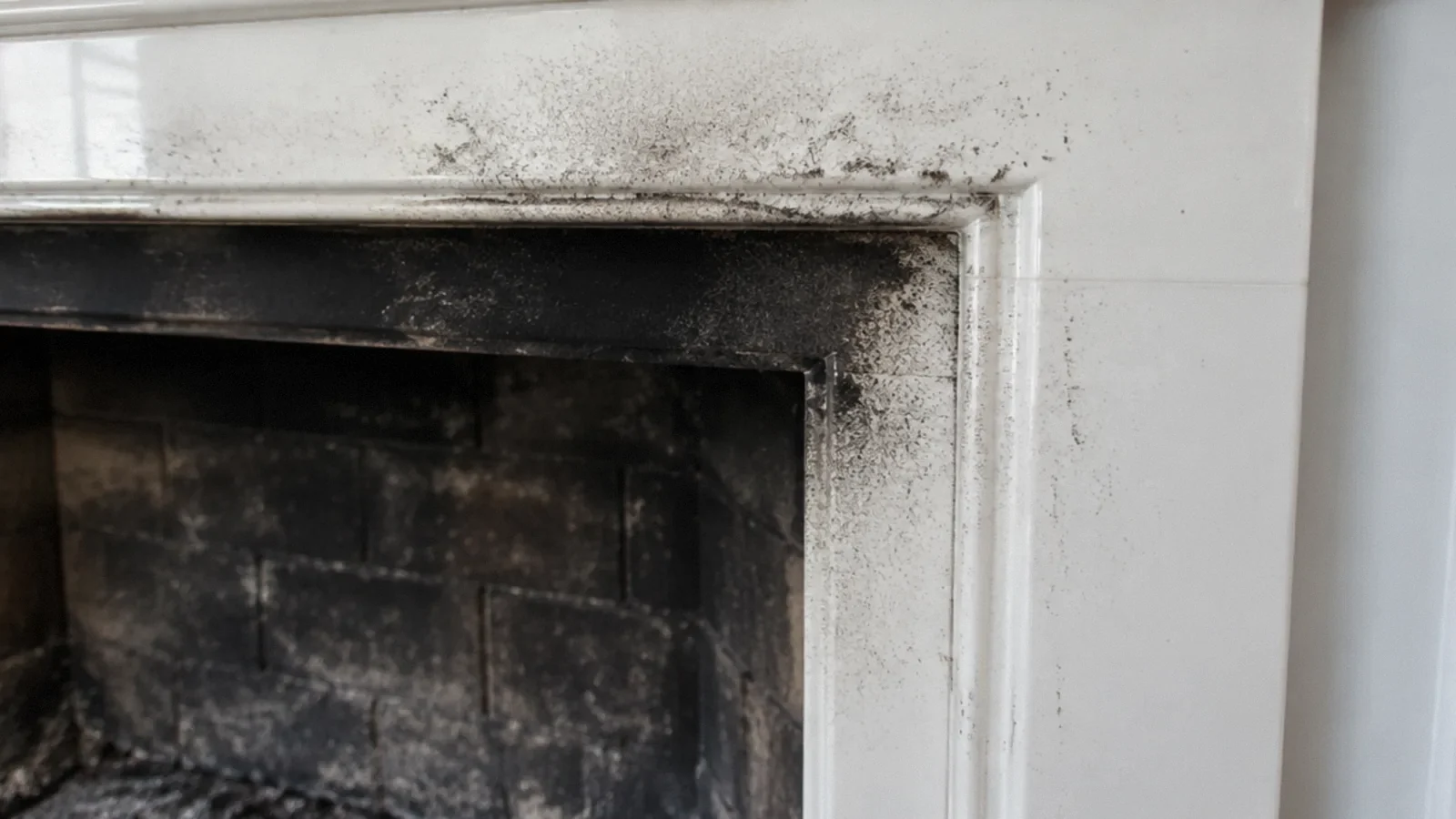
Learn what soot is, why its source matters, and how to approach residue after a fire or appliance problem.
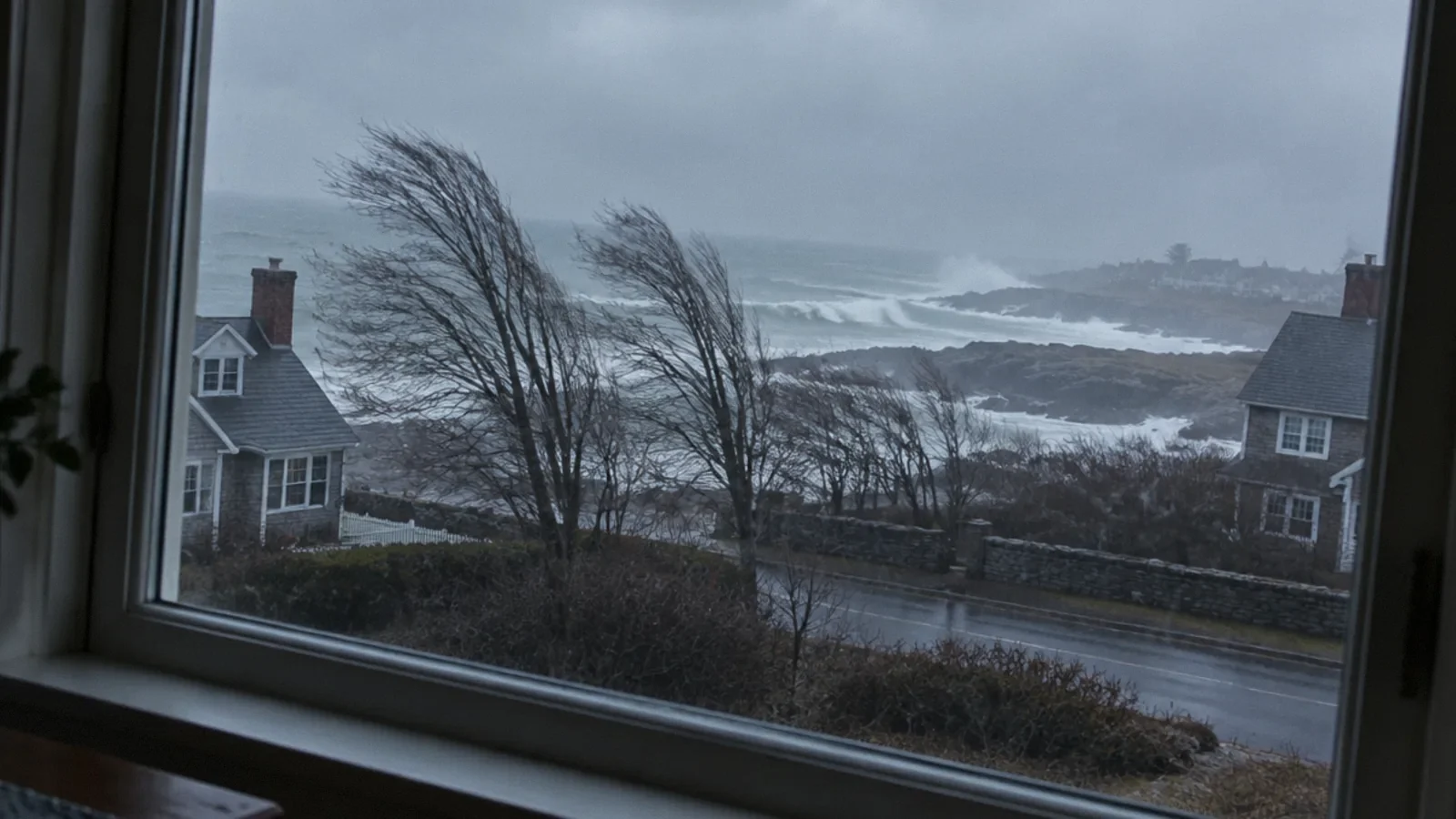
Understand how a nor’easter affects the U.S. East Coast and how to prepare for coastal flooding, wind and winter weather.
Learn how tropical disturbances can develop into hurricanes and why warm water alone does not guarantee a storm.
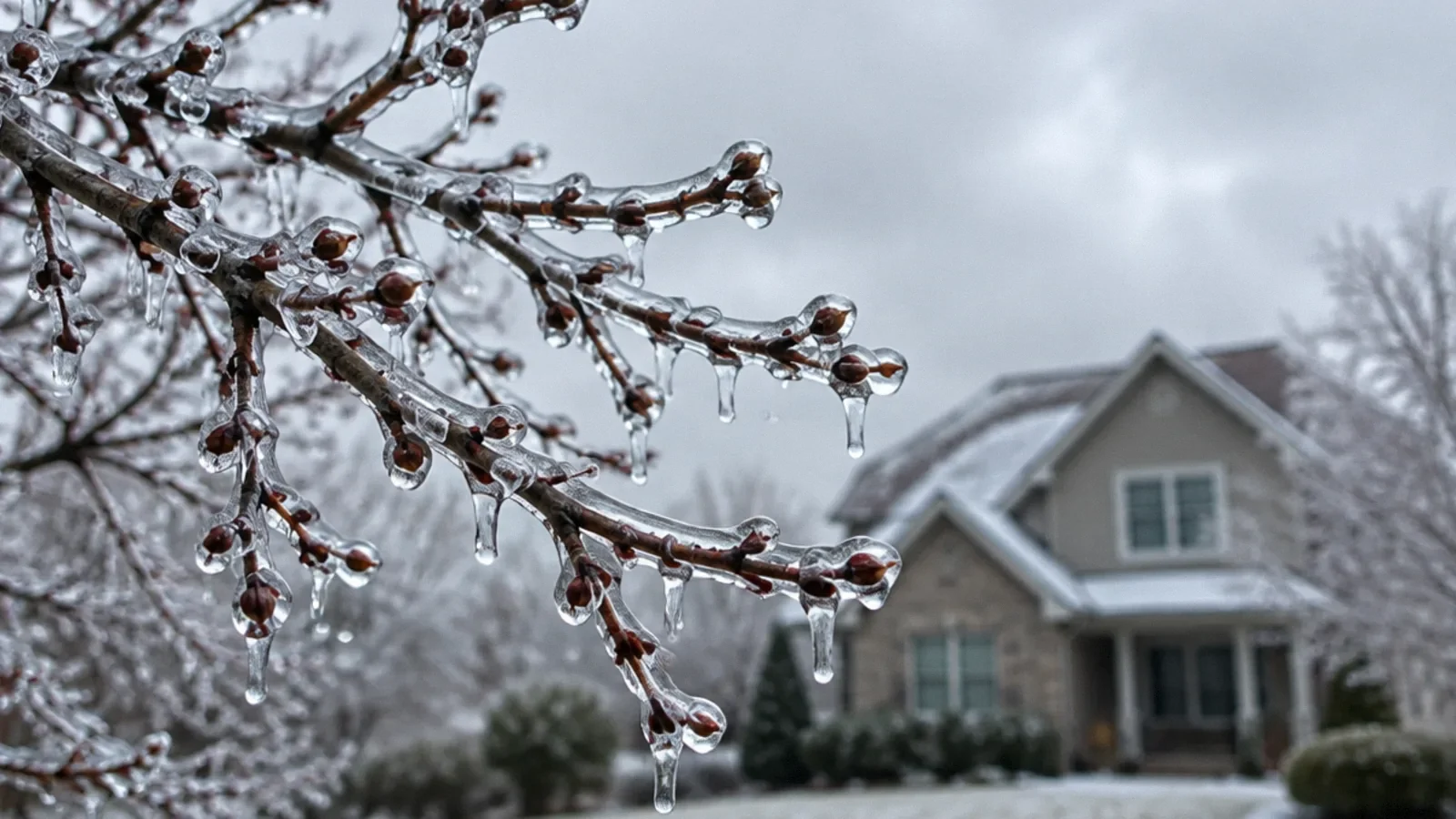
Learn how freezing rain creates an ice storm, how it differs from sleet and what to do before and after an outage.
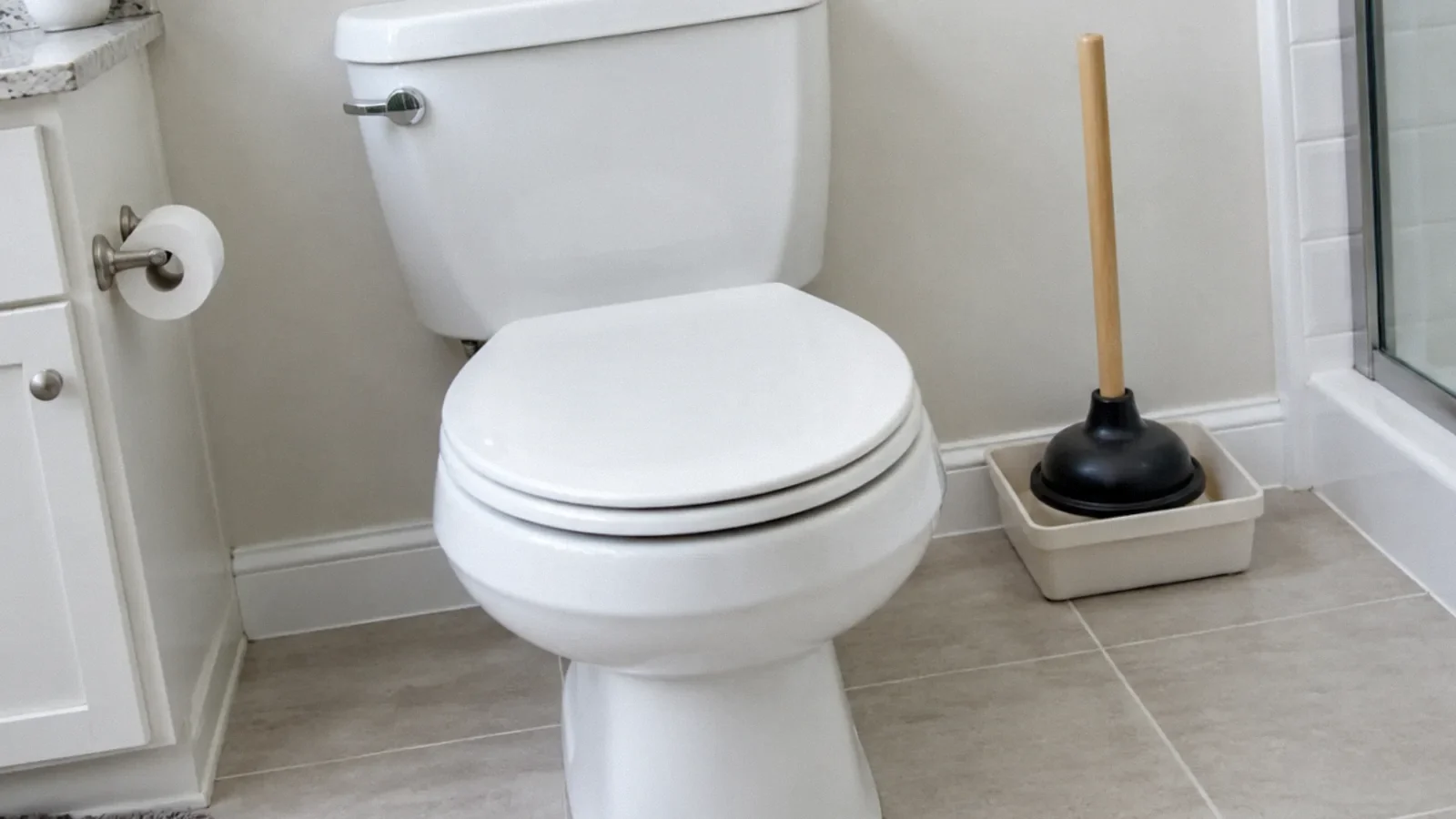
Learn safe first steps for a clogged toilet, when a plunger may help and when to call a plumber.
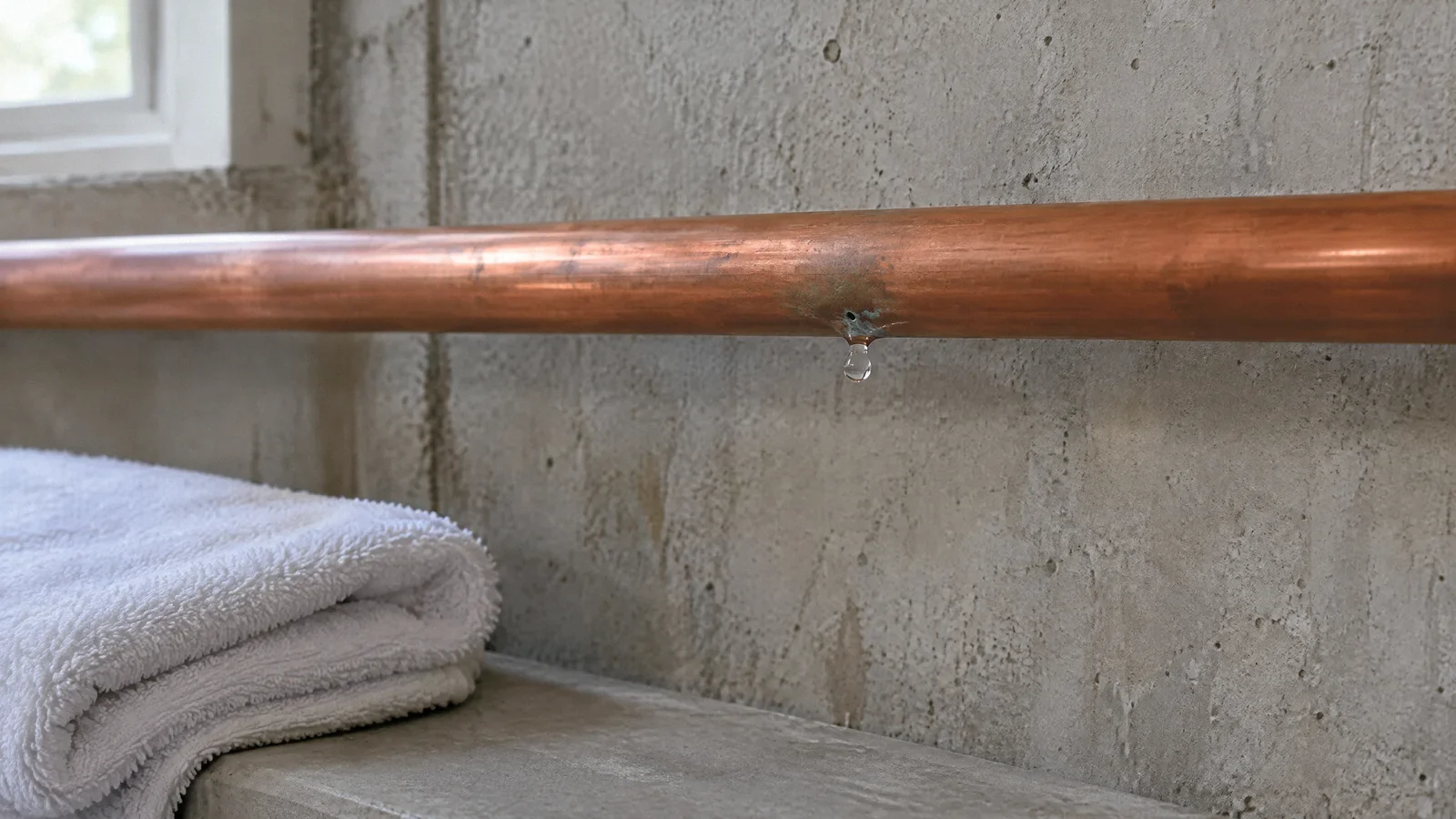
Find safe first steps for a leaking pipe, understand temporary patches and learn what to check before closing a wall.
Understand the stages of flood damage restoration, the contamination and electrical hazards, and what to document before rebuilding.
Understand safe reentry, documenting damage, assessing smoke and water impacts, and planning repair after a fire.
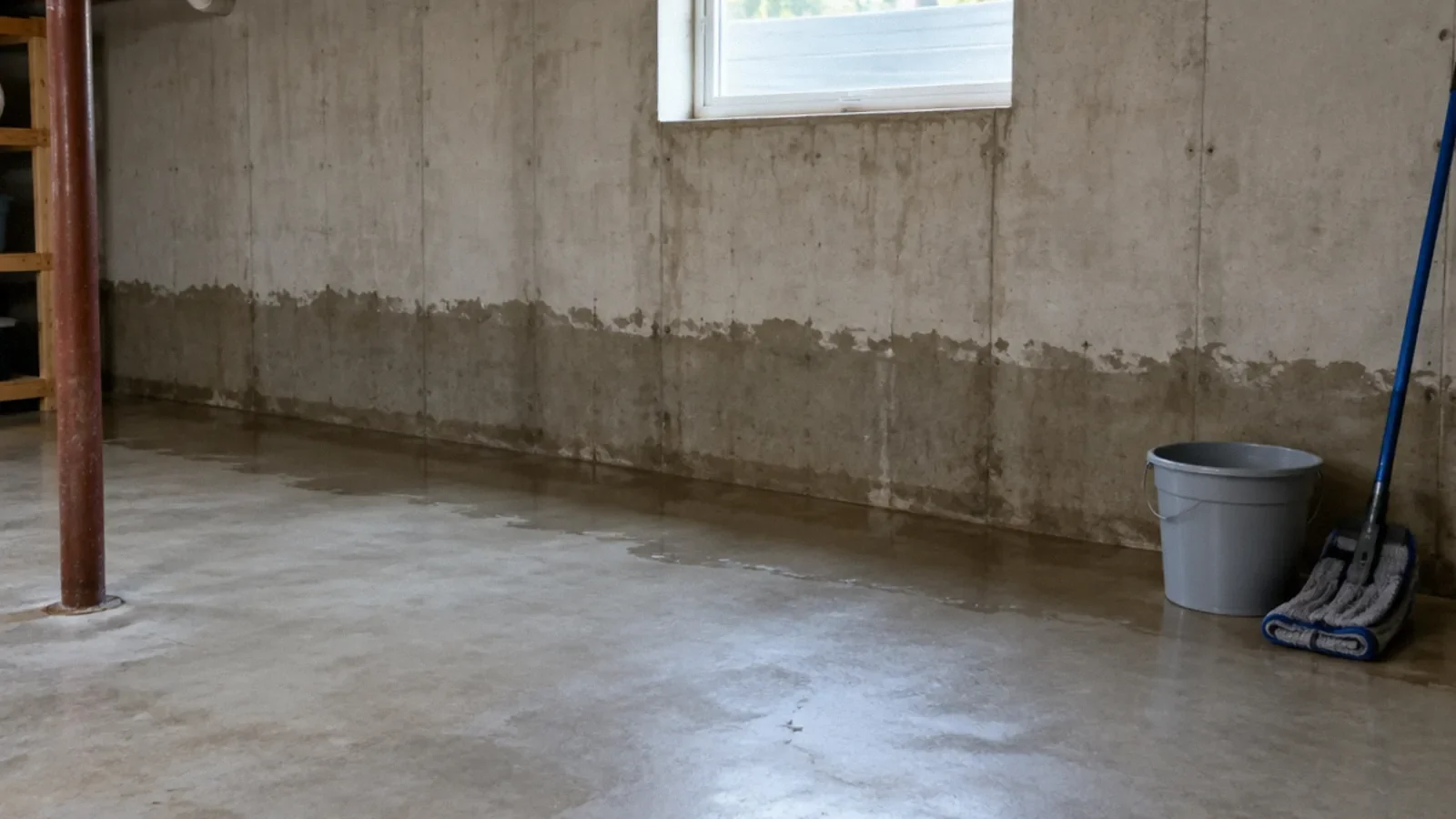
Learn how to respond to basement water safely, distinguish possible sources and decide what needs inspection.
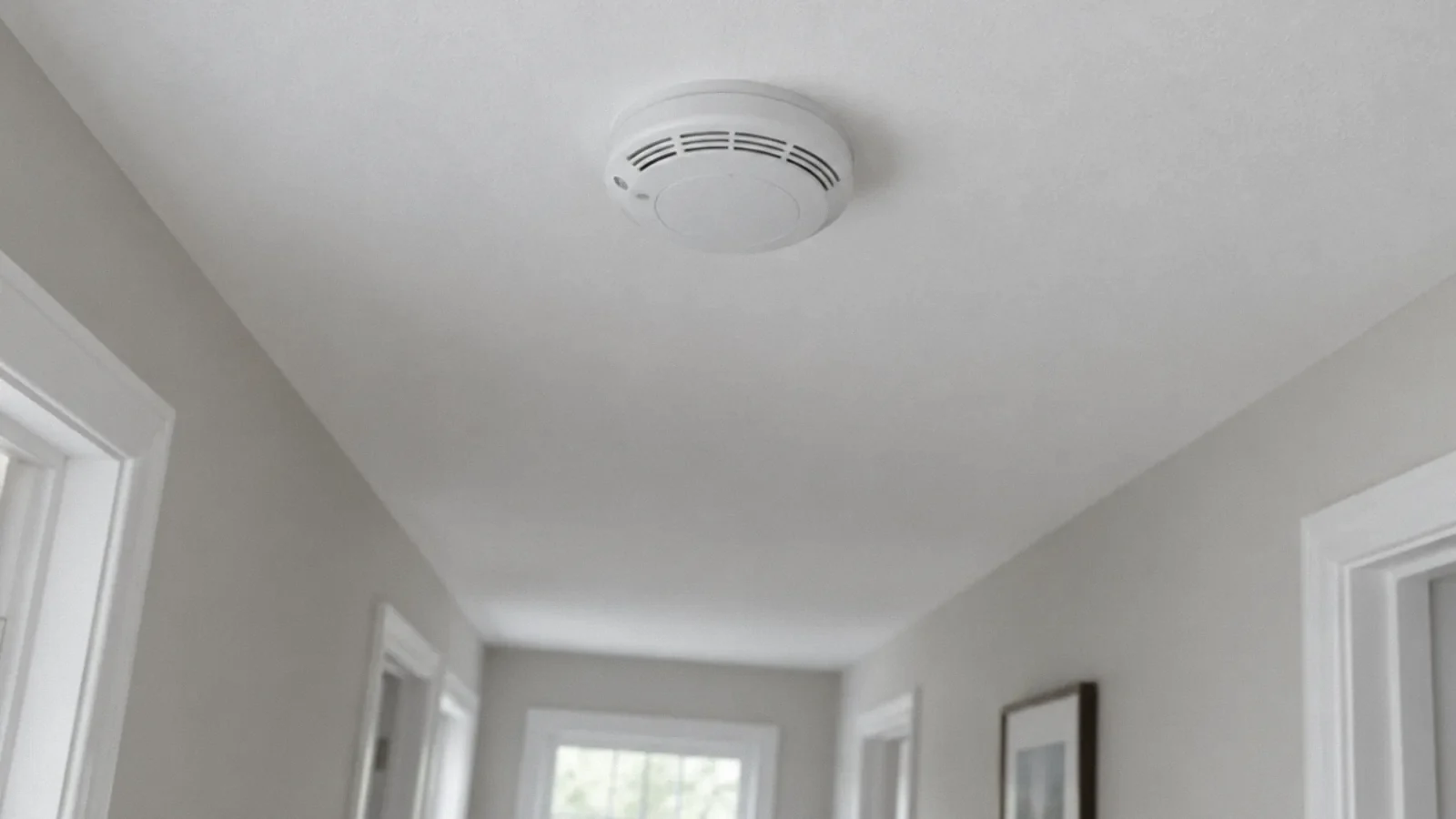
Learn the difference between an emergency alarm and a maintenance chirp, how to check the model instructions and when to replace the alarm.
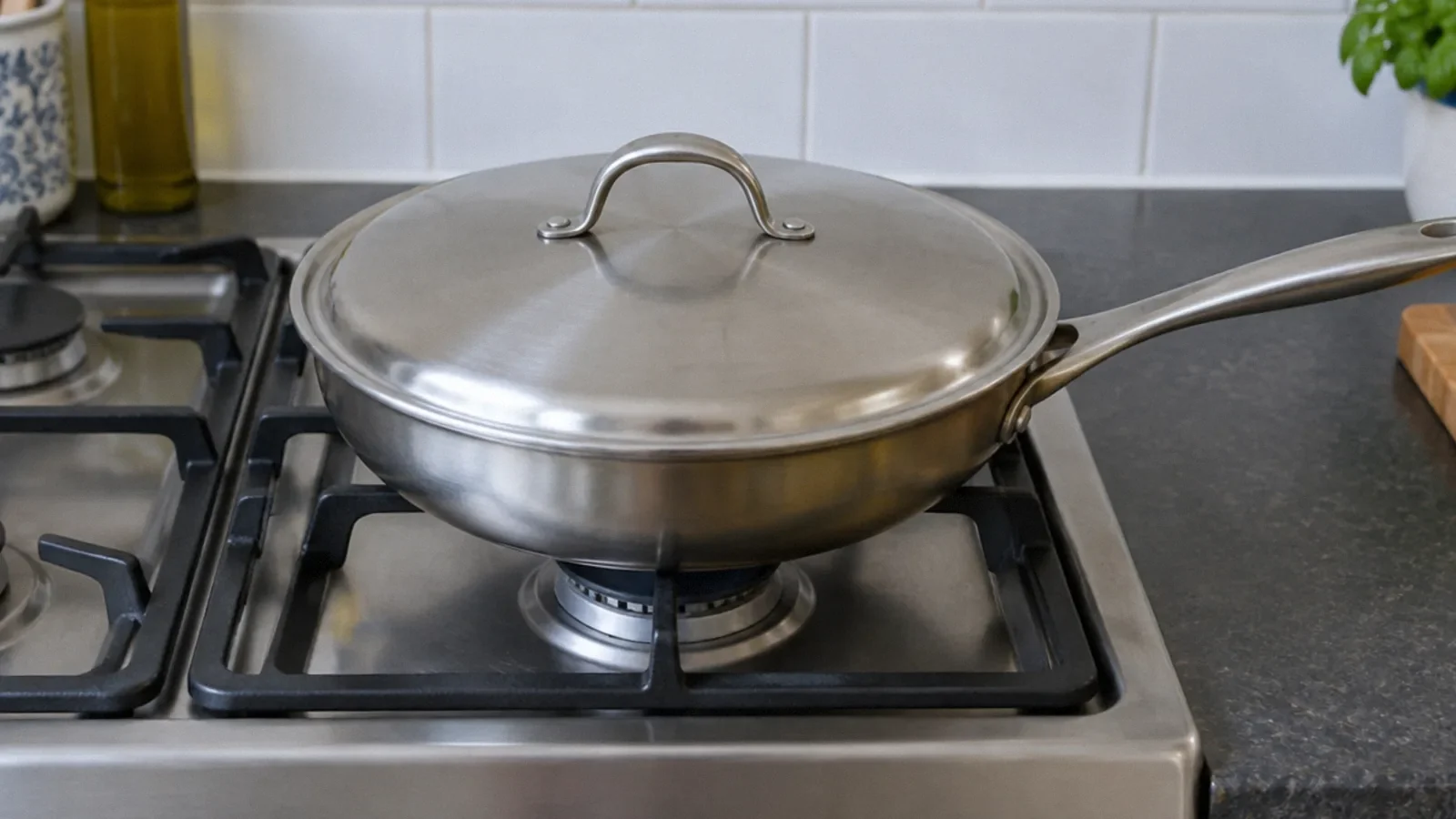
Learn when a small pan fire may be covered, when to evacuate, and why water must never be poured on burning grease.
Compare tropical storm and hurricane wind speeds, the five Saffir-Simpson categories, and hazards the wind scale does not measure.
Understand a derecho’s widespread straight-line wind damage, how it differs from a tornado, and how to follow severe weather warnings.
See the Enhanced Fujita wind ranges, how survey teams estimate tornado intensity from damage, and why a rating is not a real-time safety warning.
Understand common reasons lights flicker, warning signs of electrical hazards, and when to stop using a fixture and call a qualified electrician.
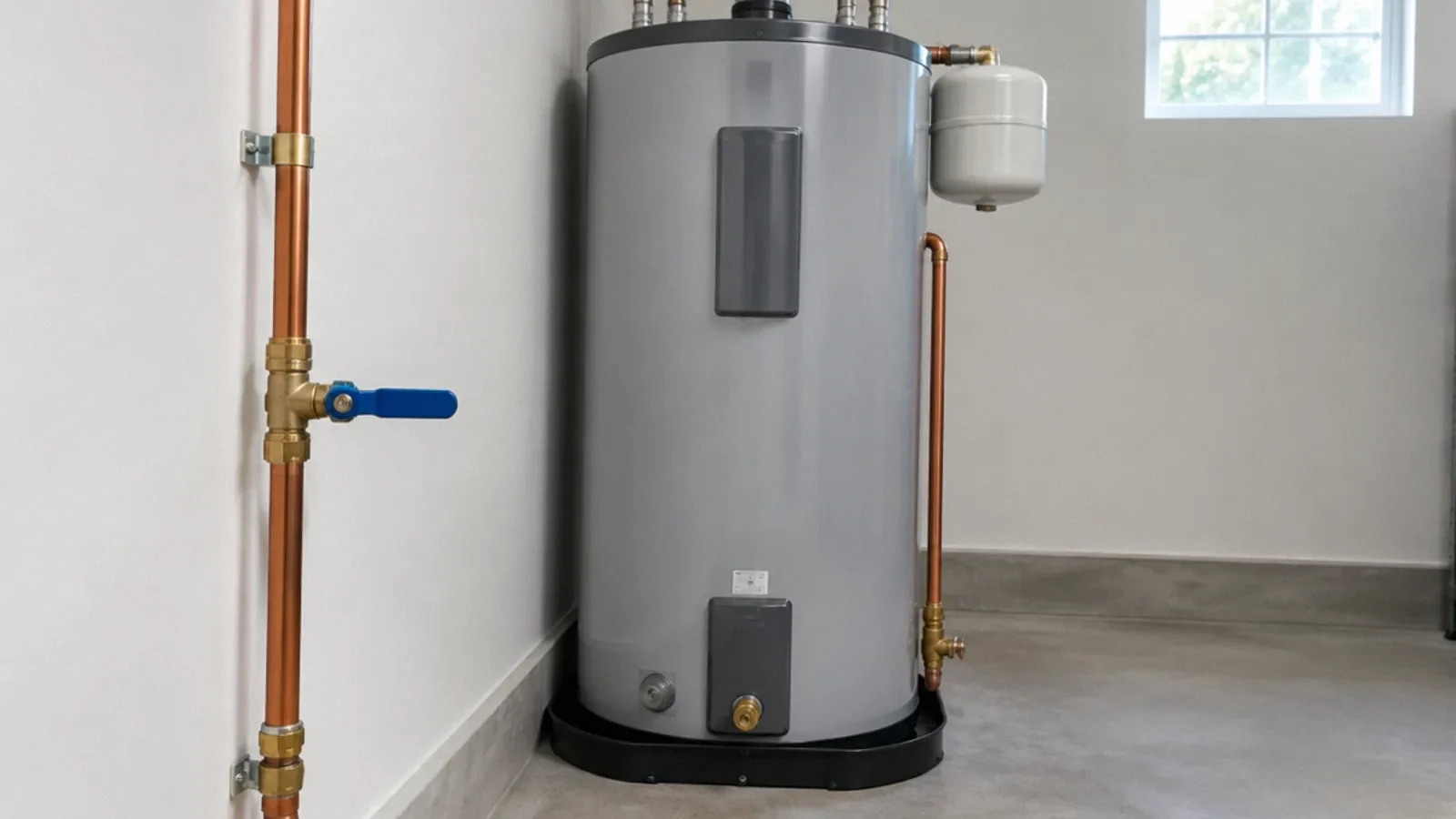
Learn how to respond to a leaking water heater, recognize electrical and gas hazards, and ask a plumber whether repair or replacement is appropriate.
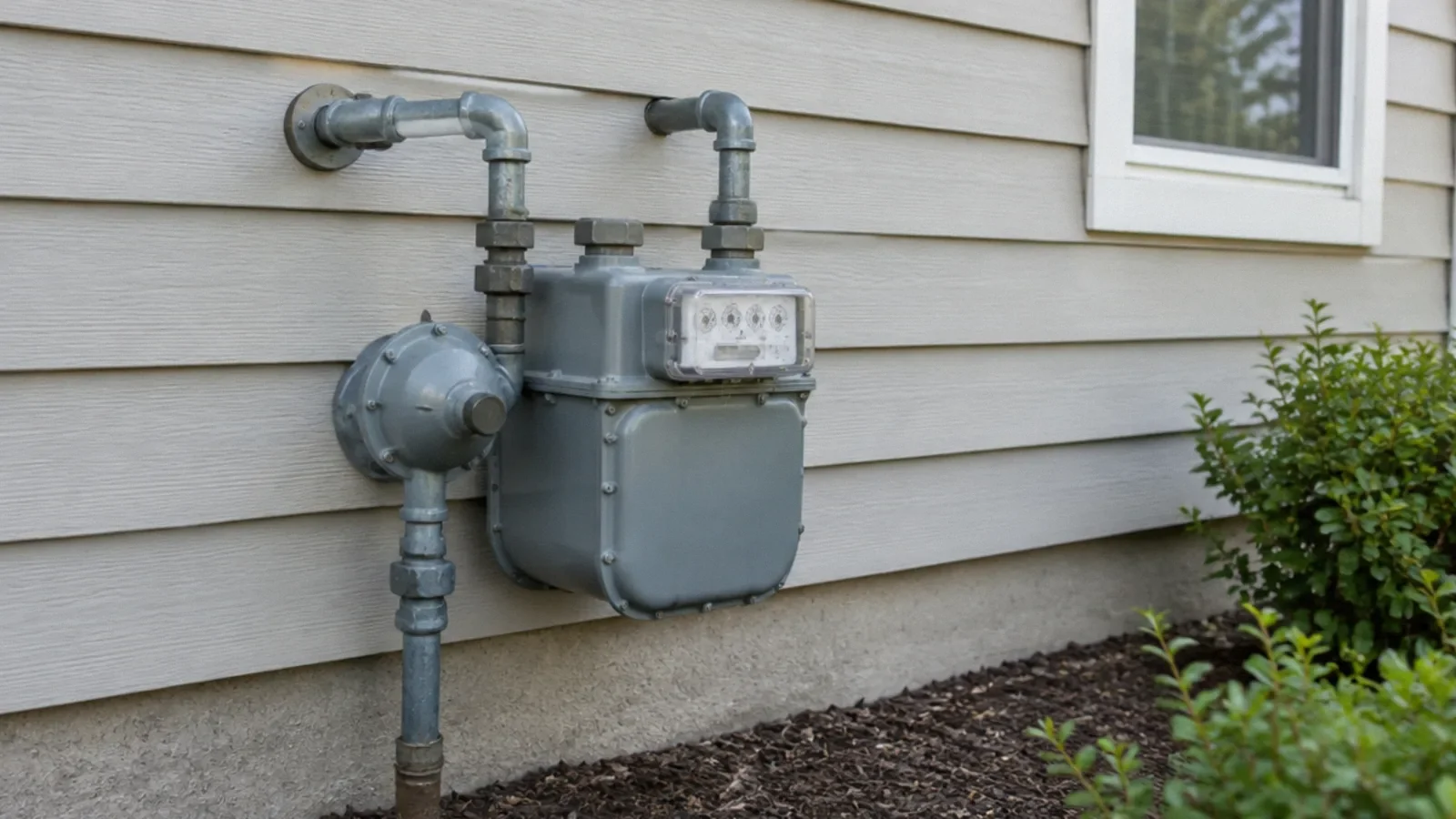
Learn how to respond immediately to a suspected gas leak and why a sulfur or sewer odor needs professional investigation rather than a smell test.
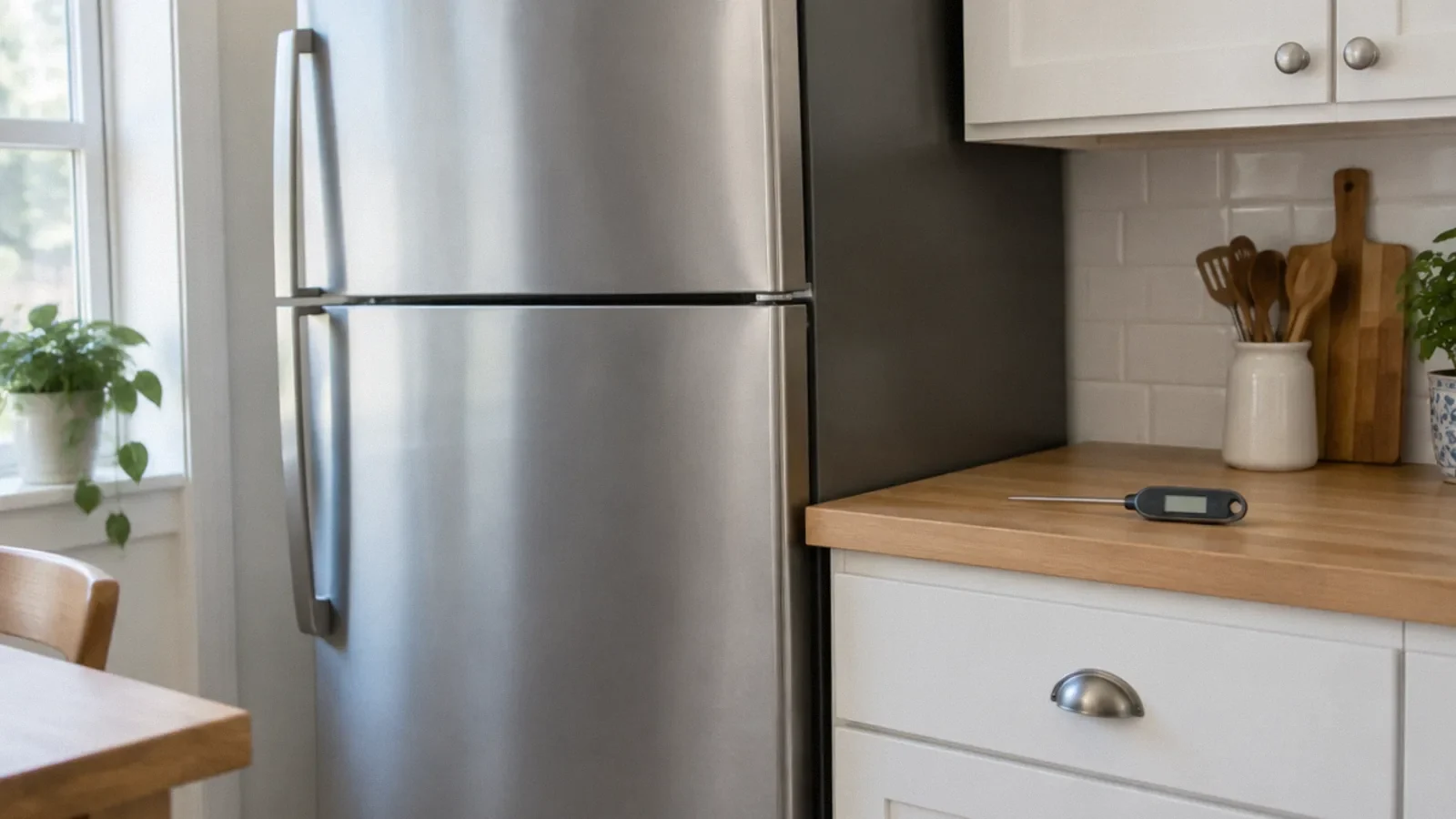
Learn the CDC’s refrigerator and freezer time limits, how to use a cooler and thermometer, and when to discard food after an outage.
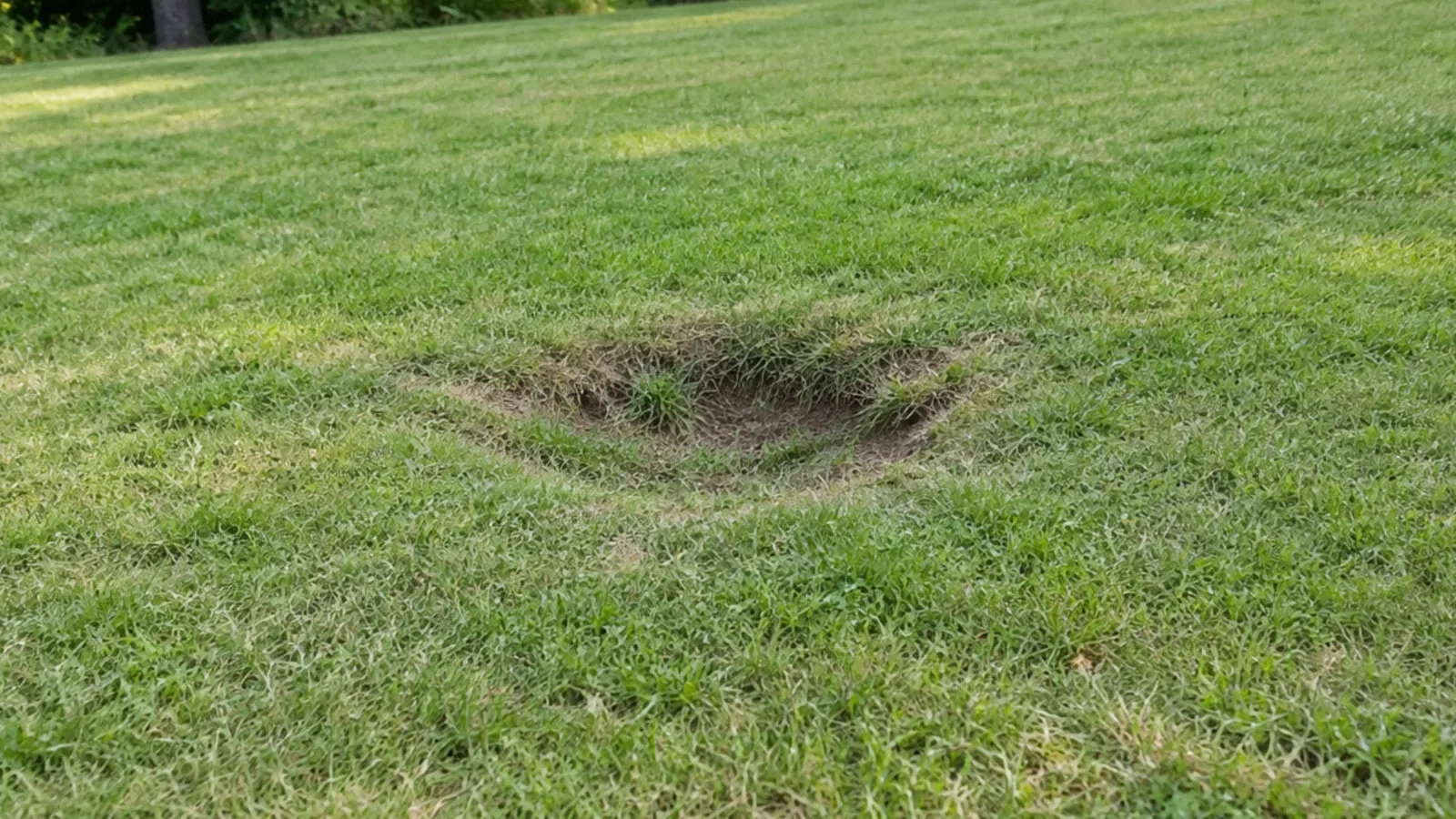
Understand natural sinkholes, ground depressions caused by pipes or settling, and safe first steps when a depression appears near a home.
Learn how to respond to an unexplained smoke smell, assess residue after a fire and compare ventilation, cleaning and professional odor treatment.
Understand soot residue, why different surfaces need different care and how to avoid spreading particles after a fire.
Learn why pipes freeze, how to respond safely to reduced water flow, and when to call a plumber rather than attempting to thaw a pipe.
Learn safe first steps for a burst water pipe, how to limit damage and what to ask a plumber and cleanup contractor.
Learn possible plumbing causes of sewer odors, why smell cannot rule out a gas emergency and what information to provide a plumber.
Learn the signs of a possible sewer line blockage, how to limit a backup and what to ask before drain cleaning or repair.
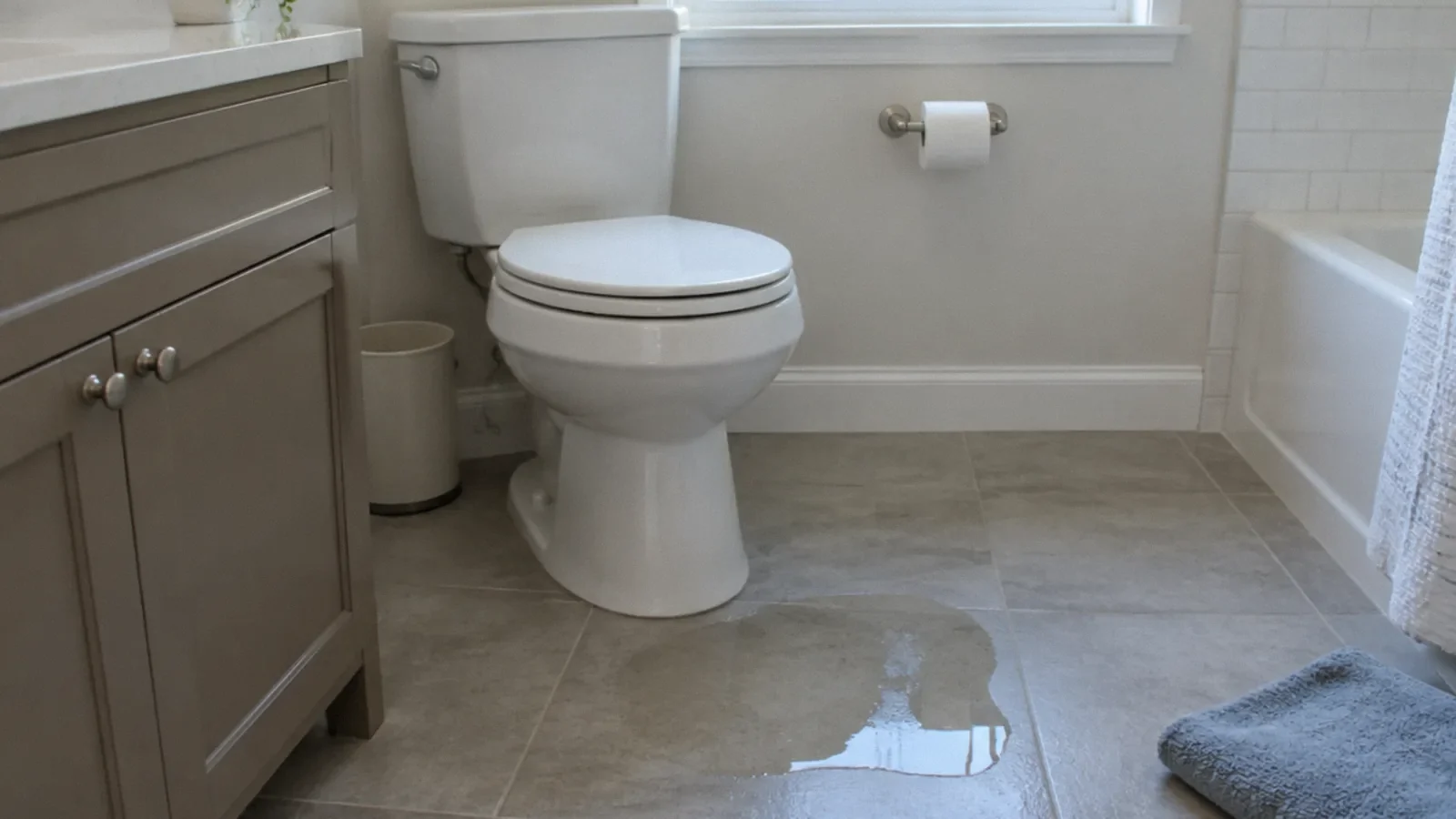
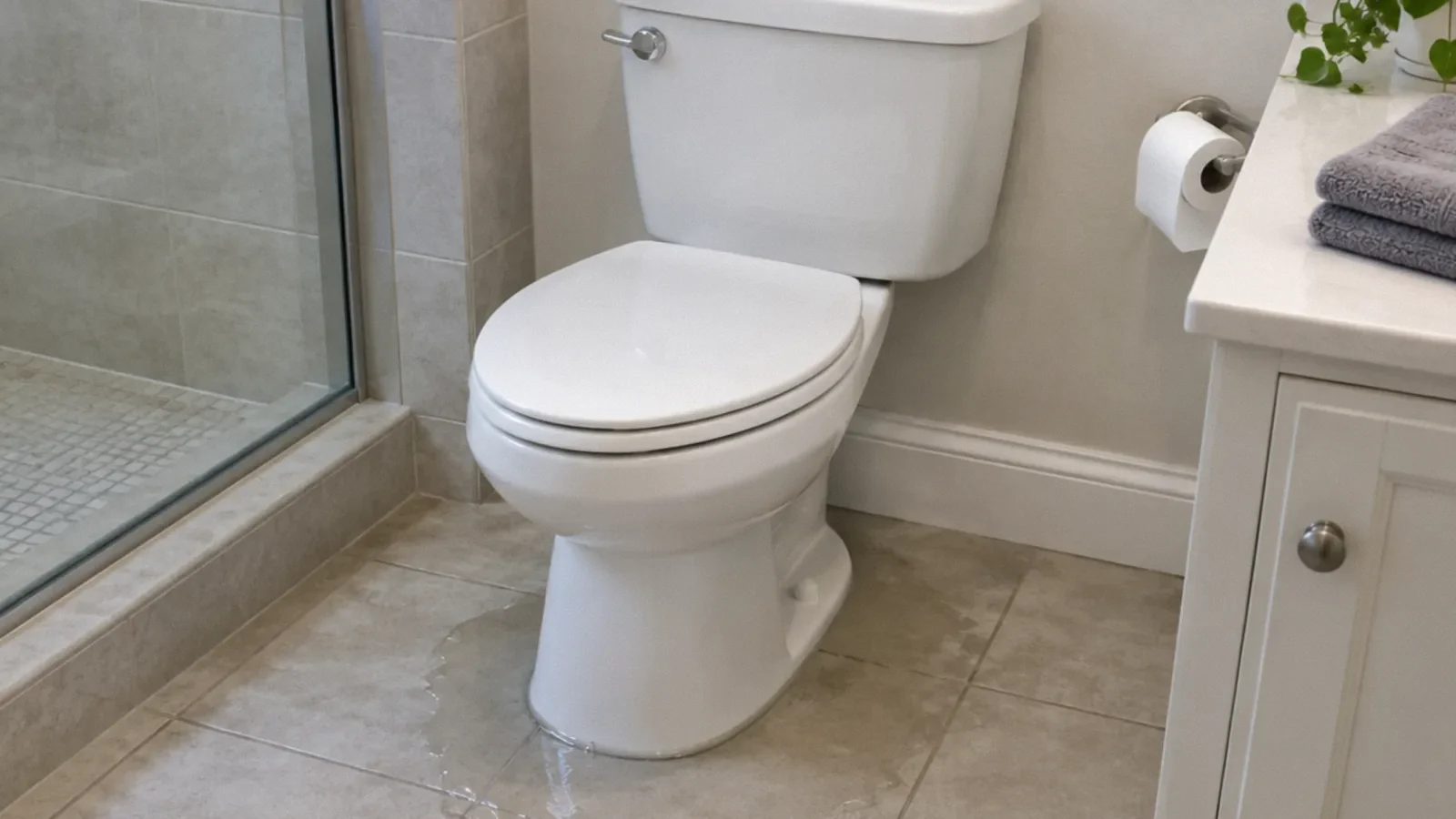
Learn what can cause water around a toilet base, how the flange and seal work, and when to call a plumber.
Learn how to respond to a fallen tree, recognize possible roof damage and arrange safe temporary protection and repairs.
Create an evacuation plan, prepare a go-bag and understand California wildfire readiness without relying on last-minute actions.
Learn why a burning odor near electrical equipment needs prompt attention and what to do if smoke, sparks or fire are present.
Learn what a septic alarm may indicate, how to reduce system use safely and when to call a qualified septic service professional.
Learn how to respond to an unknown sulfur-like odor, avoid wildlife contact and address skunk odor without unsafe chemical mixtures.
Understand the role of a water heater relief valve, signs that require urgent attention and why a suspected gas or electrical hazard needs professional help.
Compare wind speeds, understand gusts and learn how to respond to wind alerts without assuming a universal damage threshold.
Learn the difference between a tornado watch and warning, recognize possible danger signs and prepare a safe shelter plan.
Understand hurricane wind, storm surge and inland flooding, and prepare a practical plan for protecting people and property.
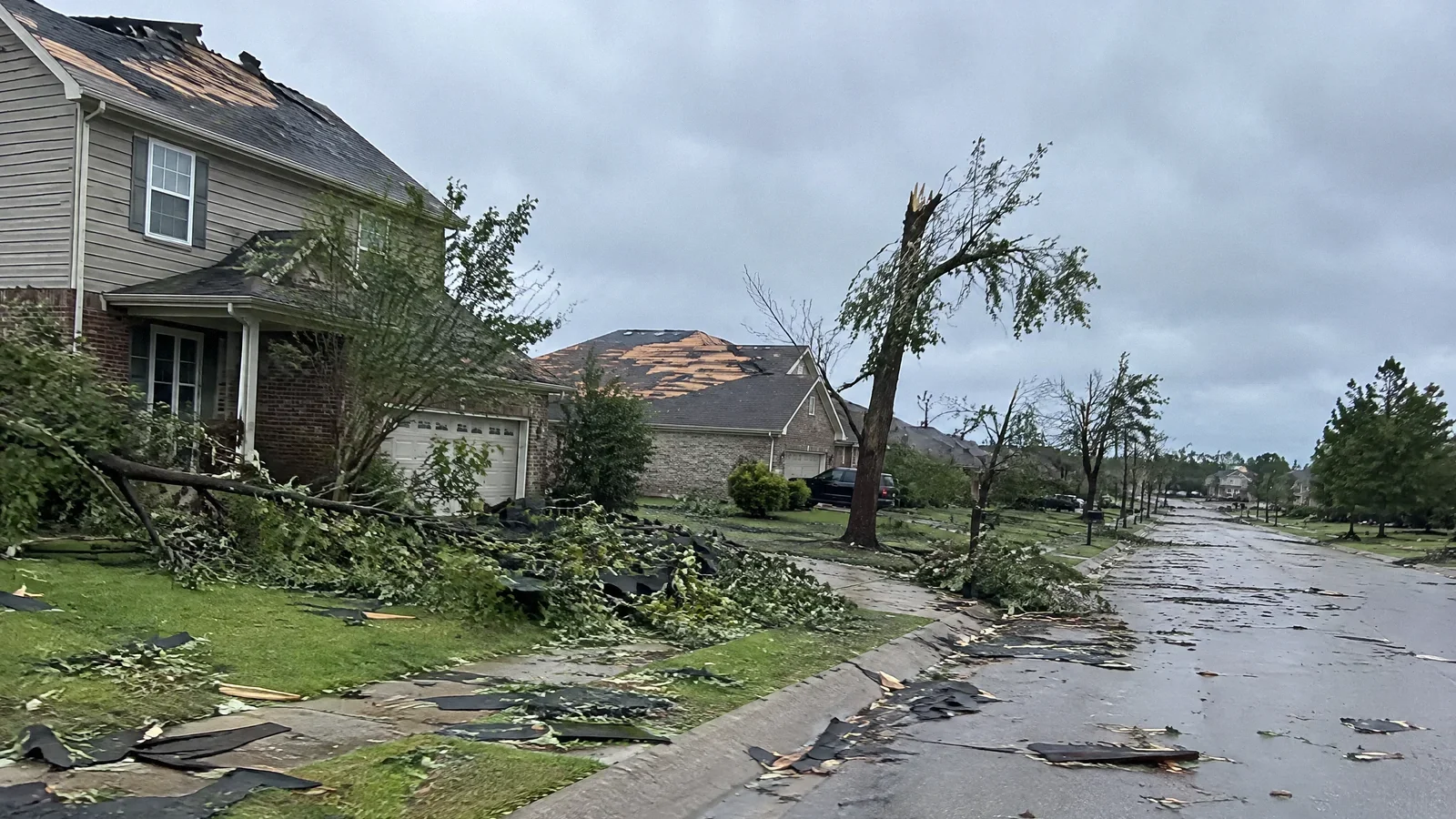
Follow a practical sequence for safety, documentation and repair after a storm without entering a dangerous building.
Learn how tornado geography and seasonal patterns vary across the United States and why warnings matter throughout the year.
Understand the geography of hurricanes, how to read historical state counts and why inland flooding remains a risk.
Understand why house fire temperatures vary, how smoke and heat threaten escape, and what to plan before an emergency.
Understand how shaking can lead to fires, why response may be difficult and what to do if you suspect gas or electrical damage.
Learn how to stop a safe-to-reach source, avoid electrical and sewage hazards and assess water damage.
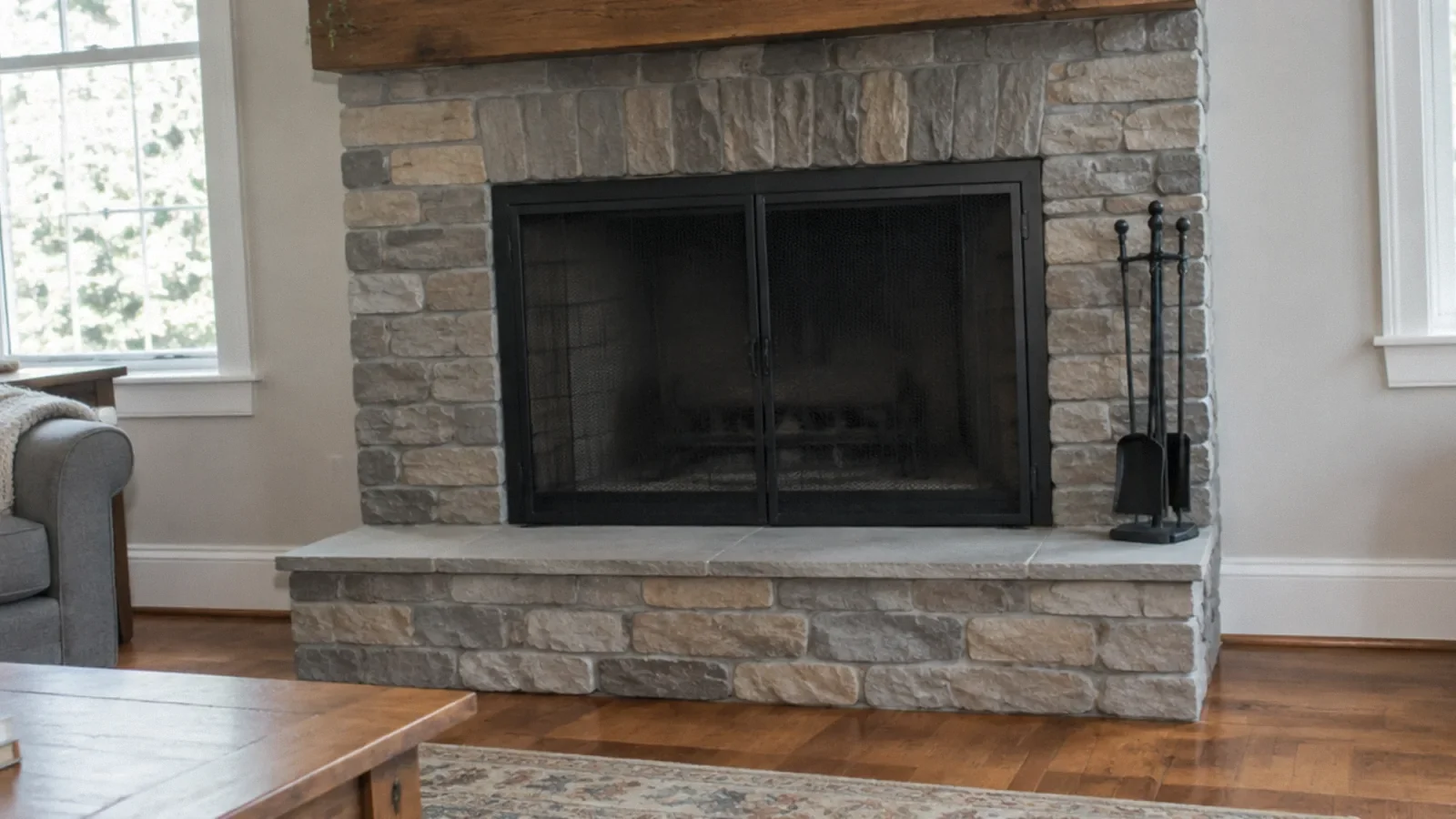
Learn what to do when smoke enters a room and what a qualified chimney professional should check.
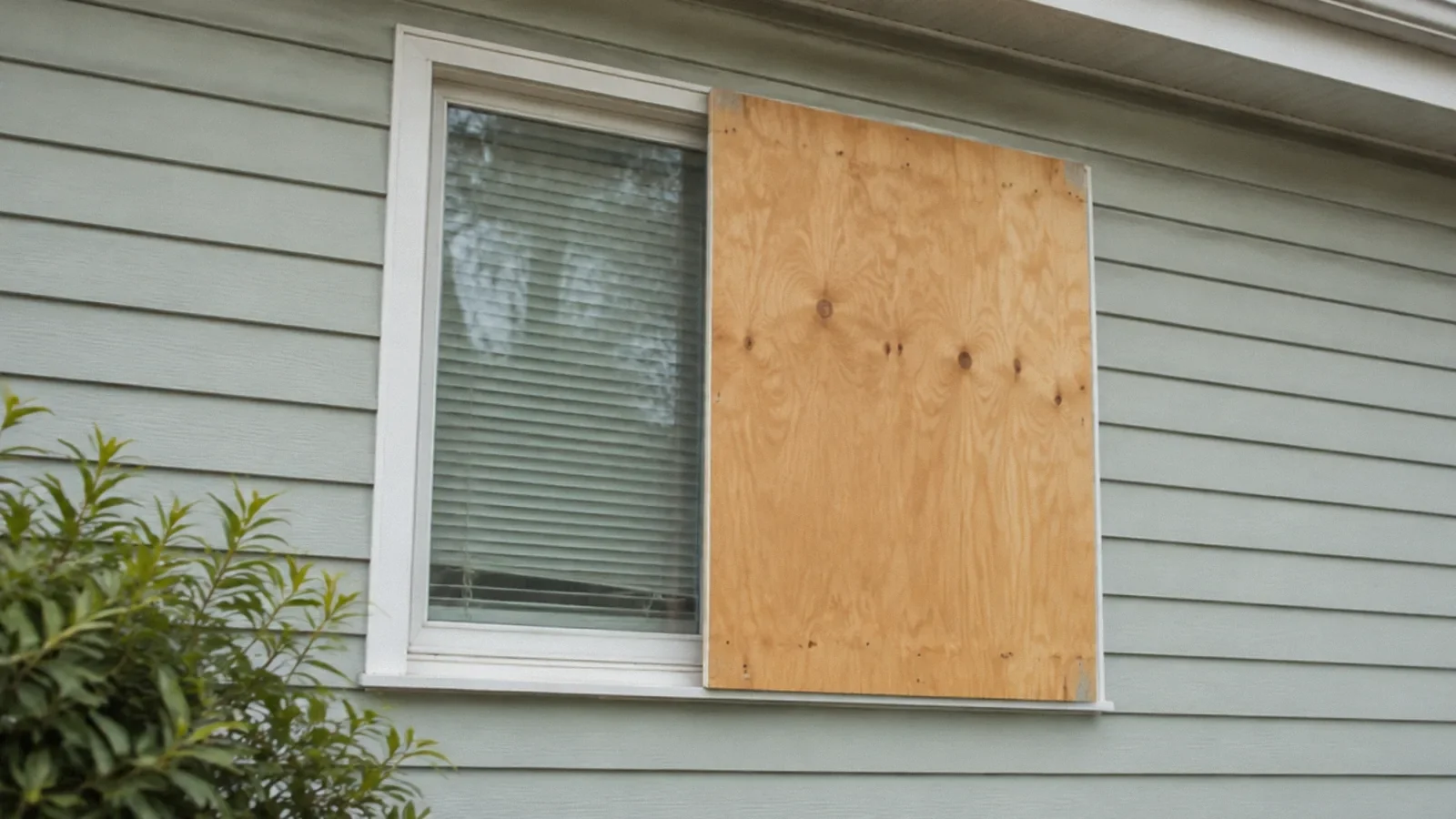
Understand when temporary board-up may be useful, how to preserve safe exits and what to ask a contractor.
Understand why flour is unsafe around a fire, what to do during a small cooking fire and when to leave and call 911.
Find safe first steps for a toilet overflow, when to stop using other drains, how to handle contaminated water and when to call a plumber.
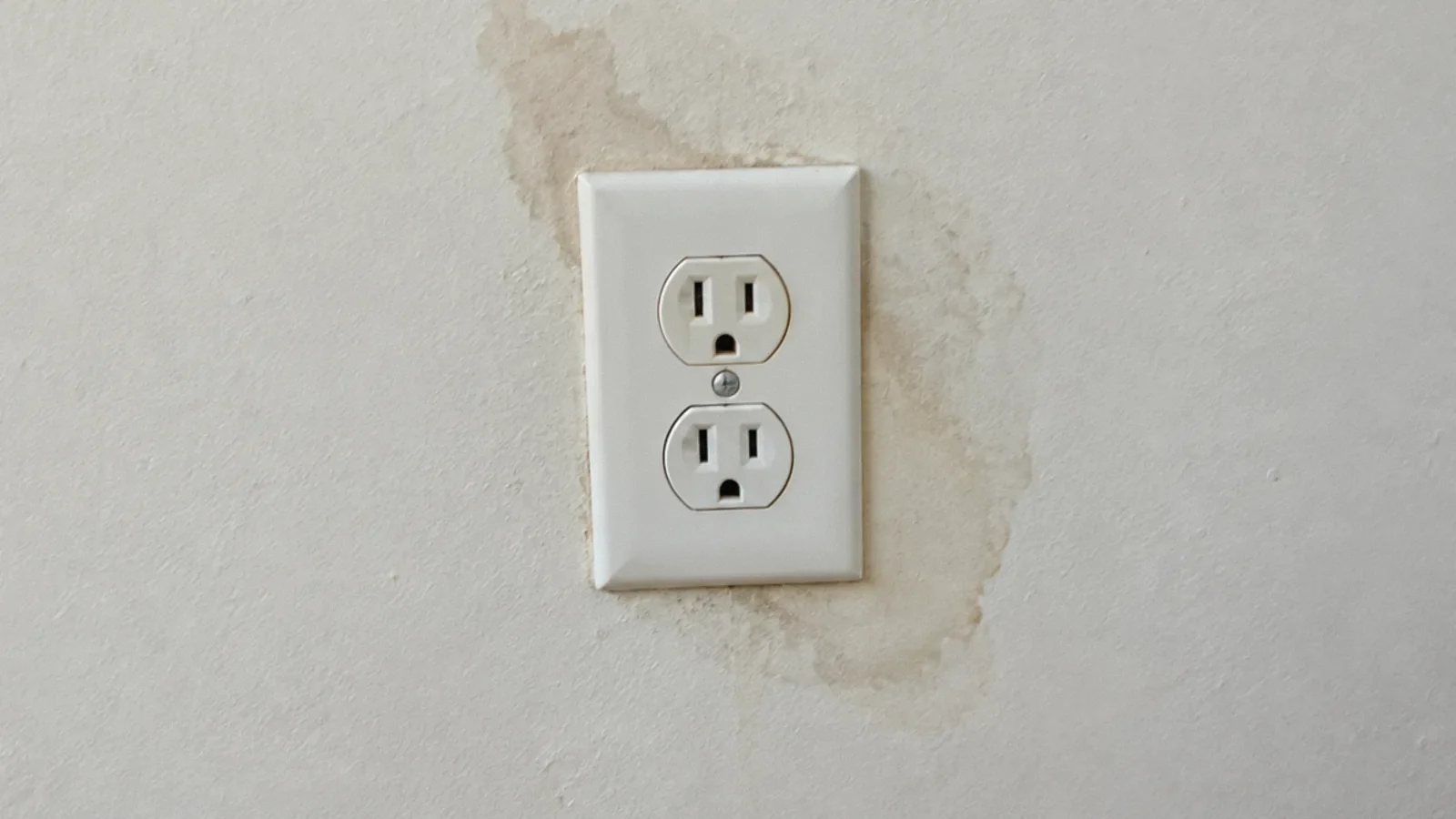
Learn how to respond to a wet receptacle, when to call an electrician and why drying or resetting it does not establish electrical safety.
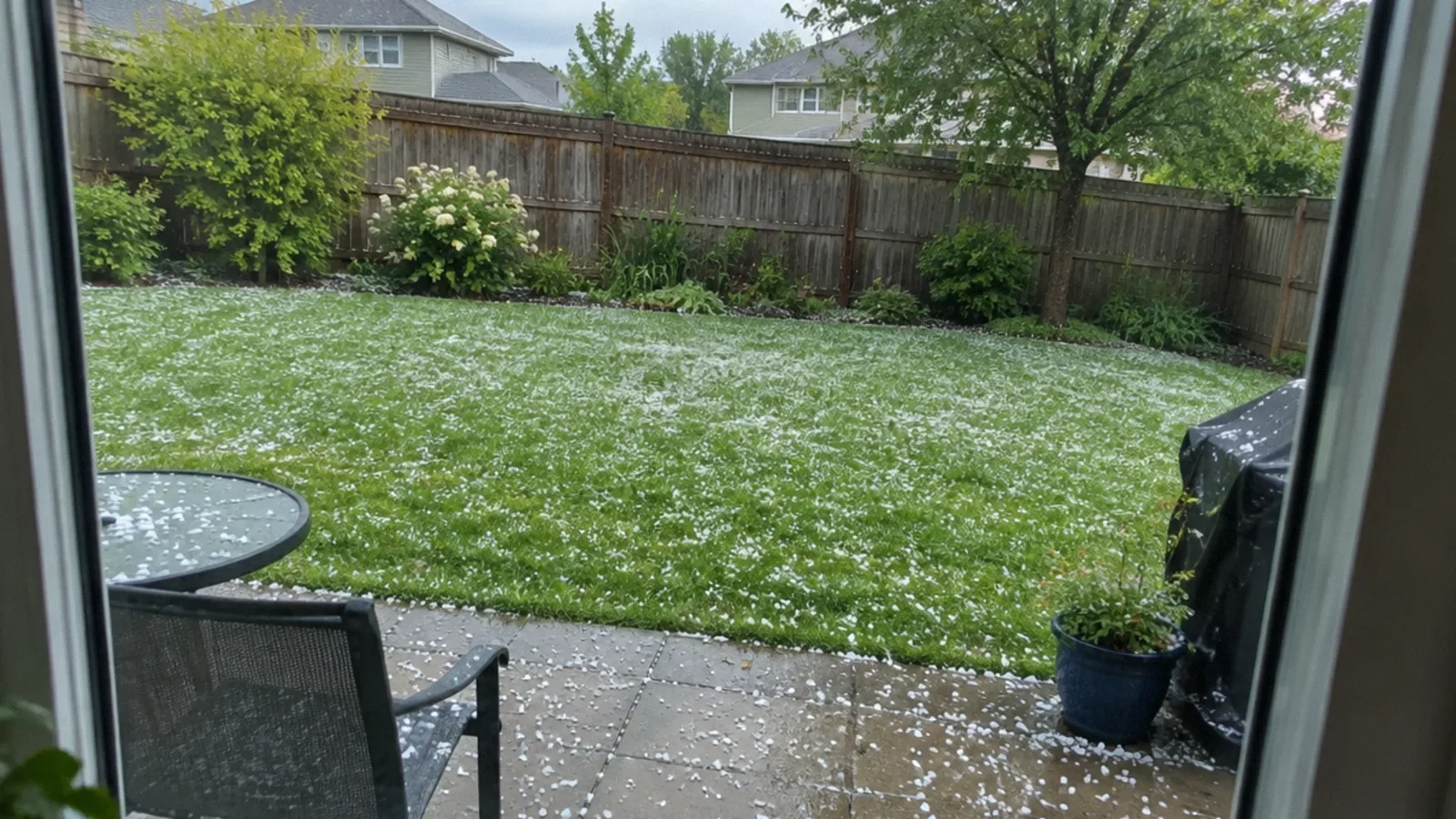
Learn where to shelter during hail and lightning, when to stay away from windows and how to check a home safely after the storm.
Understand national residential fire statistics, common attic fire hazards and practical steps for detection, escape and prevention.
Review California guidance for protective action during shaking, preparation and hazards to check afterward.
Learn how professionals investigate and repair a sinkhole or other ground depression.
How professional roof tarping works, including no-nails options, weather limits and temporary protection.
Understand storm categories, forecast cones, inland flooding, evacuation orders, and safe decisions before and after a hurricane.
Plan a safe shelter in advance and move there early when conditions warrant. During a tornado warning, seek the best available shelter immediately rather t
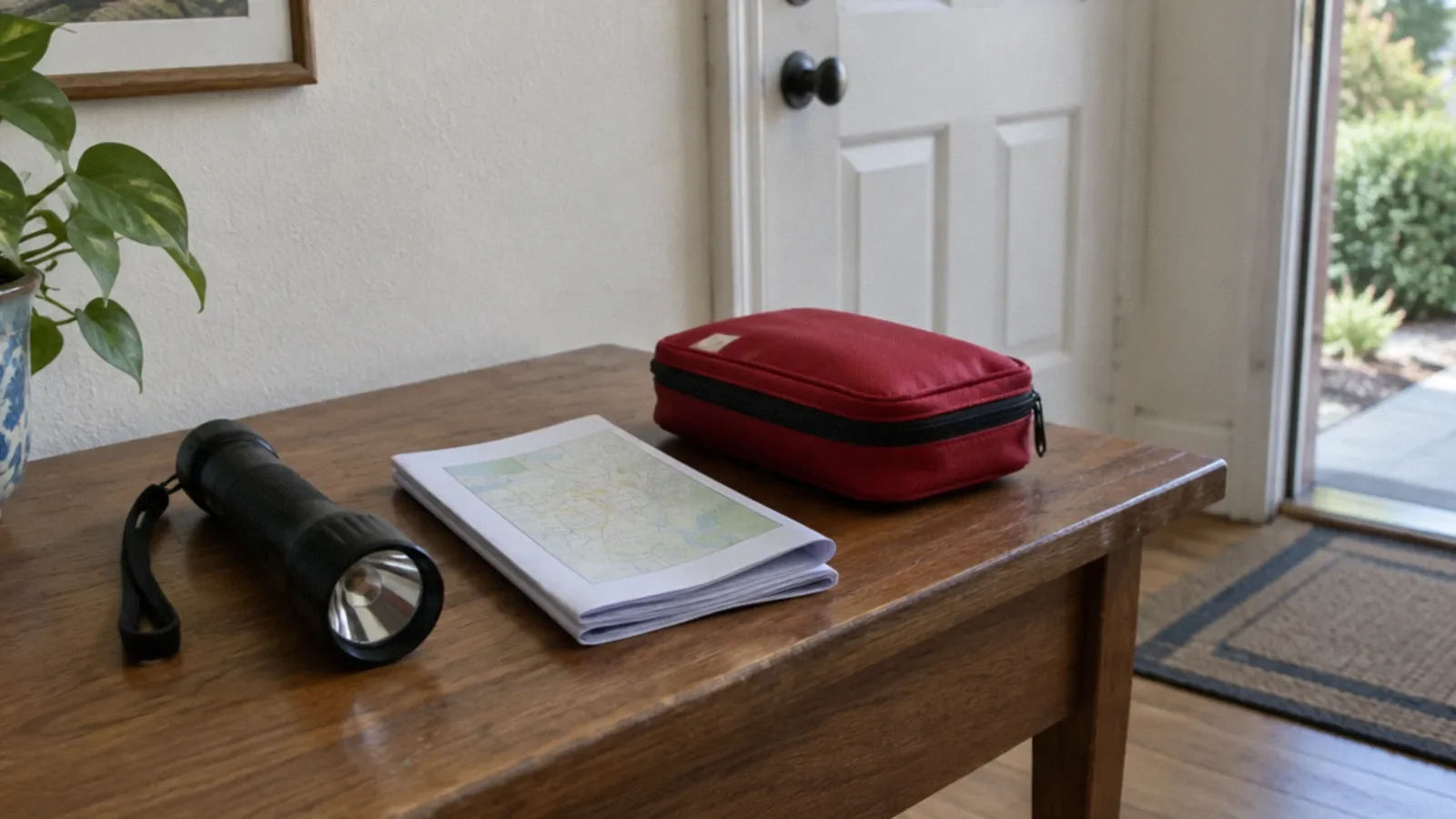
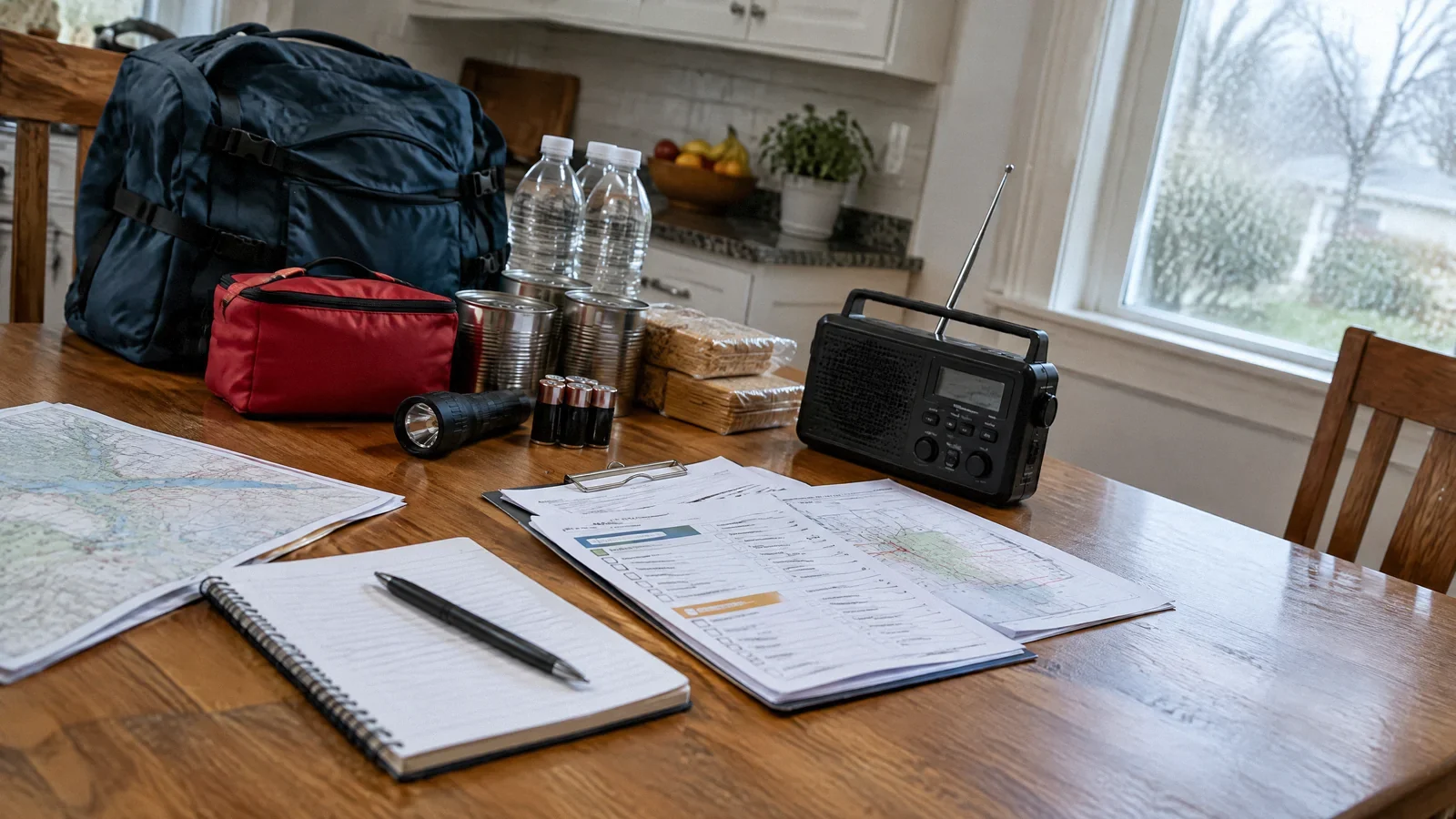
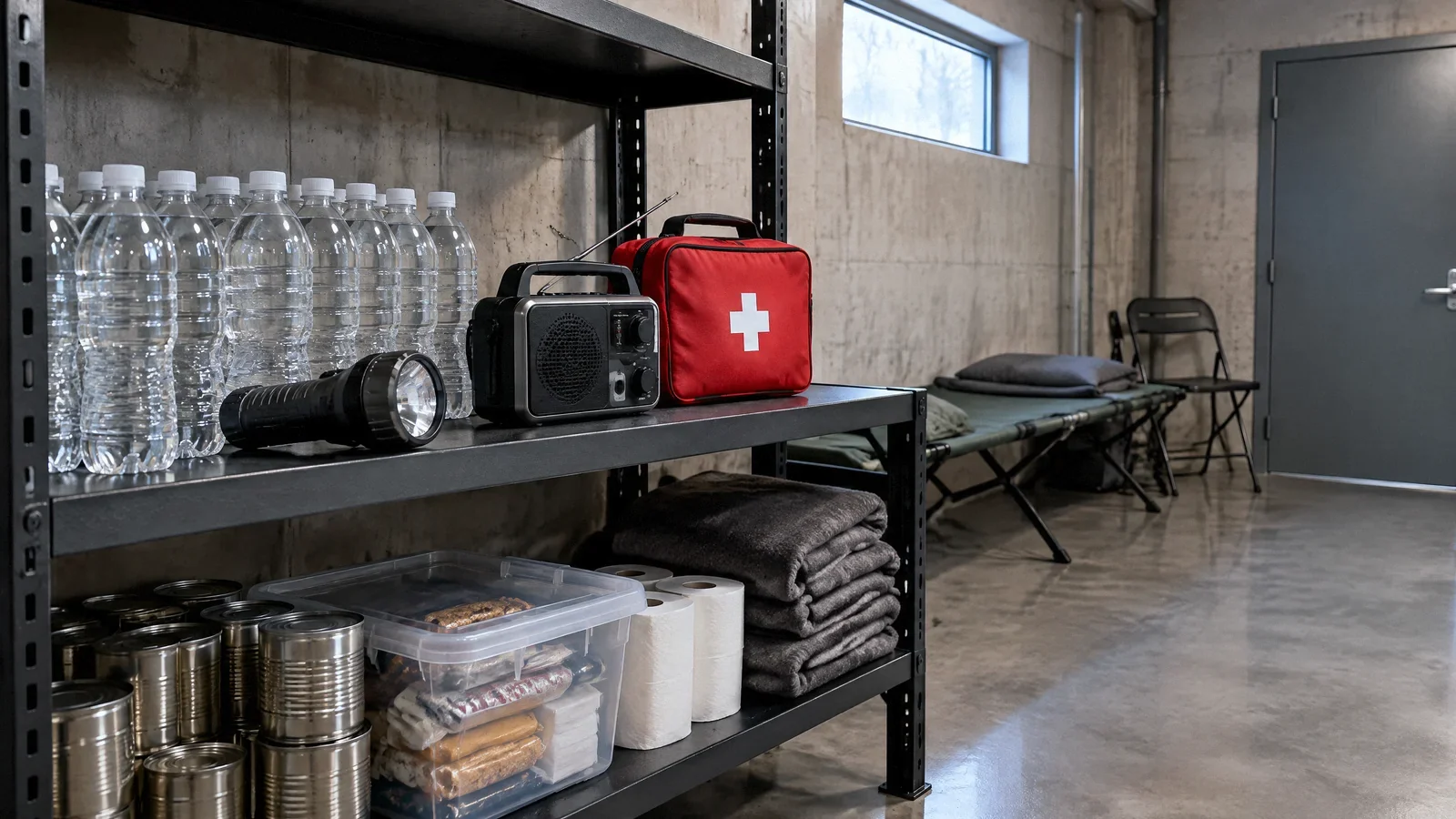
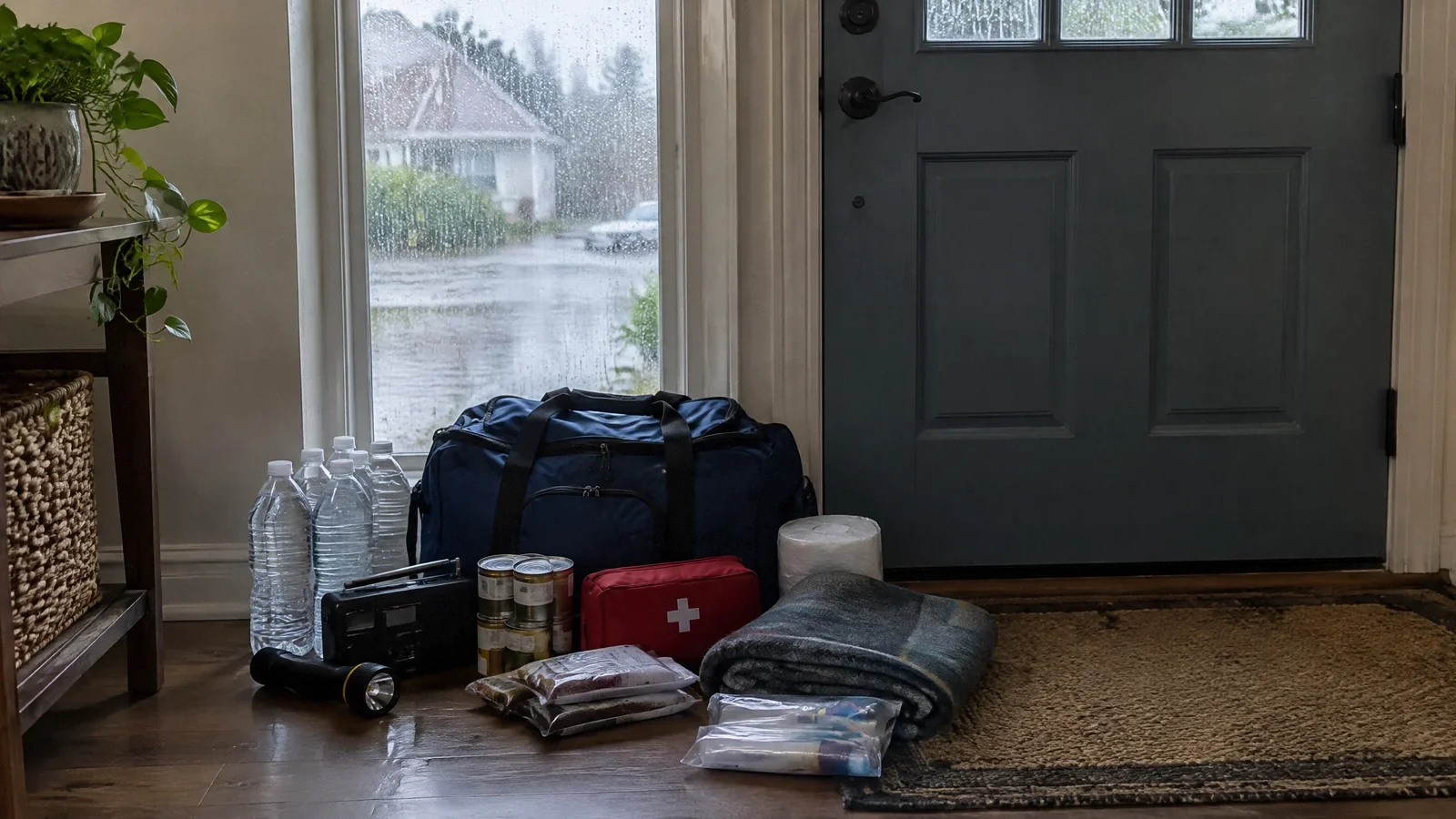
Keep a compact tornado shelter kit where you can reach it quickly: water, a flashlight, weather radio, batteries, first aid, medications, sturdy shoes and
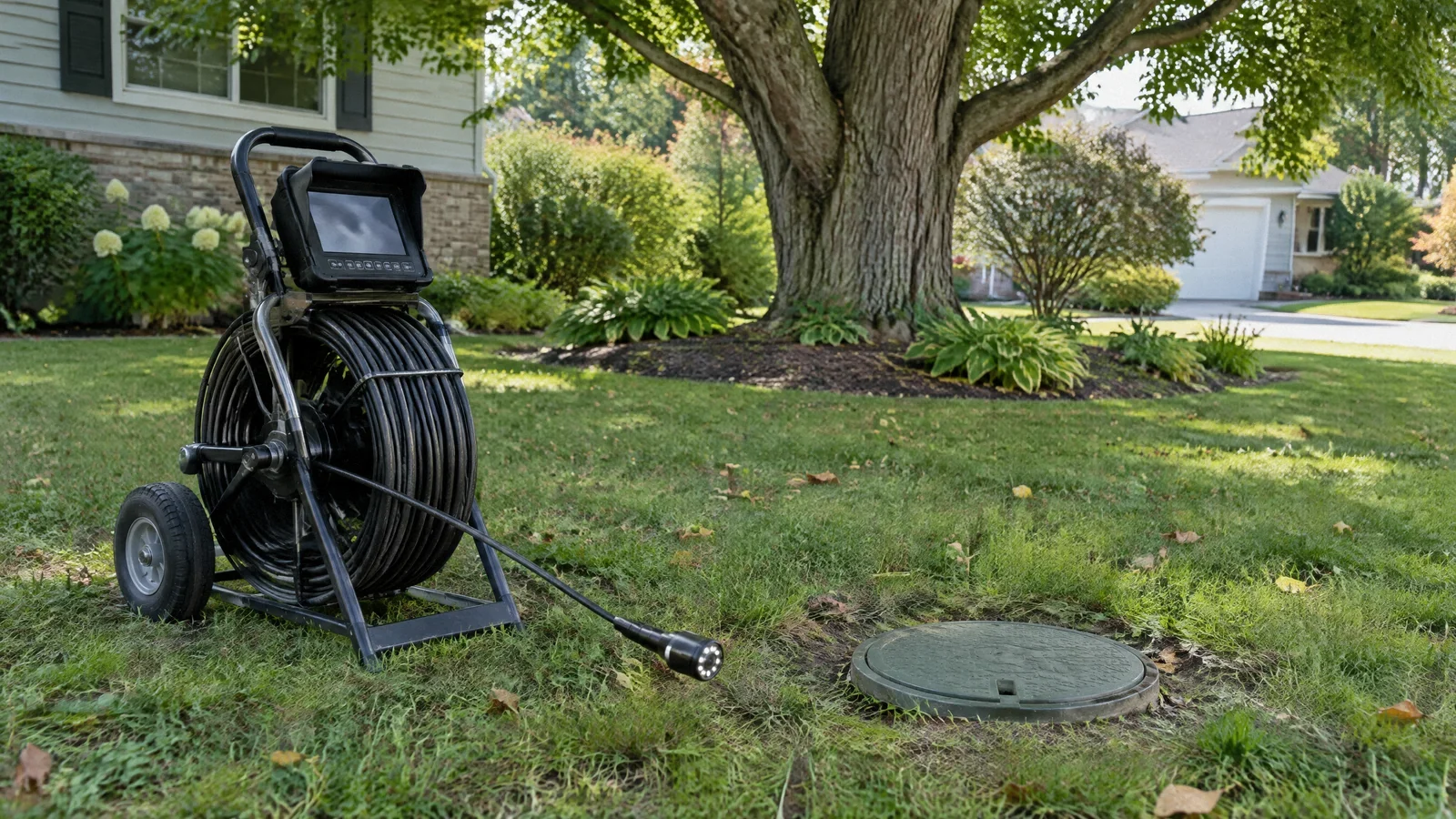
Learn how roots enter sewer laterals, how inspection and clearing differ from repair, and what to ask before choosing a solution.
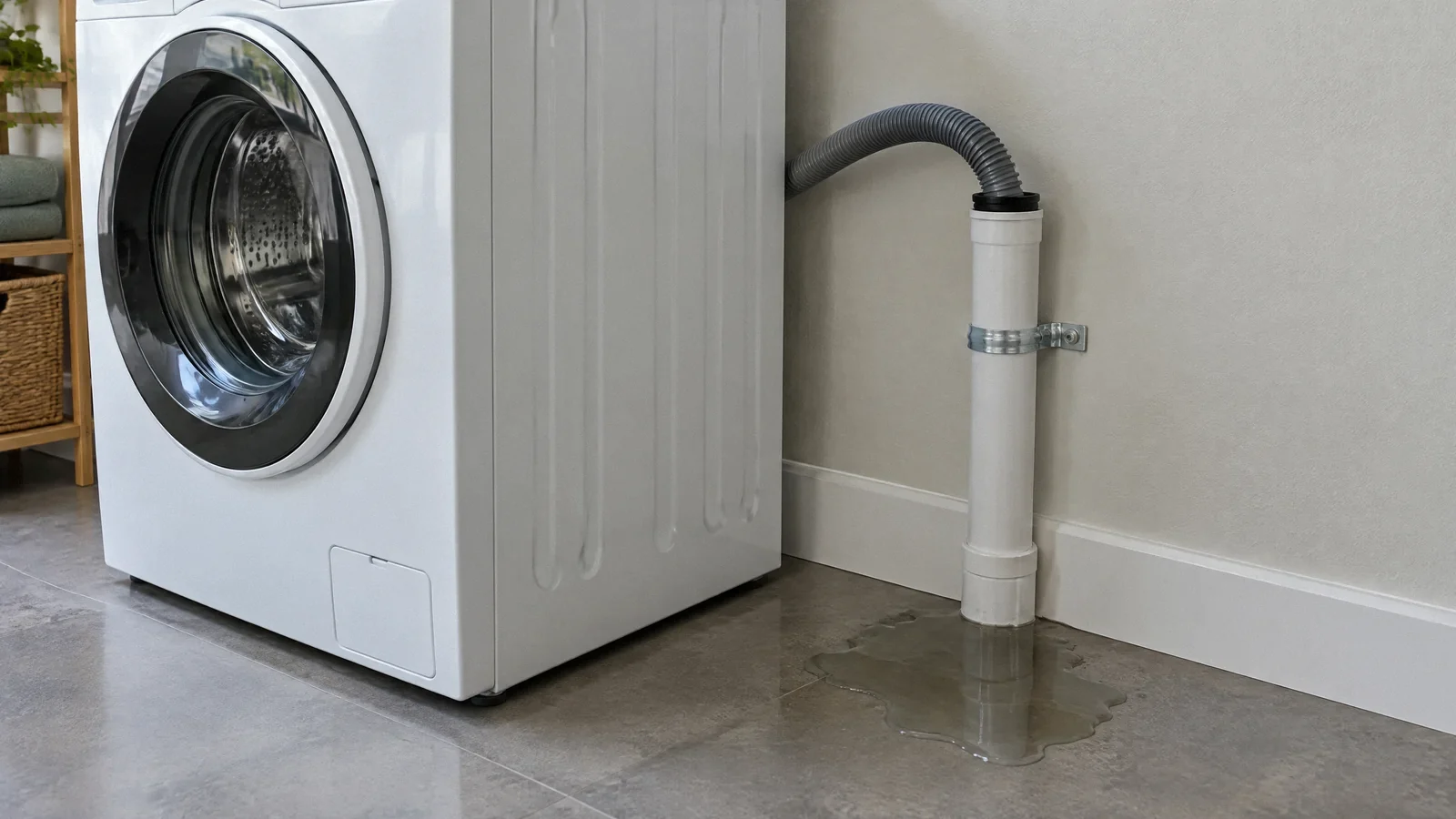
Practical guidance on washing machine drain backing up, including identification, decisions and next steps.
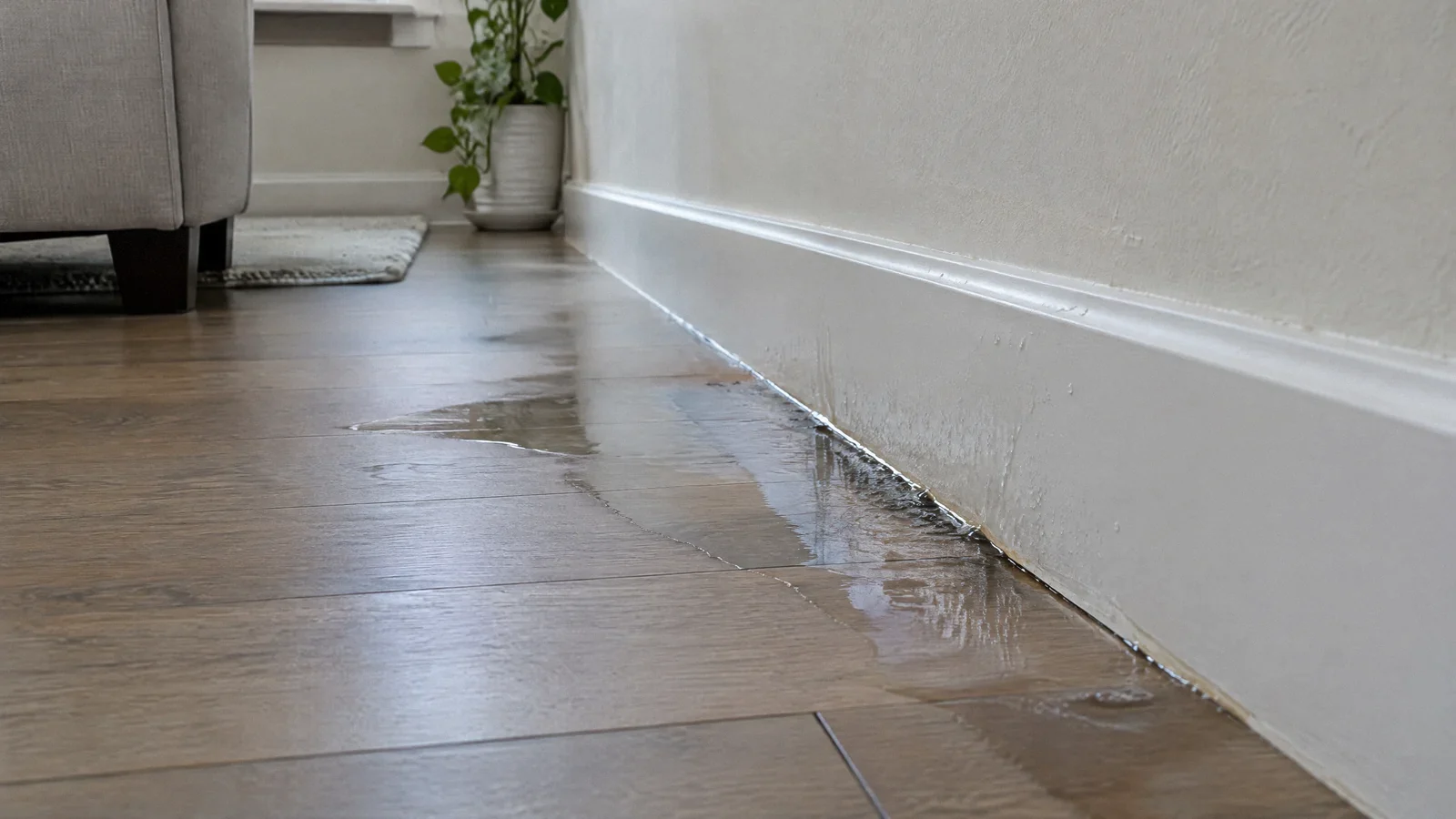
Practical guidance on water coming through floor causes and response, including identification, decisions and next steps.
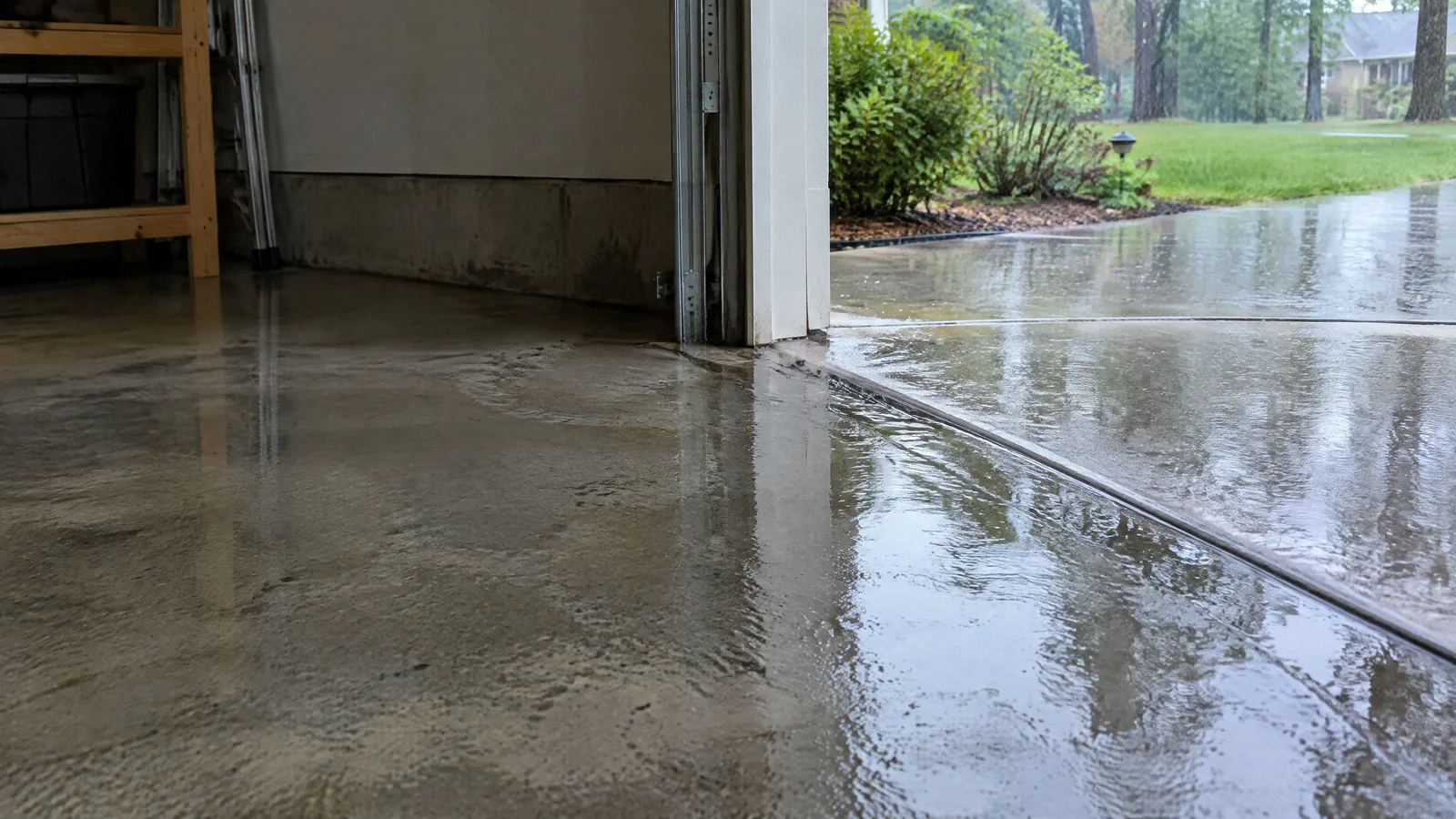
Practical guidance on water coming through garage floor, including identification, decisions and next steps.
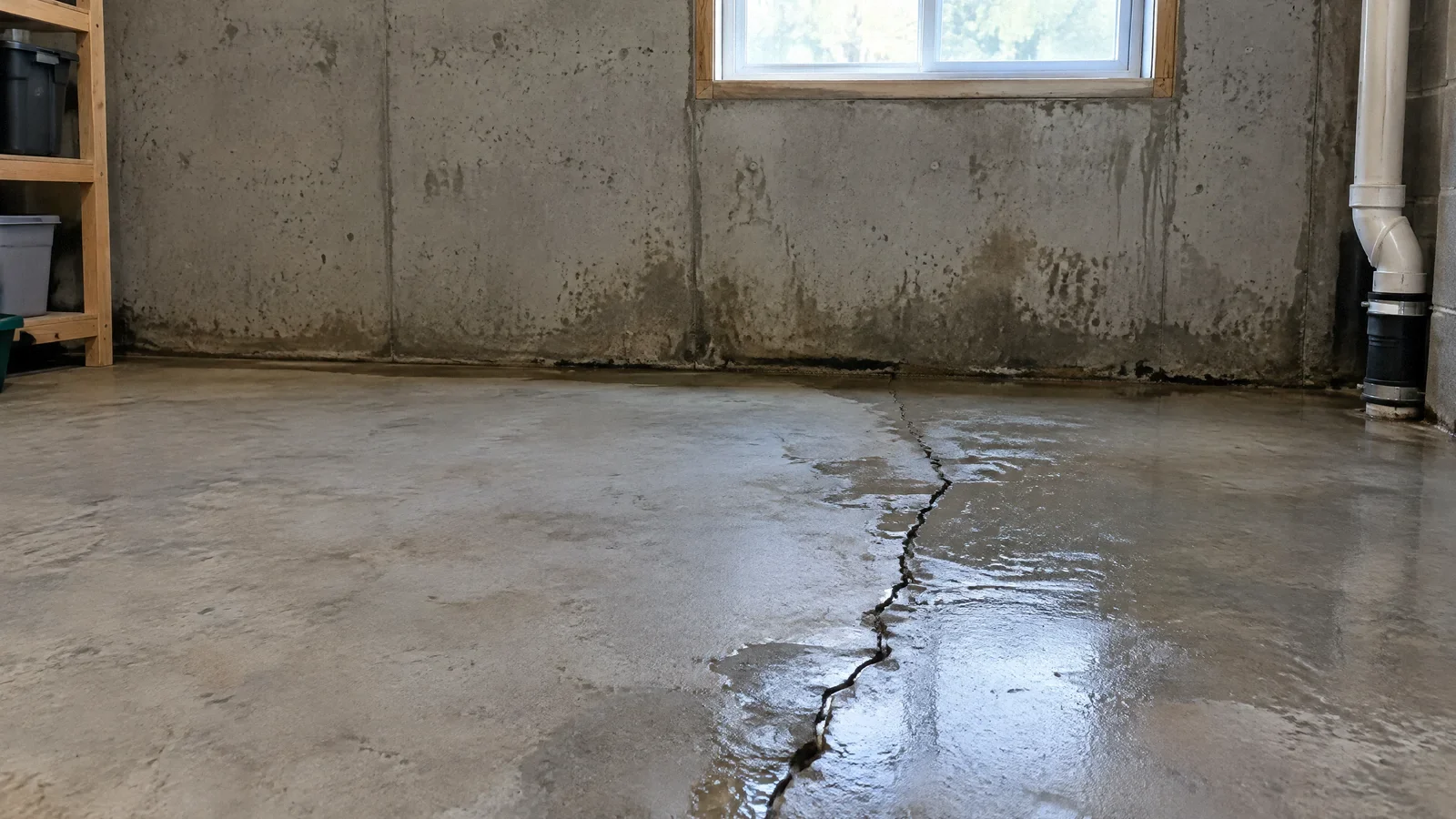
Practical guidance on water coming up through concrete floor, including identification, decisions and next steps.
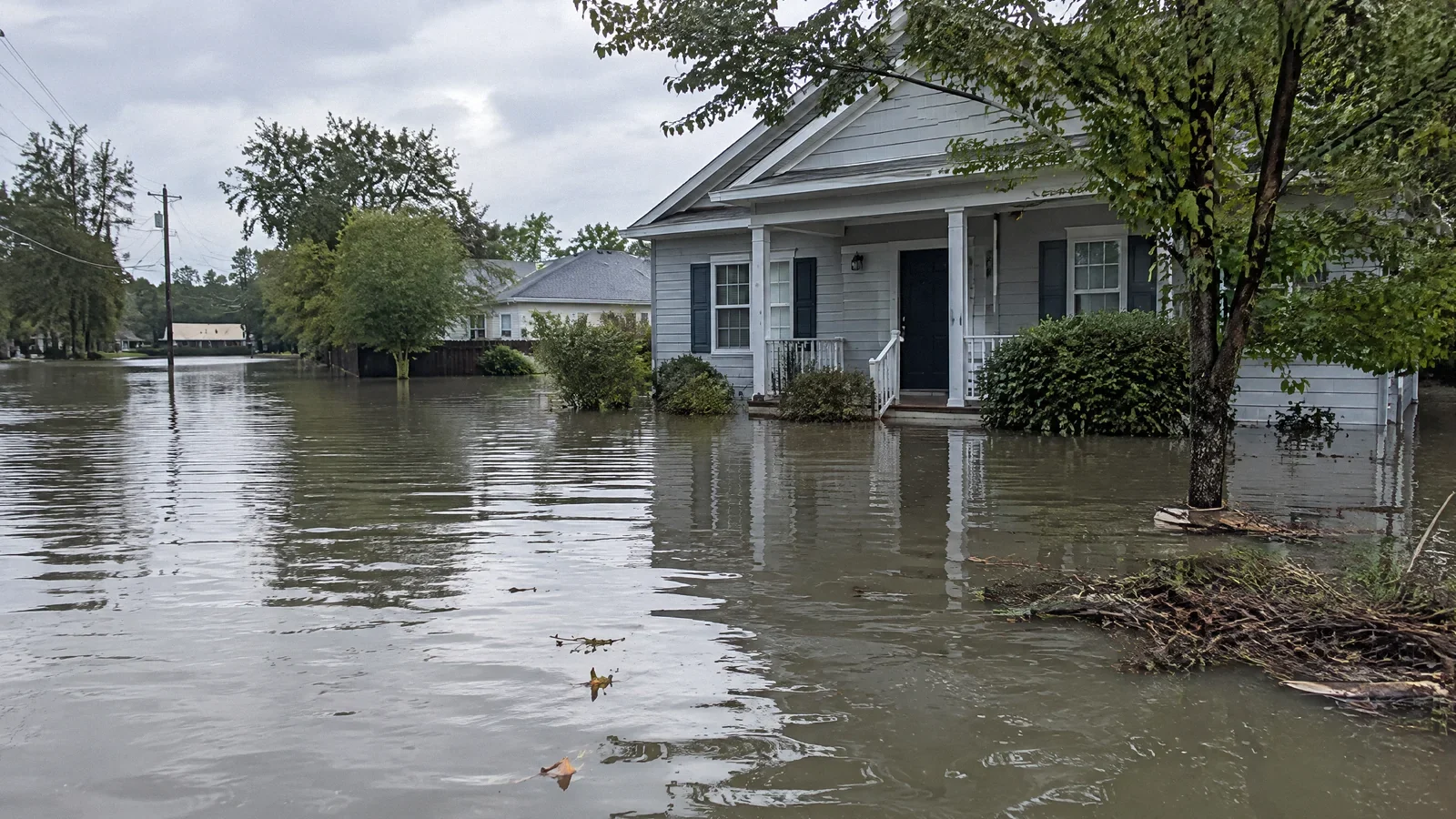
Understand how floodwater can affect a home, utilities, belongings, land, and health-related cleanup conditions.
Understand how tornado winds and debris damage buildings, vehicles, utilities and communities, and what to do afterward.
Learn how disaster restoration moves from emergency stabilization and assessment to cleanup, repair and verification.
Prepare for a flood, respond to warnings and return safely after authorities permit reentry.
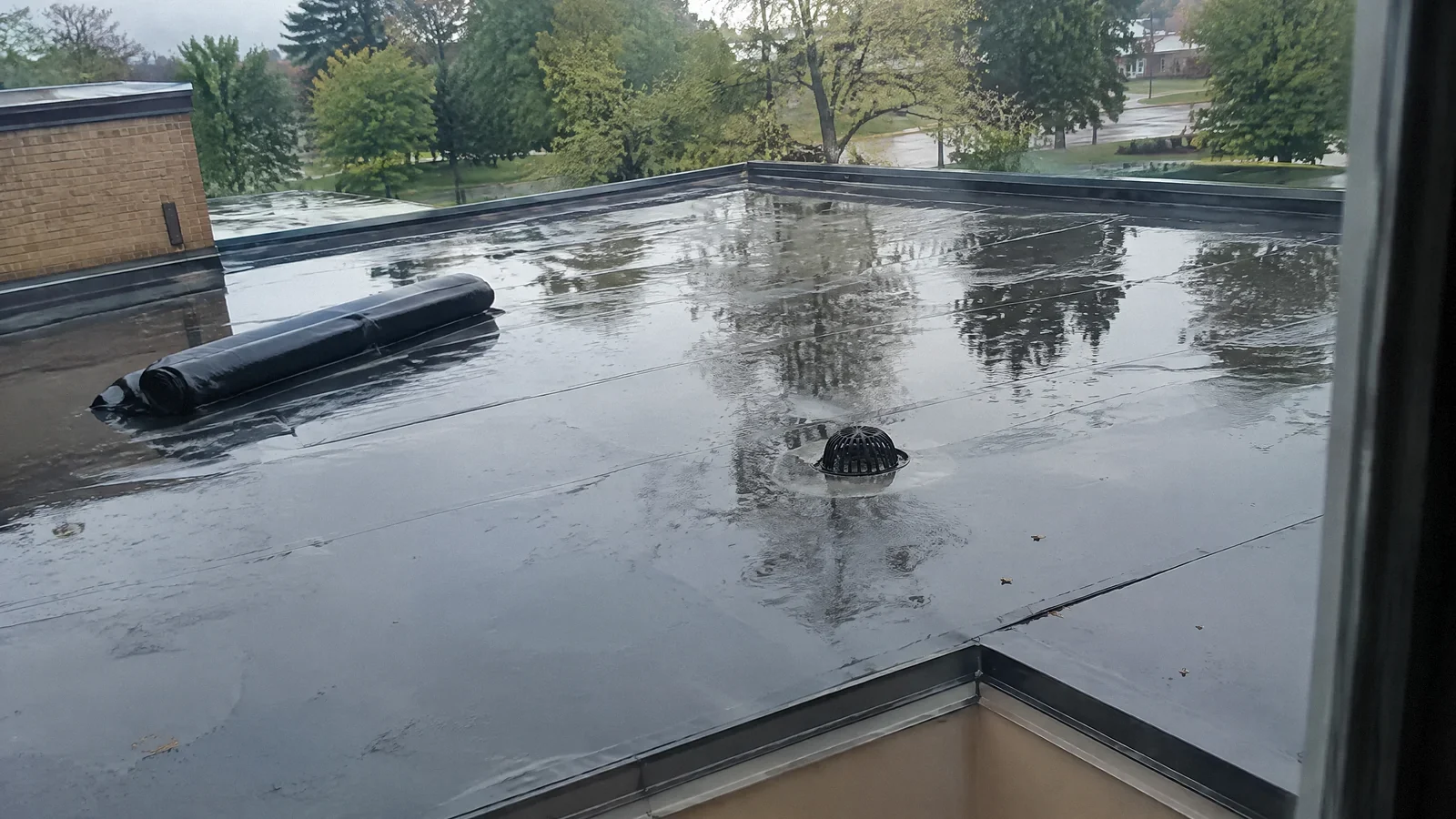
Understand temporary flat-roof protection, drainage and wind risks, and when a qualified roofer or engineer should assess the damage.
Find official hurricane season dates by ocean basin and understand why severe weather can occur outside a season.
Recognize possible snow-load warning signs, leave an unsafe building and understand why roof snow removal requires a safety plan.
Compare an underground storm cellar, an engineered safe room, a basement and an interior room when planning for tornadoes.
Understand annual U.S. lightning estimates, the difference between flashes and strokes, and what national averages say about personal risk.
Learn how storm conditions, reporting practices and year-to-year variability affect tornado counts and what scientists can infer about trends.
Try a material, “insurance”, “mold”, or a shorter phrase.