CAL FIRE recommends preparing a household wildfire action plan, emergency supplies and evacuation arrangements before a fire threatens. Maintain defensible space and consider home-hardening measures appropriate to the property. Sign up for local alerts and leave promptly when authorities order evacuation or conditions make staying unsafe.
Make a household action plan
Identify more than one possible evacuation route and a meeting place outside the threatened area. Decide how household members will communicate if they are separated. Include children, older adults, people with disabilities, pets and anyone who may need transportation or assistance.
Practice the plan and keep contact information available without relying on one phone or an internet connection. CAL FIRE recommends preparing a wildfire action plan, emergency supplies and a family communication plan before wildfire conditions become urgent.
Prepare a go-bag
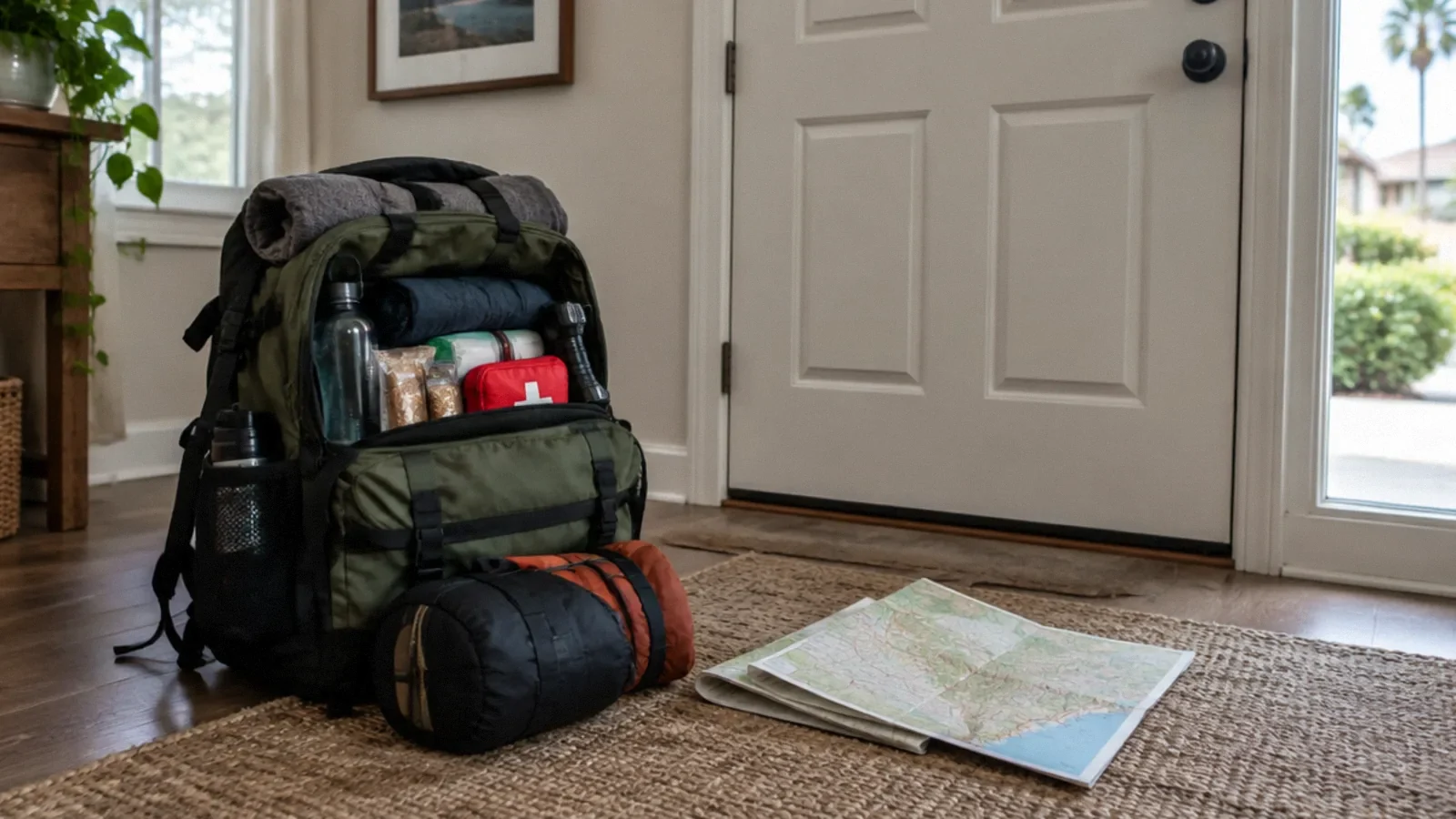
Keep essential medications, copies of important documents, a flashlight, water, necessary medical supplies, chargers and other household essentials ready to take. Include supplies for pets and children and review expiration dates. A personalized list should reflect medical and mobility needs.
Store the bag where it can be reached quickly. Do not return to a dangerous building for possessions once evacuation is necessary. If medication needs refrigeration or electrically powered medical equipment is involved, discuss an outage and evacuation plan with a healthcare provider.
Know your alerts and evacuation zones
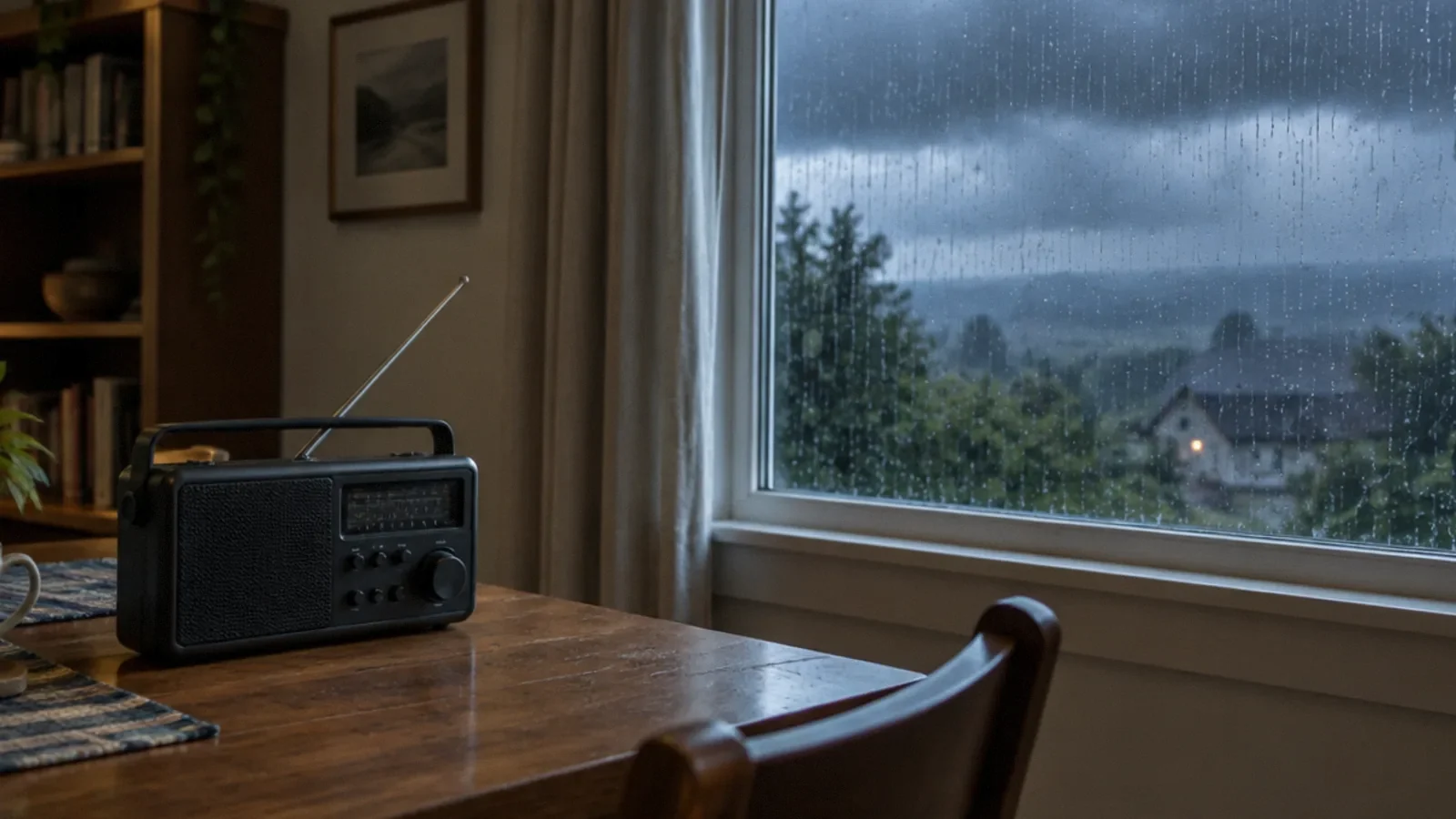
Sign up for alerts from local emergency authorities and learn the evacuation zones or terminology used where you live and work. Keep more than one reliable way to receive warnings. Conditions can change quickly, so follow current official directions rather than an old map or social-media post.
An evacuation warning and an evacuation order have different meanings under local procedures. Know what your jurisdiction asks residents to do and leave early if you need extra time. Never wait for visible flames before responding to an order.
Defensible space and home hardening
CAL FIRE describes defensible space as managing vegetation and combustible material around a building to reduce the chance of fire spreading to it. Home hardening addresses vulnerable building components and embers. Appropriate measures depend on the property, local rules and the surrounding landscape.
Maintain accessible gutters and address accumulated combustible debris where work can be done safely. Consult local fire authorities and qualified contractors about current requirements, vents, roofing, landscaping and work near utility lines. These measures reduce risk but do not guarantee a home will survive a wildfire.
Plan for animals and transportation
Identify a place that accepts your pets and prepare carriers, food, medication and records. If you have large animals, arrange transport and a destination in advance. Make plans for people without a vehicle or who require accessible transportation.
Keep vehicles and routes ready according to local guidance, but do not start a vehicle near a suspected gas leak. Know whom to call for assistance and share the plan with neighbors or family members who have agreed to help.
Smoke and indoor air
Wildfire smoke can affect areas far from flames. Follow local air-quality and health guidance; when outdoor smoke is heavy, bringing that air indoors may increase exposure. EPA describes using a suitable mechanical air cleaner to reduce indoor particles in an appropriately prepared room.
An air cleaner does not remove every gas or make it safe to stay when evacuation is ordered. People with heart or lung disease, older adults, children and others with health concerns may need individualized advice. Contact a healthcare professional about a medical plan.
When it is time to leave
Follow evacuation orders immediately and take the planned route unless authorities direct otherwise. Take your go-bag and pets if they can be reached without delay or danger. Do not stop to complete optional property preparations when the fire is close or travel is becoming unsafe.
If you are trapped or cannot evacuate, call 911 and follow the dispatcher’s instructions. Conditions can change rapidly, so local emergency directions take precedence over a generic checklist. Do not drive through fire, heavy smoke or a closed road to retrieve belongings.
Returning after a wildfire
Return only when authorities permit it. Avoid downed wires, unstable trees, damaged structures and ash. If you suspect a gas leak, leave without operating switches or devices and contact 911 and the utility from a safe location. Do not reconnect utilities yourself.
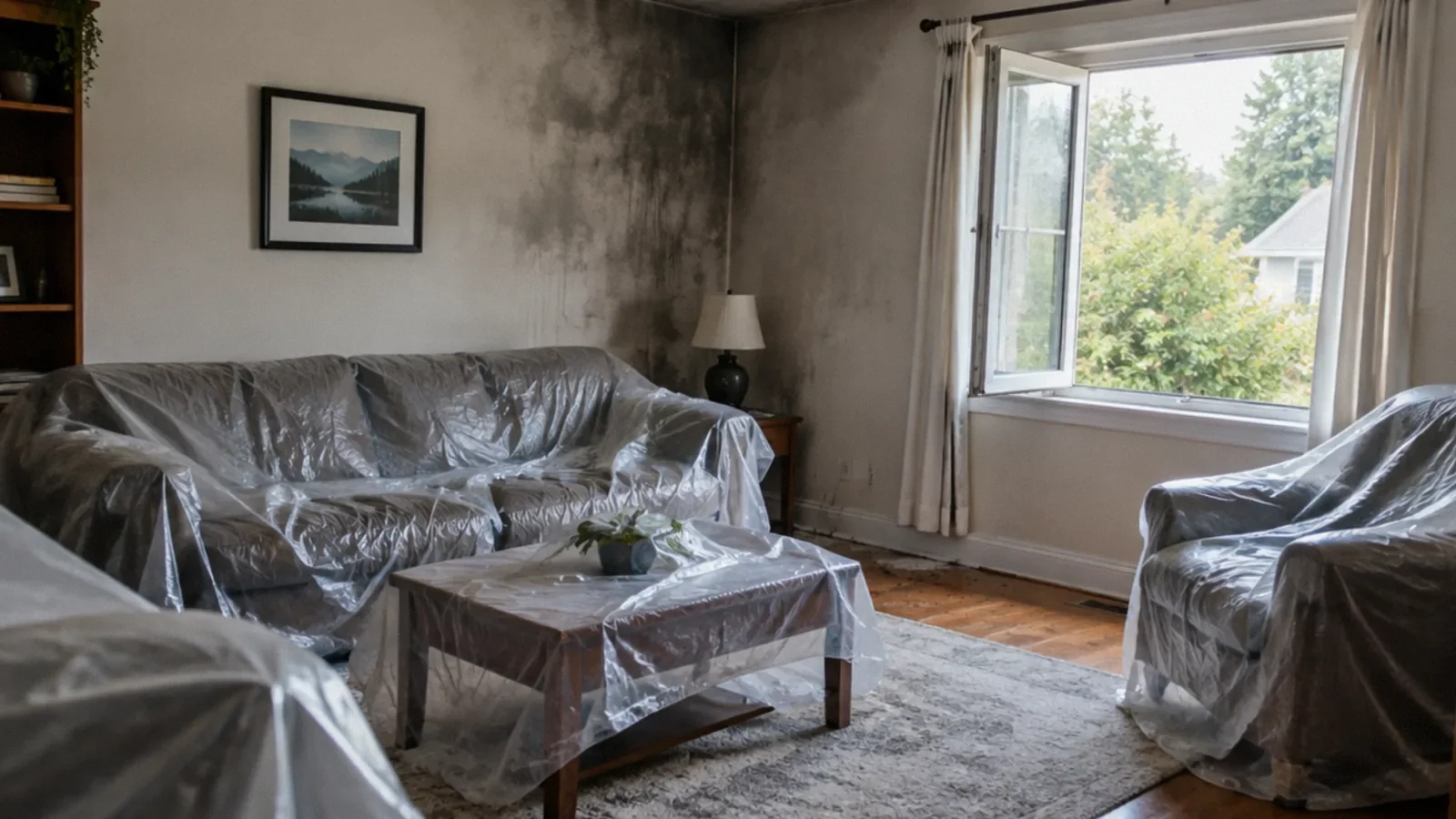
Ash from burned structures can contain hazardous materials. Follow local and EPA guidance before cleanup and arrange experienced help for extensive damage. Document losses when it is safe and retain communications and receipts for the insurer or property manager.
Your next-step checklist
- Create and practice an evacuation and communication plan.
- Prepare supplies, medications and pet arrangements.
- Sign up for local emergency alerts.
- Maintain defensible space and review home-hardening needs.
- Leave promptly when ordered or conditions are unsafe.
Related questions
How do I prepare for a wildfire?
Plan evacuation routes and communication, prepare supplies, follow local alerts and maintain the property using current CAL FIRE and local guidance.
Does defensible space guarantee a house will survive?
No. It can reduce risk but cannot guarantee the outcome of a wildfire.
Should I stay to finish preparations after an evacuation order?
Follow the order promptly. Do not delay departure for optional property tasks.
Can an air cleaner replace evacuation?
No. A suitable cleaner can reduce some indoor particles but does not remove every hazard or override an evacuation order.
Sources & context
Public guidance supports the principles in this article. The practical questions and examples are editorial interpretation, not a site assessment or a coverage decision. State-specific rules apply only where identified.
- CAL FIRE: Prepare for wildfireCalifornia emergency guidance
- CAL FIRE: Get setCalifornia emergency guidance
- U.S. EPA: Indoor air filtration during wildfiresfederal guidance