Fire damage restoration begins only after responders say the building is safe to enter. The process can include assessing structural and utility hazards, documenting damage, addressing smoke and soot, handling water used in firefighting, and planning repairs. The scope depends on what burned and which materials were affected.
Safety and permission to return
Leave an active fire, alert others and call 911 from a safe location. Do not return to a damaged building until the fire department or other responsible authorities say it is safe. Hidden hot spots, damaged wiring, unstable surfaces, broken glass and hazardous materials can remain after visible flames are out.
Ask responders about the status of utilities and any restricted areas. Do not switch on damaged electrical equipment or reconnect gas or power yourself. If smoke exposure caused difficulty breathing, chest pain or other serious symptoms, seek urgent medical care.
A practical first-day recovery checklist
Once everyone is safe, follow the fire department’s instructions and remain out until the property is cleared for entry. Contact the insurer or landlord, arrange a safe place to stay and ask what emergency documentation or protective work is authorized. Keep receipts and photograph damage only from a safe location.
Replace essential documents when needed and ask the insurer before discarding items, except where safety or health requires immediate action. Smoke- or heat-exposed food and medicine may be unsafe; follow public health and responder guidance. Discuss affected clothing and other porous belongings with a qualified cleaner rather than assuming laundering will restore every item.
What fire damage can include
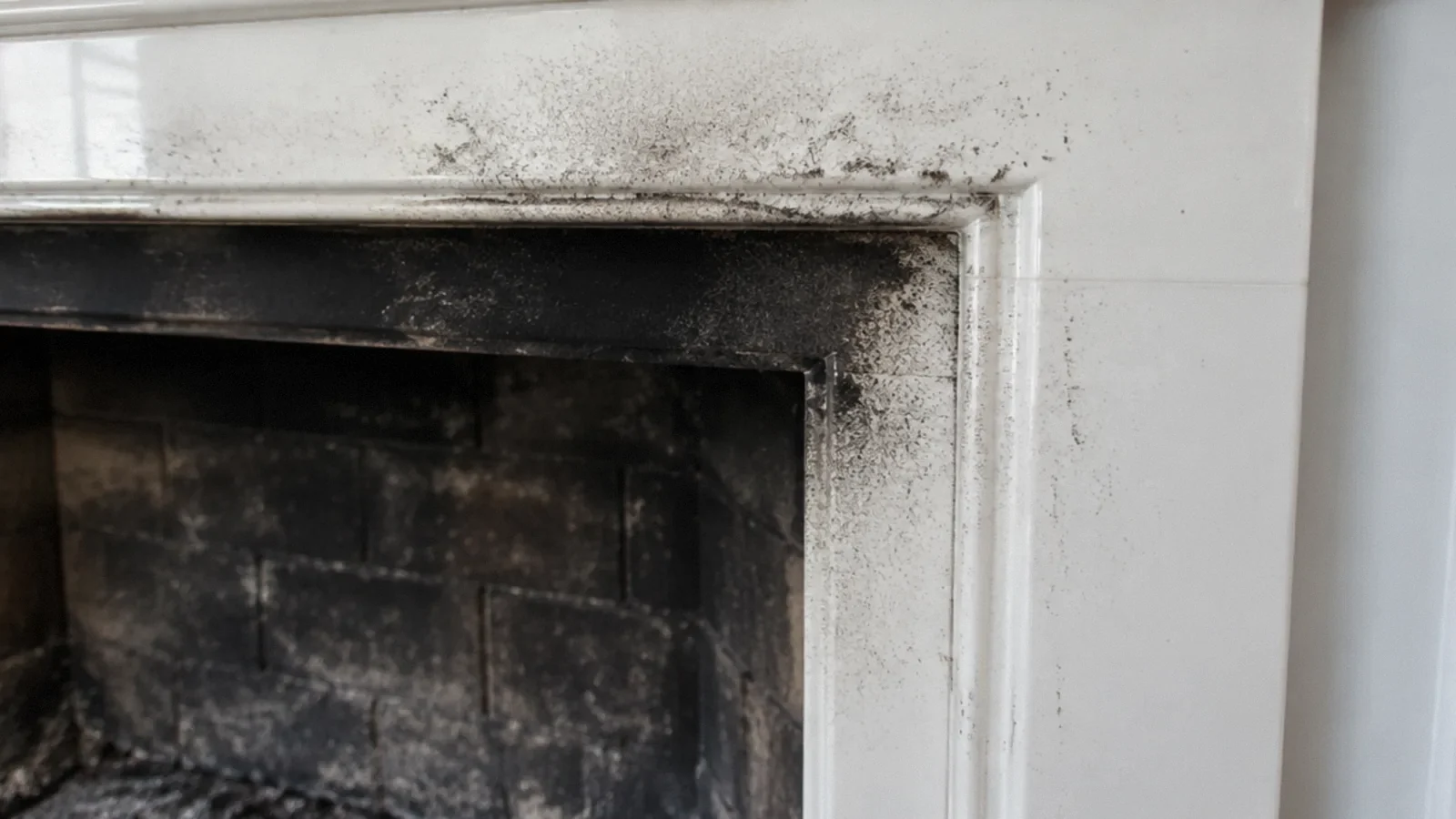
Direct flame and heat can damage framing, finishes, equipment and belongings. Smoke carries particles and gases that can affect surfaces beyond the burned room. Soot is a carbon-rich residue, but the composition of a particular deposit depends on the materials and conditions of the fire.
Water used to extinguish a fire can also wet walls, insulation and floors. Do not assume a clean-looking room is unaffected or that every dark mark requires the same treatment. The assessment should identify what is known, what remains inaccessible and which hazards require specialized evaluation.
Commercial buildings
Commercial recovery can involve shared systems and occupants. See the separate commercial fire restoration guide for that setting.
Document the loss safely
When access is permitted, photograph damage and list affected belongings without disturbing unstable or contaminated material. Record the date, room and condition of items, and retain incident reports, emergency-service invoices and communications. Notify the insurer, landlord or property manager as appropriate.
Ask what documentation is needed before damaged property is discarded, but do not remain in an unsafe area to take photographs. Coverage, deductibles and temporary housing depend on the policy and circumstances; a restoration company cannot guarantee the insurer’s decision.
Assess the building and utilities
A qualified team may need to evaluate structural damage, electrical systems, gas equipment, ventilation and the path of smoke or water. A visible wall stain does not establish the condition of the framing or wiring behind it. Ask who is responsible for each inspection and whether any area could not be accessed.
Older building materials may contain lead or asbestos. Do not demolish suspect finishes until the relevant hazards and local requirements have been considered. Secure openings only when it can be done safely, and follow official instructions about reentry and utility service.
Cleaning soot and smoke residue
Soot can smear or become airborne when disturbed. The cleaning method depends on the residue and surface: painted walls, textiles, electronics and porous contents may need different treatment. After substantial damage or an uncertain exposure, seek experienced cleanup help rather than dry sweeping or applying a generic chemical.
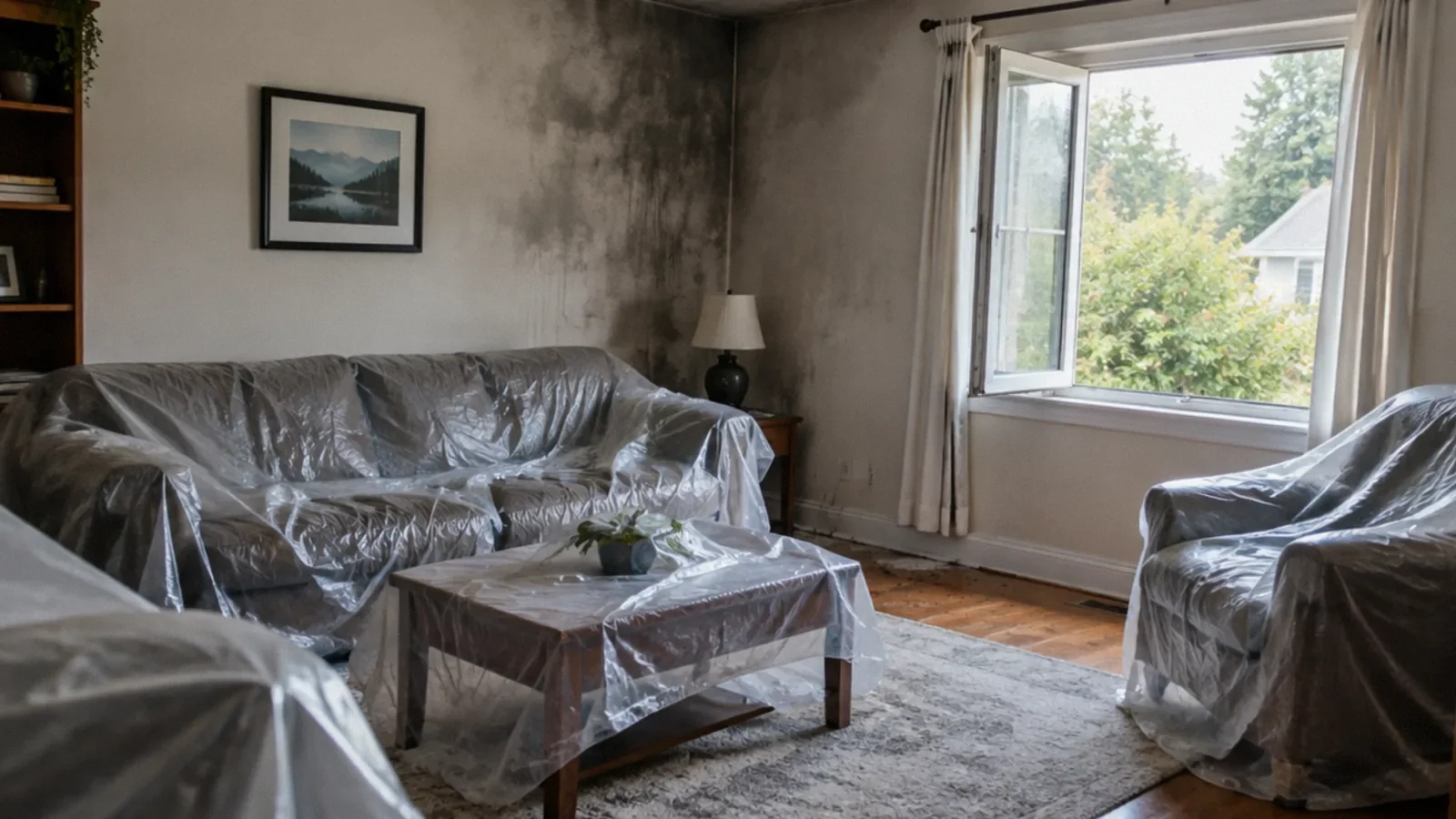
Ask how unaffected rooms will be protected and what items may require specialist cleaning. Follow product and surface instructions and never mix cleaning chemicals. A deodorizer may mask an odor without removing contaminated material or correcting the source.
Water removal and drying
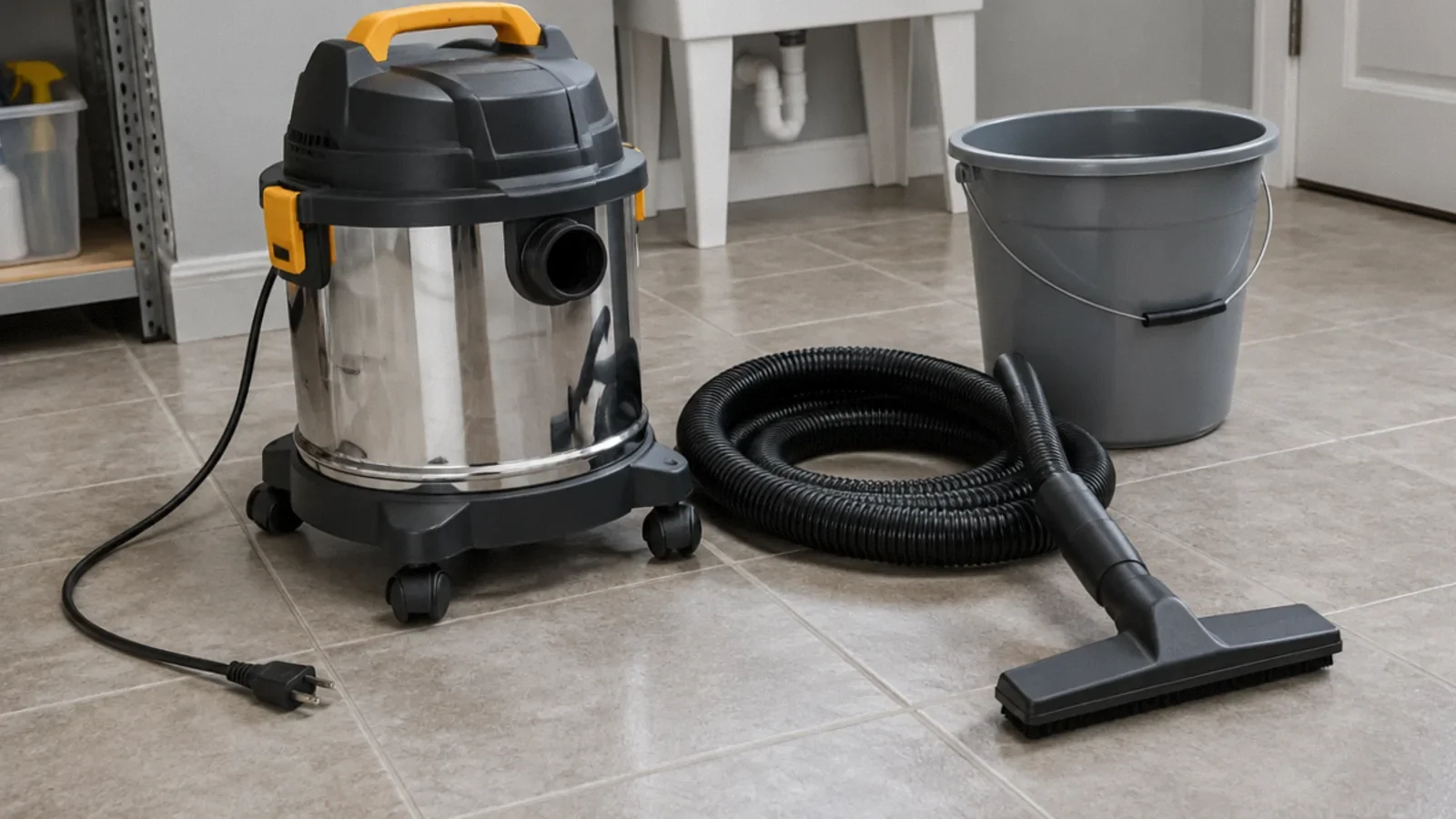
If firefighting water entered the building, evaluate electrical and structural hazards before removing it. Water can remain inside cavities or under flooring after the surface looks dry. A drying plan should identify the affected materials, monitoring locations and criteria used before closing walls or installing finishes.
Contamination may change whether a material can be cleaned or needs removal. If mold is visible or moisture persists, follow public-health guidance and seek experienced help. Do not use fans in a way that spreads particles or assume a fixed number of equipment days proves that an assembly is dry.
Plan repair and reconstruction
A written repair scope should distinguish emergency protection, cleaning, material removal, drying and reconstruction. Identify the materials to be replaced, permits or inspections where applicable, and responsibility for electrical, plumbing and finish trades. Ask how newly discovered damage will be priced and approved.
Compare proposals on the same scope and retain the supporting photographs and measurements. A schedule is an estimate affected by access, approvals, material availability and concealed damage. Do not rebuild over unresolved moisture or unsafe utilities simply to meet an arbitrary date.
Final review and records
Before accepting completion, review the work with the contractor and document remaining items, inaccessible areas and warranties. Ask for invoices, cleaning records, drying information and final inspection results where applicable. Retain the information with the property’s repair history.
If odor, staining, moisture or equipment problems return, report the symptoms and review the original scope. Restoration addresses the documented damage; it does not guarantee that unrelated systems or future events cannot cause another problem.
What should be discarded after smoke or fire damage?
Inventory and photograph affected belongings when safe. Fire, heat, smoke, firefighting chemicals and contaminated water affect materials differently, so an assessment is more useful than discarding everything based on odor alone. Check with the insurer about documenting losses without delaying disposal needed for safety.
The Minnesota Department of Health advises discarding food touched by firefighting chemicals and describes risks from smoke and heat, including for packaged or refrigerated food. Follow its guidance for the specific food and packaging; do not taste questionable food. Ask a pharmacist about exposed medicines and a restoration professional about heavily contaminated porous furnishings or textiles.
Fire damage inspection and the written scope
Once responders permit safe access, a qualified inspection can examine visible fire and smoke damage, structural conditions, affected utilities and water used to fight the fire. The scope depends on the property and may require separate specialists. Do not enter an unstable building or operate damaged utilities to obtain measurements.
Ask what was inspected, which areas were inaccessible, how soot and moisture were evaluated, and whether testing, contents work or reconstruction are included. Share the written findings with the insurer and request an itemized proposal; an inspection does not itself establish coverage.
Smoke mitigation and contents decisions
During active smoke, leave the building and call emergency services. Discuss exposure or symptoms with a clinician; severe breathing difficulty requires urgent care. After authorities permit entry, a structure fire can involve a house, apartment or other built structure; the fire is the event and fire damage is its resulting harm.
A restoration scope may contain smoke spread, assess accessible and hidden contamination including ventilation, clean or remove contaminated sources, and verify the result. Odor alone cannot establish clean conditions. Firefighting water and rain can leave materials damp, allowing mold growth if moisture persists; identify the source, assess affected layers and dry or remove materials before rebuilding.
Pack-out, clothing and salvage
Before a pack-out, agree with the insurer and restoration company on an itemized inventory, photographs, proposed cleaning, storage, costs and authorization. Decide each item with its owner and insurer; urgent health or safety disposal should not wait for paperwork. Clothing may require specialist evaluation and laundering; do not assume washing removes all contamination from heavily affected textiles.
Hard nonporous belongings may be candidates for professional cleaning if heat and contamination permit. Electronics, documents and upholstered goods need individual specialist assessment. Food exposed to firefighting chemicals should be discarded; follow public health guidance for smoke, heat and packaging, and consult a pharmacist about exposed medicines. No category is guaranteed recoverable.
Use these categories as an inventory aid, not a promise of salvage: hard nonporous items may be candidates for cleaning; documents, electronics and upholstered items need specialist evaluation; food exposed to firefighting chemicals must be discarded under public health guidance. FDA advises replacing medicines exposed to excessive heat and discarding those contaminated by unsafe water, subject to its narrow emergency exception for life-sustaining medication.
- Potential cleaning: hard, nonporous belongings without disqualifying heat or contamination damage, after assessment.
- Specialist assessment: electronics, documents, clothing and upholstery; heat, soot and water can change the outcome.
- Discard when applicable: food exposed to firefighting chemicals and medicines contaminated by unsafe water, following USDA and FDA guidance and applicable exceptions.
Your next-step checklist
- Wait for official permission before reentry.
- Keep clear of damaged utilities and unstable materials.
- Document damage and emergency actions when safe.
- Request separate cleanup, drying and repair scopes.
- Review final records and unresolved limitations.
Related questions
Can I enter immediately after the fire is out?
No. Wait until the fire department or responsible authority says it is safe, and follow any restrictions.
Does smoke damage stay in the burned room?
Not necessarily. Particles and odors can travel; an assessment should identify accessible affected areas and limitations.
Why is drying needed after a fire?
Water used during firefighting can wet building materials and cavities, even after visible water is gone.
How long does restoration take?
Duration depends on the damage, safety, approvals, access, materials and repairs; a reliable schedule requires a specific scope.
What is smoke damage after a fire?
Smoke can deposit residues and odors on surfaces and contents beyond the burned room. The extent and appropriate cleanup depend on the fire and affected materials.
What is a structure fire?
A structure fire is a fire involving a building or other built structure. The hazards and recovery process depend on what burned and how the structure was affected.
How is commercial fire damage handled?
After authorities permit safe access, coordinate assessment, cleanup, utility safety and repair with the building owner, occupants and qualified professionals.
What should I do first after a house fire?
Stay out until responders say entry is safe, make sure people and pets receive needed care, then contact your insurer or property manager and document the damage safely.
Can mold develop after a fire?
Water used to fight a fire or rain entering a damaged building can leave materials wet. Once the building is safe, assess the water source and affected layers and arrange appropriate drying and cleanup.
What does a contents restoration specialist do after a fire?
A specialist can inventory, assess and propose cleaning, storage or disposal of affected belongings. Agree on documentation, item-level decisions, costs and insurance authorization; not every item can be safely restored.
What belongings may survive a house fire?
Some items can be assessed for cleaning or repair, but heat, smoke, soot and firefighting water affect materials differently. Food, medication, electronics and porous belongings may need special handling or disposal. Wait for safe access and ask qualified specialists before using or discarding items.
Sources & context
Public guidance supports the principles in this article. The practical questions and examples are editorial interpretation, not a site assessment or a coverage decision. State-specific rules apply only where identified.
- U.S. Fire Administration: After a home firefire safety guidance
- CDC: Safety after a wildfirepublic health guidance
- CDC: Protect yourself from ashpublic health guidance
- US EPA: Flood cleanupofficial guidance
- American Red Cross: What to do after a home firedisaster recovery guidance
- Minnesota Department of Health: Consumer tips for food safety after firesstate public health guidance
- EPA: Moisture and moldofficial guidance
- FDA: Safe drug use after a natural disasterofficial guidance