In the United States, Class A generally covers ordinary combustibles such as wood and paper; B covers flammable liquids and gases; C involves energized electrical equipment; D involves combustible metals; and K covers cooking oils and fats. If a fire is growing, smoke is present or you cannot exit safely, leave immediately and call 911.
Start with an escape plan
A fire can grow quickly and smoke can make a familiar room impossible to navigate. If you discover a fire, alert others, leave by a safe route, close the door behind you if possible and call 911 from outside. Never delay evacuation to identify a class or retrieve belongings. Follow instructions from emergency responders.
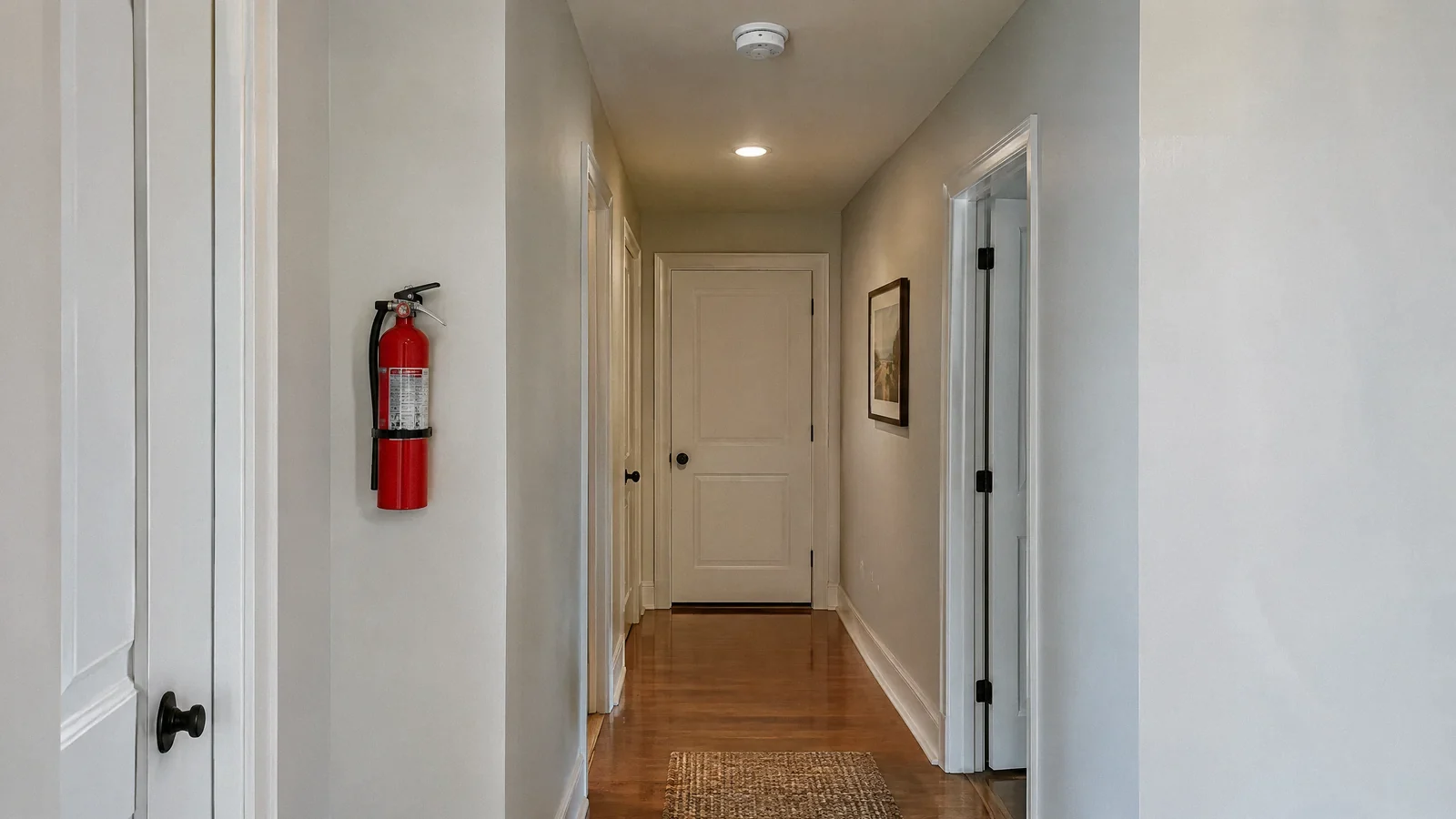
A portable extinguisher is intended for a small, contained fire only when you have the right equipment, know how to use it, have a clear exit behind you and can act without putting yourself at risk. If any condition is uncertain, leave. Do not enter a smoke-filled room to fight a fire.
Class A: ordinary combustibles
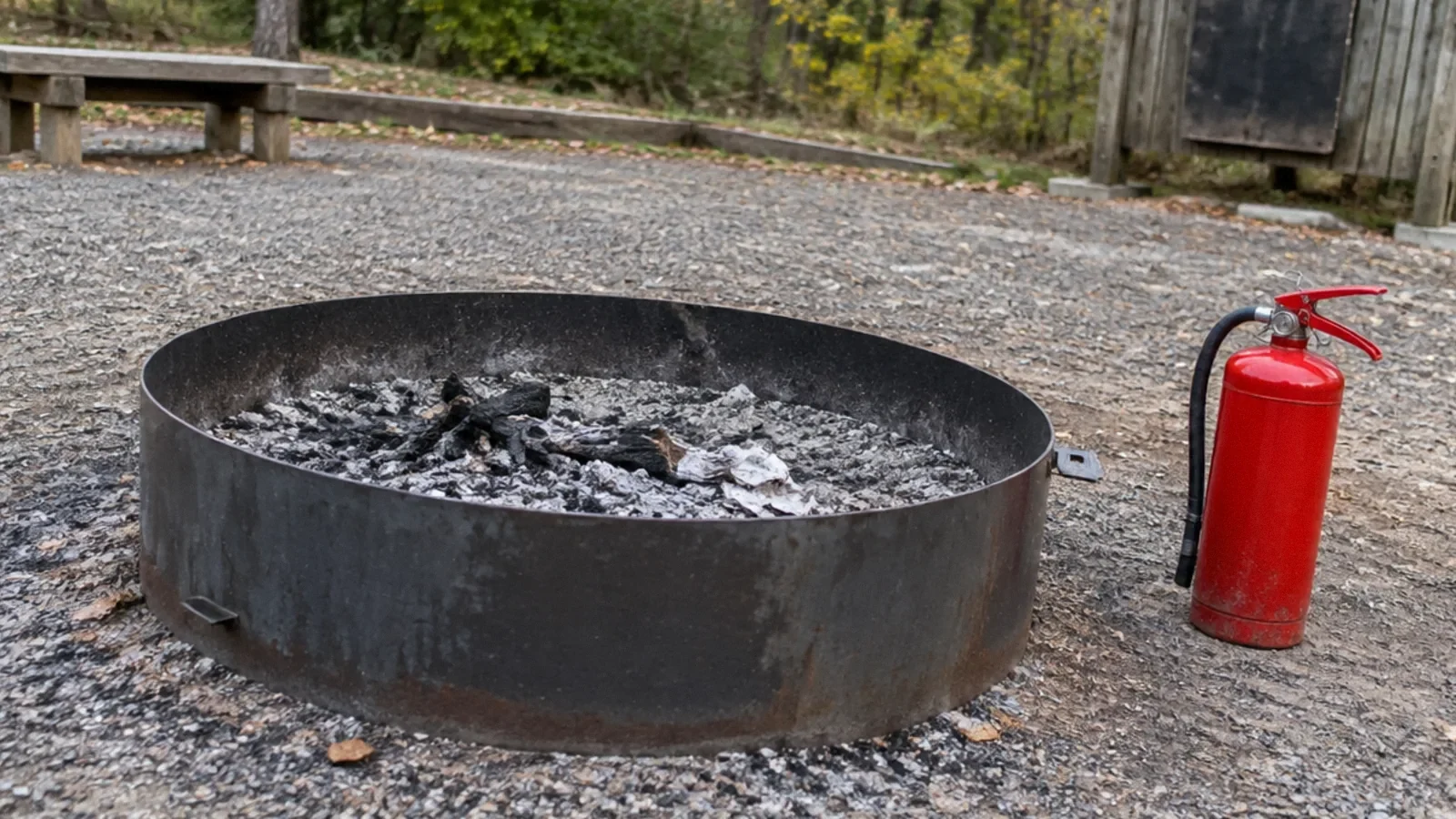
Class A includes ordinary combustible materials such as wood, paper, cloth, rubber and many plastics. A burning wastebasket or a piece of wood can be an example. OSHA describes water-type extinguishers labeled A for these materials, but a real incident can involve more than one hazard.
Do not assume a fire is Class A just because paper or wood is present. Nearby energized equipment, spilled fuel or cooking oil can change which extinguishing agent is safe. The label on the extinguisher describes the types of fires for which it is rated; follow the instructions and leave if unsure.
Class B: flammable liquids and gases
Class B covers fires involving flammable liquids or gases, such as gasoline, solvents and propane. A burning liquid can spread over a surface, while a gas leak introduces the additional problem of escaping fuel. Controlling the fuel source and fire should be left to trained responders when conditions are unsafe.
Never use a water-type Class A extinguisher on a flammable-liquid fire: water can spread burning liquid. Do not attempt to move a burning container or shut off a gas supply if reaching it would place you in danger. Evacuate and call emergency services.
Class C: energized electrical equipment
Class C involves energized electrical equipment, such as wiring, a fuse box or an appliance still connected to power. The electrical hazard can remain even when flames are small. OSHA warns against using water on an energized electrical fire because of the risk of electric shock.
Do not touch damaged equipment or approach a panel through water. A qualified responder can determine when power is safely isolated. After the equipment is de-energized, the remaining burning material still needs an appropriate response. A photograph cannot establish that electricity has been disconnected.
Class D: combustible metals
Class D covers combustible metals, including certain forms of magnesium, titanium, sodium and potassium. These fires can require a special extinguishing agent selected for the metal. A general household extinguisher is not a universal substitute. Follow the site’s emergency plan and leave the area if such a hazard is involved.
Metal dust, chips or shavings can behave differently from a solid finished object. Do not experiment with water or an unfamiliar extinguisher. Tell emergency responders what material is involved if that information is available without delaying evacuation.
Class K: cooking oils and fats
Class K covers fires involving cooking oils and fats, particularly those associated with commercial cooking equipment. OSHA describes specially rated Class K extinguishers and notes that commercial suppression systems and equipment instructions matter. A home cooking fire also requires an immediate safe response; its location in a kitchen does not make every extinguisher suitable.
Never pour water on burning cooking oil. If a small pan fire can be safely covered without reaching over flames, follow local fire-safety guidance; otherwise leave, close the door and call 911. Do not carry a burning pan outside or attempt a tactic that blocks your escape.
Read the extinguisher label before an emergency
An extinguisher may carry more than one rating, such as A:B:C, indicating the classes for which it is listed. Its size, condition and instructions also matter. Place and maintain equipment according to manufacturer guidance and applicable local requirements, and make sure occupants know the exits.
A label is not a guarantee that a person can safely control any size of fire. Training, access, smoke conditions and a clear escape route matter. Inspect equipment as directed, replace or service it when required, and never assume a discharged extinguisher is ready for use again.
After a fire
Do not return until the fire department says it is safe. Heat, hidden damage, electricity, smoke residue and water used in firefighting can create hazards after visible flames are out. Follow official instructions about utilities, food and cleanup, and document damage when it is safe to do so.
If anyone has trouble breathing or other urgent symptoms, seek medical help. Consult qualified professionals before re-energizing damaged electrical equipment or disturbing extensive soot. Save incident records and photographs for the property manager or insurer as appropriate.
Steps for using a fire extinguisher
Use an extinguisher only for a small contained fire when you know the device is appropriate, have been trained and have a clear escape route. Alert others and call 911. If any condition is uncertain or the fire grows, leave, close the door behind you when feasible and call from safety.
The U.S. Fire Administration teaches the PASS sequence: pull the pin, aim at the base, squeeze the lever and sweep side to side. Follow the device label and training. Never allow a fire to come between you and the exit; leave immediately if it is not going out.
Electrical fires and flour
Flour is not an electrical-fire extinguishing agent. Leave and call emergency services if the fire is not immediately controllable.
Reading classes and ratings
The five US fire classes describe fuels and electrical conditions, not five uses for every extinguisher. Class A covers ordinary combustibles; B covers flammable liquids; C covers energized electrical equipment; D covers combustible metals; K covers cooking oils and fats, particularly commercial cooking equipment. A multipurpose unit must display the appropriate letters on its own label. A household kitchen fire still requires an escape plan and a suitable labeled extinguisher.
An ordinary water extinguisher is generally intended for Class A materials and must not be assumed suitable for energized electrical equipment or burning oil. Some specially listed water-based units have other ratings, so follow the specific label. For example, 1A:10B:C denotes A and B performance ratings plus suitability for energized electrical equipment. The A number represents a multiple of 1.25 gallons water equivalence; the B number relates to test fire area. C has no numerical size rating. Ratings are not a promise that an untrained person can control a fire.
Some ordinary water extinguishers have a silver cylinder, but color is not a reliable rating: read the label. Dry chemical extinguishers also vary; an ABC-rated unit is listed for those three classes, while another dry chemical unit may have a different rating. Do not select an agent by appearance alone.
Your next-step checklist
- Leave immediately if the fire is growing, smoke is present or the exit is threatened.
- Call 911 from a safe location.
- Use only an extinguisher rated for the hazard, and only if trained and safe to do so.
- Never use water on energized electrical equipment or burning cooking oil.
- Wait for the fire department before re-entering.
Related questions
What is a Class A fire?
A fire involving ordinary combustibles such as wood, paper, cloth, rubber or many plastics.
What class is an electrical fire?
A fire involving energized electrical equipment is Class C in the U.S. classification system.
What class is a cooking-oil fire?
Class K covers cooking oils and fats, especially in commercial cooking. Never pour water on burning oil.
How many common fire classes are there?
OSHA describes five common classes in the United States: A, B, C, D and K.
Which extinguisher is used for an electrical fire?
Use an extinguisher listed for Class C energized electrical equipment only if the fire is small, you are trained, and you have a clear exit. Otherwise leave and call emergency services; never select an extinguisher based on its color alone.
Can a water extinguisher be used on an electrical or grease fire?
Do not use a water extinguisher on energized electrical equipment or burning cooking oil. Read the exact extinguisher label before an emergency and evacuate if conditions are unsafe.
What is a dry chemical fire extinguisher used for?
It depends on the agent and label. Some multipurpose dry chemical extinguishers are rated for Classes A, B and C; others have different ratings. Only attempt a small fire when trained and safe, with a clear exit.
What motion is used with a fire extinguisher?
The U.S. Fire Administration’s PASS guidance includes sweeping the nozzle side to side. Use an extinguisher only when the fire is small, you are trained, the correct type is available and you have a clear escape; otherwise leave and call 911.
Should a water extinguisher be used on a flammable-liquid fire?
No. Water is not the appropriate agent for a flammable-liquid fire and can spread burning liquid. Use an extinguisher rated for the fire only if you are trained, the fire is small and you have a clear escape; otherwise leave and call 911.
What is fire?
Fire is a combustion process that releases heat and light when a fuel reacts under suitable conditions. Fires involve different materials and hazards; leave and call 911 when a fire is spreading or you cannot safely control it.
What does fire produce?
Combustion can produce heat, light, smoke and gases; the products depend on what is burning and the available oxygen. Smoke and combustion gases can be dangerous. Leave a fire area and call 911 rather than trying to identify them by appearance.
What is a silver fire extinguisher used for?
Color alone does not reliably identify an extinguisher’s agent or rating. Read the label and fire-class symbols and follow the manufacturer’s instructions; use an extinguisher only when trained, the fire is small and a clear escape remains.
Sources & context
Public guidance supports the principles in this article. The practical questions and examples are editorial interpretation, not a site assessment or a coverage decision. State-specific rules apply only where identified.
- OSHA: Portable fire extinguisher basicsofficial safety guidance
- OSHA: Fire protectionofficial safety guidance
- U.S. Fire Administration: Fire safety and preventionfire safety guidance
- U.S. Fire Administration: Choosing and using fire extinguishersfederal guidance
- U.S. Fire Administration: Choosing and using fire extinguishersfederal fire safety guidance
- OSHA: Fire extinguisher typesfederal fire safety guidance
- U.S. Fire Administration: Choosing and using extinguishersfederal safety guidance
- Primary guidance: www.usfa.fema.govprimary guidance
- Primary guidance: www.usfa.fema.govprimary guidance