Warn everyone, get outside, and call 911. Do not touch burning electrical equipment or use water. Only attempt to use a Class C-rated extinguisher on a small, contained fire if you are trained, have a clear escape route, and emergency services have been called.
First move: get people out and call 911
If you see flames, smell burning, or find smoke coming from an outlet or appliance, warn everyone and leave the building. Close doors behind you as you leave if you can do so without delaying escape. Once outside at your meeting place, call 911 or your local emergency number. Do not go back inside for a phone, pets, possessions, or an extinguisher. Tell the dispatcher that electrical equipment may be involved and give the address and any information you have about people who may still be inside.
A fire can spread faster than you expect. Smoke makes an apparently short route dangerous, and you may not know whether wiring behind a wall is burning. If the normal exit is blocked, use another safe way out under your household escape plan. The U.S. Fire Administration recommends planning and practicing two ways out of each room where possible. Follow the dispatcher’s instructions if you cannot escape.
Do not touch the electrical source
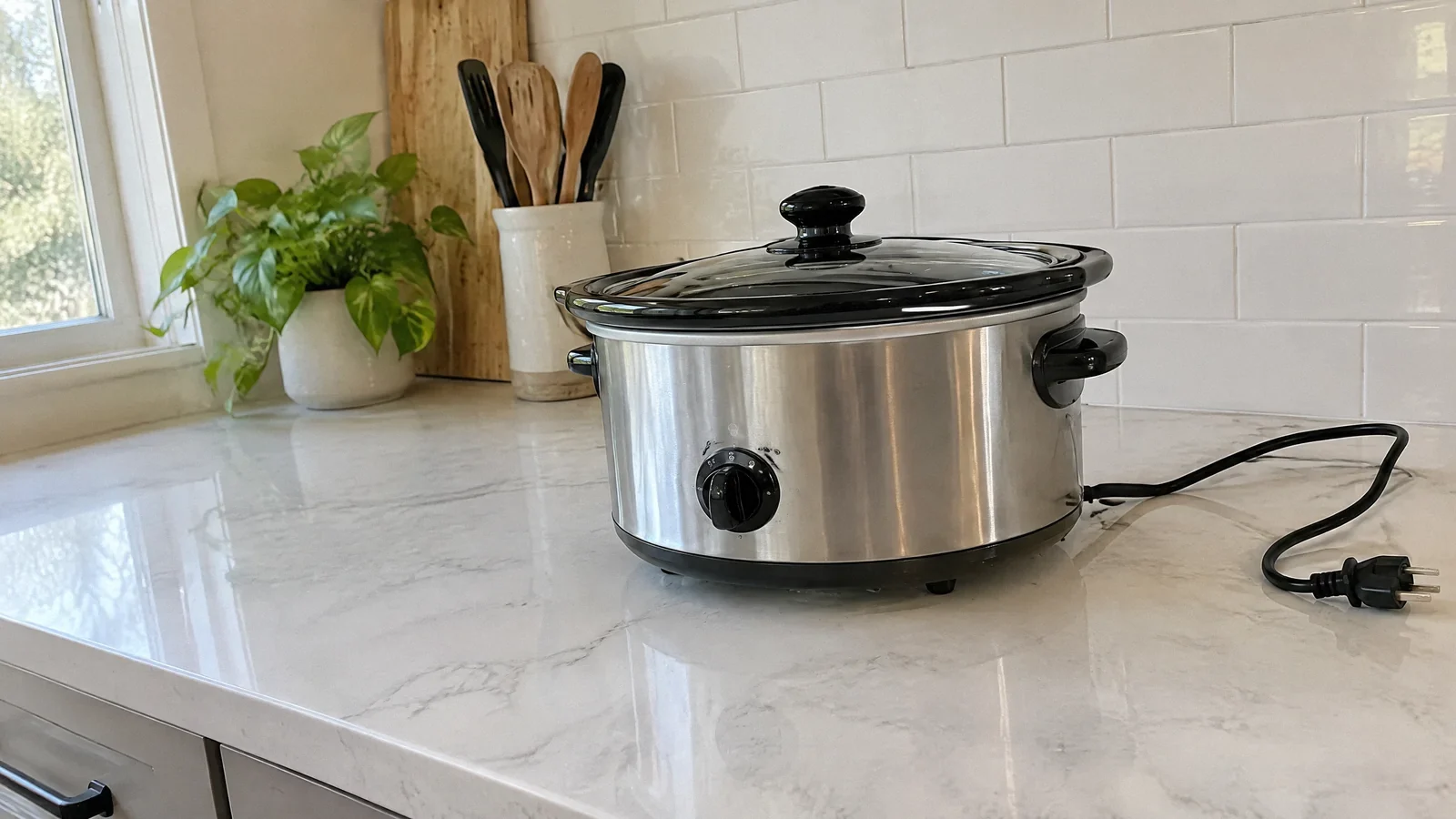
Do not touch a smoking appliance, cord, outlet, switch, or panel. Electricity may still be present even if a device has stopped running or a light has gone out. Stay away from water near electrical equipment. Do not try to unplug an appliance or reach a breaker through smoke, flame, water, or a damaged panel.
If a clearly identified switch or breaker is immediately accessible on your way out, without approaching the fire or entering smoke, shutting off power may remove the electrical source. It is not a prerequisite for evacuation. If the switch is hot, damaged, wet, uncertain, or requires you to move toward the fire, leave it alone. Firefighters and the utility can address power when they arrive.
When an extinguisher might be appropriate
An extinguisher is an option only for a small, confined fire when everyone has been alerted, emergency services have been called, you know how to use it, smoke is not filling the room, and you have a clear escape route behind you. The USFA asks people to consider those conditions before fighting any fire. If any condition is missing or you are uncertain, leave immediately.
Use an extinguisher labeled for Class C fires, which involve energized electrical equipment. A multipurpose extinguisher labeled A:B:C is one example, provided it is in working condition and you know how to operate it. Follow its label; the common PASS sequence is pull the pin, aim at the base, squeeze the handle, and sweep side to side. Keep the exit behind you and stop immediately if the fire grows, smoke increases, your route is threatened, or the extinguisher is exhausted. Leave and close the door if safe.
Do not use water on equipment that may still be energized. A fire that appears out can continue inside a wall or appliance or reignite. Leave the building and let the fire department check it. Never assume that unplugging one item has made other wiring safe.
Flour is not a fire extinguisher
Do not throw flour onto an electrical fire. Flour is combustible and dispersed powder can make conditions more dangerous; it is not a substitute for a properly rated extinguisher. Do not throw water or improvise with household powders. An electrical fire can involve hot wiring behind a surface, where a handful of material cannot safely reach it. Exit and call emergency services instead.
Kitchen fire advice varies with the type of fire. For example, a fire in food or cooking oil is a different situation from an energized appliance. Do not assume a kitchen remedy applies to a toaster, outlet, or cord. If the source is unclear, treat it as potentially energized and prioritize escape.
After the fire department arrives
Wait outside until the fire department says it is safe to return. Do not reconnect or operate the affected appliance, reset a breaker repeatedly, or touch damaged wiring. Ask whether the utility, building department, or a qualified electrician must inspect and repair the circuit before power is restored. Photograph damage only when officials permit safe access, and notify the insurer or property manager as appropriate.
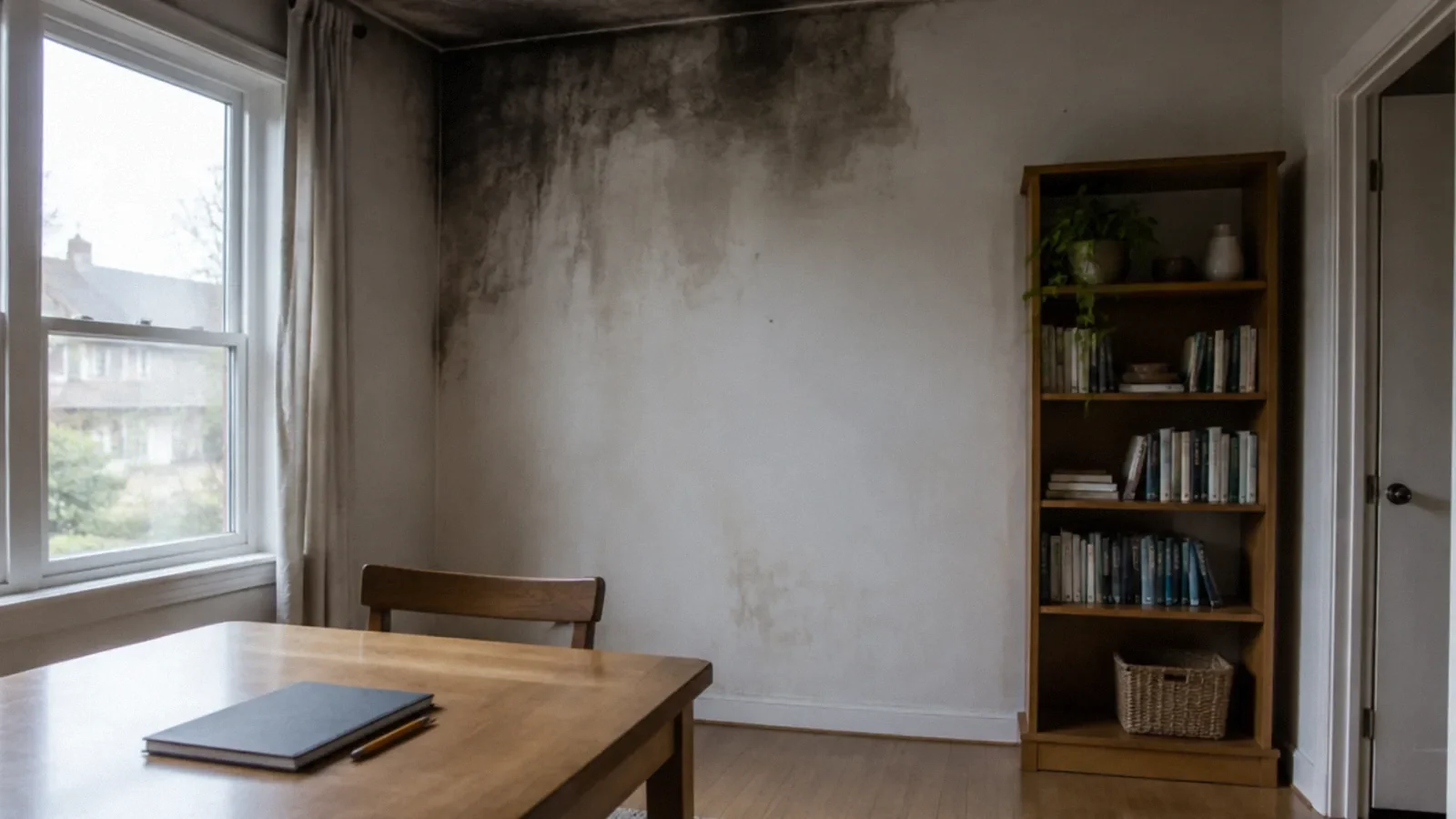
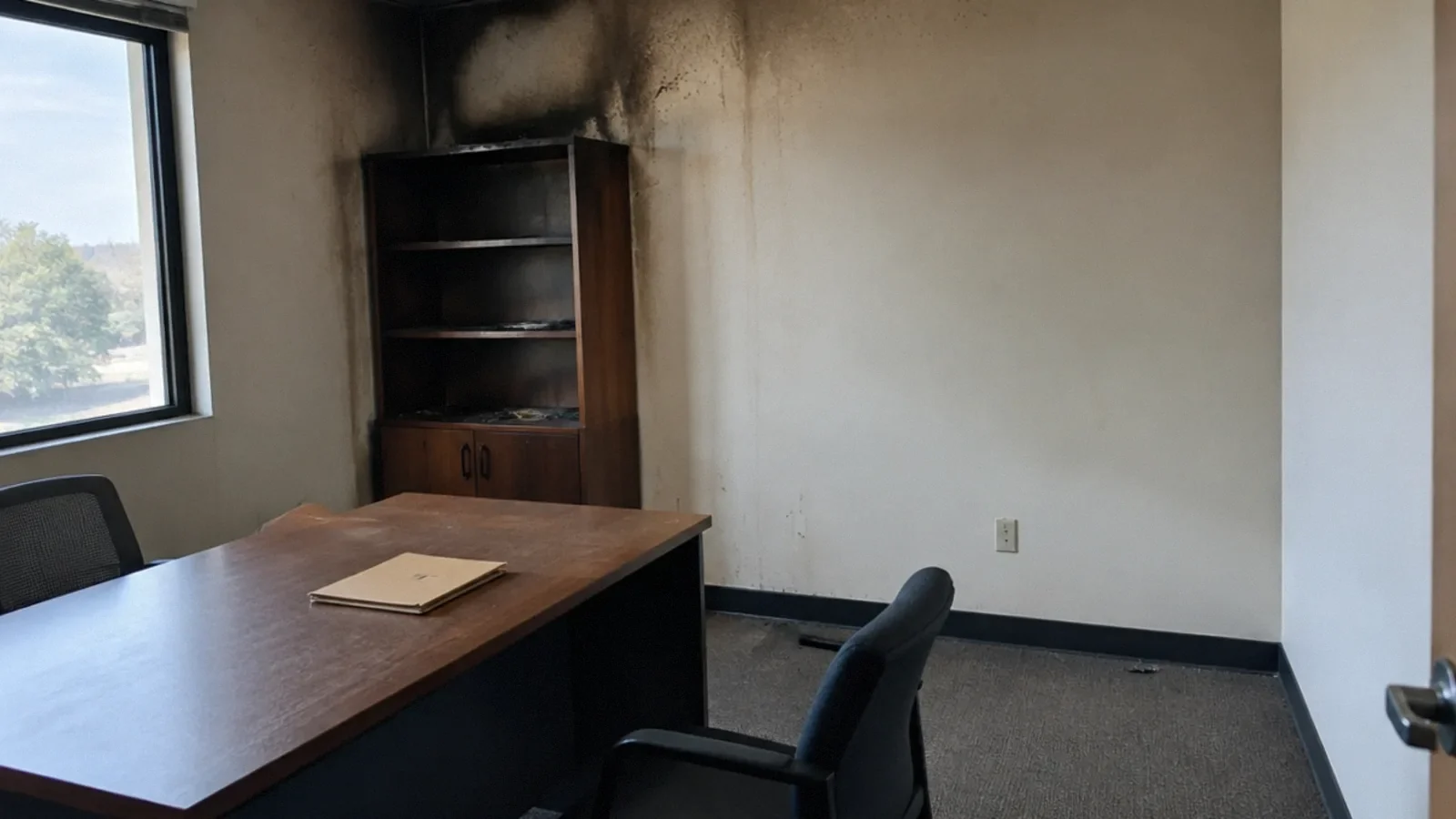
Before cleanup, ask about smoke, soot, water and damaged materials. Cleaning the visible surface does not establish that concealed wiring is safe. Keep children and pets away from the affected area, and follow instructions from responders and the appropriate repair professionals.
Prepare before an emergency
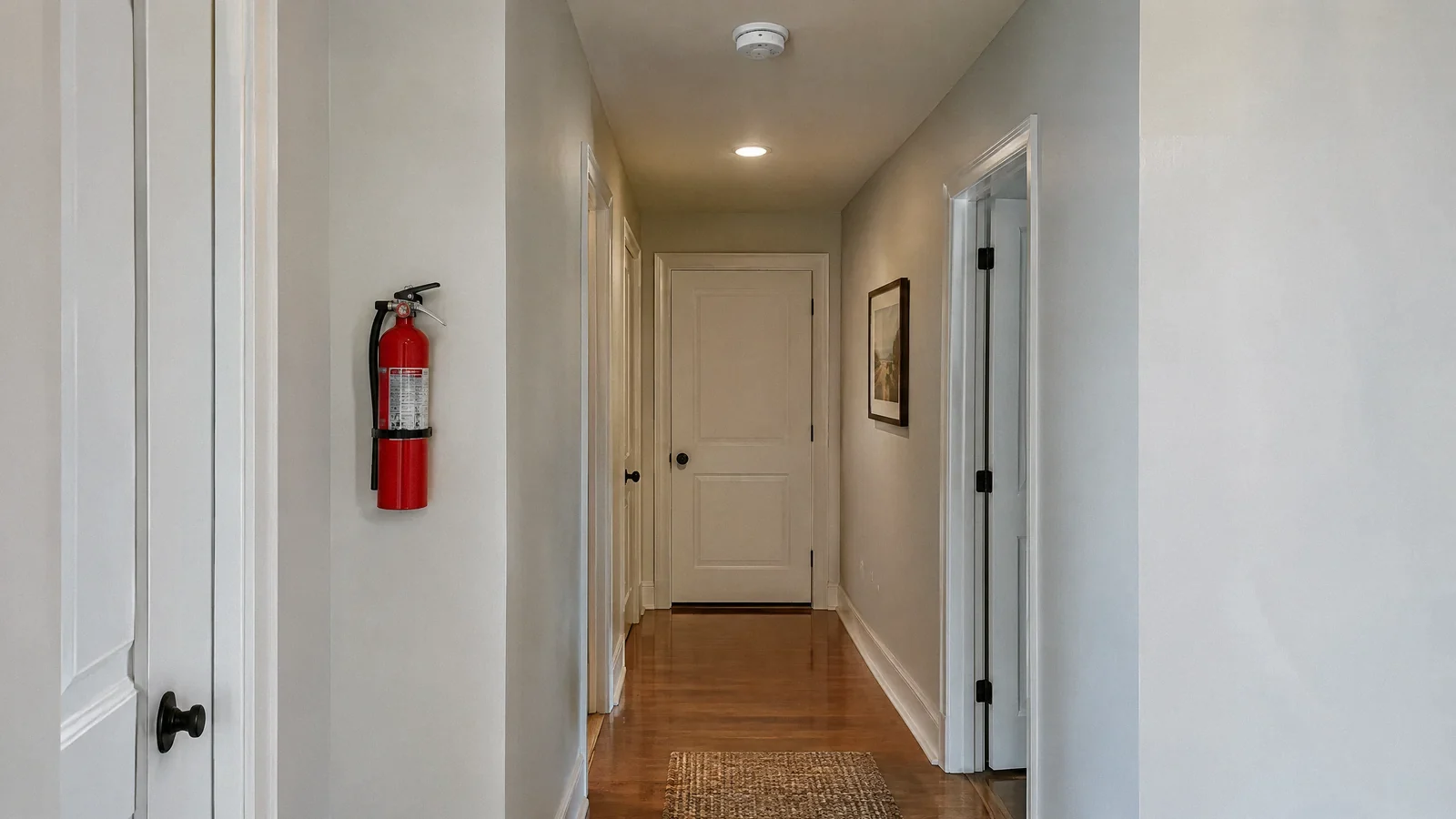
Install and maintain smoke alarms according to the manufacturer and local fire guidance, and practice an escape plan with a meeting place outside. Keep exits clear and make sure everyone knows how to call for help. Consider household members who need assistance, and plan for that assistance before a fire occurs.
Place a suitable extinguisher where it can be reached without moving toward a likely fire, maintain it according to its instructions, and learn its operation in advance. Address damaged cords, recurring tripped breakers, warm outlets, and burning odors through a qualified electrician rather than waiting for a fire. These steps reduce risk but cannot guarantee that a fire will not occur.
Your next-step checklist
- Alert everyone and leave by a safe route.
- Call 911 from outside and report possible electrical involvement.
- Avoid water, flour, and contact with electrical equipment.
- Return only after responders say it is safe.
- Have damaged equipment and wiring evaluated before reuse.
Related questions
What is the first step in an electrical fire?
Warn others and get out, then call 911 from outside. Do not delay escape to shut off power or retrieve an extinguisher.
Can flour put out an electrical fire?
Do not use flour. It is combustible and is not a rated extinguishing agent. Leave and call emergency services.
Can I use a Class C extinguisher?
Only if the fire is small and contained, you know how to use the extinguisher, others are alerted, help has been called, and a clear exit remains behind you. Otherwise leave immediately.
Sources & context
Public guidance supports the principles in this article. The practical questions and examples are editorial interpretation, not a site assessment or a coverage decision. State-specific rules apply only where identified.
- Choosing and Using Fire Extinguishersgovernment
- Home Fire Escape Plansgovernment
- Appliance and Electrical Fire Safetygovernment
- Fire Department Operations at Target Hazardsgovernment