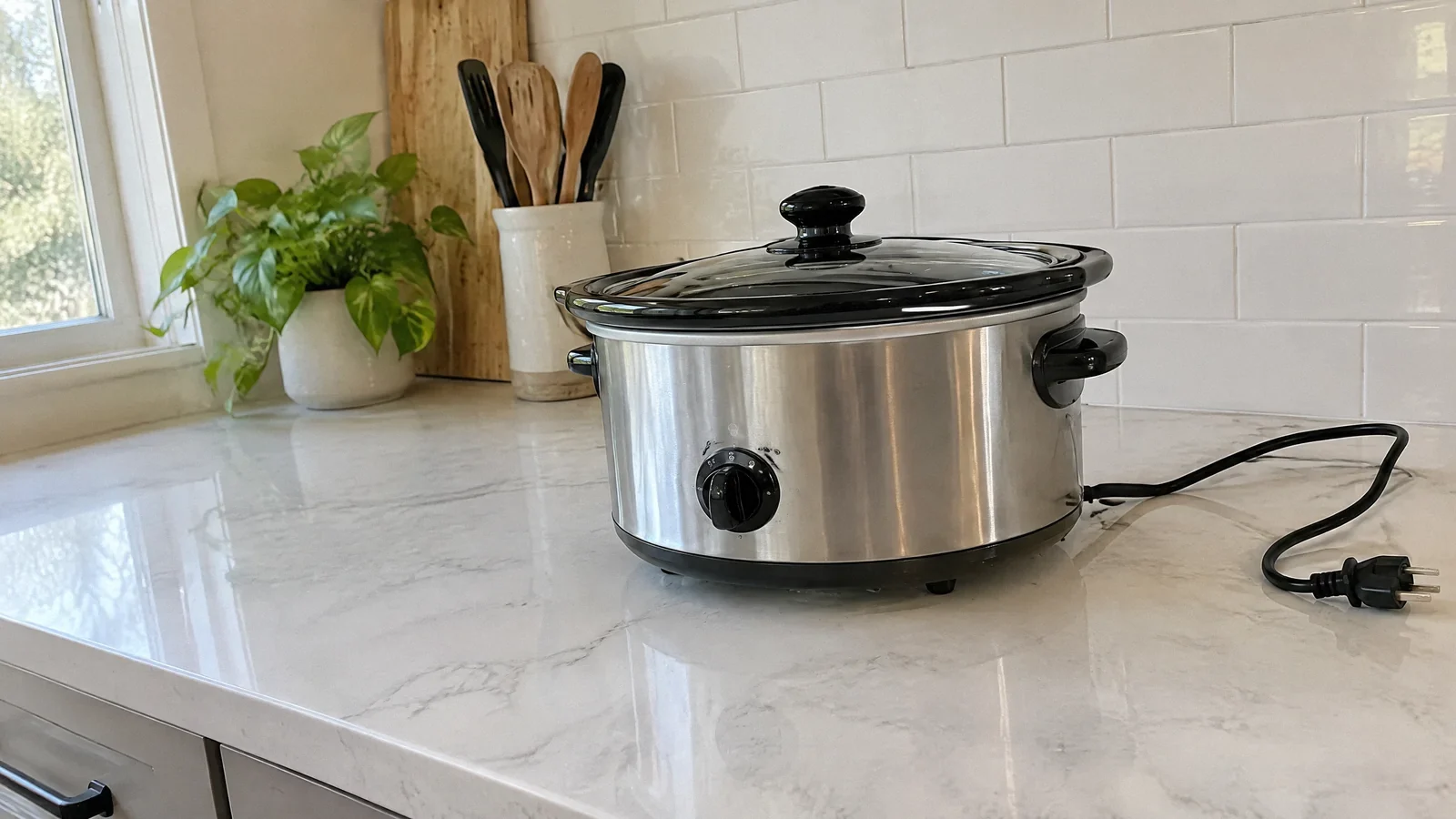
Yes. Like other heat-producing electrical appliances, a slow cooker can present a fire hazard if it is damaged, defective or used improperly. Check its condition and recall status, follow the manufacturer’s instructions, and keep the surrounding area clear. If smoke or fire develops, prioritize leaving safely and calling emergency services.
Why a slow cooker can become a fire hazard
A slow cooker is designed to heat food over several hours, but heat, electricity and combustible material in the kitchen still require care. A damaged power cord, a faulty appliance, a hot surface too close to a towel, or liquid reaching an electrical component can create a problem. Even a new appliance may be subject to a recall. The U.S. Consumer Product Safety Commission has recalled a specific multicooker because a defect could cause overheating and a fire hazard. That recall does not mean every slow cooker has the same defect.
The term Crock-Pot is often used for slow cookers generally, but instructions and recall remedies differ by manufacturer and model. Check the label on your own appliance and consult its manual. Do not infer that a device is safe simply because it worked on a previous occasion or because its outside looks clean.
Inspect the appliance before cooking
With the appliance unplugged and cool, look at the cord and plug for cracks, fraying, exposed conductors, scorching or other damage. Check the housing, controls and removable cooking vessel for damage as well. If you notice a burning smell, smoke, unusual overheating or a damaged cord, stop using the appliance. Do not tape over damaged electrical insulation or attempt an improvised repair. Consult the manufacturer or a qualified repair provider about repair or replacement.
Search the CPSC recall database and the manufacturer’s notices using the exact brand and model number. Compare the complete identifying information with a notice, including any batch or date code. Follow the stated remedy if your unit is affected. A recall for a different model is not proof that yours is recalled, and a search today cannot predict a future recall. Keep the model details and register the product if the manufacturer offers that service.
Place the cooker on a stable, heat-resistant surface in the location specified by its instructions. Leave the recommended clearance around it and keep towels, paper, packaging and other combustible items away. Position the cord so it cannot be pulled by a child or snagged, and keep it away from hot surfaces and water. Follow the manual for the outlet and cord; do not use an unsuitable extension cord or power strip.
Can you leave it cooking while you are away?
Slow cookers are designed for extended cooking, and University of Arkansas Extension describes low-setting use for all-day cooking. That food-safety guidance is not a guarantee against an appliance fire. Before leaving, check the appliance and its surroundings, follow its specific instructions, and consider whether anyone at home can respond to an unexpected problem. If the manual prohibits unattended operation, follow it. Never leave a damaged or recalled cooker operating.
Use the intended cooking vessel and lid, the correct setting, and the fill range in the product instructions. Keep the base and electrical connections dry. Do not place a cold or cracked insert into service contrary to the manufacturer’s guidance. Food safety matters too: University of Minnesota Extension says not to use the warm setting to cook food and advises checking safe internal temperatures with a food thermometer.
Working smoke alarms and an escape plan matter regardless of which appliance is in use. Test alarms according to their instructions, make sure everyone knows how to leave, and keep exits clear. An alarm is a warning, not a substitute for a sound appliance and a clear cooking area.
If you see smoke or fire
If you can safely turn the appliance off without approaching flames or touching a hot, damaged or wet cord, do so. Do not move a burning appliance or carry it through the home. If there is a fire, leave, close the door behind you when possible, and call 911 from outside. Do not return until the fire department says it is safe. Avoid inhaling smoke.
Do not throw water on an electrical fire or on burning grease. Fire conditions change quickly, so do not delay escape to investigate or retrieve possessions. If a breaker has tripped, a plug or outlet is scorched, or smoke came from the base, leave the cooker disconnected and have the relevant equipment assessed before further use. Never reset a repeatedly tripping breaker as a substitute for finding the cause.
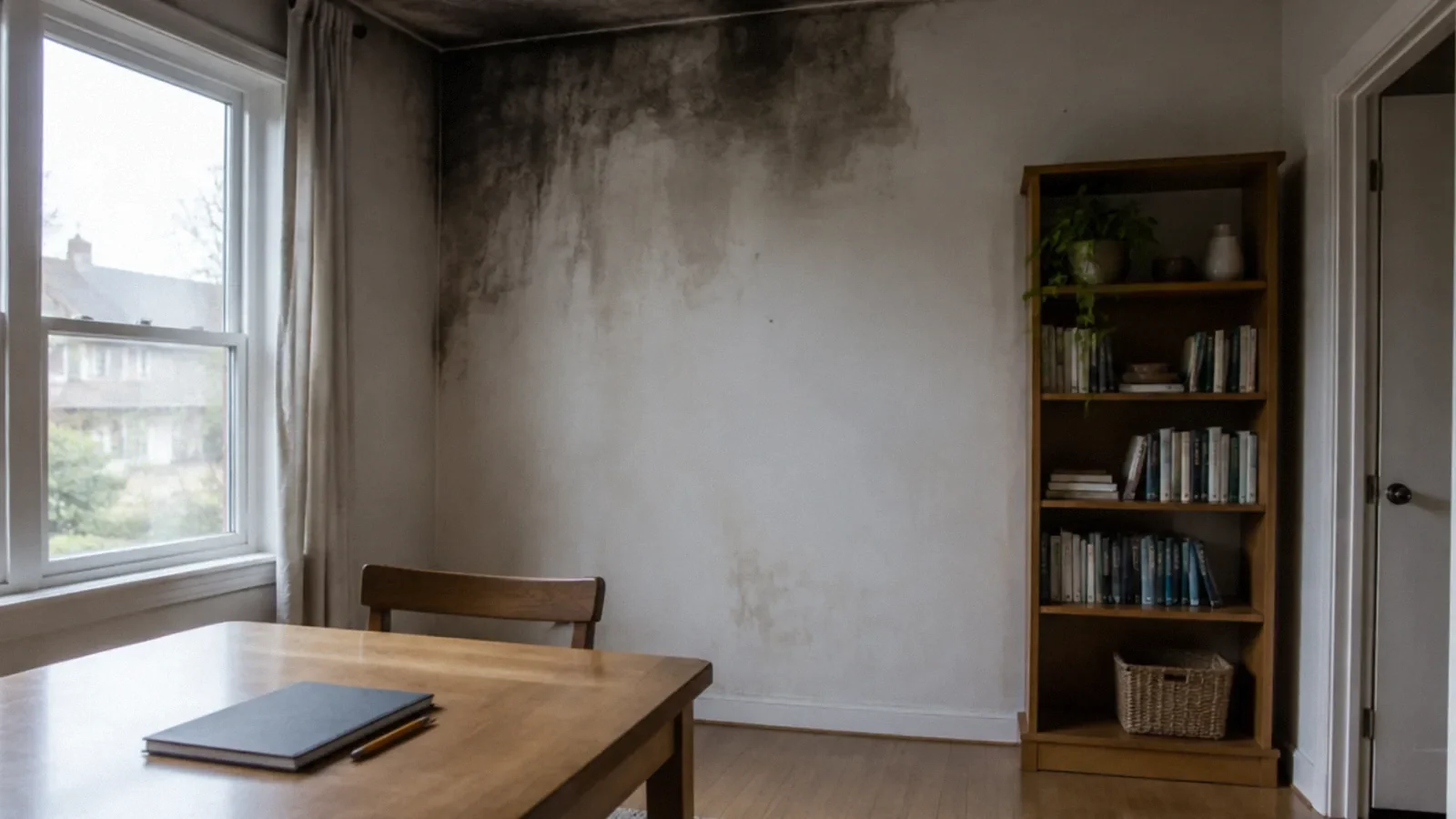
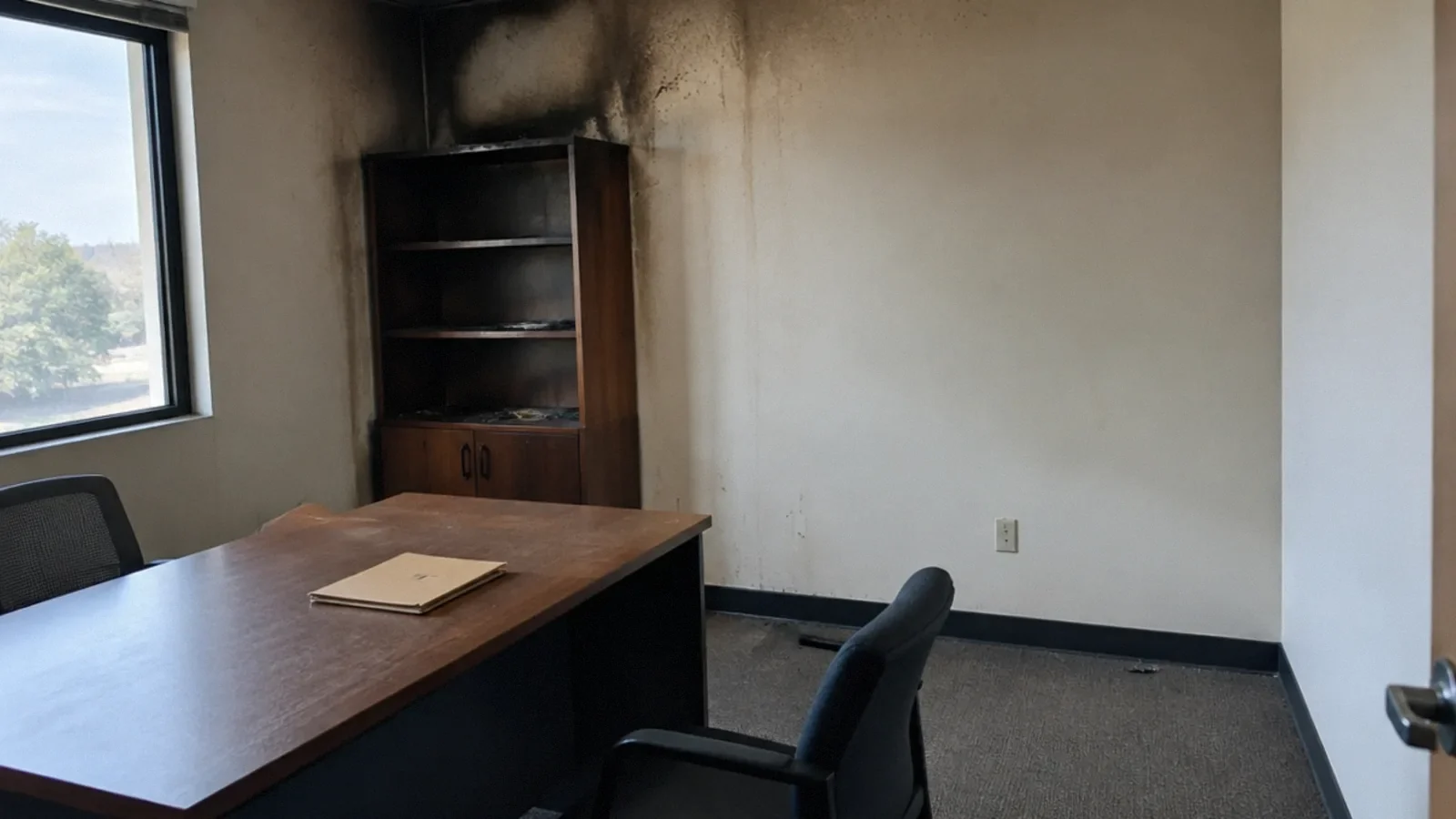
After any fire, follow the fire department’s directions. Ask the manufacturer or a qualified appliance professional whether the unit can be repaired; heat and smoke damage may affect components that are not visible. If wiring or an outlet appears damaged, an electrician should assess it. Preserve photographs and appliance details for an insurer if a claim is appropriate, but do not reuse the appliance while its condition remains uncertain.
A power outage is a separate food-safety concern
When electricity fails, the food may spend time at an unsafe temperature even if no fire occurs. University of Arkansas Extension advises that if you were away during the entire slow-cooking process and the power went out, discard the food even if it looks done. If you were home, the appropriate response depends on whether the food was fully cooked and how long it remained without power. Consult the extension guidance rather than judging safety by smell or appearance.
Once power is restored, check the appliance and surroundings before using it again. If there was smoke, water intrusion or physical damage, keep it out of service and seek a professional assessment.
Your next-step checklist
- Inspect the cord, plug, housing and insert before use.
- Check the exact model against manufacturer and CPSC recall notices.
- Keep combustible items clear and follow the appliance manual.
- Maintain smoke alarms and a household escape plan.
- Stop use and seek assessment after smoke, damage or unusual overheating.
Related questions
Are all slow cookers fire hazards?
Any heat-producing electrical appliance can present a hazard, but risk depends on condition, placement, use and defects. Follow the specific product instructions and recall notices.
Can I keep using a cooker with a frayed cord?
No. Stop using it and consult the manufacturer or a qualified repair provider. Do not cover damaged insulation with tape and continue cooking.
Is food safe after a power failure?
It depends on the circumstances. University of Arkansas Extension advises discarding food if you were away during the entire cooking process and the power failed.
Sources & context
Public guidance supports the principles in this article. The practical questions and examples are editorial interpretation, not a site assessment or a coverage decision. State-specific rules apply only where identified.