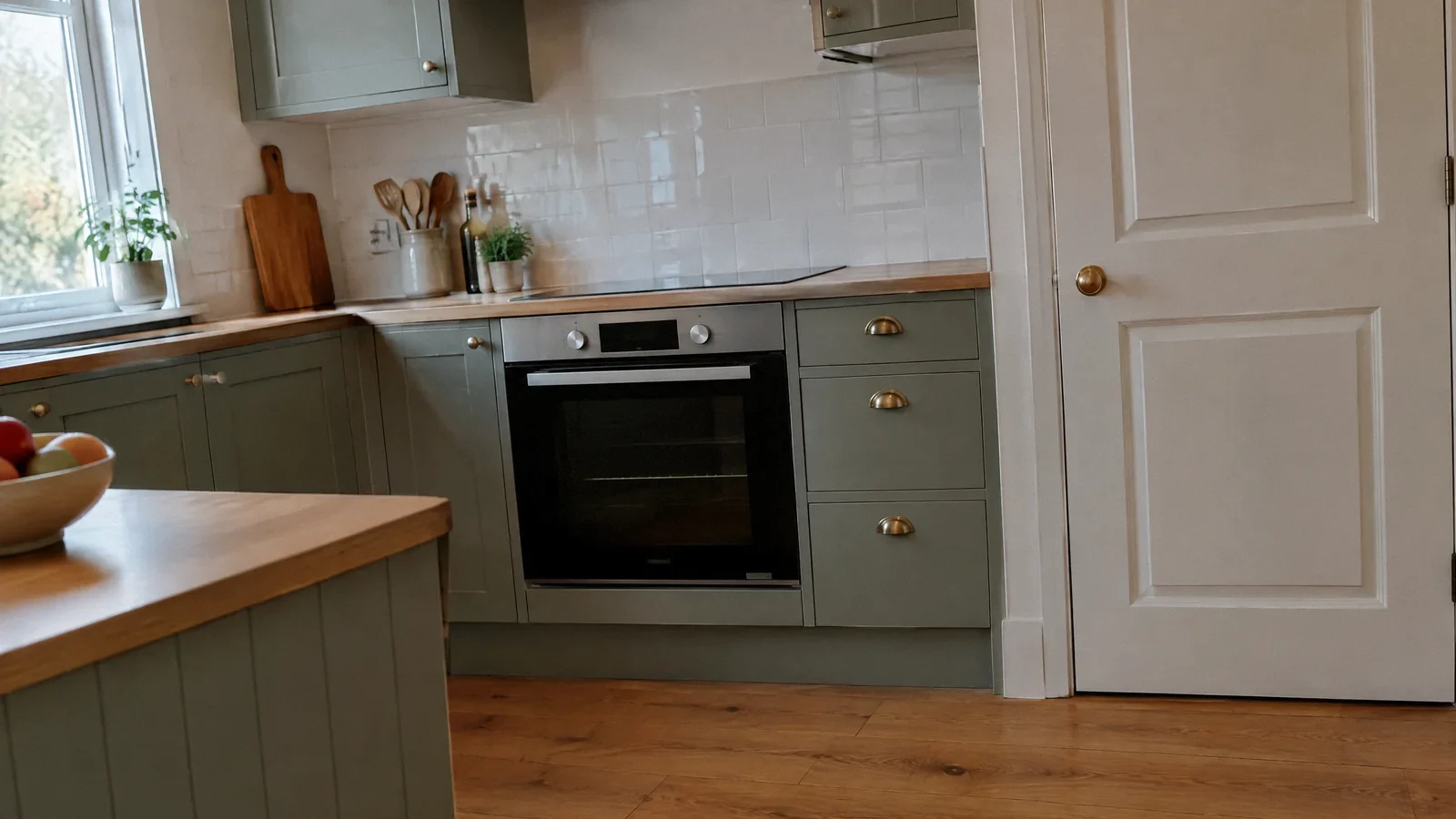
Do not assume an oven is safe to use immediately after a fire. Let it cool, follow the fire department’s directions, and have it assessed if there is damage, smoke from controls or wiring, extinguisher residue, or uncertainty about its condition. The manufacturer or a qualified appliance technician can advise on cleaning, repair and reuse.
First respond to the active fire
If an oven fire is occurring, keep the oven door closed and turn the oven off if you can do so safely. If flames escape or you cannot control the situation, leave the home and call 911 from outside. Do not delay escape to retrieve items. Follow the fire department’s instructions and do not reenter until officials say it is safe.
A fire contained to food or grease can still produce substantial heat and smoke. Let the oven and its contents cool completely before inspection or cleaning. Do not open a hot oven merely to check whether the fire is out; follow emergency responders’ direction. Never use water on burning grease or electrical equipment.
The decision about reuse comes after the immediate emergency is over. Even if the fire appeared small, visible soot alone does not reveal the condition of seals, insulation, controls, wiring or gas components. A professional assessment is appropriate when there is any uncertainty or evidence of damage.
What to check without taking the oven apart
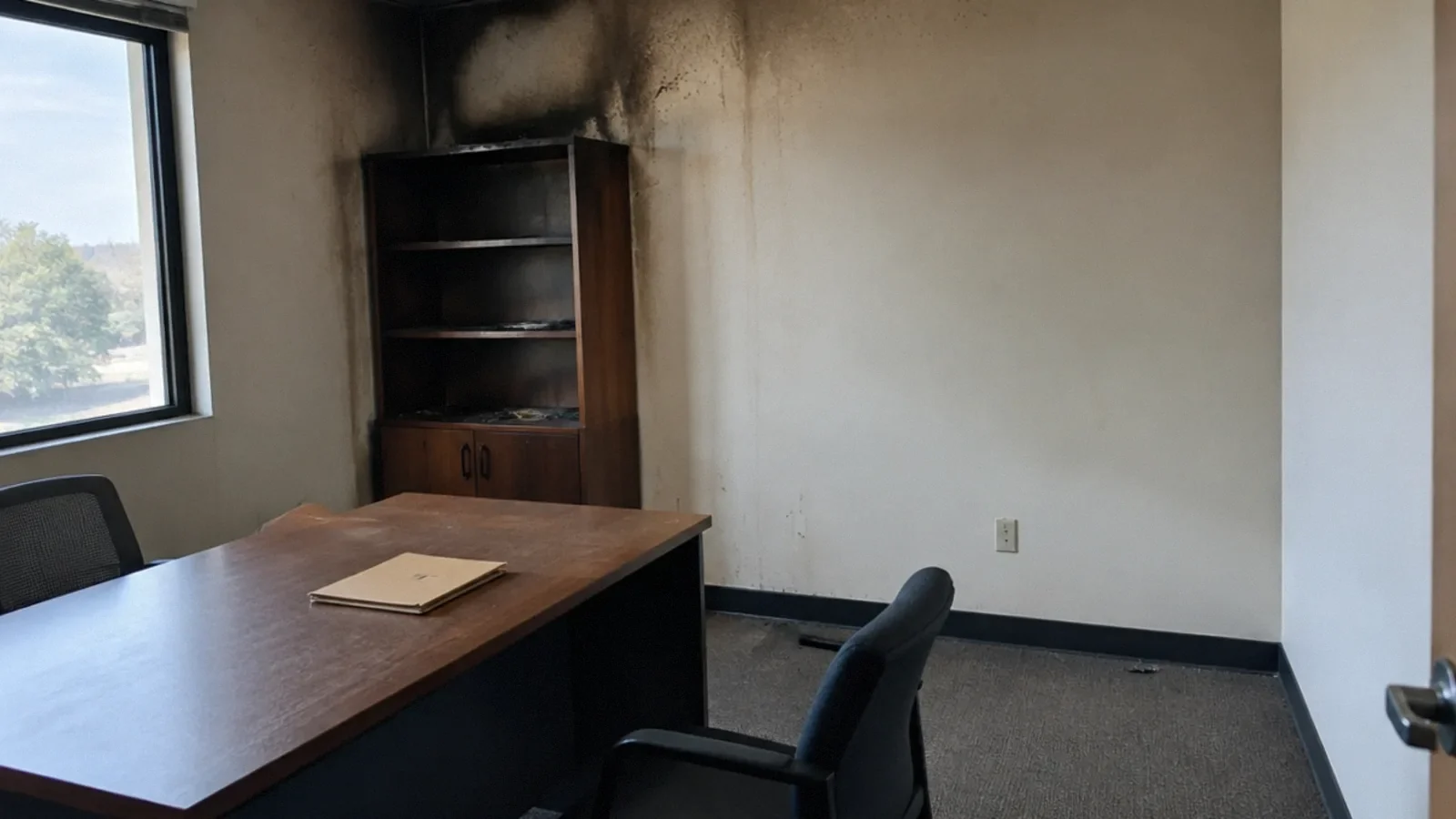
Once the appliance is cool and the fire department permits access, observe the exterior and surrounding area. Note soot, melted or discolored controls, damaged trim, a distorted door, broken glass, a damaged seal, an unusual odor or evidence that flames reached the cabinet or wall. Record the model number and take photographs for the technician and insurer. Do not remove panels, touch damaged wiring or attempt to inspect gas connections yourself.
If a breaker tripped, an outlet is scorched, or smoke came from an electrical component, leave the appliance out of service and arrange a qualified assessment. A repeatedly tripping breaker is a reason to identify the fault, not an invitation to keep resetting it. If you smell gas or suspect a gas leak, leave the area and contact the gas utility or emergency services from a safe location; avoid operating switches or creating sparks.
Tell the technician what burned, how long the fire lasted if known, whether the door stayed closed, and whether an extinguisher or water was used. These details help determine what may have been exposed. If nearby cabinets or walls were affected, the appliance technician may not be the only professional needed.
Food fire versus appliance damage
A small food spill that burned inside an otherwise undamaged oven is different from a fire involving wiring, controls or surrounding cabinetry. The distinction should be made from the facts, not from an assumption that a closed door prevented all damage. If the appliance manual gives post-fire instructions, follow them and contact the manufacturer when the event exceeds ordinary cleaning guidance.
For damage to controls, heating elements, wiring, door seals or gas components, ask a qualified appliance technician to inspect and advise on repair or replacement before use. Electrical or gas repairs should be performed by appropriately qualified professionals. If the fire department identified damage to the home, follow its instructions about utilities and reentry as well.
Do not run the self-cleaning cycle or heat the oven to burn off residue as a test after a fire. The appliance and residue should first be evaluated under the manufacturer’s instructions. A new burning smell, smoke or abnormal operation after a repair is a reason to stop use and contact the technician again.
Cleaning and extinguisher residue
The cleaning method depends on what burned, the oven materials and the type of extinguisher used. Follow the appliance and extinguisher manufacturers’ instructions, and ask a qualified professional if residue entered vents, controls or inaccessible parts. Avoid mixing cleaning products or using chemicals not approved for the appliance. Remove and discard affected food; do not assume food exposed to smoke or extinguisher agent is safe.
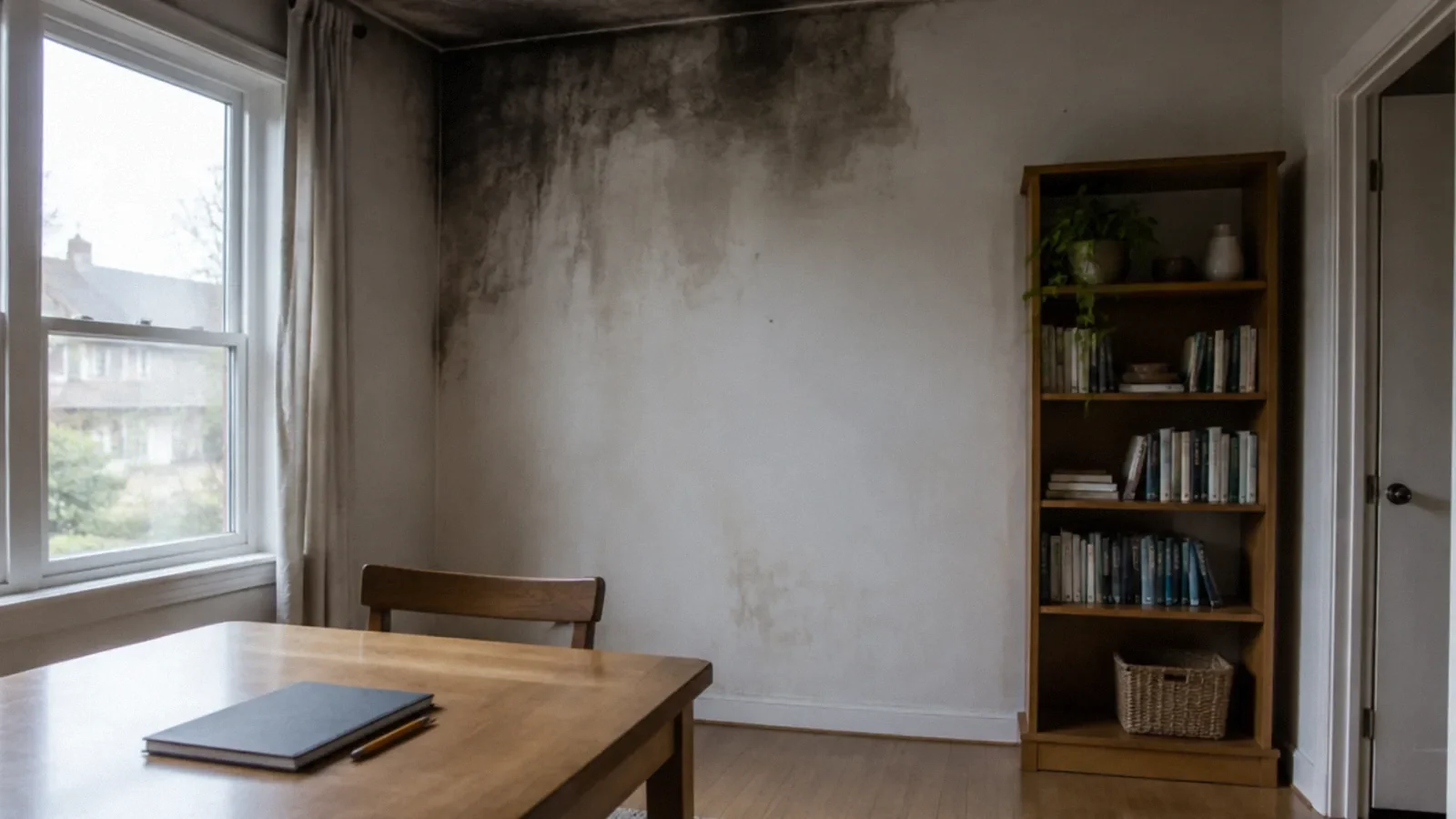
A technician can determine whether components need cleaning, replacement or further inspection. If smoke spread to the room, consult a restoration professional about nearby porous materials and the extent of cleaning. Repainting or deodorizing alone does not establish that concealed damage was addressed.
Keep the fire report, photographs, model information and repair estimate. If an insurance claim is contemplated, notify the insurer and ask what documentation it needs before disposing of damaged equipment, provided the appliance can be kept safely. Coverage and settlement depend on the policy and circumstances.
Before cooking again
Ask the person who inspected or repaired the appliance what was checked, what was repaired, and whether any limitations remain. Confirm the oven door closes correctly and that any damaged electrical or gas components have been addressed by the appropriate professional. Follow the manufacturer’s instructions for the first use after cleaning or repair. If the appliance cannot be evaluated or repaired adequately, replacement may be the safer choice.
To reduce the chance of another cooking fire, clean spills according to the manufacturer’s instructions, keep combustible items away from cooking equipment and stay attentive while cooking. Maintain working smoke alarms and a household escape plan. These precautions reduce risk but cannot guarantee that a fire will never occur.
Your next-step checklist
- If fire is active, keep the door closed, turn off the oven if safe, and call 911 after leaving if flames escape.
- Wait until the appliance is cool and officials allow access.
- Document visible damage without dismantling the appliance.
- Ask a qualified technician about inspection, cleaning and repair.
- Follow manufacturer guidance and keep repair records before reuse.
Related questions
Can I use an oven after a small food fire?
Possibly, after it has cooled and been cleaned and evaluated in accordance with the manufacturer’s guidance. Damage or uncertainty calls for professional inspection.
Can I run the self-cleaning cycle to remove residue?
Do not use heat as a test after a fire. Ask the manufacturer or technician how the appliance and any extinguisher residue should be handled.
What if I smell gas?
Leave the area and contact the gas utility or emergency services from a safe location. Avoid switches and other ignition sources.
Sources & context
Public guidance supports the principles in this article. The practical questions and examples are editorial interpretation, not a site assessment or a coverage decision. State-specific rules apply only where identified.