After a business fire, keep employees and visitors away until authorities permit access. Contact your insurer, property owner and essential business contacts, then document damage and arrange qualified stabilization. Recovery, repairs and any business-interruption claim depend on the premises, policy and circumstances.
Protect people and wait for clearance
Call 911 during an emergency and follow the fire department’s instructions. Account for employees and visitors using the business’s emergency plan. Do not reenter until the responsible authorities say it is safe, even if the fire appears small.
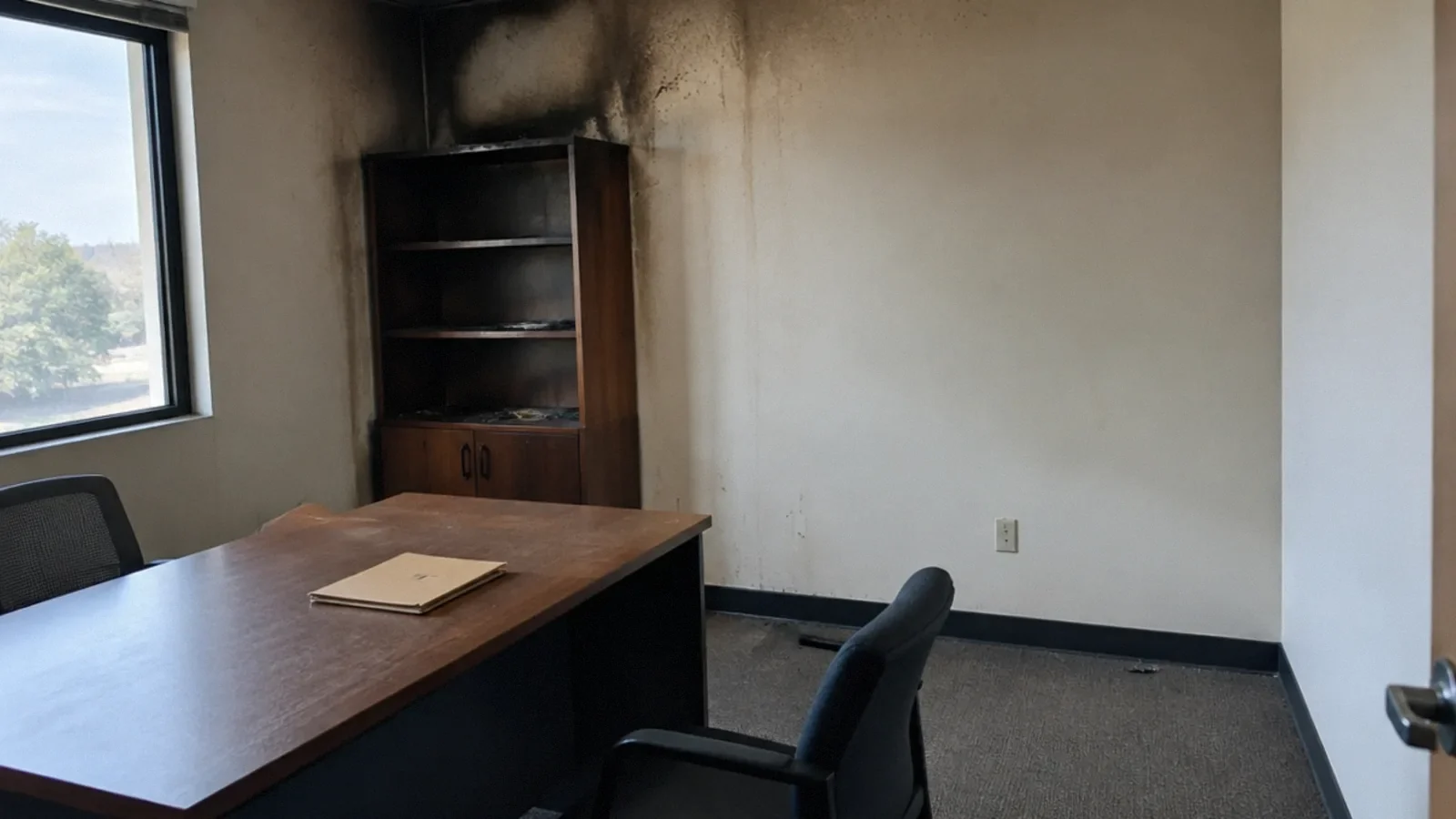
A building may contain hot spots, unstable materials, soot, wet electrical equipment or damaged utilities. Do not restart equipment, handle damaged wiring or disturb suspected hazardous materials. Obtain qualified assessment before anyone begins cleanup.
Notify the right parties
Contact the commercial insurer or agent promptly and ask how to report the loss. Notify the property owner or building manager if the premises are leased, and follow applicable lease and emergency procedures. The fire department can explain how to obtain an incident report.
Identify a contact person for employees, vendors and essential customers. Share practical information about temporary closure or alternate arrangements without exposing confidential employee or customer details. Keep a record of important communications.
Document damage safely
Once access is permitted, photograph affected areas and make an inventory of damaged equipment, stock, records and furnishings. Record the location and condition of items without disturbing dangerous material. Preserve purchase records, maintenance documents and relevant receipts when available.
Ask the insurer how to document or dispose of damaged property. A qualified specialist can assess electronics and other sensitive contents. Do not assume that an item is safe because its exterior looks undamaged.
Stabilize the premises
After approval and when safe, arrange necessary temporary protection against weather, unauthorized access or further damage. Work may include securing openings or addressing water used in firefighting. Confirm who authorizes the work and whether emergency charges are included in the later repair scope.
Water, soot and heat can affect different materials and systems. A qualified restoration provider should describe the inspection, containment, cleaning, drying and repair plan. Electrical, structural, plumbing and other specialized work may require separate licensed trades or permits.
Separate property and business-income claims
Commercial property coverage and business interruption coverage are distinct. California’s Department of Insurance explains that business interruption insurance is optional and generally depends on the policy and a covered direct physical loss. Limits, exclusions, waiting periods and actual circumstances matter.
Ask the insurer which documents it needs to evaluate lost income or extra expenses. Preserve financial records, payroll information, invoices and evidence of temporary operating costs. Do not assume every lost sale or relocation expense is covered.
Plan temporary operations
Assess which services can continue safely from another location or through existing remote arrangements. Protect customer data and payment systems, and involve your information-technology provider before reconnecting fire- or water-damaged equipment. Keep any temporary arrangement consistent with lease, safety and local requirements.
Document changes to schedules, suppliers and operating expenses. Communicate realistic updates to employees and business partners. A temporary reopening decision should be based on safe access and required approvals, not solely on the removal of visible soot.
Compare repair proposals
Request written scopes identifying areas, cleaning methods, demolition, drying, contents handling, permits, reconstruction and exclusions. Ask how moisture will be measured and how changes are approved if hidden damage is found. Verify California contractor licenses when required for the work.
Coordinate the contractor’s scope with the property owner and insurer. A contractor estimate does not decide insurance coverage, and a claim determination does not automatically establish the complete repair plan. Keep copies of reports and written approvals.
Prepare to reopen
Before reopening, obtain required inspections and confirm that utilities, exits, fire protection and essential equipment are safe and functioning. Follow local health requirements for food, medical or other regulated operations where applicable.
Update the emergency plan using what you learned from the incident. Keep maintenance records and review insurance coverage with your broker or agent after the immediate recovery. Do not represent an inspection or authorization as complete until the responsible party confirms it.
Your next-step checklist
- Keep people away until officials permit access.
- Notify the insurer and property owner.
- Document damage and preserve financial records.
- Arrange qualified stabilization and itemized repair scopes.
- Obtain required approvals before reopening.
Related questions
Should employees return immediately after a business fire?
No. Wait for official clearance and assess hazards and required inspections before reentry.
Does commercial property insurance cover lost revenue?
Business interruption coverage is separate and often optional. The policy and claim circumstances determine whether it applies.
Who pays for repairs in leased premises?
Responsibilities depend on the lease, ownership, policy and facts. Notify the property owner and insurer and review the documents.
What records should a business keep?
Keep photographs, inventories, receipts, financial records, reports and written communications relevant to the loss and recovery.
Sources & context
Public guidance supports the principles in this article. The practical questions and examples are editorial interpretation, not a site assessment or a coverage decision. State-specific rules apply only where identified.
- California Department of Insurance: Business interruption FAQCalifornia insurance guidance
- California Department of Insurance: Commercial insurance guideCalifornia insurance guidance
- U.S. Fire Administration: After a firefederal safety guidance