How to Estimate Fire Damage Restoration Costs
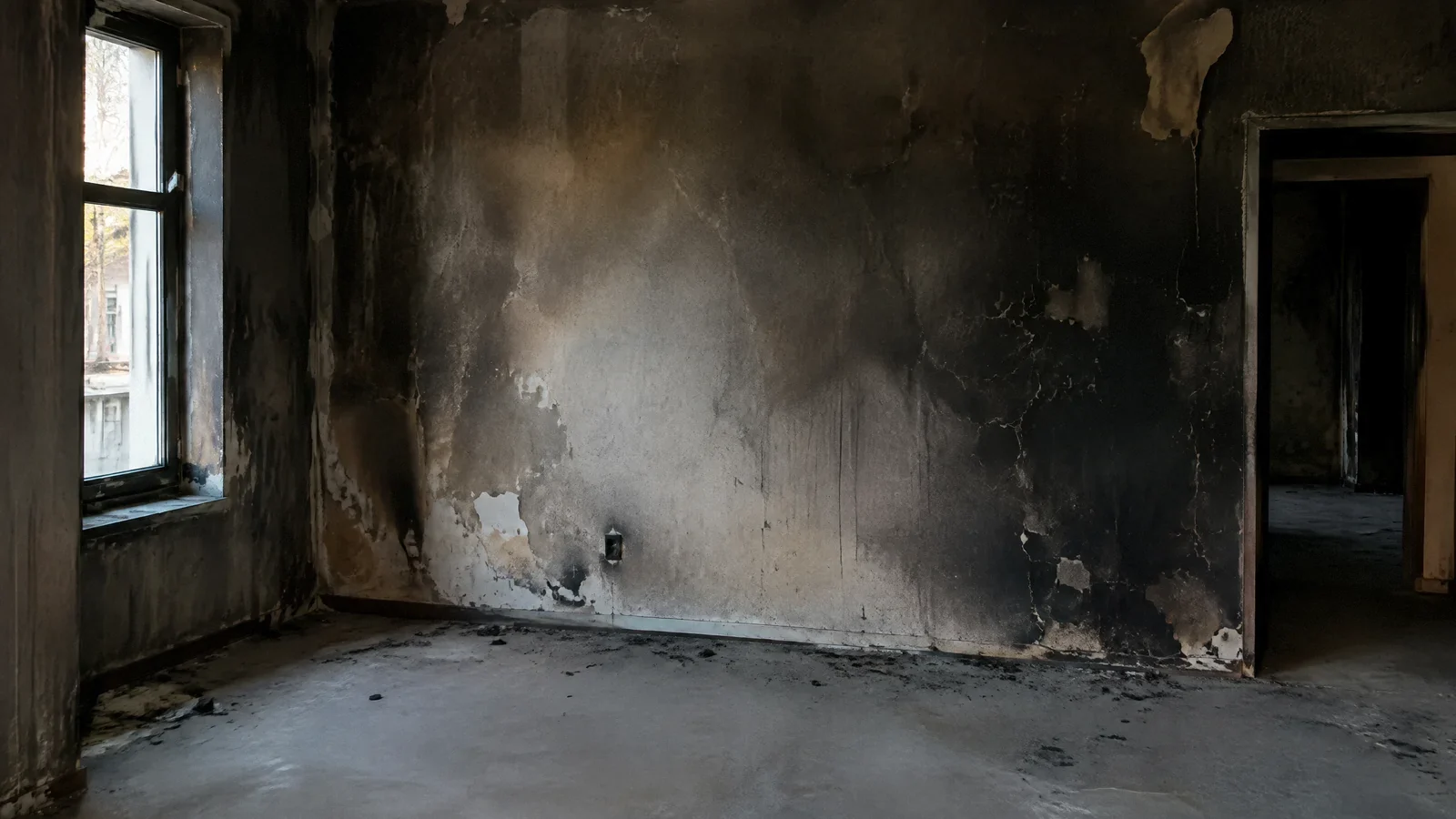
Compare a fire restoration estimate by separating emergency stabilization, smoke cleanup, water mitigation, contents and reconstruction.
Fire damage, smoke, soot and recovery decisions. Browse 20 detailed guides.
Compare a fire restoration estimate by separating emergency stabilization, smoke cleanup, water mitigation, contents and reconstruction.
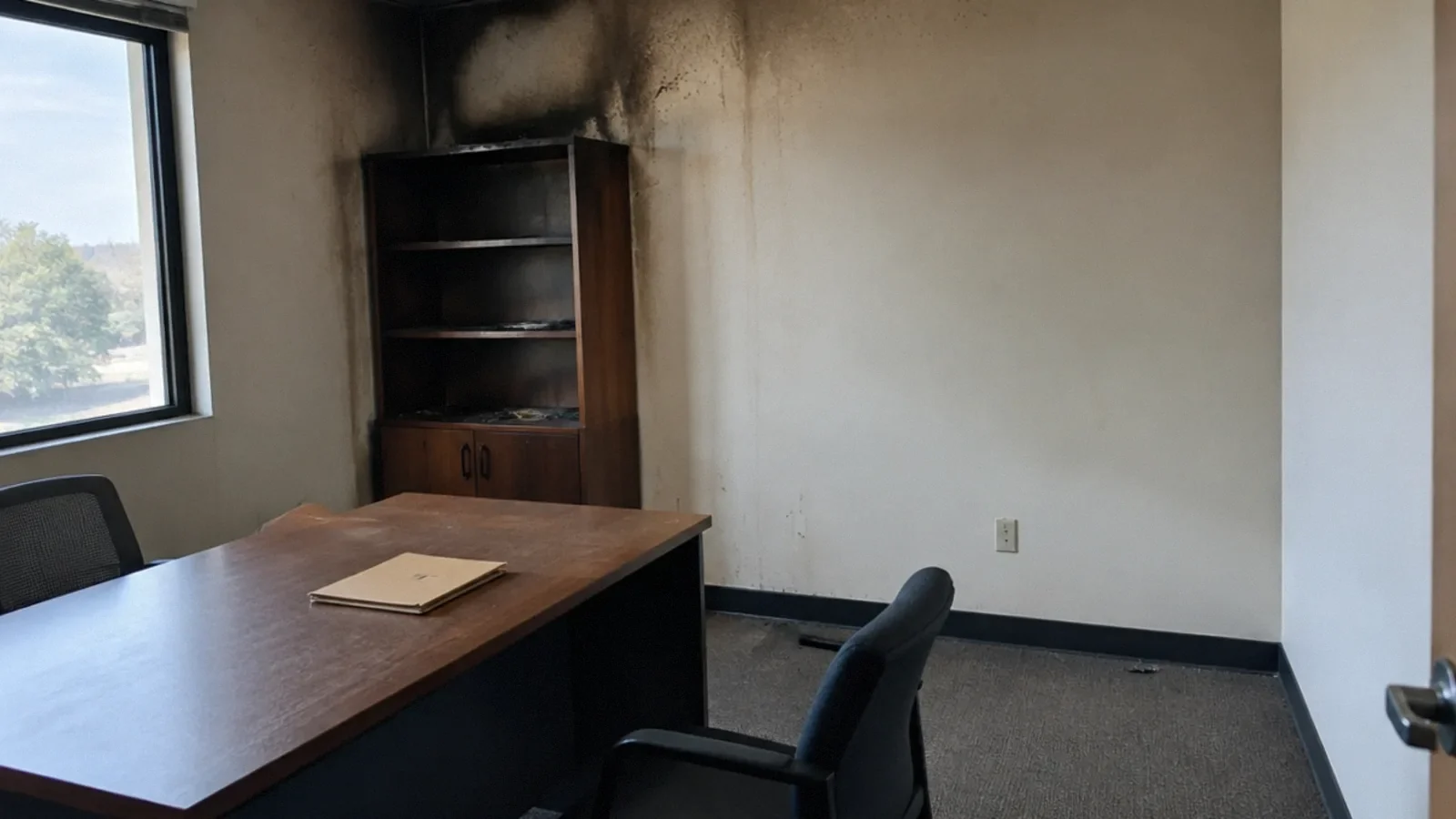
Follow a practical sequence for employee safety, documenting damage, contacting insurers and planning a safe business recovery.
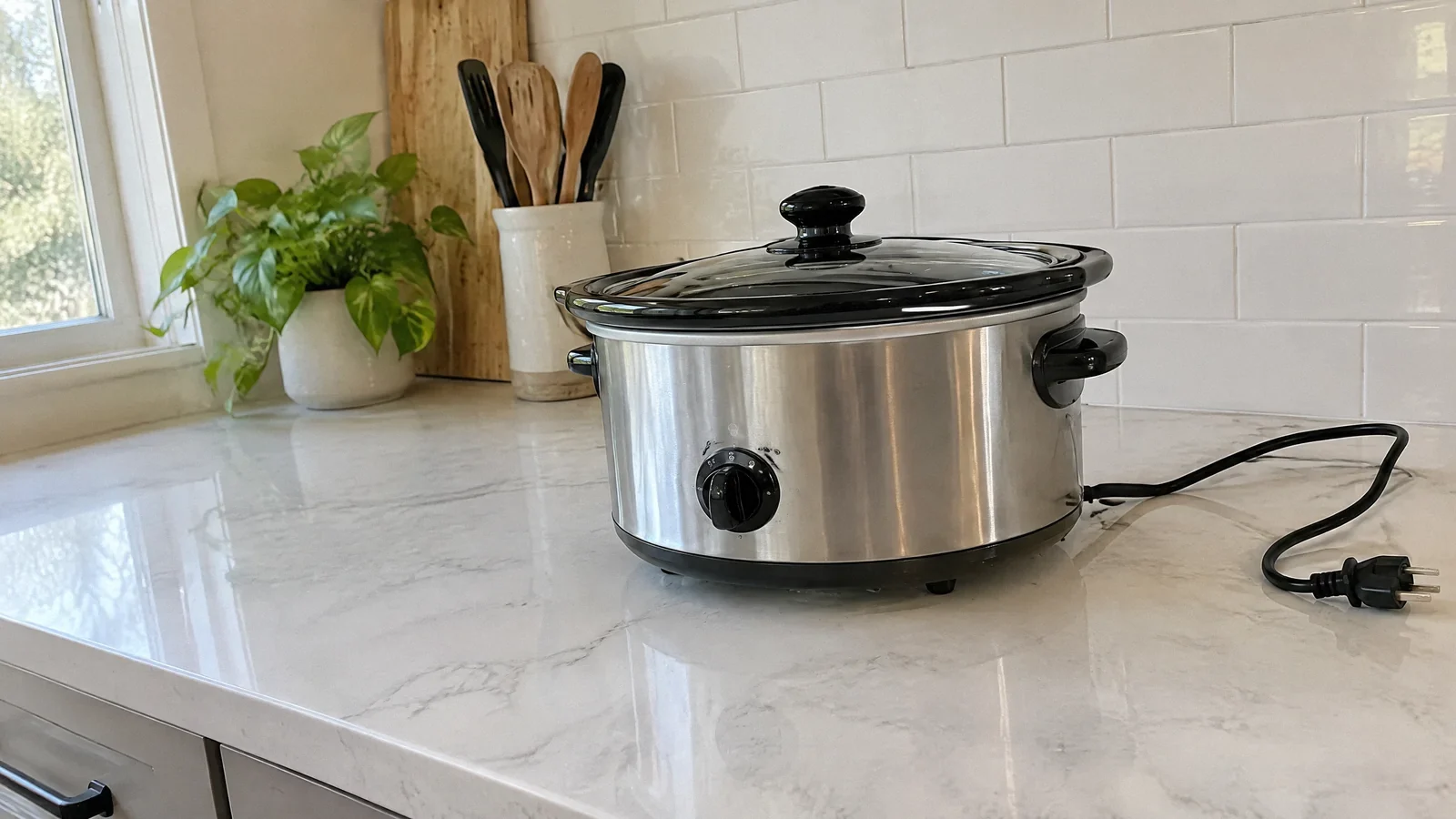
Understand slow cooker fire risks, check your appliance and plan a safe response to smoke or fire.
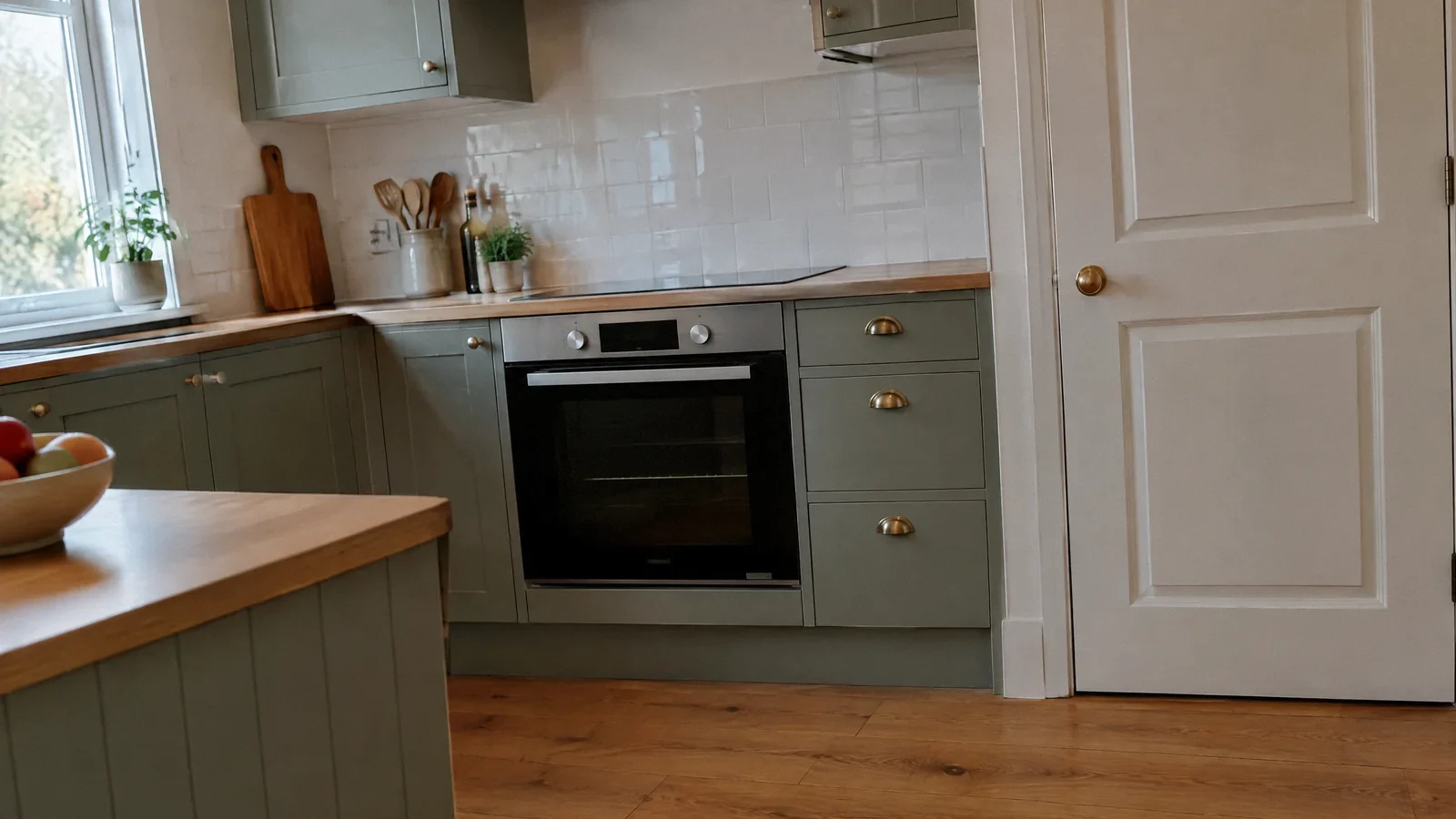
Learn what to do after an oven fire and when professional inspection is needed before using the appliance again.
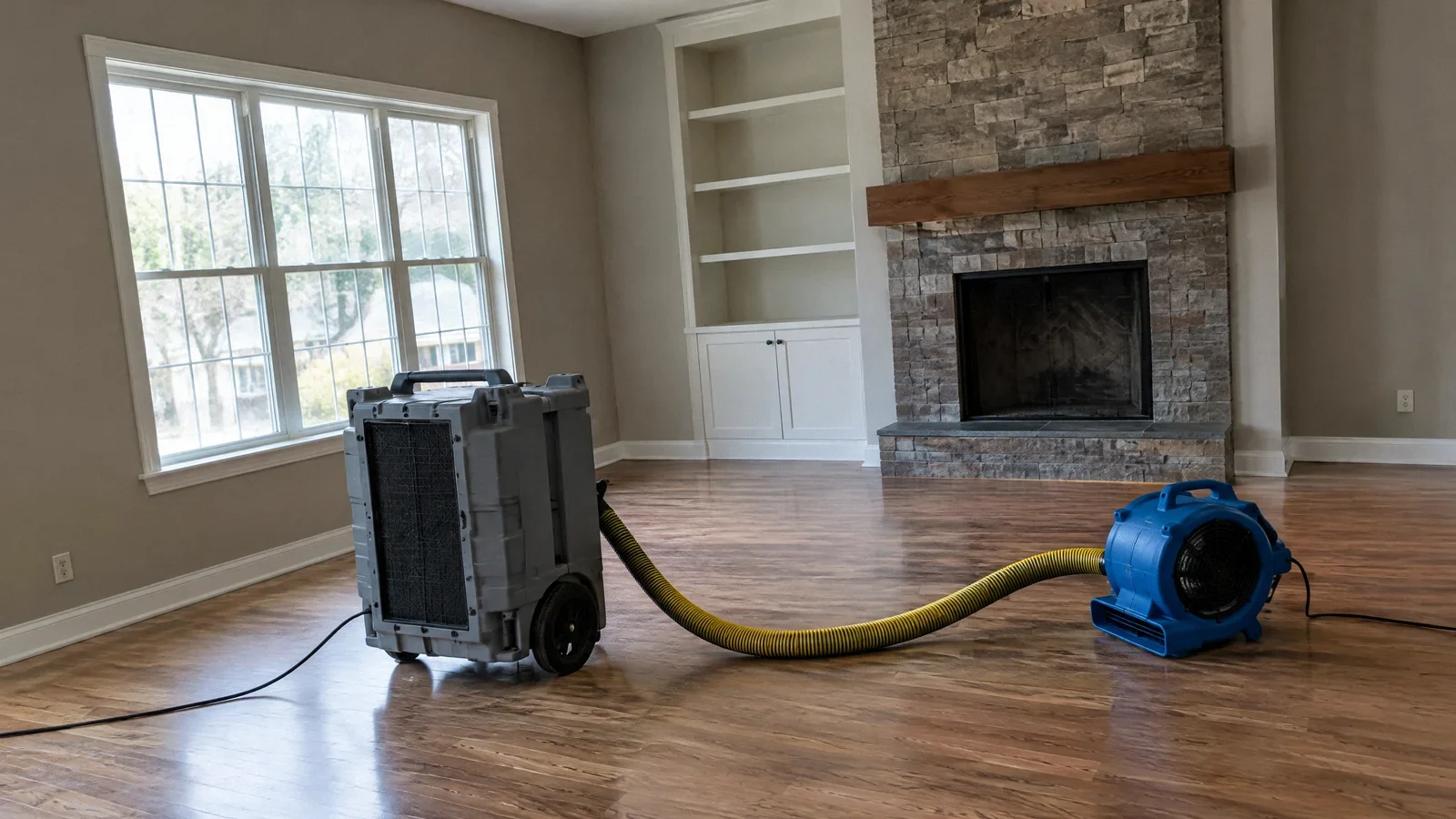
Compare fire and water damage restoration, including contamination, drying, smoke residue and repair planning.
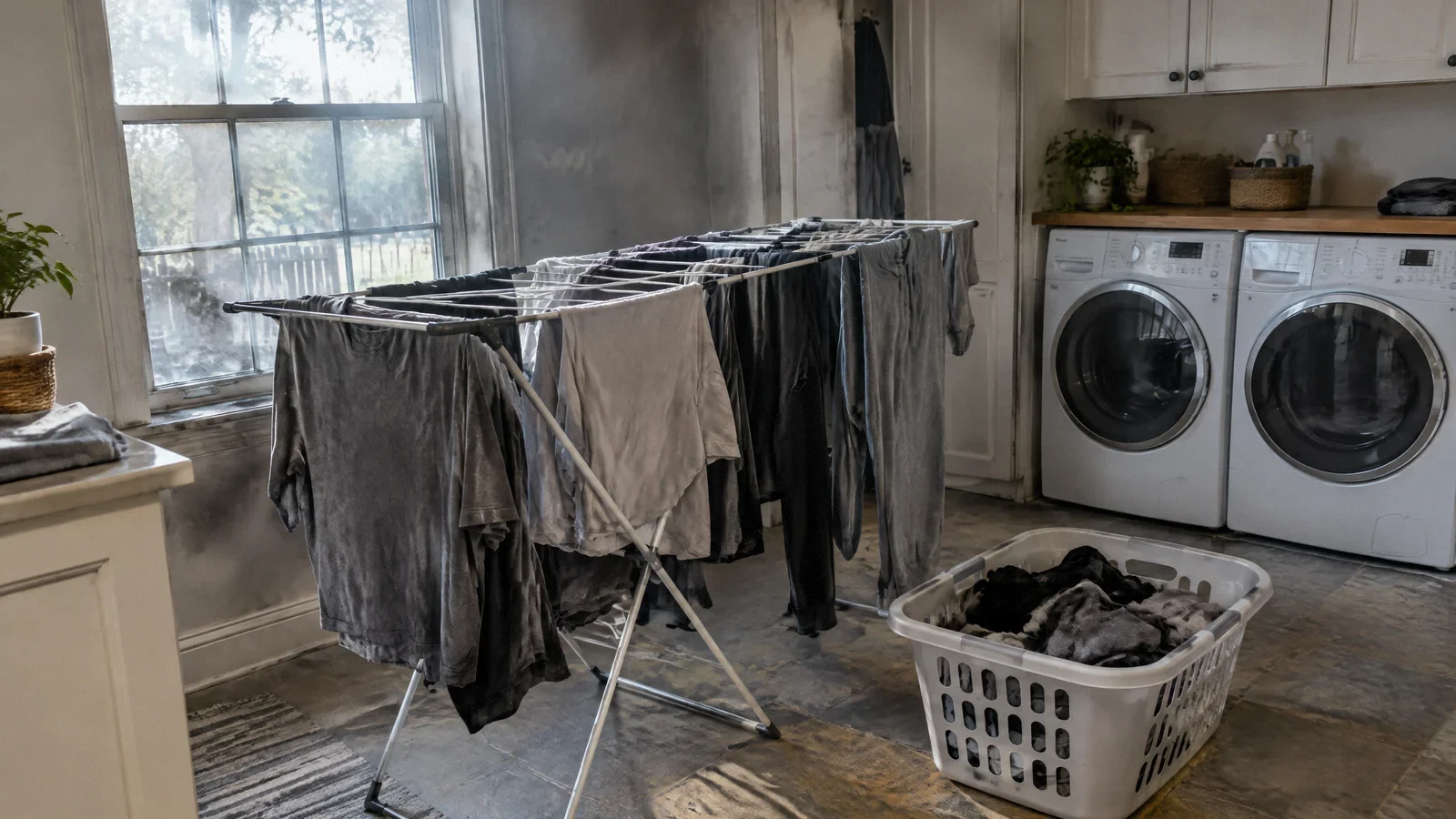
Sort smoke-affected clothing, handle soot carefully and choose laundering or professional textile restoration.
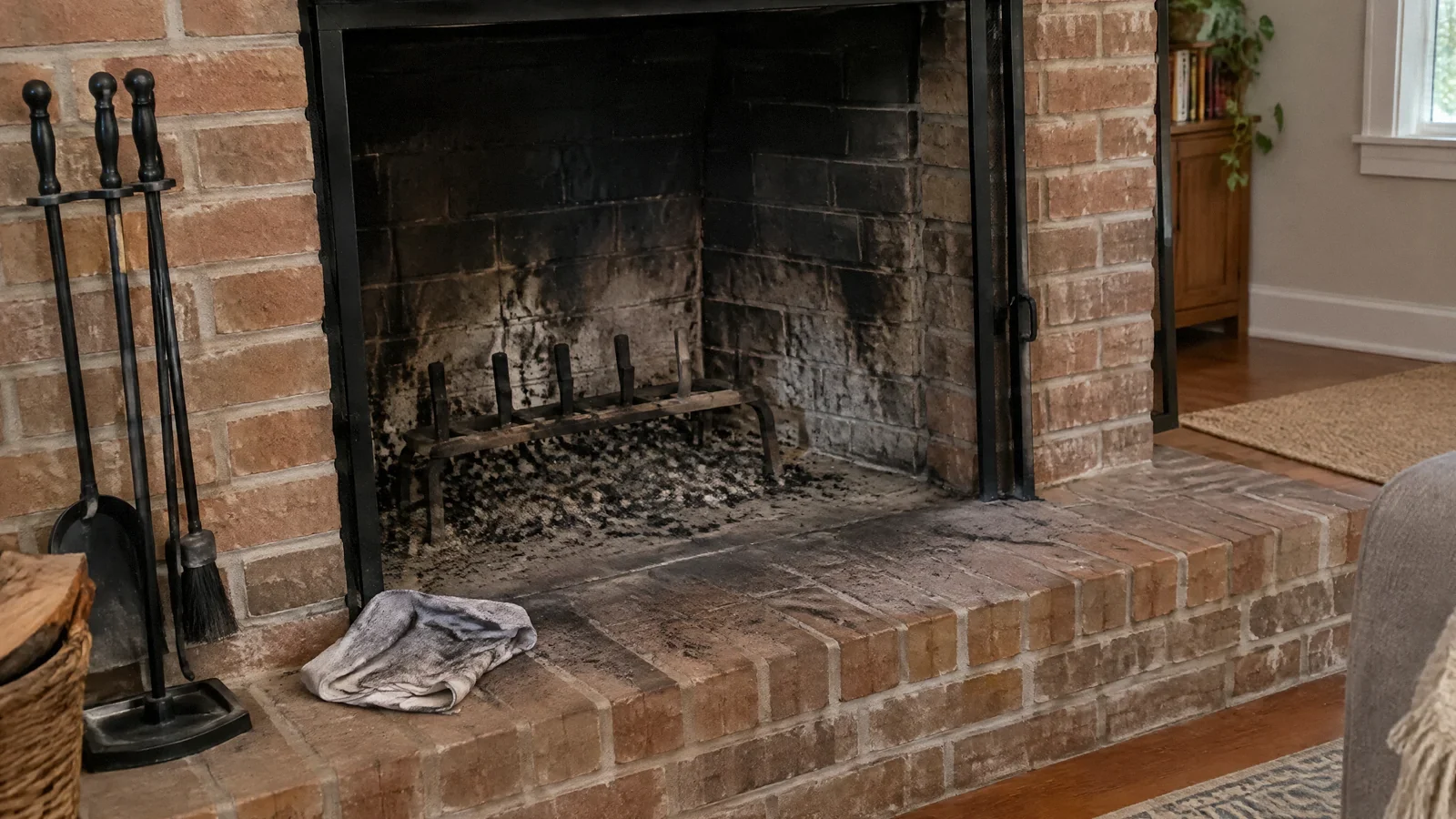
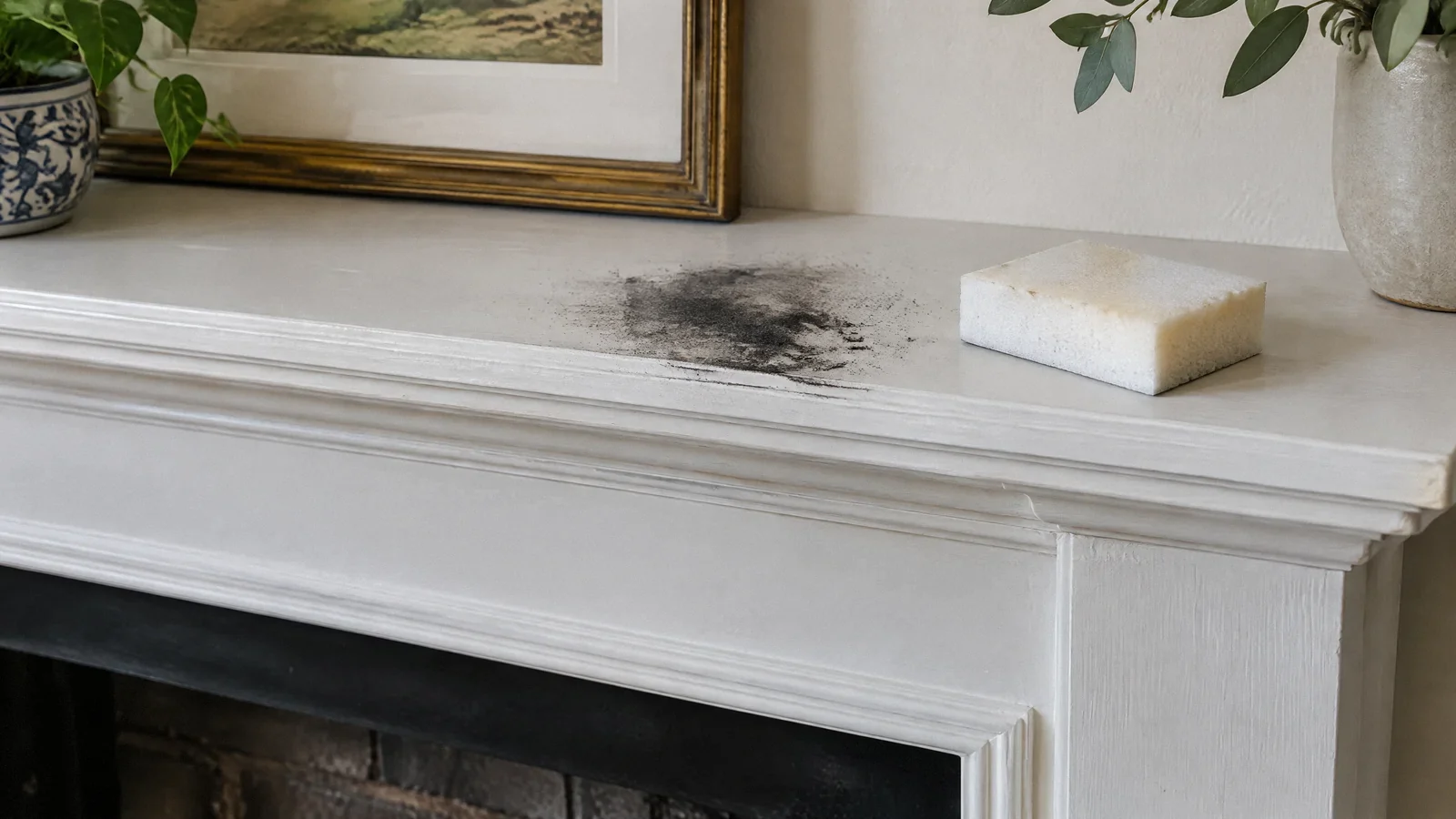
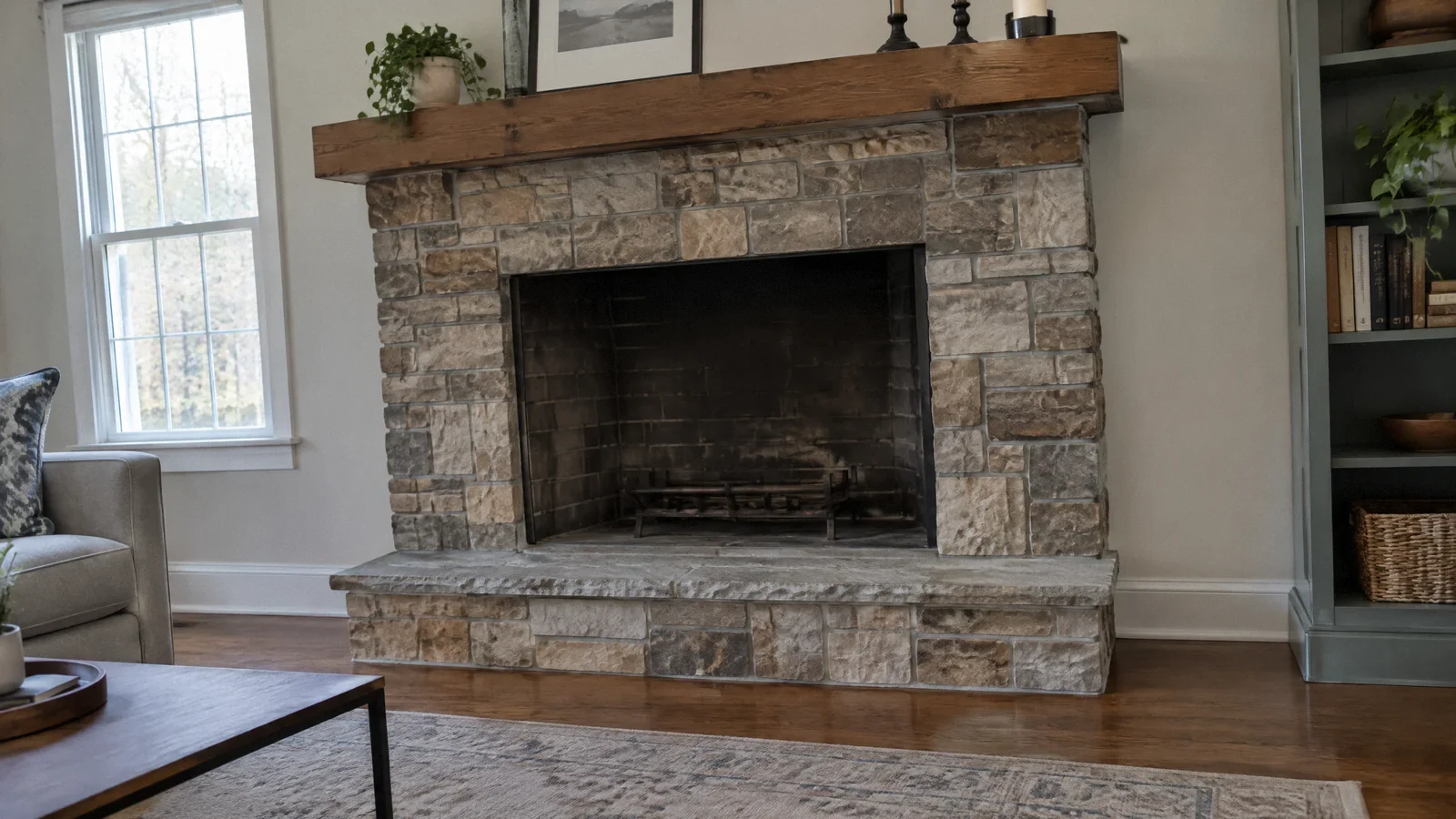
Assess brick and mortar, remove loose residue carefully and choose a compatible cleaning method for a fireplace or fire-damaged wall.
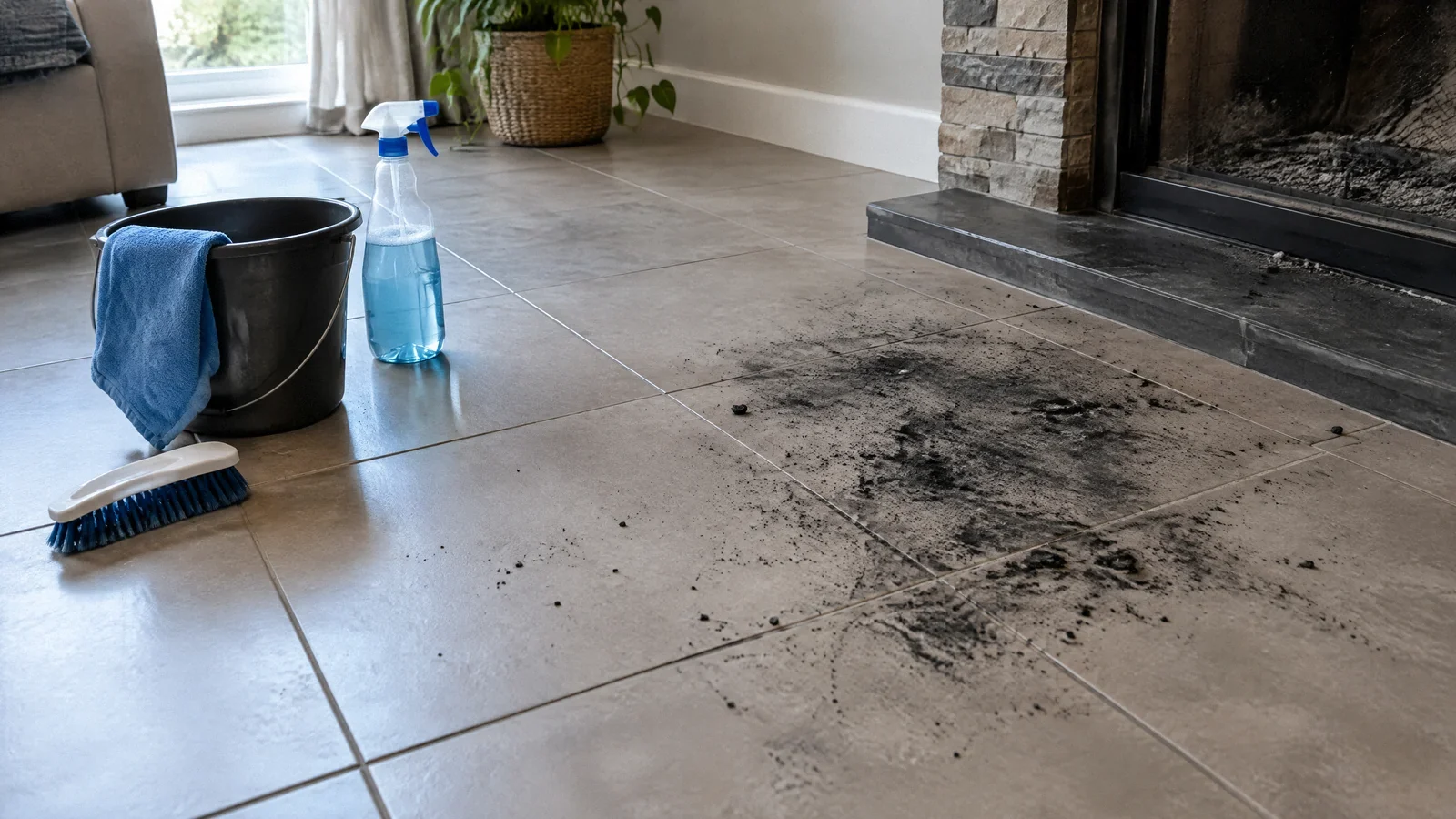
Choose a floor-safe approach to loose soot and residue after a fire, with separate guidance for hard floors and carpet.
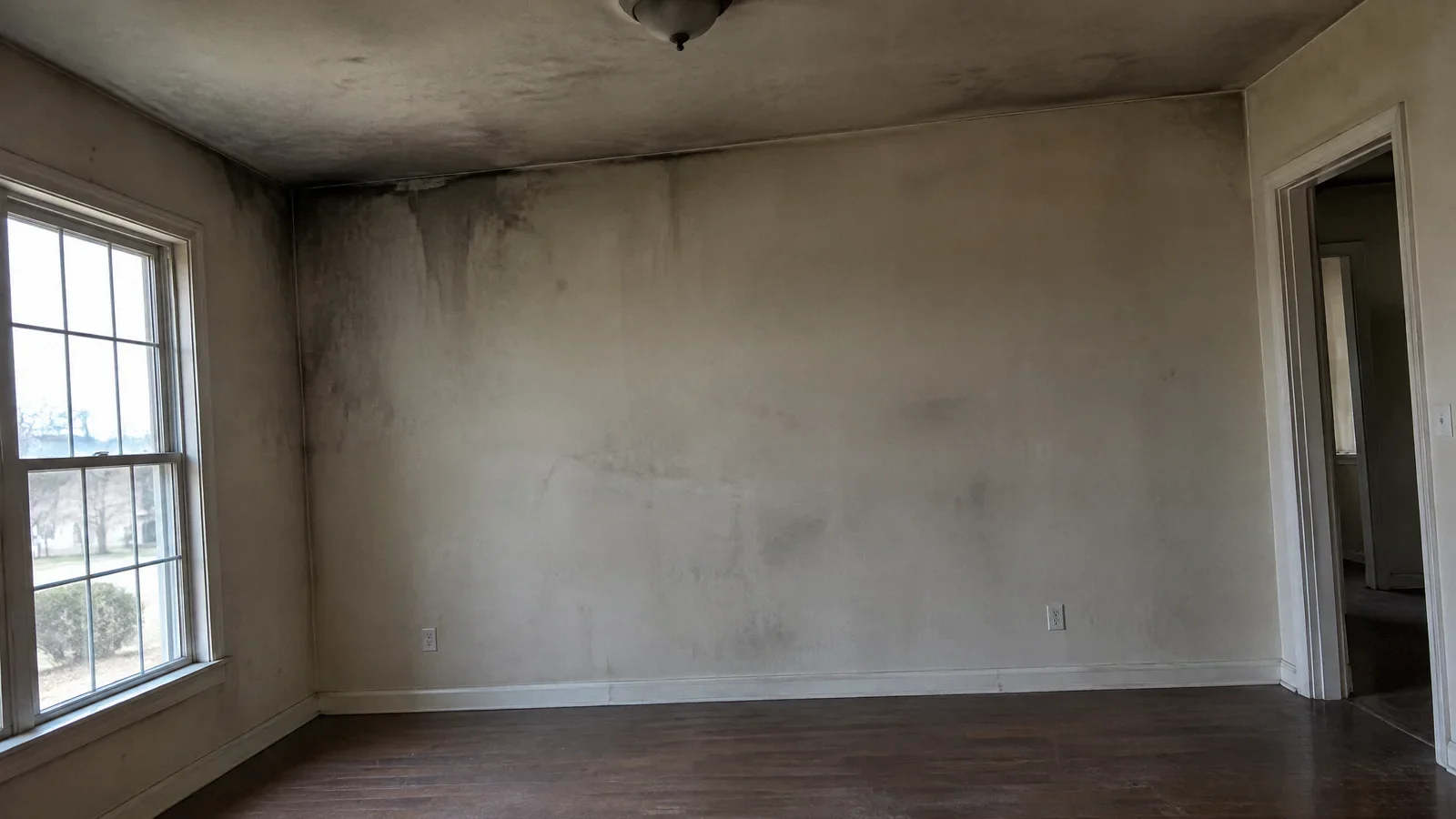
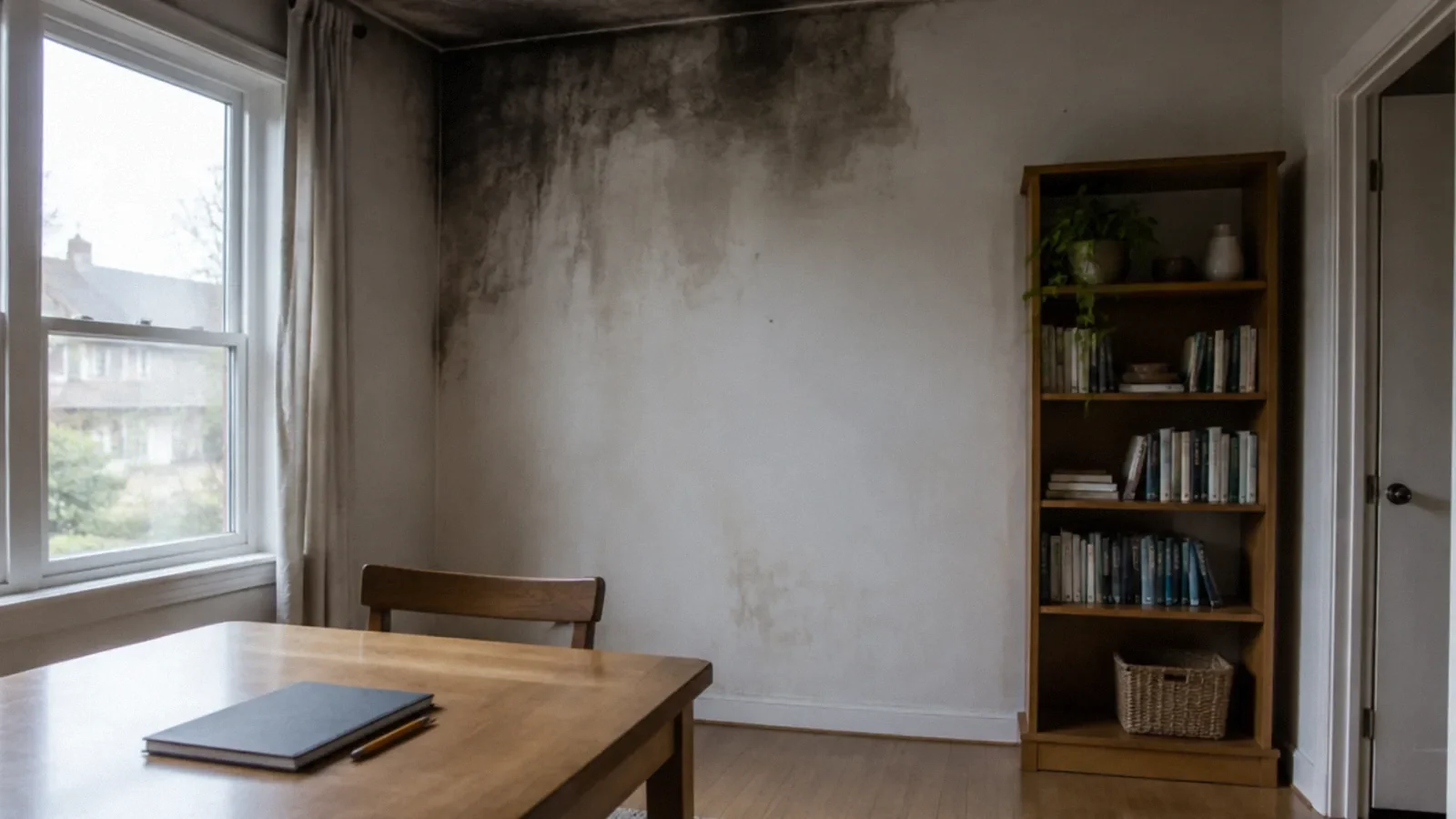
Learn how to assess soot, protect painted finishes and decide when walls or ceilings need professional fire restoration.
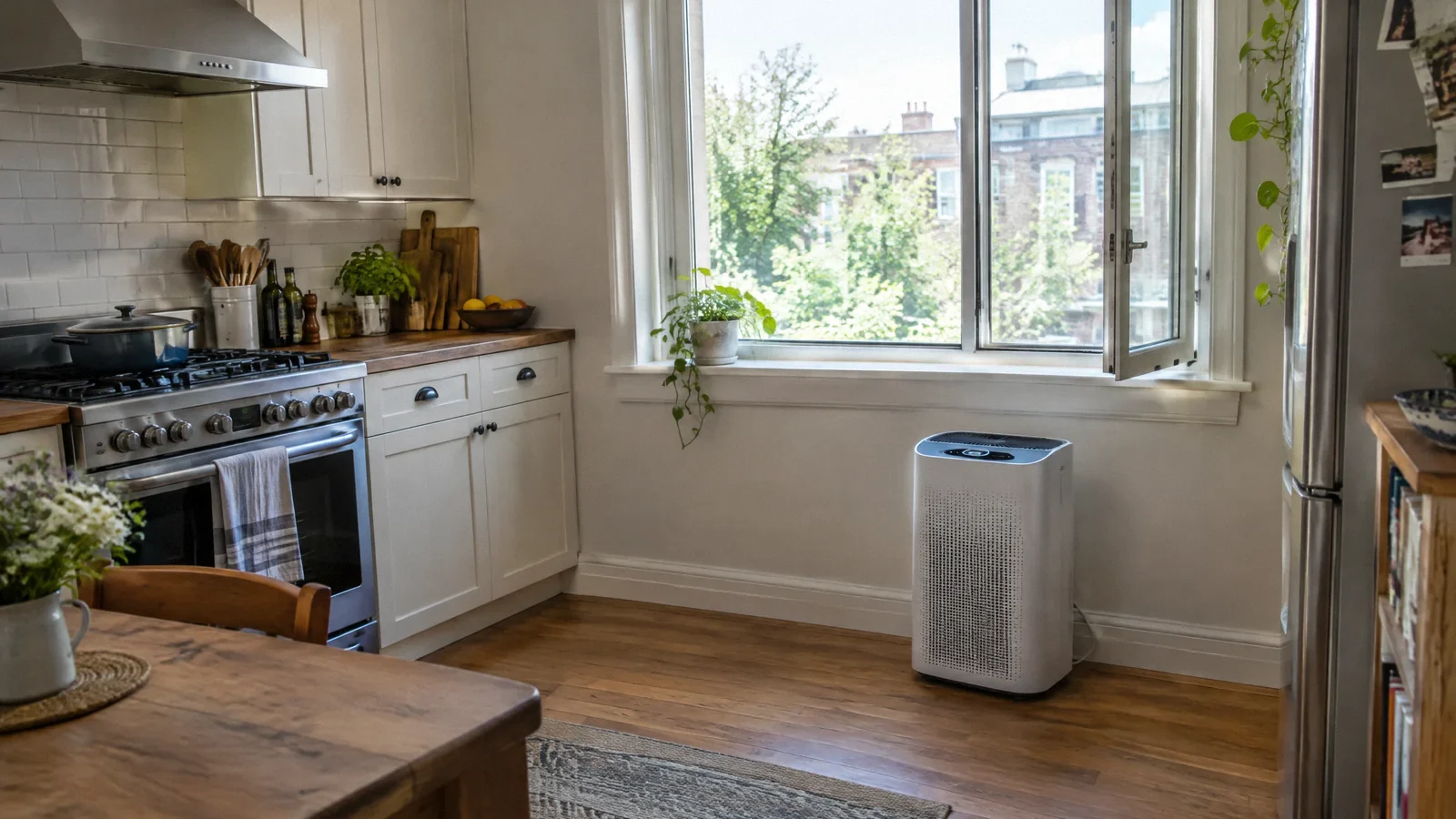
Clear cooking smoke and other indoor smoke safely with source control, appropriate ventilation and particle filtration.
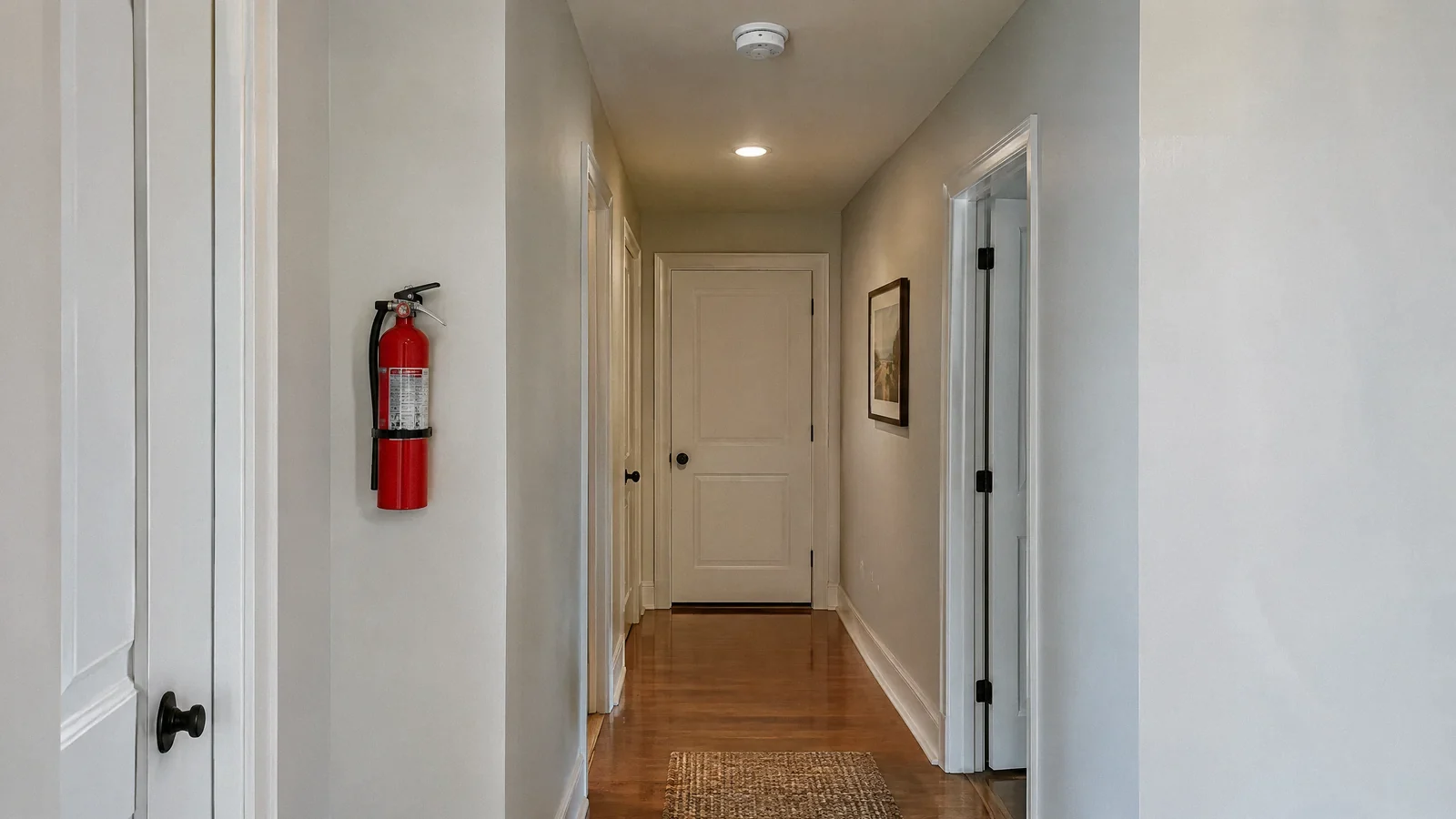
Learn when to evacuate, when a Class C extinguisher may be appropriate, and why flour and water are unsafe choices.
Choose a gentle soot-cleaning method for wood and know when a fire-restoration or conservation professional is needed.
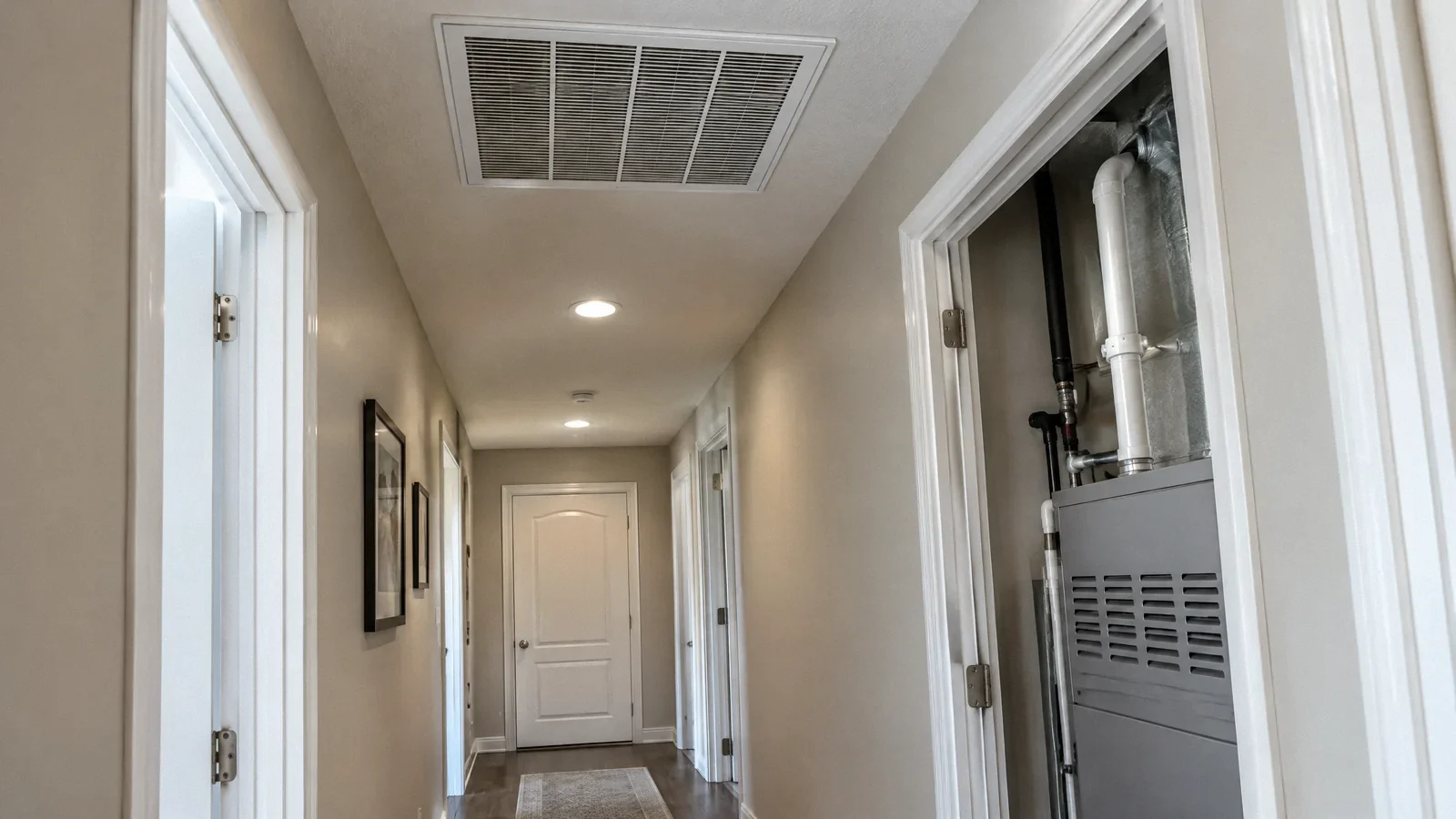
Visible smoke at a supply vent is a potential fire emergency. Leave by a safe route, call 911 from outside and stay out until the fire department says it i
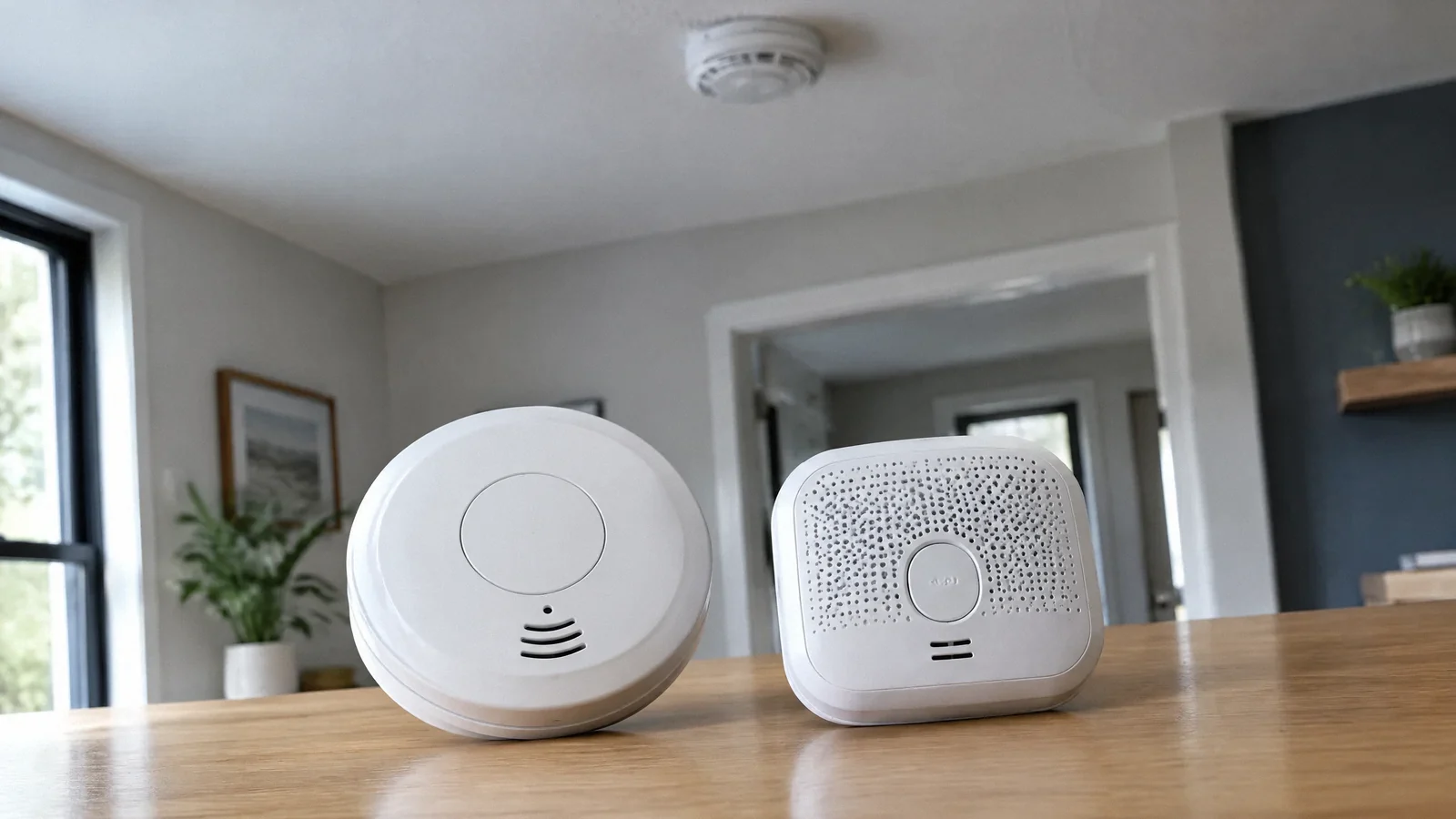
For broad home protection, the U.S. Fire Administration recommends both photoelectric and ionization alarms or dual-sensor alarms, with interconnected unit
Understand thermal fogging after fire damage, its limits and why residue removal and source correction come first.
Understand combustion, heat, light, smoke and gases, and why fire products remain hazardous after flames are out.
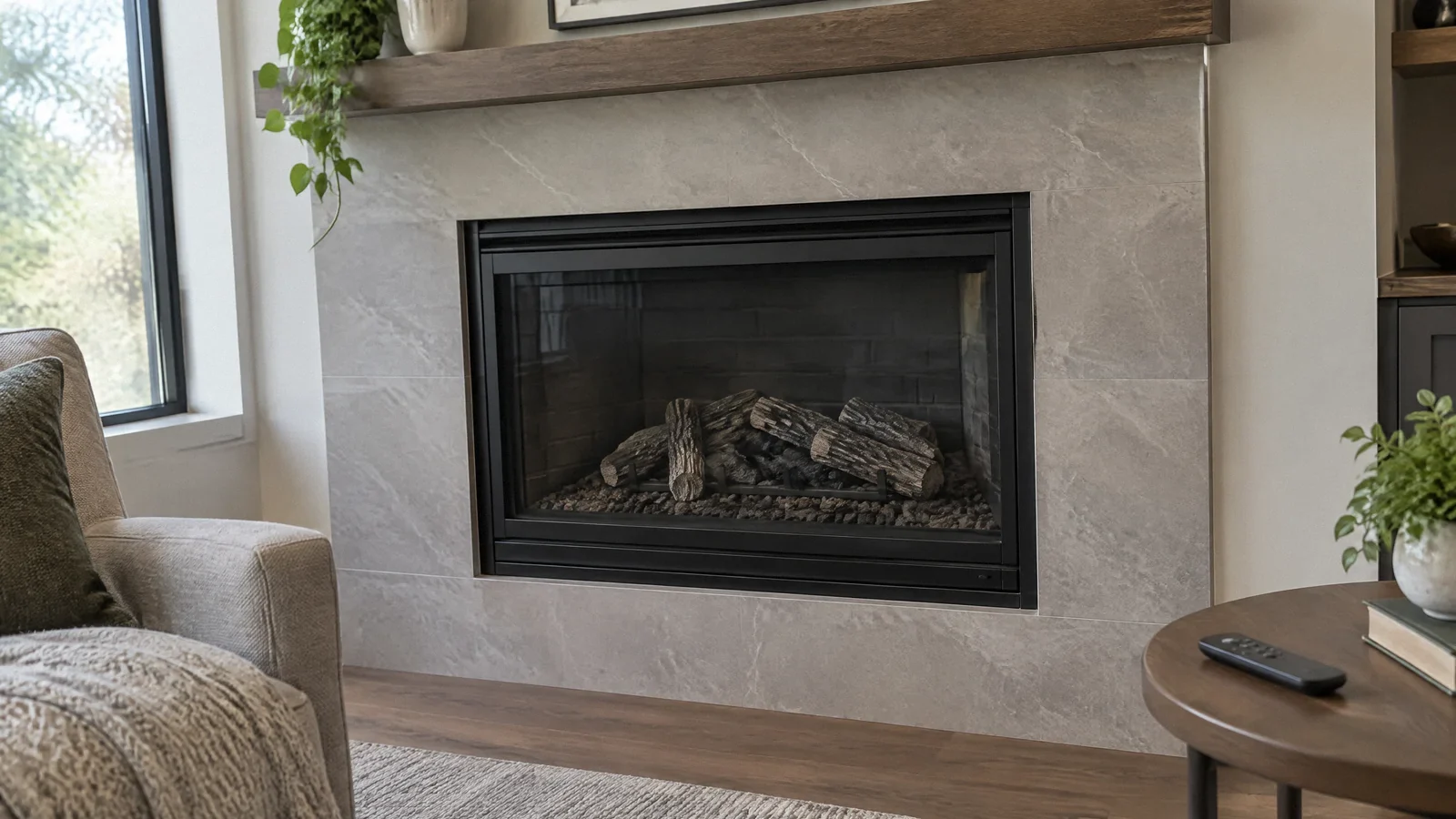
Distinguish urgent gas or smoke hazards from odors associated with a wood, gas, or electric fireplace and arrange the right inspection.
Find the source of a fireplace-area beep, distinguish alarms from control signals, and check the correct model manual.
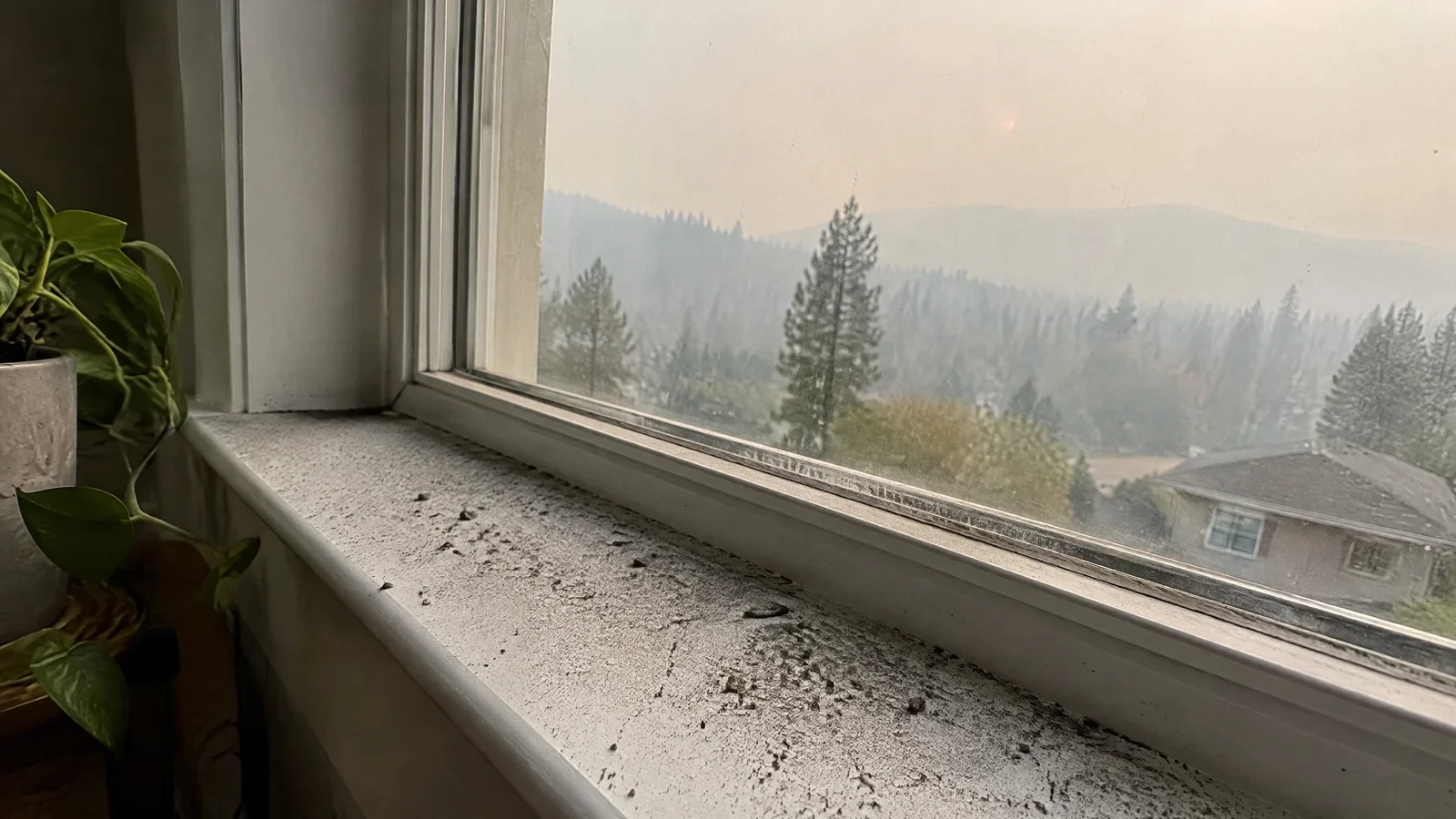
Learn how to assess indoor ash and smoke residue, protect occupants, document damage, and decide when to call a professional.
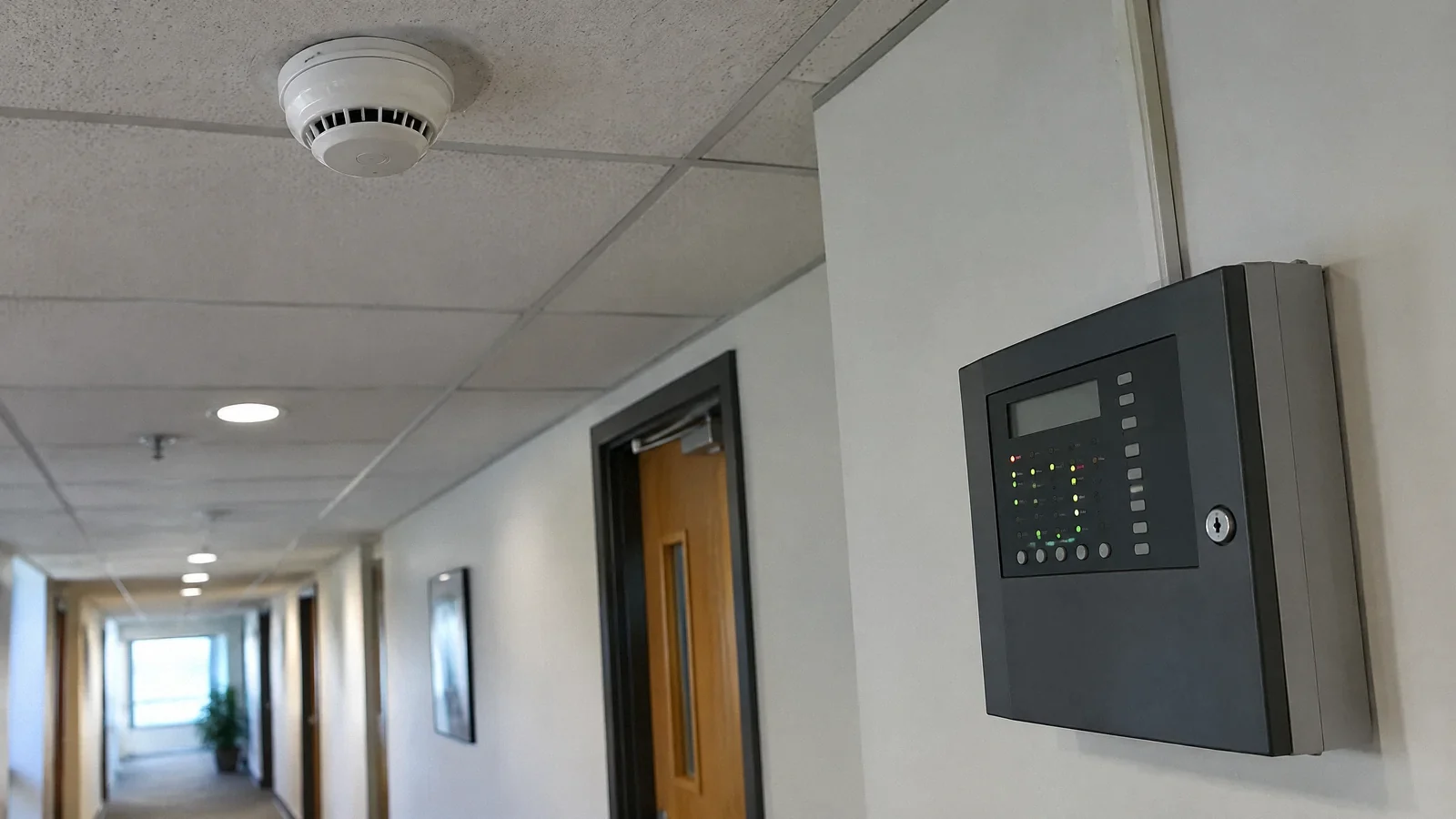
Compare commercial smoke-sensing methods and addressable or conventional systems, and learn how to plan inspection and maintenance.
Try a material, “insurance”, “mold”, or a shorter phrase.