For broad home protection, the U.S. Fire Administration recommends both photoelectric and ionization alarms or dual-sensor alarms, with interconnected units where possible. Follow local requirements and the product instructions for placement, power, testing and replacement.
Photoelectric and ionization sensors
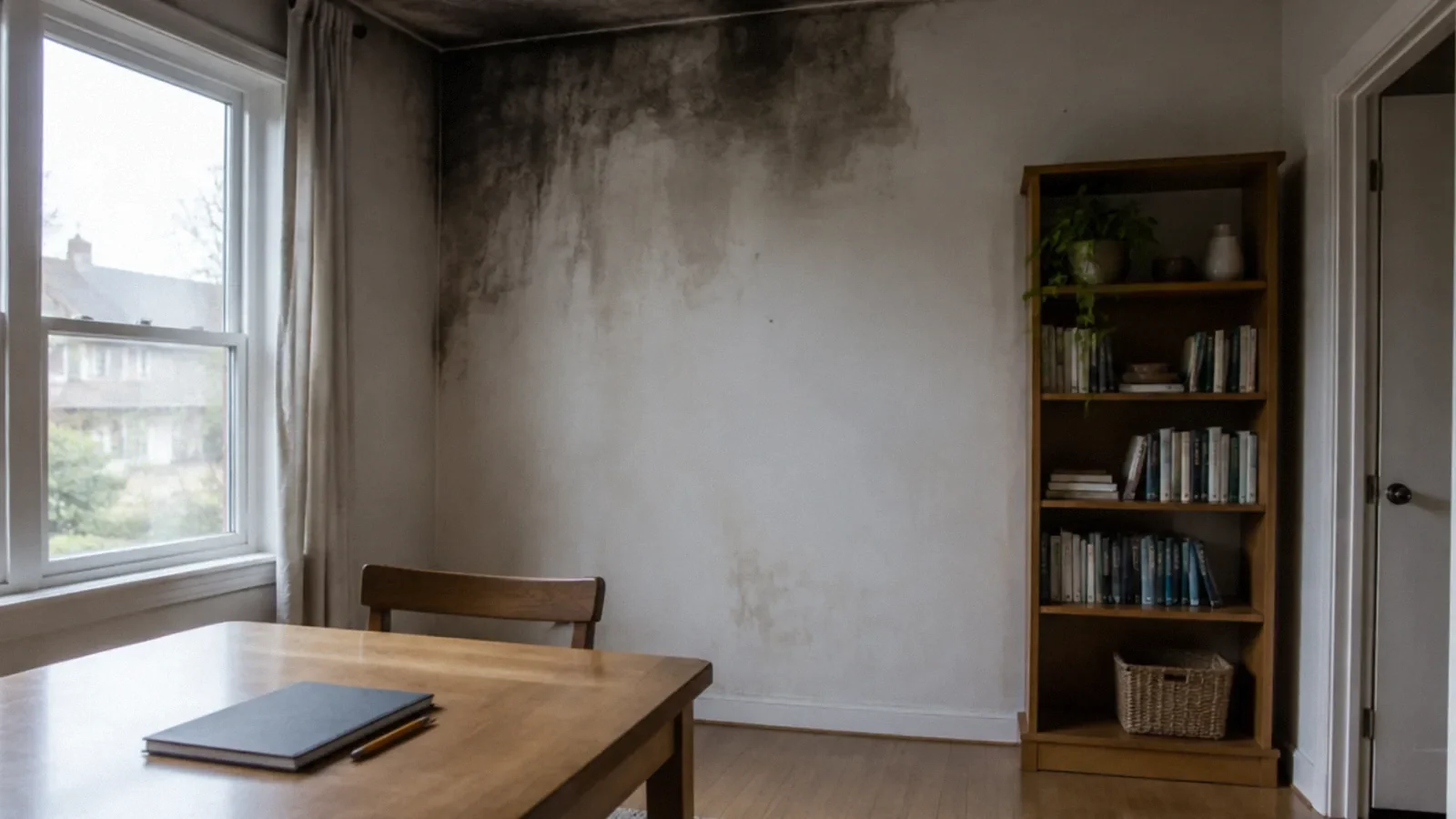
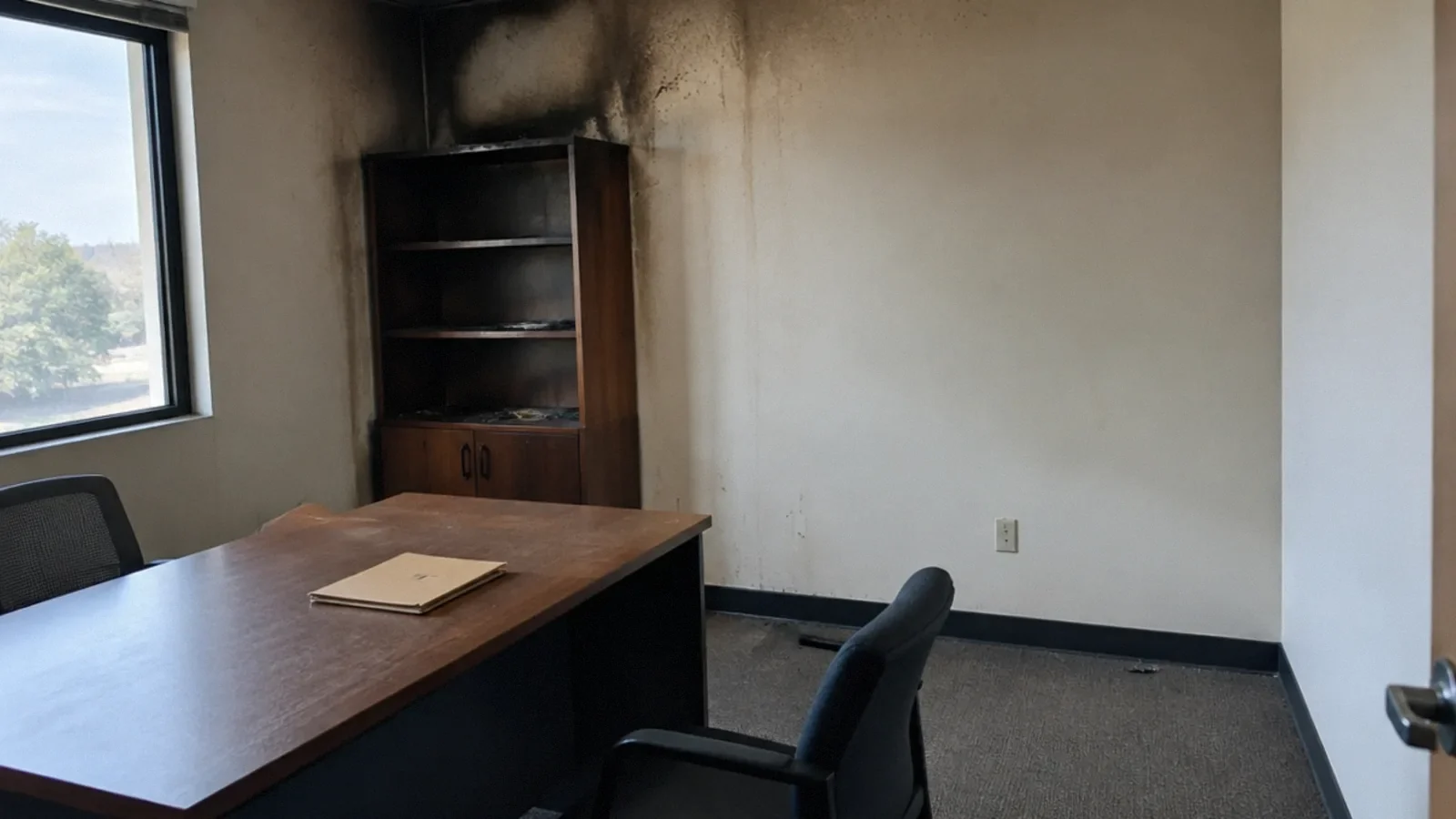
A photoelectric alarm uses light and a sensor to respond to smoke entering its chamber. It generally responds sooner to a smoldering fire, such as a fire that develops slowly in upholstered material. An ionization alarm uses a different sensing chamber and generally responds sooner to a fast flaming fire. Actual response depends on the fire, room, airflow, and alarm design; neither sensor detects every possible fire instantly.
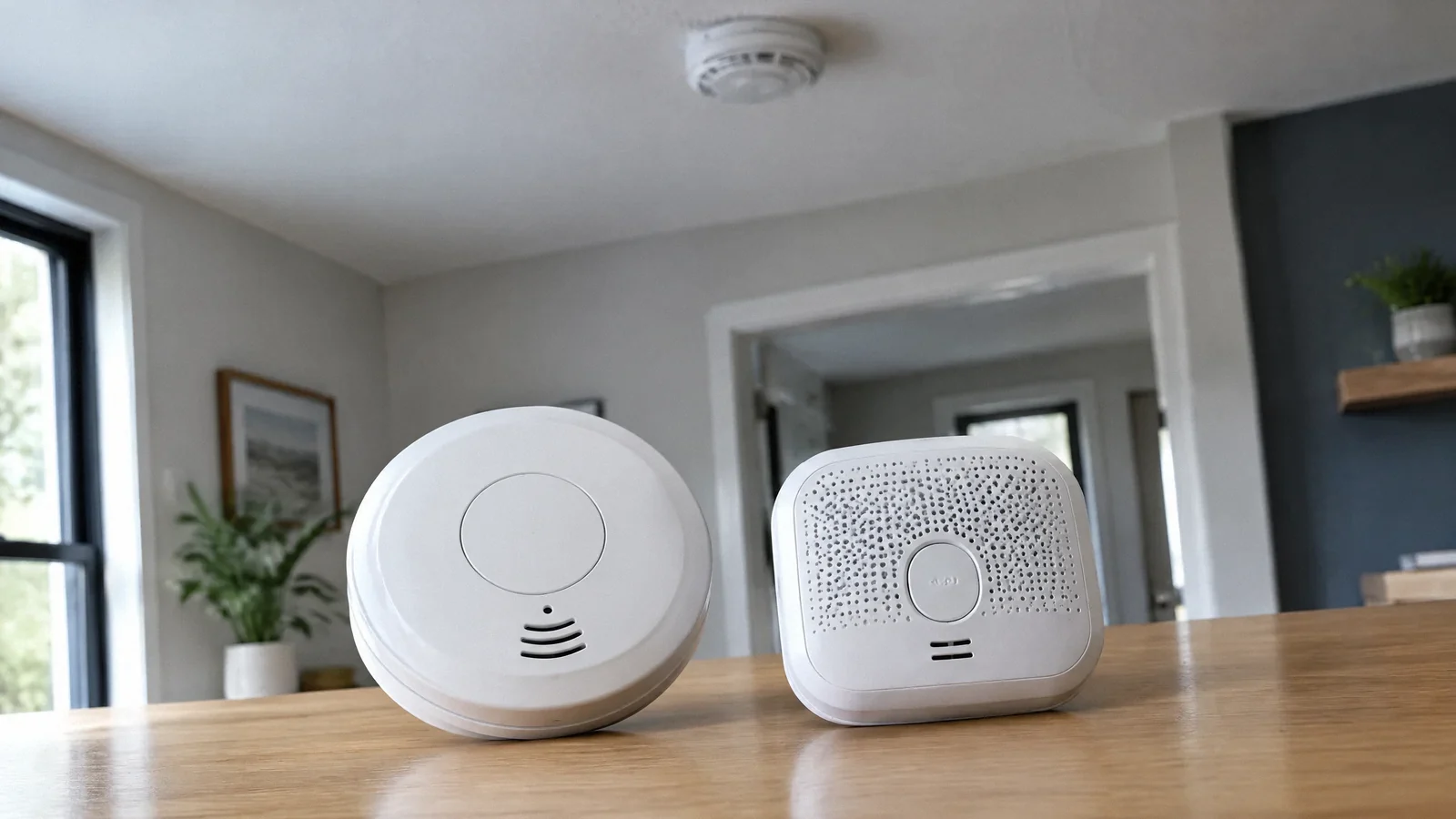
A dual-sensor smoke alarm includes both technologies in one device. Another approach is to install both types of alarm. The U.S. Fire Administration recommends either arrangement because the type of future fire cannot be predicted. A single device labeled as a combination smoke and carbon monoxide alarm is not necessarily dual-sensor for smoke: inspect its specifications rather than assuming the words mean the same thing.
Choose a complete system, not only a sensor
Select alarms listed by a recognized testing laboratory and permitted by your local requirements. Check the label for the sensing technology, installation locations, power supply, replacement date, and instructions. Some current models use additional processing to distinguish nuisance sources, but their exact performance is product-specific. A retailer’s claim of a universally best alarm cannot replace a review of the model and the rules for your home.
Interconnected alarms sound together when one activates, helping occupants hear an alarm that starts in a distant room. Interconnection may use compatible wiring or a listed wireless system. Confirm compatibility with all existing devices and follow the manufacturer’s limits. Do not assume devices from different product lines communicate simply because they are the same shape or brand.
Battery, hardwired and accessible options
Battery-powered alarms can be practical where wiring is not required. Some use replaceable batteries; others have sealed long-life batteries and require replacement of the entire unit when the battery or unit reaches its end of life. Hardwired models typically include backup power, but the exact battery and maintenance instructions differ. If electrical work is needed, use a qualified electrician and follow local rules.
For someone who cannot reliably hear a standard alarm, look for compatible notification devices such as strobes or vibrating equipment. Test the complete arrangement with the person who depends on it, including during sleep if appropriate, and ask the local fire department about suitable options. An interconnected alarm network can help, but it is not a substitute for an accessible alert and an escape plan tailored to the household.
Where to put smoke alarms
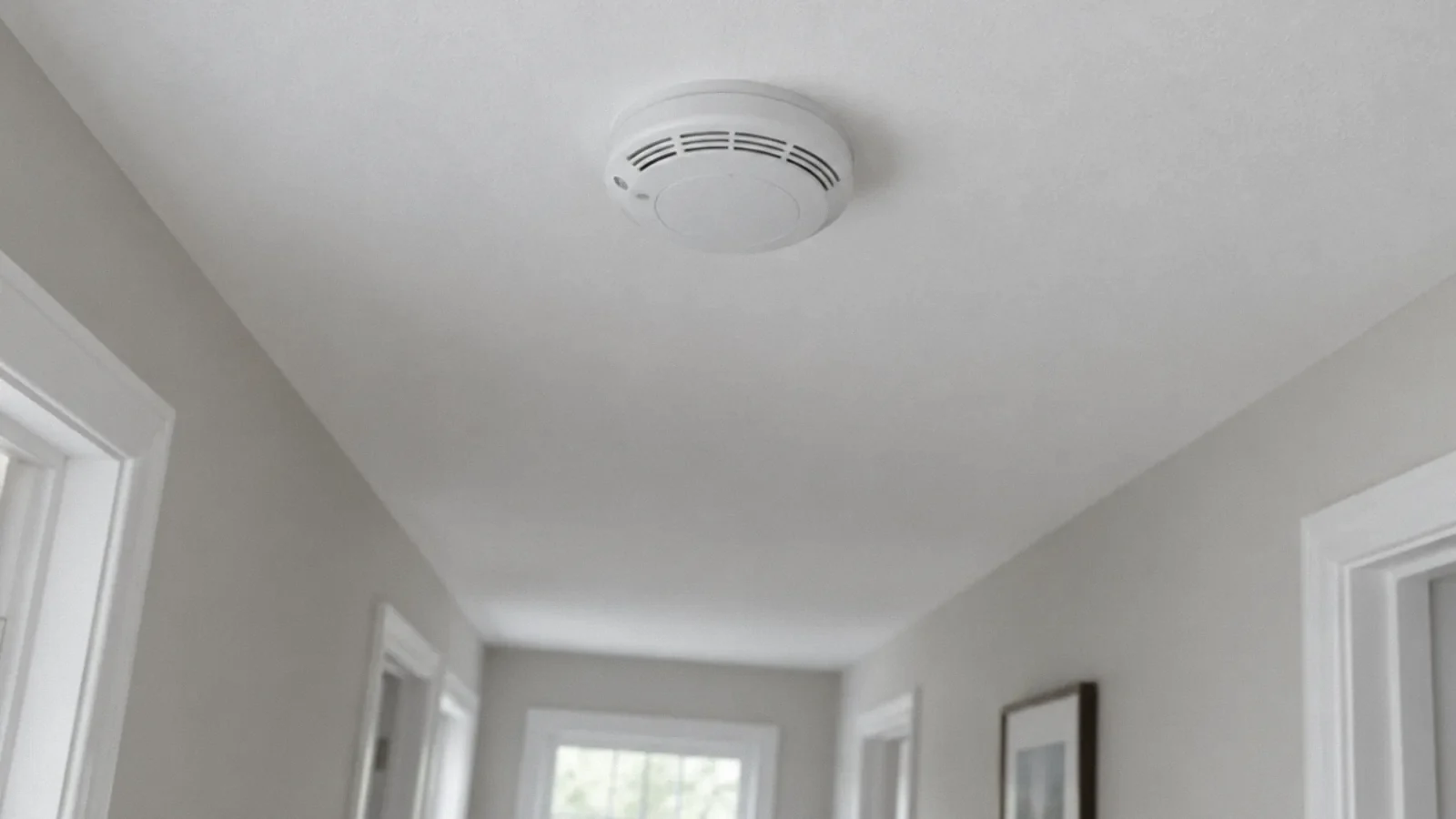
Install alarms inside each sleeping room, outside each sleeping area, and on every level, including the basement, according to the U.S. Fire Administration. Follow the particular unit’s instructions for ceiling or wall placement, clearance, and distance from cooking appliances. Local codes may add requirements, particularly during renovations, rentals, or property transfers. Ask the local fire marshal when the requirements are unclear.
Avoid disabling an alarm because it sounds during cooking. The solution may be an appropriate listed alarm or a better compliant location, determined using its instructions and local advice. Smoke alarms are life-safety devices; moving them arbitrarily or covering the sensing chamber can reduce protection. Plan two ways out of each room where possible and select a meeting place outside.
Test, maintain and replace
Use the test button at least monthly and follow the manufacturer’s cleaning and battery instructions. A successful button test confirms the alarm responds to the test function; it is not proof that every future fire will be detected. Respond to warning chirps by consulting the label or manual, replacing batteries or the entire alarm as directed. Never remove a battery and leave the household unprotected.
USFA recommends replacing smoke alarms ten years after their manufacture date, or sooner if the manufacturer requires it or the alarm fails. Date the replacement and review every device in the home rather than replacing only the loudest one. A carbon monoxide alarm has its own service life and placement instructions. Test the system again after installation and practice what everyone will do when it sounds.
Your next-step checklist
- Choose listed alarms that meet local requirements.
- Install in sleeping areas and on every level as directed.
- Test monthly and replace on schedule.
Related questions
Is a smoke and carbon monoxide alarm always dual-sensor?
No. Check whether it contains both photoelectric and ionization smoke sensors; carbon monoxide sensing is a separate feature.
How often should alarms be tested?
The U.S. Fire Administration recommends monthly testing and replacement according to the device instructions.
Sources & context
Public guidance supports the principles in this article. The practical questions and examples are editorial interpretation, not a site assessment or a coverage decision. State-specific rules apply only where identified.