If an alarm signals smoke, fire or carbon monoxide, or you are unsure whether there is an immediate danger, leave immediately and call 911 from outside. A brief periodic chirp can indicate a maintenance problem, but sound patterns vary by device. Check the model instructions; never leave an alarm disconnected or without its required power.
First decide whether there is an emergency
A loud repeating alarm can indicate smoke or fire. A combination smoke and carbon monoxide alarm may also signal a carbon monoxide emergency, even when there is no visible smoke or odor. If the alarm indicates danger, or you are unsure and conditions may be unsafe, get everyone outside, call 911 and stay out until responders say it is safe.
Do not stay inside to count beeps, search for smoke or remove a battery during a possible emergency. Carbon monoxide is colorless and odorless. Anyone with symptoms or a possible exposure needs appropriate medical attention; tell responders what alarm sounded if you know.
Chirp versus emergency signal
A short chirp at intervals can indicate a low battery, end of life or another fault, depending on the model. NFPA describes common alarm and chirp patterns, but a web article cannot identify your particular device from a sound alone. Check the manufacturer’s instructions and the label on the unit once it is safe.
Record whether the sound is continuous or intermittent and which unit is making it. Interconnected alarms may sound together, so the unit you hear first may not be the one that initiated the alert. Do not assume a pattern is harmless simply because you do not see smoke.
One, two, three or five beeps and intervals such as 30 or 60 seconds do not have one universal meaning across models. If the pattern might be an emergency, leave and call 911; once safety is confirmed, use the exact model manual. A hardwired or sealed-battery unit may still have power without a removable battery. Never wait for a battery to die or remove required power to stop a chirp.
Check the battery only when safe
Some alarms use replaceable batteries; others have sealed long-life batteries. Hardwired alarms can also have a backup battery. Follow the exact model instructions for identifying and replacing a permitted battery. A sealed battery is not meant to be pried out; the entire alarm may need replacement.
Use the battery type specified by the manufacturer and seat it correctly. Close the compartment and test the alarm as instructed. If it keeps chirping, the cause may be age, a fault, incorrect installation or another device; do not assume that a new battery resolves every problem.
Battery replacement intervals and reset steps depend on the unit. Follow the label and manufacturer instructions; a new alarm that continues chirping may need a setup check or service, not repeated disconnection.
Understand the alarm’s age
The U.S. Fire Administration recommends replacing a smoke alarm every 10 years, and sooner when the manufacturer requires it or the unit malfunctions. Check the manufacture date and the model instructions. Combination devices and carbon monoxide sensors can have their own end-of-life requirements.
If the date is missing or the device fails a test, obtain guidance from the manufacturer or local fire department and replace it as appropriate. A persistent chirp after battery replacement should not be ignored. Keep a record of installation dates and testing for every alarm in the home.
Hardwired and interconnected alarms
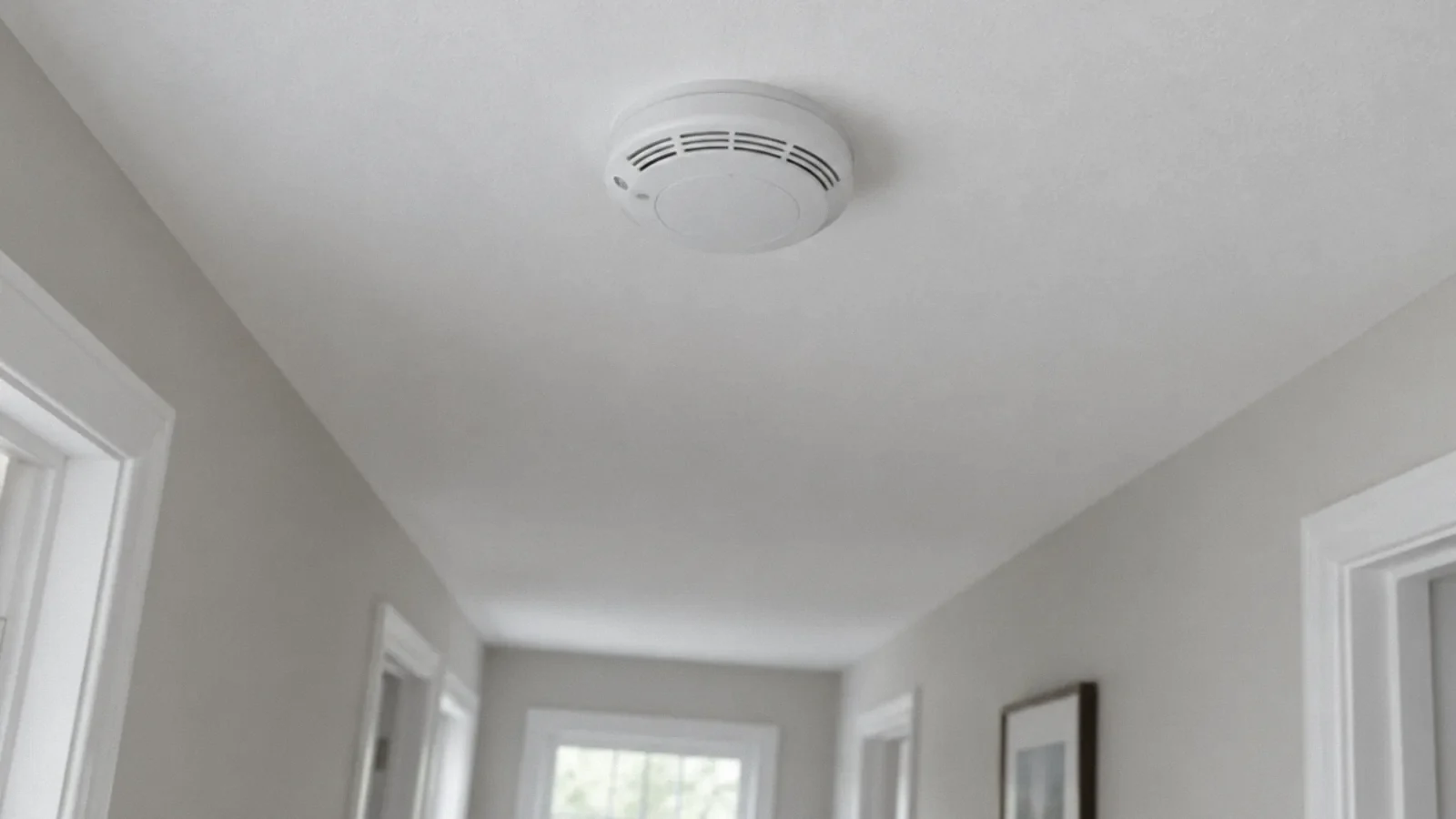
A hardwired unit receives power from the home’s electrical system and often has a backup battery. A chirp can still occur if the backup battery or unit needs attention. The exact indicator lights and sounds differ by manufacturer; inspect the manual rather than disconnecting wiring.
Only qualified electricians should install hardwired smoke alarms, according to the U.S. Fire Administration. Do not expose conductors or attempt electrical repairs on a ladder. If several interconnected alarms sound or chirp, follow the model’s instructions to identify the initiating unit and arrange service.
When an alarm sounds repeatedly or stops
A sounding alarm is not automatically false because you cannot see smoke or because it stopped after a few seconds. Leave immediately and call emergency services when an alarm signals danger or the cause is uncertain. Smoke can be hidden, and a combination device may warn about carbon monoxide. Do not search through the building to identify which alarm started first.
Once responders have determined that it is safe, recurring activation may need investigation for cooking particles, steam, placement, contamination or a malfunction. In an interconnected system, one unit can activate the others. The model instructions may explain indicator lights or alarm memory, but consult the manufacturer or a qualified professional rather than guessing.
After a nuisance alarm
Cooking smoke or steam can activate an alarm, but first make sure there is no fire or carbon monoxide danger. Once the situation is known to be safe, use the manufacturer’s hush feature if provided and address the cause. The U.S. Fire Administration warns against removing the battery to silence an alarm.
If nuisance activations recur, consult the manufacturer or fire department about placement and suitable equipment. Do not permanently disable a device, cover its openings or disconnect it. A missing or dead battery can leave occupants without warning in a real emergency.
Clean and test as directed
Dust or insects can affect some alarms. Follow the manufacturer’s instructions for cleaning the exterior and vents; do not paint the unit or spray chemicals into it. Use stable access equipment and ask for help if the alarm cannot be reached safely.
Test alarms according to the manufacturer’s instructions; the U.S. Fire Administration recommends monthly testing. Make sure all occupants can hear and respond to the signal. A failed test, persistent fault or expired device requires prompt attention, not repeated silencing.
Get help when the cause is uncertain
Contact the manufacturer, property manager, local fire department’s nonemergency line or a qualified electrician as appropriate. Provide the make, model, age, power type and observed pattern. In a managed building, follow the building’s fire-safety procedures; a central fire alarm panel may require a licensed service provider.
Until a faulty unit is replaced or repaired, follow local fire-safety guidance for maintaining protection. Never assume removing the battery is an acceptable long-term solution. If an emergency signal occurs at any time, leave and call 911 from outside.
Smoke alarm types
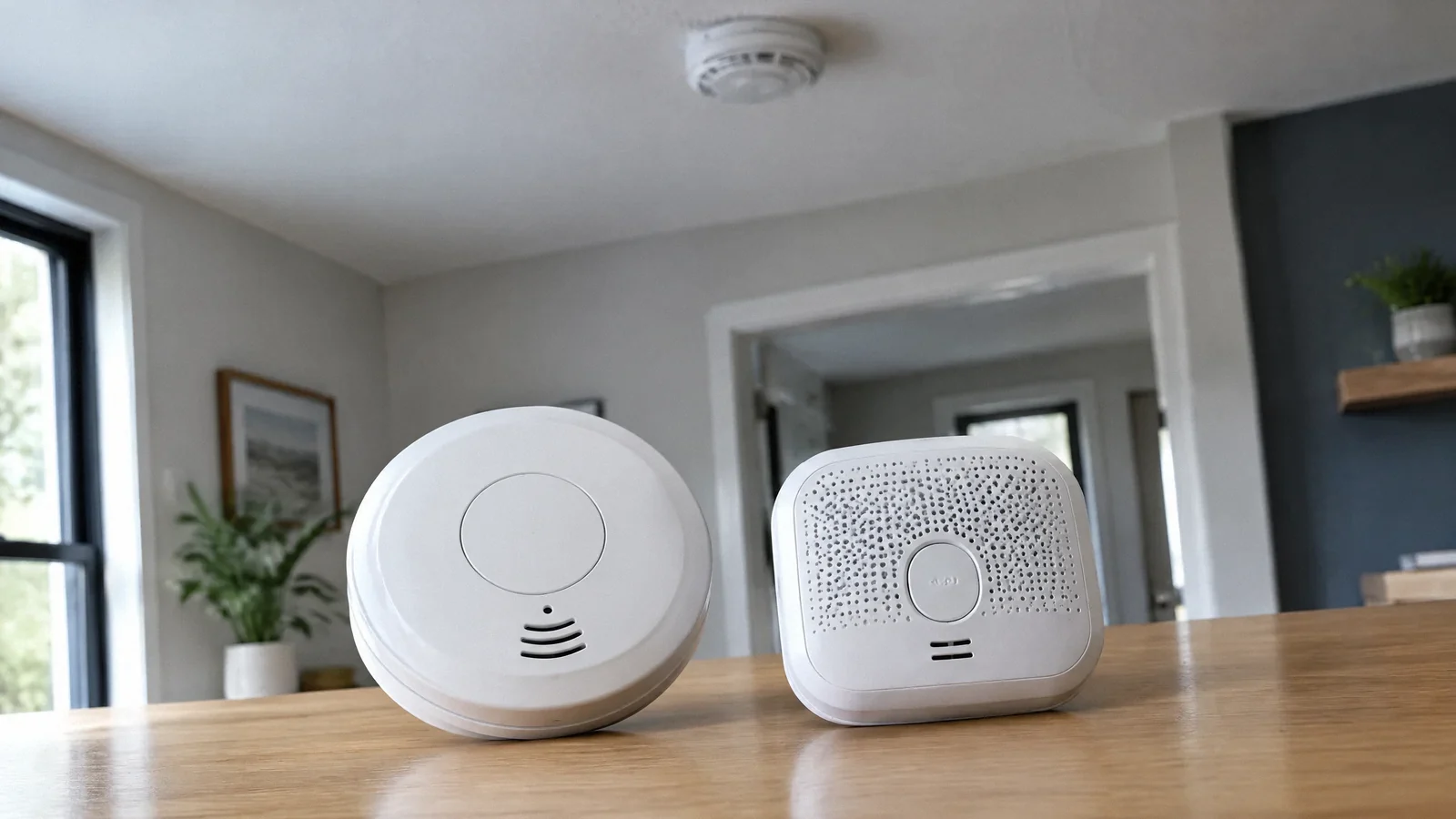
Ionization and photoelectric alarms use different sensing technologies. See the separate guide to smoke detector types and follow local placement requirements.
A beeping FireX smoke alarm
Treat an active alarm, smoke, heat or suspected carbon monoxide as an emergency: leave and call 911 from outside. A periodic chirp after safety is confirmed can have several causes, including a battery issue, an equipment fault or end of service life. The correct meaning depends on the exact alarm and sound pattern.
Find the FireX model number and follow its specific user guide. Kidde provides troubleshooting for intermittent chirping, but battery type, replacement and reset instructions vary. Do not disable an alarm or remove power as a permanent fix; contact the manufacturer or a qualified professional if the cause remains unclear.
Test, malfunction and central systems
After confirming there is no emergency, press the test button following the specific model instructions. If it does not sound, check the permitted power or battery steps and replace a defective unit; use a qualified electrician for hardwired wiring. A button test checks the alarm function described by the manufacturer, not every possible smoke pathway; do not create smoke or a fire to test it.
Dust, cooking aerosols and steam can cause nuisance alarms, while low battery, age or fault can cause chirps. Confirm safety first and consult the model manual. A central building fire alarm requires its responsible operator or service specialist; do not disconnect it. For placement and alarm type, consult the fire authority, manufacturer and local requirements.
Your next-step checklist
- Evacuate and call 911 for an emergency signal or suspected danger.
- Identify the model and consult its instructions when safe.
- Replace a permitted battery or expired unit as directed.
- Do not disable alarms or work on hardwired connections yourself.
- Test the alarm and maintain protection throughout the home.
Related questions
Why does a hardwired alarm chirp?
It may have a backup-battery, age or fault issue. Patterns vary; consult the model instructions and use a qualified electrician for wiring.
Can I remove the battery to stop the noise?
Do not leave an alarm without its required power. Resolve the fault or replace the unit as directed.
What if it chirps after a new battery?
Check the model instructions, battery seating, age and fault indicators. A persistent chirp may require replacement or service.
What if I hear an alarm but see no smoke?
A combination unit may also detect carbon monoxide, and a danger may not be visible. If the signal indicates danger or you are unsure, evacuate and call 911.
Why does a smoke alarm go off when I cannot see smoke?
Smoke may be hidden, and combination devices may also signal carbon monoxide. Leave and call emergency services when an alarm signals danger or the cause is uncertain; investigate nuisance causes only after the area is confirmed safe.
How long will a fire alarm sound?
There is no universal duration. The pattern depends on the alarm and situation. Do not wait for it to stop before evacuating when danger is possible.
How can I tell which interconnected detector activated first?
After responders confirm it is safe, consult the exact model instructions for indicator lights or alarm memory, or ask a qualified professional. Do not delay evacuation to identify the unit.
Is an ionization or photoelectric smoke alarm better?
Each can respond differently to flaming and smoldering fires. USFA recommends both technologies or a dual-sensor smoke alarm, with placement and local requirements also considered.
Can shower steam trigger a smoke alarm?
Yes, steam can cause a nuisance alarm in some situations. Treat an active or uncertain alarm as a possible emergency first; after safety is confirmed, review the model instructions and appropriate placement with a qualified professional.
Should a smoke alarm go in a bathroom?
Steam can cause nuisance alarms. Follow the exact alarm instructions and current local requirements for placement; do not disable or remove required alarms. A qualified professional can help with an uncertain installation.
Why does a smoke detector seem overly sensitive?
Steam, cooking aerosols, dust, location, age or a fault may contribute to nuisance alarms. Treat every alarm as a possible fire first, follow the manufacturer’s cleaning and placement instructions, and replace faulty or expired alarms. Never disable an alarm to stop a nuisance alert.
What does the button on a smoke detector do?
Many alarms have a test or hush button, but functions vary. Follow the device instructions, test regularly and treat an alarm as a possible fire before using a hush feature. Replace alarms as directed by the manufacturer.
Can humidity set off a smoke alarm?
Steam or humid air can contribute to nuisance alarms in some devices, but treat every alarm as a possible fire first. Follow the manufacturer’s placement and maintenance guidance; never disable an alarm to stop a nuisance signal.
Can insects affect a smoke detector?
Dust or insects may interfere with some alarms. Treat every alarm as a possible fire first, then follow the manufacturer’s cleaning and replacement instructions. Do not disable or cover the alarm.
How much smoke sets off a smoke detector?
Sensitivity varies by alarm type, placement and condition; there is no reliable household quantity to test by creating smoke. Use the manufacturer’s test button and treat an alarm as a possible fire.
Sources & context
Public guidance supports the principles in this article. The practical questions and examples are editorial interpretation, not a site assessment or a coverage decision. State-specific rules apply only where identified.
- U.S. Fire Administration: Smoke alarmsfire safety guidance
- NFPA: Learn the sounds of fire safetyfire safety guidance
- CDC: Carbon monoxide preventionpublic health guidance
- U.S. Fire Administration: Smoke alarmsfederal fire safety guidance
- Kidde: Causes of intermittent smoke alarm chirpingmanufacturer guidance
- U.S. Fire Administration: Smoke alarm placementfederal fire safety guidance
- US Fire Administration: Test your smoke alarmsofficial guidance