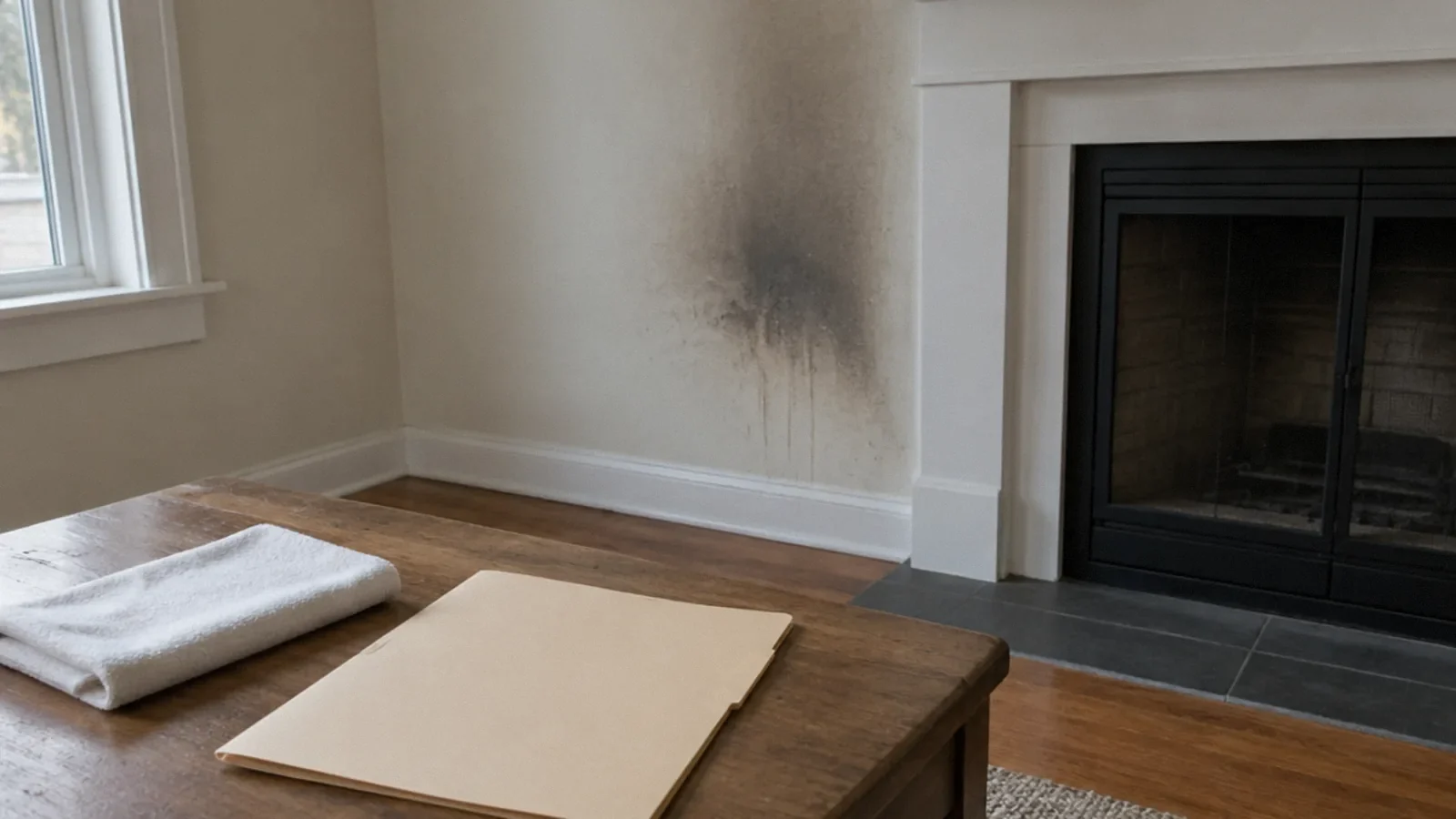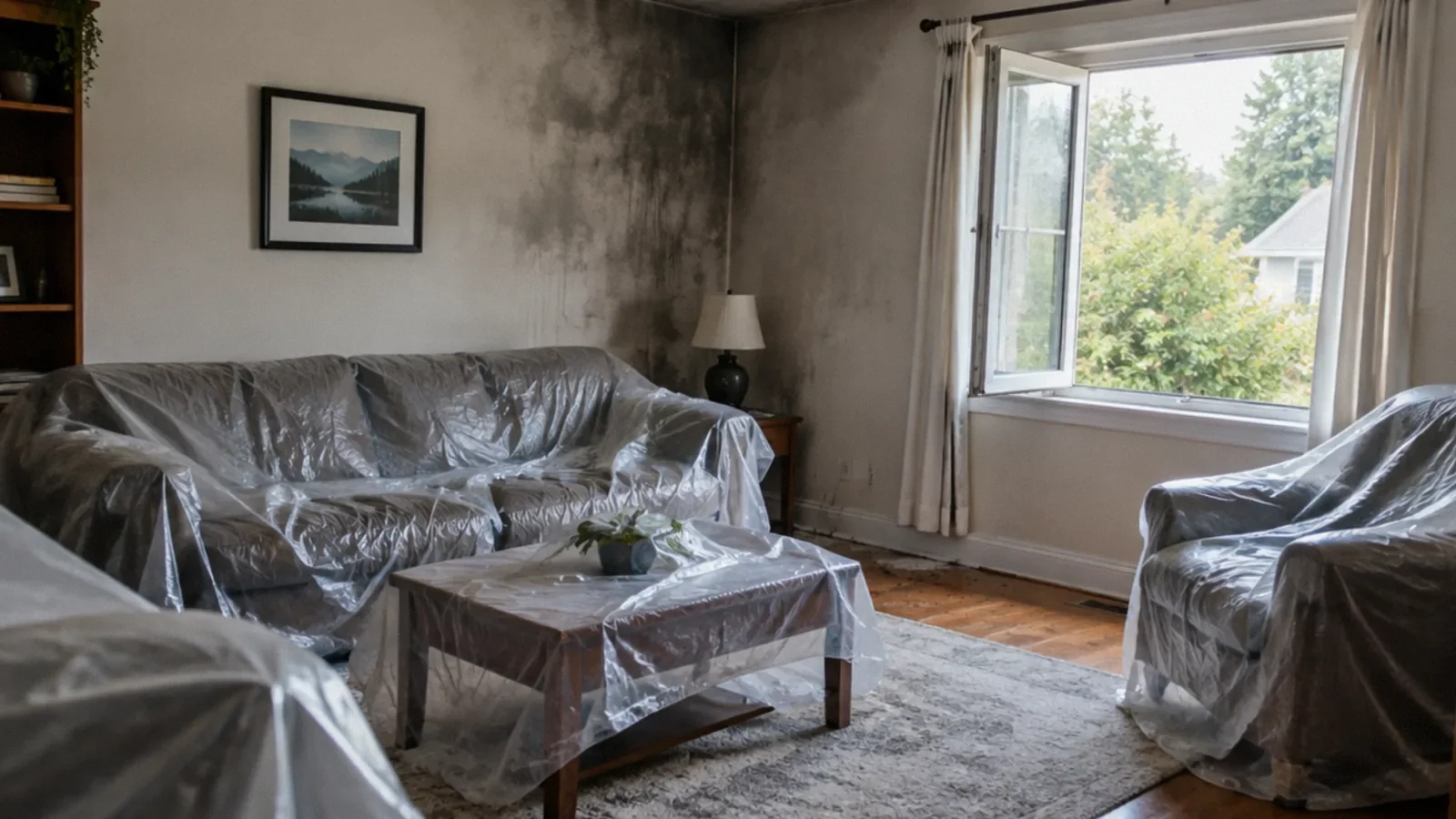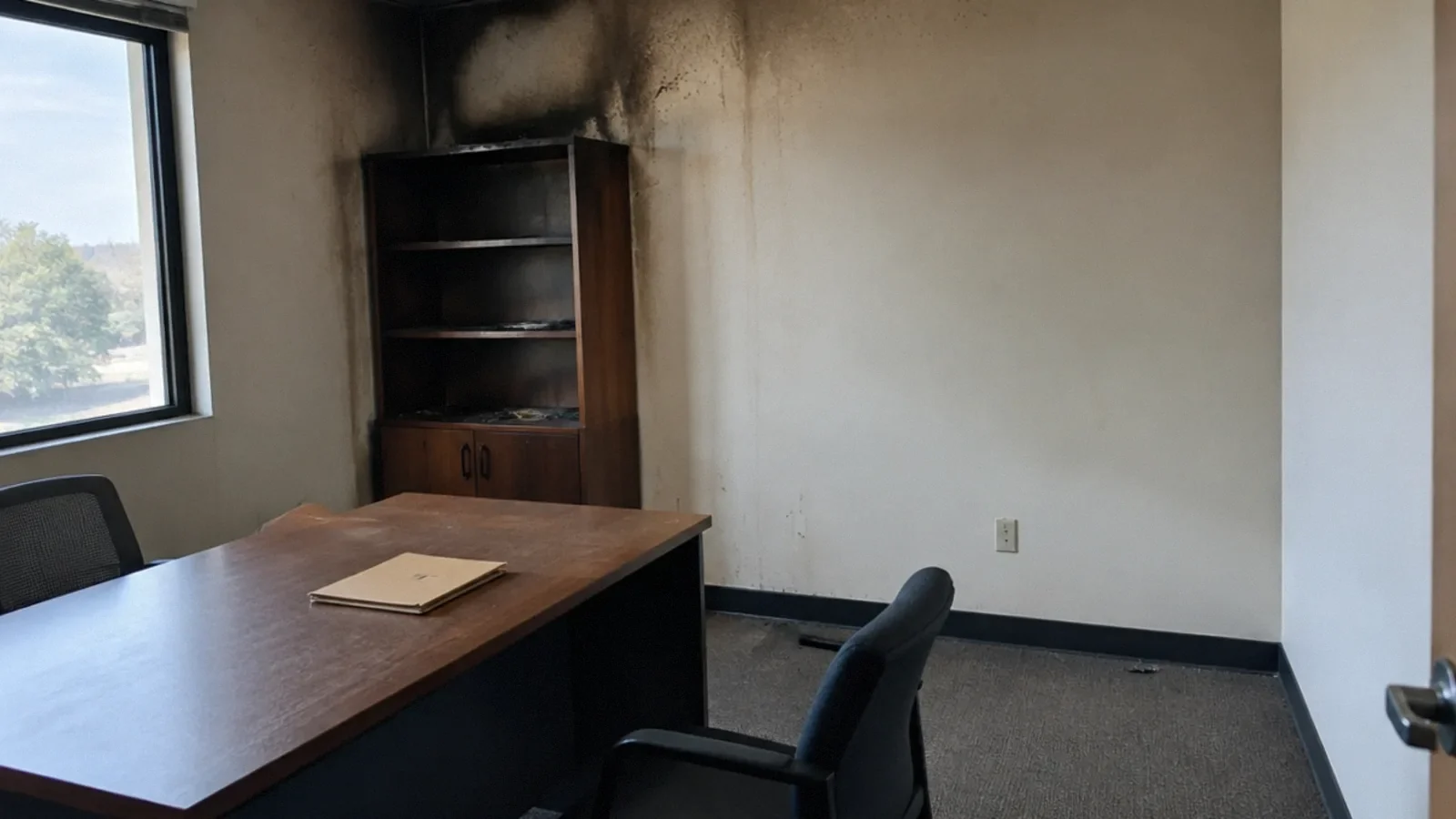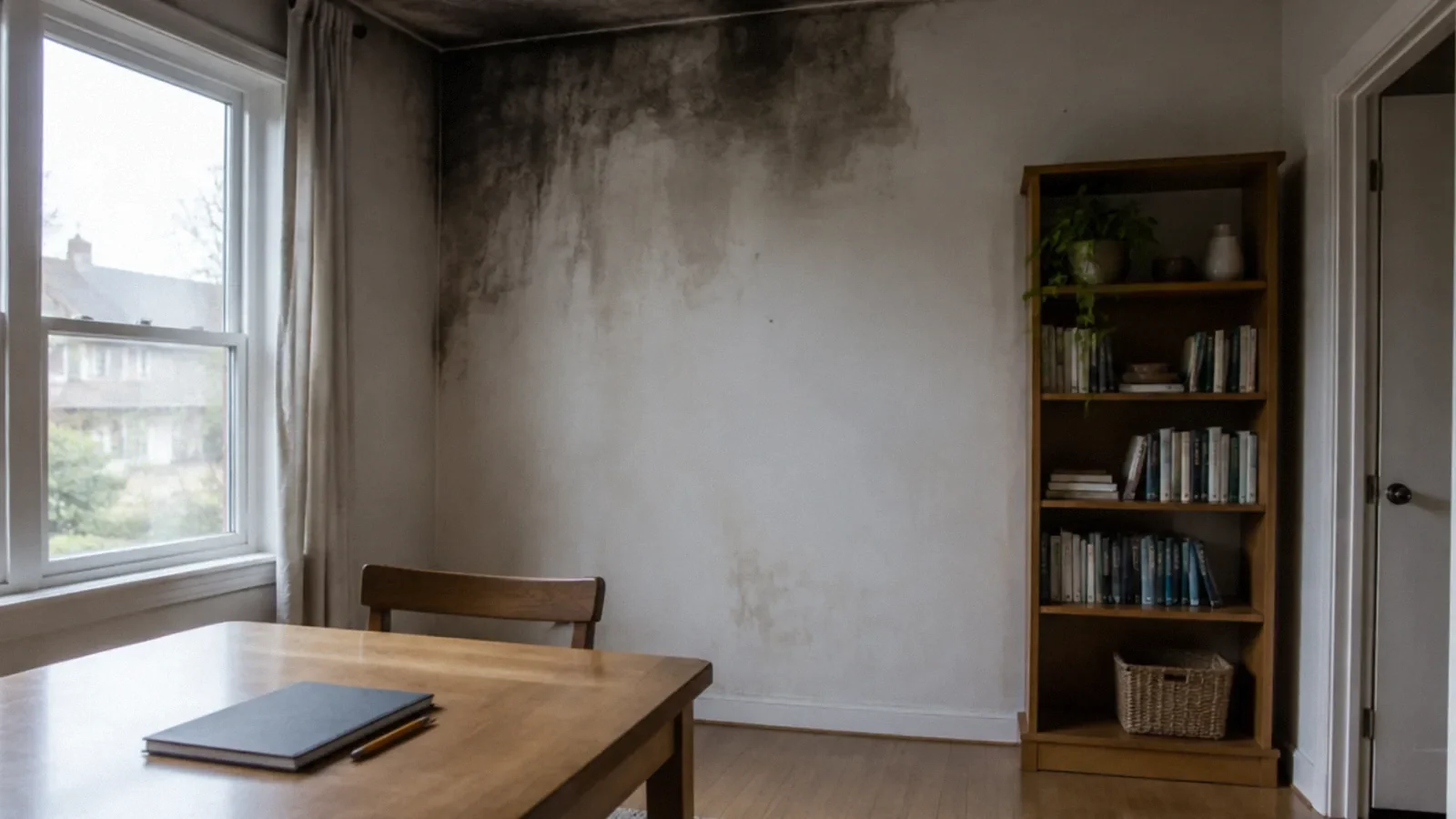
A useful fire damage estimate identifies the affected areas, materials and work required rather than applying one price to every fire. As a broad national reference, Angi reported a $27,477 average and $3,083–$52,031 typical range in September 2026 from 305 verified projects. Those figures are not a Bay Area quote or a prediction for your property.
Start with a safe assessment
Wait until the fire department and other authorities allow access. A fire can leave unstable materials, wet electrical equipment, soot and other hazards. A qualified professional can inspect accessible areas and explain where hidden damage may require further investigation.
Record damage and protect the property from additional loss only when safe. Contact the insurer promptly and ask about temporary protection, documentation and authorization for emergency work. Do not start damaged equipment or disturb suspected hazardous building materials.
Use cost references carefully
Angi’s September 25, 2026 national estimate reports an average of $27,477 and a typical range of $3,083–$52,031 based on 305 verified projects. These are a commercial platform’s national figures, not a representative estimate for every type of fire, a local price, or a guaranteed insurance payment.
A small contained incident and a fire requiring structural rebuilding have very different scopes. Local labor, permits, materials, access and hidden conditions affect the final cost. Obtain a written property-specific estimate rather than multiplying the national average by the size of a house.
Separate emergency stabilization
A proposal may include securing openings, temporary weather protection, debris handling and emergency access measures. Ask what is necessary immediately, who authorizes it and whether temporary work is included in later repair pricing.
If firefighting water entered the structure, the scope may also include extraction, moisture assessment, drying and handling contaminated materials. An odor or a dry-looking surface alone does not prove that concealed layers are dry.
Smoke and soot cleanup
Smoke and soot can affect surfaces and belongings beyond the room where flames occurred. The cleaning method depends on residue, material and extent. Ask which rooms, ceilings, contents and heating or ventilation components are included and how inaccessible areas will be assessed.
Odor treatment does not replace removing soot or damaged material. The cost of smoke-only cleaning is a different scope from a full fire restoration project, so do not add unrelated national averages together as if they were one quote.
Repairs and reconstruction
The estimate should identify demolition, disposal and repair of affected assemblies, such as walls, finishes, electrical work or structural components when required. A qualified professional should identify work needing permits and inspections for the local jurisdiction.
Ask whether the price includes materials, labor, supervision, equipment, permit fees, overhead and applicable taxes. Some work may require a separate specialist. Concealed conditions discovered later should be documented and priced through a written change order.
Contents and temporary living expenses
Furniture, electronics, clothing and other belongings may need individual assessment. An inventory should distinguish cleaning, storage, repair and replacement recommendations, along with any exclusions. Not every item can be safely restored.
Temporary lodging and other additional living expenses may be addressed separately under an insurance policy when covered. Ask the insurer about limits, documentation and approved arrangements; do not assume those expenses are part of the contractor’s construction estimate.
Compare estimates and insurance decisions
Compare line items, quantities, exclusions, schedules and assumptions, not only the bottom line. Ask whether a proposal is an initial estimate or a fixed-price contract and how additional work will be approved. Keep photographs, reports, receipts and written communications.
An insurer’s coverage determination is separate from a contractor’s estimate. Coverage depends on the cause, policy, limits, deductible and claim facts. If the scopes differ, request an explanation and discuss any documented omissions or additional findings.
Your next-step checklist
- Wait for safe reentry and report the loss.
- Request an itemized inspection and estimate.
- Separate cleanup, water mitigation, contents and rebuilding.
- Check allowances, exclusions and permit responsibilities.
- Document changes and discuss coverage with the insurer.
Related questions
How much does fire damage restoration cost?
Angi reported a $27,477 national average and $3,083–$52,031 typical range in September 2026. Your actual cost depends on the scope and location.
Does a smoke cleanup quote include rebuilding?
Not necessarily. Ask the contractor to identify which cleaning, demolition, repair and reconstruction work is included.
Will insurance pay the full estimate?
Coverage depends on the policy, deductible, limits and claim determination. A contractor’s price does not establish coverage.
Why can the estimate change?
Hidden damage or additional work discovered during inspection can alter the scope. Ask for a written change order before work proceeds.
Sources & context
Public guidance supports the principles in this article. The practical questions and examples are editorial interpretation, not a site assessment or a coverage decision. State-specific rules apply only where identified.
- Angi: Fire damage restoration costs, September 2026commercial national cost survey
- California Department of Insurance: Residential insurance resourcesCalifornia insurance guidance
- U.S. Fire Administration: After a firefederal safety guidance