Angi’s national guide updated October 12, 2026 reports an average of $3,000 and a broad $200–$12,000 range for smoke remediation. These are marketplace estimates, not Bay Area quotes or a guarantee. The smoke source, affected materials, scope and whether fire or water damage also needs repair can change the total.
Start with a dated estimate, not a fixed price
Angi’s October 2026 national guide reports an average smoke-remediation cost of $3,000, with a broad $200–$12,000 range. The source combines different types and sizes of work; a minor odor treatment is not equivalent to cleaning and rebuilding after a house fire.
The figures are national marketplace estimates. They do not establish the cost in San Francisco or another Bay Area city. Request written local estimates after the area is safe and the actual surfaces, contents and access have been assessed.
The source and extent change the work
Cooking smoke, cigarette residue, a wildfire smoke event and a structure fire can affect a home differently. A fire may also involve damaged wiring, structural materials and water used by responders. Identify the event and the areas affected before comparing a one-room estimate with a whole-building proposal.
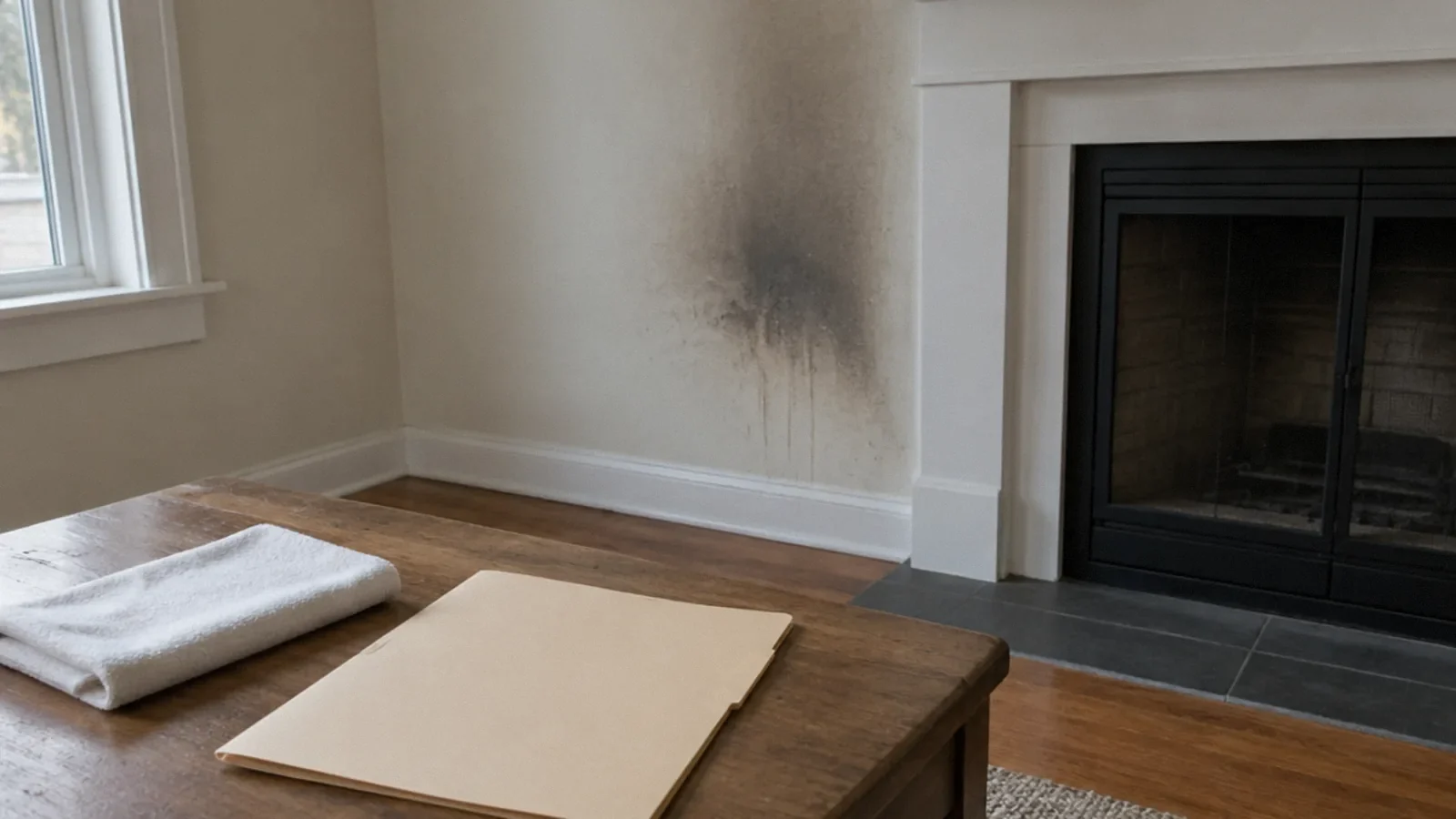
A visible stain or odor does not establish the full contamination or repair scope. Ask which rooms, cavities, contents and mechanical components were inspected, which were inaccessible and what could change the price after controlled access.
What a cleanup quote may include
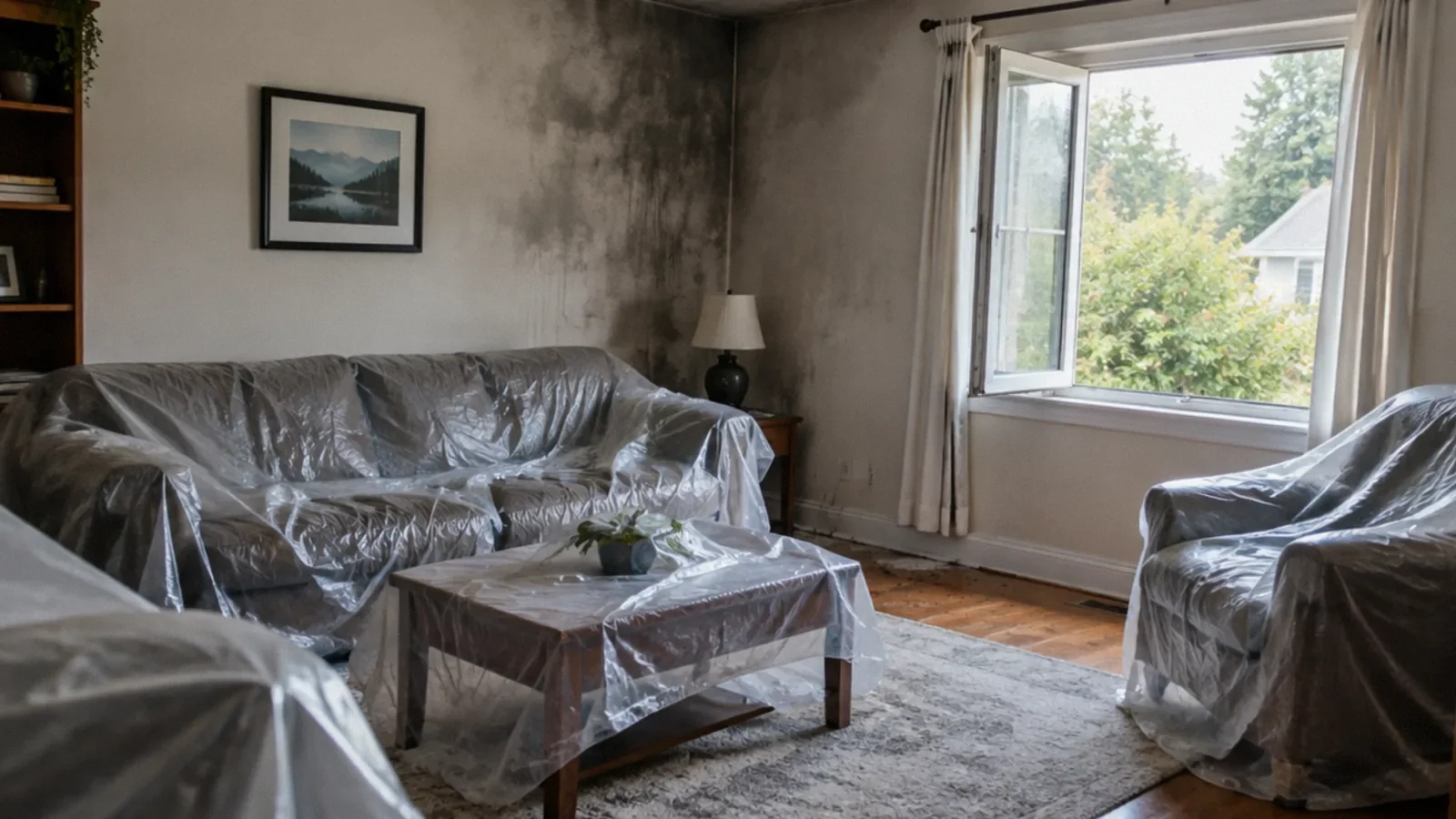
An itemized proposal can identify inspection, protection of unaffected areas, removal of loose residue, cleaning of specific surfaces, contents handling, disposal and final review. Work on walls, ceilings, upholstery, electronics and HVAC equipment may require different methods or specialists.
Ask whether water extraction, drying, demolition, painting and reconstruction are included or priced separately. The lowest total is difficult to compare if another proposal includes additional rooms or repairs. A pleasant smell or a coat of paint does not establish that residue was removed.
One room versus multiple areas
Angi’s guide lists $200–$1,200 as an illustrative national range for a minor single-room smoke-odor job. It also lists broader ranges for multiple rooms, but cost is not a simple multiplication: material, soot, access, contamination and the required work affect each project.
Do not assume a room count captures smoke in an attic, HVAC system or porous furnishings. Ask whether the contractor inspected those areas and what evidence supports treating them. A local written scope is more useful than applying a national figure to an unseen loss.
Odor treatment and ozone claims
Some proposals list deodorizing, fogging or ozone separately. Ask what the treatment is intended to address, its limitations, the product and safety plan, and how the contractor will verify the result. A fragrance or chemical treatment is not a substitute for removing soot and correcting the source.
EPA says ozone generators should not be used in occupied spaces because ozone can irritate the airways. Be cautious of claims that an air treatment automatically removes all contaminants or makes a damaged building safe. Keep people and pets out of restricted areas according to the professional’s plan.
Insurance and documentation
If you have insurance, notify the insurer promptly and ask how to document smoke, soot, contents and emergency mitigation. Photograph visible damage when safe and retain receipts, the incident report and itemized proposals. Coverage for cleaning, belongings, temporary accommodation and rebuilding depends on the policy and cause.
Do not enter an unsafe building or delay urgent safety work merely to photograph it. Ask the insurer before nonessential disposal and request written explanations of covered and disputed items. A contractor’s estimate is not a coverage determination.
How to compare local proposals
Ask each provider for the same affected areas, cleaning method, protection, disposal, equipment, schedule and exclusions. Confirm who handles the water source and reconstruction, whether access or testing costs extra, and what happens if hidden damage is found.
Check relevant California licensing when required and obtain a written contract before authorizing nonemergency work. Ask what records and final review are provided. Prices and availability change, so confirm the current amount and scope for your property.
Your next-step checklist
- Wait until the building is safe to enter.
- Document affected rooms and contents without delaying emergency work.
- Compare itemized local scopes rather than a national average alone.
- Ask about HVAC, water damage and reconstruction as separate items.
- Avoid ozone generators in occupied spaces.
Related questions
How much does smoke remediation cost?
Angi’s national guide updated October 12, 2026 reports a $3,000 average and a broad $200–$12,000 range. The actual local quote depends on the damage and scope.
Does the price include fire and water repairs?
Not necessarily. Ask the provider to itemize smoke cleaning, water mitigation, contents and reconstruction separately.
Can an ozone treatment replace soot cleanup?
Do not assume so. EPA says ozone generators should not be used in occupied spaces, and an odor treatment does not by itself establish that soot was removed.
Will insurance cover smoke cleanup?
It depends on the policy and event. Notify the insurer and request a written coverage explanation.
Sources & context
Public guidance supports the principles in this article. The practical questions and examples are editorial interpretation, not a site assessment or a coverage decision. State-specific rules apply only where identified.
- Angi: Smoke remediation cost, updated October 2026national consumer cost estimate
- U.S. EPA: Ozone generators and indoor airfederal indoor air guidance
- U.S. EPA: Air duct cleaningfederal indoor air guidance
- California Department of Insurance: Residential property claimsstate insurance guidance