After a fire, wait for officials to say it is safe before entering. Soot is a fine residue that can spread when disturbed, and its composition depends on what burned. For extensive fire damage, uncertain materials or contaminated systems, use experienced professional help rather than dry sweeping or applying an untested cleaner.
Start with safety after the fire
Do not enter a fire-damaged building until authorities say it is safe. Heat, unstable materials, damaged wiring, hazardous substances and contaminated water may remain after flames are out. Keep children and pets away from damaged areas and follow local instructions.
If you smell fresh smoke, see an active hazard or hear an alarm, leave and call emergency services. Once safe access is authorized, document visible conditions from an appropriate distance and contact the insurer or property manager as needed. Do not disturb evidence or damaged contents unnecessarily.
What is soot?
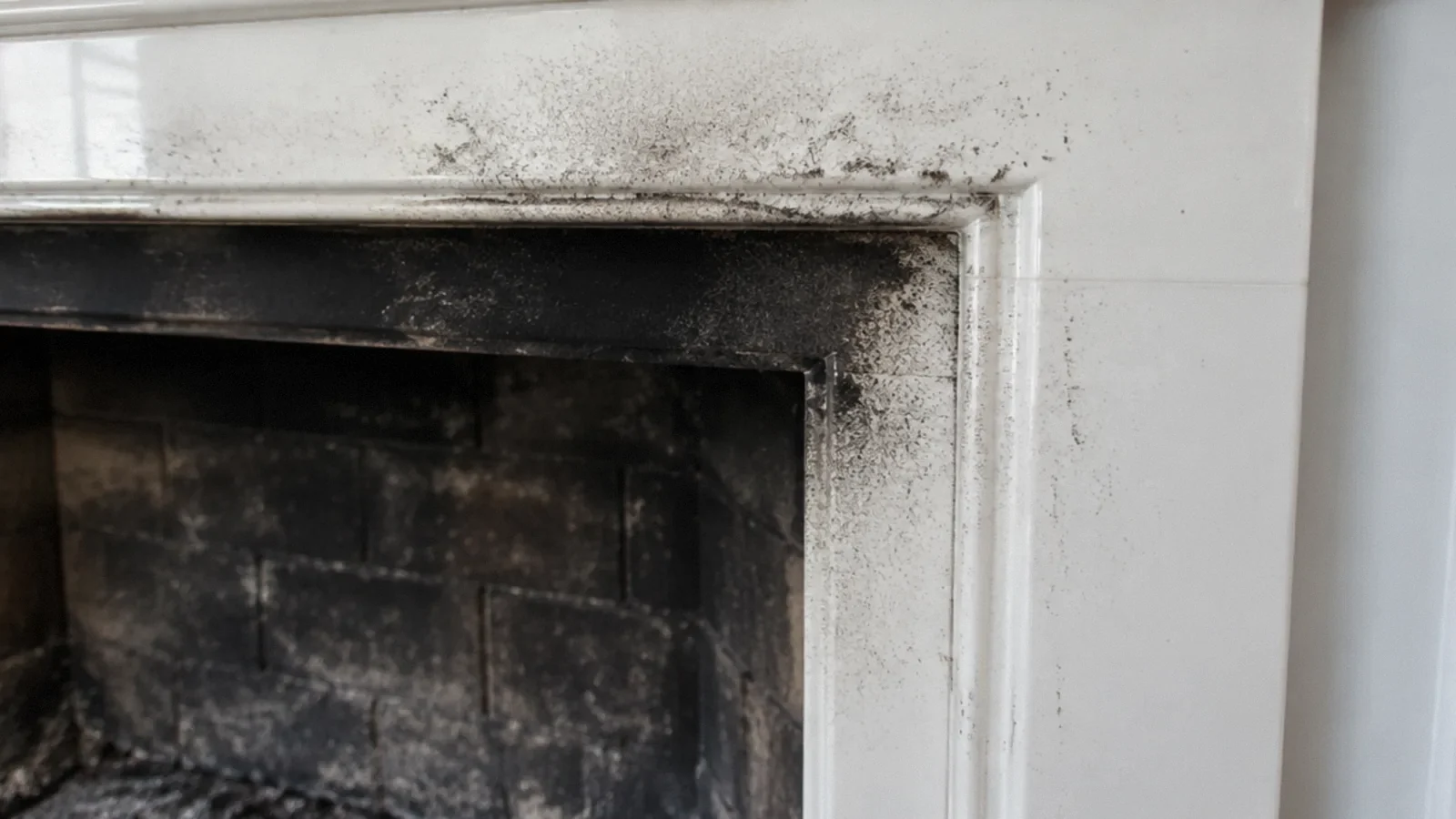
Soot consists of fine particles produced by incomplete combustion. Smoke, soot and ash are related but are not identical; what burned influences the residue. A dark mark can also have another source, so a color or photograph alone does not establish its composition.
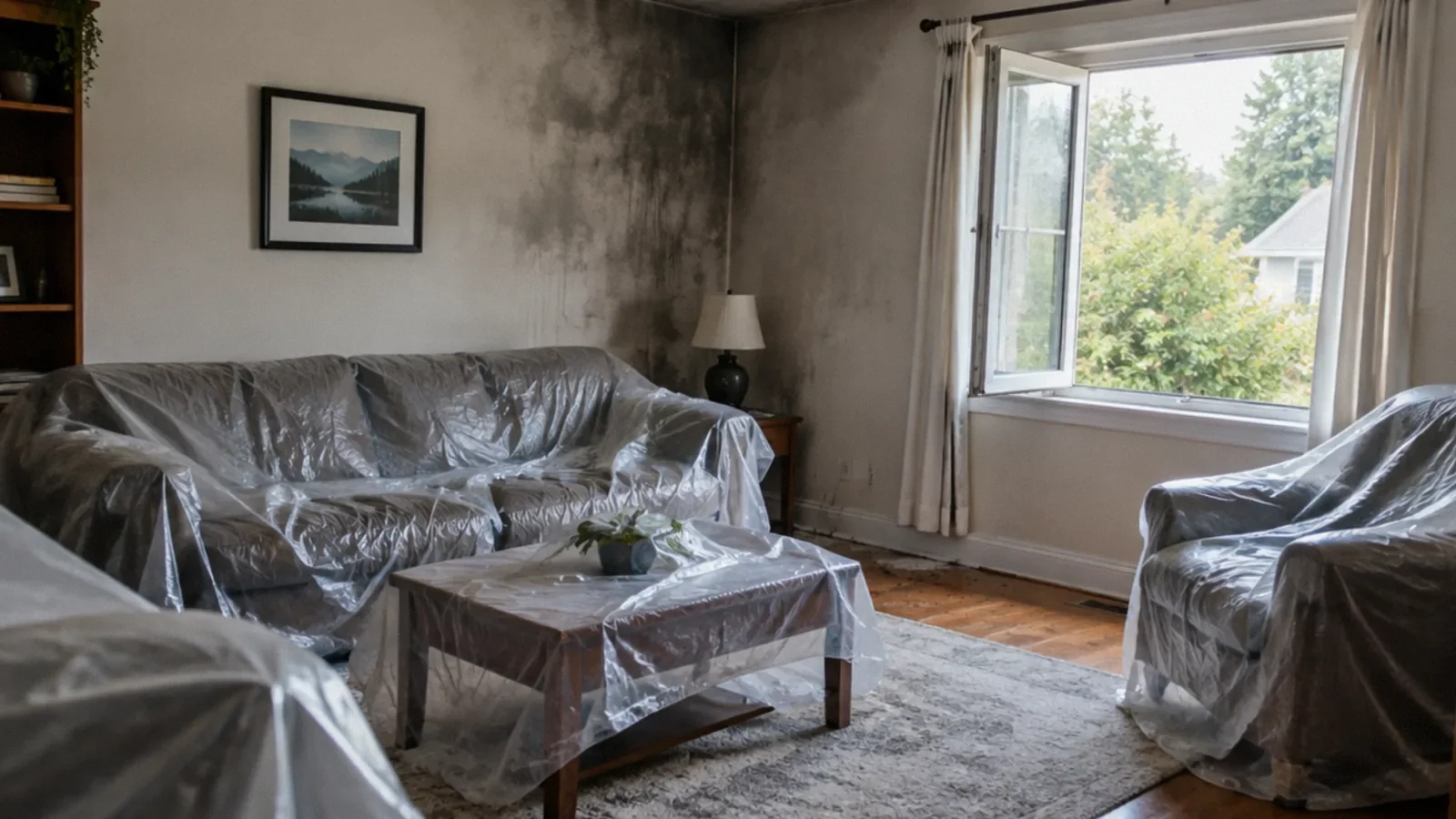
Residue can settle beyond the room where a fire occurred and can affect finishes, furnishings or building equipment. The extent depends on the event and airflow. A professional can identify the affected areas and describe which surfaces and systems need assessment.
Avoid spreading fine particles
Dry sweeping or a typical household vacuum can put fine particles back into the air. EPA guidance for wildfire ash recommends avoiding dry sweeping and using a suitable HEPA-type vacuum or damp methods where appropriate. Fire residue from burned structures can contain different hazards and may require specialist cleanup.
Do not use a leaf blower or scrub aggressively before understanding the surface and residue. Moisture can also damage some materials or interact with electrical hazards. Choose the method for the event and material, and keep others away from the work area.
Different surfaces need different care
A sealed hard surface, painted wall, textile and unfinished wood can respond differently to soot and water. A cleaner that works on one finish may smear residue or damage another. Consult the surface manufacturer or an experienced restoration professional, particularly for porous, valuable or delicate items.
Do not assume that a soot stain can simply be painted over. Residue or odor may remain underneath and the coating may not adhere correctly. The source, surface condition and appropriate preparation need assessment before refinishing.
Protect people during cleanup
Ash and soot can irritate the eyes, skin and respiratory system, and the materials involved in a fire affect the hazards. EPA advises limiting exposure to ash, with particular caution for children, older adults and people with heart or lung disease. Anyone with symptoms or health concerns should consult a healthcare professional.
EPA recommends suitable respiratory and skin protection for wildfire ash cleanup, including a properly fitting NIOSH-approved N95 or P100 respirator, gloves and protective clothing. Equipment alone does not make an unstable or electrically unsafe building suitable for entry.
Cleaners, sprays and homemade mixtures
There is no universal best soot cleaner for every material or fire. Read the product and surface instructions, and do not mix cleaning chemicals. An unfamiliar mixture can damage the surface or create a separate exposure hazard without addressing residue inside porous materials.
A spray or fragrance does not prove a surface is clean or remove all sources of odor. Ask a professional what method is proposed, what it can damage and how residue and waste will be controlled. If chemicals have already been applied, tell the contractor before work begins.
When professional restoration is useful
A house fire, heavy residue, affected HVAC components, widespread odor or damaged porous contents can require trained restoration services. Ask for a written scope identifying inspection, containment, surface and contents treatment, disposal, ventilation equipment and reconstruction.
Ask which areas are inaccessible and how the contractor will document the result. If an insurer is involved, confirm the notification and documentation process before disposing of significant contents when circumstances allow. Do not delay emergency safety actions for paperwork.
Preventing another source of residue
After the building and equipment are declared safe, ask qualified professionals to inspect and service the system or appliance that caused the event. Candles, fireplaces, cooking and faulty combustion equipment can produce different residues and require different corrective actions.
Keep service records, maintain alarms and follow the manufacturer’s guidance. If a new dark deposit or burning odor appears after cleanup, do not assume it is leftover soot. Investigate the source promptly and leave when an active fire or electrical danger is possible.
Soot on metal surfaces
Once the area is safe, identify the metal and finish before cleaning. Soot can scratch or smear, and heat or firefighting water may have damaged the item. Follow the manufacturer’s directions or ask a professional about a suitable method.
Do not energize or clean the inside of a soot- or water-exposed appliance until a qualified technician assesses it. Avoid abrasive tools, incompatible chemicals and mixing cleaners. A polished surface does not prove that internal contamination has been removed.
Small known soot marks and material limits
Soot is fine particulate from incomplete combustion; smoke is a mixture of gases and airborne particles, while ash is the solid material remaining after burning. Fire can also leave charred materials and damaged finishes. Fuel and burning conditions affect the residue; black smoke or color alone cannot identify every substance or establish safety.
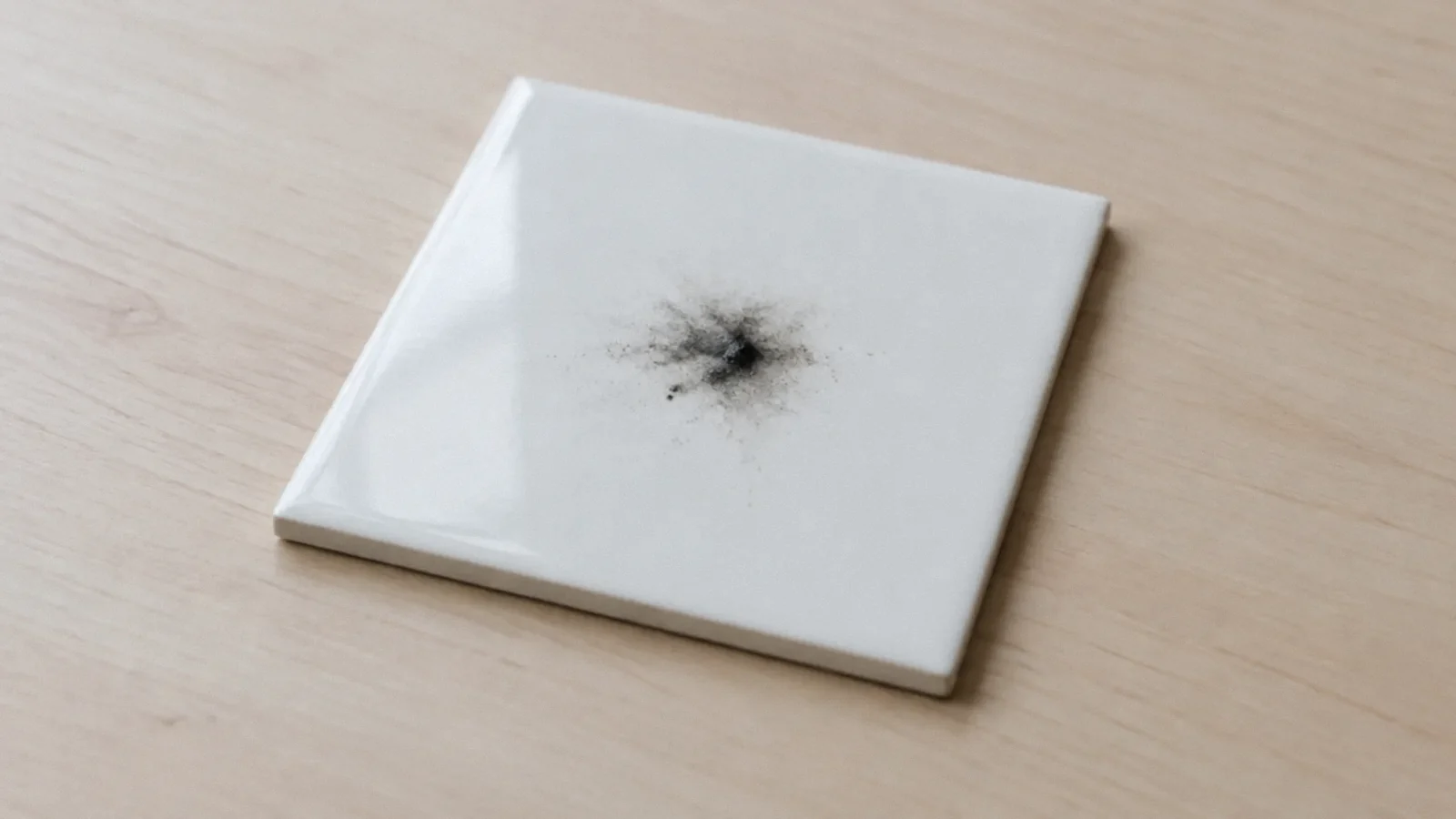
Only for a small isolated mark from a known, extinguished source on a cool, stable, washable hard surface: check the surface maker's directions, wear gloves, test a compatible mild cleaner on a hidden area, and gently blot with a lightly damp cloth without spreading residue. Use clean cloth areas and dry as directed. Stop if color transfers, the finish changes, residue spreads or odor persists. For coated metal or plastic, test the finish first and avoid abrasives and excess water; do not clean or energize contaminated electronics. Broad fire residue, unknown materials, damaged surfaces or persistent odor require professional assessment.
A cooking or protein fire can involve overheated organic food and leave residue or persistent odor beyond the visible mark. A removed stain does not prove that odor sources in porous contents or equipment are gone. Ask a restoration specialist to assess the affected materials and system before masking odor or repainting.
Your next-step checklist
- Wait for official clearance after a fire.
- Avoid disturbing soot or ash without a safe plan.
- Assess the surface and what burned.
- Use suitable protection and experienced help when needed.
- Correct the source and retain cleanup records.
Related questions
What is the best cleaner for soot?
There is no single cleaner for every residue and surface. Assess the material and fire conditions before choosing a method.
Can I use an ordinary vacuum on fire ash?
EPA warns that typical household or shop vacuums can release fine ash back into the air. Its wildfire guidance discusses suitable HEPA-type equipment.
Can I paint over soot?
A coating can conceal residue without removing it. Assess and clean the surface using a suitable method before refinishing.
Does soot only stay in the room where the fire started?
No. Smoke and residue can travel to other rooms or equipment. The actual extent requires assessment.
What is residue from a protein or cooking fire?
A cooking fire can leave odor and residue on surfaces beyond the visible burn area. The residue and suitable cleaning method depend on what burned and the affected material; avoid smearing it into delicate finishes and ask a qualified professional to assess extensive damage.
Why can fire smoke appear black?
Dark smoke can contain soot and other particles produced during combustion; the fuel and burning conditions affect its appearance. Color alone does not identify every substance or establish safety. Leave a smoky area and follow fire department instructions.
Sources & context
Public guidance supports the principles in this article. The practical questions and examples are editorial interpretation, not a site assessment or a coverage decision. State-specific rules apply only where identified.
- U.S. EPA: Wildfires and indoor air qualityfederal guidance
- U.S. EPA: Wildland fire smoke questionsfederal guidance
- U.S. EPA: Indoor air filtrationfederal guidance
- University of Georgia Extension: Smoke and soot stainsuniversity extension guidance
- Canadian Conservation Institute: Care and cleaning of unfinished woodconservation guidance
- U.S. Fire Administration: Firefighter autopsy protocolfederal technical reference