Soot is a dark, carbon-rich particulate residue produced by incomplete combustion. It can come from fires and other burning sources, but a black mark alone does not establish its cause or composition. After a fire, wait for authorities to permit re-entry; avoid disturbing residue and seek appropriate medical or cleanup help.
How soot forms
Burning can produce gases and small particles. When carbon-containing material does not burn completely, some carbon-rich particles can be released as soot. The materials burned and the conditions of combustion affect the mixture; residue from wood, a candle, a furnace or a structure fire need not have the same composition.
Soot may travel with smoke and deposit away from the original source. A visible black film is not a measurement of what a person breathed, and not all dark marks are soot. Dust, stains and other residues can look similar. Identifying the source matters for both safety and cleanup.
Where dark deposits may appear
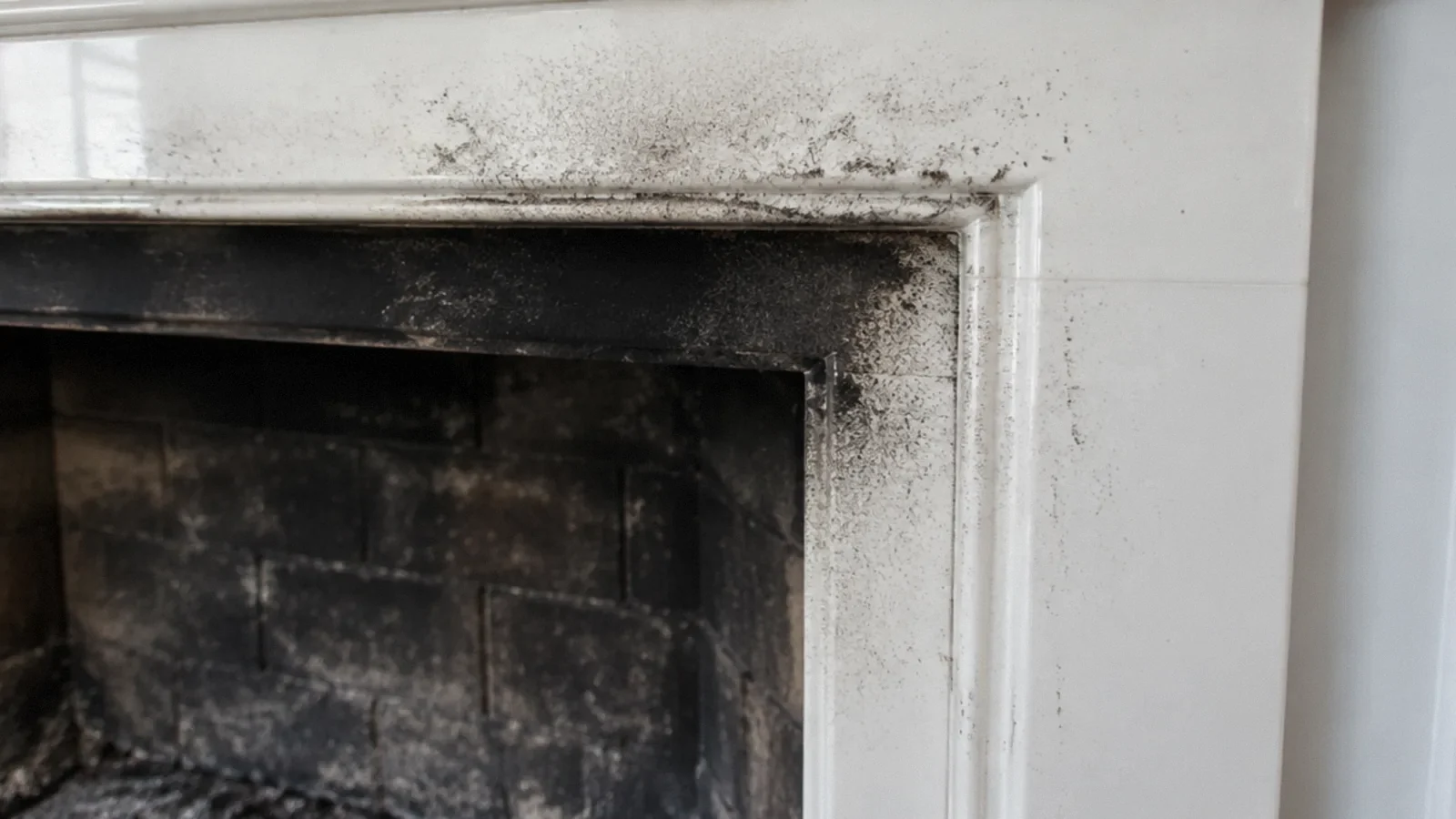
Residue can collect near a fireplace, on walls and ceilings, around vents or on belongings. Air movement, temperature differences and surface conditions affect where particles settle. A candle or combustion appliance may produce deposits, but a photograph of a mark cannot establish which appliance caused it.
If a furnace, fireplace or other appliance is suspected, stop using it and arrange inspection by a qualified professional. A combustion problem can involve hazards that are not visible as soot. Follow the appliance instructions and local utility guidance; do not restart equipment merely because a surface has been wiped clean.
Health concerns and smoke exposure
Fine particles and smoke can irritate the eyes and airways and can worsen heart or lung conditions. People differ in sensitivity; children, older adults, pregnant people and people with heart or lung disease may need additional precautions. A black surface does not establish an individual diagnosis or the amount of exposure.
If someone has difficulty breathing, chest pain, confusion, severe symptoms or symptoms after a significant smoke exposure, seek urgent medical care. Soot around the mouth or suspected material in the airway after a fire requires emergency evaluation. Do not delay care while trying to identify the residue.
First steps after a fire
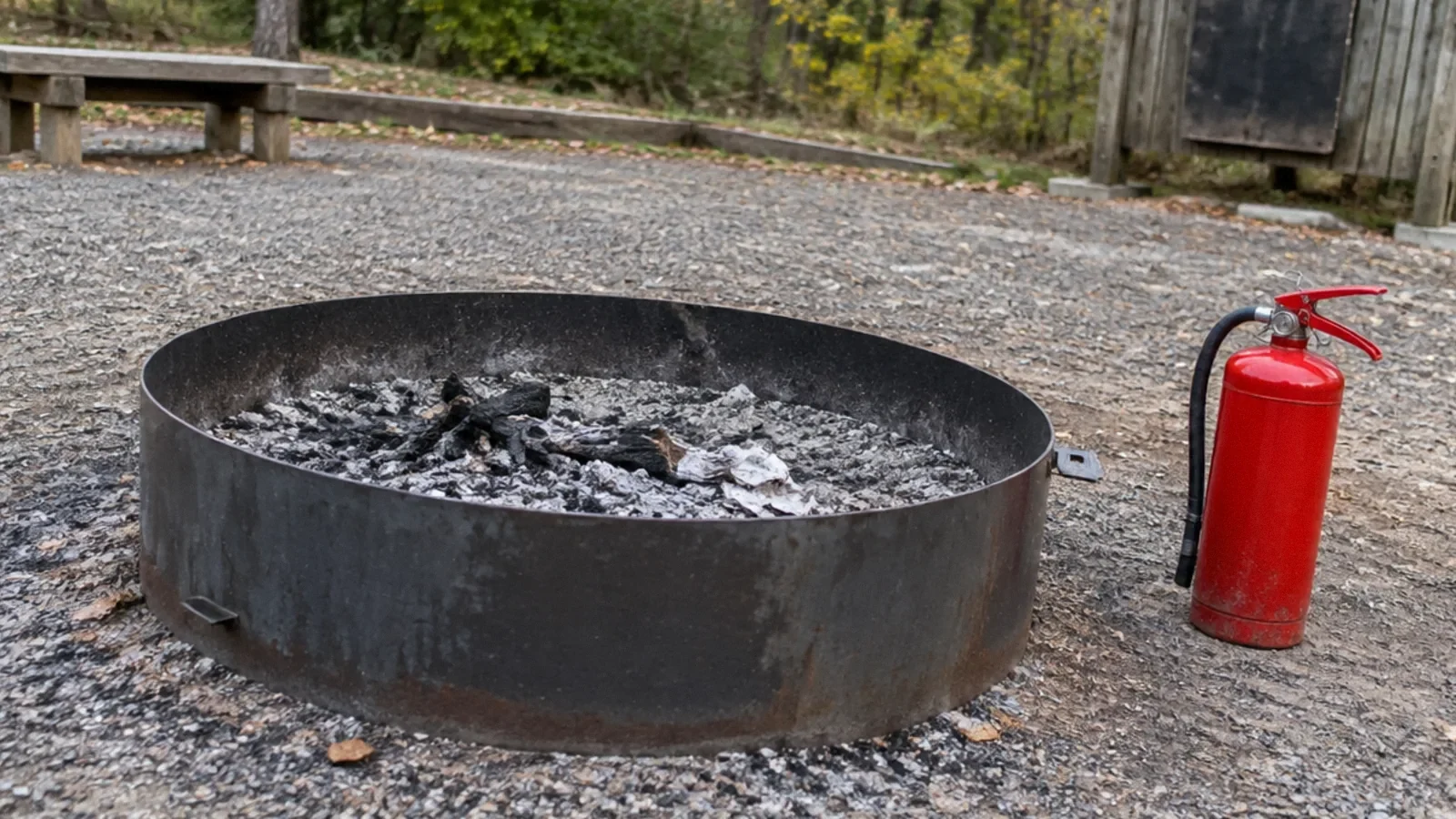
Leave an active fire, call 911 and do not return until the fire department or authorities say it is safe. The building can contain hidden hot spots, unstable materials, damaged electrical equipment and contaminated debris. Avoid touching or tracking residue through unaffected rooms while you arrange an assessment.
Keep children and pets away from the affected area. Document conditions only when safe and contact the property manager or insurer as appropriate. If utilities or equipment are damaged, ask qualified professionals and responders before using them. Do not operate a heating or cooling system that may spread contamination until it is assessed.
Why cleaning depends on the material
The type of residue, the material underneath and the extent of contamination affect the cleaning method. Aggressive wiping can smear particles or damage a finish, and dry sweeping or ordinary vacuuming can make fine material airborne. A valuable textile, porous wall or electronics may need specialist treatment rather than a household cleaner.
For a small, isolated mark from a known source, follow the surface manufacturer’s care instructions and use appropriate protection. After a substantial fire or uncertain exposure, use an experienced cleanup professional. Do not mix cleaning chemicals or assume a product marketed for soot is safe on every material.
When to arrange an inspection
Consider professional assessment for widespread deposits, odor that persists, contamination in air ducts, fire-damaged insulation or uncertainty about the source. Ask for a written scope describing affected surfaces, protection of occupants, proposed cleaning methods and how remaining odor or residue will be evaluated.
A cleaning proposal should distinguish visible surface residue from hidden or heat-damaged material. If old building materials may contain lead or asbestos, do not disturb them without appropriate evaluation. Preserve photographs, the scope, invoices and any findings for future repairs or claims.
Preventing a recurrence
Use combustion appliances according to their instructions and arrange maintenance when recommended. Check that vents and flues are unobstructed and that the appliance is functioning properly. Smoke alarms and carbon monoxide alarms should be installed and maintained according to manufacturer and local requirements; they serve different purposes.
A new deposit after cleaning indicates that the underlying source may remain. Record when and where it reappears, stop using any suspected appliance and arrange inspection. Do not treat a clean-looking wall as proof that a combustion issue has been corrected.
Soot on walls, ceilings and around a fireplace
The black material left by a fire can include soot: carbon-rich particles formed by incomplete combustion. Smoke can carry particles to walls and ceilings, including rooms away from the fire. Fireplace residue can include soot and ash; its composition varies with the fuel and burning conditions. A dark mark alone cannot confirm soot or establish its source.
If deposits return around a fireplace, stop using the appliance and arrange a qualified inspection. After a building fire, avoid wiping or sweeping widespread residue, which can spread particles or smear finishes. Wait for safe reentry and ask a cleanup professional to assess affected surfaces and ventilation equipment.
Web-like deposits after a fire
Soot webs or soot tags are names used for dark, web-like deposits sometimes noticed after a fire. Their appearance alone does not establish their composition or the extent of hidden contamination. Avoid disturbing widespread deposits, document them after safe reentry and ask an experienced fire cleanup professional to assess the affected area and ventilation system.
Your next-step checklist
- Leave an active fire and call 911.
- Wait for official permission before re-entering a fire-damaged building.
- Avoid disturbing widespread or unknown residue.
- Seek urgent medical care for serious smoke-exposure symptoms.
- Have a suspected combustion appliance inspected before reuse.
Related questions
What is soot made of?
Soot contains carbon-rich particles from incomplete combustion, often mixed with other materials depending on the source.
Is all black dust soot?
No. Color alone cannot identify a deposit. Consider the source and seek professional assessment when uncertain.
Can breathing soot be harmful?
Smoke and fine particles can irritate the airways and worsen existing heart or lung conditions. Individual effects vary.
Can I wipe soot off a wall?
A small known mark may be cleaned following surface instructions, but widespread fire residue can be hazardous and easy to smear; seek experienced help.
What causes black soot on walls?
Combustion from candles, cooking, fireplaces, appliances or a fire can leave soot, but dark wall marks have other possible causes. A recurring or unexplained source should be investigated; leave and call for help if fire or gas danger is suspected.
Sources & context
Public guidance supports the principles in this article. The practical questions and examples are editorial interpretation, not a site assessment or a coverage decision. State-specific rules apply only where identified.
- CDC: Safety after a wildfirepublic health guidance
- CDC: Protect yourself from ashpublic health guidance
- EPA: Black carbon and combustionofficial research
- CDC/NIOSH: Wildfire cleanup hazardspublic health guidance