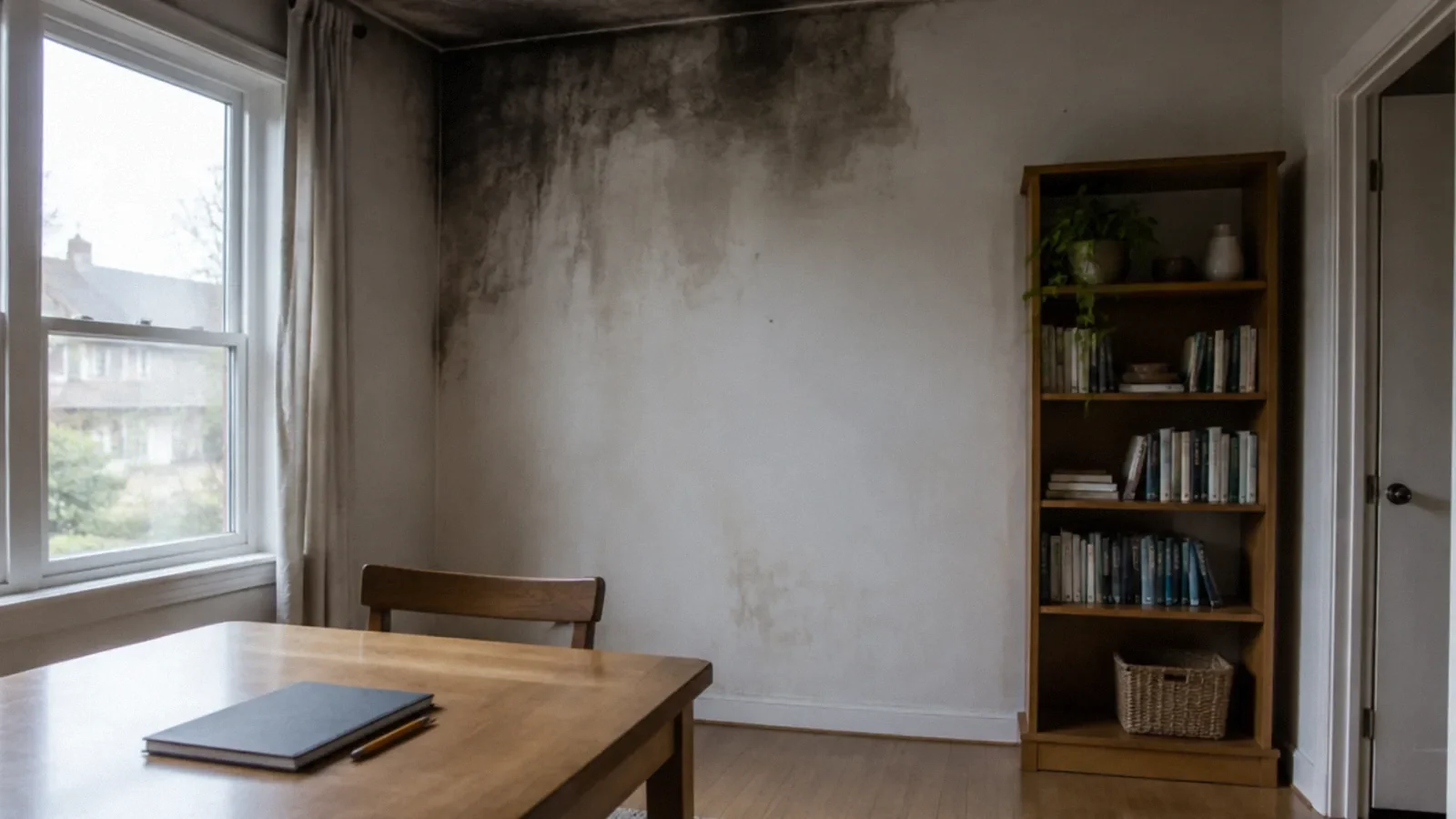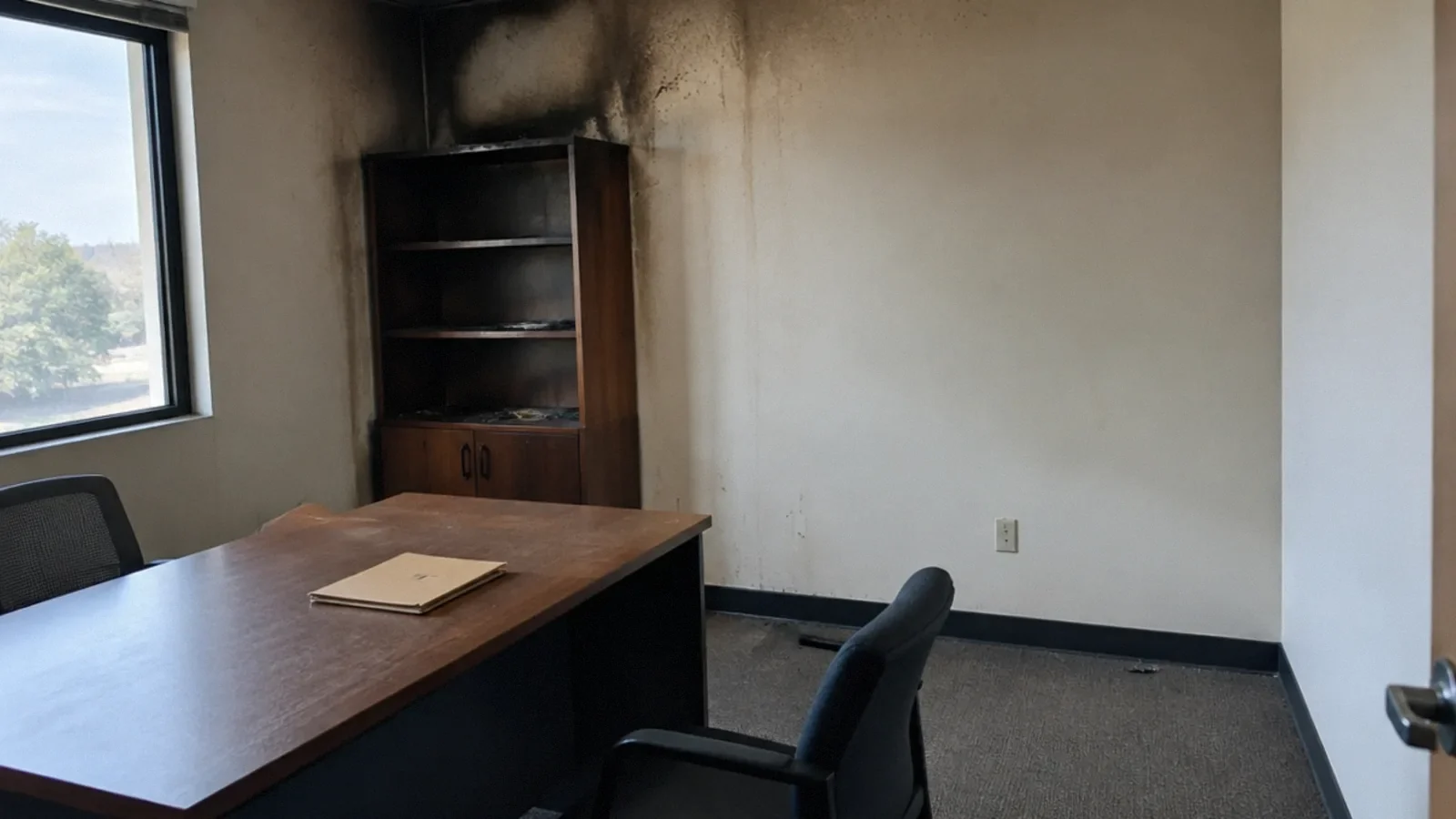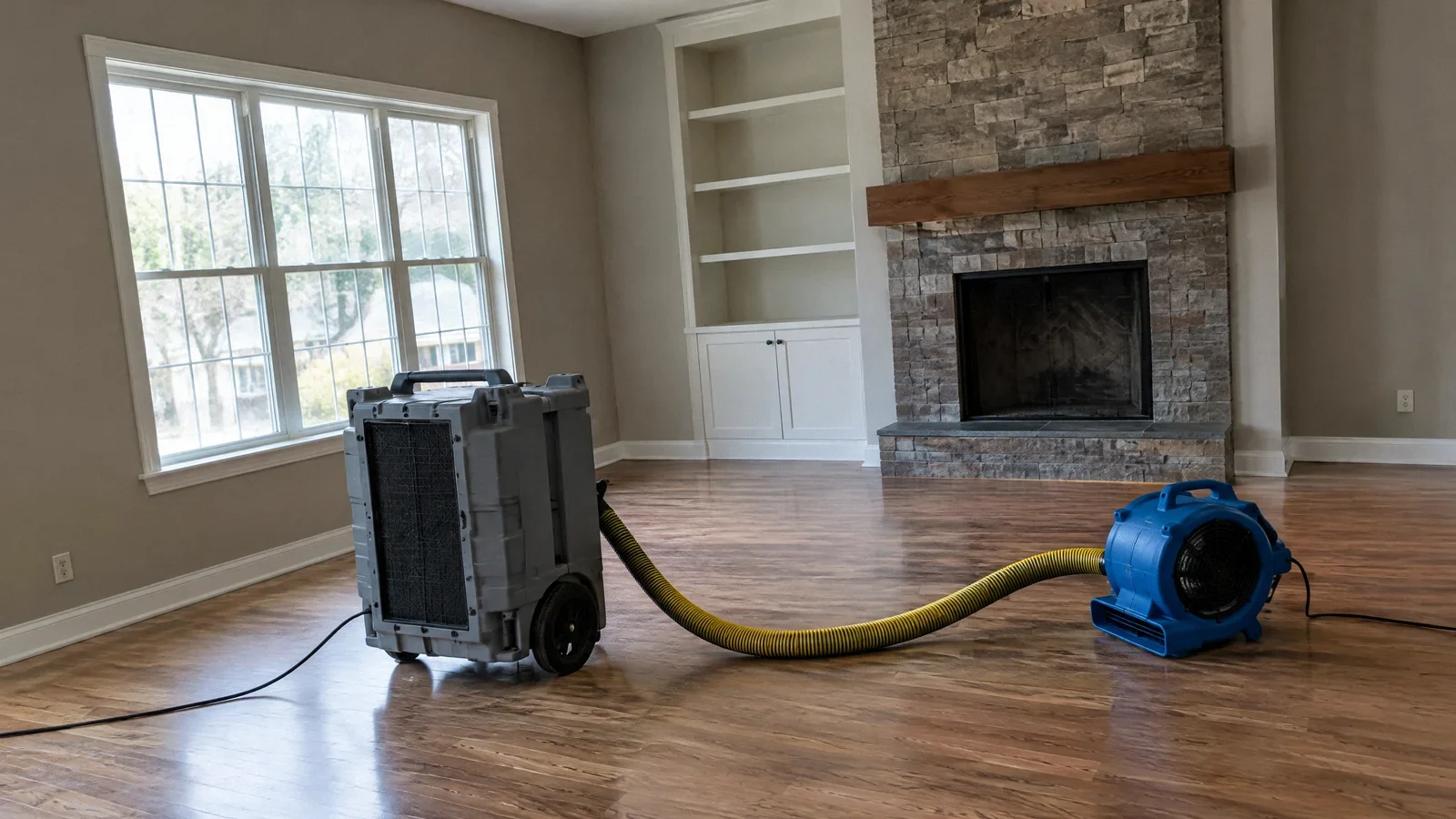
Thermal fogging is a specialist odor-treatment method that may be considered after fire residues are removed. It cannot replace cleaning or repairs, and the product label and contractor’s written plan govern preparation and re-entry.
What thermal fogging is intended to do
After a fire, odor can remain in residues on surfaces, contents, and building materials. Thermal fogging uses equipment to disperse a treatment product as a fine aerosol in an enclosed area. A contractor may propose it as one part of an odor-control plan after the fire department has released the property and damaged materials have been assessed. The product and equipment differ by job; ask exactly what will be applied and why.
Fogging is not a substitute for removing soot, cleaning accessible surfaces, drying water damage, or replacing material that cannot be restored. A persistent source behind a wall or inside equipment can continue to produce odor after treatment. Nor does a pleasant fragrance establish that smoke residues have been removed. An assessment should address the source and the materials affected before selecting an odor treatment.
When a contractor may recommend it
The contractor should identify the areas affected by smoke, the condition of porous and nonporous materials, and the location of any continuing odor source. Treatment may be considered for residual odor after source removal and cleaning, subject to the product’s intended use and the circumstances. It may not be appropriate for every material, occupied space, or sensitive piece of equipment. Ask whether an alternative such as targeted cleaning, removal, or another method is more suitable.
A professional should explain the limits: an aerosol may not reach every concealed cavity, and treatment cannot guarantee that a heavily contaminated item is salvageable. Stronger odor when a room warms or humidity changes can suggest material needs further assessment, but smell alone does not identify the source. Request a plan for locating remaining contamination if odor returns.
Preparation and product questions
Obtain the product name and label or safety information before work begins. Ask which items must be removed or protected, including food, dishes, plants, pets, medications, electronics, and sensitive belongings. The contractor should identify who will handle them and how contamination on those items will be addressed. Discuss medical sensitivities and any equipment that must continue running. Follow the product label and the contractor’s written instructions rather than relying on a generic waiting period.
EPA advises that products used with foggers or misters be appropriate for the application method, and that users follow label precautions, ventilation and re-entry directions. If a label limits a product to trained or licensed professionals, that restriction applies. Odor treatment products and disinfectants are not interchangeable; an odor-control claim does not establish that a product disinfects or that every surface has received an effective dose.
During treatment and before return
Confirm who controls entry and how occupants will know when the area is ready. Do not enter during treatment or restart ventilation equipment unless the contractor and applicable label instructions authorize it. Ask how ventilation will be managed afterward and what must be cleaned or returned before occupancy. A specific time cannot be calculated from the word fogging alone; it depends on the product, label, application, and conditions.
If a person experiences symptoms during an accidental exposure, move to fresh air and seek appropriate medical advice or emergency help. Provide the product information to responders. Report unexpected residue or damage to the contractor, and avoid using other chemicals to mask an odor while the cause remains unresolved.
Compare proposals and document the result
A useful written scope separates soot removal, disposal, drying, repair, odor treatment, and any follow-up. Ask what surfaces are included, which rooms are excluded, and whether hidden spaces or the HVAC system need a separate assessment. Ask how the contractor will determine that the agreed work is complete and what happens if odor returns. An insurer may require its own inspection and makes the policy coverage decision.
After authorized re-entry, note the location and timing of any remaining odor and share this with the contractor. A repeat treatment may be inappropriate if the source has not been found. Keep the product information, scope, photos, invoices, and completion notes. EPA does not recommend routine duct cleaning in every home; if fire contamination reached the system, have it assessed on its actual condition.
Your next-step checklist
- Remove or address the source of smoke residue.
- Obtain product, preparation and re-entry instructions.
- Document remaining odor and request reassessment.
Related questions
Does fogging clean soot?
It is not a substitute for removing residues and damaged material. Ask for a cleaning and source-removal plan.
How long before re-entry?
The applicable product label and contractor’s instructions determine the conditions; no single waiting time applies to every job.
Sources & context
Public guidance supports the principles in this article. The practical questions and examples are editorial interpretation, not a site assessment or a coverage decision. State-specific rules apply only where identified.