Visible smoke at a supply vent is a potential fire emergency. Leave by a safe route, call 911 from outside and stay out until the fire department says it is safe. Do not restart the heater or investigate the ducts yourself.
Leave first and call for help
Smoke coming out of an air vent can mean that smoke is being carried from a fire or overheated equipment elsewhere in the building. You cannot identify the source or its severity by watching the register. Alert others, leave immediately by your planned safe exit, and call 911 from outside. Tell the dispatcher where the smoke appeared, whether an alarm sounded, and whether anyone remains inside. Do not delay evacuation to take photographs or find the furnace.
If your route is smoky, get low and move to an exit if it is safe. Close doors behind you as you leave. If you cannot escape, close the door between you and the smoke, call 911, tell the dispatcher your location, and signal at a window. Follow the dispatcher’s directions. Once outside, remain there until firefighters authorize entry; do not return for belongings or pets.
Why a heater vent can carry smoke
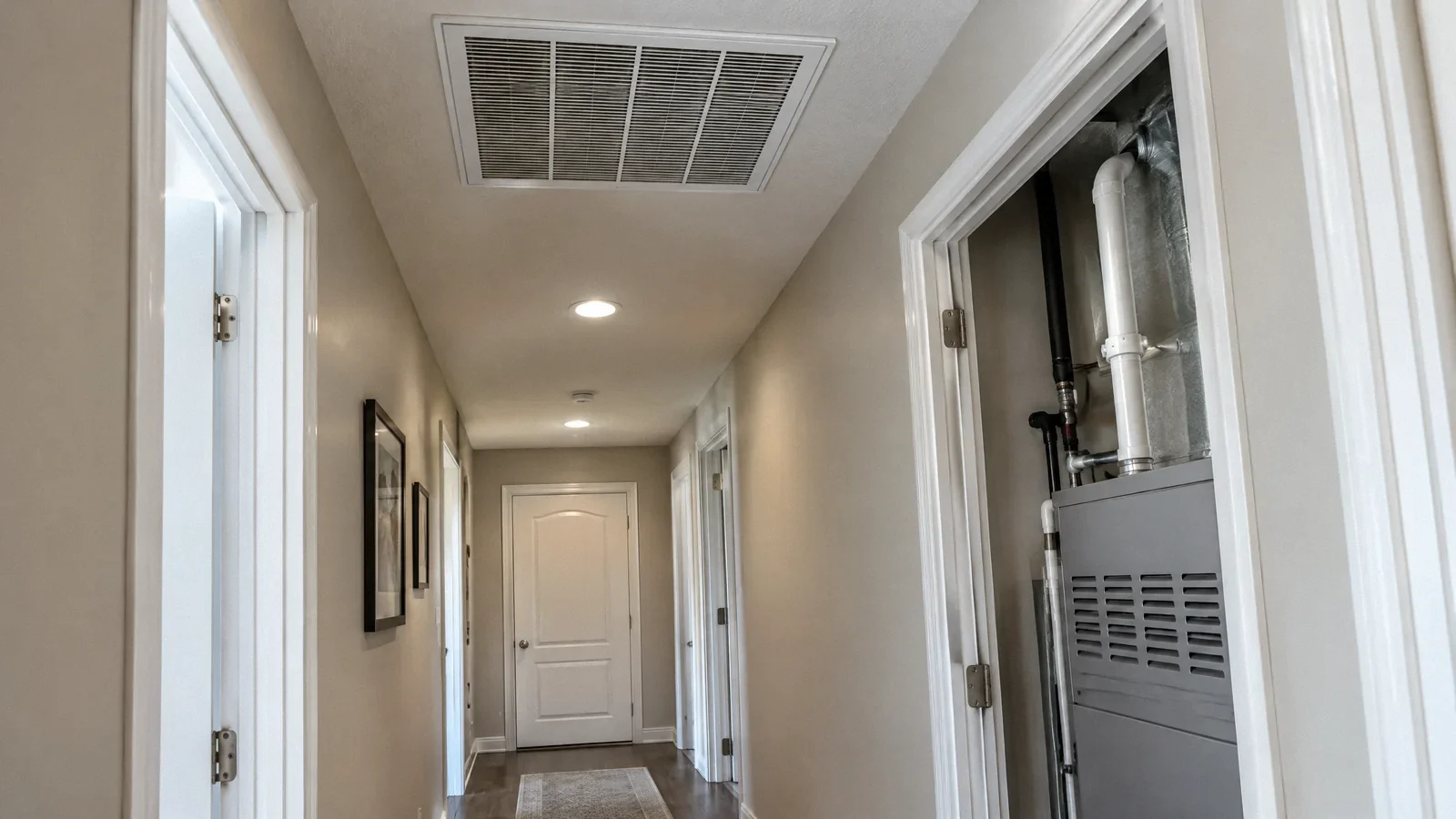
The air distribution system can move particles from a problem in the heating equipment, electrical components, an adjoining space, or another part of the home. A furnace, fan, wiring, or a fire outside the equipment are among possibilities requiring professional assessment. The appearance of a plume at one register does not prove that the fire started there. Smoke may be present in concealed spaces that are not visible from the occupied room.
A faint odor when a heater first operates after a long idle period is a different observation from visible smoke, but smell alone cannot safely establish the cause. If there is visible smoke, an alarm, a strong burning odor, or uncertainty about an active fire, leave and call for emergency help. Do not keep the system running to see whether the condition clears.
Do not confuse condensation with a safe diagnosis
Under some humidity and temperature conditions, a cooling system can produce a brief mist of water droplets near a register. That possibility is not a reliable test for someone facing an unexplained cloud: lighting, particle size, and airflow can make substances look similar. Treat an unknown visible plume as potentially hazardous and ask the fire department to assess it rather than putting your face near the vent or attempting to smell it.
Carbon monoxide is colorless and odorless and cannot be ruled out because no smoke is visible. A carbon monoxide alarm or symptoms associated with possible exposure also call for immediate fresh air and emergency assistance. Follow local emergency guidance; an air freshener, open window, or ordinary smoke alarm does not establish that a combustion appliance is safe.
After the fire department releases the building
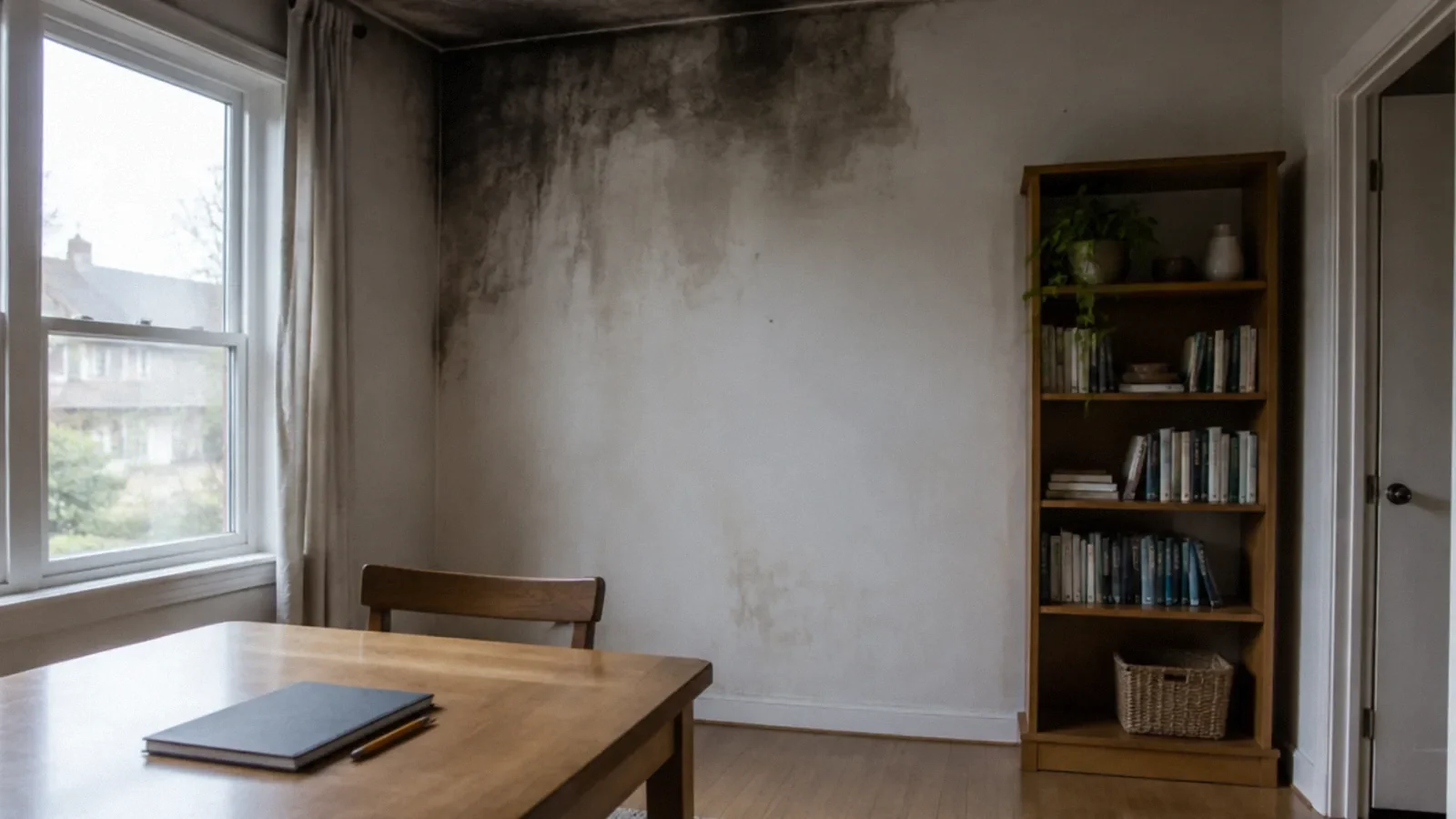
Get clear instructions about which areas may be entered and whether power or fuel systems must remain off. An HVAC professional can inspect the heating appliance, blower, electrical components, filter, and accessible ductwork, and identify repairs before the system is used. If smoke entered the system from another fire, a restoration contractor may assess soot and affected materials. These are separate tasks: duct cleaning alone does not repair a damaged furnace or eliminate an active ignition source.
Ask for a written explanation of the observed cause, proposed repairs, and conditions for a safe restart. If the cause remains uncertain, do not treat a temporary absence of smoke as proof that it was corrected. A qualified technician should follow the manufacturer’s instructions and applicable local requirements. The insurer may also want to inspect damage before material is removed.
Prevent a recurrence
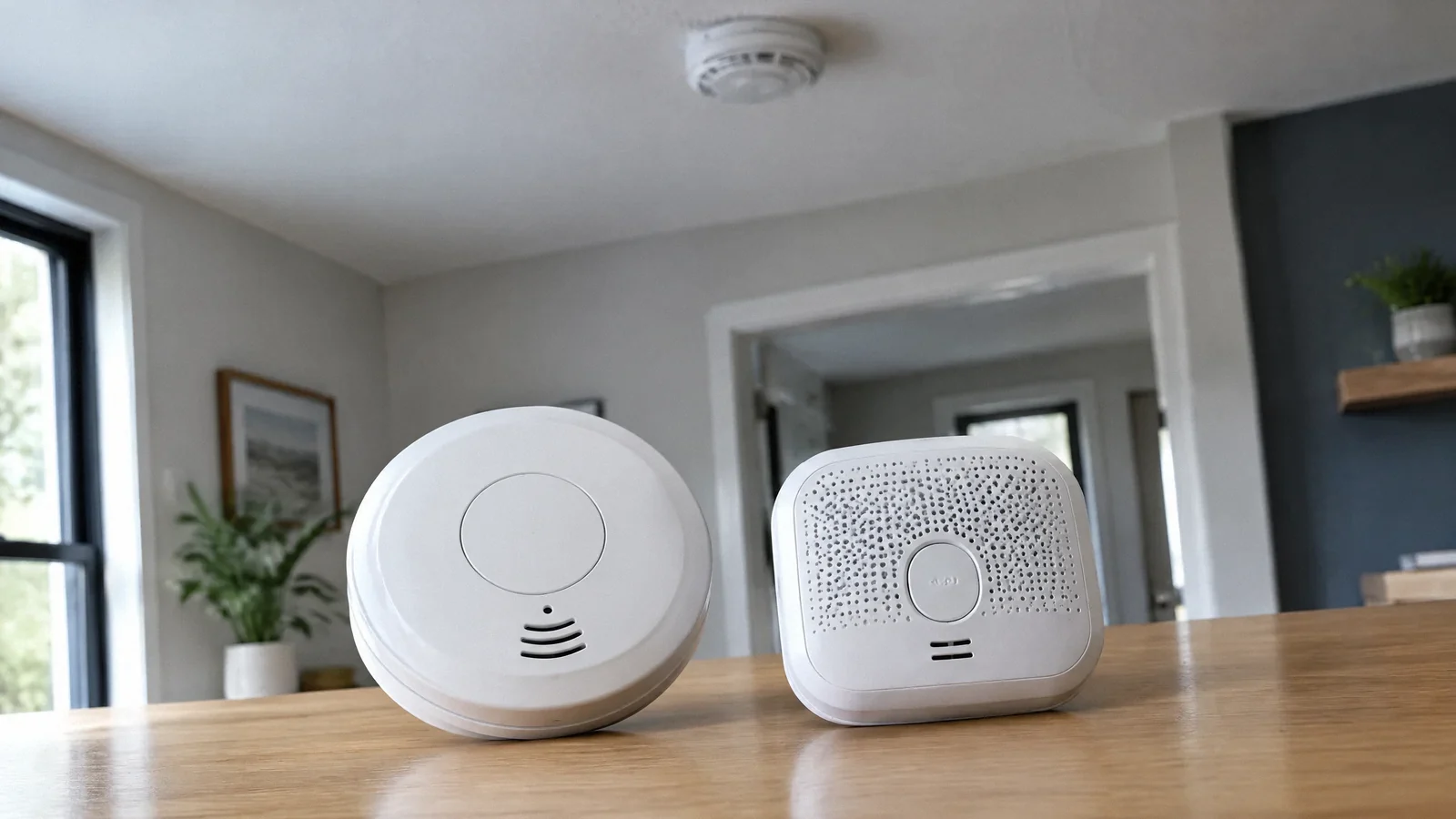
Arrange heating-system maintenance with a qualified contractor, and follow the equipment manufacturer’s filter and service instructions. Keep the area around fuel-burning equipment clear as required by the appliance instructions. Maintain working smoke alarms throughout the home and carbon monoxide alarms where required, and test them as directed. An alarm supplements a household escape plan; it does not replace maintenance or justify staying inside to investigate.
Record the date and circumstances for the technician once everyone is safe: heating or cooling mode, which vents showed smoke, any alarm, and whether a power interruption occurred. This information can help direct an inspection but is not a substitute for it. Ask building management to coordinate an inspection in a multifamily building, where ducts and adjacent spaces may affect more than one dwelling.
Your next-step checklist
- Leave immediately and call 911 from outside.
- Stay outside until responders authorize entry.
- Have the equipment and any smoke damage assessed before restart.
Related questions
Can I turn off the furnace before leaving?
Do not delay escape or approach smoke or fire to operate equipment. Leave and call 911; responders can address the equipment.
Does white vapor mean there is no fire?
No. Its appearance alone cannot safely identify its source. Treat unexplained visible emissions as a potential emergency.
Sources & context
Public guidance supports the principles in this article. The practical questions and examples are editorial interpretation, not a site assessment or a coverage decision. State-specific rules apply only where identified.