Fire is a rapid combustion reaction that releases heat and often light. Depending on the fuel and conditions, it produces gases, vapors and particles that form smoke, as well as residue. Smoke can be hazardous even when flames are not visible.
Fire is a chemical reaction
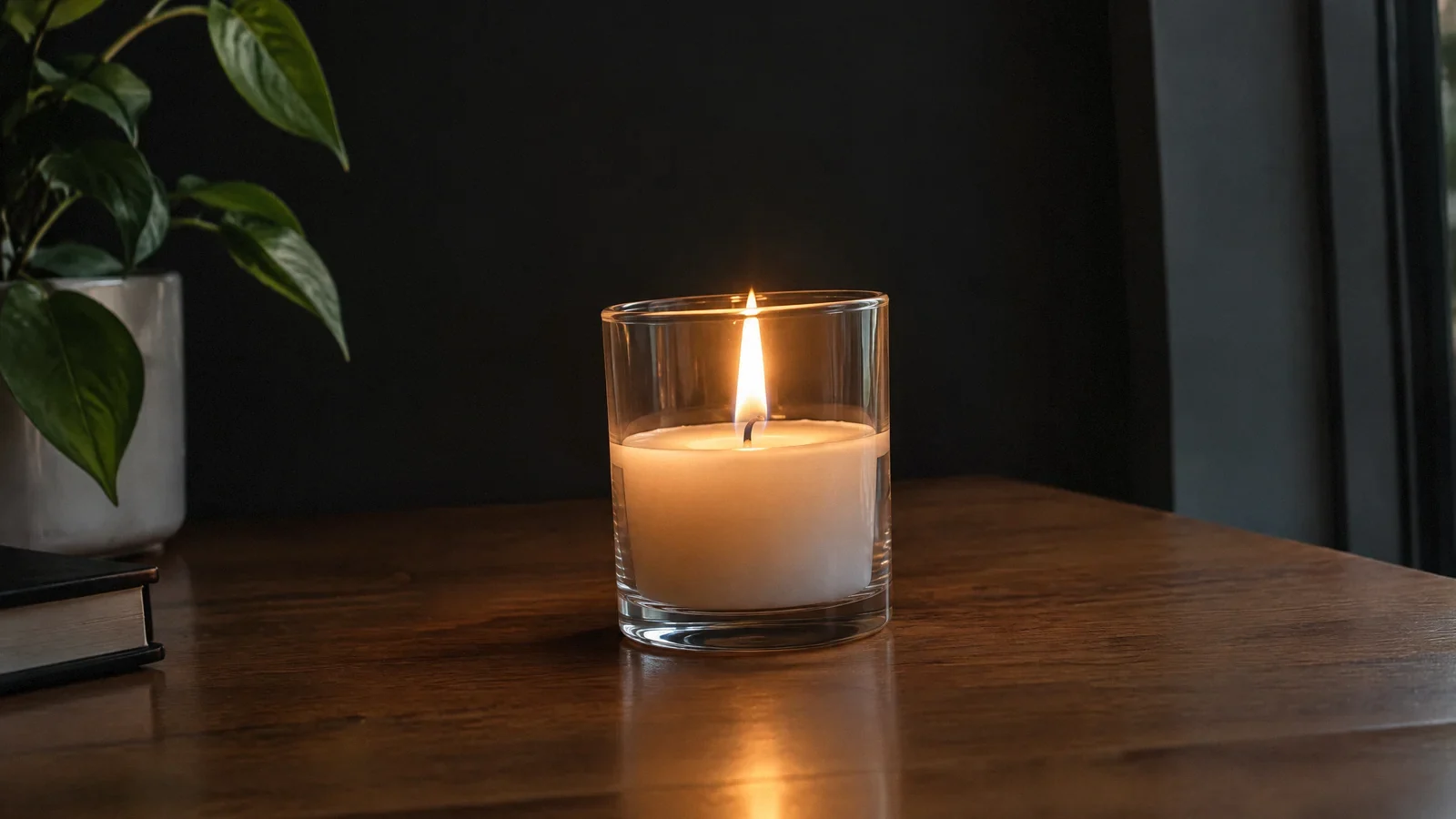
Fire is a rapid chemical reaction involving a fuel and an oxidizer, usually oxygen in air. It releases energy as heat and often visible light. A candle flame, burning paper and a building fire all involve combustion, but their fuels, conditions and products differ. The visible flame is only one part of the event: hot gases, smoke, soot and heat can extend beyond it.
The familiar fire triangle describes three conditions needed for ordinary combustion: fuel, oxygen and heat. Fire safety education also describes a fourth component, the chemical chain reaction, as part of the fire tetrahedron. Removing or interrupting one of these components can stop combustion. This is a way to understand fire, not an instruction to approach a dangerous fire.
Fuel, oxygen and heat
Fuel is the material that can burn. Paper, wood, textiles, natural gas and many household liquids are examples. Solid and liquid fuels often must be heated enough to release combustible vapors before a flame can develop. The amount, arrangement and properties of fuel influence how a fire behaves. A small controlled flame does not predict how an uncontrolled room fire will spread.
Air provides oxygen for many fires. Ventilation can influence fire behavior, and opening a door or window during a fire can change conditions. Heat can come from a hot surface, flame, spark or another ignition source. Once burning begins, heat from the reaction can warm nearby fuel and help the fire continue. Firefighters are trained to assess these conditions; occupants should prioritize escape.
Heat and light are products of combustion
Heat is energy transferred from warmer material to cooler surroundings. It can travel by direct contact, movement of hot gases and radiation. In a building, hot smoke rising and spreading under a ceiling can heat areas away from the original flames. Heat can damage structural materials, furnishings and wiring, even where a room does not appear heavily charred.
Visible light is produced by many flames, but flame color or brightness alone is not a reliable way for a homeowner to determine the composition or safety of smoke. Some fires can smolder with little visible flame, and hazardous conditions can remain after flames are extinguished. Leave assessment of hot spots and structural safety to fire personnel.
Smoke contains gases, vapors and particles
The U.S. Fire Administration describes smoke as a mixture of gases, vapors and particles. Soot consists largely of fine carbon-containing particles produced by burning. The mixture depends on the materials involved, available oxygen and temperature. Modern rooms can contain wood, textiles, plastics and other products, so smoke from one fire should not be assumed to resemble smoke from another.
Carbon monoxide is a dangerous gas that can be produced by incomplete combustion. It is colorless and odorless; a person cannot rely on the appearance or smell of smoke to rule it out. Other harmful gases can also be present, depending on the fuel. Even smoke that appears light or has stopped moving may be unsafe to breathe. Get outside, stay outside and call emergency services when a fire is suspected.
Residue and damage after the flames
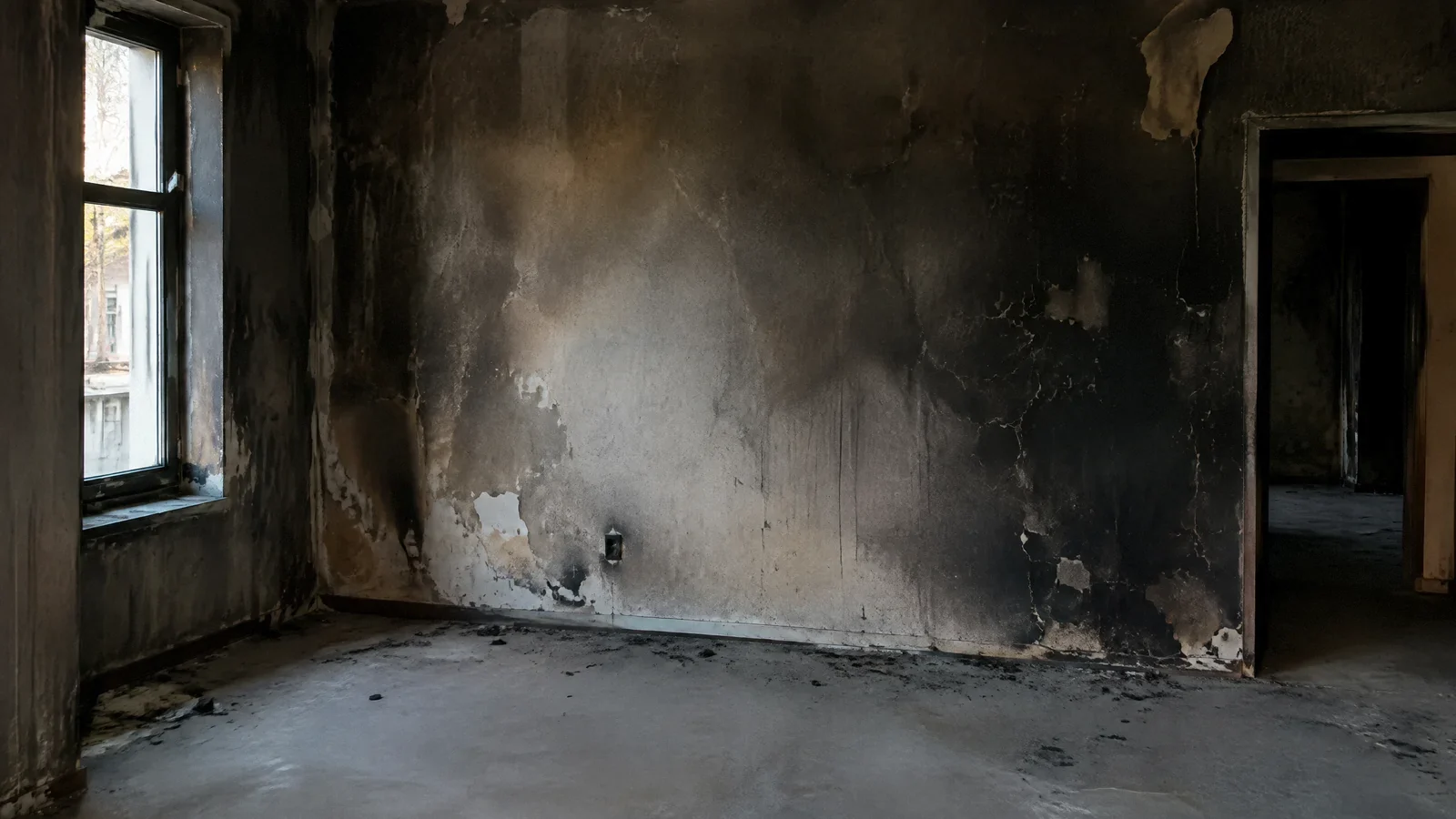
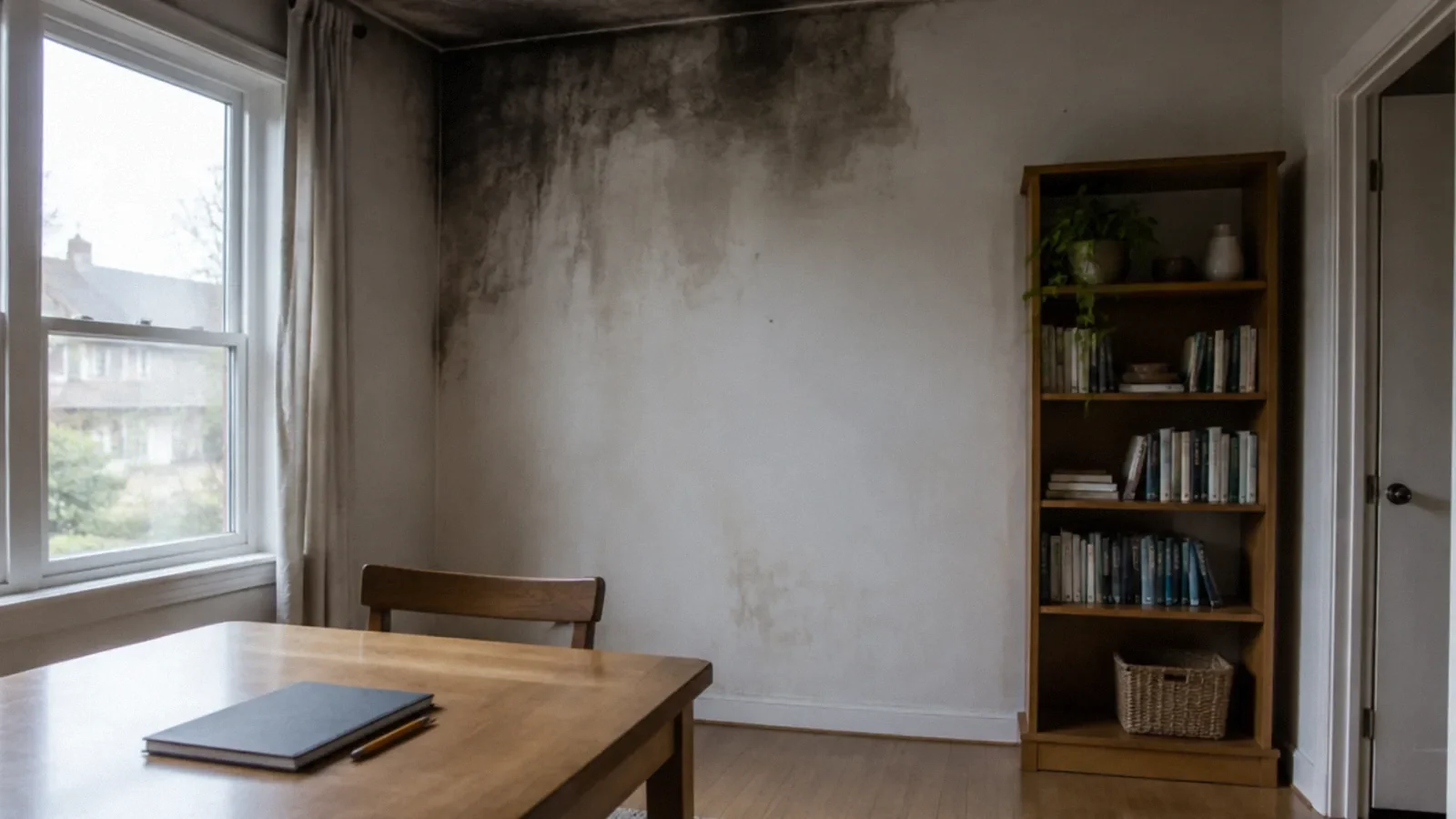
As smoke travels, particles and residues can settle on walls, ceilings, contents and surfaces in rooms distant from the fire. Heat, water used to suppress the fire and odor can add to the damage. Visible soot is not a complete map of contamination: residues can reach concealed spaces and ventilation equipment. The appropriate assessment and cleaning method depend on materials, extent of exposure and the type of damage.
Do not reenter a fire-damaged property until authorities say it is safe. Structural instability, damaged utilities, hidden hot spots and contaminated dust can remain. Avoid disturbing residue or operating heating and cooling equipment until qualified personnel have assessed it. Document damage when safe and contact the insurer and a qualified restoration professional about the next steps.
Insurance coverage and cleanup requirements vary with the policy, the building and the damage. Keep receipts and photographs when it is safe to do so, and ask the insurer how to document affected belongings before disposal.
What to do if a fire starts
If there is a fire, alert others, leave immediately using your practiced escape route, and call emergency services from outside. Close doors behind you if possible as you leave, without delaying escape. Do not go back inside for possessions or pets. If smoke blocks a route, use another safe way out when available and follow local fire-service guidance.
Smoke alarms and an escape plan provide early warning and a way to act before conditions deteriorate. Test alarms and follow the manufacturer’s and local fire department’s guidance for installation and replacement. A fire extinguisher is not a reason to delay escape; fighting a growing fire can expose you to heat and smoke. This article explains the science and does not replace emergency response advice.
Your next-step checklist
- Maintain working smoke alarms and practice two ways out where possible.
- Leave immediately if a fire or smoke threatens your home.
- Call emergency services from outside.
- Wait for official permission before returning.
- Have fire, smoke and water damage assessed before cleanup.
Related questions
Is smoke just carbon dioxide?
No. Smoke is a mixture of gases, vapors and particles. Its composition varies with the fuel and burning conditions.
Can a fire produce carbon monoxide?
Yes. Carbon monoxide can be produced by incomplete combustion and cannot be detected by sight or smell.
Does no visible flame mean a fire is safe?
No. Smoldering material, heat and hazardous gases may remain. Fire personnel should determine when it is safe to return.
Sources & context
Public guidance supports the principles in this article. The practical questions and examples are editorial interpretation, not a site assessment or a coverage decision. State-specific rules apply only where identified.