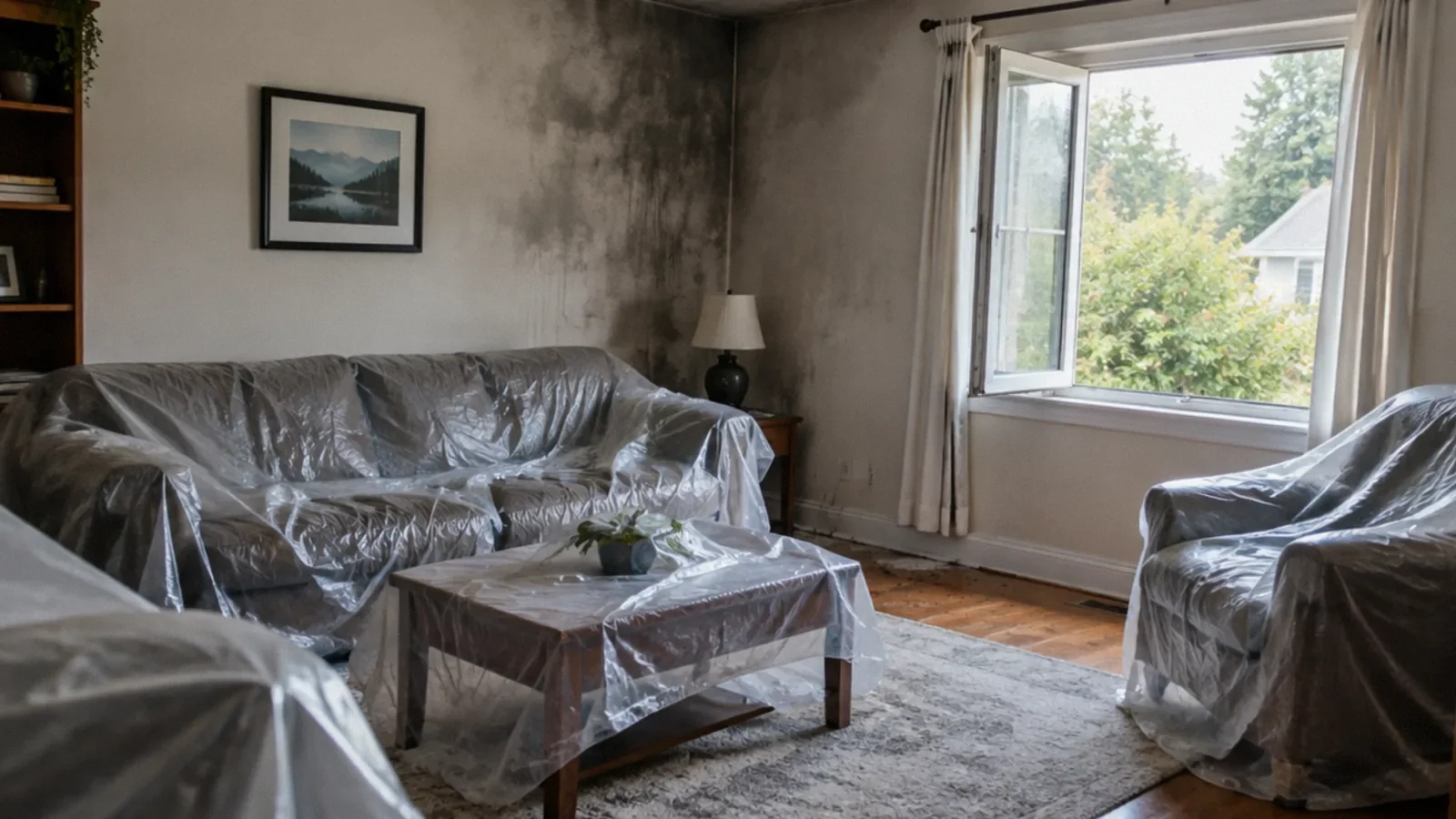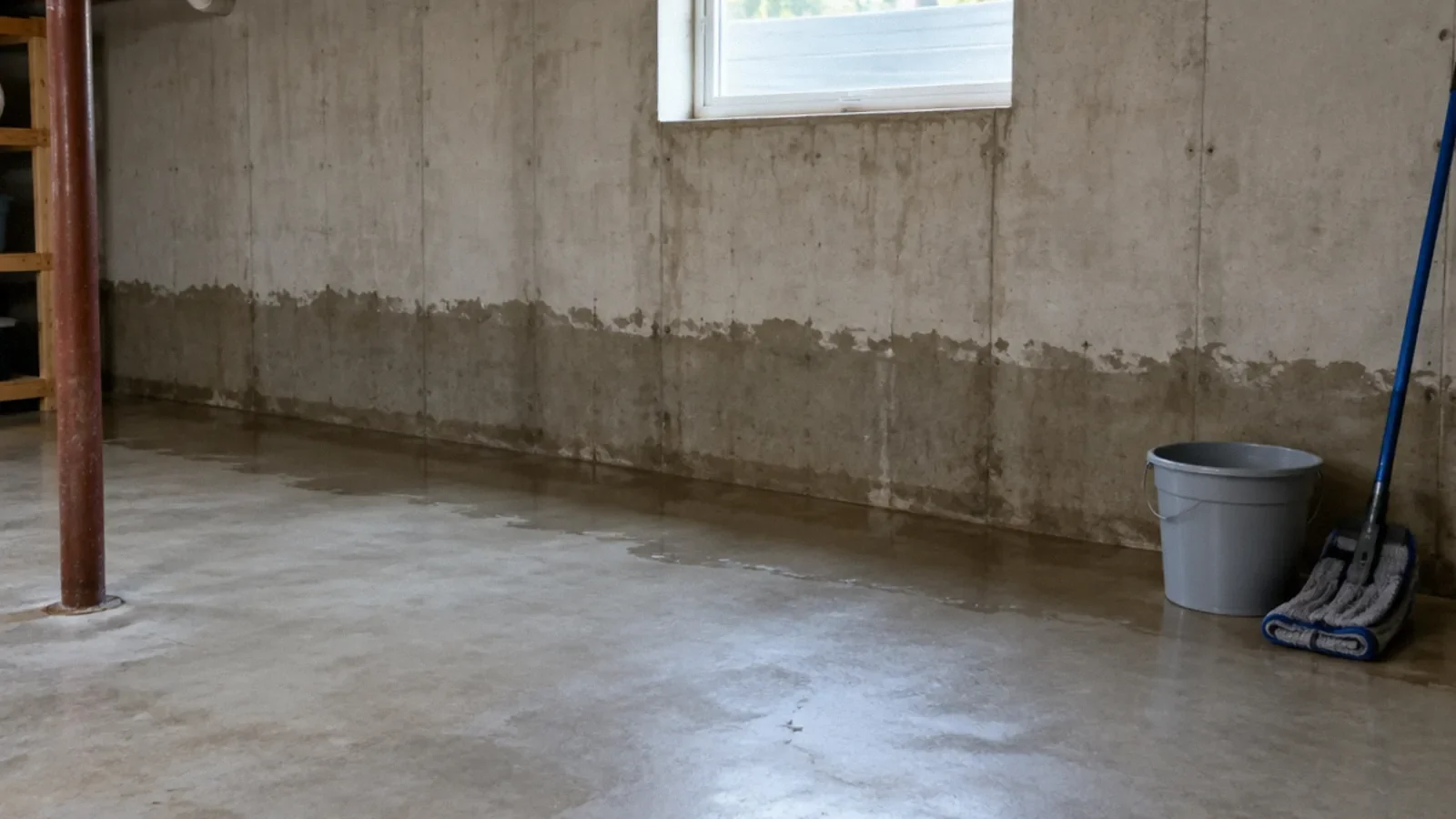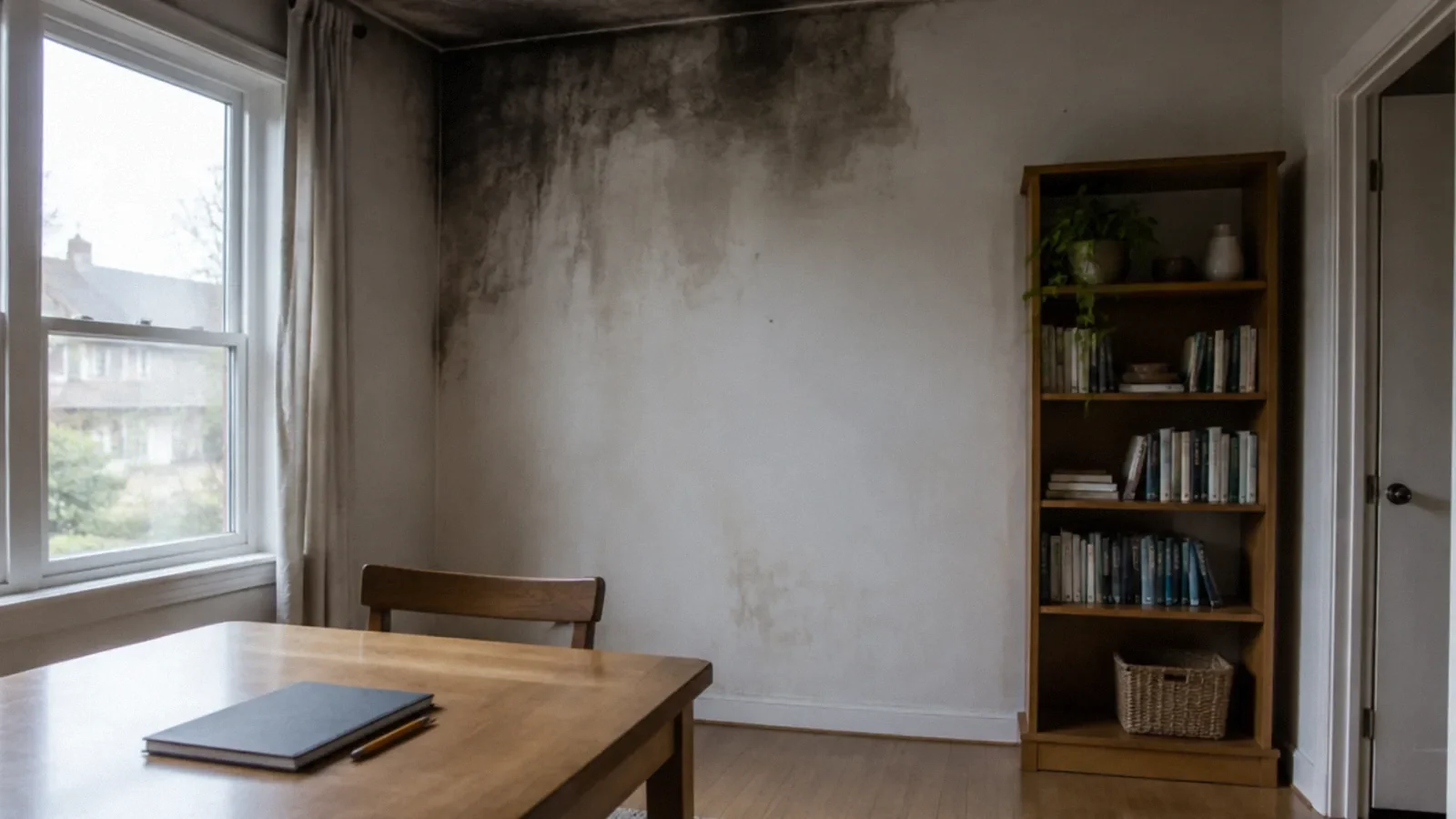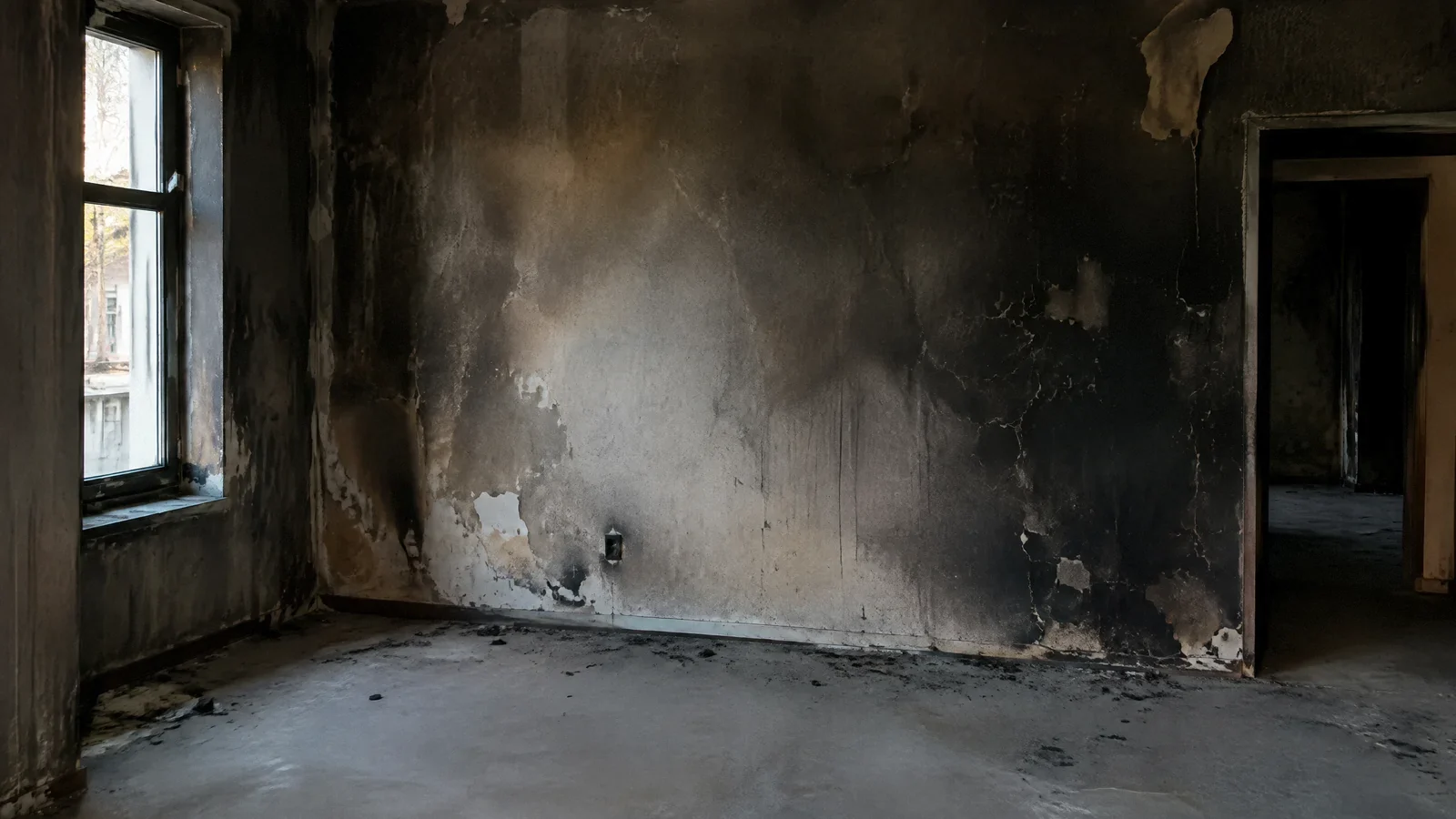
Fire restoration addresses heat, smoke and soot as well as any water used to fight the fire. Water restoration focuses on the source, contamination and drying. Both require safety clearance, documentation and a repair plan tailored to the actual damage.
The first decision is safe access
After a fire, do not enter until the fire department or responsible authority says it is safe. Heat can damage structural materials and utilities even where the room looks intact. Soot and residues may extend beyond the burned area, and firefighting water can wet floors, ceilings and concealed cavities. The US Fire Administration advises contacting the insurer promptly and obtaining written estimates.
After flooding, wait for local clearance and avoid floodwater and damaged structures. CDC warns against operating electrical equipment or switches while standing in water and recommends a qualified electrical assessment before power is restored. These safety checks come before cleanup or a detailed inventory.
Fire: heat, smoke and residue
Fire damage can include charred materials, heat-deformed components, soot deposits and smoke odors. The visible burn area may be smaller than the area requiring assessment. Different contents and surfaces react differently to smoke and cleaning methods, so a restorer should identify materials and test appropriate methods before treating valuable items.
Avoid brushing or wiping soot indiscriminately. A cleaning attempt can spread residue or make an item harder to restore. Ask the restoration company to separate urgent stabilization, cleaning, contents handling and reconstruction in its scope. Electrical, gas and structural systems may require qualified specialists before cleaning crews can work.
Water: source, contamination and drying
A supply-line leak, appliance leak, sewage backup and outside flood can wet similar-looking floors while presenting different contamination and disposal questions. Stop or isolate the source when it can be done safely, and describe the water’s origin and duration to the restoration professional. Do not assume clear-looking floodwater is clean.
Assessment should account for water migration into adjoining rooms, under flooring and behind finishes. Drying plans depend on material, access and the contamination involved. Moisture readings are useful evidence but should be interpreted with the instrument, material and measurement location documented. Some porous materials may need removal rather than drying in place.
When the two types overlap
A fire response can leave a building with both soot and wet materials. Drying equipment, airflow and material removal need coordination so that residues are not unnecessarily spread and electrical hazards are controlled. A water-damaged property can also have electrical or fire hazards if equipment is energized before it is safe.
Ask the contractor which hazards will be assessed first, who authorizes the return of utilities, how contaminated or damaged materials will be separated, and which specialists handle structural and mechanical systems. Sequence matters: a drying plan should not assume that a fire-damaged circuit is safe to operate.
Contents and documentation
Photograph rooms and belongings from safe locations, and create an inventory with descriptions, approximate age and available receipts. Ask the insurer how it wants the loss documented and whether a specialist should inspect items before disposal. Keep damaged items when safely possible until the claim requirements are clear, unless authorities require removal.
Smoke-sensitive textiles, electronics and documents can require different handling from water-soaked furniture. Do not plug in wet or fire-damaged electronics to test them. Ask a qualified contents professional what can be cleaned, what should be discarded and how items will be tracked if moved off site. Do not assume every item can be restored.
Compare scopes rather than labels
For either event, request a written assessment that identifies affected areas, access limitations, immediate stabilization, cleaning and drying methods, removal, disposal, monitoring and reconstruction. A proposal should explain how concealed damage will be handled if discovered later. Ask who is responsible for permits and specialist inspections.
Compare the proposed deliverables and documentation, not just a company’s label or a single price. Ask for estimated timing and how changes will be approved. Insurance coverage, deductibles and exclusions depend on the policy, cause and facts; a contractor’s assessment is not a coverage determination. Discuss the claim with the insurer.
What completion looks like
For water damage, ask for the source correction, affected-material decisions and drying records. For fire damage, ask how the work addressed soot, odor, damaged materials and utility clearance. Where both occurred, the final record should explain each component and any areas not inspected or repaired.
Keep estimates, invoices, photographs and specialist reports together. If odors, staining, dampness or equipment problems recur, document the location and contact the responsible professional. A finished surface alone does not demonstrate that concealed materials were assessed or that every source of damage was corrected.
If the building is a rental or shared property, notify the responsible manager and coordinate access with the insurer and restoration team. Record which spaces and belongings belong to each party without entering unsafe areas. A contractor may need additional authorization before moving contents, opening finishes or performing reconstruction beyond immediate stabilization.
Your next-step checklist
- Wait for official safety clearance before entry.
- Identify water sources, soot and affected utilities without disturbing damage.
- Document contents and contact the insurer.
- Obtain a written scope with specialists and limitations.
- Keep drying, cleaning and repair records.
Related questions
Can fire damage also cause water damage?
Yes. Water used to fight a fire can wet materials and contents, so the restoration plan may need both smoke cleanup and drying.
Are flood and fire claims covered the same way?
Coverage depends on the specific policy, cause and facts. Ask the insurer rather than assuming either type is covered.
Can I clean soot myself immediately?
Wait for safety clearance and seek guidance on the affected materials. Improper cleaning can spread residue or damage contents.
Sources & context
Public guidance supports the principles in this article. The practical questions and examples are editorial interpretation, not a site assessment or a coverage decision. State-specific rules apply only where identified.
- US Fire Administration: After the Firefederal guidance
- CDC: Reentering Your Flooded Homefederal guidance
- EPA: Moisture and Moldfederal guidance