Flood damage restoration begins with safe reentry and an assessment of water, electricity, structural condition and contamination. Accessible water is removed when safe; affected materials are cleaned, removed or dried as appropriate before repairs. A flood can leave sewage, chemicals and hidden moisture, so the work must be tailored to the conditions.
Wait until reentry is safe
Do not enter a flooded building until local authorities say it is safe. Standing water may contact energized electrical equipment, and floors, ceilings or walls may be unstable. CDC advises avoiding electrical hazards and having affected systems assessed by qualified personnel. Never enter a flooded basement to reach a breaker.
If you smell gas, see structural movement or encounter downed wires, leave and contact the appropriate emergency service or utility from a safe location. Keep children and pets away from floodwater and debris. Follow local evacuation and public-health instructions.
Recognize contamination
Floodwater can mix with sewage, chemicals, soil and debris. EPA warns that even rain-related flooding can introduce contaminants into a home. The color or smell of water does not reliably show whether it is safe. Avoid direct contact and use a cleanup plan appropriate to the water source and materials.
Porous items and building materials that cannot be cleaned and dried adequately may need removal. A professional should explain which contents can be evaluated for salvage and which pose additional hazards. Separate contaminated items from unaffected belongings without carrying them through clean areas.
Document the loss
When safe, photograph rooms, water levels, damaged contents and visible entry points. Make an inventory with descriptions and approximate ages where available. Keep emergency-service invoices and communications. Contact the insurer or property manager according to the applicable policy or agreement.
Do not postpone urgent measures to prevent additional loss solely to complete documentation. Ask the restoration team how it will record materials before removal. Coverage depends on the policy and cause of loss; the term flood restoration does not establish insurance coverage.
Remove water with an appropriate plan
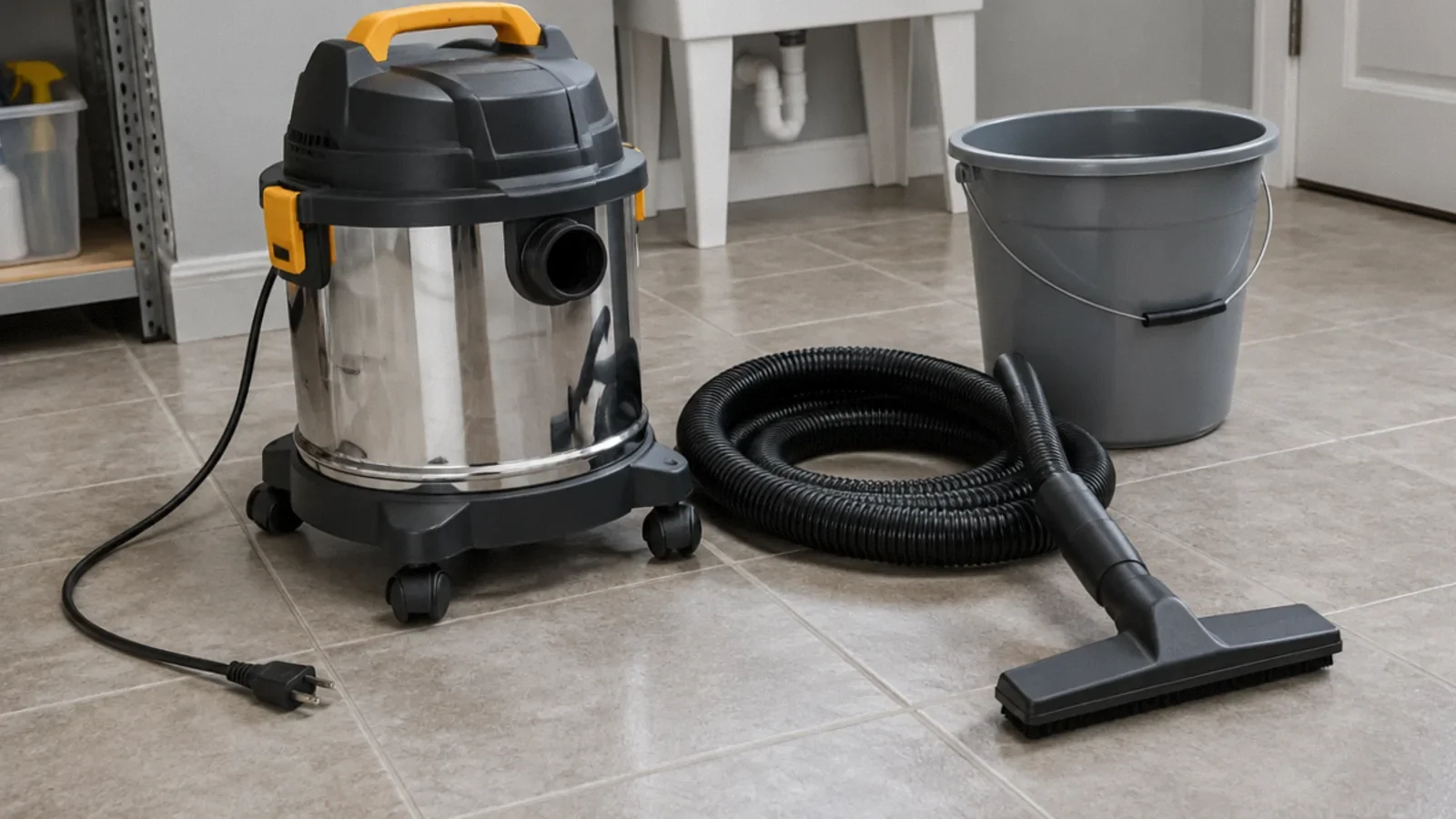
After electrical and structural hazards are addressed, accessible water can be removed using equipment suitable for the situation. A wet vacuum, pump or other method may be used by a qualified person. Never operate equipment not rated for the conditions or use electricity in standing water.
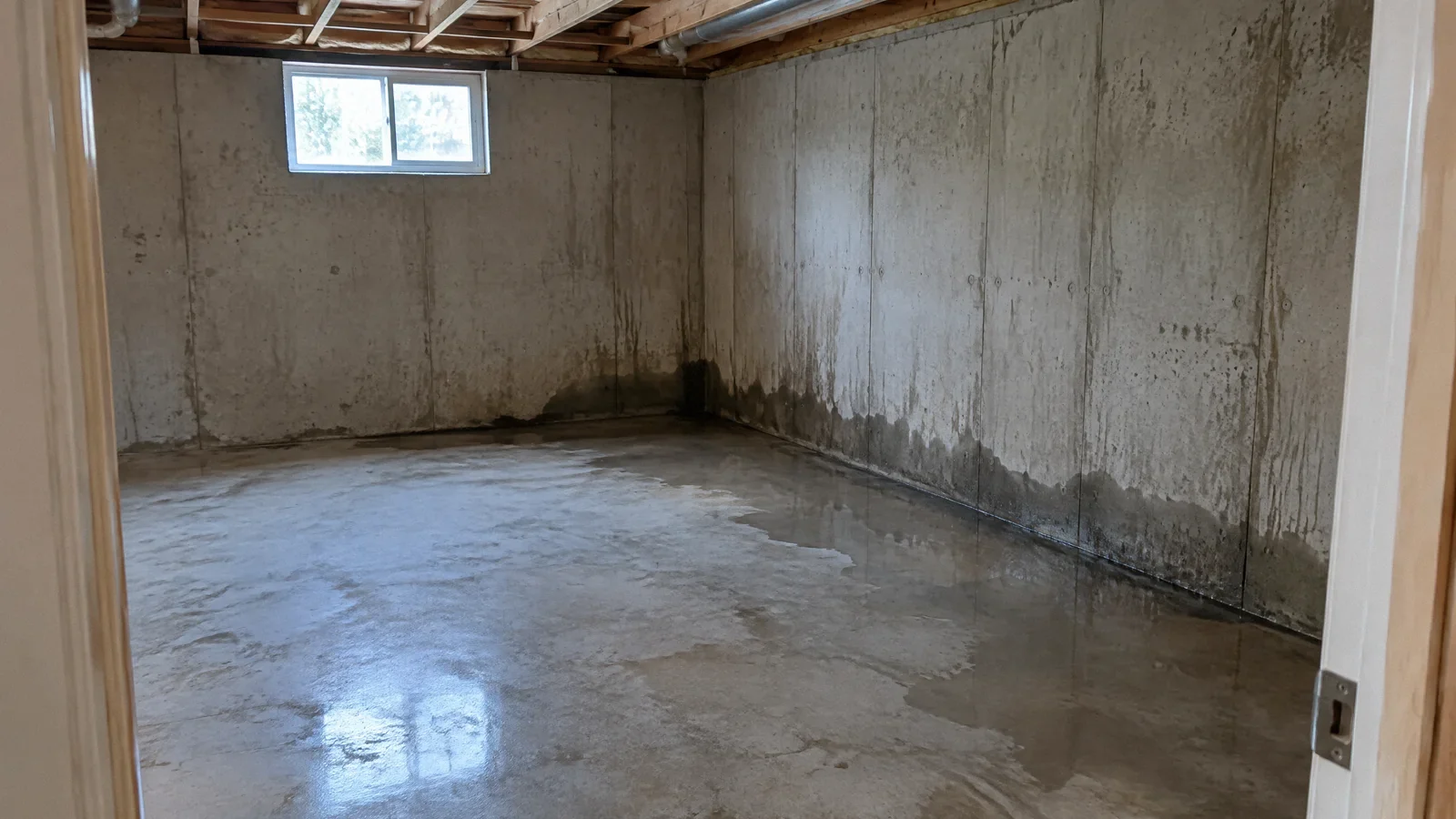
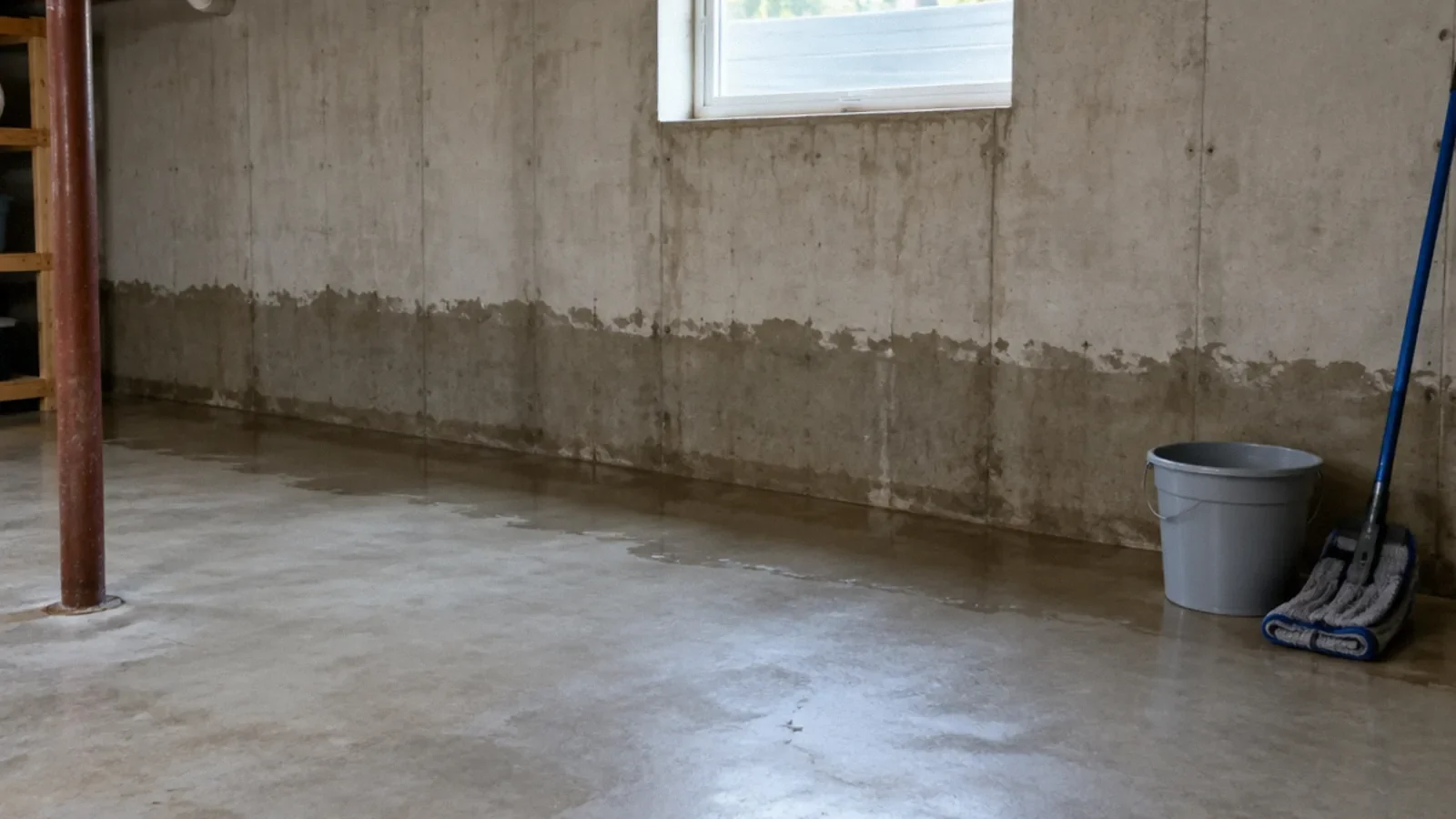
A deeply flooded basement may be subject to pressure from saturated soil outside. Rapid pumping can damage walls or floors under some conditions. Seek local emergency or engineering guidance about the safe sequence and rate. Plan where water and debris will be discharged or disposed of.
Assess materials beyond the surface
Water can remain inside wall cavities, insulation, subfloors and cabinets after the floor looks dry. A contractor should document what was inspected, where readings were taken and what remains inaccessible. Contaminated porous materials may need removal rather than drying in place.
Do not disturb suspected lead paint, asbestos-containing materials or damaged utilities without appropriate assessment. Ask how openings, containment and debris handling will protect occupants and unaffected rooms. A generic equipment list is not a substitute for a material-specific scope.
Clean, dry and monitor
Clean suitable materials using methods appropriate to the contamination and surface. EPA recommends prompt drying to limit mold growth, but a timer alone does not establish that an assembly is dry. Ask for relevant readings over time and the criteria used before removing equipment or closing a cavity.
People with asthma, mold allergies, chronic lung disease or weakened immune systems should not perform mold cleanup, according to CDC. If visible growth or health concerns arise, follow public-health guidance and seek experienced assistance. Do not mix cleaning chemicals.
Plan repairs after conditions are suitable
Reconstruction may include replacing insulation, drywall, flooring or damaged mechanical and electrical components. Ask for a separate written scope showing materials, permits or inspections where required, and who is responsible for each trade. Damaged electrical equipment should be evaluated before it is re-energized.
Confirm that the water entry source and any unsafe conditions have been addressed before rebuilding. A cosmetic repair can conceal a continuing leak or damp subfloor. Discuss change orders and additional discoveries before work proceeds.
Keep the handoff and follow-up records
Collect photographs, the affected-area map, drying log, disposal records, invoices, warranties and a list of areas not inspected. These records help the repair team and provide a reference if staining, odor or moisture returns. A completion statement should describe the actual work and limitations.
After repairs, monitor the same locations during the conditions that previously caused water entry. Recurrent dampness deserves further investigation. A restoration project reduces damage from the event; it does not guarantee that a future flood or unrelated leak cannot occur.
How flood drying fits restoration
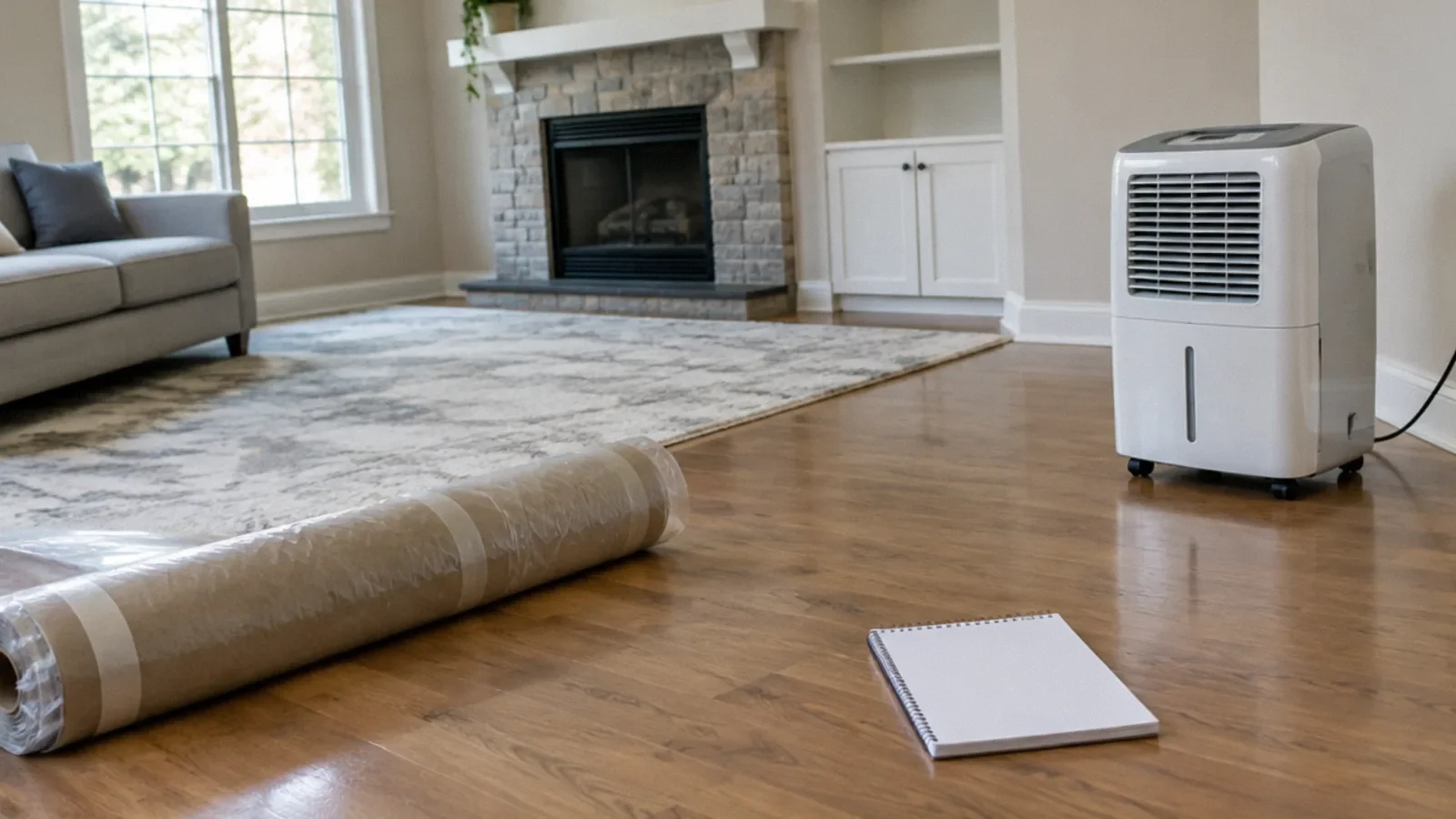
Flood drying follows safe entry, assessment and appropriate removal of contaminated water and materials. An experienced team may use dehumidification and air movement suited to the building and outdoor conditions, tracking moisture in affected materials over time. Flood drying can take days to weeks; a dry-looking surface alone does not show that the wall cavity or floor assembly is ready for repair.
If visible mold is present, EPA advises waiting to start fans or dehumidifiers until visible growth has been gently cleaned. Do not use a flood-affected HVAC system for drying until a professional has assessed it. Drying complements removal and cleaning; it cannot make every contaminated porous material safe to retain.
Your next-step checklist
- Wait for safe reentry and avoid electrical hazards.
- Treat floodwater as potentially contaminated.
- Document damage and necessary emergency actions.
- Remove water and evaluate affected materials safely.
- Verify cleanup and drying before rebuilding.
Related questions
Is water removal the same as flood restoration?
No. Removal of accessible water is one step; contaminated materials, drying and repairs may still require work.
Can floodwater be clean if it looks clear?
Appearance does not establish safety. Floodwater can contain sewage, chemicals and debris.
Can I pump a basement immediately?
The safe sequence and rate depend on outside pressure and other conditions. Seek local emergency or engineering advice.
When can damaged walls be rebuilt?
After the source, contamination and affected materials have been assessed and appropriate drying or removal is complete.
What does flood damage cleanup involve?
After safe reentry, cleanup includes assessing contamination, removing water and affected material as appropriate, and drying before repairs.
What does flood repair involve?
After safe entry and assessment, the work may include contaminated-material removal, drying and reconstruction. The scope depends on the property.
Sources & context
Public guidance supports the principles in this article. The practical questions and examples are editorial interpretation, not a site assessment or a coverage decision. State-specific rules apply only where identified.
- US EPA: Flood cleanup and indoor airofficial guidance
- US EPA: Floodingofficial guidance
- CDC: Reentering a flooded homepublic health guidance
- CDC: Mold cleanuppublic health guidance