Water damage describes harm from many water sources. Under the NFIP, flood has a specific definition involving temporary inundation of normally dry land and specified causes; a burst pipe alone generally is not an NFIP flood. Coverage depends on the actual policy and facts.
The distinction starts with the source
Water damage is a broad description of harm caused by water. A burst supply line, leaking appliance, rain entering through a damaged roof, and rising water outside can all damage a home. Flood damage is a narrower insurance term in many contexts. The source, path, and surrounding conditions matter more than the amount of water on the living room floor.
A broken pipe can leave a house deeply flooded in everyday speech without meeting the National Flood Insurance Program (NFIP) definition of a flood. Conversely, surface water spreading over normally dry land and entering several properties may meet that definition. Actual coverage depends on the policy, cause, property, exclusions, and claim facts. This guide explains the distinction; it cannot determine a claim.
What counts as a flood under the NFIP?
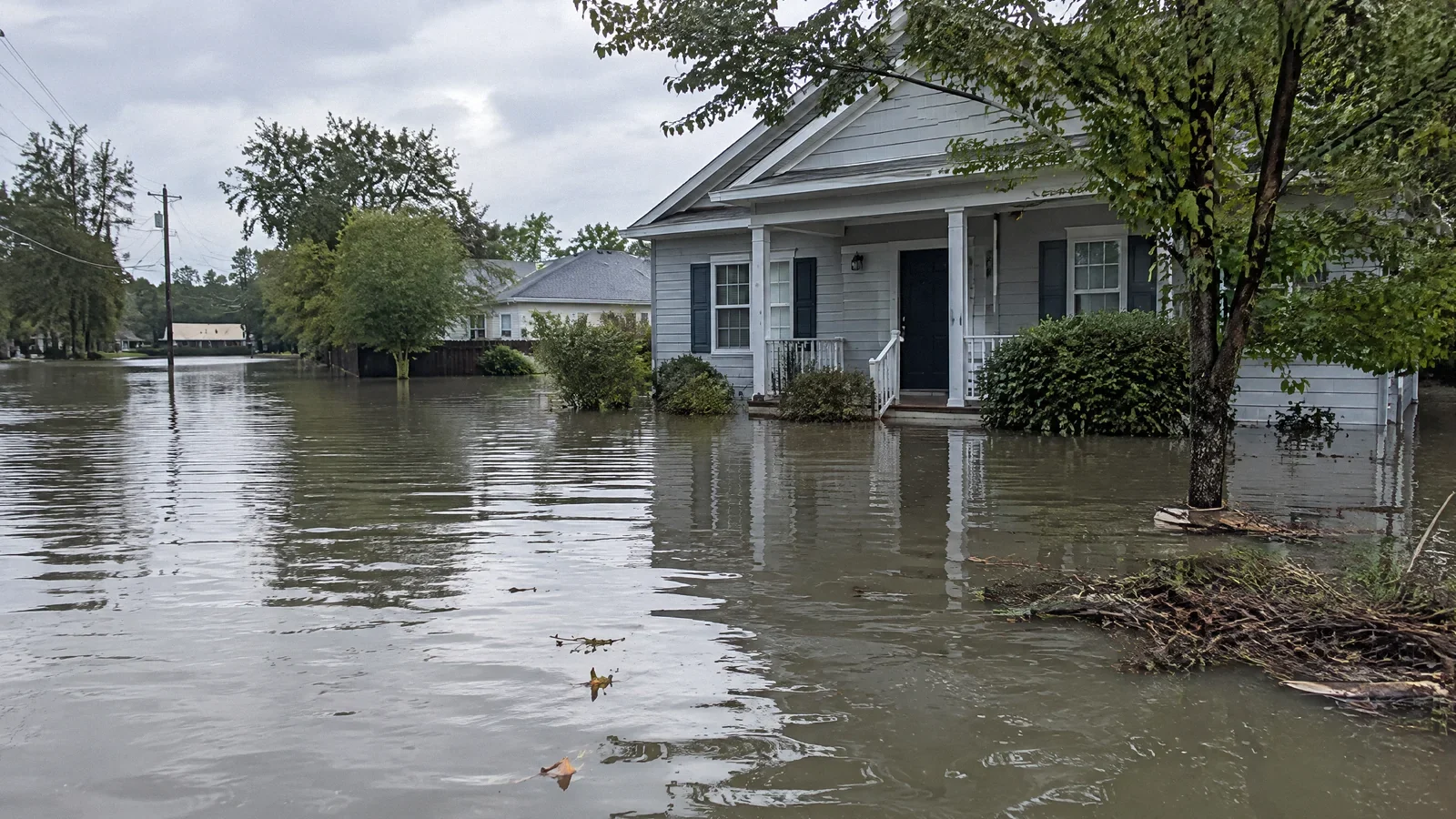
The NFIP generally defines flood as a temporary condition in which normally dry land covering at least two acres or affecting at least two properties, one of them the insured property, is partially or completely inundated by specified causes. These include overflow of inland or tidal waters, unusual and rapid accumulation or runoff of surface water, and mudflow. The policy also addresses a specified form of shore collapse or subsidence caused by waves or currents.
This is a definition for the NFIP, not a universal test for every private flood policy or every local use of the word flood. The fact that a neighboring property is wet does not automatically settle all policy requirements. An adjuster must examine the event, the water's path, the insured property, and the policy language. Keep photographs of the affected area outside as well as inside when it is safe to obtain them.
Compare common events
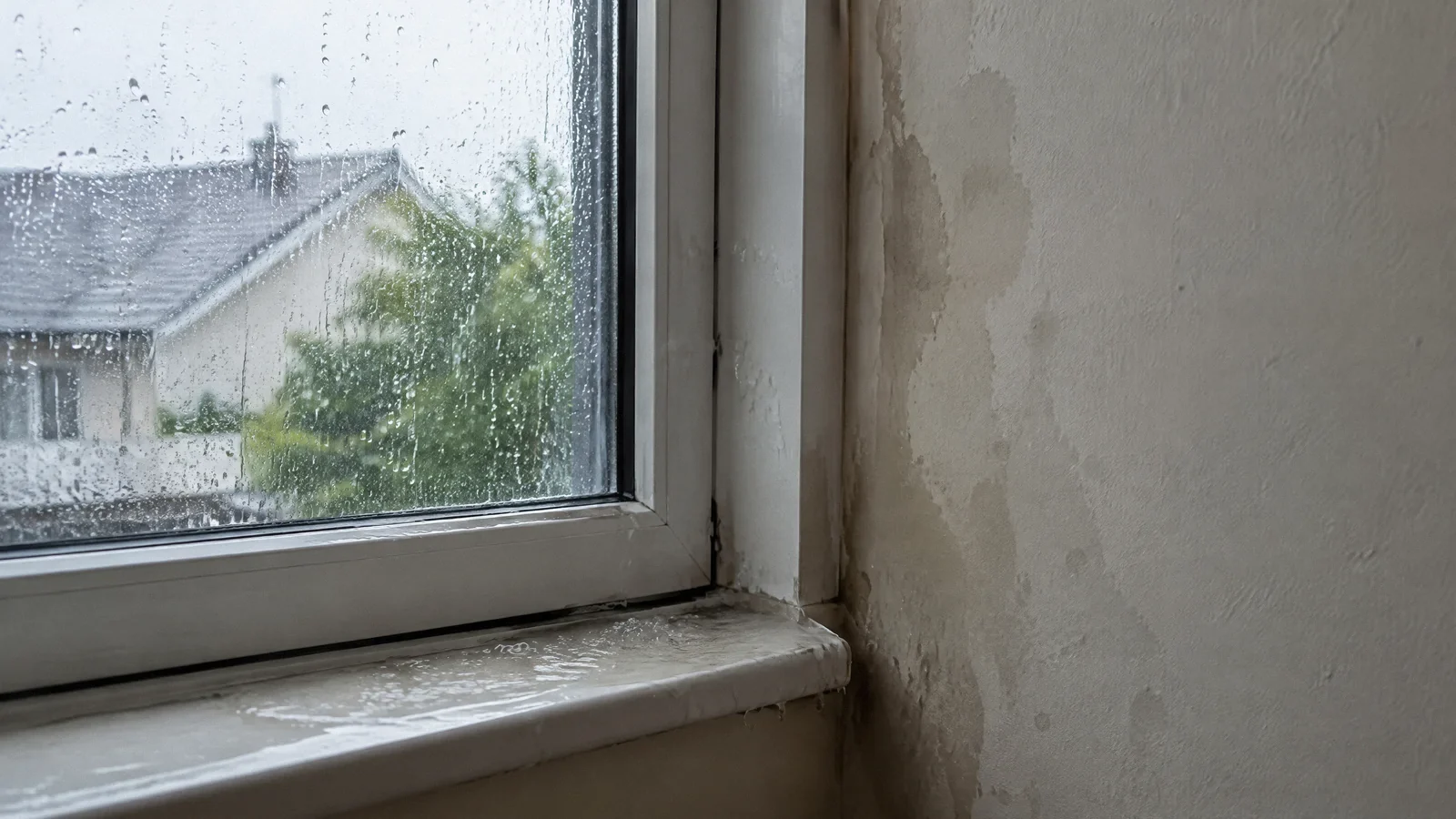
A supply pipe bursts and water runs across a bedroom: that is water damage, but the pipe failure itself is not an NFIP flood. A homeowners or renters policy might provide coverage for a sudden accidental discharge, subject to its terms. Gradual leakage, maintenance issues, and the failed component can be treated differently. Ask the insurer rather than assuming either payment or denial.
Wind damages a roof and rain enters through the opening: NFIP guidance distinguishes this from rising floodwater. The applicable homeowners policy and storm facts matter. If heavy rainfall instead accumulates on normally dry land and spreads into the house, the NFIP definition may be relevant if the required conditions are met. One storm can produce more than one cause of loss.
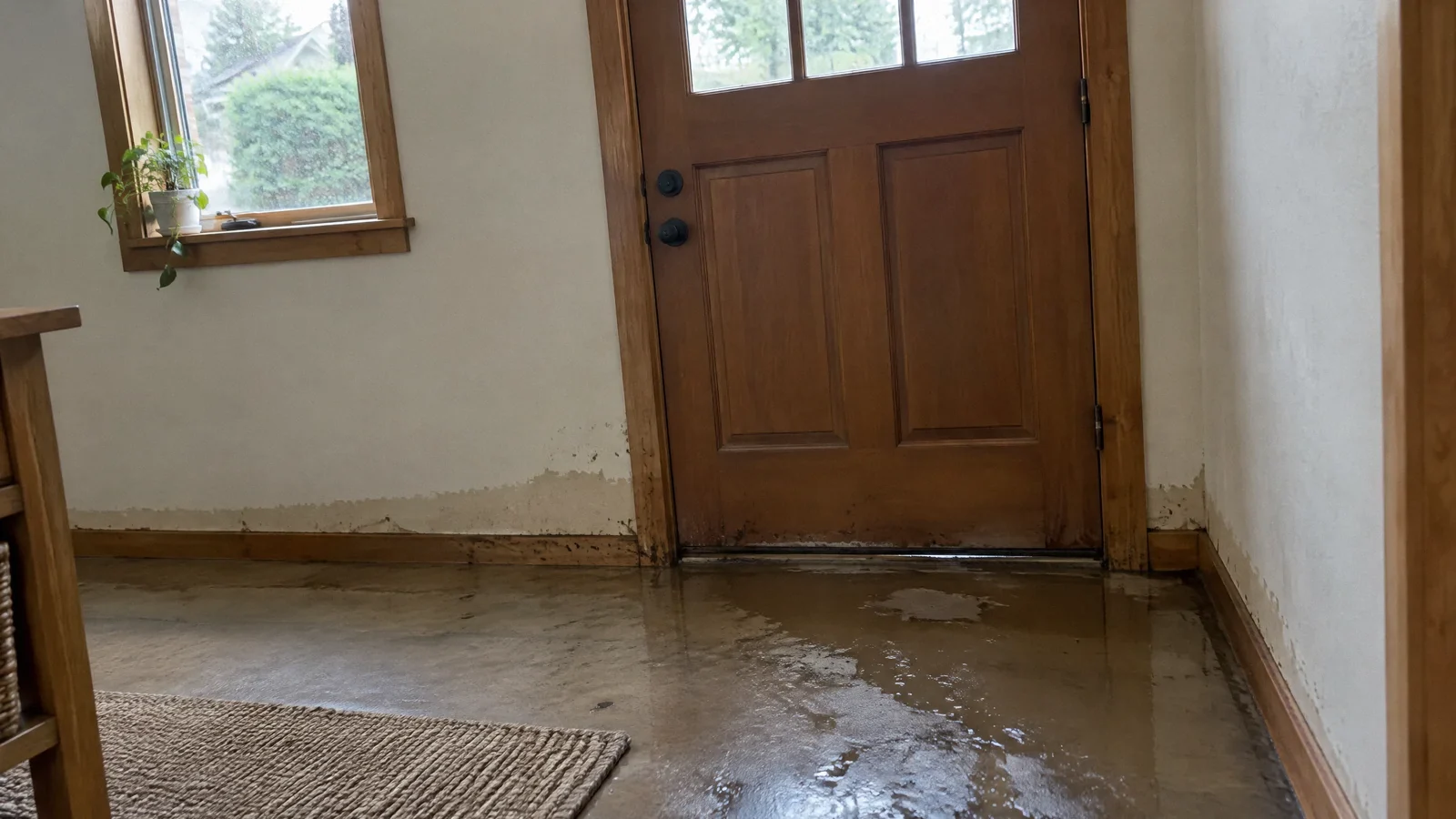
A sewer backs up into a basement: the source of the backup and the policy are important. NFIP guidance says a backup directly caused by a qualifying flood may be covered under the applicable terms; a backup unrelated to flooding is not covered on that basis. Homeowners policies may offer separate sewer-backup coverage, but it is not safe to assume that endorsement exists.
Coverage is not the same as the definition
Even when an event meets a flood definition, a policy may limit which building elements and contents are covered. Deductibles, limits, waiting periods, exclusions, and conditions can apply. The NFIP makes distinctions between building and contents coverage, and basement coverage has special limitations. A private flood policy may use different terms. Read the declarations and complete policy and ask the insurer or agent about your specific building and belongings.
The reverse is also true: an event that is not an NFIP flood is not necessarily uninsured. A separate homeowners, renters, or other policy might respond, subject to its own terms. Identify each possible policy and report the facts consistently. Do not change the description of an event to fit a coverage category; provide the evidence and let the insurer apply the contract.
What to document and do first
Safety comes before evidence. Stay out of standing water near electrical equipment, damaged buildings, and water that could contain sewage or other contaminants. Follow local authorities on reentry after a flood. Do not touch electrical equipment while wet or enter water to reach a switch; seek help from the utility or a qualified electrician.
When it is safe, photograph water levels, affected rooms, damaged belongings, the apparent source, and exterior conditions. Note when water appeared, weather, any neighboring inundation observed, and steps taken to stop further loss. Save receipts and ask the insurer what it needs before discarding items. Prompt mitigation matters: do not postpone urgent safety measures while waiting for an inspection, and follow the insurer's instructions where possible.
After the water is stopped
Water from a supply line and water from an outdoor flood may require different cleanup approaches. Floodwater can carry contaminants; contact an experienced professional for contaminated water and follow public-health guidance. Wet porous materials and concealed cavities need assessment, not just a dry-looking surface. EPA advises correcting the moisture source and promptly drying affected materials to reduce mold growth.
For the extent of damage to the building, belongings, and surrounding area, see the separate guide to flood consequences. For ongoing seepage through a wall or window, the water-intrusion guide addresses tracing the route. These related questions are distinct from whether a particular policy covers a loss.
Your next-step checklist
- Stay clear of electrical, structural, and contamination hazards.
- Record the source, path, timing, and visible damage when safe.
- Notify the relevant insurer and ask about policy requirements.
- Preserve receipts and follow safe mitigation guidance.
Related questions
Is every home filled with water considered flooded for insurance?
No. Everyday usage is broader than the NFIP definition. A broken indoor pipe can cause extensive damage without the qualifying external inundation.
Does flood insurance cover every item touched by floodwater?
No. Coverage depends on the policy, limits, exclusions, type of property, and location. Ask the insurer to explain the applicable terms.
Sources & context
Public guidance supports the principles in this article. The practical questions and examples are editorial interpretation, not a site assessment or a coverage decision. State-specific rules apply only where identified.
- NFIP glossary and flood definitiongovernment
- The Cause of Flooding Matters for NFIP Coveragegovernment
- NFIP Summary of Coveragegovernment
- Dealing with Debris and Damaged Buildingsgovernment