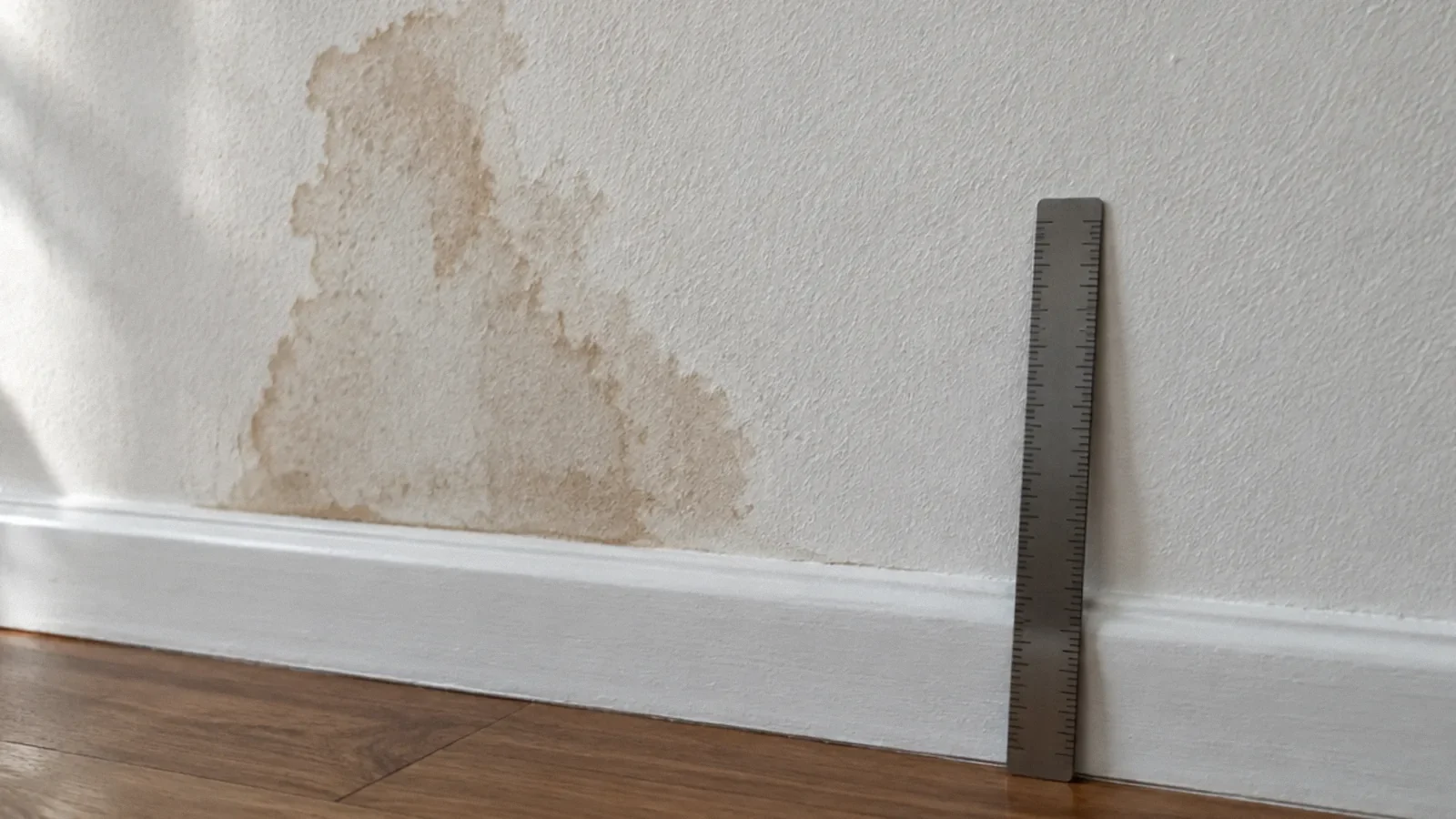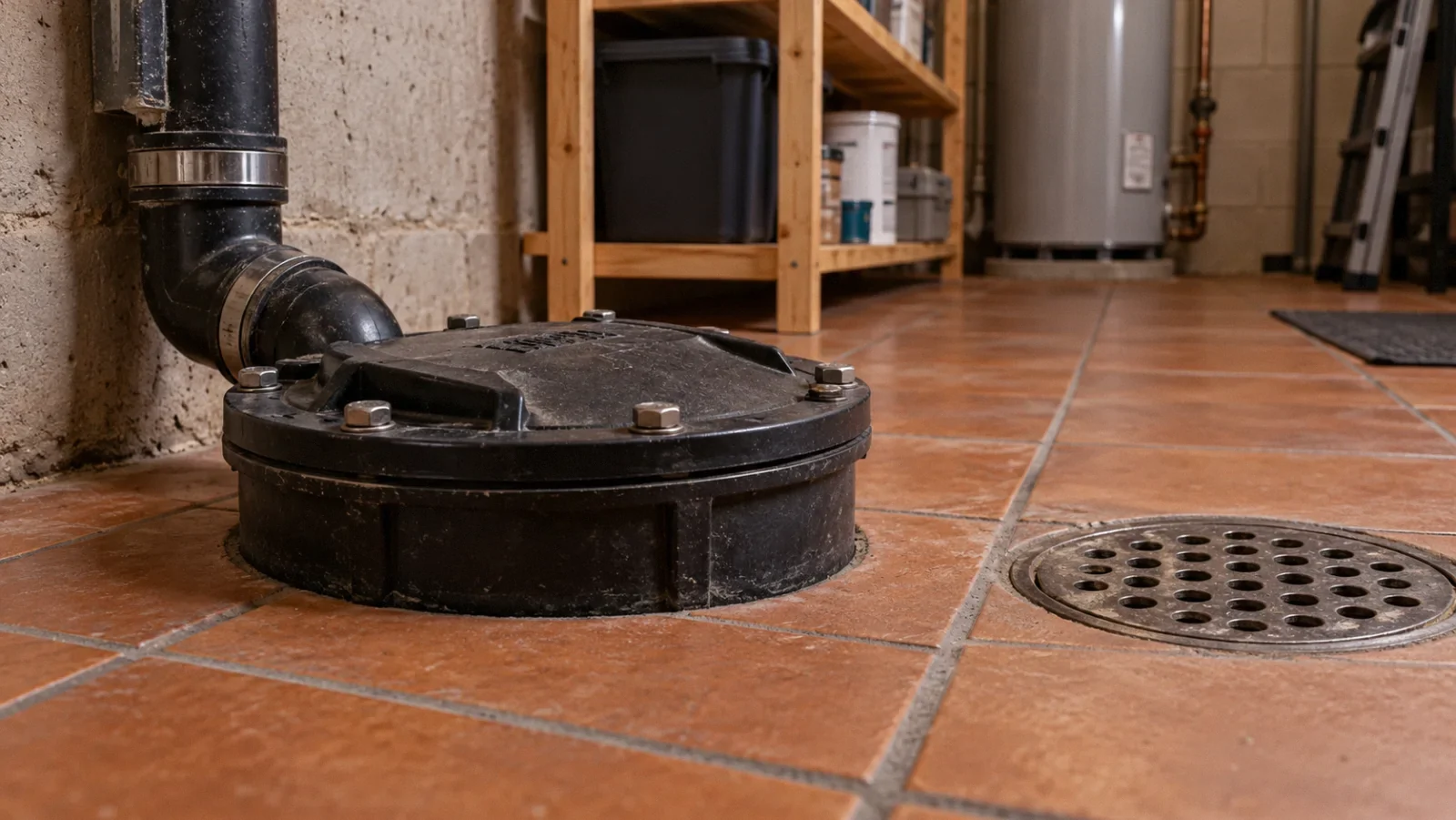
Identify where the water came from and how it entered. Flood coverage and homeowners coverage address different causes, and several water pathways can occur during the same storm.
A flooded room is not necessarily an insurance flood
People use flood to describe any large amount of indoor water. Insurance uses more specific definitions. A broken appliance hose, rain entering through a damaged roof, surface water crossing a threshold and a sewer backup can leave similar damage but raise different coverage questions. Begin with the pathway, not the amount of water on the floor.
NFIP guidance distinguishes qualifying flooding from an internal plumbing failure and from rain entering through a damaged roof. The latter losses may belong under another policy, subject to its terms. Do not conclude that an entire storm loss belongs to one insurer simply because the first person reporting it used the word flood.
Map the observable routes
Make a sketch showing affected rooms, exterior grades, doors, drains and the location where water was first observed. Photograph water marks and damaged openings from safe positions. Note whether neighboring properties or outside ground were inundated, but do not enter moving water to collect proof. Keep emergency notices and relevant time-stamped photographs.
Ask repair professionals to describe the route they actually observed. A functioning sump pump after the event does not alone explain what happened during the peak inflow. A backed-up floor drain does not establish whether a blockage or an external flood caused the backup. If the source remains uncertain, request investigation rather than selecting the coverage label that seems most favorable.
Understand what the NFIP distinction changes
NFIP coverage is tied to its policy definition and direct physical loss from a qualifying flood. Its guidance notes that sewer backup is covered only when directly caused by flooding. A drain blockage unrelated to such flooding is a different question. Building and contents coverage are also distinct; buying one does not justify assuming the other is present.
The NFIP consumer guidance identifies additional living expenses as outside its coverage. That makes temporary housing planning especially important after a flood. Private flood policies can have different provisions, so read the actual contract rather than transferring every NFIP statement to another policy. Likewise, a homeowners water-backup endorsement should be read separately instead of being treated as interchangeable with flood insurance.
When more than one policy might respond
A storm can damage a roof while surface water also enters a lower level. Report the observed facts to the relevant insurers and ask how they want overlapping or uncertain damage documented. Keep each claim number attached to the appropriate correspondence. Avoid submitting the same expense as though it were two independent unreimbursed losses.
A practical expense ledger can identify the room, damaged item, suspected mechanism, invoice and payment status. Mark uncertain allocations as unresolved. The adjusters may need further inspection before deciding how expenses belong. An early payment for one category should not be silently treated as a complete answer to another category without a written explanation.
Use a scenario comparison carefully
Consider three hypothetical basements with equally wet carpet. In the first, a washing-machine hose fails. In the second, overland water enters a door while nearby properties are inundated. In the third, a drain backs up during heavy rain but the cause is not established. These scenarios require different evidence even though the drying work may look similar.
Reddit discussions about city sewer backups repeatedly ask whether homeowners, backup or flood coverage applies. Their useful lesson is to obtain the endorsement and document causation. Other commenters do not have the complete policy or a site investigation, so their confident coverage predictions should not become the basis for spending decisions.
- Internal plumbing route: request a source-repair report describing the failed component and observed release.
- Overland route: retain exterior and interior evidence of the water path and any documented local inundation.
- Backup route: distinguish the visible drain entry point from the underlying reason flow reversed.
- Mixed route: preserve room-specific observations and ask each insurer for its allocation explanation.
A mixed-loss document trail
Imagine rain damages a roof opening while water also rises outside a lower-level door. The upper bedroom has a ceiling stain; the basement has a horizontal water mark. A single invoice saying storm cleanup does not identify which work belongs to which pathway. Ask the contractor to separate rooms and tasks even if the same crew performs them. Keep the observed cause uncertain where the evidence does not establish it.
Send each relevant insurer a consistent account: these are the observed locations and times, these are the known entry routes, and these items remain under investigation. Ask which additional records it needs. If one insurer says another policy should respond, request the written basis rather than treating a phone referral as a final determination. Shared evidence can help, but each policy still needs its own analysis.
For budgeting, place housing, source repair, building restoration and contents in separate categories. A flood-related structural payment does not resolve every category. Ask how damaged basement contents are treated under the actual flood policy; do not assume all property below grade has the same protection as property elsewhere. Restrictions and definitions matter. The practical result is a file that can support allocation without encouraging duplicate claims or forcing a premature explanation of a complex storm.
Flood insurance claim checklist
Once safe, report a potential flood loss to the flood insurer promptly and ask about building and contents coverage, documentation and deadlines. The National Flood Insurance Program advises taking photos and video, listing affected property and keeping receipts and a log of communications. A private flood policy may have different terms.
Separate damaged and undamaged items when safe. NFIP advises not discarding items before the adjuster sees them unless they are a health hazard or local law requires disposal; if disposal is necessary, photograph the damage and keep samples where safely practical. Do not delay urgent cleanup or enter an unsafe building to preserve evidence.
Ask the insurer how to submit a complete claim, arrange inspection and document repairs. Compare the estimate with the affected materials and ask in writing about omitted items or additional damage. Deadlines and coverage depend on the policy and applicable instructions.
Does insurance cover Category 3 water damage?
Restoration professionals use water categories to describe contamination conditions, while an insurance policy evaluates covered causes, exclusions and endorsements. A Category 3 description does not by itself determine coverage. Sewage backup, outside floodwater and other sources can be treated differently.
Report the actual source and circumstances to the relevant insurer, ask whether a sewer-backup endorsement or separate flood policy applies, and request a written explanation. Keep clear of potentially contaminated water and wet electrical equipment while arranging qualified help.
Build an item-by-item claim inventory
For each damaged item record its description, quantity, approximate age, pre-loss condition, value and estimated replacement cost. Add make, model and serial number when available, along with photographs and receipts, invoices or other proof. If a receipt is missing, identify the estimate and its basis rather than inventing a purchase price. Ask the insurer which forms, evidence and deadlines apply to your policy; keep a copy of every submission.
Your next-step checklist
- Locate homeowners, flood and any backup endorsement documents that were in force.
- Record observed water pathways without guessing at policy terminology.
- Ask whether building and contents are both insured under the relevant policy.
- Confirm housing arrangements and funding separately from repair coverage.
- Track submitted expenses and payments across claims to prevent duplicate recovery.
Related questions
Will buying flood insurance now cover the existing loss?
Do not expect a newly purchased policy to cover an event that has already happened. Effective dates and any waiting periods matter. Ask an insurance professional about protection for future events separately from the current claim.
Does heavy rain automatically mean flood insurance pays?
No. The route, cause and policy definition matter. Wind-driven rain entering a roof opening, surface flooding and a backup can require different coverage analysis. Preserve the facts and request a written determination.
What should I document for a flood insurance claim?
When safe, document floodwater lines, affected rooms and belongings with photos or video, keep receipts and a communication log, and follow your insurer’s claim instructions.
Sources & context
Public guidance supports the principles in this article. The practical questions and examples are editorial interpretation, not a site assessment or a coverage decision. State-specific rules apply only where identified.
- National Flood Insurance Program: What Is a Flood?official
- National Flood Insurance Program: Buy a Flood Insurance Policyofficial
- Texas Department of Insurance: Unexpected indoor waterfall? Home or renters insurance might helpofficial
- National Flood Insurance Program: Claims checklistfederal flood claims guidance
- Official guidanceofficial
Community questions behind this topic
These discussions helped identify reader concerns. They are anecdotal, not technical or legal authority.