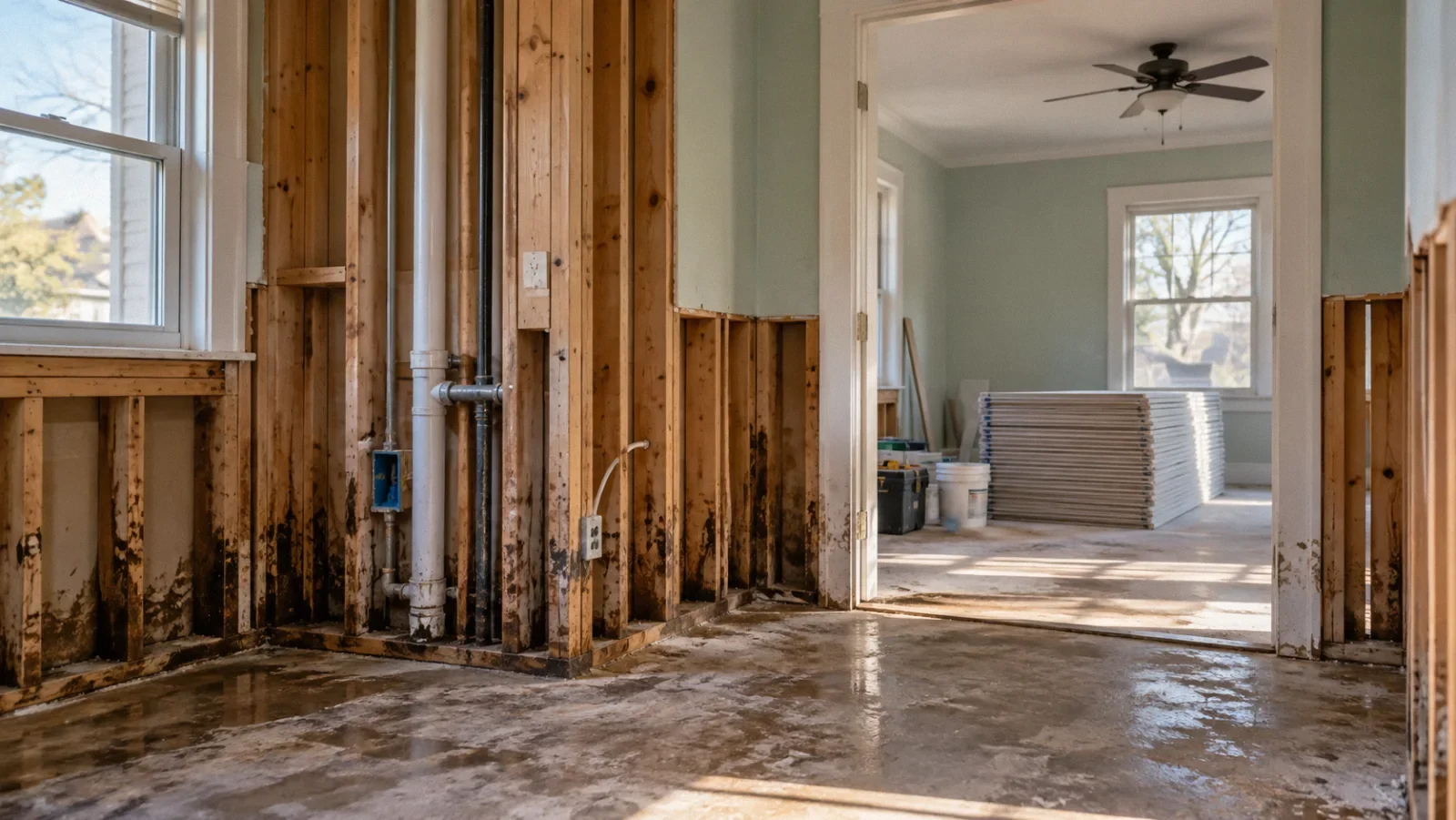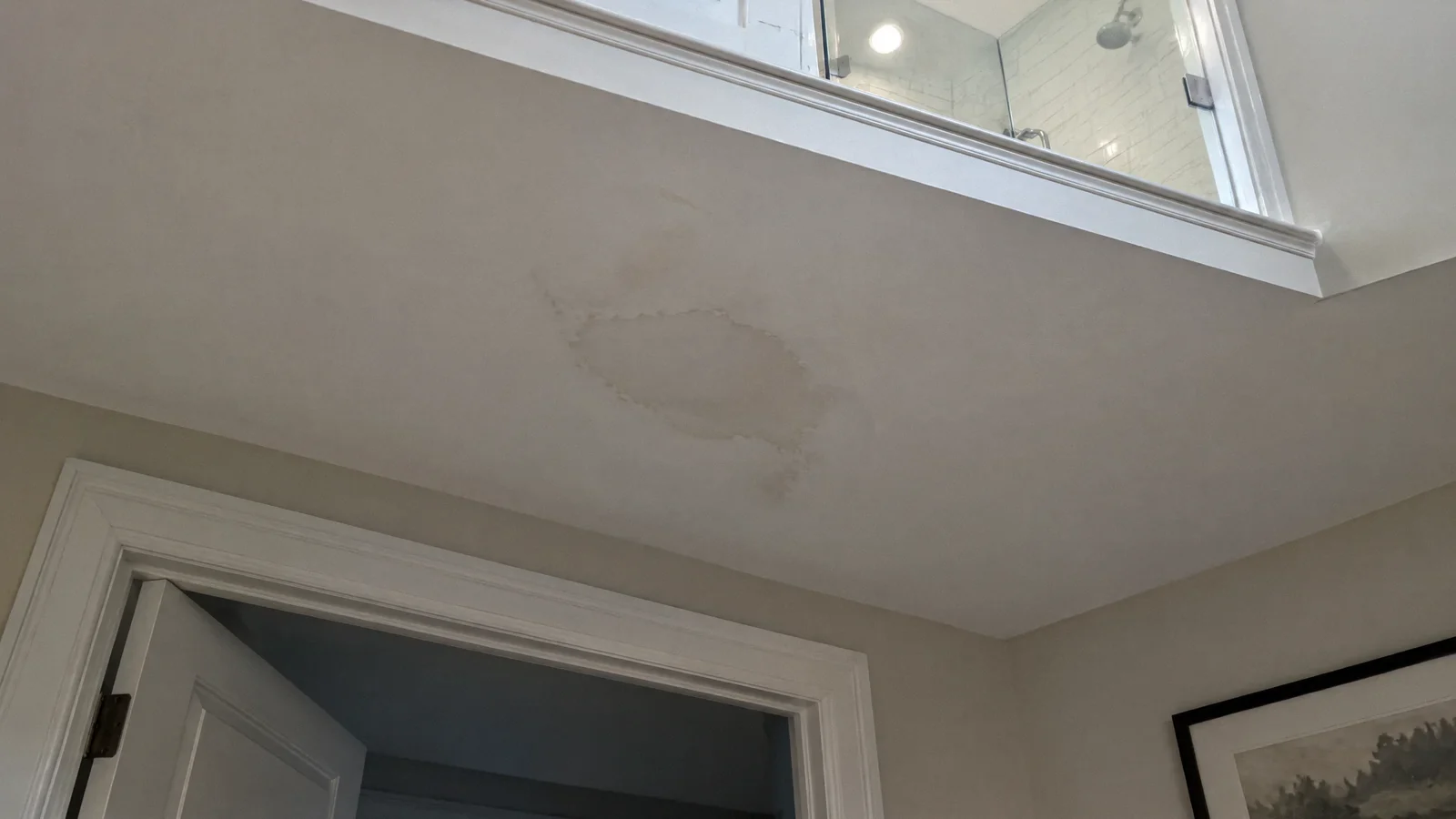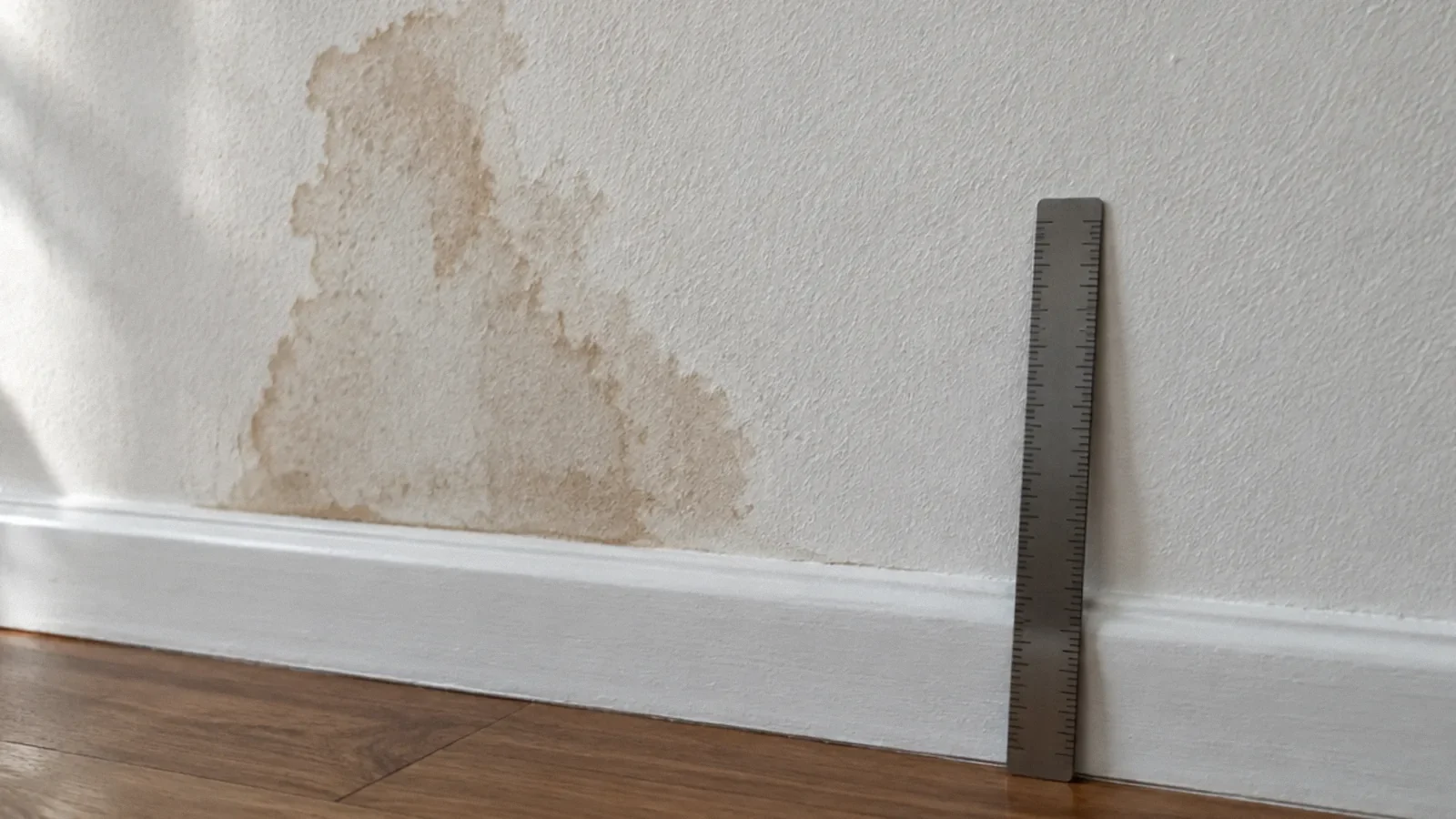
Describe the leak timeline accurately and preserve evidence of its source. Sudden discovery does not prove sudden damage, and a coverage decision depends on the policy wording and facts.
Separate discovery from onset
A stain first noticed this morning may have formed recently or may reveal a concealed problem that existed earlier. Record when you discovered it, the last time the area was seen without visible damage and what changed between those observations. If you do not know when the leak began, say so. Replacing an unknown start time with a confident guess can undermine an otherwise accurate account.
The Texas Department of Insurance describes a common distinction between sudden accidental water losses and gradual leaks or seepage. That is an introduction to coverage, not a substitute for your policy. Some policies contain exceptions, endorsements or differently worded limitations. Request the complete policy in force on the relevant date, including endorsements, rather than relying on a declarations page alone.
Build a chronology from independent records
Useful records include a plumbing service report, photographs taken before opening an assembly, messages reporting the first symptom and earlier maintenance invoices. A leak alarm notification may establish a detection time without establishing when the first drop escaped. A water bill can suggest abnormal use while remaining unable to locate the source. State what each record actually shows.
Ask the person repairing the source to identify the failed component, observed failure mode and limits of the inspection. A report that distinguishes a fractured supply line from a loose drain connection is more useful than a note saying only water damage. If safe and practical, discuss preserving the failed part for inspection. Avoid keeping contaminated or hazardous materials inside an occupied room simply for evidentiary purposes.
Avoid using mold as a calendar
Visible growth, staining, rust and material deterioration can be relevant observations, but homeowners should not treat them as a precise timestamp. Different conditions affect how damage develops. A photograph alone may not establish the start of a leak or distinguish separate episodes. Ask an investigator to explain the basis and uncertainty of any duration opinion.
If an insurer cites evidence of a long-running condition, ask what specific observation supports that conclusion and how it relates to the wording applied. The constructive question is not whether every old stain defeats a claim. It is whether the documented loss, the cause and any prior damage have been correctly distinguished in this case.
Organize the policy questions
Request a written coverage explanation identifying the applicable provision. Determine whether the insurer is addressing repair of the failed component, resulting building damage, contents, mold-related work or all of these. Those are separate items and may not receive the same treatment. A denial of the pipe repair does not automatically explain a denial of every resulting cost.
California insurance guidance recommends documenting claims communications and seeking a clear explanation when disagreeing with a settlement. For another state, use its insurance regulator to check the relevant process. Do not assume a contractor can promise coverage or override an exclusion. A technical report can strengthen the factual record while the insurer still makes a policy determination.
Respond with evidence rather than a preferred story
A sampled Reddit discussion described a homeowner challenging continuous-leak language after a pipe failure. The anecdote illustrates the importance of exact wording; it does not prove the denial was correct or incorrect. Online statements that burst pipes are always covered or that any continuous flow is excluded are too broad to resolve an individual claim.
Prepare a short chronology with attachments and identify the precise conclusion you want reviewed. For example, explain that the disputed cabinet damage is associated with the newly documented event while an older stain is in a different location. Preserve uncertainty where evidence is incomplete. Continue reasonable damage prevention and retain receipts while the disagreement is reviewed.
- List dates as observed, reported or estimated so the reader can distinguish their reliability.
- Identify earlier repairs and prior damage honestly, including whether they were completed.
- Ask the plumber to separate facts seen directly from possible causes requiring further investigation.
- Request the provision and factual basis for each denied category of loss, not only the overall decision.
How to ask about a disputed duration finding
Consider an owner who sees water after a hose separates from an appliance connection. During removal, an older dark mark appears on nearby wood. The insurer cites repeated seepage. The owner should not conceal the mark or insist that every visible condition formed that morning. Instead, ask the investigator to distinguish the documented hose event from any evidence of a separate earlier condition and explain whether the affected areas overlap.
A review request might say: the discovery photographs and repair invoice identify the detached connection on the stated date. Your letter refers to long-term damage. Please identify the observations supporting that conclusion and explain which repair items you attribute to the earlier condition. The request does not promise coverage; it asks for a reasoned allocation and creates a route for additional evidence.
If the professional cannot separate the damage reliably, keep that uncertainty in the record. An honest limitation can be important when deciding whether another inspection is worthwhile. Paying for repeated opinions that merely restate the homeowner’s preferred account may add expense without resolving the technical issue. Ask a prospective reviewer what new evidence or method could change the analysis before commissioning further work. Continue preserving the source report and original photographs so each reviewer works from the same facts.
How to tell if water damage is new or old
Discoloration, texture, swelling and musty odors can suggest that moisture has affected a material, but none provides a precise age by itself. A fresh stain can appear on previously damaged material, while hidden wetting can remain out of sight for an uncertain period. Do not assign an exact timeline from a photograph.
Compare dated photographs, maintenance and plumbing records, inspection findings, the source of water and any measurements taken at known times. A professional can explain what the evidence supports and what remains uncertain. How quickly a stain appears depends on the material and water path; there is no universal number of hours or days.
Is the old damage still active?
A stain, soft finish, swelling or musty smell may be old, current or caused by repeated wetting; neither color nor texture reliably dates it. From a safe position, note fresh droplets, a growing stain, water appearing during rain or plumbing use, and changes between dated photographs. Do not touch electrical fittings, enter standing water near equipment or disturb a sagging ceiling.
Report the pattern to a qualified plumber or building professional. They can trace accessible sources and use moisture measurements with a comparison area, while explaining that a single reading is not a date or proof that all concealed layers are dry. Repair the source first, assess damaged and possibly contaminated materials, dry retained materials to an appropriate documented condition, then restore the finish. If the stain changes again, record when and under what conditions. The separate guide to when water damage becomes visible explains why no universal appearance time exists.
Your next-step checklist
- Save the full policy and the written coverage letter.
- Create a discovery and repair chronology with supporting photographs.
- Keep source-repair findings separate from opinions about how long damage existed.
- Tell the insurer when new evidence becomes available and retain the submission receipt.
- Check state-specific review options without assuming a complaint suspends deadlines.
Related questions
Should I describe the loss as sudden to improve coverage?
Use accurate observations. If only the discovery was sudden, describe that and explain what is unknown. Changing the story to fit a policy phrase can create avoidable credibility and claim problems.
Does old damage mean none of the new damage is covered?
Not necessarily, but separating events can be difficult. Ask for a category-by-category explanation and provide records distinguishing the conditions. Coverage cannot be determined from a general description alone.
Can I tell how old water damage is by its color?
No. Color may be a clue but cannot date a leak reliably. Combine the physical evidence with dated records and a qualified assessment.
Sources & context
Public guidance supports the principles in this article. The practical questions and examples are editorial interpretation, not a site assessment or a coverage decision. State-specific rules apply only where identified.
- Texas Department of Insurance: Unexpected indoor waterfall? Home or renters insurance might helpofficial
- California Department of Insurance: Residential Property Claims Guideofficial
Community questions behind this topic
These discussions helped identify reader concerns. They are anecdotal, not technical or legal authority.